1333年に鎌倉は落ちたが、一派の最大の時代はその後に来た。師の水準で鍛える貞宗、皆焼を大成した広光と秋広。相州風は軍勢とともに広がり、一時は国じゅうの様式となった。
 NihontoWatchNihontoWatch
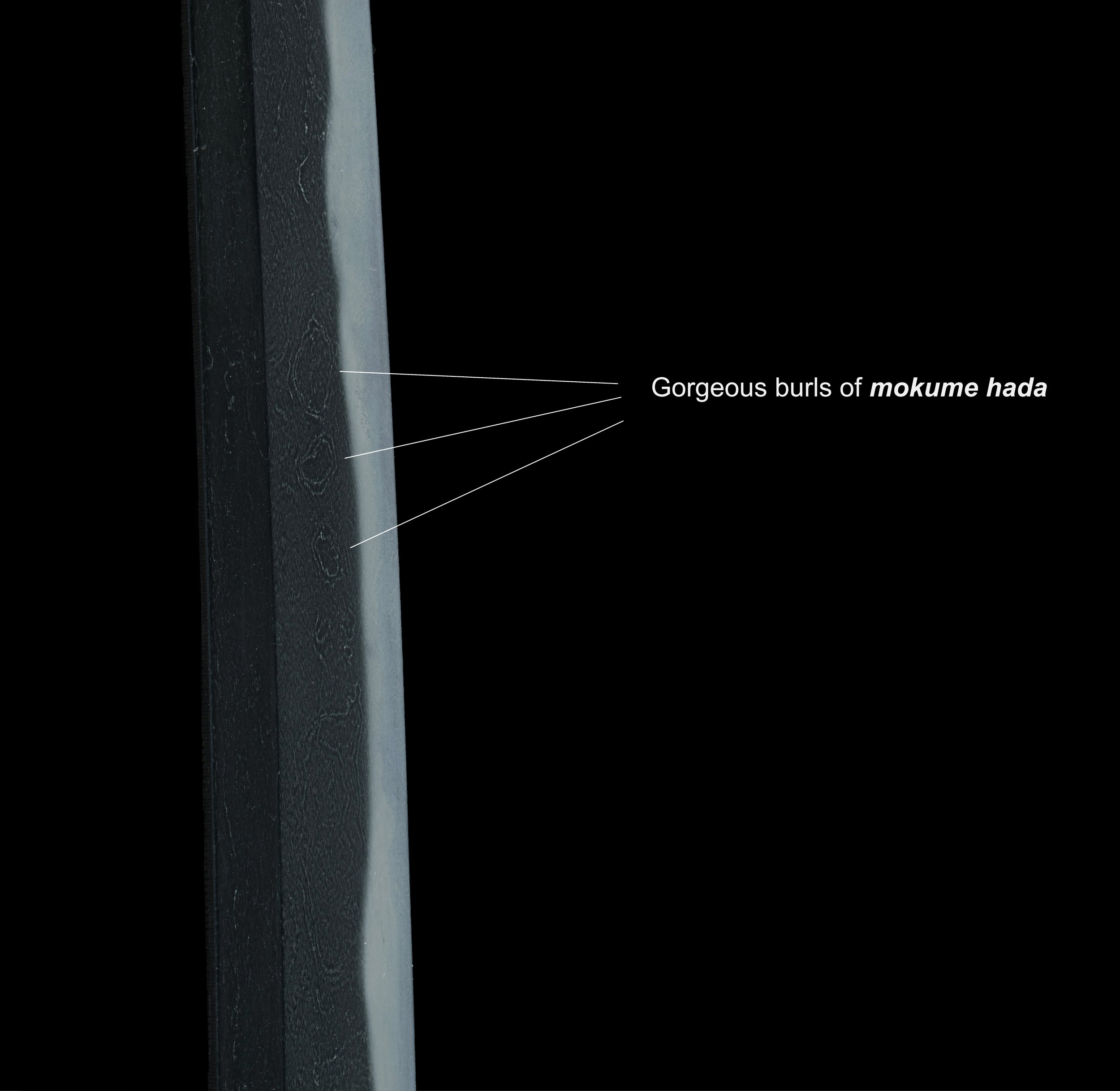
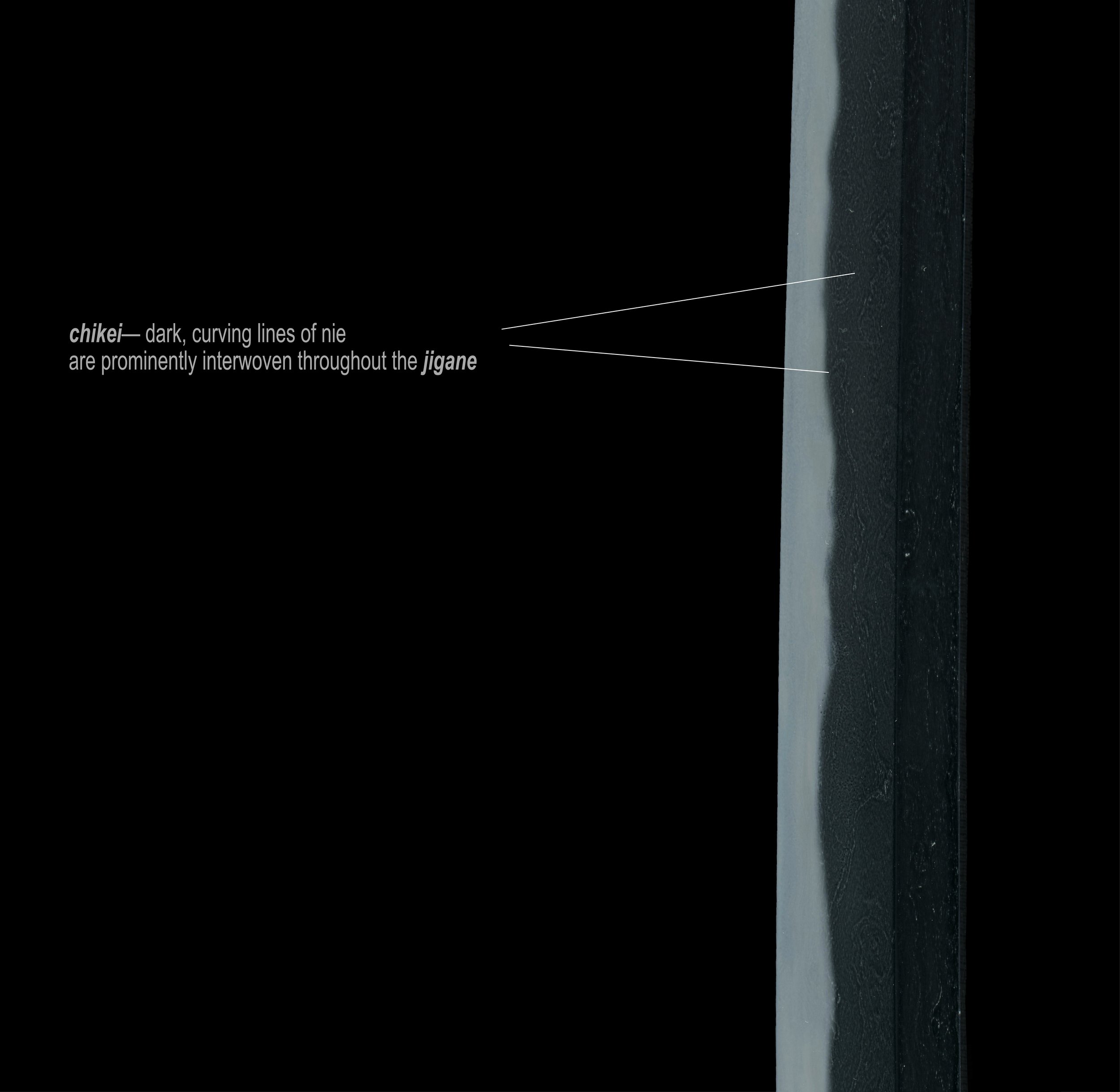
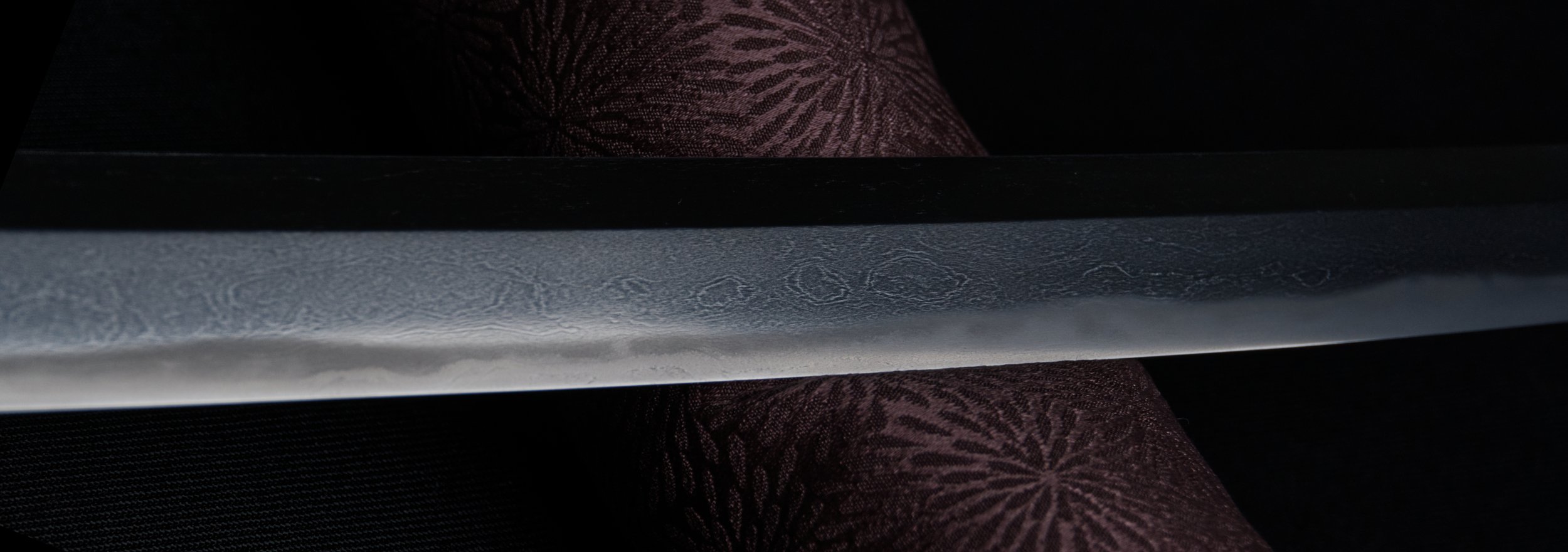
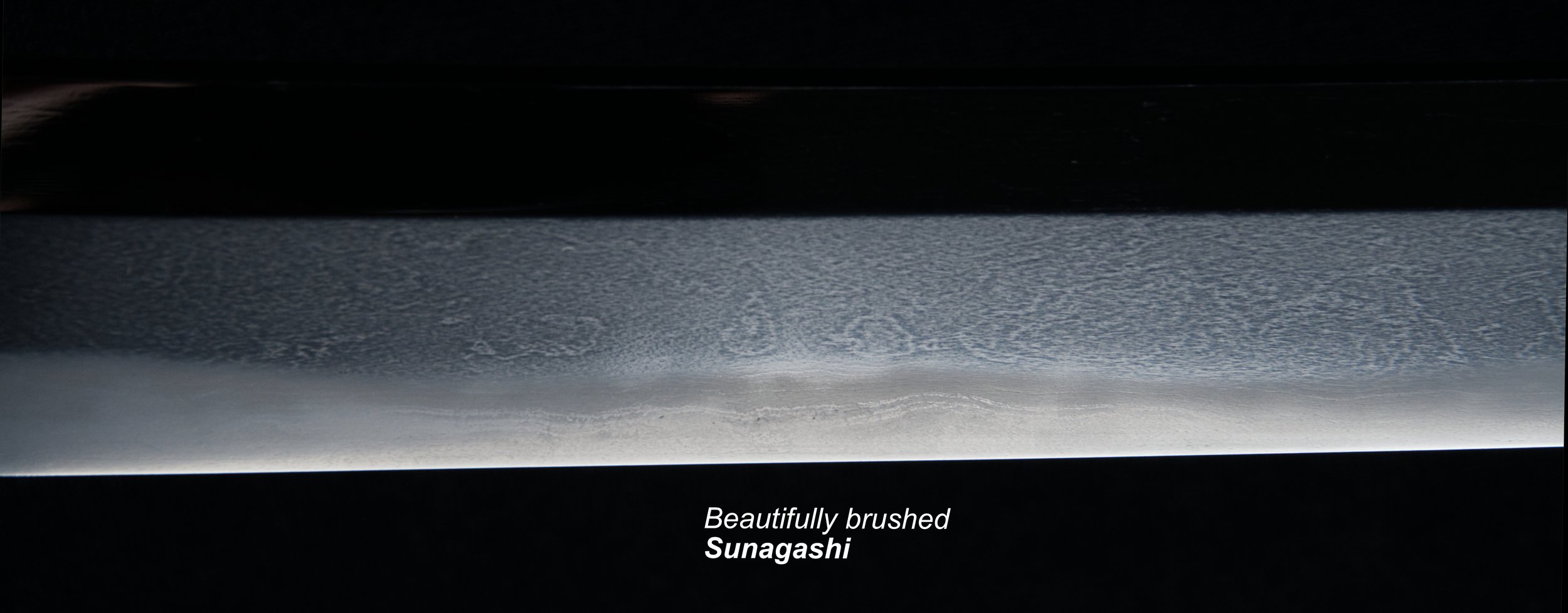
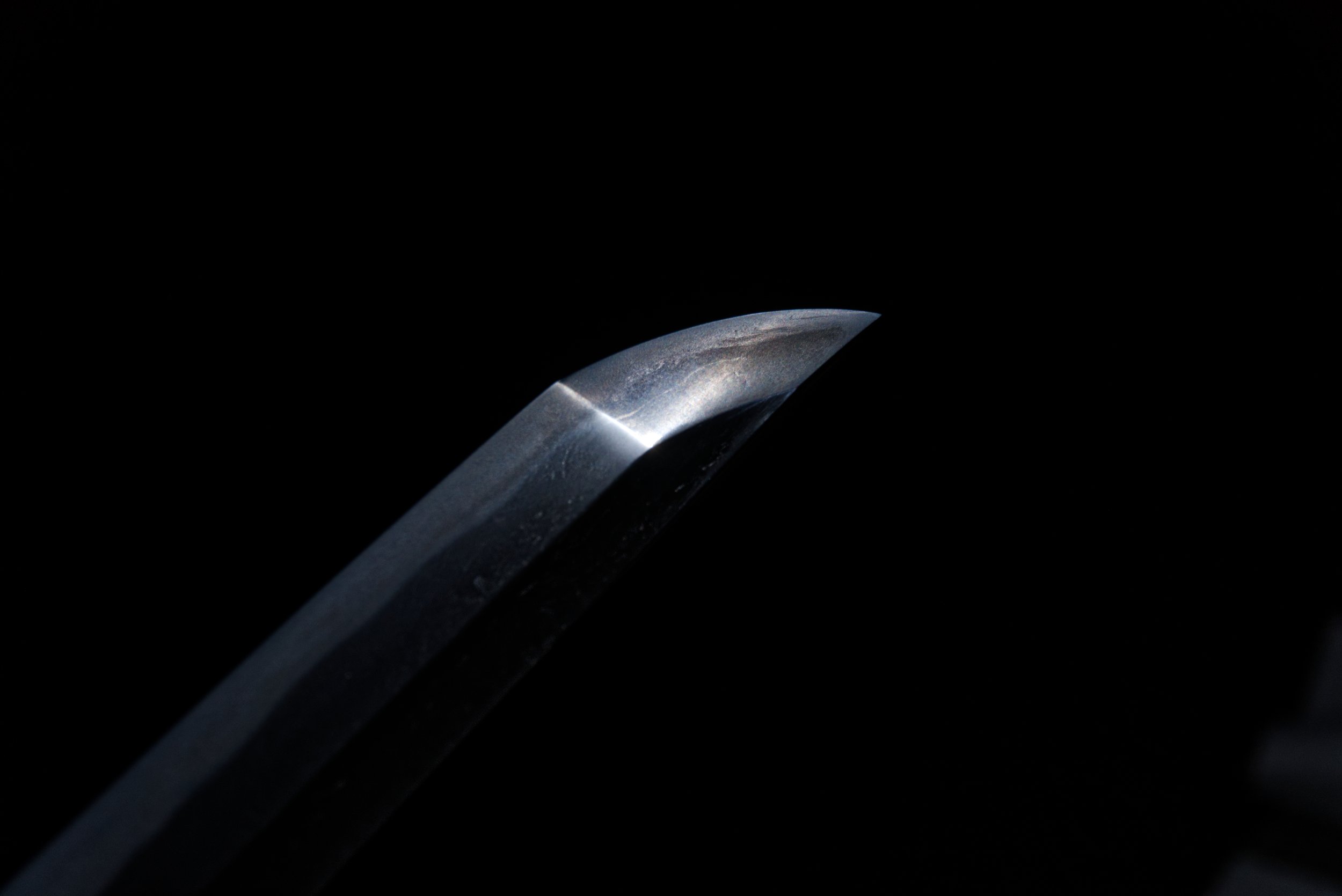
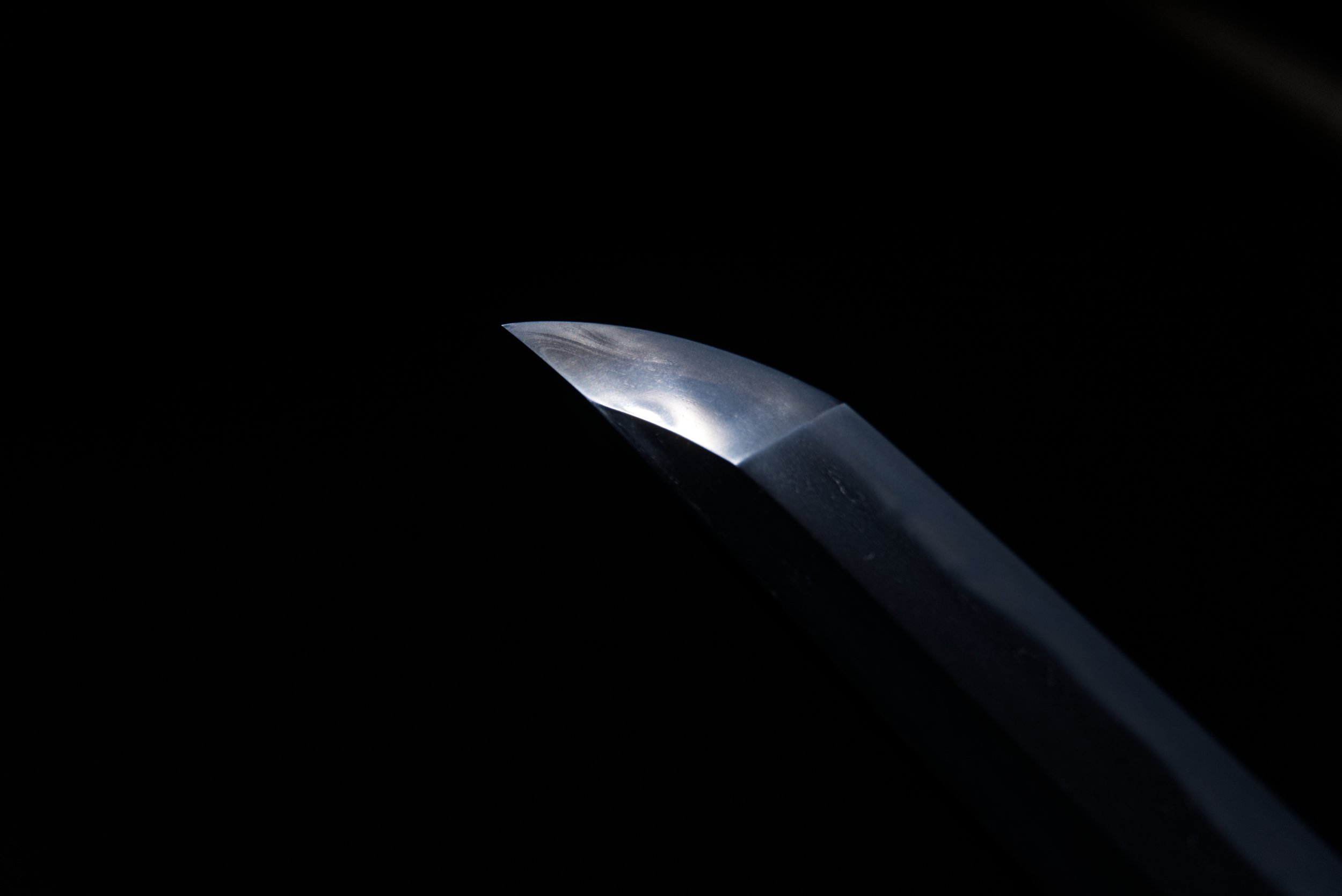
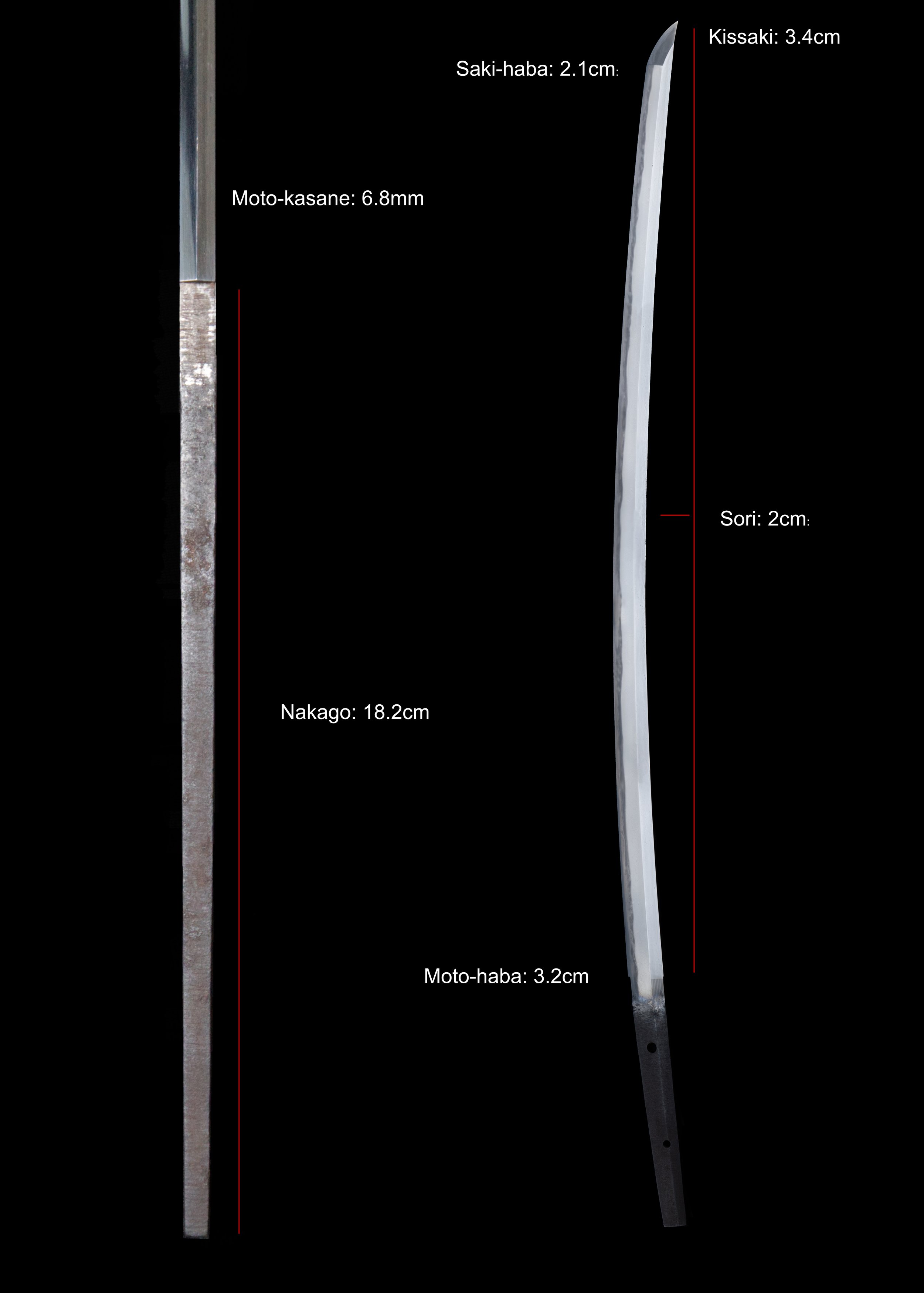
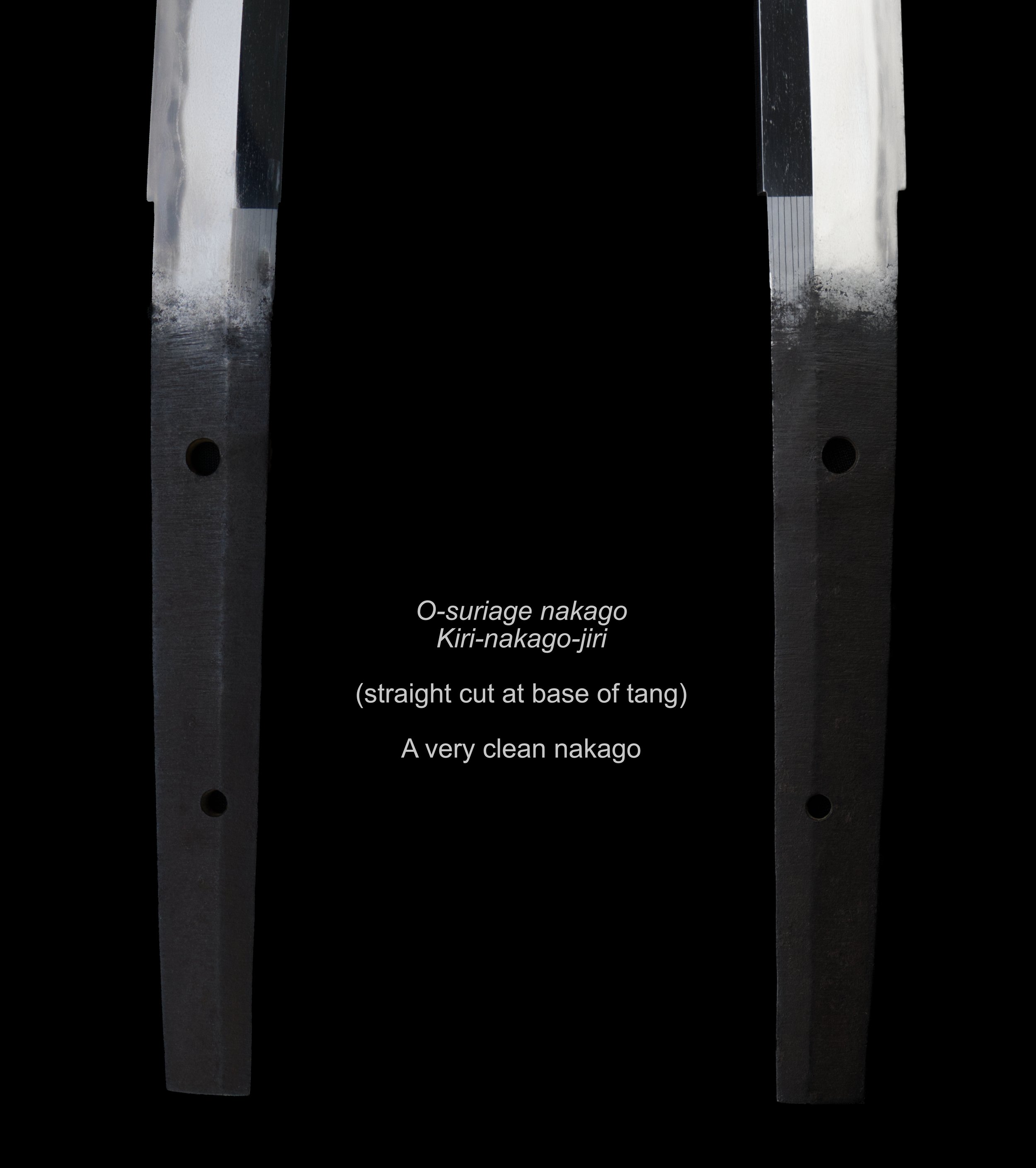
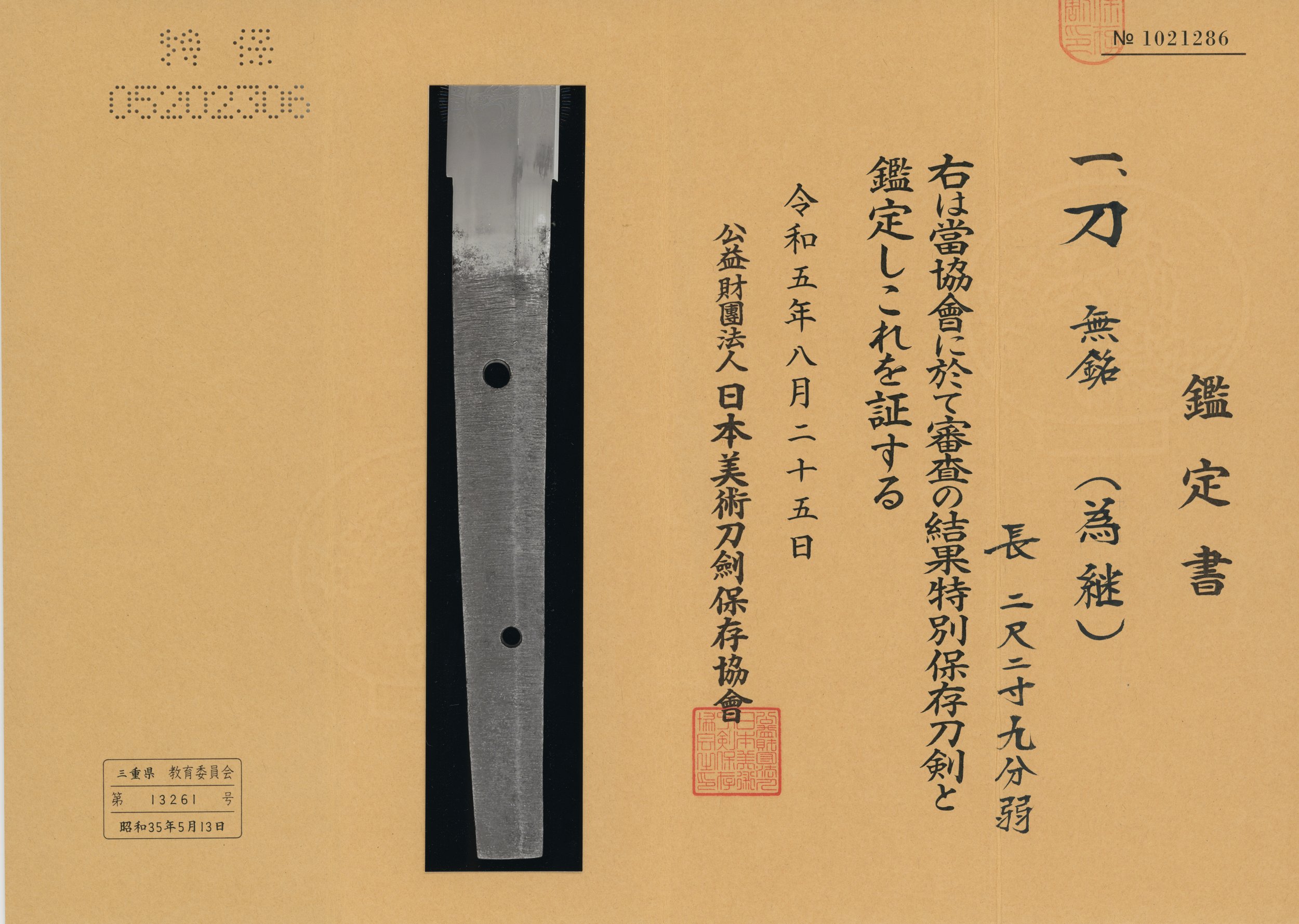
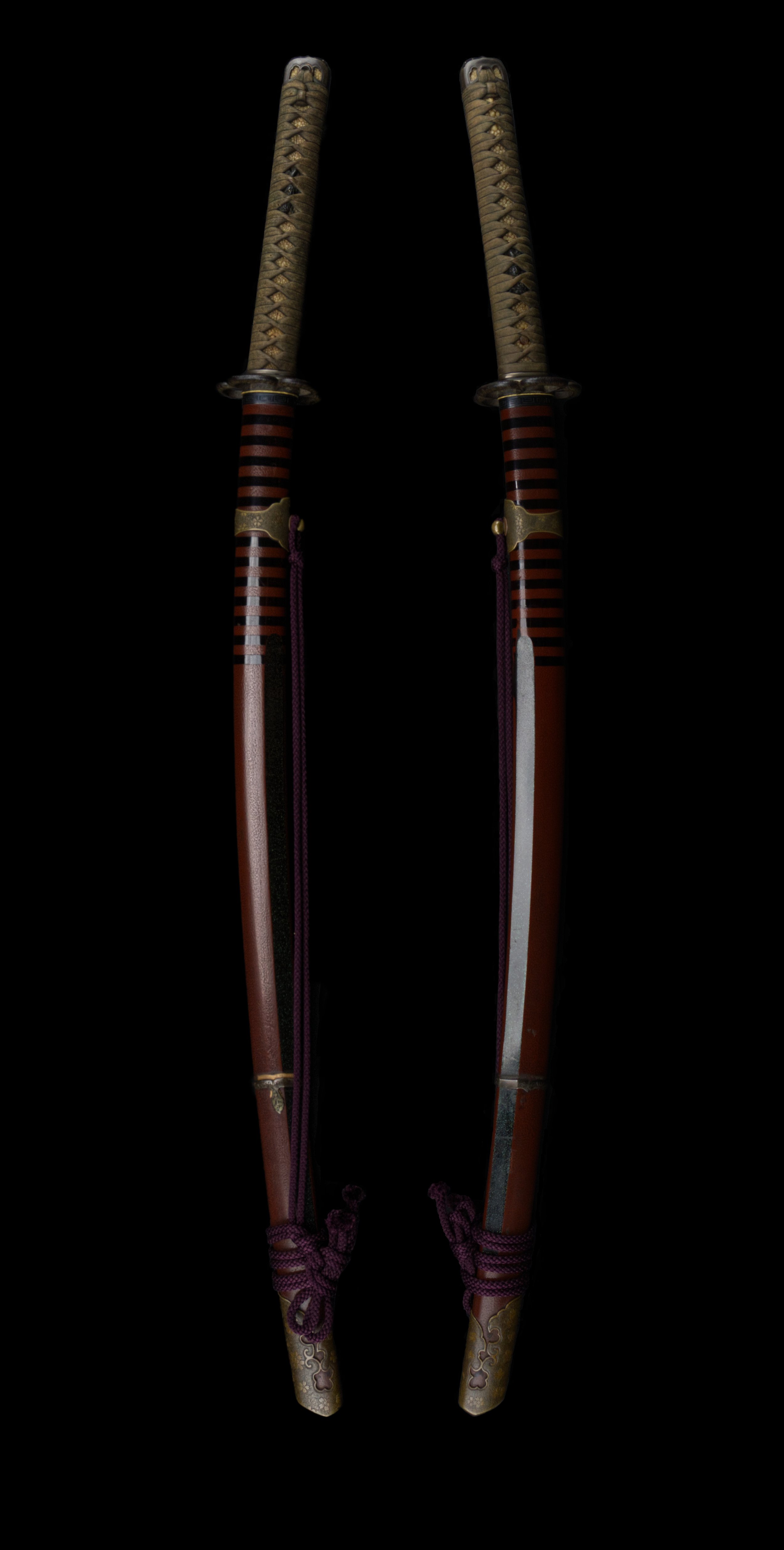
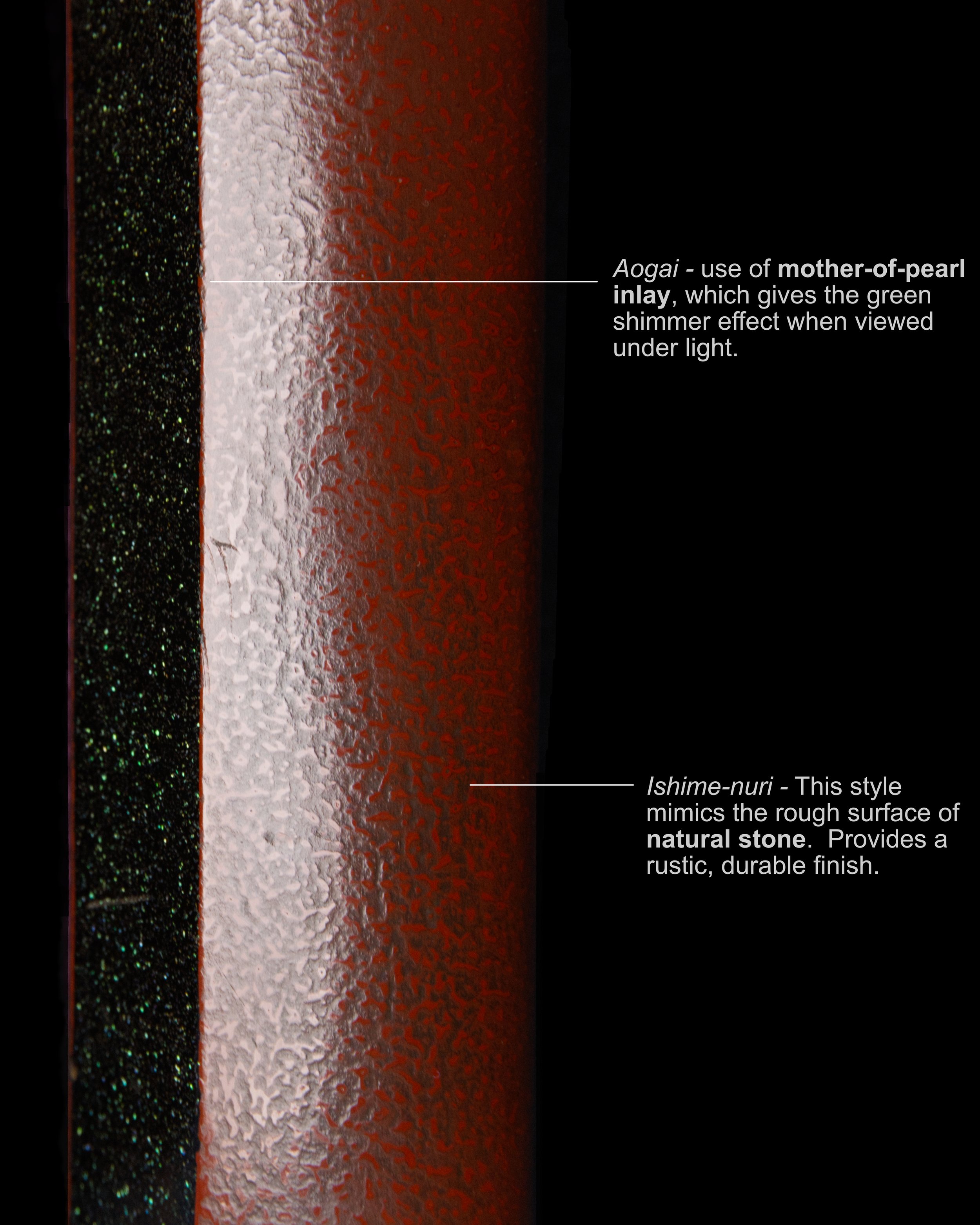
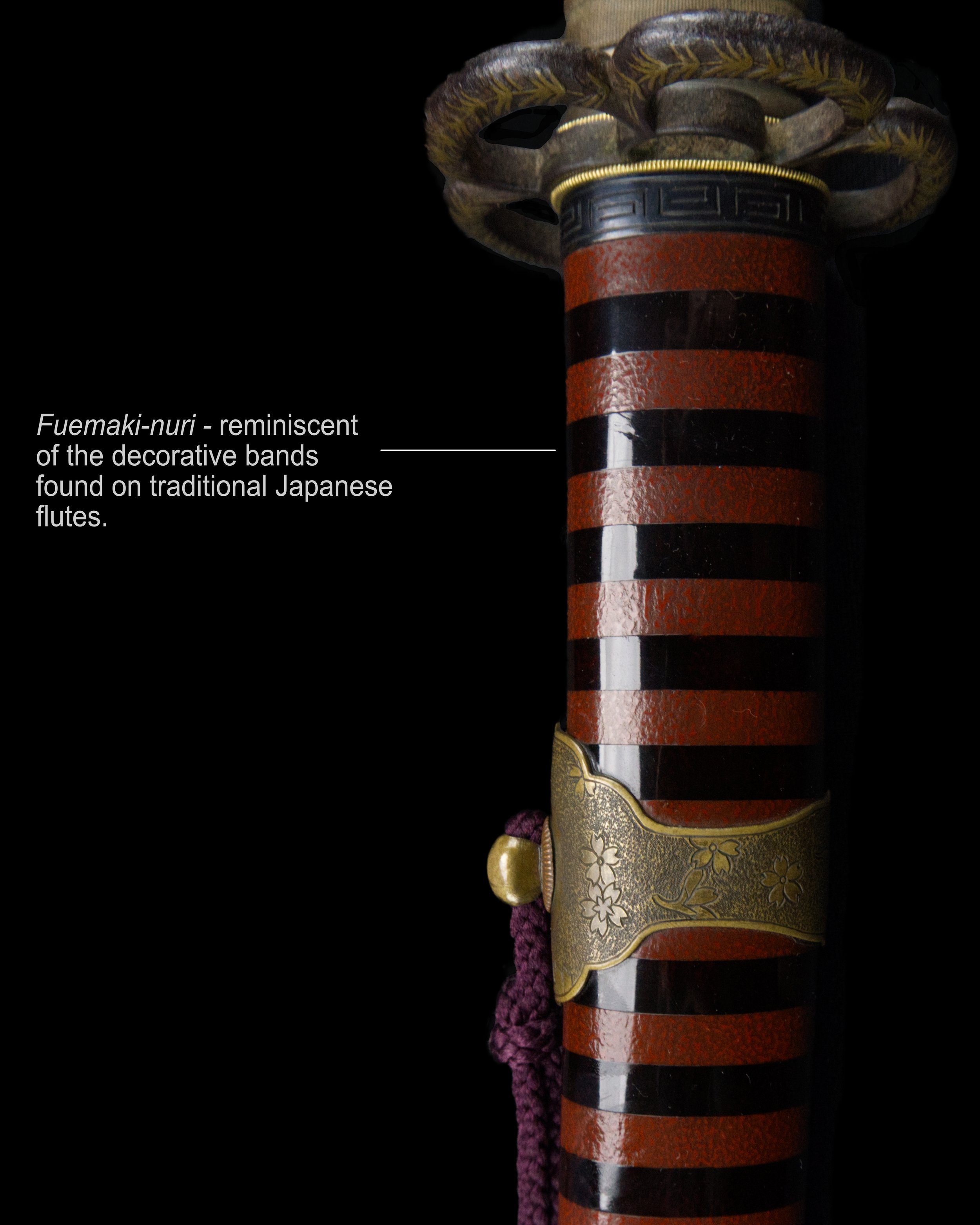
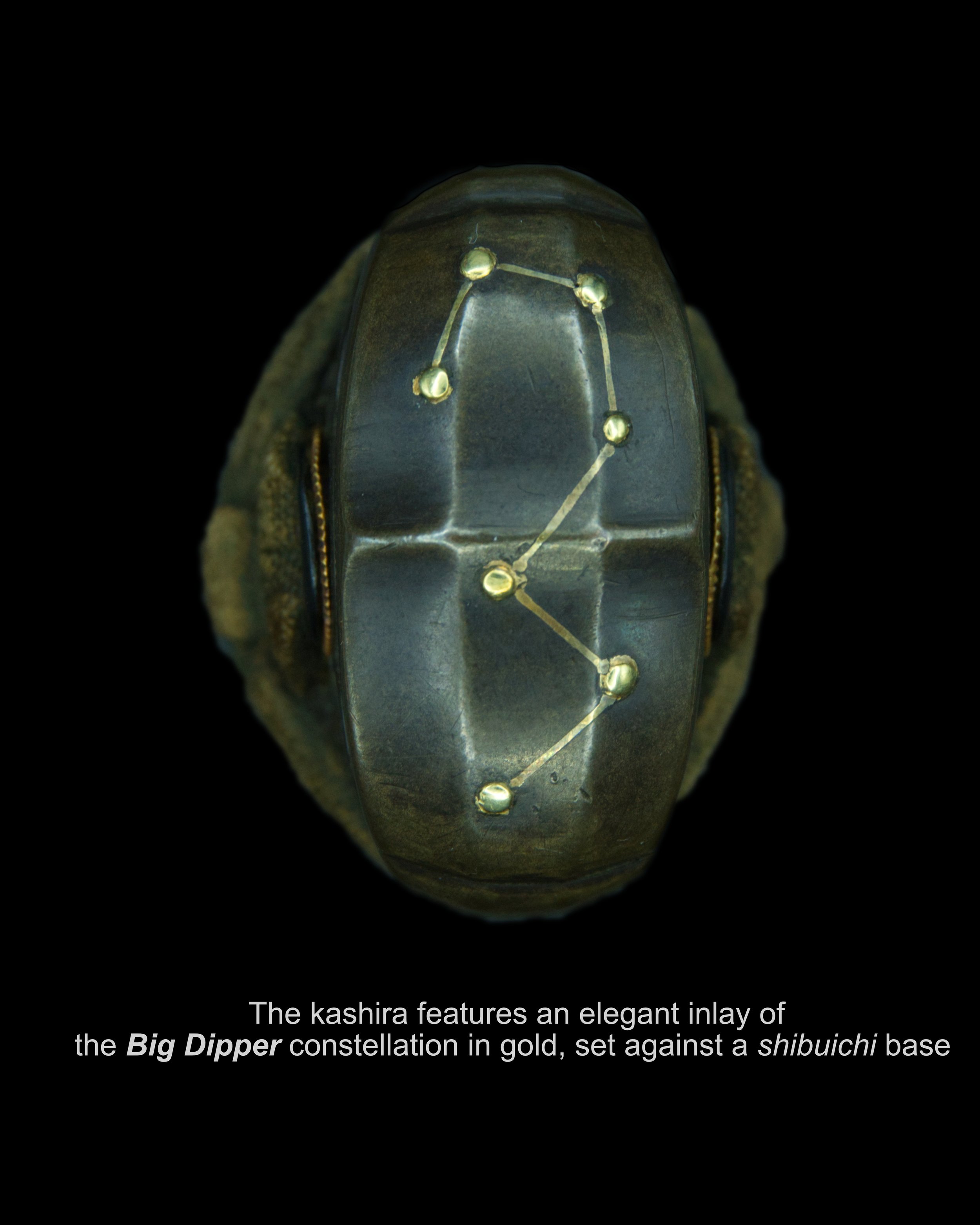
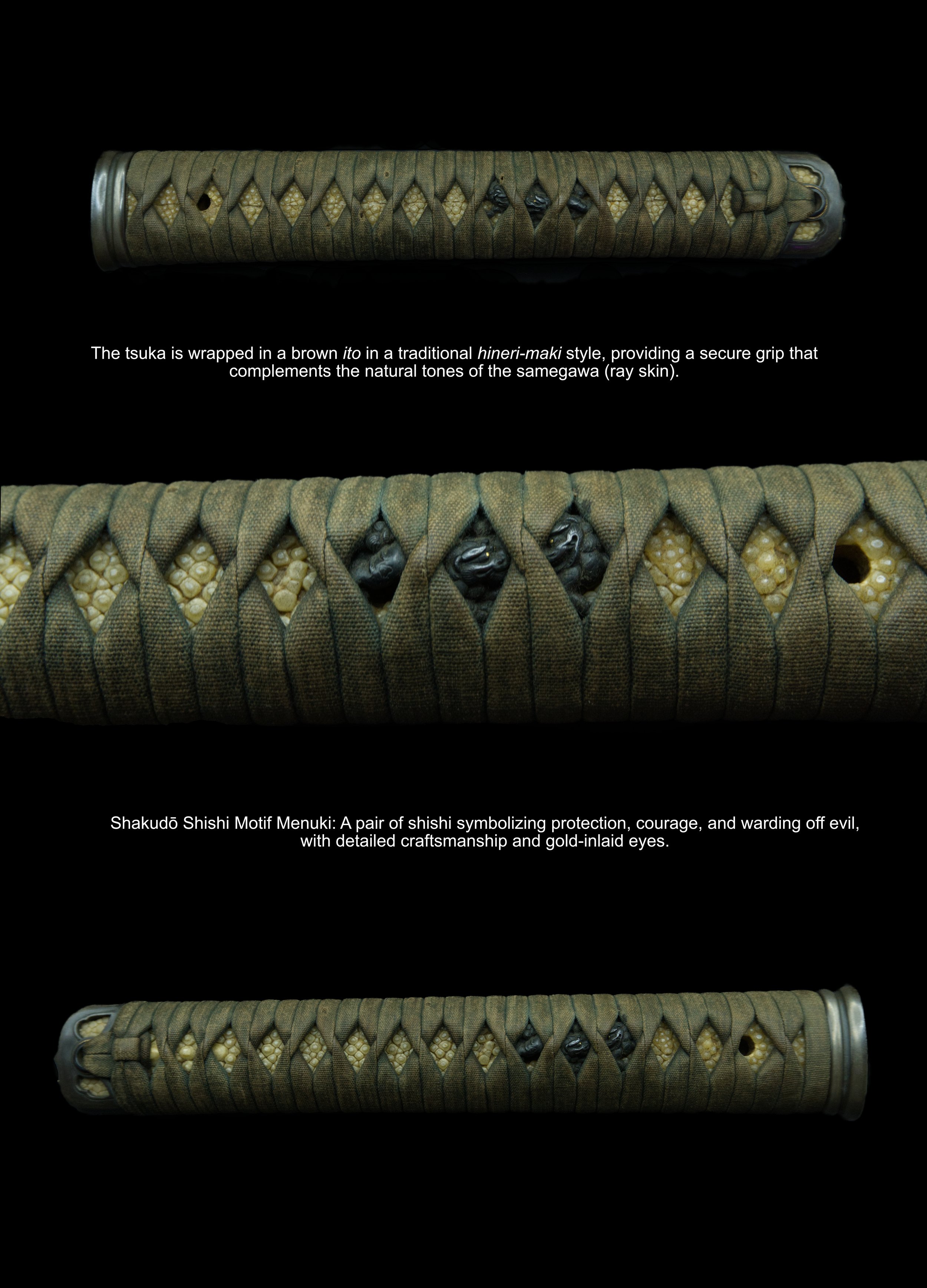
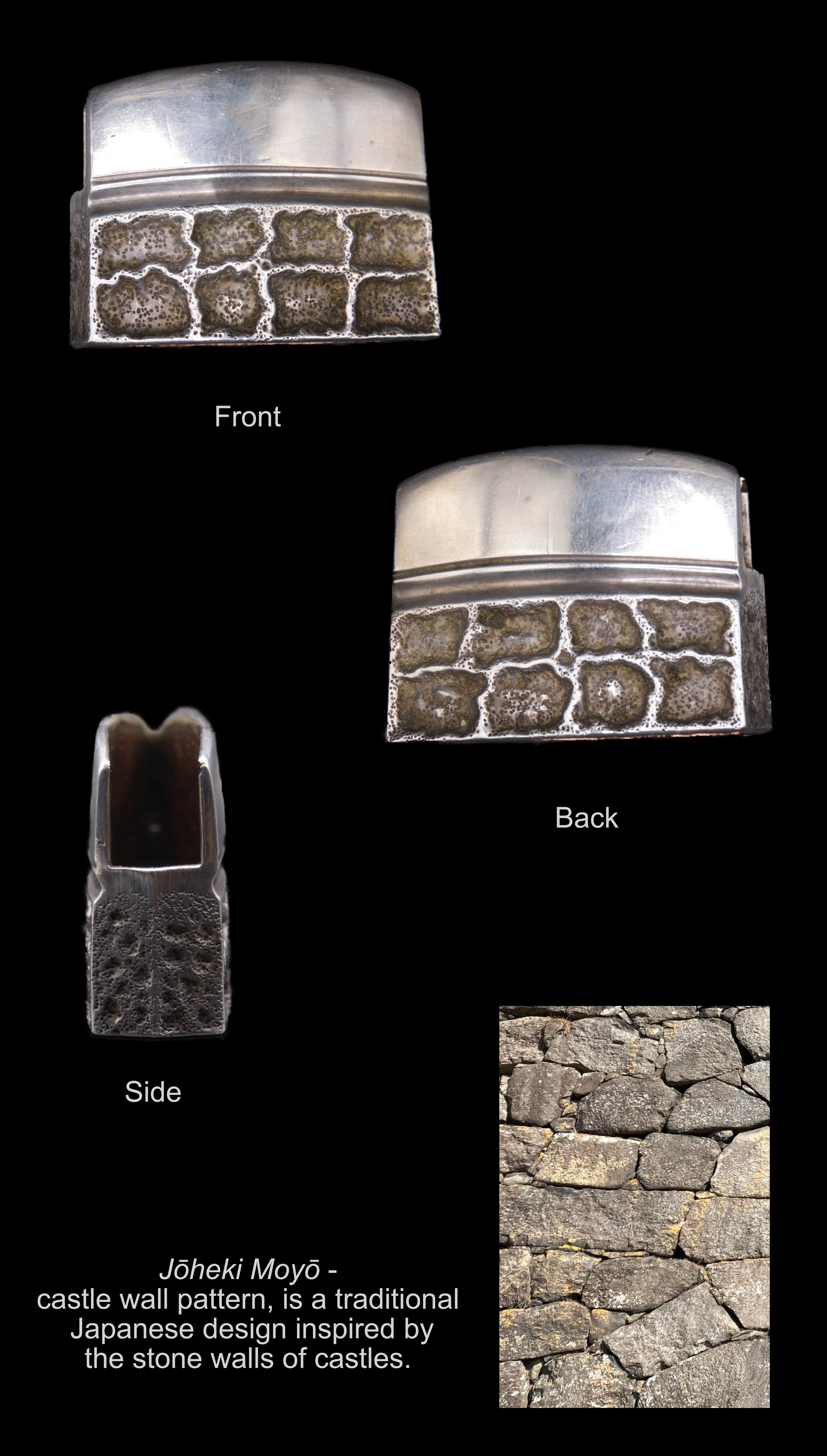
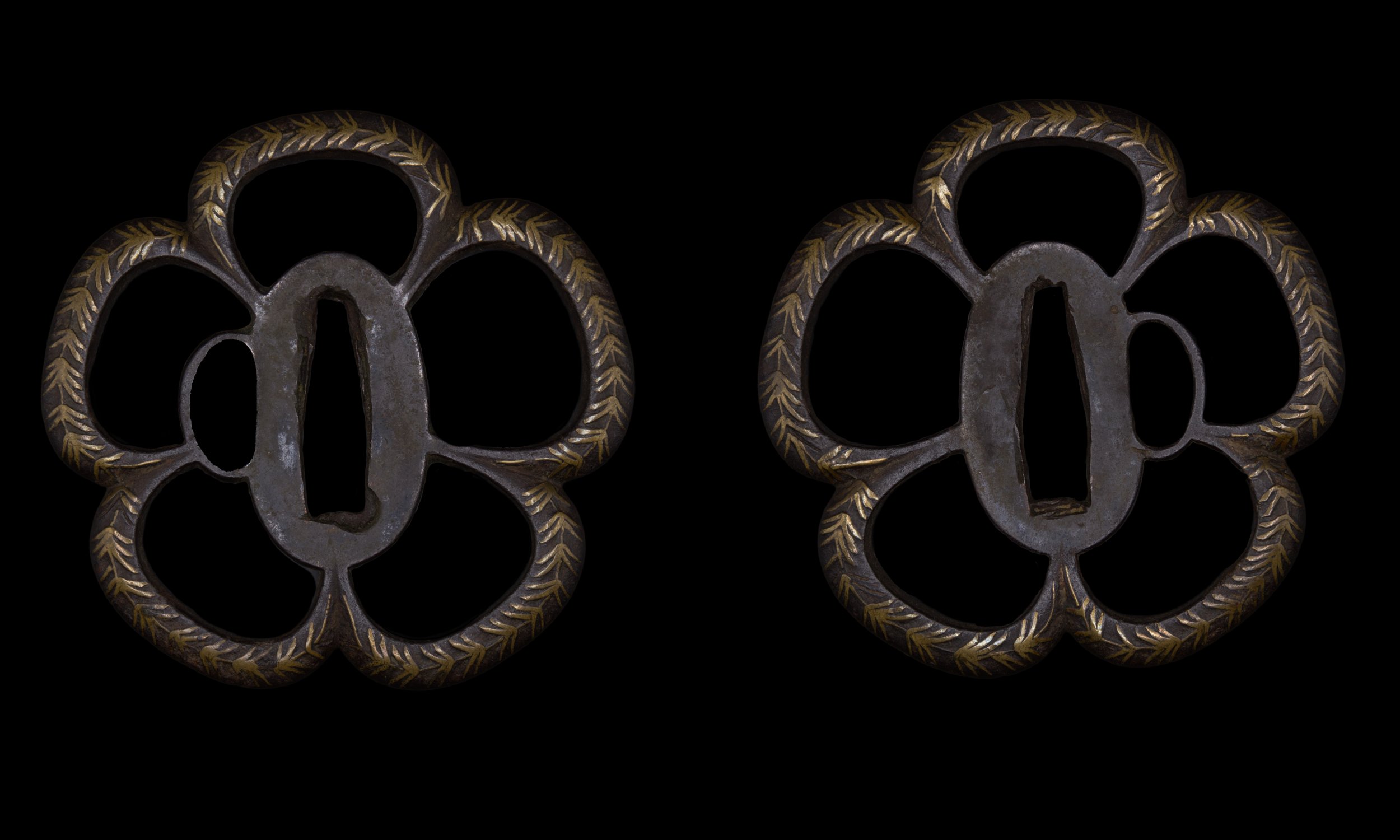
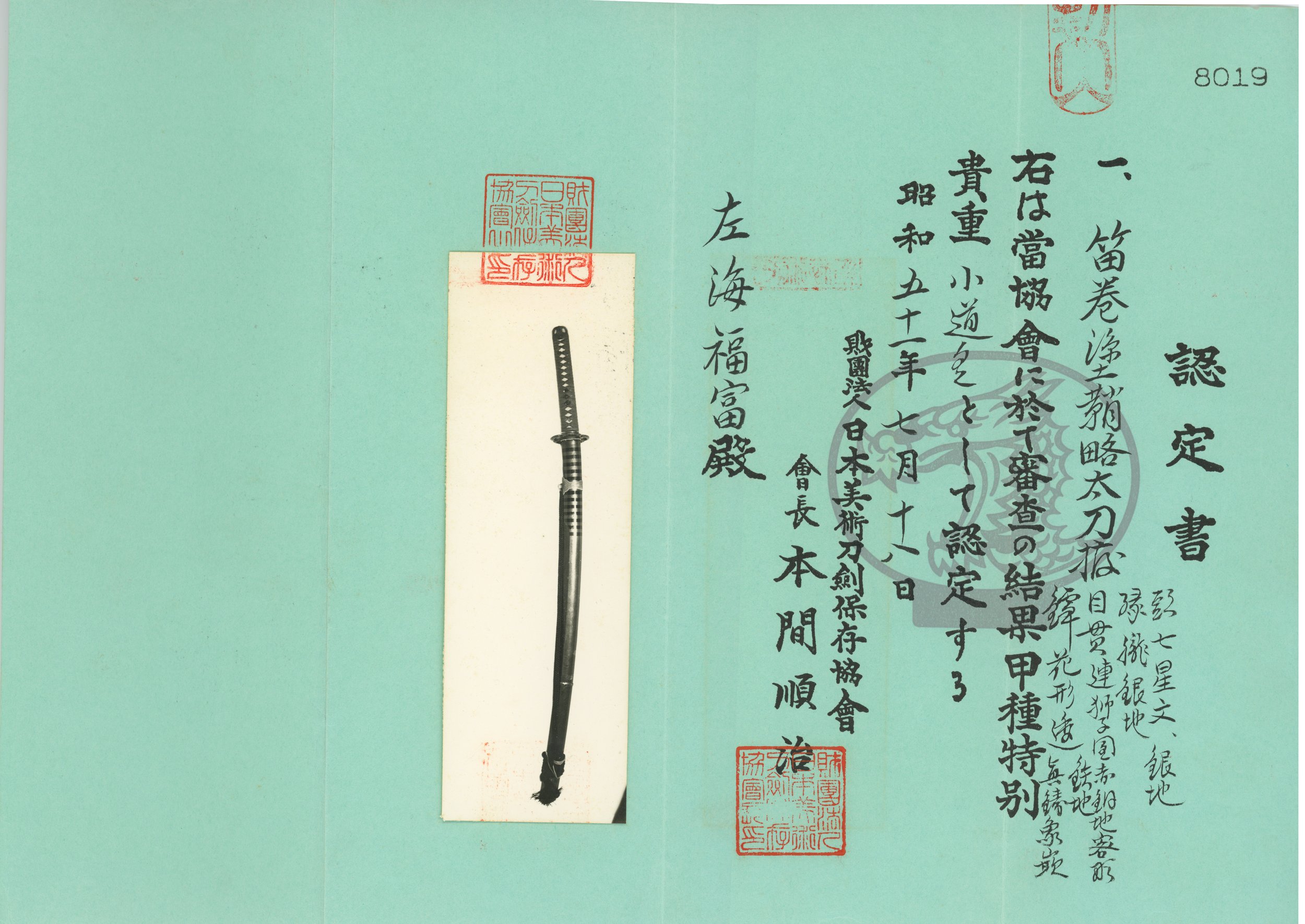
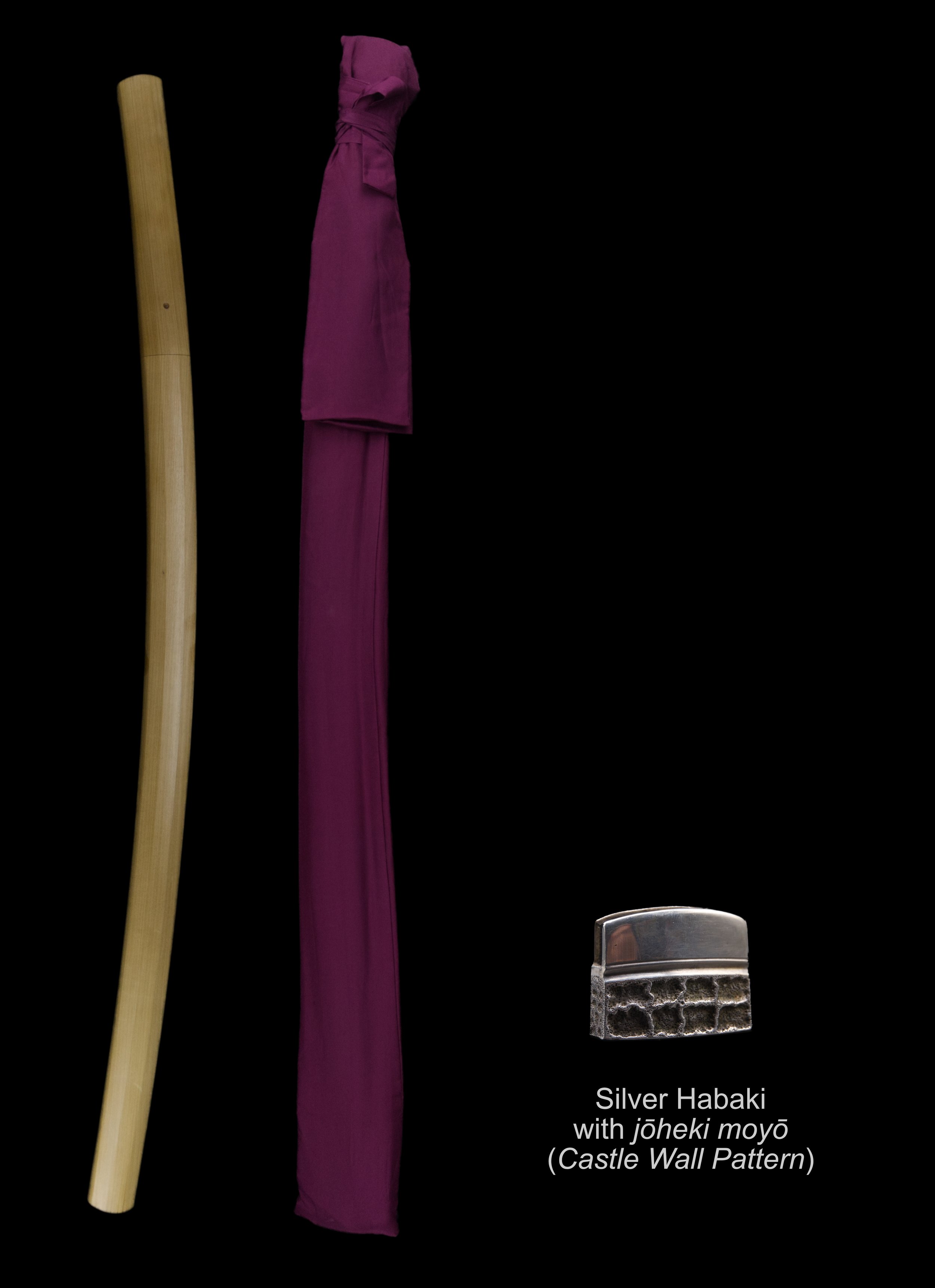
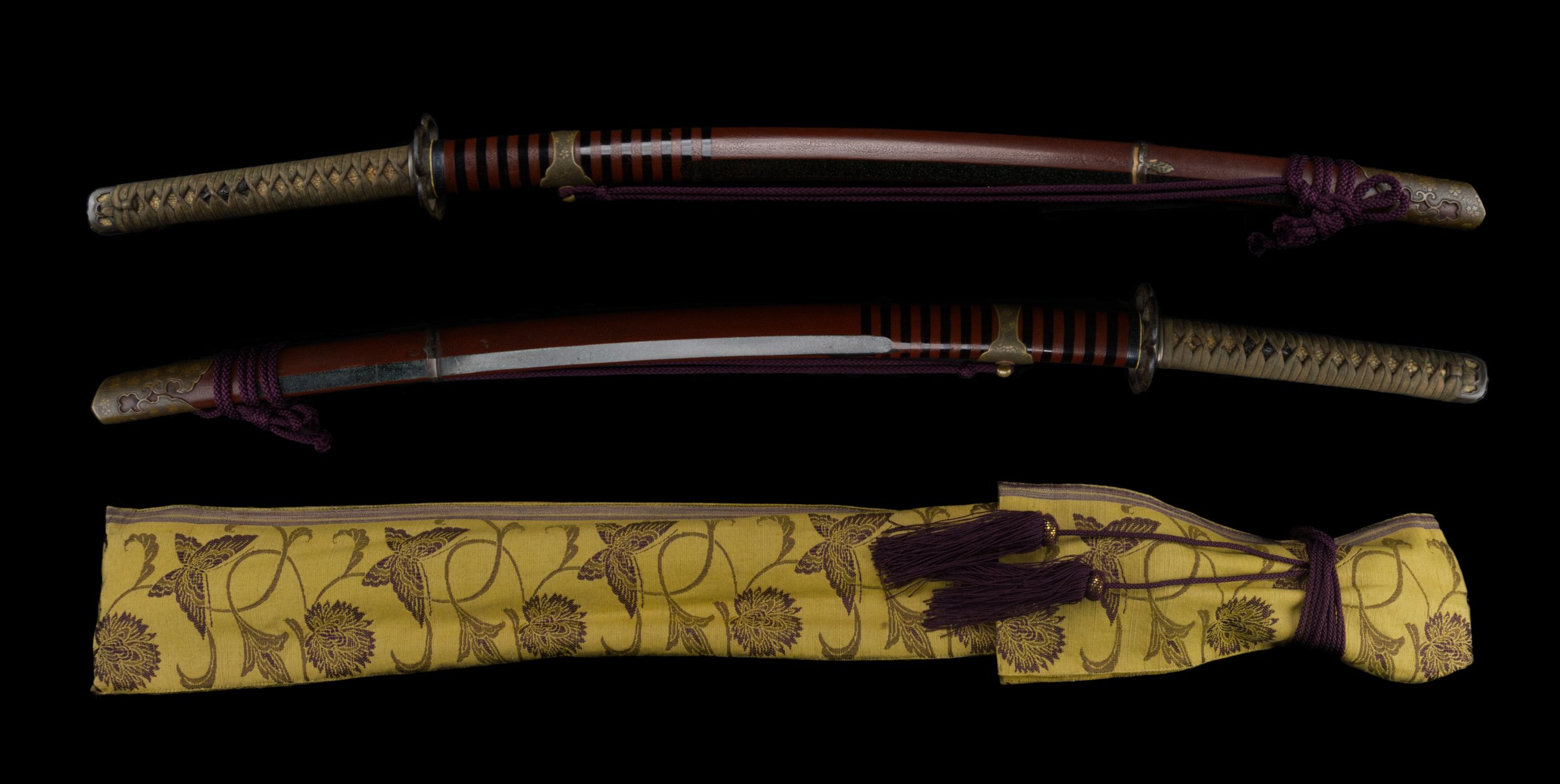
Tametsugu (為継) was a distinguished Japanese swordsmith active during the Nanbokuchō period (1336–1392). Traditionally believed to be the son of the renowned smith Gō Yoshihiro, one of the Ten Famous Disciples of Masamune (正宗十哲) and a legendary smith in his own right. Go Yoshihiro’s works are among the rarest and most prized swords in existence, often considered the pinnacle of Soshu-den craftsmanship. Tametsugu is thought to have trained under Norishige following his father's early passing. The distinct Soshu traits found in Tametsugu's works—such as powerful notare (wavy) hamon, chikei (dark lines in the steel), and nie-rich jihada—further reinforce this connection. Initially working in Echizen Province, Tametsugu later relocated to Mino Province, where he became one of the founding smiths of the Mino tradition. His craftsmanship is celebrated for its exceptional quality Many of his blades are mumei (unsigned) due to their age and subsequent shortening, but they are attributed to Tametsugu based on their craftsmanship and style. His works often reflect the same power and artistry seen in Go Yoshihiro’s blades, making them highly sought-after by collectors and sword enthusiasts. Tametsugu’s works are highly valued by collectors and sword enthusiasts alike. 75 of his surviving blades have received the prestigious Juyo Token (重要刀剣) designation from the NBTHK (Nihon Bijutsu Token Hozon Kyokai), with several achieving the coveted Tokubetsu Juyo Token (特別重要刀剣) status. This level of recognition places Tametsugu among the most significant swordsmiths of his era, and his swords are often found in prominent collections, both in Japan and internationally. Tametsugu (為継) – Master Swordsmith of the Soshu Tradition Soshuden Masterpiece - The Katana Sugata The blade exhibits a classic shinogi-zukuri structure with an iori-mune and a gracefully curved sori (curvature). Despite being o-suriage mumei (shortened and unsigned), the katana maintains remarkable health, evidenced by its substantial dimensions, including a motohaba (width at base) of 3.2 cm, which imparts a robust and commanding presence. The well-proportioned sakihaba (width at tip) and extended kissaki (tip) enhance both aesthetic appeal and functionality. Jigane The jigane of this Tametsugu blade exhibits a remarkable and beautifully layered combination of prominent itame-hada (wood grain pattern) and mokume-hada (burl grain). These grain structures interweave seamlessly across the surface, creating a rich and dynamic texture that is both visually captivating and indicative of a highly skilled smith's work. Throughout the entire length of the blade, chikei (dark, curving lines) are interspersed across the hada. These streaks of darker steel appear naturally within the forging process and provide a distinct depth and complexity to the surface. Unlike blades with localized chikei, this blade features an even and continuous distribution of chikei throughout the entire hada, enhancing the overall sense of fluidity and movement within the steel's grain. This characteristic speaks to Tametsugu's mastery of controlling the internal structure of the blade through precise and deliberate forging techniques. The jigane is further enriched by the presence of ji-nie (fine martensite crystals), which shimmer across the blade's surface under light. These small crystalline formations, embedded within the steel, add a delicate brilliance to the texture and contribute to the blade's overall aesthetic appeal. The interplay of ji-nie with the chikei and hada patterns creates a complex visual experience that changes subtly as the blade is viewed from different angles. This work exudes an elegance and charm reminiscent of the works of Go Yoshihiro. Notare-komi Boshi (Omote side) Hakikake Boshi (Ura side) Hamon The hamon of this extraordinary Tametsugu blade is a mesmerizing combination of notare (gentle wave) and gunome-midare (irregular clove-shaped pattern). The flowing notare elements transition seamlessly into sections of gunome midare, some of which exhibit distinct, pointed peaks, adding a dynamic rhythm to the hamon. This intricate pattern is both elegant and bold, reflecting the masterful artistry of Tametsugu. What truly sets this blade apart is the abundance of hataraki (activities) within the hamon. The hamon is fully loaded with activity, displaying a captivating array of sunagashi (brushed streaks resembling drifting sand), kinsuji (lightning-like lines of hardened steel), and nijūba (double hamon lines). The presence of nijūba is particularly noteworthy, as it is a feature frequently and prominently seen in the works of Go Yoshihiro. These secondary temper lines run parallel to the main hamon, creating a layered, three-dimensional effect that speaks to the smith's exceptional control of the yaki-ire process. The sunagashi activity is especially abundant, with brushed, flowing streaks that appear to dance along the length of the hamon. This creates a sense of movement and life within the steel, a hallmark of high-level craftsmanship. The interplay between the various hataraki makes the hamon appear almost alive under the right lighting conditions. When viewed from the correct angles, the blade's hamon comes to life, lighting up with a radiant brilliance that is breathtaking to behold. The complex interplay of light and shadow across the hamon highlights the incredible depth and intricacy of the blade's temper line. This feature, captured beautifully in the photographs above, showcases Tametsugu's exceptional skill and his ability to create a blade that is a true work of art. The boshi (tip of the blade) is another remarkable feature of this sword. On the omote (front) side, the boshi exhibits a combination of kaen (flame-shaped) and notare-komi. This type of boshi is also seen in the works of Go Yoshihiro, known for his bold and dynamic temper lines. On the ura (back) side, the boshi transitions into hakikake (brushed style), a characteristic feature of Soshu-den smiths, particularly Norishige. Historical records suggest that Tametsugu was either the son or direct disciple of Go Yoshihiro. After Go Yoshihiro's death, Tametsugu is believed to have studied under Norishige, further refining his Soshu-den forging techniques. The influence of both legendary smiths is clearly evident in this blade, making it a remarkable piece that bridges the styles and traditions of two of the most renowned swordsmiths in Japanese history. Ryaku-tachi Koshirae The Tametsugu blade is accompanied by a rare and elegantly crafted 略太刀拵 (Ryaku-tachi Koshirae). The term Ryaku-tachi Koshirae refers to a simplified tachi-style mounting, combining the aesthetics of a ceremonial tachi with a more practical design suited for regular use. These koshirae are typically less ornate than formal tachi koshirae but still display refined craftsmanship and high attention to detail. The saya (scabbard) of this koshirae showcases a variety of traditional Japanese lacquer techniques, enhancing both its beauty and durability: The upper portion of the saya features a 笛巻塗 (Fuemaki-nuri) technique, which is characterized by black glossy rings wrapping around the reddish-brown lacquer, creating a striking visual contrast. This style is reminiscent of the decorative bands found on traditional Japanese flutes, from which the technique takes its name. A particularly unique feature of this koshirae is the naginata naoshi-like section of the saya, which incorporates 青貝 (aogai), a decorative inlay made from finely crushed mother-of-pearl. This inlay shimmers subtly under light, adding an elegant, iridescent quality to the scabbard’s surface. The use of aogai is a traditional technique often reserved for high-quality lacquerwork, indicating the prestigious craftsmanship behind this koshirae. The remainder of the saya features a traditional 石目塗 (Ishime-nuri) finish. Ishime-nuri, which translates to "stone texture lacquer," gives the surface a rough, textured appearance resembling natural stone. This technique enhances the durability of the saya while providing a distinctive and refined aesthetic that contrasts beautifully with the smoother lacquer sections. Overall, this Ryaku-tachi Koshirae combines practical simplicity with artistic sophistication, making it a fitting accompaniment to the historic Tametsugu blade. This Tametsugu katana represents a remarkable piece of history, preserved in a condition that defies the passage of time. For a blade that is approaching 700 years old, its flawless state speaks volumes about the care and respect it has received over centuries. The blade shows no signs of neglect or damage, a testament to the reverence it has commanded throughout its long life. Such preservation is a rarity and reflects the profound cultural significance bestowed upon this katana by its past custodians. In our personal opinion, this blade exhibits qualities that place it firmly within Juyo-level craftsmanship. Its attributes—flawless condition, masterful execution, and historical importance—align closely with those seen in blades that have achieved this prestigious designation. The katana exudes an air of refinement and mastery, evoking comparisons to the celebrated works of Go Yoshihiro and Norishige, two giants of the Soshu tradition who set the standard for artistic excellence in Japanese swordmaking. There is much to admire and enjoy in this katana. Its sublime nie and hada, combined with its graceful shape and powerful presence, create a sword that transcends its utilitarian origins to become a true work of art. This Tametsugu is more than just a weapon; it is a masterpiece of Soshu-den that embodies centuries of tradition, artistry, and cultural heritage. For collectors and enthusiasts alike, it offers an opportunity to connect with the pinnacle of Japanese craftsmanship, a timeless reminder of the beauty and sophistication achieved by the swordsmiths of old.

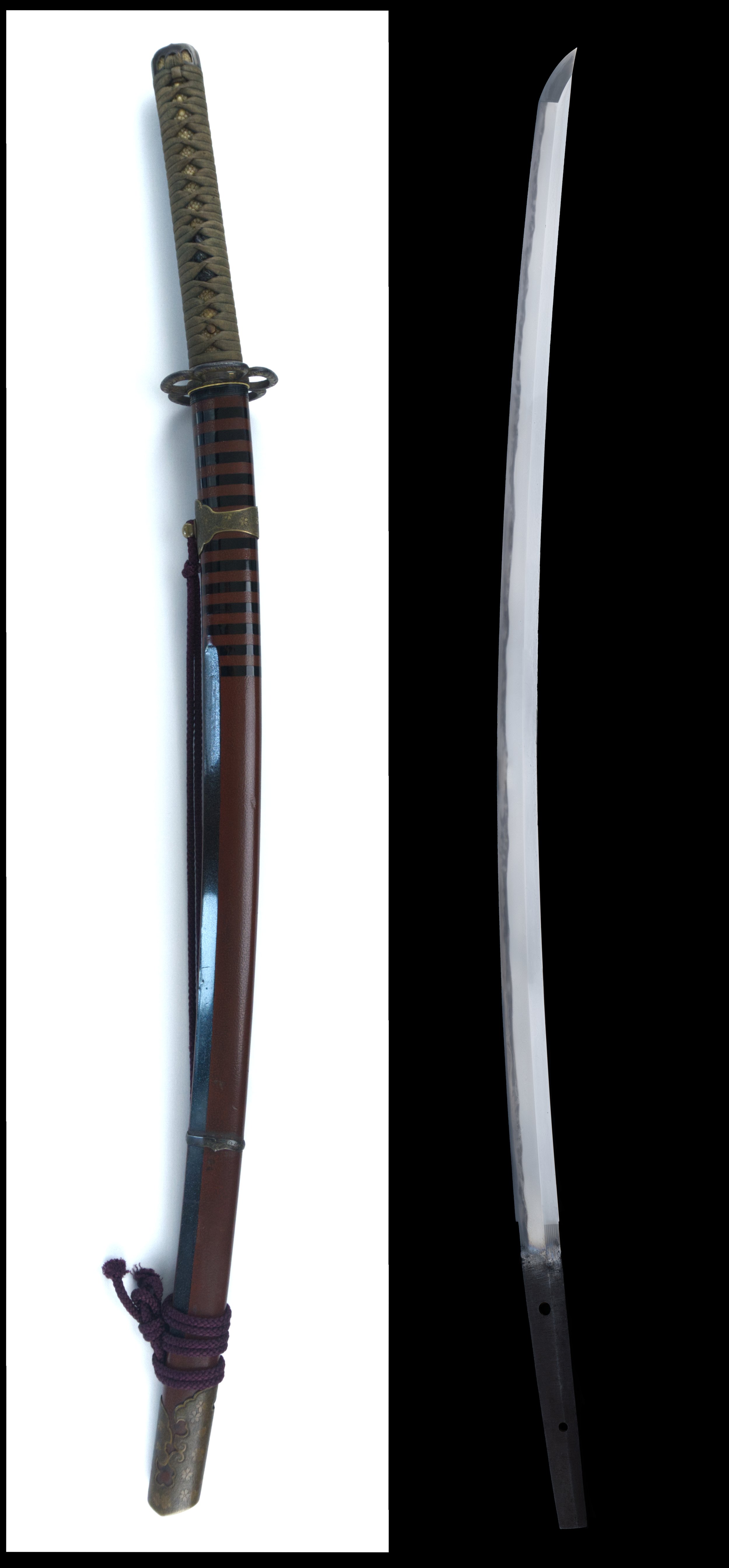
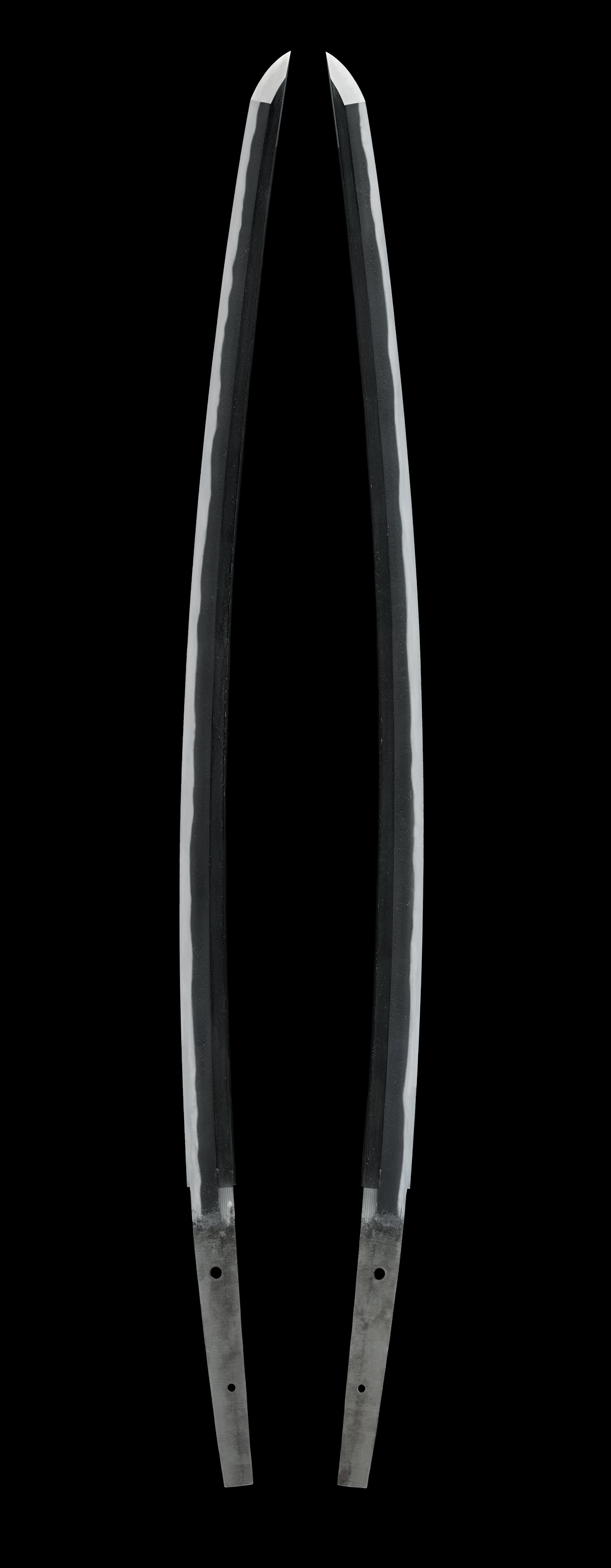
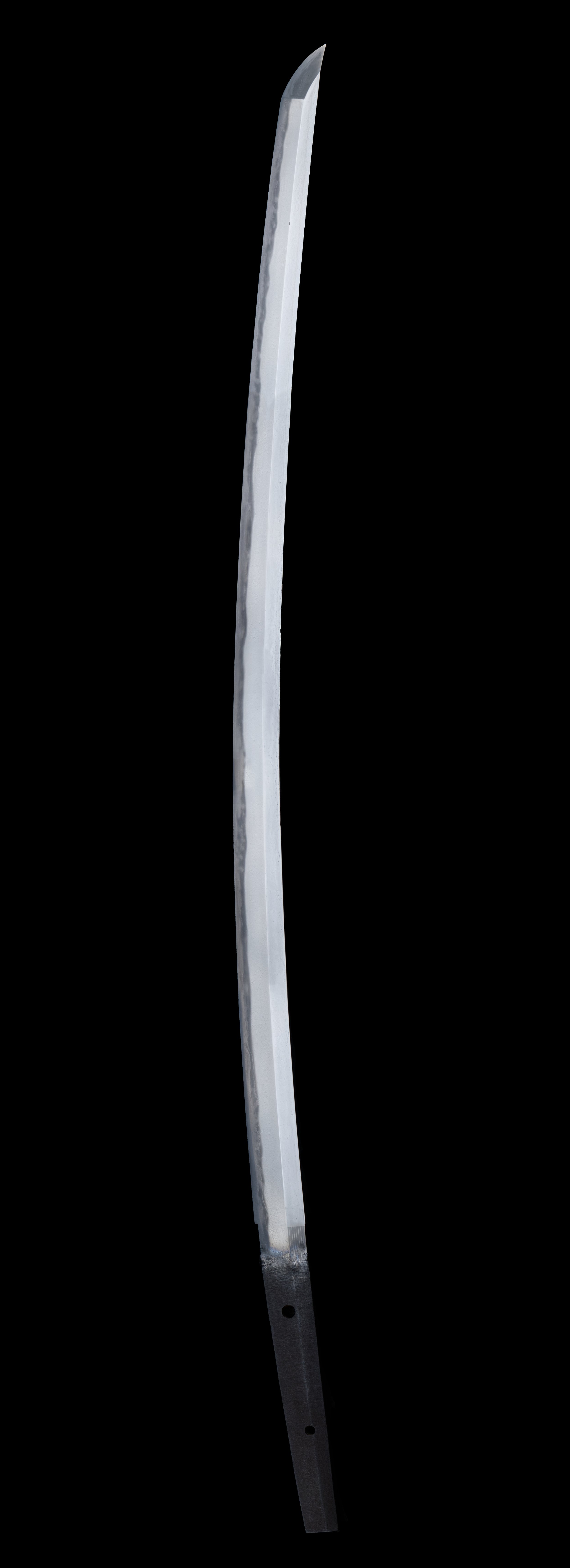
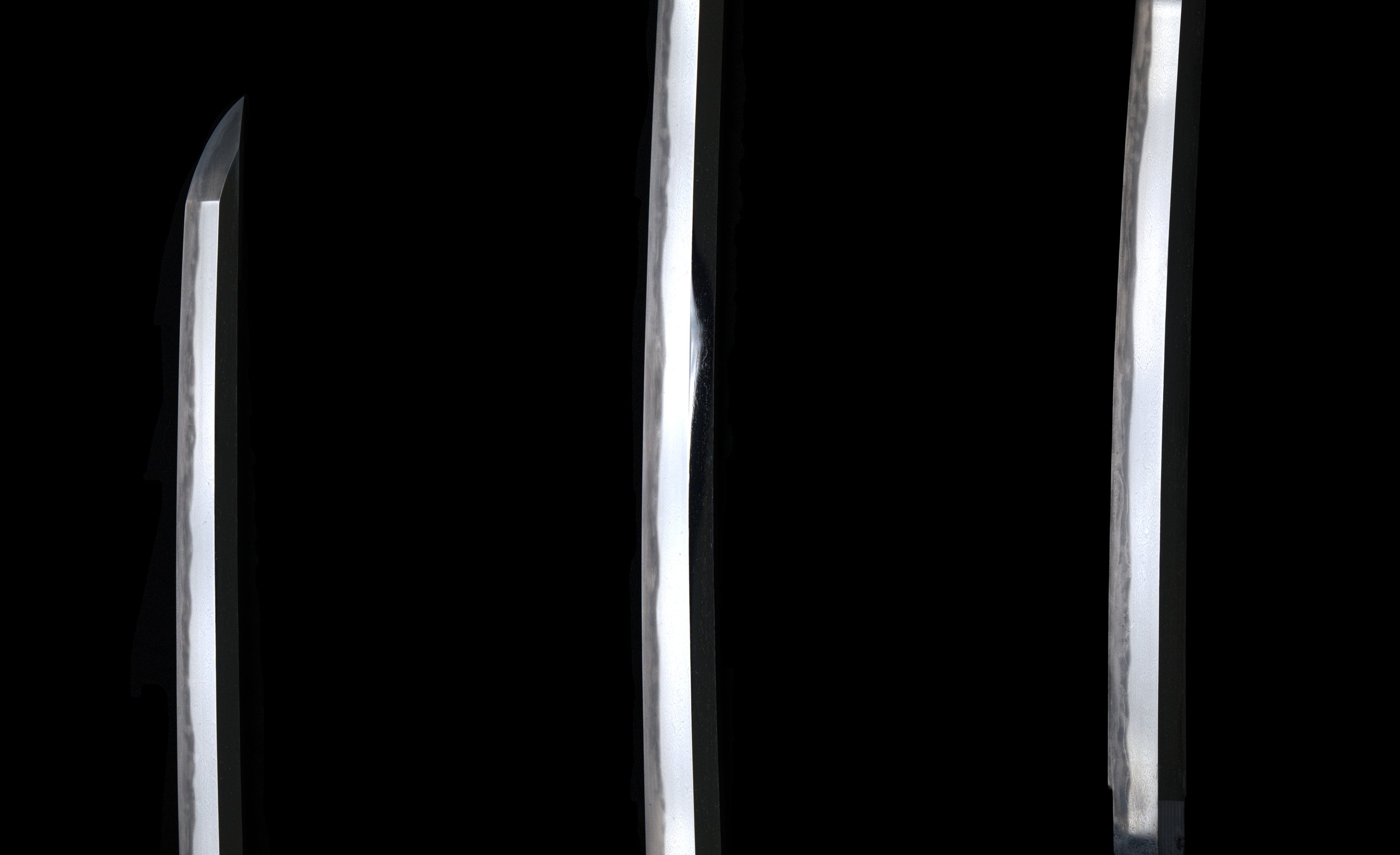
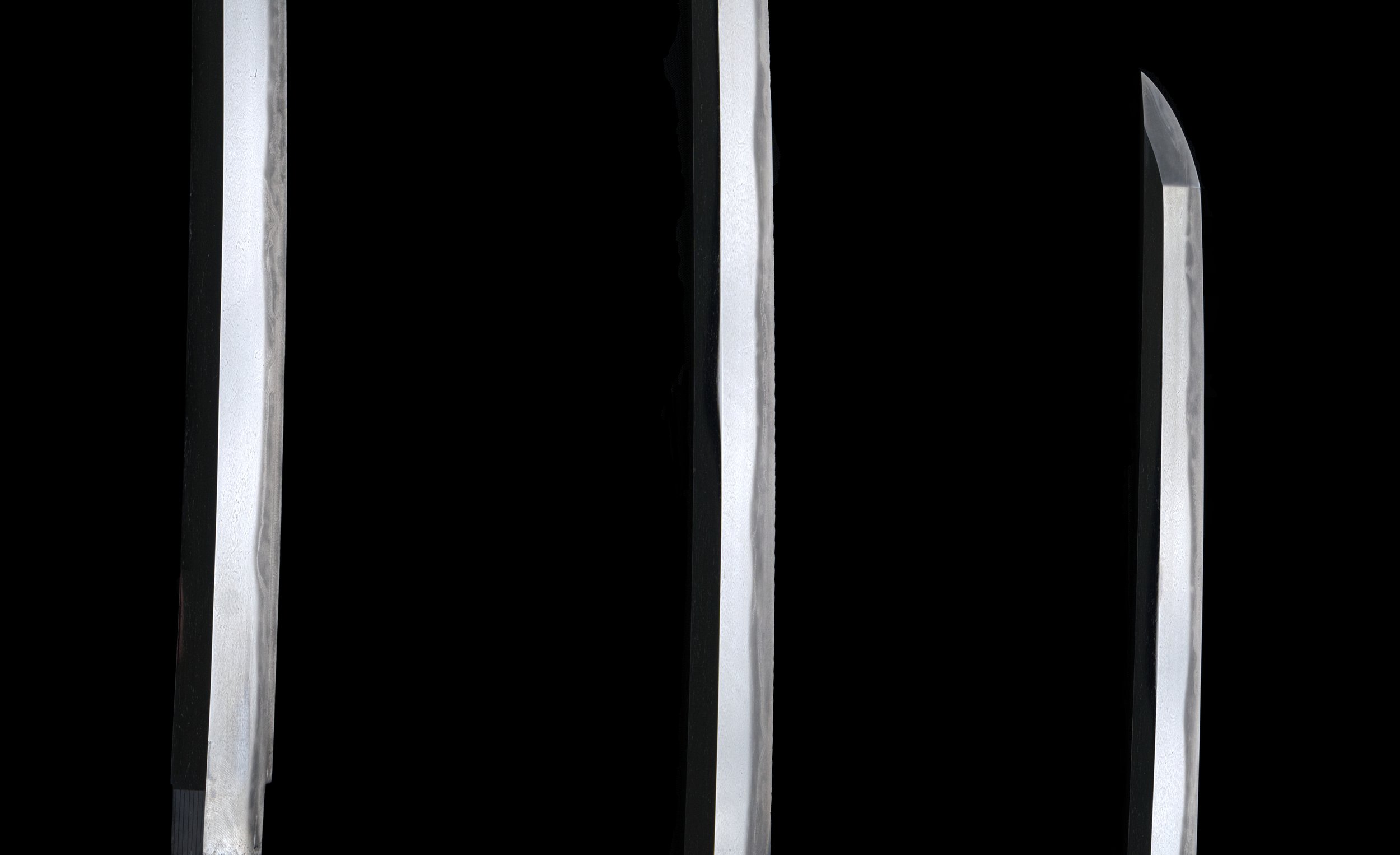
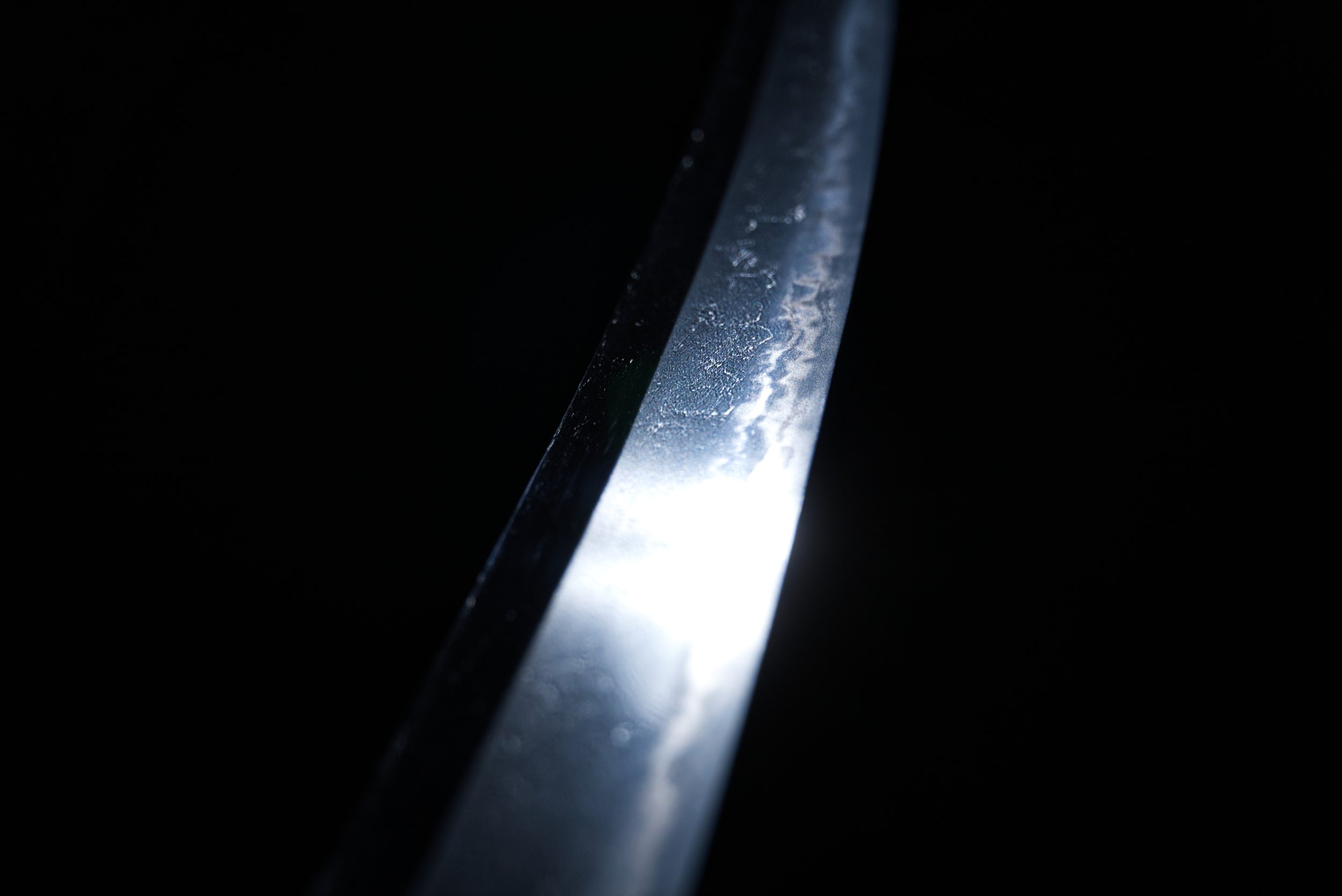
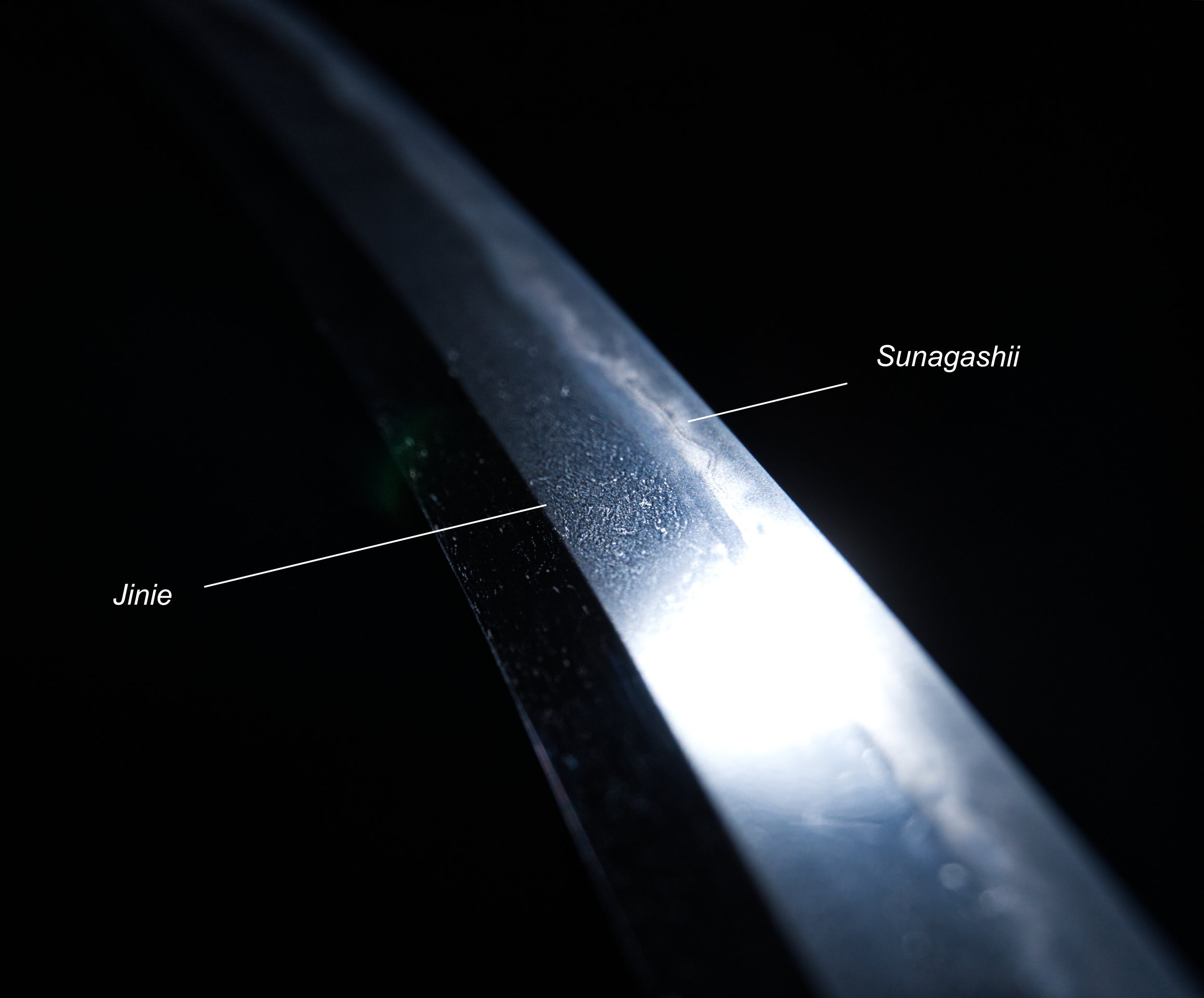
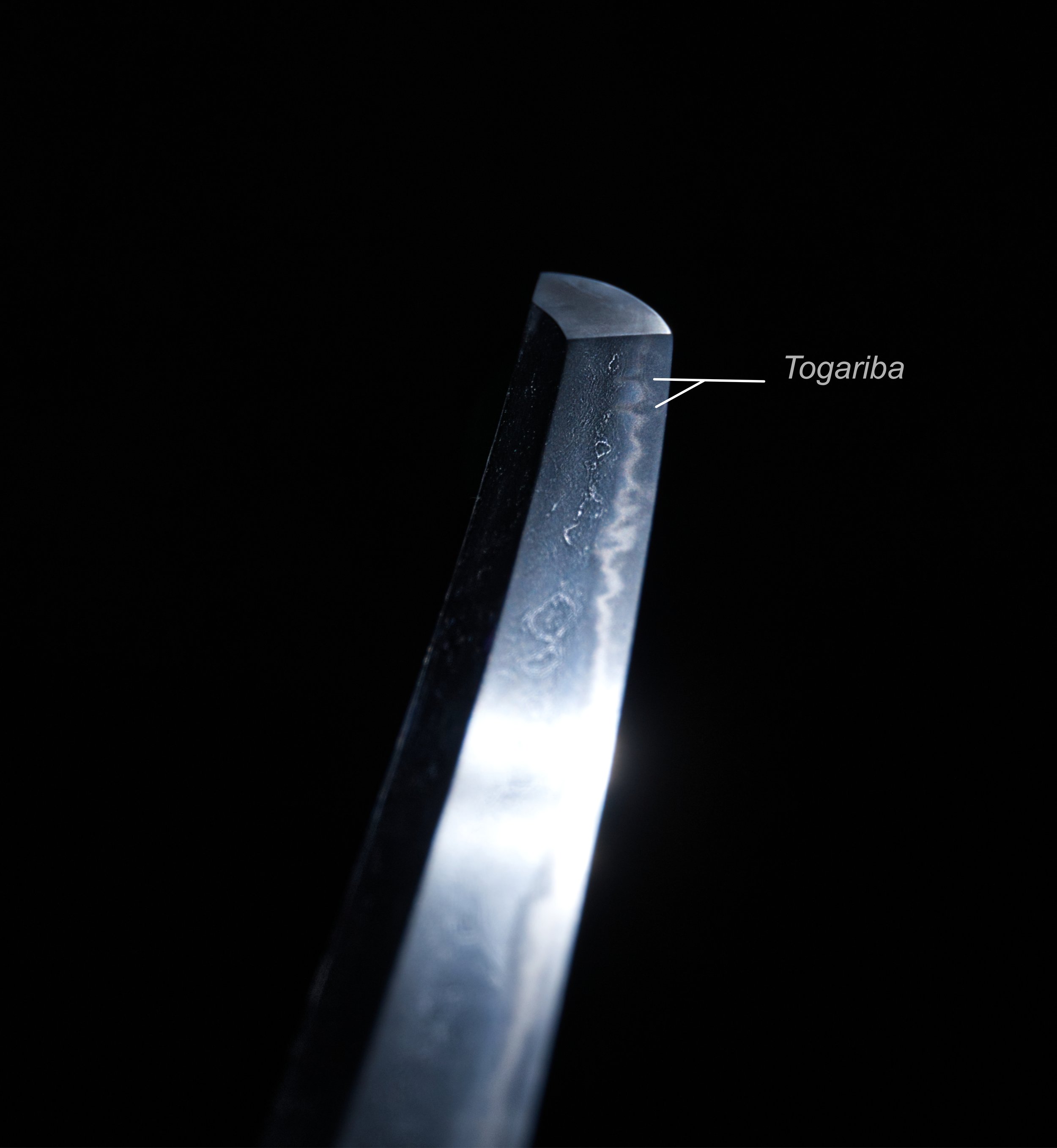
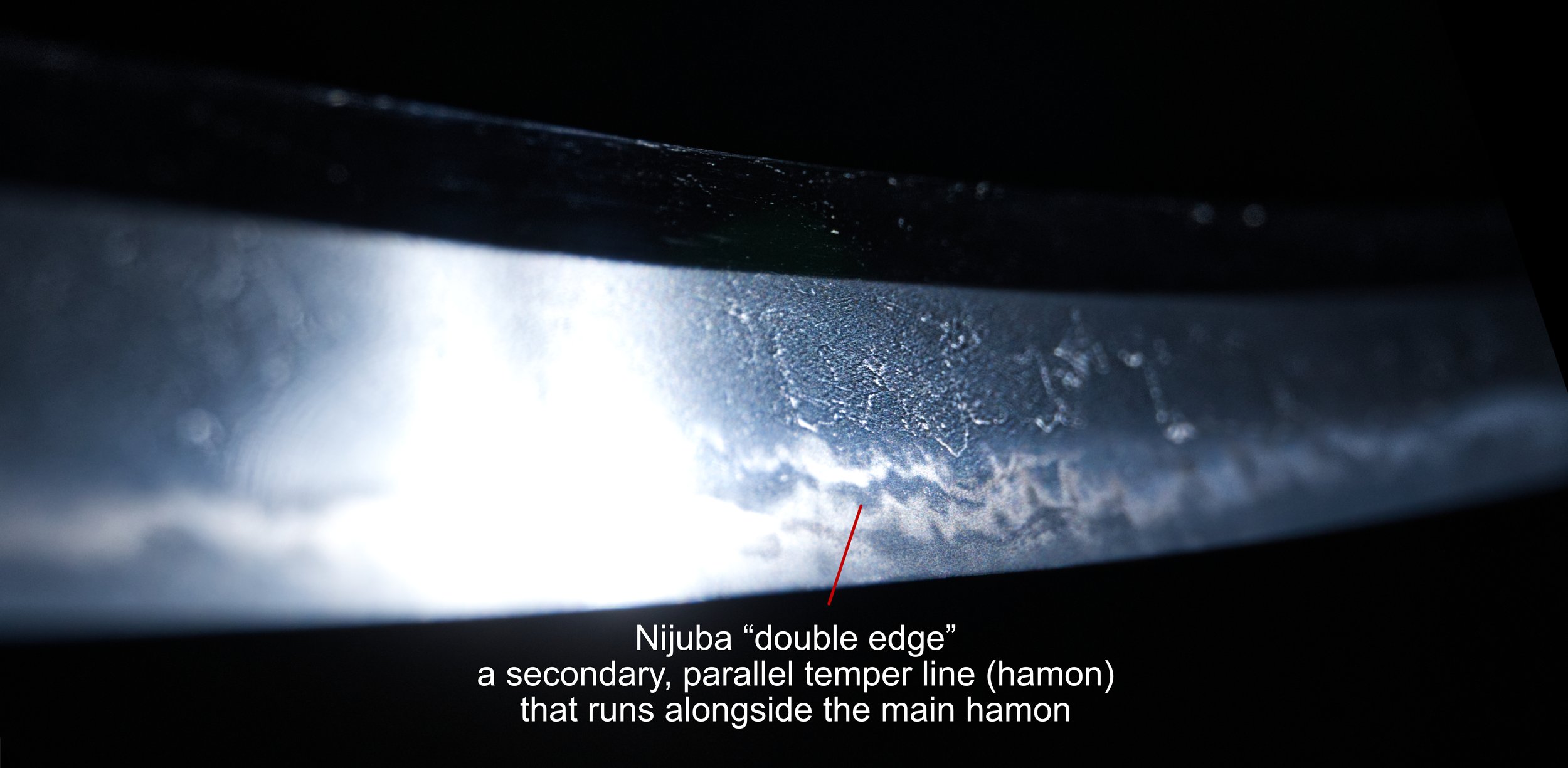
販売店の記載のまま
美濃(北陸道相伝、則重風) · 美濃 · 1345-1350頃
現在2点販売中
応安の年紀に「濃州住藤原為継」と銘した寸延短刀は昭和十年に重要美術品に認定され、本工の在国と年代はこの一口に拠る。為継は郷義弘の子で越中呉服郷の則重の弟子と伝え、後に美濃に移住し、一説に不破郡に住したという。後年の説明書は押形の証を加える。「越前国藤原為継」と銘した作に延文二年・応安二年の年紀が見られ、実存する作に応安七年紀の「濃州住藤原為継」銘があることから、「応安二年より同七年の間に越前より美濃に移住したことが分る」[[c:1]]とする。越中住と銘した作はなく、判者は「越中住ときったものはない」[[c:2]]と記す。年紀が南北朝後期に属するため、義弘・則重との所伝の結びつきについては「年代的な面からなお検討の余地があろう」[[c:3]]とされる。
その作風を説明書は端的に「則重風の鍛に美濃風の互の目尖り刃を焼いて一種の作風を示している」[[c:4]]と言う。各説明は定型の評を繰り返す。板目が立って地沸がつき、刃文は「湾れを主調として互の目を交じえ、砂流しかかり金筋入り、匂口沈みごころに沸つく」[[c:5]]。なかでも砂流しは最も執拗で、刃中に頻りに、目立ってかかると繰り返し記される。のたれには尖り刃が交じり、説明書は「有銘作には美濃風が強い」[[c:6]]とする。
地鉄は本工の作に一貫するところである。板目に杢、時に大肌を交え、処々流れ、地沸厚くつき、地景が入り、かねは黒みを帯びる。いくつかの説明は「肌目が白くかす立った、いわゆる北国地鉄」[[c:7]]を指摘する。相州上工に紛れる作については、「一見相州上工を想わすものもあるが、匂口がやや沈みごころとなるところに為継と鑑すべきものがある」[[c:8]]とされる。極められた無銘作に通じる共通点として、説明書は「板目が肌立って黒ずみ、沸出来で匂口の沈むもの」[[c:9]]を挙げ、「直刃はない」と付け加える。帽子は乱れ込み、「帽子もさかんに掃きかける」[[c:11]]もので、小丸に返るか、磨上げた薙刀では焼詰めとなる。
記録は二つの様に分かれる。大半は作風から極められた大磨上無銘の刀で、鋒の延びた幅広い南北朝の刀身である。これに対して在銘作があり、説明書は「同工の有銘確実なものは現存するものが頗る少く、殊に長いものは少い」[[c:12]]と記す。応安の短刀のほか、応安年紀の薙刀を磨上げて刀に直し、そのため帽子が焼詰めとなった一口と、生ぶ茎に「藤原為継作」と五字銘を切り、脇指に見る「濃州住」銘の銘振りに類する太刀がある。判者は有銘作の製作がやや粗であると率直に認める一方、「無銘極めのものには、なかなかよい出来のものがあり」[[c:13]]と評する。越前打と美濃打について、短刀の解説は「概して後者の刃の方が大模様である」[[c:14]]と記す。
本工を分かつものは、その自身の刀身から読まれる。大のたれの乱刃を好み、説明書はこれをもってその作が「志津、金重とは異っている」[[c:15]]とする。師との差は程度の差で、「則重ほど肌立ず地景も少い」[[c:16]]。ある説明はその総体を「丁度北国と美濃風が混在した感がある」[[c:17]]と評する。作域はこの手に止まらず、磨上の一刀は「大和尻懸風の出来」[[c:18]]と極められている。
蒐集の観点では、為継は殆ど極めを通じて出会う南北朝の名である。国宝・重要文化財はない。指定を受けた作は七六口で、多くの回次に亘る重要刀剣七五口と、戦前の重要美術品一口からなる。後者が応安の短刀で、認定時は赤星鉄馬の所蔵であり、説明はその「銘文は資料的価値が高い」[[c:19]]とする。五字銘の太刀は熱田神宮に記録され、その他の所在は多く記録されていない。極められた無銘の刀は重要の相伝物の中に時折市場に現れ、説明書はその一口を「為継の典型的な一刀」[[c:20]]と称える。在銘・年紀の濃州住藤原為継はそれとは別格の、名を定める証であり、私蔵の一口はこの時代の中でも稀な出会いに属する。
爲繼の位置づけを、日本刀全体および伝法・時代・時期ごとに示します。各区分(随一・屈指・有数・著名)は、日刀保および文化庁による指定に加え、三作や名物帳などの歴史的栄誉を加味したものです。
各項目を選ぶと評価方法が表示されます。
相州伝 · 相模
時期区分: 相州· 1288–1385
現在40点販売中
板目に杢を交えた地鉄に地沸が微塵に厚くつき、地景が頻りに織りなされて明るく冴える鍛え、これが相州(鎌倉後期から南北朝期にかけての相州伝の古典的全盛期)を貫く核である。この区分は始祖新藤五国光が粟田口由来の精緻な小板目と直刃の基盤の上に、地刃ともに沸を主体とする鍛えを据えたところに始まる。国光の門から行光、正宗、則重が出て技術が大成し、続いて正宗の系から養子貞宗、越中の郷義弘が出て、伝統が頂点に達した。さらに南北朝期に入ると相模国にあって時代的にも技術的にも貞宗の次に位置する広光と秋広が現れ、十四世紀後半まで本流が続く。鎌倉幕府の府たる鎌倉を母体とし、その滅亡から南北朝の動乱という時代背景のなかで、姿は身幅広く寸延びた豪壮なものへと推移していった。 作風は説示にいう板目に杢交じり、地沸厚くつき、地景頻りに入る鍛えを土台とし、刃文はのたれを基調に互の目を交え、匂口深く沸厚くつき、金筋・沸筋・砂流しが頻りにかかって匂口明るく冴える点にある。郷義弘の作では、正宗・則重に比べて地景・金筋は穏やかながら、刃中に沸足がよく働き、地刃が一段と明るく冴え、肌合に柾ごころを交え、帽子を一枚風に深く焼くのが見どころとされる。広光・秋広に至ると、板目が肌立ちごころとなり、丁子に互の目を交え、飛焼・棟焼を交えて皆焼となり、頭の丸い団子丁子を交える刃文がこの時代に始まる。これらは母体である粟田口の抑制された直刃の源流からは遠く隔たり、沸の働きを前面に押し出した展開である。一方、後続の末相州(室町期の継続と衰退)が、こうした皆焼や帽子の一枚焼きといった形を継承しつつ地刃の冴えと沸の質を次第に薄めていくのに対し、本区分は地刃ともに明るく冴え、働きが豊富である点で截然と区別される。秋広の彫物が後の正広・広正、さらに室町末期の相州鍛冶の先駆となったことも、本区分が型を確立した側であることを示す。 収集家がこの区分を別格とするのは、正宗を頂点に、貞宗、そして正宗十哲の筆頭に挙げられる郷義弘という頂の刀工を擁するからである。鑑定上の要点は、郷義弘・貞宗ともに在銘作が皆無であるため、地刃の明るい冴え、沸足の働き、柾ごころ、一枚風に深く焼く帽子といった作域から極めることにある。代表作には金象嵌銘の兜切り江や名物中川江があり、宇和島伊達家、小田原藩大久保家、薩摩の島津家など大名家への伝来が説示に記される。秋広には延文二年から至徳四年に及ぶ年紀作があり、銘の切り方の変遷とともに資料的価値を支えている。 詳しく見る →
南北朝時代の相州
1333年に鎌倉は落ちたが、一派の最大の時代はその後に来た。師の水準で鍛える貞宗、皆焼を大成した広光と秋広。相州風は軍勢とともに広がり、一時は国じゅうの様式となった。
特別保存刀剣の中から、特に出来が優れ、国認定の重要美術品に準ずると判断された名品です。年に一度の重要刀剣審査で選ばれます。
極めて選別的で、日本に登録された約250万口の刀剣のうち、重要刀剣に達したものは12,348口(約202口に1口)にすぎません。
日本美術刀剣保存協会(日刀保)は、1948年に設立され、文化庁の監督を受ける公益財団法人で、東京・刀剣博物館に本部を置きます。専門の審査員が出品作を直接審査し、美術的・歴史的価値に応じた鑑定書を発行します。日刀保の鑑定書は、日本刀および刀装具の真正性を示す最も広く認知された基準です。
日刀保公式サイトWe offer a three-day inspection period. To initiate a return, you must notify us within three days of the package being delivered. Once we confirm your request, you have seven days to ship the item back to us. The item must be returned in its original condition, including all accompanying documents, certificates, and packaging materials. The buyer is responsible for covering the shipping costs and insurance for the return shipment.