1333年に鎌倉は落ちたが、一派の最大の時代はその後に来た。師の水準で鍛える貞宗、皆焼を大成した広光と秋広。相州風は軍勢とともに広がり、一時は国じゅうの様式となった。
 NihontoWatchNihontoWatch
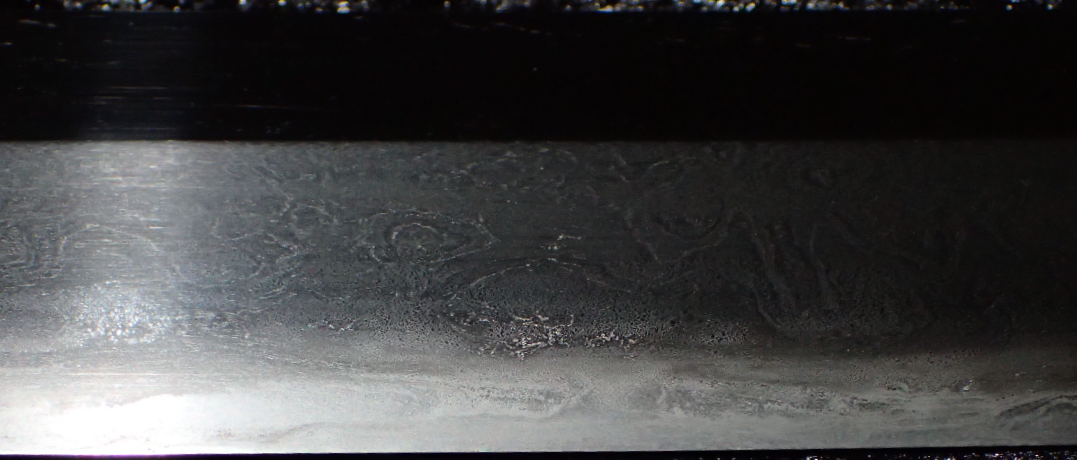
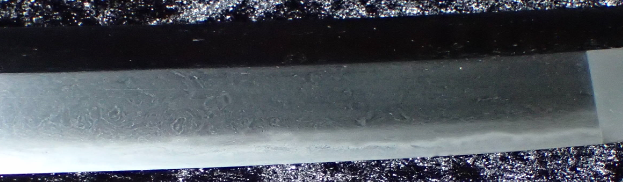
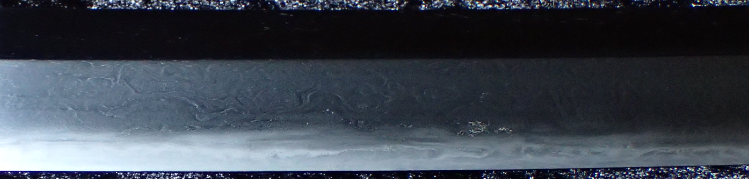
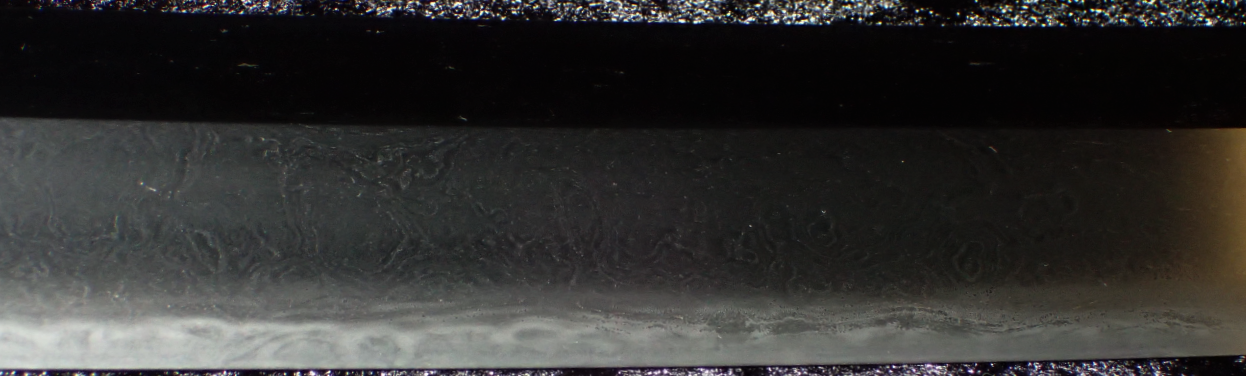
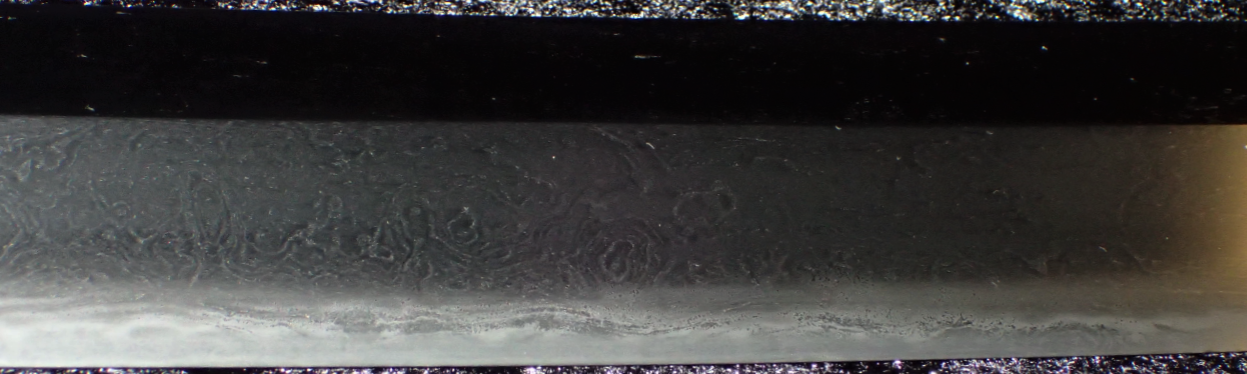
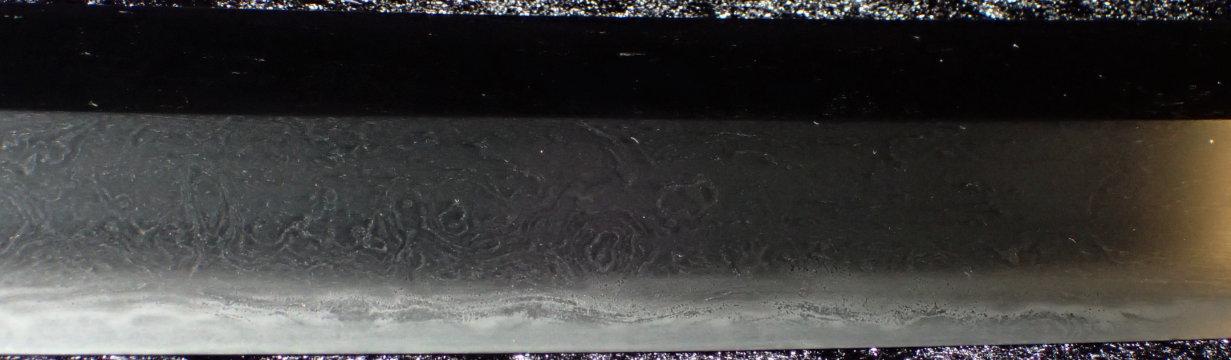
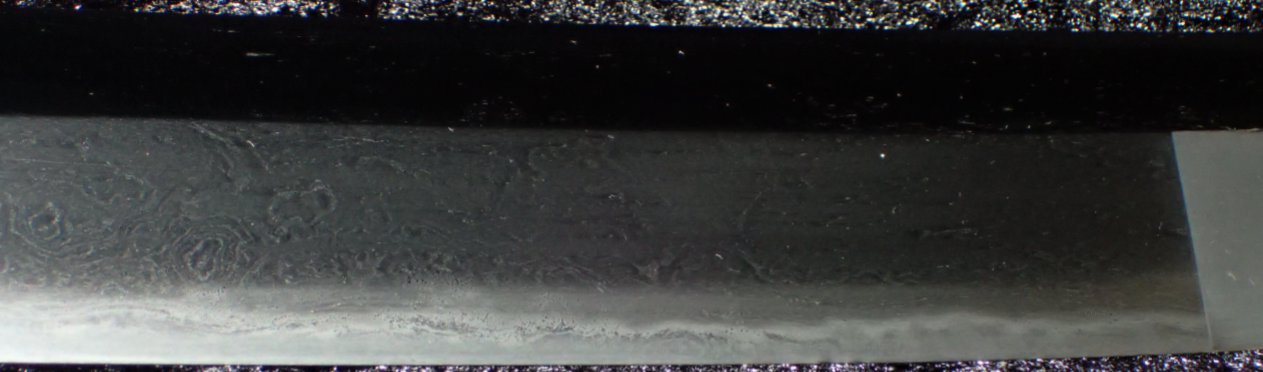
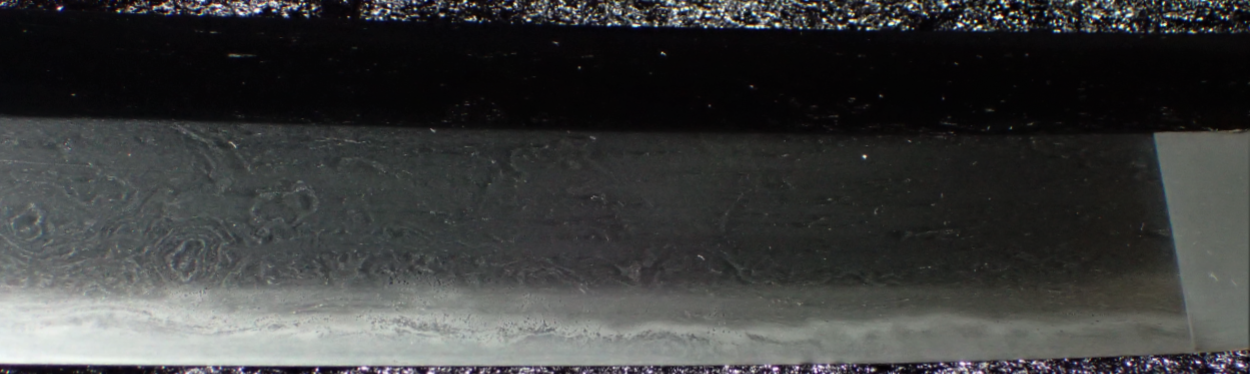
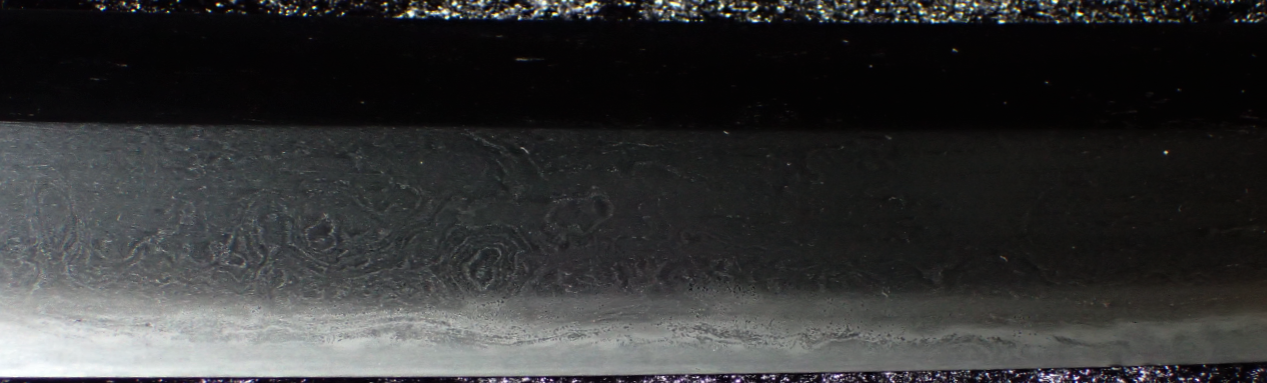
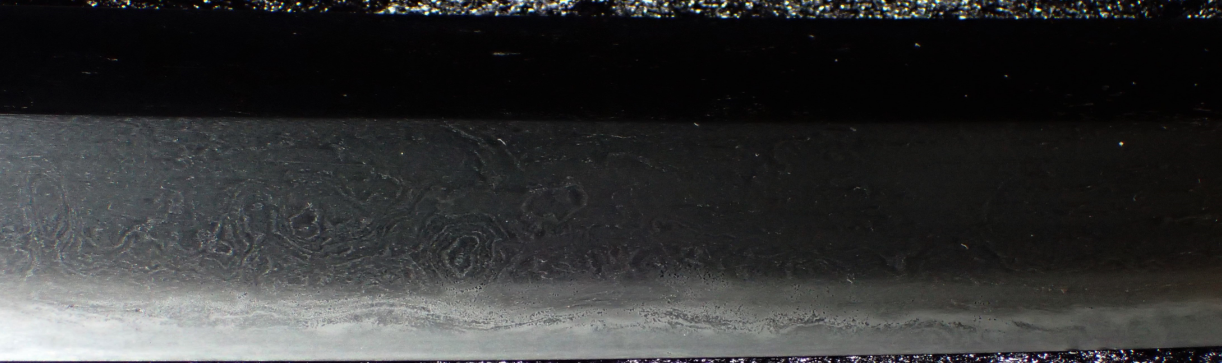
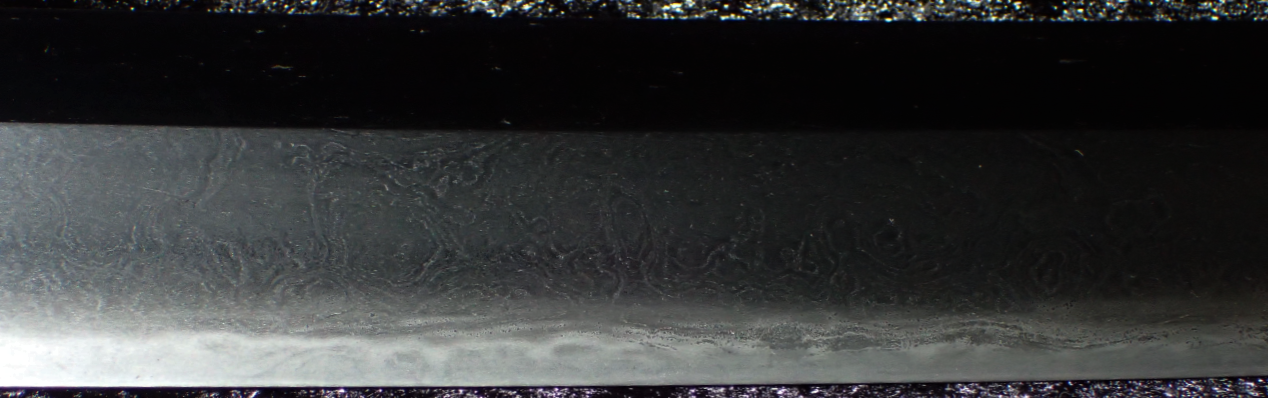
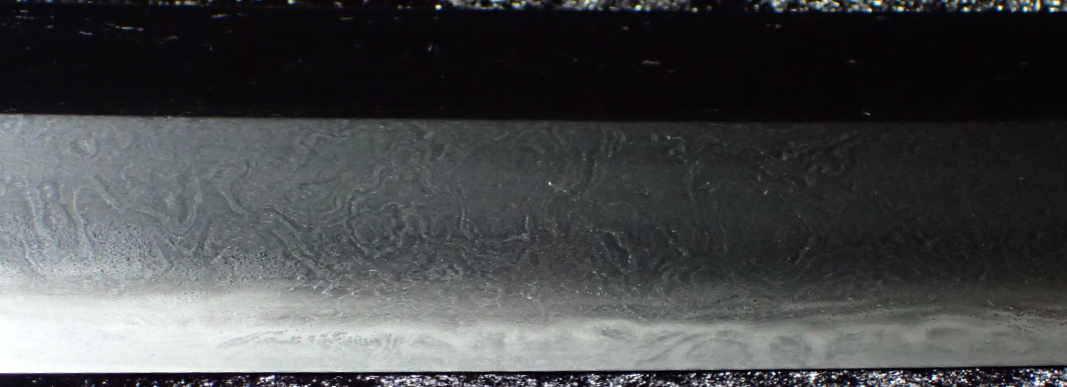
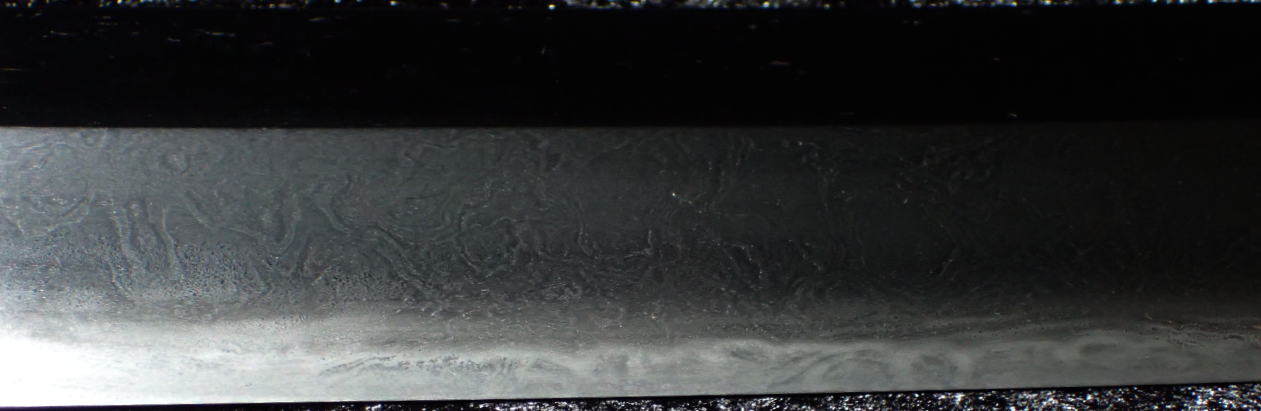
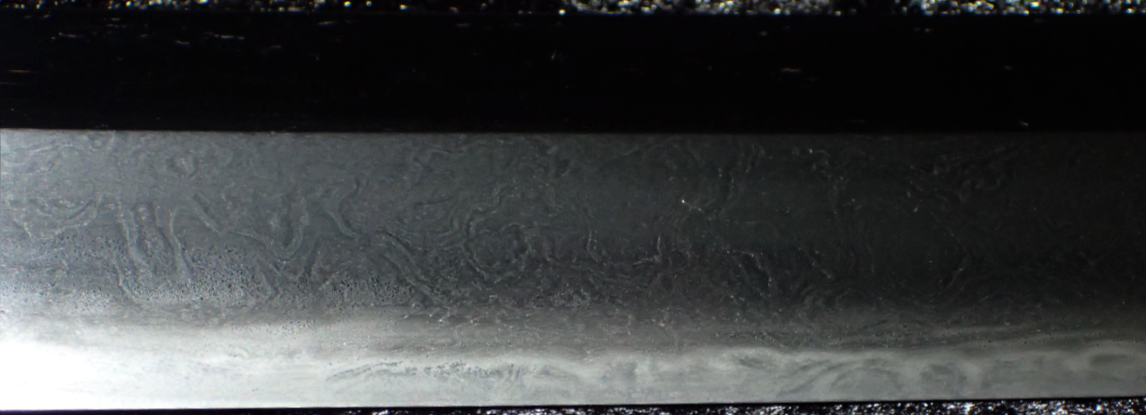
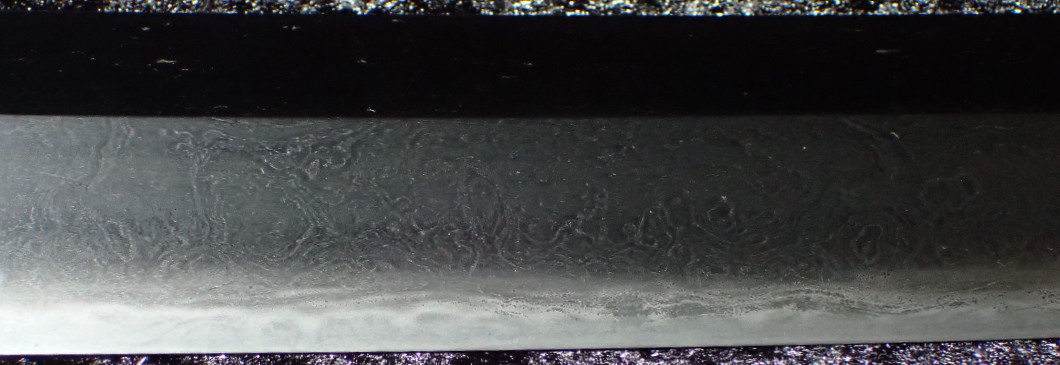
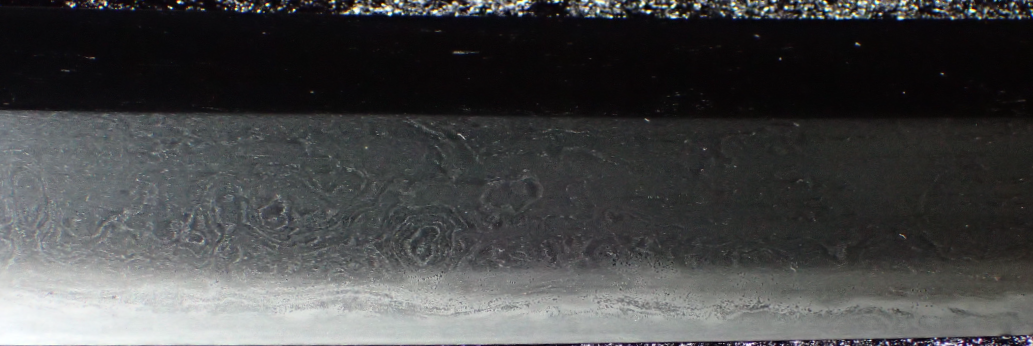
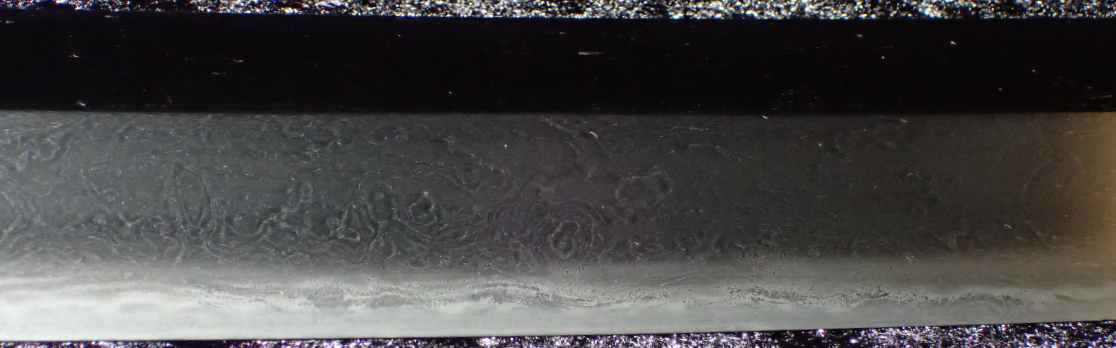
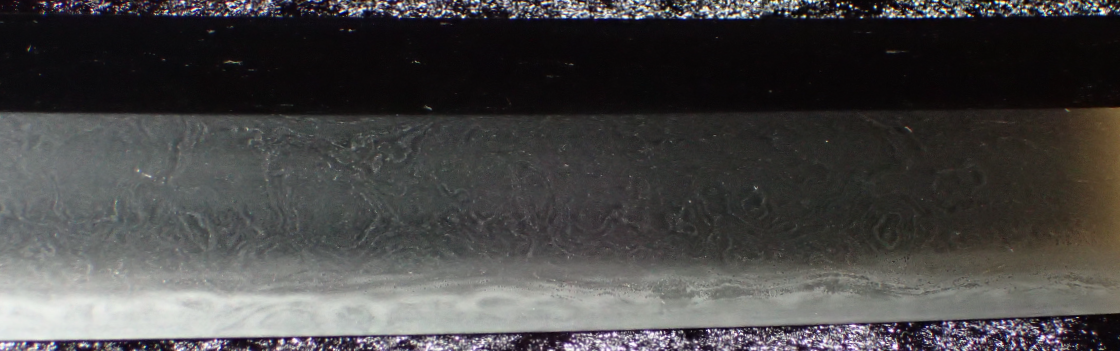
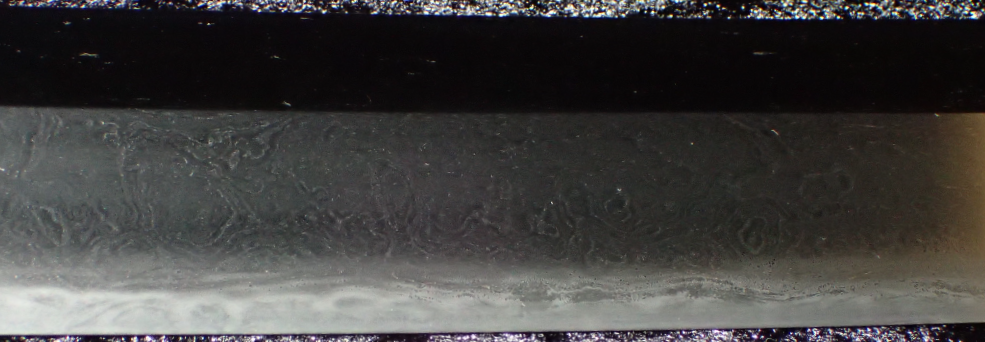
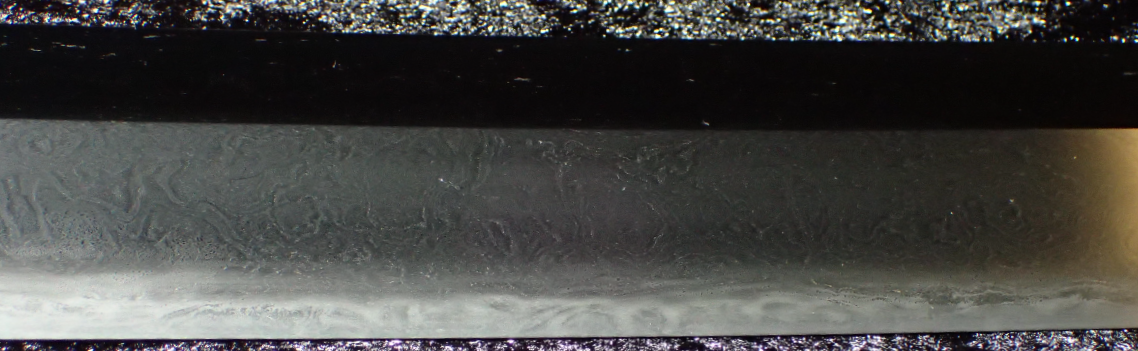
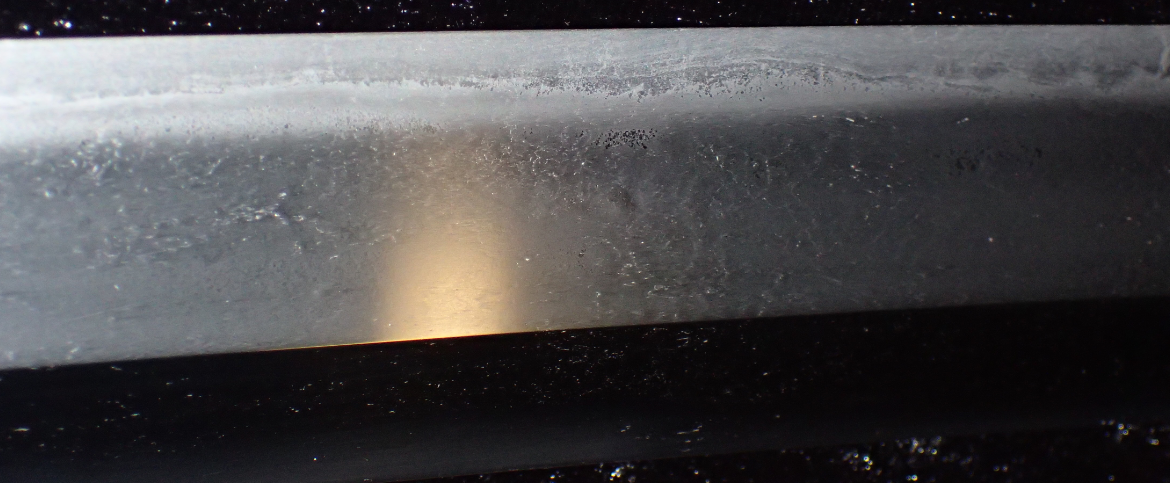
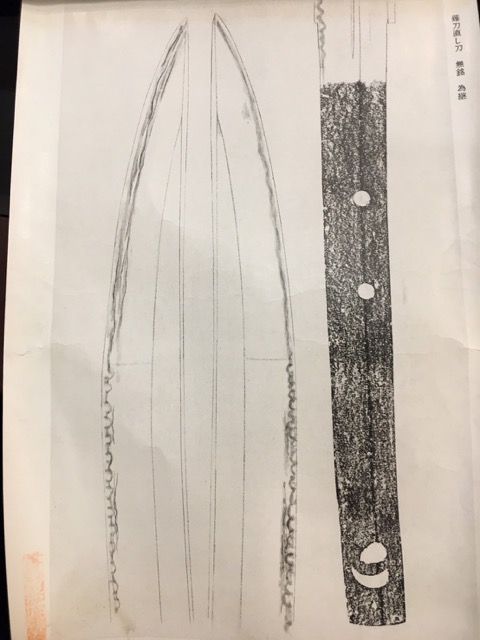
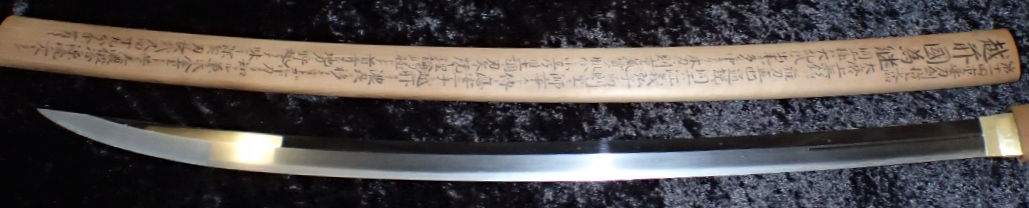
Juyo certificate translation Jūyō-tōken at the 11th Jūyō Shinsa from November 15, 1963 Naginata-Naoshi Katana, Mumei: Tametsugu (為継) Niigata Prefecture, Nakamura Seiji (中村誠司) Measurements Nagasa 75.7 cm, sori 2.4 cm, Motohaba 3.2 cm, Sakihaba 3.2 cm, Kissaki-Nagasa 15.1 cm, Nakago-Nagasa 25.0 cm, nakago-sori 0.3 cm Description Keijō: Shinogi-zukuri, Iori-mune, relatively deep Sakizori, O-Kissaki Kitae: standing-out Itame that is mixed with Mokume and that features Ji-nie and Chikei Hamon: uniform Ko-Gunome with a subdued Nioiguchi that is mixed with many Sunagashi and some Kinsuji in places Bōshi: on the Omote side a gently undulating Notare-Komi with Hakikake and Nijūba, on the Ura side Ko-Notare, both sides run out in Yakitsume Horimono: on both sides a Soeni and traces of a Koshi-bi Nakago: O-Suriage, shallow Kurijiri, Kiri-Yasurime, three Mekugi-ana, the Omote side bears a chisel mark that resembles a crescent moon, Mumei Explanation This blade was originally an O-Naginata wth a bulbous tip and Sakizori. It is O-Suriage Mumei and we are in agreement with its attribution to Tametsugu. Tametsugu was a student of Etchū Norishige (則重) and moved later to Mino province. Although there are no signed works with a reference to Etchū as place of residence extant, there are several which are signed “Nōshū-jū Fujiwara Tametsugu” (“Fujiwara Tametsugu, resident of Mino province”), and with existing dated works from the Ōan era (応安, 1368-1375), we are in agreement with his handed down artistic affiliation. Accordingly, his workmanship reflects the kitae of Norishige but which is combined with a Mino-style hardening in gunome and togariba. This blade displays this style very well and can be regarded as a textbook example of a Tametsugu work. It also serves as a reference for the interpretation of Naginata from the time this smith was active. Sayagaki By Tanobe Sensei 第十一回重要刀剣指定品 越前國為継 大磨上無銘デ薙刀直也。通説、同工ハ江義弘子而則重ニ師事スト傳フ應安二年ニ越前ヨリ濃刕 ニ移リタルコトガ作刀知ラル兼氏・金重ラト共ニ美濃鍛冶ノ源流ノ一人ナラン。同工極ハ大乱風ノ出来ガ多ヒ中ニアリ本作ハ則重気質ノ肌合ニ小互乃目主調ノ刃文ヲ焼キ理論的極トシ首肯 サル地刃野趣アリテ味ワイ深矣 刃⻑弐尺四寸九分余有之 時在戊戌鎮祭月探山識「花押」 Dai jūikkai jūyō-tōken shitei-hin Echizen no Kuni Tametsugu Ō-suriage mumei de naginata-naoshi nari. Tsūsetsu, dōkō wa Gō Yoshihiro ko shikamo Norishige shiji-su to tsutau Ōan ninen ni Echizen yori Nōshū ni utsuritaru koto ga sakutō shiraru Kaneuji, Kinjū ra to tomo ni Mino-kaji no genryū no ichinin naran. Dōkō kiwame wa ō-midare-fū no deki ga ōi naka ni ari. Honsaku wa Norishige kishitsu no hada-ai ni ko-gunome-shuchō no hamon o yaki riron-teki kiwame to shi shikōsaru jiba yasha ari te ajiwai fukai. Hachō ni-shaku yon-sun kyū-bu yo kore ari Jizai tsuchinoe-inu chinsaizuki Tanzan kore o shirusu + kaō Jūyo-tōken at 11th jūyō-shinsa Tametsugu from Echizen Province [This blade is] ō-suriage mumei and a remodelled naginata. According to the prevailing view, Tametsugu was a student of Gō Yoshihiro’s son, Norishige, and there exists a work dated Ōan two (1369) whose signature tells us that he had already moved to Mino at that time, what makes him with Kaneuji and Kinjū one of the founding smiths of this province. Many blades attributed to Tametsugu show a deki in ō-midare, but there are also some works, like this blade, which are rather close to Norishige in terms of their hada and which combine this kitae with a hardening in a ko-gunome-based hamon. In the sense of the latter, I am in agreement with the attribution to this smith. The jiba of this blade is of a rustic but very tasteful character. Blade length ~ 75.7 cm Written by Tanzan [Tanobe Michihiro] in October of the year of the dog of this era (2018) + monogram TAMETSUGU (為継), Ōan (応安, 1368-1375), Mino – “Esshū-jū Fujiwara Tametsugu” (越州住藤原為継), “Echizen no Kuni Fujiwara Tametsugu” (越前国藤原為継), “Nōshū-jū Fujiwara Tametsugu” (濃州住藤原為継), “Fujiwara Tametsugu saku” (藤原為継作), “Tametsugu” (為継), “Tametsugu saku” (為継作), first name Shirōbei (四郎兵衛), according to tradition the son or student of Gō Yoshihiro (郷義弘) and a student of Norishige (則重), he moved later in his career to the Fuwa district (不破郡) of Mino province, we know date signatures from the Enbun era (延文, 1356-1361) until the second year of Ōan (1369) on blades which were still made in Echizen, it is said that the moving to Mino took place between the second and the seventh year of Ōan (1369~1374), a theory says that he had settled together with the 1st gen. Mino/Echizen Kuniyuki (国行) in Mino´s Akasaka (赤坂), there are tachi, ko-wakizashi, and tantō extant, the tachi and ko-wakizashi have the typical shape of the Nanbokuchō era, i.e. a wide mihaba and an elongated kissaki or a sunnobi-sugata when it comes to ko-wakizashi, tantō have no sori and a normal mihaba and standard nagasa, but there exist some tantō which are somewhat longer and show a little sori, tachi have an iori and tantō a mitsu-mune, the jigane is a standing-out itame mixed with masame, some blades show also a dense itame mixed with mokume, but in both cases, ji-nie and many chikei appear, there are some ō-suriage-mumei blades attributed to him which show an uzumaki-hada in the style of Norishige, the jigane is blackish what is typical for northern Hokkoku-mono, the hamon is a suguha-chō to slightly undulating notare or small dimensioned gunome-midare in nie- or ko-nie-deki, in addition ashi, yō, sunagashi, and yubashiri appear, the bōshi is midare-komi with hakikake or a suguha-hotsure, the kaeri does not run back long, the nioiguchi is rather subdued, tachi can also show a bōhi or futasuji-ji, on tantō and ko-wakizashi sometimes also horimono in the form of bonji, rendai or suken or also bōhi with soebi are added, wazamono, jō-saku
NihontoWatch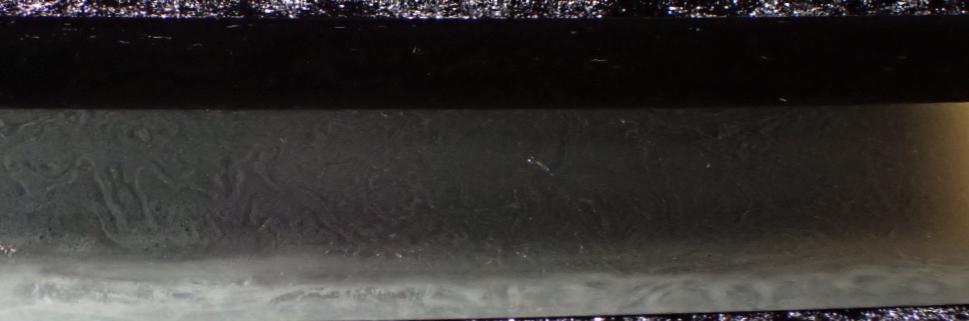

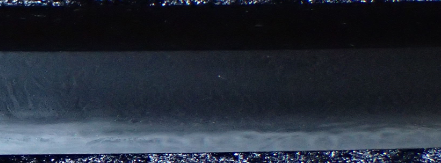
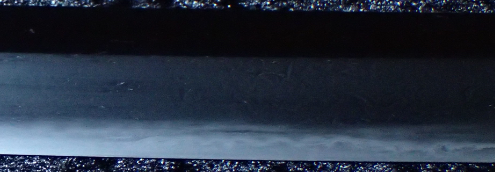
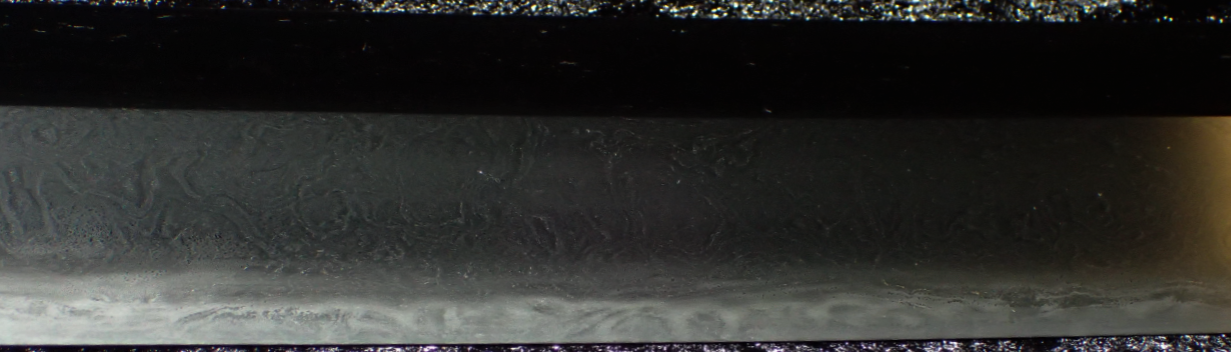
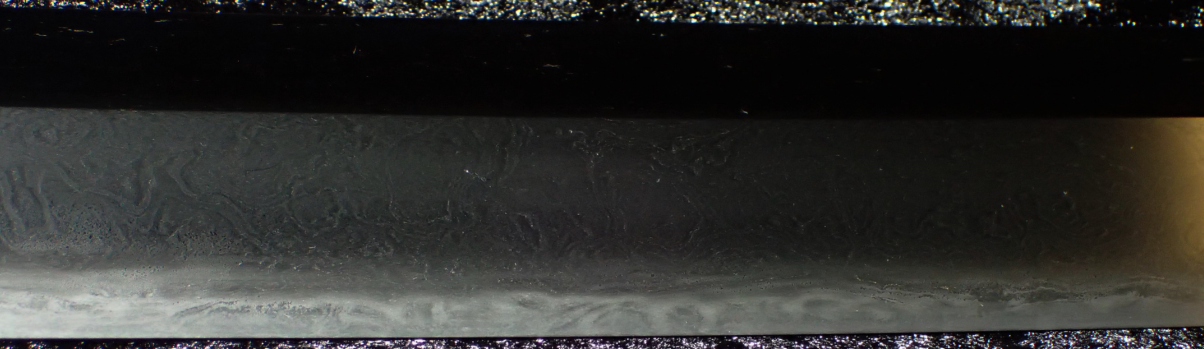






(翻訳なし)
美濃 · 美濃 · 1345-1350頃
現在2点販売中
応安の年紀に「濃州住藤原為継」と銘した寸延短刀は昭和十年に重要美術品に認定され、本工の在国と年代はこの一口に拠る。為継は郷義弘の子で越中呉服郷の則重の弟子と伝え、後に美濃に移住し、一説に不破郡に住したという。後年の説明書は押形の証を加える。「越前国藤原為継」と銘した作に延文二年・応安二年の年紀が見られ、実存する作に応安七年紀の「濃州住藤原為継」銘があることから、「応安二年より同七年の間に越前より美濃に移住したことが分る」[[c:1]]とする。越中住と銘した作はなく、判者は「越中住ときったものはない」[[c:2]]と記す。年紀が南北朝後期に属するため、義弘・則重との所伝の結びつきについては「年代的な面からなお検討の余地があろう」[[c:3]]とされる。
その作風を説明書は端的に「則重風の鍛に美濃風の互の目尖り刃を焼いて一種の作風を示している」[[c:4]]と言う。各説明は定型の評を繰り返す。板目が立って地沸がつき、刃文は「湾れを主調として互の目を交じえ、砂流しかかり金筋入り、匂口沈みごころに沸つく」[[c:5]]。なかでも砂流しは最も執拗で、刃中に頻りに、目立ってかかると繰り返し記される。のたれには尖り刃が交じり、説明書は「有銘作には美濃風が強い」[[c:6]]とする。
地鉄は本工の作に一貫するところである。板目に杢、時に大肌を交え、処々流れ、地沸厚くつき、地景が入り、かねは黒みを帯びる。いくつかの説明は「肌目が白くかす立った、いわゆる北国地鉄」[[c:7]]を指摘する。相州上工に紛れる作については、「一見相州上工を想わすものもあるが、匂口がやや沈みごころとなるところに為継と鑑すべきものがある」[[c:8]]とされる。極められた無銘作に通じる共通点として、説明書は「板目が肌立って黒ずみ、沸出来で匂口の沈むもの」[[c:9]]を挙げ、「直刃はない」と付け加える。帽子は乱れ込み、「帽子もさかんに掃きかける」[[c:11]]もので、小丸に返るか、磨上げた薙刀では焼詰めとなる。
記録は二つの様に分かれる。大半は作風から極められた大磨上無銘の刀で、鋒の延びた幅広い南北朝の刀身である。これに対して在銘作があり、説明書は「同工の有銘確実なものは現存するものが頗る少く、殊に長いものは少い」[[c:12]]と記す。応安の短刀のほか、応安年紀の薙刀を磨上げて刀に直し、そのため帽子が焼詰めとなった一口と、生ぶ茎に「藤原為継作」と五字銘を切り、脇指に見る「濃州住」銘の銘振りに類する太刀がある。判者は有銘作の製作がやや粗であると率直に認める一方、「無銘極めのものには、なかなかよい出来のものがあり」[[c:13]]と評する。越前打と美濃打について、短刀の解説は「概して後者の刃の方が大模様である」[[c:14]]と記す。
本工を分かつものは、その自身の刀身から読まれる。大のたれの乱刃を好み、説明書はこれをもってその作が「志津、金重とは異っている」[[c:15]]とする。師との差は程度の差で、「則重ほど肌立ず地景も少い」[[c:16]]。ある説明はその総体を「丁度北国と美濃風が混在した感がある」[[c:17]]と評する。作域はこの手に止まらず、磨上の一刀は「大和尻懸風の出来」[[c:18]]と極められている。
蒐集の観点では、為継は殆ど極めを通じて出会う南北朝の名である。国宝・重要文化財はない。指定を受けた作は七六口で、多くの回次に亘る重要刀剣七五口と、戦前の重要美術品一口からなる。後者が応安の短刀で、認定時は赤星鉄馬の所蔵であり、説明はその「銘文は資料的価値が高い」[[c:19]]とする。五字銘の太刀は熱田神宮に記録され、その他の所在は多く記録されていない。極められた無銘の刀は重要の相伝物の中に時折市場に現れ、説明書はその一口を「為継の典型的な一刀」[[c:20]]と称える。在銘・年紀の濃州住藤原為継はそれとは別格の、名を定める証であり、私蔵の一口はこの時代の中でも稀な出会いに属する。
爲繼の位置づけを、日本刀全体および伝法・時代・時期ごとに示します。各区分(随一・屈指・有数・著名)は、NBTHK および文化庁による指定に加え、三作や名物帳などの歴史的栄誉を加味したものです。
各項目を選ぶと評価方法が表示されます。
相州伝 · 相模
時期区分: 相州· 1288–1385
現在36点販売中
板目に杢を交えた地鉄に地沸が微塵に厚くつき、地景が頻りに織りなされて明るく冴える鍛え、これが相州(鎌倉後期から南北朝期にかけての相州伝の古典的全盛期)を貫く核である。この区分は始祖新藤五国光が粟田口由来の精緻な小板目と直刃の基盤の上に、地刃ともに沸を主体とする鍛えを据えたところに始まる。国光の門から行光、正宗、則重が出て技術が大成し、続いて正宗の系から養子貞宗、越中の郷義弘が出て、伝統が頂点に達した。さらに南北朝期に入ると相模国にあって時代的にも技術的にも貞宗の次に位置する広光と秋広が現れ、十四世紀後半まで本流が続く。鎌倉幕府の府たる鎌倉を母体とし、その滅亡から南北朝の動乱という時代背景のなかで、姿は身幅広く寸延びた豪壮なものへと推移していった。 作風は説示にいう板目に杢交じり、地沸厚くつき、地景頻りに入る鍛えを土台とし、刃文はのたれを基調に互の目を交え、匂口深く沸厚くつき、金筋・沸筋・砂流しが頻りにかかって匂口明るく冴える点にある。郷義弘の作では、正宗・則重に比べて地景・金筋は穏やかながら、刃中に沸足がよく働き、地刃が一段と明るく冴え、肌合に柾ごころを交え、帽子を一枚風に深く焼くのが見どころとされる。広光・秋広に至ると、板目が肌立ちごころとなり、丁子に互の目を交え、飛焼・棟焼を交えて皆焼となり、頭の丸い団子丁子を交える刃文がこの時代に始まる。これらは母体である粟田口の抑制された直刃の源流からは遠く隔たり、沸の働きを前面に押し出した展開である。一方、後続の末相州(室町期の継続と衰退)が、こうした皆焼や帽子の一枚焼きといった形を継承しつつ地刃の冴えと沸の質を次第に薄めていくのに対し、本区分は地刃ともに明るく冴え、働きが豊富である点で截然と区別される。秋広の彫物が後の正広・広正、さらに室町末期の相州鍛冶の先駆となったことも、本区分が型を確立した側であることを示す。 収集家がこの区分を別格とするのは、正宗を頂点に、貞宗、そして正宗十哲の筆頭に挙げられる郷義弘という頂の刀工を擁するからである。鑑定上の要点は、郷義弘・貞宗ともに在銘作が皆無であるため、地刃の明るい冴え、沸足の働き、柾ごころ、一枚風に深く焼く帽子といった作域から極めることにある。代表作には金象嵌銘の兜切り江や名物中川江があり、宇和島伊達家、小田原藩大久保家、薩摩の島津家など大名家への伝来が説示に記される。秋広には延文二年から至徳四年に及ぶ年紀作があり、銘の切り方の変遷とともに資料的価値を支えている。 詳しく見る →
南北朝時代の相州
1333年に鎌倉は落ちたが、一派の最大の時代はその後に来た。師の水準で鍛える貞宗、皆焼を大成した広光と秋広。相州風は軍勢とともに広がり、一時は国じゅうの様式となった。
特別保存刀剣の中から、特に出来が優れ、国認定の重要美術品に準ずると判断された名品です。年に一度の重要刀剣審査で選ばれます。
極めて選別的で、日本に登録された約250万口の刀剣のうち、重要刀剣に達したものは12,348口(約202口に1口)にすぎません。
日本美術刀剣保存協会(NBTHK)は、1948年に設立され、文化庁の監督を受ける公益財団法人で、東京・刀剣博物館に本部を置きます。専門の審査員が出品作を直接審査し、美術的・歴史的価値に応じた鑑定書を発行します。NBTHKの鑑定書は、日本刀および刀装具の真正性を示す最も広く認知された基準です。
NBTHK公式サイト価格はお問い合わせ