1333年に鎌倉は落ちたが、一派の最大の時代はその後に来た。師の水準で鍛える貞宗、皆焼を大成した広光と秋広。相州風は軍勢とともに広がり、一時は国じゅうの様式となった。
 NihontoWatchNihontoWatch
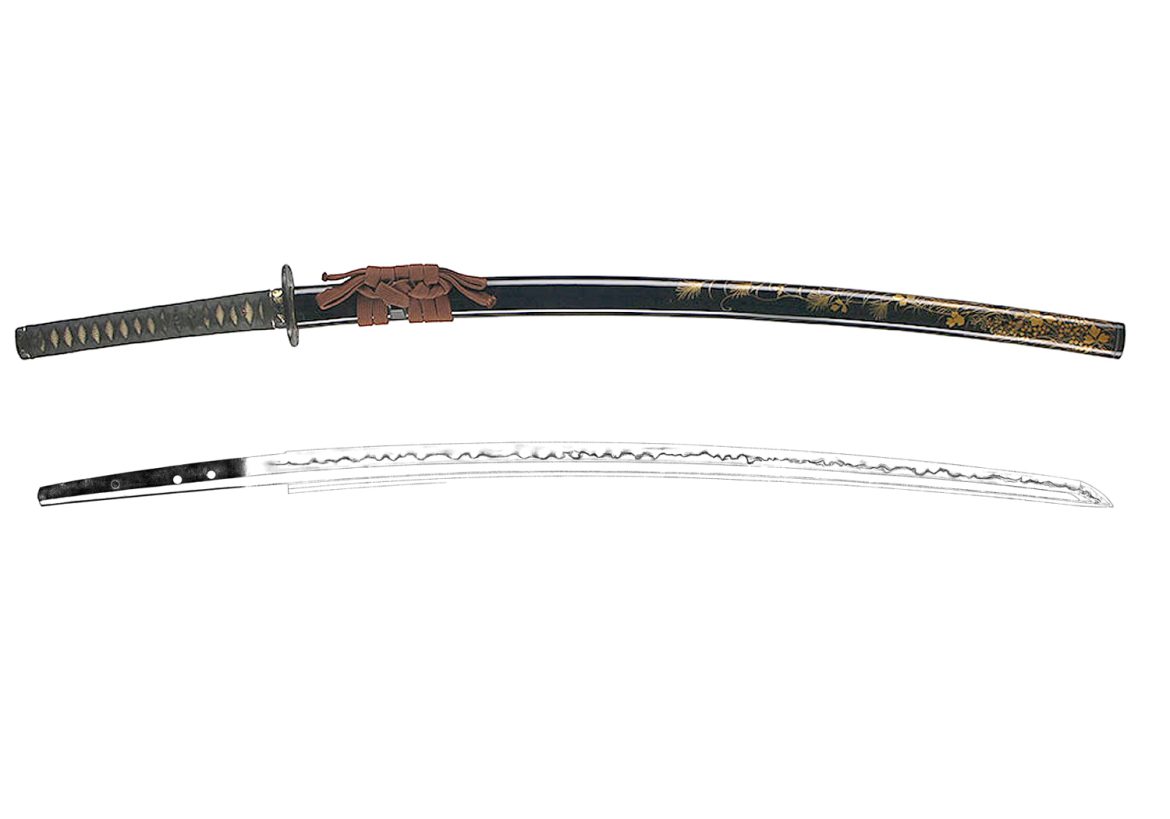
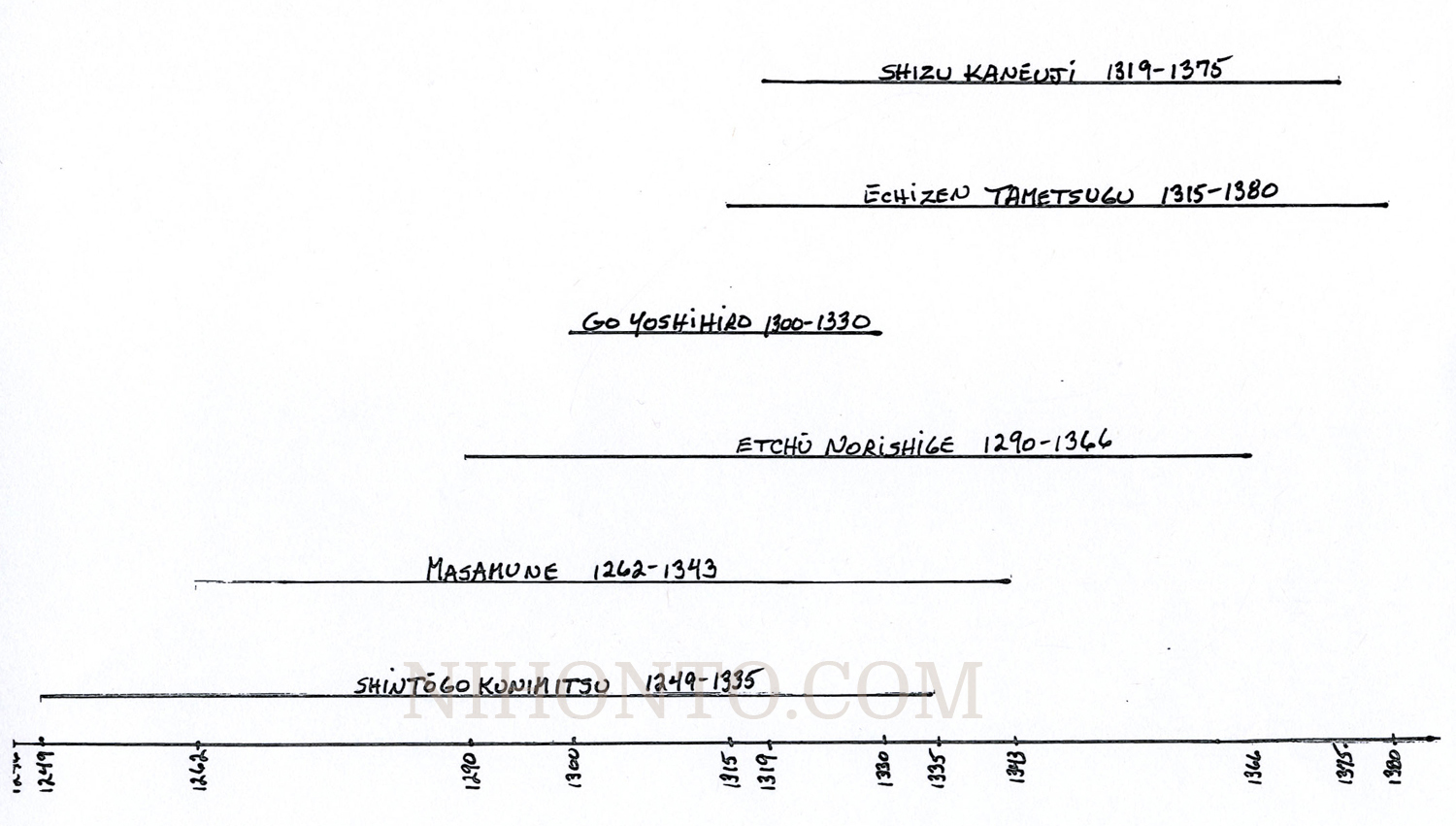
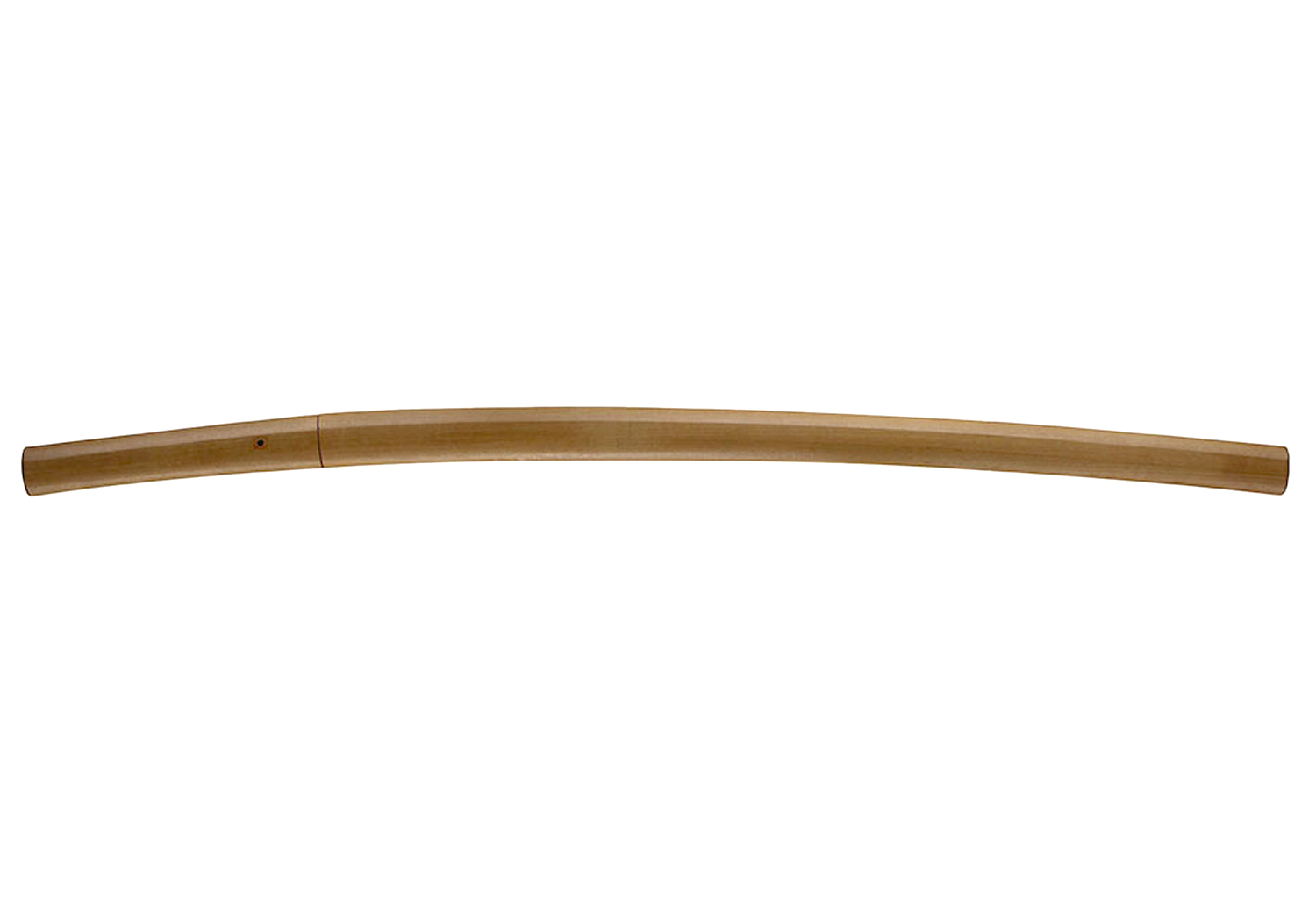
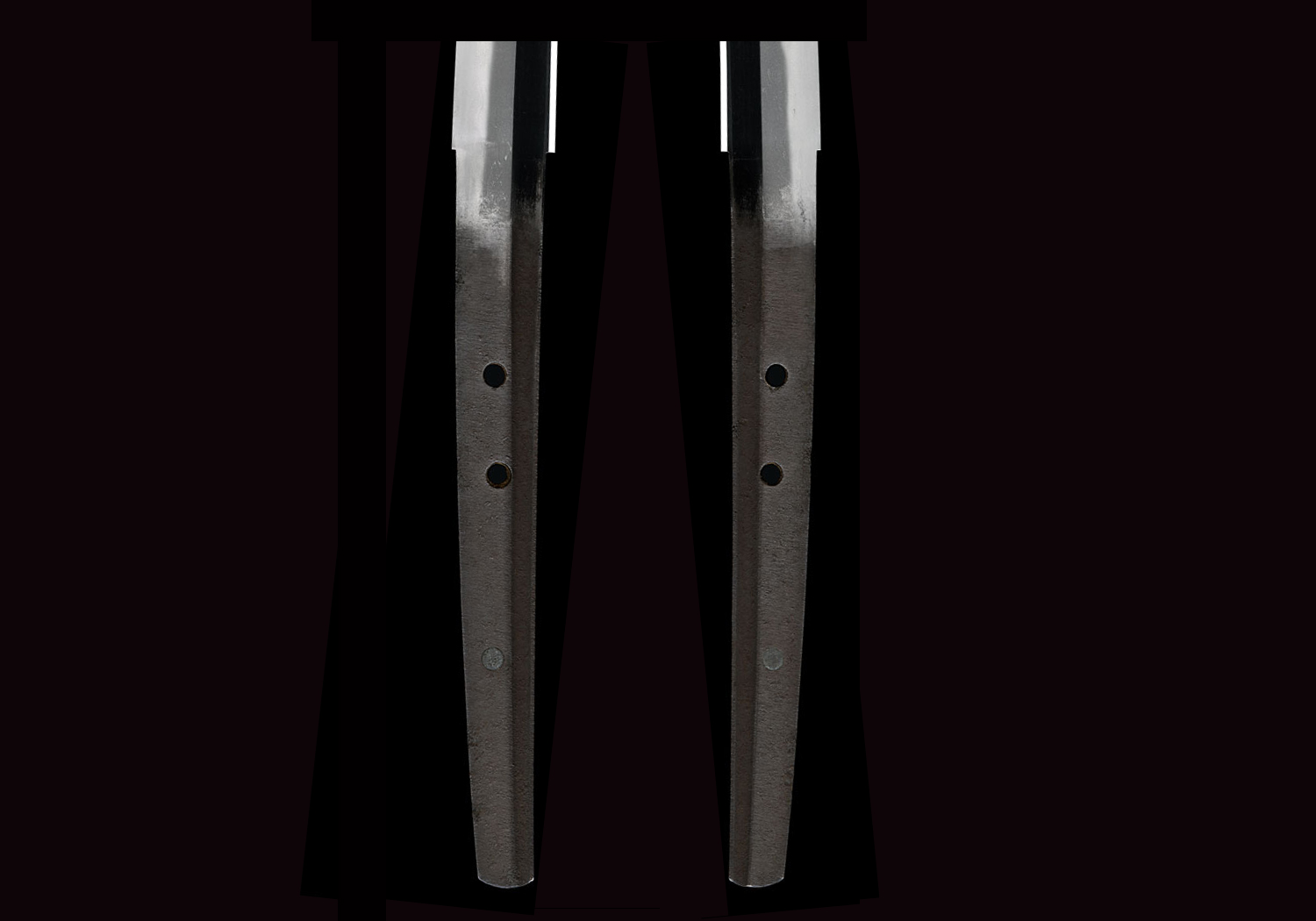
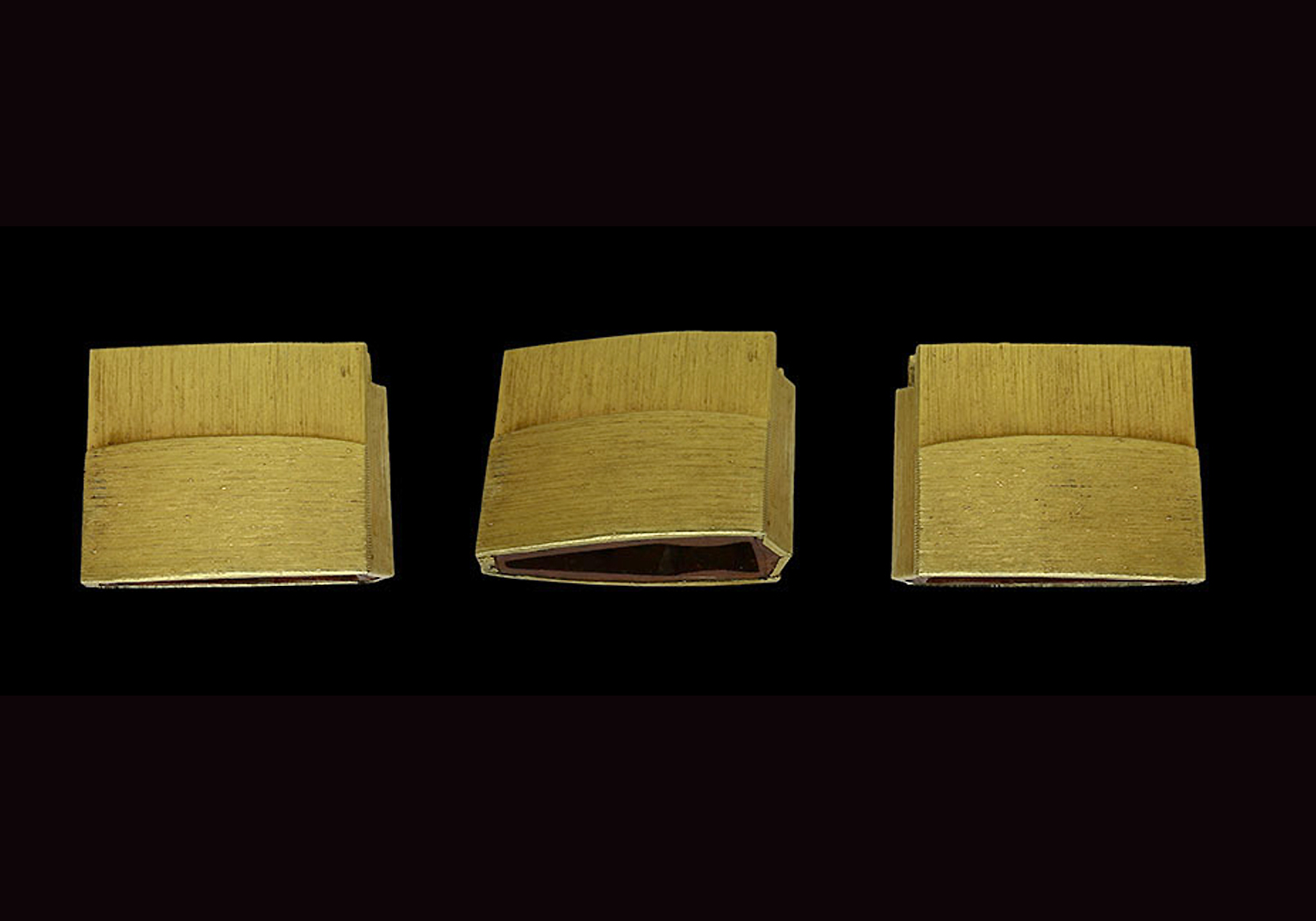
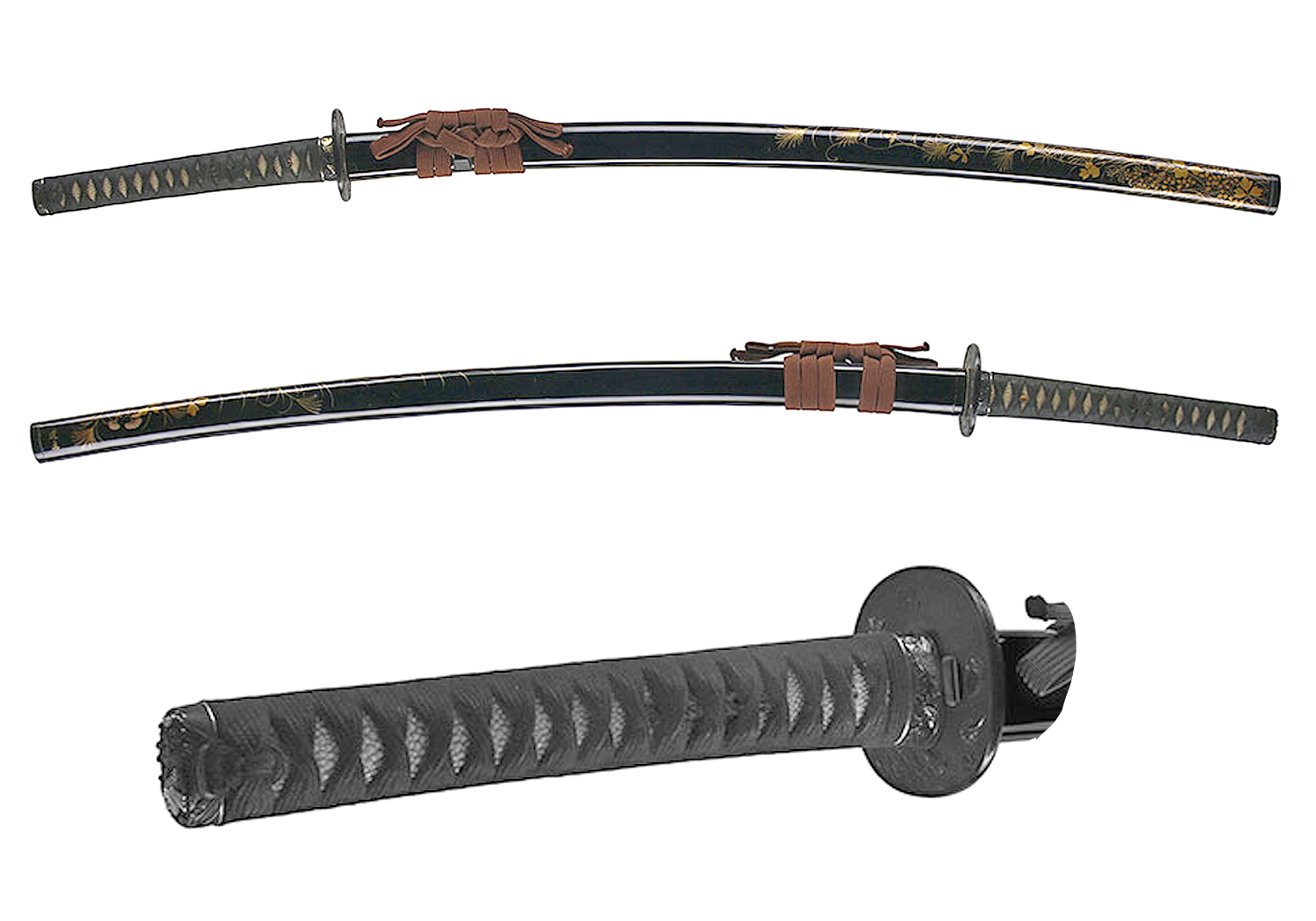
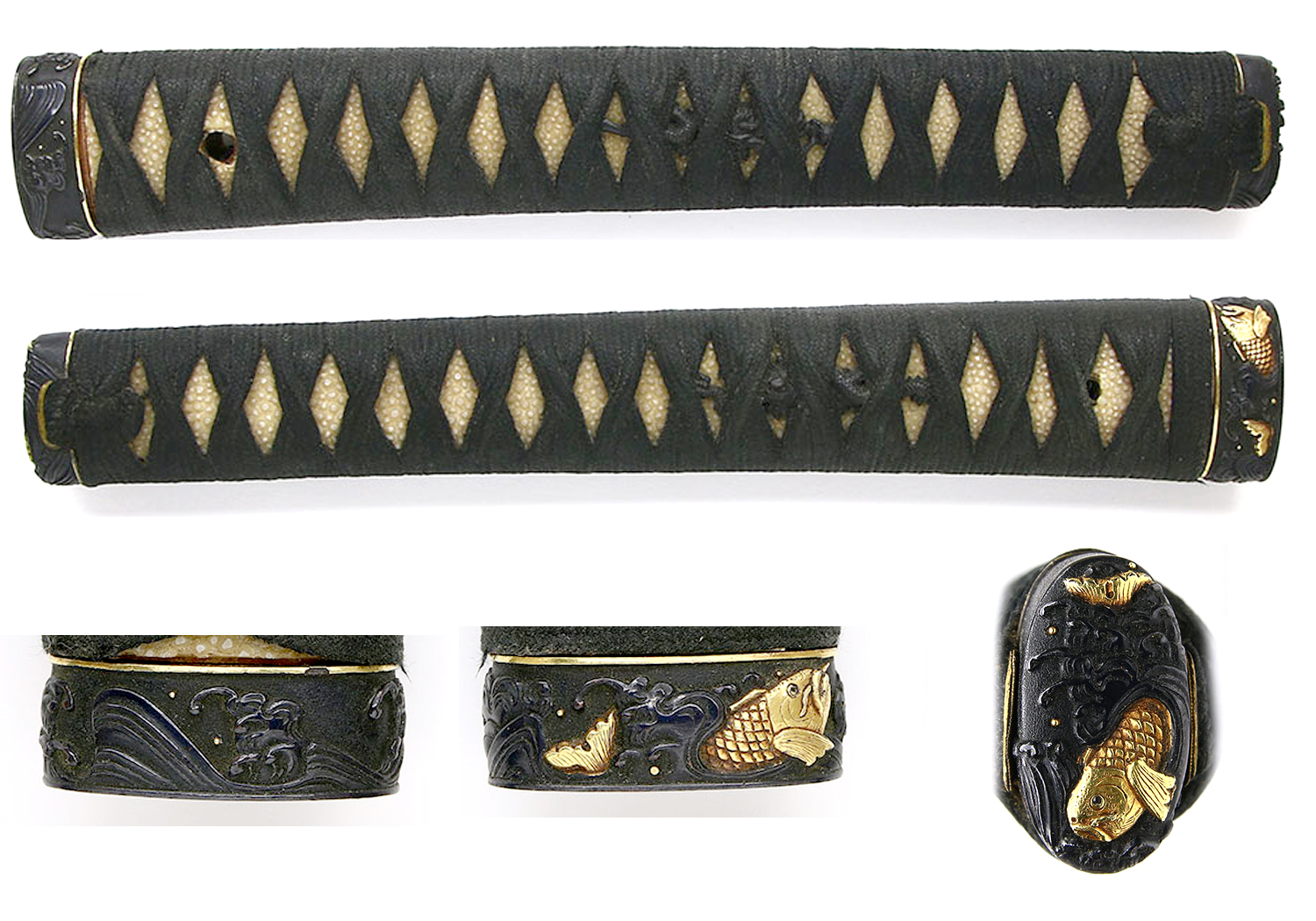
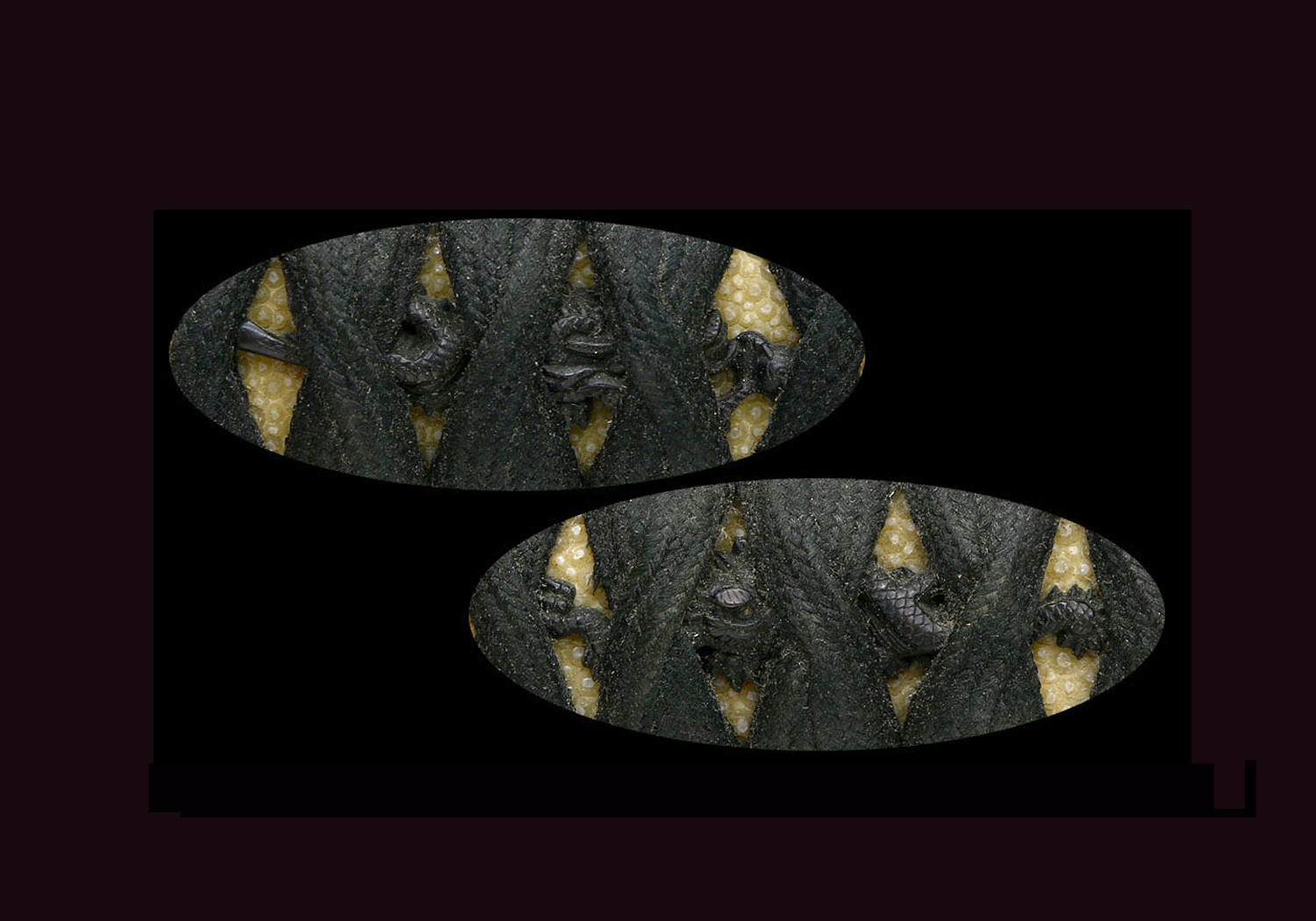
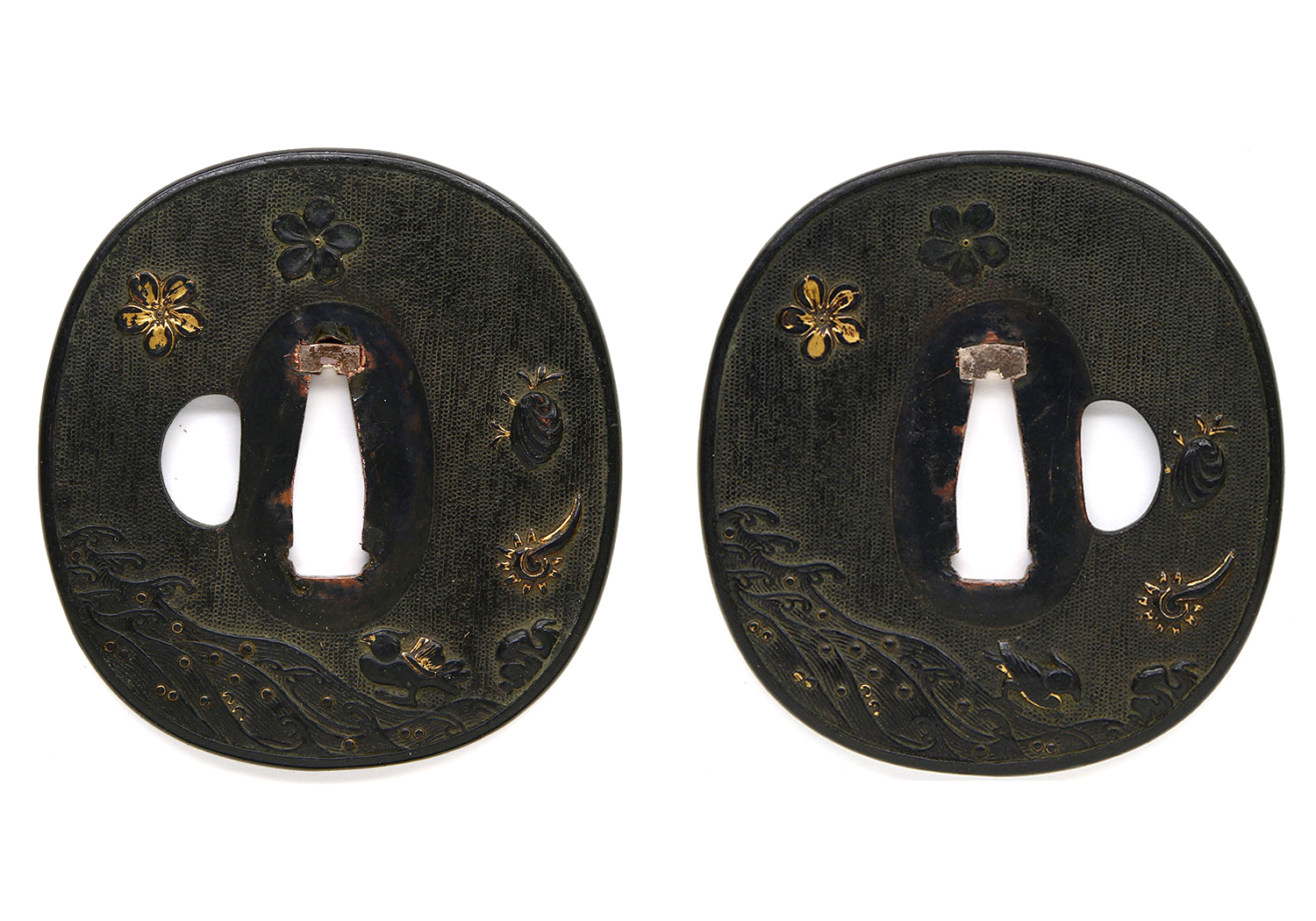
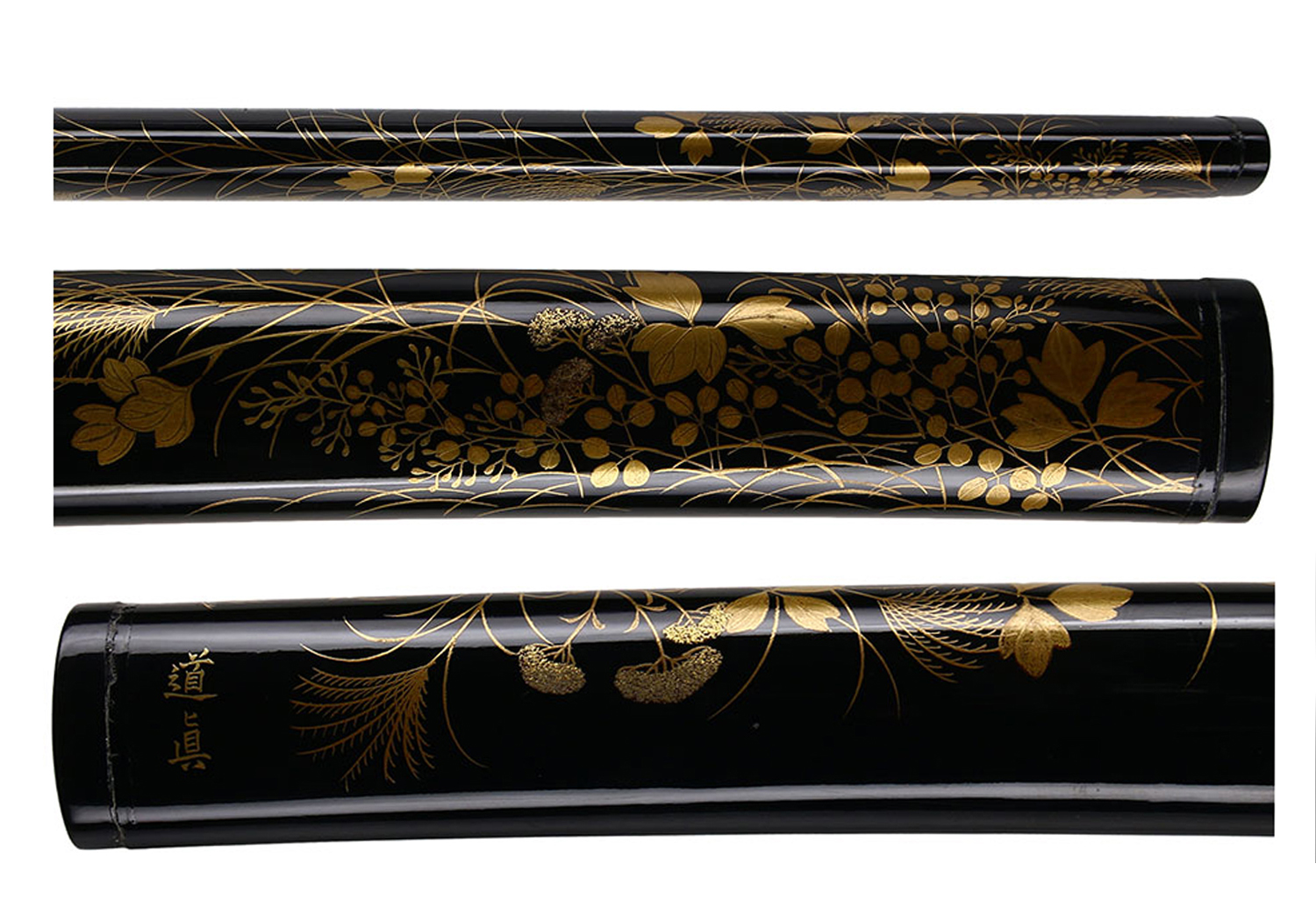
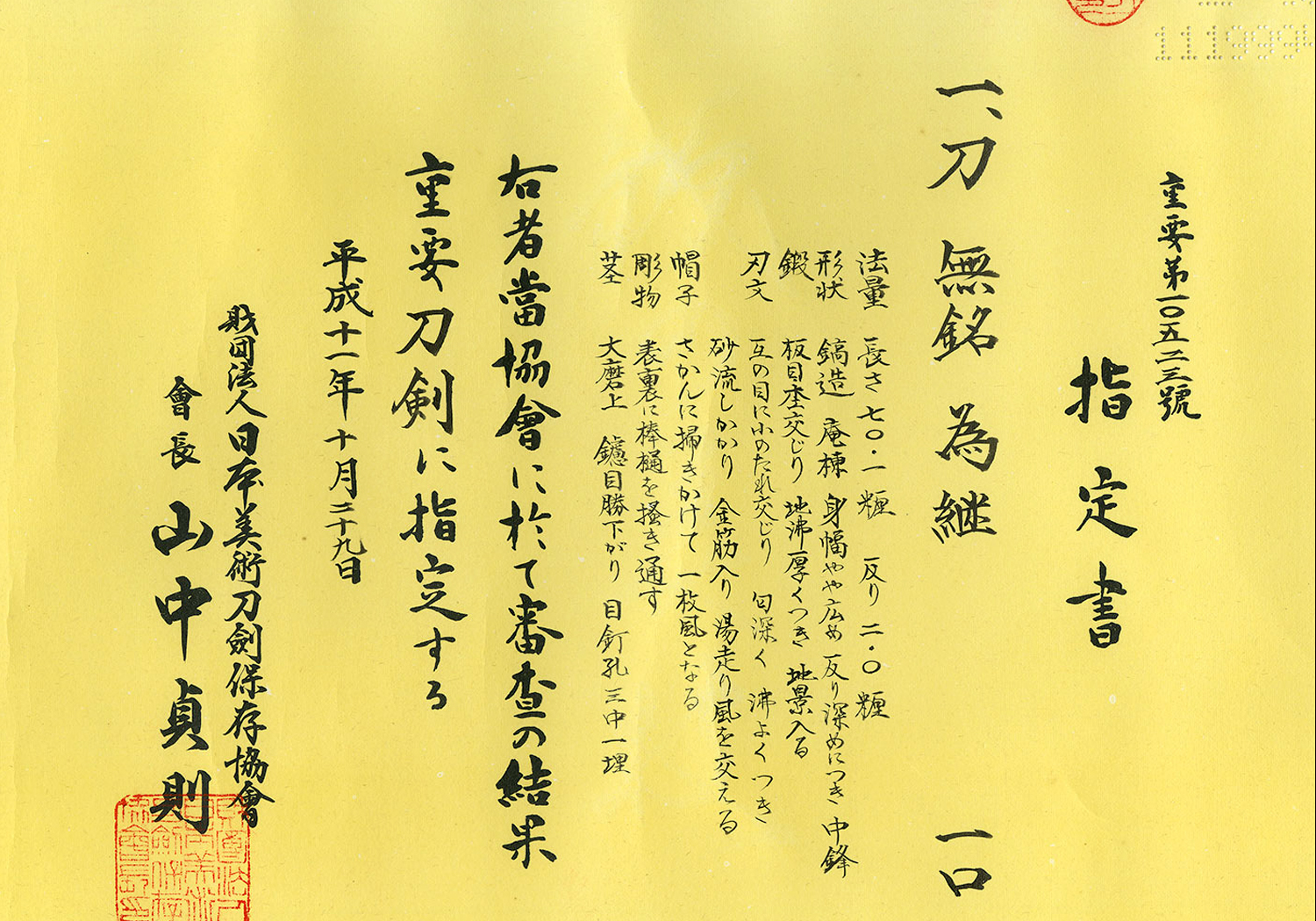
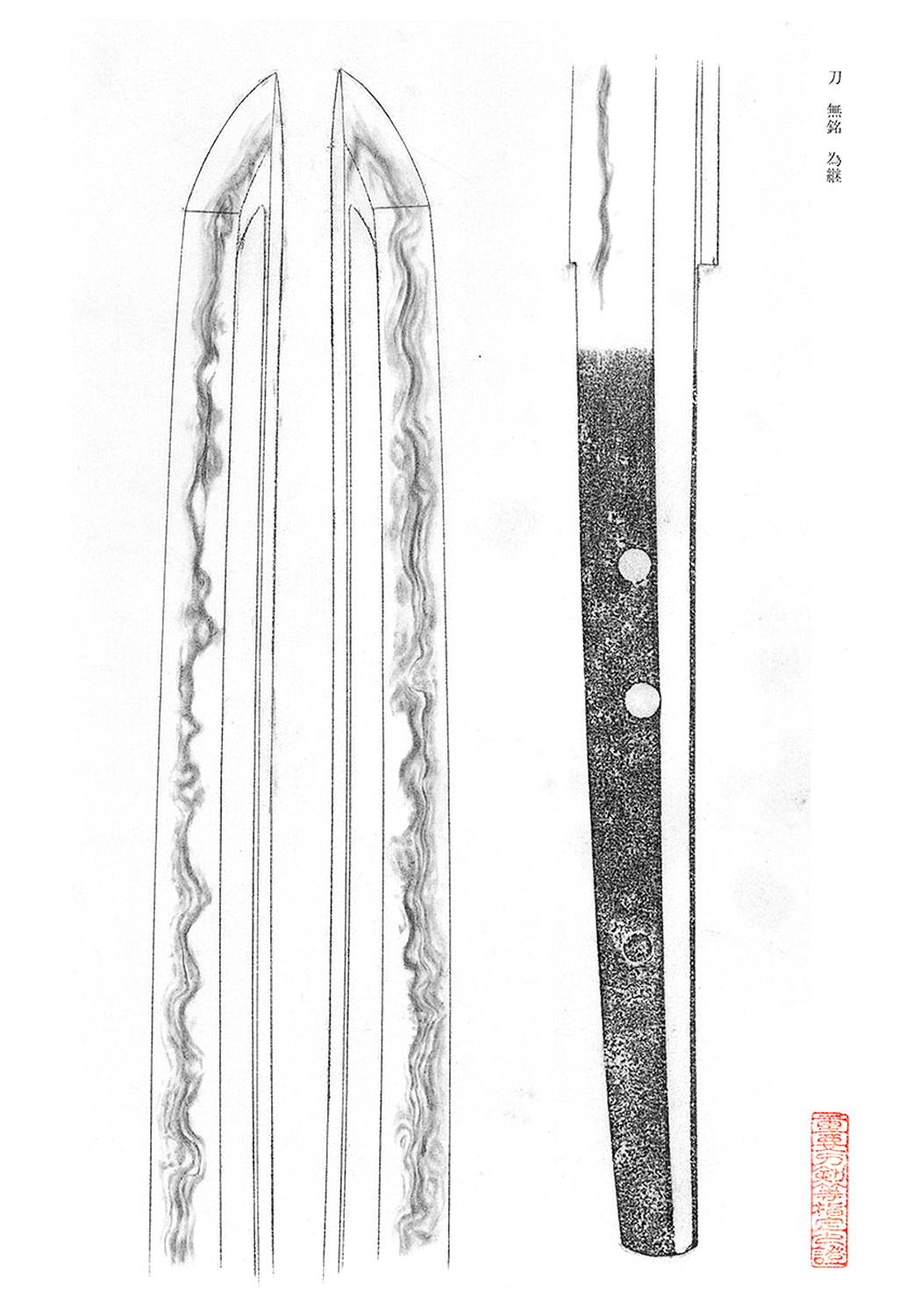
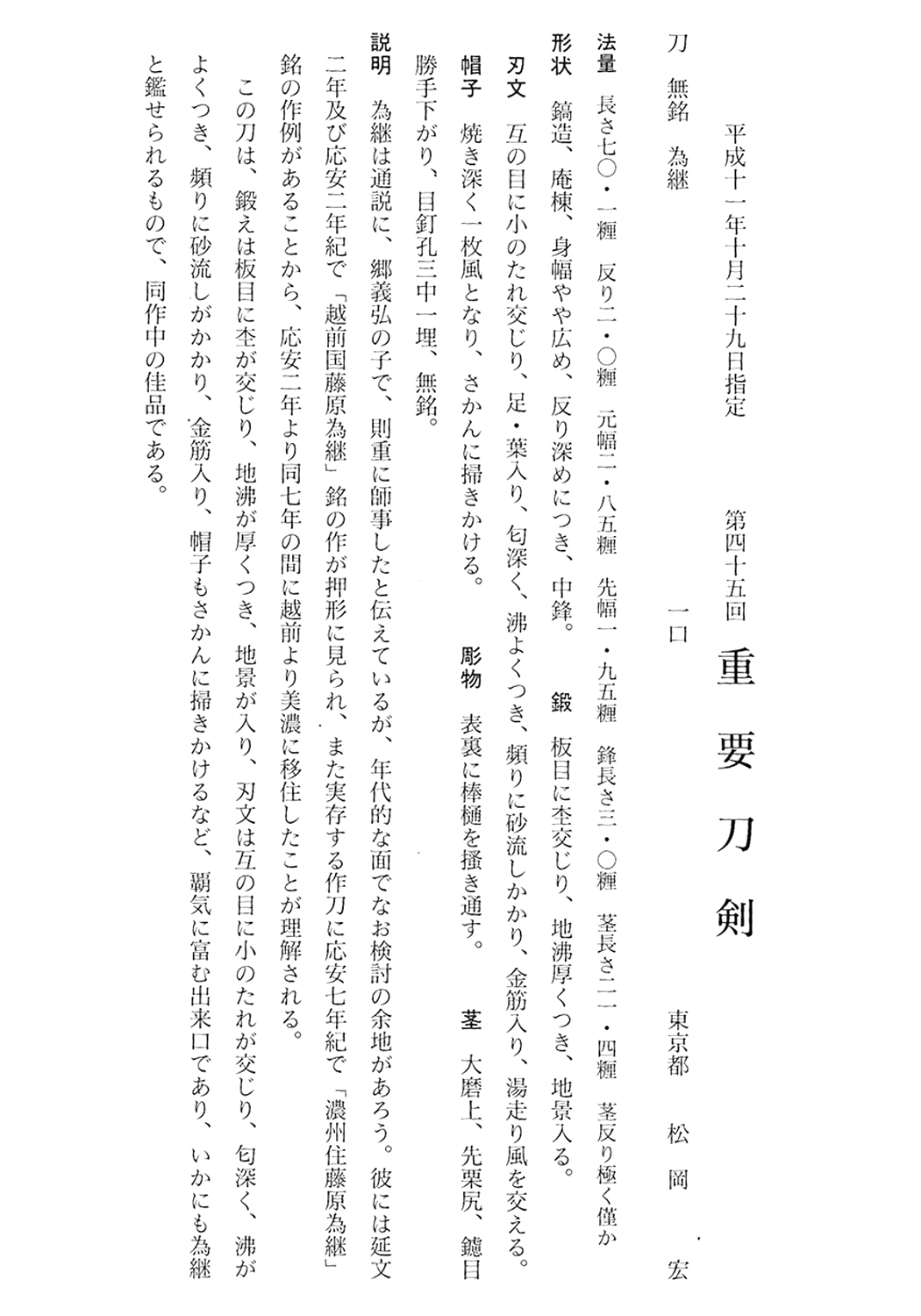
Tametsugu (為継) worked in the beginning of the Nanbokuchô era and was originally from Echizen Province (越前国). While there is some controversy as to whether he was, in fact, the son of Gô Yoshihiro (江義弘) and a student of Etchû Norishige (越中則重), that seems to be a longstanding theory. I am going to devote the initial part of this treatise to the major smiths who had either a direct or indirect influence on Tametsugu (為継) and, hopefully, shed some light on this theory. When we consider the founding of the Sôshû school (相州), we must start with Shintogo Kunimitsu (新藤五国光). Kunimitsu (国光) was the son of Awataguchi Kunitsuna (粟田口国綱) who died at the age of 93 in the seventh year of Kenchô (建長) (1255). In the Daizan it says that Kunitsuna’s (国綱) son was born to him in his old age and separated from him at the age of six. That would make the birth year of Shintôgo Kunimitsu (新藤五国光) 1249. This loosely ties in with Dr. Honma’s belief that rather than there being a direct lineage of Sôshû (相州) smiths, i.e. Kunimitsu (国光) teaching Yukimitsu (行光); Yukimitsu (行光) teaching Masamune (正宗); Masamune (正宗) teaching Norishige (則重); etc., the more likely situation was that Masamune (正宗), Norishige (則重), Go Yoshihiro (江義弘), and even Yukimitsu (行光) were all fellow students of Shintôgo Kunimitsu (新藤五国光). They may have been students at varying times and for varying periods of time. Since we have dated works by Kunimitsu (国光) as late as the Gentoku (元徳) era (1329-1331), this is entirely possible. In the case of Norishige (則重), this theory is supported by the reliable source material Kiami-bon that was published in the first year of Eitoku (永徳) (1381). It pointed out that Norishige (則重) was a student of Shintogo Kunimitsu (新藤五国光). Further, Norishige’s (則重) extant works are known with the respective dates of the third year of Shôwa (正和) (1314), Gen-ô (元応) (1330). In addition, Kôzan oshigata has a record of a blade having a date in the Enkei (延慶) era (1308). The blade with the date of the third year of Shôwa (正和) (1314) has the surface texture (hada) appearing at first glance like Yukimitsu’s (行光) instead of the so-called matsukawa-hada for which Norishige (則重) is famous. This would tend to indicate that this blade was probably made at the beginning of Norishige’s (則重) career. These points are made in an article by Koizumi Tomitaro in the NBTHK Journal. Nihontô Koza further references the Kotô Meijin Taizen as stating that Norishige (則重) was born in the second year of Shôô (正応) (1290) and that he died at the age of 77 in the fifth year of Jôji (貞治) (1366). This would make Masamune (正宗) 28 years older than Norishige (則重). Masamune’s (正宗) generally accepted dates are from approximately 1262 to 1343. Nihontô Koza cites a reference that Masamune (正宗) died at the age of 81 years old in the second year of Kôei (康永) (1343). Also, if we do the math, we will find that Masamune (正宗) was only 13 years the junior of Kunimitsu (国光), yet no one disputes that they had a teacher/student relationship. When we consider the short life span of Go Yoshihiro (江義弘), these theories become even more interesting. The Nihontô Koza says that Go Yoshihiro (江義弘)was 21 years old around the Gen-ô era (元応) (1319-1321) and that he died at the age of 30. This means that he was born in 1300 and he passed away around 1330. If we assume that by the age of fifteen he was learning to make swords, it is easy to see how he could also have been under the direct influence of Kunimitsu (国光), Masamune (正宗), Norishige (則重), and Yukimitsu (行光) either directly or indirectly. The point is that we do not have to button-hole any of these smiths as being the students of only one of these great smiths. Rather, we can make the case that they had overlapping contemporary lives and worked, experimented, and learned together. There is a scarcity of detailed information about Tametsugu (為継), but based on the known working dates we have from his few remaining signed pieces, I feel confident that we can place his life approximately between 1315 and about 1380. As we know, his father, Go Yoshihiro (江義弘), died at the young age of 30 in 1330. If we assume that Tametsugu (為継)was at least 15 years old at the time of his father’s death (old enough to begun studying the making of swords with his father), that would mean that Tametsugu (為継) entered the Norishige Kei (則重系) when Norishige (則重) was about 40 years old and in his prime. When we examine the works of Tametsugu (為継), we can easily see the influence of the Sôshû (相州) school and particularly the forging characteristics of Norishige (則重). We find the areas of dark steel associated with the swords of the “Northern” area of Honshû and occasionally we find areas of matsukawa-hada for which Norishige (則重) is famous. When describing the works of Go Yoshihiro (江義弘), Albert Yamanaka made the following comments about Tametsugu (為継). He wrote, “…Of the very few smiths that followed YOSHIHIRO and his style, probably the most outstanding and whose works we often encounter is that of TAMETSUGU and in many cases, the better of TAMETSUGU’s works are passed off as YOSHIHIRO, though actually, there is a world of difference in the skill of these two smiths, like the sun and the moon”. Albert Yamanaka further states when describing the works of Tametsugu (為継); ” All blades made by this smith are very similar to those of NORISHIGE though slightly inferior”. These two descriptions offered by Albert Yamanaka might, at first glance, seem to be unflattering. However, when you consider that Yamanaka considered Tametsugu (為継) to be “slightly inferior” to Norishige (則重) and of less skill than Go Yoshihiro (江義弘), these comments can be construed as praise indeed. To be “slightly inferior” to Norishige (則重) and of “less skill” than Go Yoshihiro (江義弘), two of the greatest smiths in the history of Japanese sword making, and to further say that Tametsugu’s (為継) better works are often passed off as being the works of Go Yoshihiro (江義弘), is high praise indeed. All things are relative and must be taken in their entire context. When we study the history and genealogy of sword smiths who lived 650 or more years ago, we have very few facts to go on and must rely heavily on old texts that were often written hundreds of years after the smiths died or on old oral traditions. Fortunately, we do have one source of reliable information that many smiths left for us, i.e. some of them occasionally chose to put dates on their blades. Among Tametsugu’s (為継) remaining works there is one dated in the second year of Enbun (延文) (1357) and one dated the second year of Ôan (応安) (1369). They are both signed Echizen no Kami Fujiwara Tametsugu (越前守藤原為継). There is also a work dated as being made in the seventh year of Ôan (応安) (1374). This example, however, is signed Noshû Jû Fujiwara Tametsugu (濃州住藤原為継). From the dates on these three blades and the change in the location of manufacture, we can surmise that at some point between 1369 and 1374, Tametsugu (為継) moved from Echizen Province (越前国) to Akasaka (赤坂) in Mino Province (美濃国). If we go back and reference the probable working dates of Etchu Norishige (越中則重), we can draw the conclusion this would have been about the time that Norishige (則重) stopped working so Tametsugu’s move at that time from Etchu Province (越中国) entirely logical. Since this period (1369-1374) was also near the end of the working career of Shizu Kaneuji (志津兼氏), there is even the remote possibility that Tametsugu (為継) also spent some amount of time working with this smith who is also considered to have been one of the Masamune Jittetsu (正宗十哲), ten students of Masamune (正宗). Thus, we have the strong possibility that Tametsugu (為継) studied with and was influenced by three of the greatest smiths of his time. However, a more likely reality is that he moved to Mino (美濃) in time to work with the second generation Kaneuji (兼氏) as Shizu Kaneuji (志津兼氏) by that time was probably too old to do much teaching. The subject blade for sale here is an excellent example of the work of Tametsugu (為継) in his mature, later years after he moved to Mino (美濃). As is pointed out in the Jûyô zufu write-up, “Regarding his style of workmanship, the jigane is well covered in ji-nie, the itame hada is prominent and flowing, and there is a mixing in of blackish steel. The ha is notare based with a mixing in of gunome, and there are conspicuous streaks of sunagashi. The bôshi is heavily brushed. All of these characteristics give the feeling of a mixing together of the Northern area’s and the Mino’s (美濃) styles of workmanship.” The sugata of this sword is very typical of the later part of the Nanbokucho era. It differs slightly from the works of Yoshihiro (義弘) and Norishige (則重) by its wider mihaba, elongated kissaki, thin kasane, and lack of any narrowing from the moto-haba to the kissaki-haba. The flowing itame hada with areas of mokume hada and even a few areas of o-mokume hada and the presence of a few areas of a “blackish” darker steel point to a combination of Mino(美濃) traits mixed with the steel of the Northern region of Etchu/Echizen (越前/(越中). Throw in the jigane that is covered in ji-nie;a hamon that is gunome-midare with a slight mixing in of ko-notare; ashi and yô activity here and there; streaks of sunagashi; a habuchi that is well covered in nie and you have a strong Sôshû (相州) influence, much like the works of Norishige (則重). The following is a translation of the Jûyô Tôken zufu description of the above blade: Jūyō-tōken at the 45th Jūyō shinsa from October 29, 1999 Katana, mumei: Tametsugu (為継) Measurements: Nagasa 70.1 cm, sori 2.0 cm, moto-haba 2.85 cm, saki-haba 1.95 cm, kissaki-nagasa 3.0 cm, nakago- nagasa 21.4cm, only very little nakago-sori Description: Keijō: shinogi-zukuri, iori-mune, relatively wide mihaba, deep sori, chū-kissaki Kitae: itame that is mixed with mokume and that features chikei and plenty of ji-nie Hamon: nie-laden gunome with a wide nioiguchi that is mixed with ko-notare, ashi, yō, many sunagashi, kinsuji, and yubashiri-like elements Bōshi: widely hardened, tending to ichimai, and featuring plenty of hakikake Horimono: on both sides a bōhi that runs as kai-tōshi through the tang Nakago: ō-suriage, kurijiri, katte-sagari yasurime, three mekugi-ana (of which one is plugged), mumei Explanation: According to the prevailing view, Tametsugu (為継) was the son of Gō Yoshihiro (郷義弘) and a student of Norishige (則重), although from the point of view of active periods of all of these smiths, this approach may be revised. There exist oshigata of blades by Tametsugu which are dated Enbun two(延文,1357) and Ōan two(応安,1369) and which are signed “Echizen no Kuni Fujiwara Tametsugu”(越前国藤原為継),“Fujiwara Tametsugu from Echizen province.” Apart fromthat, a blade exists which is dated Ōan seven (1374), which is signed “Nōshū-jū Fujiwara Tametsugu”(濃州住藤原為継),“Fujiwara Tametsugu, resident of Mino province.” Thus, we learn that the smith had moved between Ōan two and Ōanseven from Echizen to Mino province. This blade shows a kitae in itame that is mixed with mokume and that features chikei and plenty of ji- nie. The hamon is a nie-laden gunome with a wide nioiguchi that is mixed with ko-notare, manysunagashi, and kinsuji, and the bōshi features much hakikake. Thus, the deki of this blade is quite ambitious and itsinterpretation attributes it to Tametsugu. We have here a masterwork among all blades by this smith. You will see that in the “Explanation” section of the zufu, the kantei judges express serious doubts as to the validity of the common theory that Tametsugu (為継) was, indeed, the son of Go Yoshihiro (江義弘) and the student of Etchu Norishige (越中則重). I hope that the chronological periods of Go Yoshihiro (江義弘), Norishige (則重), and the others presented in the lifespan timeline below (Appendix A) help to substantiate those opinions. This sword is accompanied by a fine set of Edo Era koshirae that is both beautiful and tasteful. The overall theme is that of a marine nature with the exception of the menuki which are shakudo dragons. Please see the photos below for details of this koshirae. APPENDIX A
NihontoWatch
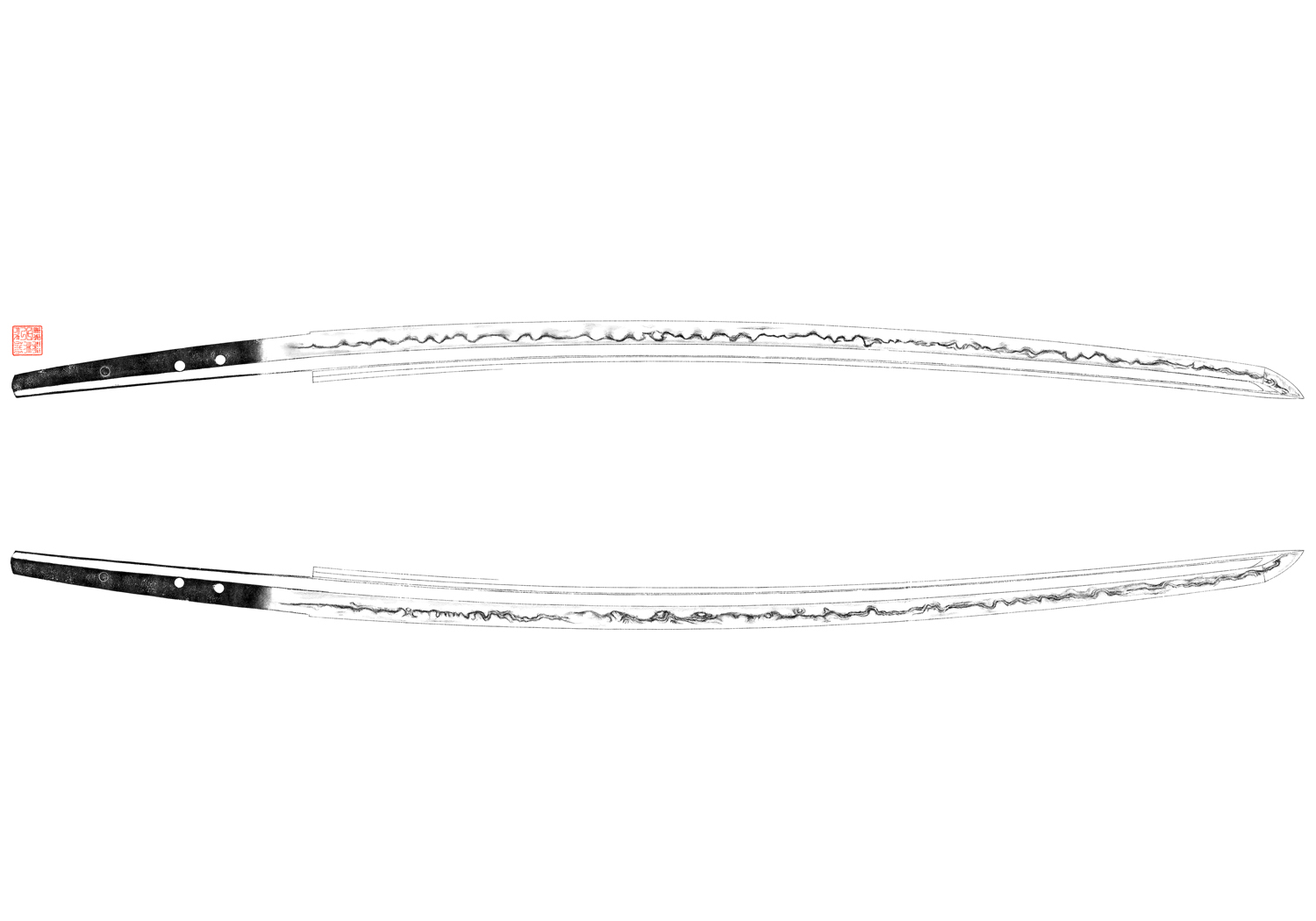
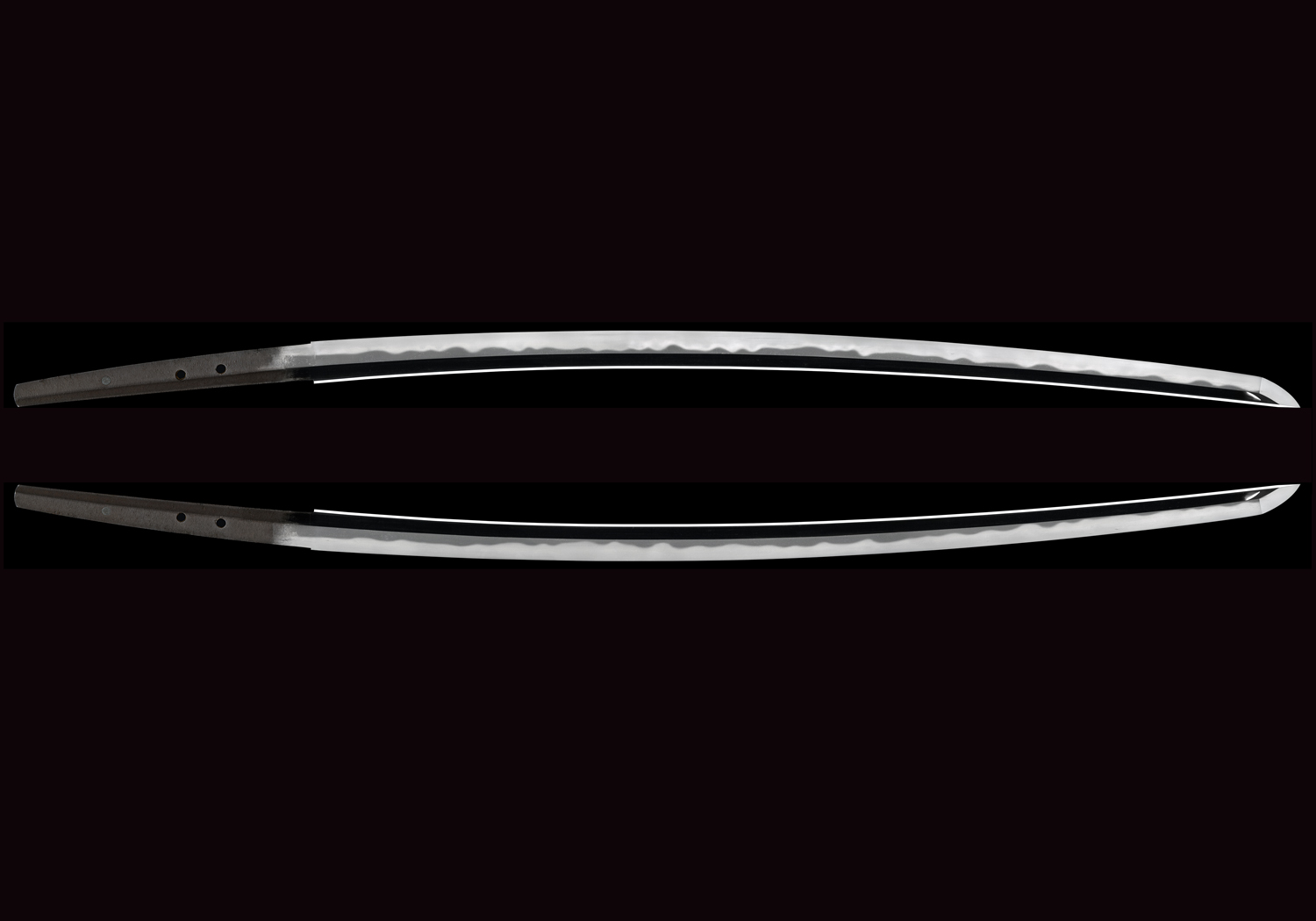
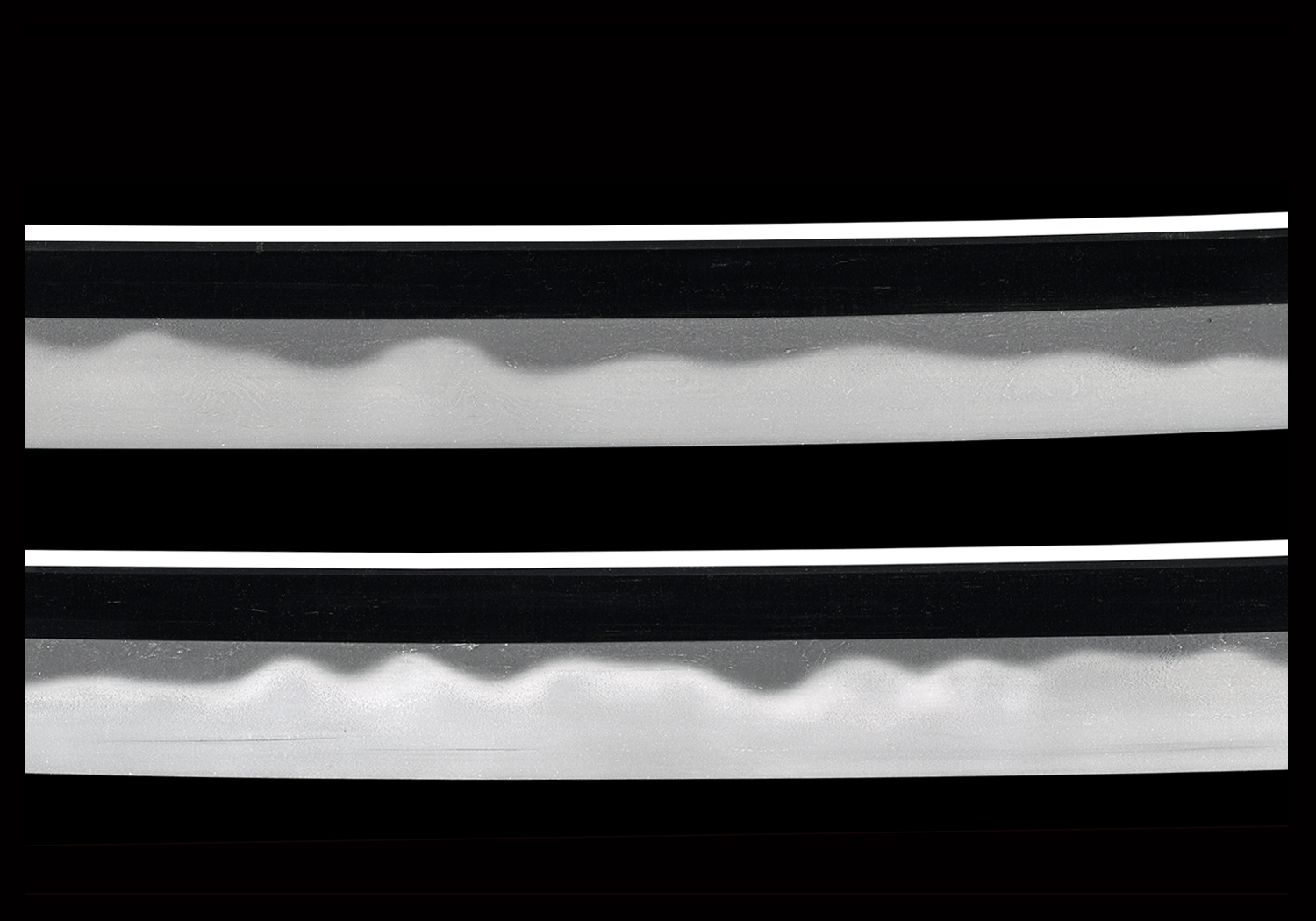
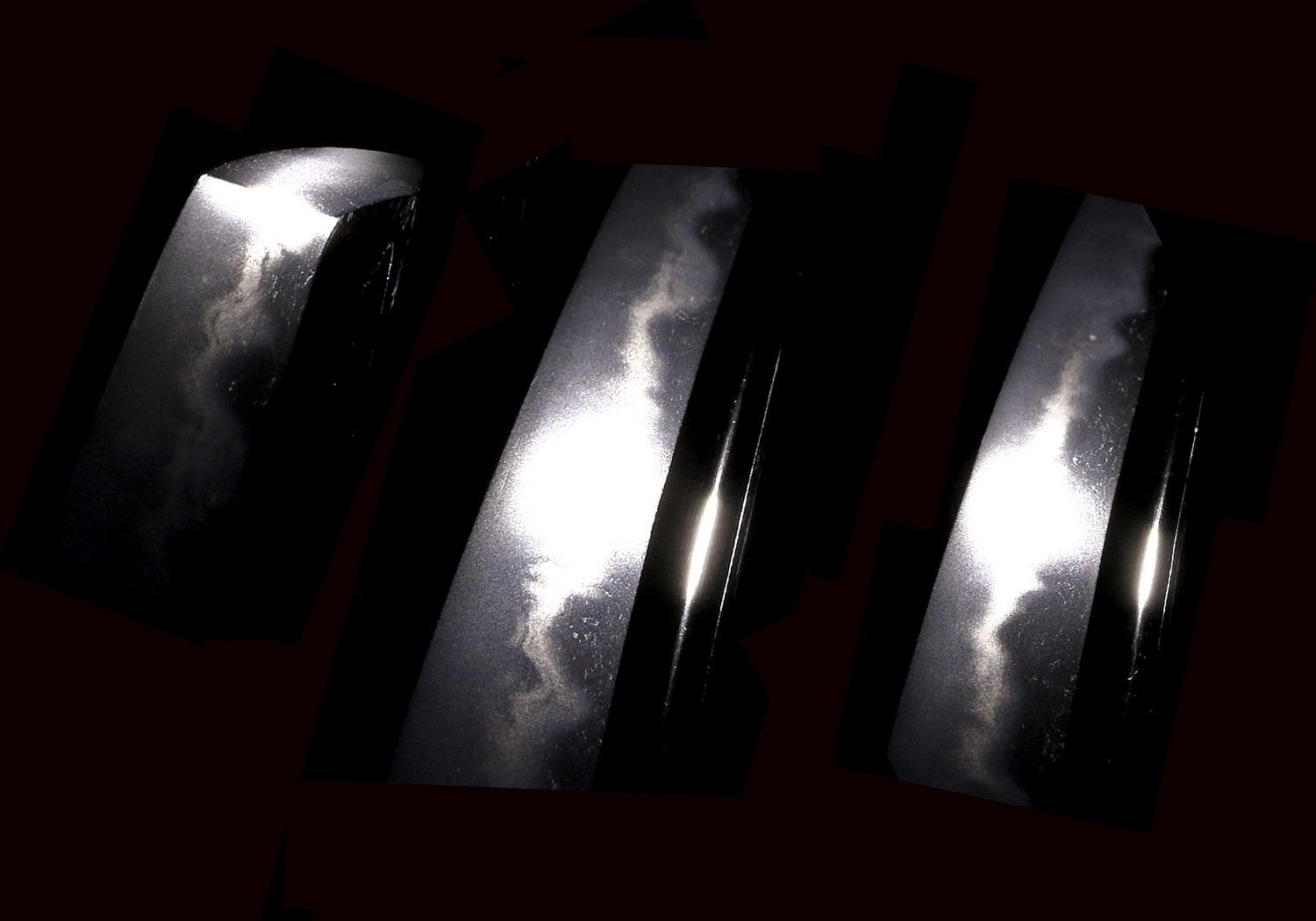
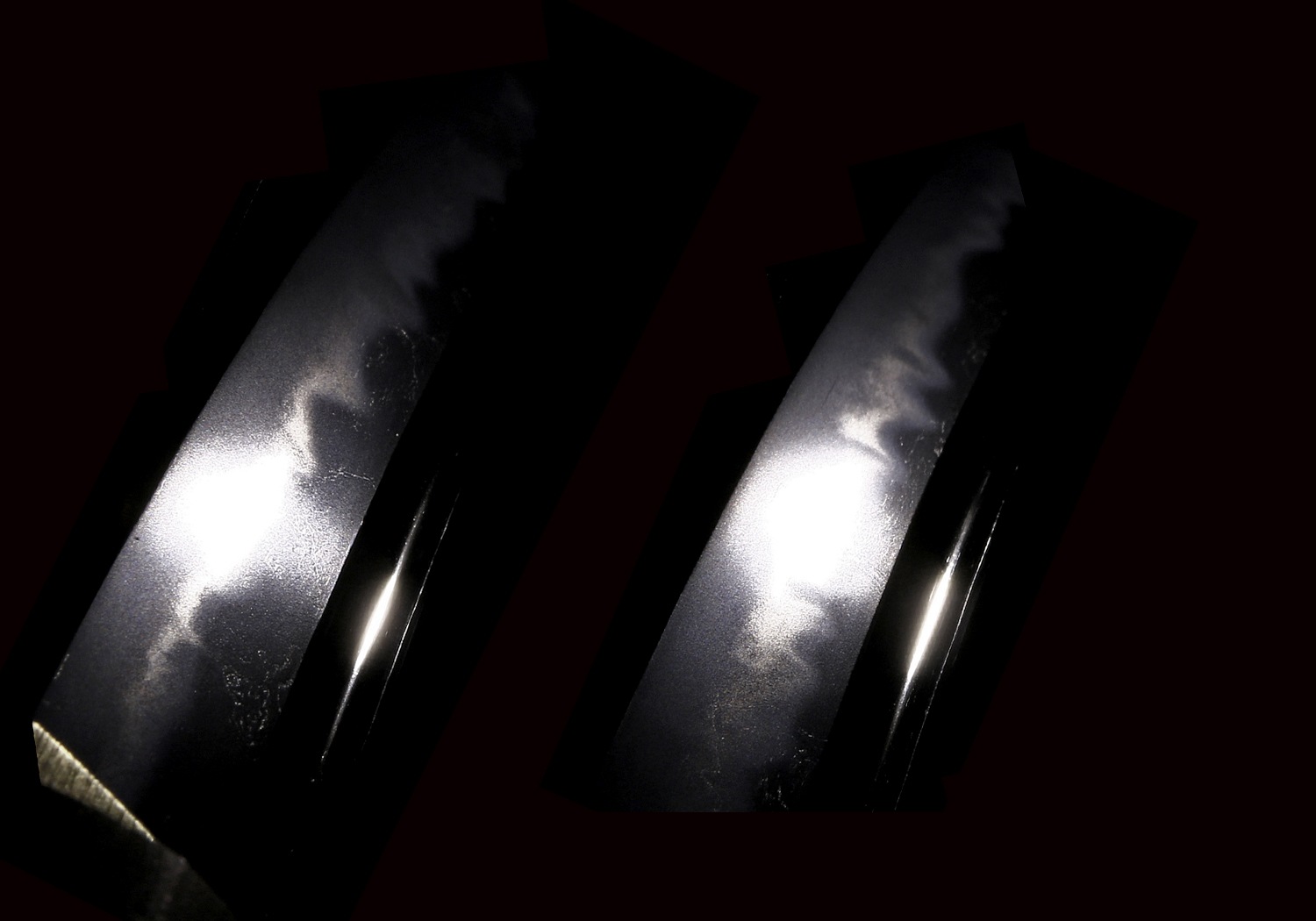
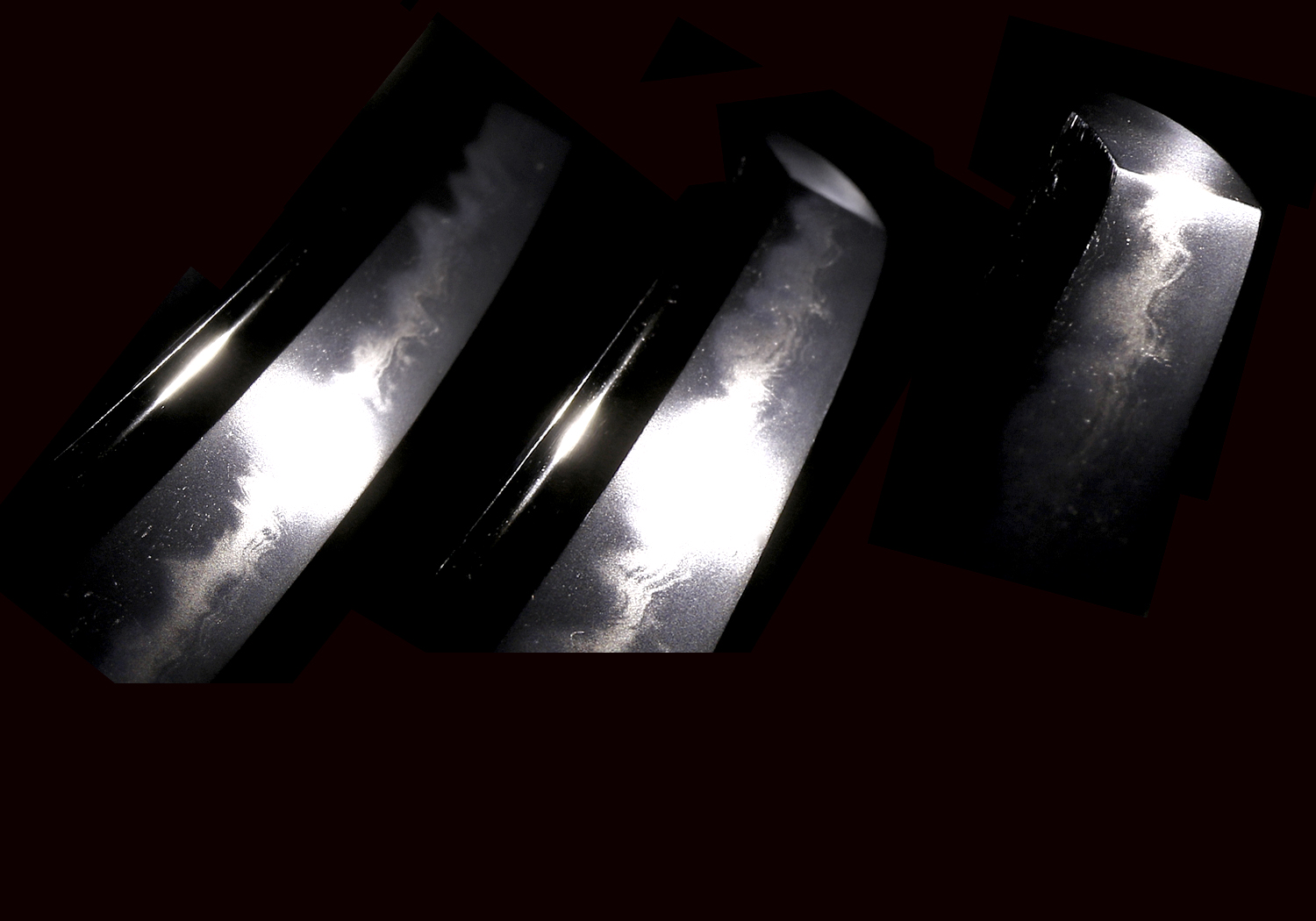
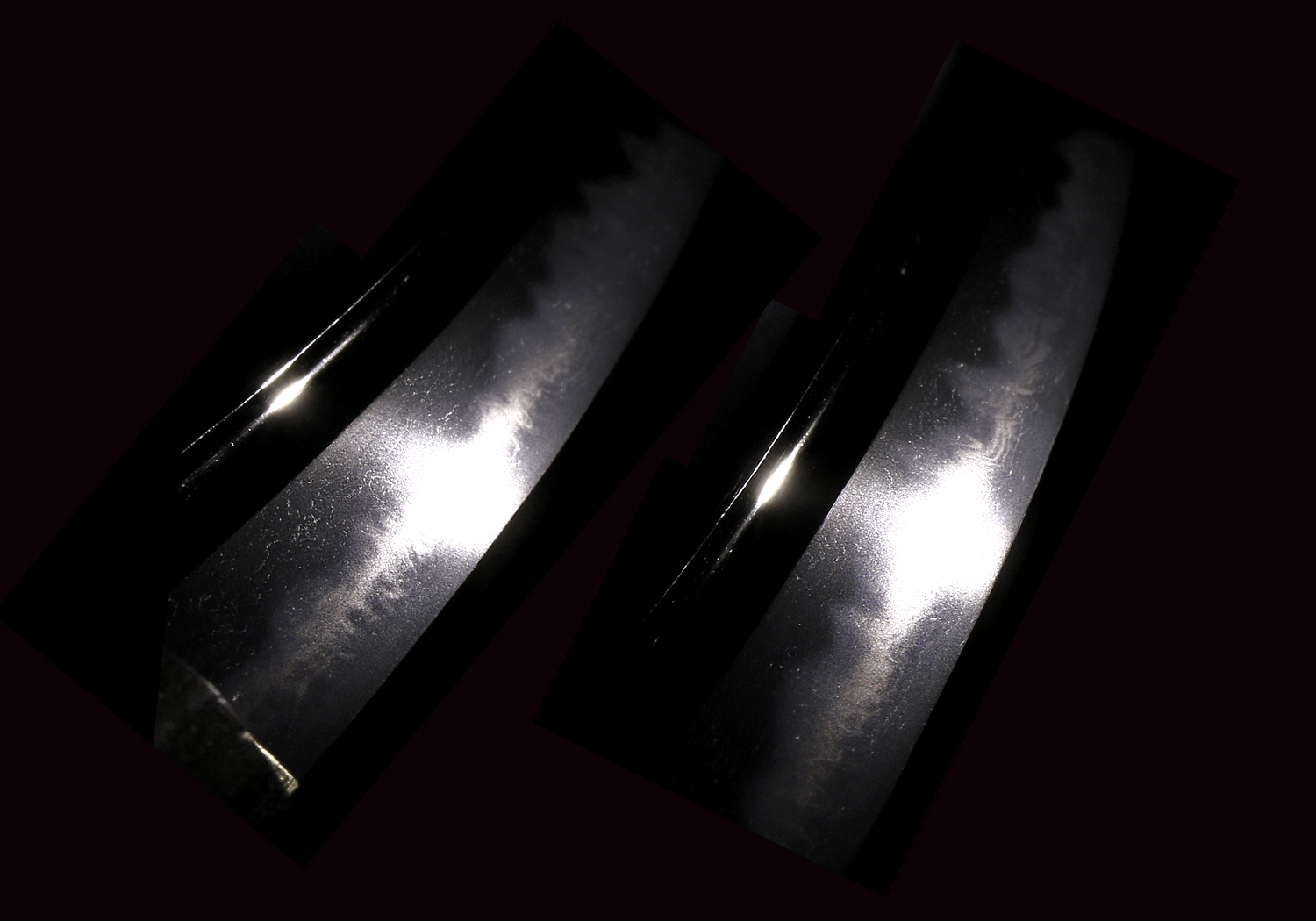
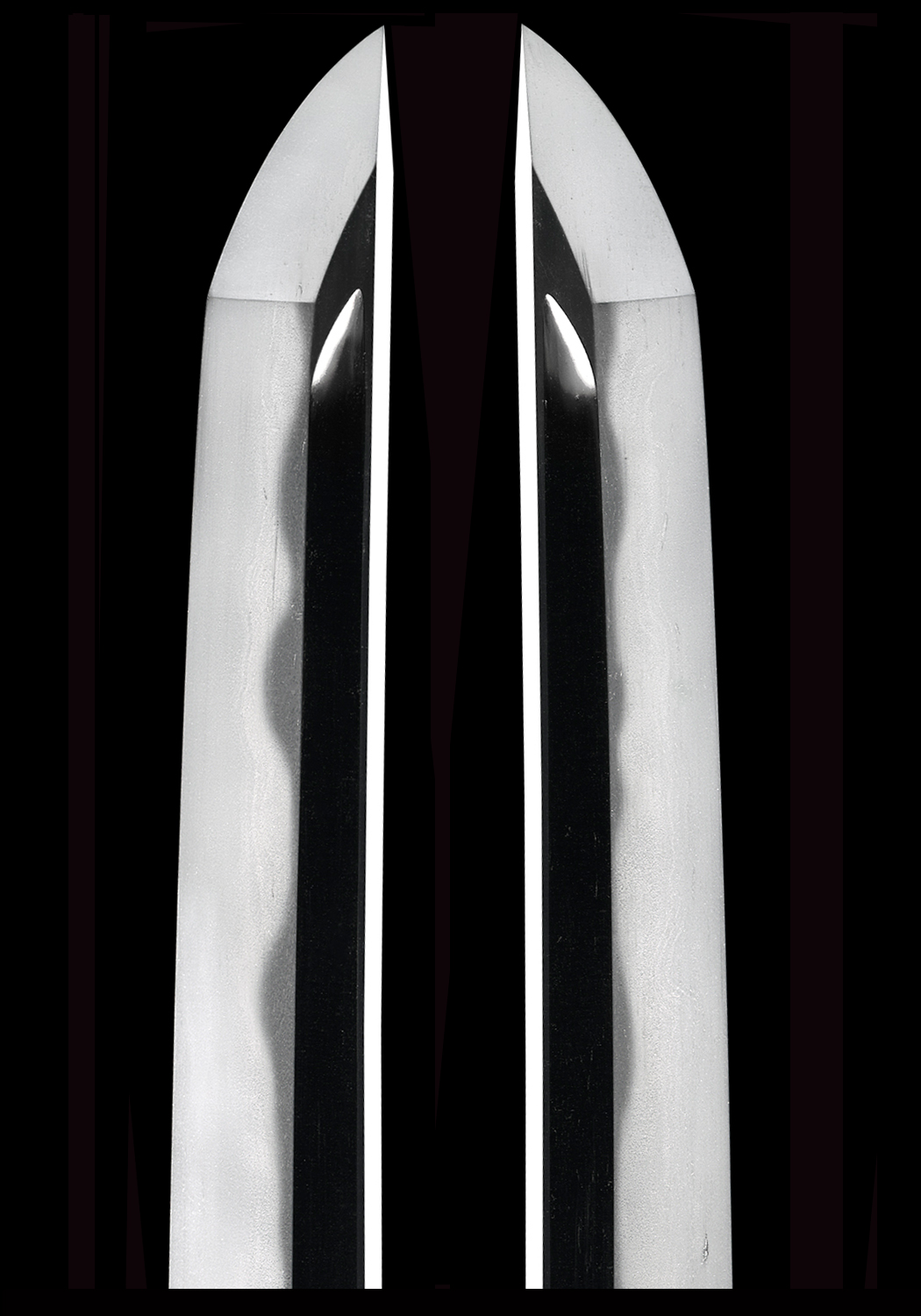
美濃(北陸道相伝、則重風) · 美濃 · 1345-1350頃
現在2点販売中
応安の年紀に「濃州住藤原為継」と銘した寸延短刀は昭和十年に重要美術品に認定され、本工の在国と年代はこの一口に拠る。為継は郷義弘の子で越中呉服郷の則重の弟子と伝え、後に美濃に移住し、一説に不破郡に住したという。後年の説明書は押形の証を加える。「越前国藤原為継」と銘した作に延文二年・応安二年の年紀が見られ、実存する作に応安七年紀の「濃州住藤原為継」銘があることから、「応安二年より同七年の間に越前より美濃に移住したことが分る」[[c:1]]とする。越中住と銘した作はなく、判者は「越中住ときったものはない」[[c:2]]と記す。年紀が南北朝後期に属するため、義弘・則重との所伝の結びつきについては「年代的な面からなお検討の余地があろう」[[c:3]]とされる。
その作風を説明書は端的に「則重風の鍛に美濃風の互の目尖り刃を焼いて一種の作風を示している」[[c:4]]と言う。各説明は定型の評を繰り返す。板目が立って地沸がつき、刃文は「湾れを主調として互の目を交じえ、砂流しかかり金筋入り、匂口沈みごころに沸つく」[[c:5]]。なかでも砂流しは最も執拗で、刃中に頻りに、目立ってかかると繰り返し記される。のたれには尖り刃が交じり、説明書は「有銘作には美濃風が強い」[[c:6]]とする。
地鉄は本工の作に一貫するところである。板目に杢、時に大肌を交え、処々流れ、地沸厚くつき、地景が入り、かねは黒みを帯びる。いくつかの説明は「肌目が白くかす立った、いわゆる北国地鉄」[[c:7]]を指摘する。相州上工に紛れる作については、「一見相州上工を想わすものもあるが、匂口がやや沈みごころとなるところに為継と鑑すべきものがある」[[c:8]]とされる。極められた無銘作に通じる共通点として、説明書は「板目が肌立って黒ずみ、沸出来で匂口の沈むもの」[[c:9]]を挙げ、「直刃はない」と付け加える。帽子は乱れ込み、「帽子もさかんに掃きかける」[[c:11]]もので、小丸に返るか、磨上げた薙刀では焼詰めとなる。
記録は二つの様に分かれる。大半は作風から極められた大磨上無銘の刀で、鋒の延びた幅広い南北朝の刀身である。これに対して在銘作があり、説明書は「同工の有銘確実なものは現存するものが頗る少く、殊に長いものは少い」[[c:12]]と記す。応安の短刀のほか、応安年紀の薙刀を磨上げて刀に直し、そのため帽子が焼詰めとなった一口と、生ぶ茎に「藤原為継作」と五字銘を切り、脇指に見る「濃州住」銘の銘振りに類する太刀がある。判者は有銘作の製作がやや粗であると率直に認める一方、「無銘極めのものには、なかなかよい出来のものがあり」[[c:13]]と評する。越前打と美濃打について、短刀の解説は「概して後者の刃の方が大模様である」[[c:14]]と記す。
本工を分かつものは、その自身の刀身から読まれる。大のたれの乱刃を好み、説明書はこれをもってその作が「志津、金重とは異っている」[[c:15]]とする。師との差は程度の差で、「則重ほど肌立ず地景も少い」[[c:16]]。ある説明はその総体を「丁度北国と美濃風が混在した感がある」[[c:17]]と評する。作域はこの手に止まらず、磨上の一刀は「大和尻懸風の出来」[[c:18]]と極められている。
蒐集の観点では、為継は殆ど極めを通じて出会う南北朝の名である。国宝・重要文化財はない。指定を受けた作は七六口で、多くの回次に亘る重要刀剣七五口と、戦前の重要美術品一口からなる。後者が応安の短刀で、認定時は赤星鉄馬の所蔵であり、説明はその「銘文は資料的価値が高い」[[c:19]]とする。五字銘の太刀は熱田神宮に記録され、その他の所在は多く記録されていない。極められた無銘の刀は重要の相伝物の中に時折市場に現れ、説明書はその一口を「為継の典型的な一刀」[[c:20]]と称える。在銘・年紀の濃州住藤原為継はそれとは別格の、名を定める証であり、私蔵の一口はこの時代の中でも稀な出会いに属する。
爲繼の位置づけを、日本刀全体および伝法・時代・時期ごとに示します。各区分(随一・屈指・有数・著名)は、日刀保および文化庁による指定に加え、三作や名物帳などの歴史的栄誉を加味したものです。
各項目を選ぶと評価方法が表示されます。
相州伝 · 相模
時期区分: 相州· 1288–1385
現在40点販売中
板目に杢を交えた地鉄に地沸が微塵に厚くつき、地景が頻りに織りなされて明るく冴える鍛え、これが相州(鎌倉後期から南北朝期にかけての相州伝の古典的全盛期)を貫く核である。この区分は始祖新藤五国光が粟田口由来の精緻な小板目と直刃の基盤の上に、地刃ともに沸を主体とする鍛えを据えたところに始まる。国光の門から行光、正宗、則重が出て技術が大成し、続いて正宗の系から養子貞宗、越中の郷義弘が出て、伝統が頂点に達した。さらに南北朝期に入ると相模国にあって時代的にも技術的にも貞宗の次に位置する広光と秋広が現れ、十四世紀後半まで本流が続く。鎌倉幕府の府たる鎌倉を母体とし、その滅亡から南北朝の動乱という時代背景のなかで、姿は身幅広く寸延びた豪壮なものへと推移していった。 作風は説示にいう板目に杢交じり、地沸厚くつき、地景頻りに入る鍛えを土台とし、刃文はのたれを基調に互の目を交え、匂口深く沸厚くつき、金筋・沸筋・砂流しが頻りにかかって匂口明るく冴える点にある。郷義弘の作では、正宗・則重に比べて地景・金筋は穏やかながら、刃中に沸足がよく働き、地刃が一段と明るく冴え、肌合に柾ごころを交え、帽子を一枚風に深く焼くのが見どころとされる。広光・秋広に至ると、板目が肌立ちごころとなり、丁子に互の目を交え、飛焼・棟焼を交えて皆焼となり、頭の丸い団子丁子を交える刃文がこの時代に始まる。これらは母体である粟田口の抑制された直刃の源流からは遠く隔たり、沸の働きを前面に押し出した展開である。一方、後続の末相州(室町期の継続と衰退)が、こうした皆焼や帽子の一枚焼きといった形を継承しつつ地刃の冴えと沸の質を次第に薄めていくのに対し、本区分は地刃ともに明るく冴え、働きが豊富である点で截然と区別される。秋広の彫物が後の正広・広正、さらに室町末期の相州鍛冶の先駆となったことも、本区分が型を確立した側であることを示す。 収集家がこの区分を別格とするのは、正宗を頂点に、貞宗、そして正宗十哲の筆頭に挙げられる郷義弘という頂の刀工を擁するからである。鑑定上の要点は、郷義弘・貞宗ともに在銘作が皆無であるため、地刃の明るい冴え、沸足の働き、柾ごころ、一枚風に深く焼く帽子といった作域から極めることにある。代表作には金象嵌銘の兜切り江や名物中川江があり、宇和島伊達家、小田原藩大久保家、薩摩の島津家など大名家への伝来が説示に記される。秋広には延文二年から至徳四年に及ぶ年紀作があり、銘の切り方の変遷とともに資料的価値を支えている。 詳しく見る →
南北朝時代の相州
1333年に鎌倉は落ちたが、一派の最大の時代はその後に来た。師の水準で鍛える貞宗、皆焼を大成した広光と秋広。相州風は軍勢とともに広がり、一時は国じゅうの様式となった。
特別保存刀剣の中から、特に出来が優れ、国認定の重要美術品に準ずると判断された名品です。年に一度の重要刀剣審査で選ばれます。
極めて選別的で、日本に登録された約250万口の刀剣のうち、重要刀剣に達したものは12,348口(約202口に1口)にすぎません。
日本美術刀剣保存協会(日刀保)は、1948年に設立され、文化庁の監督を受ける公益財団法人で、東京・刀剣博物館に本部を置きます。専門の審査員が出品作を直接審査し、美術的・歴史的価値に応じた鑑定書を発行します。日刀保の鑑定書は、日本刀および刀装具の真正性を示す最も広く認知された基準です。
日刀保公式サイトThree-day inspection period and seven-day return period; buyer notifies by email within three days of receipt, no reason needed; full refund once item returned undamaged and unaltered.