相州伝は新興の都市に生まれた。武家政権の都、身分高い注文主のひしめく鎌倉である。伝えでは名工が東に召され、その門流から新藤五国光が、次いで正宗が出た。
 NihontoWatchNihontoWatch
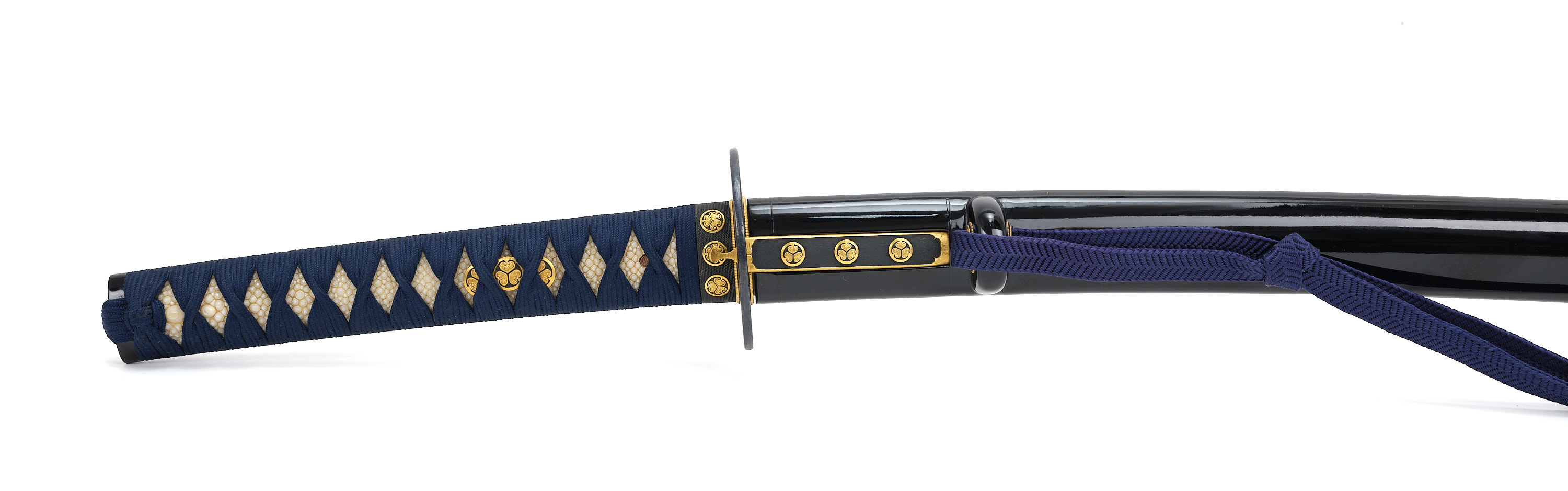
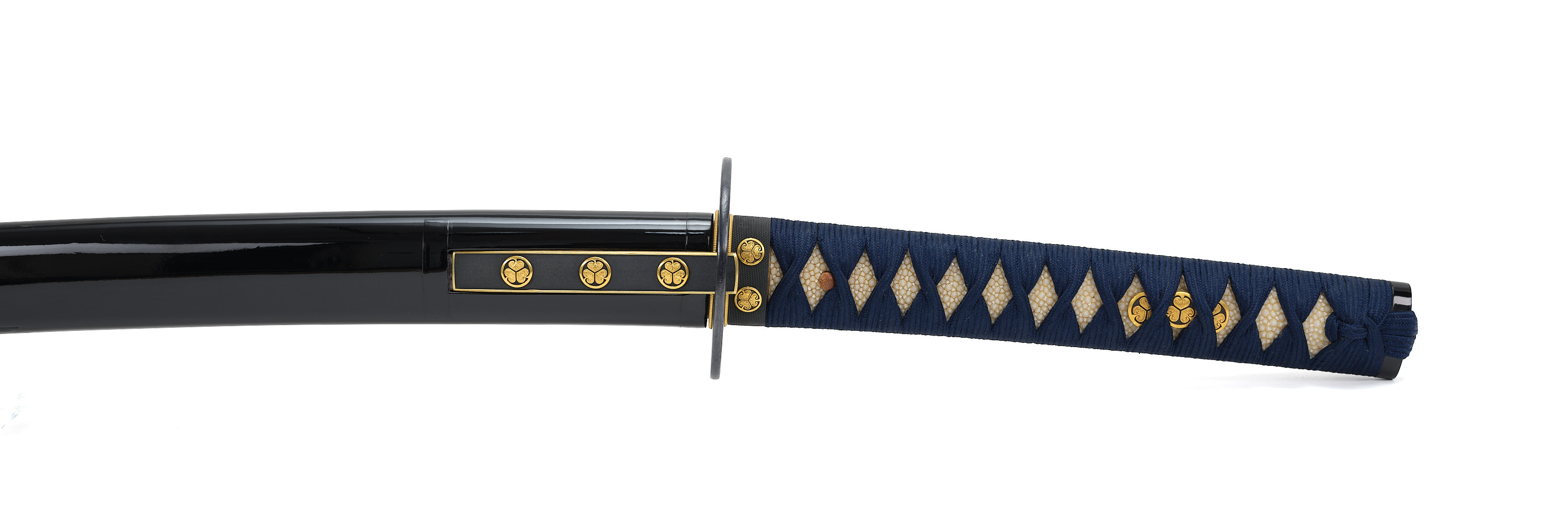
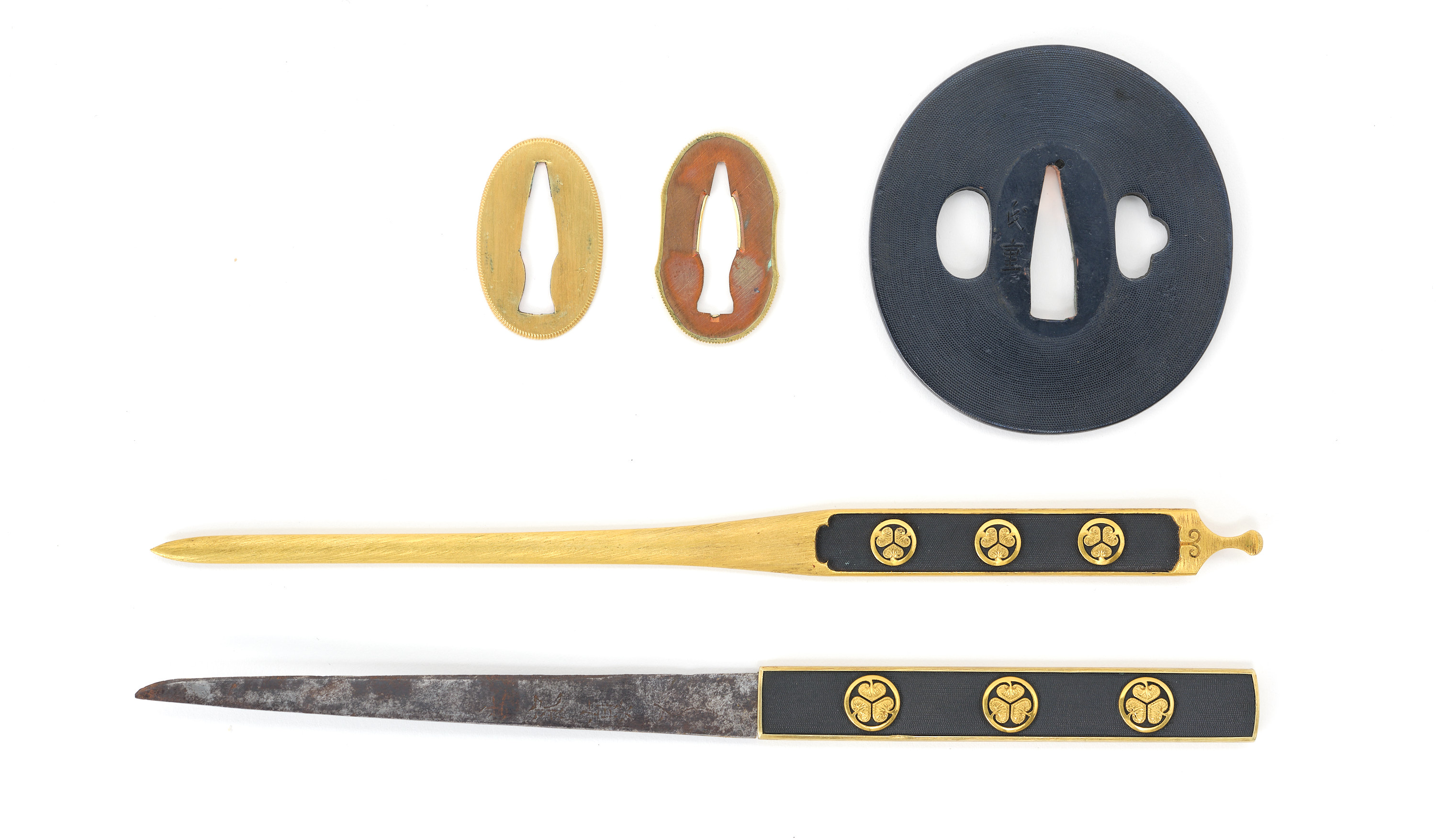
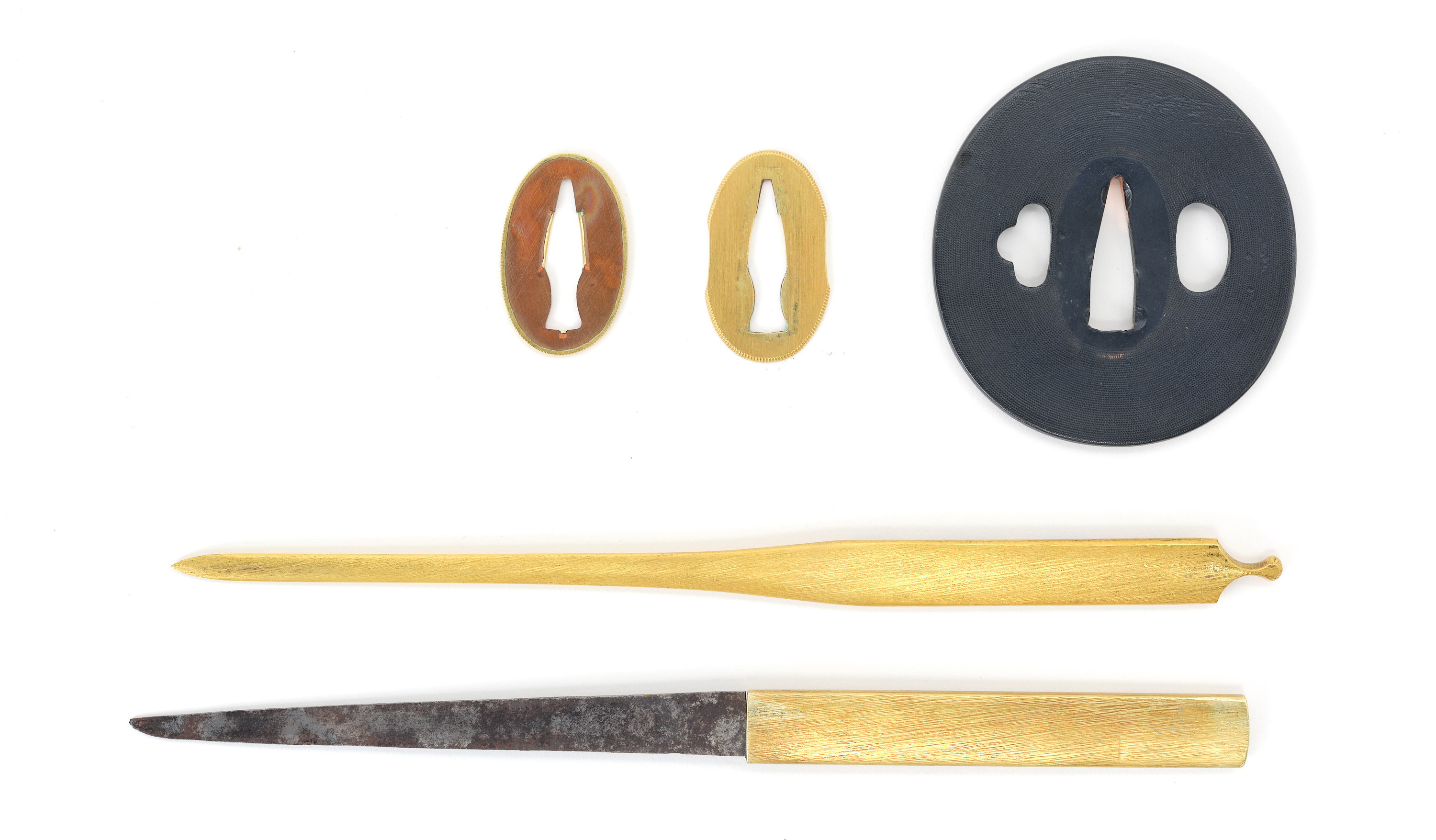
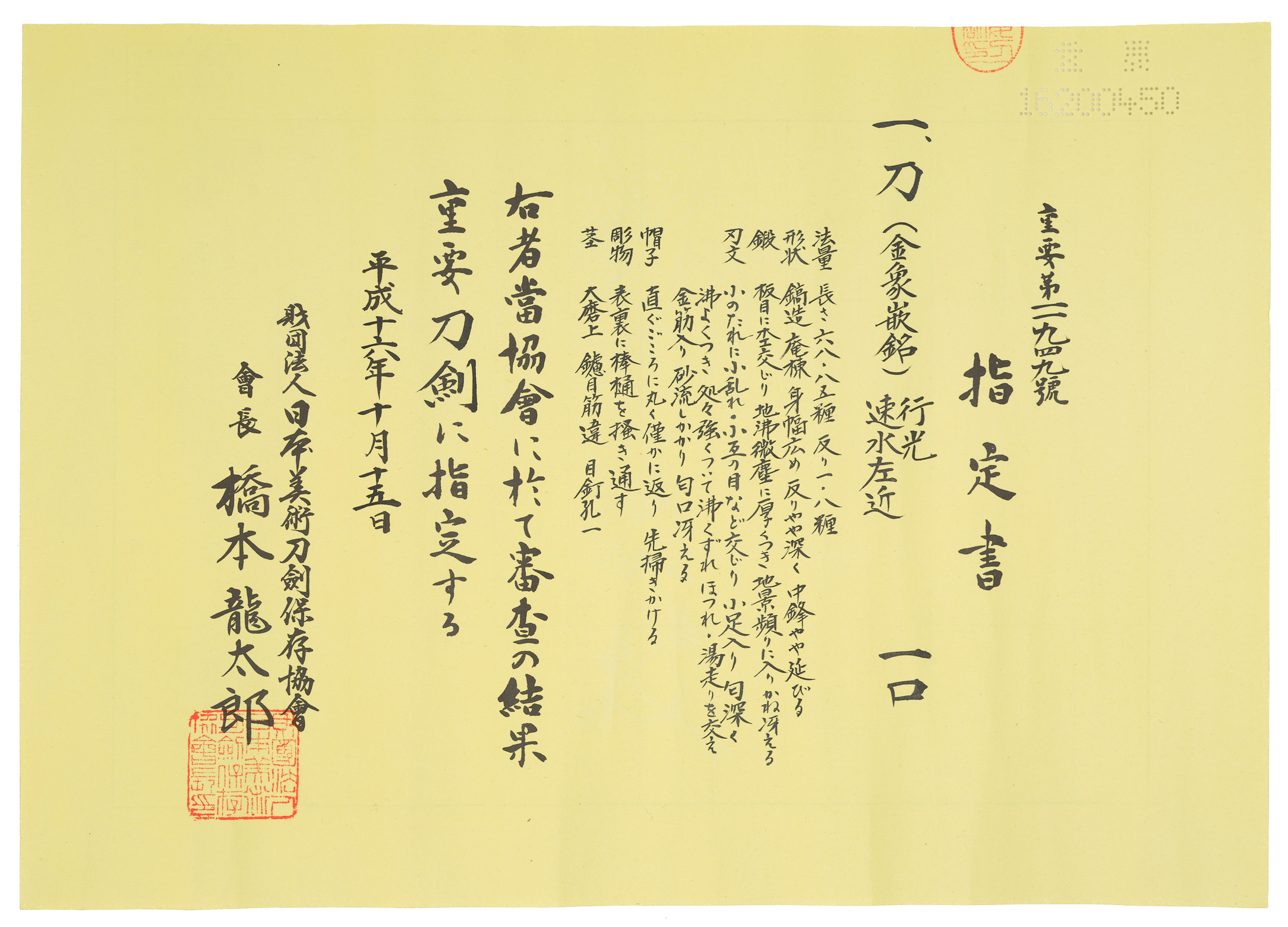
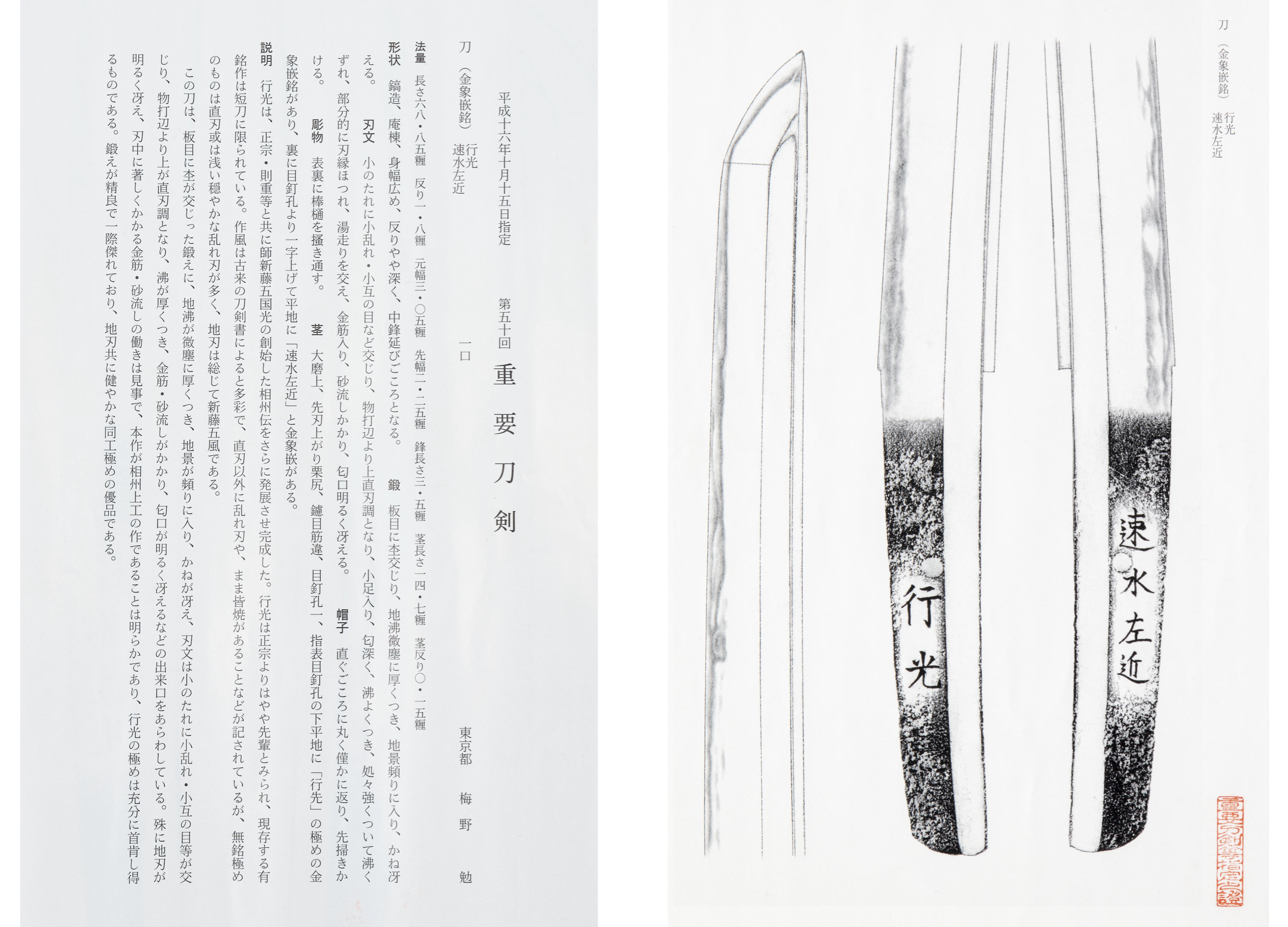
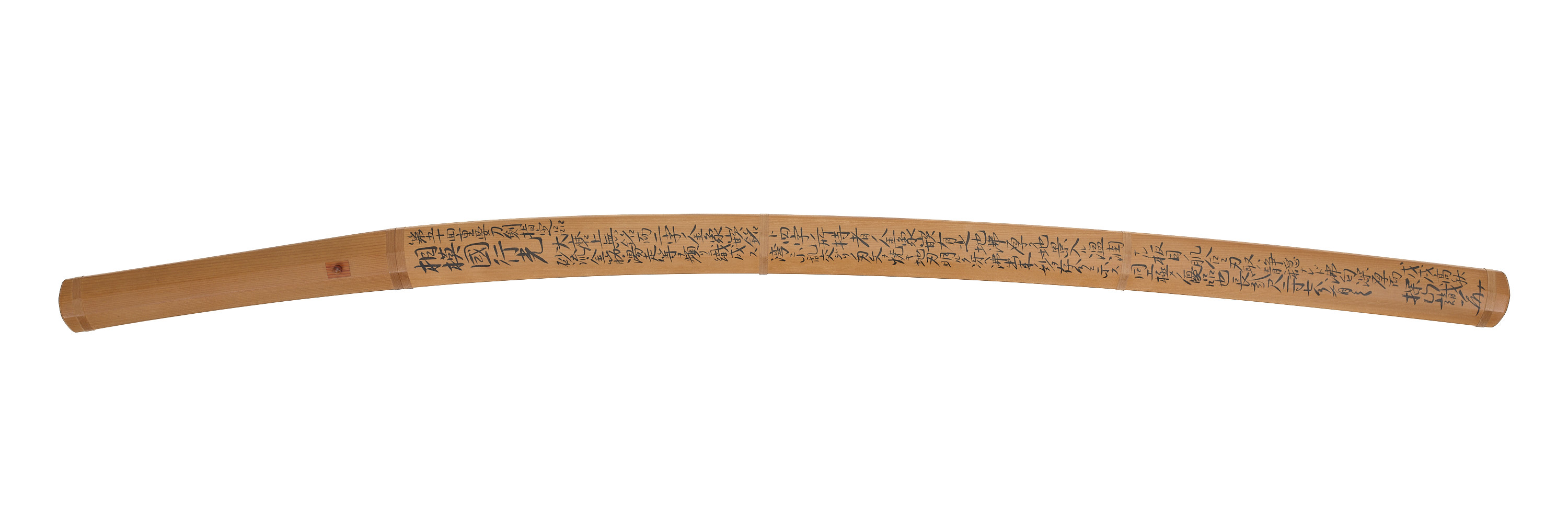
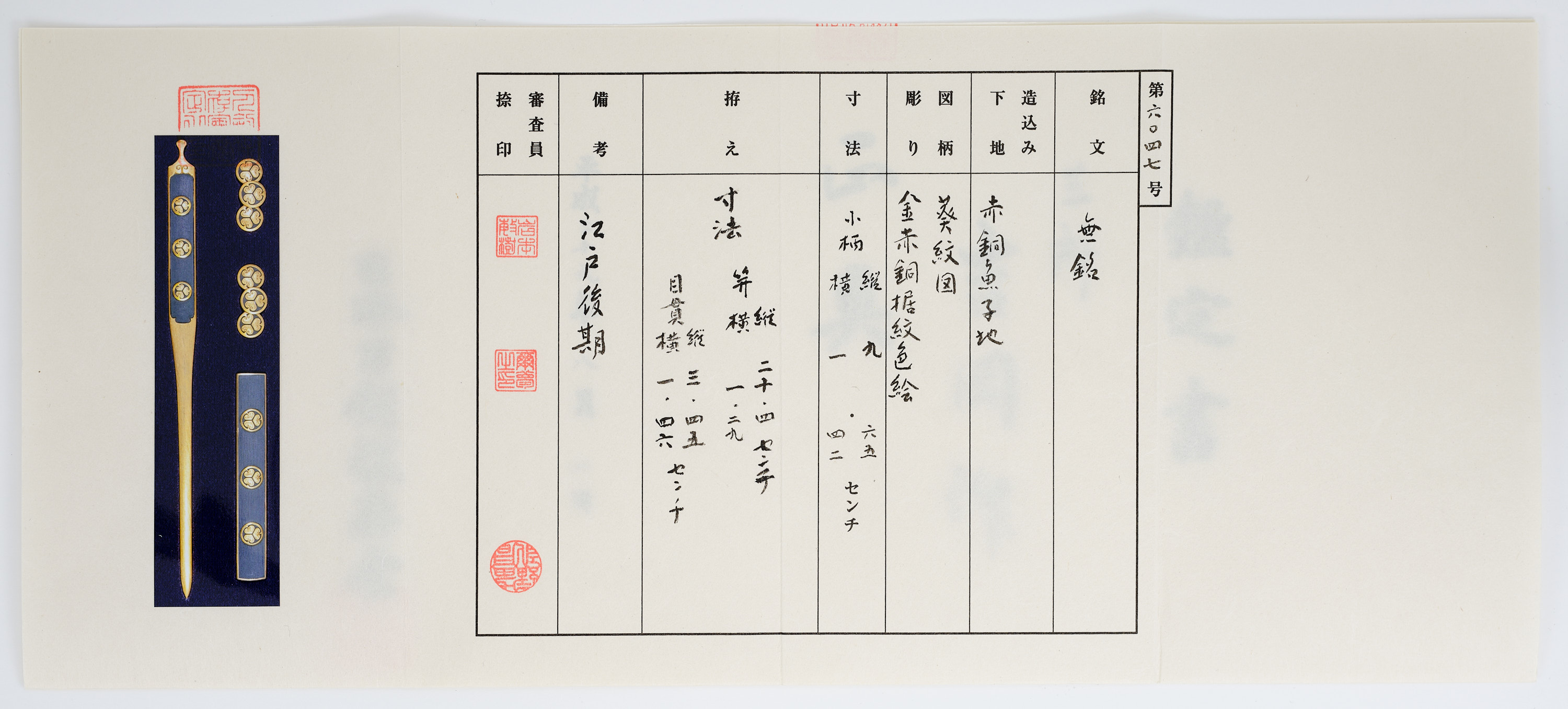
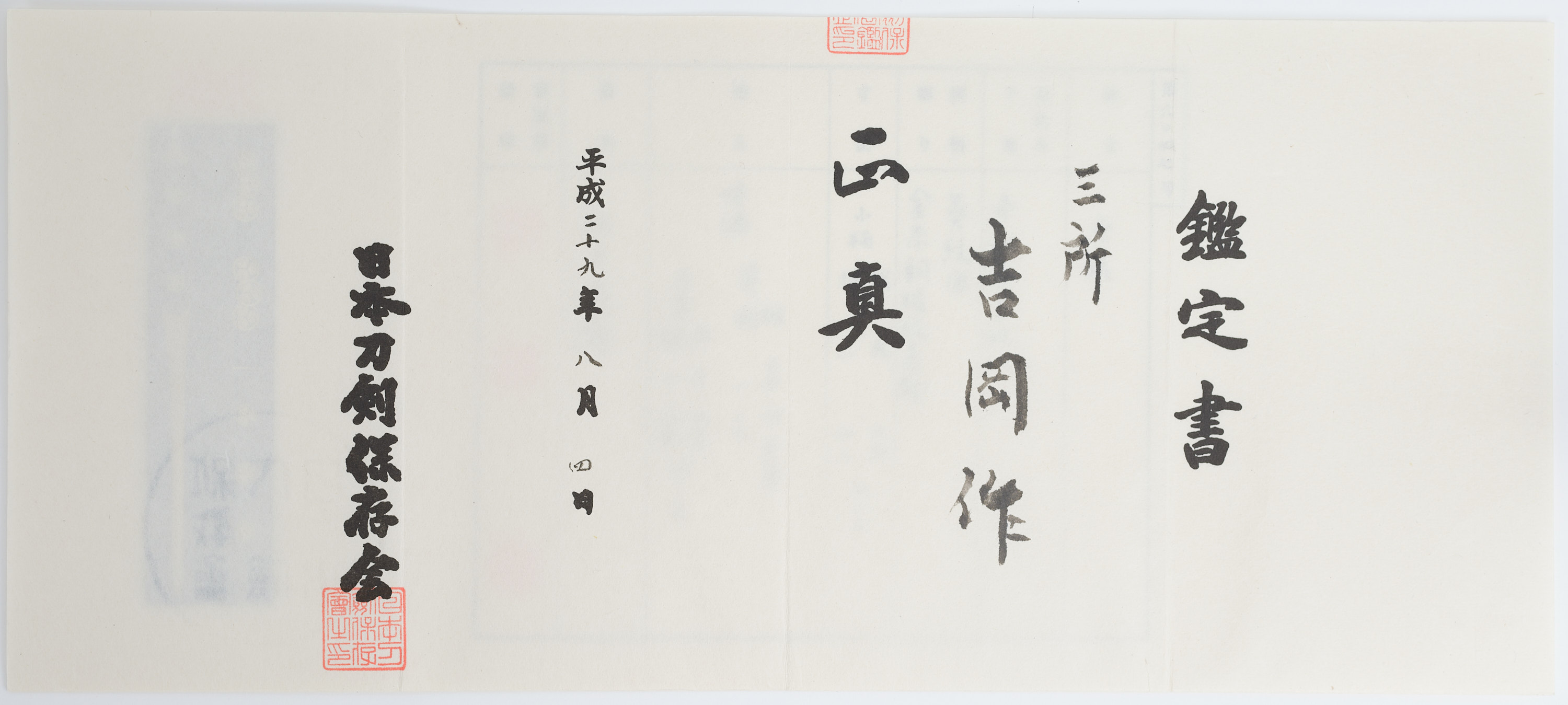
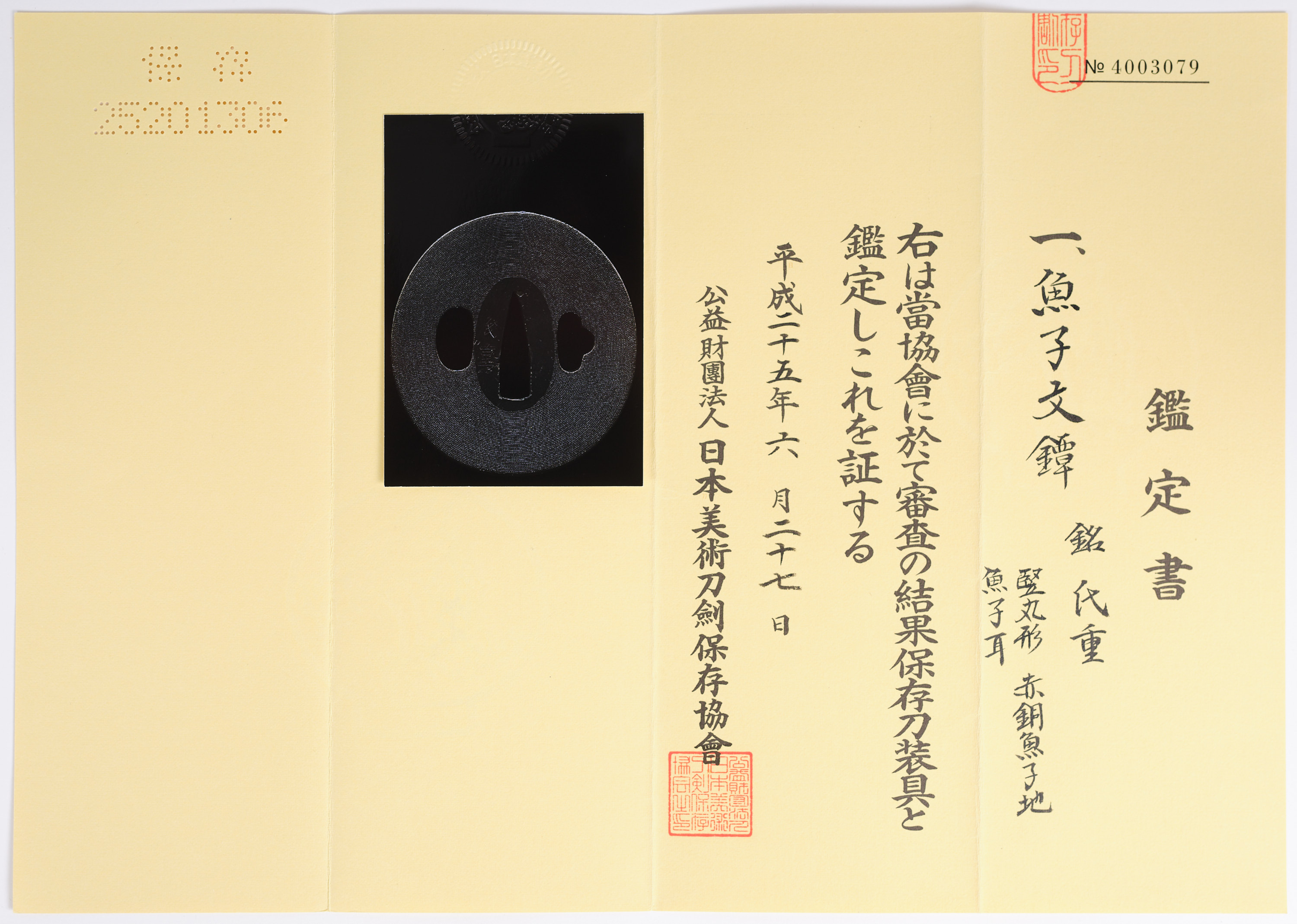
Introduction, the Sōshū school Japan was long ruled by the imperial court in Kyoto, their traditional protectors were the sōhei, warrior monks. In 1180 AD, a civil war broke out between the imperial Taira clan and the warlord Minamoto no Yoritomo, who established the first shōgunate in 1192 AD with Kamakura in Sagami province as his capital. This commenced the feudal period of Japan, with the shōgun leading as a military dictator, protected by his samurai clans. Various notable swordsmiths made their way to Kamakura to serve the new lords, including some notable Awataguchi smiths who once served the court in Kyoto. Their style was a refined hada with a small-dimensioned grain and a calm hamon. In Kamakura they came into contact with smiths of other pedigrees which resulted in a combination of styles that ultimately formed the Sōshū tradition, which is celebrated as the height in Japanese sword making. Pivotal in this development were Shintōgo Kunimitsu, of Awataguchi training, and his students, among whom were Yukimitsu and Masamune, who, according to tradition, were father and son. Introduction, Yukimitsu "Yukimitsu is one of the most famous of Nihonto artisans in his own right, but he is also known as the father and teacher of Masamune, who is considered by many to be the greatest swordsmith in human history. Old books relate stories that Yukimitsu is his biological father, but it is more likely that Masamune was an adopted son or a brother as they both studied in the late Kamakura under under the exalted maker of tanto, Shintogo Kunimitsu. Joining them under Shintogo was the unique and masterful artist Norishige, and of the three Yukimitsu was considered the senior pupil. It was during this time, and through the work of this group, that the Soshu Den founded by Shintogo would establish itself as a pure and separate style. Fujishiro rates each of the members of this founding group as Sai-jo saku, for highest level of skill. Yukimitsu also has an extremely high rating of 2,000 man yen in the Toko Taikan." -Darcy Brockbank Description of a Soshu Yukimitsu Juyo Token Yuhindo archive Based on two old oshigata of blades with dates of 1304 and 1322, his active period is believed to have been around 1300-1330s. His work style was versatile, showing the transition between Shintōgo Kunimitsu and Masamune. "... the jihada is a dense ko- itame with many chikei and thick ji-nie and is excellently forged and looks “oily” as it is the case at the Awataguchi school, the hamon is a suguha, a suguha mixed with notare, or a slightly undulating notare, in any case in nie-deki with a wide nioiguchi and many kinsuji, that means Yukimitsu displayed the most Sōshū typical workmanship of all early Sōshū smiths and so he is regarded as founder of the Sōshū tradition by those who want to nail down the founding of the tradition to an individual smith. "... Yukimitsu ́s oeuvre has always been known for its diversity, that means he was working in the more classic style of his master Kunimitsu, but he also made blades that virtually equal that of Masamune, and so to speak everything in between." -Markus Sesko; Swordsmiths of Japan. Lulu, 2014. Page 1378. "... the Sōshū Joiden (upper grade) in which gunome midare and notare midare are fired in an extremely fine and beautiful jitetsu, which is very ambitious with this being full of nie. As for the four smiths, beginning with Shintōgo Kunimitsu and followed by Yukimitsu, Masamune and Sadamune, there is very little difference among them, and all of them held to their den methods. I think it is probably already agreed that they were artistically superior, but even the toko who were later born in Sōshū and lived there, could only make what is at first glance as different as clouds and mud, and 10,000 leagues apart. It is not an overstatement to say that the Sōshū Joiden completely ended with Sadamune." -Kanzan Sato; Nihon To Koza (Lectures on Japanese Swords) Original translation by Harry Afu Watson, I edited it for clarity Published 1930s, edited & republished 1960s Jūyō Sōshū Yukimitsu An impressive wide tachi blade by Yukimitsu. The strength of the wide sugata is striking, providing a large surface to show off his brilliant technique. Immediately apparent is the excellent condition of the 700-year-old blade. It is in a beautiful polish, bringing out the steel in exceptional detail. It was possibly done by one of the great Hon'ami polishers of the previous century. The hada consists of a small-dimensioned itame with mokume covered with a fine mesh of nie particles, consistent from base to tip. Another joy to witness is the health of the boshi, usually the first area on old swords to suffer but here it is still brimful of intact, sparkling nie. While the hada reflects Shintōgo Kunimitsu's work with strong Awataguchi influence, albeit with stronger chikei, the undulating hamon in bright nie is nearly identical to that of Masamune. It lights up with the same intensity from hamon line to edge, is full of hataraki, and has long streaks of yubashiri just above the hamon much like how I saw it on this Masamune tachi I sold earlier. The nakago has golden inlays, "Yukimitsu" on one side and "Hayami Sakon" on the other. Hayami Sakon was a samurai and local governor who also served as a "punisher". More on him later in this article. Sword attributes (With plain English below) Sugata: Shinogi-zukuri, iori-mune. Wide mihaba, relatively deep sori, somewhat elongated chū-kissaki. (Overall form: Standard Japanese blade cross-section with ridged sides, ridged spine. Wide profile shape, relatively deep curvature with slightly elongated, standard sized tip.) Jigane: Itame mixed with mokume with plenty of ji-nie and much chikei, the steel is clear. (Steel: Regular wood grain mixed with burl grain. Many martensite crystals in the area above the temperline and many dark gleaming lines of martensite. The steel is clear.) Hamon: Nie-laden ko-notare with a wide, bright, and clear nioiguchi that tends to suguha-chō from the monouchi upwards and that is mixed with ko-midare, ko-gunome, some prominent nie-kuzure, hotsure in places, yubashiri, kinsuji and sunagashi. (Temperline: Small and undulating, full of visible martensite crystals with a wide, bright and clear demarcation. It tends towards a straight line at the main cutting portion of the blade upwards that is mixed with small undulations, small roundish elements, some prominent formations of crystals that appear like frayed fabric, lines that seem to stray from the hamon, areas of crystals that only show at smaller angle ranges than the rest of the hamon, bright lines within the tempered zone, and formations of crystals that look like brushed sand.) Bōshi: Tending to sugu with a brief roundish kaeri with hakikake at the very tip. (Temperline in tip: tending towards following the edge, with a round turning point with fraying at the very tip.) Horimono: On both sides a bōhi which runs as kaki-tōshi through the tang. (Carvings: one wide groove in the upper blade facet on either side that fades into the tang.) Nakago: Ō-suriage, ha-agari kurijiri, sujikai-yasurime, one mekugi-ana, the sashi-omote side bears the kinzōgan-mei attribution “Yukimitsu” and the ura side the kinzōgan-mei “Hayami Sakon”. (Tang: Greatly shortened with rounded tip, slanted file marks from upper left to lower right, one peg hole. The facing side bears the gold inlaid attribution "Yukimitsu" and the reverse shows the gold inlaid name "Hayami Sakon." Jūyō papers The blade passed Jūyō during the 50th session of 2008. It is one of only 22 long swords that are directly attributed to this smith. The description praises it as a masterwork among all known blades of this smith. Description by the Jūyō shinsha team: "Yukimitsu (行光), Masamune (正宗), Norishige (則重) and other fellow students under Shintōgo Kunimitsu (新藤五国光) perfected the Sōshū tradition that had been introduced by their master. Yukimitsu appears to be somewhat senior to Masamune and extant signed works of him are limited to tantō. His workmanship is described as being manifold in old sources, i.e. it is mentioned that apart from suguba, he also worked in midareba and occasionally also in hitatsura but the majority of extant works that are attributed to Yukimitsu mostly show a suguha or a calm and shallow midareba, with the jiba basically resembling that of Shintōgo. This blade shows a kitae in itame that is mixed with mokume and that features plenty of ji-nie and much chikei. The steel is clear and the hamon is a nie-laden ko-notare with a bright and clear nioiguchi, that tends to suguha-chō from the monouchi upwards, and that is mixed with ko-midare, ko-gunome, kinsuji, and sunagashi. Particularly magnificent is the brightness and clarity of the jiba and the prominent kinsuji and sunagashi within the ha, identifying this blade clearly as a work by one of the great Sōshū masters, whereupon we were in agreement on the existing attribution to Yukimitsu. The fine and beautifully forged kitae is especially outstanding and together with the healthy jiba we have here a great masterwork among all blades attributed to this smith." Translation by Markus Sesko Tanobe sayagaki In 2018, Tanobe Michihiro was asked to give his opinion on the blade, which he wrote on the shirasaya. Tanobe again praised the blade as a masterwork among all known blades by Yukimitsu. 相模國行光 Sagami no Kuni Yukimitsu "Yukimitsu of Sagami Province." 第五十回重要刀剣指定品 Dai gojū-kai jūyō-tōken shitei-hin "Designated as important sword at the 50th juyō-shinsa." 大磨上無銘.而二字ノ金象嵌銘ト四字ノ所持者ノ金象嵌有之.地沸厚ク地景入リ温潤ナル 板目ノ肌合ニ刃取ハ静穏ナレド沸匂深厚而砂流・金筋・湯走等ヲ頻リニ織成ス湾ニ小乱 交ジリノ刃文ヲ焼キ.地刃明ルク冴ヘ沸出来ノ妙ヲ存分ニ示ス同工極メノ優品也 Ō-suriage mumei. Shikashite niji no kinzōgan-mei to yoji no shoji no kinzōgan kore ari. Ji-nie atsuku chikei hairi onjun naru itame no hada-ai ni hadori wa seion naredo nie nioi shinkō shikamo sunagashi, kinsuji, yubashiri nado o shikiri ni shokusei-su notare ni ko-midare majiri no hamon o yaki. Jiba akaruku sae nie-deki no tae o zonbu ni shimesu dōkō kiwame no yūhin nari. "The blade is ō-suriage mumei but bears a two-character kinzōgan-mei and another, a four-character gold inlay in the form of the name of its former owner. The blade shows “wet” looking itame with chikei and plenty of ji-nie. The hardening is an overall rather gentle notare but which features much nie and nioi and which is mixed with midare elements and an abundance of hataraki like sunagashi, kinsuji, and yubashiri. Both ji and ha are bright and clear and with the excellence of its nie-deki, we have here a masterwork among all blades attributed to this smith." 長貮尺二寸七分有之 Nagasa 2 shaku 2 sun 7 bu kore ari Blade length 68.8 cm 戊戌高秋探山識「花押」 Tsuchinoe-inu kōshū Tanzan shirusu + kaō "Written by Tanzan (Tanobe Michihiro) in the height of fall in the year of the dog (2018) + kaō" Previous owner, Hayami Sakon Now eternally connected to this historic blade through a golden inlaid inscription in the tang. His full name was Hayami Sakon Moritoshi (速水左近盛利). He was the eldest son of Morisada who was a retainer of Mizoguchi Hidekatsu (溝口秀勝), a Sengoku period samurai and early Edo period daimyō who lived from 1548–1610. Hidekatsu was personally selected as a direct retainer of Oda Nobunaga, then became guard of Hideyoshi's headquarters, before being recognized as an independent daimyō of Shibata. During the Battle of Sekigahara he sided with Tokugawa Ieyasu and was thus allowed to retain his position after Ieyasu became shōgun. Morisada accompanied Hidekatsu from Takahama Castle in Wakasa province to Daishōji Castle in Kaga province, and finally, in 1598, to Shibata Castle in Echigo province where he received lands of 20 chō (ca. 50 acres) and served Hidekatsu for 17 years. Hayami Sakon Moritoshi inherited these lands and was appointed as local District Governor (Sōtoku, 総督), and also held the position of local judge and punisher (Dangoku, 断獄). He served the second Shibata Daimyō, Mizoguchi Nobukatsu (1582–1628) and was in charge of area development, ponds, and wilderness of the fief and produced much fertile land which earned him fortune and praise. He gained another 12 chō of land before his death on the 22nd day of the fourth month of 1643. His successor, Morikatsu (1620–1666), inherited lands valued 818 koku. Research and translation by Markus Sesko Kajikawa Chisui Enkakushi (加治川治水沿革史) or "History of Kaji River Flood Control" Published in 1926 by the Kajikawa Flood Prevention Association Chapter on prominent local figures involved with flood control CV of Hayami Sakon (速水左近), page 538 Koshirae It comes with an associated, perfectly fitting koshirae set with quality parts. The hilt is wrapped with dark blue silk, the scabbard is lacquered black. The tsuba is made of black nanako shakudō and signed Ujishige (氏重) with Hozon papers of 2013. The kashira is made of horn. The fuchi, kōgai, kozuka, and menuki are also all made in shakudō with a black nanako ground, decorated with the hollyhock mon of the ruling Tokugawa clan. Kōgai, kozuka and menuki are unsigned but come with NTHK papers attributing them to the late Edo period Yoshioka school. The nanako is of very high quality. I believe this set was put together in recent times by a previous collector, using high-quality antique parts. The silk is new, and the horn kashira may be new as well. It is however a very tasteful ensemble that represents the typical understated style worn by top level samurai who served the shōgun and daimyous at their courts. They would have been part of their formal dresscode during specific assemblies.



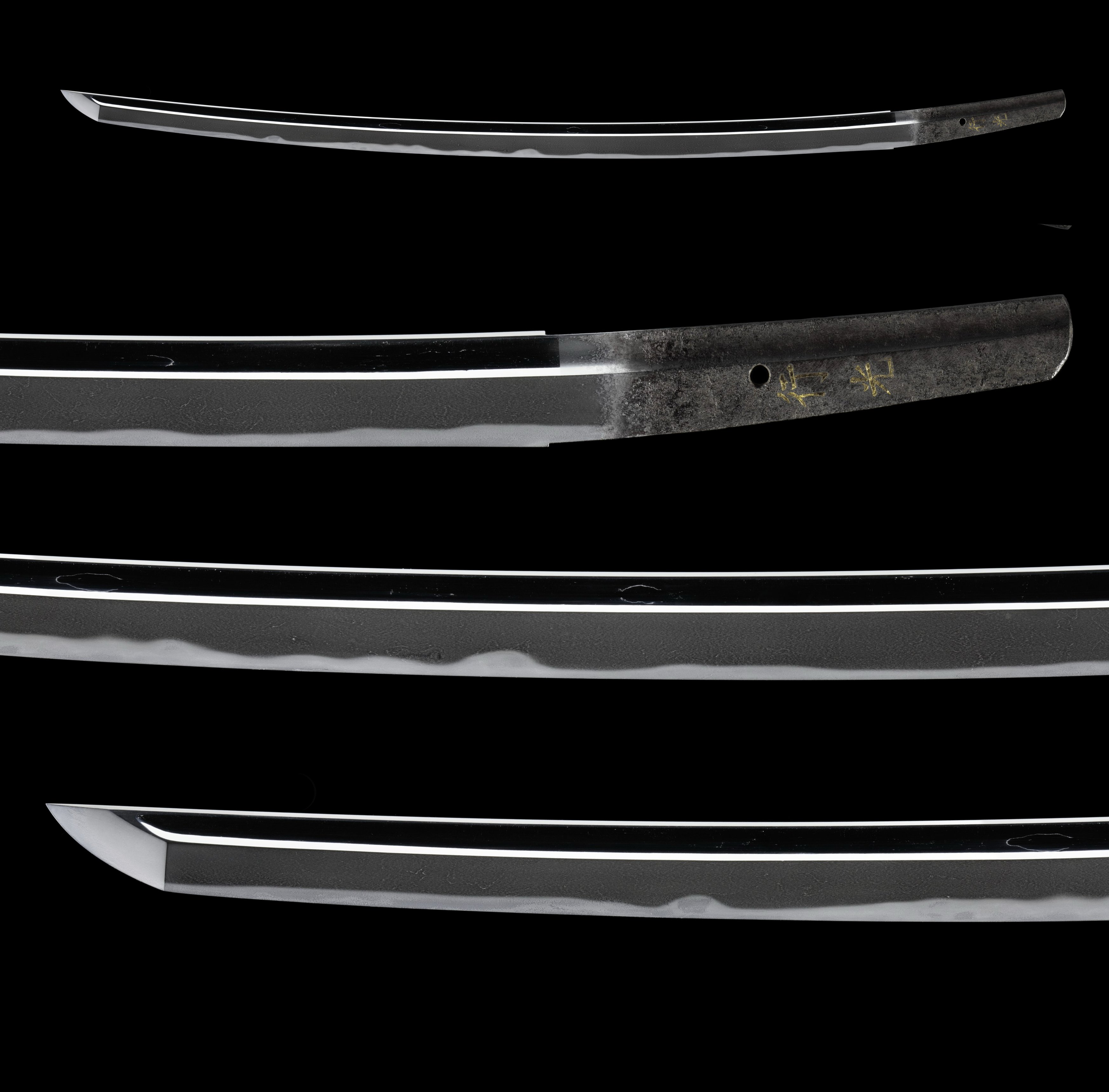
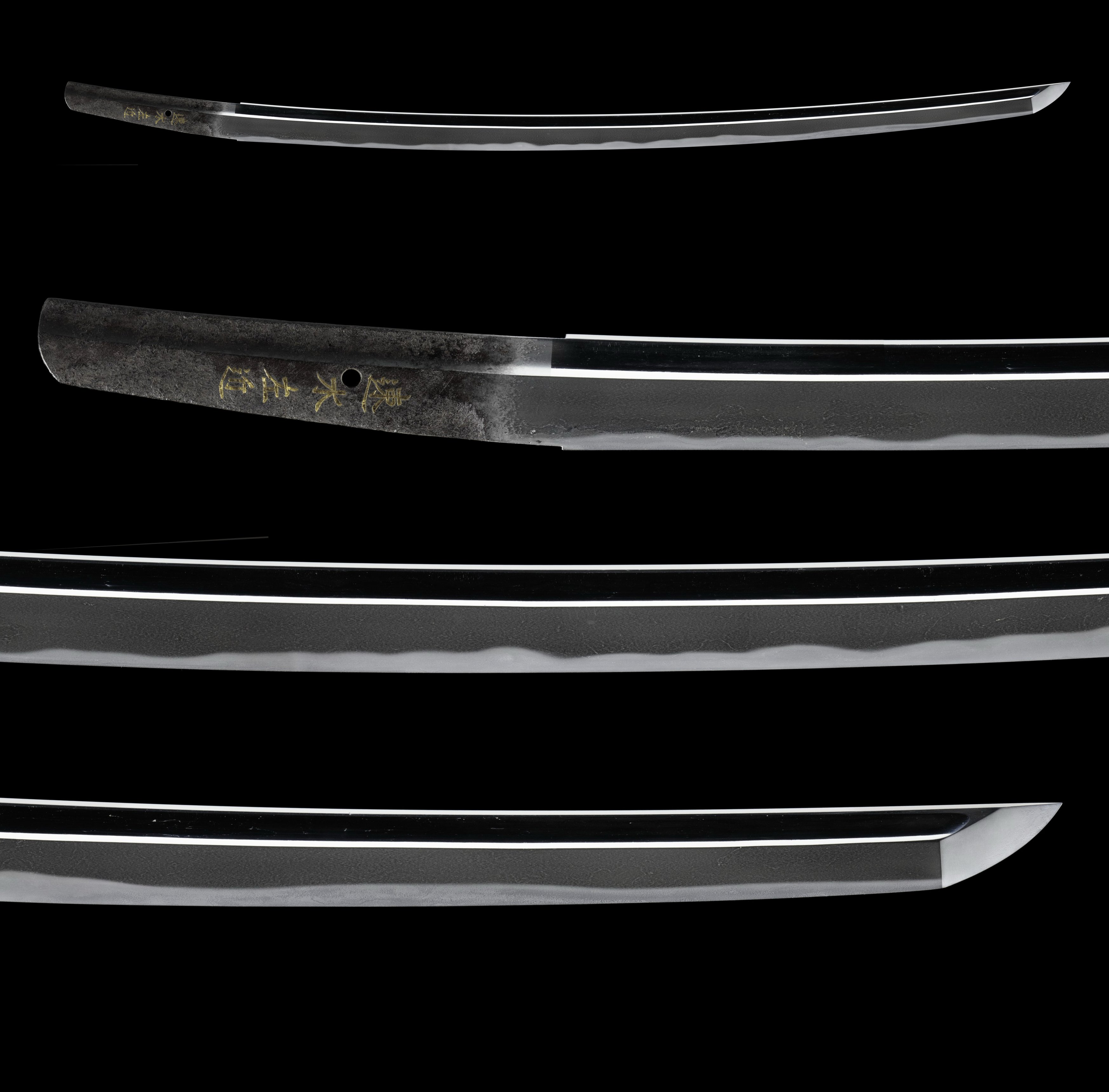
販売店の記載のまま
(翻訳なし)
行光は、正宗則重等と共に師新藤五国光の創始した相州伝をさらに発展させ完成した。 行光は正宗よりはやや先輩とみられ、現存する有銘作は短刀に限られている。作風は古来の刀剣書によると多彩で、直刃以外に乱れ刃や、まま皆焼があることなどが記されているが、無銘極めのものは直刃或は浅い穏やかな乱れ刃が多く、地刃は総じて新藤五風である。 この刀は、板目に杢が交じった鍛えに、地沸が微塵に厚くつき、地景が頻りに入り、 かねが冴え、刃文は小のたれに小乱れ・小互の目等が交じり、物打辺より上が直刃調となり、 沸が厚くつき、金筋・砂流しがかかり、匂口が明るく冴えるなどの出来口をあらわしている。殊に地刃が明るく冴え、刃中に著しくかかる金筋・砂流しの働きは見事で、本作が相州上工の作であることは明らかであり、行光の極めは充分に首肯し得るものである。鍛えが精良で一際傑れており、地刃共に健やかな同工極めの優品である。
相州 · 相模 · 1303-1306頃
藤代 最上作 · 刀剣大鑑 上位1%
現在4点販売中
行光は鎌倉時代末期の相模の工で、新藤五国光の門人、正宗・則重とは兄弟弟子であり、三者のうちではやや先輩とみられる。三者は師の創始した相州伝を推進し、「正宗則重等と共に師新藤五国光の創始した相州伝をさらに発展させ完成へと導いた」[[c:1]]と評される。「行光は正宗よりやや先輩とみられ、現存する有銘作は短刀に限られている」[[c:2]]ため、本工は専ら大磨上無銘の極めを通じて知られ、諸名家が秘蔵してきた。在銘短刀の筆頭は東京国立博物館保管の国宝短刀で、行光の典型作とされ、「御物の行光短刀と双璧をなすもの」[[c:3]]と評される。その短刀は本間による御物台帳に御物として所載され、台帳は櫃中の倶利迦羅の浮彫について「相州彫はここから始まるものであろう」[[c:4]]と記す。
地鉄は相州上工随一の精良さである。板目に杢・流れ肌を交えて総じてつみ、処々肌立ち、地沸が微塵に厚くつき、太い地景が頻りに入って鉄色明るく澄む。この地景の働きはいずれの作風にも一貫する核であり、古来の刀剣書もその作域の広さを述べ、「古伝書にも本工の作域の広いことが述べられている」[[c:5]]。いかなる刃文を焼こうとも、諸書が立ち返るのは一点に尽きる。すなわち「地刃がよく沸えて、地景・金筋・湯走りの働きが顕著で、沸の妙味を発揮しているところである」[[c:6]]。
穏やかな側は師・新藤五に直結する。地景を交えた地鉄の上に、直刃あるいは浅いのたれ調の刃を焼き、小互の目・小足・葉を交え、匂口やや深く沸厚くつき、刃縁にほつれ・湯走り、刃中に細かな金筋・砂流しがかかる。「無銘極めのものは直刃或いは浅い穏やかな乱れ刃が多く、地刃は総じて新藤五風である」[[c:7]]と極められ、師との連なりが最も明らかな作風である。
豪放な側は古い解説が過小評価してきた一面で、帽子にその性格が現われる。単なる小丸ではなく、先は盛んに掃きかける。「帽子乱れ込み、盛んに掃きかけて火炎状となる」[[c:8]]ものがあり、また穏やかな作では「帽子直ぐに小丸、掃きかける」[[c:9]]とされ、時に先尖り・焼詰め風となる。帽子の下にはのたれ主調に互の目・小互の目を交えた乱れが開き、大模様の乱れや皆焼ごころに至るものまであって、金筋・砂流しが烈しく働き、匂口は深く明るい。小丸に強い掃きかけを伴って乱れ込み、時に先尖りとなる帽子は、太い地景とともに本工の鑑別の要となる。
鑑別の核は二様に共通する。太い地景、相州上工の深く明るい匂口、烈しい金筋・砂流し、そして掃きかける帽子である。作域の広さそのものが個性であり、正宗・貞宗が一段と激しく大模様であるのに対し、行光は穏やかで小模様の手を保ち、極めは新藤五・則重に寄せ、正宗・貞宗とは明確に分かたれる。藤代は最上作に列し、特別重要刀剣の指定数は全工中でも上位に位置する。在銘は短刀に限られ、名物「大島行光」をはじめ、徳川・豊臣・細川・上杉・伊達などの諸家を歴とし、国宝・重要文化財として動かぬものも多く、市場に現われることは極めて稀な巨匠である。
行光の位置づけを、日本刀全体および伝法・時代・時期ごとに示します。各区分(随一・屈指・有数・著名)は、NBTHK および文化庁による指定に加え、三作や名物帳などの歴史的栄誉を加味したものです。
各項目を選ぶと評価方法が表示されます。
相州伝 · 相模
時期区分: 相州· 1288–1385
現在36点販売中
板目に杢を交えた地鉄に地沸が微塵に厚くつき、地景が頻りに織りなされて明るく冴える鍛え、これが相州(鎌倉後期から南北朝期にかけての相州伝の古典的全盛期)を貫く核である。この区分は始祖新藤五国光が粟田口由来の精緻な小板目と直刃の基盤の上に、地刃ともに沸を主体とする鍛えを据えたところに始まる。国光の門から行光、正宗、則重が出て技術が大成し、続いて正宗の系から養子貞宗、越中の郷義弘が出て、伝統が頂点に達した。さらに南北朝期に入ると相模国にあって時代的にも技術的にも貞宗の次に位置する広光と秋広が現れ、十四世紀後半まで本流が続く。鎌倉幕府の府たる鎌倉を母体とし、その滅亡から南北朝の動乱という時代背景のなかで、姿は身幅広く寸延びた豪壮なものへと推移していった。 作風は説示にいう板目に杢交じり、地沸厚くつき、地景頻りに入る鍛えを土台とし、刃文はのたれを基調に互の目を交え、匂口深く沸厚くつき、金筋・沸筋・砂流しが頻りにかかって匂口明るく冴える点にある。郷義弘の作では、正宗・則重に比べて地景・金筋は穏やかながら、刃中に沸足がよく働き、地刃が一段と明るく冴え、肌合に柾ごころを交え、帽子を一枚風に深く焼くのが見どころとされる。広光・秋広に至ると、板目が肌立ちごころとなり、丁子に互の目を交え、飛焼・棟焼を交えて皆焼となり、頭の丸い団子丁子を交える刃文がこの時代に始まる。これらは母体である粟田口の抑制された直刃の源流からは遠く隔たり、沸の働きを前面に押し出した展開である。一方、後続の末相州(室町期の継続と衰退)が、こうした皆焼や帽子の一枚焼きといった形を継承しつつ地刃の冴えと沸の質を次第に薄めていくのに対し、本区分は地刃ともに明るく冴え、働きが豊富である点で截然と区別される。秋広の彫物が後の正広・広正、さらに室町末期の相州鍛冶の先駆となったことも、本区分が型を確立した側であることを示す。 収集家がこの区分を別格とするのは、正宗を頂点に、貞宗、そして正宗十哲の筆頭に挙げられる郷義弘という頂の刀工を擁するからである。鑑定上の要点は、郷義弘・貞宗ともに在銘作が皆無であるため、地刃の明るい冴え、沸足の働き、柾ごころ、一枚風に深く焼く帽子といった作域から極めることにある。代表作には金象嵌銘の兜切り江や名物中川江があり、宇和島伊達家、小田原藩大久保家、薩摩の島津家など大名家への伝来が説示に記される。秋広には延文二年から至徳四年に及ぶ年紀作があり、銘の切り方の変遷とともに資料的価値を支えている。 詳しく見る →
鎌倉時代の相州
相州伝は新興の都市に生まれた。武家政権の都、身分高い注文主のひしめく鎌倉である。伝えでは名工が東に召され、その門流から新藤五国光が、次いで正宗が出た。
特別保存刀剣の中から、特に出来が優れ、国認定の重要美術品に準ずると判断された名品です。年に一度の重要刀剣審査で選ばれます。
極めて選別的で、日本に登録された約250万口の刀剣のうち、重要刀剣に達したものは12,348口(約202口に1口)にすぎません。
日本美術刀剣保存協会(NBTHK)は、1948年に設立され、文化庁の監督を受ける公益財団法人で、東京・刀剣博物館に本部を置きます。専門の審査員が出品作を直接審査し、美術的・歴史的価値に応じた鑑定書を発行します。NBTHKの鑑定書は、日本刀および刀装具の真正性を示す最も広く認知された基準です。
NBTHK公式サイト
当サイトでご注文いただいた商品が、掲載されている画像や説明と異なる場合、返品を承ります。返品をご希望の際は、商品到着後7日以内にメールにてご連絡ください。返金額は、購入代金から送料、銀行手数料、および通貨換算にかかる費用を差し引いた金額となります。分割払いで購入された商品、および現物を確認された商品の返品・交換は一切お受けできません。
価格はお問い合わせ
行光は、正宗則重等と共に師新藤五国光の創始した相州伝をさらに発展させ完成した。 行光は正宗よりはやや先輩とみられ、現存する有 銘作は短刀に限られている。作風は古来の刀剣書によると多彩で、直刃以外に乱れ刃や、まま皆焼があることなどが記されているが、無銘極め のものは直刃或は浅い穏やかな乱れ刃が多く、地刃は総じて新藤五風である。 この刀は、板目に杢が交じった鍛えに、地沸が微塵に厚くつき、地景が頻りに入り、 かねが冴え、刃文は小のたれに小乱れ・小互の目等が交 じり、物打辺より上が直刃調となり、 沸が厚くつき、金筋・砂流しがかかり、匂口が明るく冴えるなどの出来口をあらわしている。殊に地刃が 明るく冴え、刃中に著しくかかる金筋・砂流しの働きは見事で、本作が相州上工の作であることは明らかであり、行光の極めは充分に首肯し得 るものである。鍛えが精良で一際傑れており、地刃共に健やかな同工極めの優品である。