鎌倉時代は備前の頂点である。伝えでは一文字派の工が後鳥羽上皇の御番鍛冶に列し、世紀の半ばには光忠が長船派を興して、注文は公家からも武家政権からも流れ込んだ。国宝刀剣の数で備前に並ぶ国はない。
 NihontoWatchNihontoWatch
Katana | AOE from 1200-1300s | NBTHK Tokubetsu Hozon Forged during the golden age of the Kamakura period, this remarkable katana has been attributed by the NBTHK to the celebrated Aoe School of Bicchū Province. Flourishing from the mid-Kamakura through the Nanbokuchō period, Aoe smiths are admired for their refined workmanship, elegant sugata, and beautifully restrained suguha-based temper lines. Genuine Kamakura-period Aoe swords have become increasingly difficult to acquire, particularly those preserved in healthy condition and awarded NBTHK Tokubetsu Hozon (Especially Worthy of Preservation) status. This blade perfectly embodies the finest characteristics of the Aoe tradition. The tightly forged ko-itame hada is densely covered with delicate ji-nie, while a vivid utsuri appears gracefully across the surface—a hallmark of high-quality Kamakura Bizen and Bicchū workmanship. The chū-suguha hamon, enlivened with subtle ko-gunome, is bright, clear, and exceptionally refined, giving the blade an elegant yet dignified presence. Both the jihada and hamon remain healthy and well preserved, making this an outstanding example of an Aoe attribution. Although the tang has been ō-suriage (shortened), as is common for swords that have survived over seven centuries, the blade retains its graceful Kamakura proportions and offers collectors the rare opportunity to own an authentic masterpiece from one of Japan's most respected medieval schools. Investment & Jūyō Potential In our opinion, this exceptional Aoe katana possesses all the hallmarks expected of a future NBTHK Jūyō Tōken candidate. Its outstanding preservation, beautiful jihada with vivid utsuri, refined hamon, and textbook Aoe workmanship place it among the finest examples we have encountered. Opportunities to acquire Kamakura-period Aoe swords of this quality are becoming increasingly rare, making this an exceptional opportunity for the discerning collector. Elegant Tachi Koshirae Warlord Ornate Mouting This sword is mounted in an impressive Tachi-style koshirae, a style traditionally worn edge-down and reserved for high-ranking samurai and mounted warriors. The koshirae features a brilliant gold nashiji lacquer scabbard, complemented by finely crafted metal fittings that create a dignified and luxurious appearance. The overall balance between the brilliant lacquer finish and the subdued iron fittings gives this mounting an unmistakably aristocratic character. The scabbard is further adorned with the Maru ni Ageha Chō (丸に揚羽蝶) family crest—a stylized swallowtail butterfly enclosed within a circle. This is one of Japan's most celebrated samurai crests and is most famously associated with the illustrious Taira (Heike) clan, one of the two great warrior families that shaped medieval Japanese history. Throughout the Edo period, many daimyo families and distinguished samurai retained this elegant butterfly crest as a symbol of nobility, refinement, prosperity, and martial heritage. Its presence enhances both the historical atmosphere and visual appeal of this exceptional mounting. Highlights Authentic Kamakura-period katana dating back approximately 700–780 years Attributed to the prestigious Aoe School of Bicchū Province Awarded NBTHK Tokubetsu Hozon, recognizing its exceptional historical and artistic importance Beautifully preserved ko-itame hada with rich ji-nie and striking utsuri Refined suguha-based hamon with elegant ko-gunome activity Attractive gold nashiji lacquer koshirae featuring family crest decorations An outstanding acquisition for collectors seeking an elegant and highly representative example of classical Kamakura craftsmanship. The blade comes with a Certificate of NBTHK Japan Sword Preservation Society - Tokubetsu Hozon Paper (Extremely Well-preserved sword)

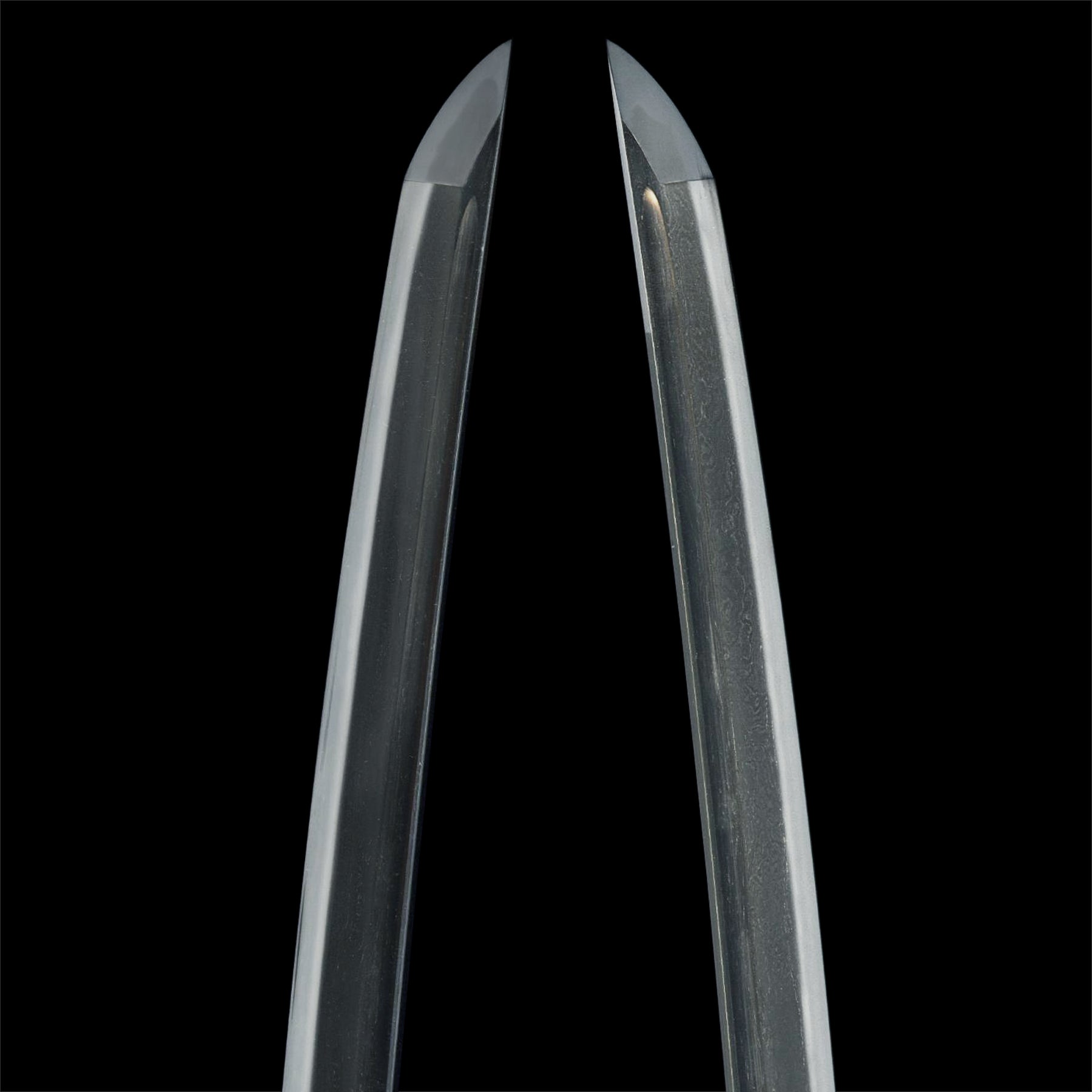
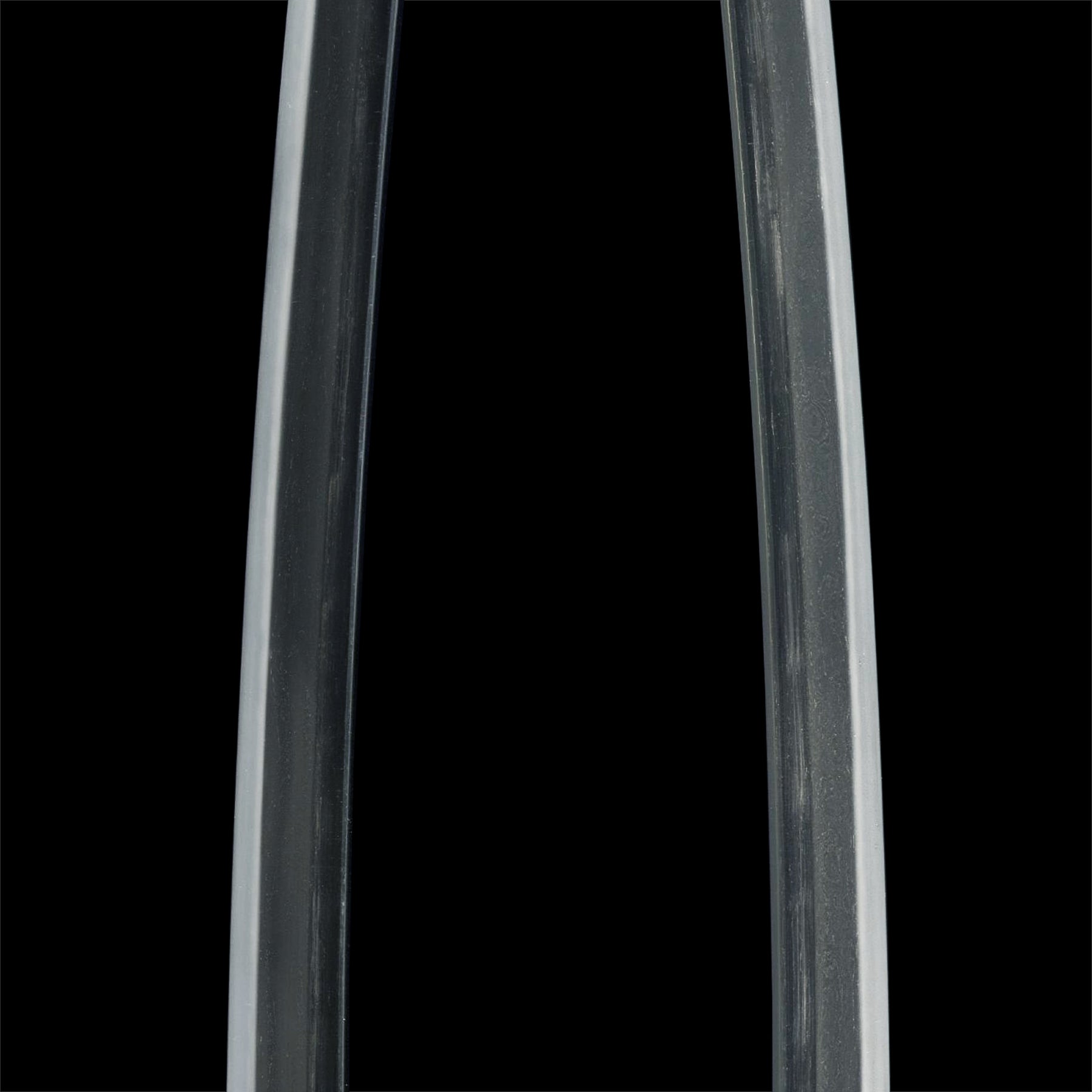
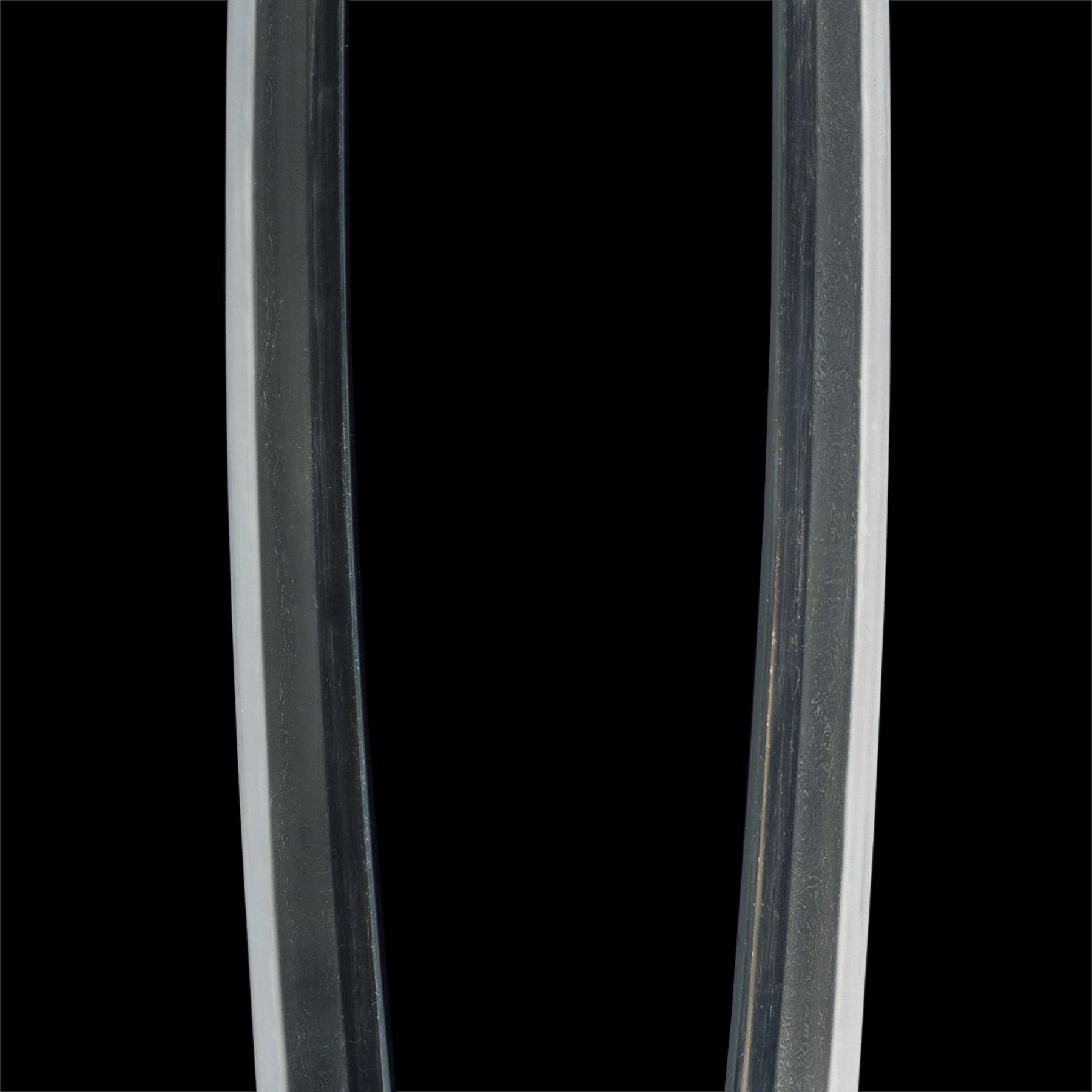
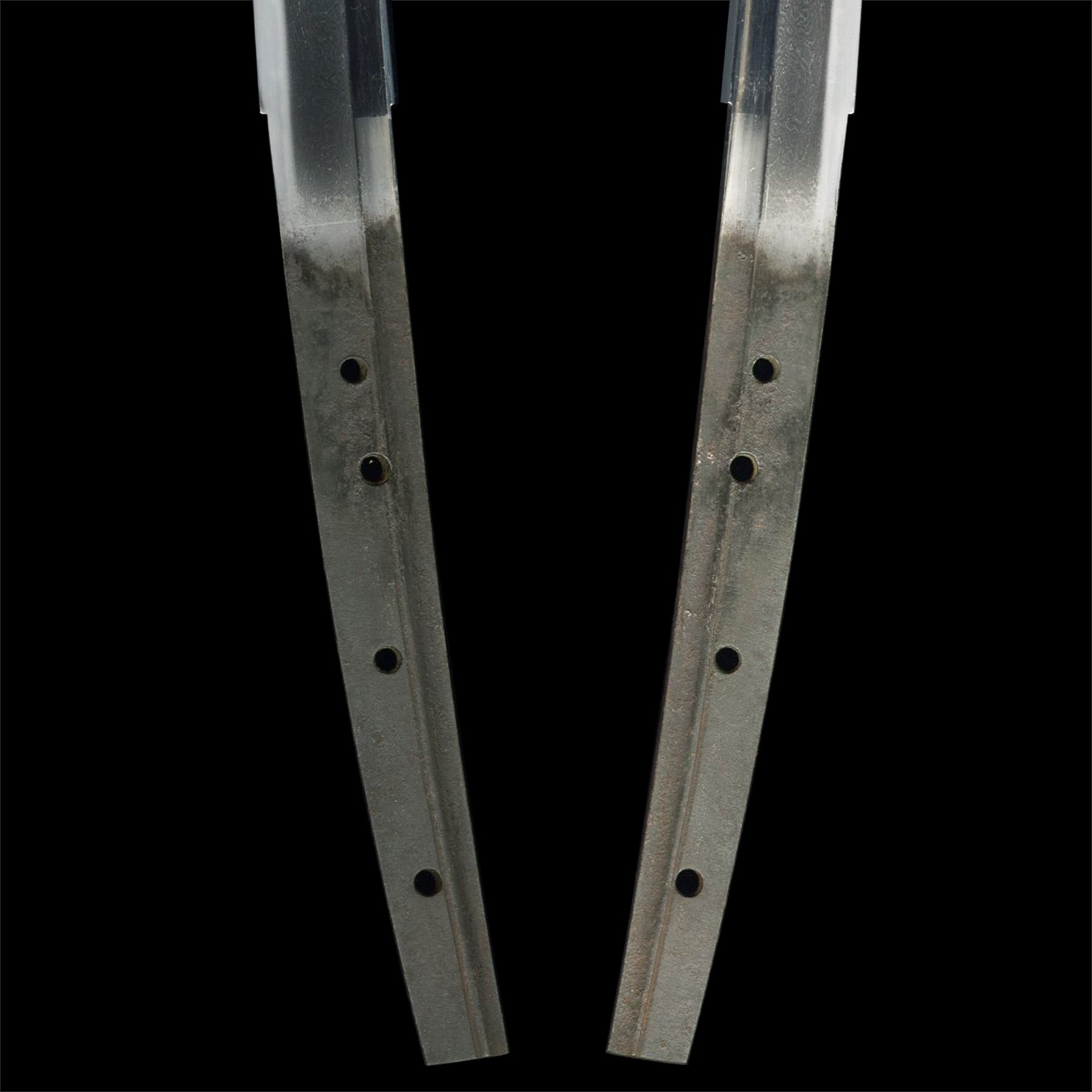
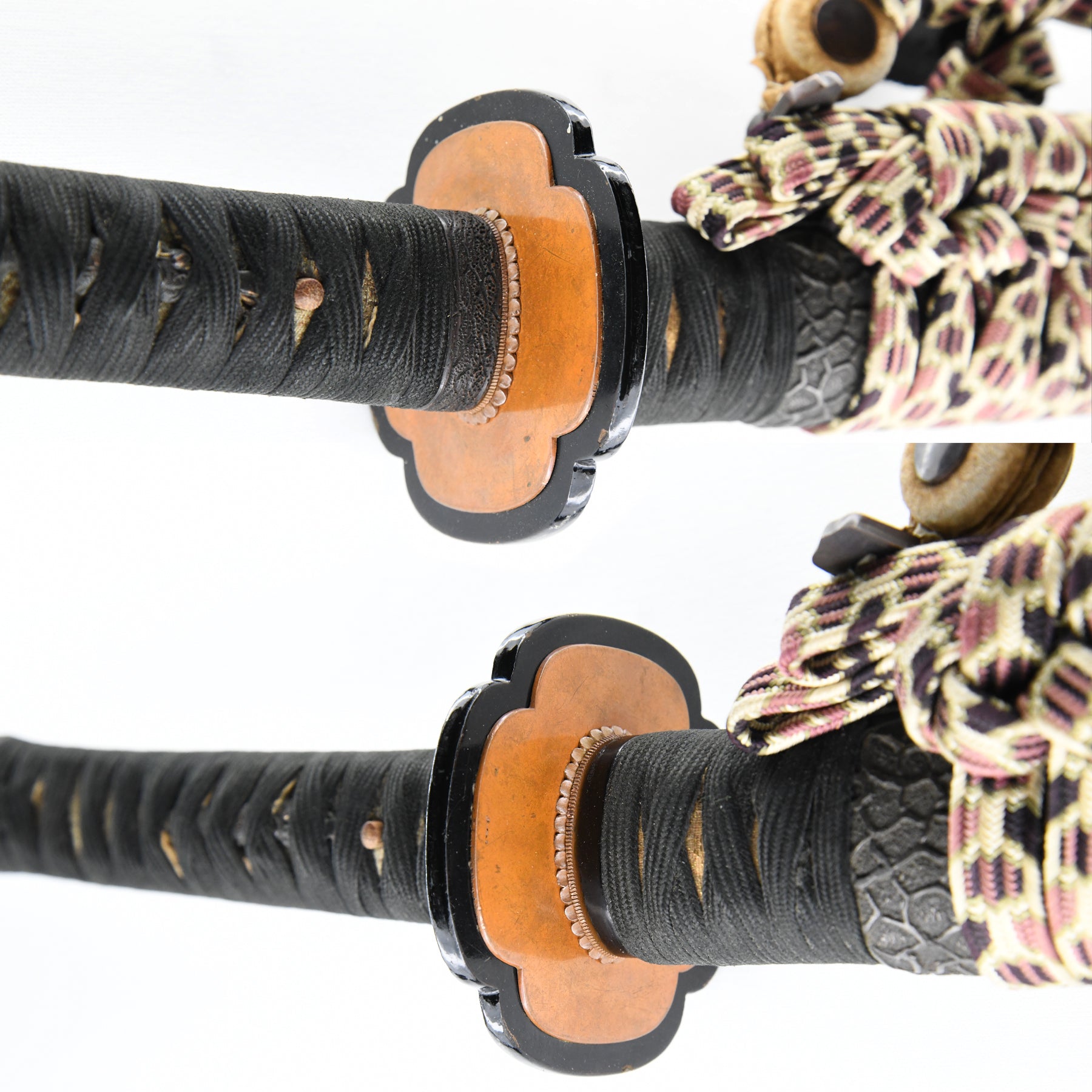
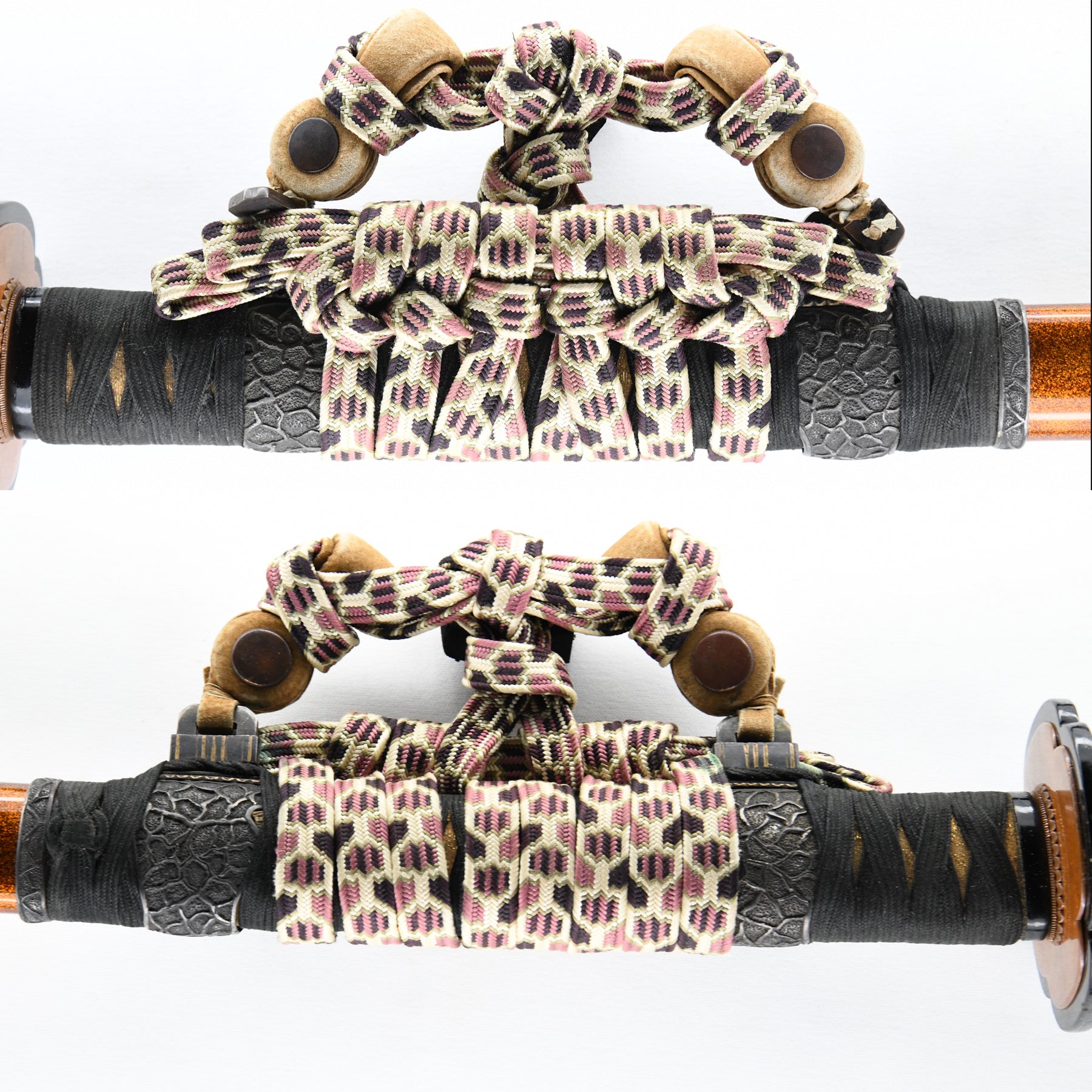
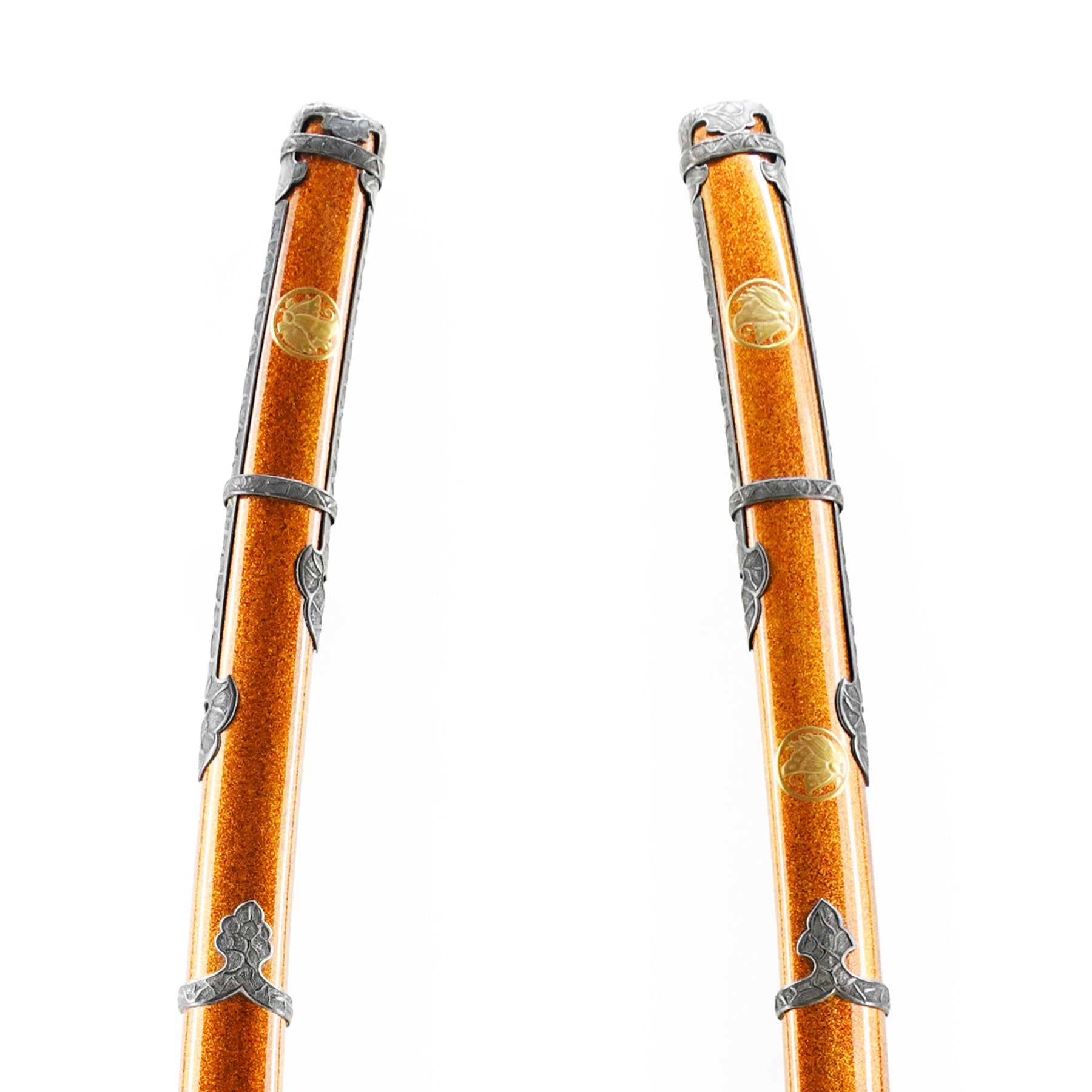
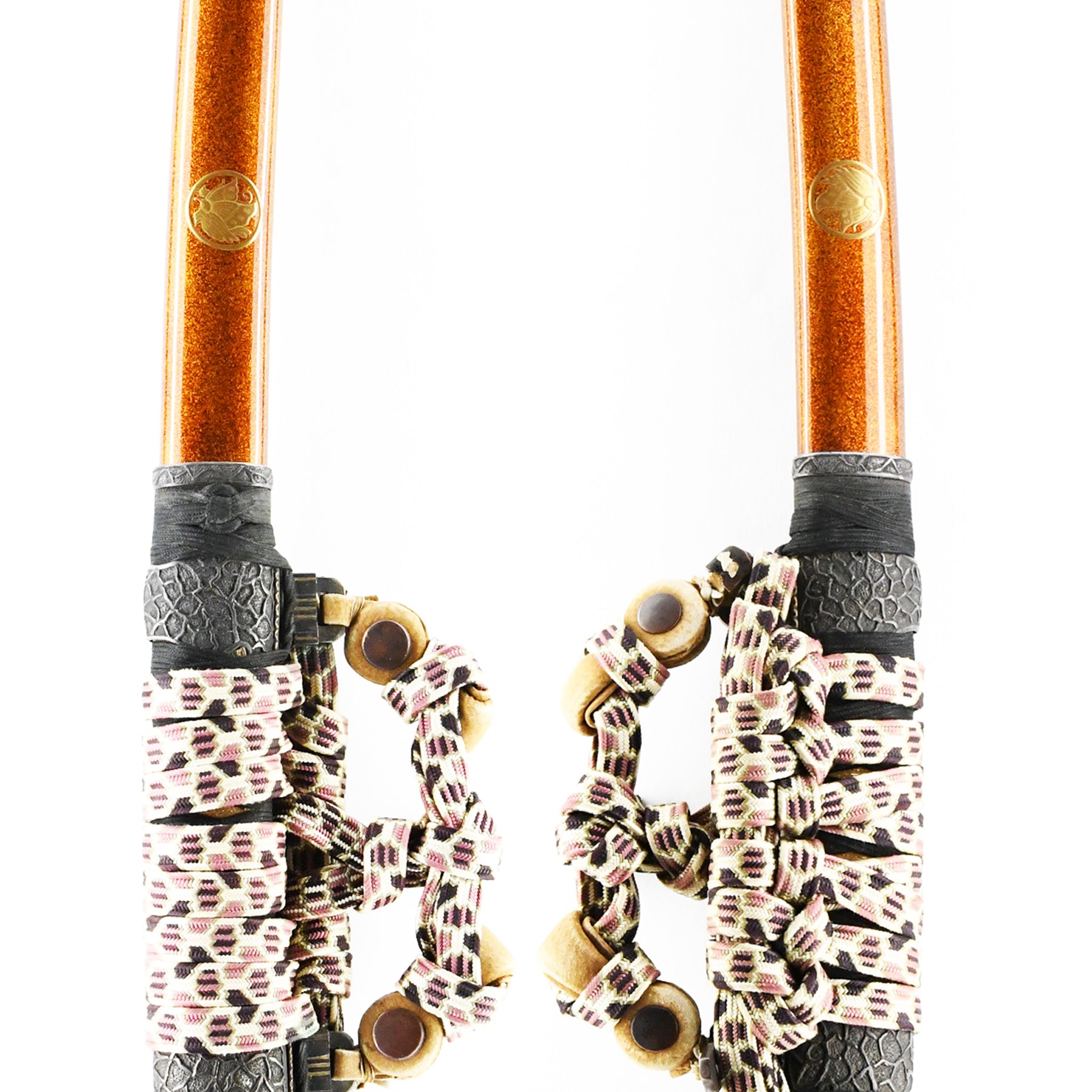
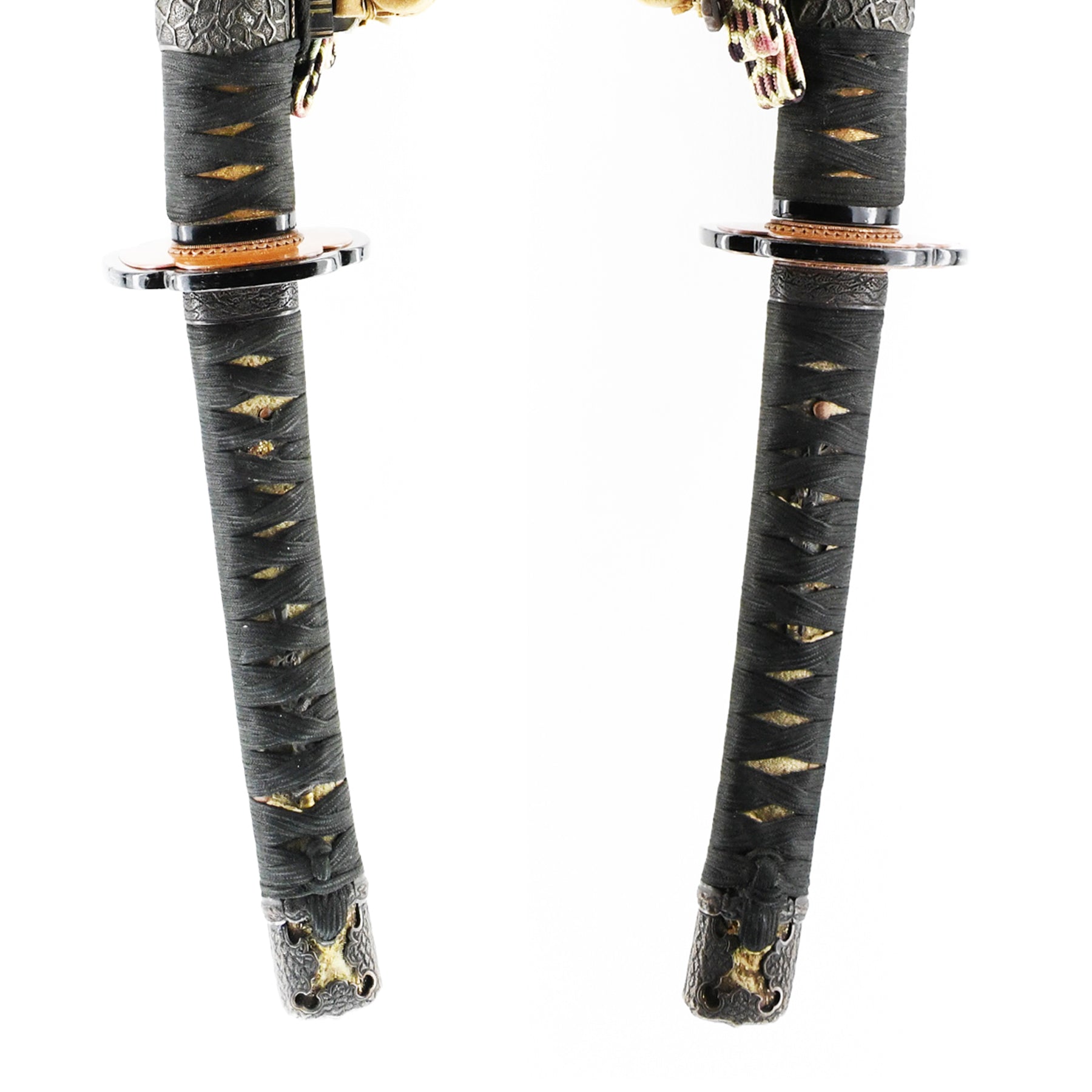
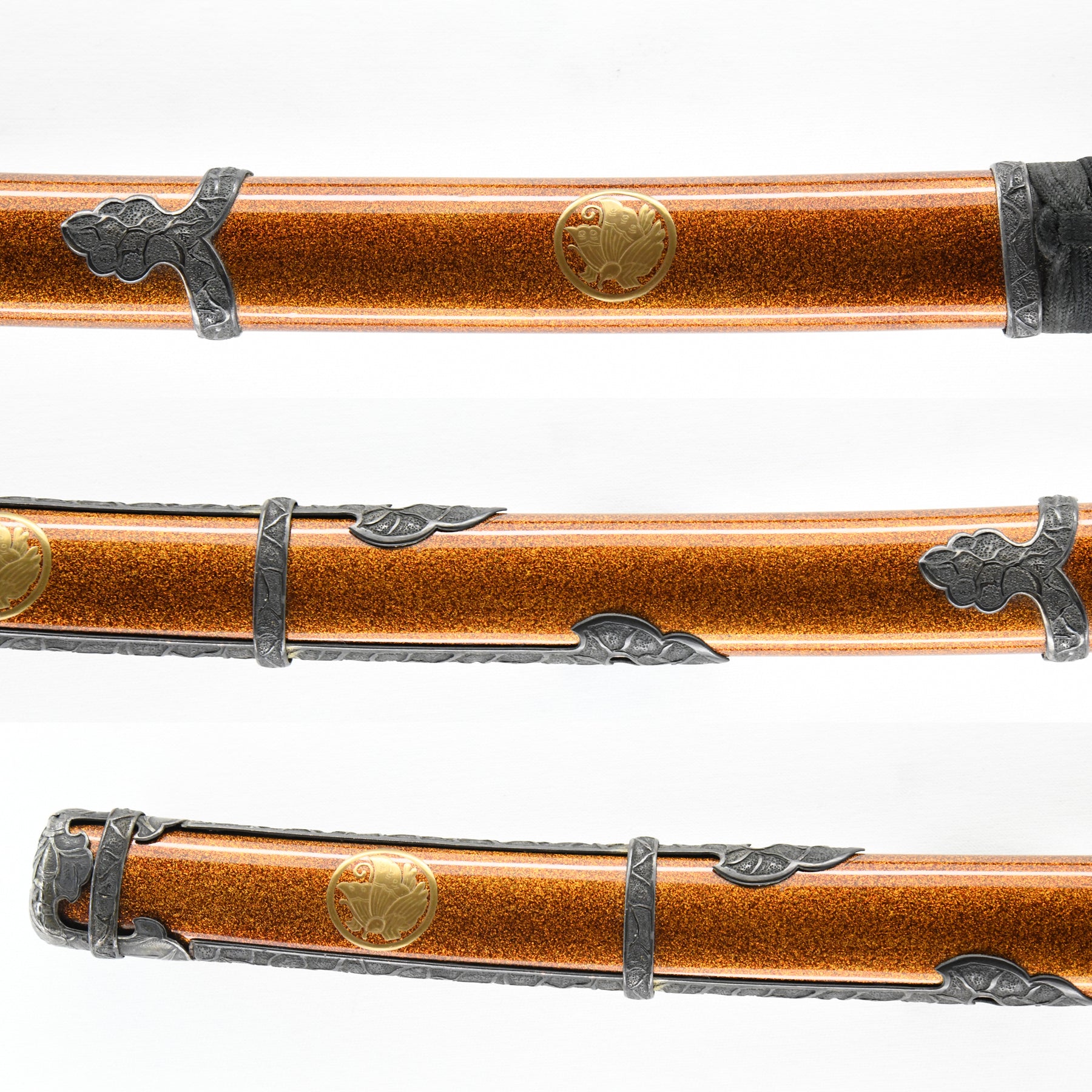
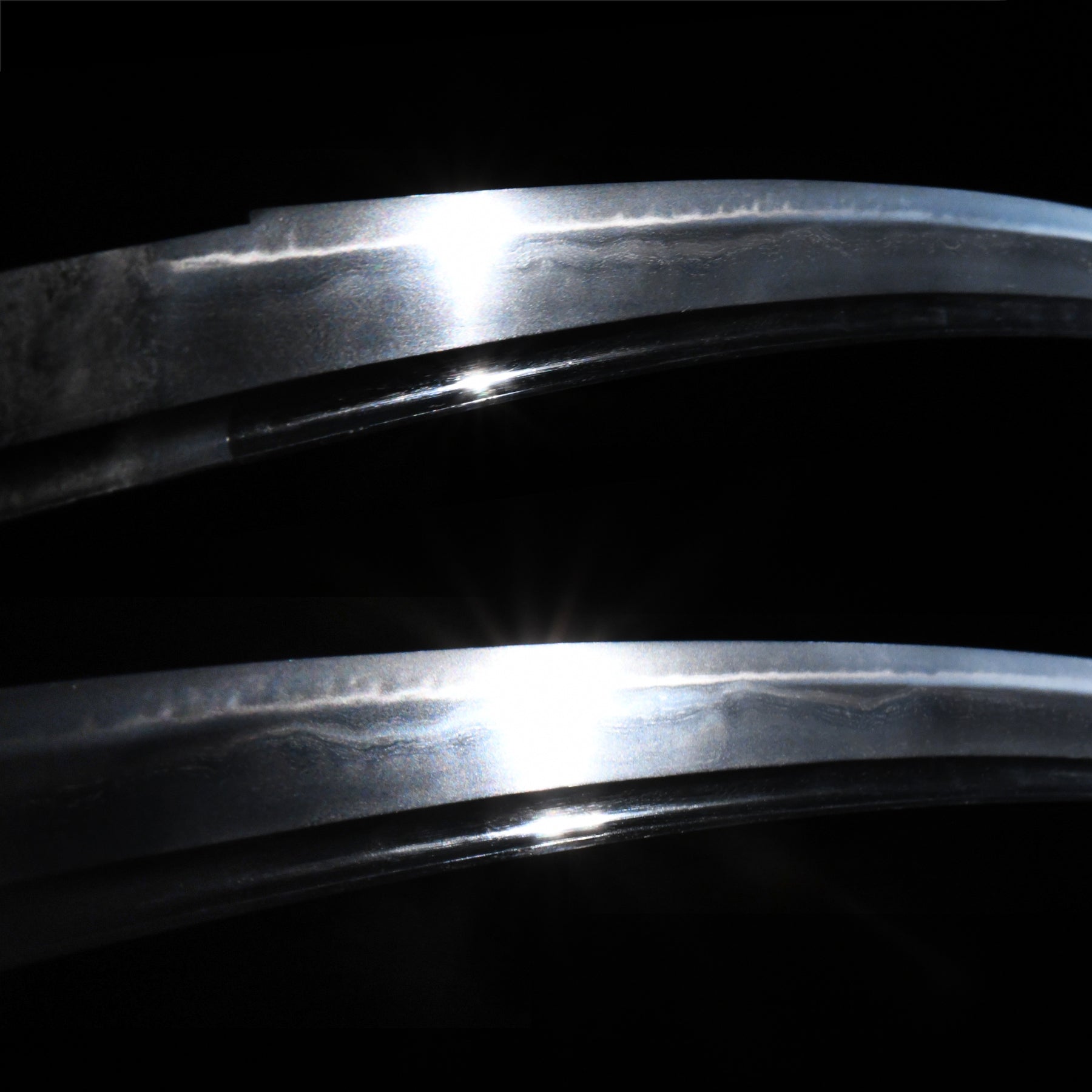
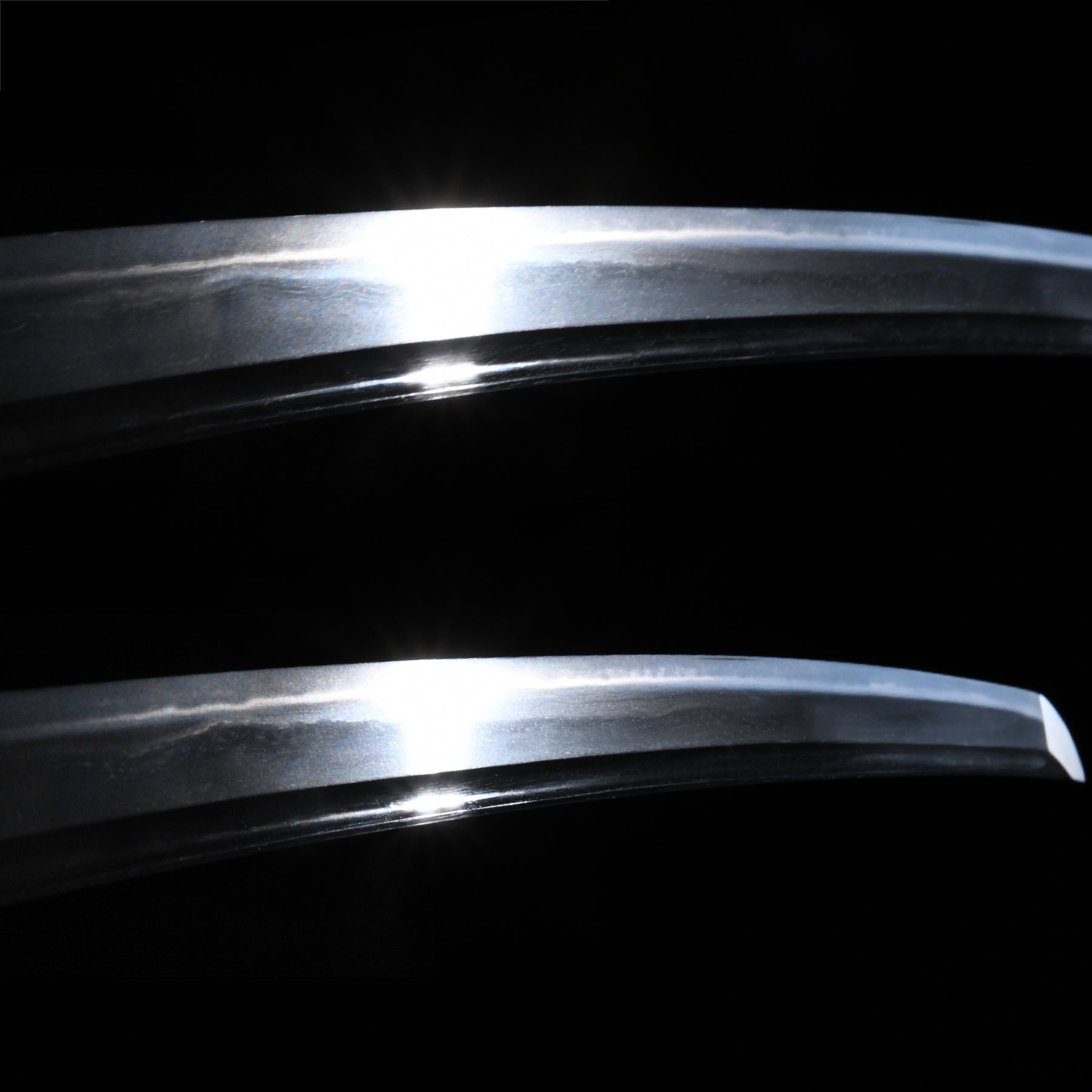
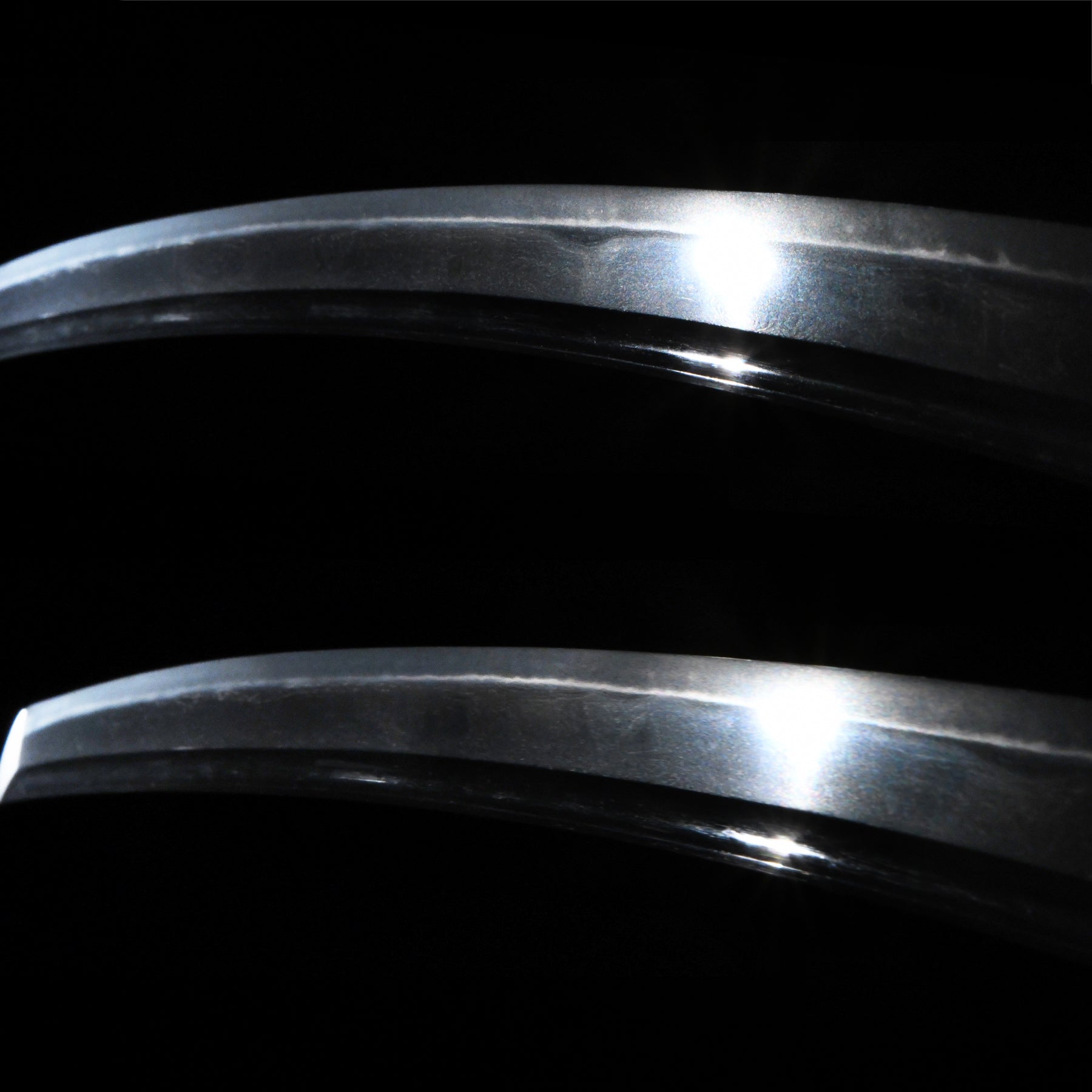
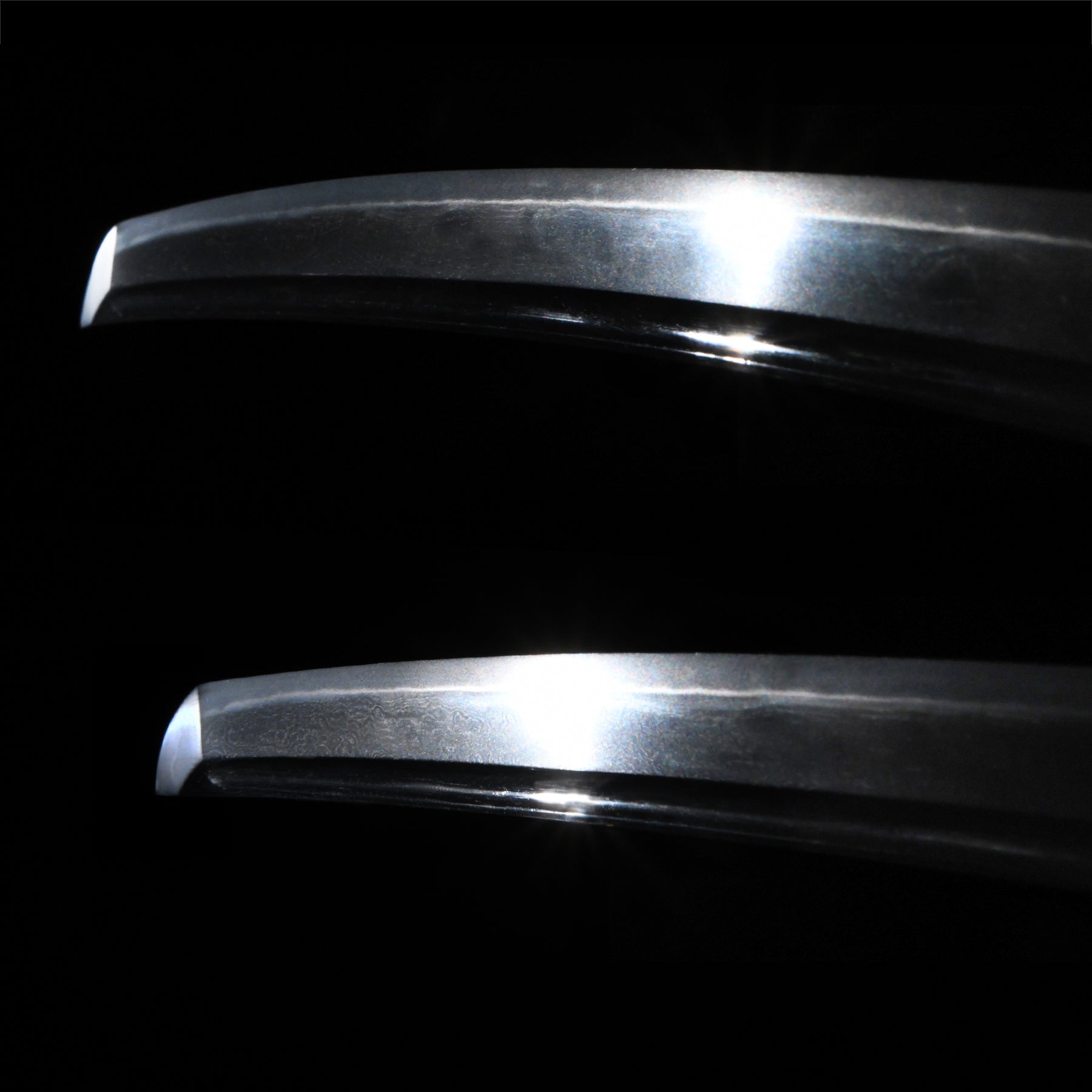
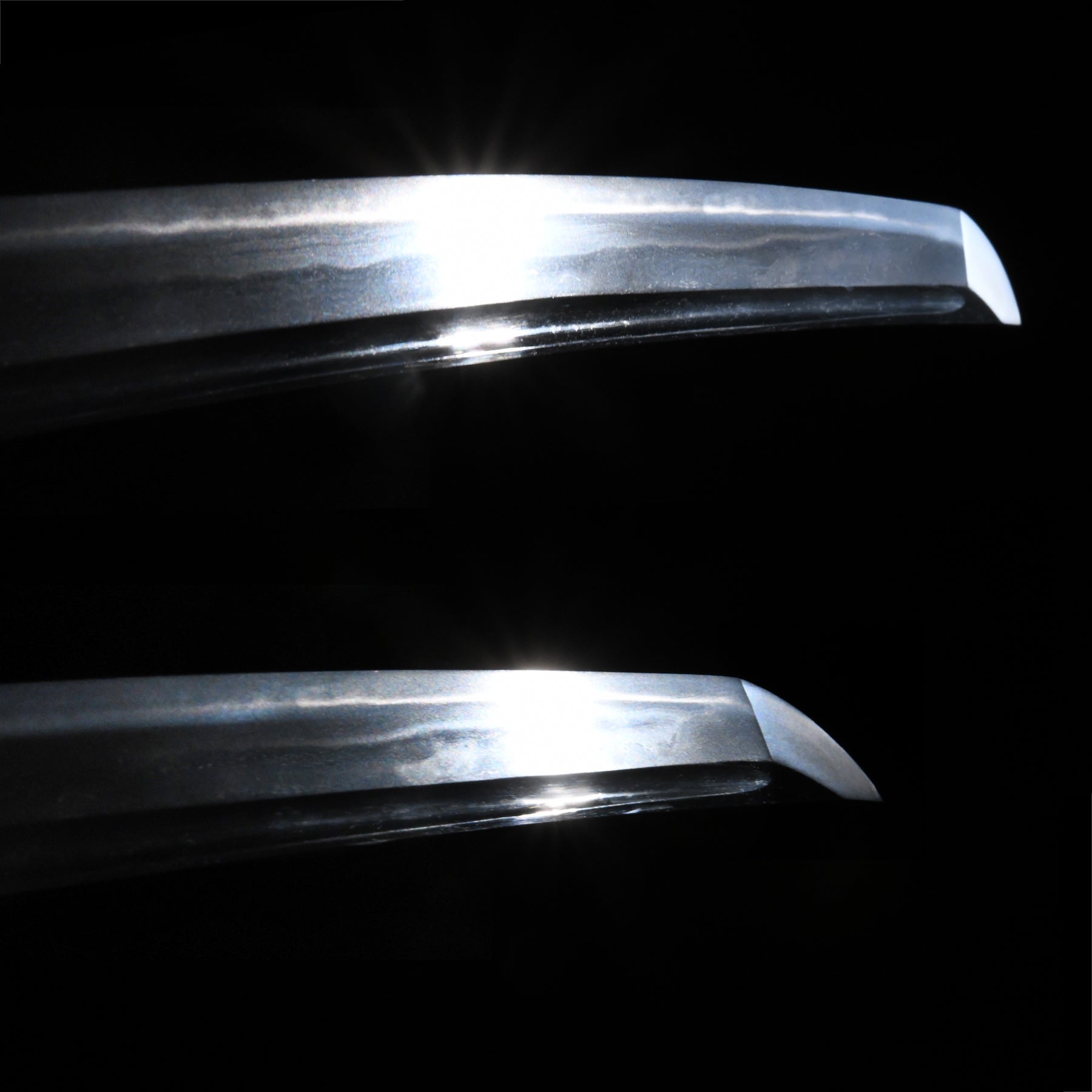
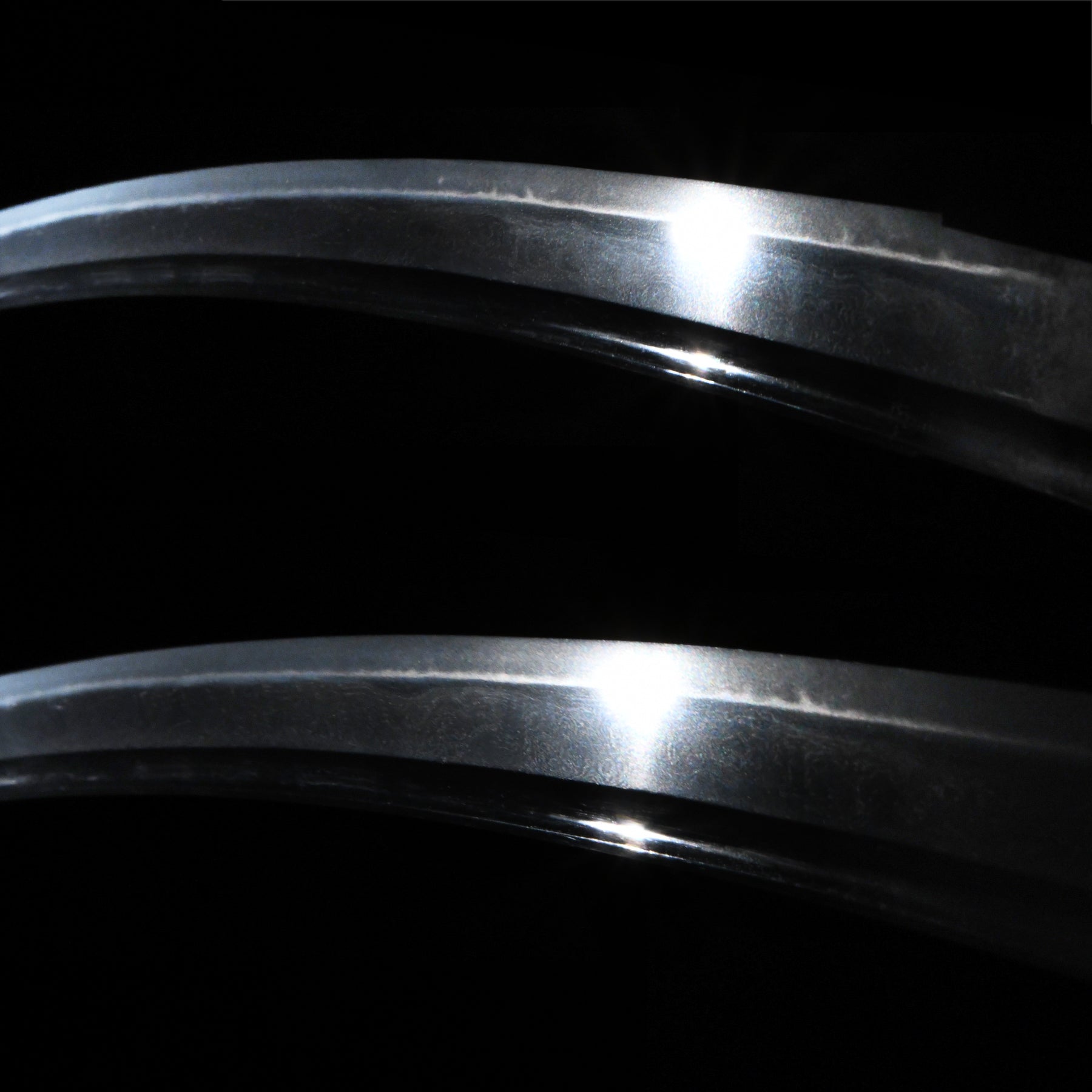
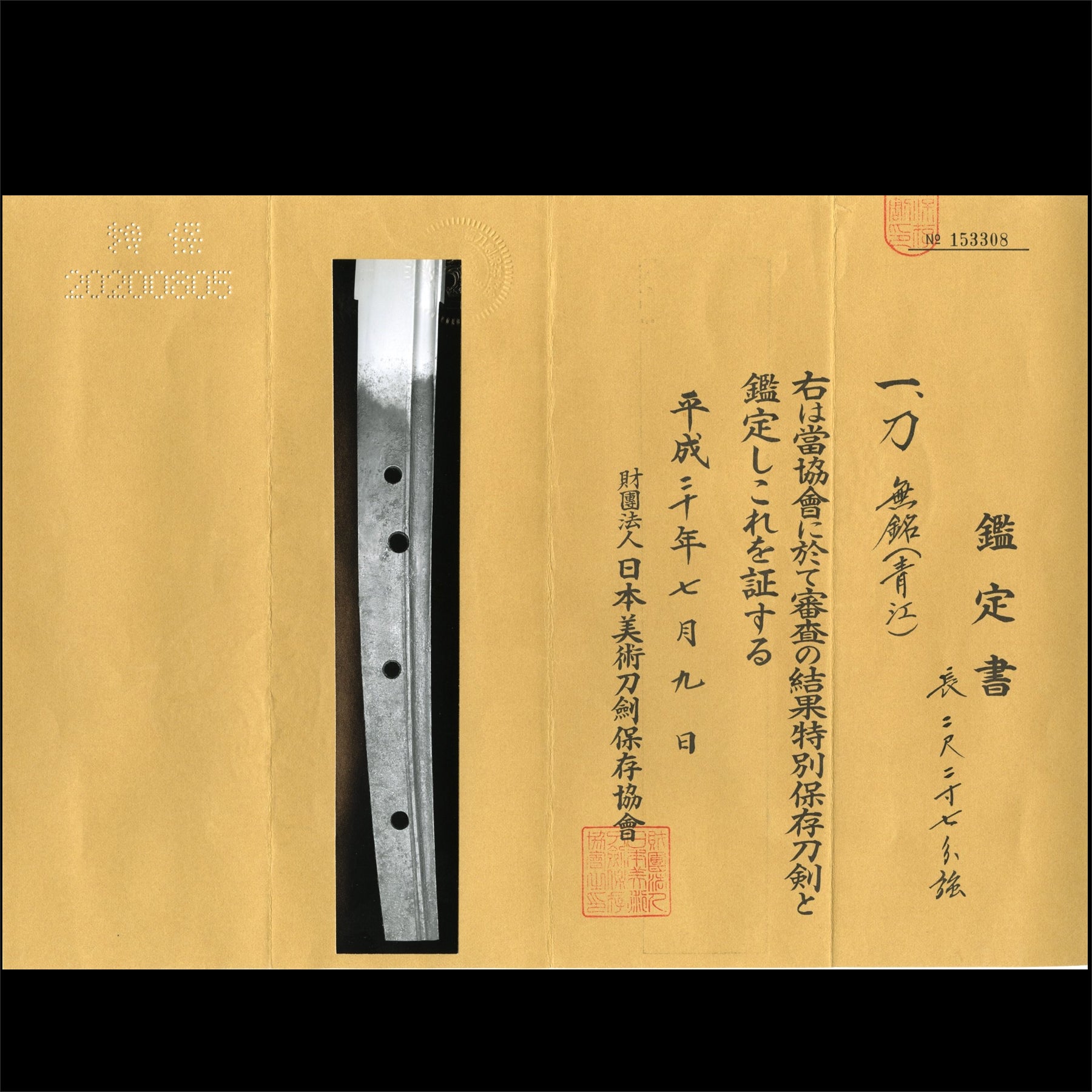
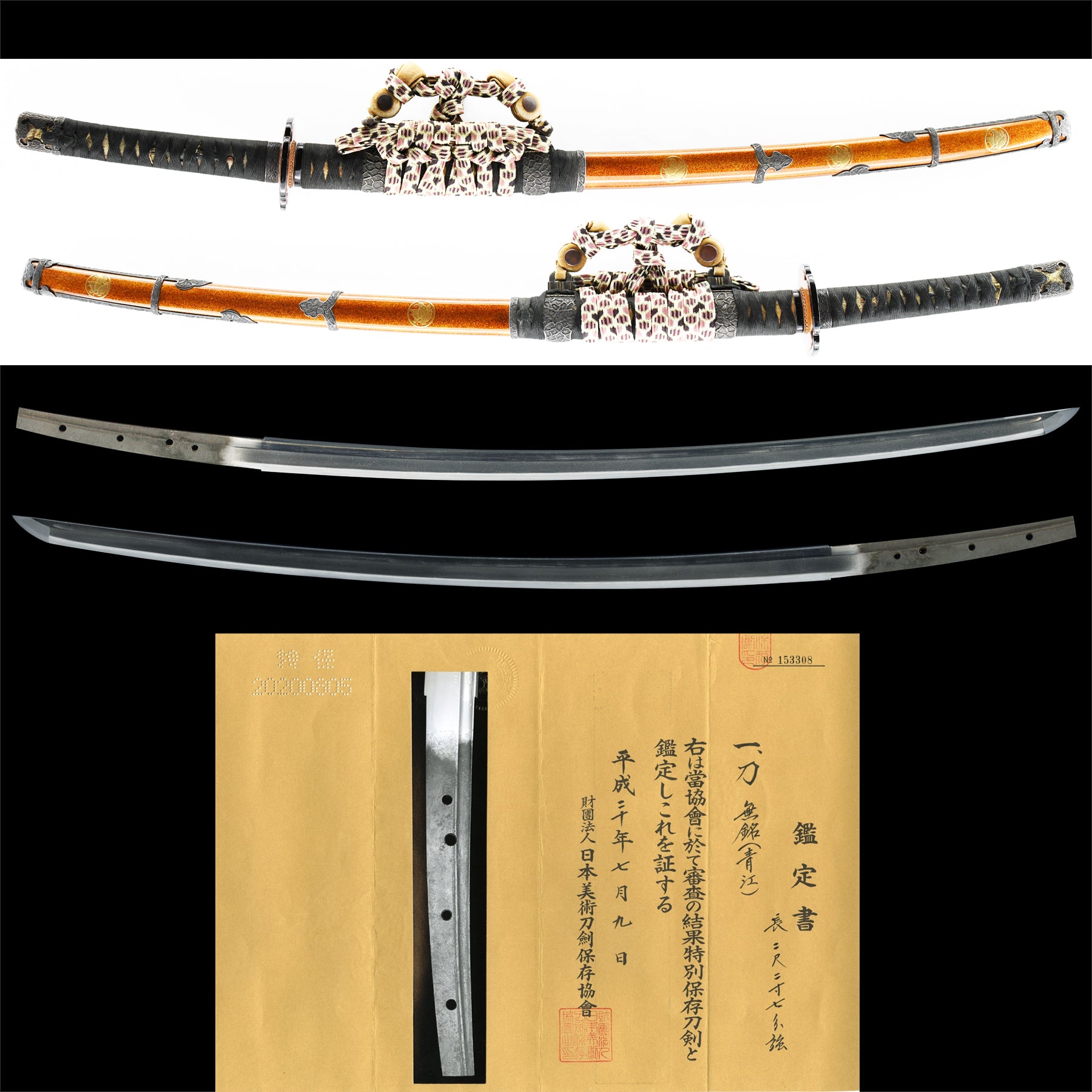
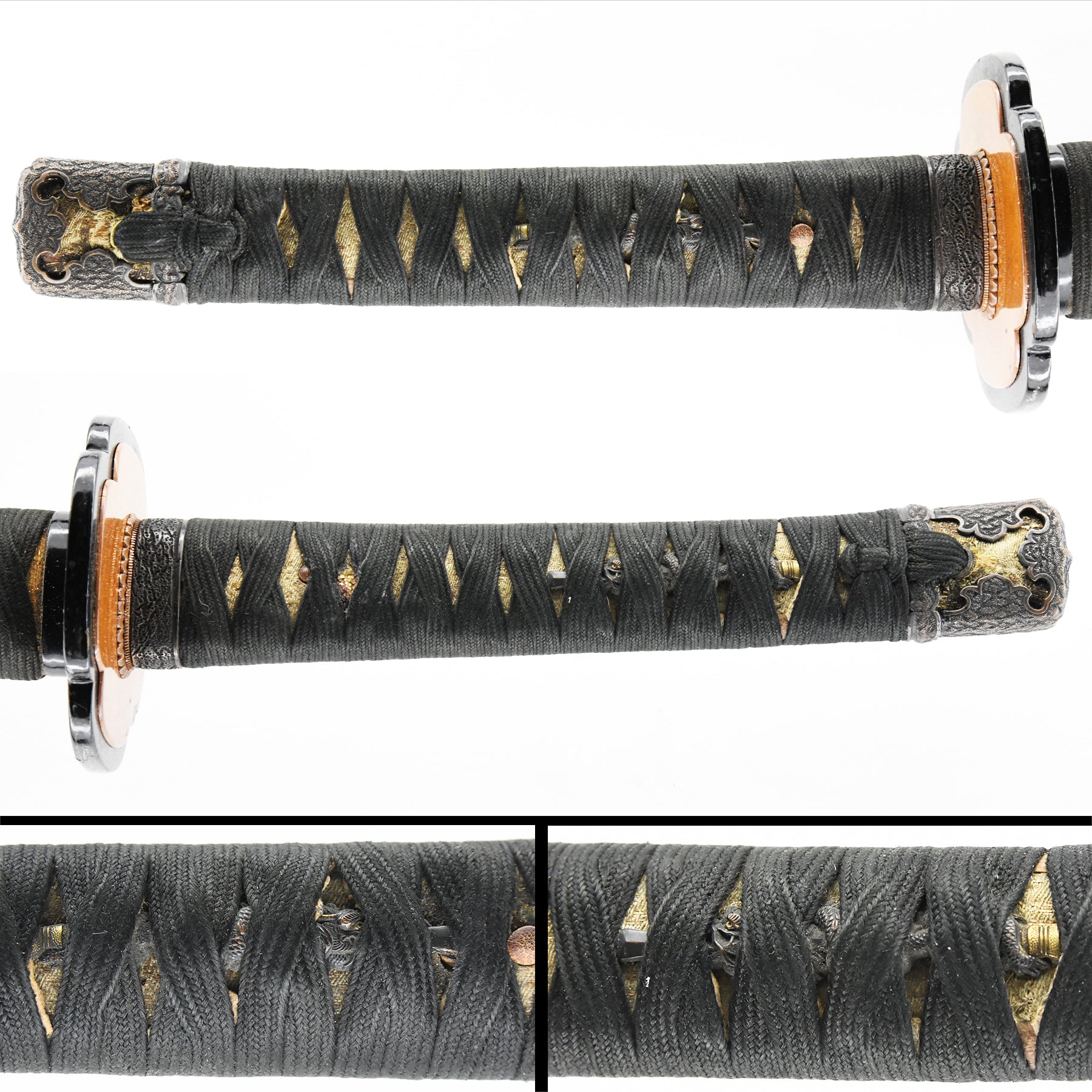
販売店の記載のまま
(翻訳なし)
備前伝 · 備中
現在21点販売中
青江派は備中国に興った刀工集団で、承安頃の安次を祖と伝え、高梁川下流域の子位荘・万寿荘を拠点に平安時代末期から南北朝時代後期に至るまで大いに繁栄した。十一世紀初頭の往来物『新猿楽記』が諸国の名産物として「備中ノ刀」を挙げていることは夙に知られ、その高い評価を受け継ぐ刀工群として歴史に名を刻む。鎌倉時代中期頃までのものを特に古青江と称し、それ以降南北朝期にかけてのものを青江と汎称して大別される。南北朝期には次直・次吉・守次・直次等の良工が輩出し、一派の技量は頂点に達した。 作風は時代によって明確な変遷を示す。古青江は小沸出来で匂口のやや沈んだ直刃仕立てに小乱れを交えたものが多く、鍛えには杢目が目立ってやや肌立ち、いわゆる縮緬肌状の肌合となり、地斑の交じるものが多い。同時代の備前物に比すると幾分地味で渋い味わいを醸す点に独自の風趣がある。鎌倉時代後期になると沸づきが穏やかとなり、さらに南北朝期に至ると匂口が締まり、明るく冴えた直刃、或いは延文頃に完成された特色ある逆丁子乱れの二様を見せるようになる。この期の他国の刀工が相州伝の影響を受けて沸出来をあらわしているのに対し、匂出来である点が興味深い。地鉄は小板目に小杢目を交えてよくつみ、地沸が微塵に厚くつき、地景が細かに入り、地斑状の肌合や乱れ映りが立ち、刃寄りには二重三重の筋状の映りを形成していわゆる段映りの態を見せるなど、鍛えに独特の景色を呈する。刃文は直刃を基調に小互の目・小丁子・角がかった刃などが交じり、足・逆足・葉がよく入り、匂口が締まって明るく冴え、帽子は突き上げて尖りごころとなり、やや長く返るものが多い。 青江派は地刃共に明るく冴え渡る精美な出来口をもって知られ、指定品には「同派極めの中でも出色の出来映え」[[c:1]]「青江極めの白眉」と称される逸品が少なくない。縮緬肌に地斑と映りが交錯する鍛えの妙味、匂口の締まった冴えやかな直刃、そして逆がかった刃に飛焼が火焔の如く乱れる華やかな作域に至るまで、備中鍛冶の伝統を脈々と受け継ぐ一派の技と風格が遺憾なく示されている。 詳しく見る →
鎌倉時代の備前
鎌倉時代は備前の頂点である。伝えでは一文字派の工が後鳥羽上皇の御番鍛冶に列し、世紀の半ばには光忠が長船派を興して、注文は公家からも武家政権からも流れ込んだ。国宝刀剣の数で備前に並ぶ国はない。
保存刀剣のうち、出来が一層優れ、保存状態も良好と認められたものです。再刃や、室町・江戸期の多くの無銘作は対象外となり、保存刀剣より高い基準が課されます。
日本美術刀剣保存協会(NBTHK)は、1948年に設立され、文化庁の監督を受ける公益財団法人で、東京・刀剣博物館に本部を置きます。専門の審査員が出品作を直接審査し、美術的・歴史的価値に応じた鑑定書を発行します。NBTHKの鑑定書は、日本刀および刀装具の真正性を示す最も広く認知された基準です。
NBTHK公式サイトReturns accepted only for errors/damage: damaged or incorrect items reported by email within 10 calendar days; defective goods within 30 calendar days.
¥2,700,000