Masatsune is a smith of Bicchū Province, working from the end of the period into the early , and the published sources name him the foremost figure of the Senoo smiths. They divide the old swordsmiths of Bicchū into two lineages, the Senoo smiths and the smiths, and place Masatsune at the head of the first. He descends from Noritaka and forged at Senoo, in a line the commentary holds apart from the main stream: he "formed a lineage separate from the main line, which frequently used the character Tsugu" (「次」の字を多く用いる古青江の主流派とは別に一派をなした). The enters the first-generation Masatsune in the 'ei era, yet extant blades descend no later than the close of the period, so close in date to the Masatsune of the neighbouring province that the two are easily confused. A states the point plainly, that this Masatsune belongs to a line distinct from the smiths who sign with Tsugu and that his workmanship differs from theirs.
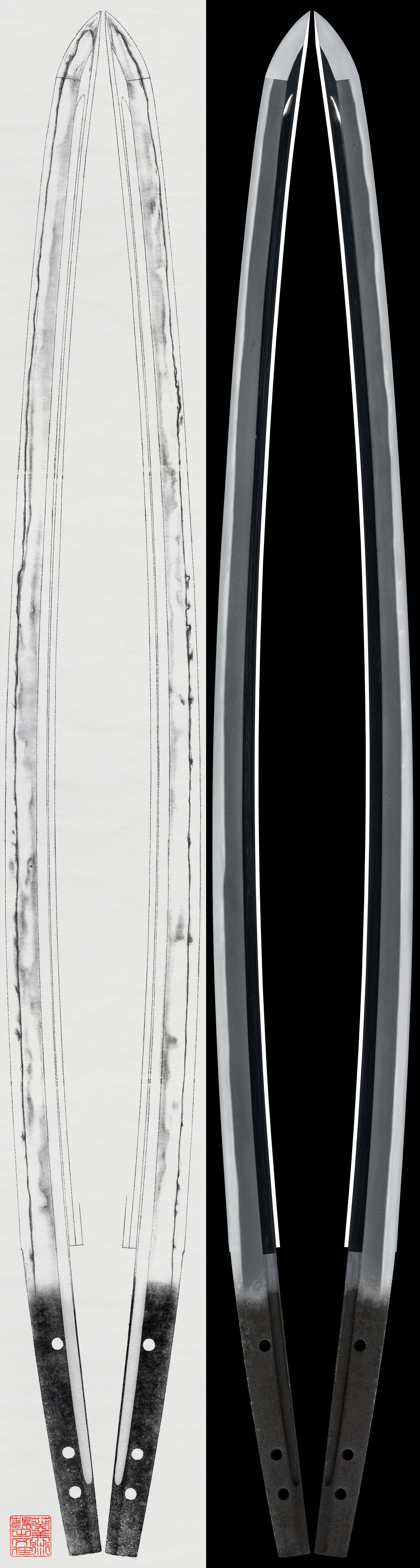
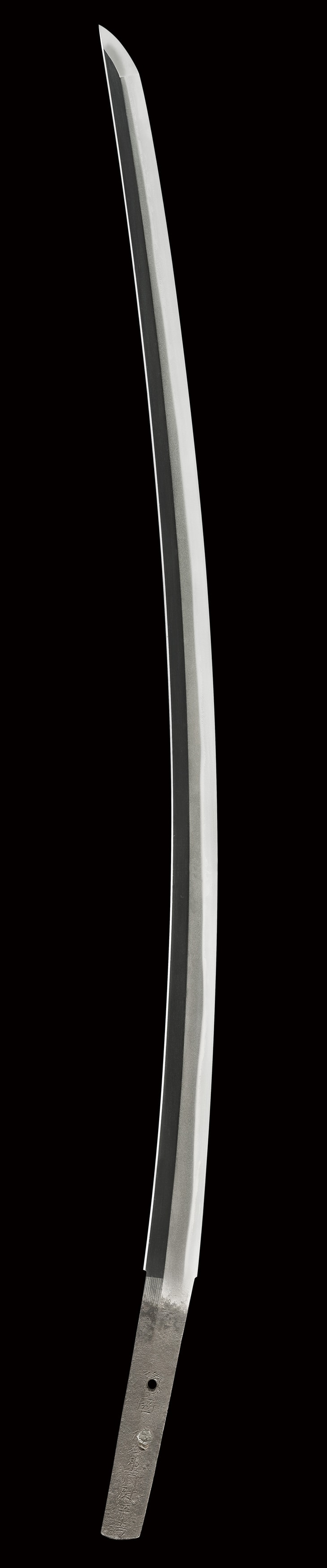
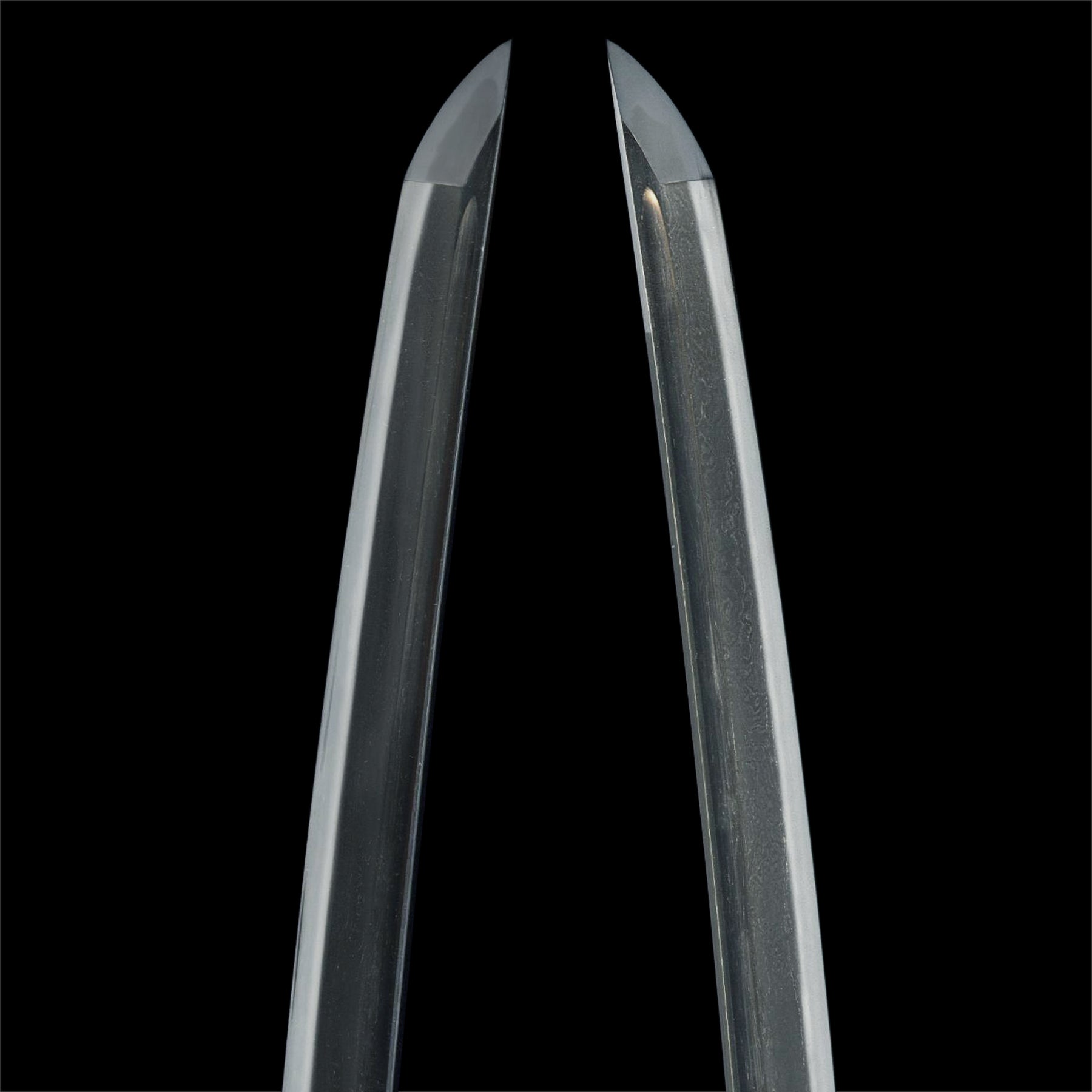
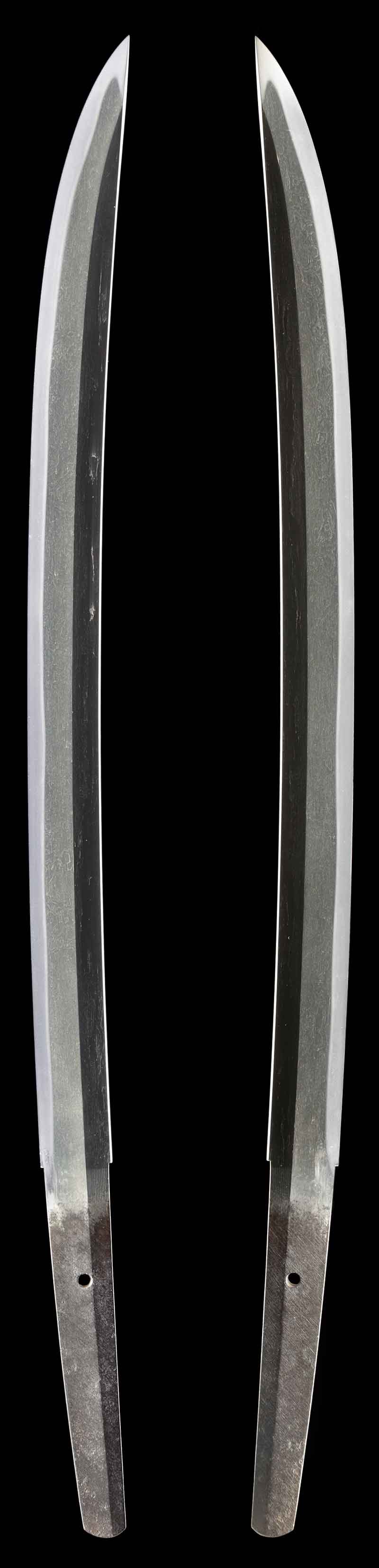
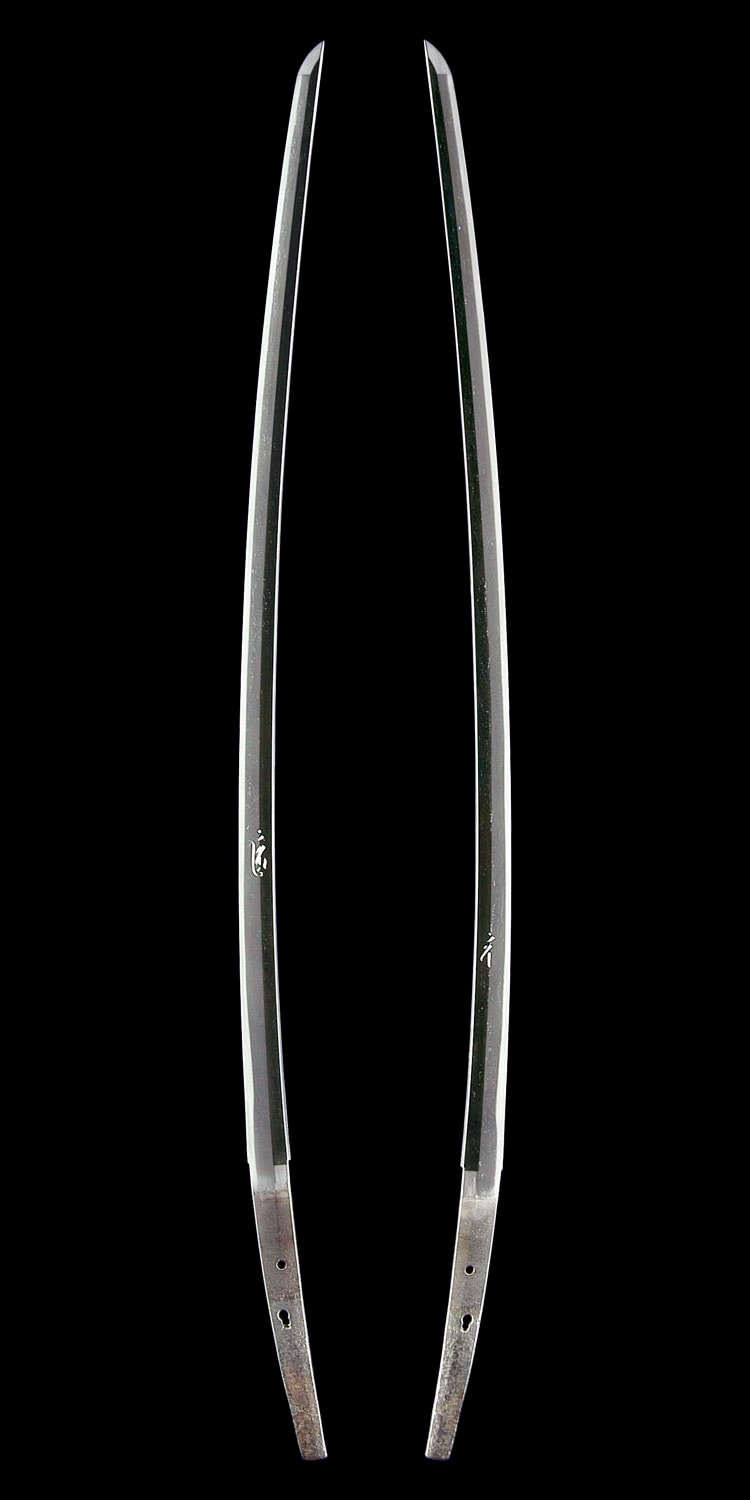
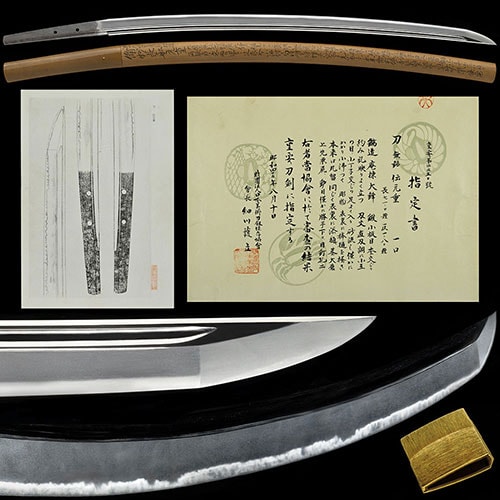
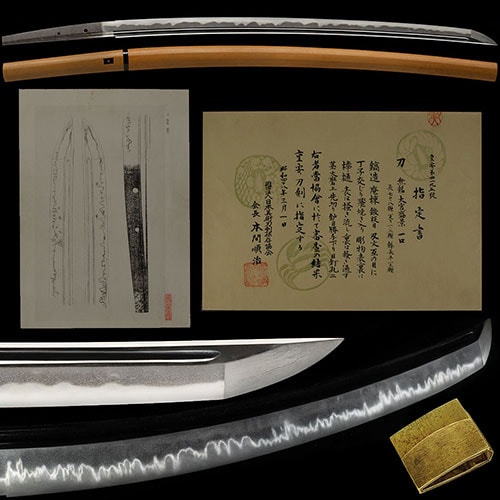
His recognized hand is the quiet one. Over a slender of high and pronounced he tempers not the showy clove-flower expected of the mainstream but a calm or narrow , into which and small are mixed, with and entering well and the drawn tight in . The runs straight and turns back in a small . This restraint is the whole character of the smith. The published sources read his work against the Masatsune it resembles and find his "somewhat plainer, with an astringent, subdued taste" (やや地味で渋さが感じられる). Where the school's later hands open into flamboyance, his stays close to the line, the activity carried in , , and fine and rather than in towering heads of .
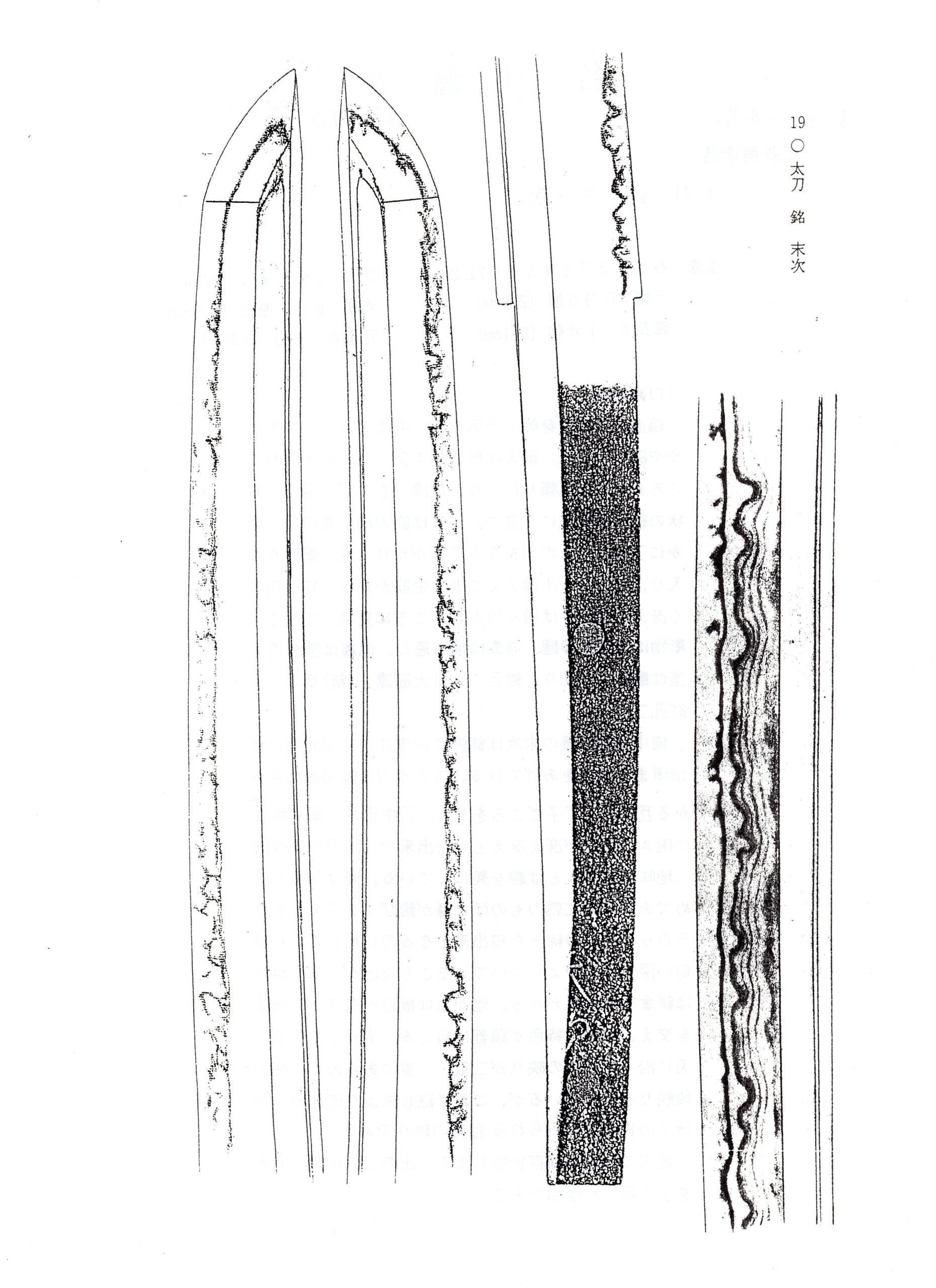
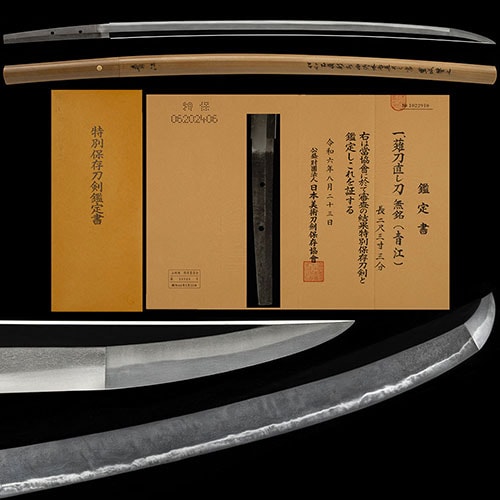
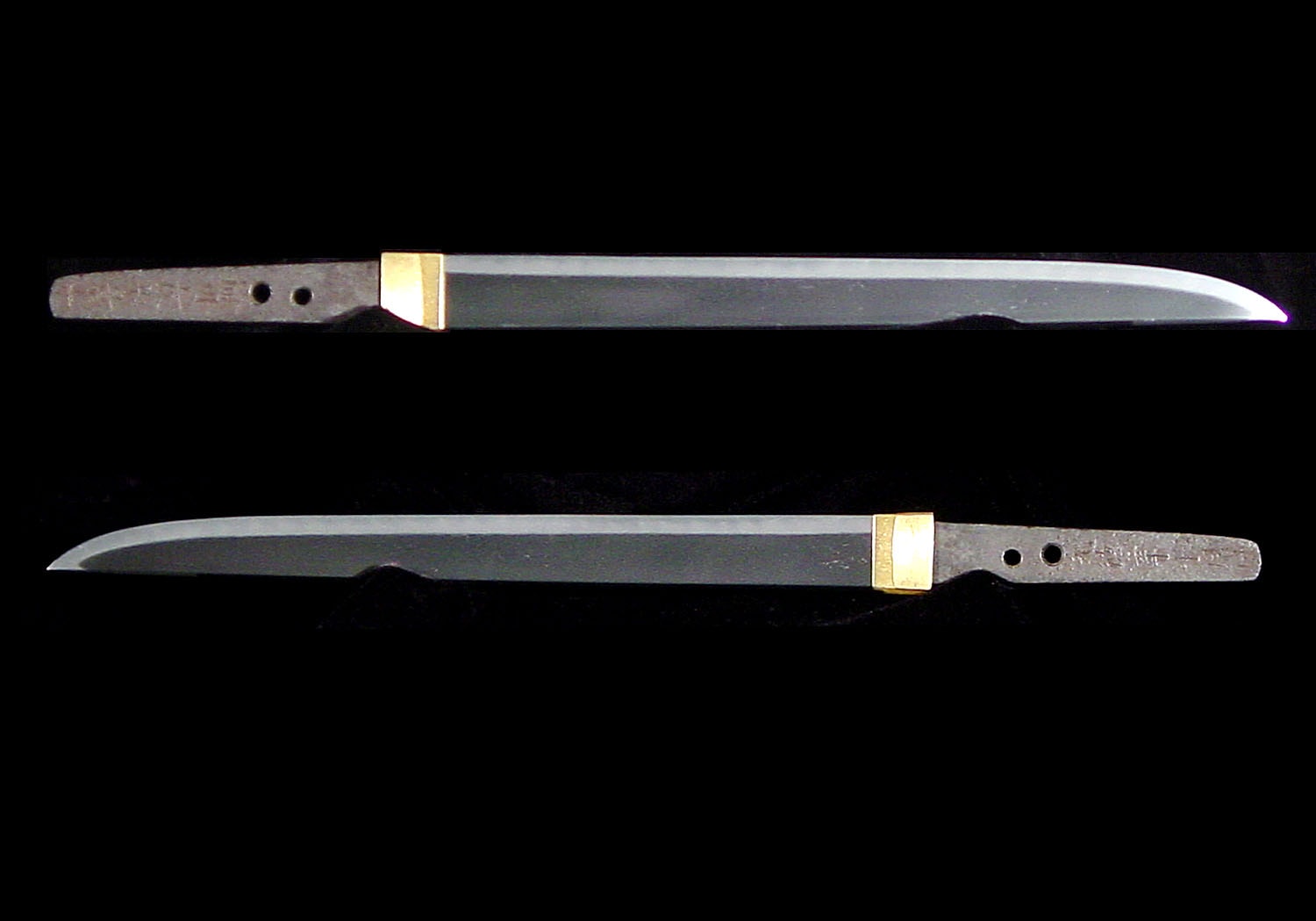
The is the other half of the recognition. He forges a that stands a little and tends toward , with and fine , and through it run the speckled patches the published sources call , the crepe-like , often with areas of clear and a -style or quiet irregular . It is this , more than the temper, that separates him from his namesake, whose steel carries no such crepe of . On one the commentary singles the out as distinctive and the as splendid, and on another the grain rises in a fine, manner, mixing clear steel into a crepe-like surface in the most characteristic way. The file marks on his tangs are named, with the placement of his signature and the narrow , among the notable points of his work, and they carry the attribution even where the has worn down to a single legible character.
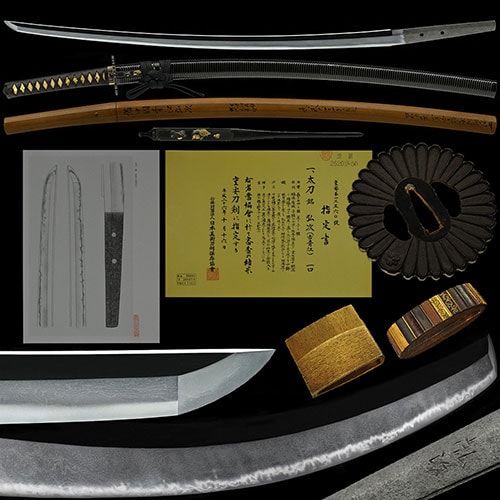
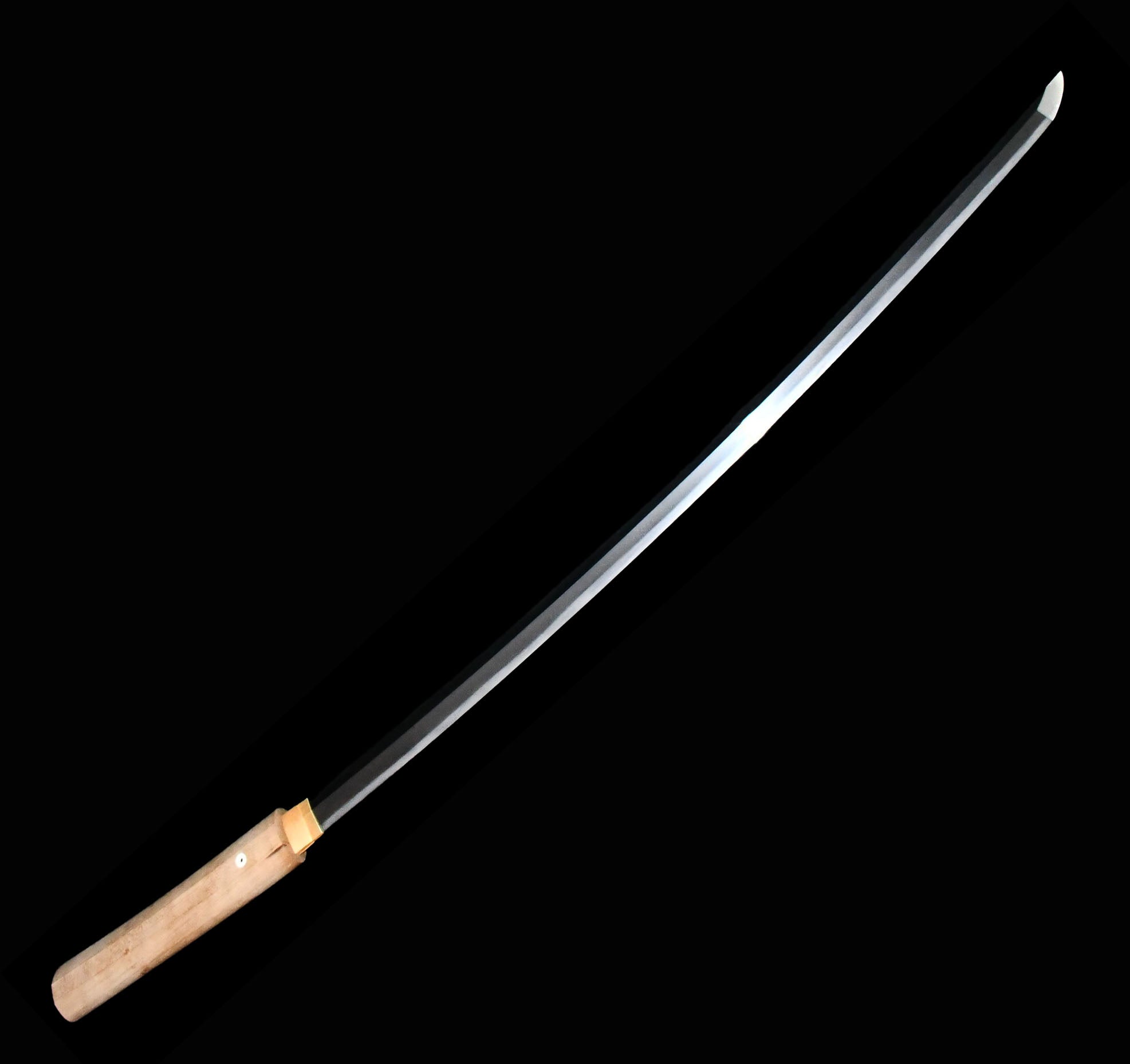
His record divides cleanly in two. There are the signed , several still with the two-character near the tip of the tang, others shortened yet keeping the high curvature and of an old blade, and there are the attributed to him, originally slender , judged by the , quiet and turnback. On one the published sources name precisely the straight turning to as the feature that marks Masatsune. The dating, though, the commentary leaves open: because several smiths within the line itself used the name and their signing manner differs blade to blade, and because extant works run earlier than the 's 'ei date, one signed was designated as a blade merely "bearing a signature," the question deferred to future study.
What sets him apart, the judges name in his own terms. He is held back from the Masatsune by the crepe of his and the clear of his , and from the later, flamboyant by the deliberate calm of his . The published sources call his work "archaic and deeply flavored" (古雅で味わい深い), preserving the refined elegance of the transitional late-Fujiwara to early- form, and on one signed judge it "the most archaic in character among works of this name" (同名中でも就中、古調である). Beside Koreshige, Yasuiye, Hirotsune, Tsunemasa, Moritsune and Yukimasa of the Senoo line, he stands as its representative, the one whose surviving works are not few and whose hand is the most clearly read.
For the collector he is a rare and quiet early name. His presence runs through the prewar Jūyō Bijutsuhin and the modern and tiers, twenty blades in the two highest tiers and four of them , one a that carries an early-Meiji mounting fitted by Fuchikawa Kazunori. Fujishiro records no grade for him, and his blades survive in small number, several signed in original tang, which the published sources call "especially valuable for remaining and signed" (生ぶ茎、有銘であることは特に貴重である), and one of which they name "one representative work of Masatsune" (古青江正恒の代表作の一本). His provenance reaches the imperial house: one was formerly held by the Arisugawa-no-miya princely family, and his other blades are preserved in long-held private hands and institutional collections of recorded whereabouts. Most are held rather than traded, and a signed Masatsune in original tang comes to light only seldom, so a privately held example is a notable thing for a collector to encounter, a document of how the old Bicchū tradition kept its quiet, archaic voice.