 NihontoWatchNihontoWatch
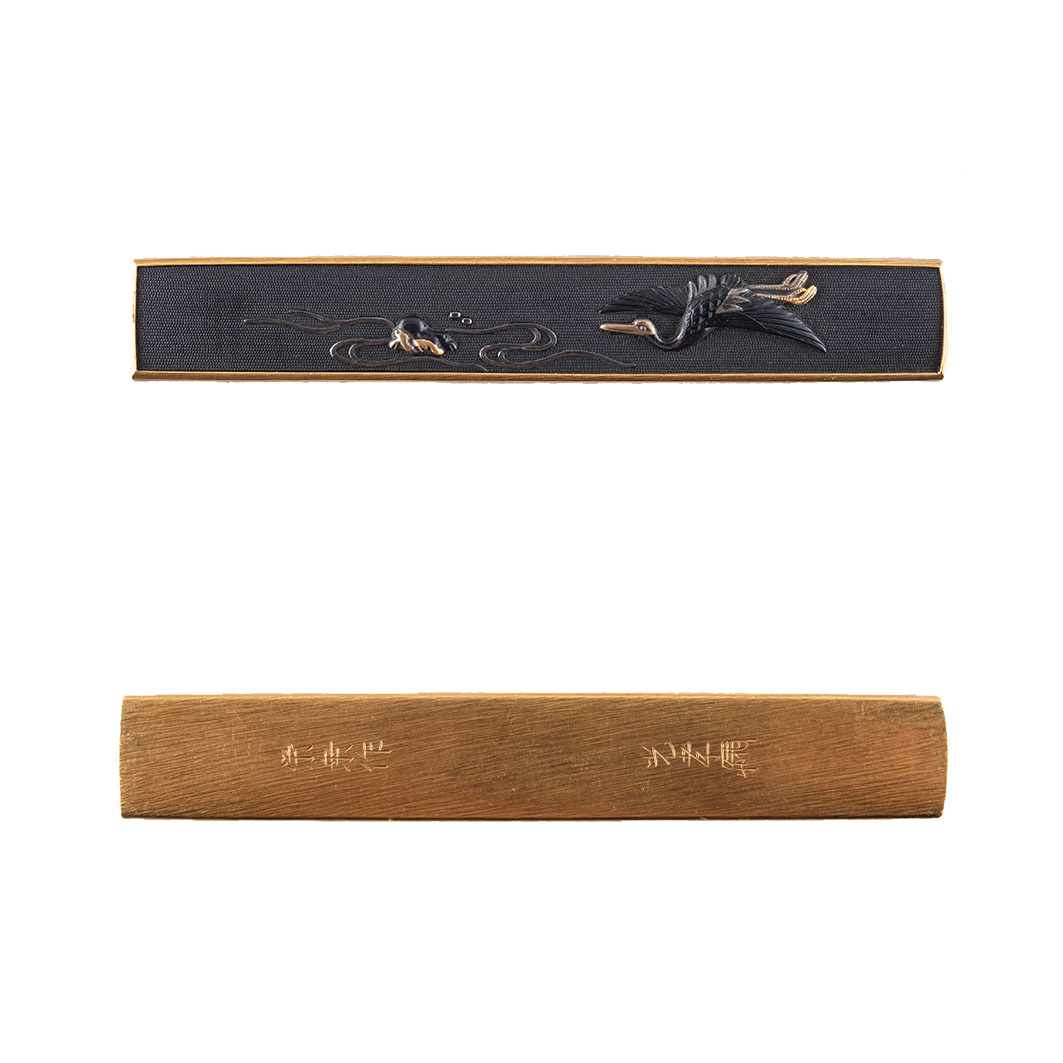
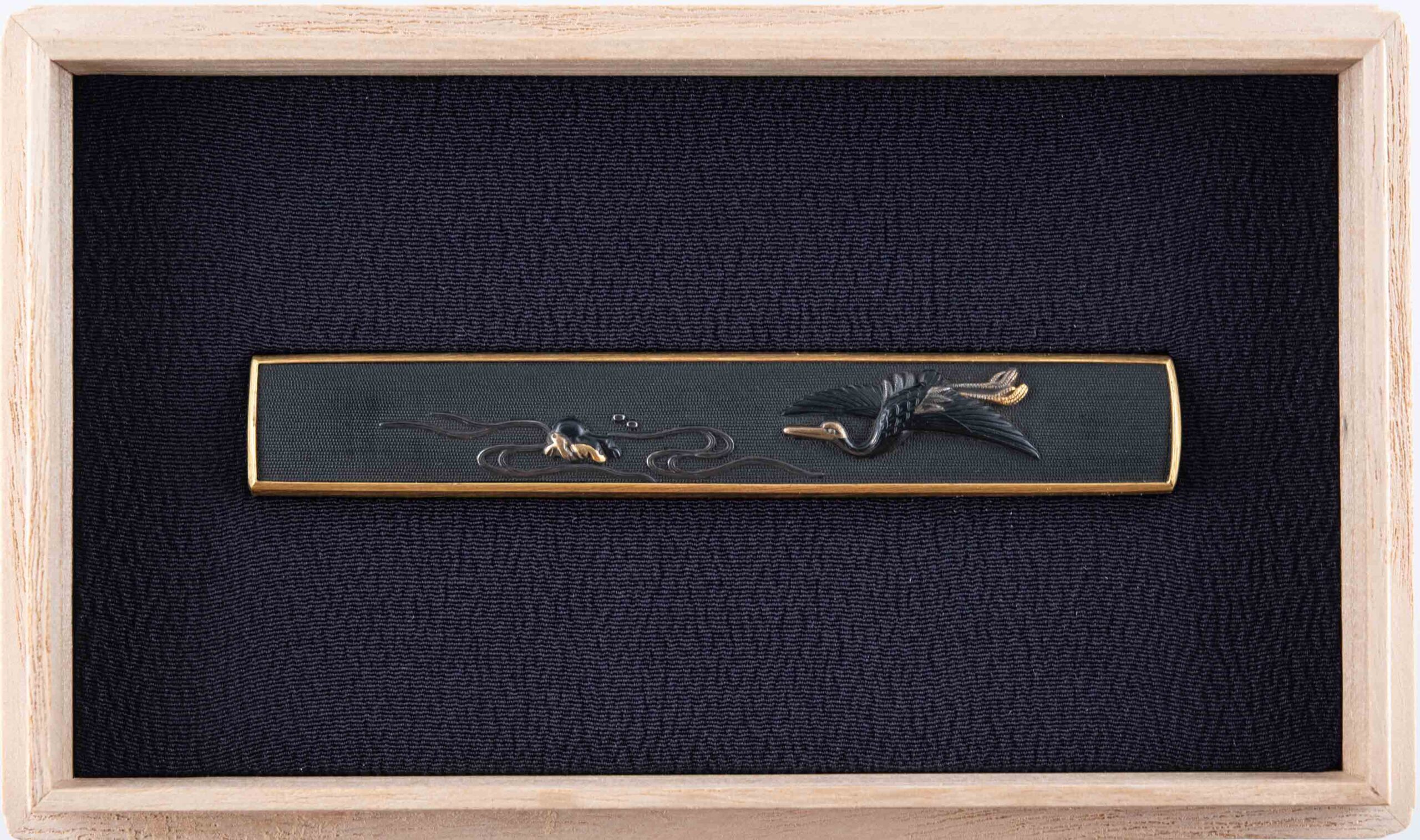
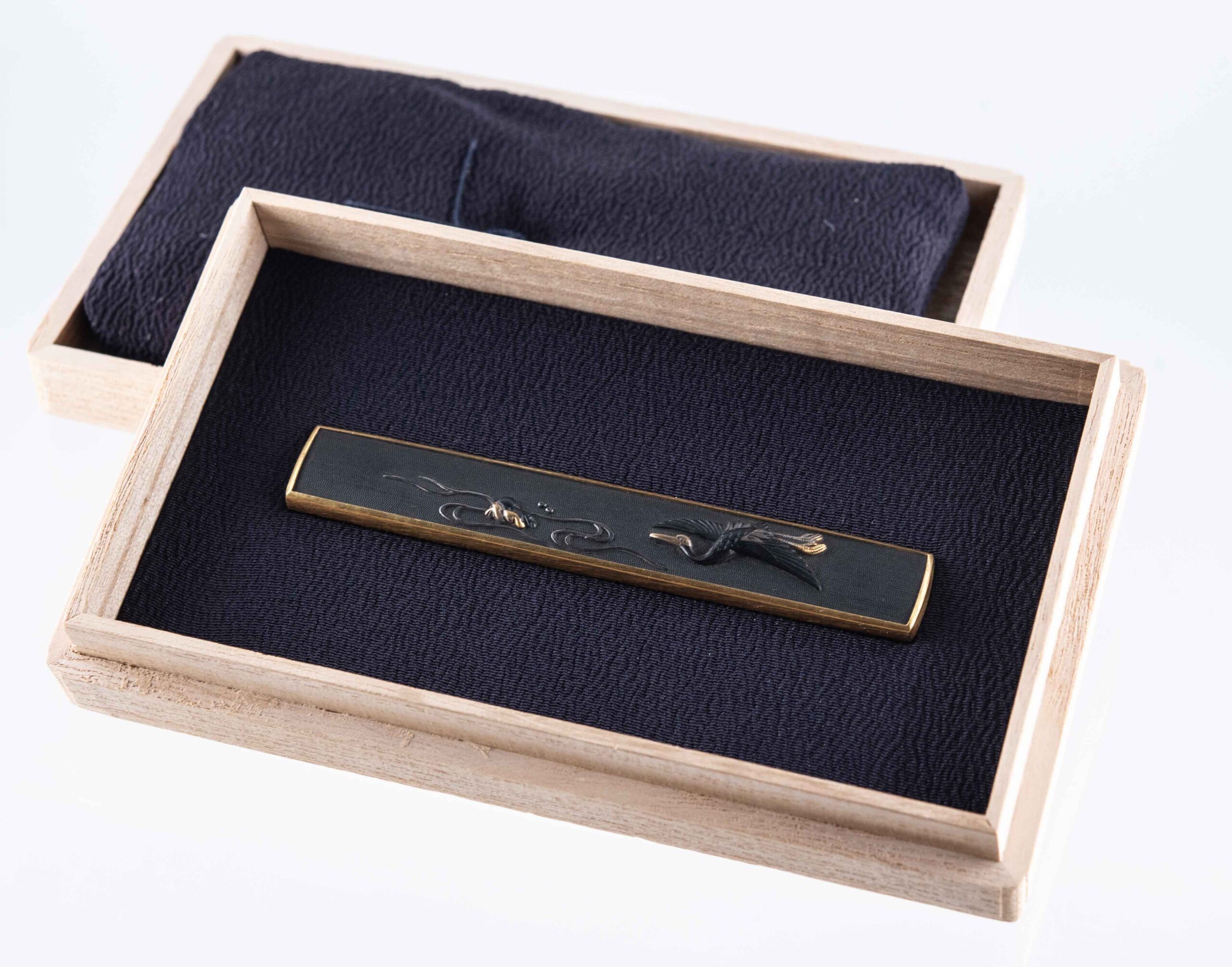
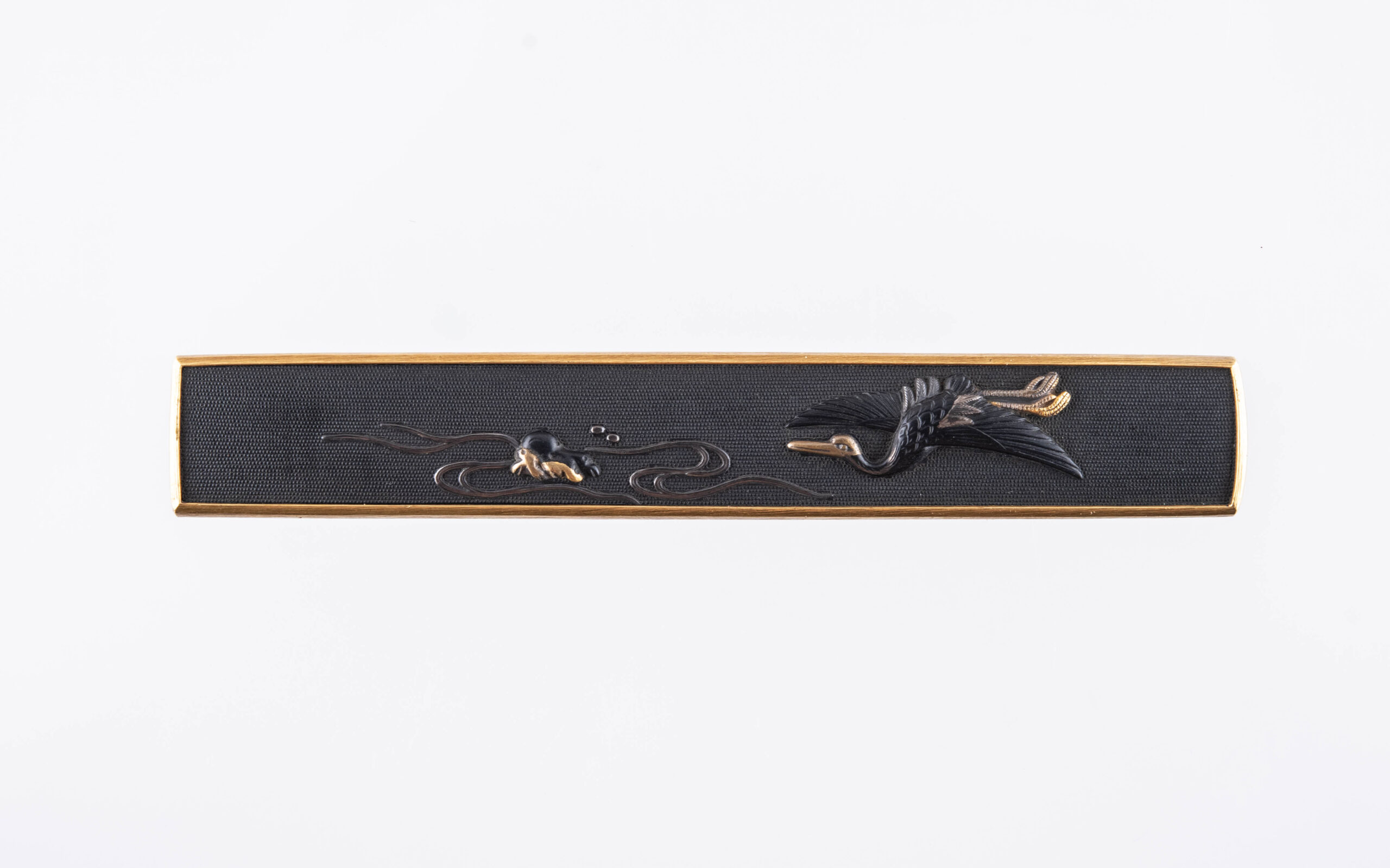
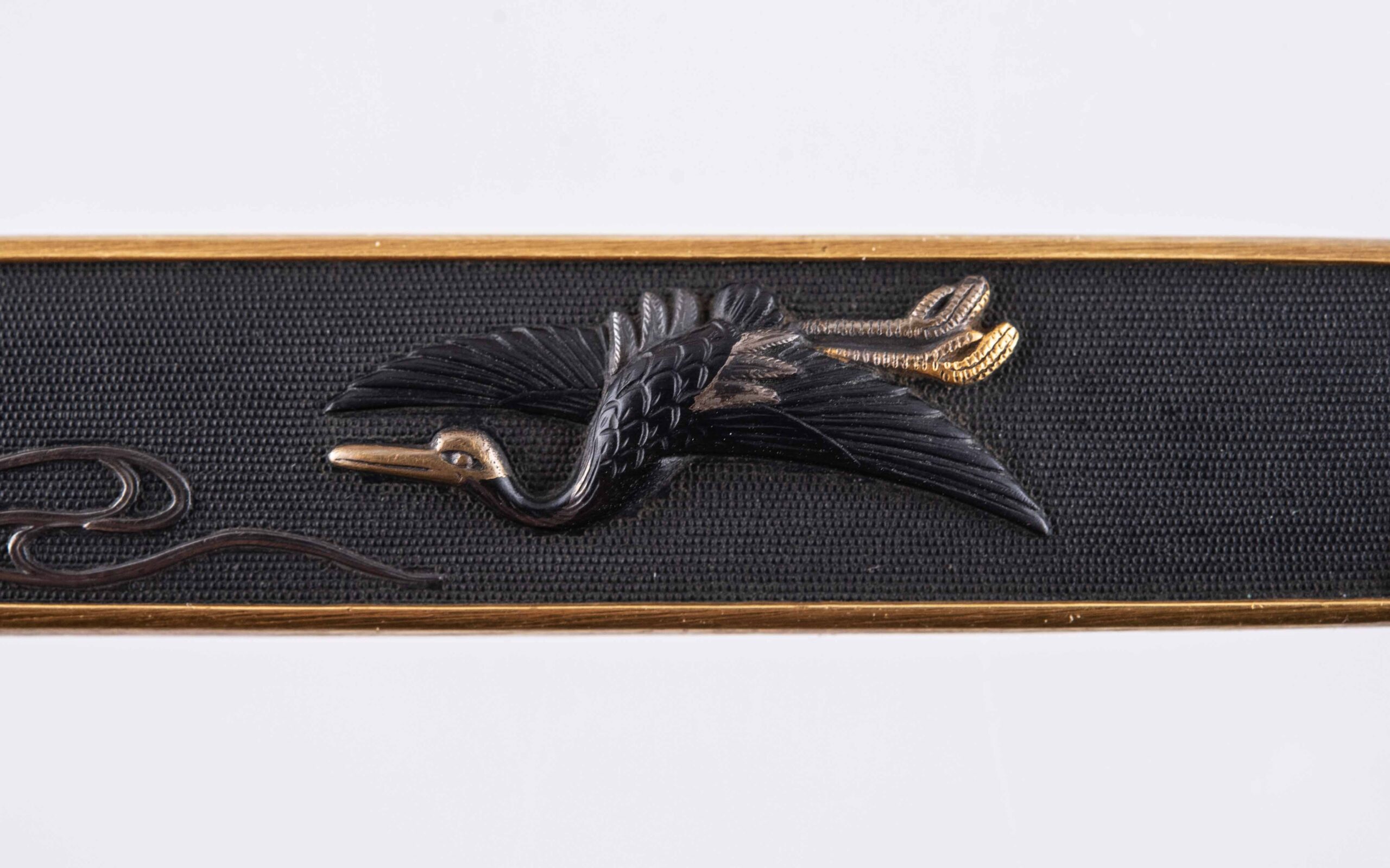
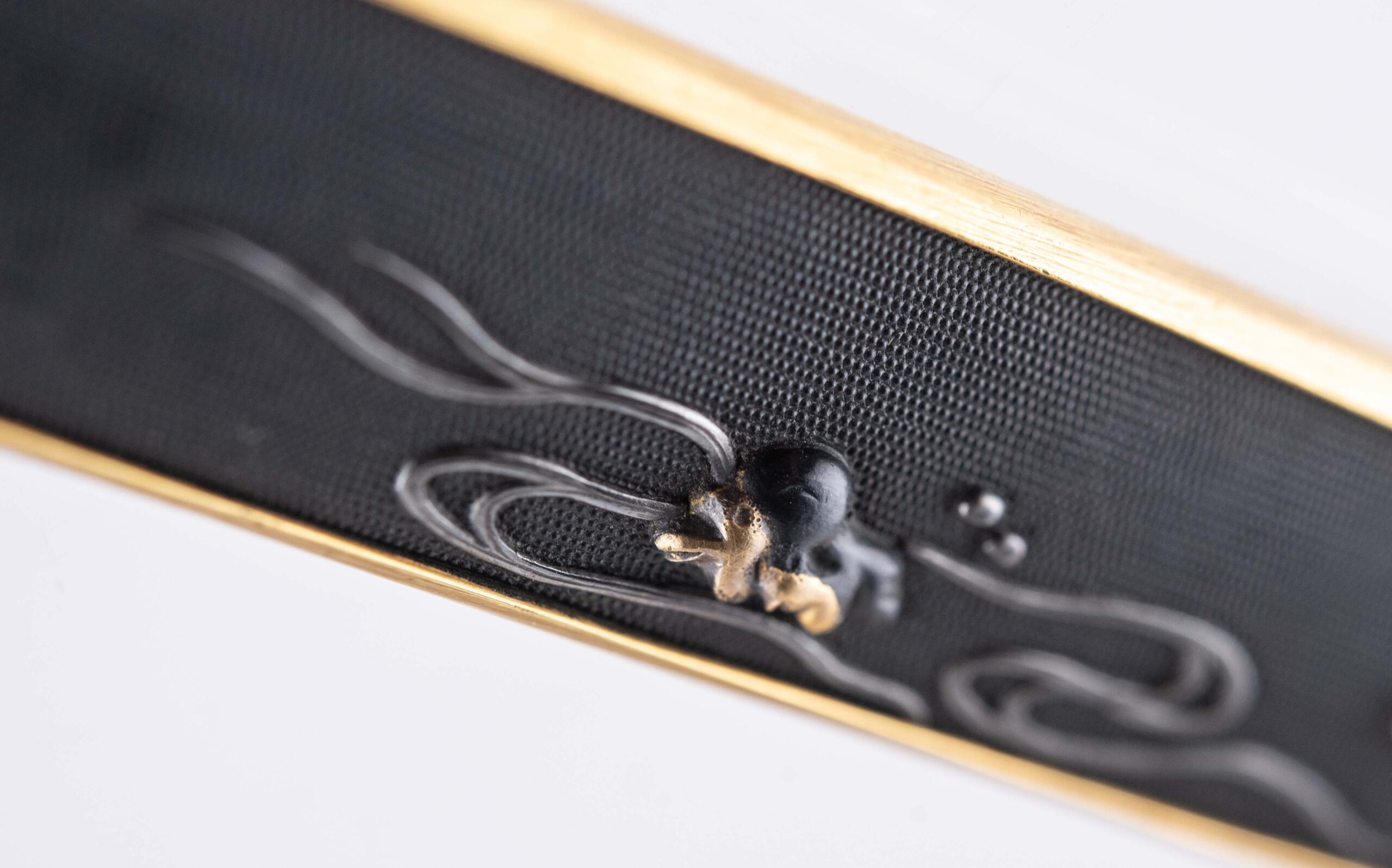
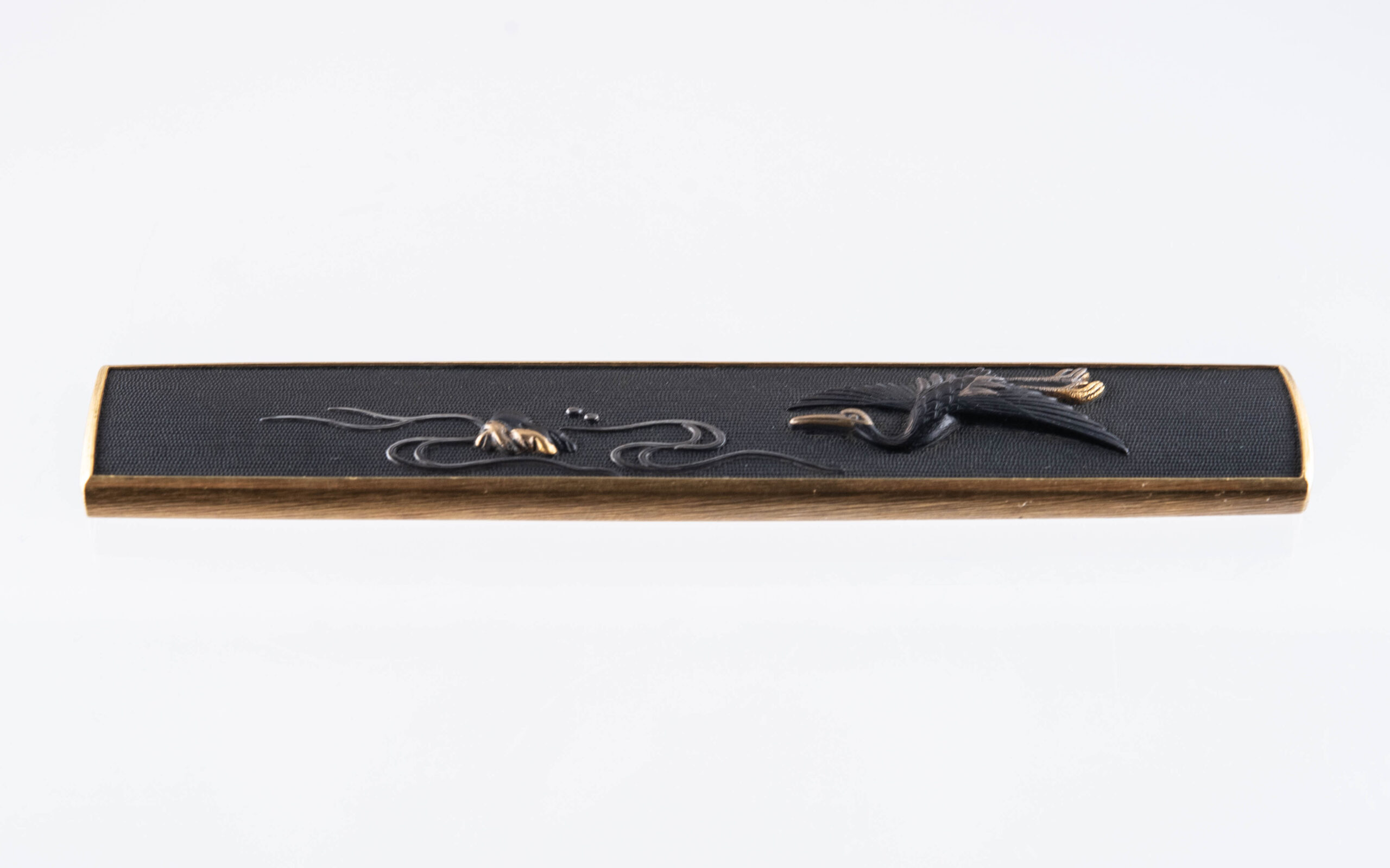
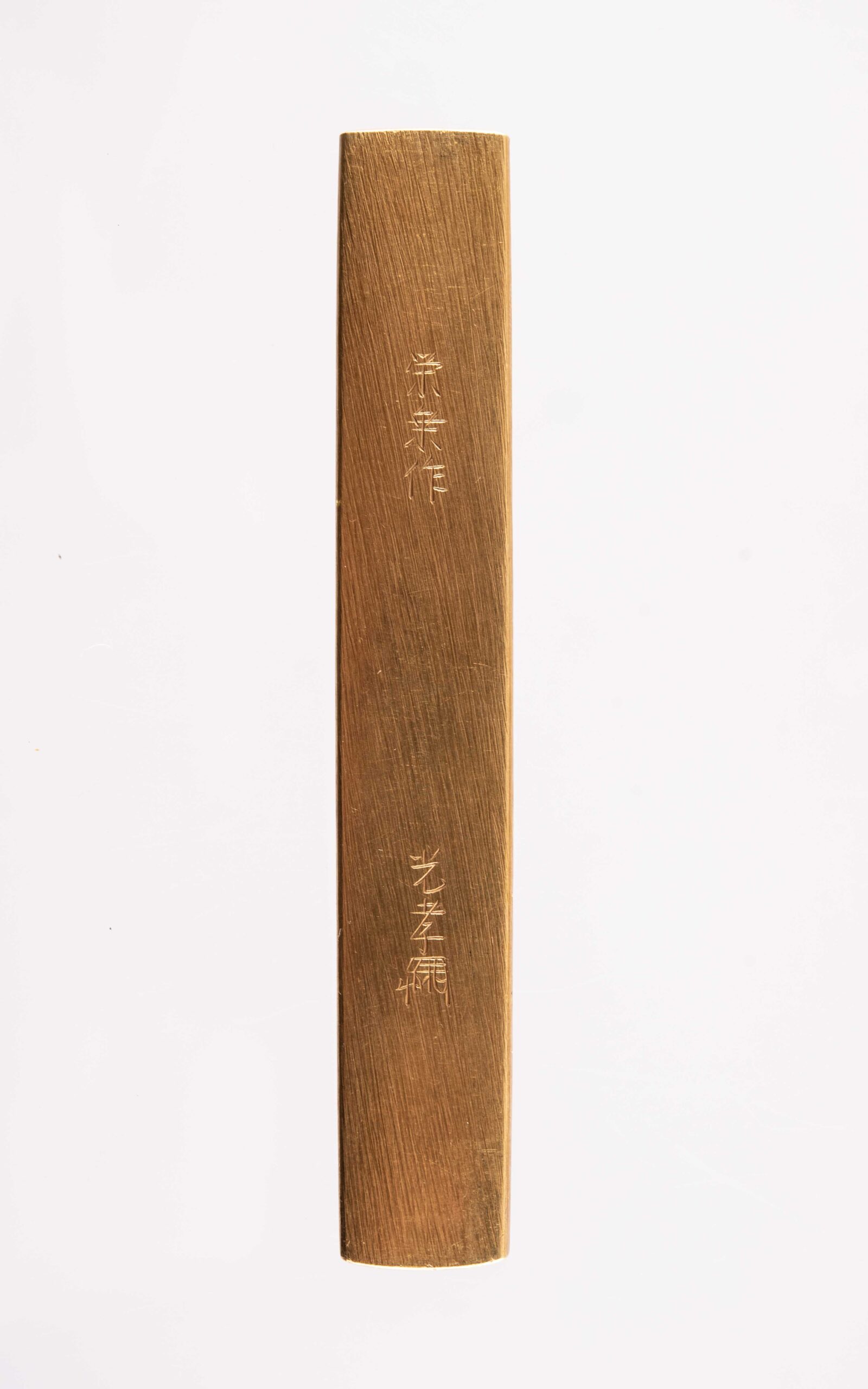
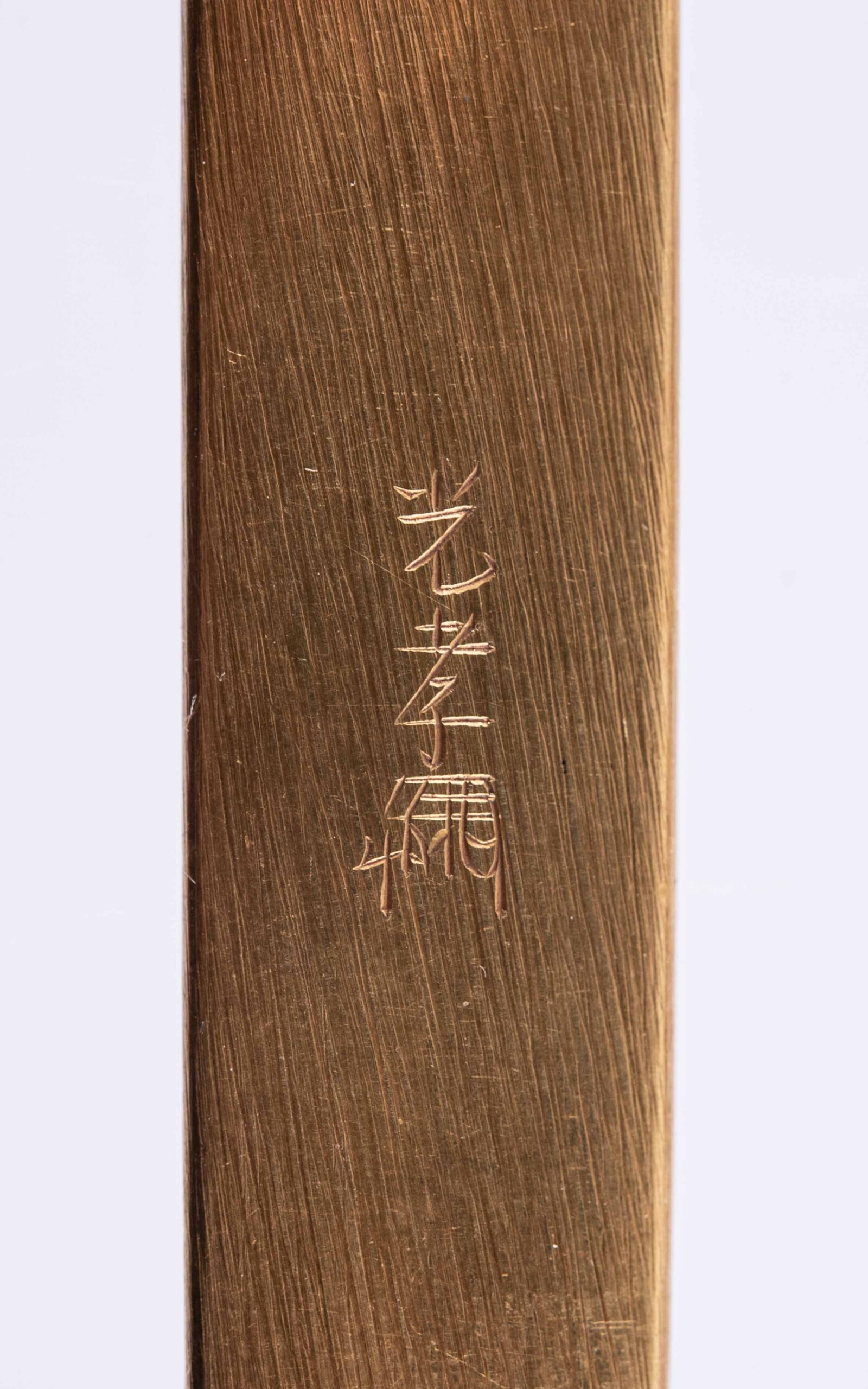
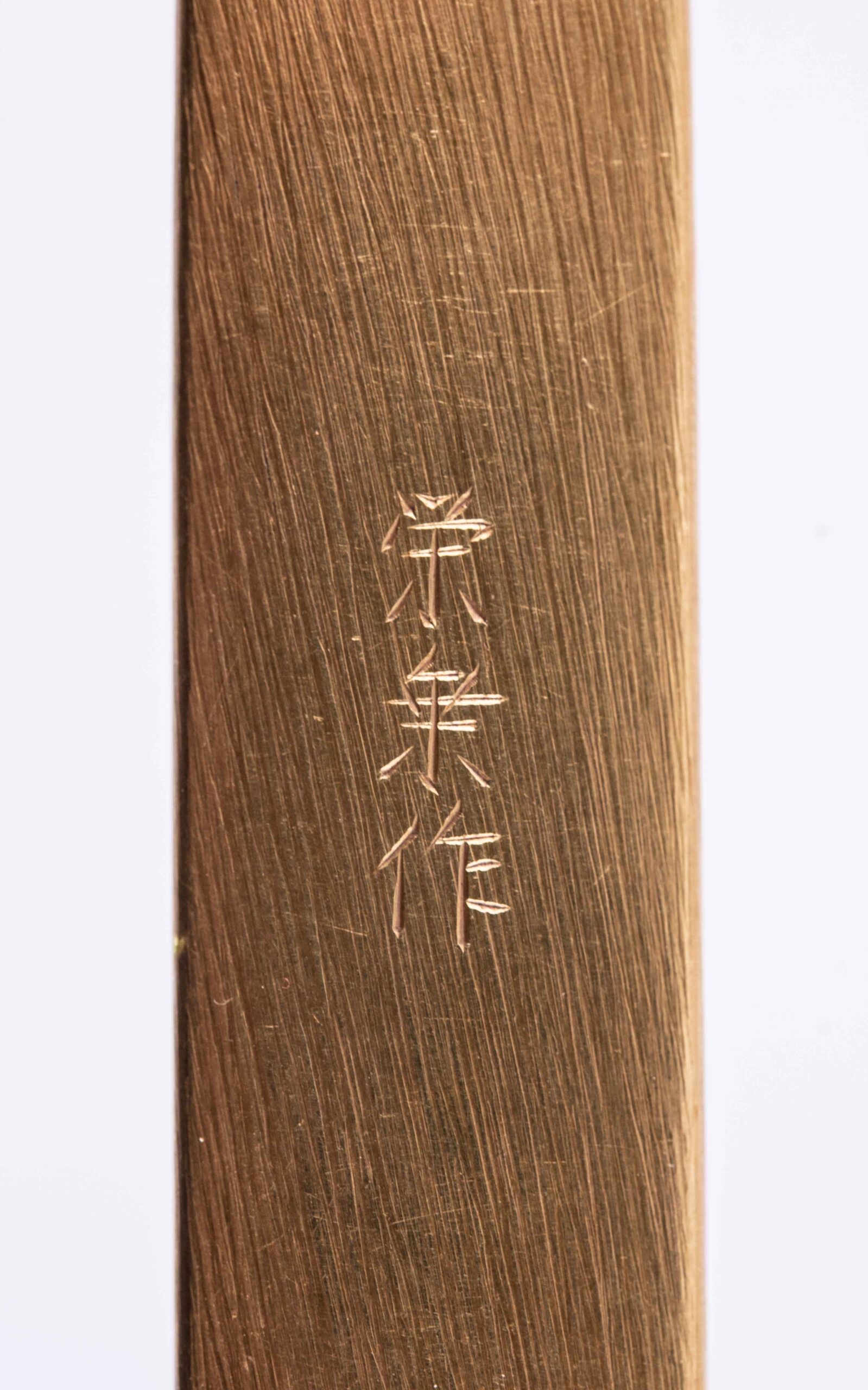
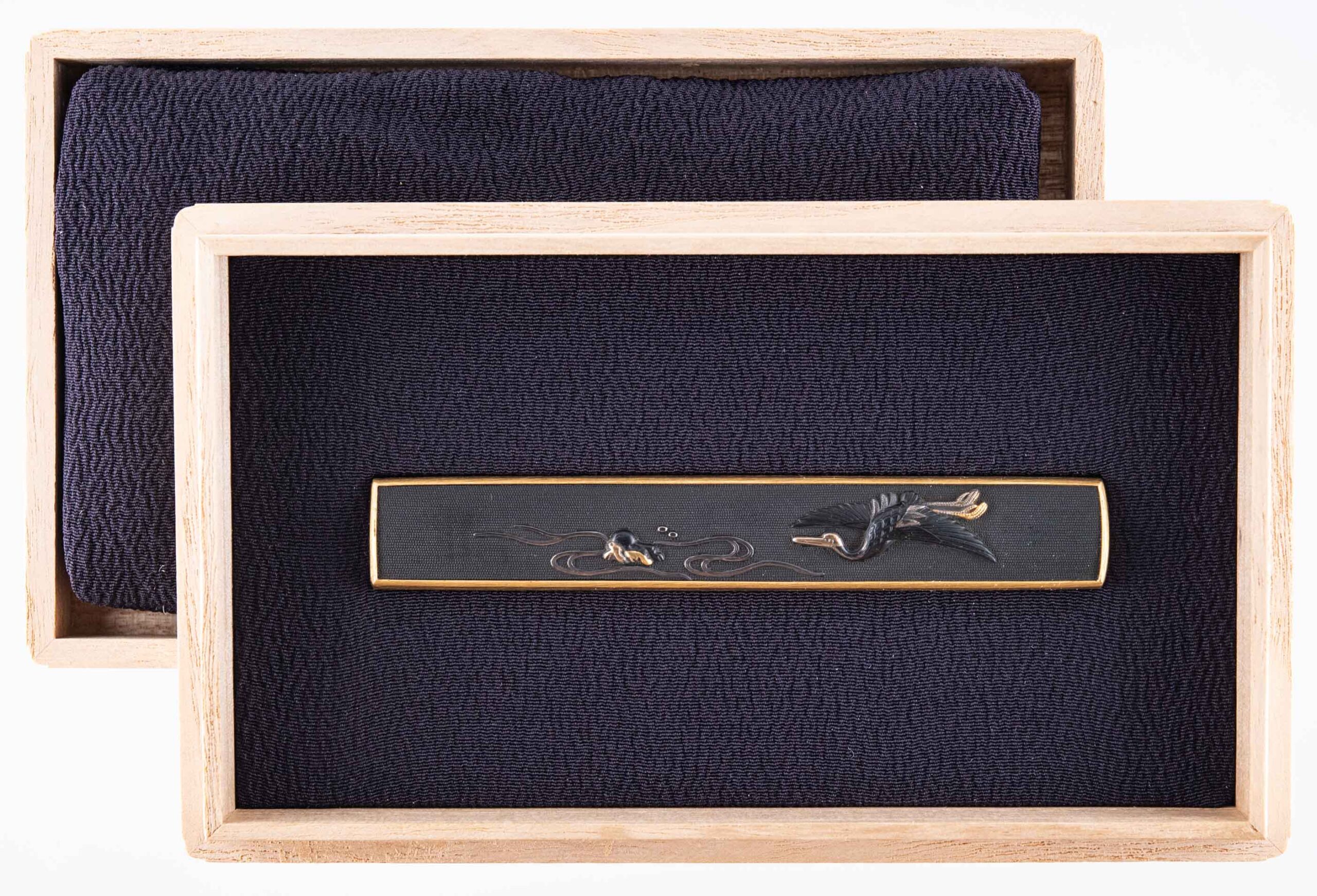
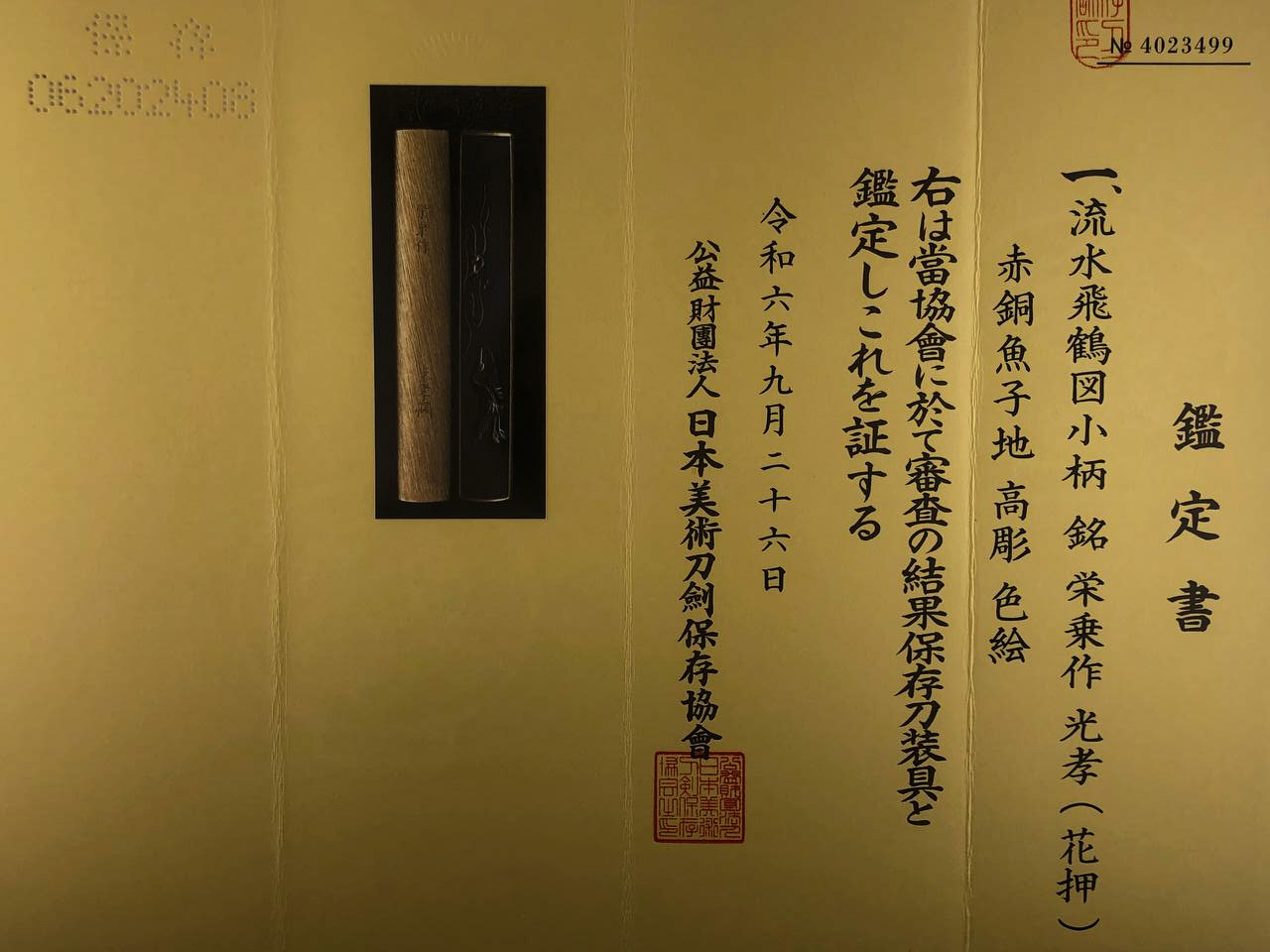
A Goto Kozuka by the 6th mainline master Eijo Goto Eijo, born in the Momoyama period and active during the early Edo period, was the sixth master of the prestigious Goto family of sword fitting makers. He was the son of the fifth-generation master Tokujo and inherited not only the title but also the full artistic legacy of the Goto tradition. Eijo played a significant role in maintaining and refining the high standards of the Goto school, which by then had become the official provider of sword fittings to the Tokugawa shogunate. His works are characterized by exceptional skill in nanako ground finishing, subtle takabori carving, and elegant compositions rooted in classical themes. In his work he often tried to imitate the 3rd mainline master Joshin by creating rather bold designs in high relief. Eijo’s artistry marked a culmination of early Goto techniques, preserving their purity and finesse at a time when the school had become the gold standard for court and samurai fittings alike. This Goto Kozuka presents a serene and balanced landscape composition: On the right side, a crane is depicted, rendered with quite exquisite detail and highlighted in gold and silver. On the left side flows a small stream, inlaid in silver, next to a stone. The scene evokes classical Japanese themes of longevity and purity—the crane being a symbol of long life, and water representing clarity and renewal. The choice of subject, subtle yet rich in meaning, is entirely in line with the refined aesthetic of the Goto school under Eijo’s direction. The Piece is executed on a shakudo base with a finely textured nanako ground, which is slightly less mechanically correct as later Edo period pieces, which is typical for early Goto works. The rim and the reverse of the Kozuka are finished in gold, lending the piece a luxurious and authoritative presence. The reverse also features the typical Yasurime decoration, consistent with authentic Goto workmanship. Most significantly, the reverse bears a Kiwame-mei, or attribution inscription, by Mitsutaka, the 13th Master of the school (Enjo Mitsutaka 十三代延乗光孝 1722 – 1784) which dates back to the Mid Edo period. The inscription reads “Eijo saku Mitsutaka” followed by Mitsutaka’s kao, signifying that Mitsutaka personally attested to the piece being made entirely by Eijo. This is a rare and confident statement of authorship and reserved only for works of high quality. Furthermore, the piece has survived in excellent condition, with the nanako ground still crisp and intact. This Kozuka is a rare example of early Edo period Goto craftsmanship, executed by the hand of Eijo himself. The elegance of its design, the use of premium materials, the precision of the nanako work, and theattribution by Mitsutaka all come together to affirm its place as a great collectors item. The authenticity of this Goto Kozuka is verified by the NBTHK Hozon certificate. If submitted again this piece will also receive a Tokubetsu Hozon certificate. Comes with a custom made box.

後藤栄乗
桃山
在銘
保存 (NBTHK)
販売店の記載のまま
家彫 · 山城 · 1577-1617頃
現在5点販売中
後藤栄乗は後藤宗家の六代目である。五代徳乗の嫡男として天正五年に生まれ、幼名を亀市、俗名を源四郎、諱を正房といった。文禄三年十八歳で家督を相続し、名を四郎兵衛正光と改めて宗家六代目となった。金工銘は初め正房、のち正光、剃髪してからは栄乗と切る。若年より父祖と共に豊臣秀吉に仕えたが、豊臣家滅亡後は一時浪人し、元和二年、徳川家康に重用されていた叔父長乗の推挙により徳川家に仕え、将軍秀忠より分銅・大判及び彫物の役に任ぜられ、山城国の旧領二百五十石と江戸詰料二十人扶持を給わった。晩年には法眼に叙せられたが、父徳乗に先立ち、翌元和三年四月、四十一歳の若さで病歿した。
説明は繰り返しその作風を、乗真に似て少し大振りなものが多いが「細工は乗真よりも細やかに出来ている」[[c:1]]とする。小柄・笄は赤銅魚子地に高彫色絵、裏哺金を基本とし、目貫は金無垢地あるいは赤銅地の容彫で、陰陽根を伴うものが多い。親子獅子図目貫では、「山高く谷深い肉取り」[[c:2]]と薄金に括り出した地金、陰陽根に時代の古さが感じられるとし、金無垢の倶利伽羅龍図三所物では、おおらかでありながら力強い肉取り、確りとした角や手首の三角鏨を挙げて「栄乗ならではの醍醐味が存分に感じられる」[[c:8]]と評する。相撲図笄では「蕨手・眉形・木瓜形には栄乗の特色が窺える」[[c:3]]と記す。
画題は獅子・這龍・倶利伽羅・竹に虎など、祐乗以来各代が継承した後藤家の掟物に加え、「栄乗得意の人物図」[[c:4]]として羅城門、牛若弁慶、俊成忠度、源平屋島合戦などがあり、牛若弁慶図三所物については「その彫は緻密と大らかさが融合して素晴らしい場面を構成しており」[[c:5]]とする。牡丹獅子の画題は宗乗に既に見られるが、栄乗あたりから数多く見られるようになるという。
自身銘について、説明は「この代からようやく作品に自身の作者銘を入れることが多くなり、現在七八点が知られている」[[c:6]]と記し、なお「栄乗自身銘の作は極めて少なく」[[c:9]]貴重とする。指定品中、自身銘のあるものは三疋獅子図小柄、三羽鶴図小柄、雲竜小柄、雲龍図三所物の小柄、翁三番叟図二所物の小柄の五点である。その他は無銘で、七代顕乗の寛永五年の折紙をはじめ、程乗・廉乗・寿乗・延乗・桂乗・真乗・光晃ら後代当主が「紋栄乗」「栄乗作」の極め銘や折紙によって栄乗と極めたものである。説明は宇治川合戦図鐔について、栄乗か否かには研究の余地があるが江戸初期の後藤家の作であることに異論はないとし、二疋狗児図三所物では小柄・笄の棹を十四代桂乗の作とするなど、手を分けて記す。
説明は初代から六代までを上六代として作風上一区切りし、親子獅子図目貫を「古い後藤家の良さを十分に堪能できる栄乗の優品」[[c:7]]と評する。指定は特別重要刀装具二点、重要刀装具三十三点の計三十五点で、国宝・重要文化財はない。伝来には徳川将軍家、芸州浅野家、島津家、米沢上杉家、鴻池家があり、美術館の所蔵は記録されていない。
後藤栄乗の位置づけを、日本刀全体および伝法・時代・時期ごとに示します。各区分(随一・屈指・有数・著名)は、日刀保および文化庁による指定に加え、三作や名物帳などの歴史的栄誉を加味したものです。
各項目を選ぶと評価方法が表示されます。
家彫 · 山城
時期区分: 後藤宗家· 1573–1900
現在315点販売中
銘が正しい、または無銘でも年代・流派を指摘でき、美術工芸的価値が認められる、保存に値する真正の刀装具と鑑定されたものです。
日本美術刀剣保存協会(日刀保)は、1948年に設立され、文化庁の監督を受ける公益財団法人で、東京・刀剣博物館に本部を置きます。専門の審査員が出品作を直接審査し、美術的・歴史的価値に応じた鑑定書を発行します。日刀保の鑑定書は、日本刀および刀装具の真正性を示す最も広く認知された基準です。
日刀保公式サイトAll sales are final and no refund will be issued. Individual refund conditions may be offered on request. For items with third-party certificates (e.g. NBTHK), a return is offered if the certificate is proven falsified and claimed within one year after shipment.