 NihontoWatchNihontoWatch
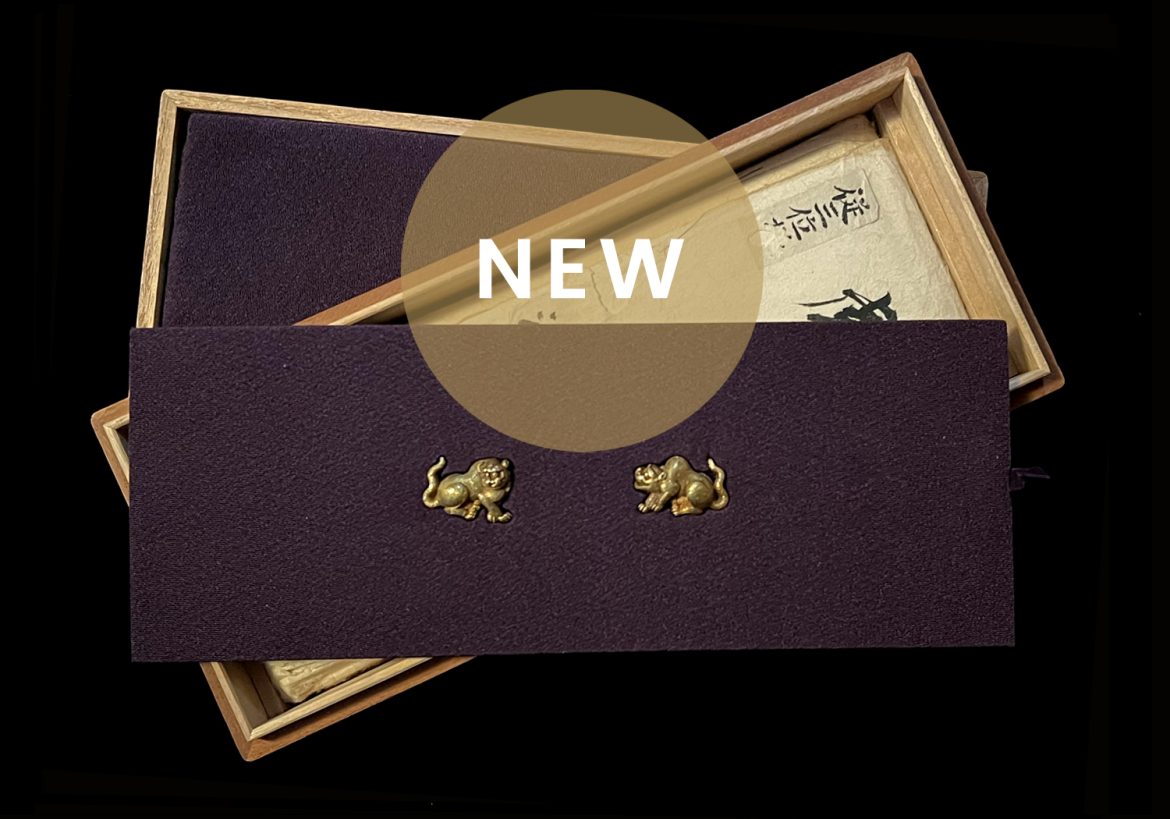
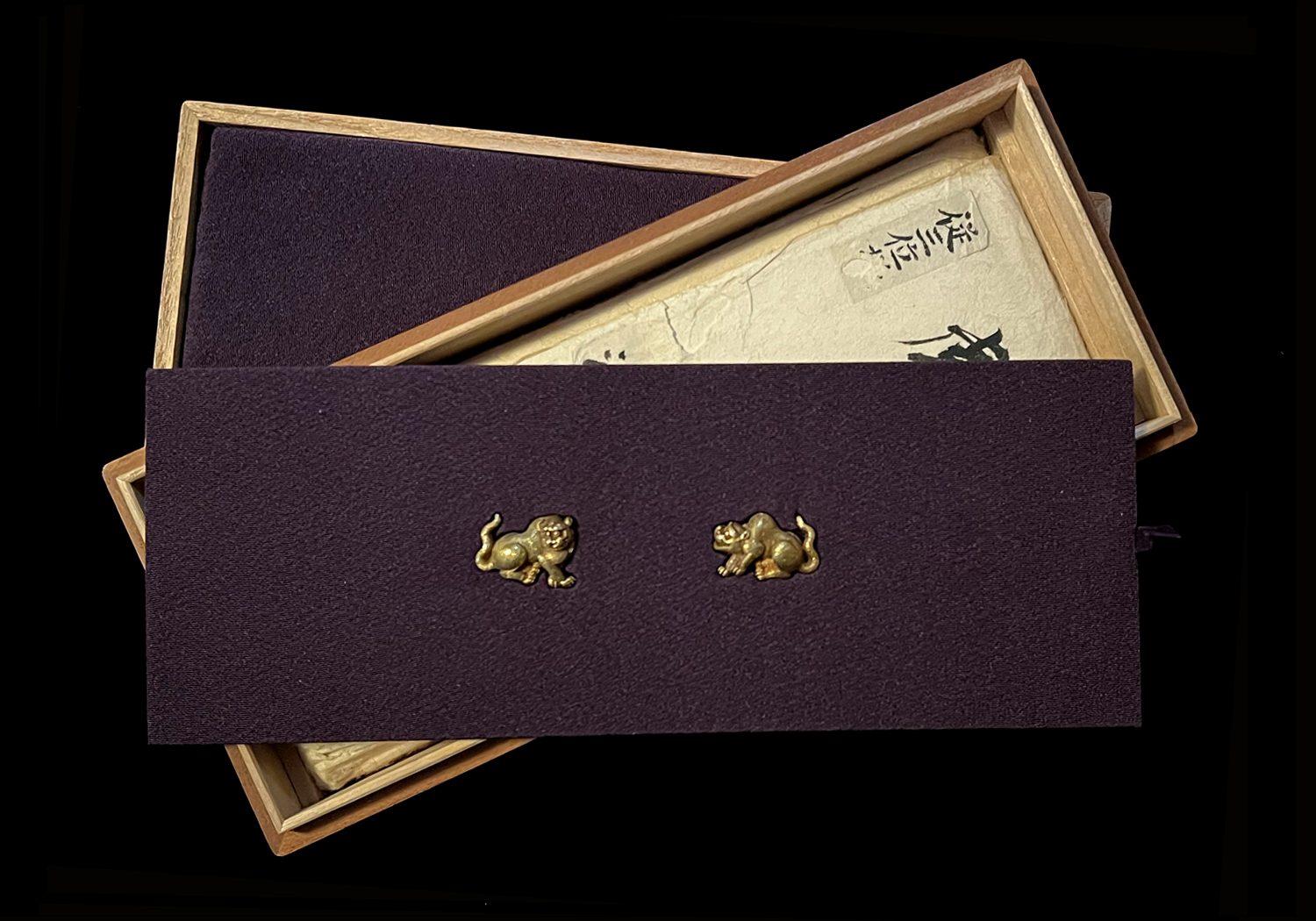
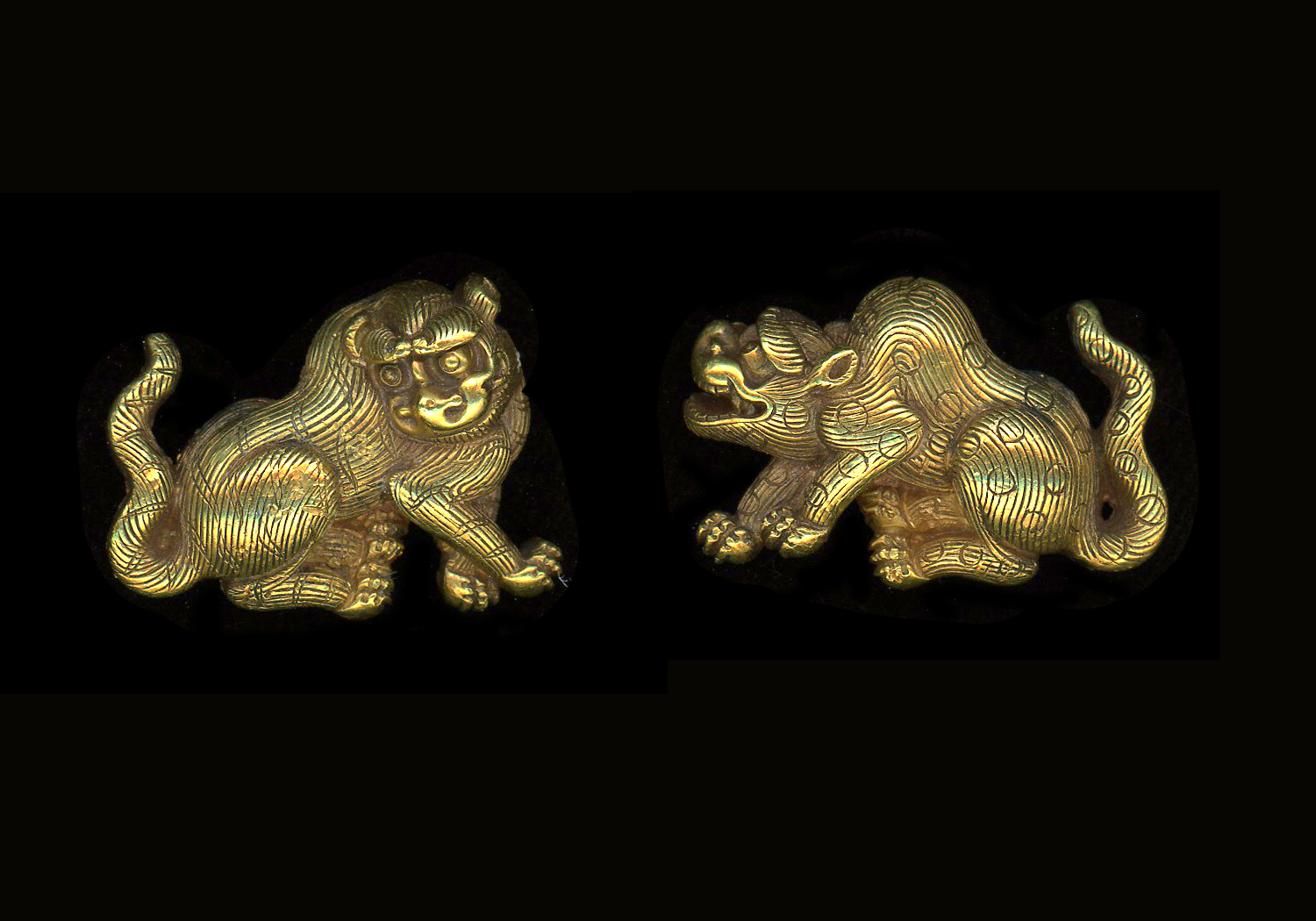
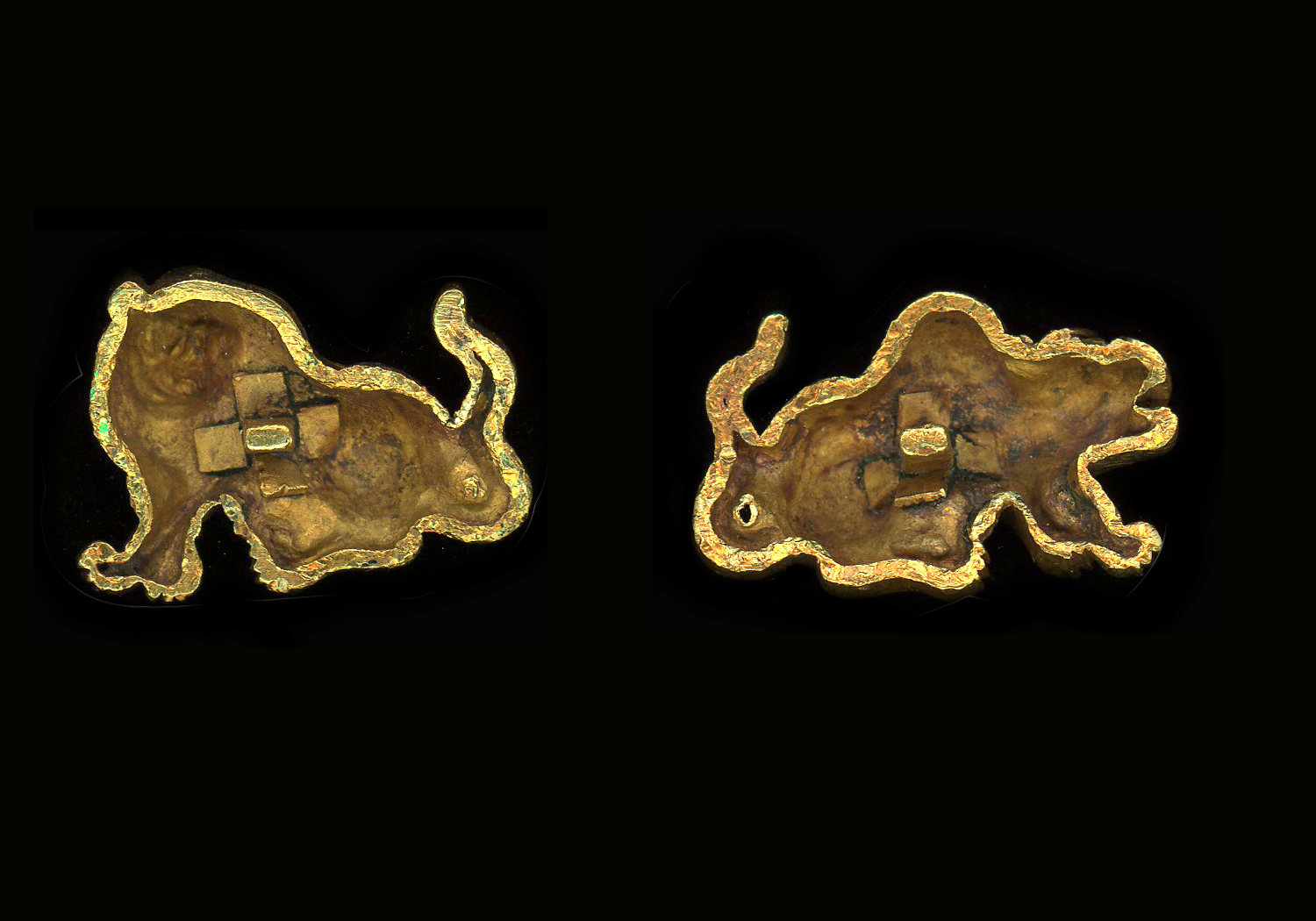
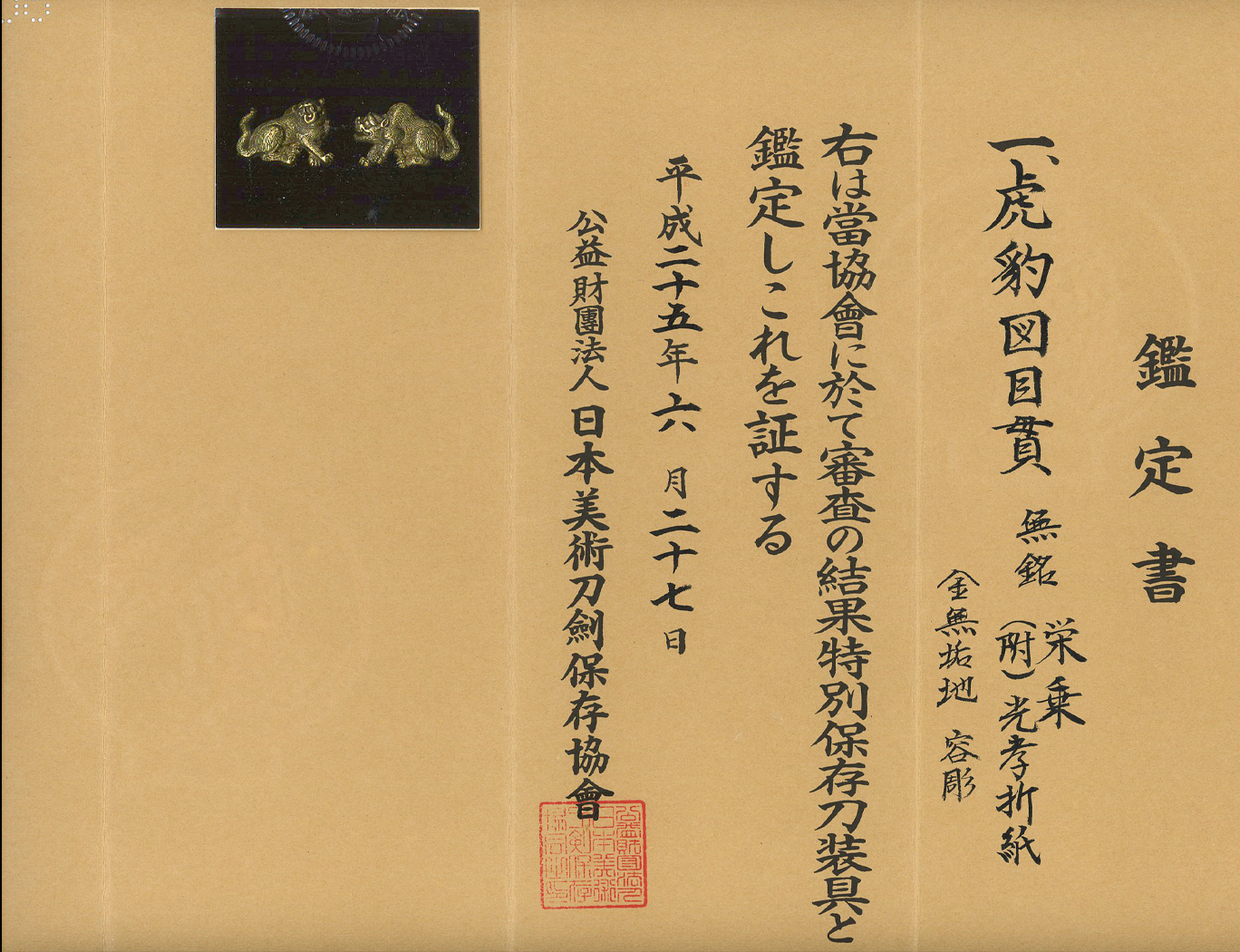
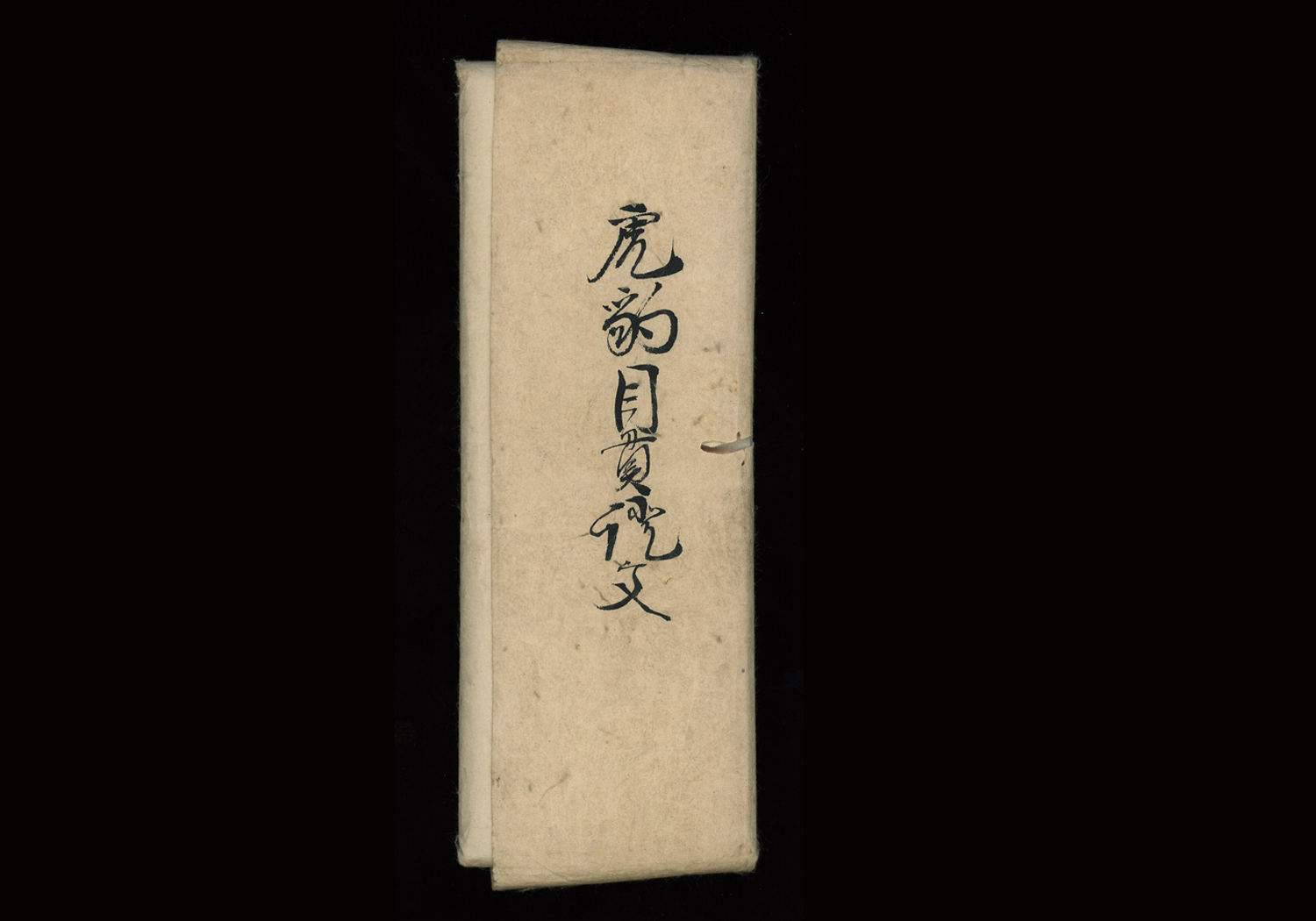
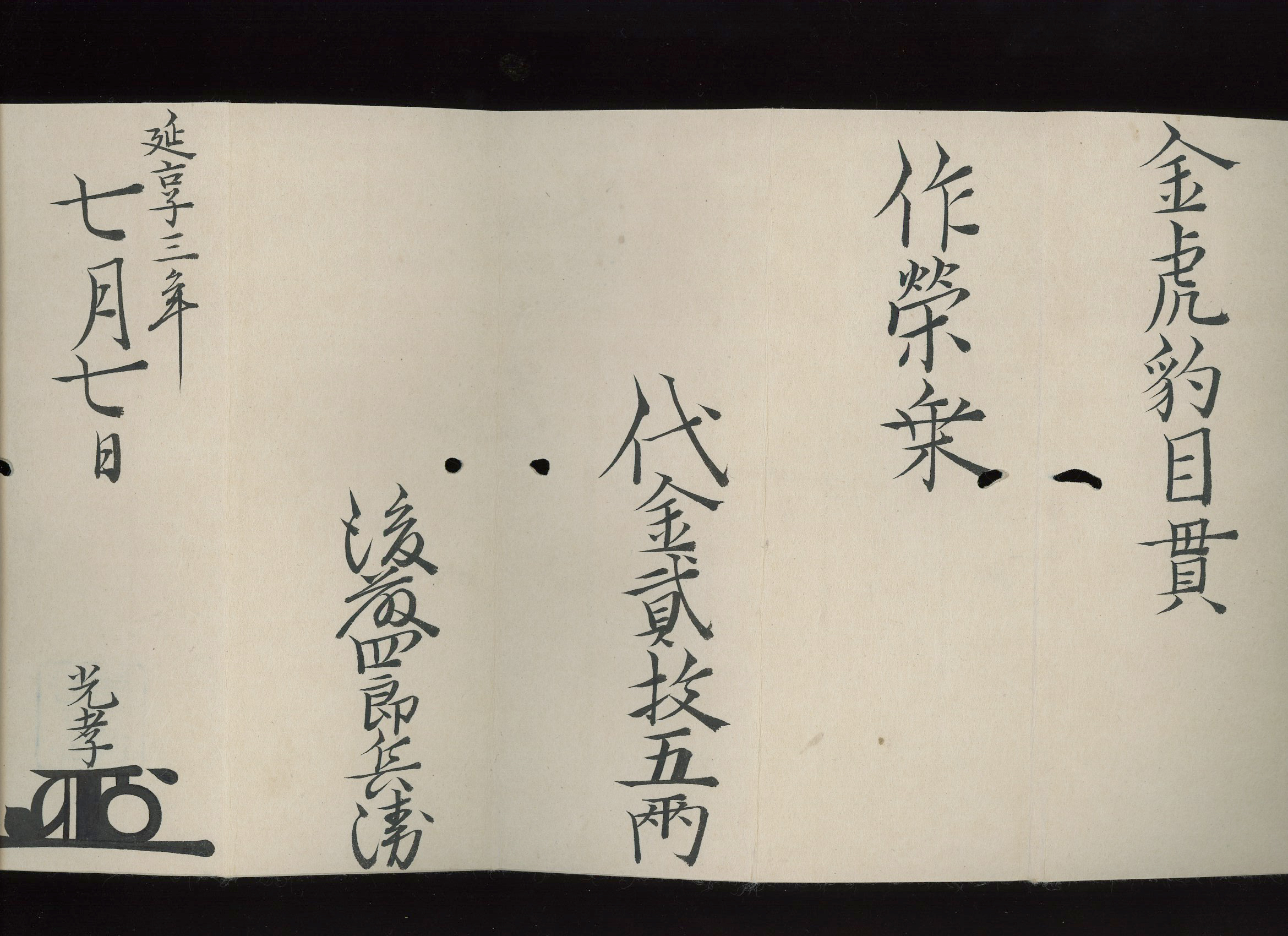
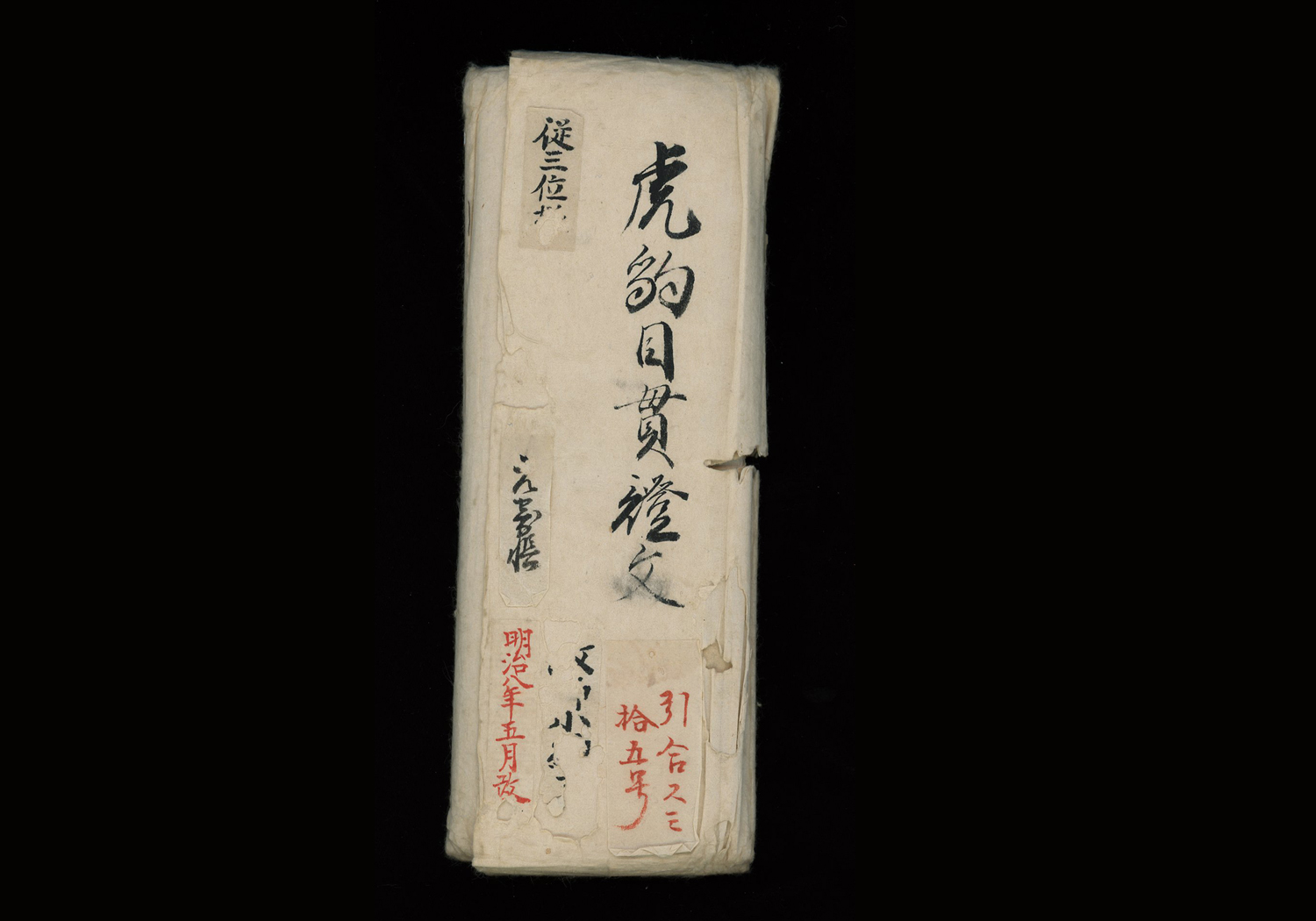
Eijô, (栄乗) born in the fifth year of Tenshô (1577), was the eldest son of Tokujô (徳乗). His childhood name was Kameichi (亀市) and his first name was Genshirô (源四郎) before he took over the hereditary family name of Shirôbei. For a civilian name he used Masamitsu (正光), Masafusa (正房), and Mitsumune (光宗). His father passed on the leadership of the Gotô family and school to him in Bunroku three (1594) and entered the priesthood at the relatively young age of 45. That was also the time when the father started to use the gô Tokujô. Eijô, who was only 18 years old at the time his father entered the priesthood, has thus far been using the name Masafusa. When he assumed leadership of the family, he changed his name to Shirôbei Masamitsu. Eijô died before his father, on the fourth day of the fourth month of the third year of Genna (1617), at the young age of 41. His eldest son Genshirô (源四郎), aka Jôkan (乗閑), had died young also, on the 20th day of the 7th month of the 16th year of Keichô (1611). His second son, Genshichirô Mitsushige (源七郎光重) lived with his mother in a residence called Matsunohana in Kawachi Province and moved up in the list of possible successors to become the next head of the Gotô. However, after Eijô’s early death it was Tokujô who headed the family, doing so until a family conference in Genna four (1618) decided that Tokujô’s second son, Kenjô (顕乗)s should become the 7th head of the main line seven years later. Kenjô in turn was ordered to take care of Mitsushige as he should become his successor as the 8th generation. Eijô continued the workmanship of his father, Tokujô, unchanged, although his motifs do get a hint larger; some interpretations are even almost as large as those of Jôshin (the third generation). He too followed the trend of his time to more flamboyant work; he is known for making elaborate depictions of warriors and figures. Nihonto.com is pleased to a lovely pair of solid gold menuki attributed to the work of Eijô. These menuki depict a tiger and a leopard in exquisite detail. The tiger measures 0.80 inches or 2.04 cm in length and 0.65 inches or 1.65 cm in height. The leopard measures 0.90 inches or 2.28 cm in length and 0.60 inches or 1.52 cm in height. They are accompanied by an original origami (certificate of appraisal) done in the third year of Enkyo (1746) by Gotô Mitsutaka and again re-certified by an appraiser in the 8th year of the Meiji Period (1875). This set is also accompanied by a Tokubetsu Hozon Kodogu further attesting to their condition and authenticity. MEIJI ERA OUTER ENVELOPE ATTESTING CERTIFICATION Certification for tiger and leopard menuki Holder of the third court rank. Inspected in the fifth month of Meiji eight (1875). INNER ENVELOPE ORIGAMI BY GOTÔ SHIRÔBEI (1746) Gold tiger and leopard menuki Work of Eijō Value 2 mai 5 ryō Gotō Shirōbei Enkyo three (1746) Seventh month, seventh day – Mitsutaka + monogram
Certificate reading — 無銘(栄乗)
NihontoWatch
後藤栄乗
江戸(1577-1617)
河内
特別保存 (NBTHK)
家彫 · 山城 · 1577-1617頃
現在5点販売中
後藤栄乗は後藤宗家の六代目である。五代徳乗の嫡男として天正五年に生まれ、幼名を亀市、俗名を源四郎、諱を正房といった。文禄三年十八歳で家督を相続し、名を四郎兵衛正光と改めて宗家六代目となった。金工銘は初め正房、のち正光、剃髪してからは栄乗と切る。若年より父祖と共に豊臣秀吉に仕えたが、豊臣家滅亡後は一時浪人し、元和二年、徳川家康に重用されていた叔父長乗の推挙により徳川家に仕え、将軍秀忠より分銅・大判及び彫物の役に任ぜられ、山城国の旧領二百五十石と江戸詰料二十人扶持を給わった。晩年には法眼に叙せられたが、父徳乗に先立ち、翌元和三年四月、四十一歳の若さで病歿した。
説明は繰り返しその作風を、乗真に似て少し大振りなものが多いが「細工は乗真よりも細やかに出来ている」[[c:1]]とする。小柄・笄は赤銅魚子地に高彫色絵、裏哺金を基本とし、目貫は金無垢地あるいは赤銅地の容彫で、陰陽根を伴うものが多い。親子獅子図目貫では、「山高く谷深い肉取り」[[c:2]]と薄金に括り出した地金、陰陽根に時代の古さが感じられるとし、金無垢の倶利伽羅龍図三所物では、おおらかでありながら力強い肉取り、確りとした角や手首の三角鏨を挙げて「栄乗ならではの醍醐味が存分に感じられる」[[c:8]]と評する。相撲図笄では「蕨手・眉形・木瓜形には栄乗の特色が窺える」[[c:3]]と記す。
画題は獅子・這龍・倶利伽羅・竹に虎など、祐乗以来各代が継承した後藤家の掟物に加え、「栄乗得意の人物図」[[c:4]]として羅城門、牛若弁慶、俊成忠度、源平屋島合戦などがあり、牛若弁慶図三所物については「その彫は緻密と大らかさが融合して素晴らしい場面を構成しており」[[c:5]]とする。牡丹獅子の画題は宗乗に既に見られるが、栄乗あたりから数多く見られるようになるという。
自身銘について、説明は「この代からようやく作品に自身の作者銘を入れることが多くなり、現在七八点が知られている」[[c:6]]と記し、なお「栄乗自身銘の作は極めて少なく」[[c:9]]貴重とする。指定品中、自身銘のあるものは三疋獅子図小柄、三羽鶴図小柄、雲竜小柄、雲龍図三所物の小柄、翁三番叟図二所物の小柄の五点である。その他は無銘で、七代顕乗の寛永五年の折紙をはじめ、程乗・廉乗・寿乗・延乗・桂乗・真乗・光晃ら後代当主が「紋栄乗」「栄乗作」の極め銘や折紙によって栄乗と極めたものである。説明は宇治川合戦図鐔について、栄乗か否かには研究の余地があるが江戸初期の後藤家の作であることに異論はないとし、二疋狗児図三所物では小柄・笄の棹を十四代桂乗の作とするなど、手を分けて記す。
説明は初代から六代までを上六代として作風上一区切りし、親子獅子図目貫を「古い後藤家の良さを十分に堪能できる栄乗の優品」[[c:7]]と評する。指定は特別重要刀装具二点、重要刀装具三十三点の計三十五点で、国宝・重要文化財はない。伝来には徳川将軍家、芸州浅野家、島津家、米沢上杉家、鴻池家があり、美術館の所蔵は記録されていない。
後藤栄乗の位置づけを、日本刀全体および伝法・時代・時期ごとに示します。各区分(随一・屈指・有数・著名)は、日刀保および文化庁による指定に加え、三作や名物帳などの歴史的栄誉を加味したものです。
各項目を選ぶと評価方法が表示されます。
家彫 · 山城
時期区分: 後藤宗家· 1573–1900
現在315点販売中
保存刀装具のうち、出来・保存状態が一層優れ、銘文や作風に資料的価値の高いものと認められたものです。
日本美術刀剣保存協会(日刀保)は、1948年に設立され、文化庁の監督を受ける公益財団法人で、東京・刀剣博物館に本部を置きます。専門の審査員が出品作を直接審査し、美術的・歴史的価値に応じた鑑定書を発行します。日刀保の鑑定書は、日本刀および刀装具の真正性を示す最も広く認知された基準です。
日刀保公式サイトThree-day inspection period and seven-day return period; buyer notifies by email within three days of receipt, no reason needed; full refund once item returned undamaged and unaltered.