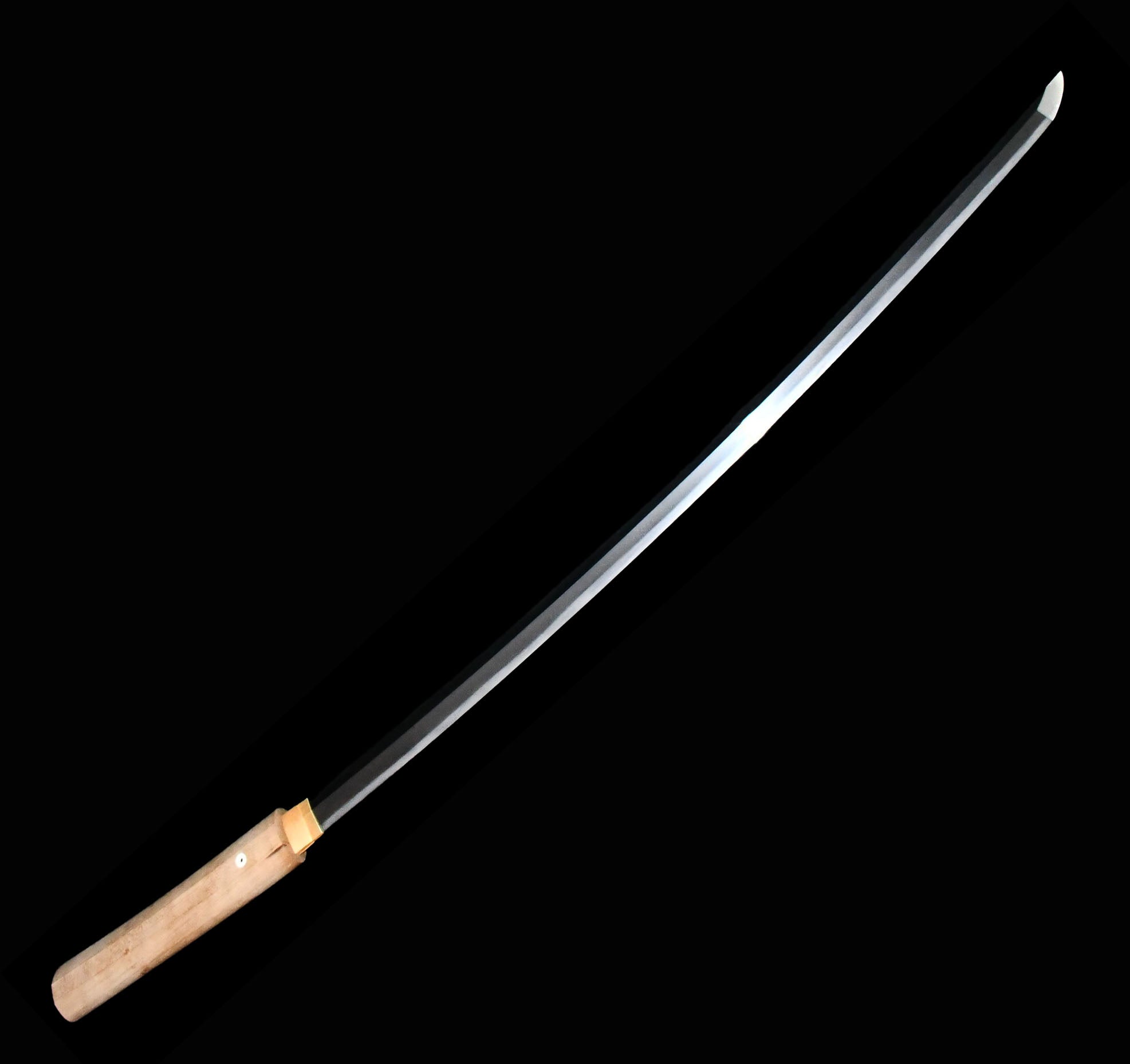
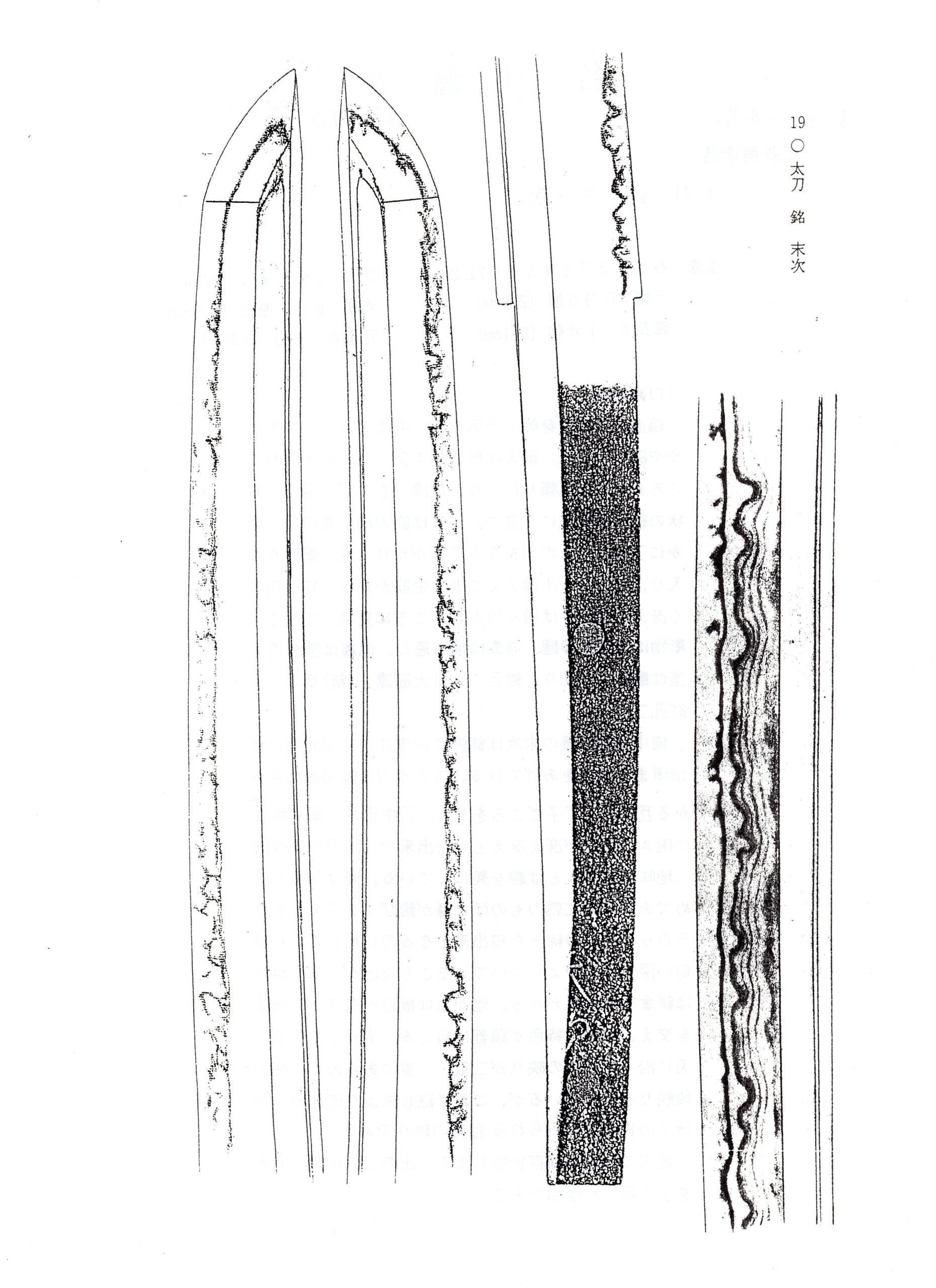
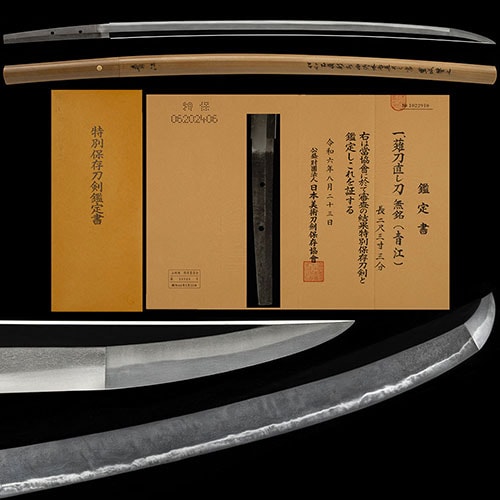
二つの朝廷が争った六十年、刀身は長大化し、長船がその需要に応えた。兼光と長義の工房は実際に戦う国人層の武士に仕え、軍勢とともに相州風が届いて相伝備前が生まれた。
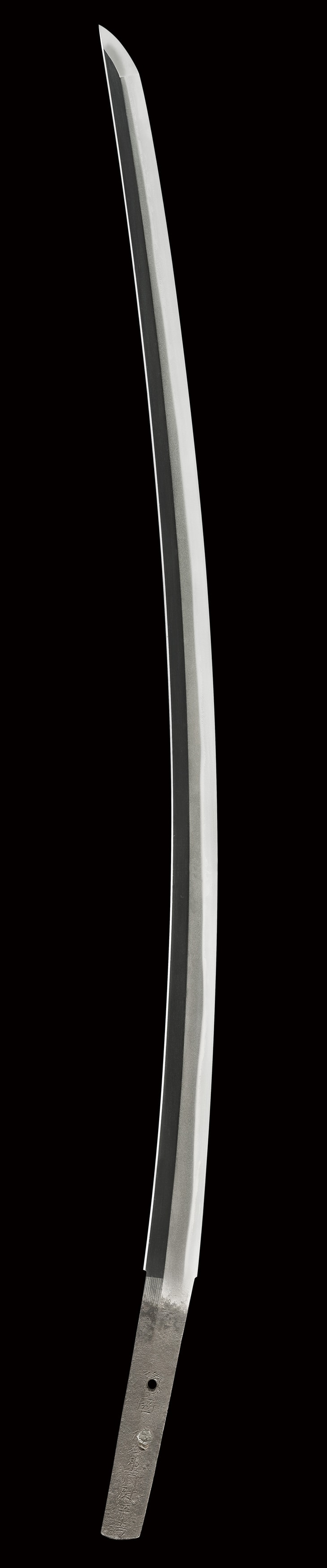
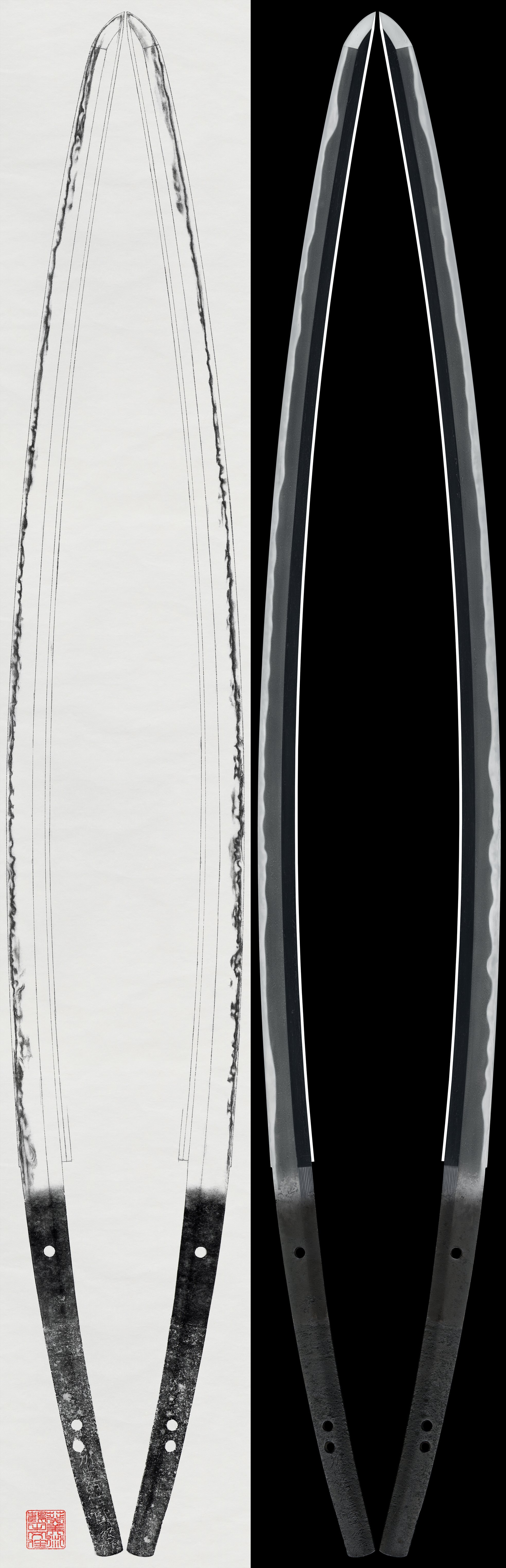
重要刀剣 銘 備中國住家次(延文二年) 【解説】 概要 本作は、日本美術刀剣保存協会の鑑定により、南北朝時代中期の延文二年(1357年)に作刀された「備中國住家次」の銘を有する短刀です。備中国は現在の岡山県にあたります。家次は、南北朝時代中期における青江派を代表する名工の一人として知られています。 青江派は平安時代後期(12世紀初頭)の安次を始祖とし、現在の岡山県倉敷市周辺を拠点とした一派です。当時の備中国には、この青江派と、則高を祖とする妹尾派という二つの有力な流派が存在し、青江派は平安後期から南北朝後期にかけて大いに繁栄しました。 青江派は、その作刀時期によって三つの区分に大別されます。平安後期から鎌倉中期までのものを「古青江」、鎌倉中期から南北朝初期までのものを「中青江」、そして南北朝後期以降のものを「末青江」と呼びます。本作の銘振りと年代から、中青江から末青江へと移り変わる時期の傑作と言えるでしょう。 青江派の著名な工には、後鳥羽上皇の御番鍛冶を務めた定次、次家、恒次らを育てた守次がいます。御番鍛冶とは、刀剣をこよなく愛した後鳥羽上皇が、全国から選りすぐりの名工12名を召し抱え、月替わりで御所にて作刀させた制度です。家次はこうした優れた技術を継承し、洗練された作風を確立しました。 備中国は中国山地に近く、刀剣の主原料である良質な砂鉄が豊富に産出されました。また、高梁川の流域は水や炭の確保にも適しており、こうした地理的条件が、青江派の精緻で質の高い作刀を支えたのです。 青江派が隆盛を極めた南北朝時代は、朝廷が南北に分かれ、武士たちが各地で戦火を交えた激動の時代でした。青江の鍛冶たちは、戦場に赴く武士たちのために実戦に耐えうる強靭かつ美しい刀を打ち続けました。彼らは地主や武士としての側面も持っていたと伝えられており、南朝側に仕えていたため、南朝の衰退とともに一派としての活動は終焉を迎えます。しかし、その流れを汲む者たちは室町時代に水田派を興し、江戸時代までその技を伝えました。 短刀とは 一般に刃渡り30cm(約1尺)以下のものを短刀と呼び、中には鍔を付けない「合口」形式のものも多く見られます。携帯性に優れ、接近戦において重宝されました。鎌倉時代から室町時代にかけては、長柄武器や太刀を用いる騎馬武士の補助兵装として、鎧の隙間を突くなどの用途で用いられました。 短刀はその帯刀様式により「懐刀(ふところがたな)」や「腰刀(こしがたな)」とも呼ばれます。また、古来より魔除けの力があると信じられており、日本の伝統的な婚礼においては、花嫁が身を守るための守り刀として贈られる習慣もあります。 鑑定 本作は、公益財団法人 日本美術刀剣保存協会(NBTHK)により「重要刀剣」に指定されています。この鑑定書は、保存状態が極めて良好であり、かつ美術的価値が特に高いと認められた真作の日本刀にのみ与えられるものです。「重要刀剣」は「特別保存刀剣」の上位ランクに位置し、極めて厳格な審査を経て認定される、まさに国宝・重要文化財に準ずる価値を持つ名品です。
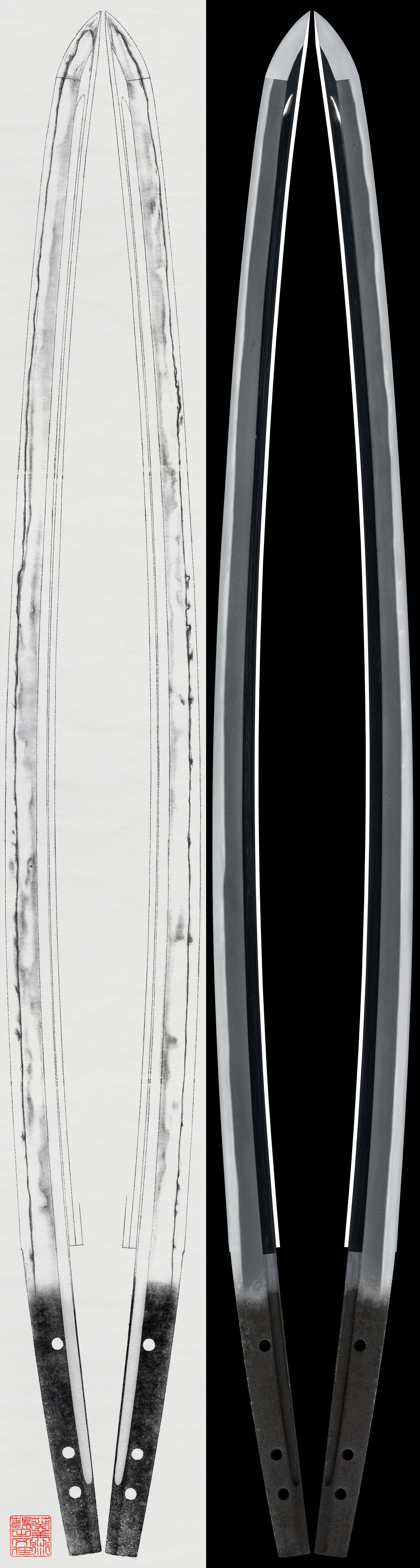
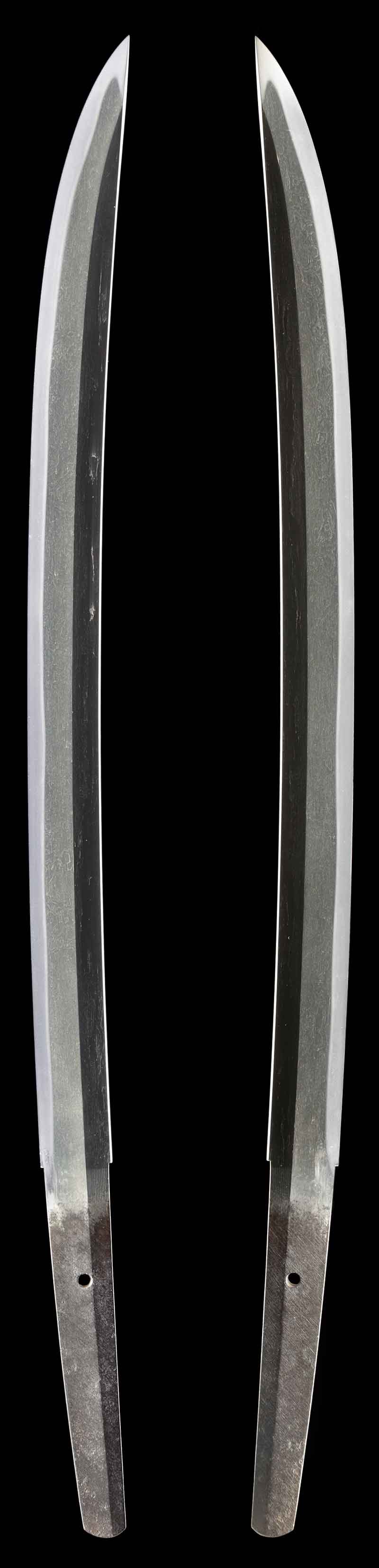
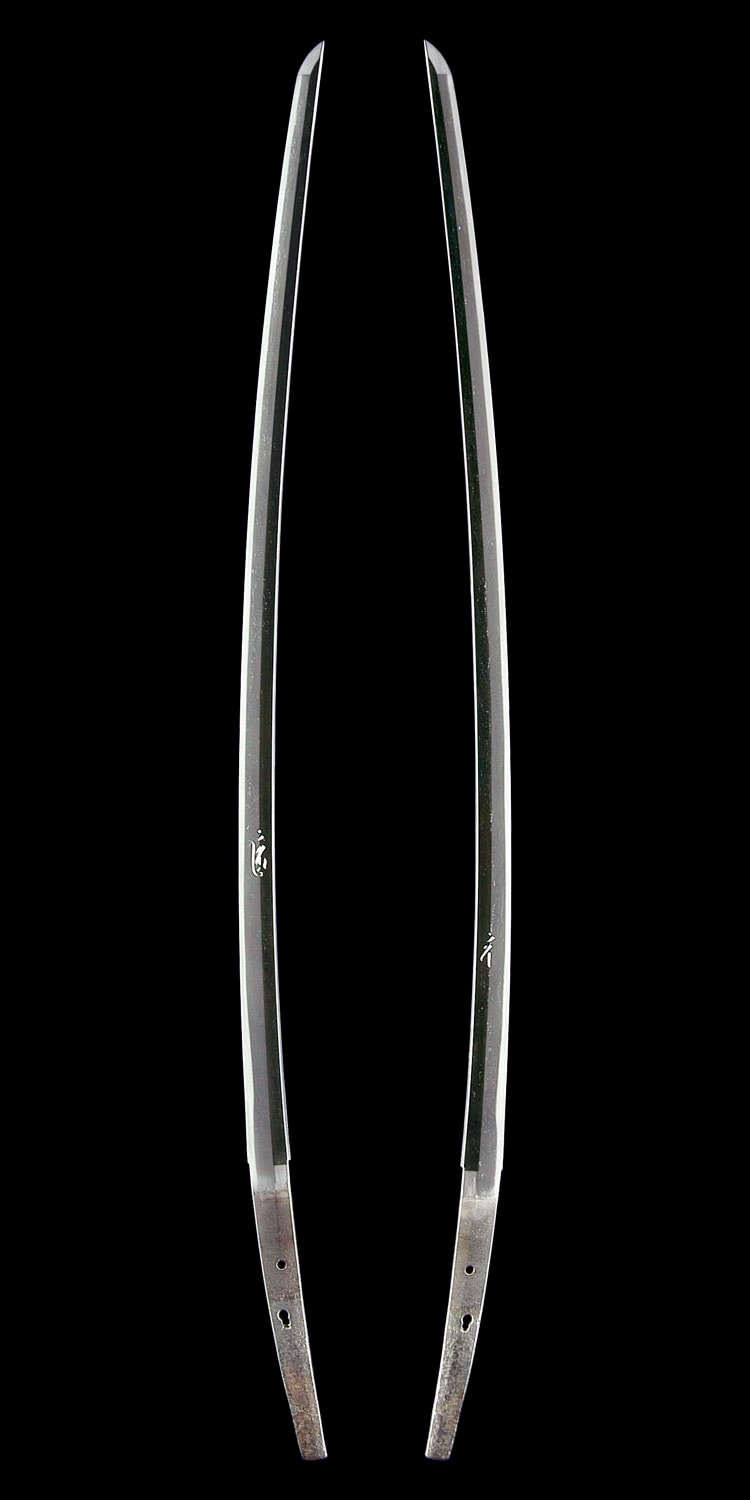
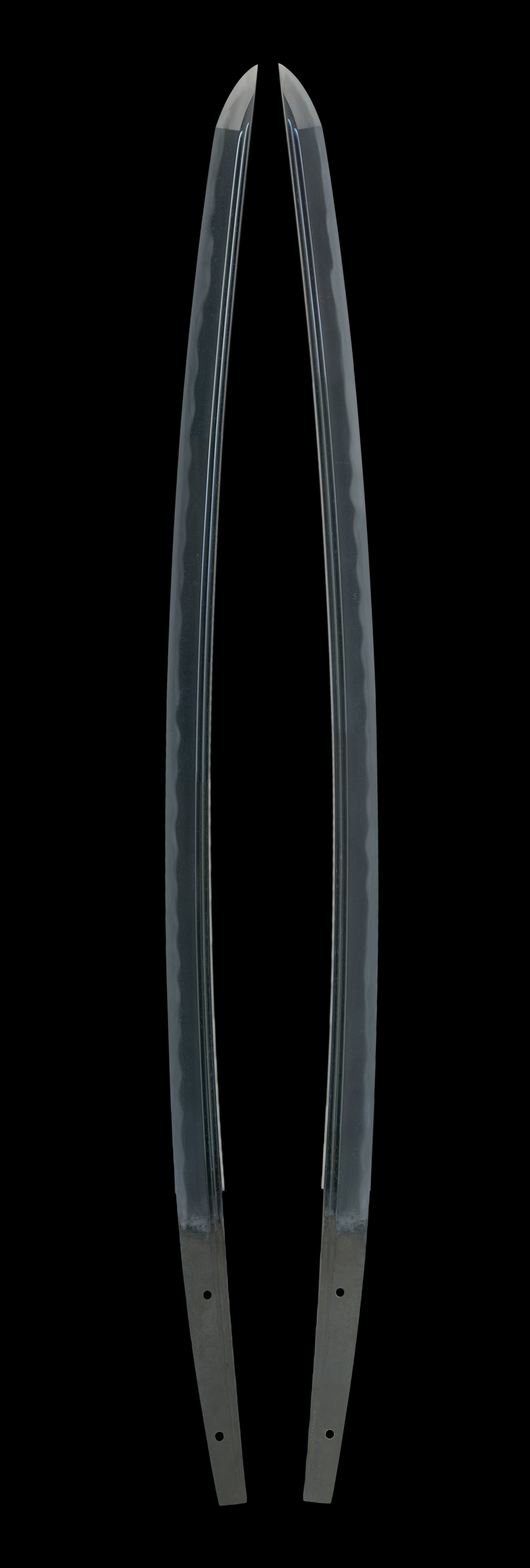
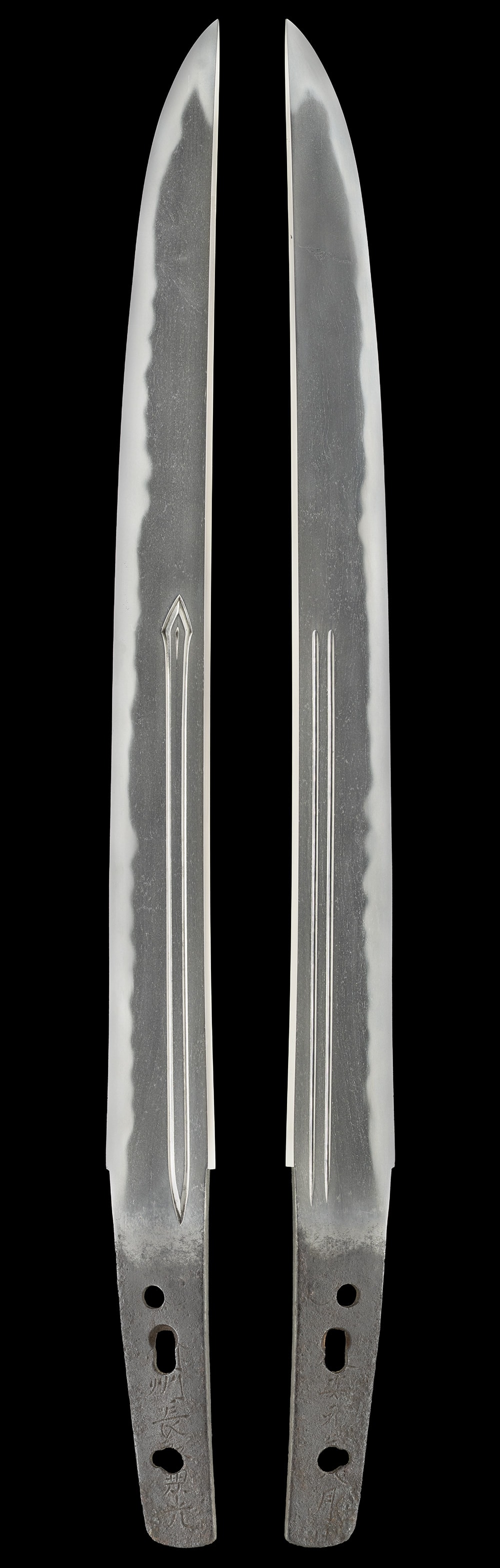
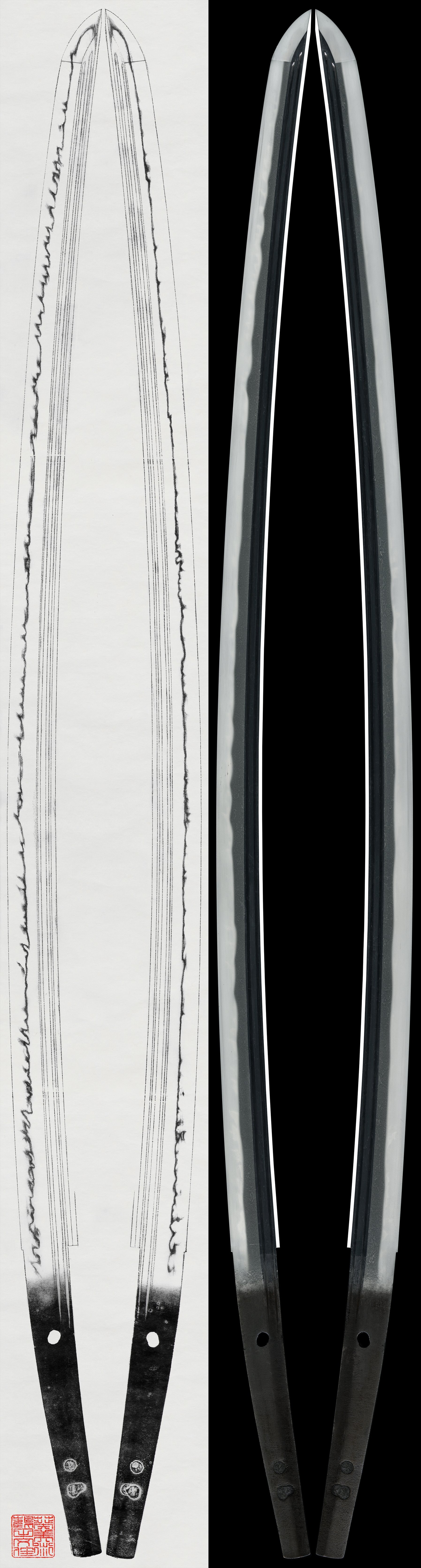
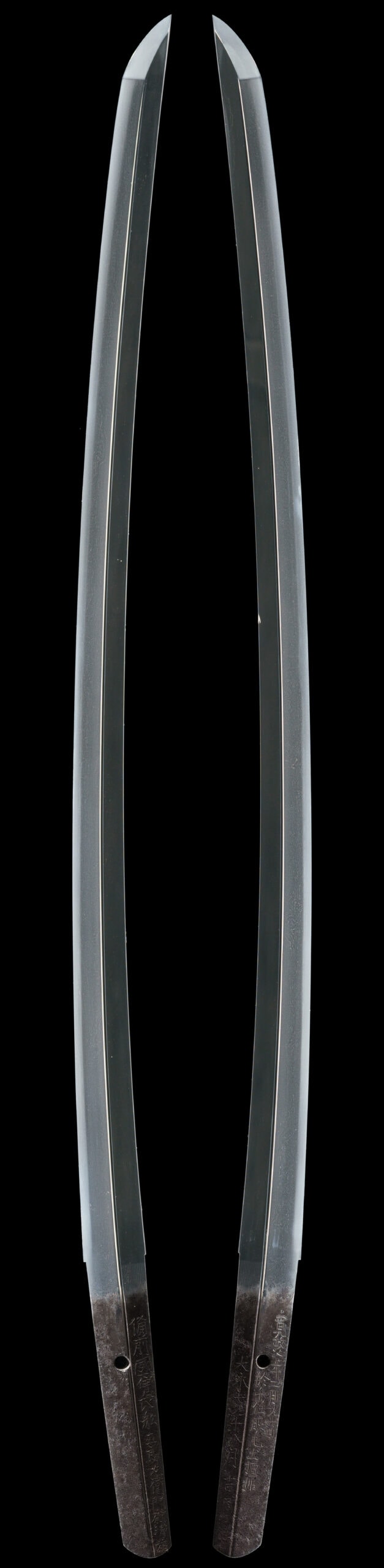
平造り、内反りの尋常な短刀姿を示した青江家次の作で、延文二年紀がある。同時代の次吉、次直など大振りなす 延びのものとやや異なりをみせた姿、茎仕立であり、青江研究に役立つものである。地刃尋常な作である。
 NihontoWatch
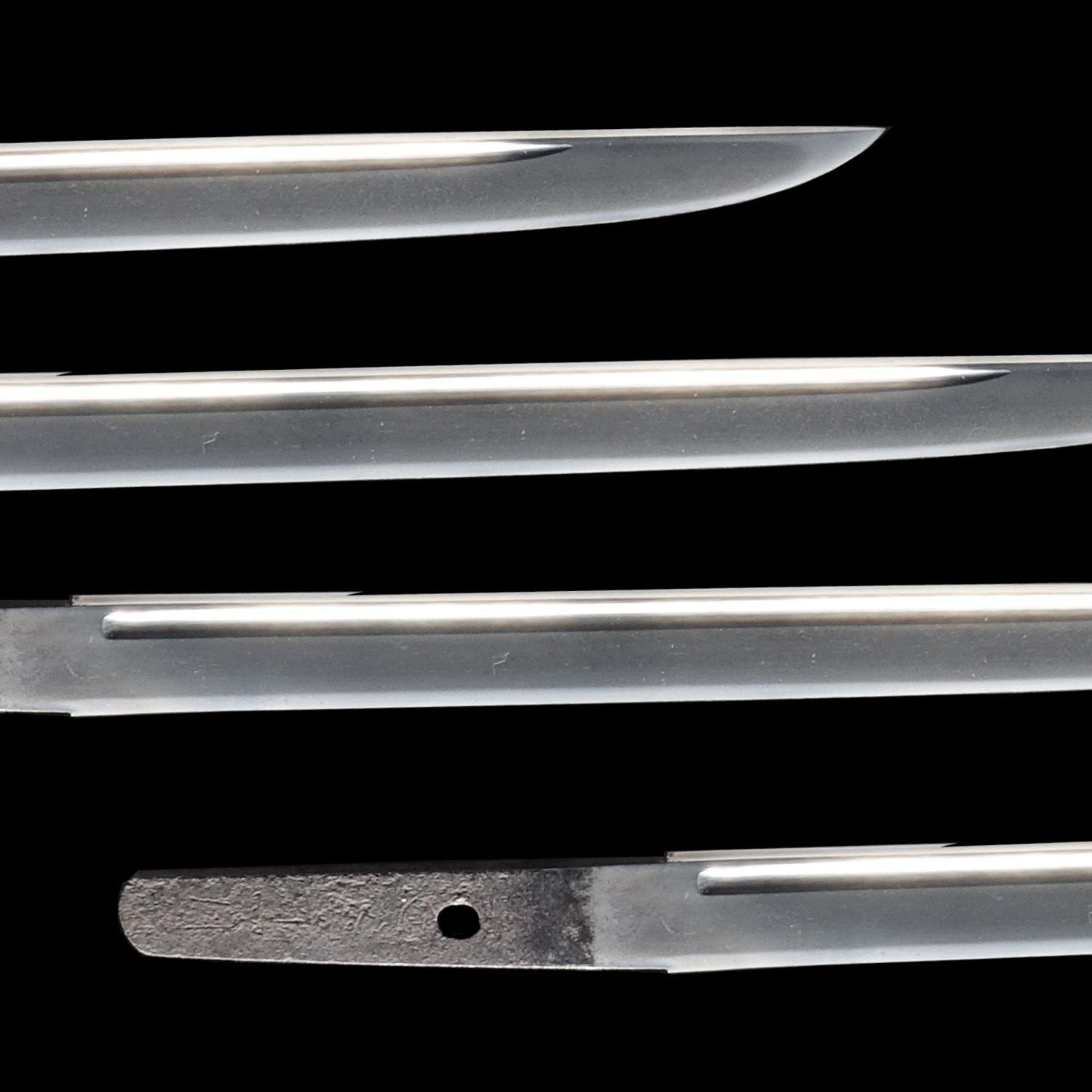
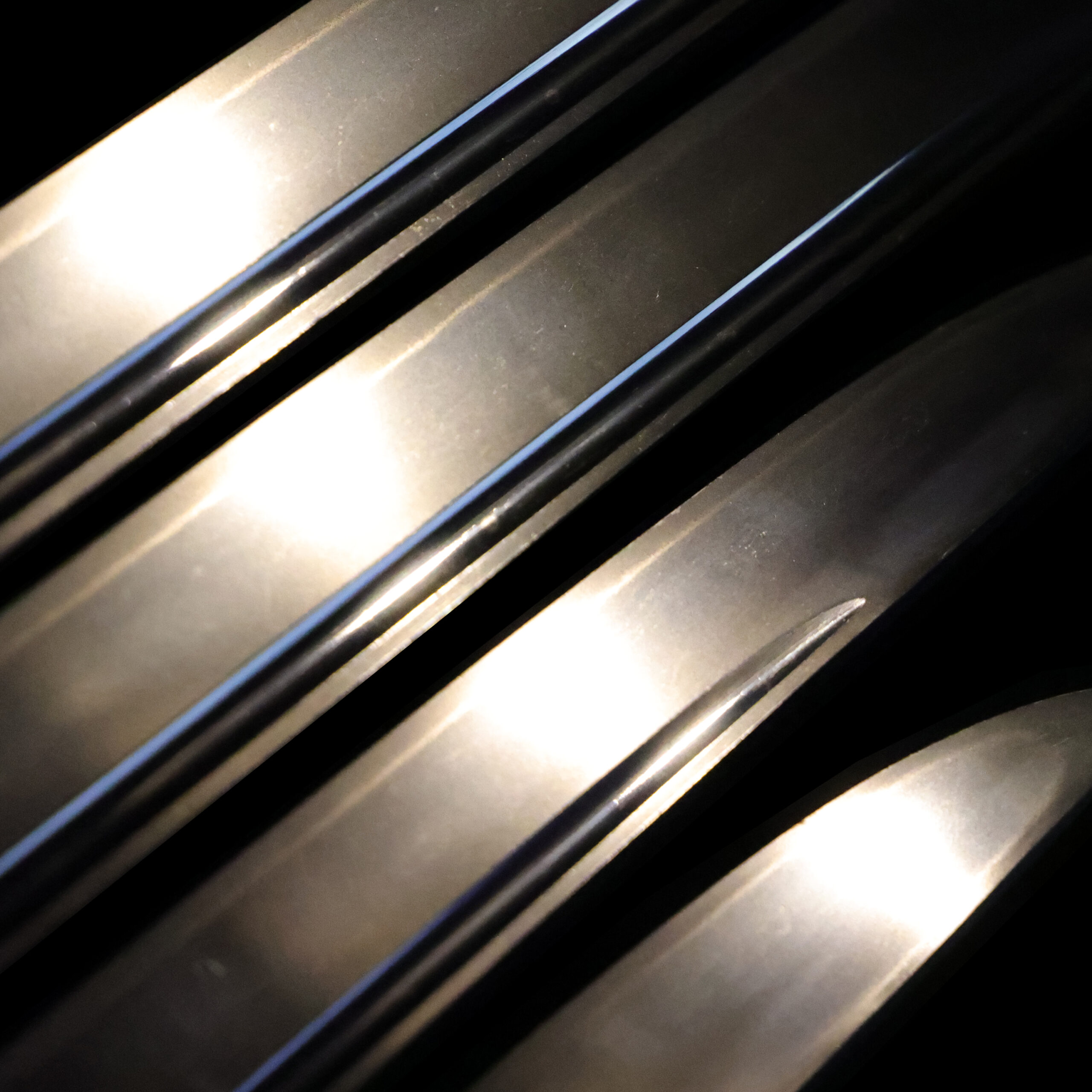
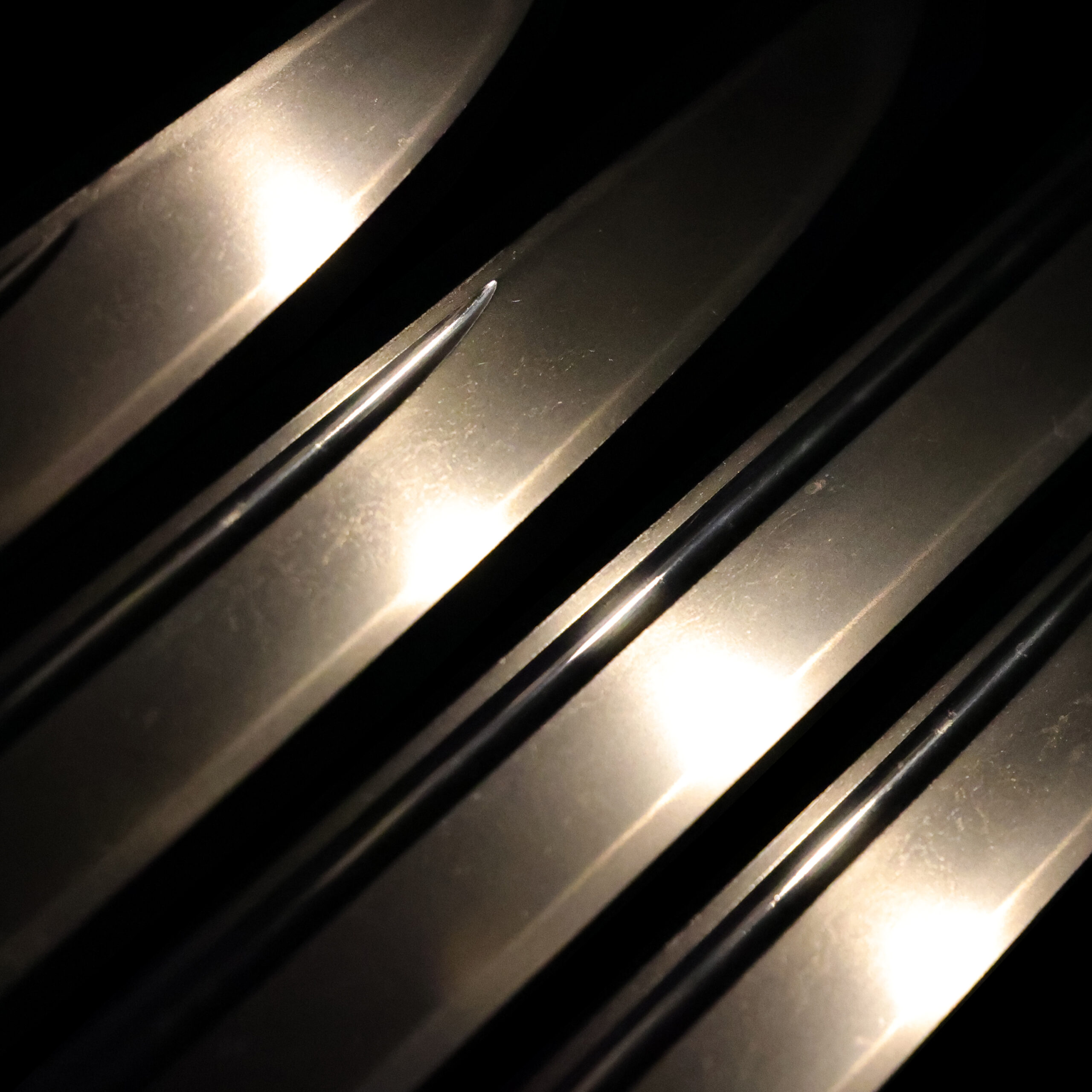
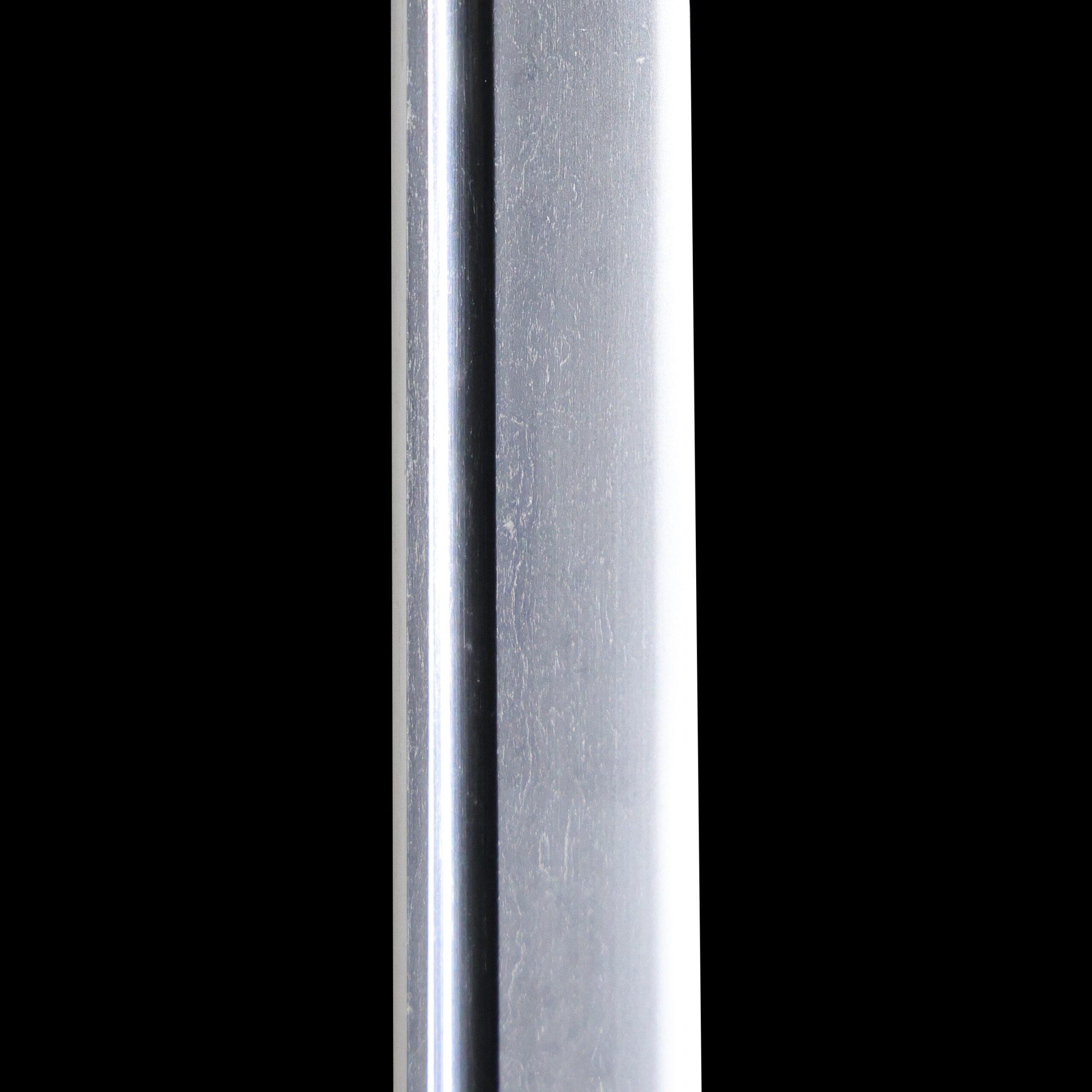
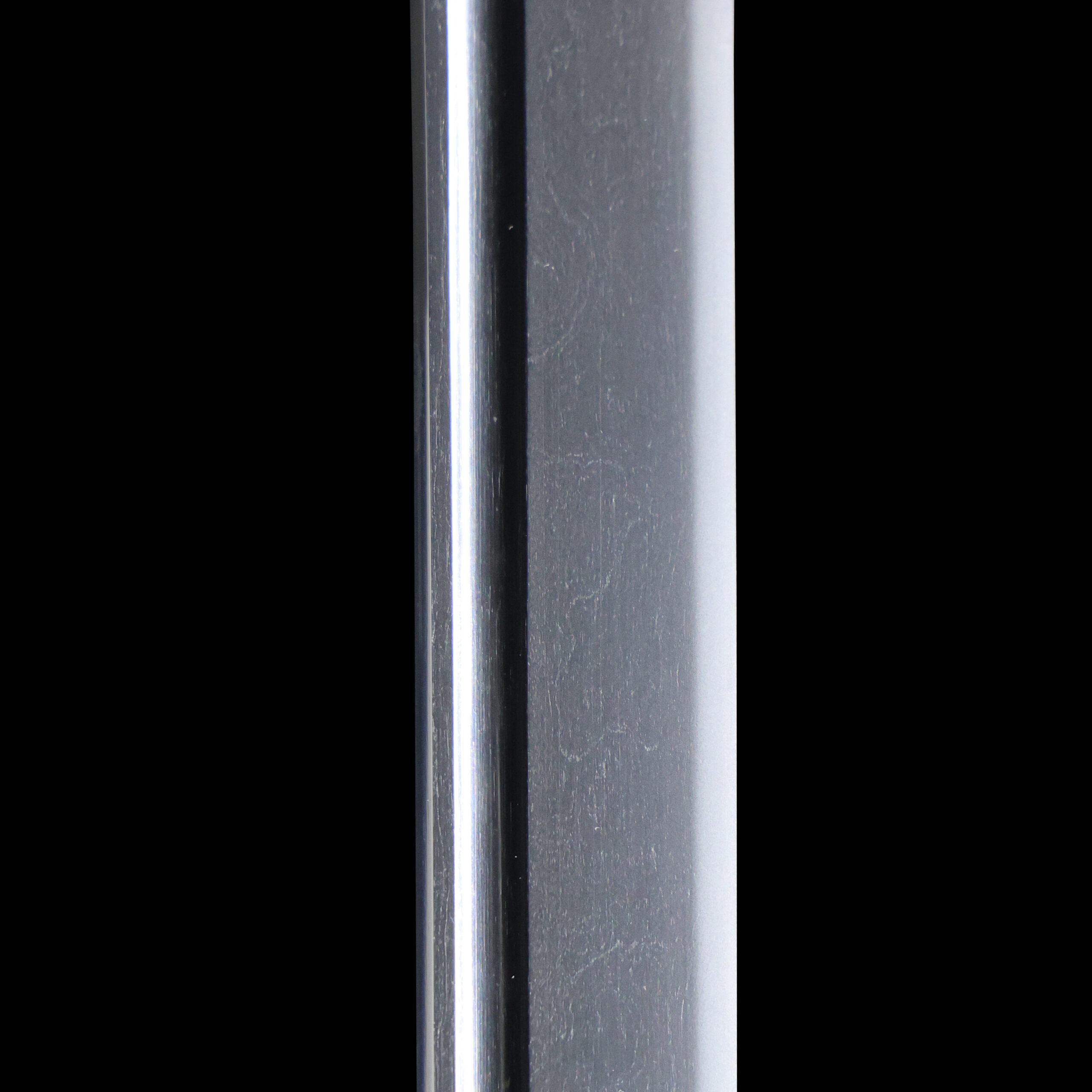
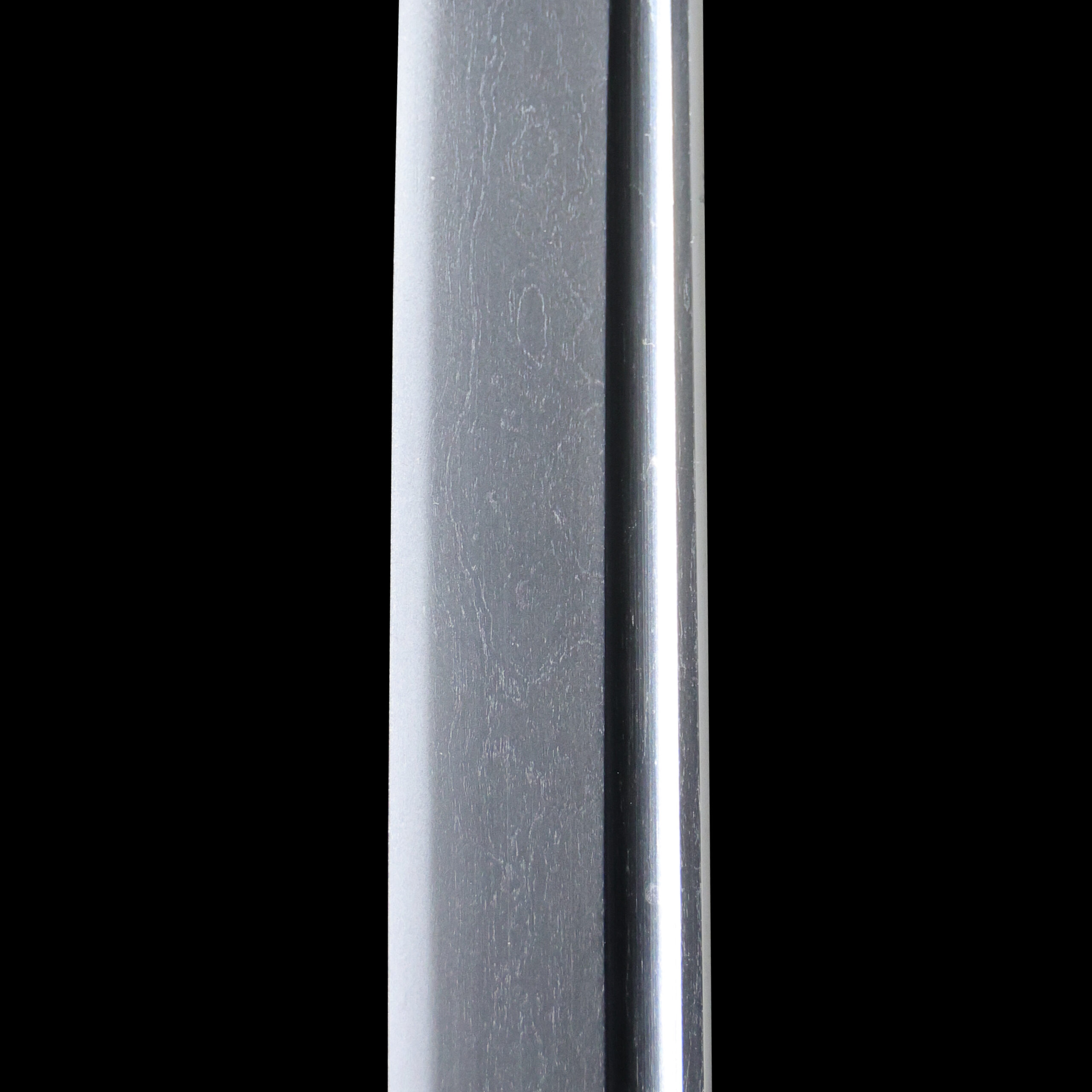
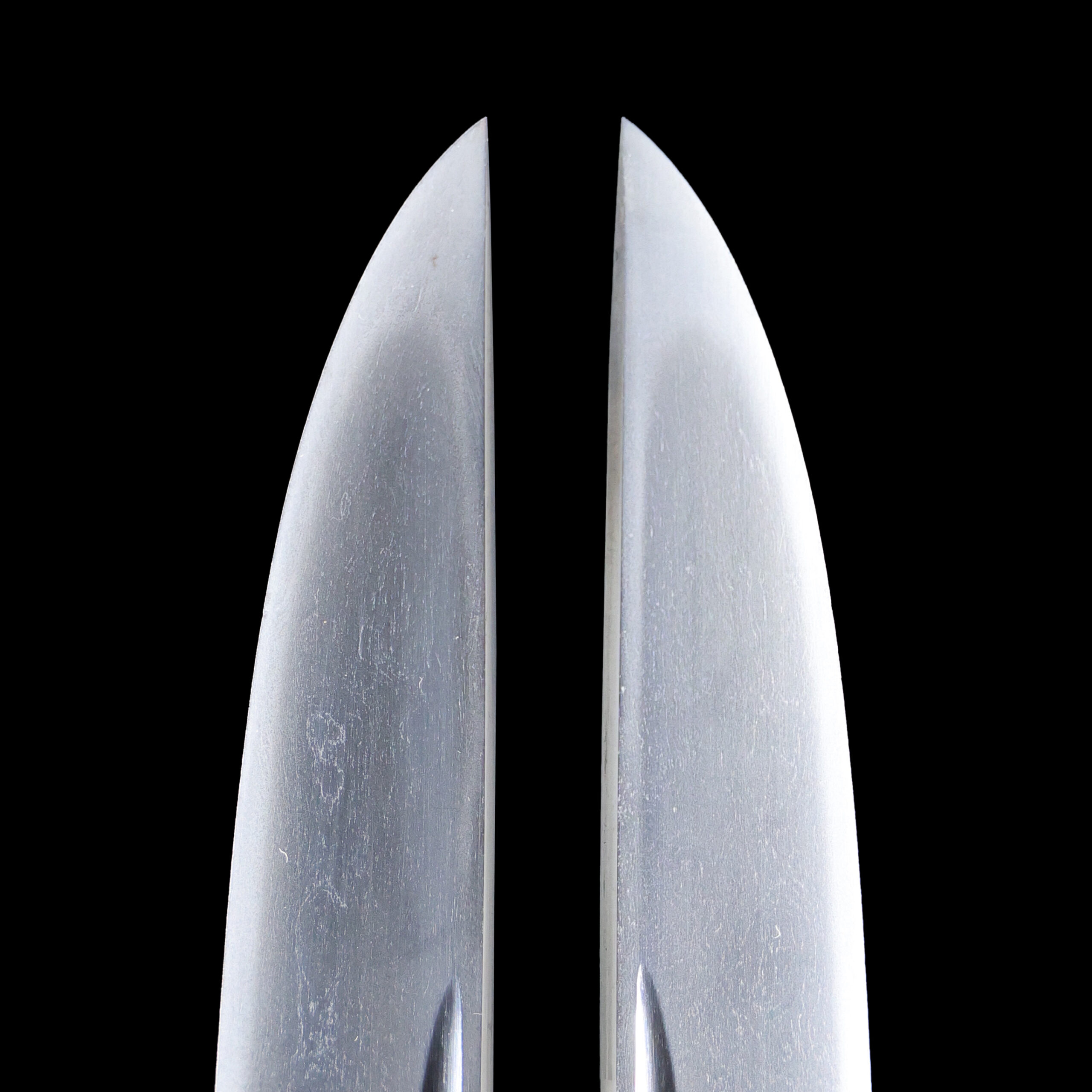
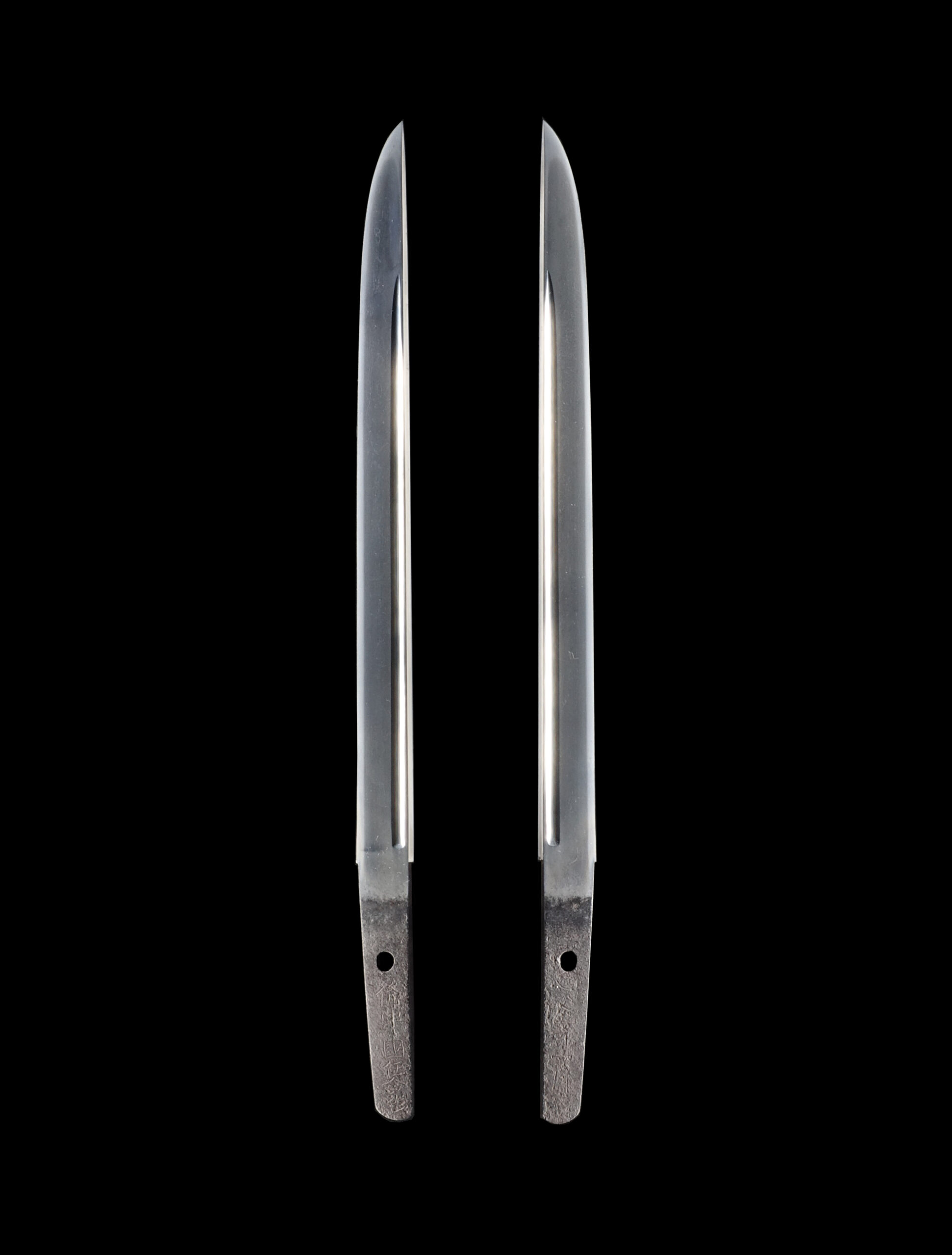
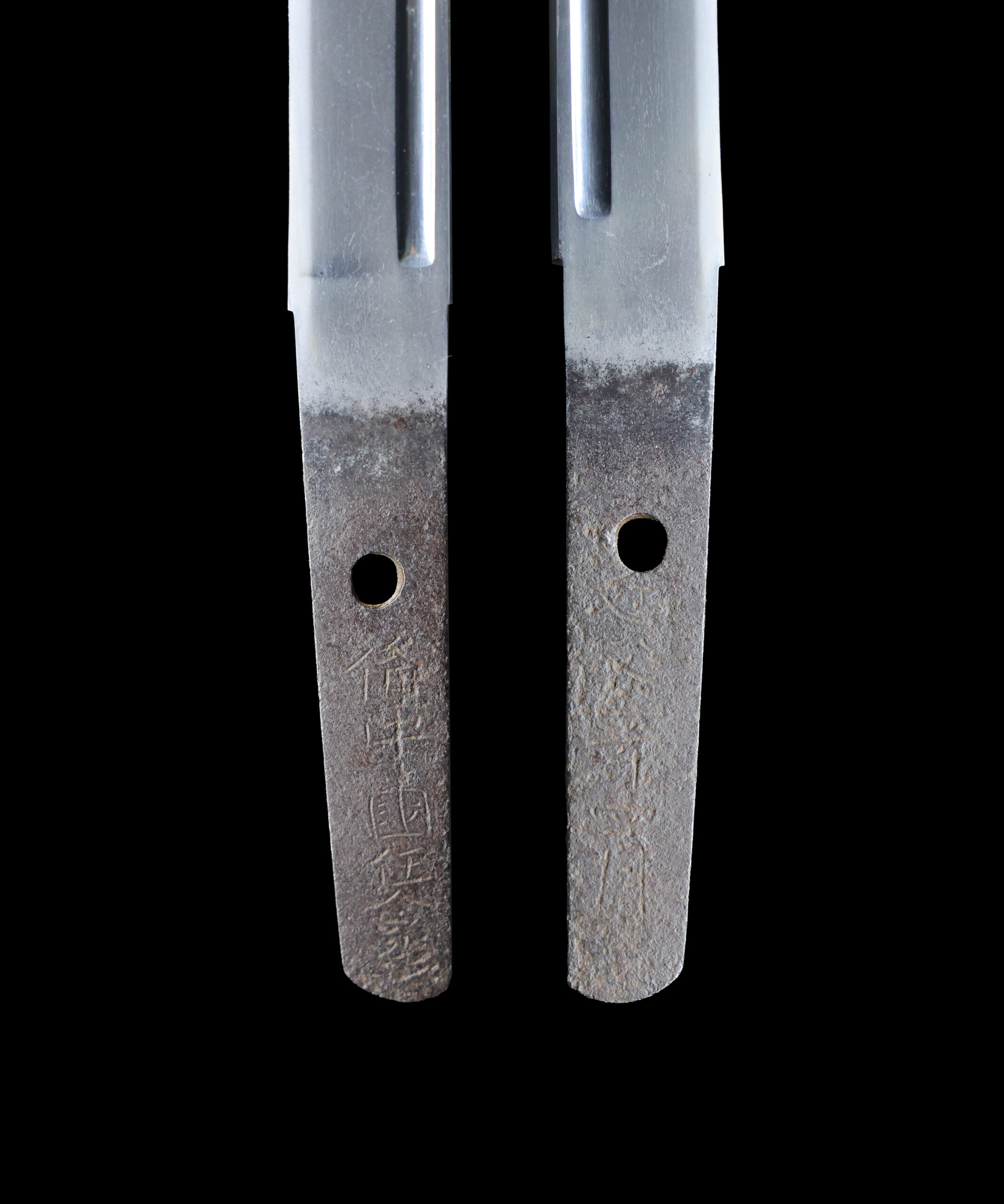
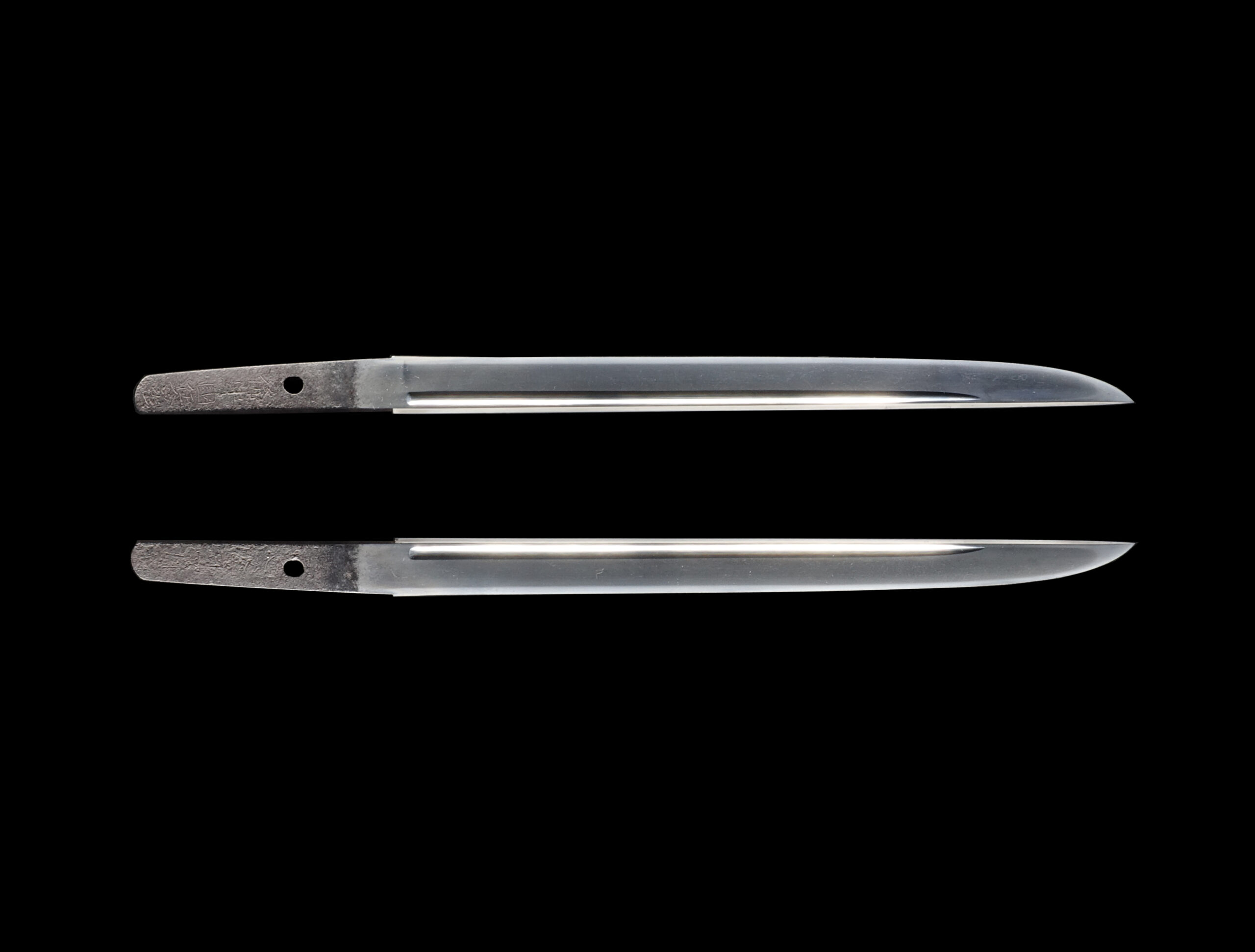
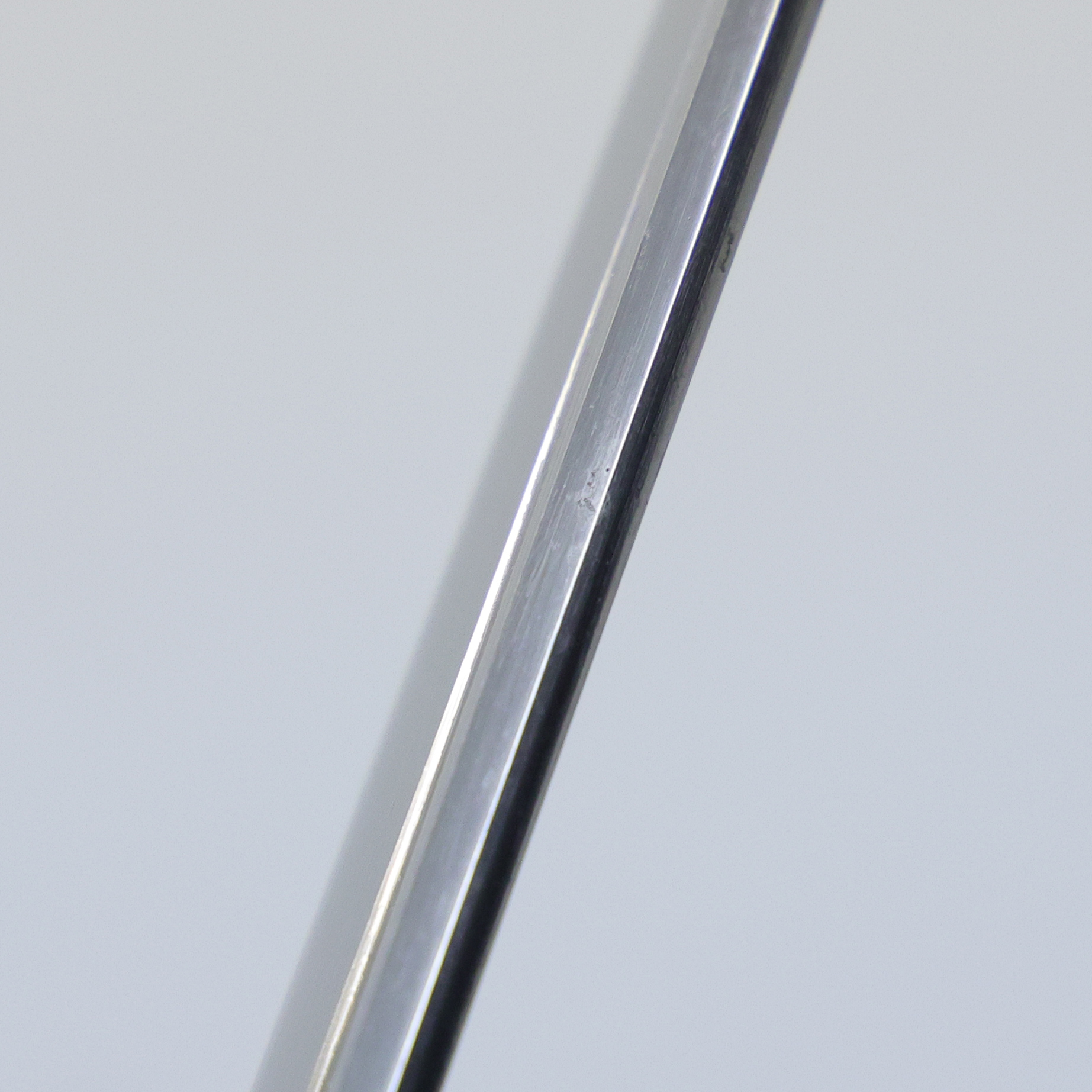
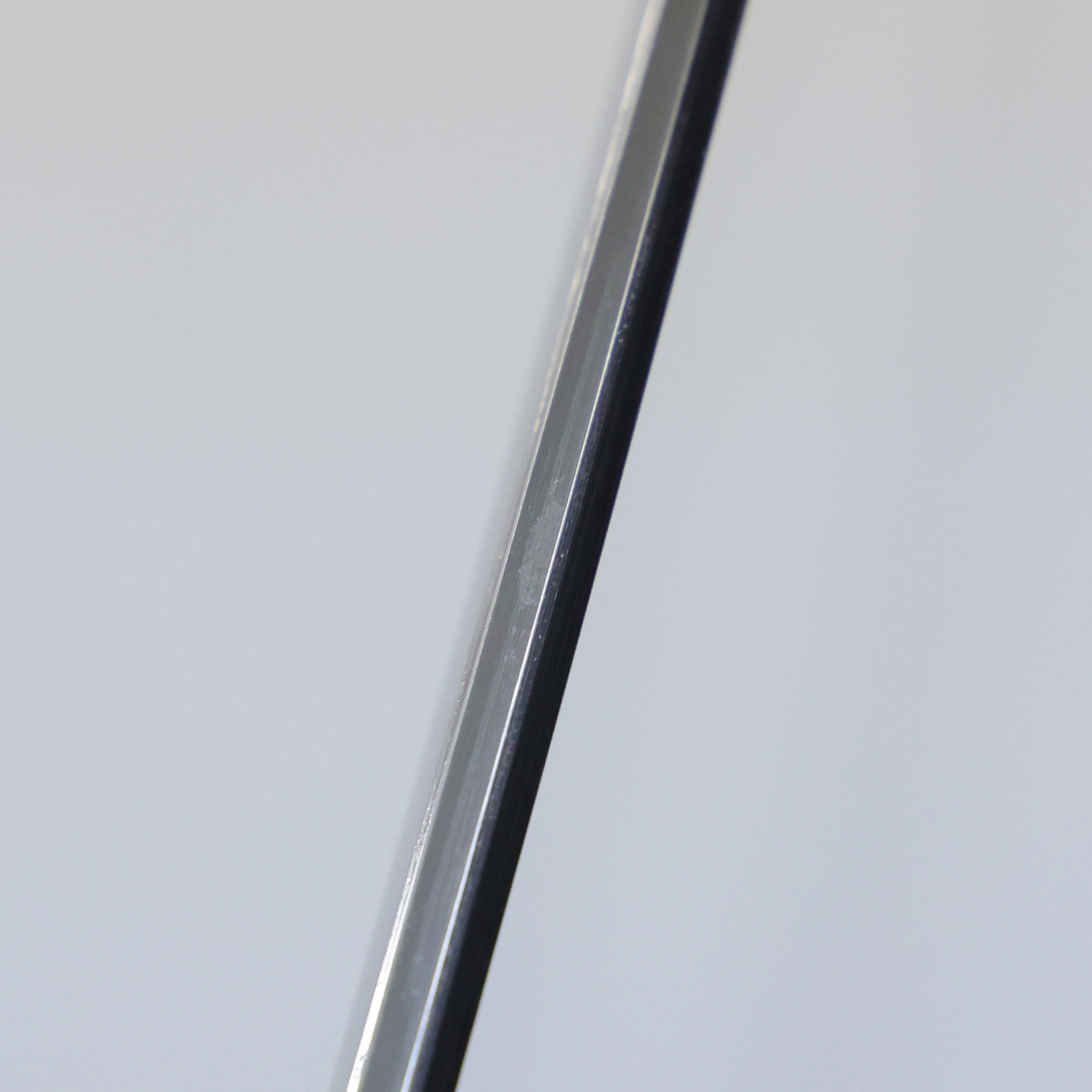
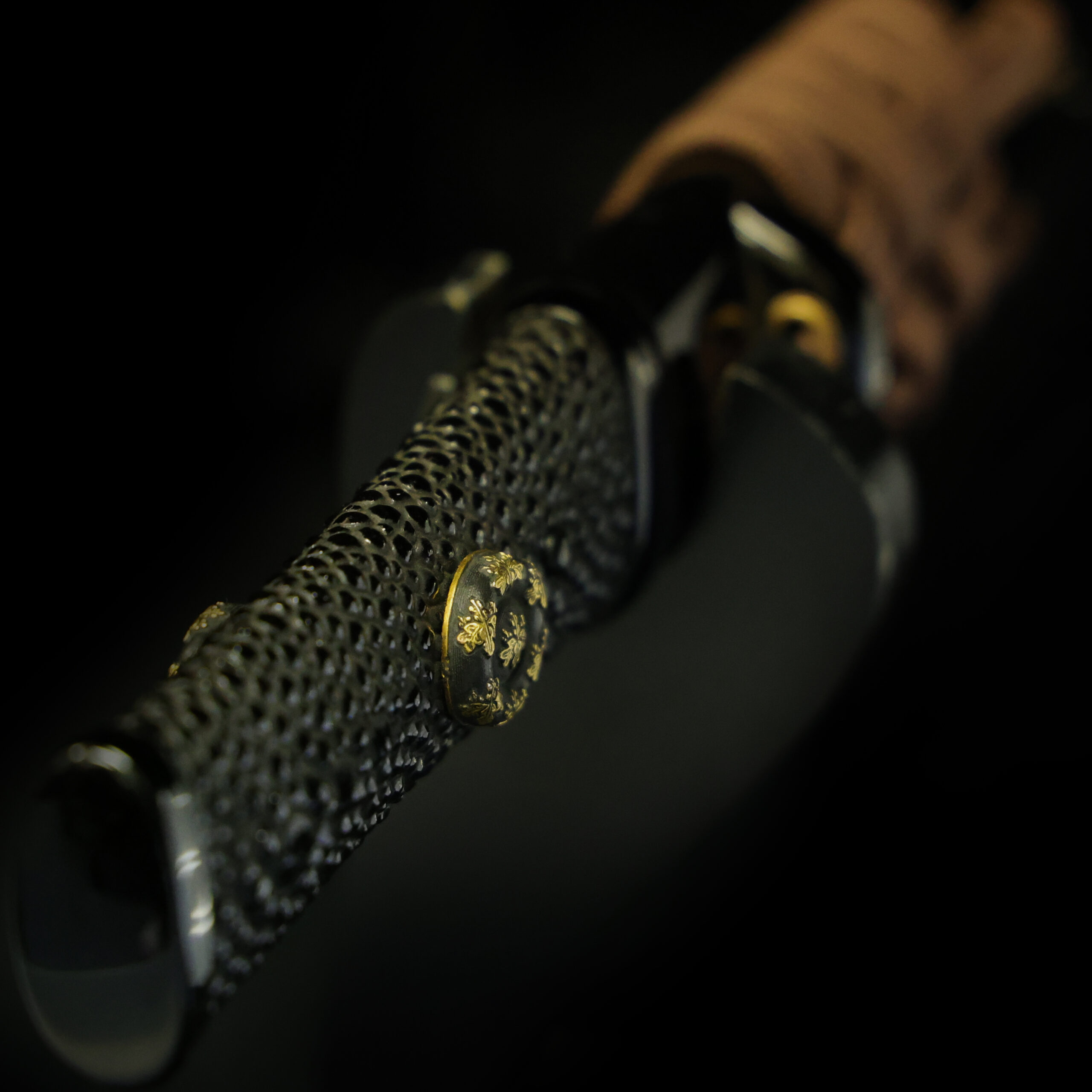
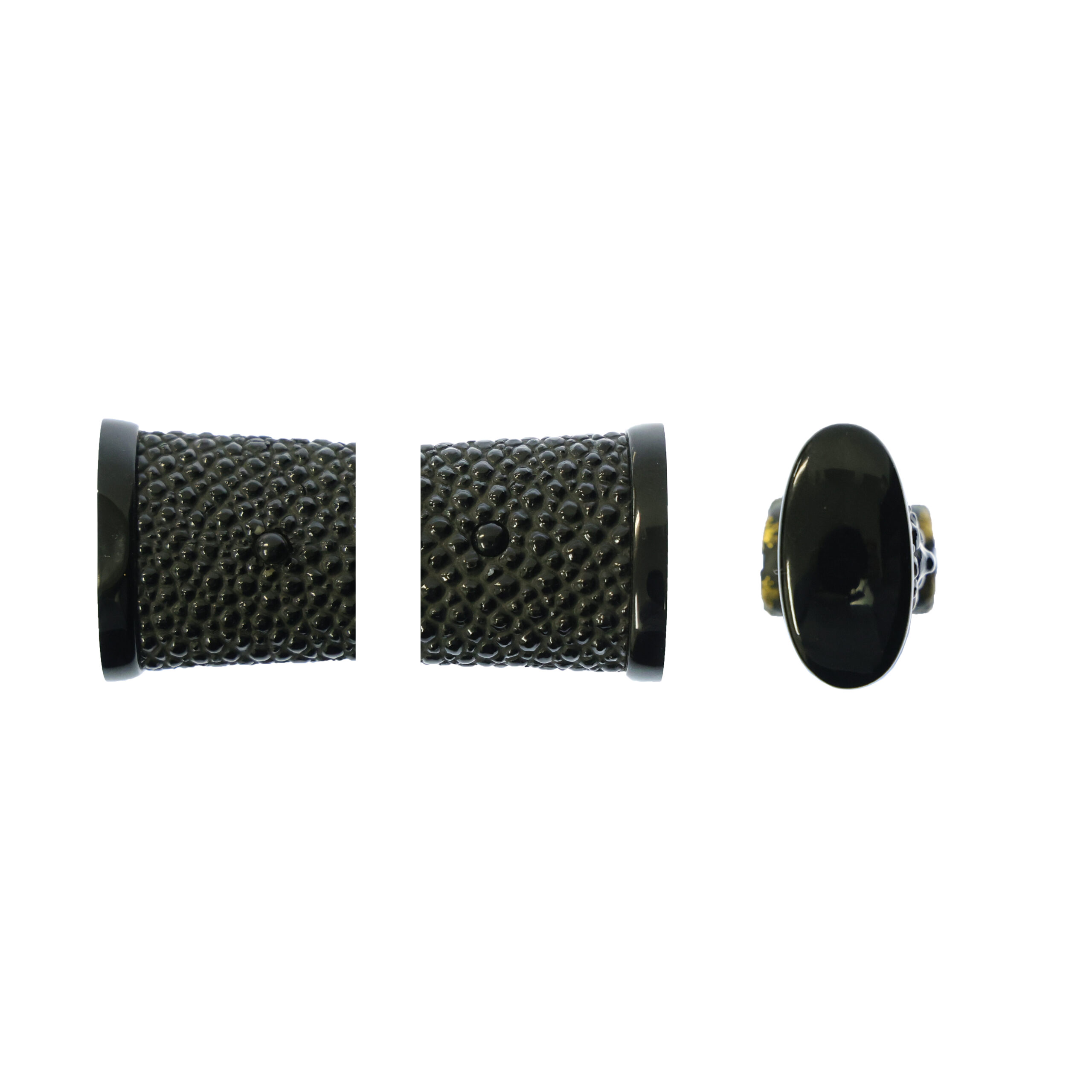
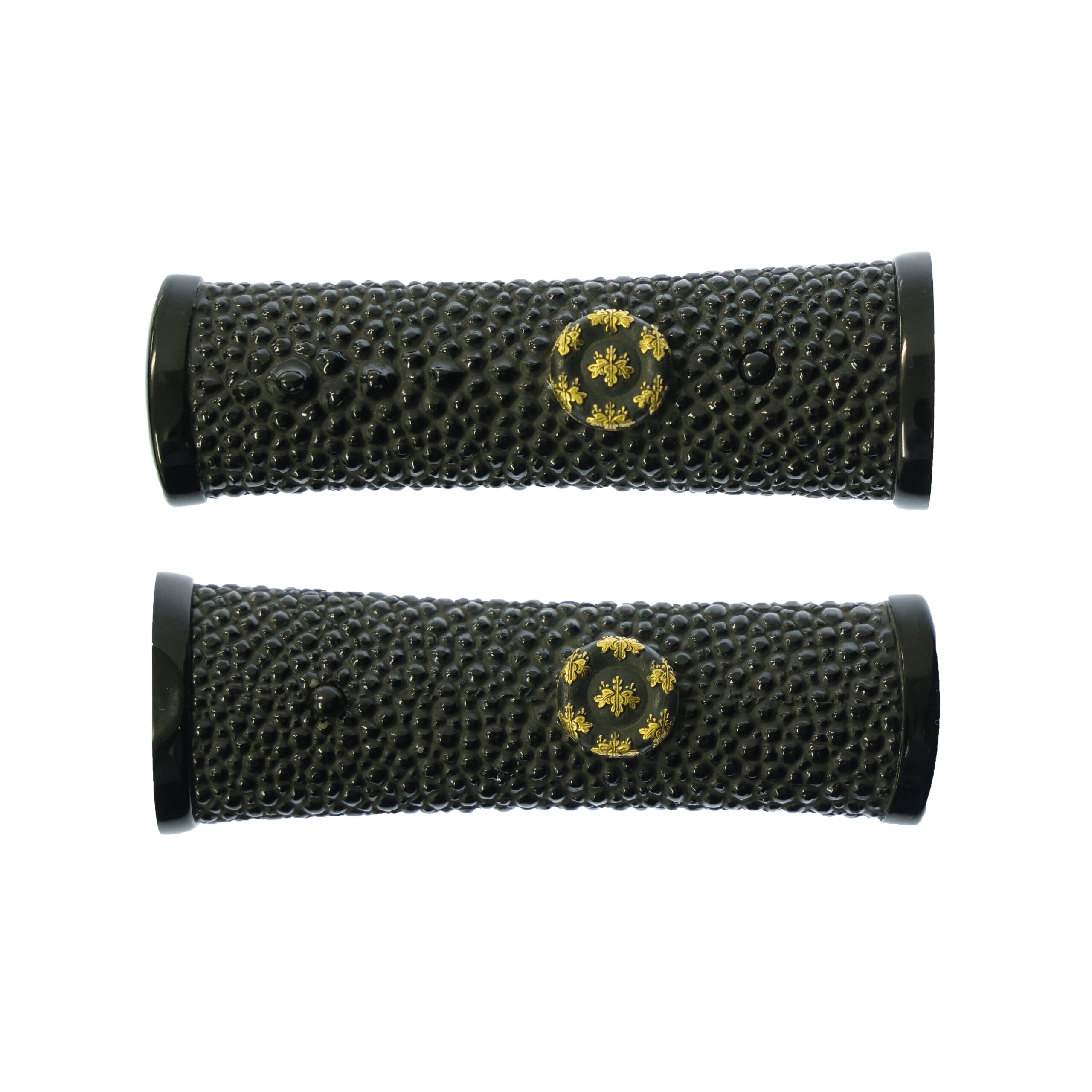
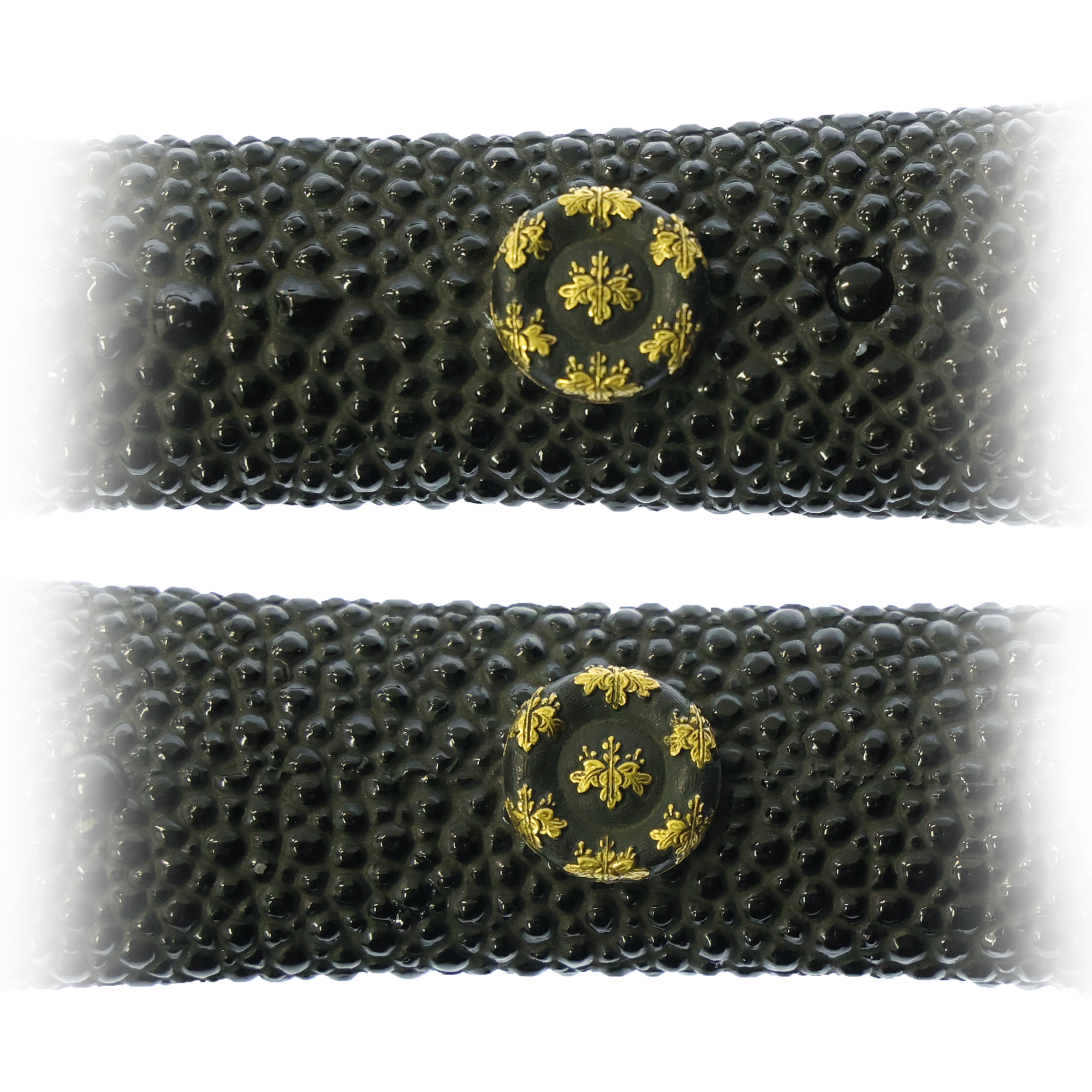
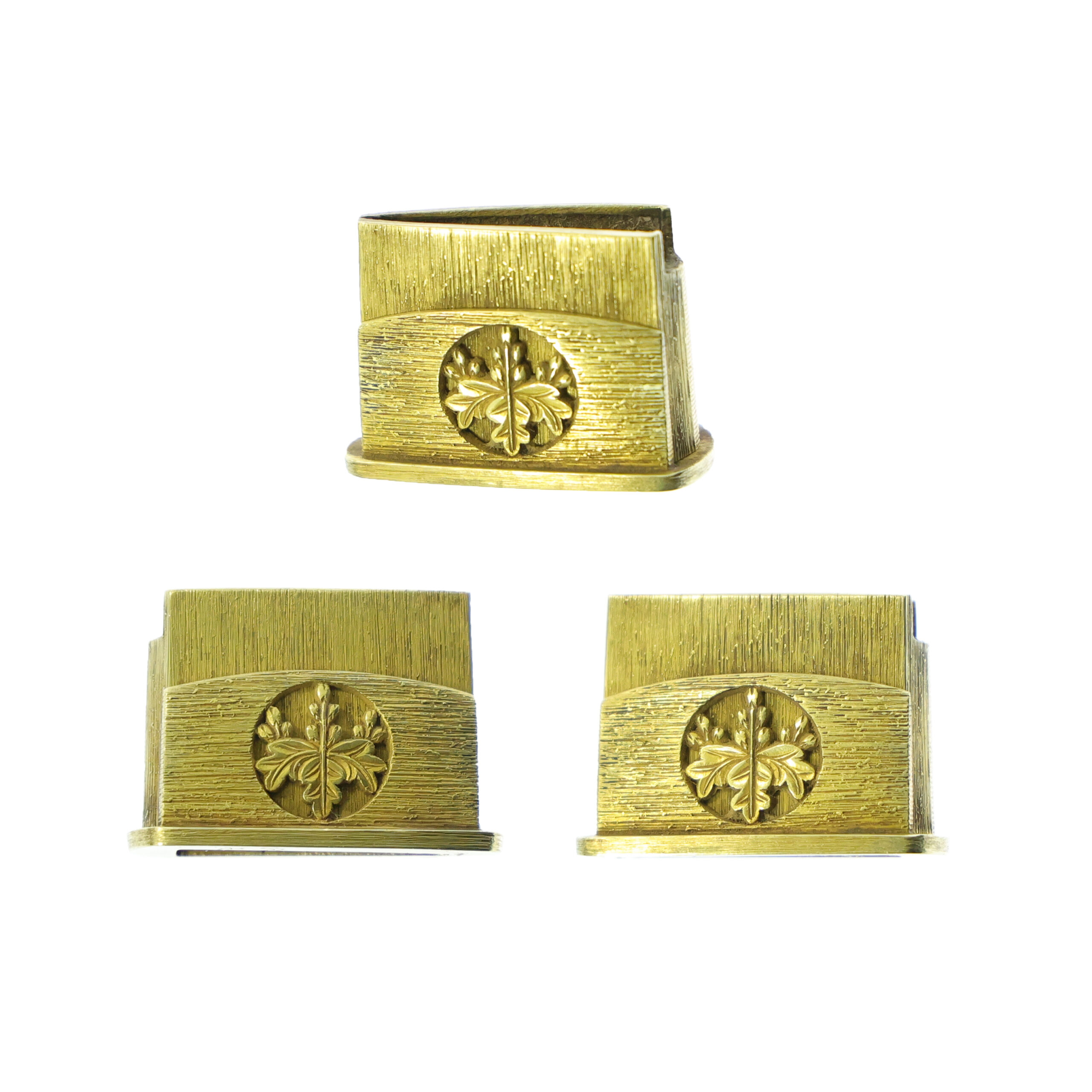
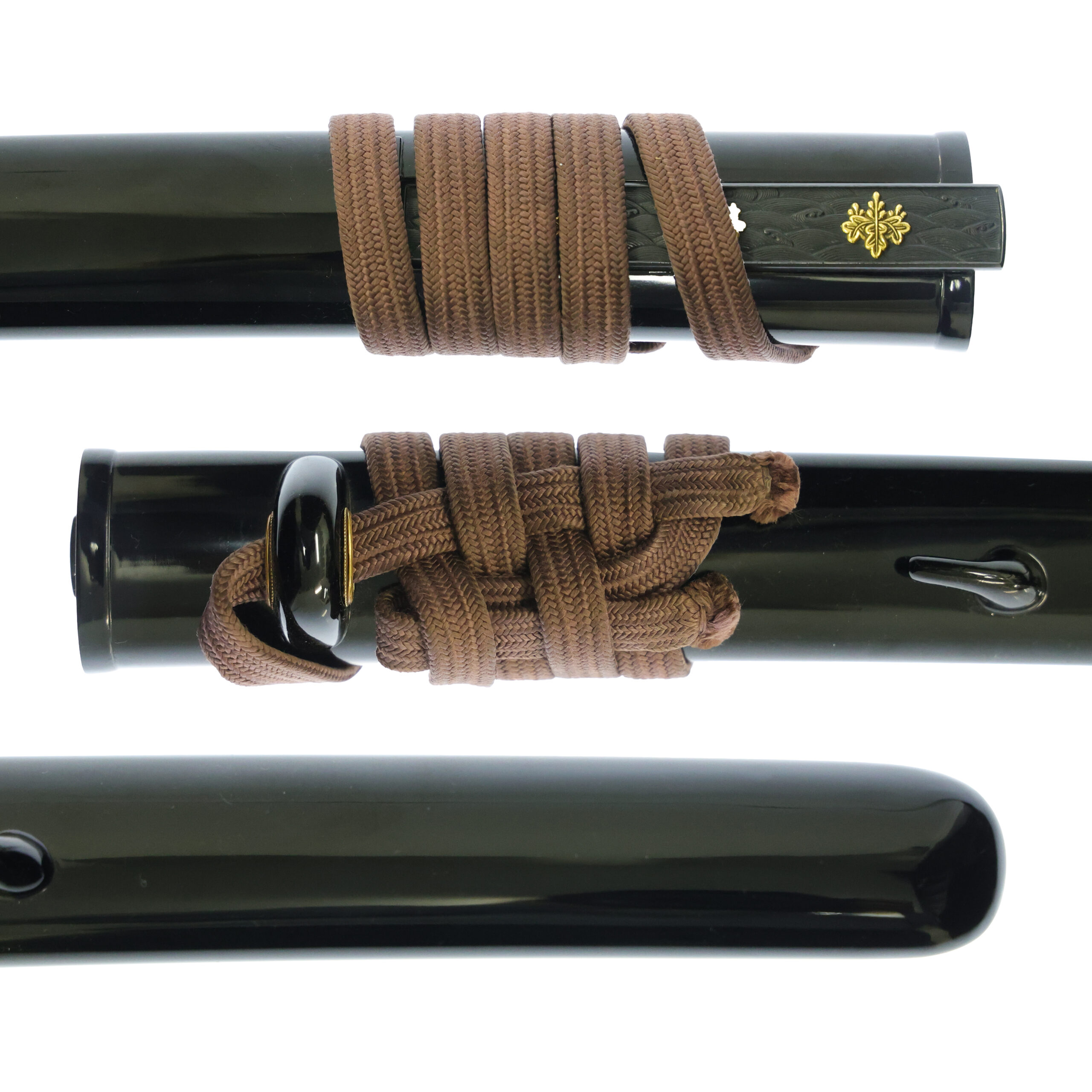
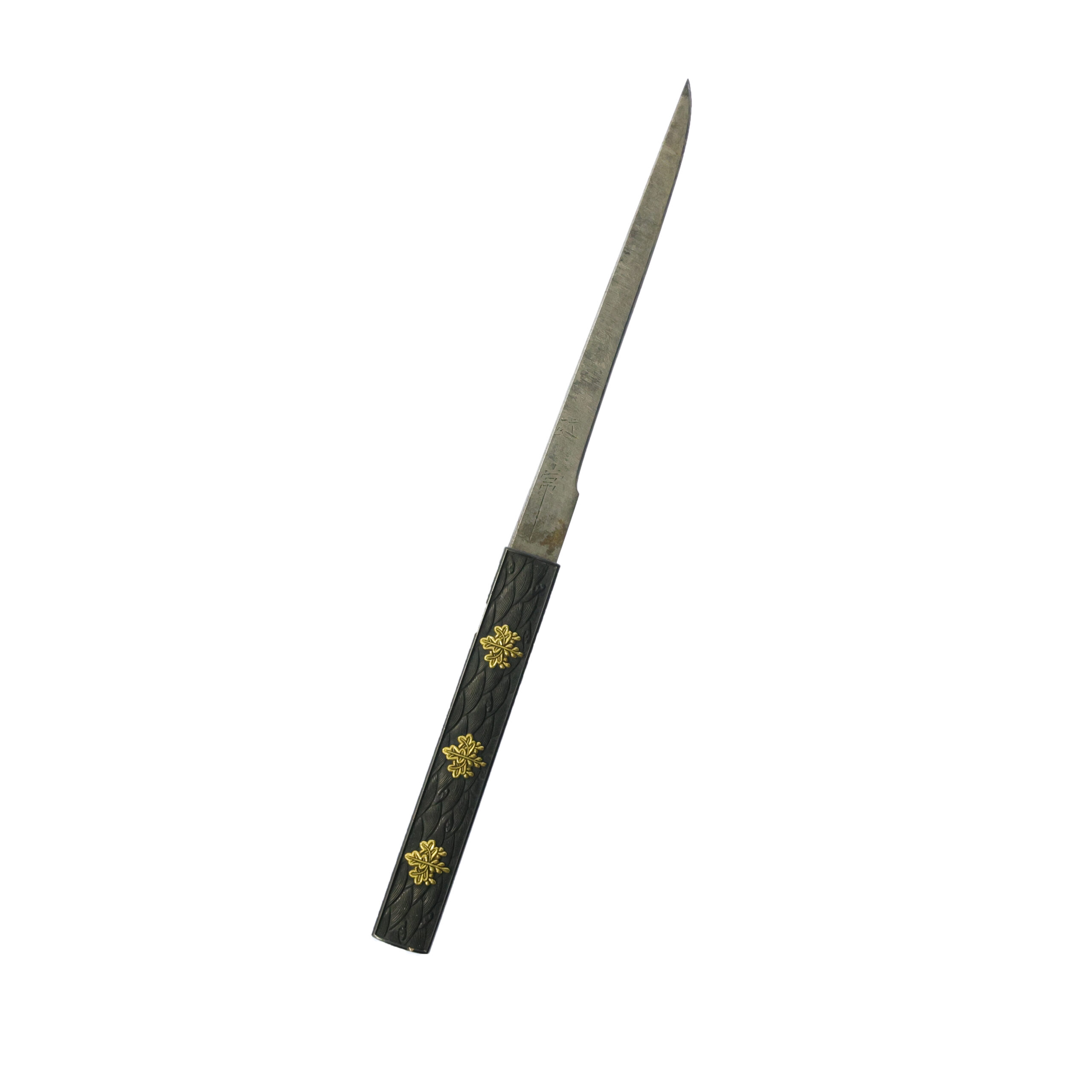
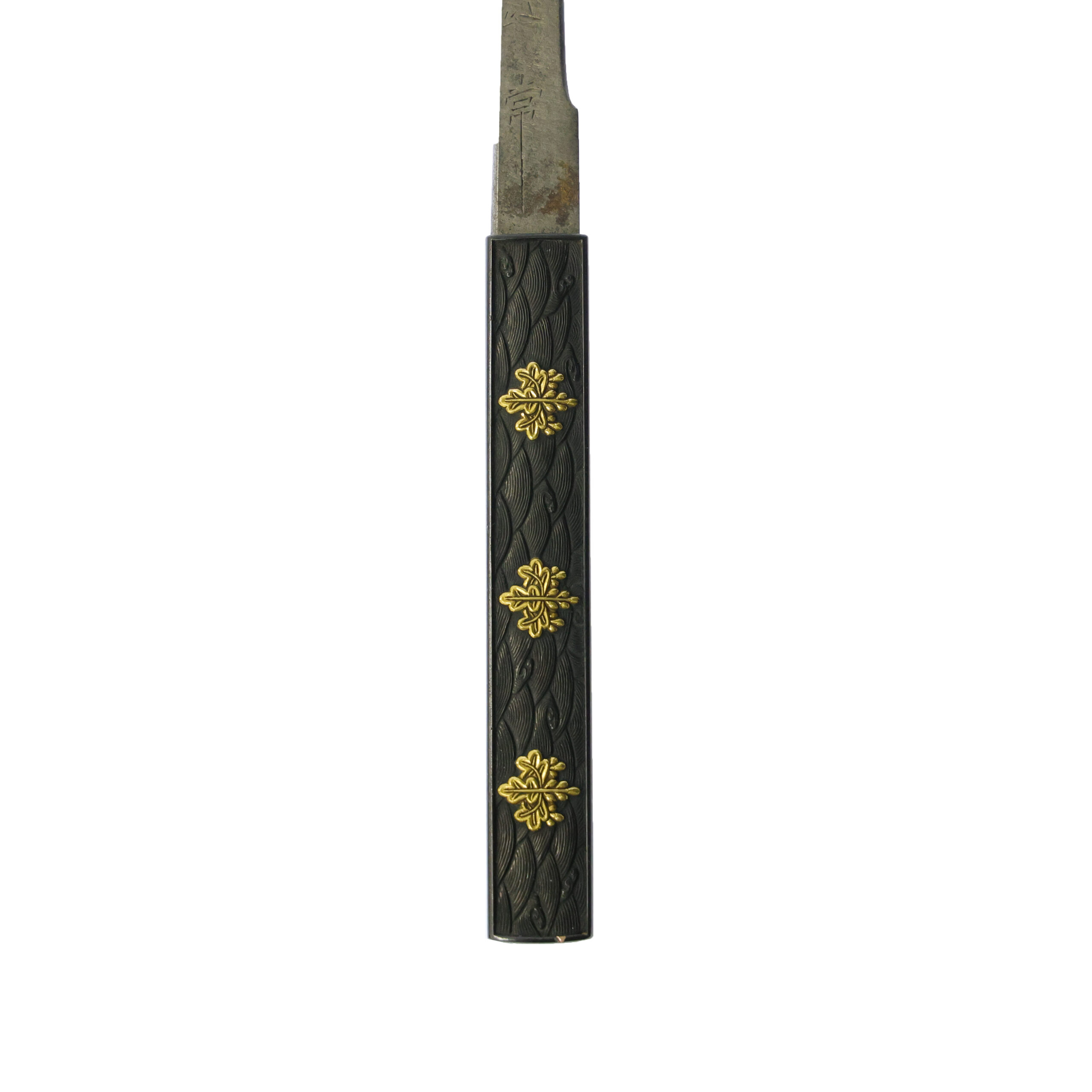
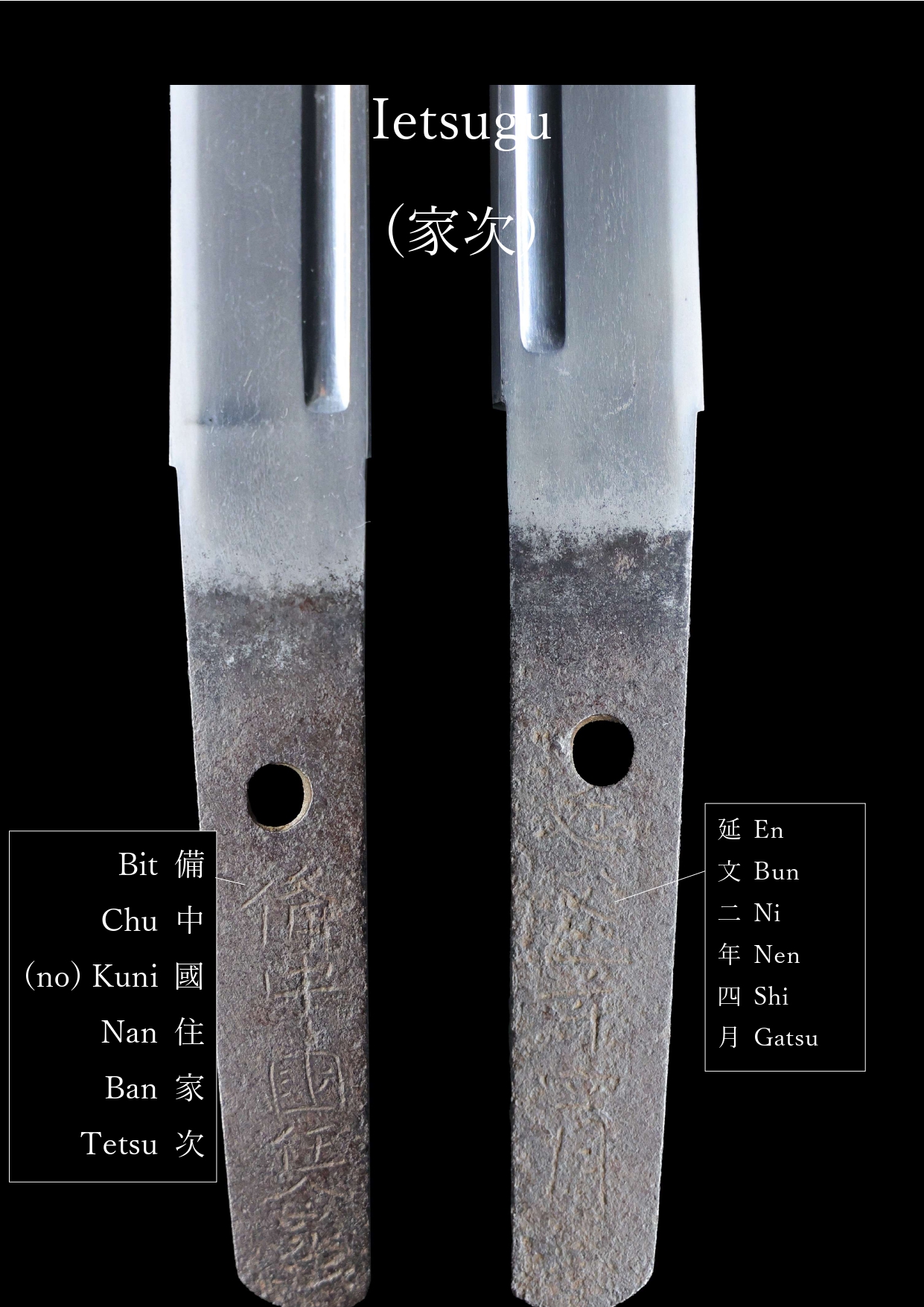
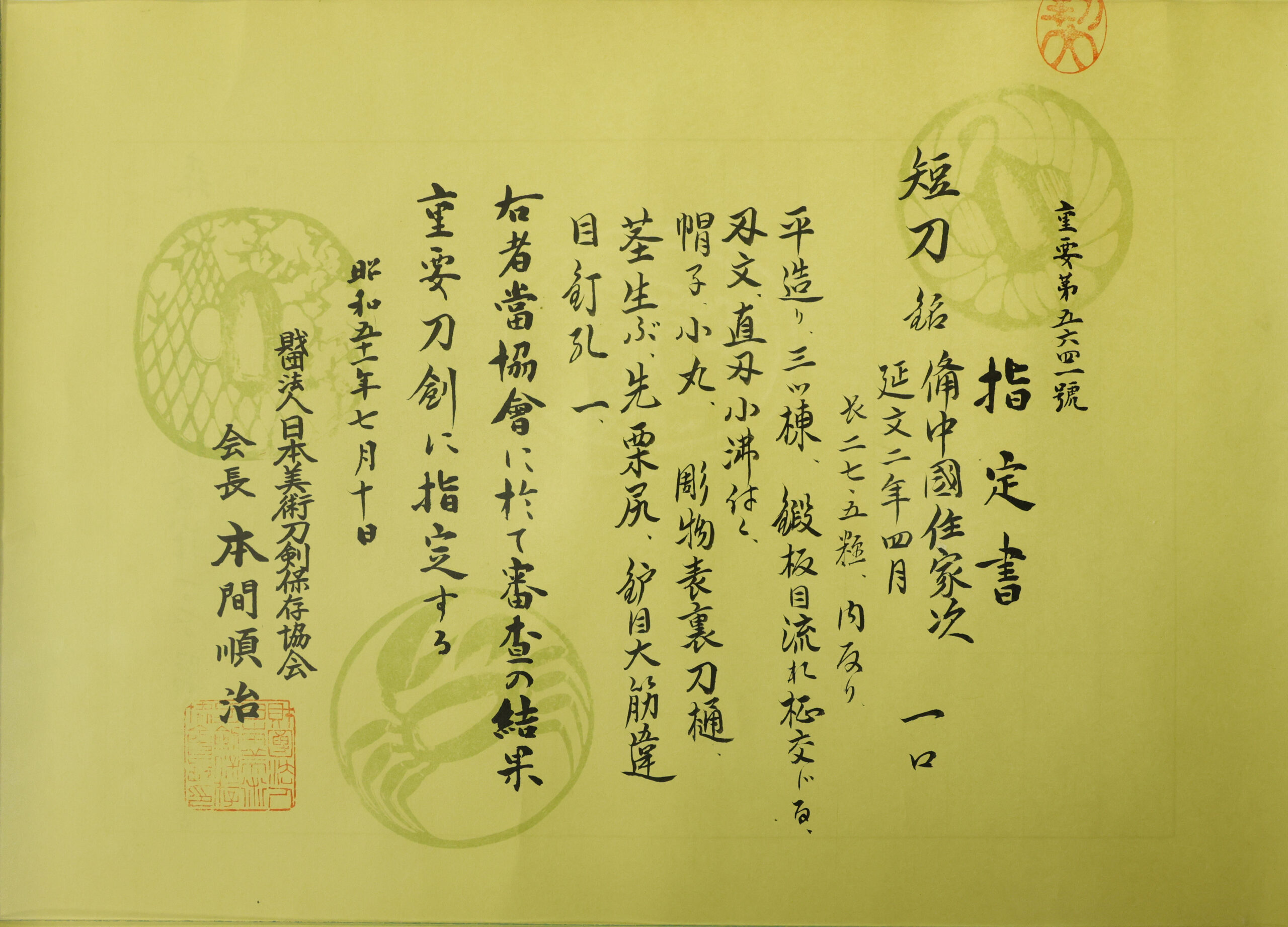
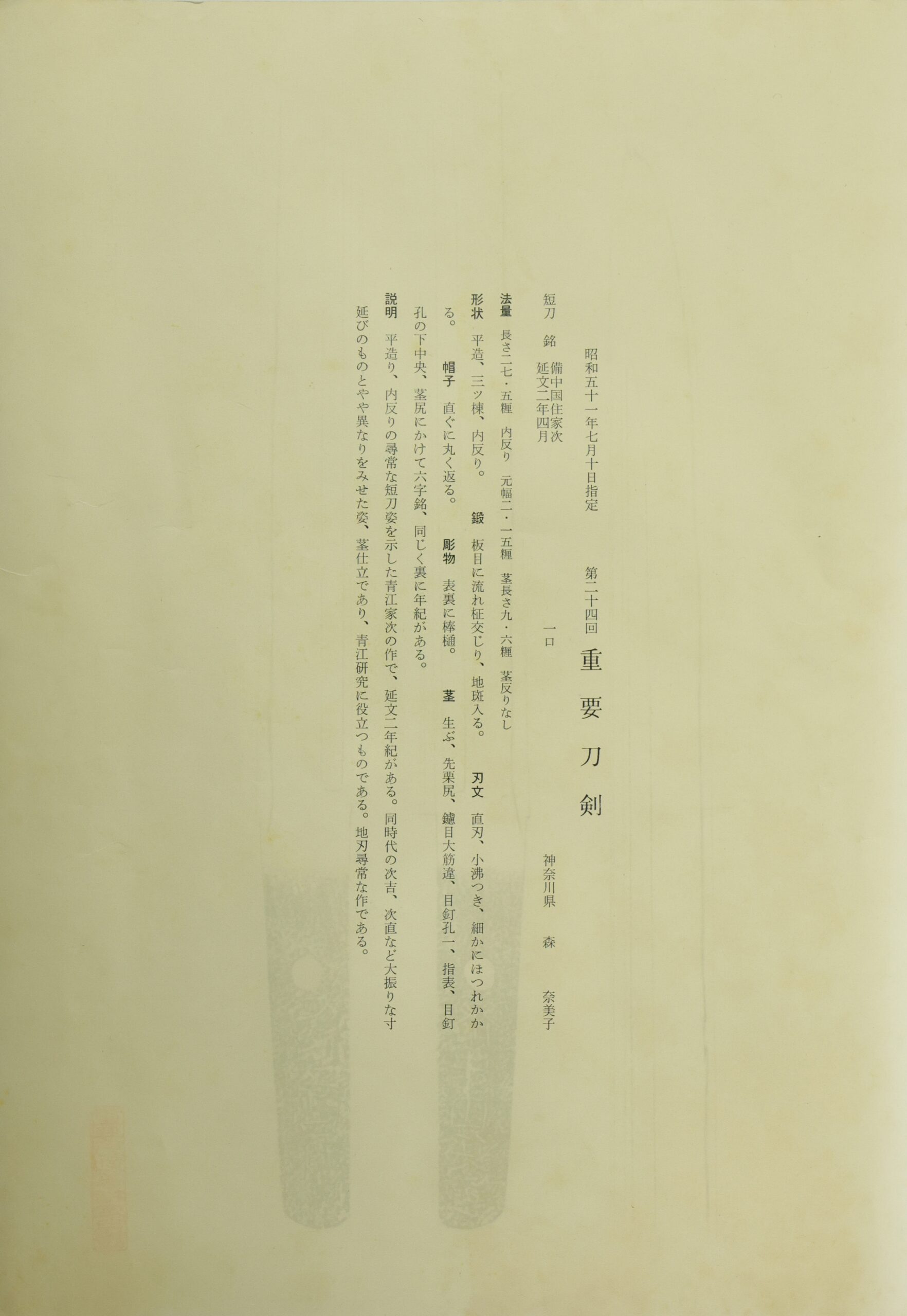
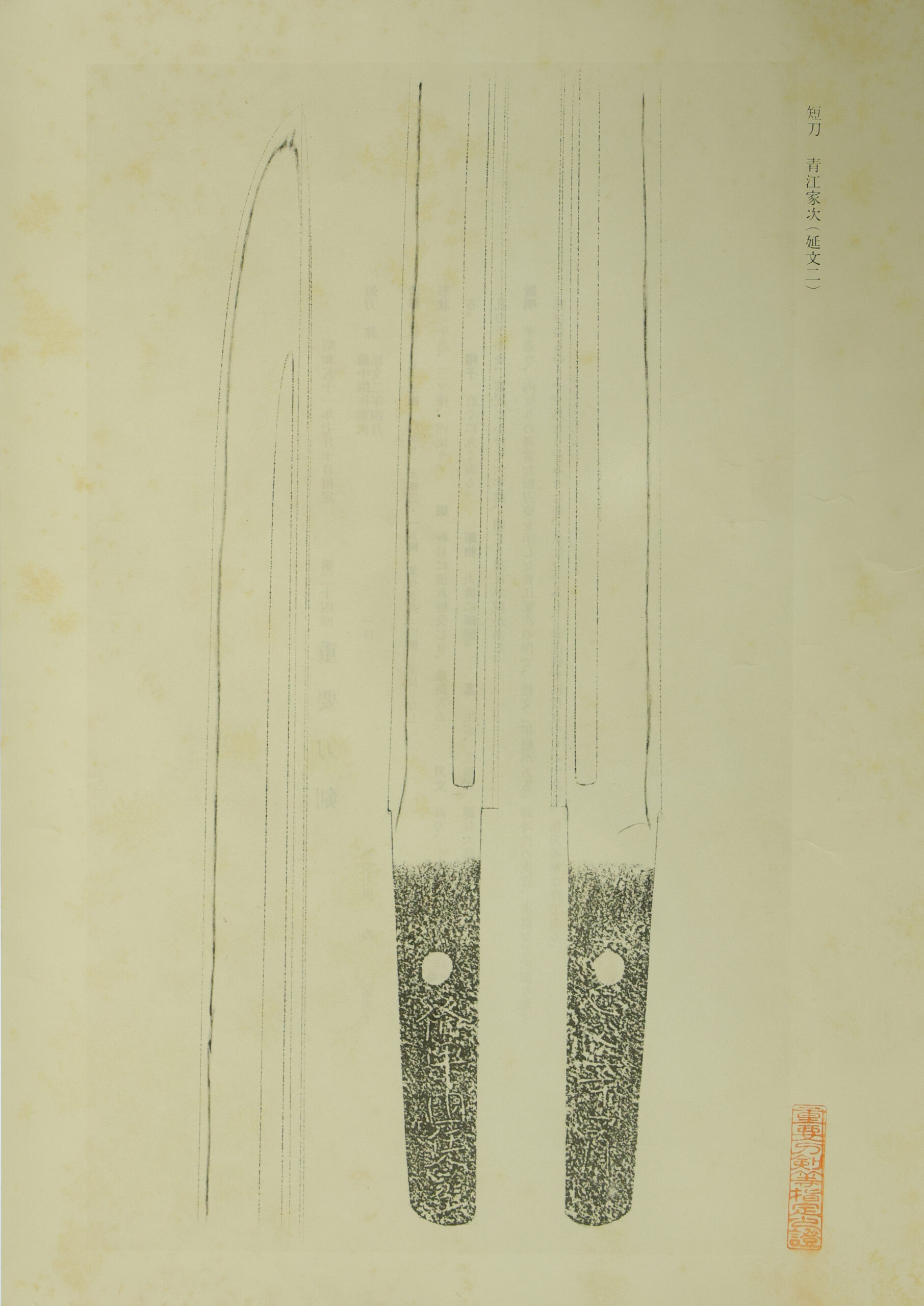
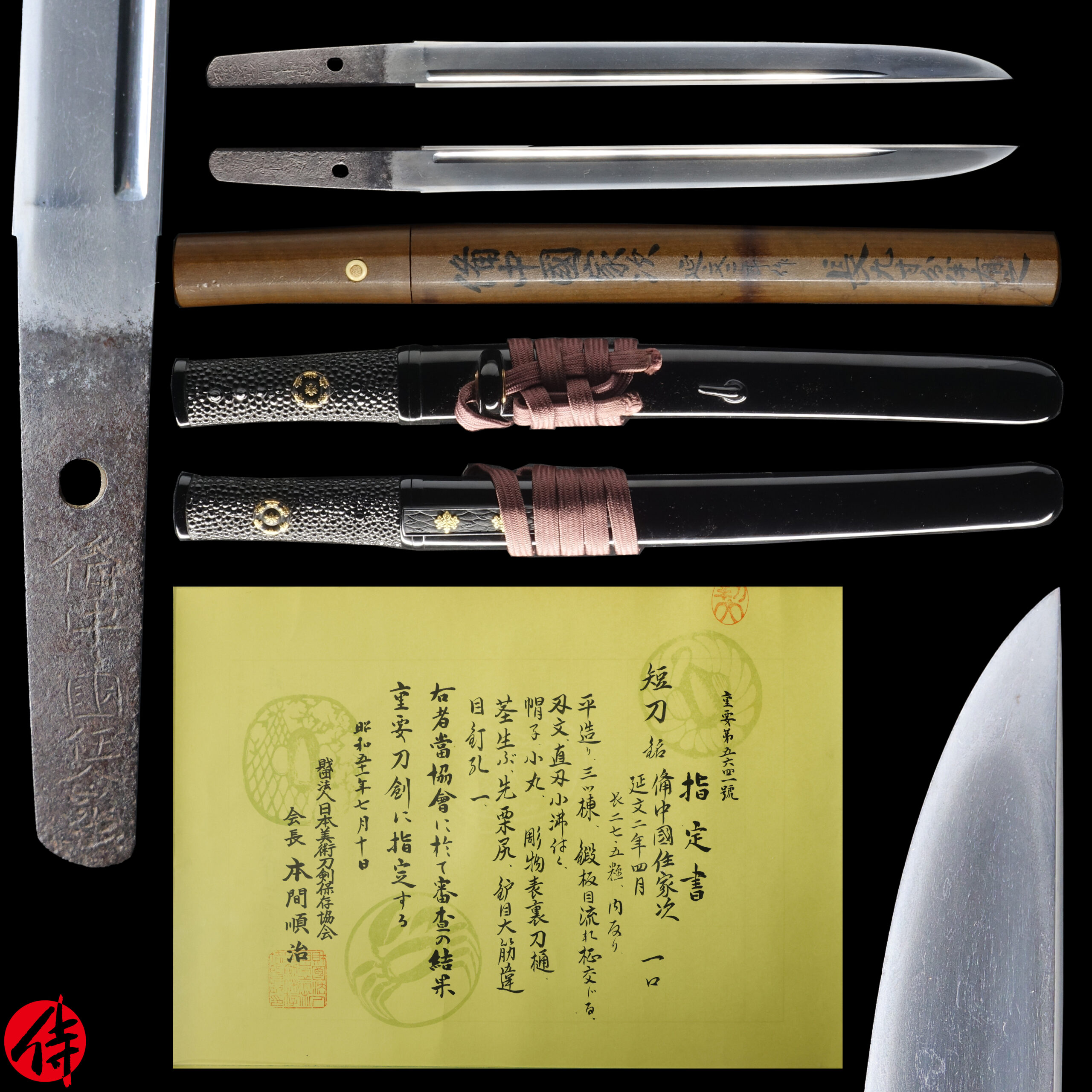
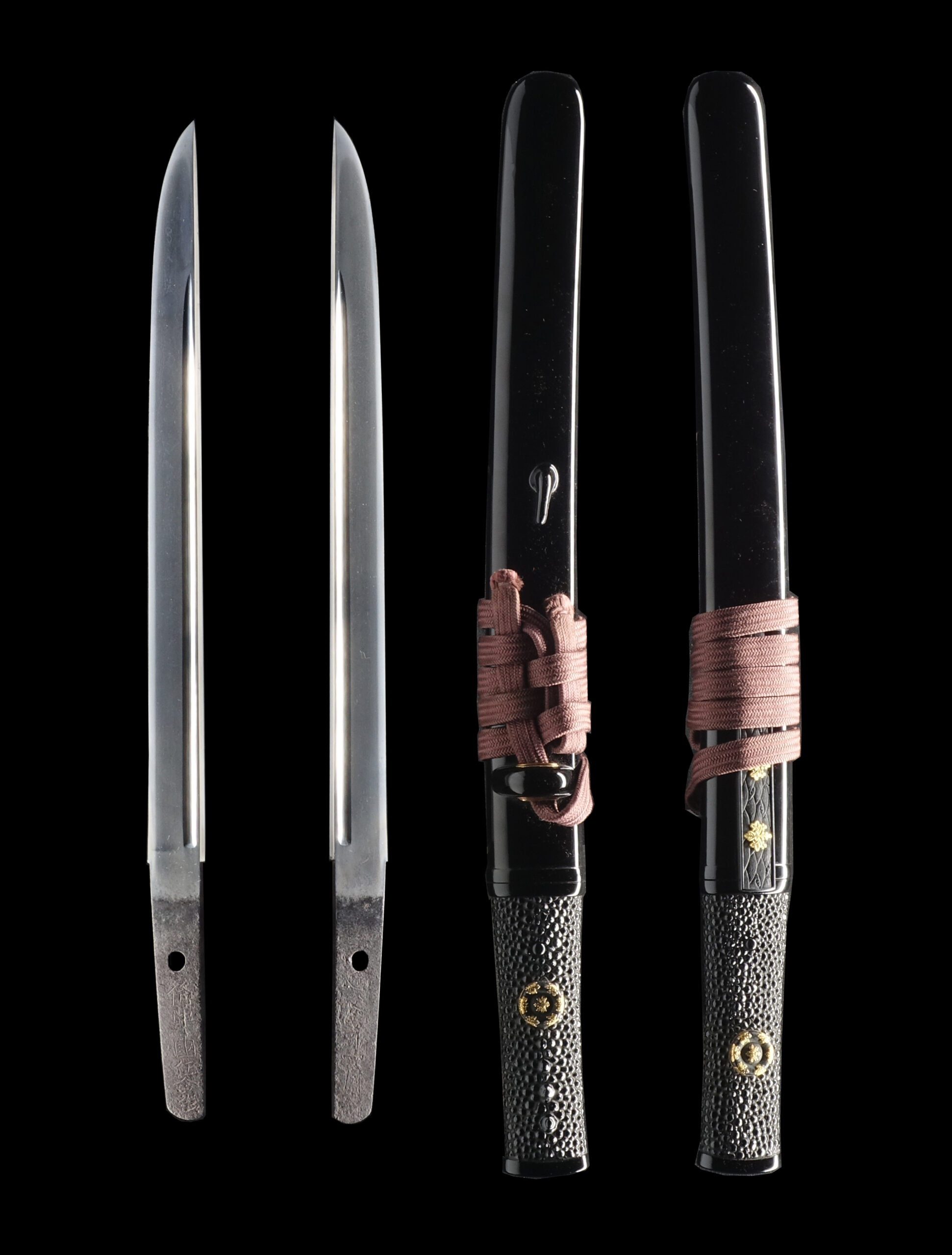
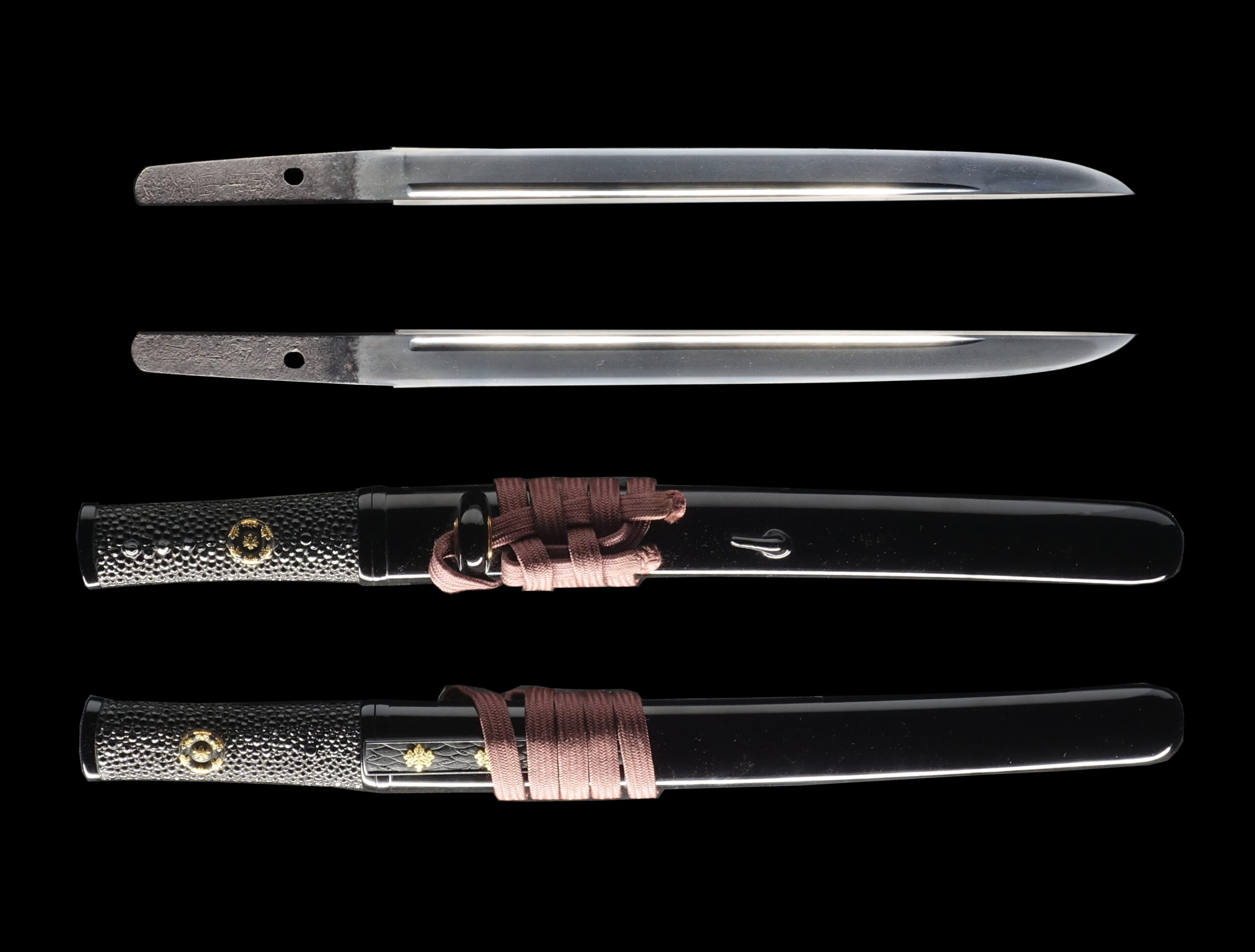
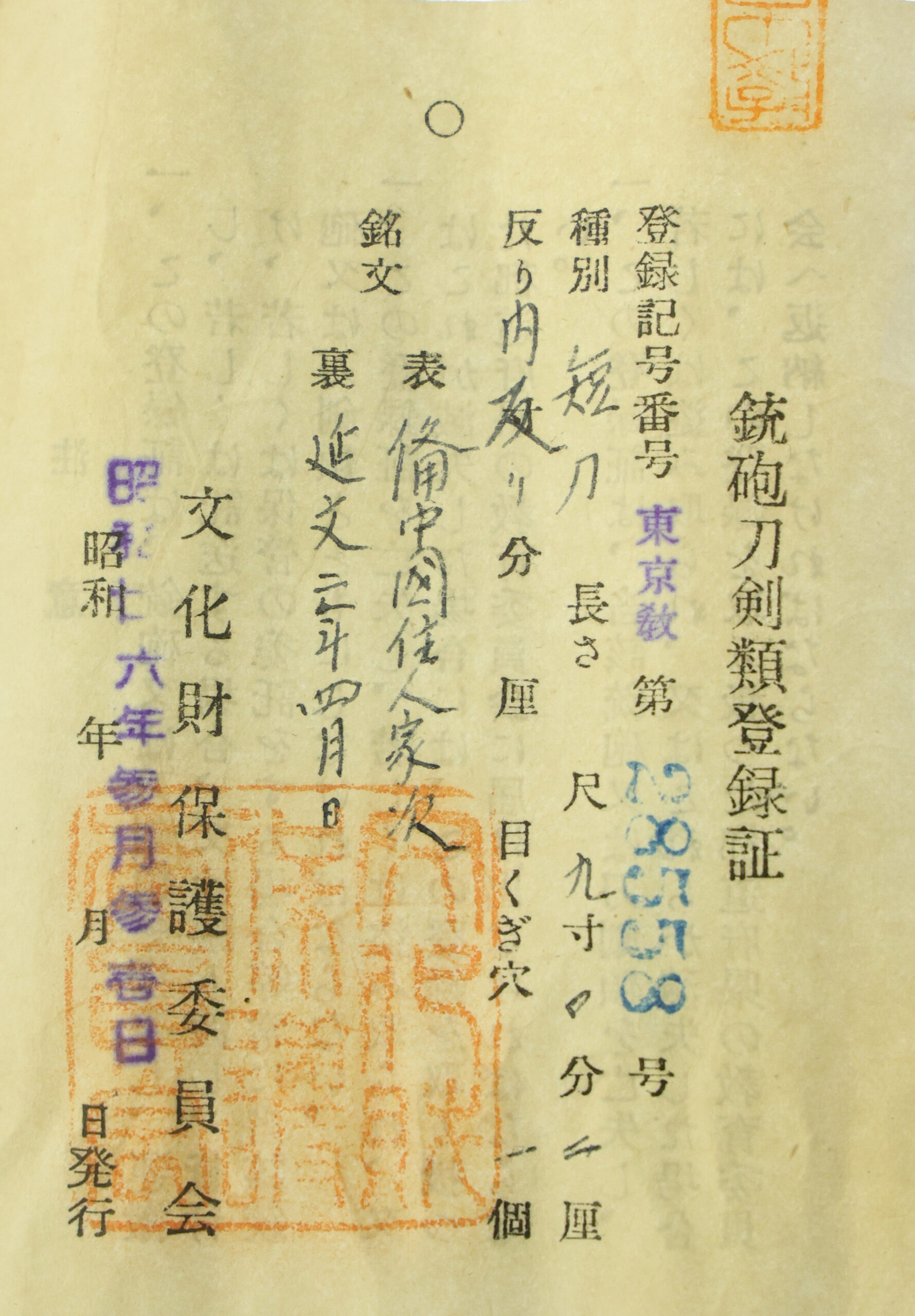
平造り、内反りの尋常な短刀姿を示した青江家次の作で、延文二年紀がある。同時代の次吉、次直など大振りなす 延びのものとやや異なりをみせた姿、茎仕立であり、青江研究に役立つものである。地刃尋常な作である。
備前伝 · 備中 · 1356-1357頃
藤代 Jo saku · 刀剣大鑑 上位8%
現在1点販売中
家次の位置づけを、日本刀全体および伝統・時代・時期ごとに示します。各位(随一・屈指・有数・著名)は、NBTHK および文化庁による指定に加え、三作や名物帳などの歴史的栄誉を加味したものです。
各項目を選ぶと評価方法が表示されます。
在銘年紀作が示す、確実に活動していた年代
備前伝 · 備中
時期区分: 中青江· 1235–1334
現在8点販売中
中青江 備中国青江派は、高梁川下流域の子位・万寿の地を中心に栄えた一派であり、その淵源は古く、十一世紀初頭の往来物『新猿楽記』が諸国の名産物の中に「備中ノ刀」を挙げるところに遡る。これより二世紀の後、その高い評価を受け継ぐ青江派の刀工が登場し、同地に繁栄した。同派は時代的に大別され、鎌倉時代中期頃までのものを古青江、それ以降南北朝時代にかけてのものを青江と汎称する。中青江は、この後者のうち鎌倉時代後期より南北朝時代に至る一作風期を指し、青江派の最も充実した盛期に当たる。代表工としては、逆丁子の名手として定評ある次直、これと並んで直刃に長じた次吉、鎌倉時代末期より南北朝初期にかけての同派を代表する直次らが挙げられ、ほかに守次・吉次・秀次・貞次・大隅権介貞次など、多くの良工が輩出した。なお同派には太刀銘と刀銘の両方が見られ、書下し銘の手法もままみるところである。 作風を見ると、まず鍛えは小板目肌に板目・小杢目を交えてつみ、地沸が微塵に厚くつき、地景が細かに入る。処々に地斑状の肌合を交え、肌立ちごころに縮緬肌状を呈するものもあり、これらは同派の大きな見どころである。映りは同派を特徴づける要素であり、乱れ映りが鮮明に立つほか、棟寄りの乱れ映りと刃寄りの筋状の映りとが相俟って、いわゆる段映りを形成するものが看て取れる。刃文は中直刃ないし広直刃を基調とし、小互の目・小丁子・角ばる刃などを交え、処々逆がかって逆足を交えるのが通例である。匂口は締まりごころに小沸がつき、金筋・砂流しが細かにかかり、明るく冴える。この締まって明るく冴えた匂口こそ青江物随一の美点であり、塩相の深い様は見事である。帽子は直ぐ調に浅くのたれ、先尖りごころの小丸に返るものが多い。古青江が小沸出来で匂口のやや沈んだ直刃仕立てに小乱れを交えたのに対し、中青江は沸づきが穏やかとなり、匂出来で匂口の冴え冴えとした刃文に転じた点に画期がある。さらに南北朝時代最盛期の延文頃に至っては、華やかな逆丁子乱れが完成され、これは当時にあって青江一派の独壇場というべき個性的作域となった。鎌倉時代末期の作に窺える逆がかる態や下半の賑やかな乱れは、この後の華麗な逆丁子乱れの先駆を想起させるものである。 評価の面では、中青江は日本刀の中でも第一級の声価を得ている。古来、本阿弥家では無銘の青江物で典型的かつ出来のよいものに貞次の極めをあてる傾向があり、貞次の名は『新刊秘伝抄』に「備中物極上十五貫」と最高の代付をされるなど、同派の最高位の標識とされた。直次・次直・次吉らの在銘年紀作は元徳・延慶より貞和・観応・正平・文和・延文に及び、同工・同派を研究する上で資料的価値が頗る高い。伝来も長州毛利家・肥前小城鍋島家・大垣藩主戸田家・日州延岡藩主内藤家など名家に及び、世々珍重されてきたことが知られる。直刃の静謐な締まりと逆丁子乱れの華麗とを兼ね備え、つんだ鍛え・明るく冴えた匂口・特色ある段映りを以て、備中の伝統を最も洗練した姿で示すのが、この中青江の作風期である。 詳しく見る →
南北朝時代の備前
二つの朝廷が争った六十年、刀身は長大化し、長船がその需要に応えた。兼光と長義の工房は実際に戦う国人層の武士に仕え、軍勢とともに相州風が届いて相伝備前が生まれた。
特別保存刀剣の中から、特に出来が優れ、国認定の重要美術品に準ずると判断された名品です。年に一度の重要刀剣審査で選ばれます。
極めて選別的で、日本に登録された約250万口の刀剣のうち、重要刀剣に達したものは12,307口(約203口に1口)にすぎません。
日本美術刀剣保存協会(NBTHK)は、1948年に設立され、文化庁の監督を受ける公益財団法人で、東京・刀剣博物館に本部を置きます。専門の審査員が出品作を直接審査し、美術的・歴史的価値に応じた鑑定書を発行します。NBTHKの鑑定書は、日本刀および刀装具の真正性を示す最も広く認知された基準です。
NBTHK公式サイトReturns/exchanges limited to defects caused by shipping (except willful misconduct or gross negligence by the company); customers must contact within 72 hours of receiving the product.
¥4,950,000
重要刀剣 銘 備中國住家次(延文二年) 【解説】 概要 本作は、日本美術刀剣保存協会の鑑定により、南北朝時代中期の延文二年(1357年)に作刀された「備中國住家次」の銘を有する短刀です。備中国は現在の岡山県にあたります。家次は、南北朝時代中期における青江派を代表する名工の一人として知られています。 青江派は平安時代後期(12世紀初頭)の安次を始祖とし、現在の岡山県倉敷市周辺を拠点とした一派です。当時の備中国には、この青江派と、則高を祖とする妹尾派という二つの有力な流派が存在し、青江派は平安後期から南北朝後期にかけて大いに繁栄しました。 青江派は、その作刀時期によって三つの区分に大別されます。平安後期から鎌倉中期までのものを「古青江」、鎌倉中期から南北朝初期までのものを「中青江」、そして南北朝後期以降のものを「末青江」と呼びます。本作の銘振りと年代から、中青江から末青江へと移り変わる時期の傑作と言えるでしょう。 青江派の著名な工には、後鳥羽上皇の御番鍛冶を務めた定次、次家、恒次らを育てた守次がいます。御番鍛冶とは、刀剣をこよなく愛した後鳥羽上皇が、全国から選りすぐりの名工12名を召し抱え、月替わりで御所にて作刀させた制度です。家次はこうした優れた技術を継承し、洗練された作風を確立しました。 備中国は中国山地に近く、刀剣の主原料である良質な砂鉄が豊富に産出されました。また、高梁川の流域は水や炭の確保にも適しており、こうした地理的条件が、青江派の精緻で質の高い作刀を支えたのです。 青江派が隆盛を極めた南北朝時代は、朝廷が南北に分かれ、武士たちが各地で戦火を交えた激動の時代でした。青江の鍛冶たちは、戦場に赴く武士たちのために実戦に耐えうる強靭かつ美しい刀を打ち続けました。彼らは地主や武士としての側面も持っていたと伝えられており、南朝側に仕えていたため、南朝の衰退とともに一派としての活動は終焉を迎えます。しかし、その流れを汲む者たちは室町時代に水田派を興し、江戸時代までその技を伝えました。 短刀とは 一般に刃渡り30cm(約1尺)以下のものを短刀と呼び、中には鍔を付けない「合口」形式のものも多く見られます。携帯性に優れ、接近戦において重宝されました。鎌倉時代から室町時代にかけては、長柄武器や太刀を用いる騎馬武士の補助兵装として、鎧の隙間を突くなどの用途で用いられました。 短刀はその帯刀様式により「懐刀(ふところがたな)」や「腰刀(こしがたな)」とも呼ばれます。また、古来より魔除けの力があると信じられており、日本の伝統的な婚礼においては、花嫁が身を守るための守り刀として贈られる習慣もあります。 鑑定 本作は、公益財団法人 日本美術刀剣保存協会(NBTHK)により「重要刀剣」に指定されています。この鑑定書は、保存状態が極めて良好であり、かつ美術的価値が特に高いと認められた真作の日本刀にのみ与えられるものです。「重要刀剣」は「特別保存刀剣」の上位ランクに位置し、極めて厳格な審査を経て認定される、まさに国宝・重要文化財に準ずる価値を持つ名品です。
平造り、内反りの尋常な短刀姿を示した青江家次の作で、延文二年紀がある。同時代の次吉、次直など大振りなす 延びのものとやや異なりをみせた姿、茎仕立であり、青江研究に役立つものである。地刃尋常な作である。
NihontoWatch平造り、内反りの尋常な短刀姿を示した青江家次の作で、延文二年紀がある。同時代の次吉、次直など大振りなす 延びのものとやや異なりをみせた姿、茎仕立であり、青江研究に役立つものである。地刃尋常な作である。
備前伝 · 備中 · 1356-1357頃
藤代 Jo saku · 刀剣大鑑 上位8%
現在1点販売中
家次の位置づけを、日本刀全体および伝統・時代・時期ごとに示します。各位(随一・屈指・有数・著名)は、NBTHK および文化庁による指定に加え、三作や名物帳などの歴史的栄誉を加味したものです。
各項目を選ぶと評価方法が表示されます。
在銘年紀作が示す、確実に活動していた年代
備前伝 · 備中
時期区分: 中青江· 1235–1334
現在8点販売中
中青江 備中国青江派は、高梁川下流域の子位・万寿の地を中心に栄えた一派であり、その淵源は古く、十一世紀初頭の往来物『新猿楽記』が諸国の名産物の中に「備中ノ刀」を挙げるところに遡る。これより二世紀の後、その高い評価を受け継ぐ青江派の刀工が登場し、同地に繁栄した。同派は時代的に大別され、鎌倉時代中期頃までのものを古青江、それ以降南北朝時代にかけてのものを青江と汎称する。中青江は、この後者のうち鎌倉時代後期より南北朝時代に至る一作風期を指し、青江派の最も充実した盛期に当たる。代表工としては、逆丁子の名手として定評ある次直、これと並んで直刃に長じた次吉、鎌倉時代末期より南北朝初期にかけての同派を代表する直次らが挙げられ、ほかに守次・吉次・秀次・貞次・大隅権介貞次など、多くの良工が輩出した。なお同派には太刀銘と刀銘の両方が見られ、書下し銘の手法もままみるところである。 作風を見ると、まず鍛えは小板目肌に板目・小杢目を交えてつみ、地沸が微塵に厚くつき、地景が細かに入る。処々に地斑状の肌合を交え、肌立ちごころに縮緬肌状を呈するものもあり、これらは同派の大きな見どころである。映りは同派を特徴づける要素であり、乱れ映りが鮮明に立つほか、棟寄りの乱れ映りと刃寄りの筋状の映りとが相俟って、いわゆる段映りを形成するものが看て取れる。刃文は中直刃ないし広直刃を基調とし、小互の目・小丁子・角ばる刃などを交え、処々逆がかって逆足を交えるのが通例である。匂口は締まりごころに小沸がつき、金筋・砂流しが細かにかかり、明るく冴える。この締まって明るく冴えた匂口こそ青江物随一の美点であり、塩相の深い様は見事である。帽子は直ぐ調に浅くのたれ、先尖りごころの小丸に返るものが多い。古青江が小沸出来で匂口のやや沈んだ直刃仕立てに小乱れを交えたのに対し、中青江は沸づきが穏やかとなり、匂出来で匂口の冴え冴えとした刃文に転じた点に画期がある。さらに南北朝時代最盛期の延文頃に至っては、華やかな逆丁子乱れが完成され、これは当時にあって青江一派の独壇場というべき個性的作域となった。鎌倉時代末期の作に窺える逆がかる態や下半の賑やかな乱れは、この後の華麗な逆丁子乱れの先駆を想起させるものである。 評価の面では、中青江は日本刀の中でも第一級の声価を得ている。古来、本阿弥家では無銘の青江物で典型的かつ出来のよいものに貞次の極めをあてる傾向があり、貞次の名は『新刊秘伝抄』に「備中物極上十五貫」と最高の代付をされるなど、同派の最高位の標識とされた。直次・次直・次吉らの在銘年紀作は元徳・延慶より貞和・観応・正平・文和・延文に及び、同工・同派を研究する上で資料的価値が頗る高い。伝来も長州毛利家・肥前小城鍋島家・大垣藩主戸田家・日州延岡藩主内藤家など名家に及び、世々珍重されてきたことが知られる。直刃の静謐な締まりと逆丁子乱れの華麗とを兼ね備え、つんだ鍛え・明るく冴えた匂口・特色ある段映りを以て、備中の伝統を最も洗練した姿で示すのが、この中青江の作風期である。 詳しく見る →
南北朝時代の備前
二つの朝廷が争った六十年、刀身は長大化し、長船がその需要に応えた。兼光と長義の工房は実際に戦う国人層の武士に仕え、軍勢とともに相州風が届いて相伝備前が生まれた。
特別保存刀剣の中から、特に出来が優れ、国認定の重要美術品に準ずると判断された名品です。年に一度の重要刀剣審査で選ばれます。
極めて選別的で、日本に登録された約250万口の刀剣のうち、重要刀剣に達したものは12,307口(約203口に1口)にすぎません。
日本美術刀剣保存協会(NBTHK)は、1948年に設立され、文化庁の監督を受ける公益財団法人で、東京・刀剣博物館に本部を置きます。専門の審査員が出品作を直接審査し、美術的・歴史的価値に応じた鑑定書を発行します。NBTHKの鑑定書は、日本刀および刀装具の真正性を示す最も広く認知された基準です。
NBTHK公式サイトReturns/exchanges limited to defects caused by shipping (except willful misconduct or gross negligence by the company); customers must contact within 72 hours of receiving the product.
¥4,950,000


![Tanto - Tokuho - 作 貞次 - 短刀 銘 備中州住貞次 [元][弘][三]年十月日](/_next/image?url=https%3A%2F%2Fitbhfhyptogxcjbjfzwx.supabase.co%2Fstorage%2Fv1%2Fobject%2Fpublic%2Flisting-images%2Fchoshuya%2FL711722%2F00.jpg&w=2560&q=90)
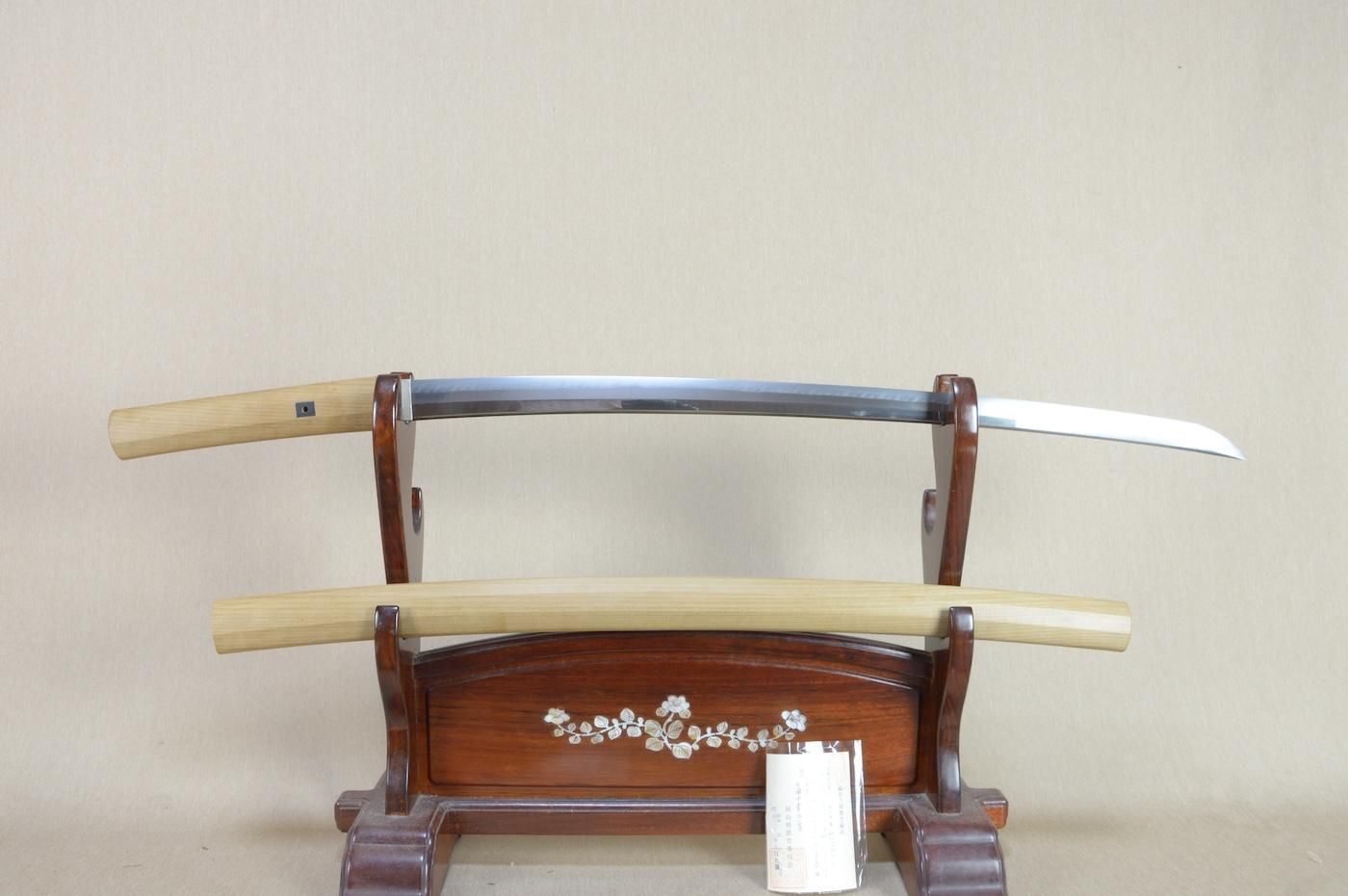
![Tanto - 作 貞次 - 銘 備中州住貞次 [元][弘][三]年十月日](/_next/image?url=https%3A%2F%2Fitbhfhyptogxcjbjfzwx.supabase.co%2Fstorage%2Fv1%2Fobject%2Fpublic%2Flisting-images%2Fchoshuya%2FL480663%2F00.jpg&w=2560&q=90)