二つの朝廷が争った六十年、刀身は長大化し、長船がその需要に応えた。兼光と長義の工房は実際に戦う国人層の武士に仕え、軍勢とともに相州風が届いて相伝備前が生まれた。
 NihontoWatchNihontoWatch
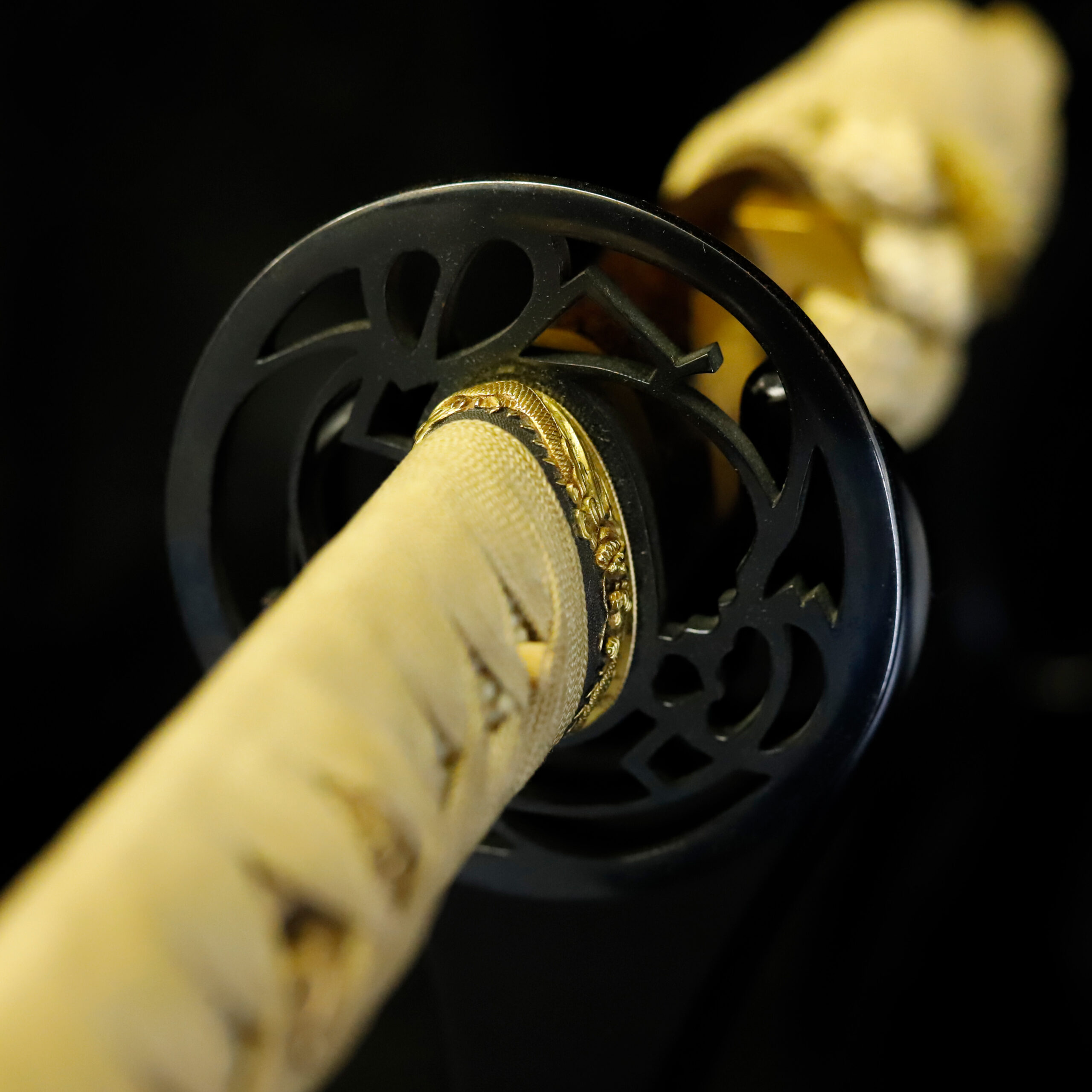
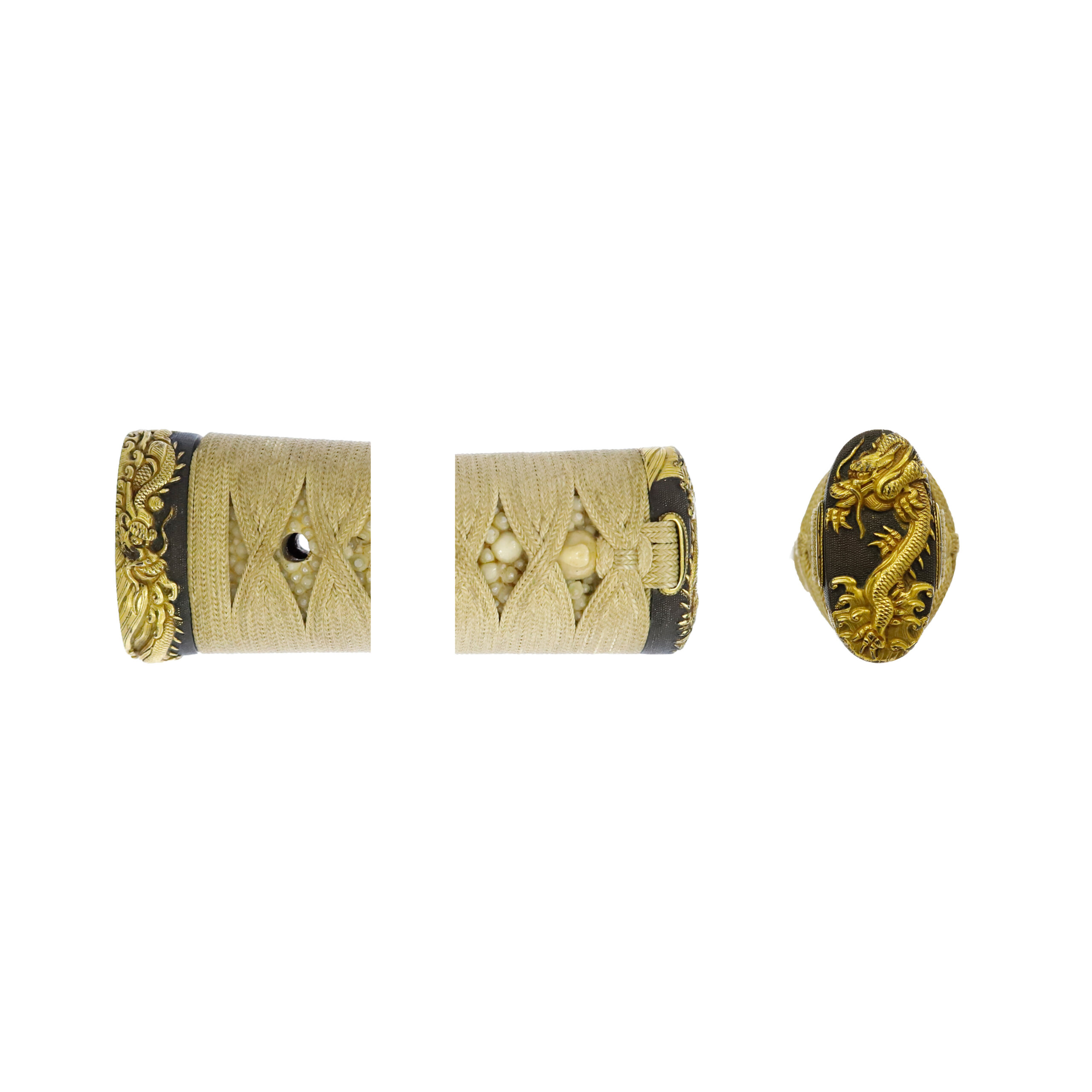
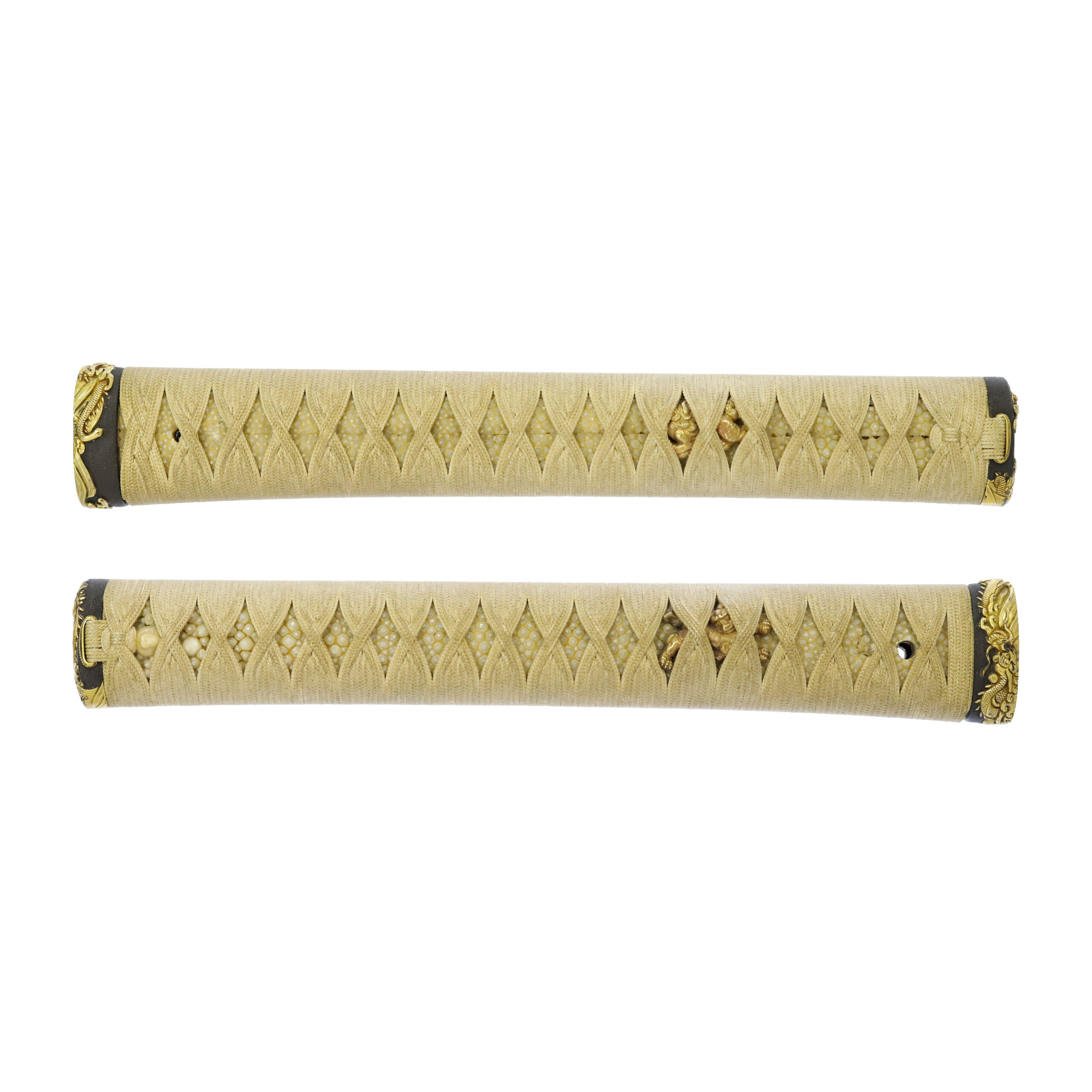
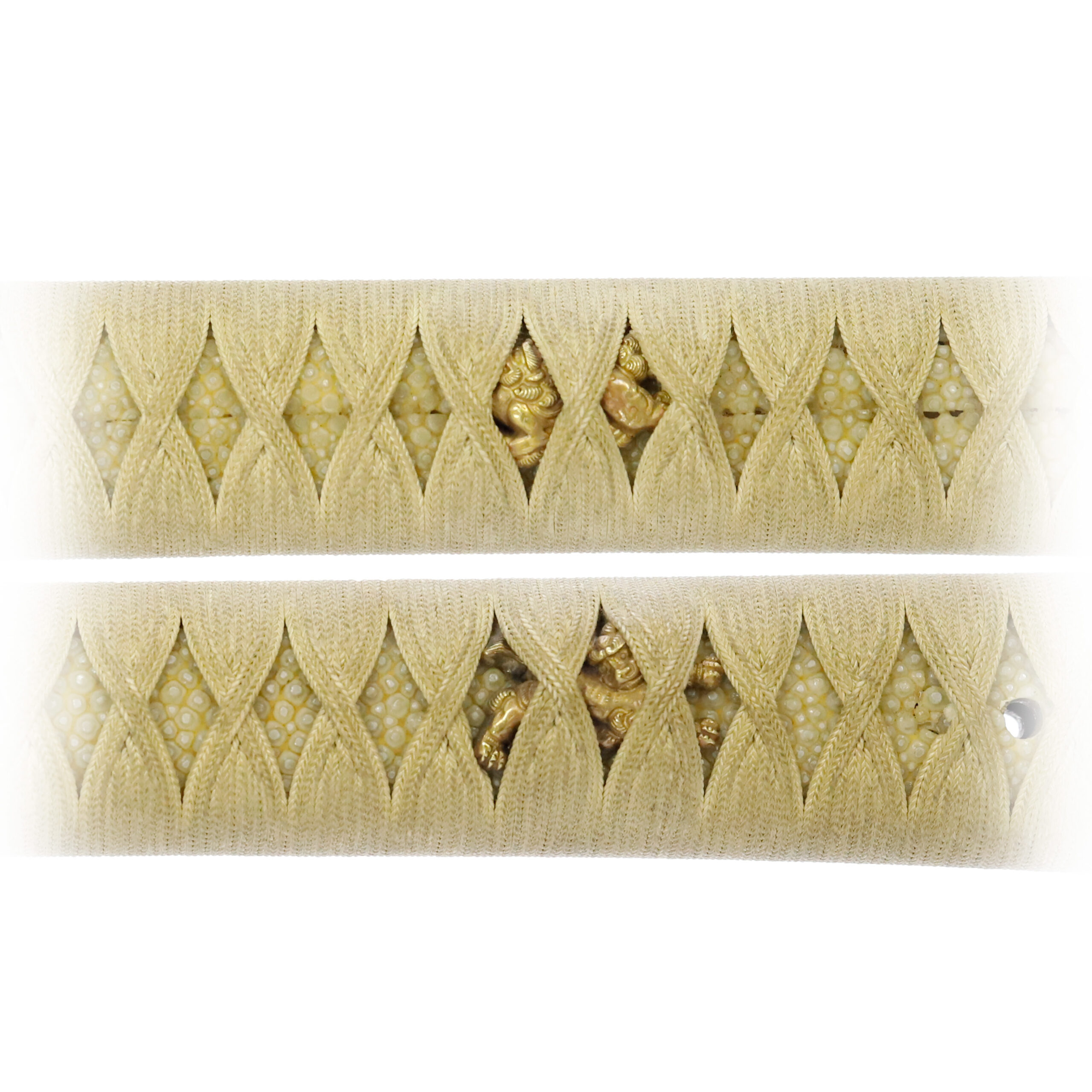
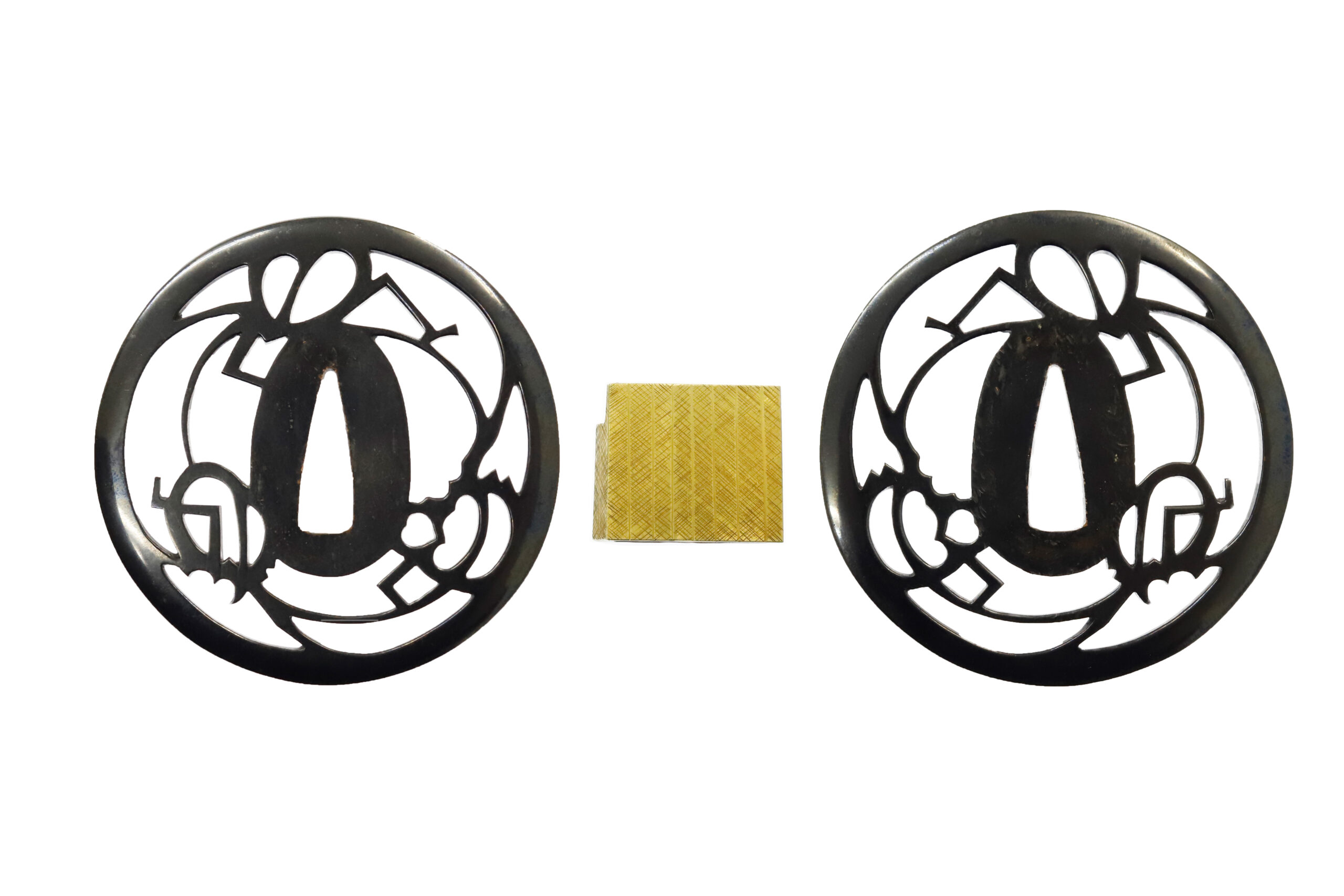
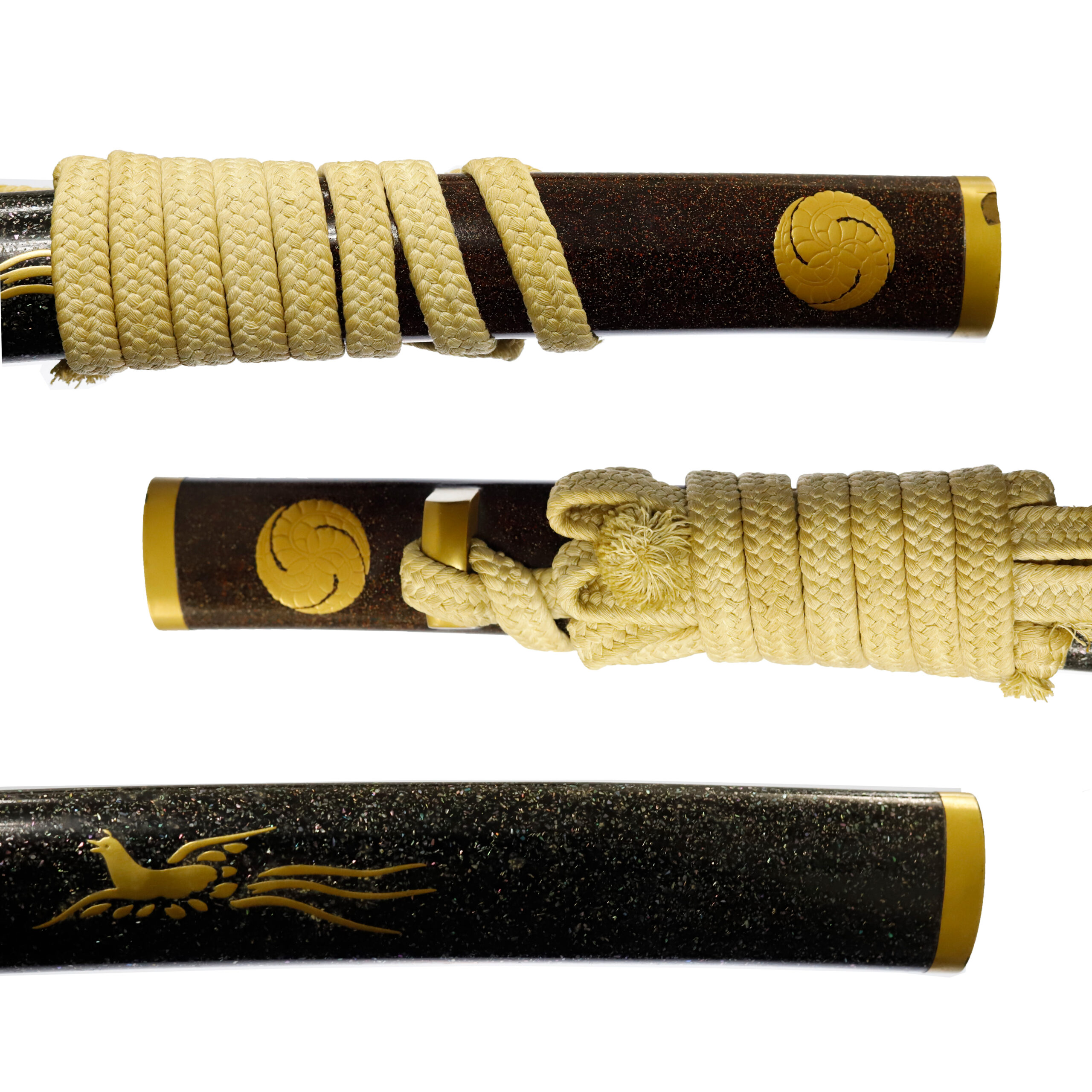
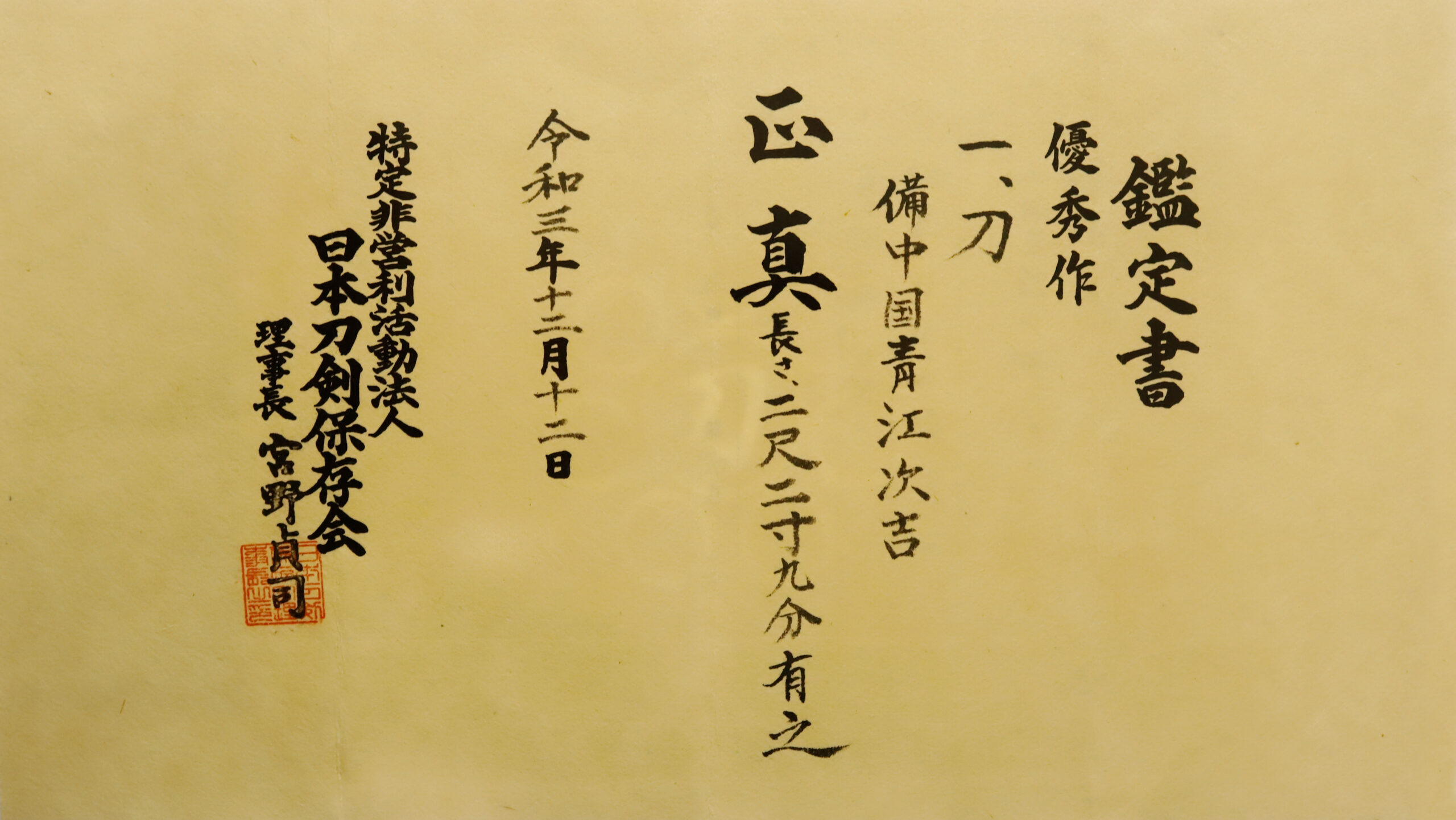
This blade is attributed to Bitchu Aoe Tsuguyoshi (備中青江次吉) in the Joji era (1362-1368: Mid Nanbokucho period), according to its NTHK appraisal. Bitchu is the province in today’s Okayama prefecture, and Aoe is the school to which Tusuguyoshi belonged. Tsuguyoshi was one of the most prominent figures in this school during the mid-Nanbokucho period. Aoe school was founded by Yasutsugu (安次) during the late Heian period (Early 12th century), and it was located in today’s Kurashiki town, Okayama prefecture. In Bitchu province, there were two prestigious schools during that time. One is Aoe school, and the other is Seno school, established by Noritaka (則高). Aoe school was prosperous from the late Heian to the late Nanbokucho period. Aoe school is divided into three categories in Japanese sword terminology depending on the period. When the blade is from the late Heian-mid Kamakura period, it is called *Ko-Aoe (Old Mihara). It is called Chu Mihara(Middle Aoe) for those forged in the mid Kamakura-early Nanbokucho period. Finally, Sue-Aoe (Late Aoe) is used for the late Nanbokucho period or later. Based on the NTHK appraisal of this blade, we believe it is categorized as Chu Aoe or Sue Aoe. One of the most famous figures in Aoe school is Moritsugu, who trained Sadatsugu, Tsuguie, and Tsunetsugu. These three swordsmiths were famous for Gobankaji (御番鍛冶). Gobankaji is a unique system created by the retired emperor Go-Toba (後鳥羽上皇), who was enthusiastic about the Japanese sword-forging. He summoned twelve of the finest swordsmiths nationwide, and one swordsmith forged a blade for the emperor each month. Tsuguyoshi was the son of Tusuguie, who must have mastered superb craftsmanship. Bitchu is located near the Chugoku Mountains, where iron sands, one of the essential materials for making Japanese swords, were abundant. Furthermore, BIZEN swordsmiths had close access to the Takahashi River, where they could find water and charcoal. This geological location contributed to the swordsmiths forging high-quality refined blades. When Aoe school flourished in the Nanbokucho period, Japan was tumultuous because the imperial court was split into two sides(south and north). There were many conflicts, and many Samurai were deployed. The Aoe school must have dedicated itself to forging high-quality blades for those Samurai who fought in battles. It is said that they were land owners and Samurai as well. They served the southern imperial court, which ended up losing the battle against the northern imperial court. After the southern side was lost, the school’s property was ended. However, the descendants of a member of Aoe school established another school called Mizuta school in the Muromachi period, and lasted during the Edo period. *Please keep in mind that there is one Kitae Kizu on the Shinogiji. Fuchi-Kashira The surface of this Fuchi Kashira is decorated with the Nanako-Ji (魚子地) technique. This process makes a uniform minimal protrusions pattern by hitting the Nanako-Ji Tagane (魚子地鏨, a chisel for this technique) on a metal surface. This decorative technique is often seen on sword mountings. You would find the figure of a dragon is engraved on each Fuchi and Kashira part. Golden paint is applied to them, and its bright color adds decorativeness to this work. The dragons jump out of the water, showing off their slender, snake-like bodies, and the figures of these dragons are carefully sculpted down to the smallest detail. For example, we could see every detail of their facial expressions, toes, and scales. As mentioned above, the dragons in this work are designed in combination with water. In Japan, there is a belief that worships dragons are water gods. Since rice cultivation has flourished in this country, water is always an essential resource. Therefore, the dragon motif has been familiar to Japanese people for a long time. Initially, dragons were imaginary creatures found in ancient foreign traditions and myths. Furthermore, it is regarded as a symbolic beast of auspicious signs. Its body is likened to nine animals: antlers are deer, the head is a camel, eyes are demons, the neck is a snake, the belly is the Mizuchi (蛟, a mythical animal in Japan that looks like a snake and has a horn and four legs), scales are fish, claws are falcons, palms are tigers, and ears are cows. It was thought that the dragon would reign at the top of all animals because of its odd-looking appearance. Based on our experiences, there are lots of dragon-design sword mountings. We believe many Samurai cherished this beast motif due to its dignified look and probably also religious view. Tsuka and Menuki If you focus on Menuki, you will see the animal. We believe it is the Karajishi (唐獅子). The Shishi (獅子) means a lion in Japanese, and the Karajishi is a lion brought from the continent to Japan in the Toh period (唐, Tang dynasty, 618-907). The same as the Fuchi Kashira, this Menuki is also colored with shiny golden paint. It makes this work look gorgeous and enhances the elegant impression of the entire handle part. The Karajishi typically has curly hair for its head, neck, body, and tail, as seen on this work. In Buddhism, the Karajishi is regarded as a symbol of wisdom, and Monju Bosatu (文殊菩薩, Manjushri Bodhisattva) rides lions. According to a theory, the Karajishi is the origin of Komainu (狛犬, stone guardian dogs that exorcize evil spirits). It shows this animal motif has been familiar to Japanese people since ancient times. Dragons and Karajishis, this handle part is decorated with such auspicious beast motifs. Tsuba and Habaki About the design, we estimate some insects are engraved on this Tsuba. It seems we could find the figure of three insects depicted with an abstract design. Despite no gold or silver decorations, this Tsuba has an attractive beauty of black metal material. We are still determining what type of insects are designed here. We assume they are crickets, dung beetles, or something else. However, we would say that we often find sword mountings with insect patterns. For example, butterflies and dragonflies were cherished by many samurai as lucky charms. Since butterflies change their looks from larvas to chrysalis, it symbolizes being reborn; therefore, the same as the dragonfly, Samurai loved this design. Dragonflies bag preys quickly; their heroic figures were sometimes the object of belief. During the Warring States period, a dragonfly was called the Kachimushi (勝ち虫, winning insect) because of its fearless character; it moves only forward, not backward. In this way, Japanese people have favored some insect designs for a long time. This Tsuba is one of those items that shows such popularity. Saya There is a chipping on this scabbard, it is at the Koikuchi (鯉口) part. Please check the attached photo. About the design, you would find the family crests are designed on it. This crest is called the Jikutsuki Migi Mitsu Fuji Domoe Mon (軸付き右三つ藤巴紋). It is a type of the Fuji (藤, Japanese wisteria) pattern. In addition, a bird figure is also depicted on this scabbard. We would like to propose two possibilities for its model: the Suzaku (朱雀) or the Houou (鳳凰, Fenguang). Suzaku is a member of Shijin (四神, four gods) with Seiryu (青龍), Byakko (白虎), and Genbu (玄武). These spiritual beasts protect the four directions: east, west, south, and north. Houou is a member of four fantasy animals, which is called “Shirei (四霊)” with Kirin (麒麟, Qilin), Kame (亀, Turtle), and Ryu (龍, Dragon), and it is a god beast looks like a combination of chicken and peacock. Houou was considered an auspicious sign in ancient China, and it was believed that Houou would show up when the brilliant emperor appeared. People appreciate its graceful shape in Japan. Authentication Paper NTHK, also known as NPO Nihon Touken Hozon Kai, is the oldest organization for sword authentication of Japanese swords in modern times. It was established in 1889 during the post-Samurai era. They authenticated the blade on Dec 12th in the 3rd year of Reiwa (2021) as Yushu To, which is the highest appraisal in NTHK.
取扱店 サムライミュージアム

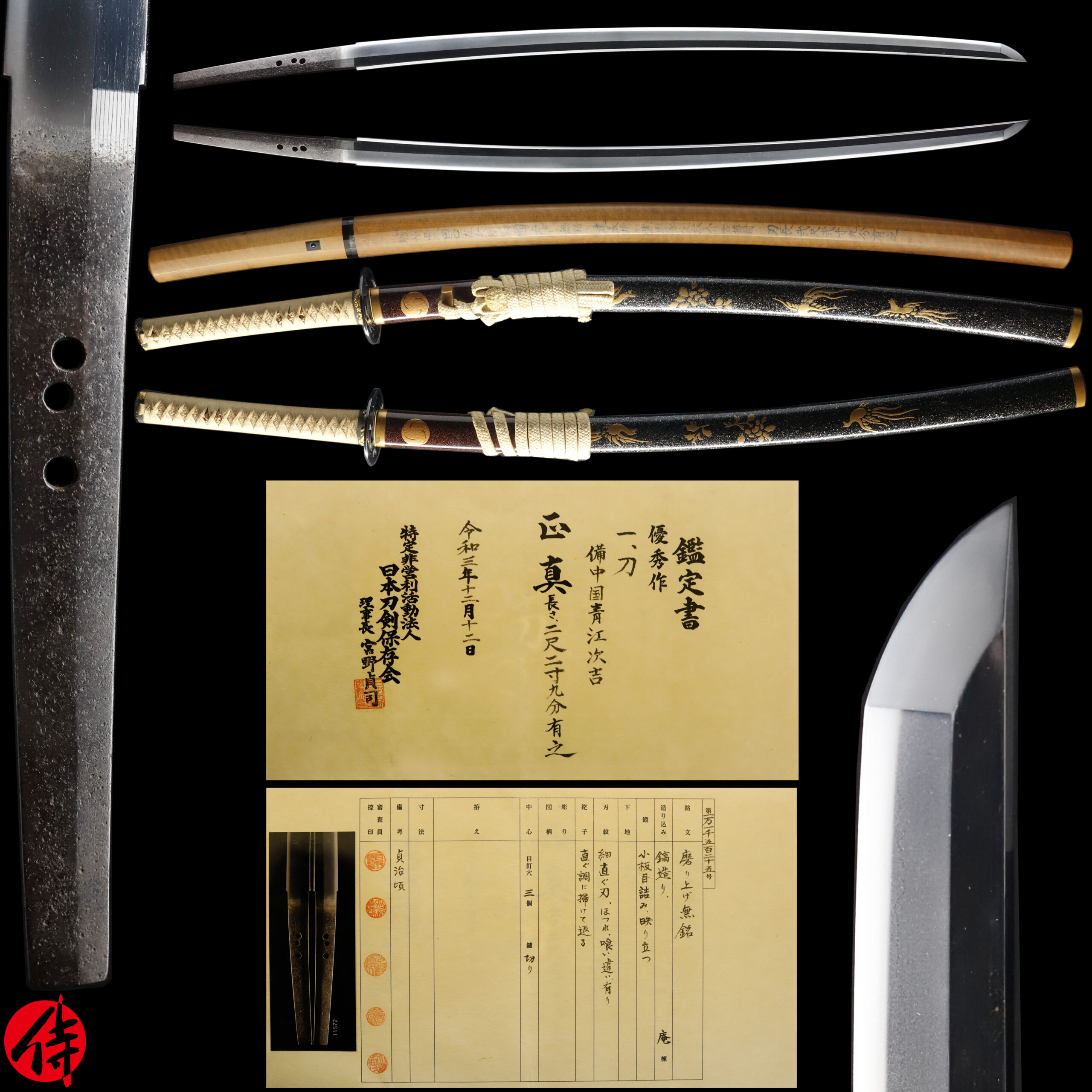
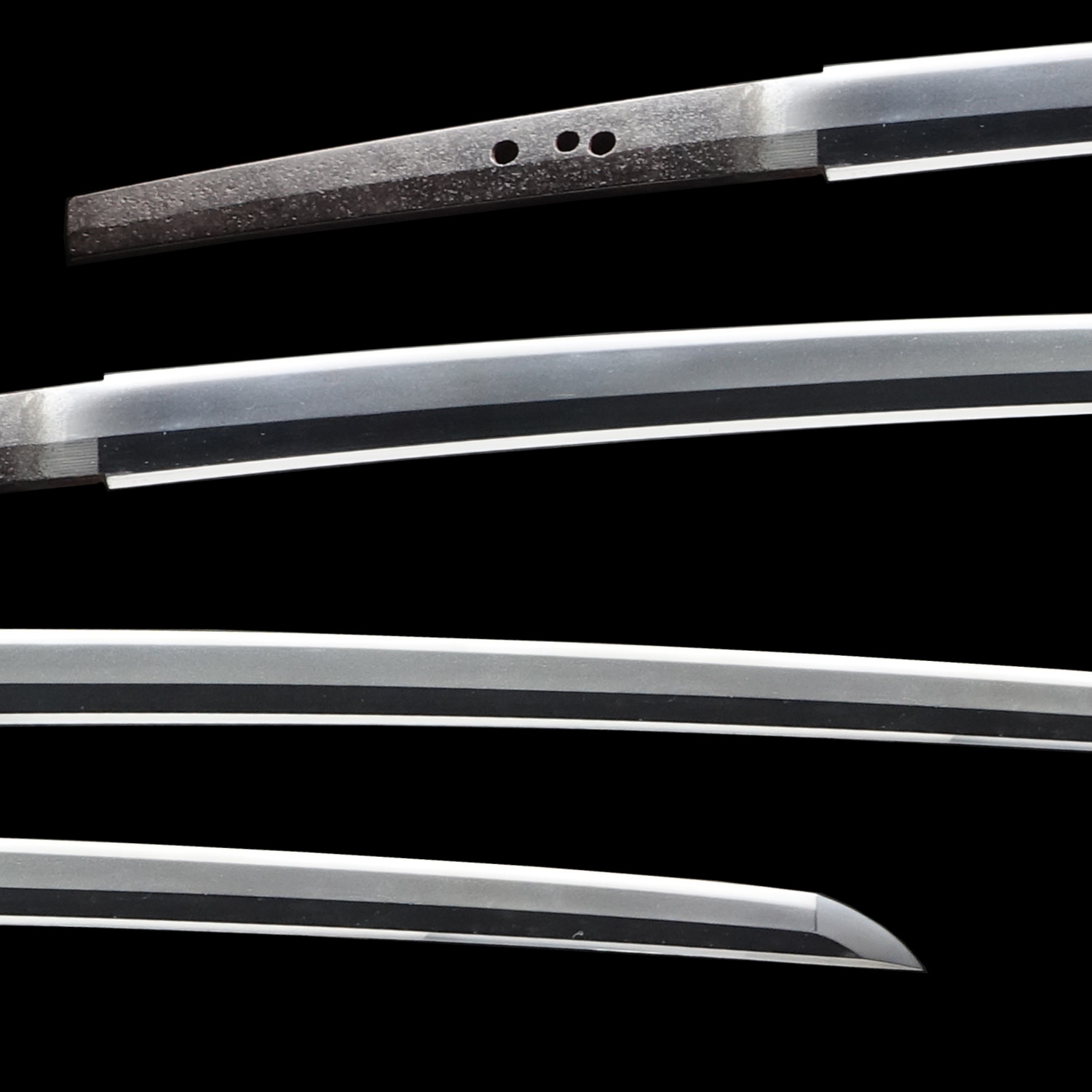
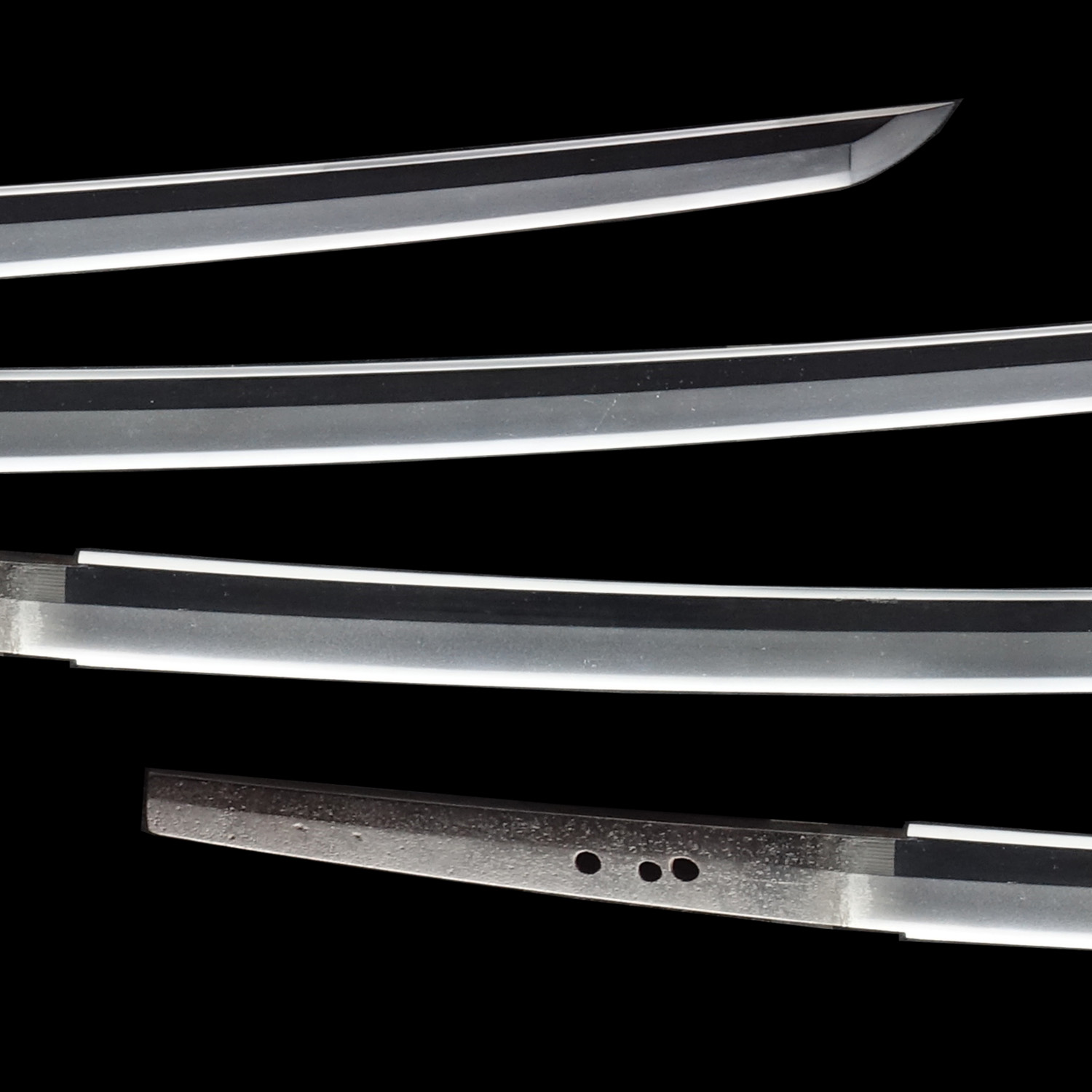
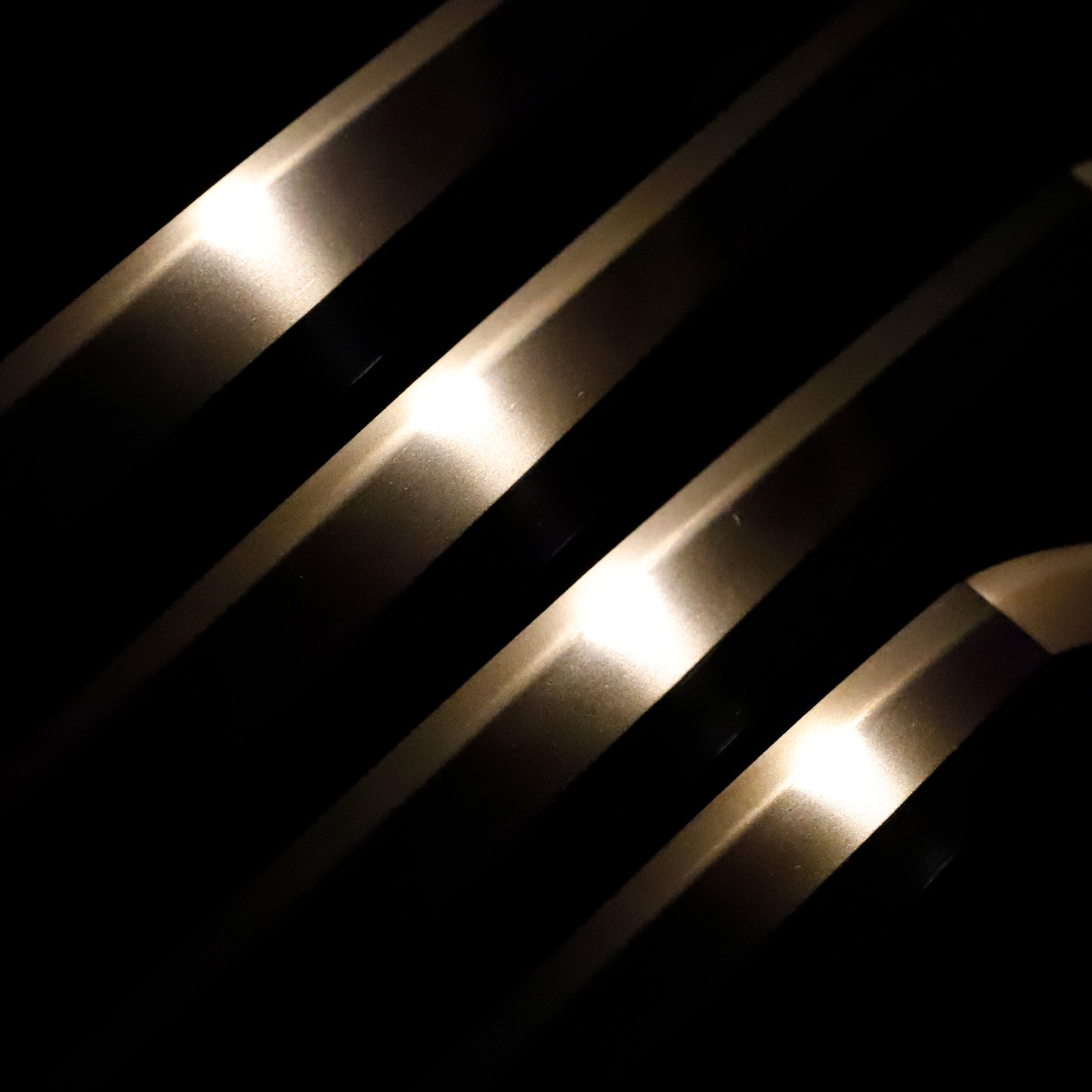
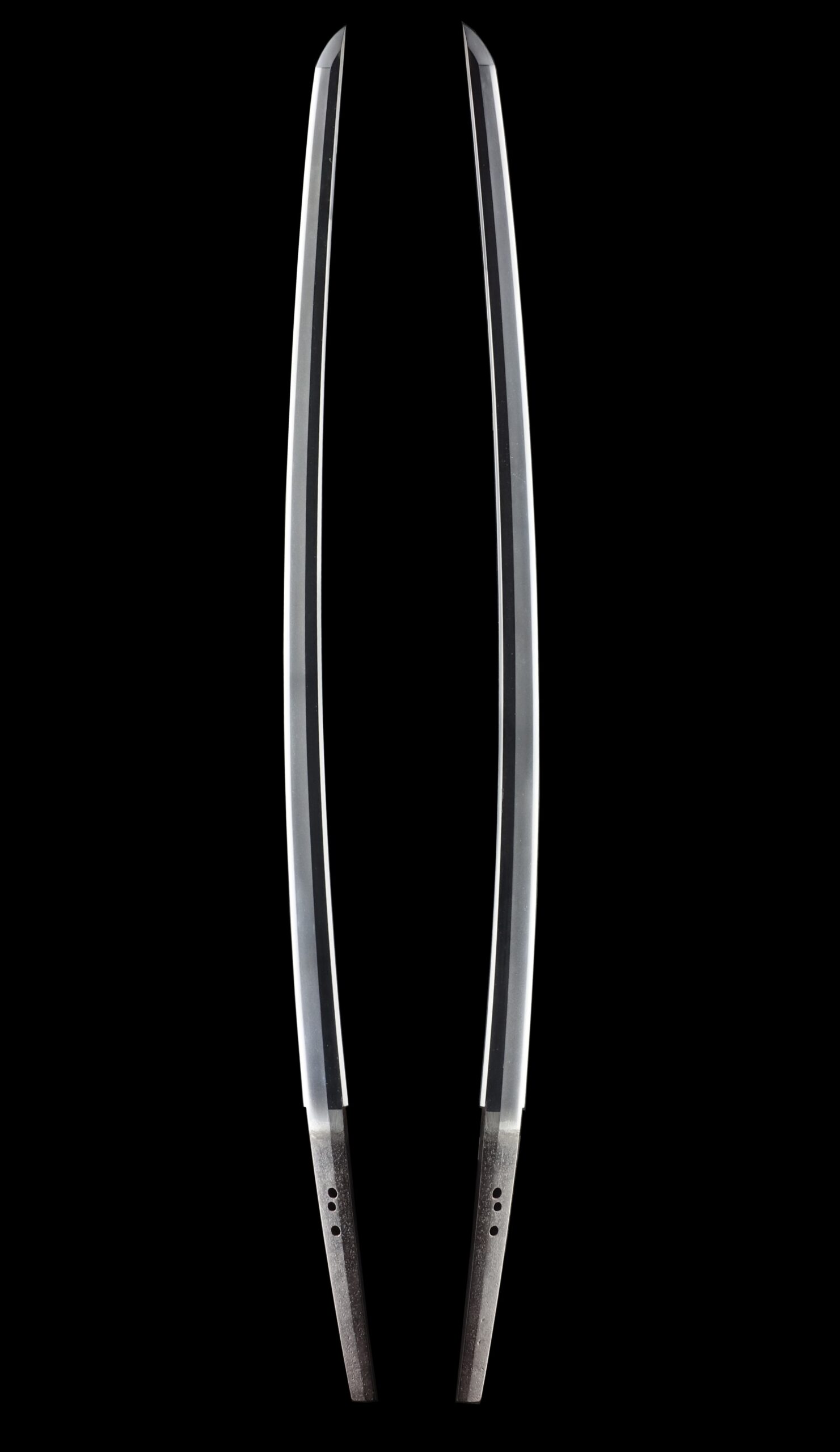
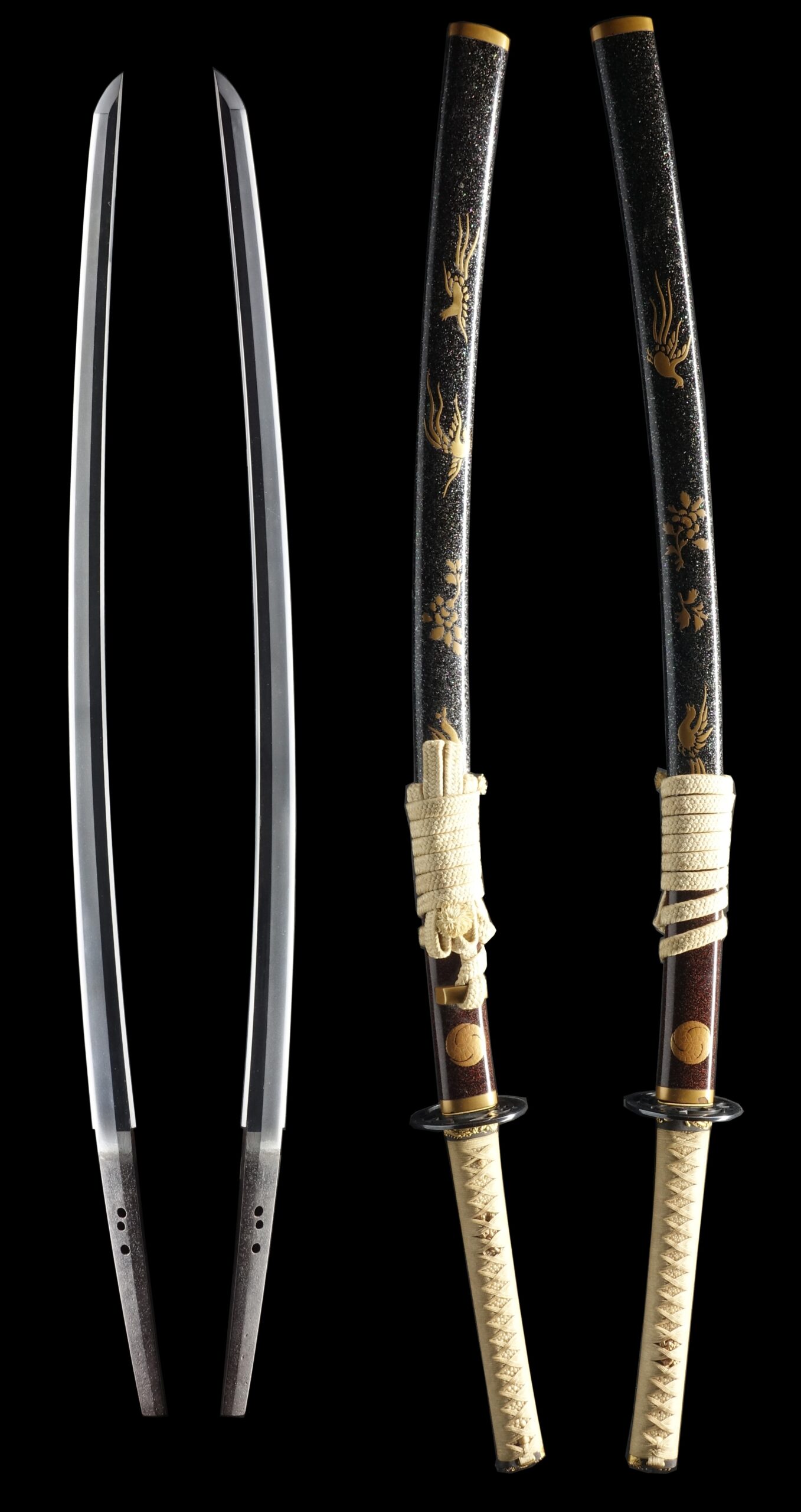
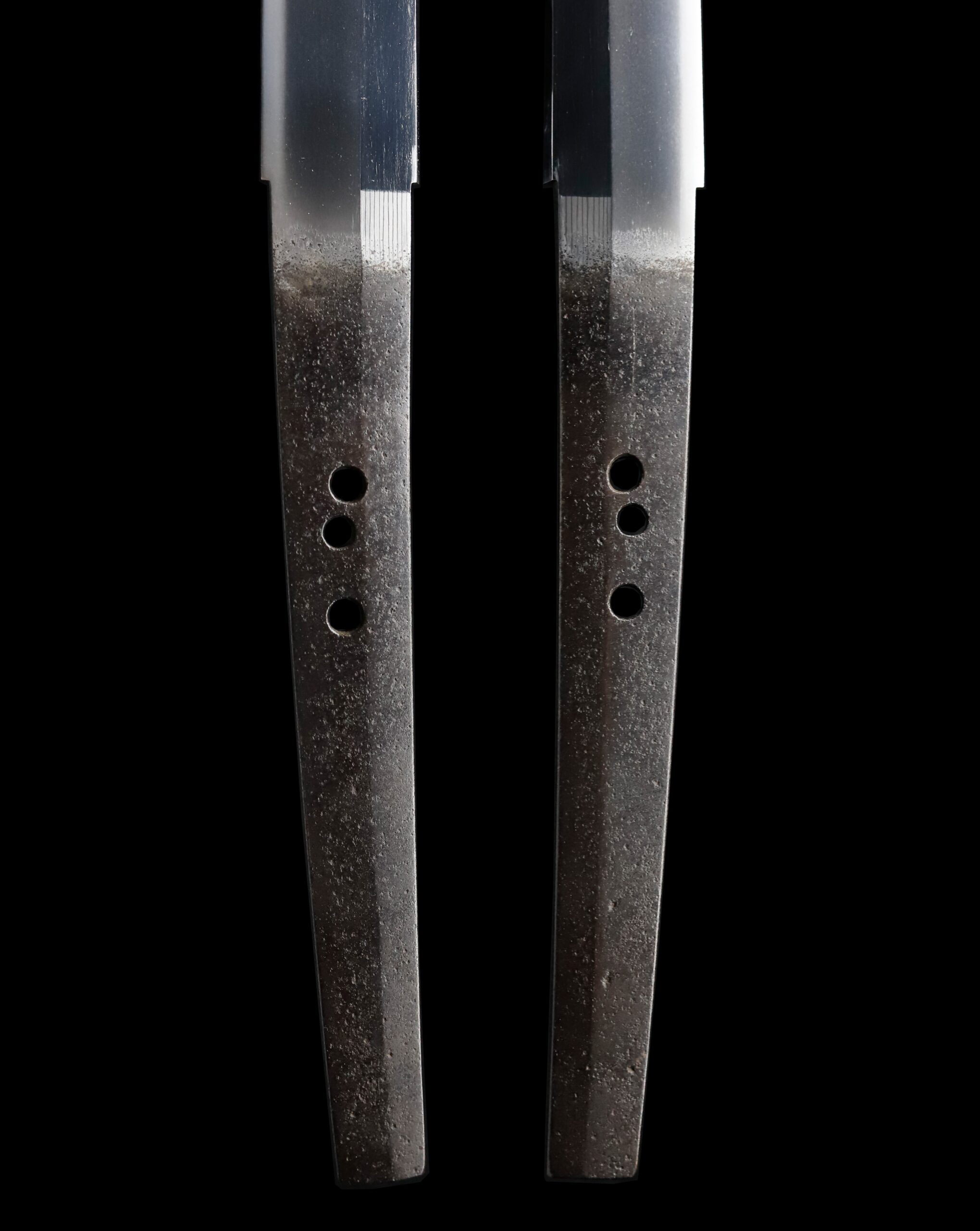
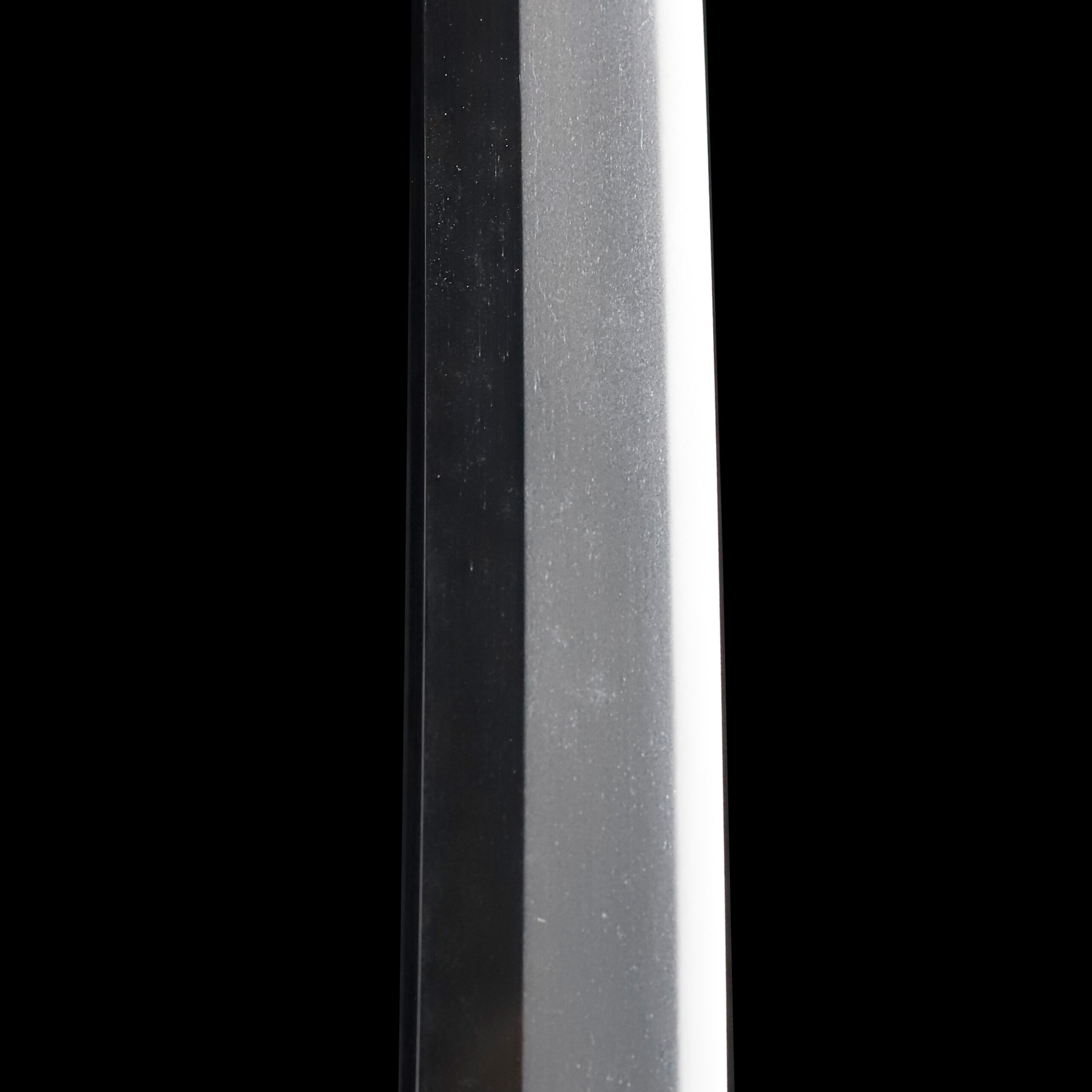
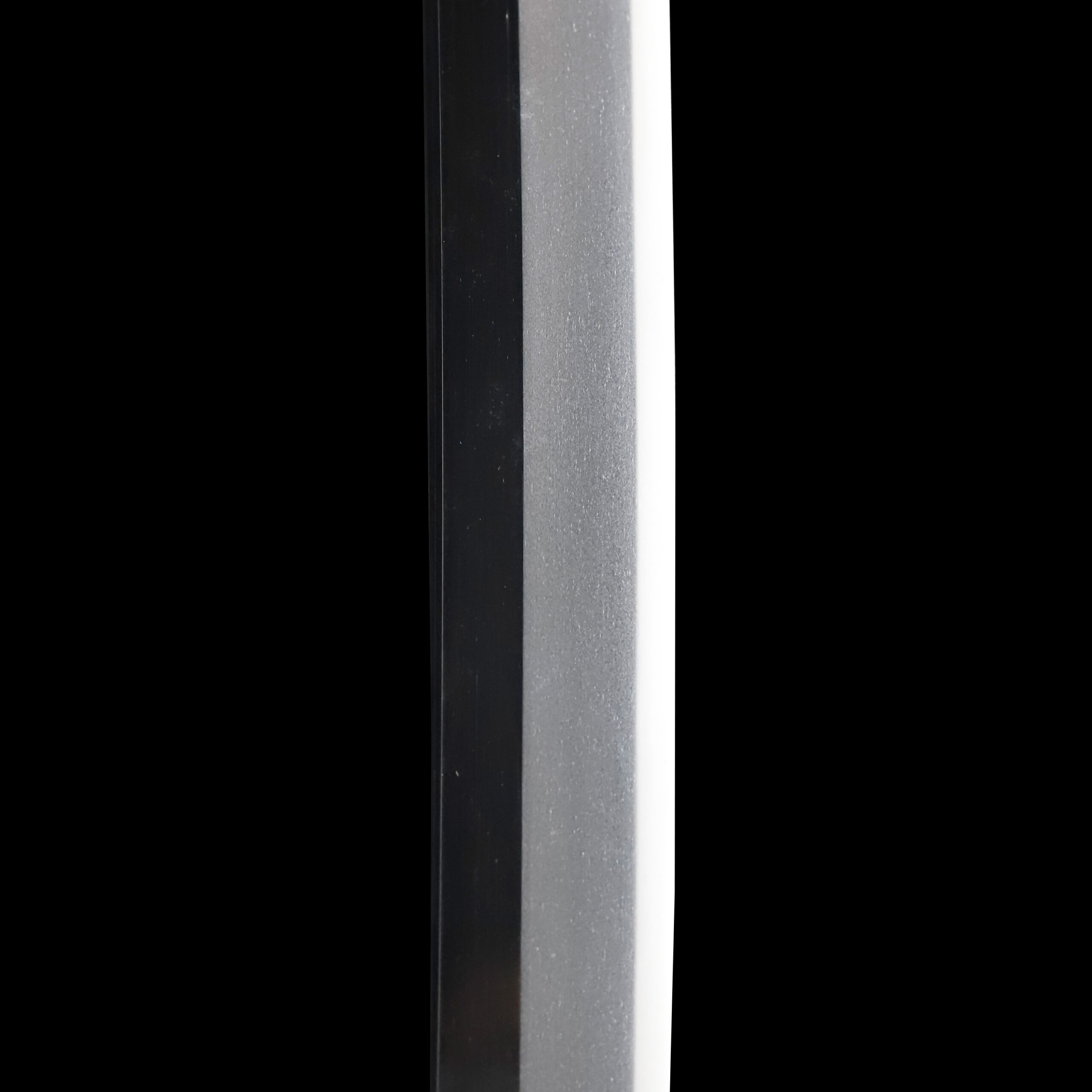
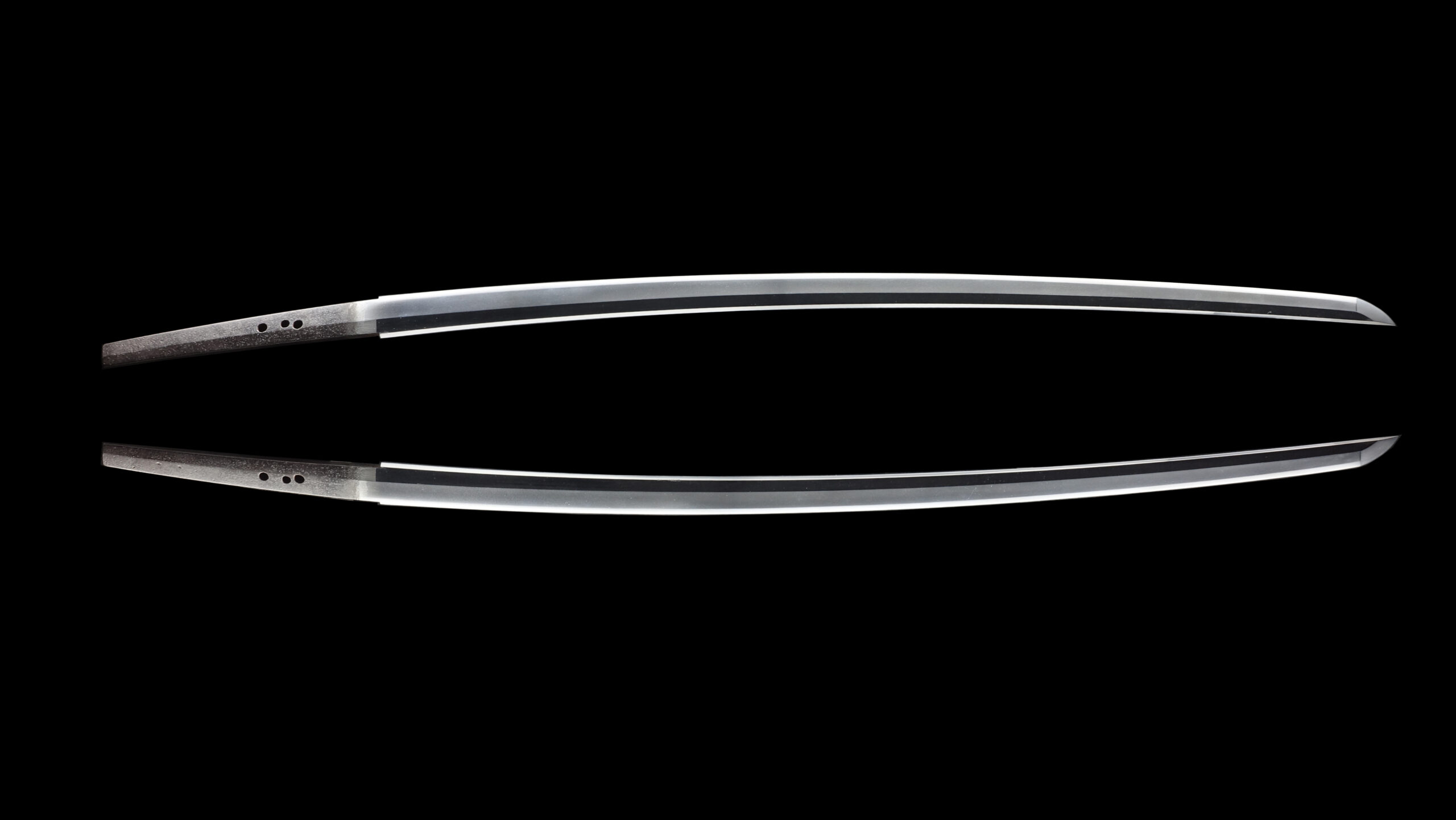
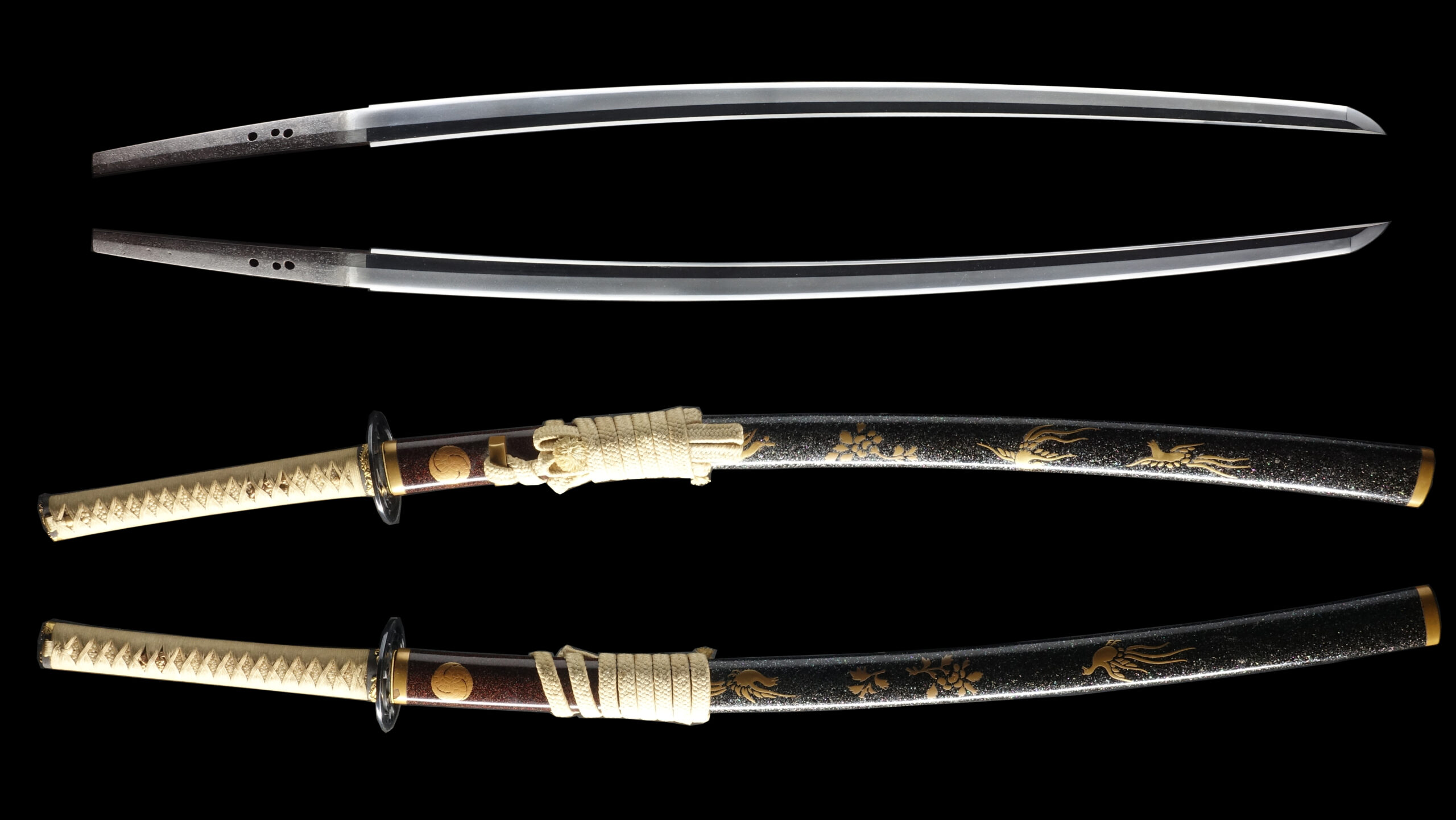
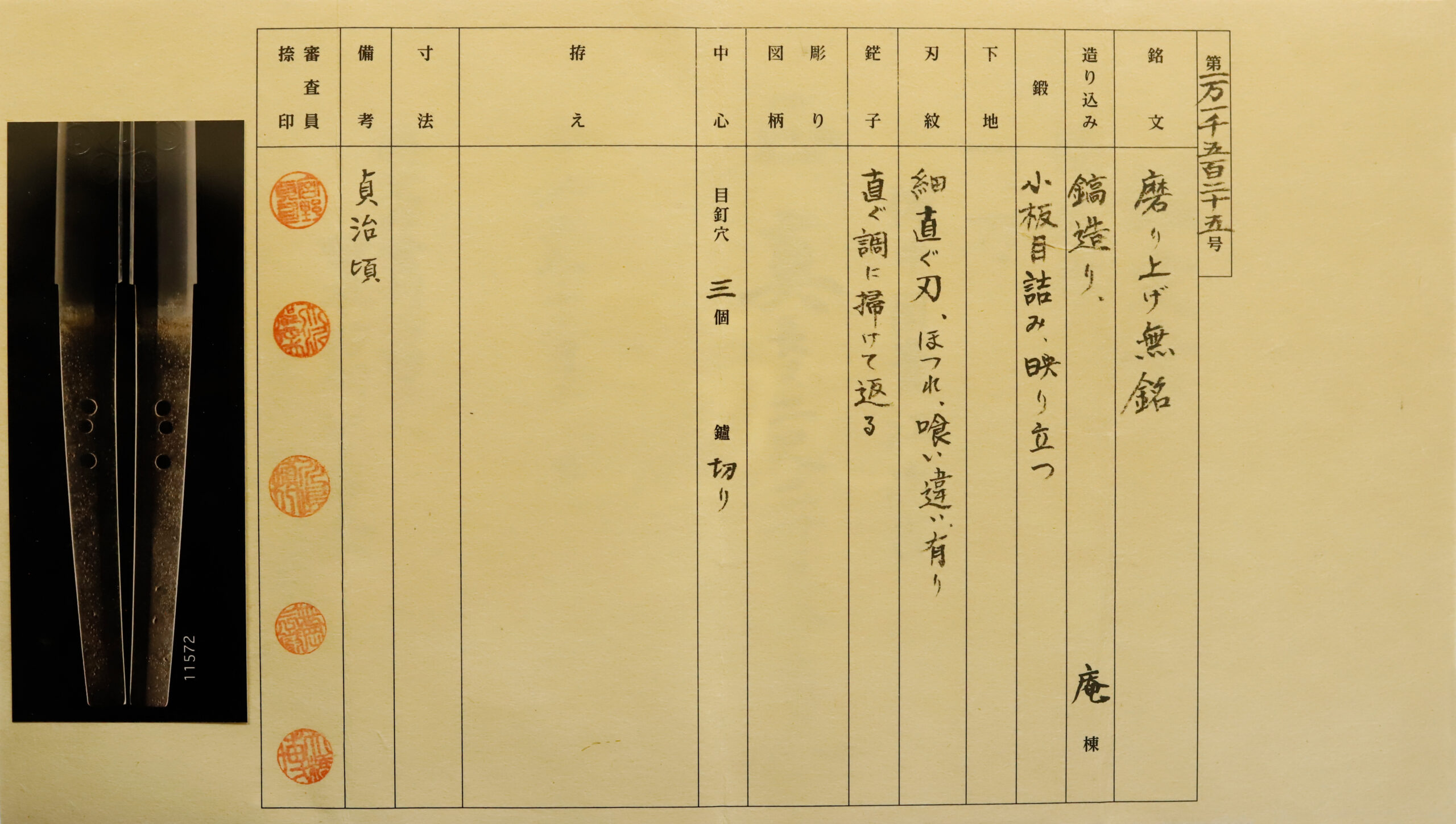
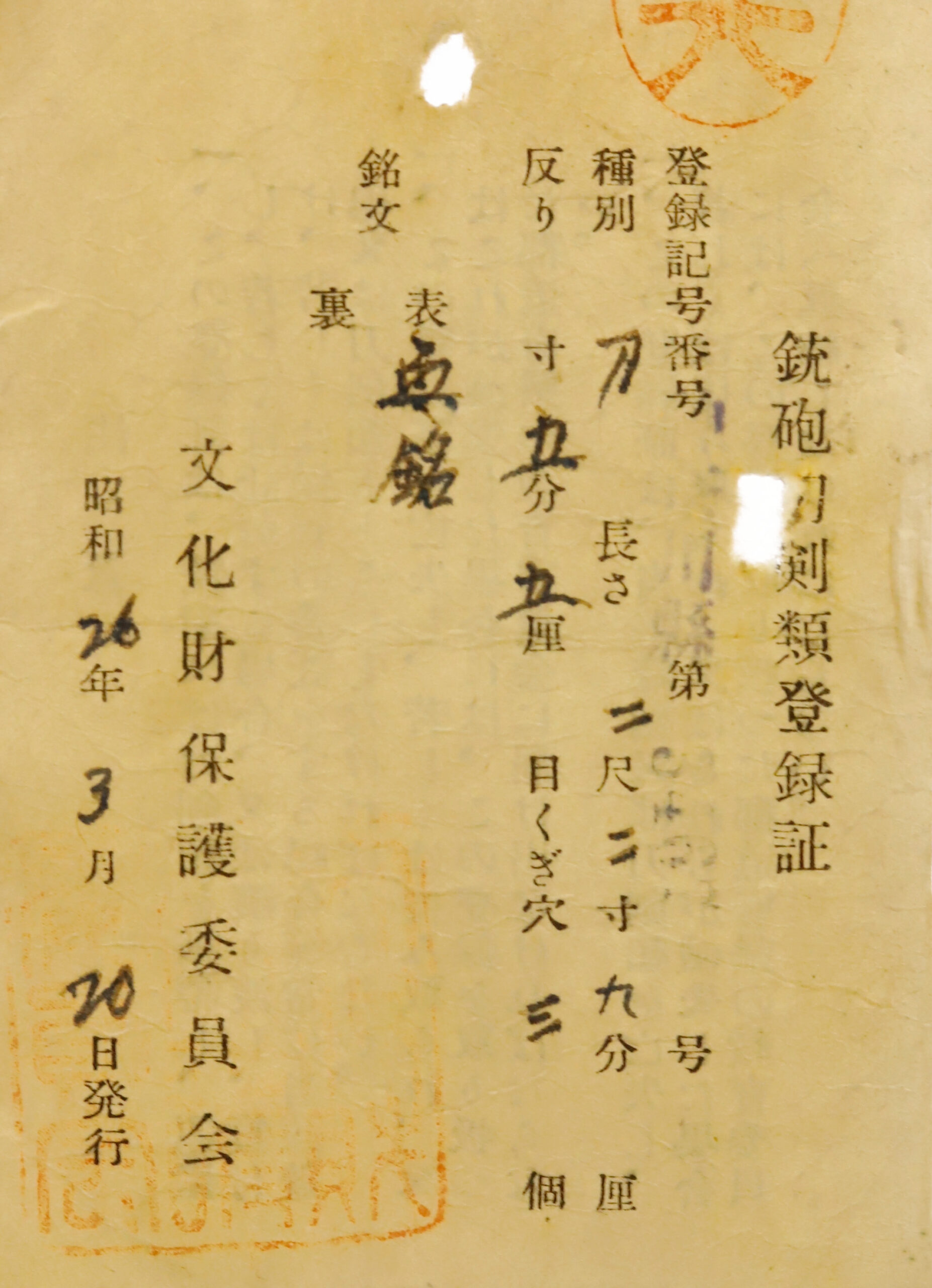
販売店の記載のまま
青江 · 備中 · 1357-1368頃
藤代 上々作
十一世紀初頭の往来物『新猿楽記』は、諸国の名産を列ねるなかに既に「備中ノ刀」を挙げており、その高名を受け継いだのが、高梁川下流域に栄えた青江の刀工たちである。次吉はその一派の南北朝の盛期に立ち、説明書は本工を次直・守次らと並べて十四世紀半ばの代表的な青江工の一人とする。年紀のある在銘作は延文・貞治・康安の各年、すなわち千三百五十年代から六十年代に及び、その大半は身幅広く重ね薄く反り浅い短刀・寸延びの脇指で、時代の姿を飾らずに示す。数口は今も生ぶ茎で、指表に長銘、裏に年紀を切り、その手を一年ごとに辿ることができる。
その作風を説明書が最も丁寧に描くのは、これが二様にきれいに分かれるからである。本工は締まって明るい直刃と、華やかな逆丁子乱れの二つを焼き、判者は二人の青江の名工をめぐって同じ区別に繰り返し立ち返る。すなわち「概して次吉には直刃が、次直には逆丁子乱れが多く」[[c:1]]、いずれの刃文でも匂口は締まって冴える、と。直刃こそ本工の本領の作域である。これらの作で本工は中直刃あるいは細直刃を焼き、処々浅くのたれ、小足・葉・逆足ごころを交え、匂勝ちに小沸つき、刃中に細かな金筋がかかり、匂口は締まってことに明るい。説明書が本工と一派の最大の見どころと名指すのはこの冴えで、すなわち匂口が「しまり、明るく冴える」[[c:2]]ことである。
地鉄が青江の残りの見どころを担う。よく約んだ小板目に、時に小杢を交えてやや肌立ち、地沸が微塵につき、細かな地景が入り、説明書が縮緬肌とも称する地斑状の肌合と澄肌を交じえる。棟寄りに乱れ映りが立ち、優れた作ではさらに刃寄りにも筋状の映りが立って、二つが重なり二重三重の段映りを形成し、かね冴える。帽子は直ぐに小丸となり、しばしば尖りごころに返り、時に返り長く、または少しく掃きかける。茎は一派の掟通り大筋違に鑢をかける。ある康安紀の短刀について判者は、「区際まで深く大胆に焼き下げた帽子の返り」[[c:3]]を特記し、直刃出来には珍しい出来口ながら、品を落とさずむしろ小気味よく仕上げるとする。
第二の作域はより少ない方の面である。僅かな作で刃文は開いて、互の目を交えた華やかな逆丁子乱れとなり、逆足・葉が入り、匂勝ちに小沸つき細かな金筋がかかり、帽子は乱れ込んで尖りごころに返る。同じ作では乱れ映りが顕著に立つ。判者はある脇指を、逆丁子乱れと映りが相俟って同派の特色をよく示す代表作とし、ある年紀の短刀には本間の談として、この南北朝の一派において「最も匂口の冴えた短刀の丁子を上手に焼くのはこの工あるいは次直である」[[c:4]]と記す。在銘作の傍らに第三の記録が立つ。本工と極められた大磨上無銘の刀で、身幅広く豪壮な姿に明暦三年の本阿弥折紙を留め、地斑の現れる板目地と逆足の入る匂出来の直刃ゆえに、判者は個性ではなく地刃からこれを本工の作と首肯する。
同じ一派のうちで次吉を分かつのは、まさにこの均衡である。華やかな逆丁子乱れに傾く次直に対し、本工は二人のうちの直刃の手と読まれる。匂口は両者ともに締まって明るいが、穏やかな刃を選ぶのが本工である。また、その直刃を小沸出来でやや沈んだ匂口とする先行の古青江に対し、本工のそれは南北朝の冴え、締まって明るく延べたものである。判者は直刃を本工の「お家芸の直刃」と呼び、これを焼いてその本領を発揮するとし、その優作を同作中傑れた出来映えと名指す。
収集の観点では、本工は手の届かぬ稀品というよりは、確かな格をもつ南北朝の名である。藤代の極めは上々作。国宝はなく重要文化財もなく、その記録は近代の指定を通じ、十四口が特別重要刀剣・重要刀剣の級にあり、うち二口が特別重要刀剣である。説明書は生ぶで年紀のある在銘作を同工研究の好資料として貴び、ある特別重要刀剣の脇指を同作中傑出の出来とする。その来歴は大名家を通る。梅鉢紋を金蒔絵で八個配した黒蠟色塗合口拵を伴って前田家に伝来した特別重要刀剣の脇指があり、本阿弥折紙と紋散らしの短刀箱を留めて閑院宮家に伝わった短刀があり、さらに前田家・有馬家に伝わる作が記録される。在銘の次吉が世に出ることは多くなく、指定を受けた作の大半は売買されず手元に置かれるが、重要刀剣の短刀や脇指は折にふれて姿を見せ、年紀のある在銘の一口は、備中青江を集める者が望み得る最も辿りやすいもののひとつである。
次吉の位置づけを、日本刀全体および伝法・時代・時期ごとに示します。各区分(随一・屈指・有数・著名)は、NBTHK および文化庁による指定に加え、三作や名物帳などの歴史的栄誉を加味したものです。
各項目を選ぶと評価方法が表示されます。
在銘年紀作が示す、確実に活動していた年代
備前伝 · 備中
時期区分: 末青江· 1334–1500
現在19点販売中
末青江は備中青江派の最終局面にあたり、建武の頃を起点として南北朝時代を通じ、室町期へと連なる時期の作を指す。建武頃の年代色を示す守次の太刀から、文和・延文・貞治・康安・貞和といった年紀を有する次吉の諸作に至るまで、この区分の代表工は次直・次吉・守次・直次らであり、いずれも説示において南北朝時代中期の青江派を代表する刀工として並び称される。鎌倉時代末期から南北朝初期にかけての作と、延文を中心とする最盛期のそれとでは作風になお相違が認められ、後者において幅広く反りの浅い時代姿と締まって冴える刃境とが揃って表れる。鎌倉中期までの古青江、その後を承けた中青江の作域を受け継ぎつつ、南北朝の体配と地刃へと一派の風が移ろった段階がこの末青江である。 作風の核は段映りと匂口の締まりにある。地鉄は小板目に杢を交えてよくつみ、地沸が微塵に厚くつき、地景が細かに入り、鎬寄りに乱れ映りが立ち、刃寄りに筋状の映りが二重三重に並んで段映りを形成する。短刀や脇指には澄肌や地斑調の肌合が交じり、ここに古青江以来の縮緬肌の系譜がうかがえる。刃文は直刃を基調に小互の目・角ばる互の目・小丁子を交え、処々逆がかり、小足・逆足・葉が繁く入り、匂勝ちに小沸がつき、匂口が締まって明るく冴える。次吉に直刃が多く、次直に華やかな逆丁子乱れが多いという二様の作域があり、いずれも匂口の締まりと冴えを身上とする。古青江が小沸出来で匂口のやや沈んだ直刃に小乱れを交え、精美な縮緬肌に段映りを見せたのに対し、末青江は身幅広く寸延びて重ねの薄い南北朝姿をとり、匂口の締まりと冴えをいっそう際立たせる。中青江の作と比しても、逆がかる刃と段映りの強調にこの期の特色が表れる。 鑑定の要点は、段映りと逆がかる刃、そして締まって冴える匂口の三点に置かれ、大筋違の鑢目もまた同派を分かつ手掛かりとなる。主要工としては直刃を得意とする次吉、逆丁子乱れを得意とする次直、建武頃の力強い体配を伝える守次、暦応の年紀に逆鏨鋭い長銘を残す直次が挙げられる。代表作には、延文二年紀の前田家伝来の脇指、康安二年紀の帽子を区際まで焼き下げた短刀、貞治の年紀を備えた脇指などがあり、無銘ながら大磨上げに南北朝の姿を伝え貞次・次吉と極められた優品も少なくない。塚本素山旧蔵の吉次在銘短刀のごとく、徳川家綱より姫路酒井家へ伝わった一口も知られ、伝来の確かさを併せ持つ作が末青江の到達点を示している。 詳しく見る →
南北朝時代の備前
二つの朝廷が争った六十年、刀身は長大化し、長船がその需要に応えた。兼光と長義の工房は実際に戦う国人層の武士に仕え、軍勢とともに相州風が届いて相伝備前が生まれた。
NTHKの最高位で、年に一度の審査において、出来・保存状態・資料的価値の傑出した作に与えられます。通常の鑑定書より上位の評価です。
NTHK(日本刀剣保存会)は、NBTHK(1948年設立)に先立つ1910年に創立された、日本で最も古い刀剣鑑定団体です。長く会を率いた会長の没後、NTHKとNTHK-NPOの二つに分かれ、いずれも審査を続けています。NTHKの鑑定書は、点数と審査員の所見を併記する詳細な審査表が特徴で、特に無銘作の極めに定評があります。
Returns/exchanges limited to defects caused by shipping (except willful misconduct or gross negligence by the company); customers must contact within 72 hours of receiving the product.