 NihontoWatchNihontoWatch
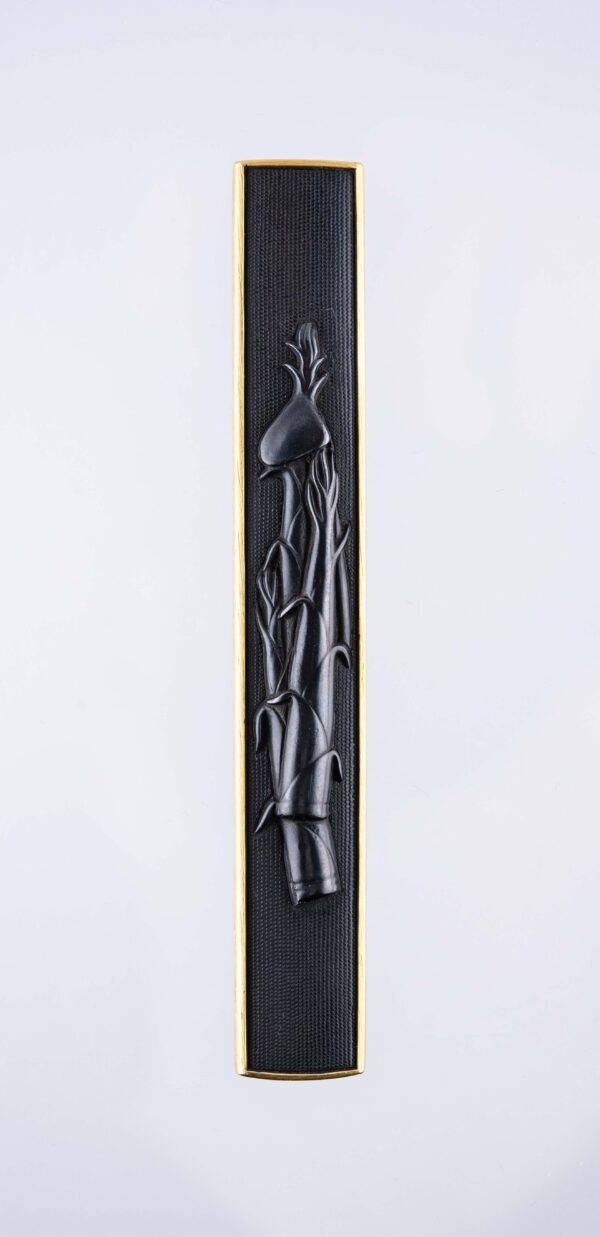
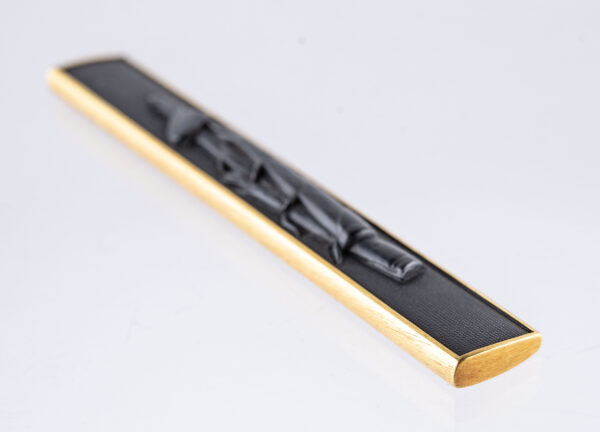
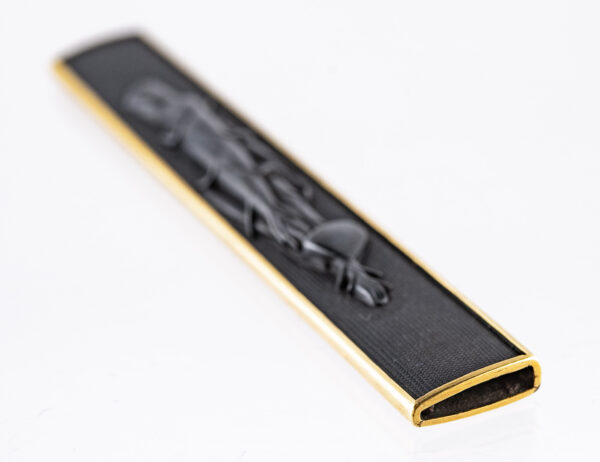
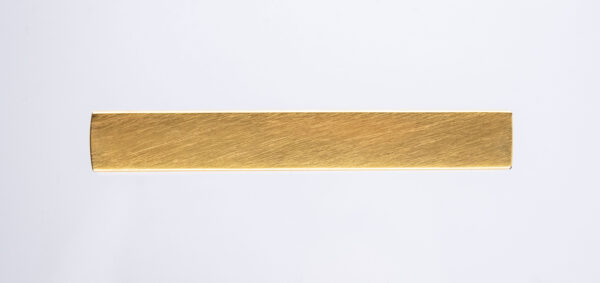
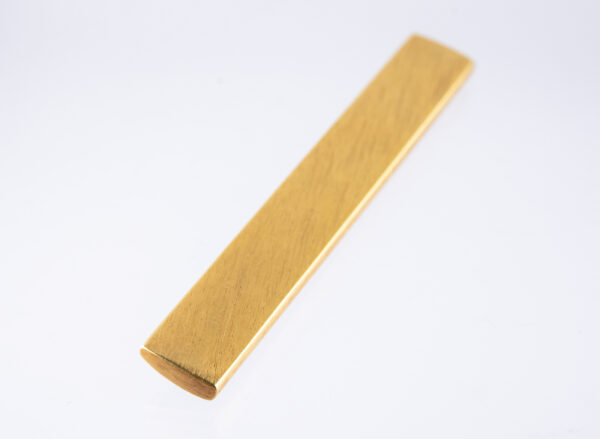
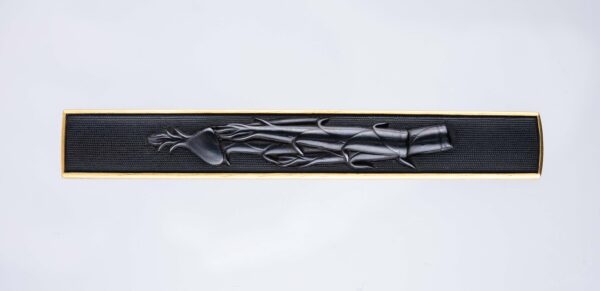
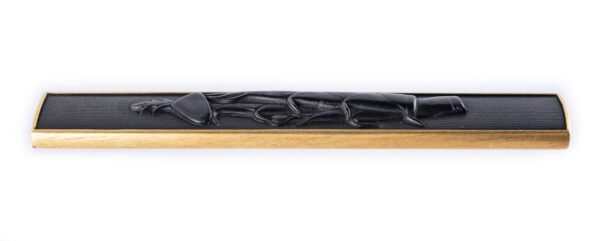
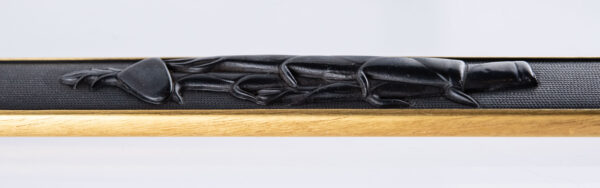
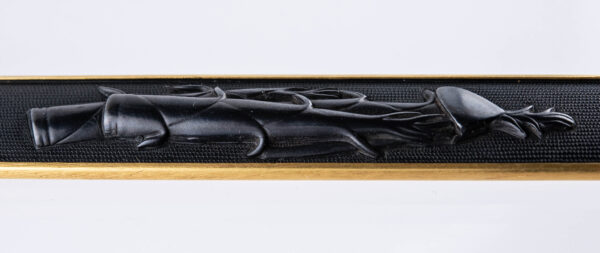
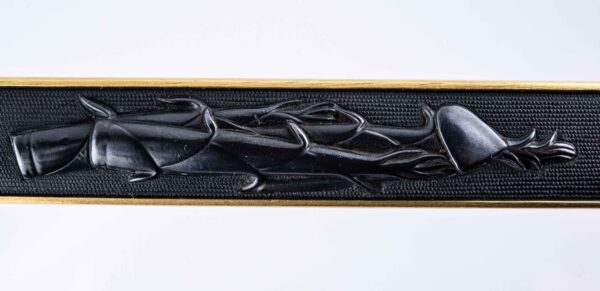
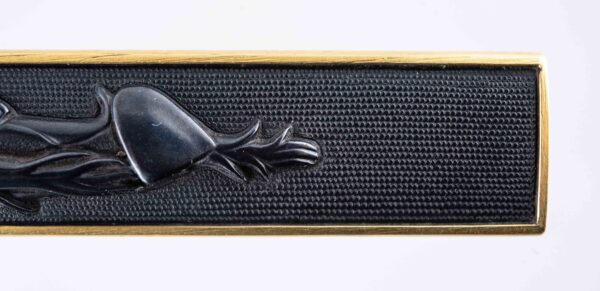
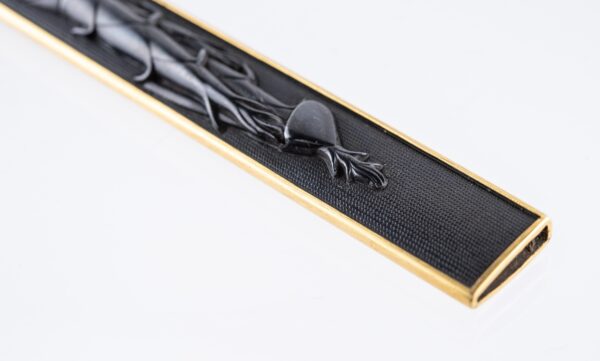
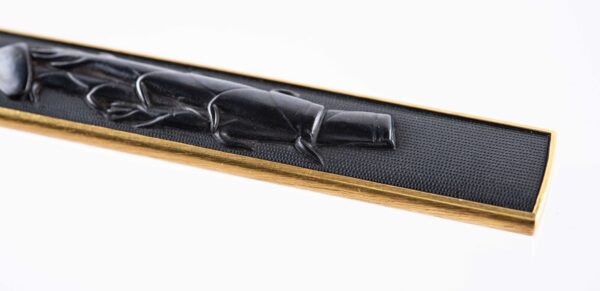
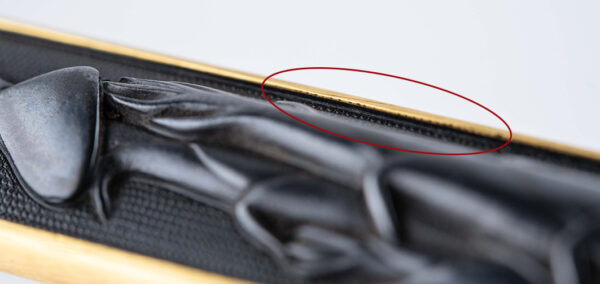
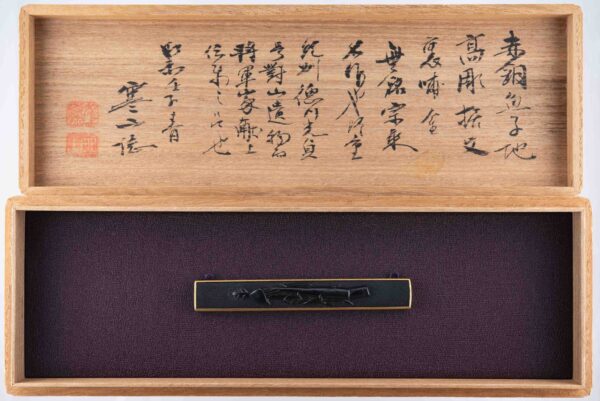
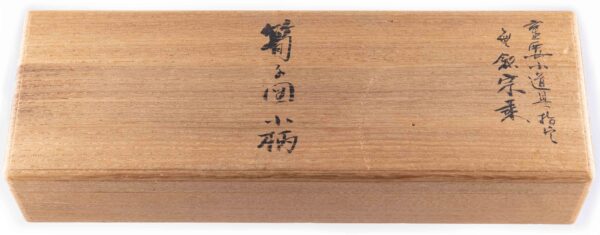
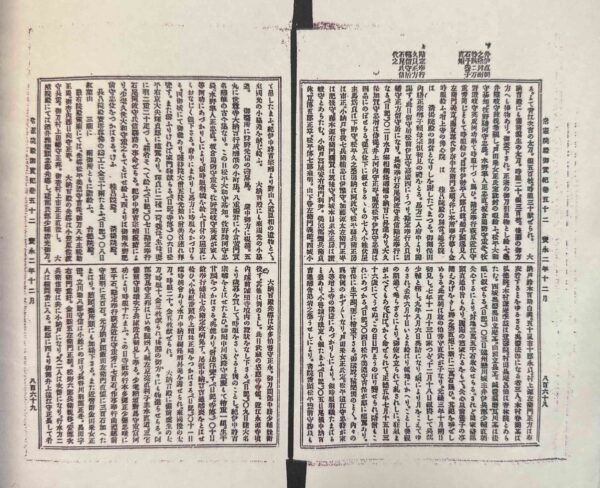
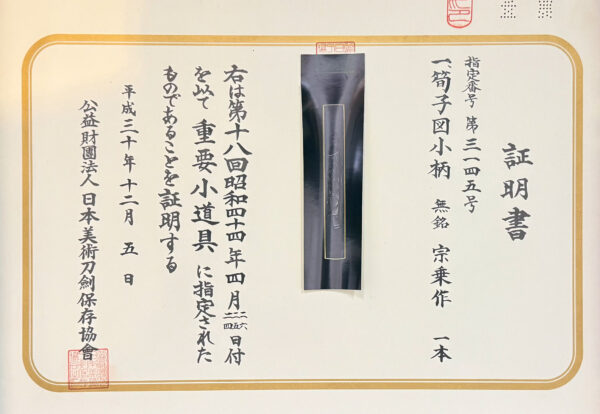
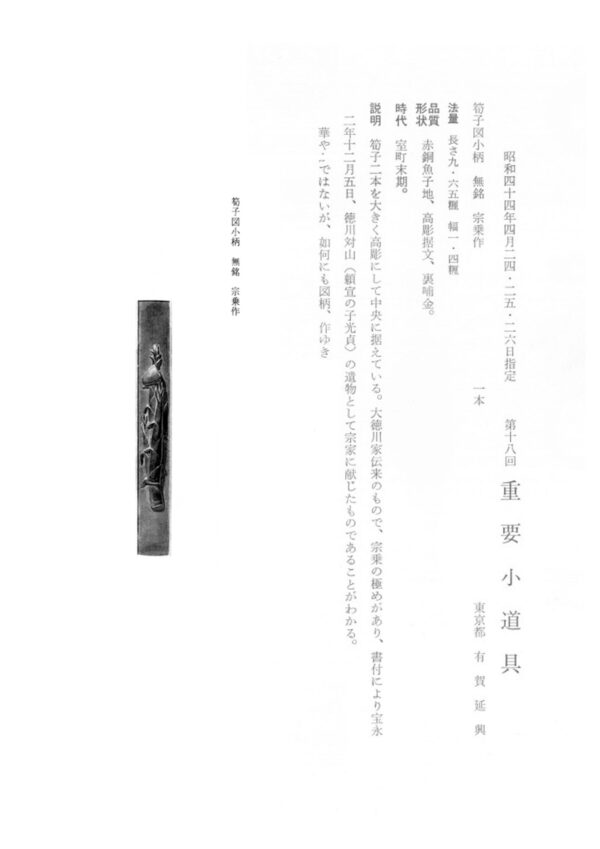
Being about 500 years old, this Kozuka is a truly magnificent extant piece of Japanese history. It was made in the midst of the Sengoku jidai, a period marked by fragmented political authority and constant conflict over regional supremacy. Kyoto being still the formal seat of the emperor and the Ashikaga shogunate – whom Goto Sojo was a retainer of – had lost much of its former stability. The city’s economic and cultural life persisted but was repeatedly disrupted by shifting military occupations and the weakness of central governance. Although the shogun technically resided in Kyoto, real power was dispersed among competing daimyos, leaving the capital symbolically important but politically fragile. During these warring times the early Goto Masters (Yujo 1st, Sojo 2nd, Joshin 3rd) being Samurai themselves and involved in the war created the most magnificent pieces of art as can be seen here. It is the more astonishing that this Kozuka survived in pristine, almost perfect condition. As the Juyo certificate states, this Kozuka was part of the Tokugawa collection and was donated as being a relic from the possessions of Tokugawa Mitsusada, who became the eighth Tokugawa Shogun in 1667. A copy of the document supporting that fact is attached and can be seen in the pictures. The donation happened 320 years ago at a ‘commemoration of the sacred treasure’ event at the Joso-in in December 1705 shortly after Mitsusada has passed away. As already pointed out, this Kozuka has been preserved over 500 years with little or no wear. It was made from Shakudo covered with gold foil which bears the typical fine yasurime of the early Goto. The Mon is made in takabori technique where the design element is created from the base plate by hammering down the surrounding area. A very important trait and almost invisible to the naked eye are the small marks along the upper rim of the golden frame (see last picture). These are traces from the Nanako Chisel and are proof of the original condition of this Kozuka. First, they show that the Nanako was made after the gold was attached to the outside in the so called ‘Jibori Suki Sage’ technique, which was only used until the Momoyama jidai, and second they are proof that the gold has not been replaced later and the piece was never restored by a later master thus retaining its original appearance over the centuries. This Juyo Kozuka depicts young bamboo shoots, and a hoe. These two together represent the story of Moso, a well-known tale of filial piety that circulated widely in East Asia and is also found in Japanese tale collections. In this tale, a man named Moso is devoted to caring for his dying mother who craves for a last supper of bamboo shoots. Though it is winter and bamboo shoots do not grow in that season Moso travels miles through the snow to find some. When finally he starts digging in the snow, the gods show mercy and miraculously some young bamboo shoots appear. He heads home and fulfills his mother’s last wish. It is rare to see these large designs by Sojo which cover almost the entire plate of the Kozuka and the high relief work creates a beautiful strong and elegant impression. The deep black shakudo speaks for a high percentage of gold of at least 5 % being used. It is said that Kozuka made before the Edo period only depicted horizontal design elements and that Yokoya Somin was the first master to create vertical Kozuka designs. However, as we can also see from the direction the Kozuka is depicted in the Juyo paper, this piece might already have been made with a vertical design long before Somin was even born. This Kozuka comes with an old high quality Kiri wood box which was inscribed with a Hakogaki by Sato Kanzan one of the former Directors of NBTHK. The historical value, the provenience and its condition make this Kozuka a true masterpiece and rare artwork which very well deserves the rank of Juyo Tosogu. This is the third Kozuka from Sojo ever to receive the Juyo Rank in the 18th Juyo Shinsa 1969, April 24.

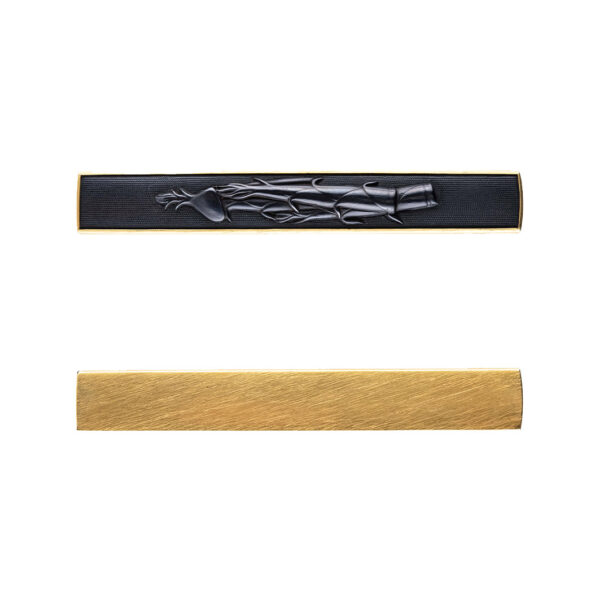
後藤宗乗
室町(1461-1538)
第18回重要刀装具 (NBTHK)
筍子二本を大きく高彫にして中央に据えている。 大徳川家伝来のもので、宗乗の極めがあり、書付により宝永二年十二月五日、徳川村山 (頼宣の子光貞)の遺物として宗家に献じたものであることがわかる。 華やかではないが、如何にも図柄、作ゆきがゆたかで味がよい。
家彫 · 山城 · 1461-1538頃
現在1点販売中
後藤宗乗は、後藤家初代祐乗の二男で、俗名を二郎、諱を武光と称した。父祐乗の跡を受けて足利将軍家に仕え、四十歳で剃髪して宗乗と号し、後年法眼に叙されている。宗家に伝わった正統系図によれば、長享元年に生まれ、永禄七年八月六日、七十八歳で歿したという。したがって、従来の説とは異なり、三代目乗真が戦死した翌々年に亡くなったということになる。宗乗は祐乗の作風を継承しつつ、後藤家の基礎を確立した重要な刀装具師である。
宗乗の作風は、赤銅魚子地を高肉彫とし、金、銀、赤銅などの色金を効果的に用いる点に特色がある。題材は、獅子、龍、瓜蔓、牛車、熊谷敦盛図など多岐にわたり、いずれも品格のある意匠と高度な彫技によって表現されている。特に、獅子と龍は後藤家のお家芸とも称され、宗乗の作にも優れたものが多く見られる。肉置は豊かで丸味を帯び、絞り込みが巧みであり、山高く谷深い彫は力強さと繊細さを兼ね備えている。魚子地は細かく均一で、地鉄の発色も美しい。また、「古香を添える陰陽根も古格があり、時代色を具備している」[[c:2]]と評されるように、古雅な趣も宗乗作品の魅力の一つである。作風を示す具体的な要素としては、笄に見られる「眉形と洲浜の仕立がすっきりとして締りがあり、蕨手と股から棹にかけての微妙な肉置」[[c:3]]や、倶利迦羅龍図に見られる「耳掻が嵌め込み式で、笄に表裏とも七本の竪筋を毛彫であらわ」[[c:4]]すといった点が挙げられる。
宗乗の作品は、「彫技は初代祐乗の技を継承した品格の高いもの」[[c:5]]とされ、「優雅で優れた作品が多い」[[c:1]]と評されるように、後藤家ならではの格調の高さを備えている。その作風は、初代祐乗の技を受け継ぎながらも、独自の洗練味を加えたものであり、後藤家の作風を確立する上で大きな役割を果たした。また、宗乗の作品には、後藤家の極めが附帯しているものが多く、その鑑定の確かさも評価されている。特に、光孝、程乗、光侶といった後藤家の重鎮による折紙は、作品の正真性を保証する貴重な資料となっている。宗乗の作は、大名家や豪商に伝来したものが多く、その質の高さと希少性を示している。
後藤宗乗の位置づけを、日本刀全体および伝法・時代・時期ごとに示します。各区分(随一・屈指・有数・著名)は、NBTHK および文化庁による指定に加え、三作や名物帳などの歴史的栄誉を加味したものです。
各項目を選ぶと評価方法が表示されます。
家彫 · 山城
時期区分: 古後藤· 1440–1573
現在309点販売中
特別保存刀装具の中から、特に出来が優れ、美術工芸的価値が極めて高く、国認定の重要美術品に準ずると判断されたものです。
日本美術刀剣保存協会(NBTHK)は、1948年に設立され、文化庁の監督を受ける公益財団法人で、東京・刀剣博物館に本部を置きます。専門の審査員が出品作を直接審査し、美術的・歴史的価値に応じた鑑定書を発行します。NBTHKの鑑定書は、日本刀および刀装具の真正性を示す最も広く認知された基準です。
NBTHK公式サイトAll sales are final and no refund will be issued. Individual refund conditions may be offered on request. For items with third-party certificates (e.g. NBTHK), a return is offered if the certificate is proven falsified and claimed within one year after shipment.
筍子二本を大きく高彫にして中央に据えている。 大徳川家伝来のもので、宗乗の極めがあり、書付により宝永 二年十二月五日、徳川村山 (頼宣の子光貞)の遺物として宗家に献じたものであることがわかる。 華やかではないが、如何にも図柄、作ゆきがゆたかで味がよい。