二つの朝廷が争った六十年、刀身は長大化し、長船がその需要に応えた。兼光と長義の工房は実際に戦う国人層の武士に仕え、軍勢とともに相州風が届いて相伝備前が生まれた。
 NihontoWatchNihontoWatch
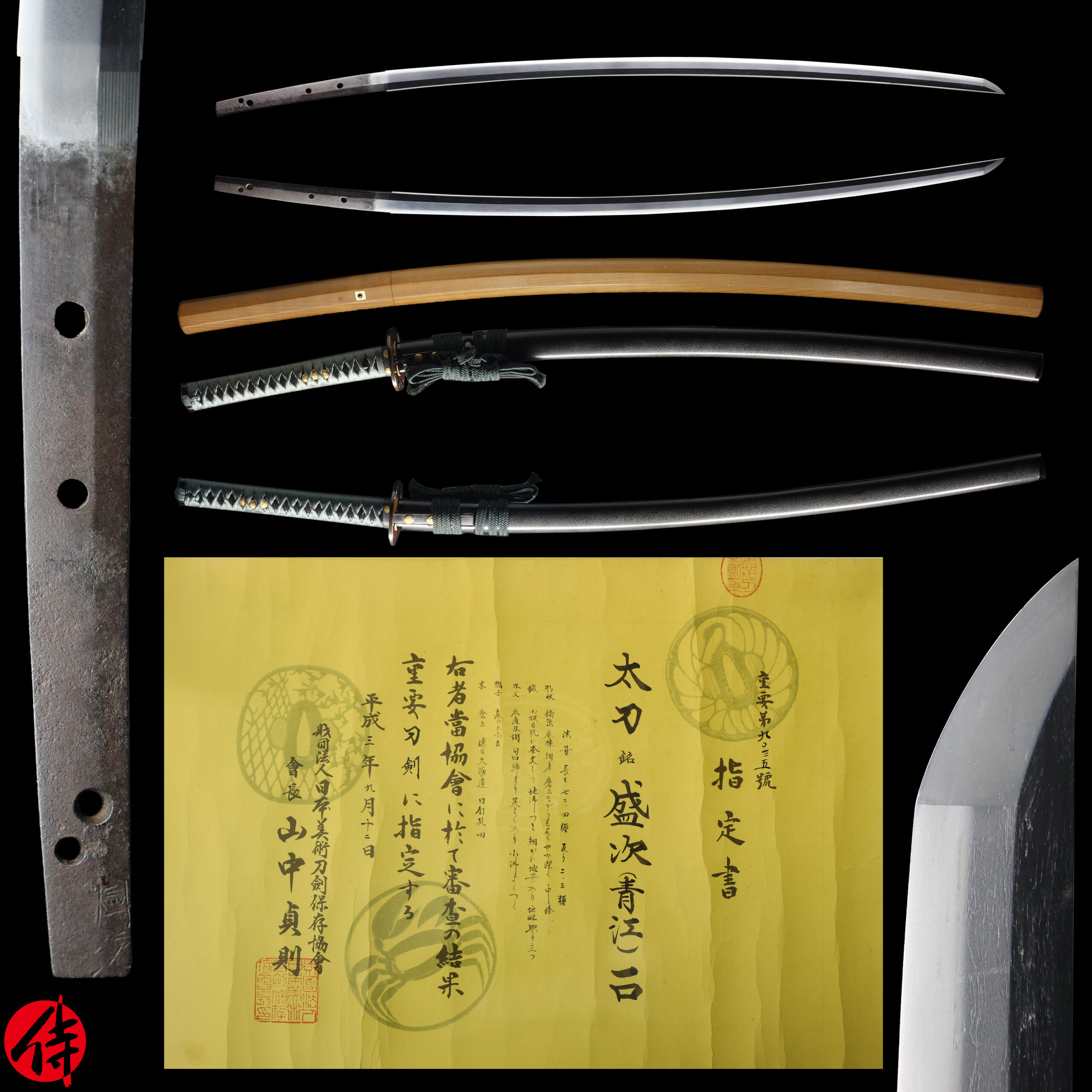
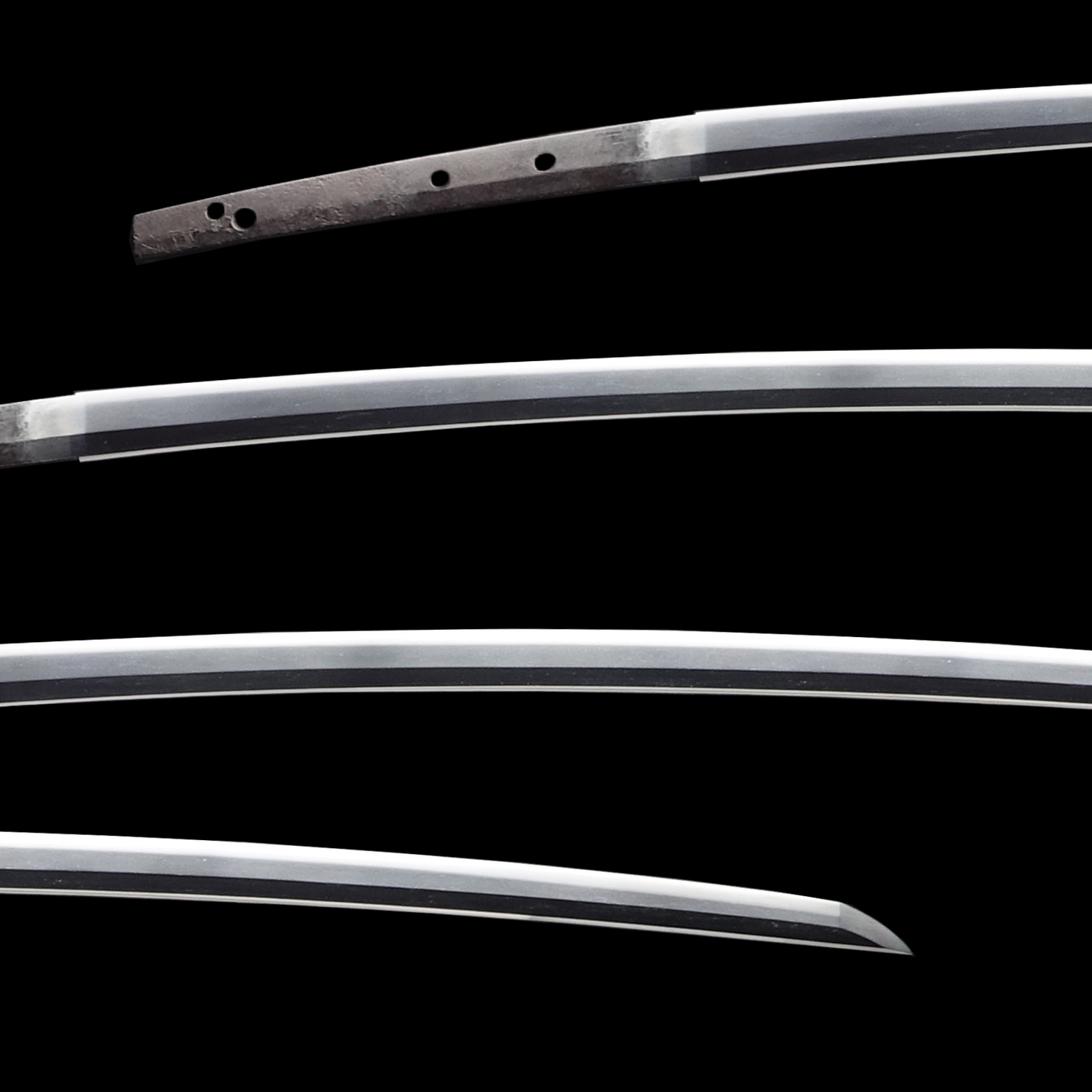
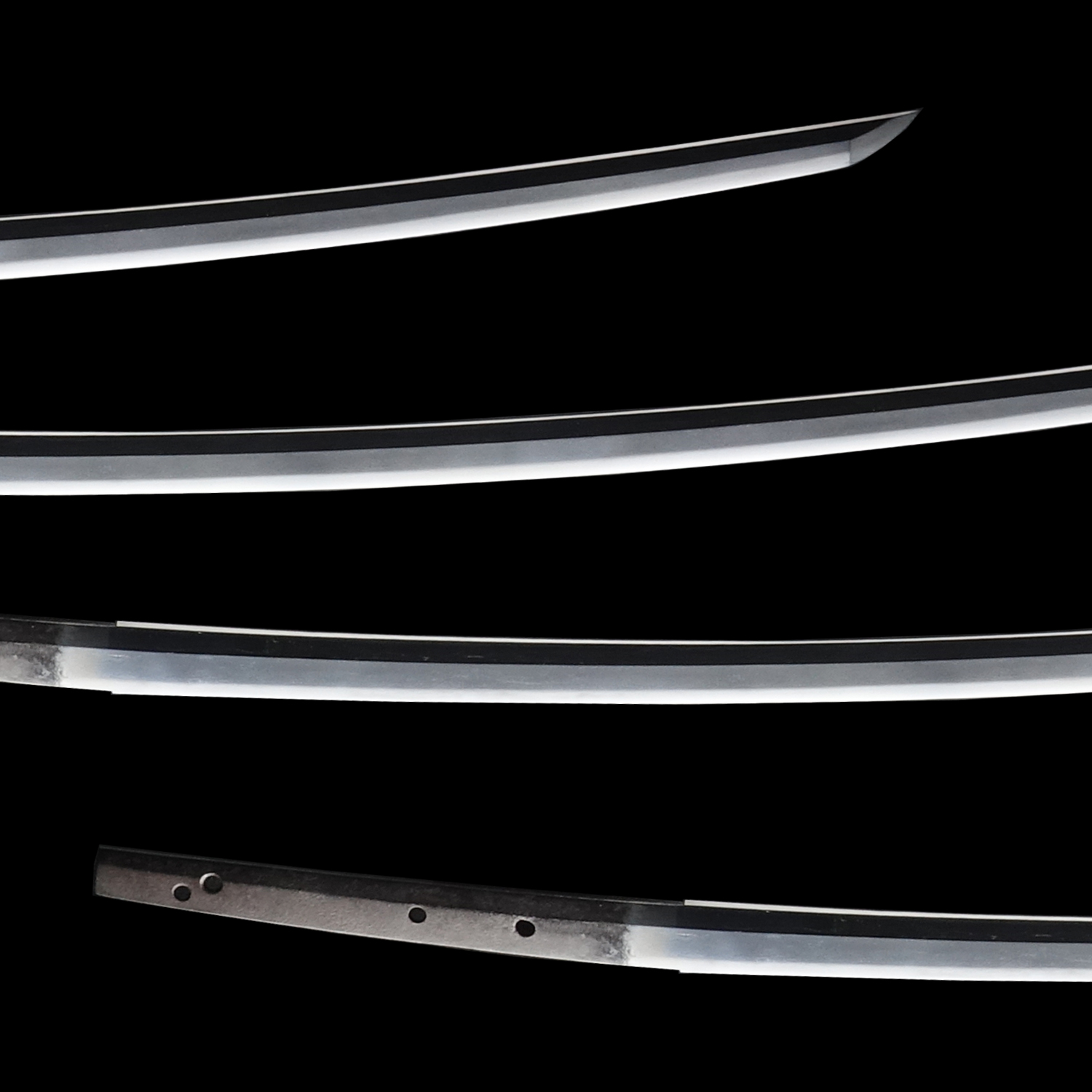
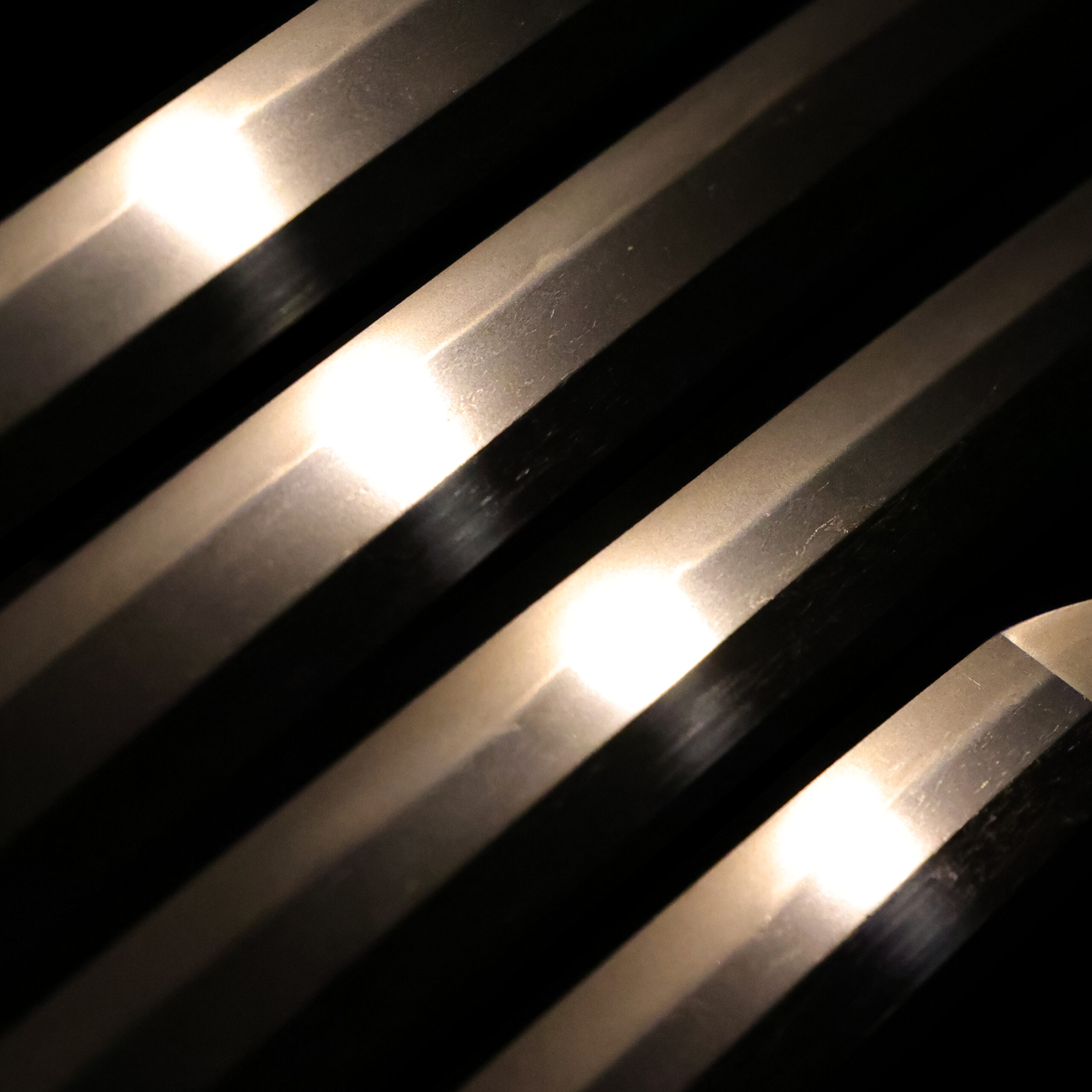
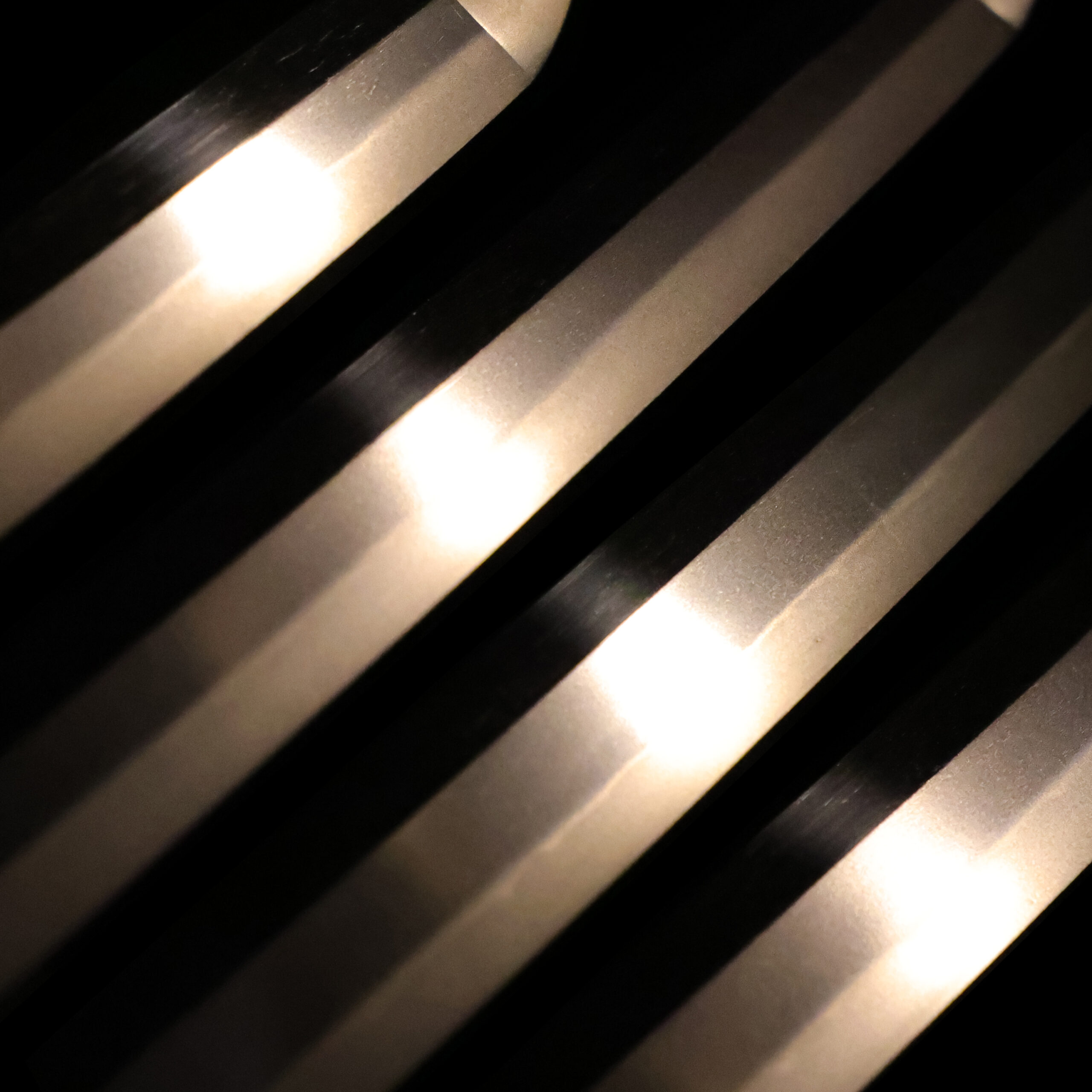
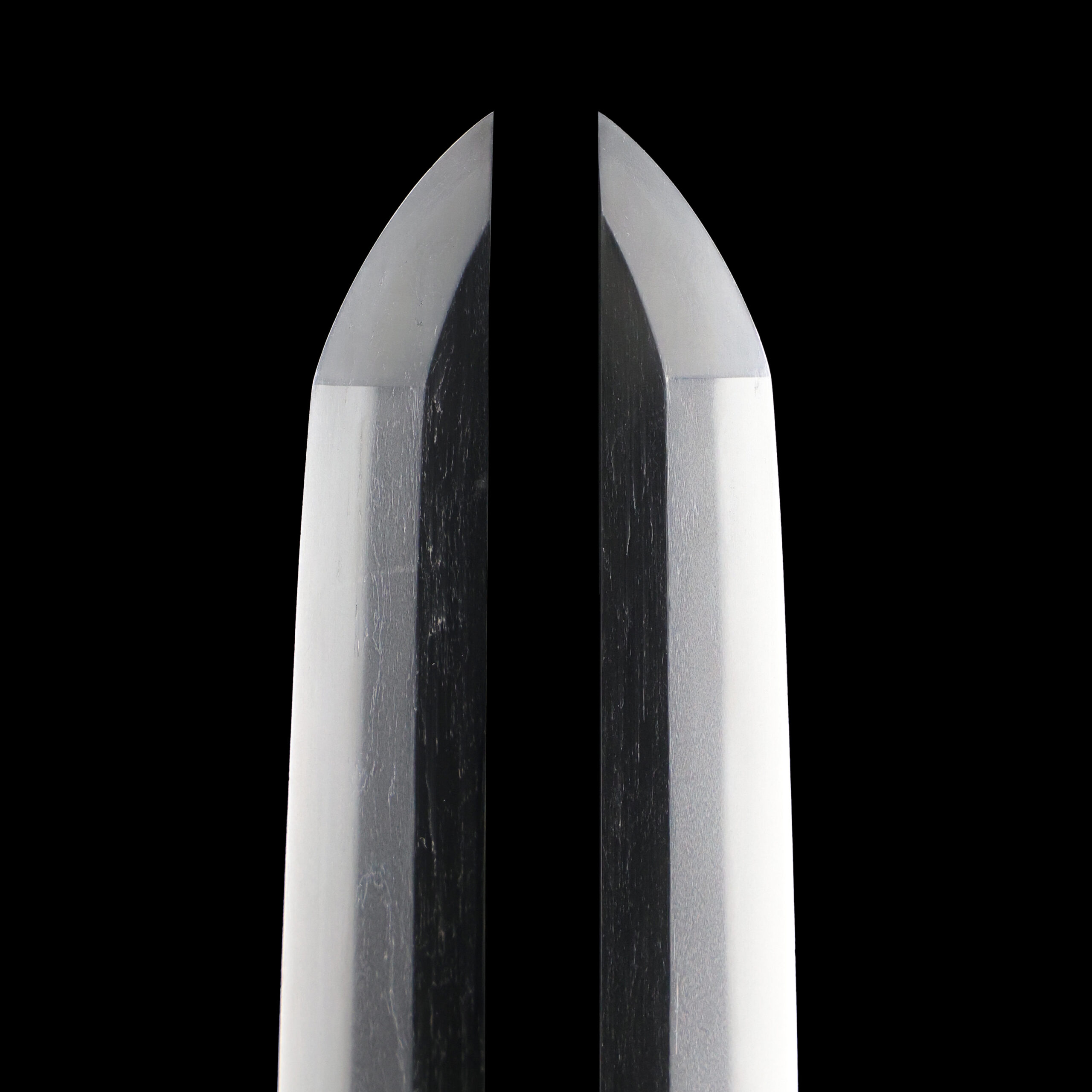
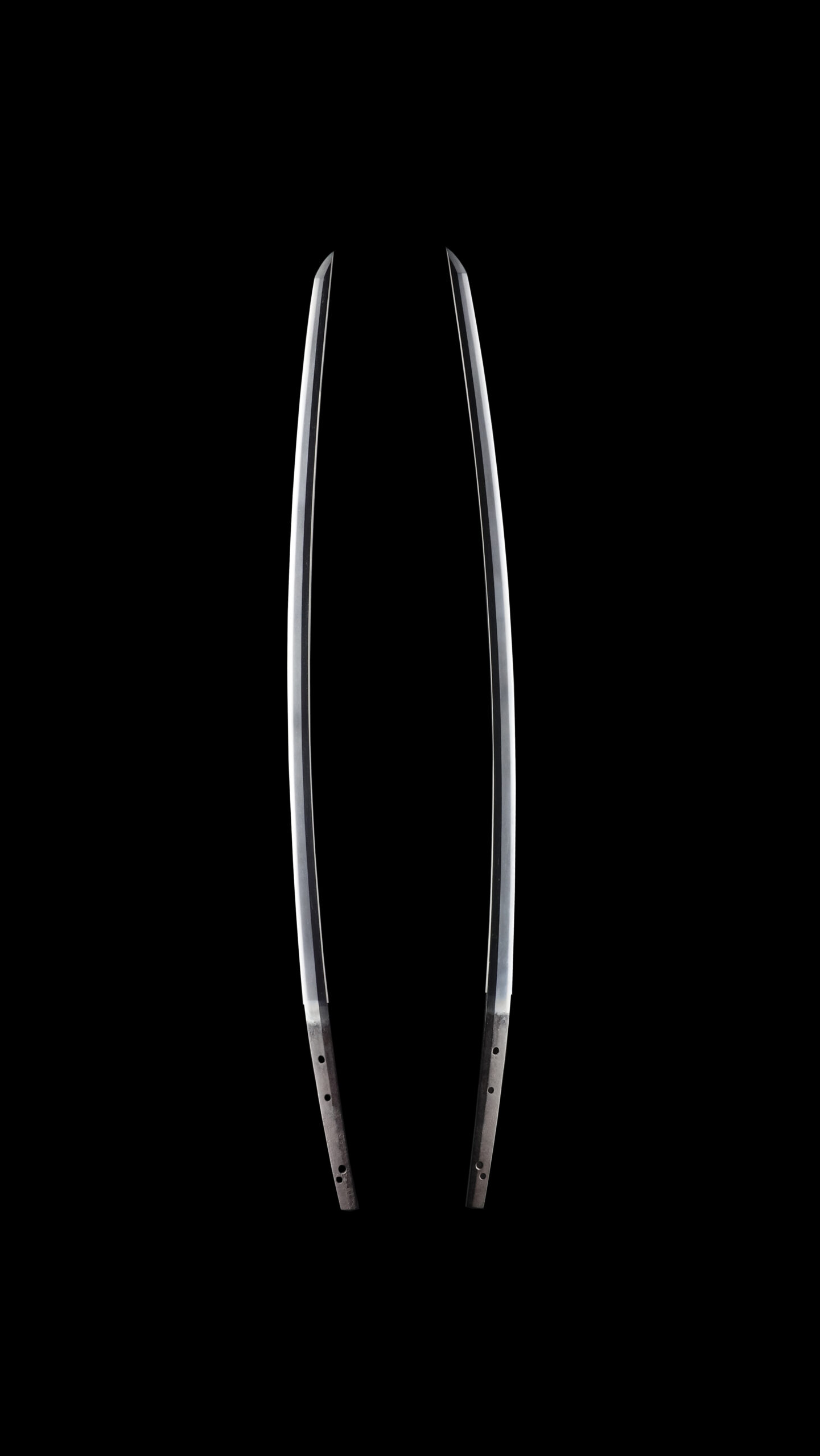
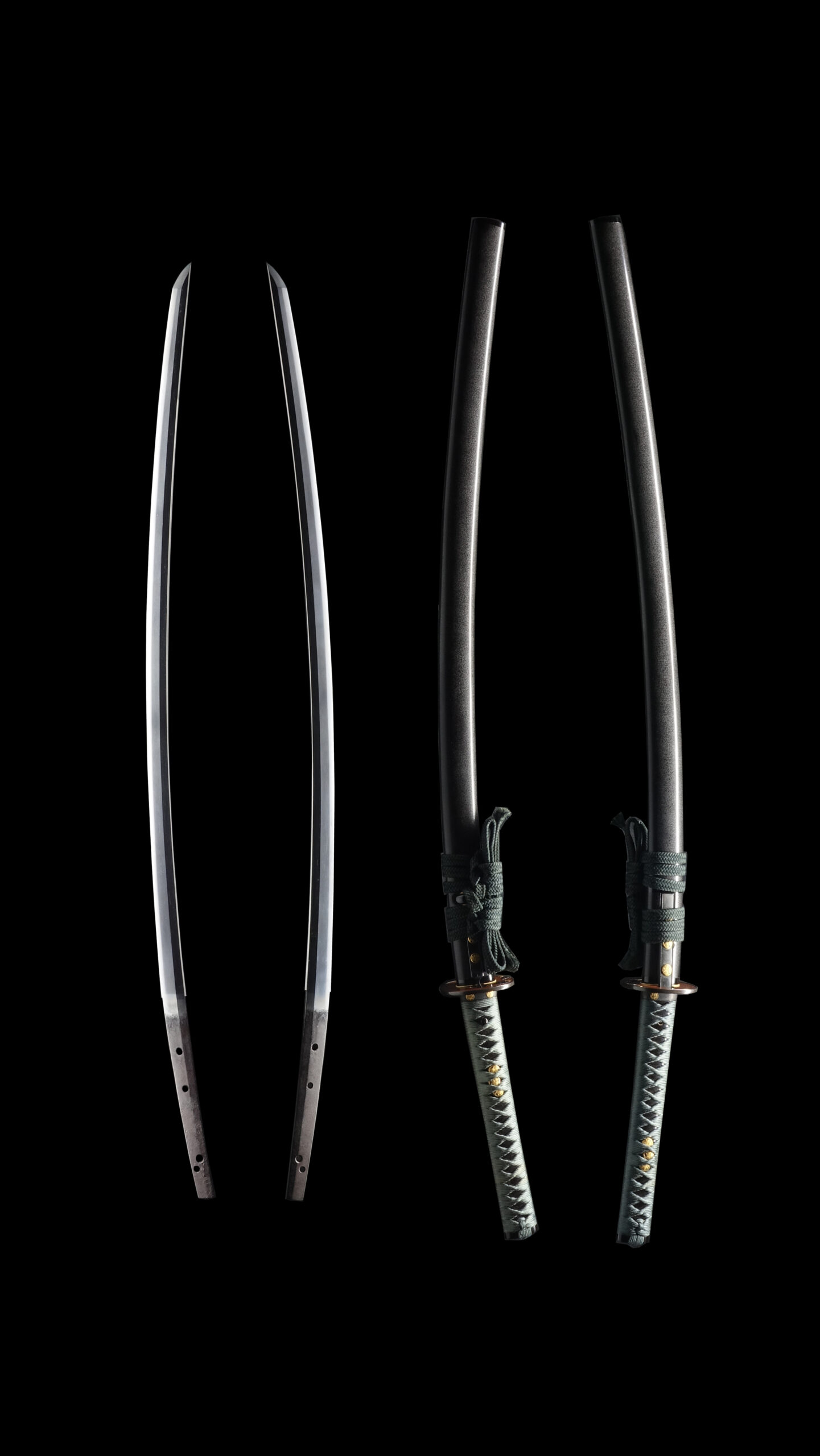
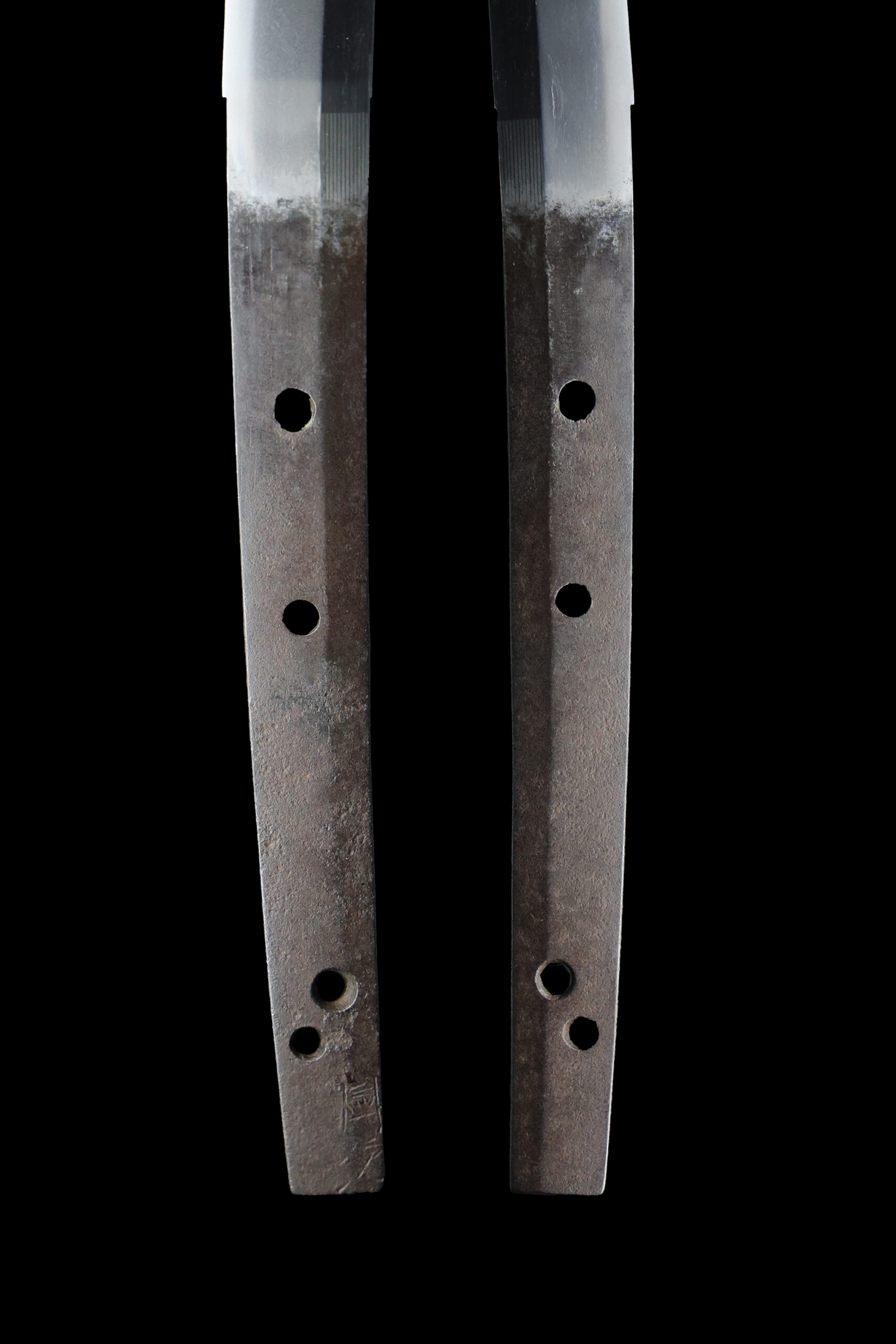
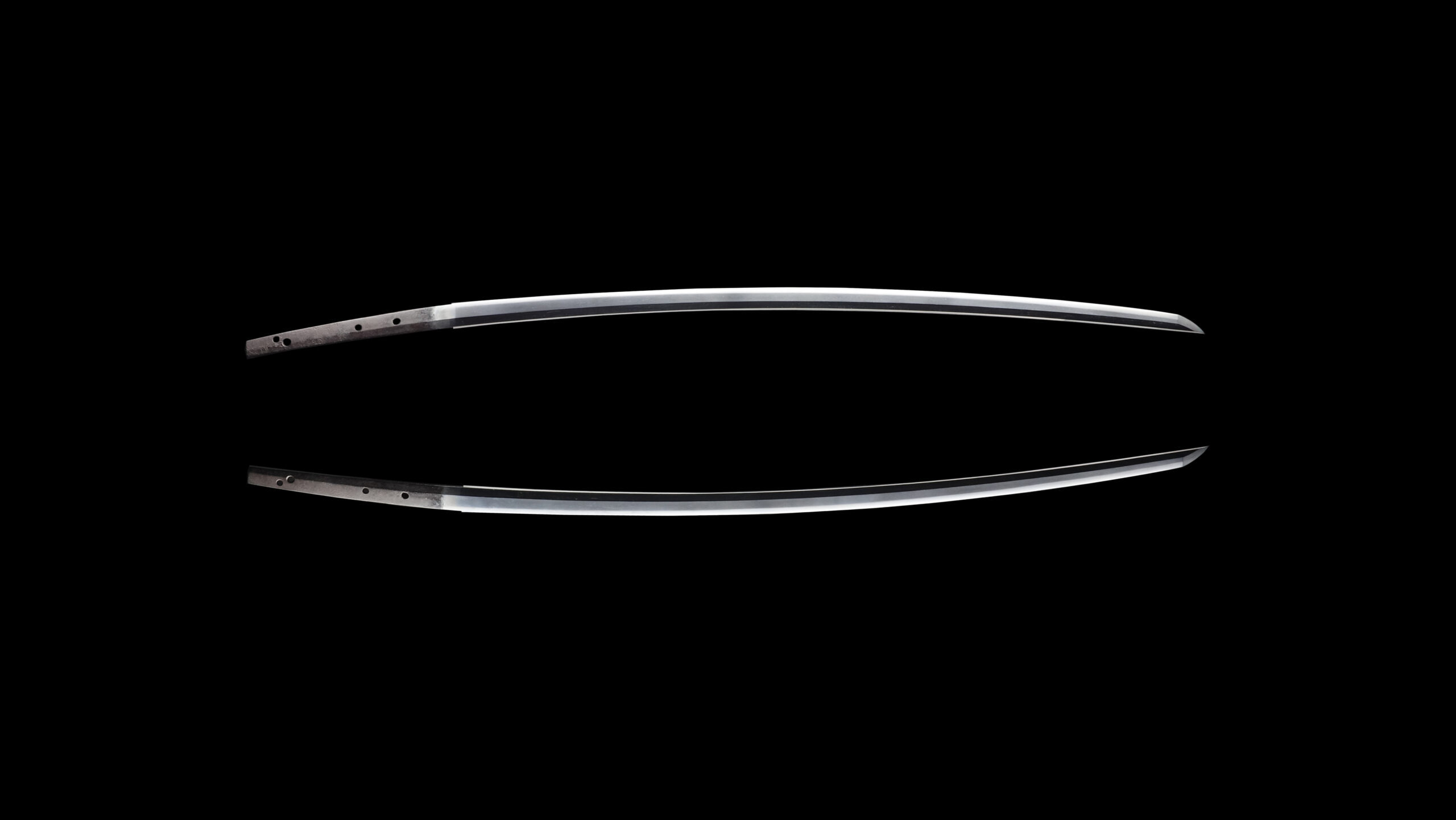
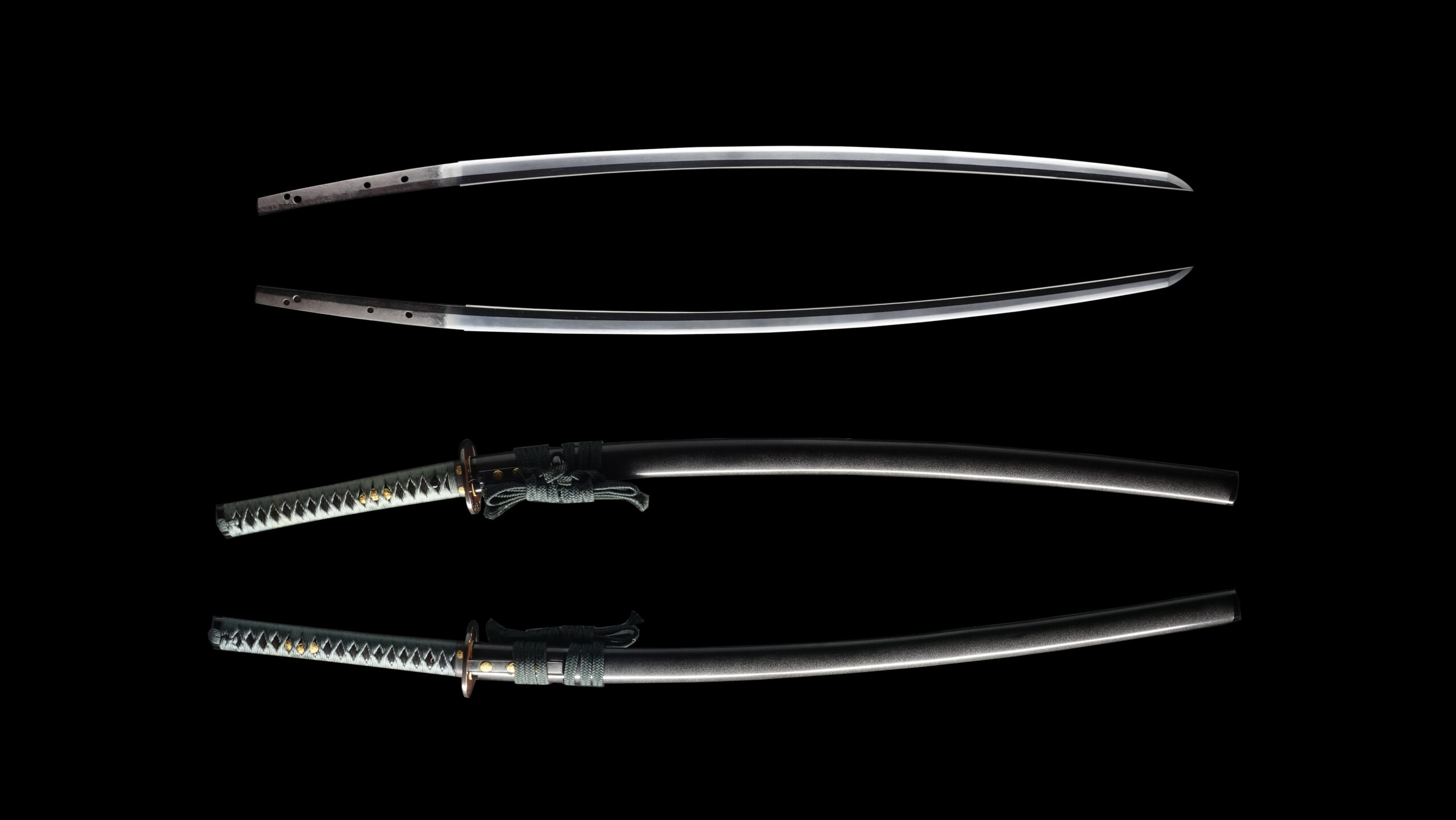
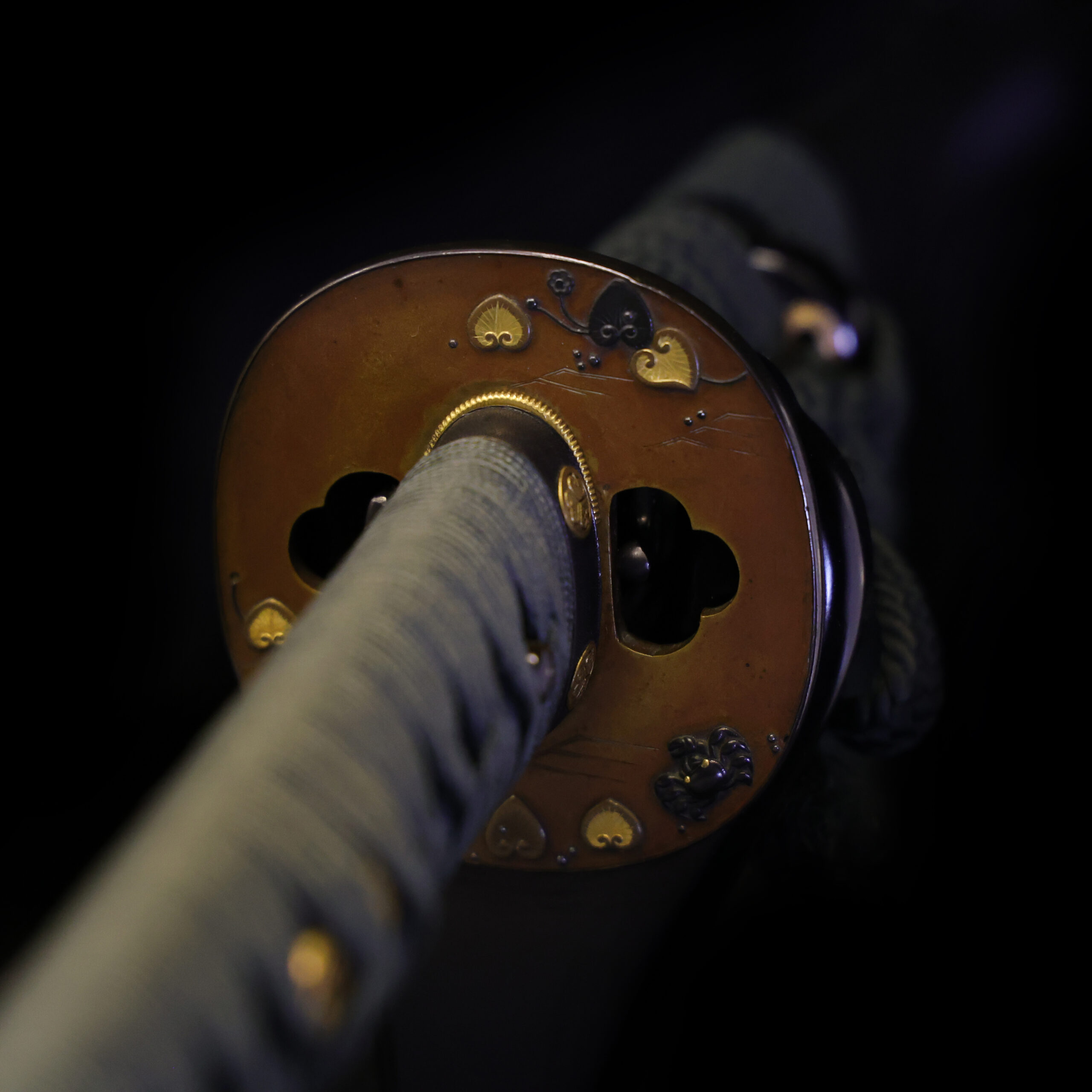
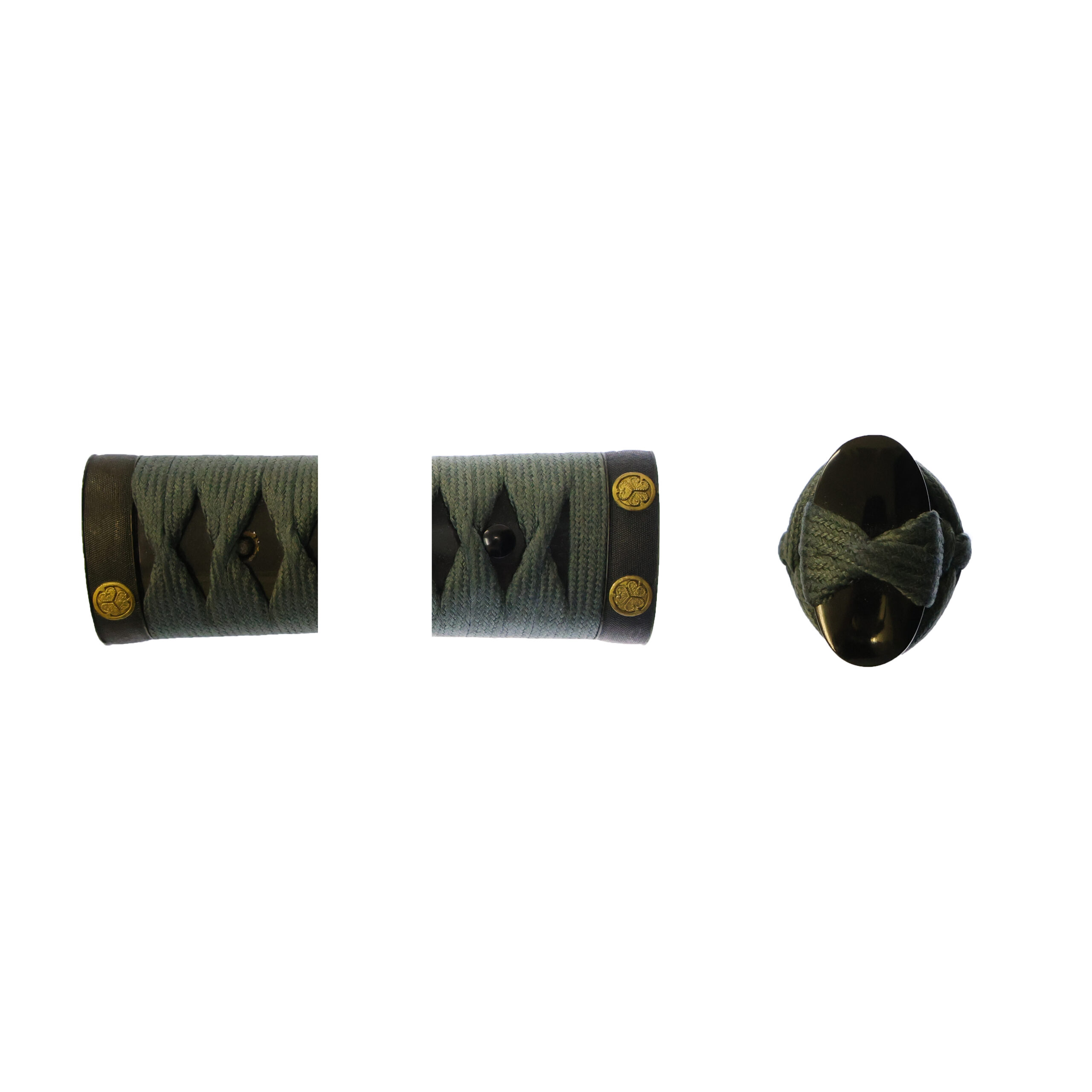
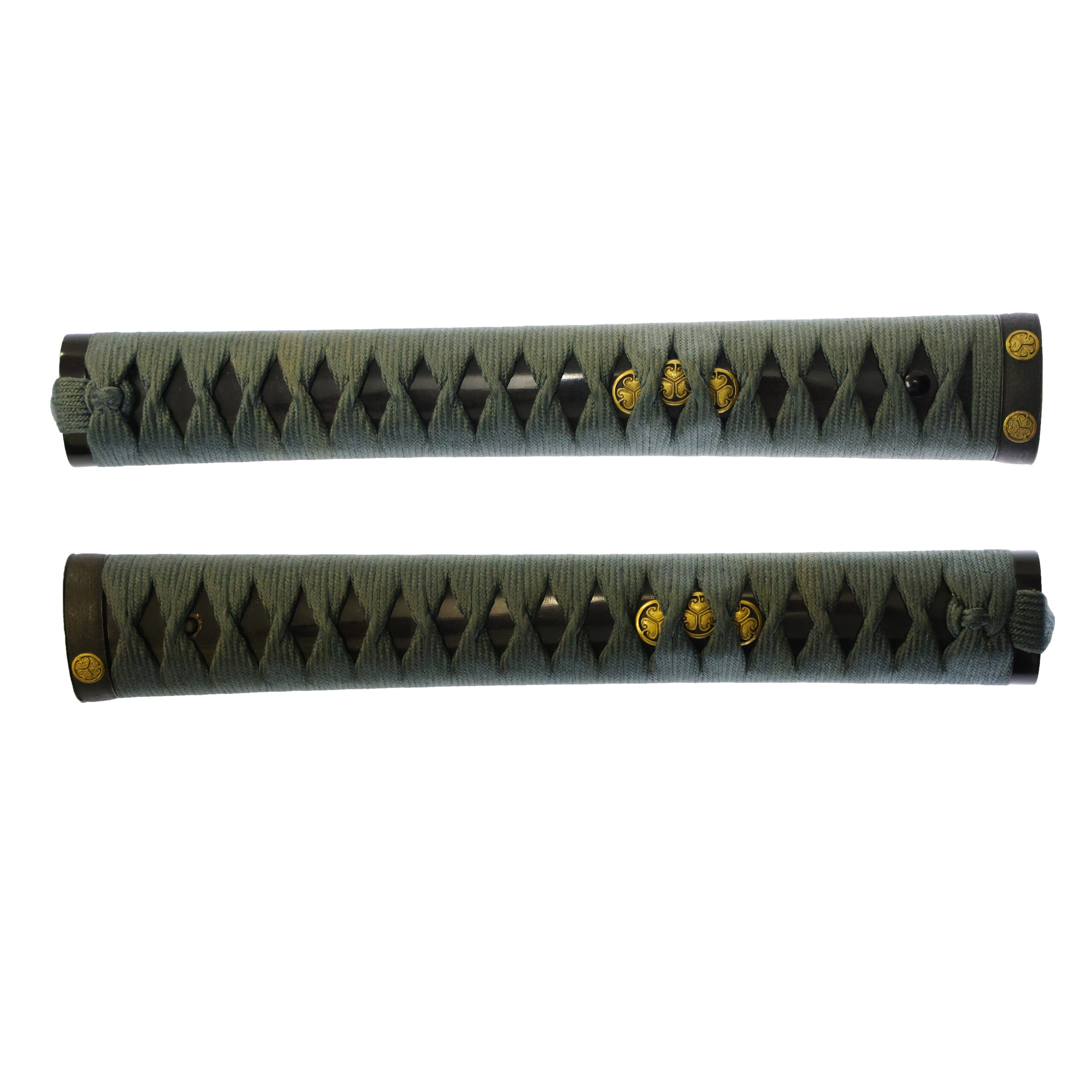
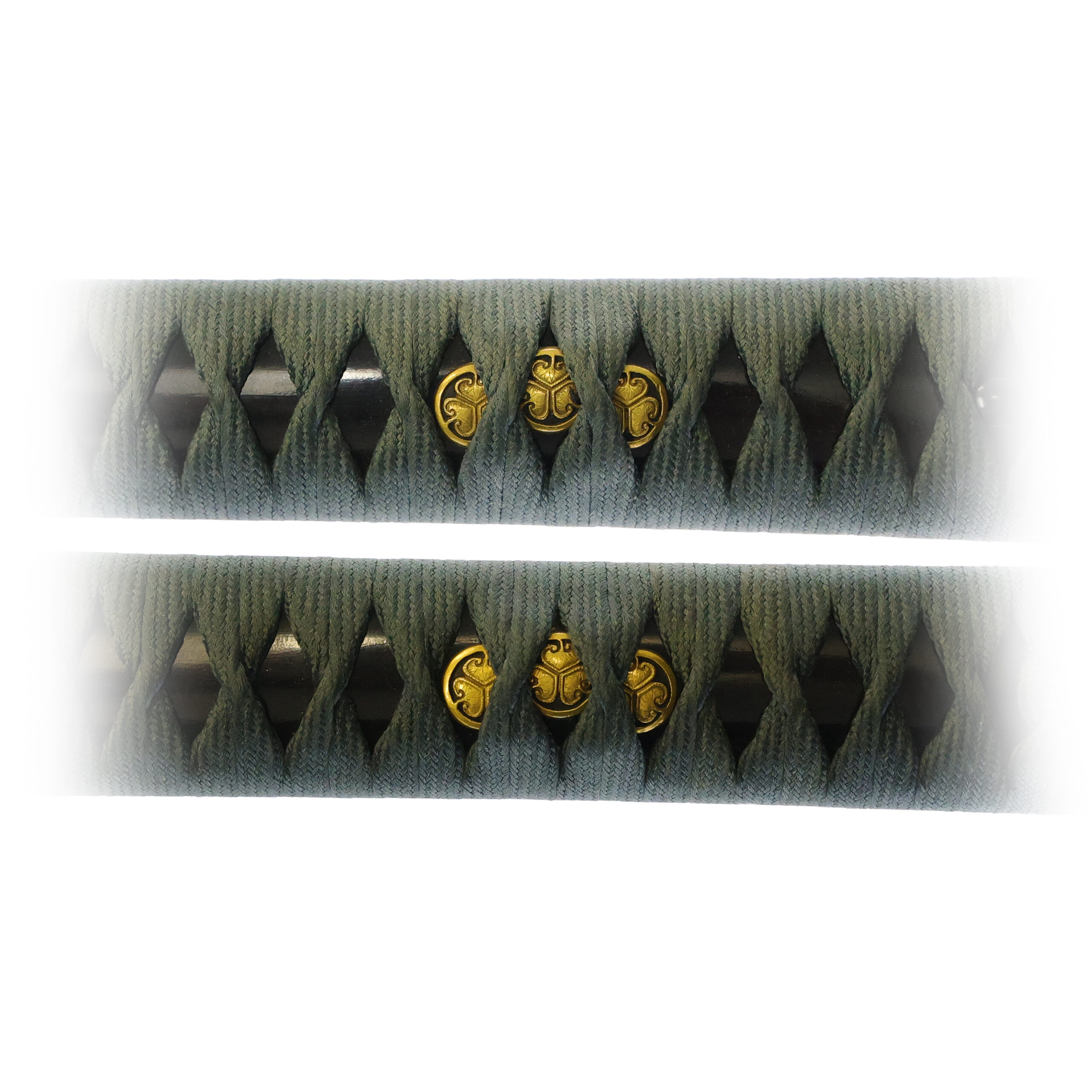
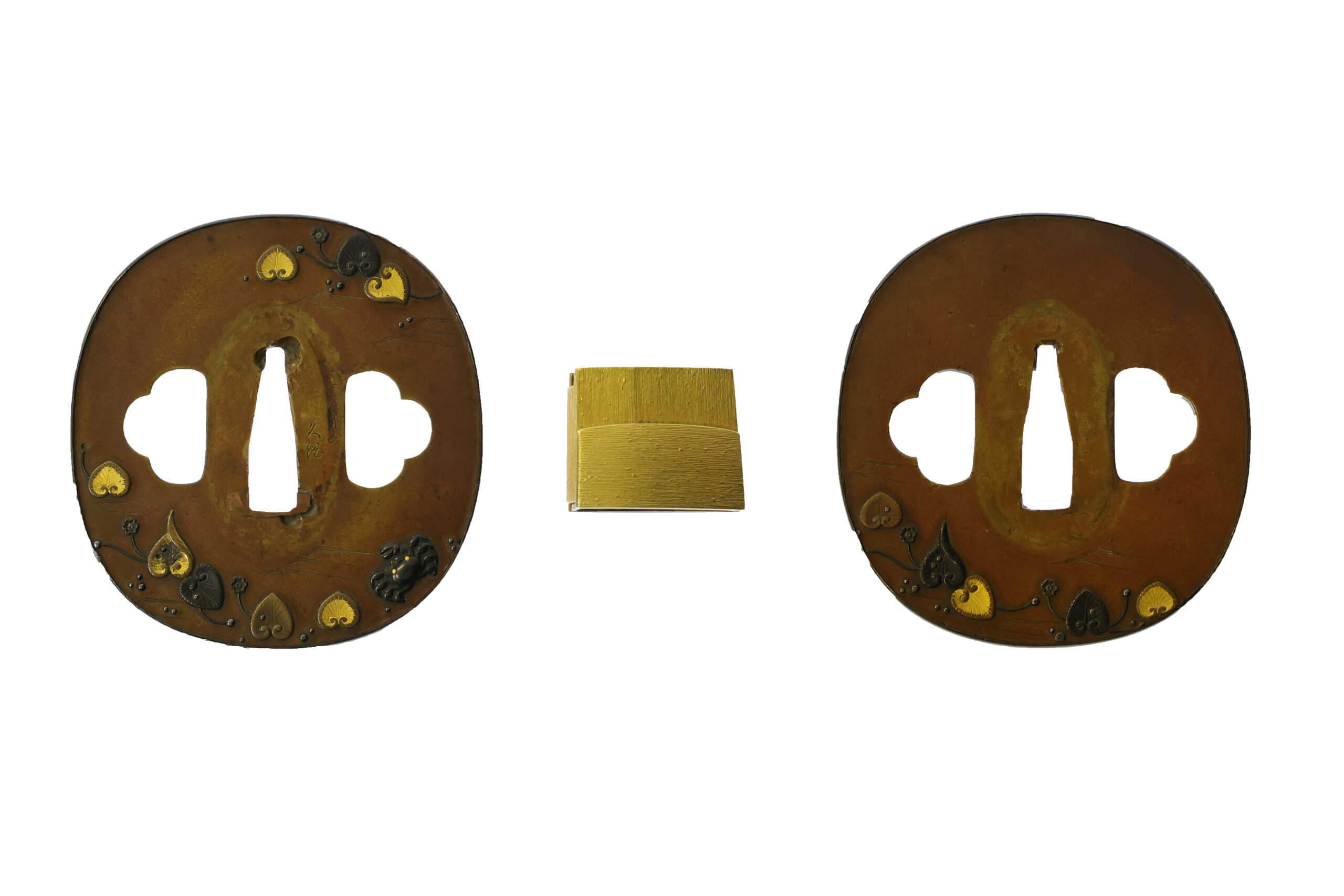
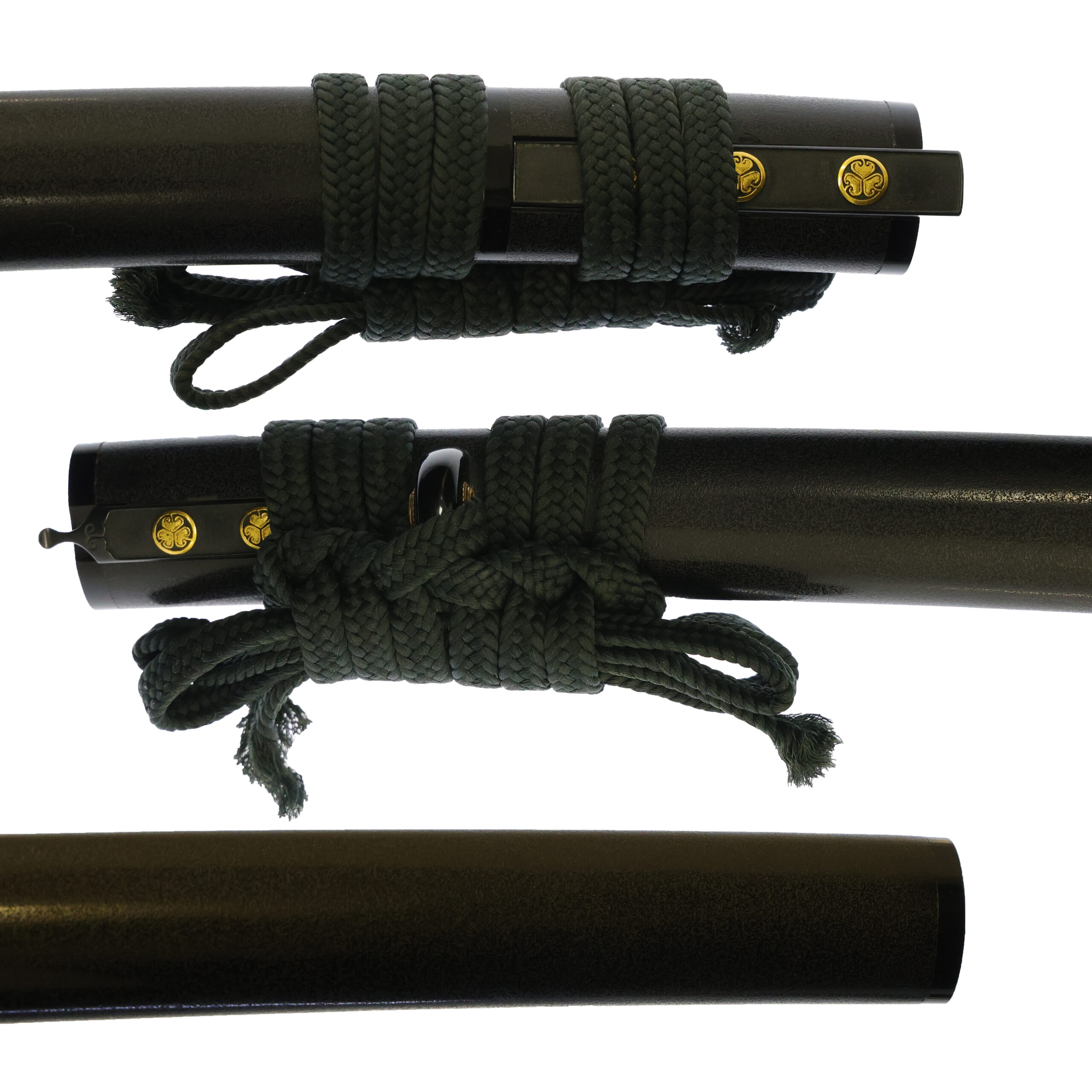
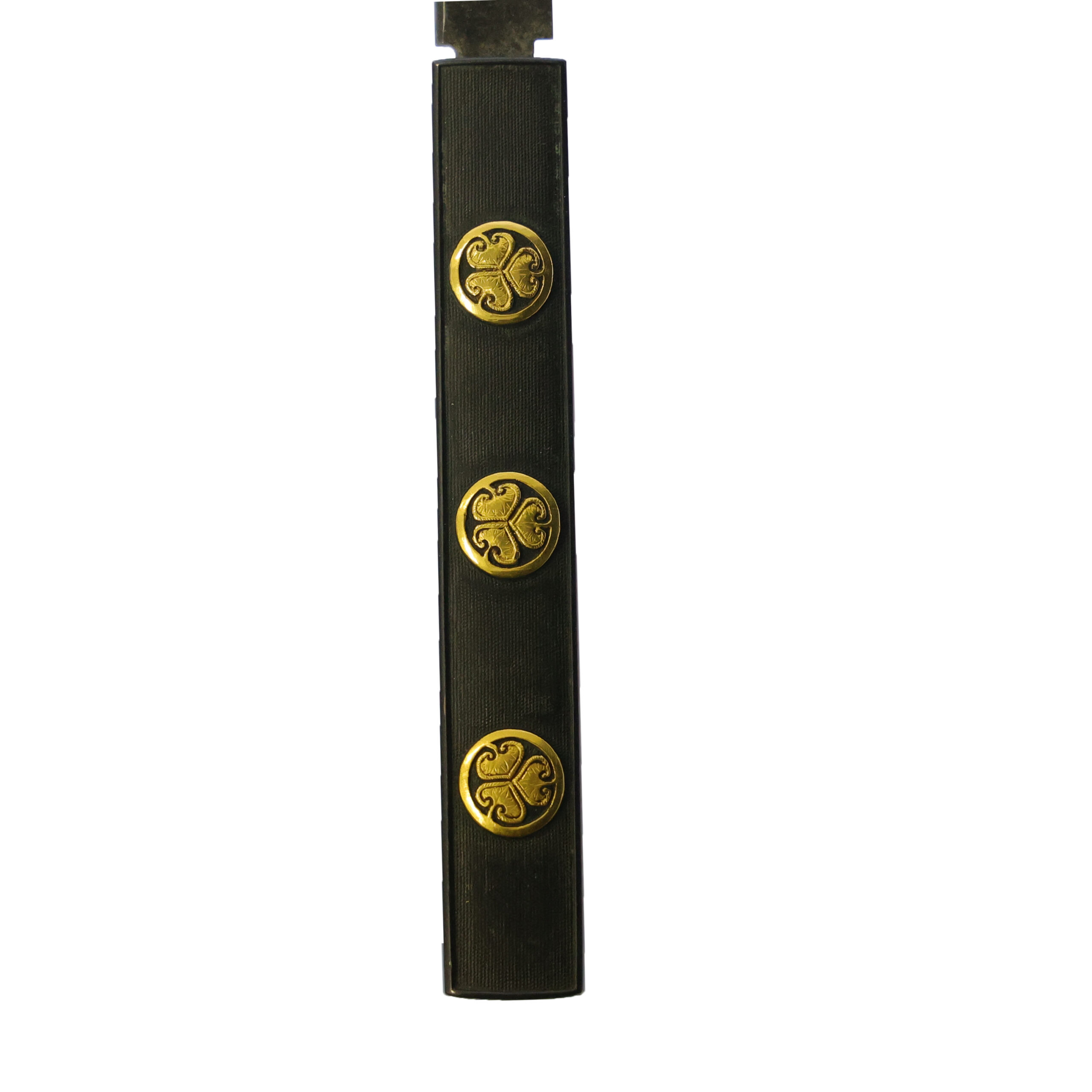
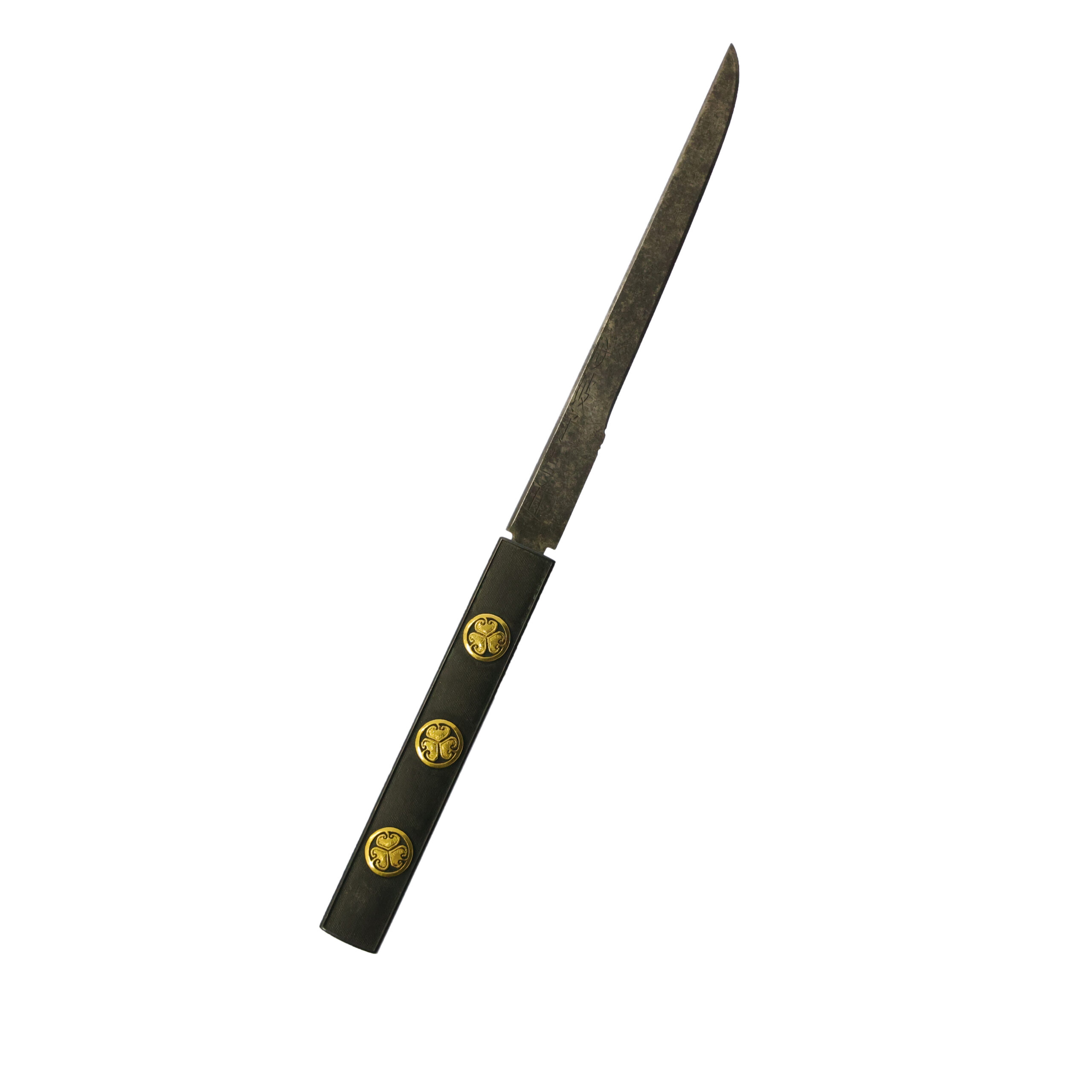
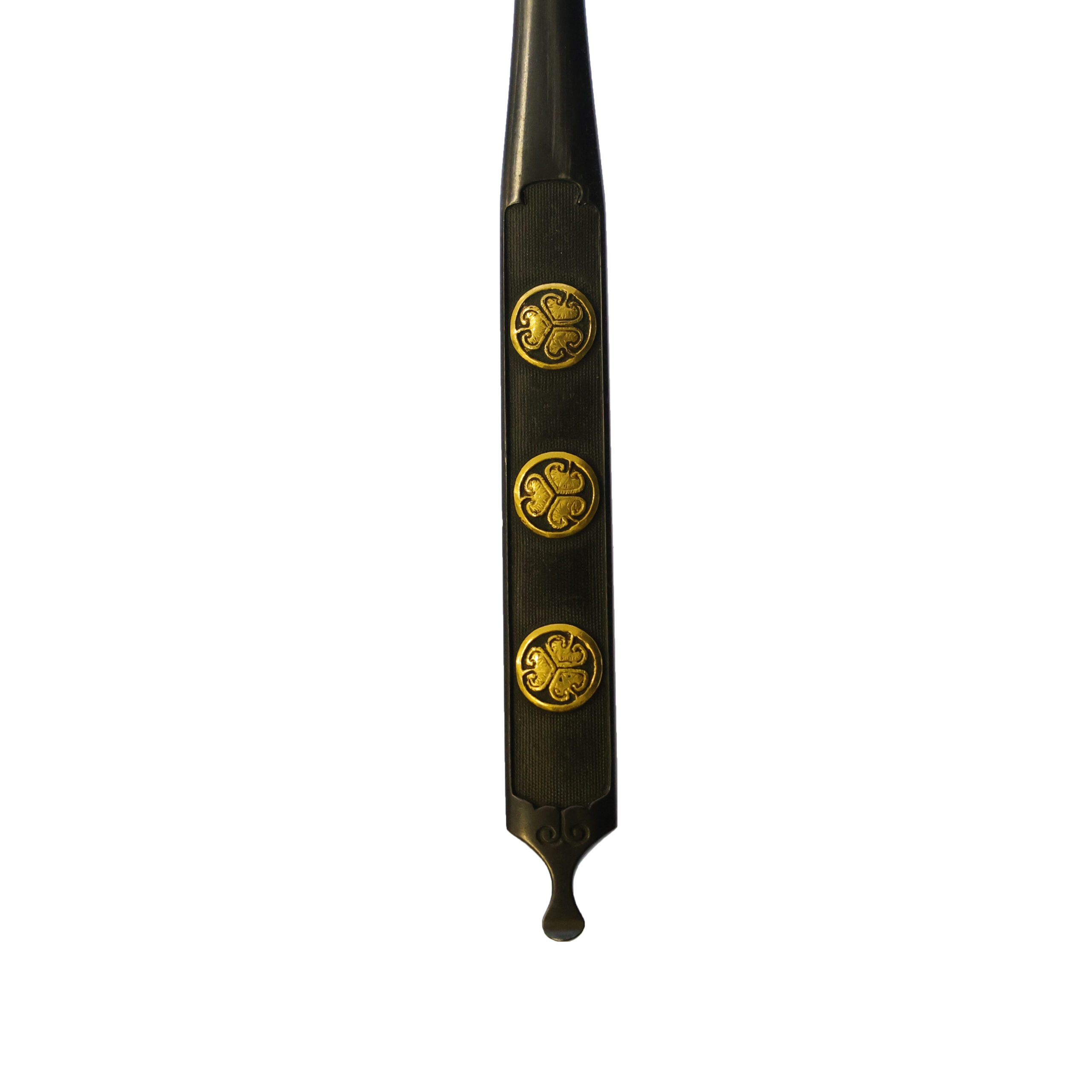
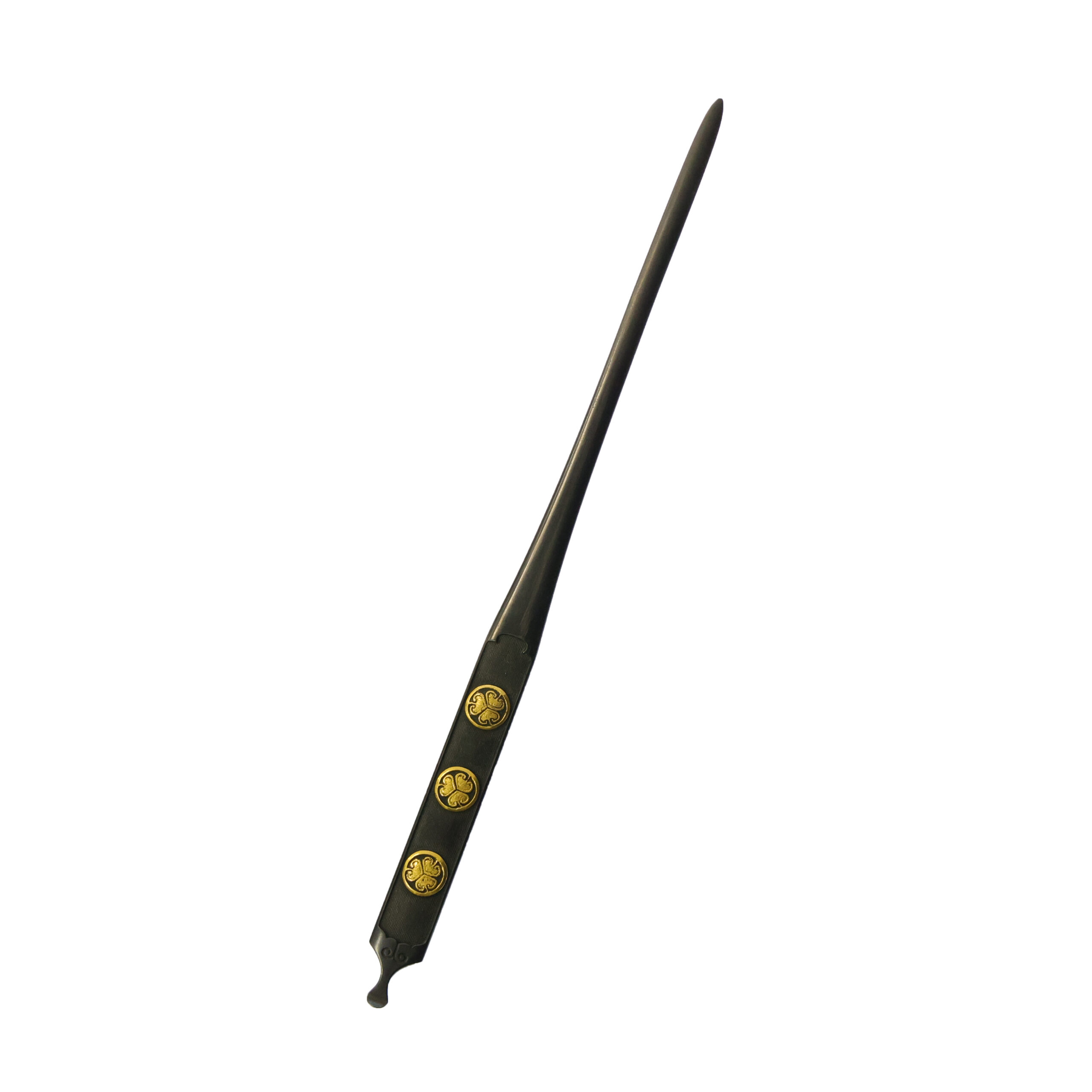
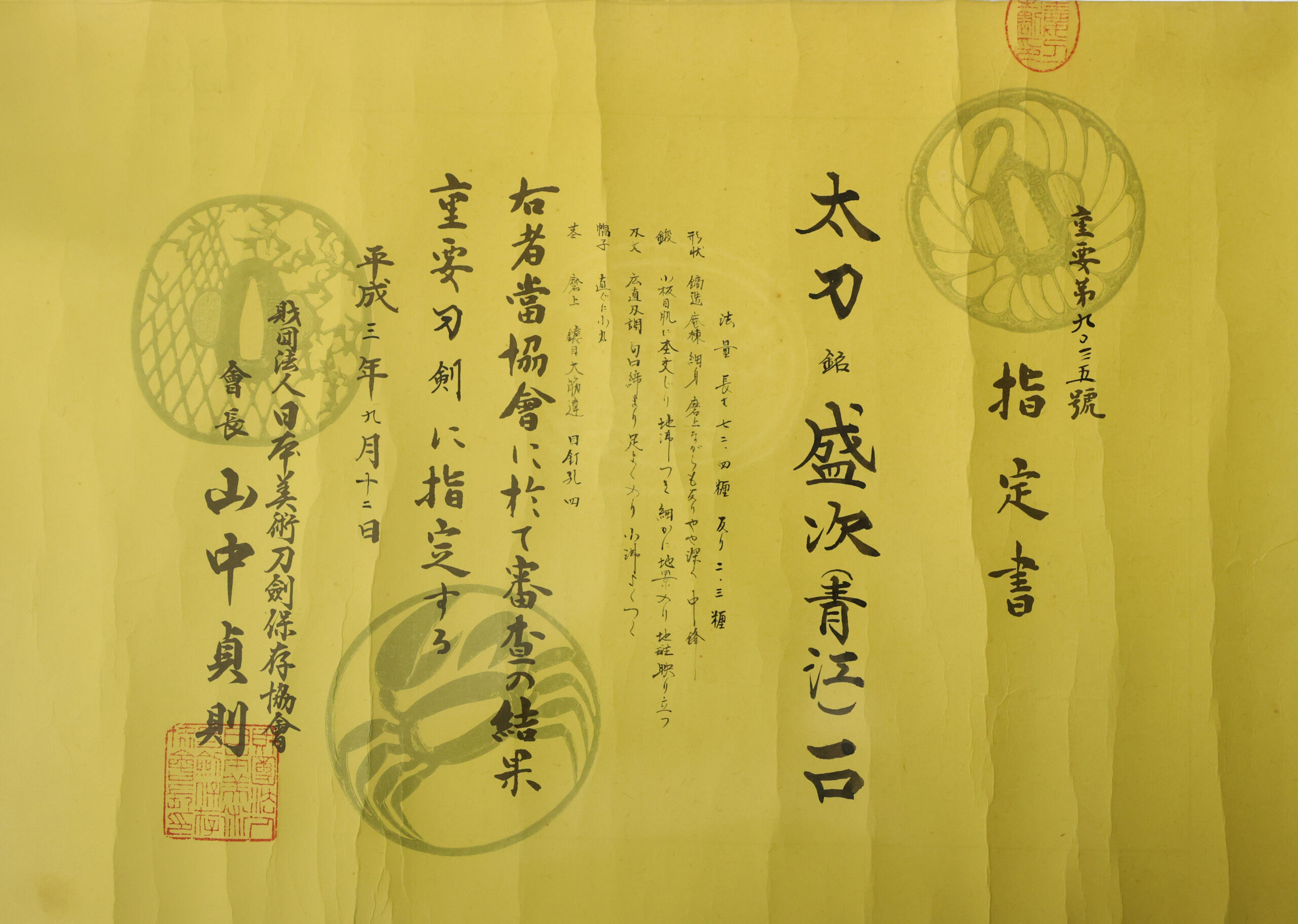
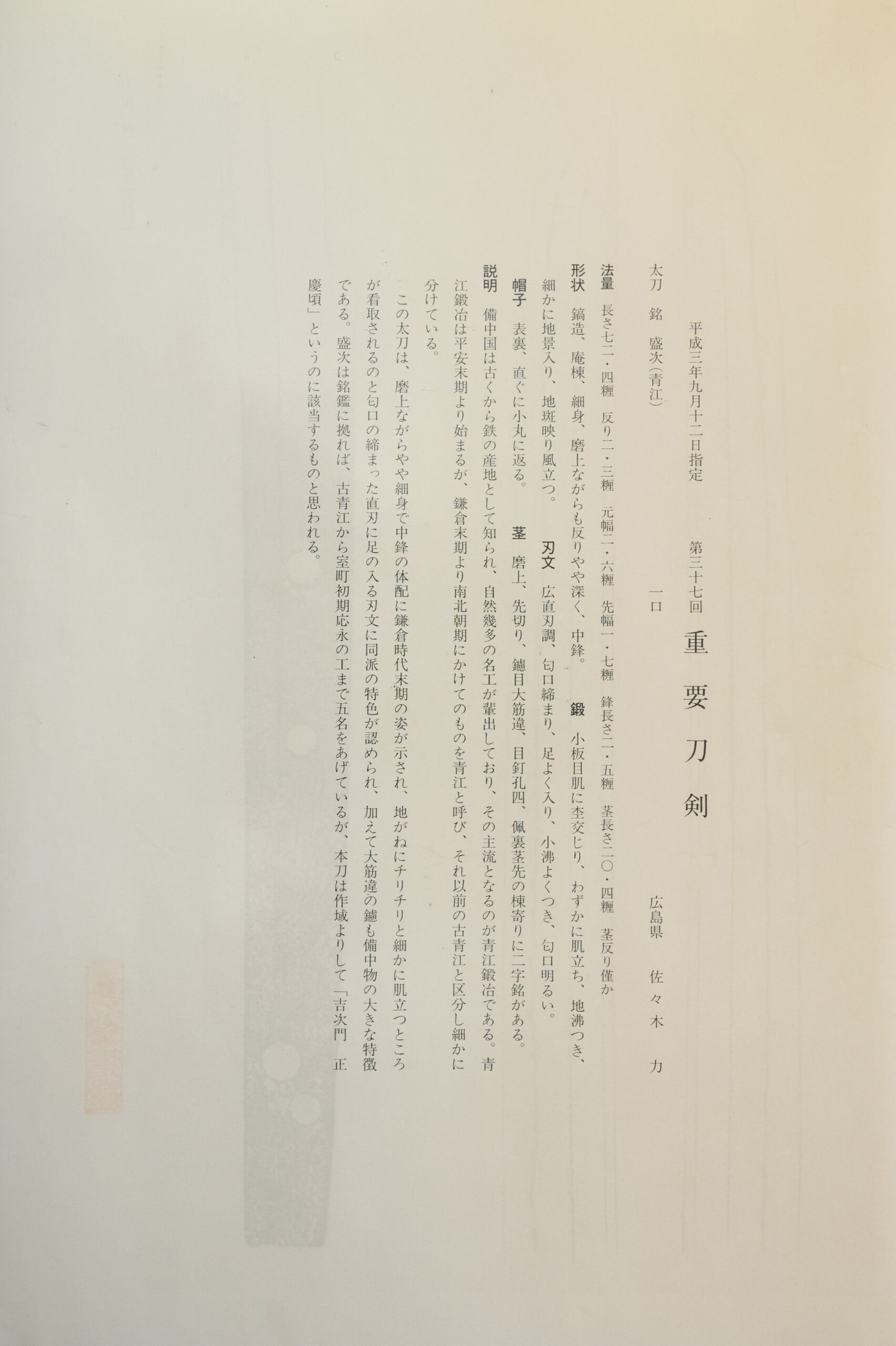
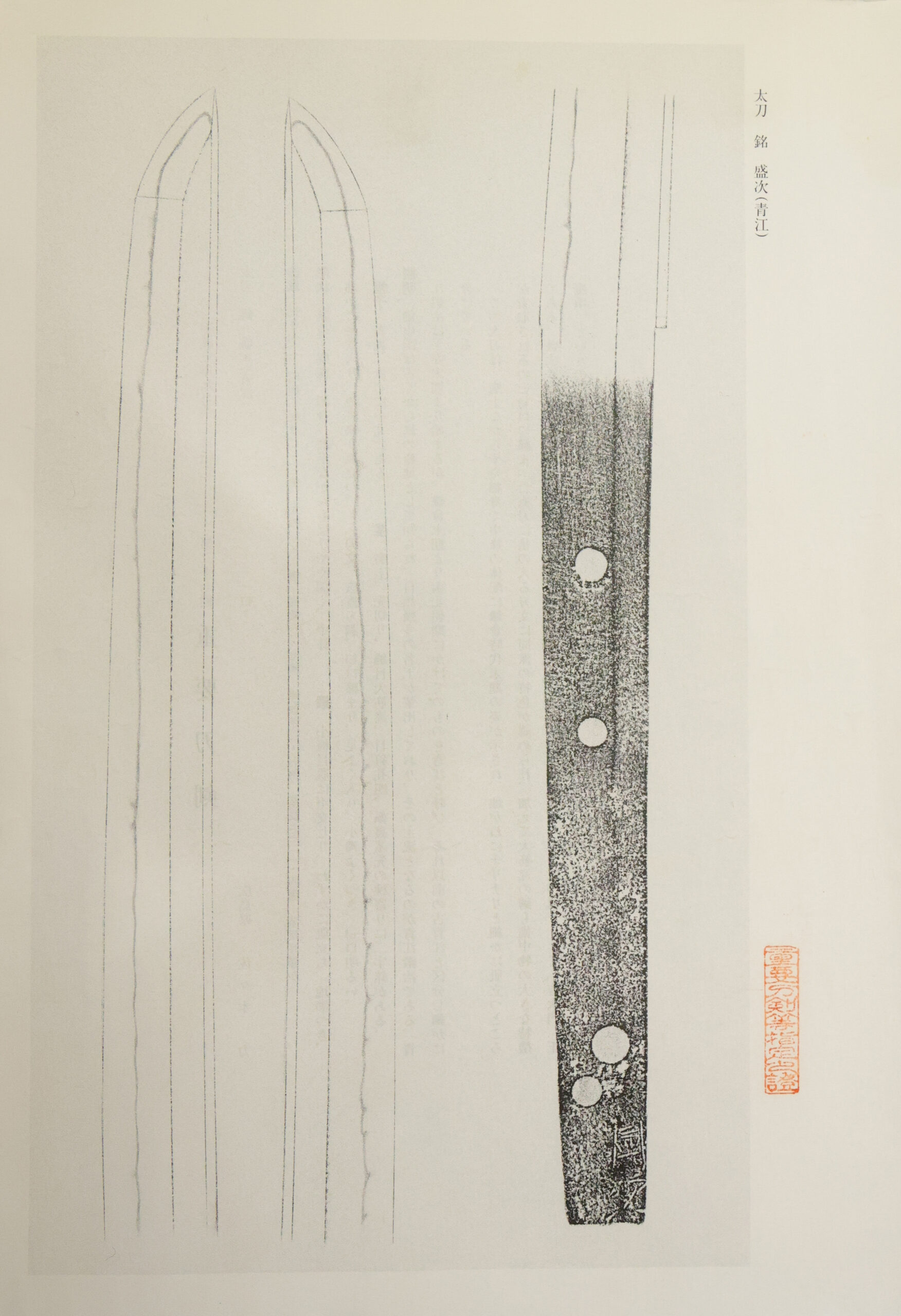
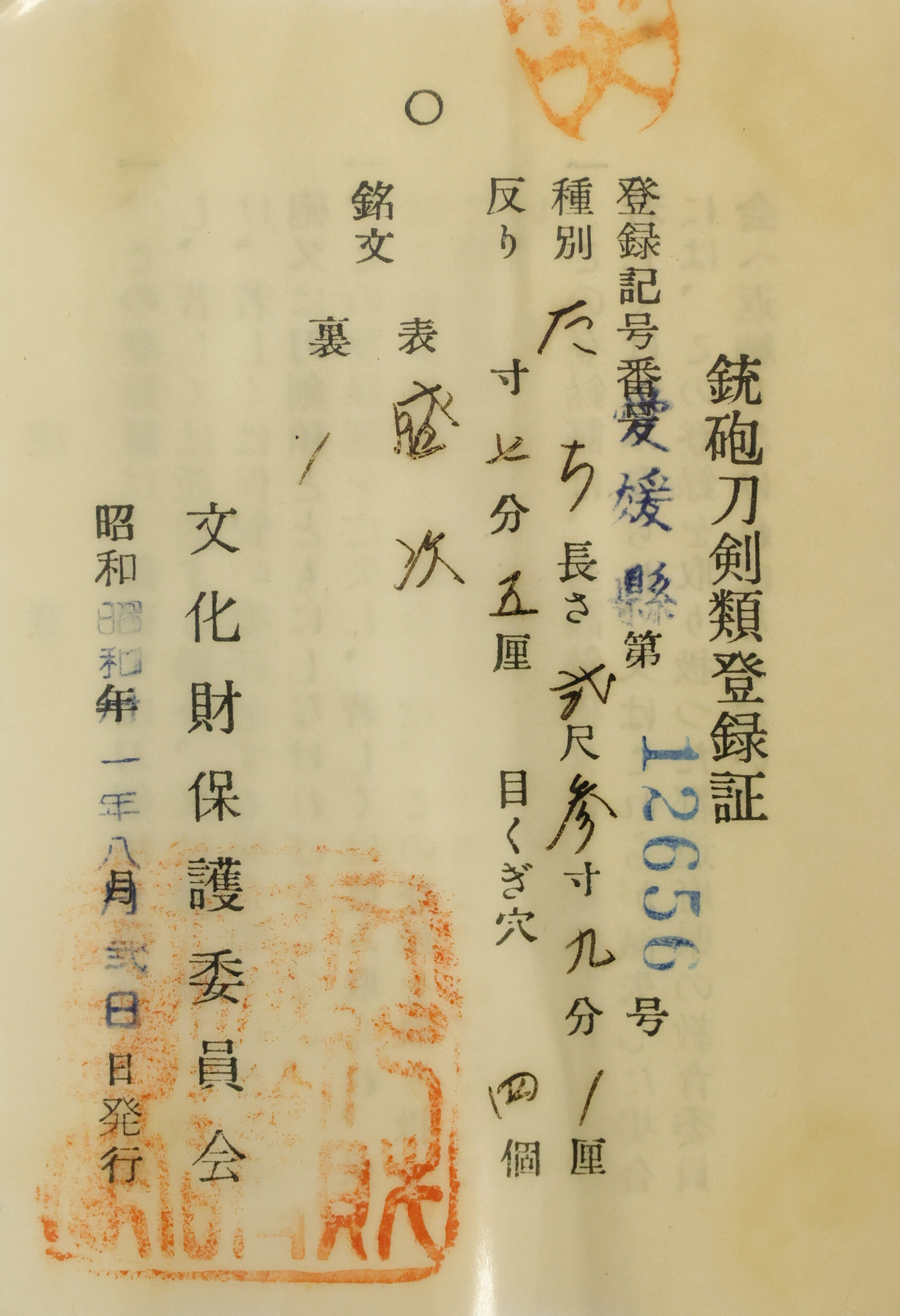
Antique Japanese Sword Tachi signed by Moritsugu w ith NBTHK JUYO TOKEN Certificate 【Description】 This blade is signed by Moritsugu (盛次), a swordsmith belonging to the prestigious Aoe school (青江派). There were five known smiths who bore the name Moritsugu, ranging from the Ko-Aoe period to the early Muromachi era (Ōei period, 1394–1428). Based on the workmanship of this blade, it is believed to have been forged by a smith of the Yoshitsugu group (吉次門) around the Shōkei era (正慶, 1332–1334). The Bitchū province (today’s western Okayama Prefecture) has long been known as one of Japan’s leading iron-producing regions, naturally giving rise to numerous outstanding swordsmiths. Among them, the Aoe school became the mainstream lineage. The school originated in the late Heian period and reached its peak from the late Kamakura through the Nanbokuchō period. In Japanese sword terminology, Aoe works are classified into three periods: Ko-Aoe (Old Aoe): Late Heian to early Kamakura, Chū-Aoe (Middle Aoe): Mid-Kamakura to early Nanbokuchō and Sue-Aoe (Late Aoe): Late Nanbokuchō and onward. The founder of the school is said to be Yasutsugu (安次), active in the late Heian period in what is now Kurashiki City. Another famous swordsmith family in Bitchū was the Seno school, founded by Noritaka (則高). Among the Aoe smiths, Moritsugu was particularly distinguished—he trained Sadatsugu, Tsuguie, and Tsunetsugu, who later became renowned as part of the Gobankaji (御番鍛冶), the twelve master swordsmiths selected by Emperor Go-Toba (後鳥羽上皇). The emperor, passionate about the art of sword forging, ordered one swordsmith each month to craft a blade for him, a system unique in Japanese history. The Bitchū region, situated near the Chūgoku Mountains, offered ideal conditions for swordmaking—abundant iron sand, plentiful water sources, and easy access to charcoal via the Takahashi River. This environment allowed the Aoe smiths to produce blades of exceptional purity and quality. Tachi Based on its characteristics, NBTHK judged it as a Tachi. Tachi was mainly used by an armored Samurai with one hand on horseback from the Heian period (794-1185 A.D.) until the early Muromachi period. TACHI was suspended loosely on the left waist with its edge facing the ground so that you could draw it faster to cut down soldiers on the ground. Appraisal This blade is appraised as a JUYO TOKEN (重要刀剣) issued by NBTHK (Nihon Bijutsu Touken Hozon Kyokai: 日本美術刀剣保存協会). This authentication paper was only given to authentic Japanese swords, exceptionally well preserved and of high quality with artistic value. JUYO is one rank higher than Tokubetsu Hozon. To be eligible for a Juyo Token, it needs to be appraised as a Tokubetsu Hozon Token first. It is extremely rare for an antique Japanese sword to be appraised as JUYO TOKEN, and it is highly desirable among Japanese sword collectors. 【Blade】 Cutting Edge Length(Nagasa) : 72.6 cm (28.5 inches) Curvature(Sori) : 2.2 cm (0.86 inches) Hamon : The crystalline structure which forms along the cutting edge of a blade as a result of the hardening process Jimon(Jihada) : visible steel surface pattern created by folding and hammering during forging process Kissaki : Kissaki is the tip of the Japanese sword. Nakago : Nakago is the tang of the Japanese sword. Japanese swordsmiths left the black rust on the tang because it prevents red rust while the tang is in its handle. And the discoloration of the tang was created over time, and it is a great indicator for a Japanese sword specialist to estimate when the sword was forged. Koshirae :Koshirae is the mounting of the Japanese sword. There are several parts that consist of Koshirae such as Saya (Scabbard), Tsuka (Handle), Tsuba (Handguard). The Fuchi-Kashira are decorated with the Mitsuba Aoi (三つ葉葵紋, three hollyhock leaves) crest. The surface is finished in the Nanako-ji (魚々子地) technique, in which tiny circular grains are evenly punched to create a fine textured background. Fuchi-Kashira : A pair of ma
NihontoWatch
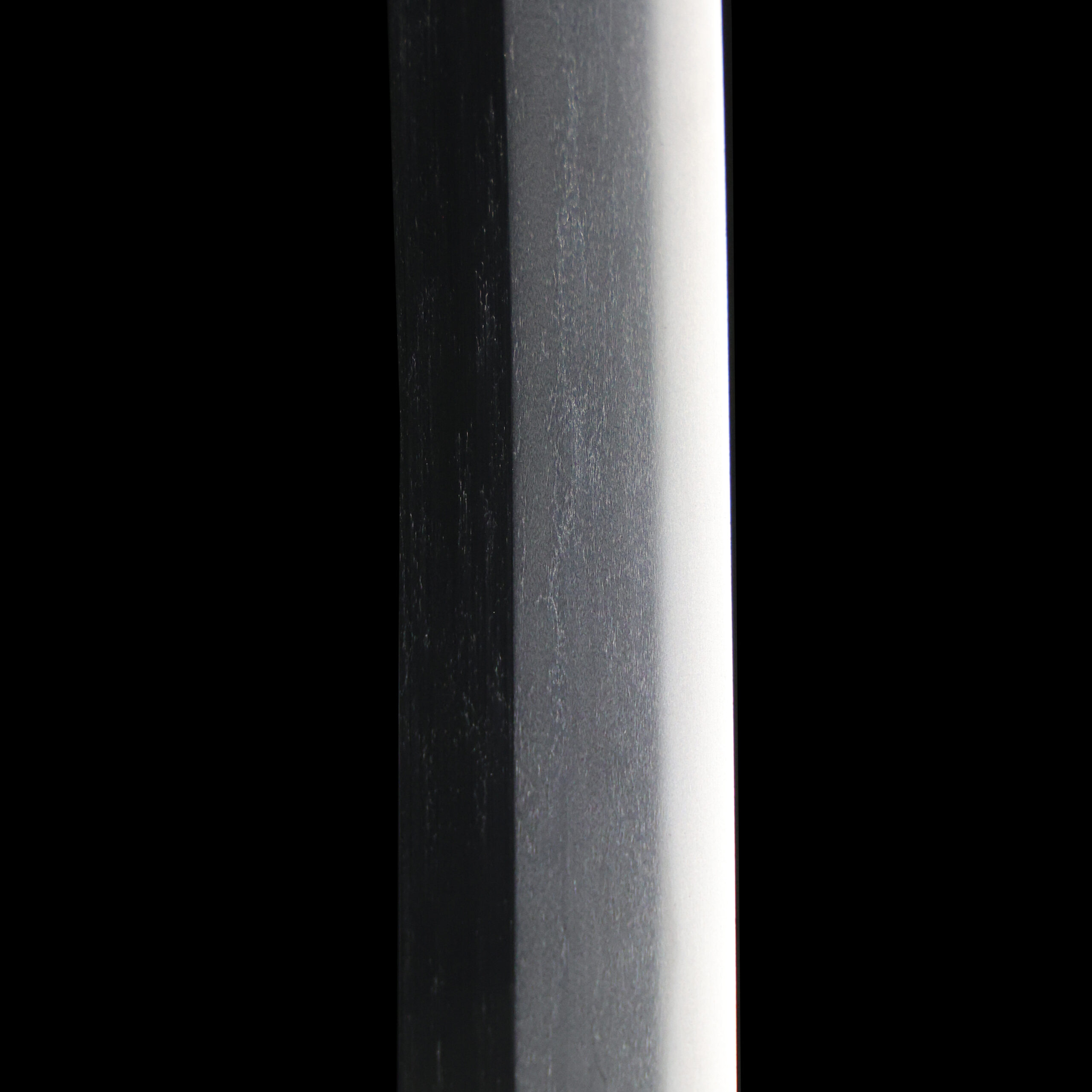
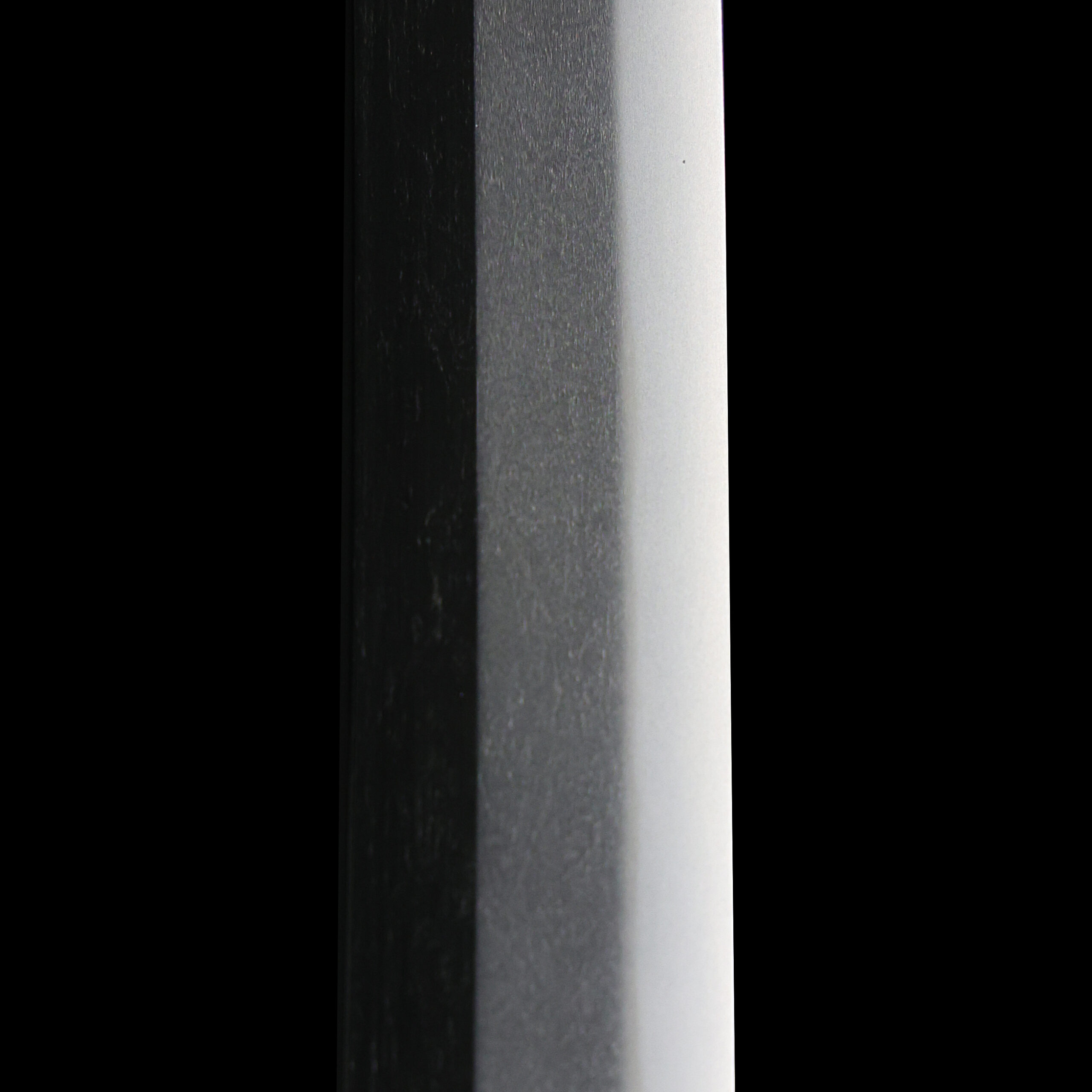
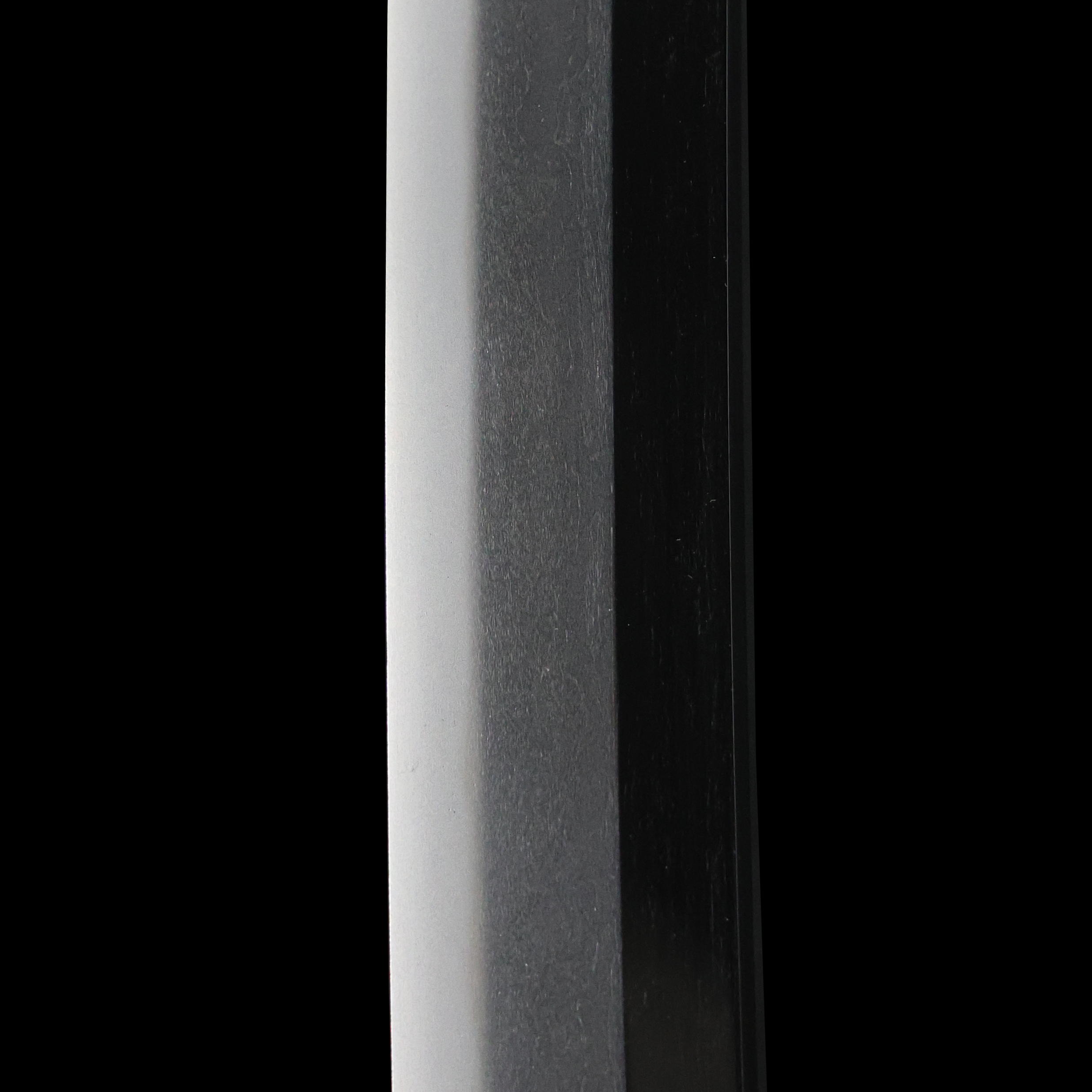
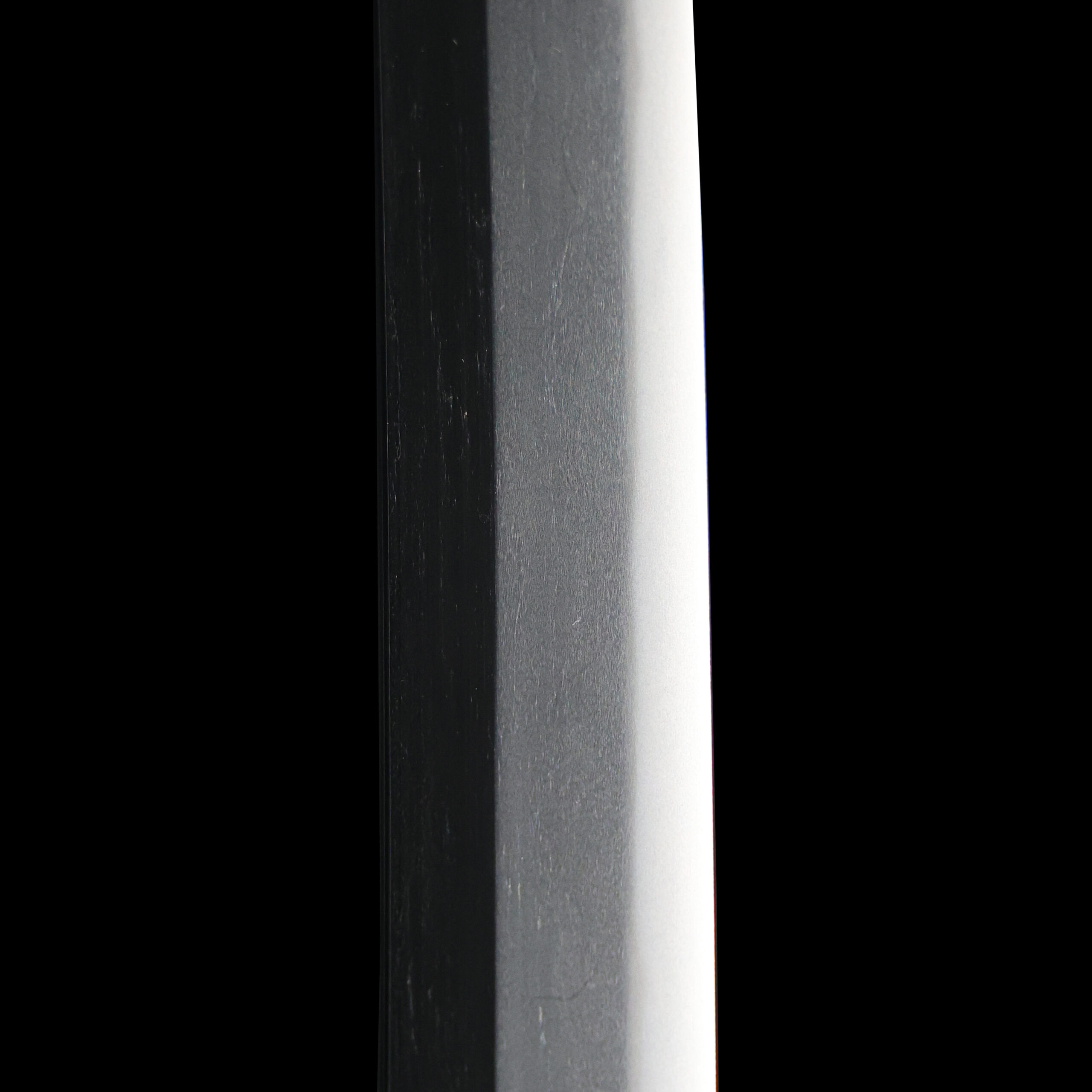
備前伝 · 備中 · 1332-1334頃
現在1点販売中
盛次の位置づけを、日本刀全体および伝法・時代・時期ごとに示します。各区分(随一・屈指・有数・著名)は、NBTHK および文化庁による指定に加え、三作や名物帳などの歴史的栄誉を加味したものです。
各項目を選ぶと評価方法が表示されます。
備前伝 · 備中
時期区分: 中青江· 1235–1334
現在19点販売中
中青江 備中国青江派は、高梁川下流域の子位・万寿の地を中心に栄えた一派であり、その淵源は古く、十一世紀初頭の往来物『新猿楽記』が諸国の名産物の中に「備中ノ刀」を挙げるところに遡る。これより二世紀の後、その高い評価を受け継ぐ青江派の刀工が登場し、同地に繁栄した。同派は時代的に大別され、鎌倉時代中期頃までのものを古青江、それ以降南北朝時代にかけてのものを青江と汎称する。中青江は、この後者のうち鎌倉時代後期より南北朝時代に至る一作風期を指し、青江派の最も充実した盛期に当たる。代表工としては、逆丁子の名手として定評ある次直、これと並んで直刃に長じた次吉、鎌倉時代末期より南北朝初期にかけての同派を代表する直次らが挙げられ、ほかに守次・吉次・秀次・貞次・大隅権介貞次など、多くの良工が輩出した。なお同派には太刀銘と刀銘の両方が見られ、書下し銘の手法もままみるところである。 作風を見ると、まず鍛えは小板目肌に板目・小杢目を交えてつみ、地沸が微塵に厚くつき、地景が細かに入る。処々に地斑状の肌合を交え、肌立ちごころに縮緬肌状を呈するものもあり、これらは同派の大きな見どころである。映りは同派を特徴づける要素であり、乱れ映りが鮮明に立つほか、棟寄りの乱れ映りと刃寄りの筋状の映りとが相俟って、いわゆる段映りを形成するものが看て取れる。刃文は中直刃ないし広直刃を基調とし、小互の目・小丁子・角ばる刃などを交え、処々逆がかって逆足を交えるのが通例である。匂口は締まりごころに小沸がつき、金筋・砂流しが細かにかかり、明るく冴える。この締まって明るく冴えた匂口こそ青江物随一の美点であり、塩相の深い様は見事である。帽子は直ぐ調に浅くのたれ、先尖りごころの小丸に返るものが多い。古青江が小沸出来で匂口のやや沈んだ直刃仕立てに小乱れを交えたのに対し、中青江は沸づきが穏やかとなり、匂出来で匂口の冴え冴えとした刃文に転じた点に画期がある。さらに南北朝時代最盛期の延文頃に至っては、華やかな逆丁子乱れが完成され、これは当時にあって青江一派の独壇場というべき個性的作域となった。鎌倉時代末期の作に窺える逆がかる態や下半の賑やかな乱れは、この後の華麗な逆丁子乱れの先駆を想起させるものである。 評価の面では、中青江は日本刀の中でも第一級の声価を得ている。古来、本阿弥家では無銘の青江物で典型的かつ出来のよいものに貞次の極めをあてる傾向があり、貞次の名は『新刊秘伝抄』に「備中物極上十五貫」と最高の代付をされるなど、同派の最高位の標識とされた。直次・次直・次吉らの在銘年紀作は元徳・延慶より貞和・観応・正平・文和・延文に及び、同工・同派を研究する上で資料的価値が頗る高い。伝来も長州毛利家・肥前小城鍋島家・大垣藩主戸田家・日州延岡藩主内藤家など名家に及び、世々珍重されてきたことが知られる。直刃の静謐な締まりと逆丁子乱れの華麗とを兼ね備え、つんだ鍛え・明るく冴えた匂口・特色ある段映りを以て、備中の伝統を最も洗練した姿で示すのが、この中青江の作風期である。 詳しく見る →
南北朝時代の備前
二つの朝廷が争った六十年、刀身は長大化し、長船がその需要に応えた。兼光と長義の工房は実際に戦う国人層の武士に仕え、軍勢とともに相州風が届いて相伝備前が生まれた。
特別保存刀剣の中から、特に出来が優れ、国認定の重要美術品に準ずると判断された名品です。年に一度の重要刀剣審査で選ばれます。
極めて選別的で、日本に登録された約250万口の刀剣のうち、重要刀剣に達したものは12,348口(約202口に1口)にすぎません。
日本美術刀剣保存協会(NBTHK)は、1948年に設立され、文化庁の監督を受ける公益財団法人で、東京・刀剣博物館に本部を置きます。専門の審査員が出品作を直接審査し、美術的・歴史的価値に応じた鑑定書を発行します。NBTHKの鑑定書は、日本刀および刀装具の真正性を示す最も広く認知された基準です。
NBTHK公式サイトReturns/exchanges limited to defects caused by shipping (except willful misconduct or gross negligence by the company); customers must contact within 72 hours of receiving the product.