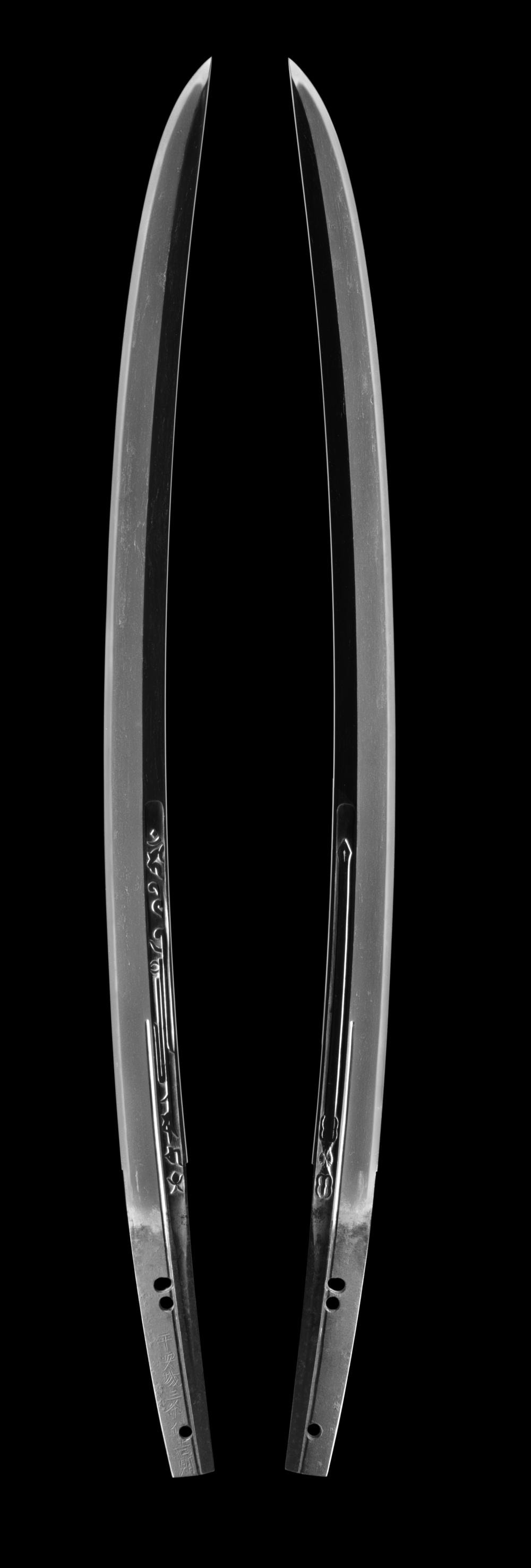
南北朝の戦乱は、山城の精緻を支えた公家社会を疲弊させた。来派最後の巨匠たちをもって古典の系譜は閉じ、長谷部と信国が新しい相州風を都に持ち込んでいる。
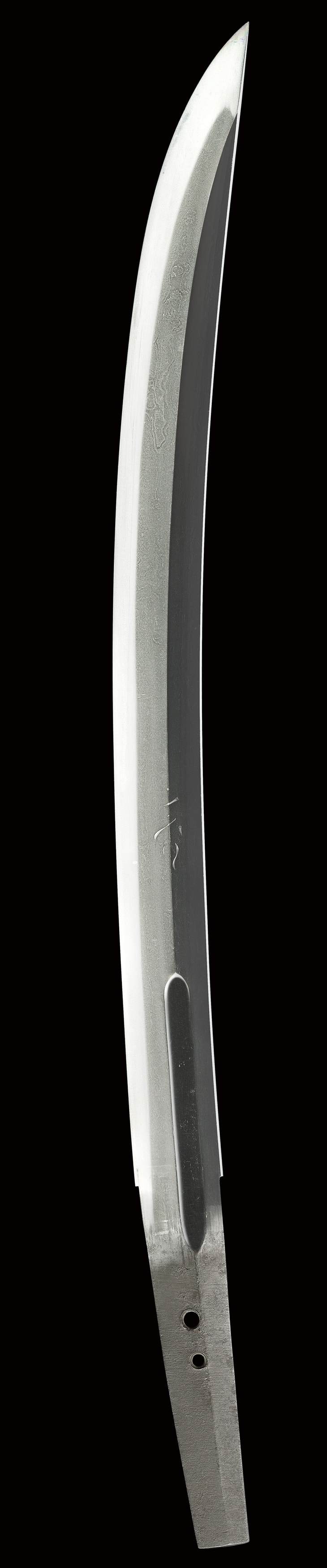
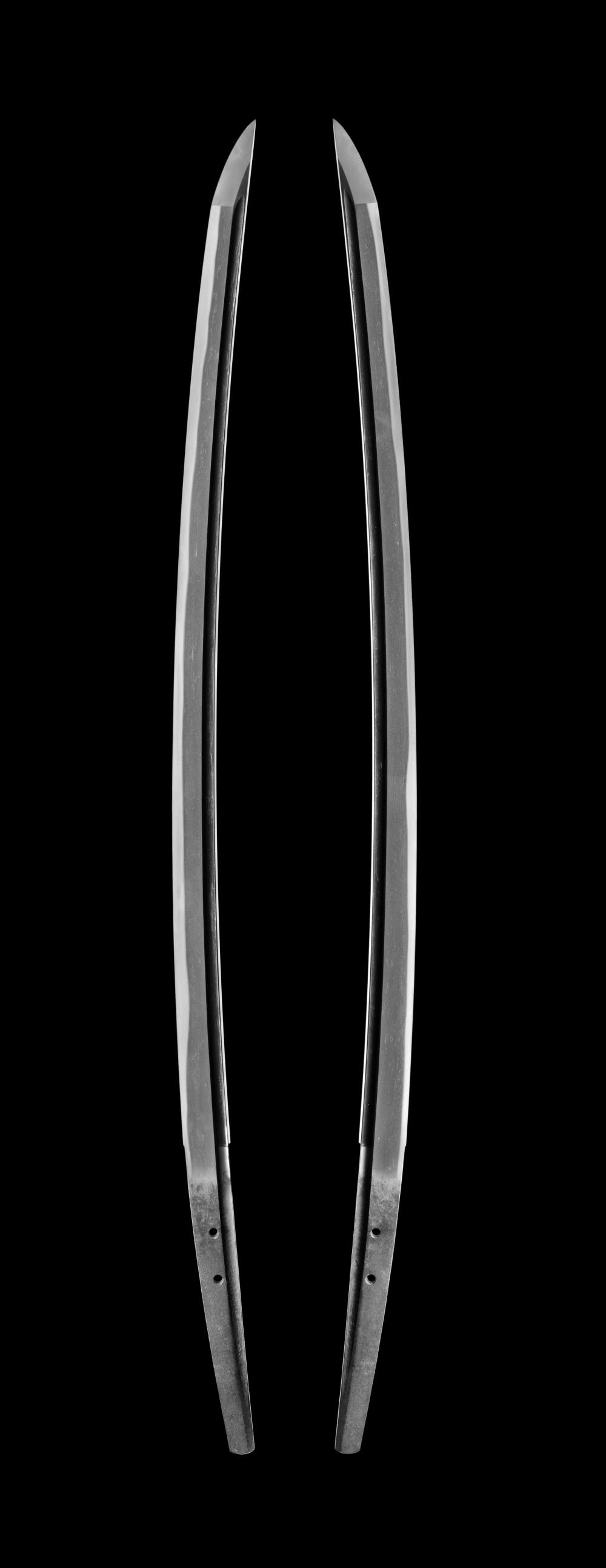
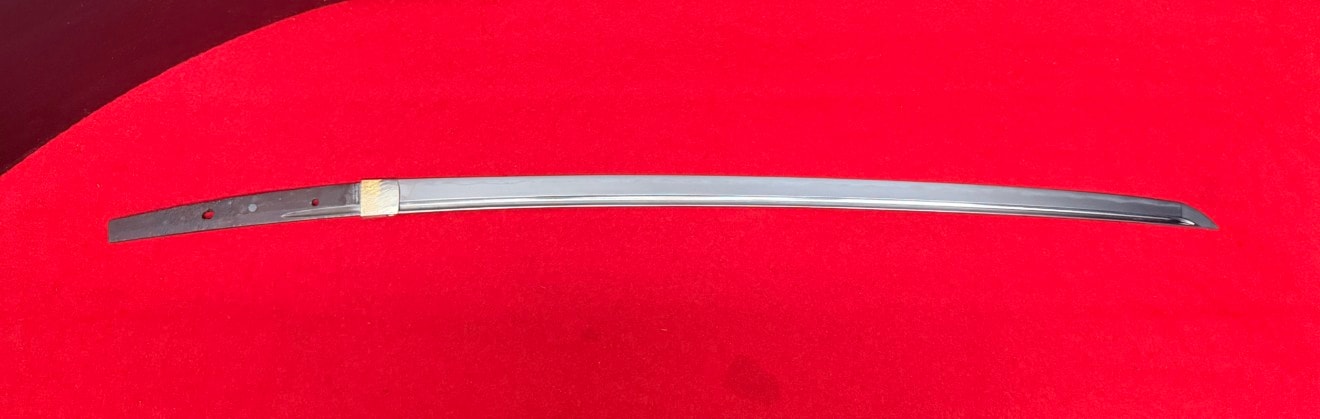
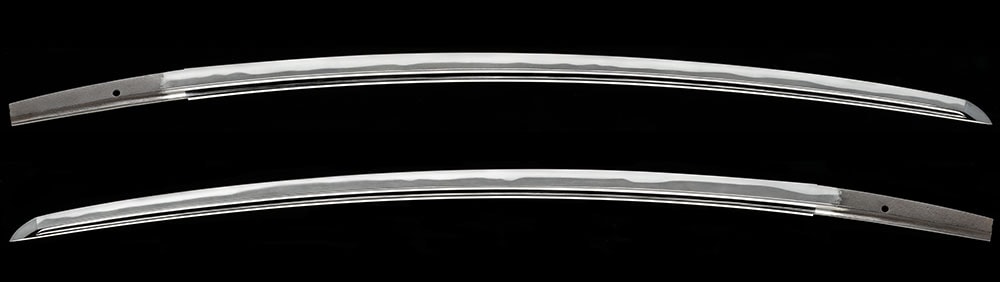
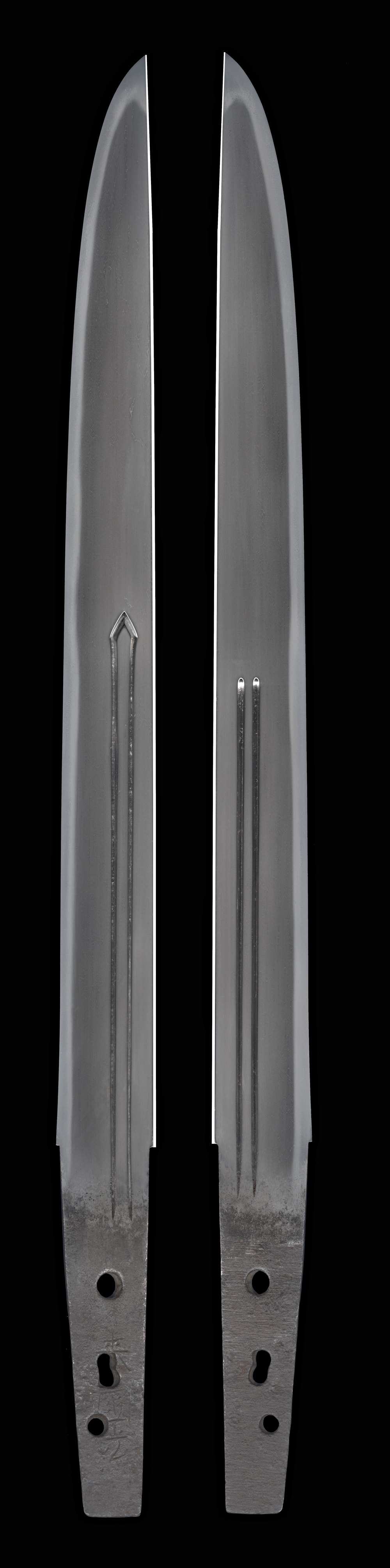
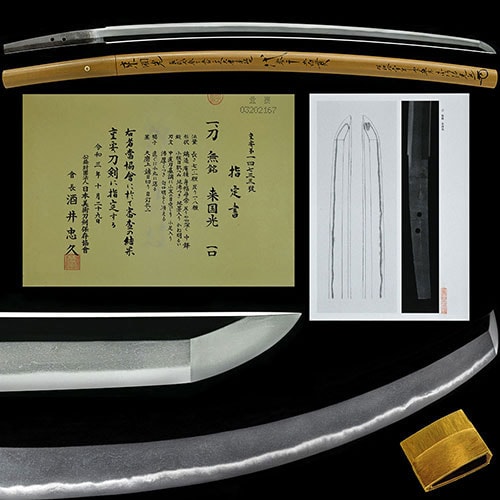
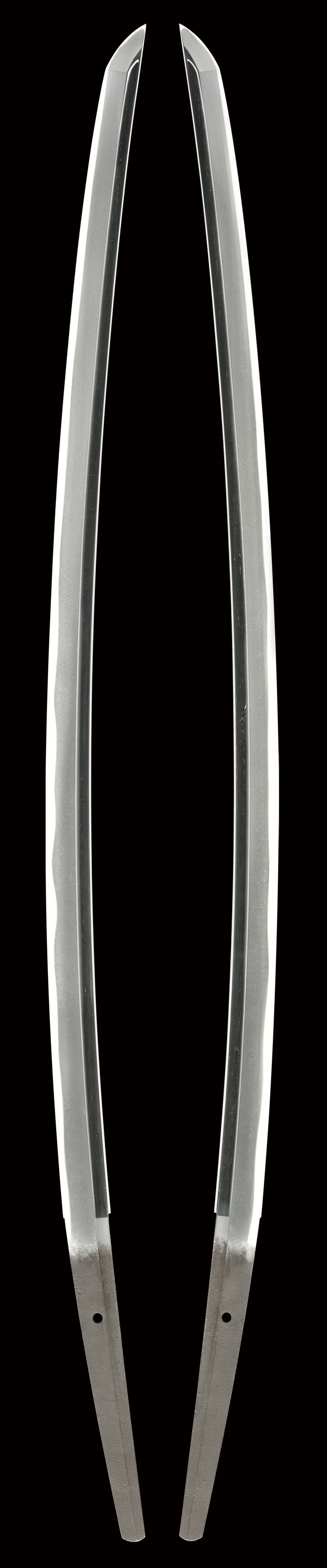
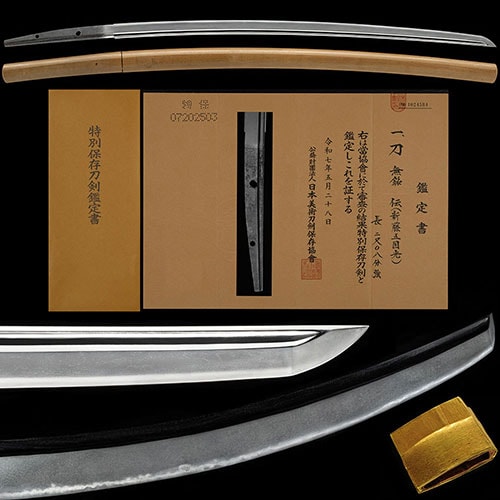
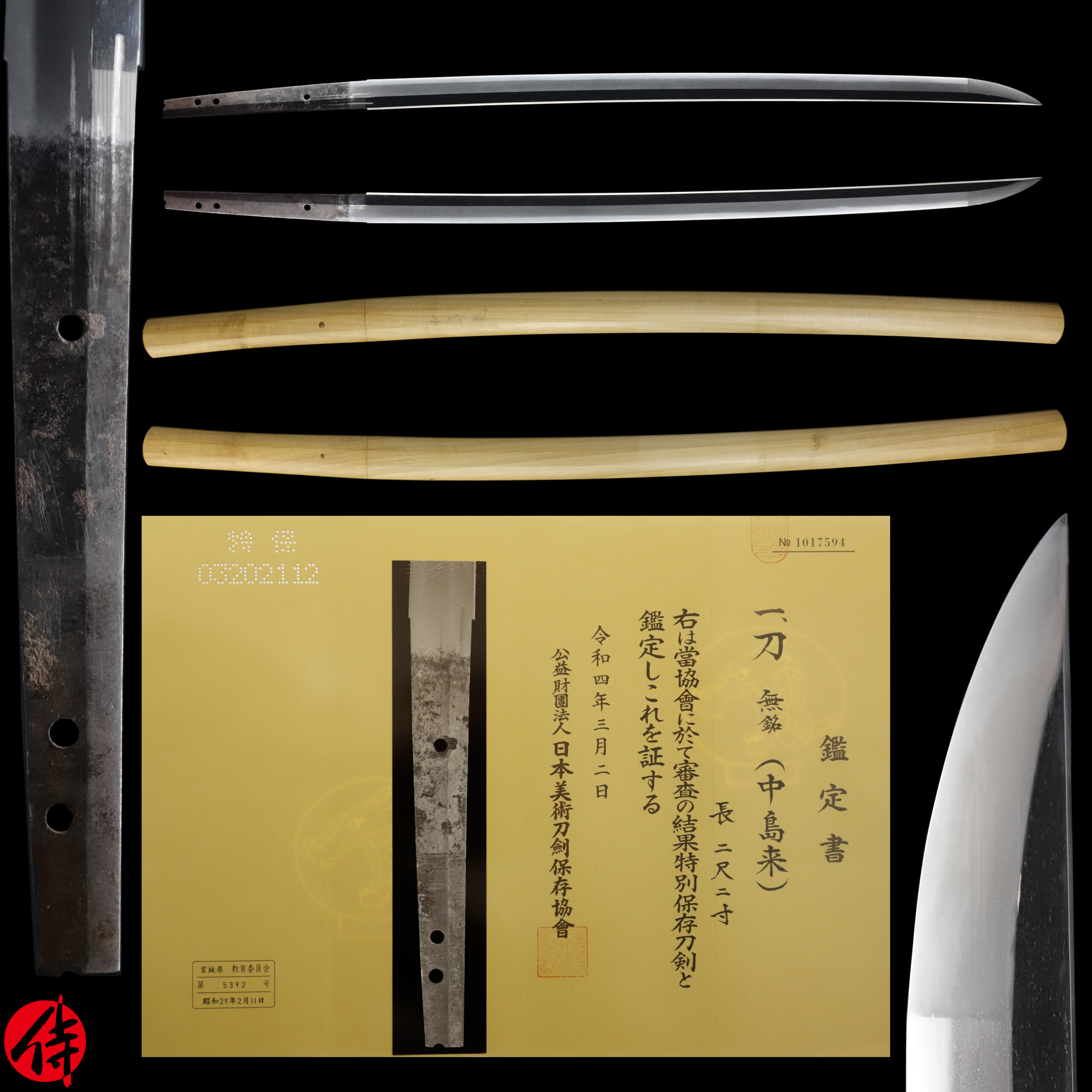
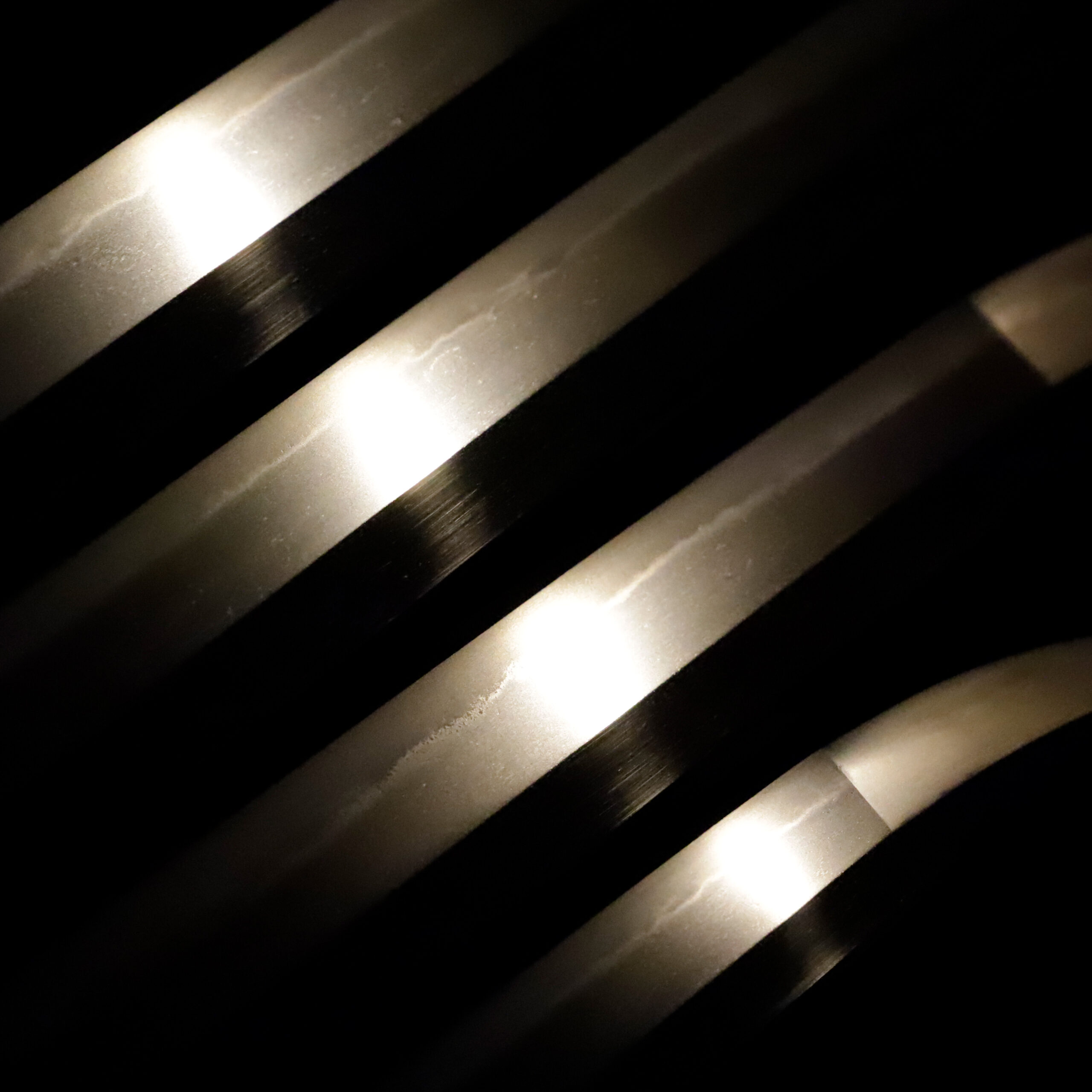
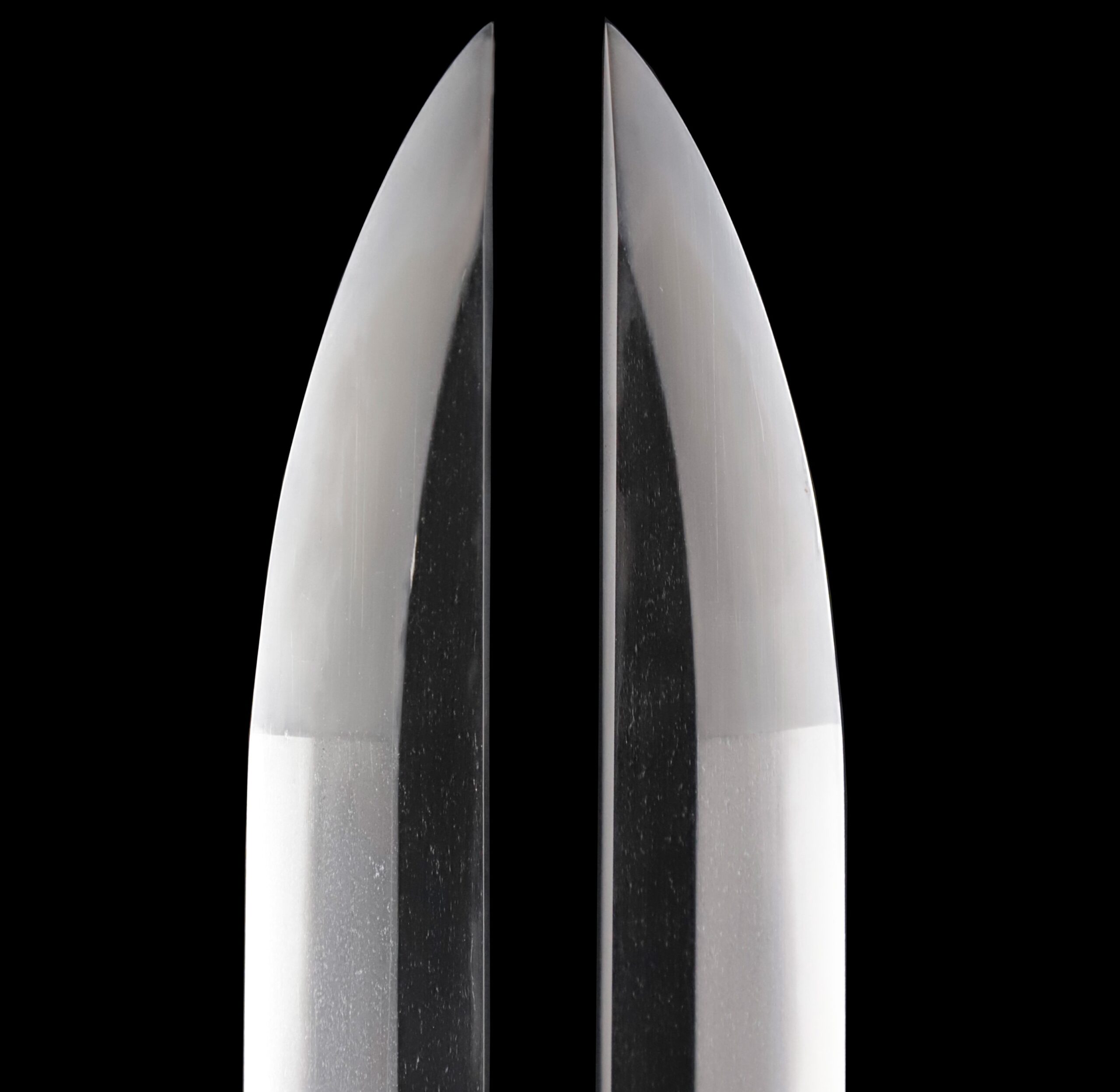
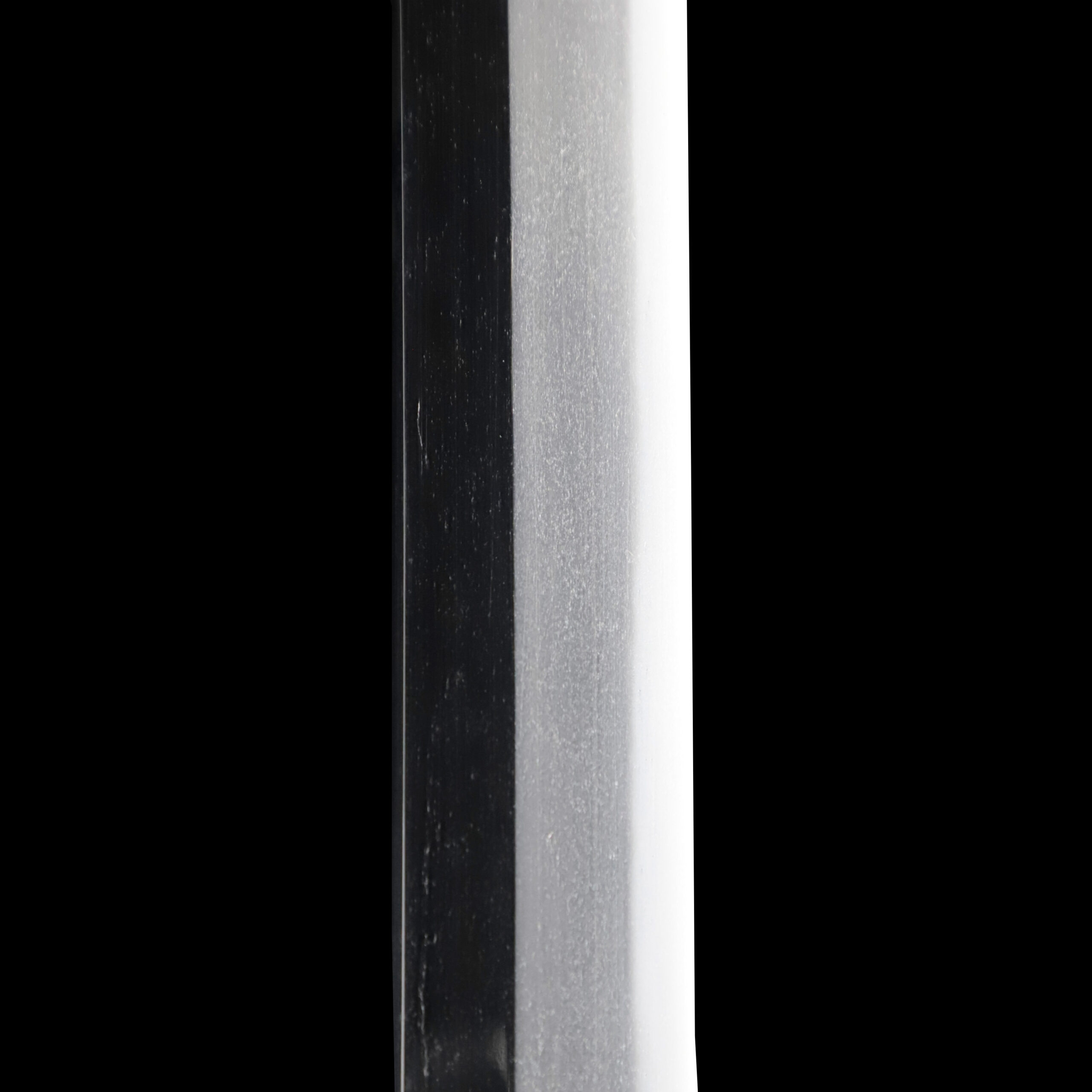
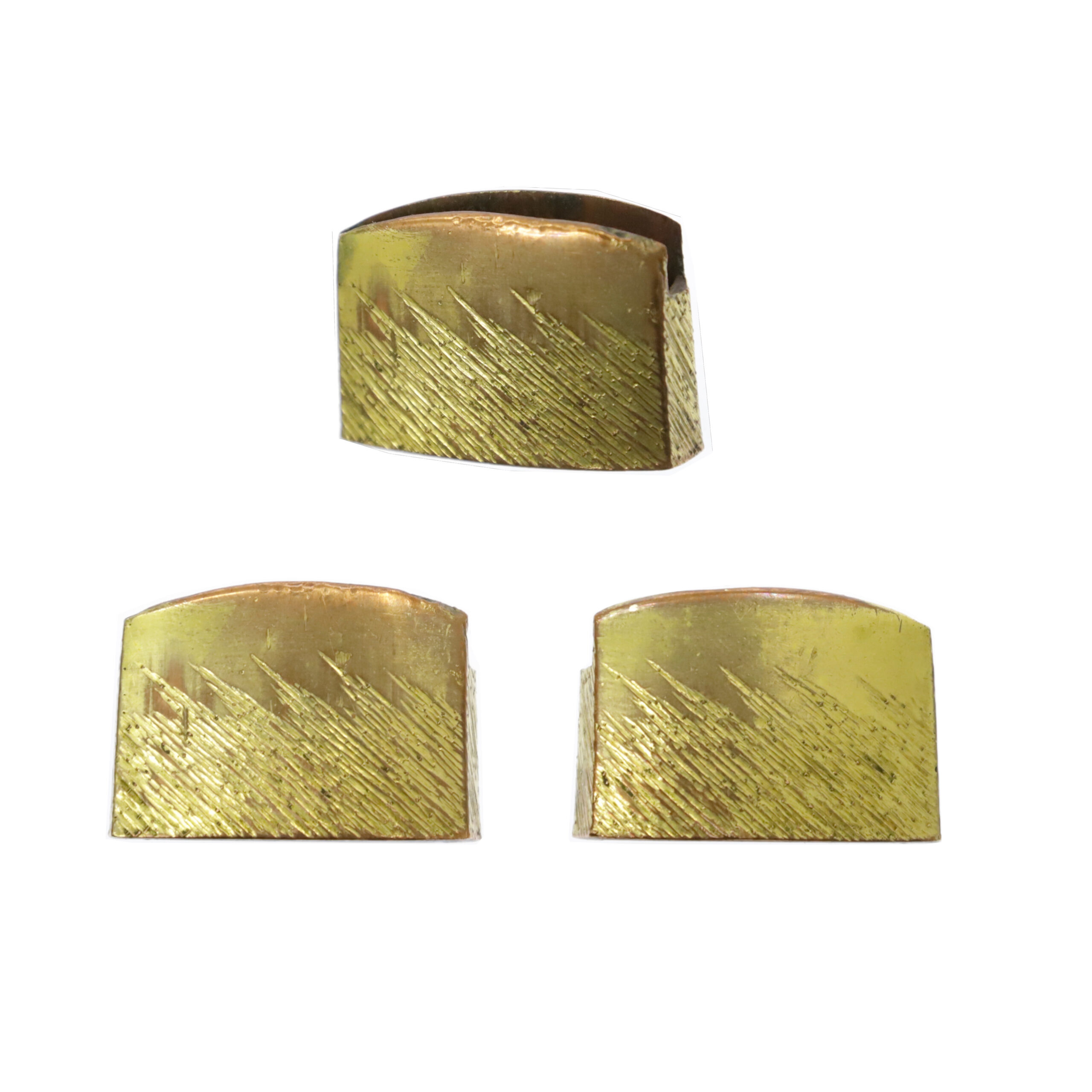
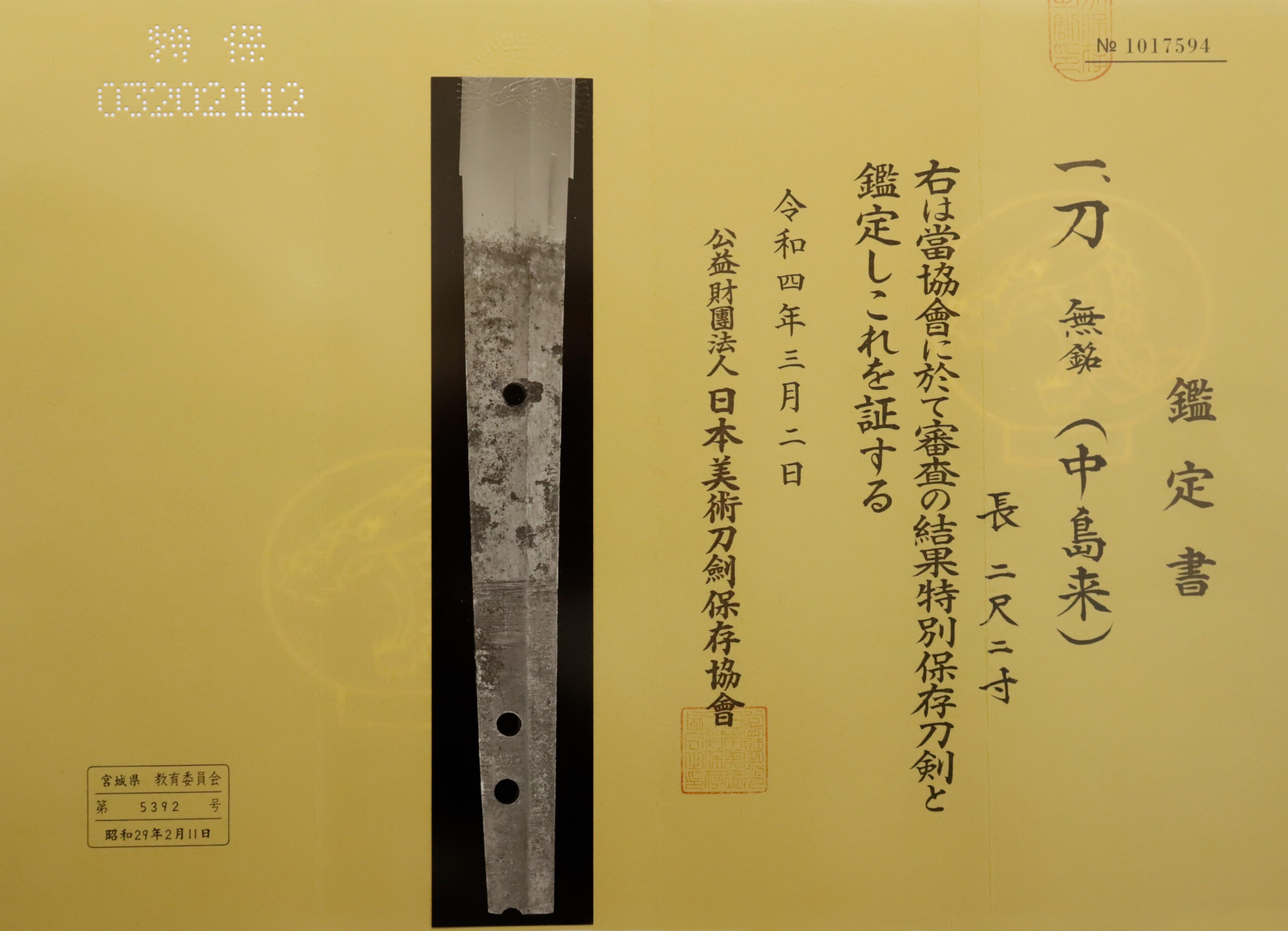
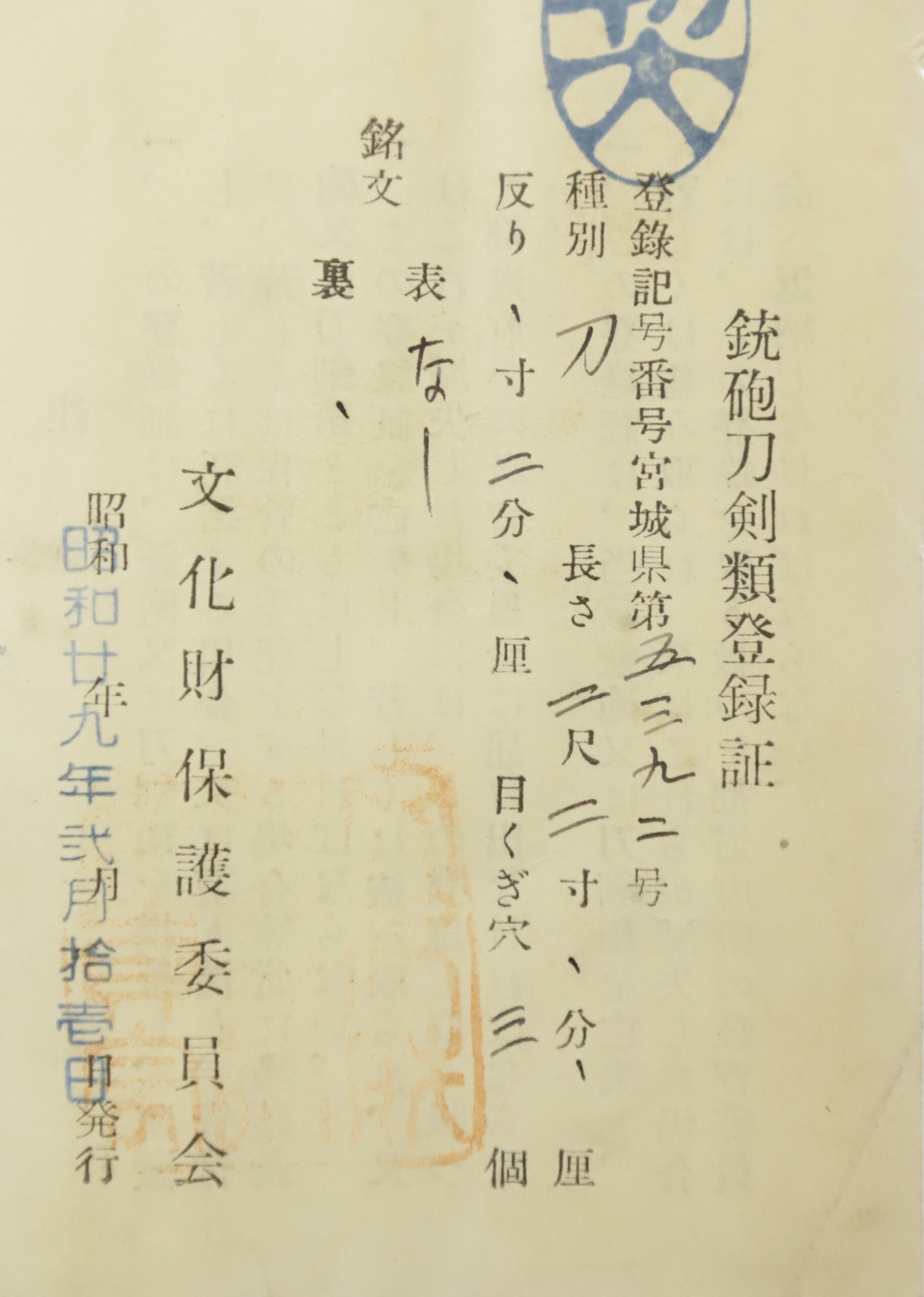
Antique Japanese Sword Katana Katana attributed to Nakajima Rai with Tokubetsu Hozon Certificate 【Description】 This blade is attributed to Nakajima Rai, also known as Rai Kuninaga. He belonged to Rai school, which was prosperous in Yamashiro province (Kyoto prefecture) during the mid-Kamakura-Nanbokucho period. Rai Kuninaga was an apprentice of Rai Kunitoshi. Rai school was originally founded by Rai Kuniyuki and was taken over by Rai Kunitoshi, and then Kunimitsu became the head of the school in his career. Rai Kuninaga is called Nakajima Rai becuase he moved to Nakajima village in Settsu province (today’s Osaka) in his career. The maker’s name, Kuninaga lasted two generations. And, the first-gen was active during the Gentoku era (1329-1331) and the second-gen was active during Shohei- Oan era (1346-1375). This means Nakajima Rai was active during the end of the Kamakura- Nanbokucho period. Yamashiro province was famous for its sword making style called YAMASHIRO-DEN. YAMASHIRO-DEN’s origin dates back to the Heian period (794 A.D), when the capital city was moved from Nara to Kyoto. The swordsmiths in Yamashiro province initially prospered by forging swords for court nobles and imperial families. Later on, they also forged swords for feudal lords after Samurai military government took control of Japan. There are so many renowned swordsmiths from this region. It is said that the founder of YAMASHIRO-DEN was Sanjo Munechika. And there are seven prestigious schools in this region. One of them is Rai school, where Kuninaga originally belonged. Rai school and Awataguchi school are the most prestigious ones among YAMASHIRO-DEN. One of the most characteristics of YAMASHIRO-DEN is its elegant design and beautiful Jigane. This blade represents strong trait of YAMASHIRO-DEN. It is appraised as a Tokubetsu Hozon Token (特別保存刀剣) issued by NBTHK(Nihon Bijutsu Touken Hozon Kyokai:日本美術刀剣保存協会). This authentication paper was only given to authentic Japanese swords, especially well preserved and high quality with artistic value. 【 Blade】 Cutting Edge Length(Nagasa) : 66.6cm (26.2 inches) Curvature(Sori) : 0.60 cm (0.23 inches) Hamon : The crystalline structure which forms along the cutting edge of a blade as a result of the hardening process Jimon(Jihada) : visible steel surface pattern created by folding and hammering during forging process Kissaki : Kissaki is the tip of the Japanese sword. Nakago : Nakago is the tang of the Japanese sword. Japanese swordsmiths left the black rust on the tang because it prevents red rust while the tang is in its handle. And the discoloration of the tang was created over time, and it is a great indicator for a Japanese sword specialist to estimate when the sword was forged. Habaki : Habaki is the equipment to make the blade not touch its scabbard inside. It prevents the blade from getting rusty and chipped. Authentication Paper : NBTHK TOKUBETSU Hozon Certificate for the blade (No. 1017594) NBTHK , also known as Nihon Bijutsu Touken Hozon Kyokai (the Society for the Preservation of the Japan Art Sword), is one of the oldest Japanese sword appraising organizations in modern-day Japan. They authenticated the blade on March 2nd in the 4th year of Reiwa (2022). They appraised it as Tokubetsu Hozon Touken, the blade especially worth preserving for Japanese society. The purchaser will receive this original certificate as well. We can also translate what is written into English and make a PDF file for your record if you request. Registration Number : Miyagi 5392 The Board of Education in Miyagi prefecture issued a registration paper for this sword . It is called Jyu Token Rui Torokusho(銃刀剣類登録証). Bunkacho(The Agency for Cultural Affairs) acknowledges a Japanese sword with this paper as a work of art. The sword needs to be traditionally hand-forged and made of Tamahagane carbon steel to be registered in the system. With this paper, its owner in Japan can legally own an authentic Japanese sword. Based on this registrati
 NihontoWatch
無銘 · Rai · 南北朝 · 長さ 66.6cm · 反り 0.6cm
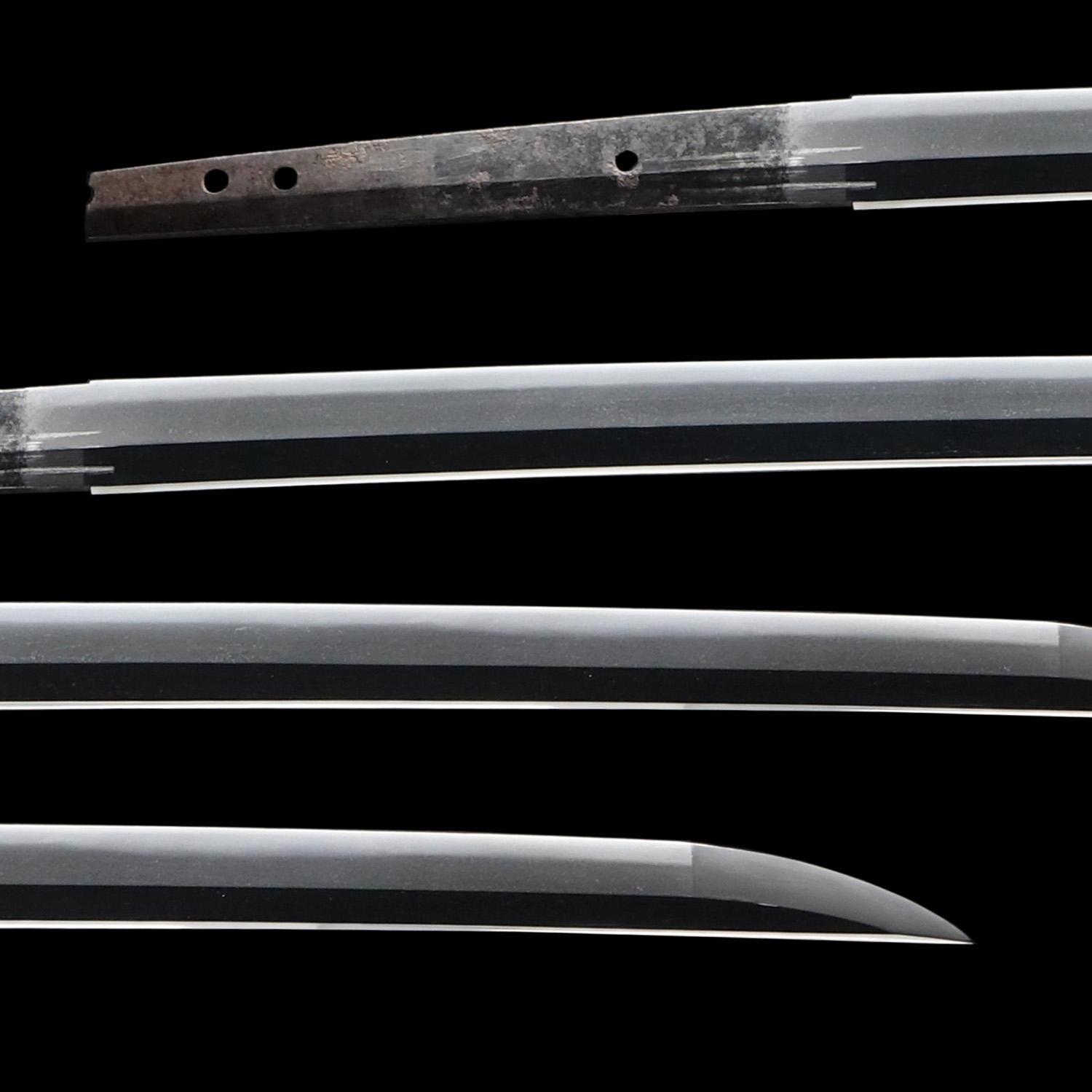
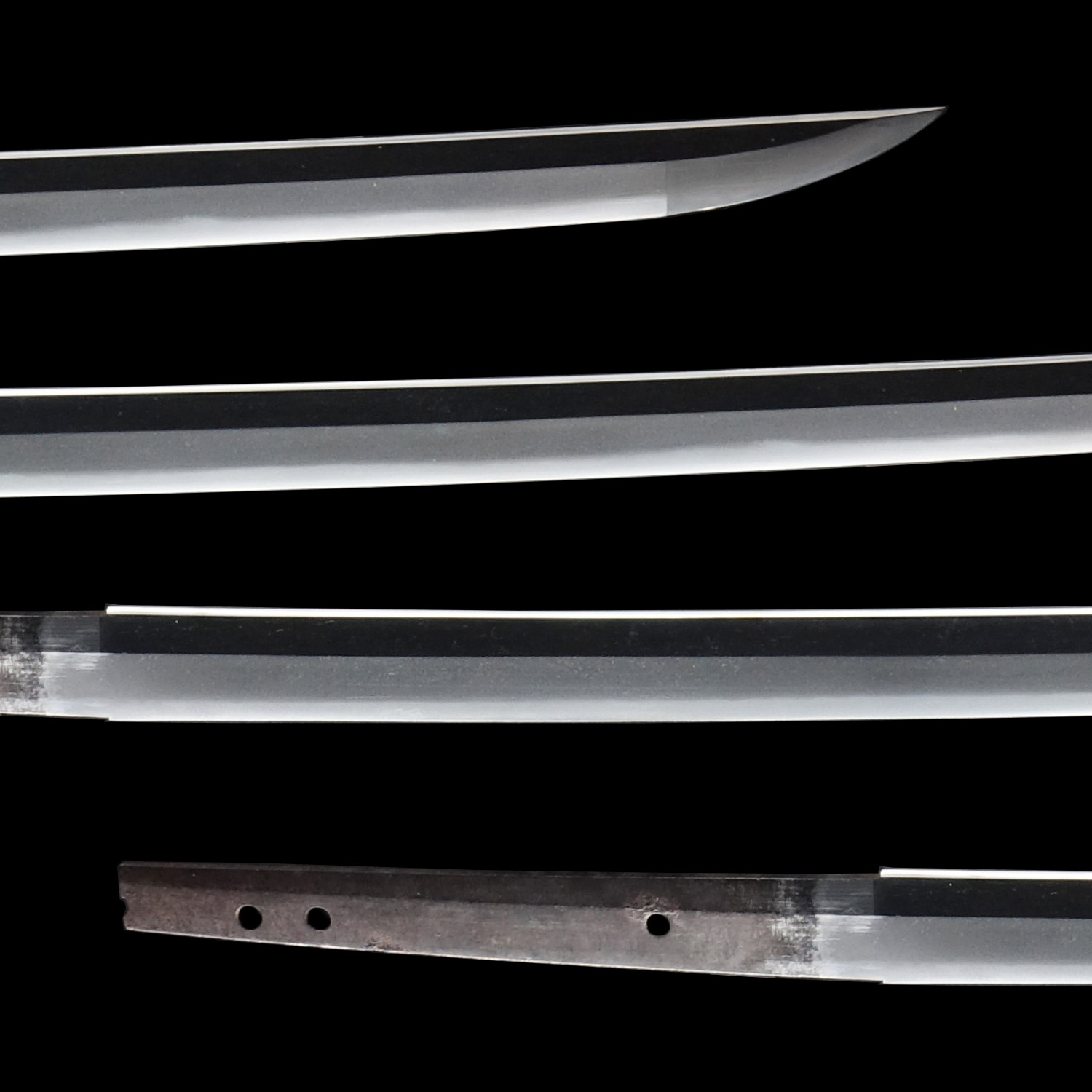

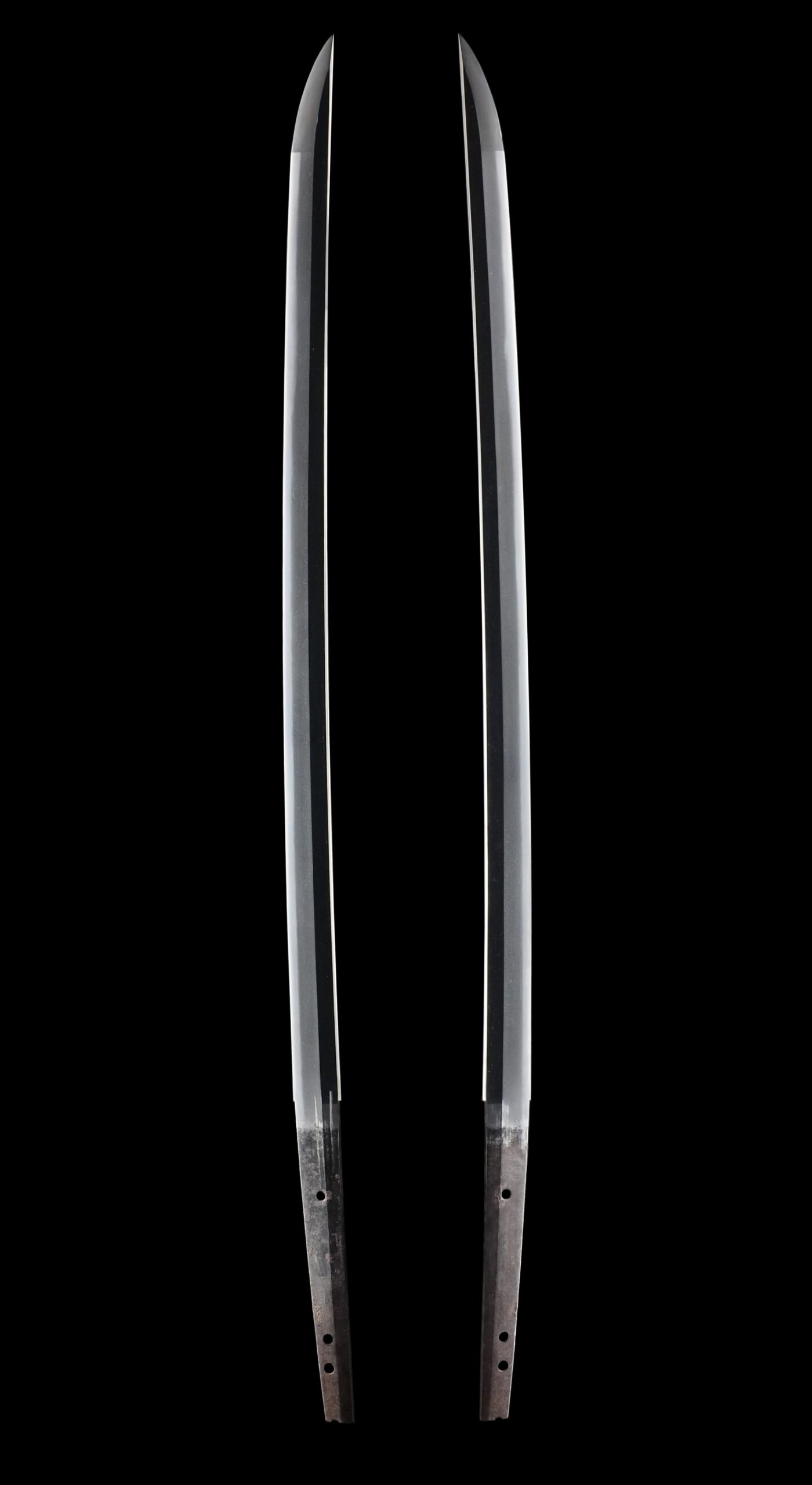
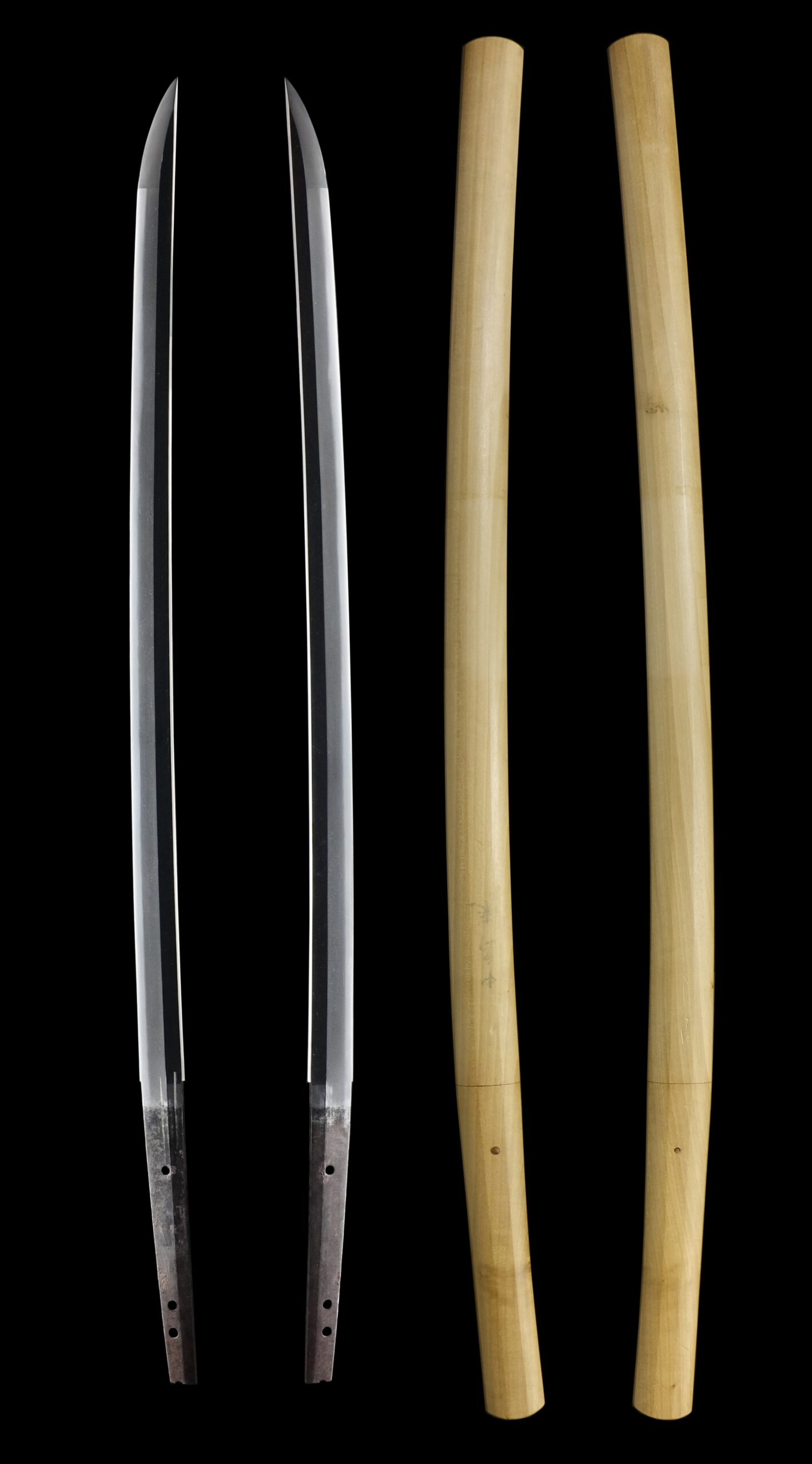
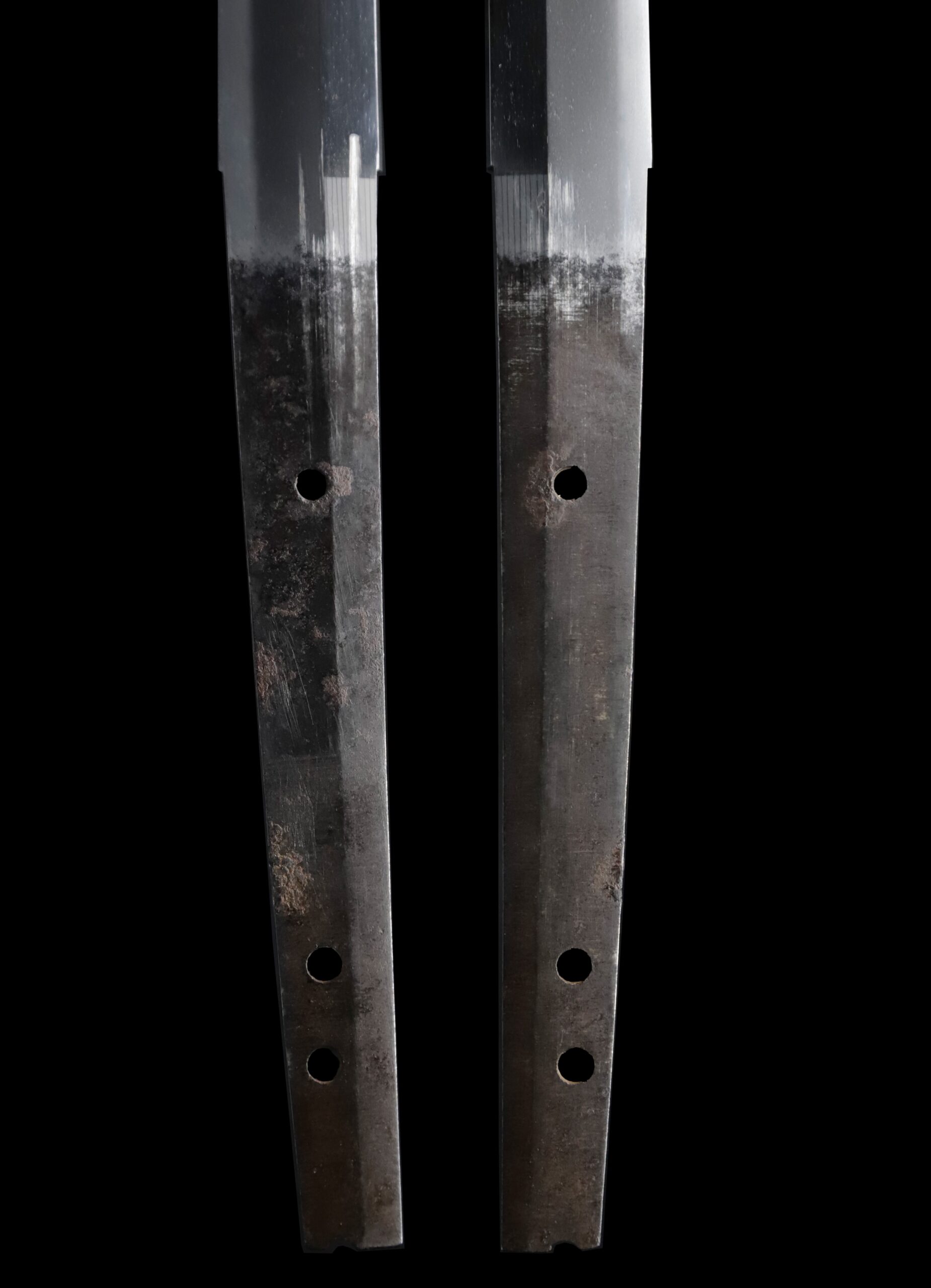
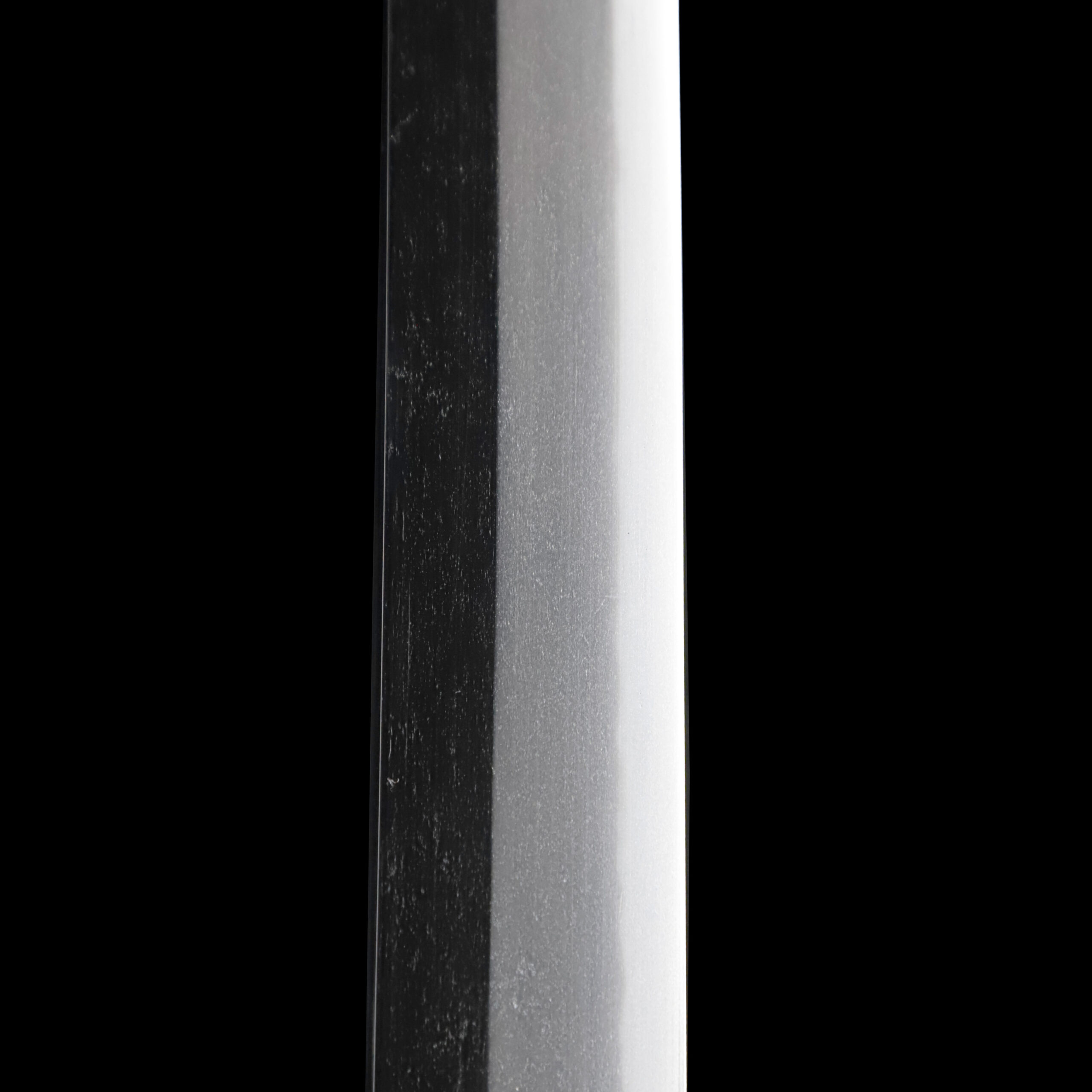
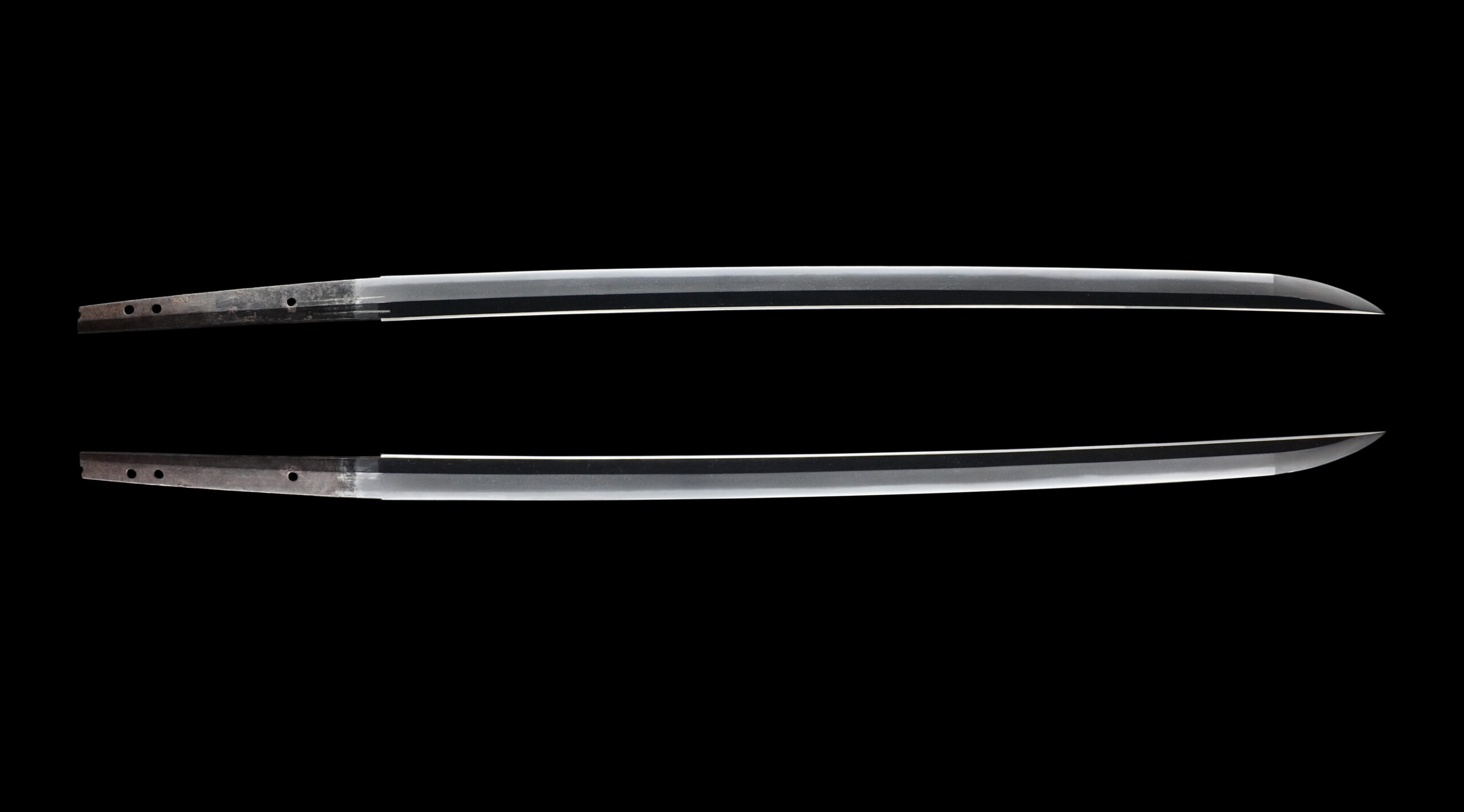
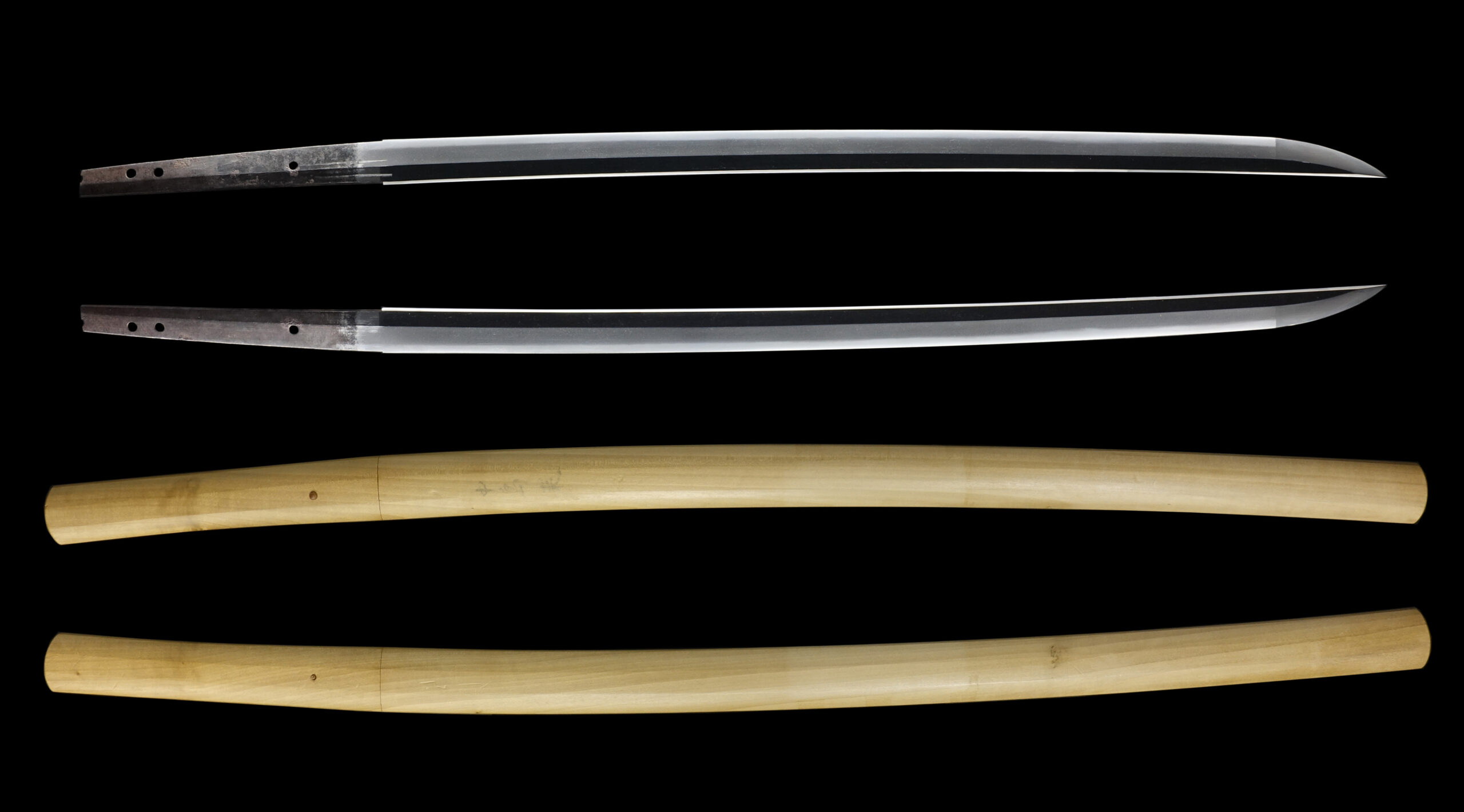
山城伝 · 摂津
現在6点販売中
中島来派は、山城来派の刀工来国俊の門人である来国長が摂津国中島に移住して鍛刀したことに起源を持つ一派である。『刀工銘鑑』によれば同名二代があり、初代を元徳頃、二代を正平・応安頃と記している。有銘作の遺例は極めて僅少であるが、現存作は来派の伝統を忠実に継承した作風を示しており、様式的には来国光に近似するものの、作位において若干譲る感がある。 作風の特徴は、地鉄において板目肌がよくつみ、しばしば杢目や流れ肌を交え、肌立ちごころとなり、地沸が厚くつき、地景が細かに頻りに入る点に認められる。淡く沸映りが立つものも見られ、地刃ともに冴えた出来口を呈する。刃文は広直刃を基調とし、小互の目・小丁子などが交じり、足・葉がよく入り、小沸出来で匂口が明るく冴える。刃縁には処々ほつれ・喰違刃・二重刃・打のけなどの変化が現われ、金筋・砂流しが盛んにかかるなど、刃中の働きに富む。帽子は直ぐに小丸、あるいは乱れ込んで掃きかけ、先小丸に返るものが多い。姿形は、鎌倉時代末期から南北朝時代にかかる頃の特色を示し、身幅広く、元先の幅差が少なく、反りやや浅く、中鋒延びる、あるいは大鋒となる豪壮な体配を呈する。大磨上無銘となるものが大半であるが、輪反りの名残を留めるものも少なくない。 伝世品の多くは重要刀剣以上の指定を受けており、来派の特色を明示しながらも、覇気に富む作域と地刃の健全さを兼備した優品が揃っている。板目肌に地沸が厚くつき地景が頻りに働く鍛え、光の強い沸が厚くついて刃縁が頻りに働く刃文、そして幅広で大鋒の力強い姿態が相俟って、中島来派の刀剣は南北朝期における来派の伝統と時代の覇気を今に伝える貴重な遺産として評価されている。 詳しく見る →
南北朝時代の山城
南北朝の戦乱は、山城の精緻を支えた公家社会を疲弊させた。来派最後の巨匠たちをもって古典の系譜は閉じ、長谷部と信国が新しい相州風を都に持ち込んでいる。
保存刀剣のうち、出来が一層優れ、保存状態も良好と認められたものです。再刃や、室町・江戸期の多くの無銘作は対象外となり、保存刀剣より高い基準が課されます。
日本美術刀剣保存協会(NBTHK)は、1948年に設立され、文化庁の監督を受ける公益財団法人で、東京・刀剣博物館に本部を置きます。専門の審査員が出品作を直接審査し、美術的・歴史的価値に応じた鑑定書を発行します。NBTHKの鑑定書は、日本刀および刀装具の真正性を示す最も広く認知された基準です。
NBTHK公式サイトReturns/exchanges limited to defects caused by shipping (except willful misconduct or gross negligence by the company); customers must contact within 72 hours of receiving the product.