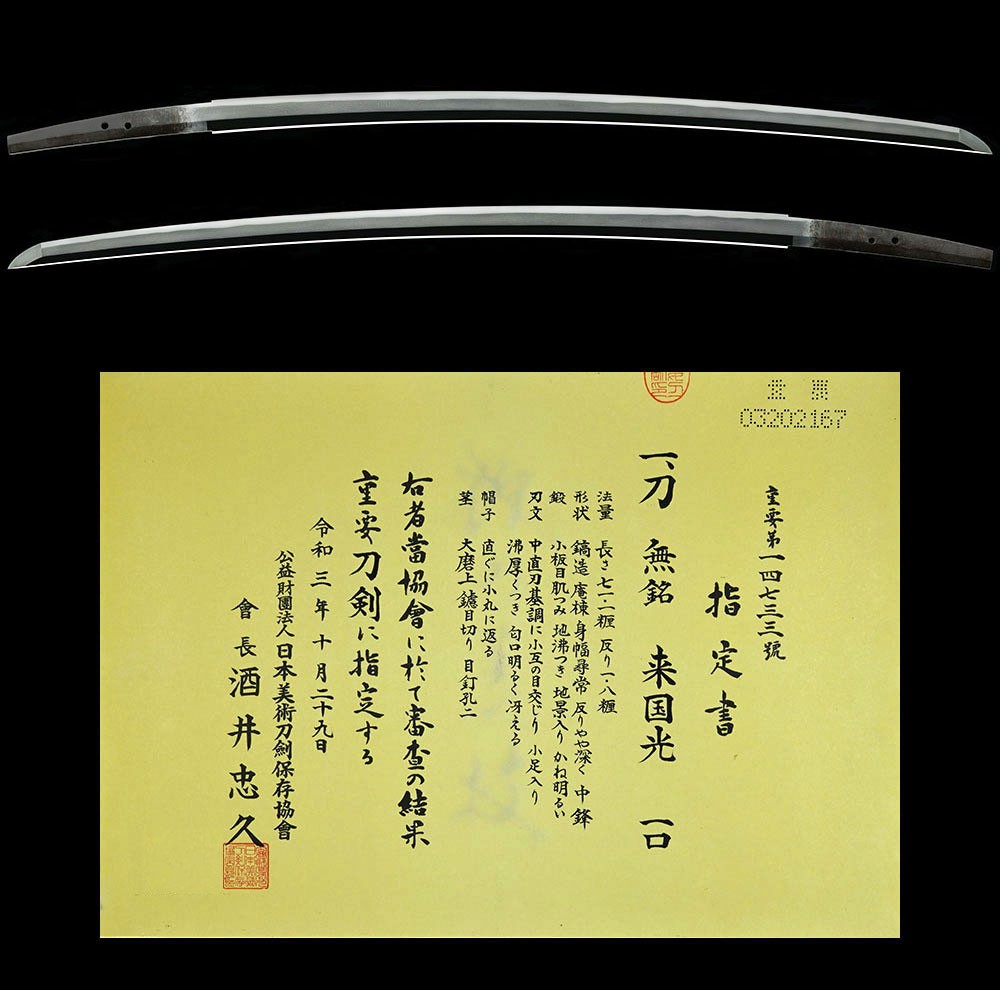

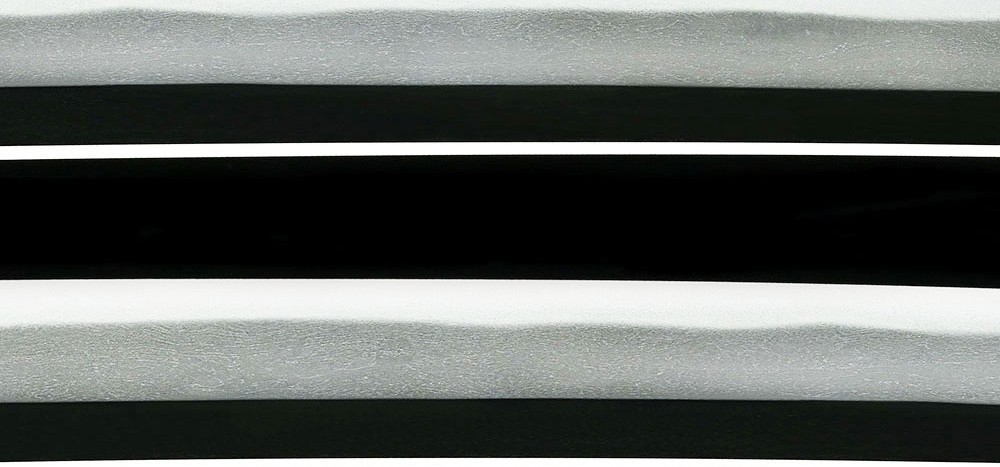
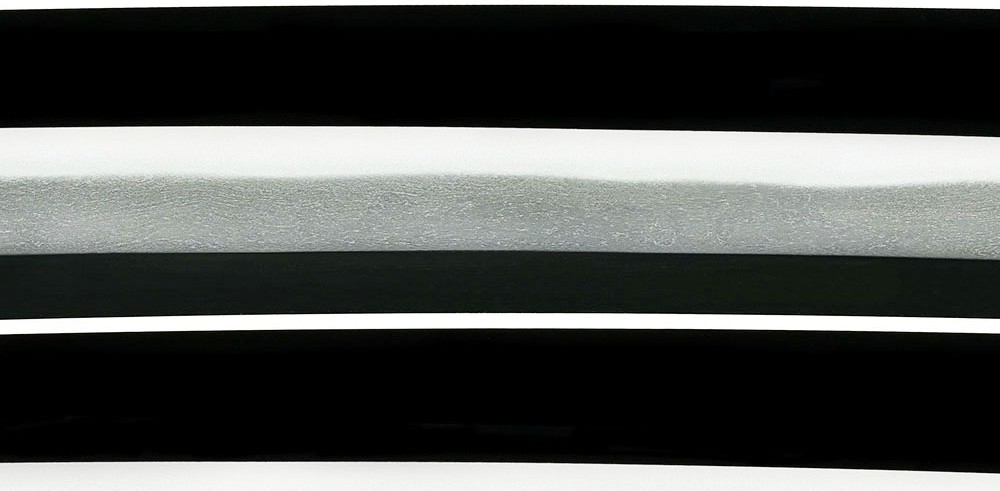
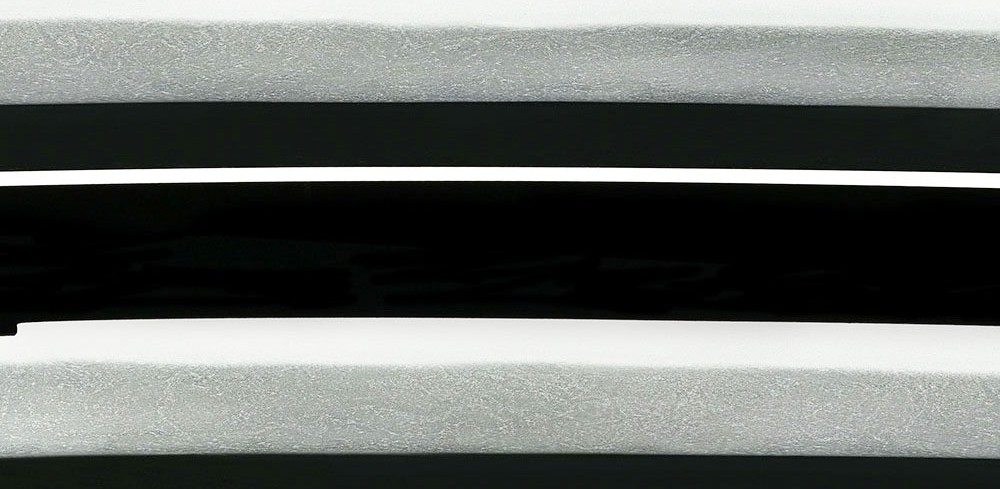
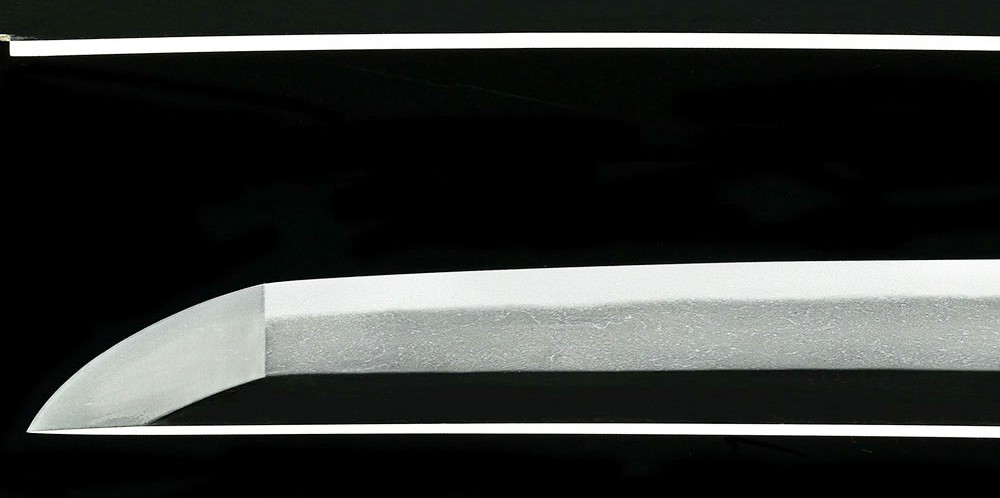
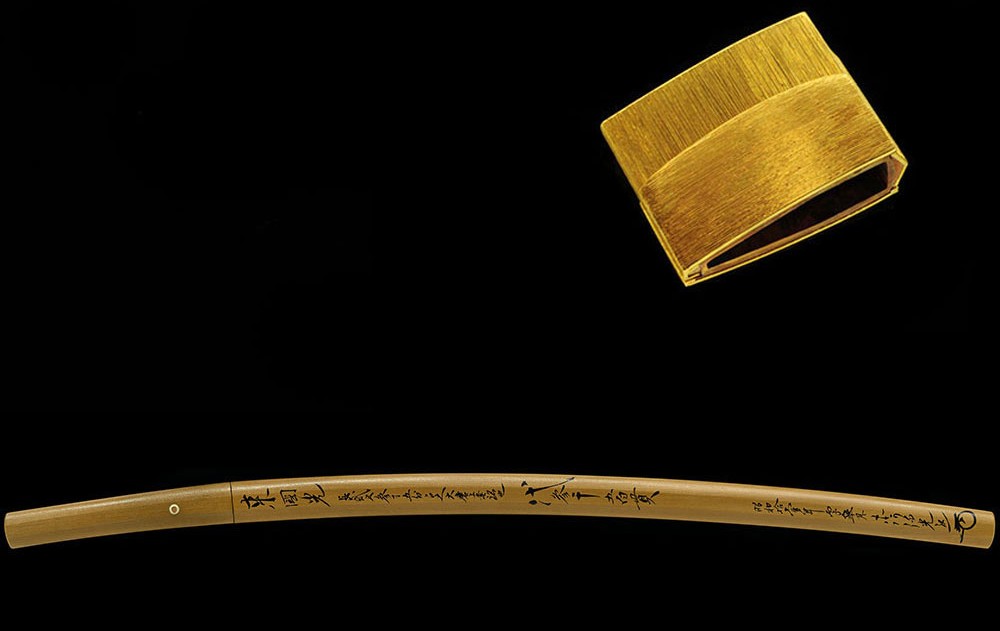
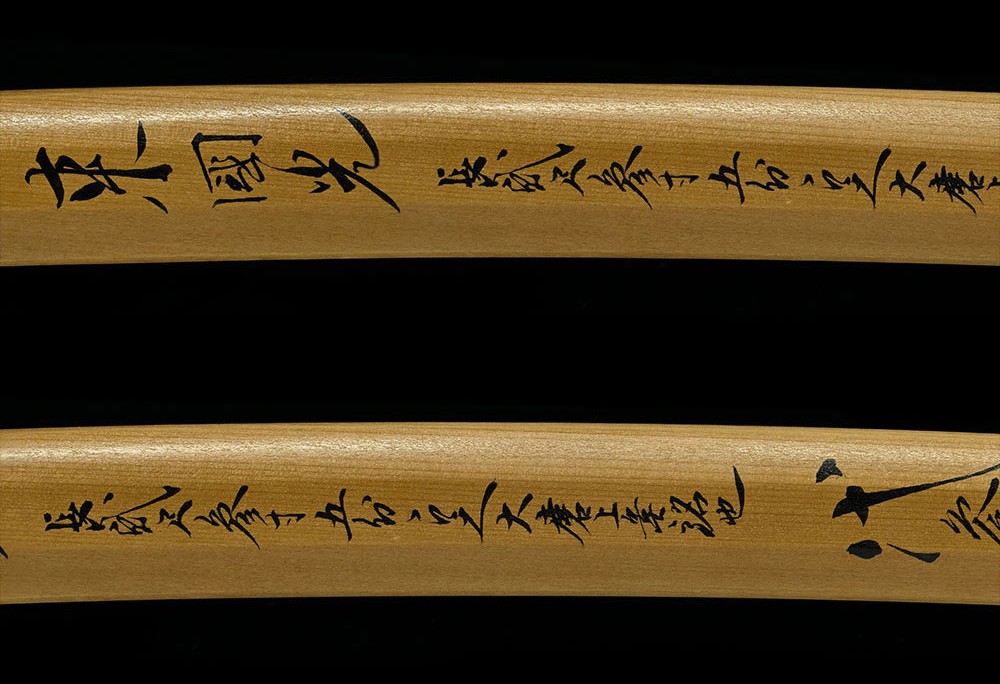
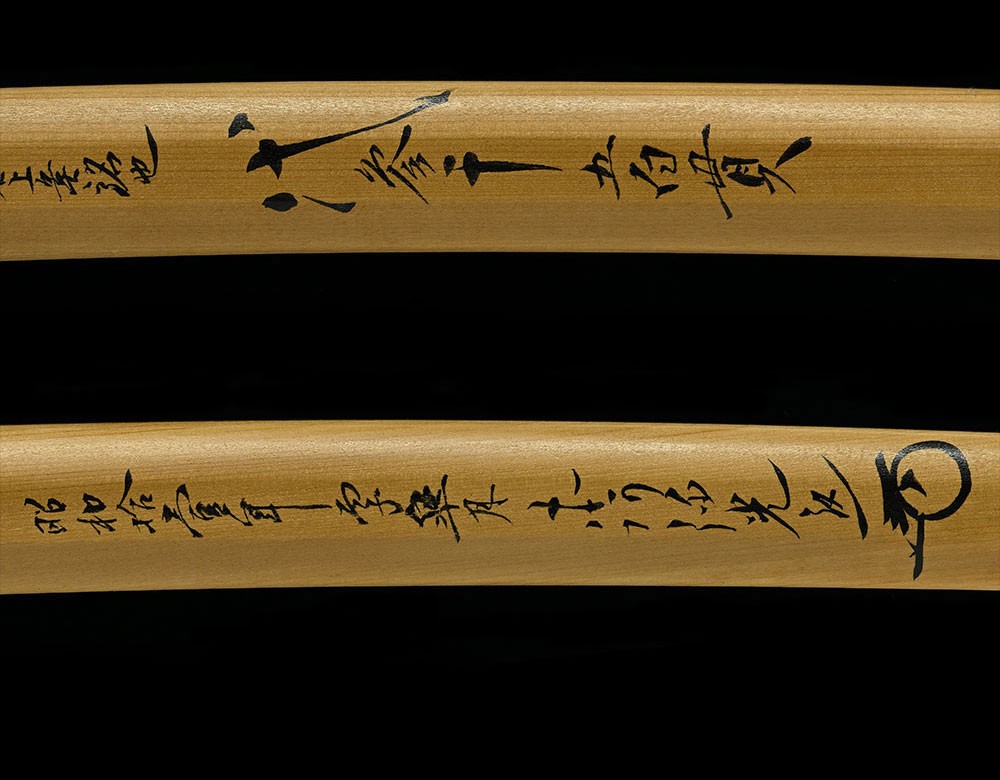
Juyo-Token, 67th Session — Designated October 29, 2021
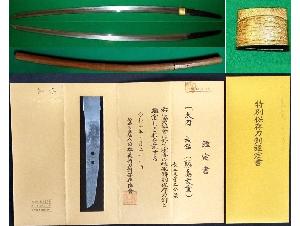
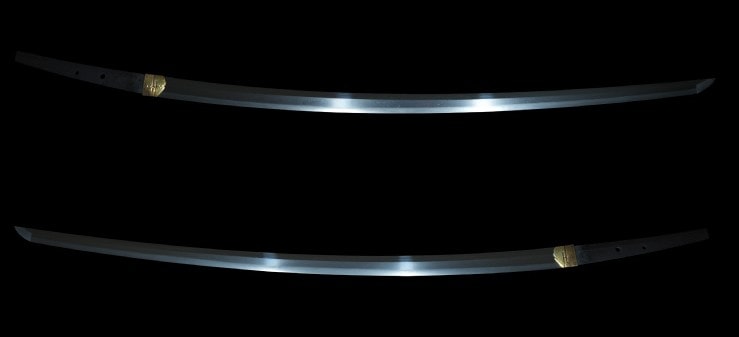
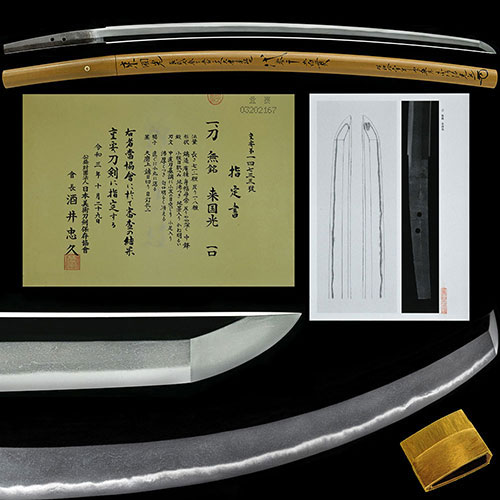
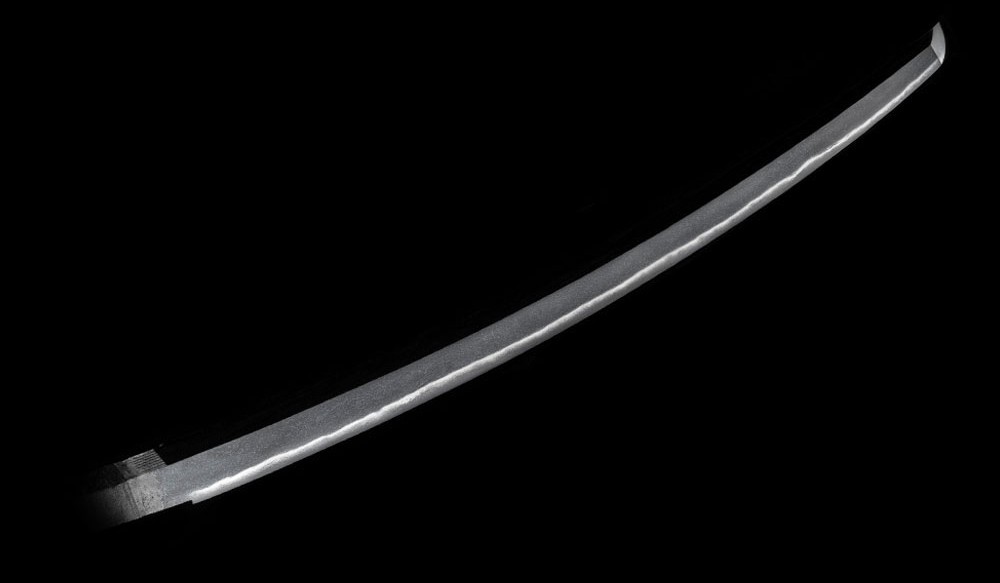
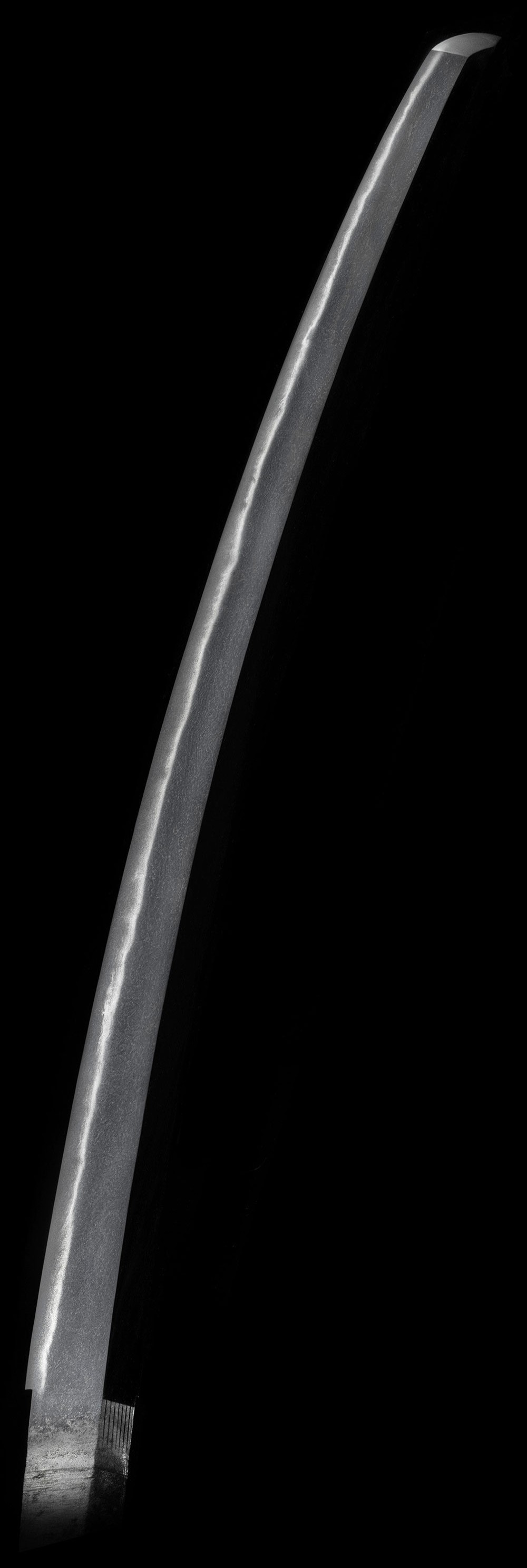
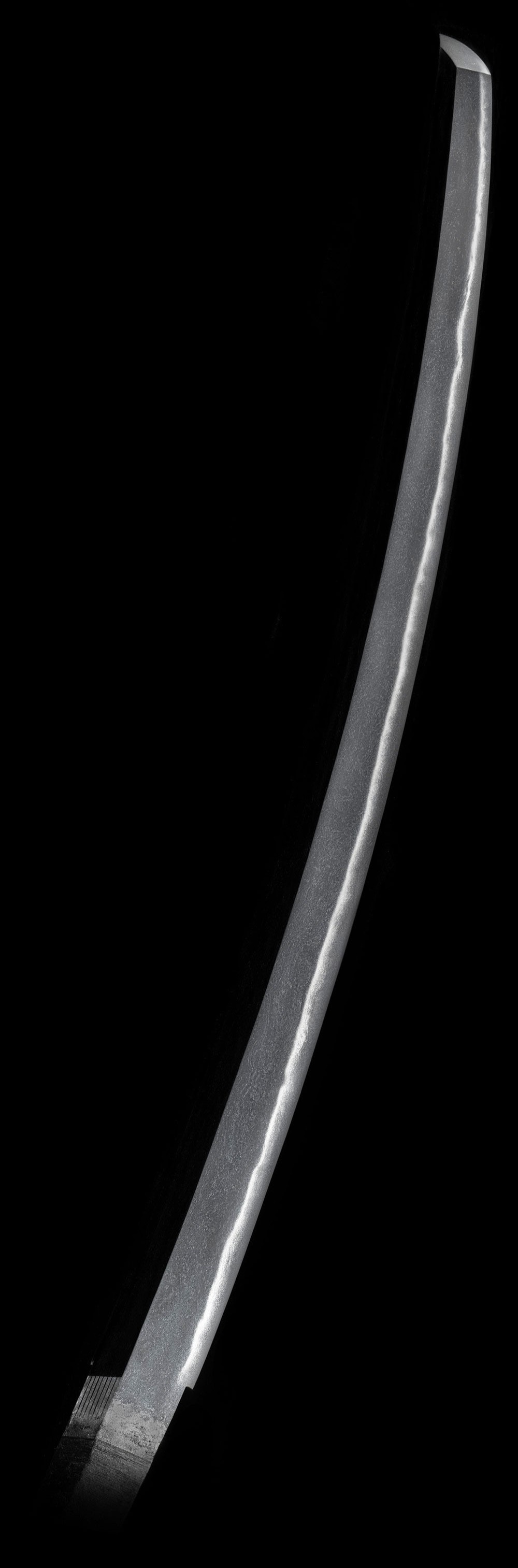
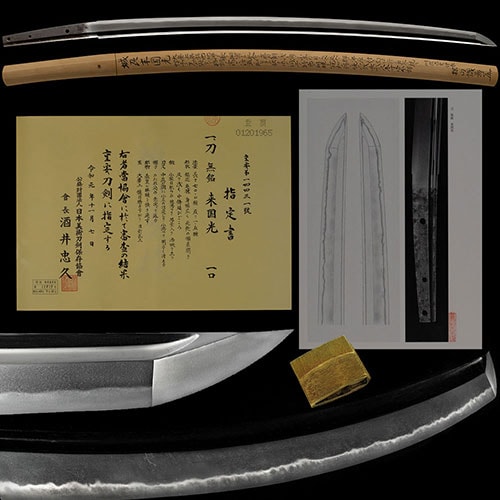
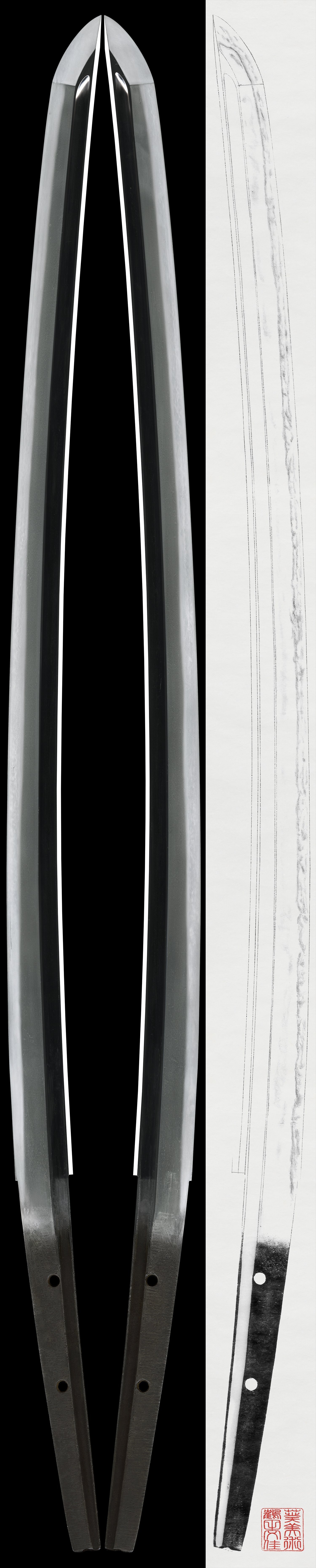
Katana, mumei: Rai Kunimitsu (来国光)
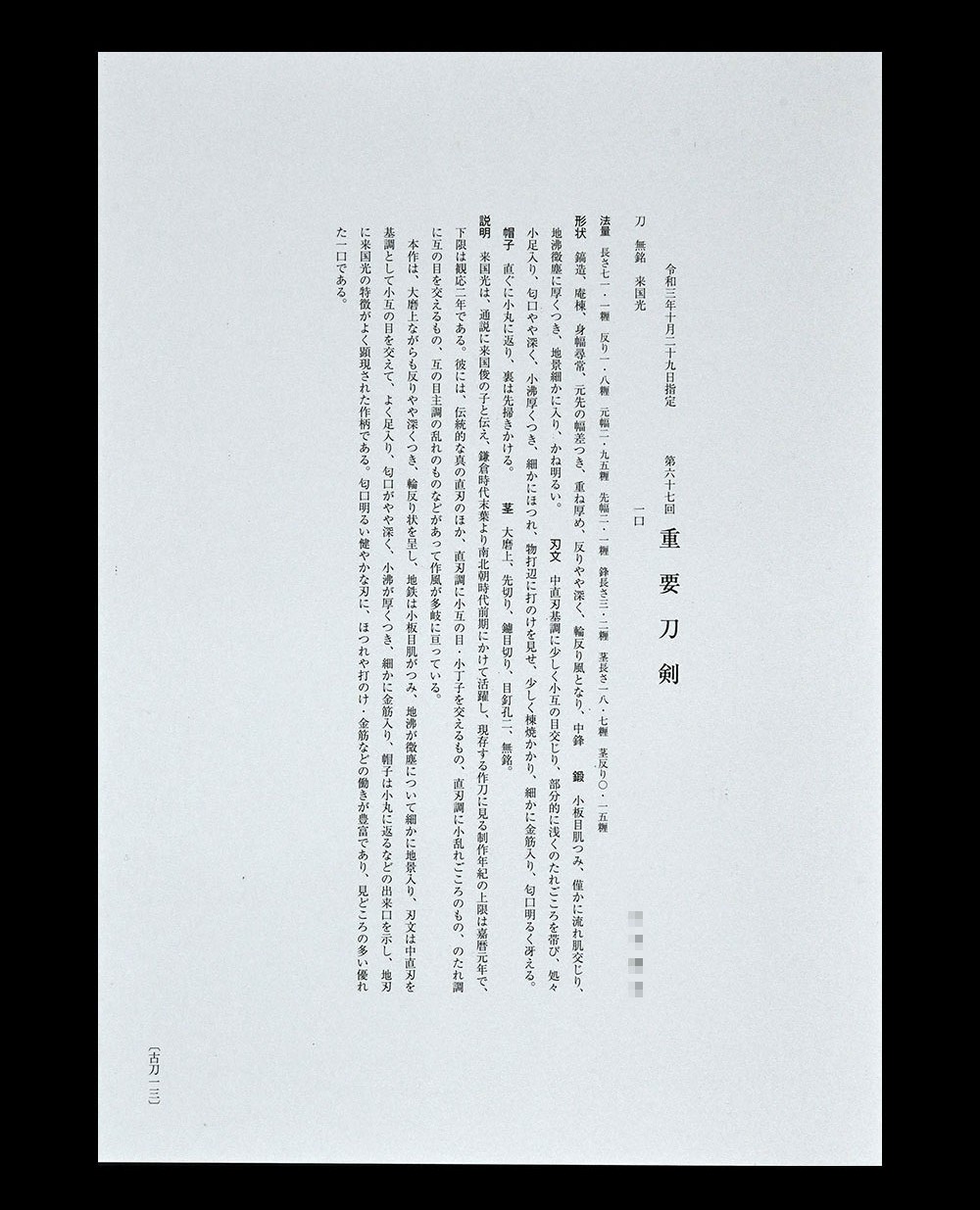
Measurements Nagasa 71.1 cm, sori 1.8 cm, motohaba 2.95 cm, sakihaba 2.1 cm, kissaki-nagasa 3.2 cm, nakago-nagasa 18.7 cm, nakago-sori 0.15 cm
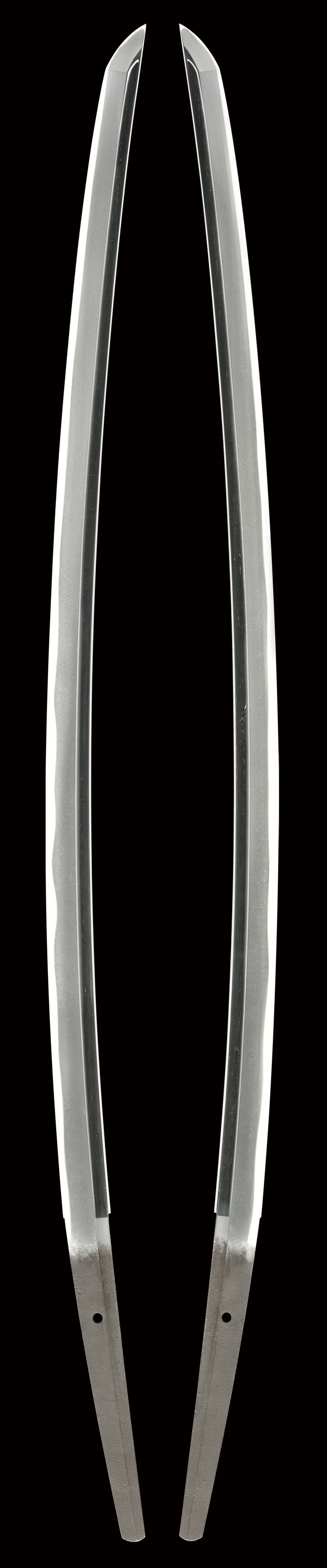
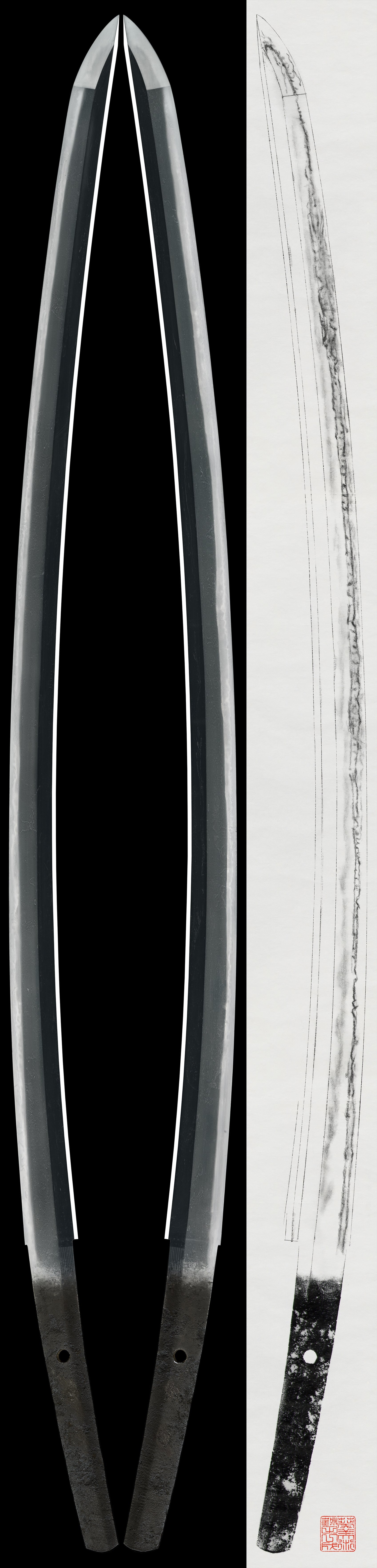
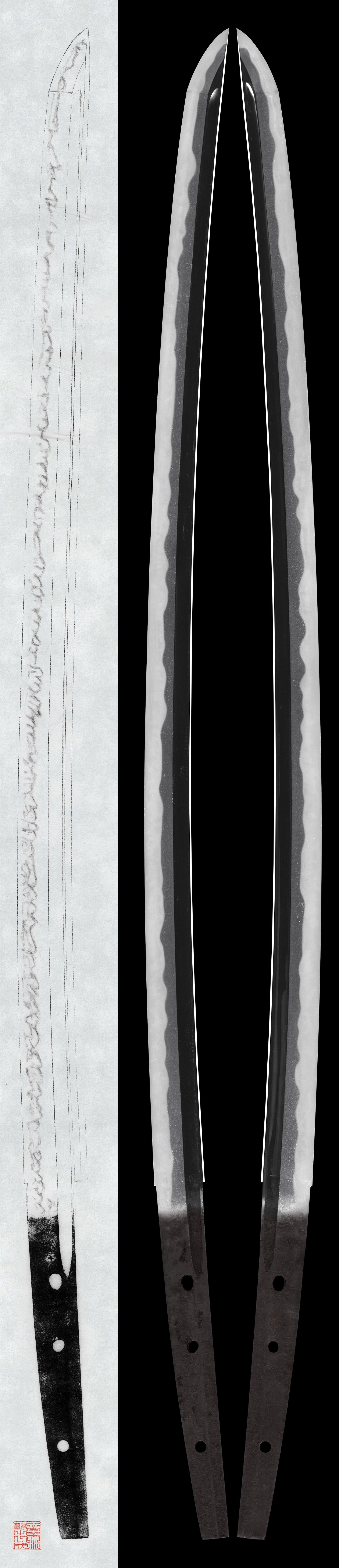
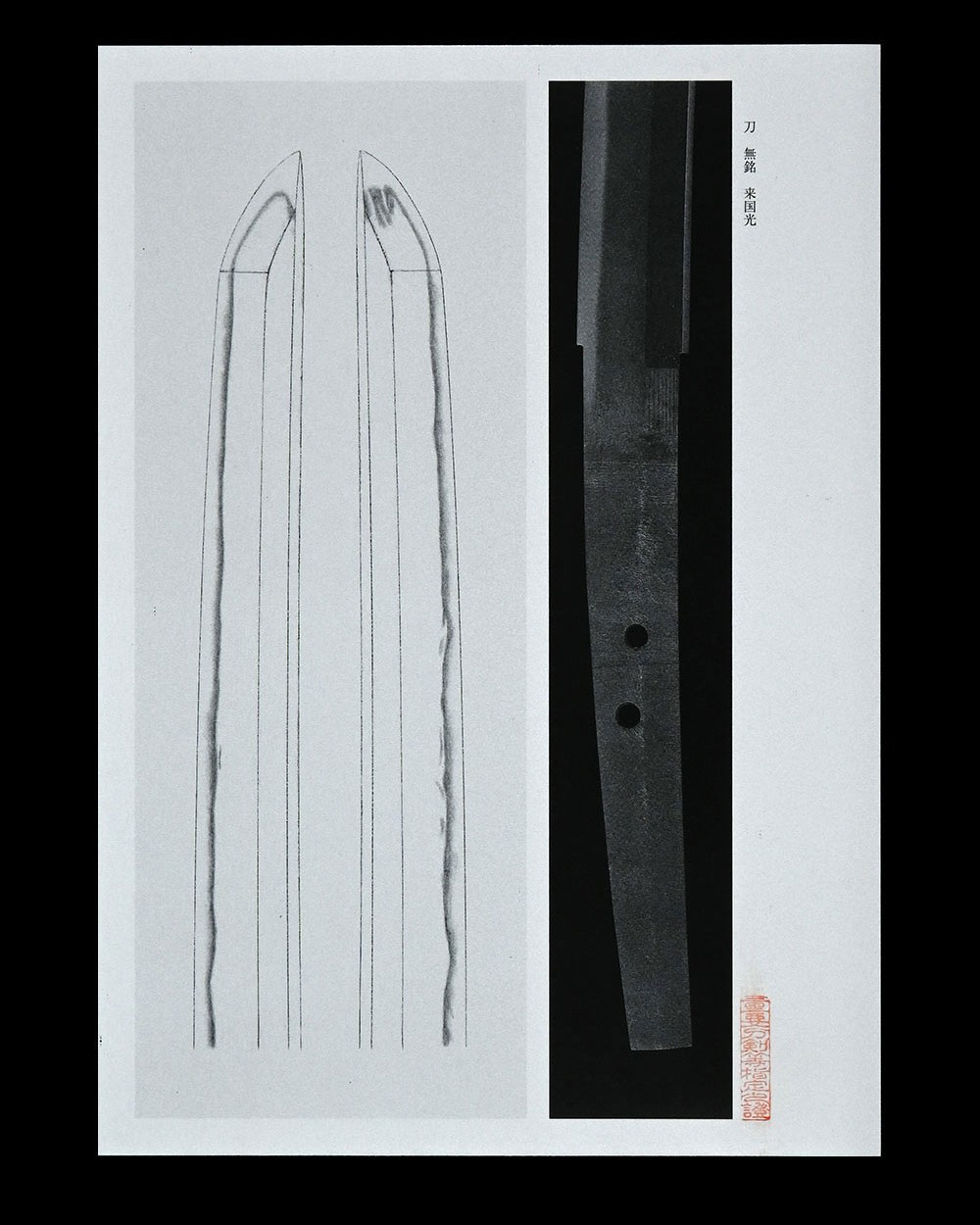
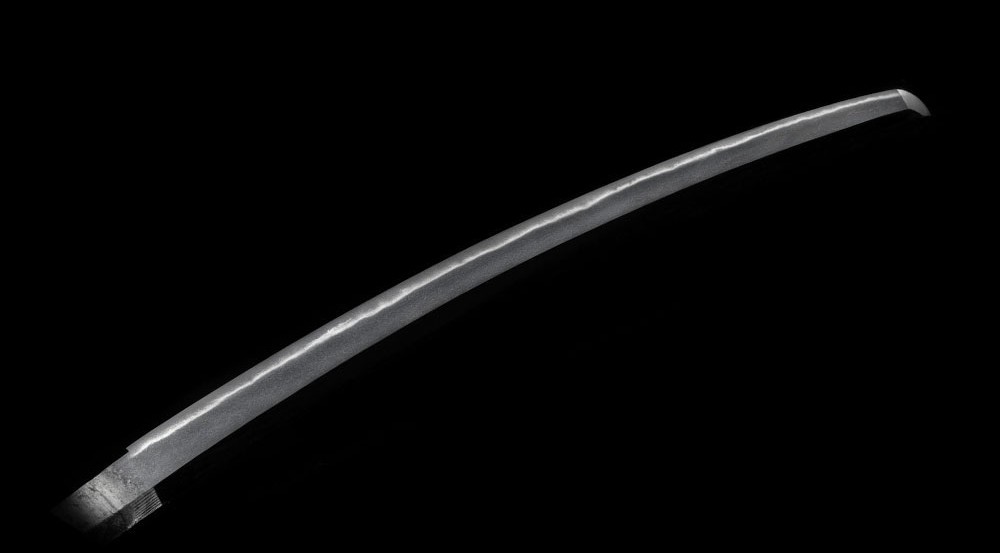
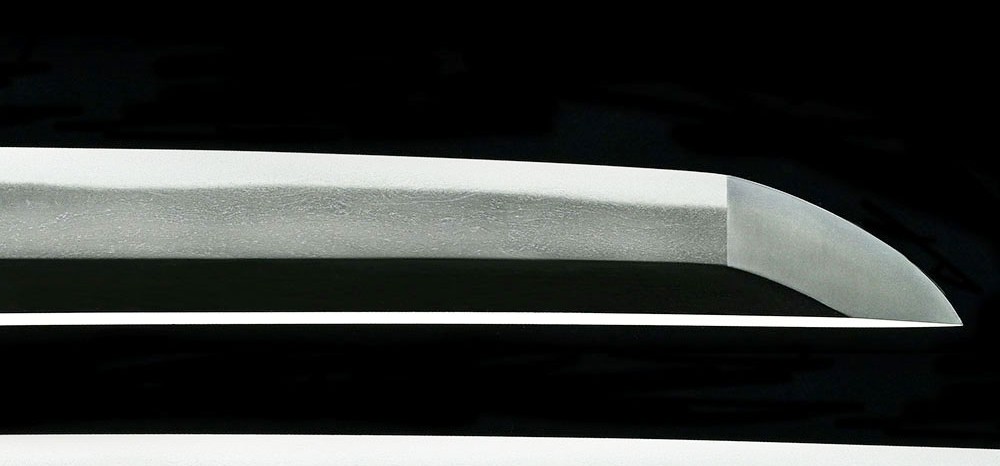
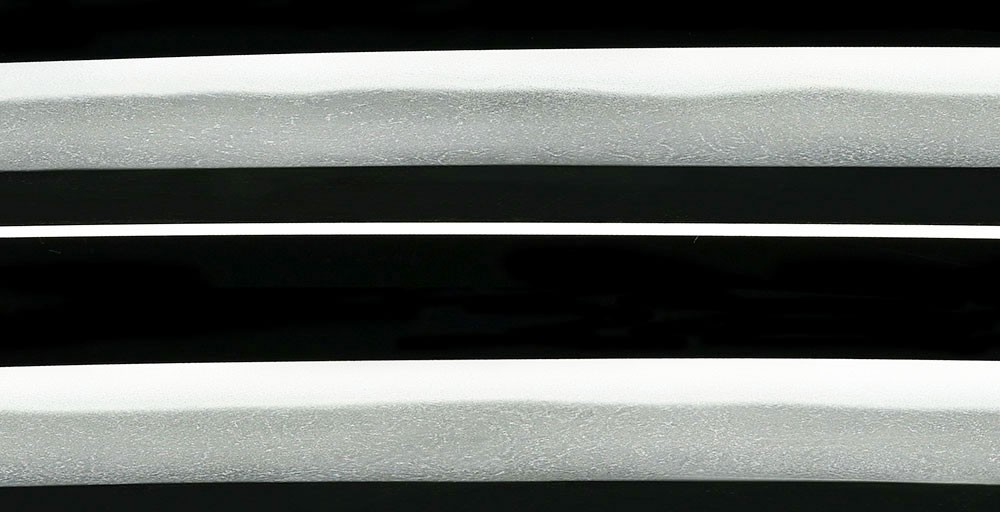
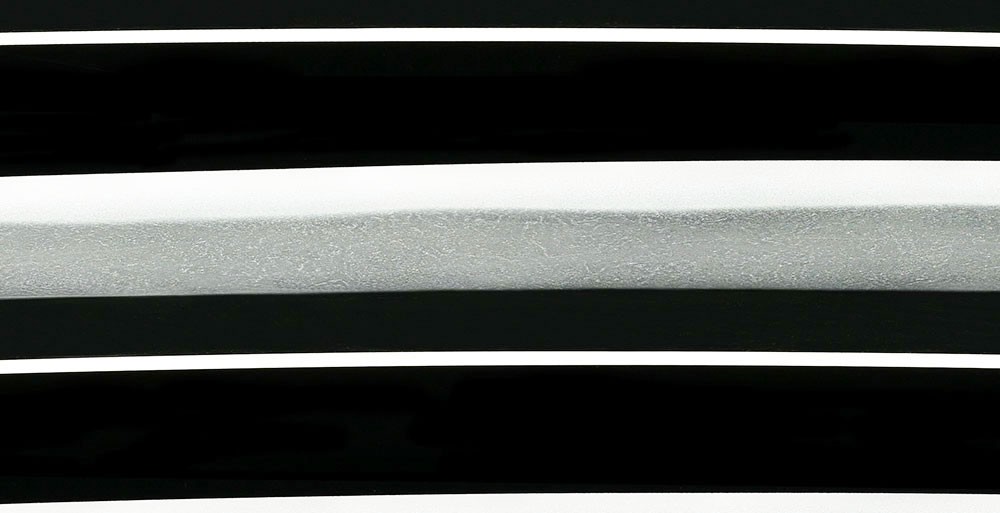
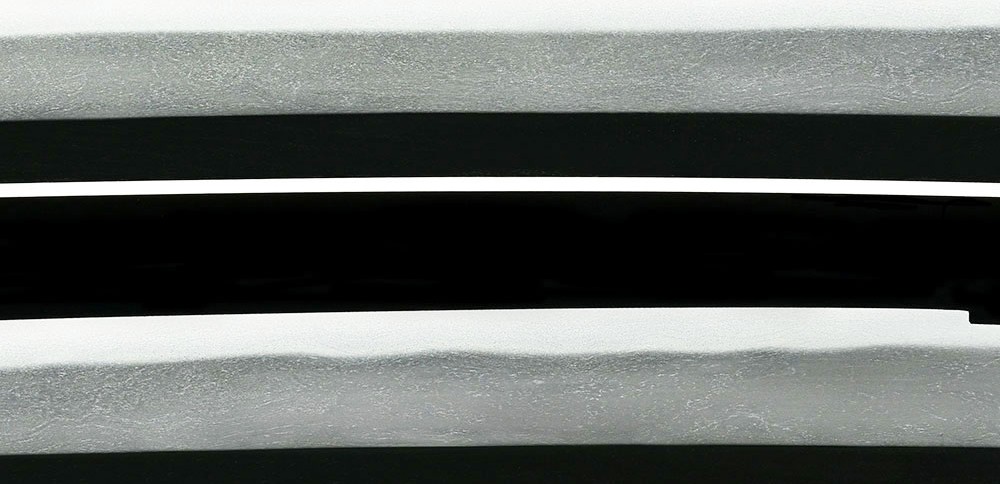
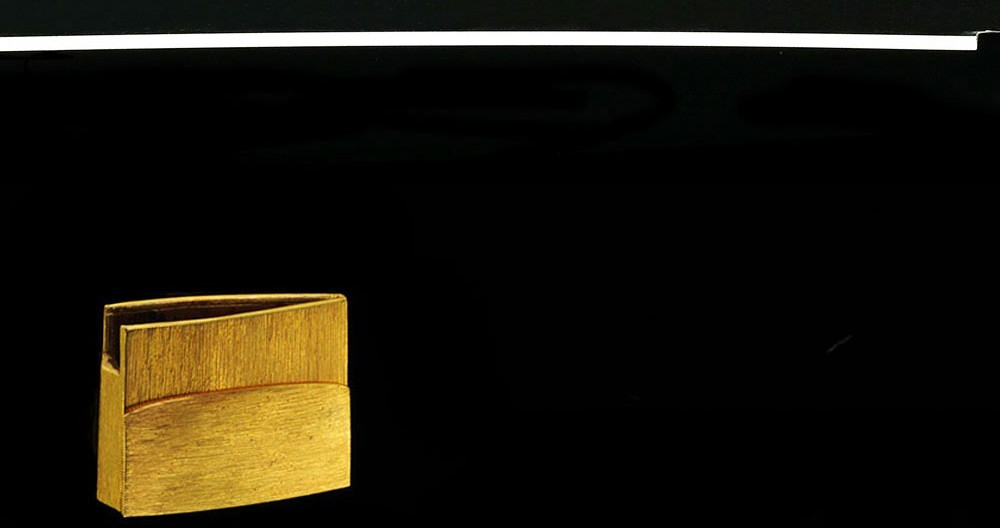
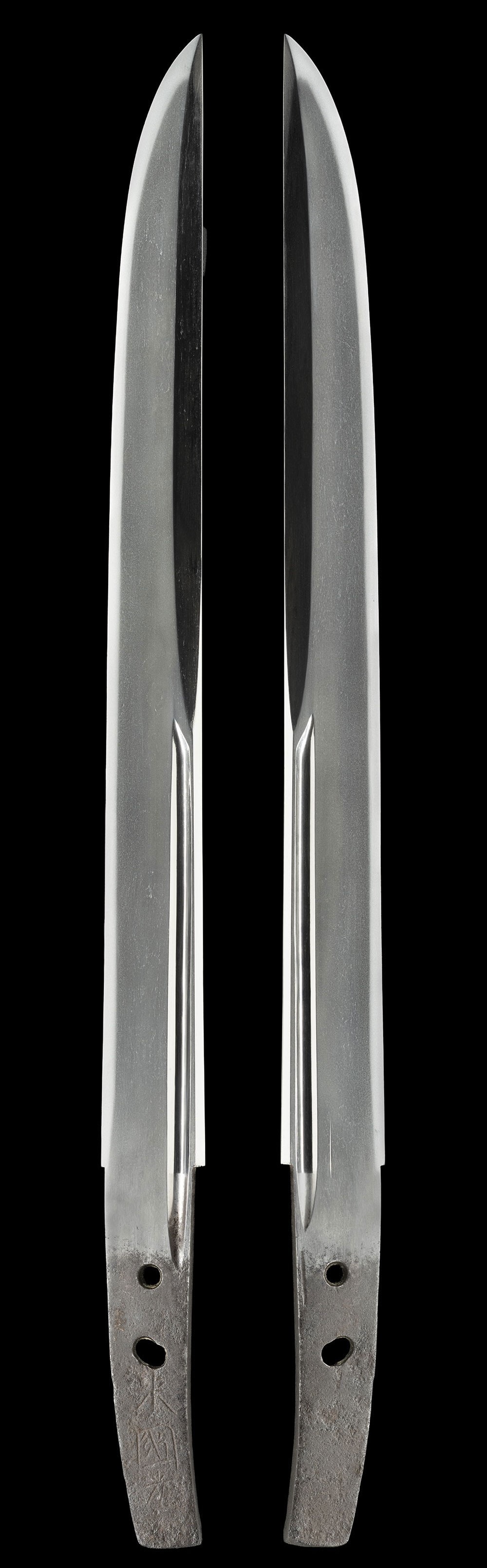
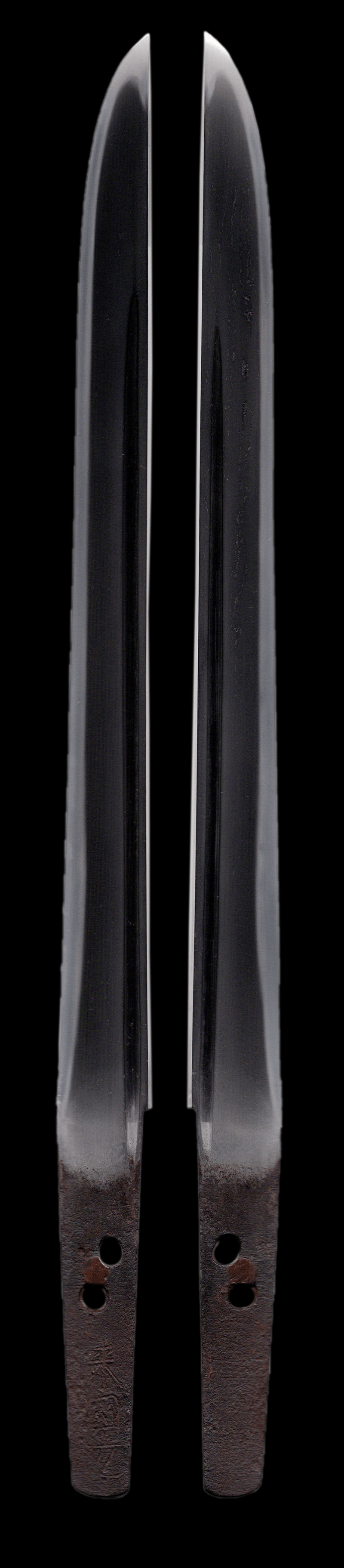
Description Keijo: Shinogi-zukuri, iori-mune; normal mihaba with a noticeable difference between base and tip widths; rather thick kasane; slightly deep sori with a koshizori-like tendency; chu-kissaki. Kitae: Dense ko-itame-hada, with a slight admixture of nagare-hada; very fine ji-nie thickly applied; fine chikei appear; the steel is bright. Hamon: Based on chu-suguha with some ko-gunome mixed in; in places it takes on a shallow notare-like feeling; ko-ashi enter in various areas; the nioiguchi is somewhat deep; ko-nie is thick; fine hotsure; uchi-noke is seen around the monouchi; slight muneyaki; fine kinsuji appear; the nioiguchi is bright and clear. Boshi: Sugu with a ko-maru turnback; on the ura side it shows hakikake toward the tip. Horimono: None stated. Nakago: O-suriage; kiri-yasurime; two mekugi-ana; unsigned.
Artisan Rai Kunimitsu (来国光)
Era Late Kamakura period to early Nanbokuchō period
Explanation Rai Kunimitsu is traditionally said to have been a son of Rai Kunitoshi. He was active from the closing years of the Kamakura period into the early Nanbokuchō period. Among extant works, the earliest dated example bears the year Karyaku 1 (1326), and the latest is dated Kanno 2 (1351). His workmanship is notably diverse: alongside the traditional, true suguha, there are works in a suguha-based style mixed with ko-gunome and ko-chōji, works in a suguha-based style with a slight ko-midare tendency, works in a notare-based style mixed with gunome, and also irregular tempering in a gunome-based manner.
Although this blade is o-suriage, it retains slightly deep curvature with a koshizori-like appearance. The jigane is a closely forged ko-itame with thickly applied, extremely fine ji-nie and delicate chikei, presenting bright steel. The hamon is fundamentally chu-suguha with ko-gunome interspersed; ashi enter well, the nioiguchi is somewhat deep, and thick ko-nie adheres. In addition, activities such as fine kinsuji, hotsure, and uchi-noke are abundant, and the boshi turns back in ko-maru. These features strongly manifest the characteristic traits of Rai Kunimitsu in both ji and ha. With its bright, vigorous edge and plentiful hataraki—hotsure, uchi-noke, and kinsuji among them—this is an excellent blade with many points of appreciation.
(Koto)



![Katana - 作 國光 - 刀[無銘 来国光][日本美術刀剣保存協会]重要刀剣](/_next/image?url=https%3A%2F%2Fitbhfhyptogxcjbjfzwx.supabase.co%2Fstorage%2Fv1%2Fobject%2Fpublic%2Flisting-images%2Fworld-seiyudo%2FL31270%2F00.jpg&w=2560&q=90)