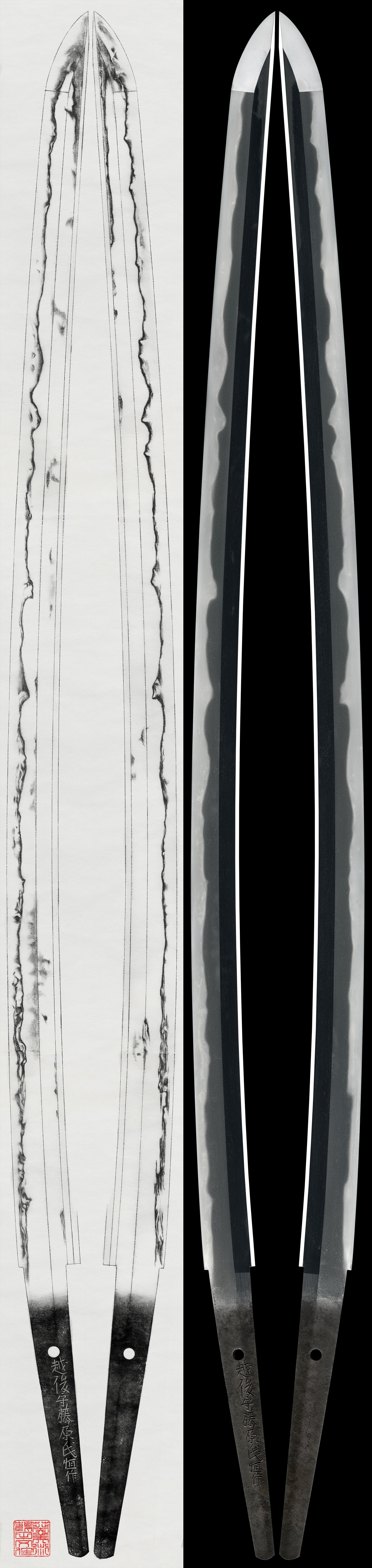
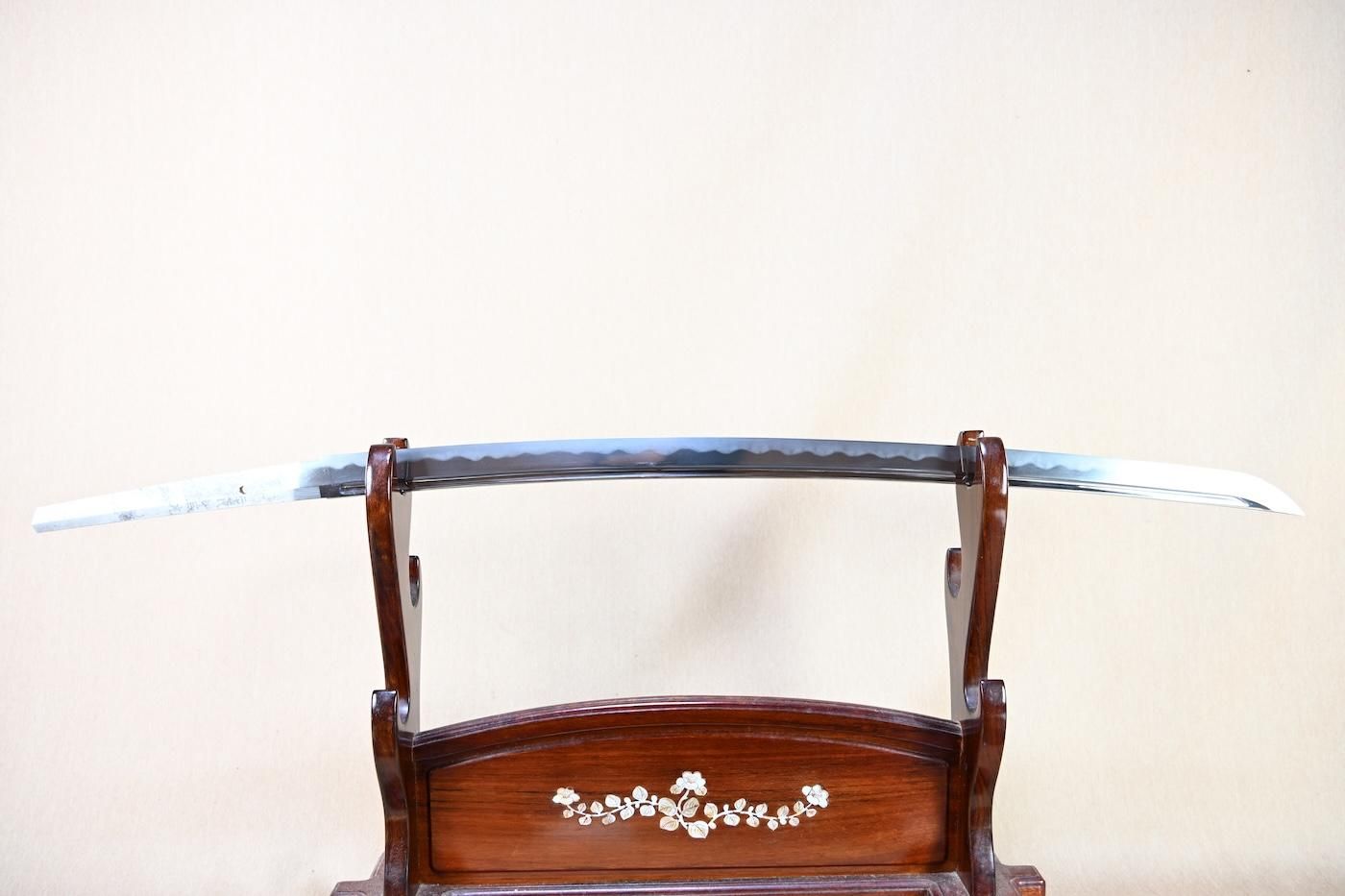
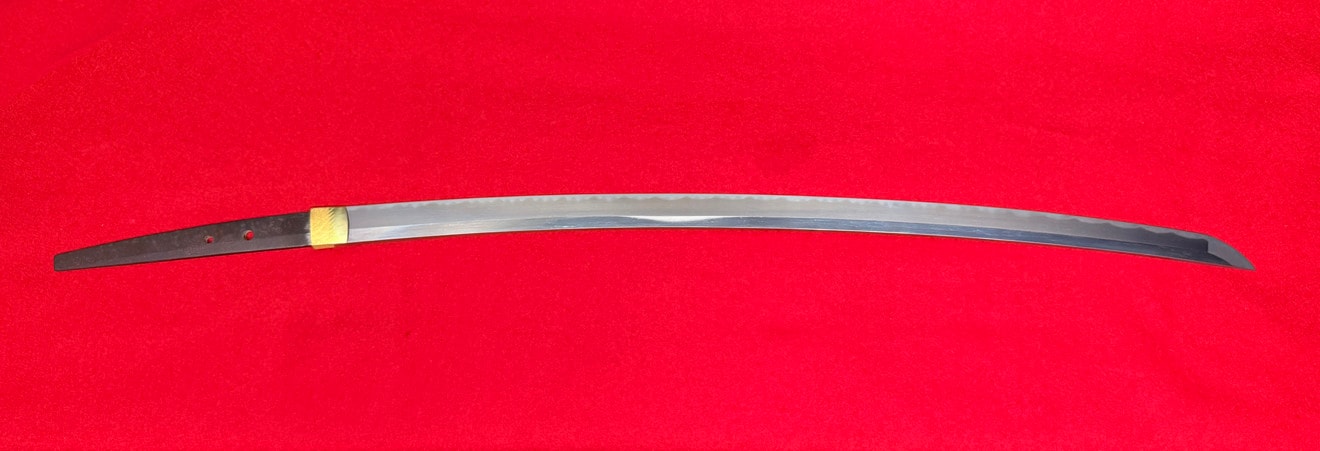
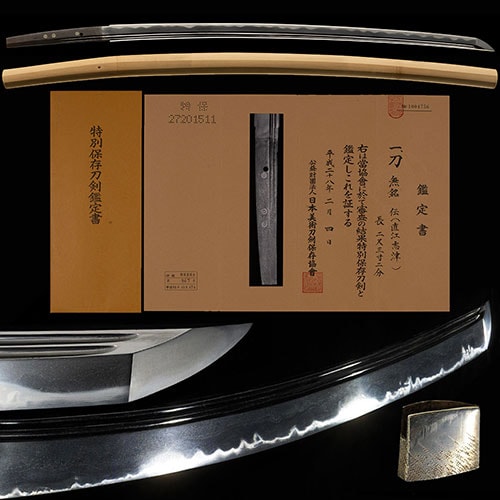
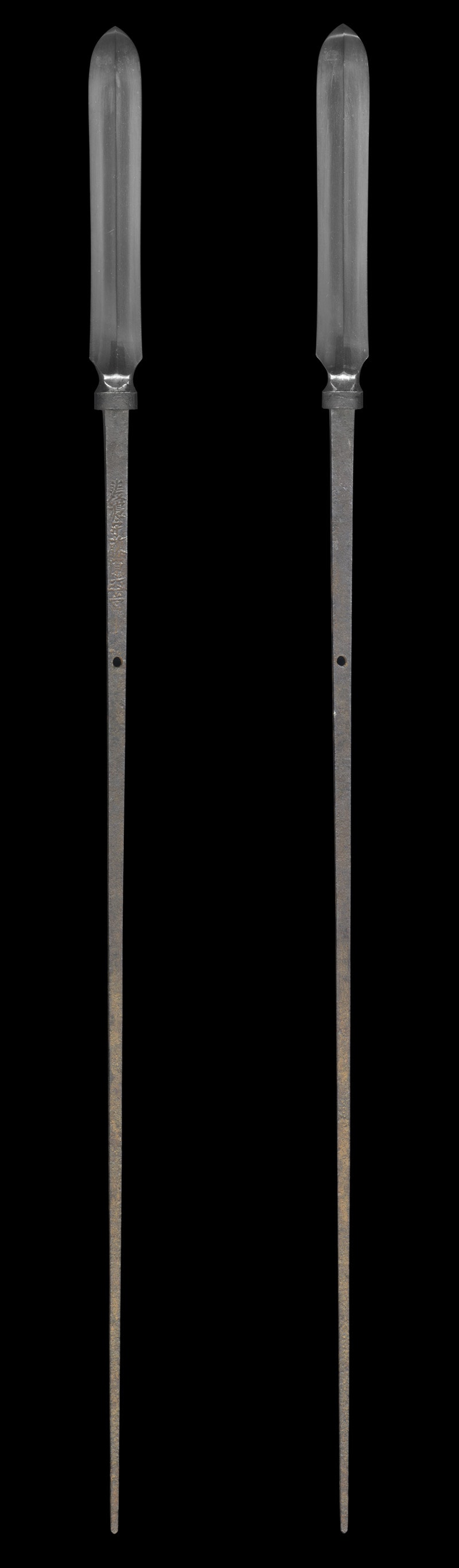
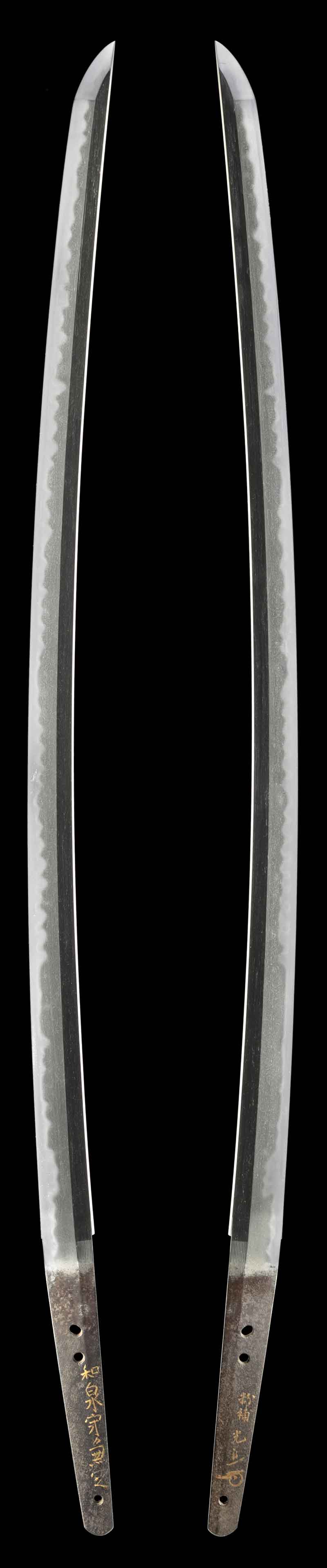
戦国の関は一つの産業であった。春日神社を氏神と仰ぐ鍛冶たちが、中部日本の軍勢を武装させた。孫六兼元の三本杉と之定の最上作は、量産の町に第一級の技が息づいていたことの証である。
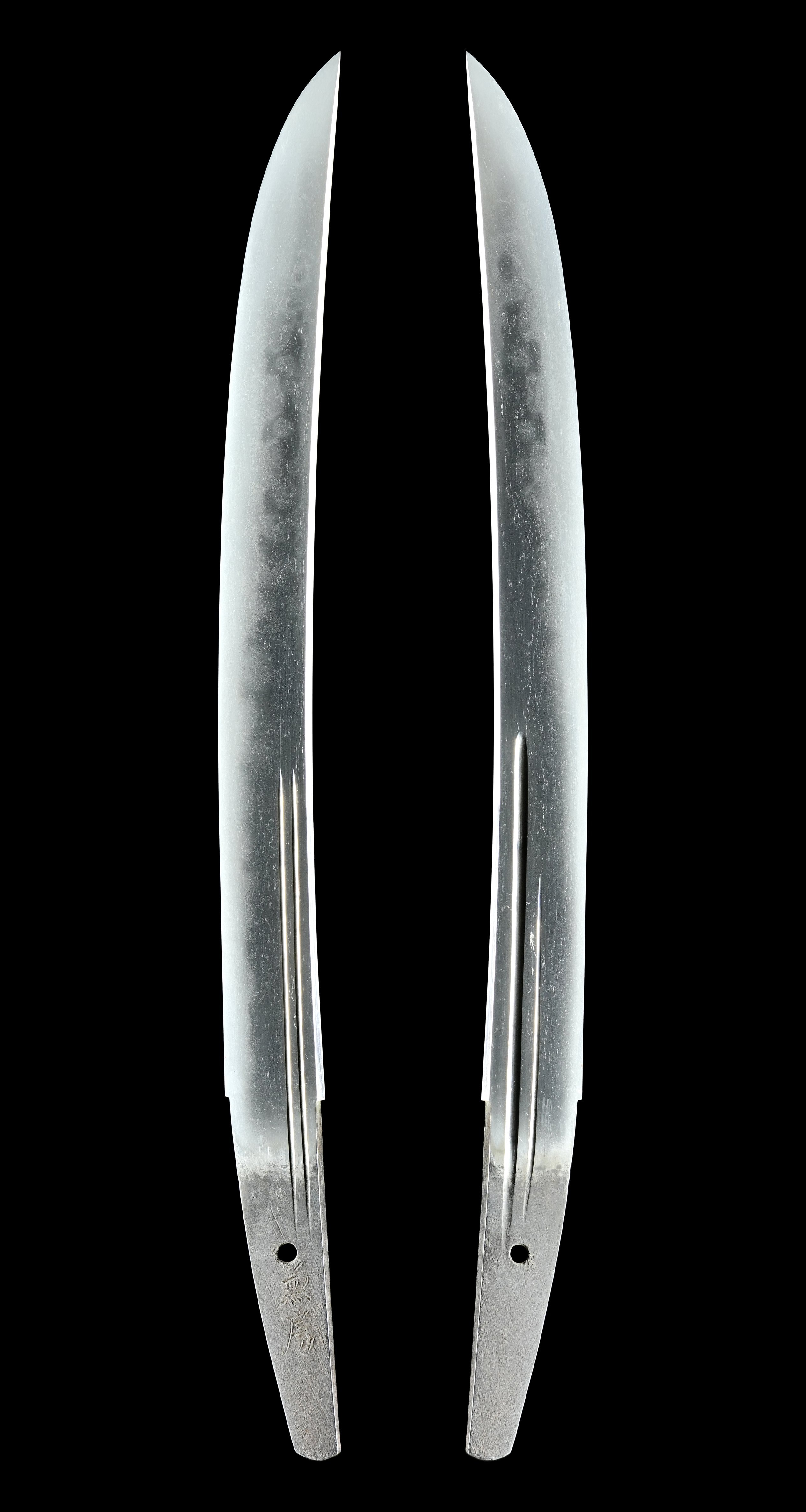
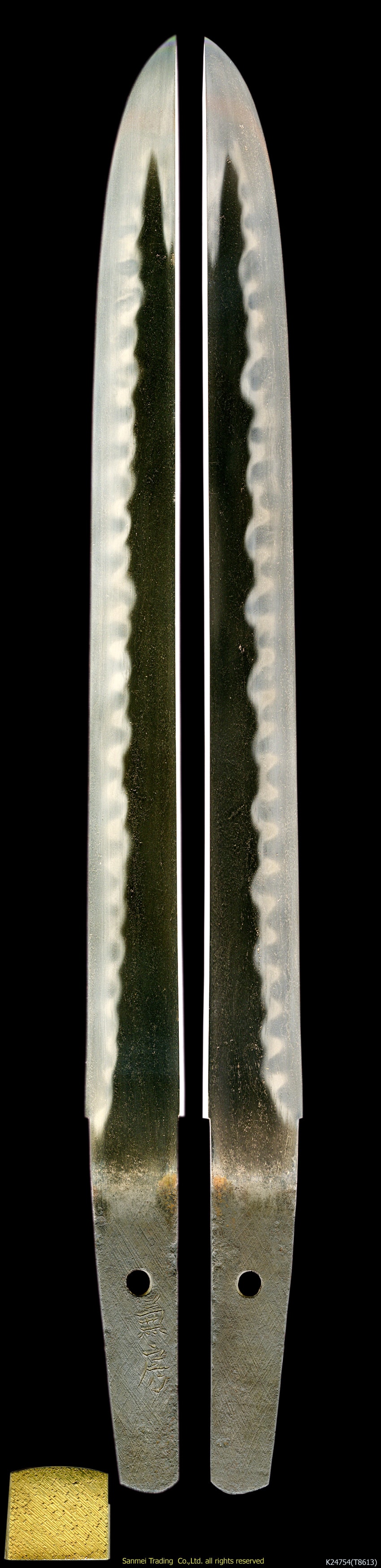
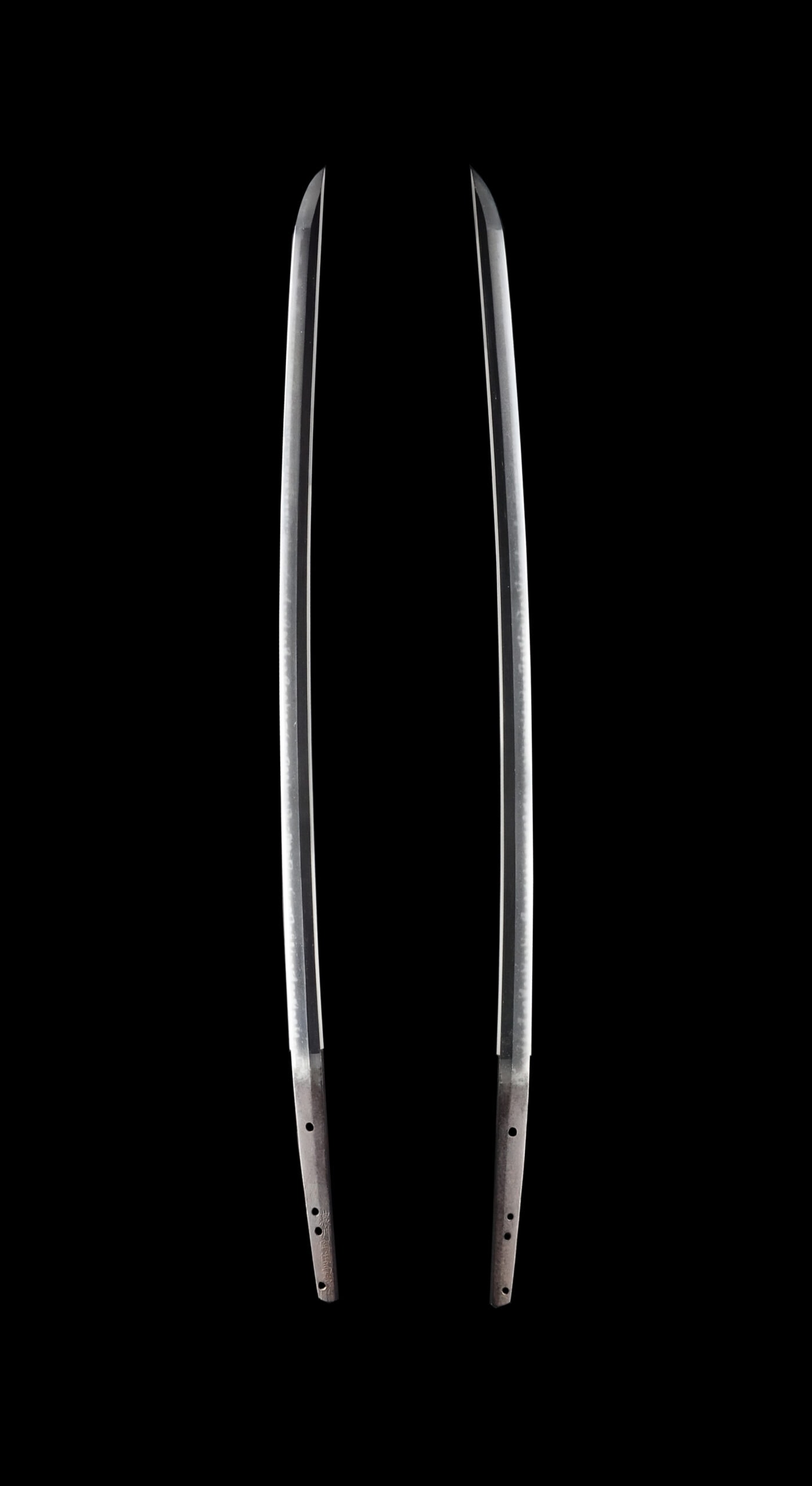
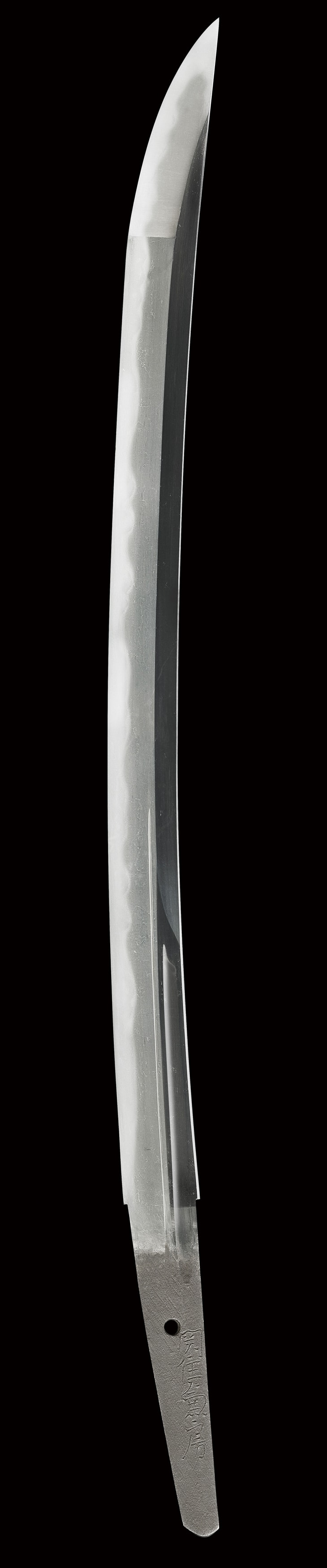
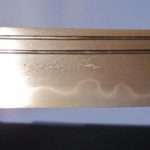
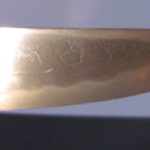
S109. 平造短刀 庵棟 銘:兼房(蜻蛉図合口拵付) 日本美術刀剣保存協会 保存刀剣鑑定書(平成19年5月1日) 長さ:28.3 cm(九寸三分半) 反り:0.5 cm 元幅:2.8 cm 元重:0.6 cm 【体配】 平造、庵棟。表裏に二筋樋を彫る。 【鍛え】 板目に木目交じり。 【刃文】 互の目に箱がかった乱れが交じり、小沸よくつく。砂流しかかり、表には焼落とし風の湯走り(あるいは二重刃)が顕著に見られる。 【帽子】 表は大丸、裏は尖りごころ。ともに掃き掛け、返りは長く焼下げる。 【茎】 生茎、穴一。細かな檜垣磨鑢。銘は「兼房」の二字銘。 【状態】 刃肉豊かで健全。研ぎ上がりで欠点はないが、裏に僅かな擦れ跡がある。 銀着せ銅元鎺。 【拵】 黒漆千段刻鞘(状態極めて良好)。 小尻、鞘の横手金具、縁頭は桐紋の一作で、真鍮地と思われる。目貫と栗形も真鍮地の蜻蛉図。これら一連の金具は同一の職人によるものと推察される。 鞘には小柄・小刀および、反対側に木賊(または笄)の櫃があるが、これらは欠落している。 鍔は鉄地金象嵌。拵全体の状態は非常に優れており、特筆すべき傷みはない。 【解説】 鑑定書には個別の代や年代の明記はないが、刃文、肌、檜垣磨鑢、および銘振りから見て、美濃伝であることは疑いようがない。作風から室町後期の古刀期と推測される。拵は後年に製作されたものであろう。 総じて非常に出来が良く、保存状態も申し分ない一振である。 重量:約620g 価格:3,850ドル
 NihontoWatch
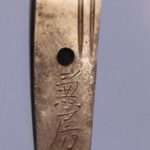
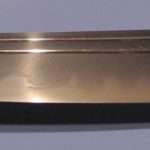
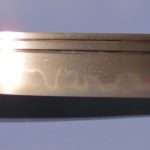
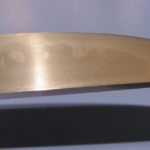
美濃伝 · 美濃 · 1558-1570頃
刀剣大鑑 上位26%
現在5点販売中
兼房は室町時代中期から新刀期にかけて美濃国で活躍した刀工である。銘鑑によれば、初代は濃州赤坂住とされ、嘉吉頃の重房を初代とする。同名が数代、数工存在し、作風も多岐にわたる。居住地は赤坂から関へと移ったことが知られ、長銘には「濃州関住」と切るものが多い。同時代の刀工との関係では、作風から氏房との類似性が指摘されることもある。
兼房の作風は、板目肌に柾ごころの肌が交じり、地沸がつく地鉄に特徴がある。刃文は「兼房乱れ」と称される頭の丸い互の目乱れを最も得意とするが、互の目丁子、矢筈風の刃、尖り刃、箱がかった刃など変化に富んだ作風を示す。のたれ調の刃文や、兼元風の三本杉を焼くなど作域は広い。匂口は締まりごころに小沸つき、砂流しかかり、飛焼、棟焼を交えるものもある。姿は身幅広く、大鋒で豪壮なものが多く、肉置き豊かな体配を示す。茎は生ぶで、先栗尻、鑢目鷹の羽、または檜垣が多い。
重要刀剣の説示においては、「兼房乱れ」と称される特徴的な刃文が高く評価されている。また、地刃の出来が良く健全であること、幅広・大鋒の姿態が豪壮であること、年紀のある作は貴重であることなどが指摘される。截断銘のある作は資料的価値が高い。総じて、末古刀期の美濃物を代表する刀工として、その作風の多様性と出来の良さが認められている。
兼房の位置づけを、日本刀全体および伝統・時代・時期ごとに示します。各位(随一・屈指・有数・著名)は、NBTHK および文化庁による指定に加え、三作や名物帳などの歴史的栄誉を加味したものです。
各項目を選ぶと評価方法が表示されます。
美濃伝 · 美濃
現在178点販売中
美濃国の関は、南北朝より室町、新刀期に至るまで日本刀の一大生産地として栄えた鍛冶の地である。その源流は二つに発し、説明書は金重と志津兼氏とを並べて美濃鍛冶の祖とする。金重は『古今銘尽』に法名道阿、越前敦賀の住人と伝えられ、敦賀より関へ越えて住したといい、相州正宗十哲の一に数えられて、沸の厚い穏やかな手を美濃の地鉄に持ち込んだ。兼氏に発する志津の系は、尖り互の目に走る乱調をもって、いま一つの根をなす。この二流が南北朝の美濃伝を形づくり、金行のごとく金重に続く工、室町に入って善定派の兼吉のように大和手掻の血を関に運んだ工が加わって、流れは広がった。室町後期には兼元・兼定の二名を頂点とする末関の隆盛を迎え、孫六兼元の名と和泉守兼定の受領とが、地方の量産地にとどまらぬ関の格を世に示した。大和と相州の二つの源流に、備前を意識した白け映りの地が結ばれて、美濃伝という一個の伝法が立ったのである。 関物を貫くのは、工と系統の差を越えて繰り返される美濃の共通語法である。地鉄は板目に柾を交えてしばしば肌立ち、刃寄りに柾がかり、鎬地は柾に流れる。その地に立つ映りは備前の明るい乱れ映りではなく、淡く白ける美濃鉄の靄のような白け映りで、説明書はこれを終始、備前と作を分かつ見どころとして掲げる。刃文は互の目を主調に尖り刃を交え、兼元にあっては整然と並ぶ尖り刃の三本杉となり、兼定や兼之にあっては頭の丸い互の目とのたれを交えて変化に富む。沸は乾いて締まり、匂口は冴え、足入り、砂流し・細かな金筋が刃中を走る。帽子は乱れ込んで先尖りごころとなり、あるいは丸く地蔵風に返る。これらは関の背骨をなす型であって、工により濃淡を異にする。金重・金行の手は穏やかで地が肌立ち、善定兼吉は大和の血を負って締った直刃と柾がかる板目を見せ、末関の氏房は大らかなのたれに尖り刃を折り込み、兼房は頭の丸い互の目の兼房乱れを得意とする。同じ語法のうちに、それぞれの工の手が読み分けられる。 収集家が関物を求めるのは、その鑑定が手応えを伴う一個の眼の修練だからである。映りが白く沸が乾いて締まる美濃の地刃は、備前の華やかな映りとも、山城の長く澄んだ直刃とも異なり、これを見分けることが関を識る勘所となる。主要工の格は説明書の評にそのまま現れる。孫六兼元は三本杉の創始者として名を成し、和泉守兼定すなわちノサダは、白ける板目に焼いた賑やかな美濃の刃と来国俊風の細直刃の双方を能くして、古刀期に珍しい受領を許され、刀剣書が「すぐれたる上手」と評する当代第一の手とされる。兼之は末関中最もよく練れた鍛えを見せて作域広く、永正・大永のノサダとして賞玩が厚い。これらの名は将軍家・大名家の伝来を負い、ノサダの太刀には武田信虎のために打たれた一口があり、菊花紋を切った刀は皇室との関わりを示し、徳川将軍家への献上を経た金重の短刀も伝わる。末関の氏房一門は清須・名古屋へ移って尾張新刀三祖の一を生み、古い美濃の手が新たな伝統へ移る蝶番に立った。切れ味をもって武用に応えた量産の地でありながら、孫六兼元らの最上手の作は美術的価値においても高く評され、その白け映りと乾いた沸の手を識ることが、美濃伝いかに始まり継がれたかを語る証となる。 詳しく見る →
室町時代の美濃
戦国の関は一つの産業であった。春日神社を氏神と仰ぐ鍛冶たちが、中部日本の軍勢を武装させた。孫六兼元の三本杉と之定の最上作は、量産の町に第一級の技が息づいていたことの証である。
販売店の出品ページで鑑定書を確認できませんでした。日本刀および刀装具は通常、NBTHK(または NTHK)の鑑定を受けます。鑑定書がない場合、極めは販売店の見解にとどまり、第三者による確認は行われていません。ご購入前に販売店へ鑑定書の有無をお問い合わせのうえ、慎重にご判断ください。
3-day return window from receipt.