NihontoWatch MonNihontoWatch
MarketAuctionsEncyclopedia
NihontoWatch Mon

NihontoWatch

MarketAuctions
Encyclopedia
Overview·Historical importance·Designations·Provenance·Blade Forms·Signatures·Lineage·School
OverviewHistorical importanceDesignationsProvenanceBlade FormsSignaturesLineageSchool
  1. Schools
  2. Seki
  3. Kanefusa

Seki Kanefusa

兼房

Jūyō
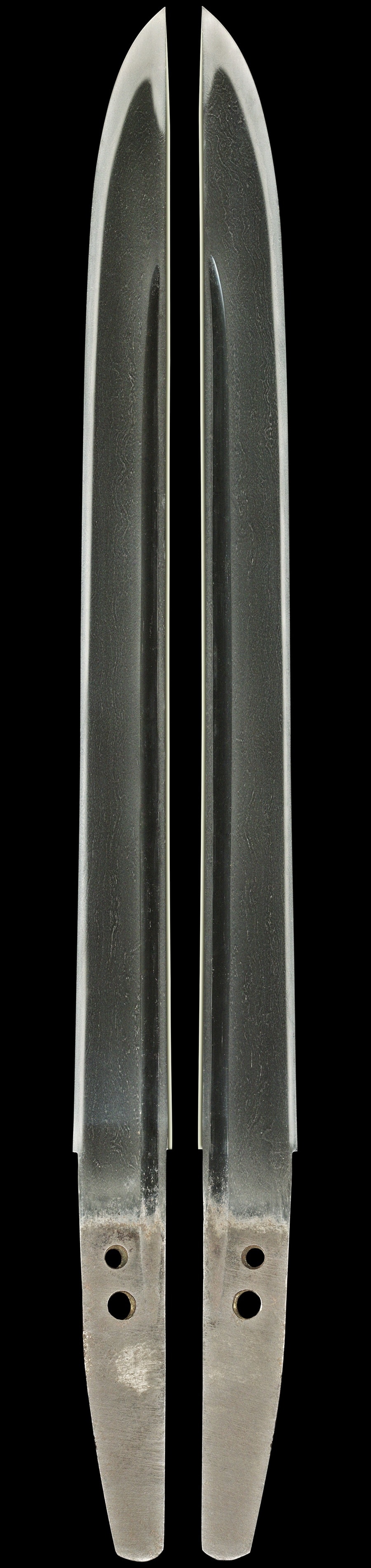
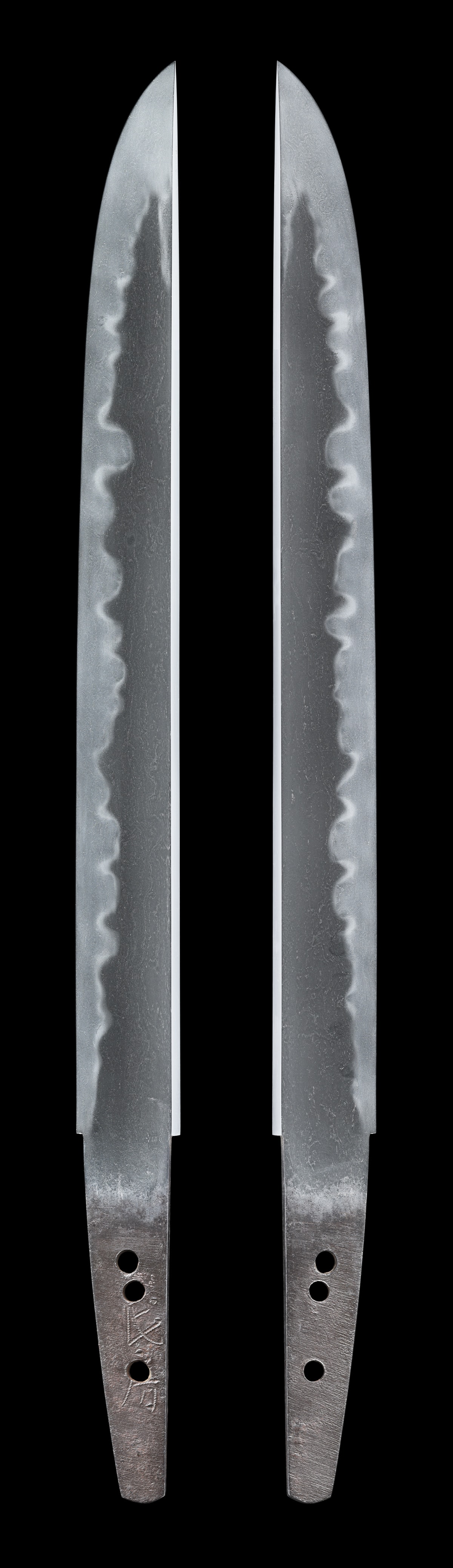
Vol. 19, No. 112 · Tachi

Seki Kanefusa

兼房

7 ranked works

Major smith
ProvinceMinoEraEiroku (1558–1570)PeriodMuromachiSchoolSekiTraditionMino-denGeneration5thToko Taikan500(top 26%)TypeSwordsmithCodeKAN766
1Tokubetsu Jūyō6Jūyō Tōken

Overview

Kanefusa is among the best-known smiths of the tradition in the period, working from the town of Seki in Noshu. According to sword-signature reference works, his origins lie with the Akasaka smiths, and the first generation is considered to have been Shigefusa, active around the Kakitsu era (1441-1444). The name continued under successive generations from the mid- period into the era. Among extant dated works, examples are recorded from the Bunmei, Tenbun, Eiroku, and Tensho eras, with the greatest number of surviving pieces — including those bearing two-character signatures — dating from approximately Eiroku through Tensho. Most long-signature examples are cut "Noshu Seki-ju," confirming that the smith resided in Seki.

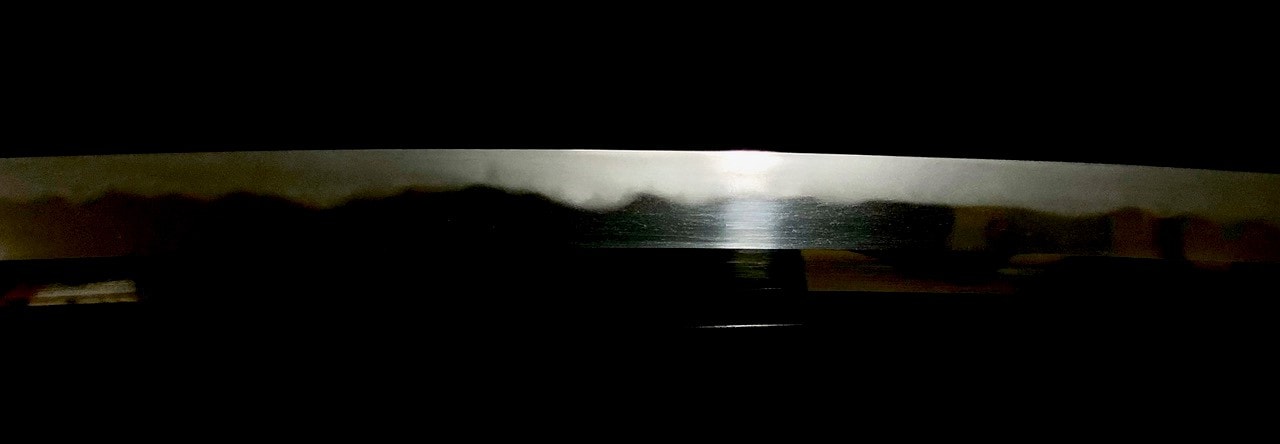
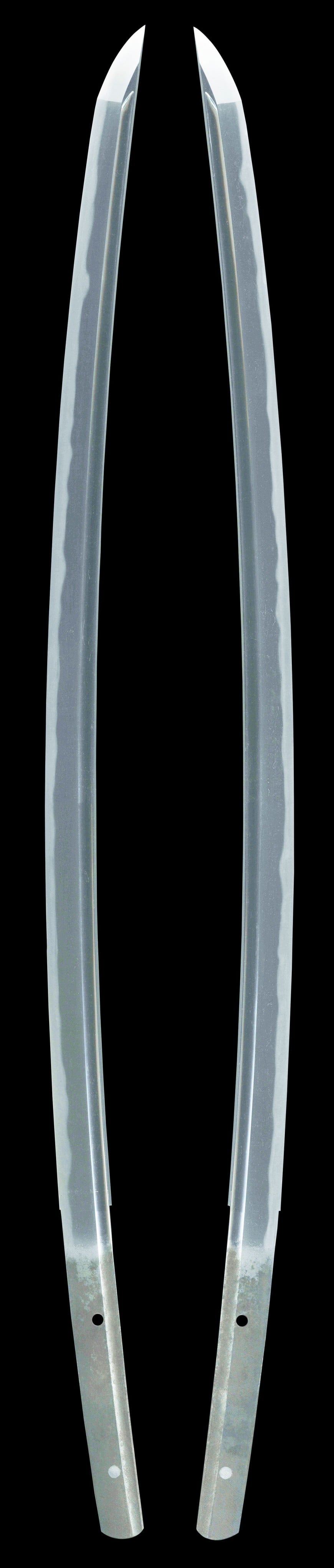
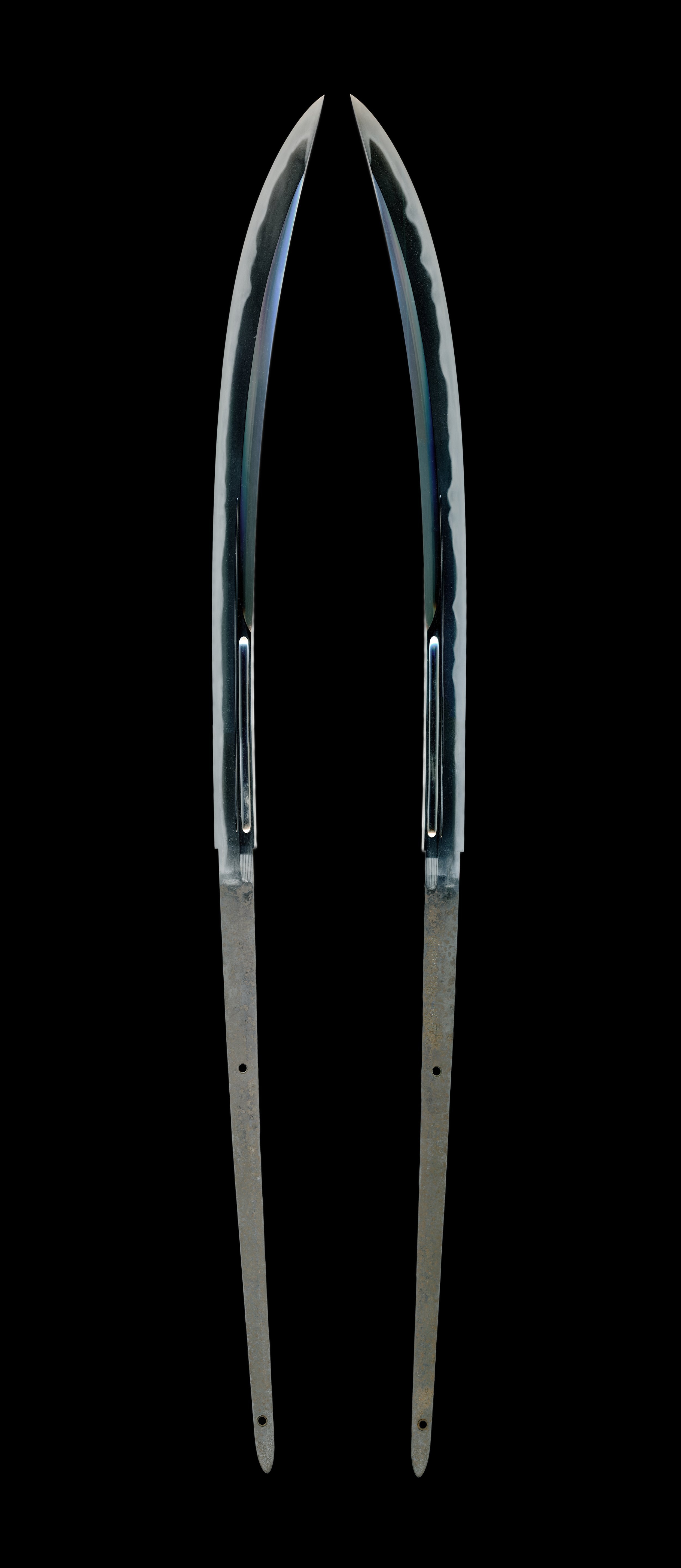
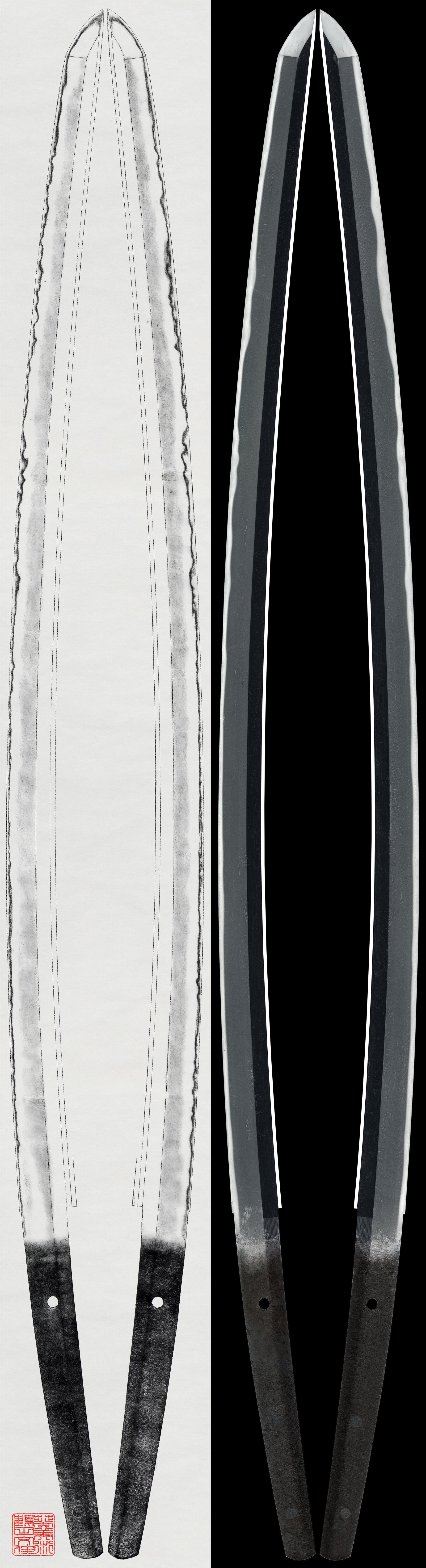
Kanefusa is particularly famed for having devised the temper pattern known as "Kanefusa " (also termed Kenbo midare), an idiosyncratic - whose heads are rounded and whose waists constrict. Beyond this signature style, works also appear in and in - in the manner of Kanemoto, demonstrating a broad range of expression. The forging typically shows with a tendency toward , accompanied by and an overall — a whitish cast characteristic of workmanship. The tends toward tightness with adhering, and finer examples display and interspersed throughout, producing a varied and lively temper. The bold, vigorous style associated with later workmanship is consistently evident.

Kanefusa's best works are praised by the as notably vigorous and full of spirited force, with ample and robust overall shape deemed particularly pleasing. Blades in sound condition are recognized as , with both and well executed. The flamboyant expression of the distinctive , combined with wide and , produces an imposing of dignified presence. Several designated examples also bear gold-inlaid cutting-test inscriptions of considerable documentary value, attesting to the practical esteem in which these blades were held during the period.


Historical importance

Where Kanefusa stands among comparable artisans: across all of nihontō, and within tradition, era, and period. The tiers (Foremost · Leading · Major · Notable) weigh official designations from the NBTHK and Japan's Agency for Cultural Affairs, together with historical honors of lasting repute such as the Sansaku and Meibutsu-chō.

随一
Foremost
屈指
Leading
有数
Major
著名
Notable

Select a lens to see how it's measured.

Designations

Kokuhō—
Jūyō Bunkazai—
Jūyō Bijutsuhin—
Gyobutsu—
Tokubetsu Jūyō1
Jūyō Tōken6

Elite Standing

Provenance

Blade Forms

Distribution across 7 ranked works

Signatures

Signature types across 7 ranked works

Currently Available

Lineage

Kanefusa
Students (4)
  1. 1.Ujifusa氏房3 for sale9designated
  2. 2.Akikane昭兼
  3. 3.Akikane昭兼
  4. 4.Kanefusa兼房

Seki School

Other artisans of the Seki school

  1. 1.Kinju金重3 for sale45designated
  2. 2.Ujifusa氏房5 for sale16designated
  3. 3.Kaneyuki金行10designated
  4. 4.Ujifusa氏房3 for sale9designated
  5. 5.Kanekore兼之7designated
  6. 6.Kanenori兼法1 for sale7designated
  7. 7.Nagasada永貞5 for sale5designated
  8. 8.Hanjo繁昌4designated
  9. 9.Kaneyoshi兼吉4designated
  10. 10.Kanenori兼伯3designated
  11. 11.Kanenobu兼延1 for sale3designated
  12. 12.Daido大道2 for sale3designated

Kanefusa

Kanefusa(兼房) was a Japanese swordsmith of the Seki school in Mino province, active during the Eiroku (1558-1570) period.

The work follows the Mino-den tradition.

Designated works by Kanefusa include 1 Tokubetsu Jūyō, 6 Jūyō.