応仁の乱が足利の体制を砕いた後、戦国の一世紀はほとんどすべての国を武装させた。この時代は選ぶ目に報いる。並の作は多いが、その傍らには第一級の注文打ちが立っている。
 NihontoWatchNihontoWatch
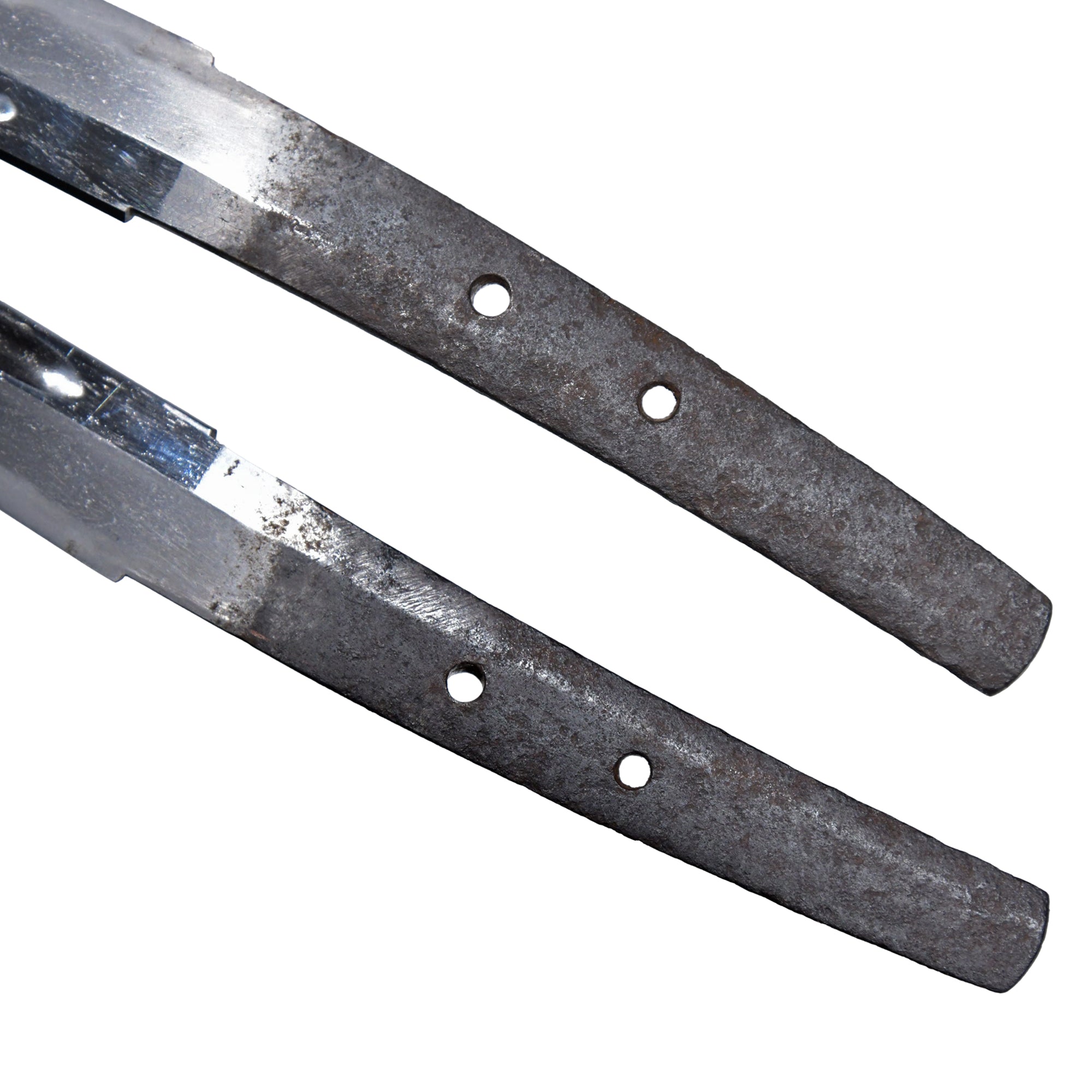
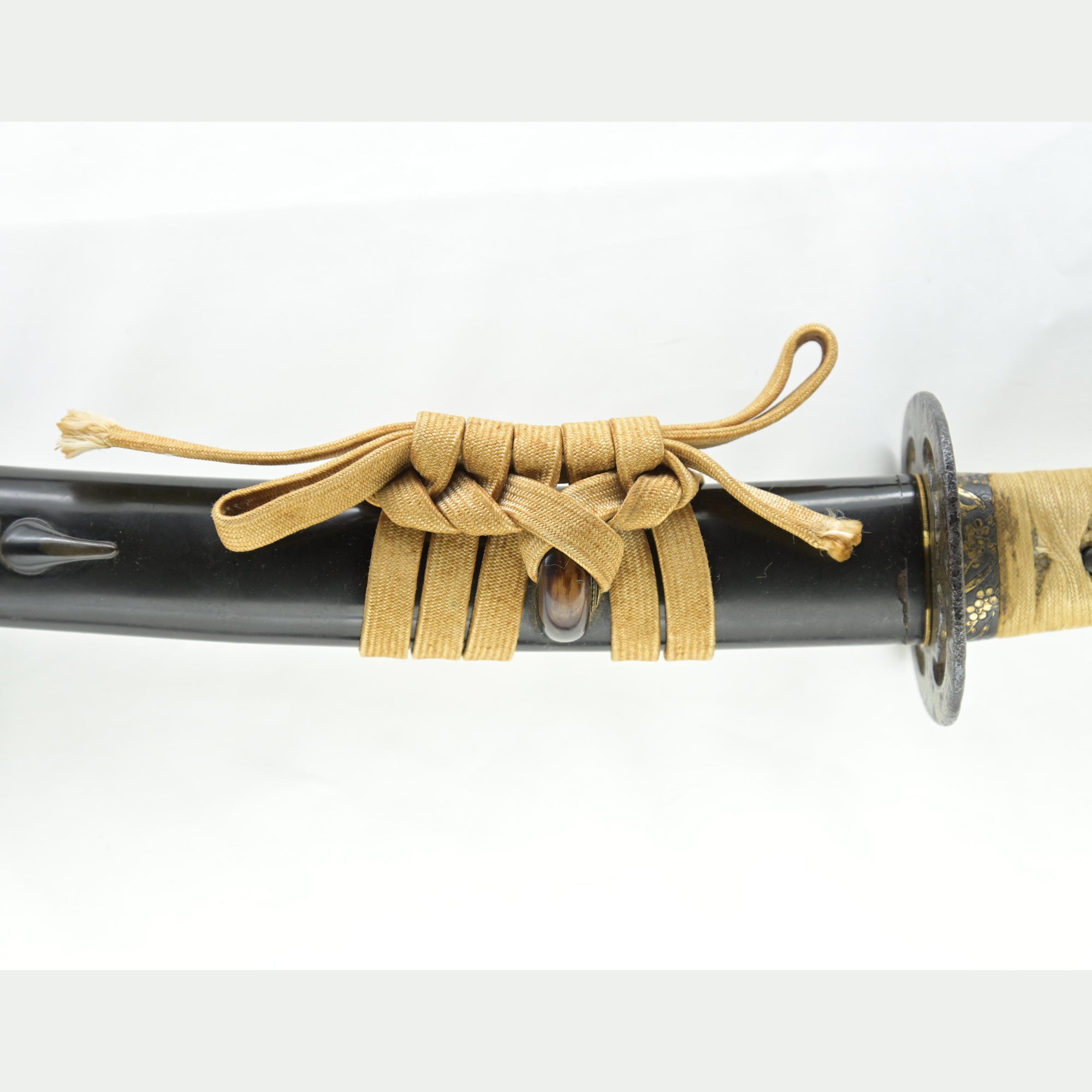
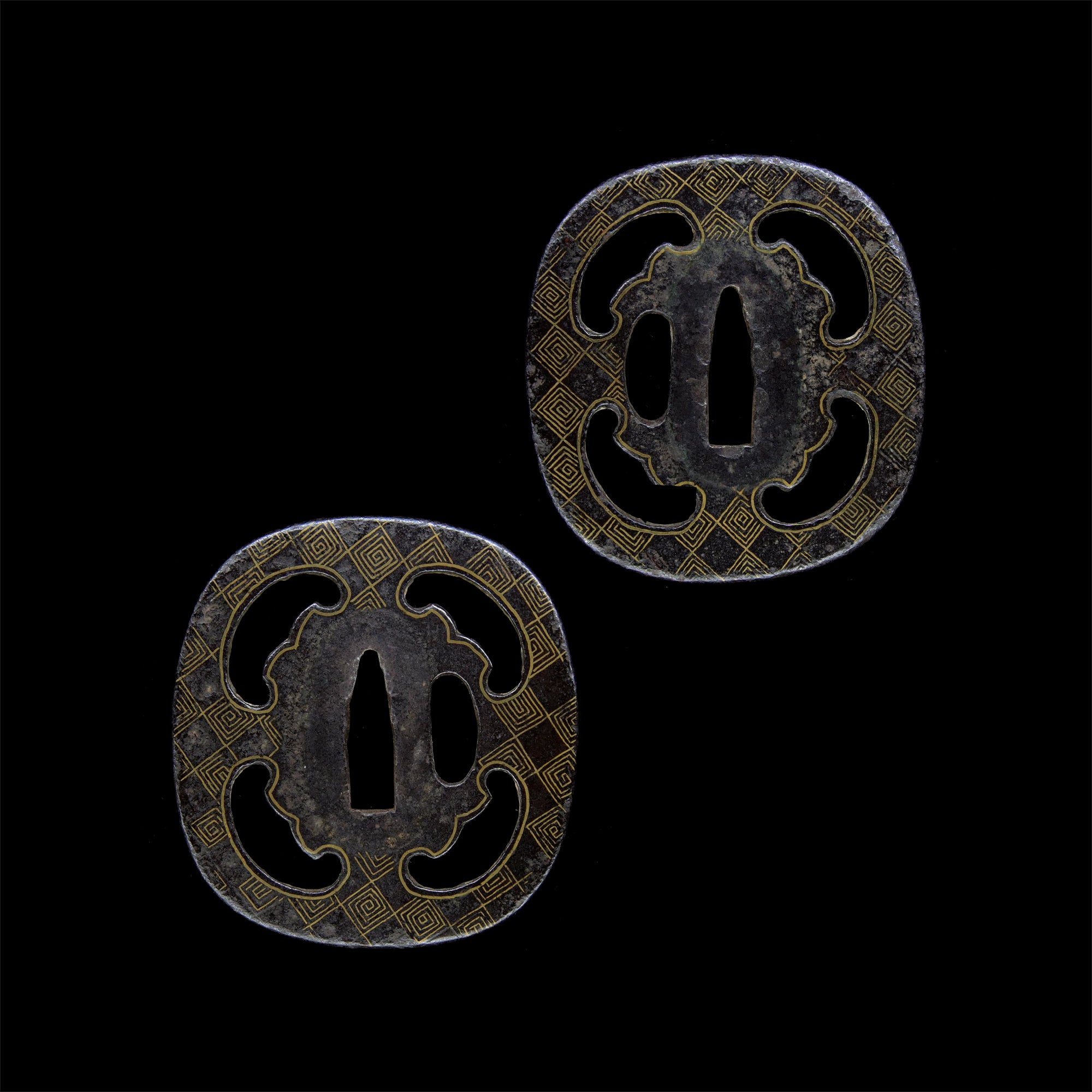
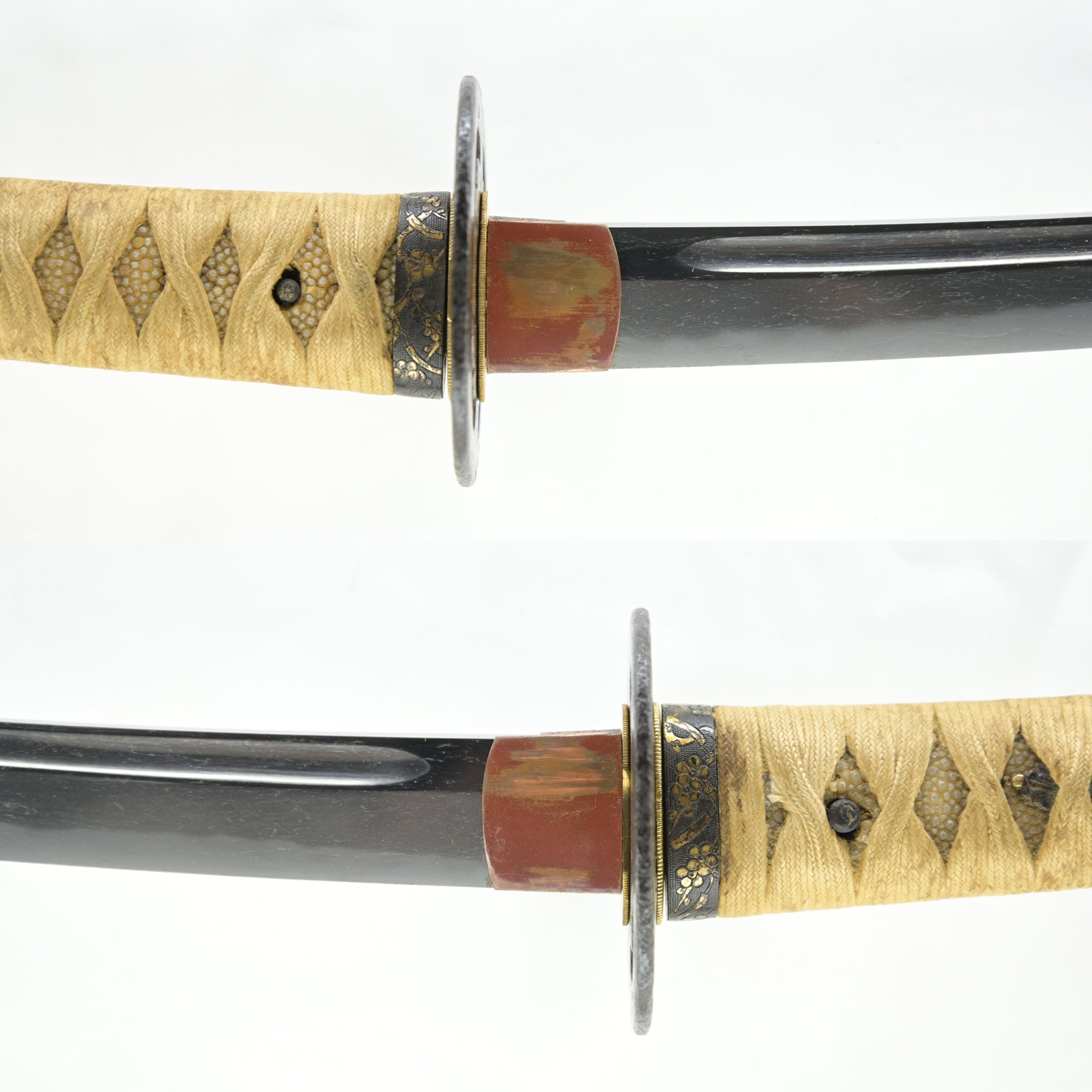
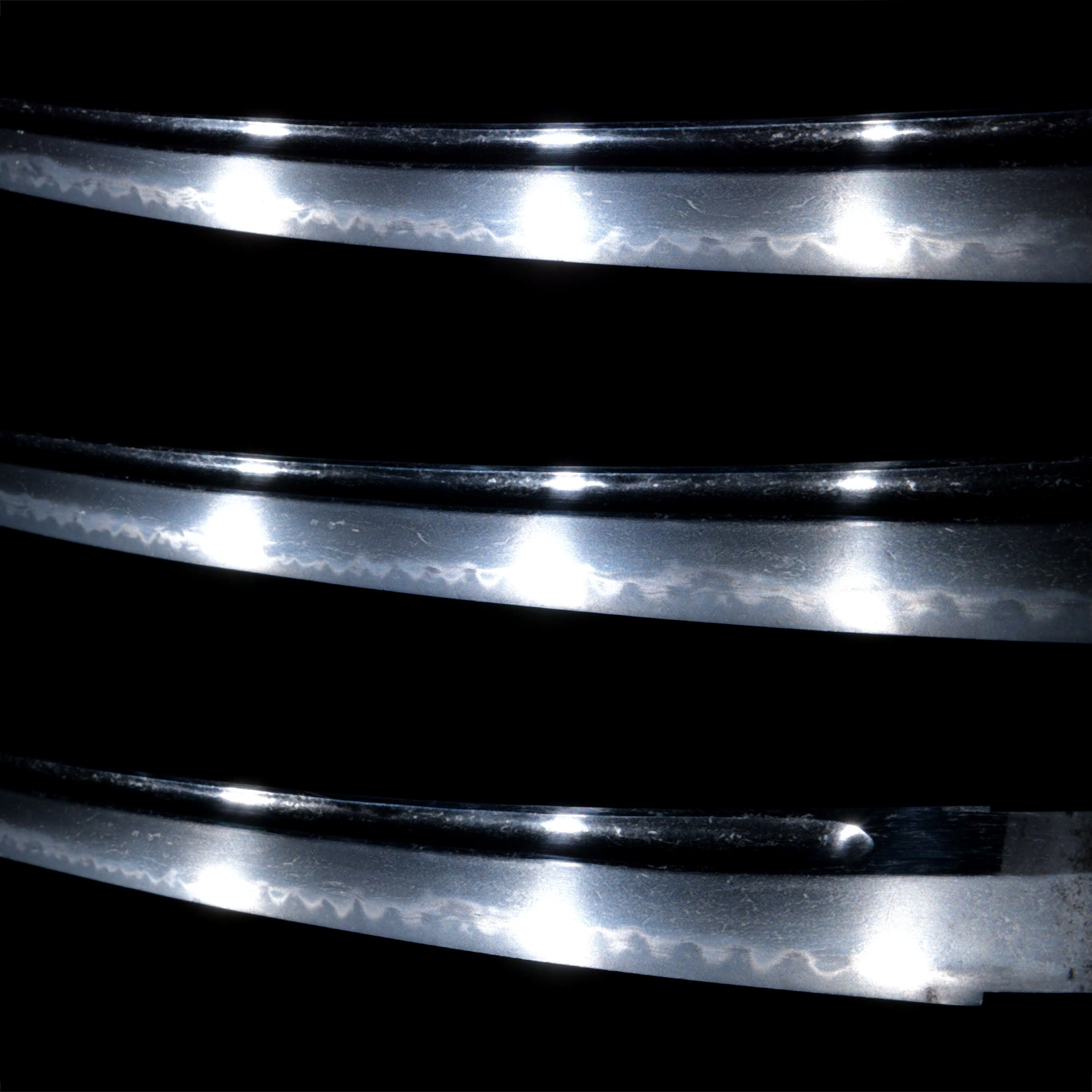
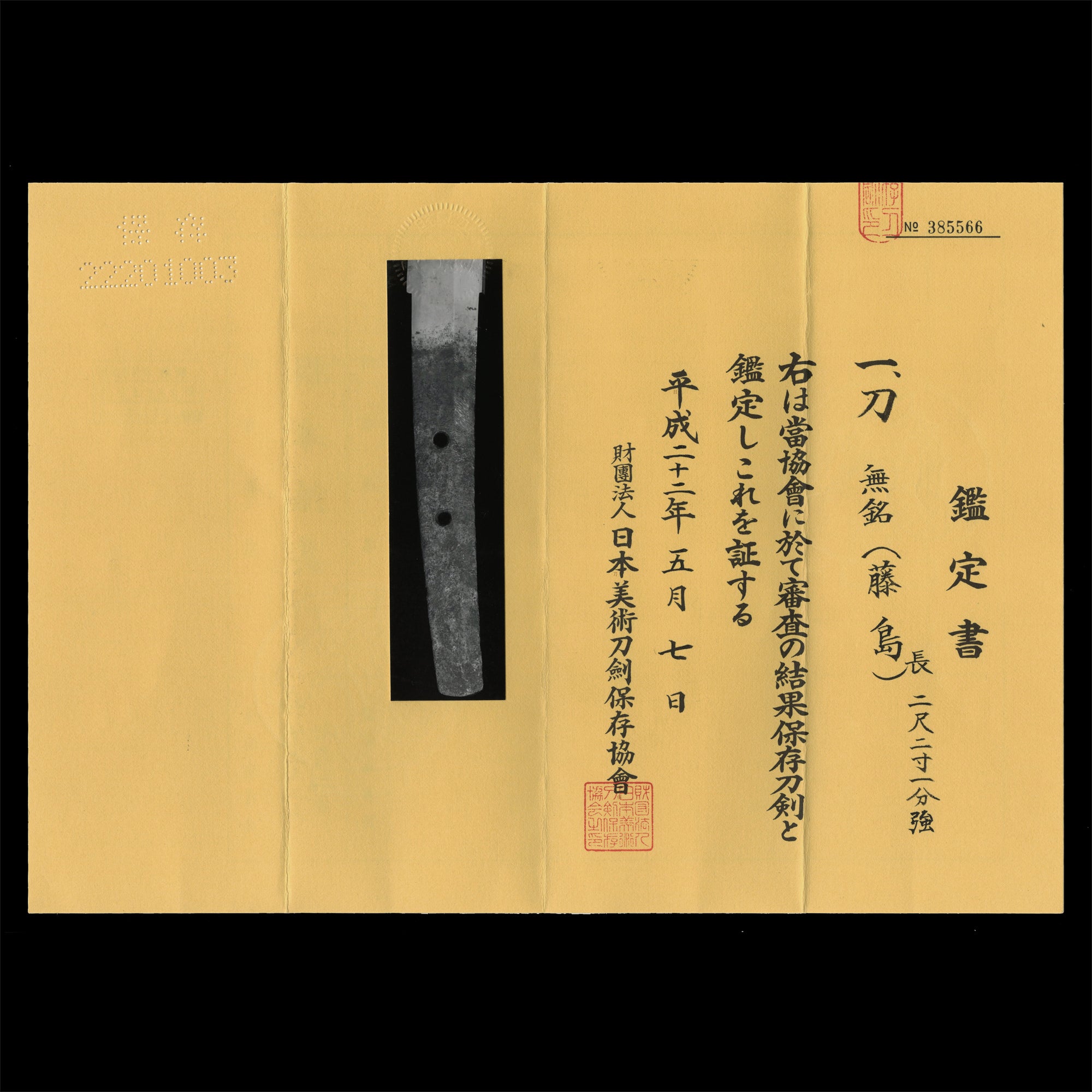
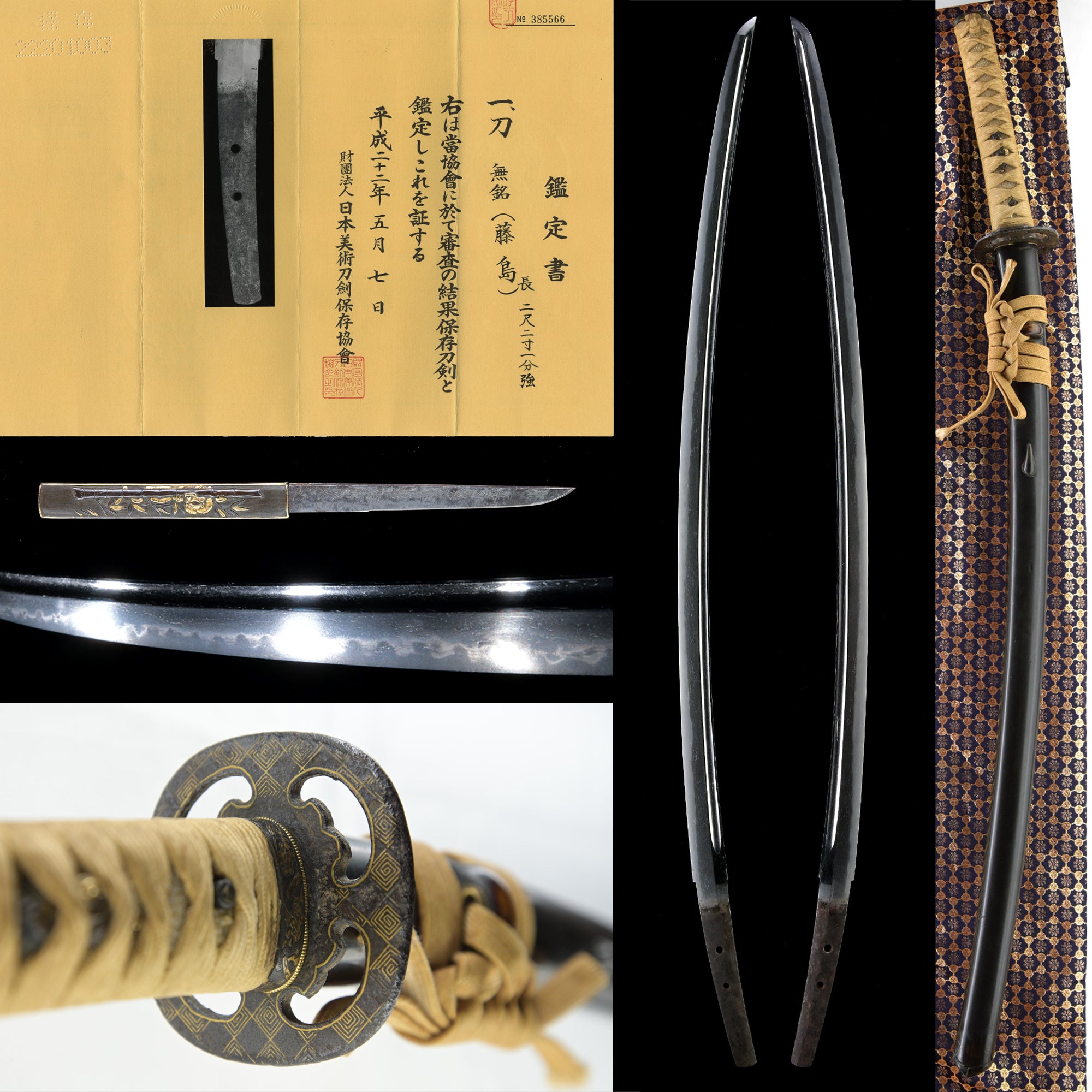
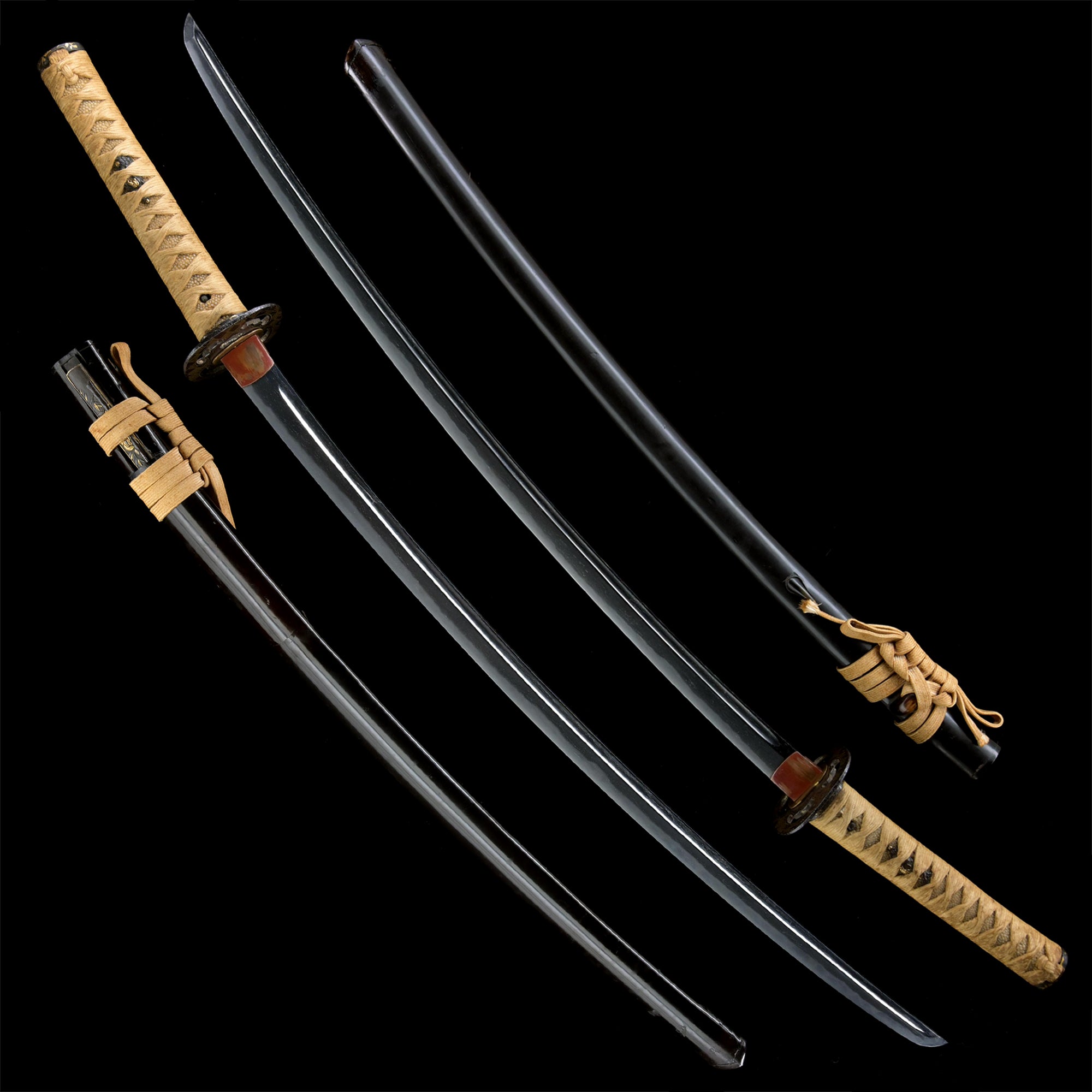
Nanbokuchō to Early Muromachi Period, c. 1394–1428 CE | NBTHK Hozon Certificate An elegant early Fujishima blade with an ubu nakago, graceful Kyoto-style curvature, and a highly active gunome-midare hamon—preserving the refined character of a sword originally mounted and carried as a tachi. This fine katana is attributed by the NBTHK to the Fujishima school (藤島) of Kaga Province and dates to around the Ōei era (1394–1428), at the transition from the Nanbokuchō to the early Muromachi period. The Fujishima school traces its tradition to Fujishima Tomoshige (藤島友重), traditionally regarded as a student of Rai Kunitoshi of Yamashiro. The school established itself in Kaga Province around the end of the Kamakura and Nanbokuchō periods and flourished particularly from the Nanbokuchō through the Muromachi period. Fujishima workmanship often retains an elegant Kyoto influence in its overall shape while displaying darker-toned steel and characteristics associated with both the Yamato and Bizen traditions. This combination gives Fujishima blades a distinctive character among the schools of medieval Japan. An Elegant, Healthy Koto Blade One of the most appealing features of this sword is its slender and graceful sugata with pronounced Kyoto-style curvature (Kyo-zori). Despite its considerable age, the blade retains a healthy and elegant form. Its refined curvature gives the sword a distinctly classical appearance, quite different from the proportions commonly encountered in later Edo-period katana. The jihada has a characteristically darker tone, with prominent ō-itame-hada clearly visible throughout the surface and abundant ji-nie adding texture and depth to the forged steel. The hamon is a lively gunome-midare in ko-nie-deki, with sections developing into chōji. Throughout the hardened edge are frequent and beautiful activities, including sunagashi and kinsuji, producing flowing streaks and bright lines within the hamon. These abundant hataraki give the blade the rich, organic appearance particularly prized in fine Koto swords. Ubu Nakago – Evidence of Its Early Tachi Form A particularly important feature of this sword is its ubu nakago (original, unshortened tang). Many Japanese swords of this age were shortened during later centuries as styles of sword mounting and wearing changed. The preservation of the original tang therefore adds considerable historical interest to this example. The position of the lower mekugi-ana is especially noteworthy. Its placement is consistent with the sword having originally been mounted and worn as a tachi, supporting the interpretation that this blade survives in essentially its original early configuration rather than having been substantially shortened and reshaped in a later period. This is particularly attractive when considered together with the blade's elegant Kyo-zori: both the tang and the graceful curvature preserve the visual character of an early sword intended for tachi-style use. Koshirae and Fittings The sword is accompanied by an attractive koshirae of understated classical character. The tsuka is finished with pale ito over traditional samegawa, while the iron tsuba features openwork and fine geometric decoration highlighted with gold. Its restrained ornamentation complements the elegant form of the blade without overwhelming it. The glossy black lacquered saya has a beautifully simple appearance, giving the complete mounting a dignified and traditional presentation. Also accompanying the sword is a finely decorated kozuka and kogatana, with delicate gold and silver-toned ornamentation against a dark ground. This small accessory adds another attractive element of traditional Japanese metalwork to the complete ensemble. Collector’s Appeal This sword brings together several qualities that make an early Japanese blade especially desirable: an NBTHK attribution to the historic Fujishima school, an ubu nakago, an elegant Kyo-zori sugata, and a highly active Koto-period hamon rich in sunagashi and kinsuji. Most importantly, the original tang and the position of its mekugi-ana provide a fascinating connection to the sword's early history, suggesting that it was originally carried as a tachi more than six centuries ago. With its graceful Kyoto-influenced form, dark and expressive forged steel, lively gunome and chōji activity, and tasteful antique koshirae, this is a particularly attractive sword for a collector seeking the unmistakable character of a genuine medieval Japanese blade. The blade comes with a Certificate of NBTHK Japan Sword Preservation Society - Hozon Paper (Well-preserved sword)
取扱店 サムライストア

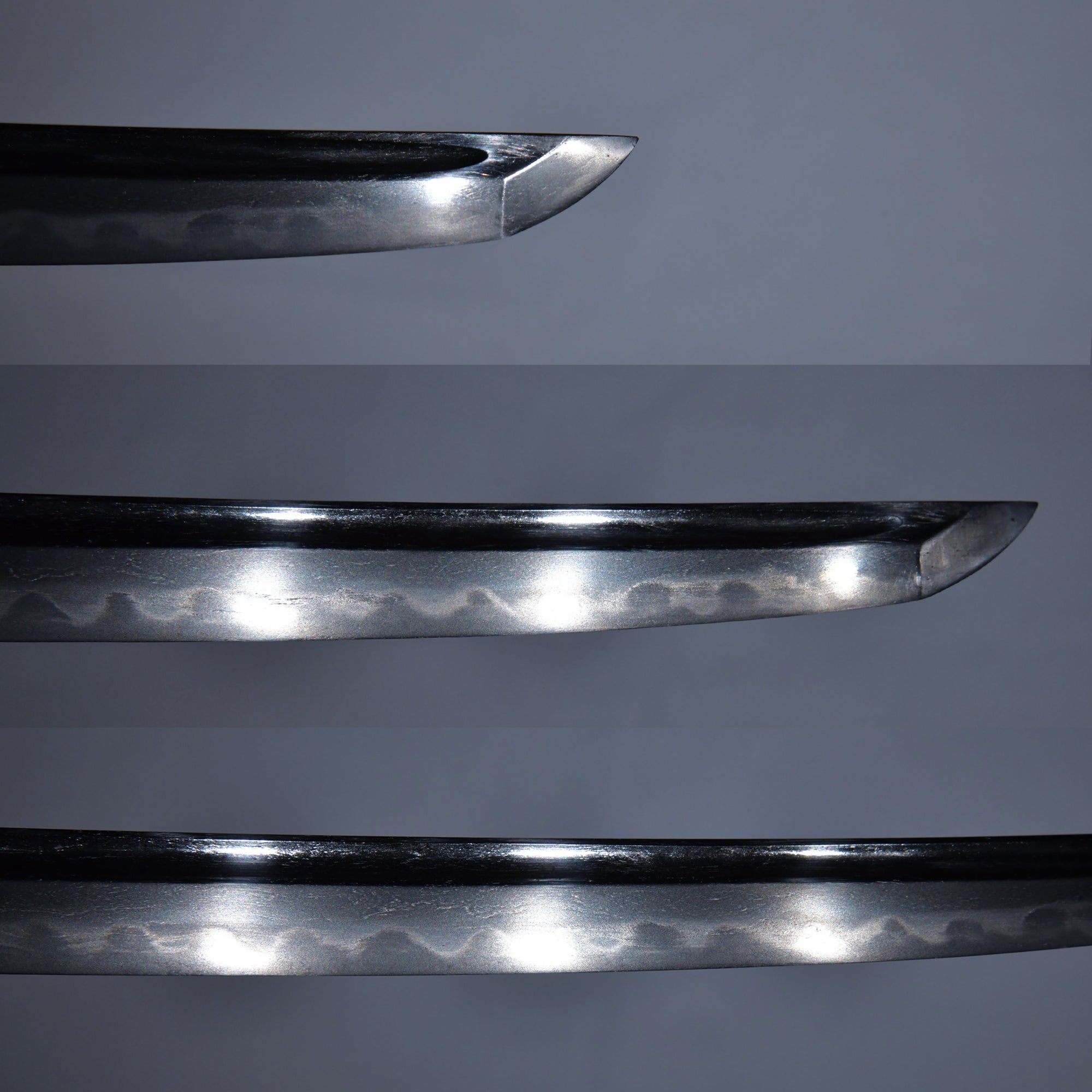
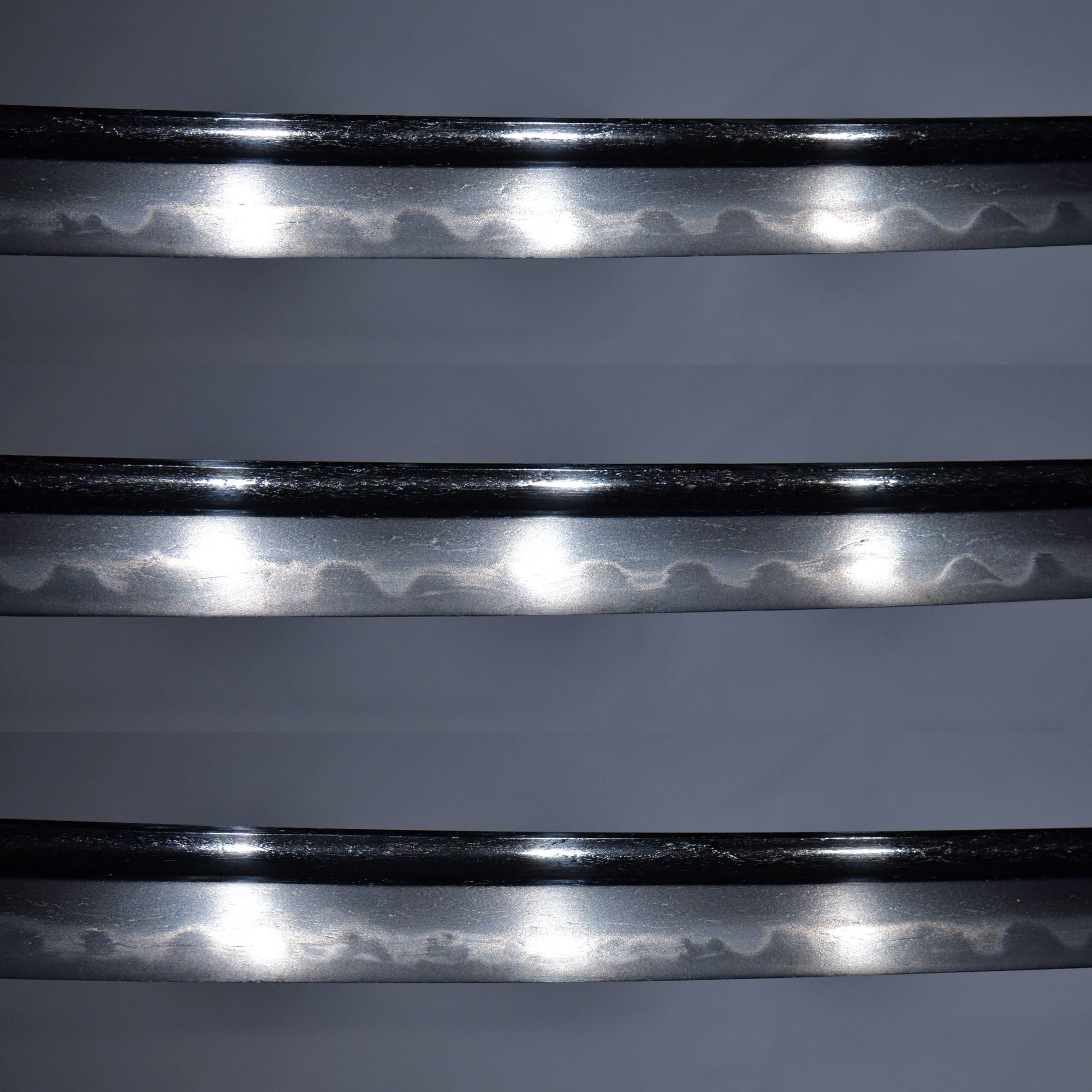
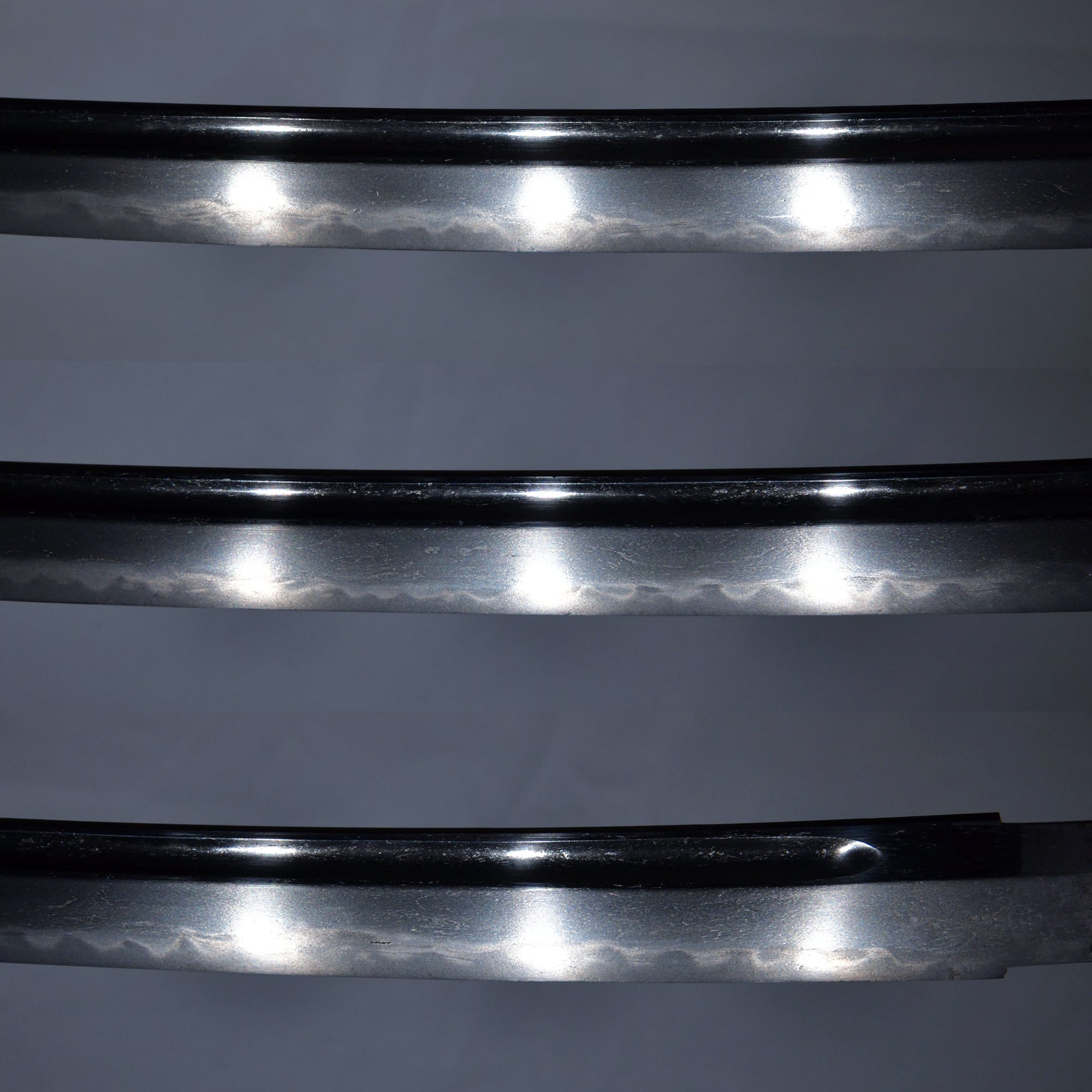
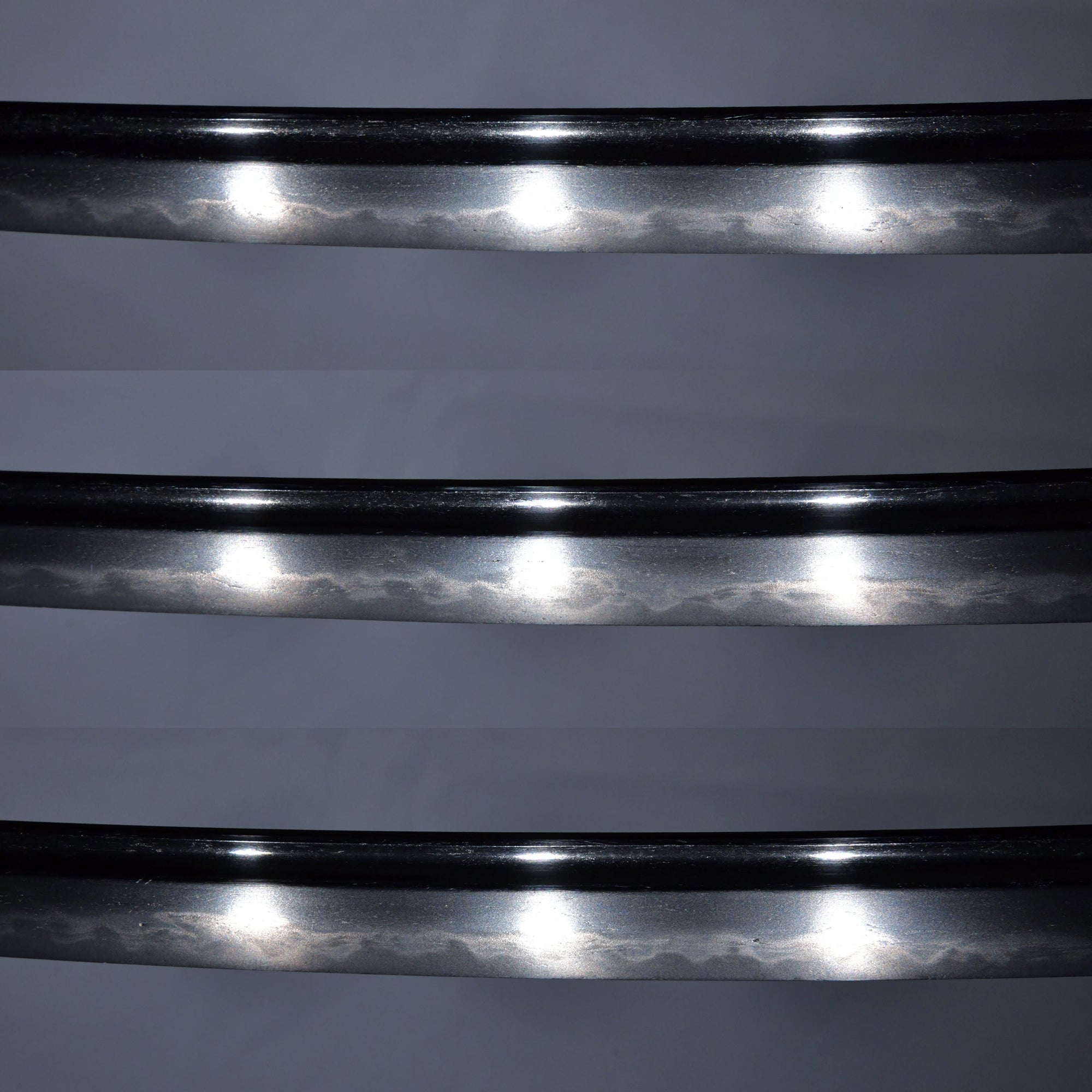
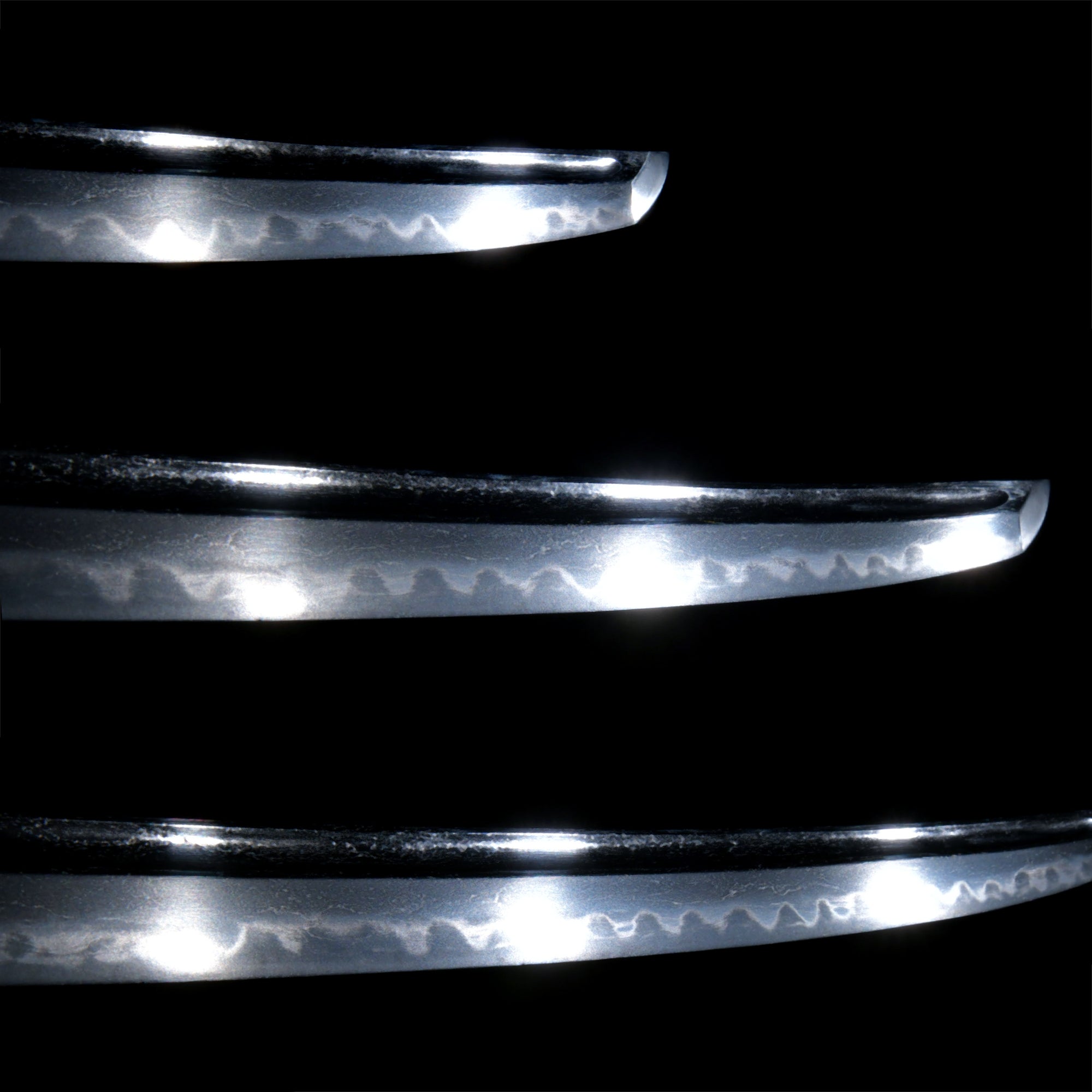
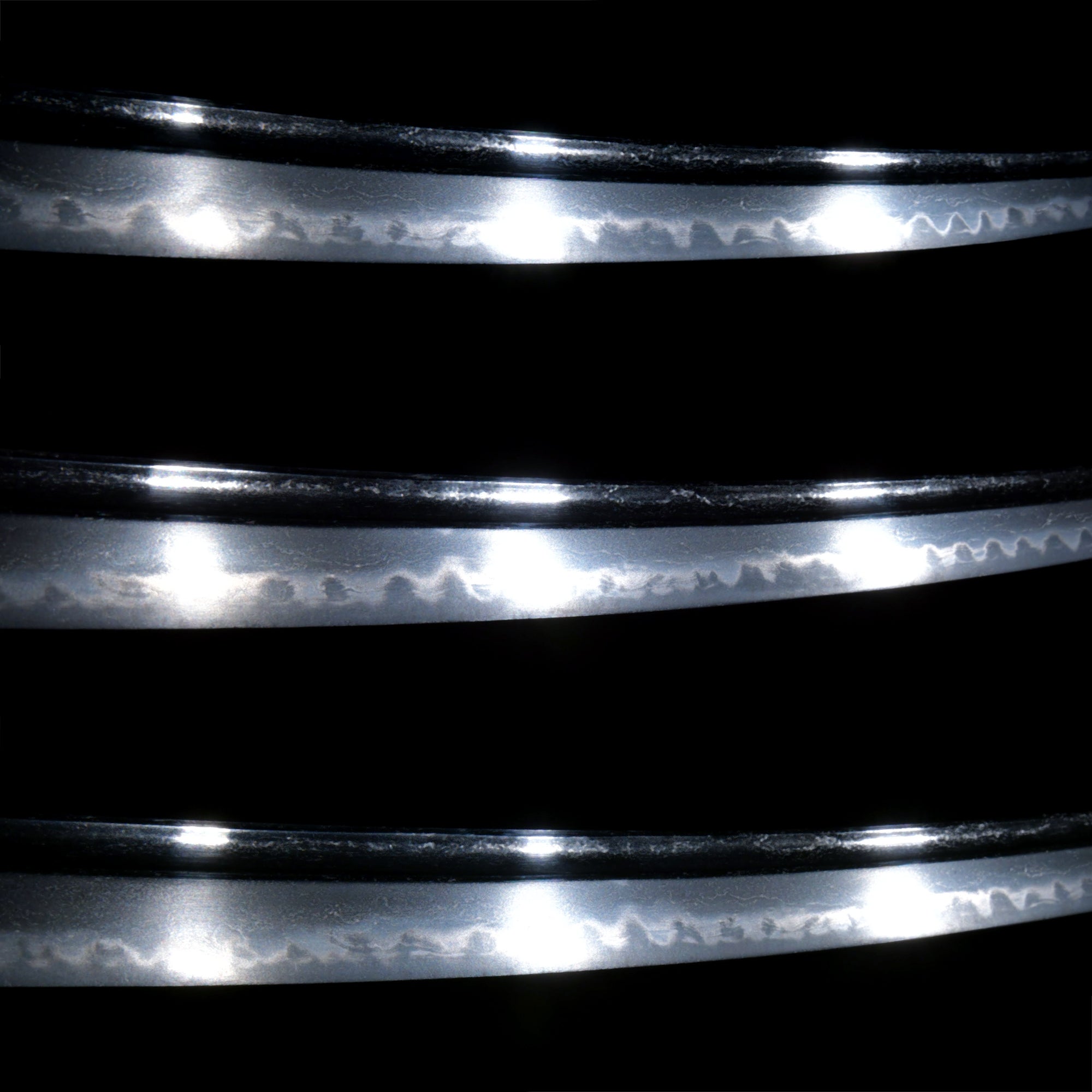
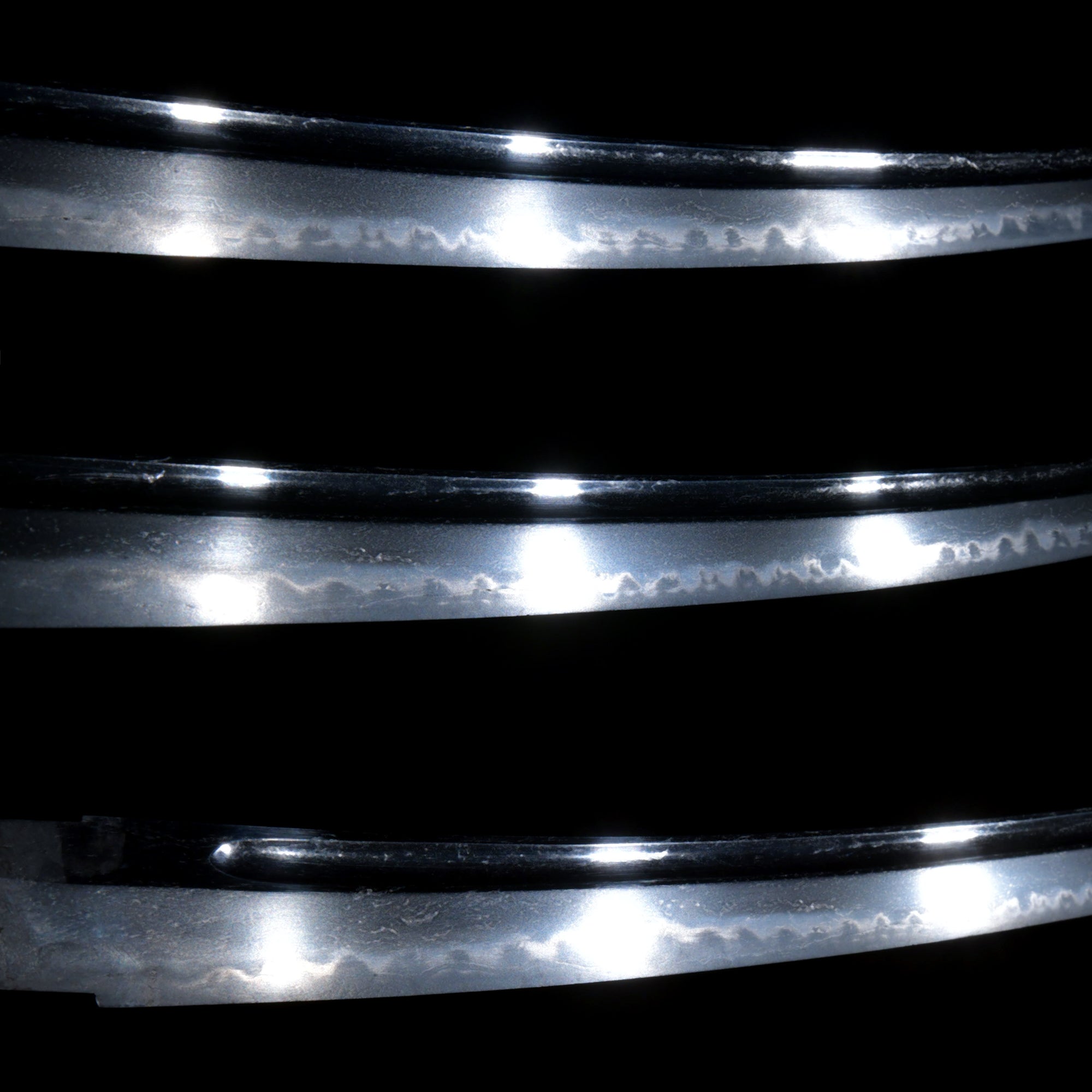
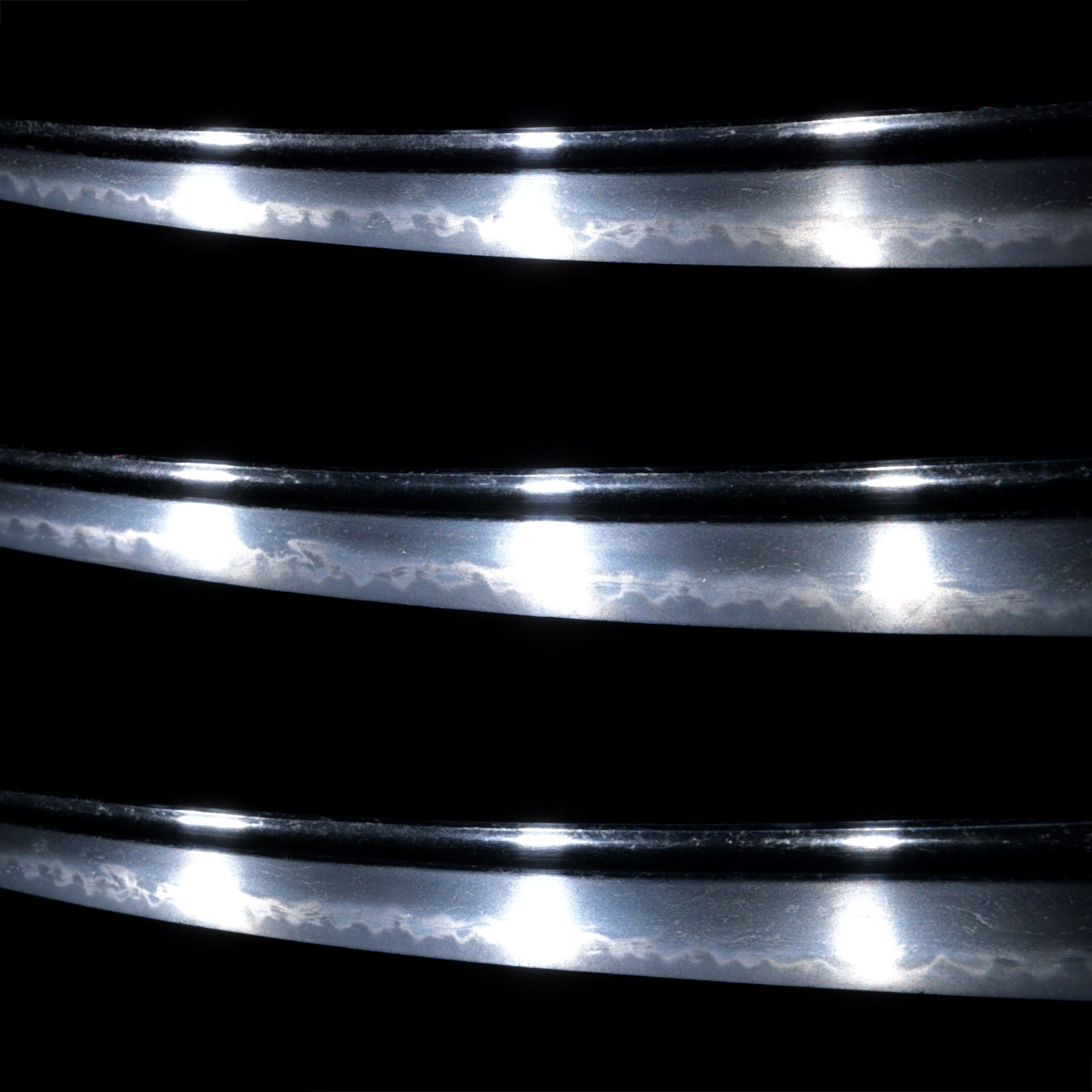
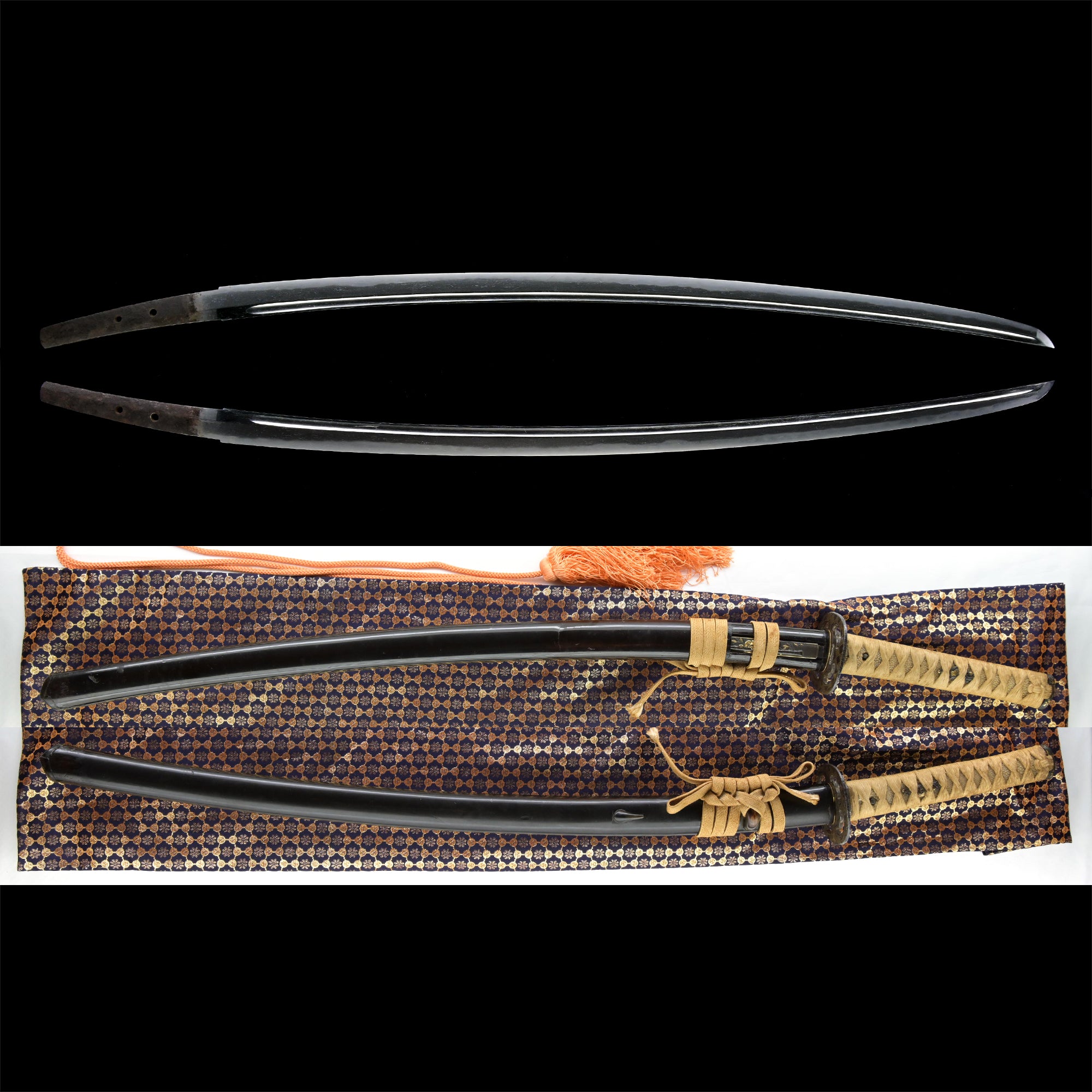
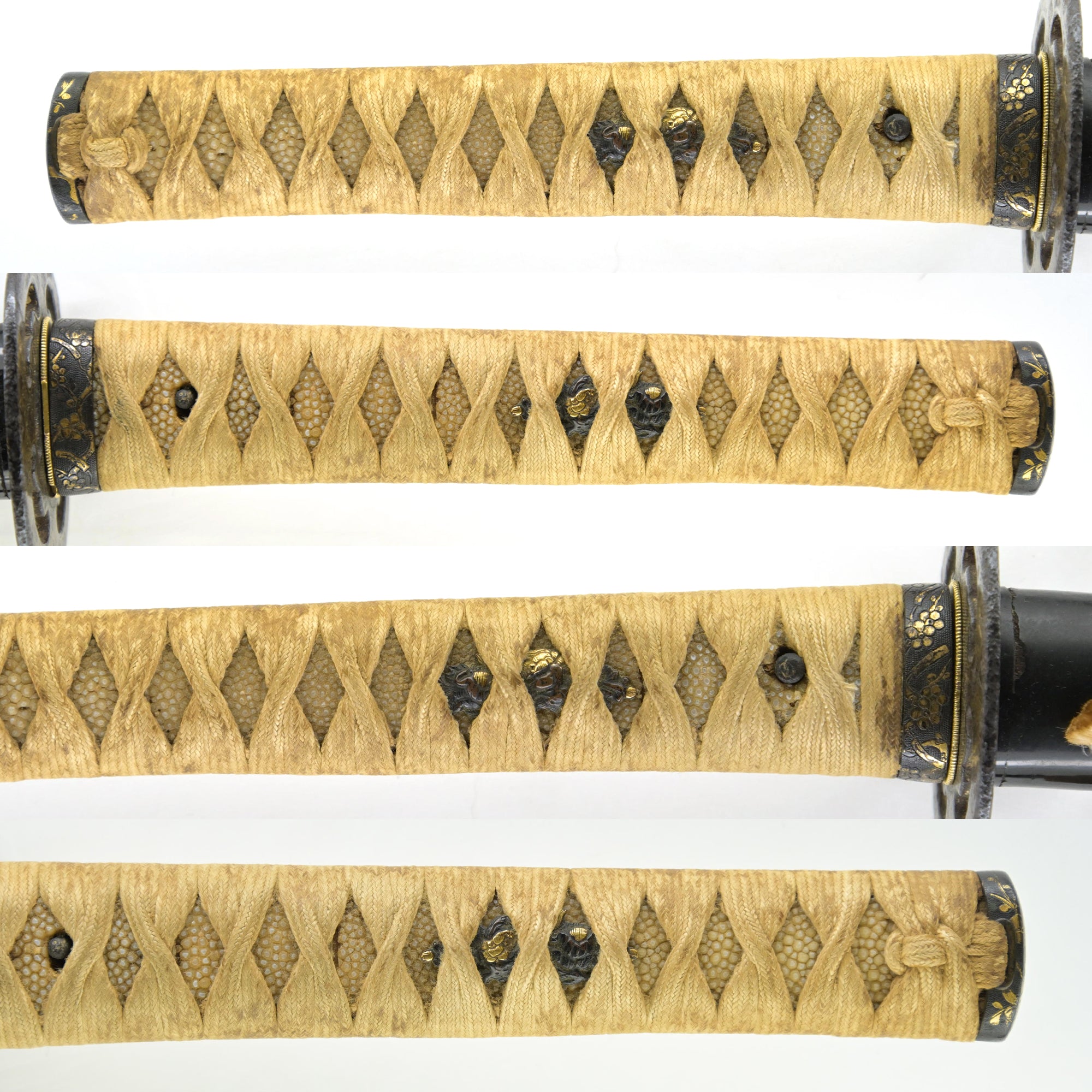
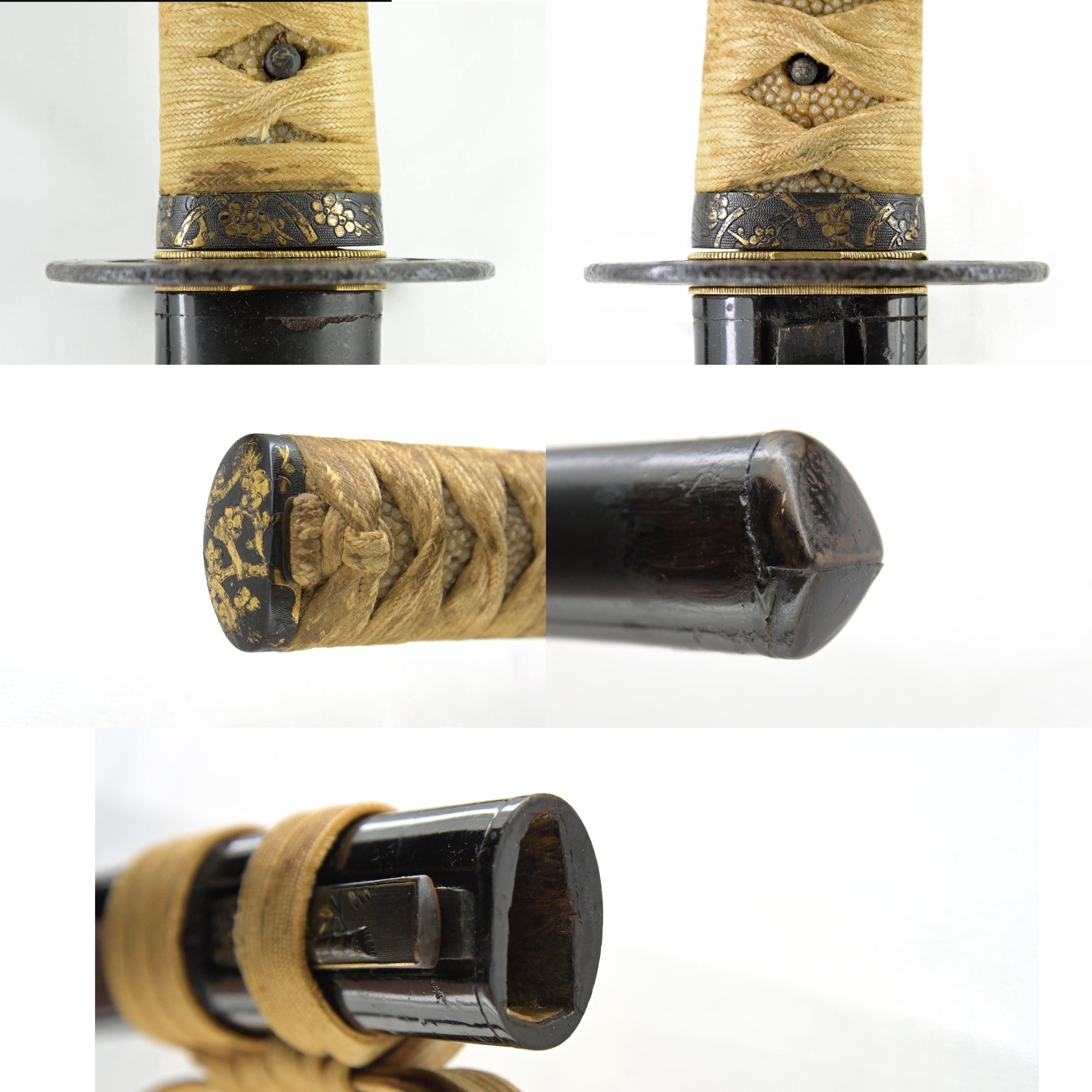
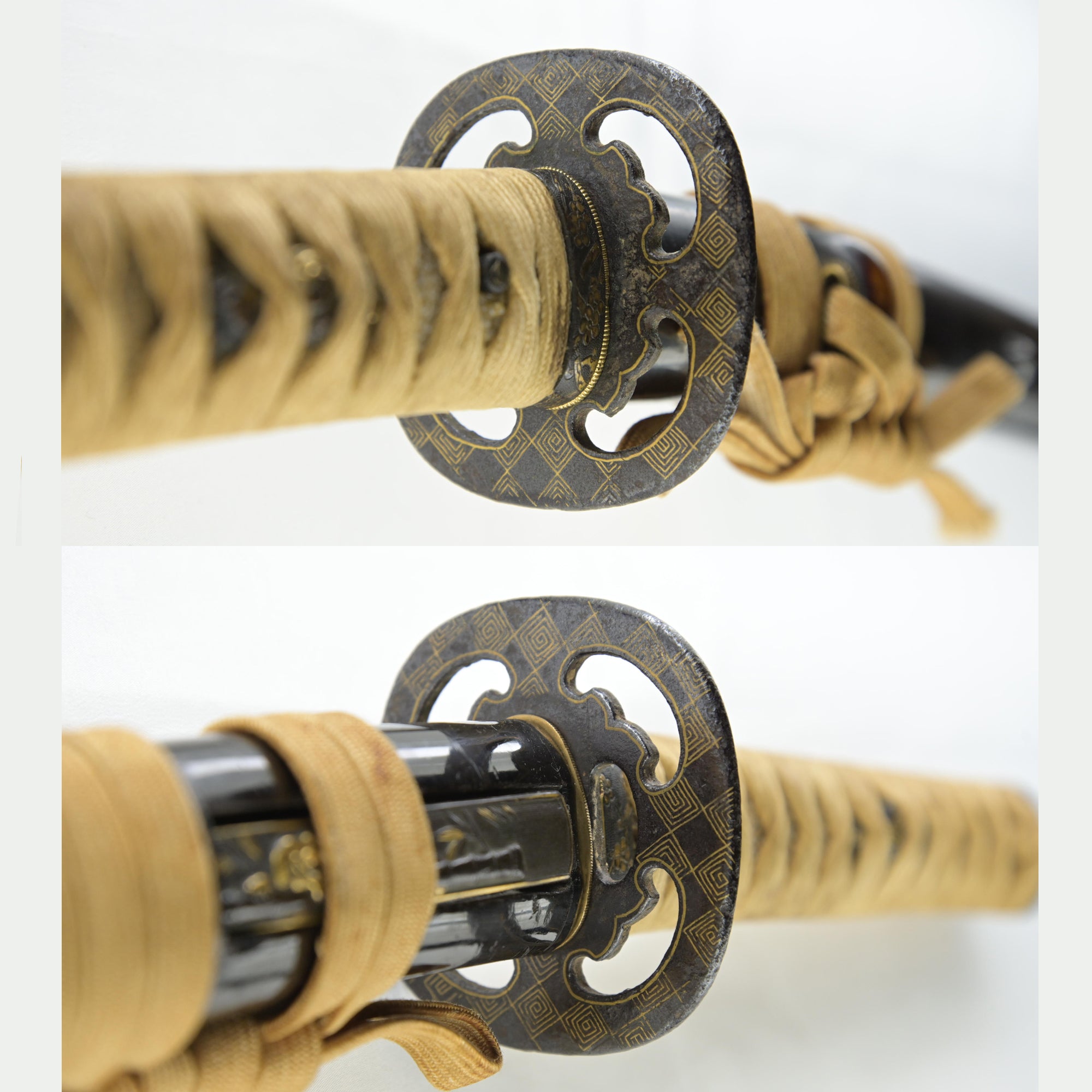
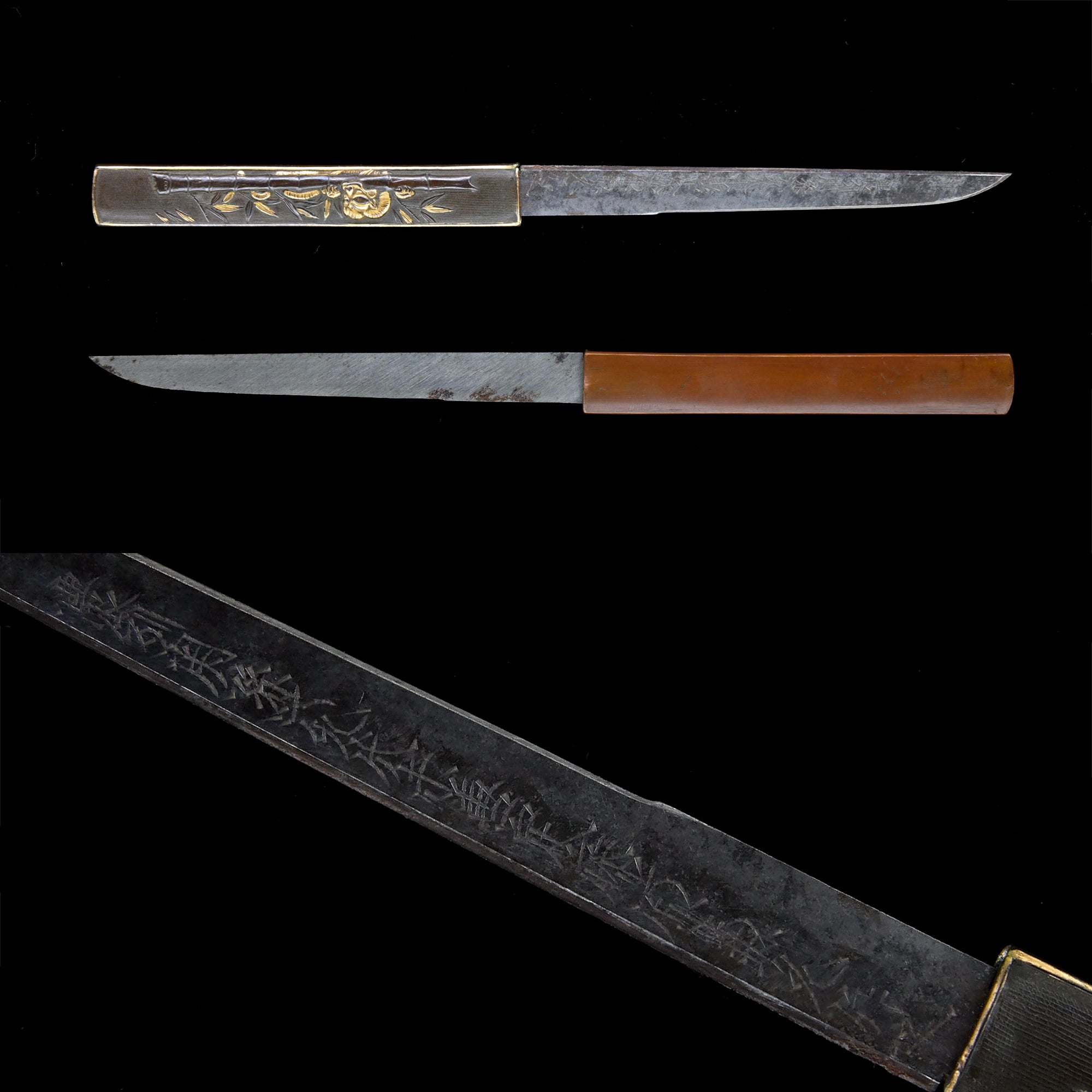
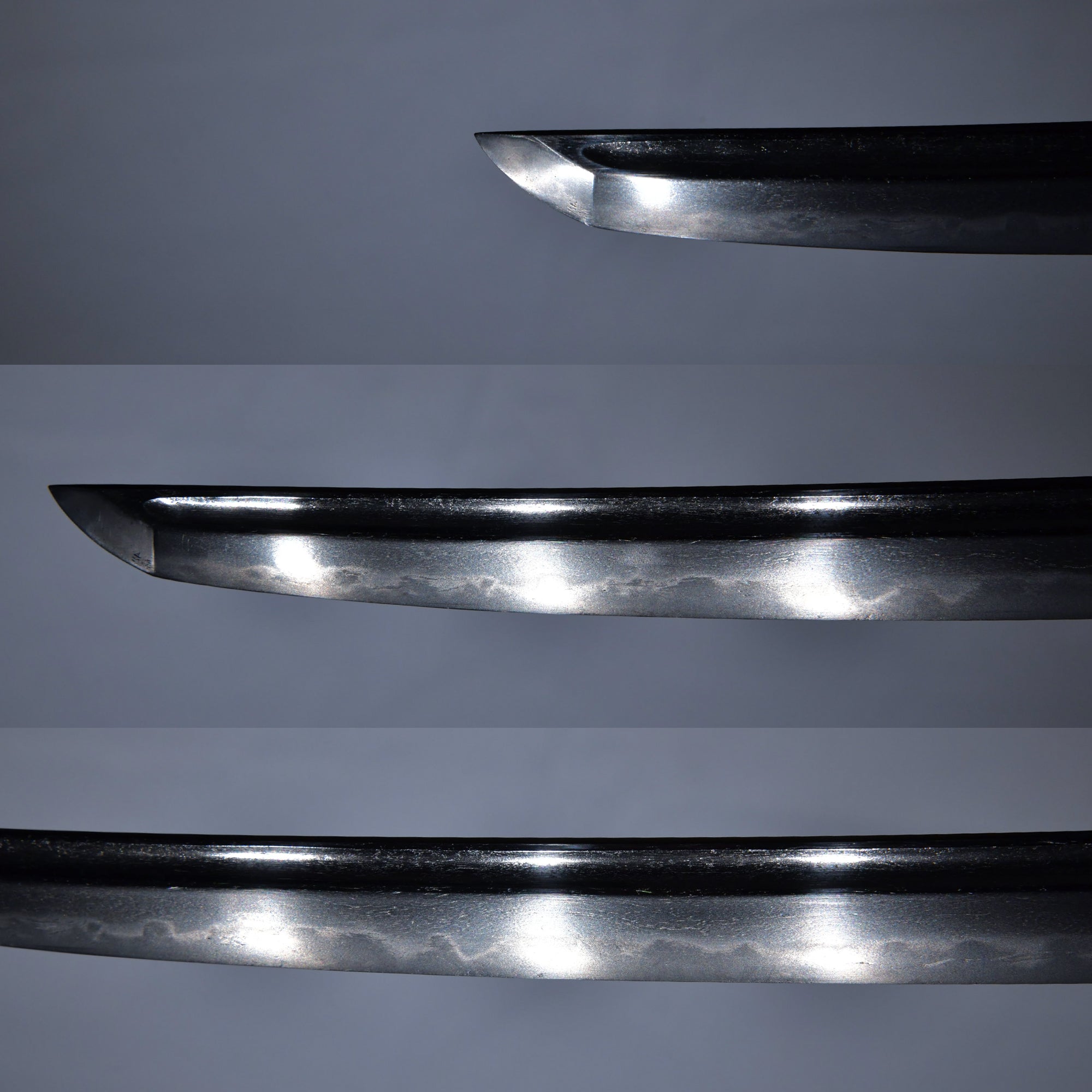
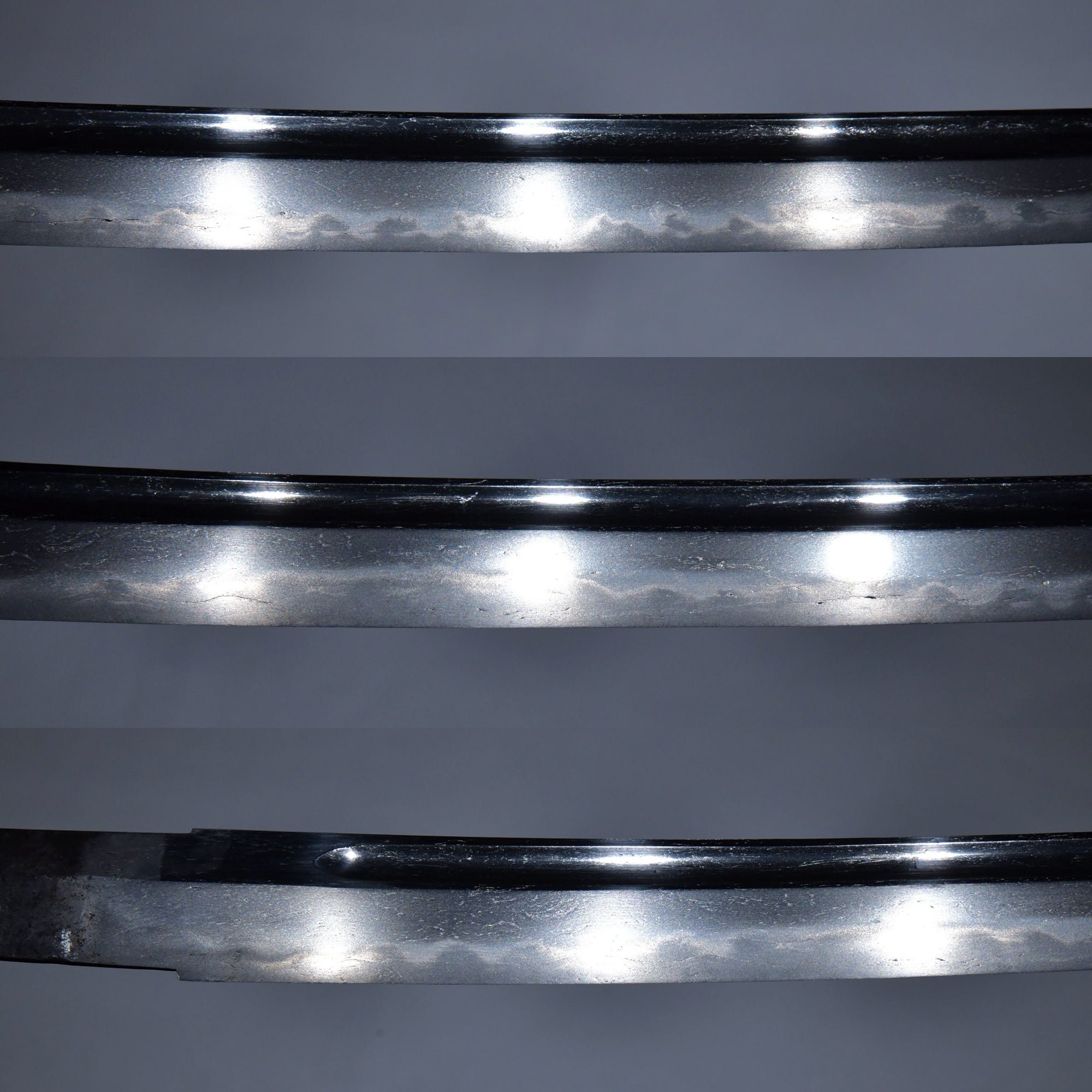
販売店の記載のまま
(翻訳なし) 店主の原文のまま表示しています。正確さの確認を通った翻訳のみを表示します。
山城伝 · 加賀
現在18点販売中
藤島派は加賀国藤島の地に興り、北陸道にあって数代を重ねた一門である。その祖にして代表工が友重で、名跡は南北朝末から室町を経て近世にまで及び、現存する年紀作のうち最も古いものは応永二年の短刀である。構成員の解説はいずれも、初代を山城の来国俊の門人、あるいは同国真景の門とする古伝を載せながらこれを疑い、作風の上で来国俊に結ばれず、年代の上で真景にも肯定し難いとして、茎仕立と地刃よりすればむしろ大和物の系統、大和尻懸の手に近いものと判ずる。南北朝期を遡る作はみないとされ、初代は建武の頃、二代は貞治、三代は応永と伝える説もあるが、構成員はおおむね各作を一個人の経歴にではなく、固定した同派の特質に照らして鑑する。北陸の地にあって、同派は越中・越前の工と気脈を通じ、美濃と大和の風を受けた古刀の一門として立つ。 作風の眼目はその地鉄にある。板目に杢を交え、流れごころに肌立って、地沸つき地景入り、かねは際立って黒みをおびる。構成員はこれを同派一番の見どころとして、地鉄が肌立ちごころで黒みを帯びることを北国物の徴とし、ある作には白気映りが淡く立つと記す。山城のようなつんだ小板目には締まらず、槍・薙刀や磨上の太刀では柾目に寄った肌となって、その地に大和を素直に示す。刃文はこの地に応えて自らの混在を示し、互の目乱れを基調に、箱がかった刃・尖り刃・角ばる刃をのたれ・小のたれとともに交える。これを構成員は備前気質と美濃風が混在した感のある乱れ刃と呼び、足やや長く入り、総体に沸づいて砂流しかかり金筋入り、処々に飛焼や二重刃を交え、帽子は直ぐまたは乱れ込んで小丸となり、しばしば掃きかける。短刀ではこの手が穏やかになり、鍛えは小板目につみ、焼刃は細直刃あるいは低い小のたれ・小互の目に小沸を交え、匂口はうるんでほつれ・湯走りを交えて、同派の大和の素地が最も素直に現れる。 鑑定の勘所は、大和を素地とする黒く肌立つかねの上に、備前・美濃を想わせる躁ぎ立つ焼刃を置くという取り合わせにある。互の目と長い足は備前の作に似るが、箱がかった刃と尖り刃、肌立つ黒い地、絶えずかかる砂流しが素直な備前丁子からこれを引き離し、柾に寄る地と黒いかねが真の山城・純然たる大和の作からもこれを隔てる。同派は売立や商家に時に現れる重要刀剣を遺し、銘はほぼ在銘で、藤嶋友重の四字銘が最も多く、友重の二字銘がこれに次ぎ、生ぶ茎の作が大半を占める。藤代は同工を中上作、あるいは古刀の中位に位置づける。中心となるのは応永頃の友重で、室町から後代にかけての作が最も多く現存する。白眉として、三鈷剣と妙見大菩薩の神号を彫った大身槍を同時代を代表する名槍とする評があり、太刀の遺例は数少なく取り立てられる。伝来は稲葉家に伝わった刀や本間による御物台帳に所載の短刀があり、市場の品ではなく長く家に伝えられた重宝を含む。一口の黒いかねの作が北国一派の総体をその地に湛えるところに、同派の値はある。 詳しく見る →
室町時代
応仁の乱が足利の体制を砕いた後、戦国の一世紀はほとんどすべての国を武装させた。この時代は選ぶ目に報いる。並の作は多いが、その傍らには第一級の注文打ちが立っている。
銘が正しい、または無銘でも年代・国・系統を確実に指摘できる、保存に値する真正の作と鑑定されたものです。
日本美術刀剣保存協会(日刀保)は、1948年に設立され、文化庁の監督を受ける公益財団法人で、東京・刀剣博物館に本部を置きます。専門の審査員が出品作を直接審査し、美術的・歴史的価値に応じた鑑定書を発行します。日刀保の鑑定書は、日本刀および刀装具の真正性を示す最も広く認知された基準です。
日刀保公式サイトReturns accepted only for errors/damage: damaged or incorrect items reported by email within 10 calendar days; defective goods within 30 calendar days.
¥1,260,000