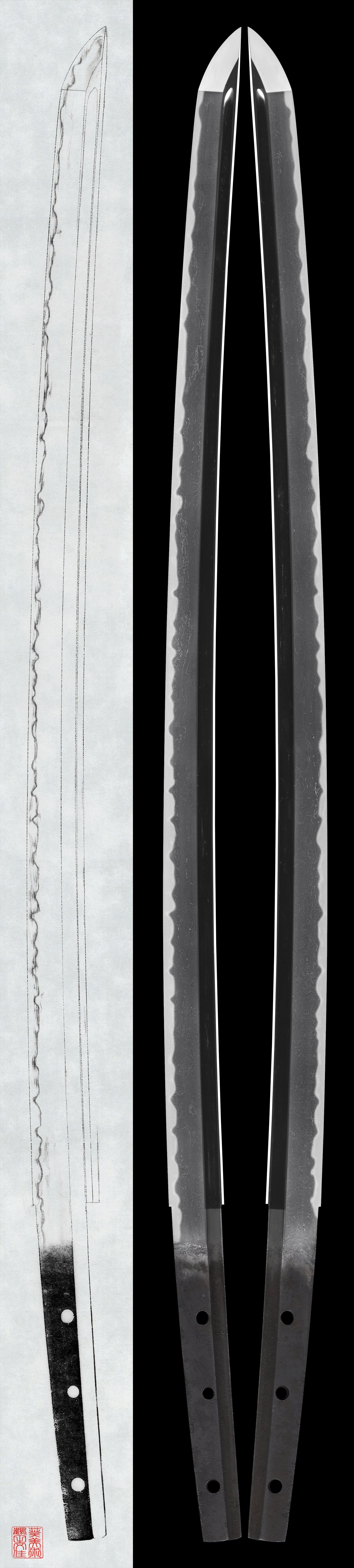
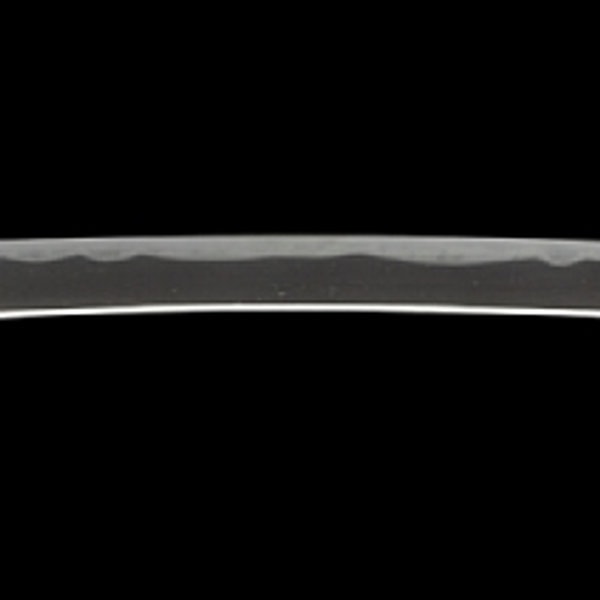
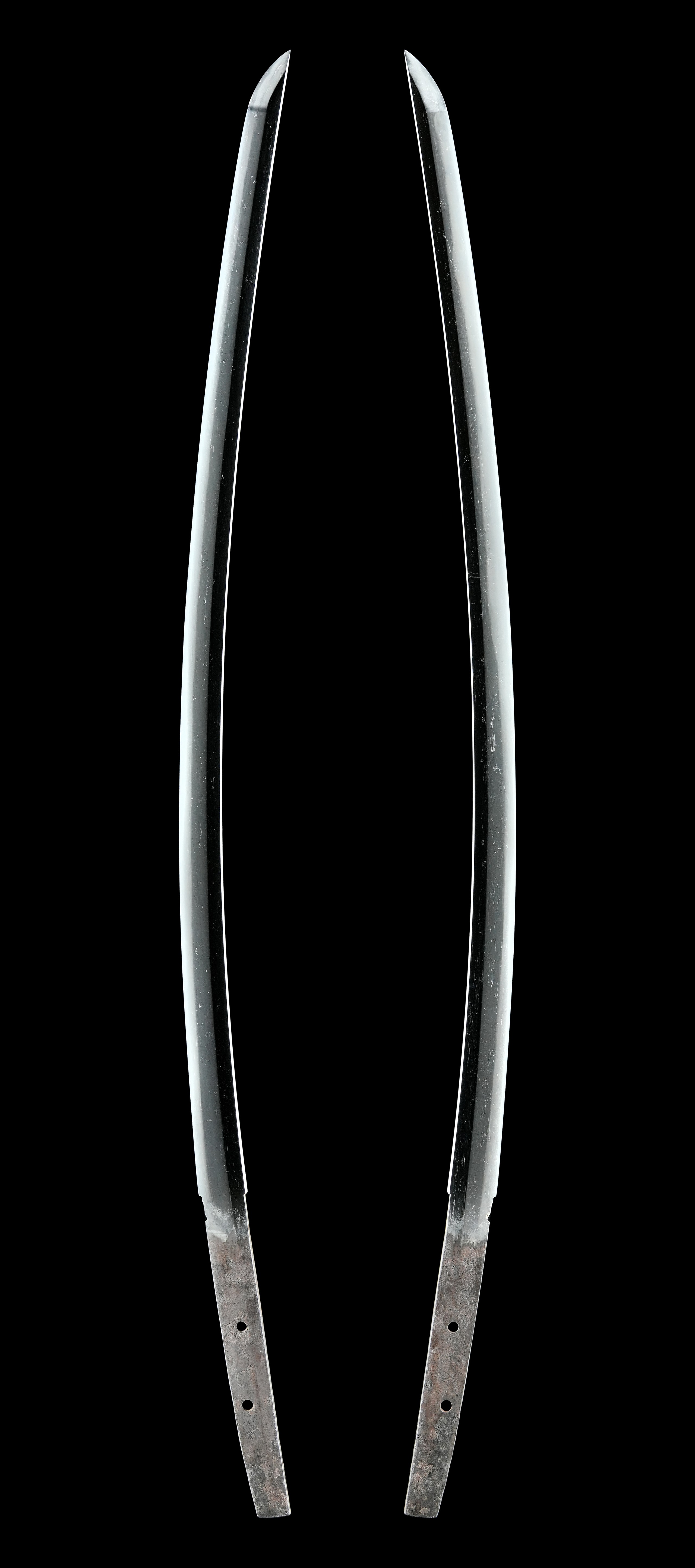
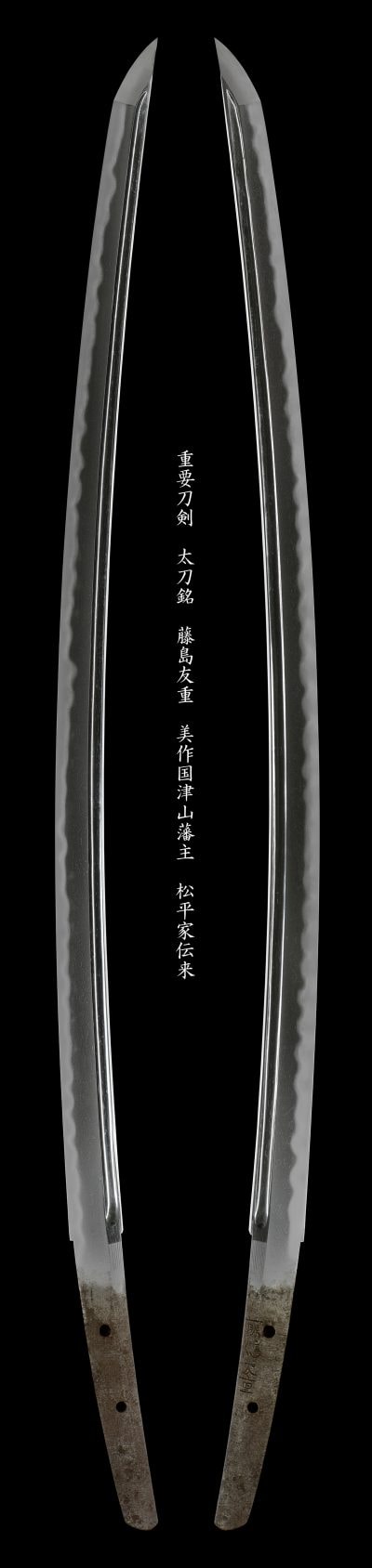
室町は刀剣業を産業に変えた。徒歩の集団戦とともに打刀が興り、長船と関は数打ち物と注文打ちを並行して産し、勘合貿易は日本刀を数万振の単位で海外へ運んだ。
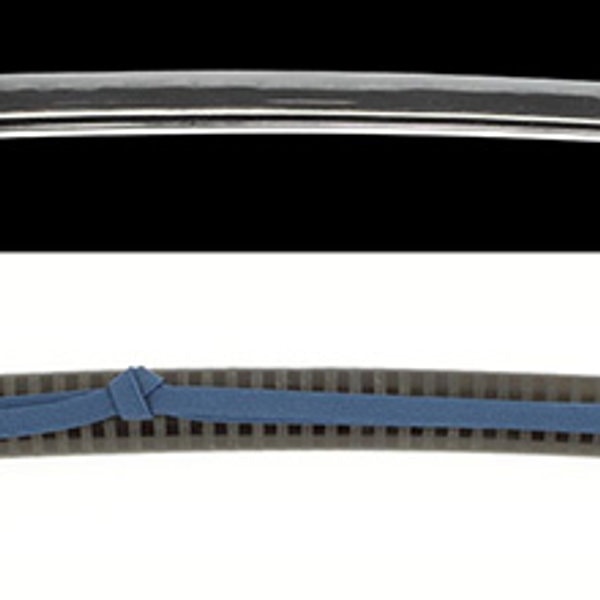
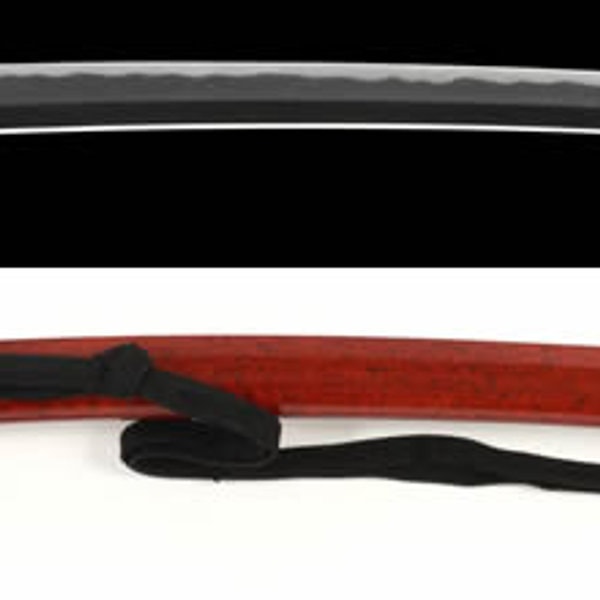
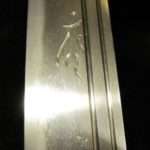
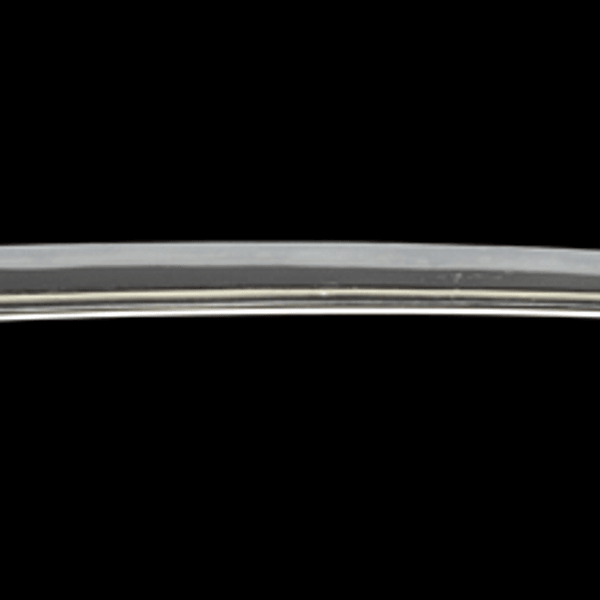
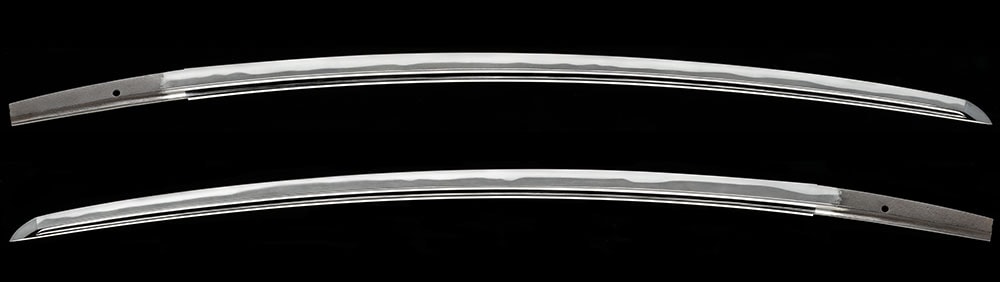
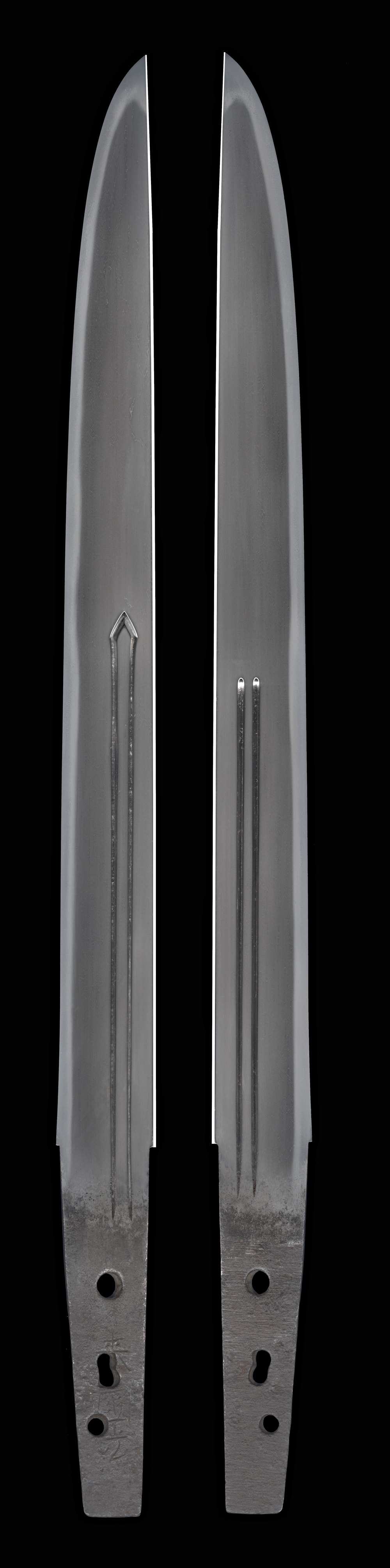
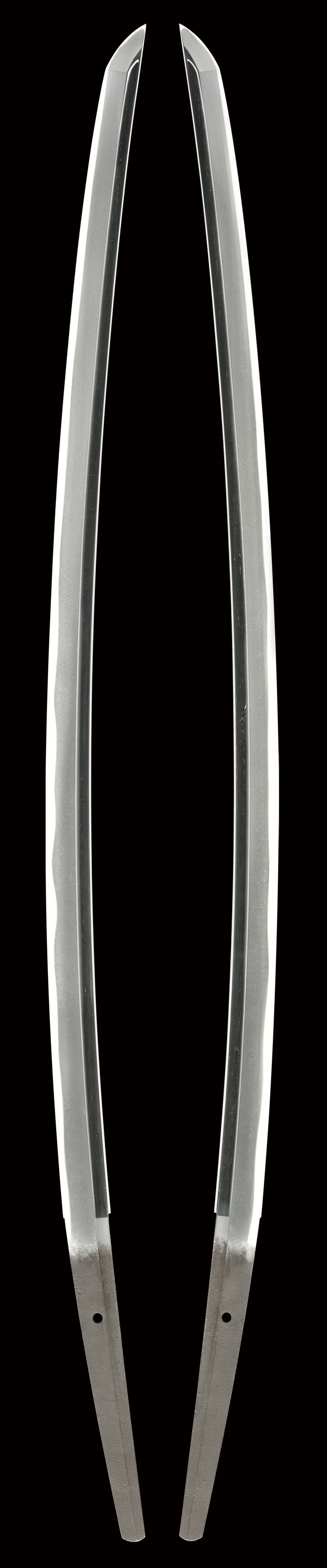
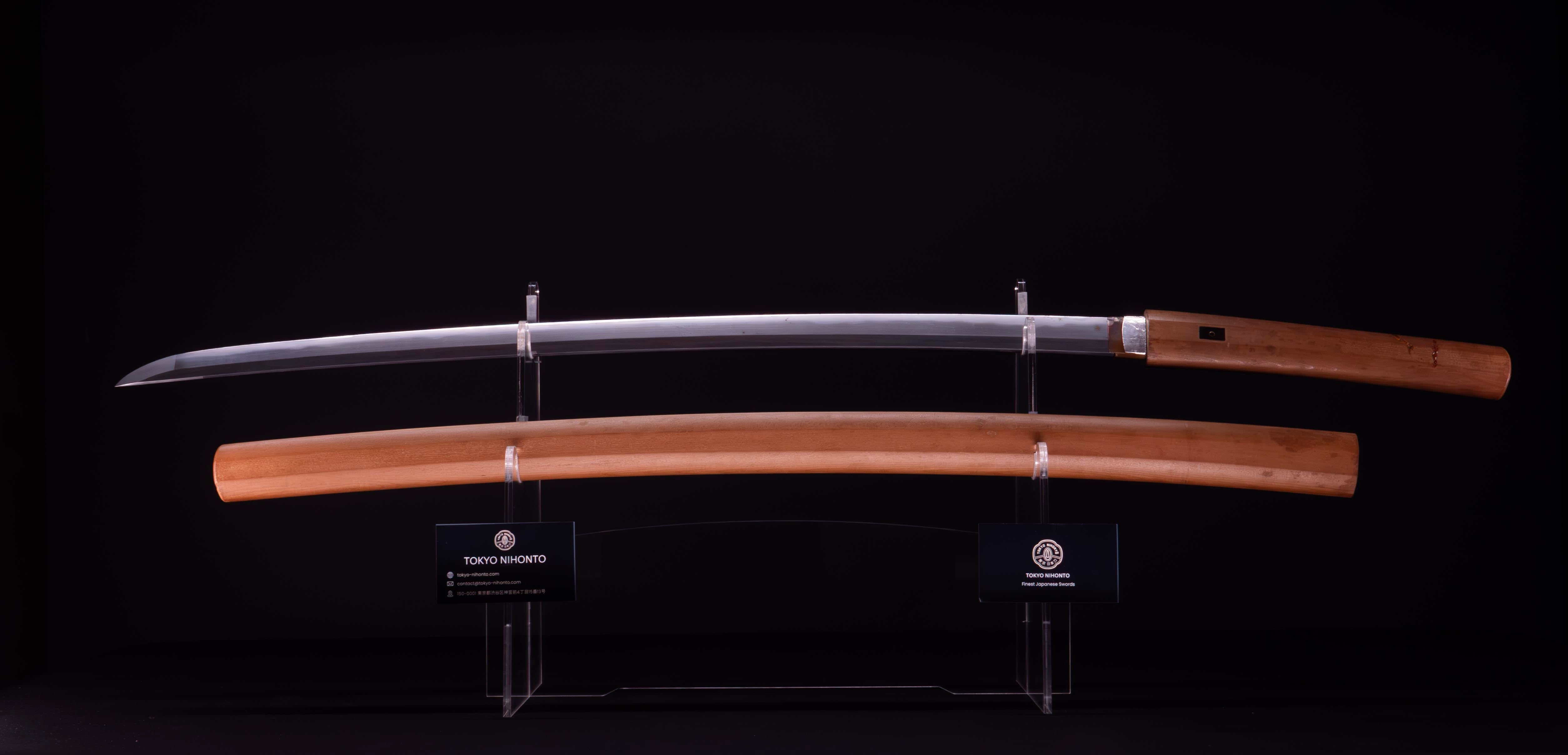
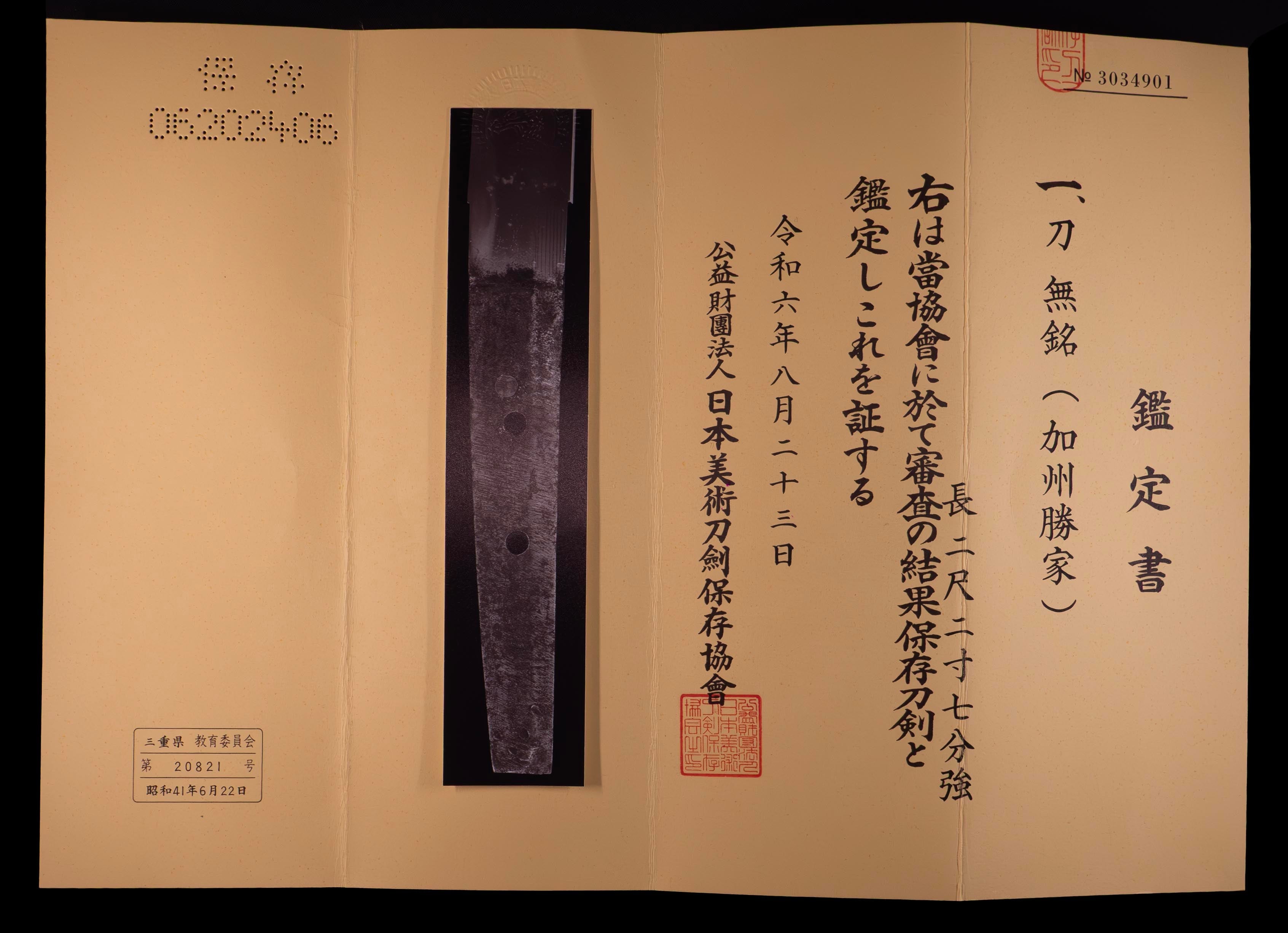
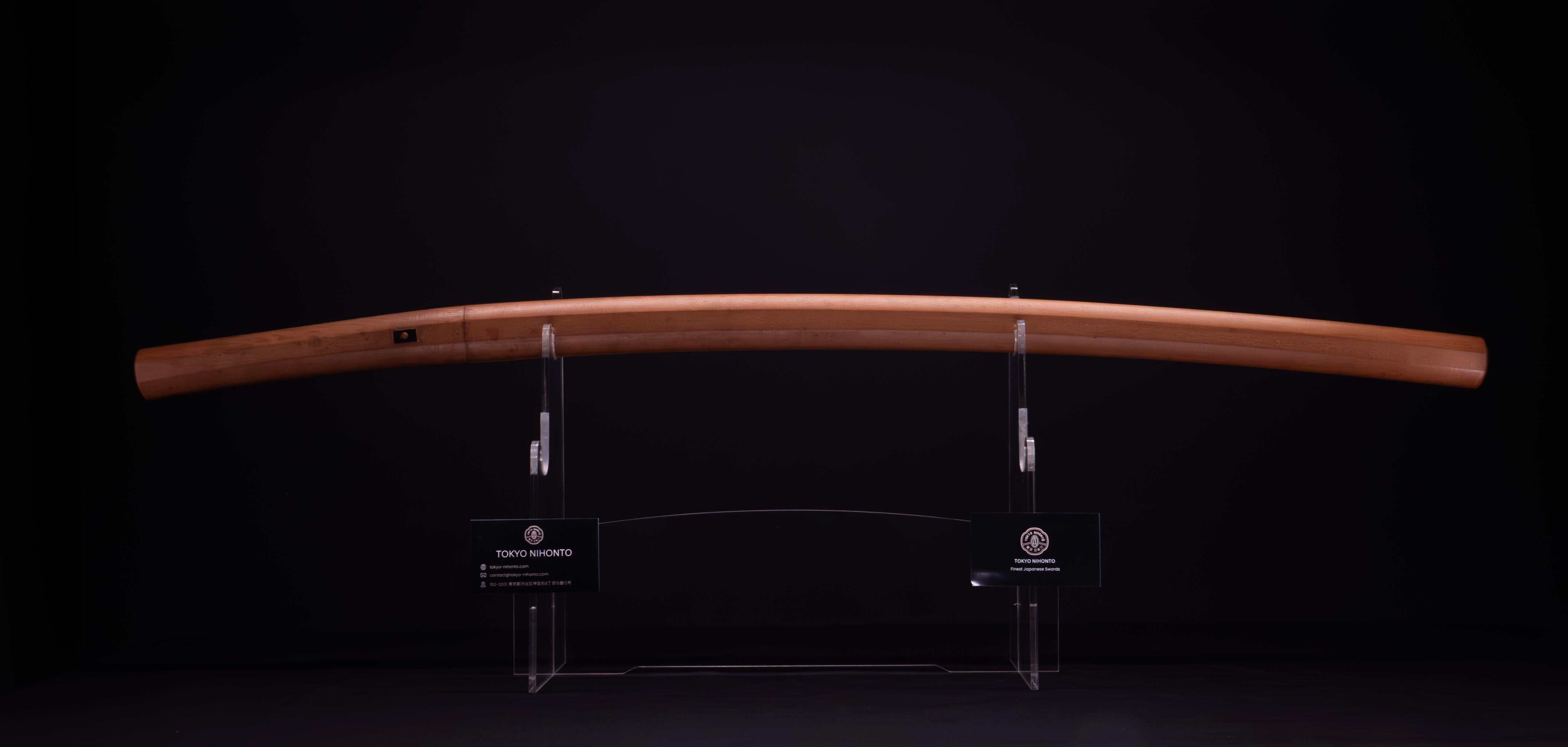
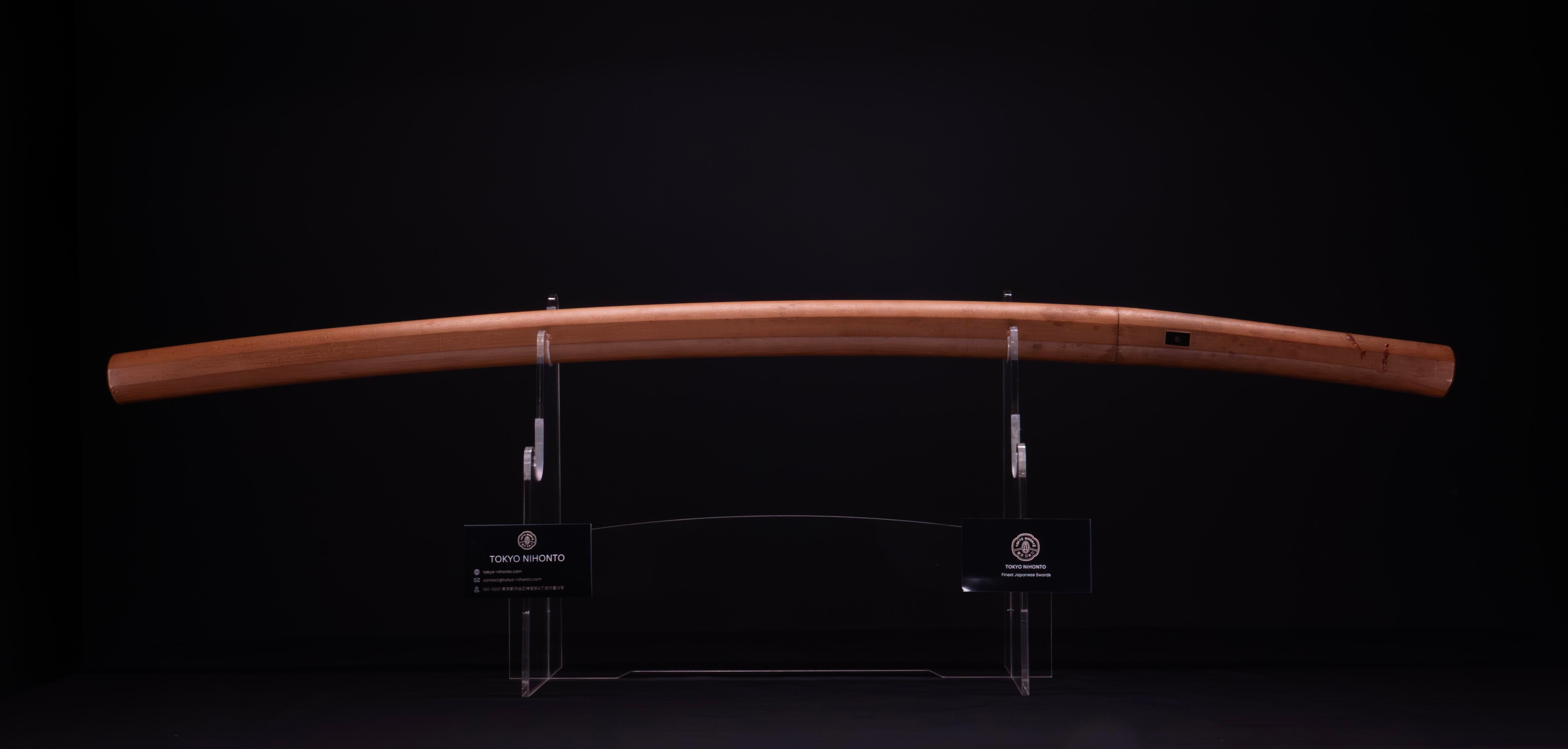
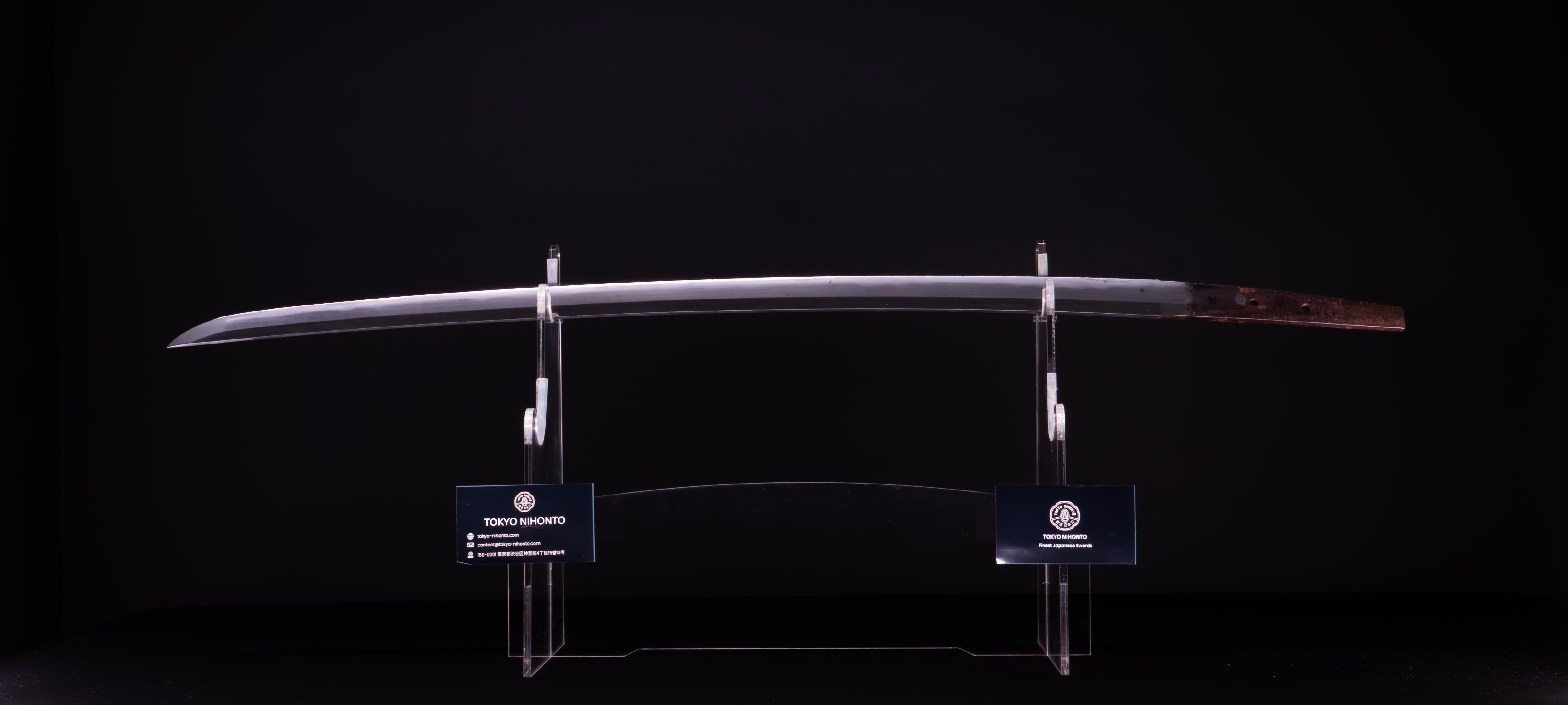
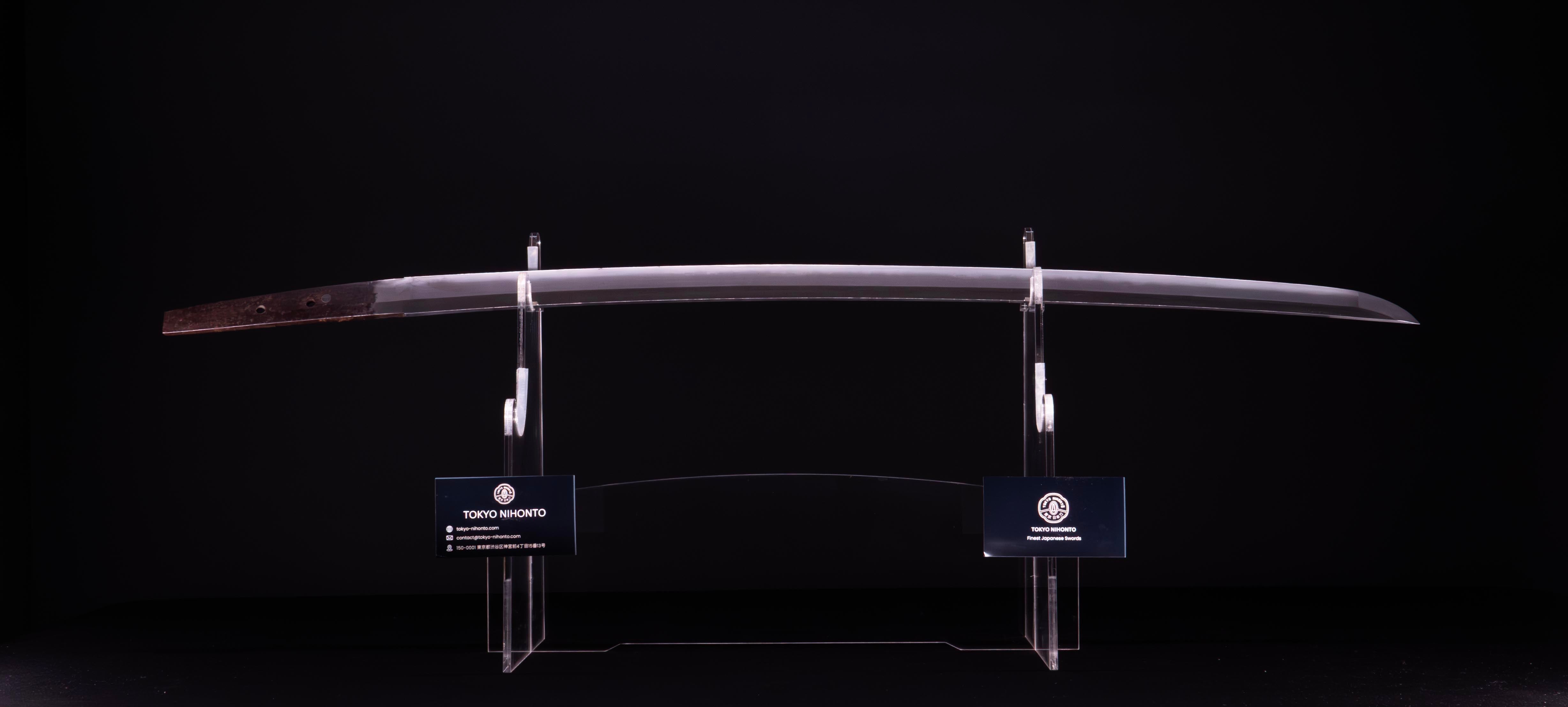
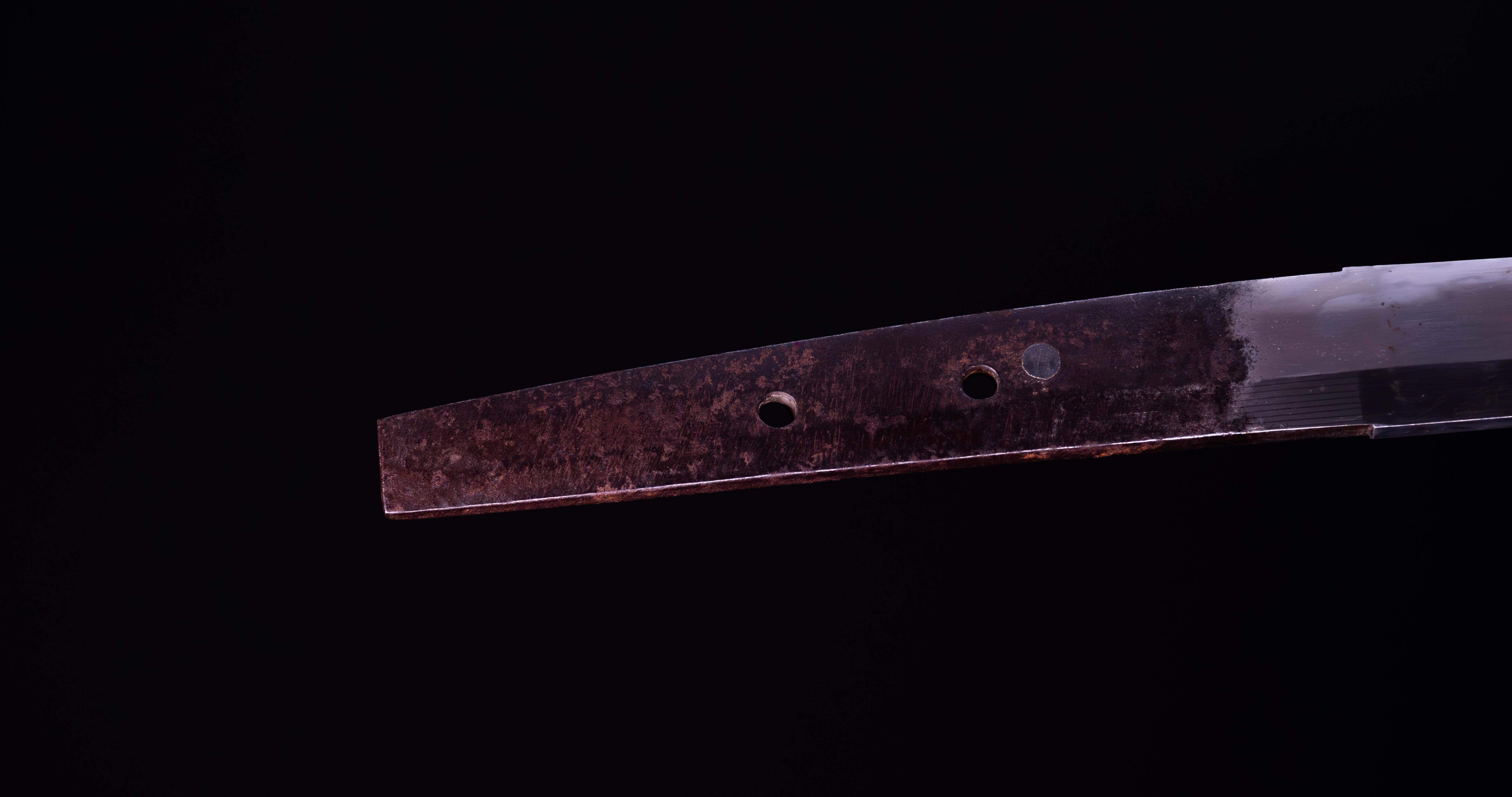
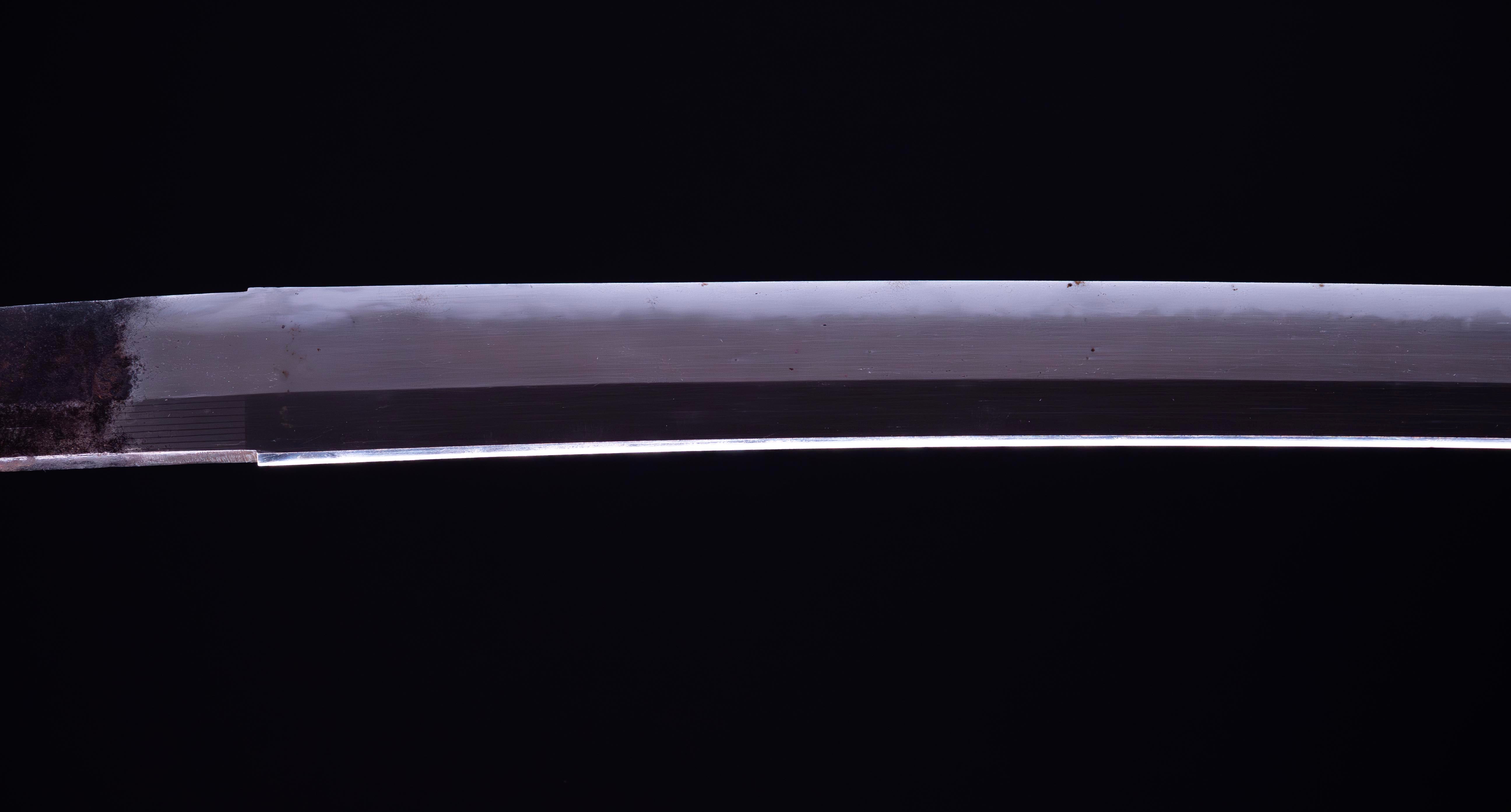
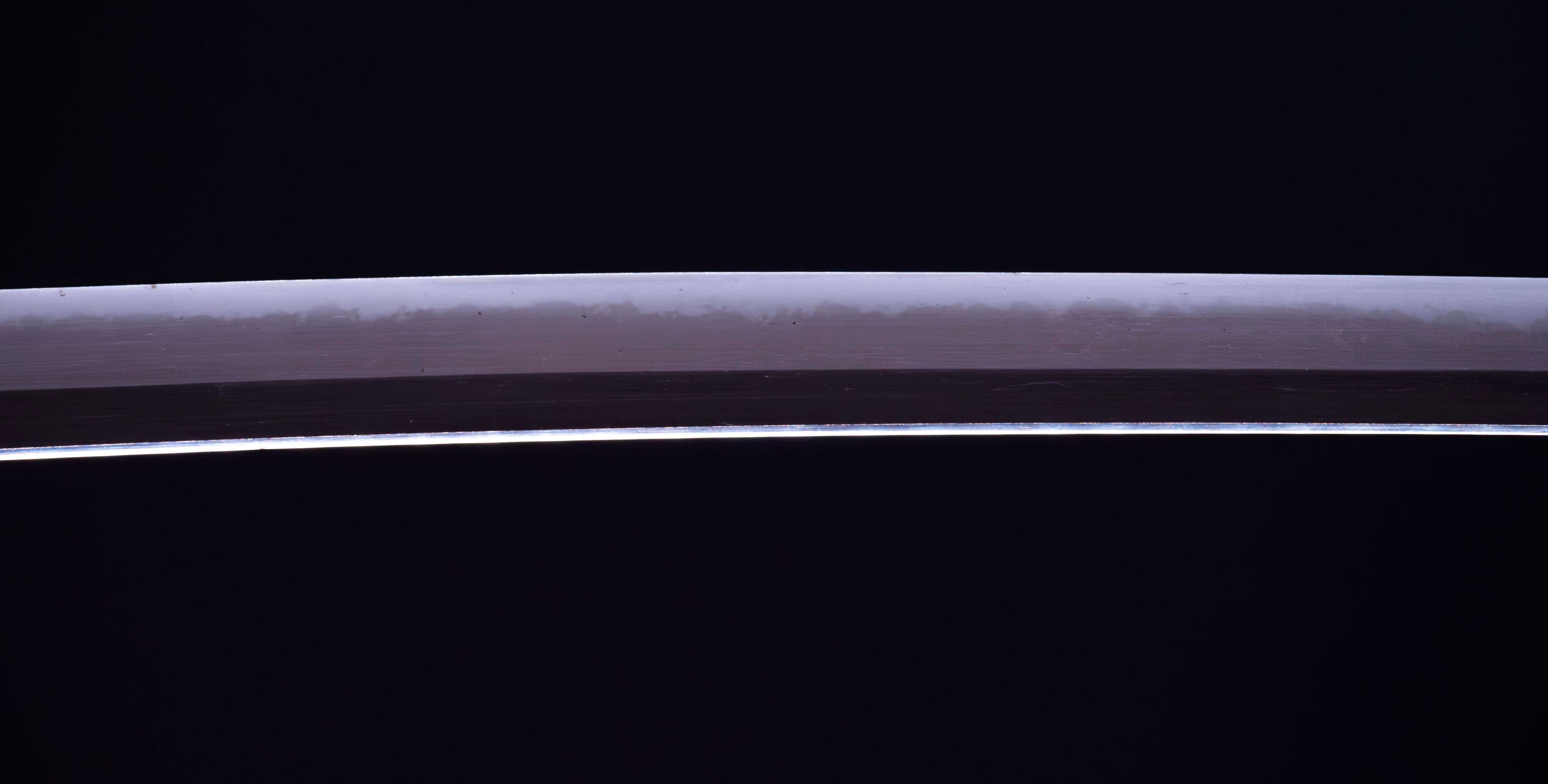
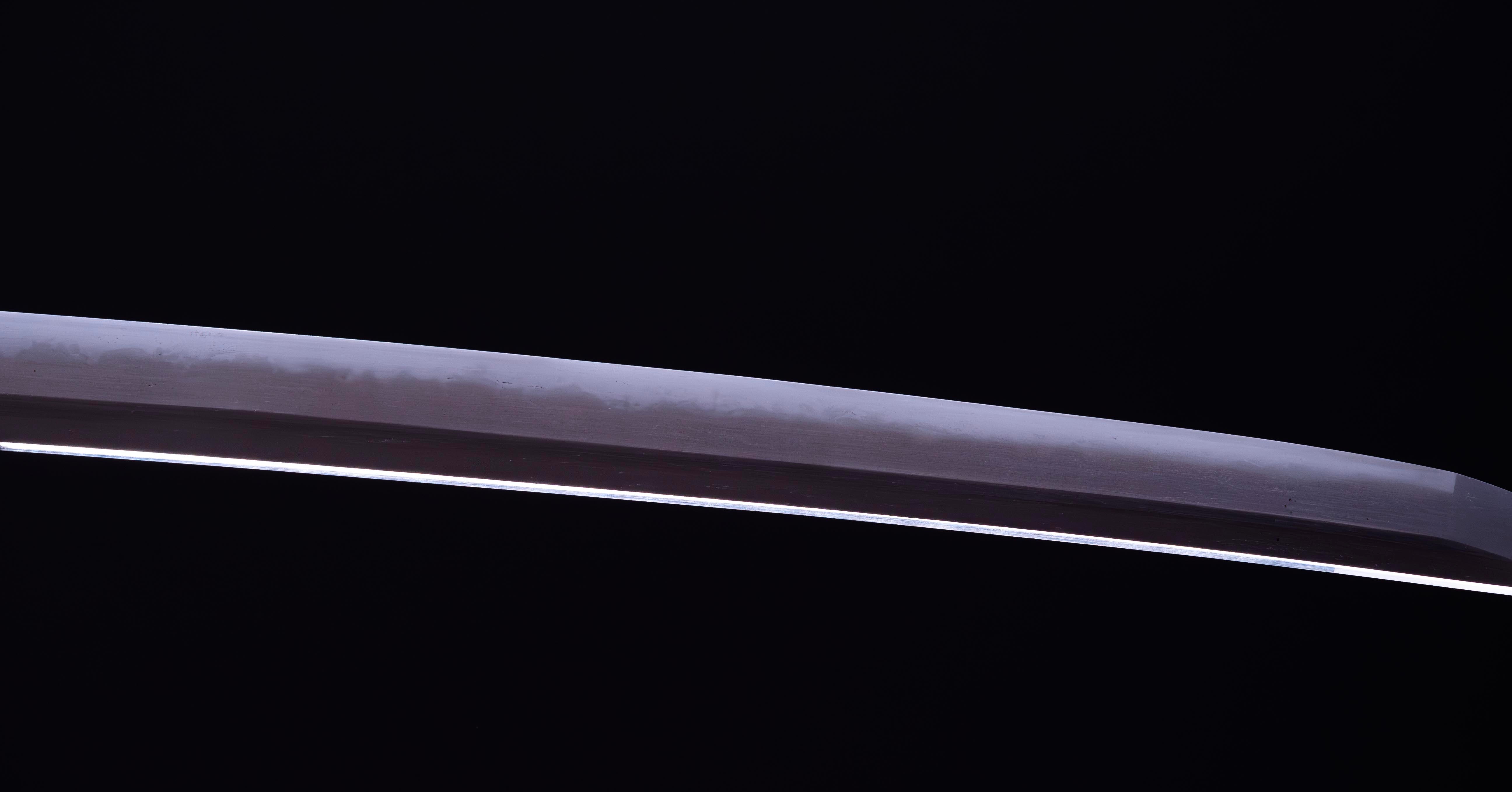
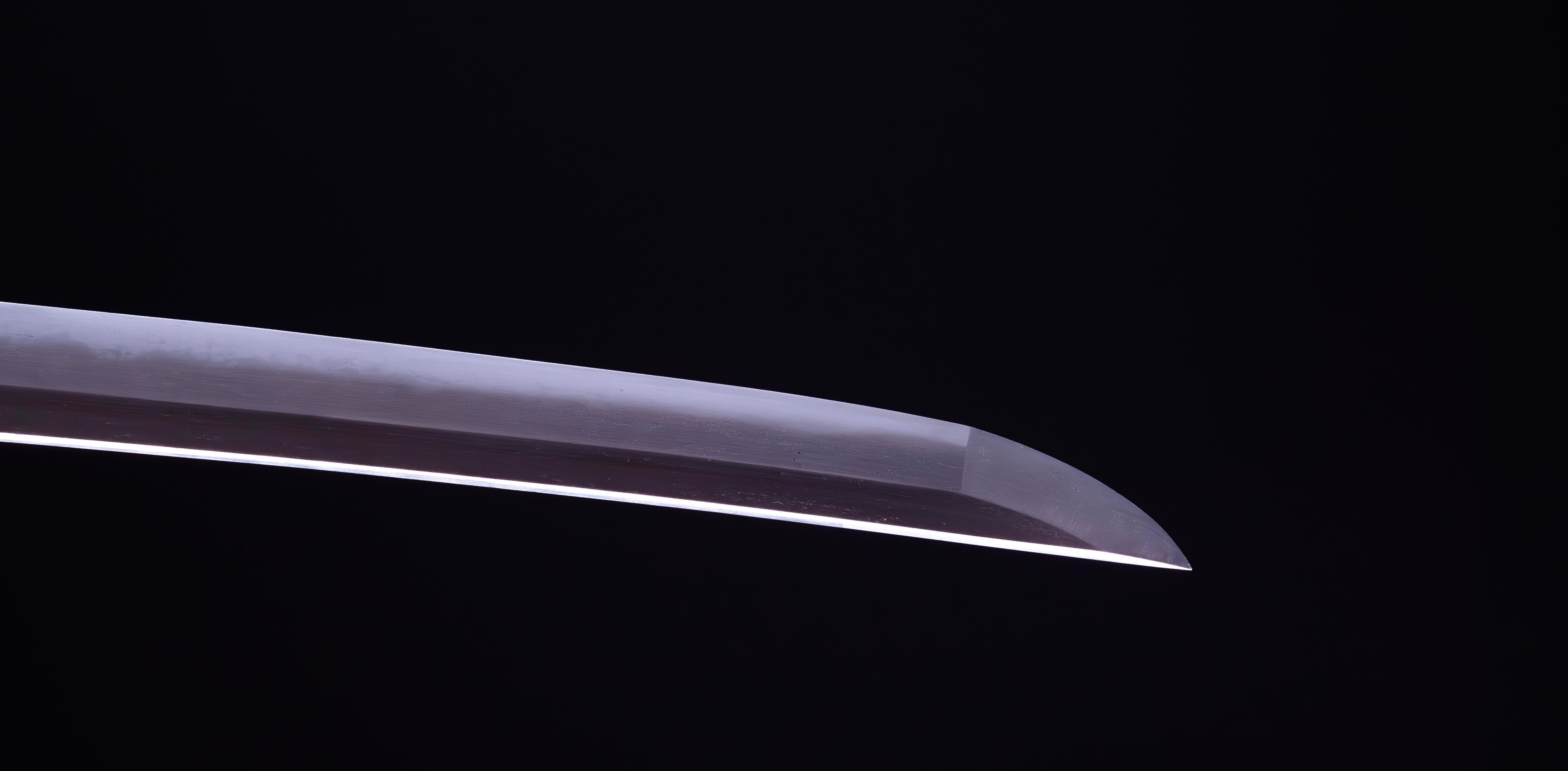
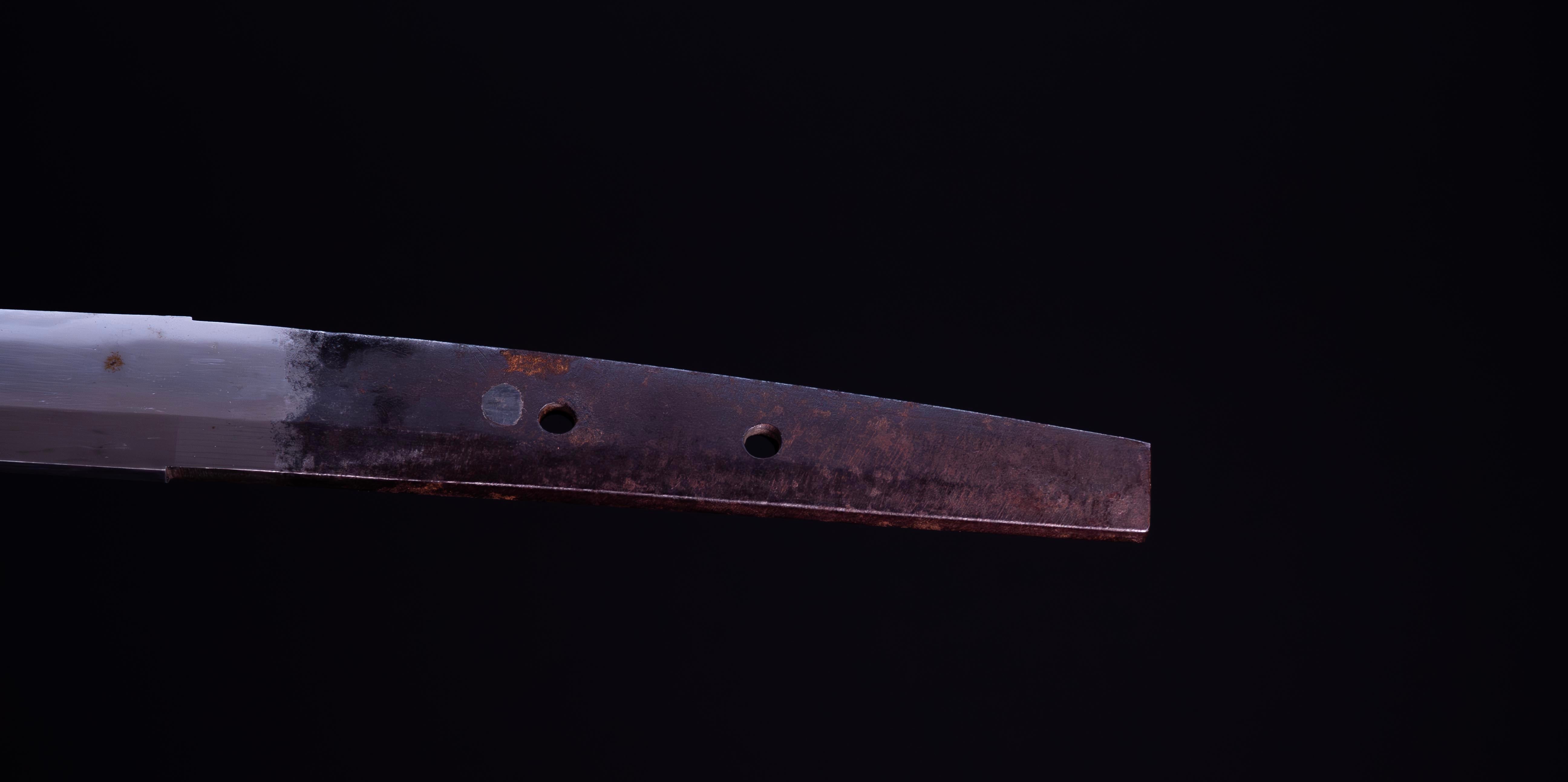
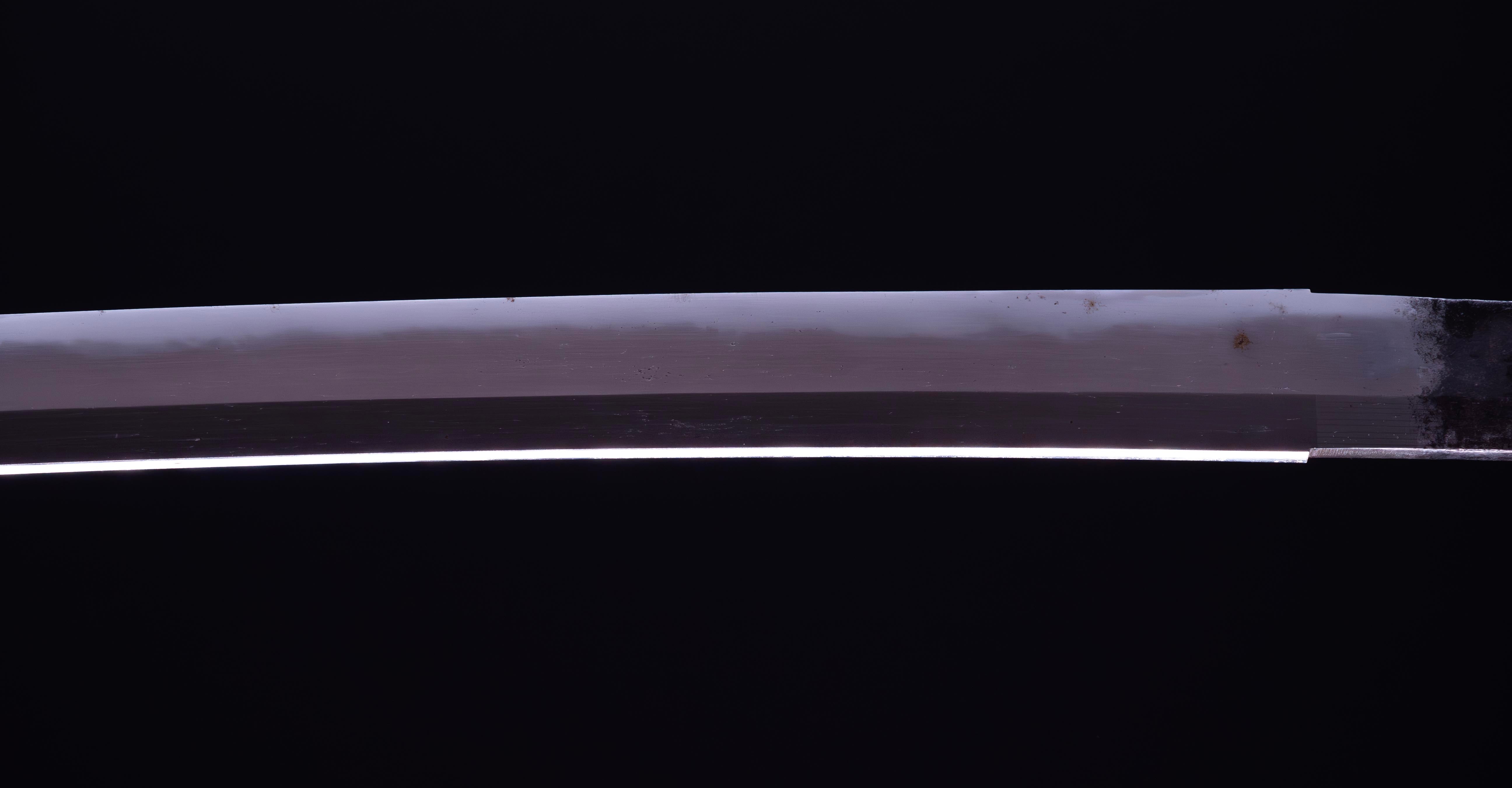
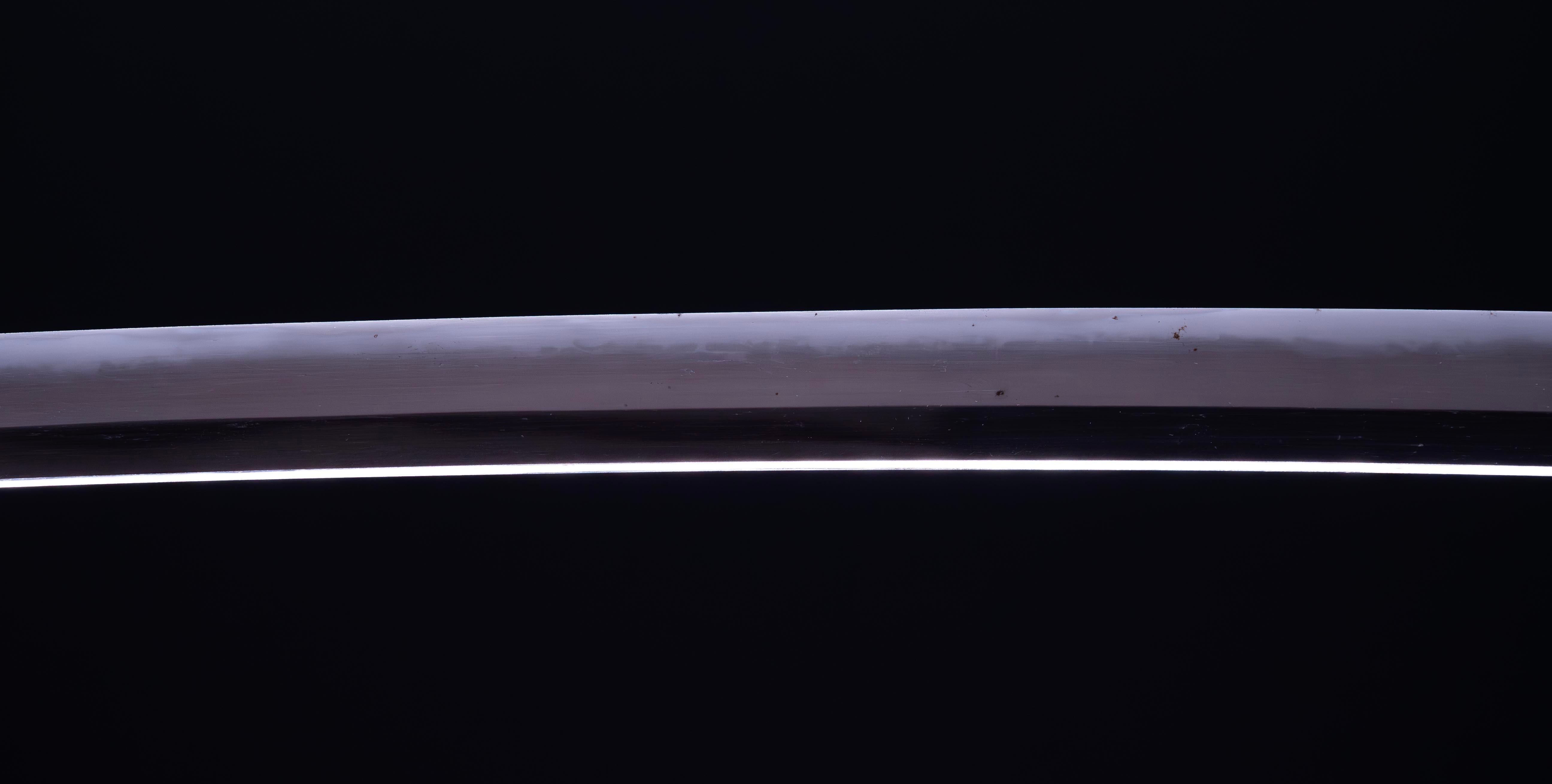
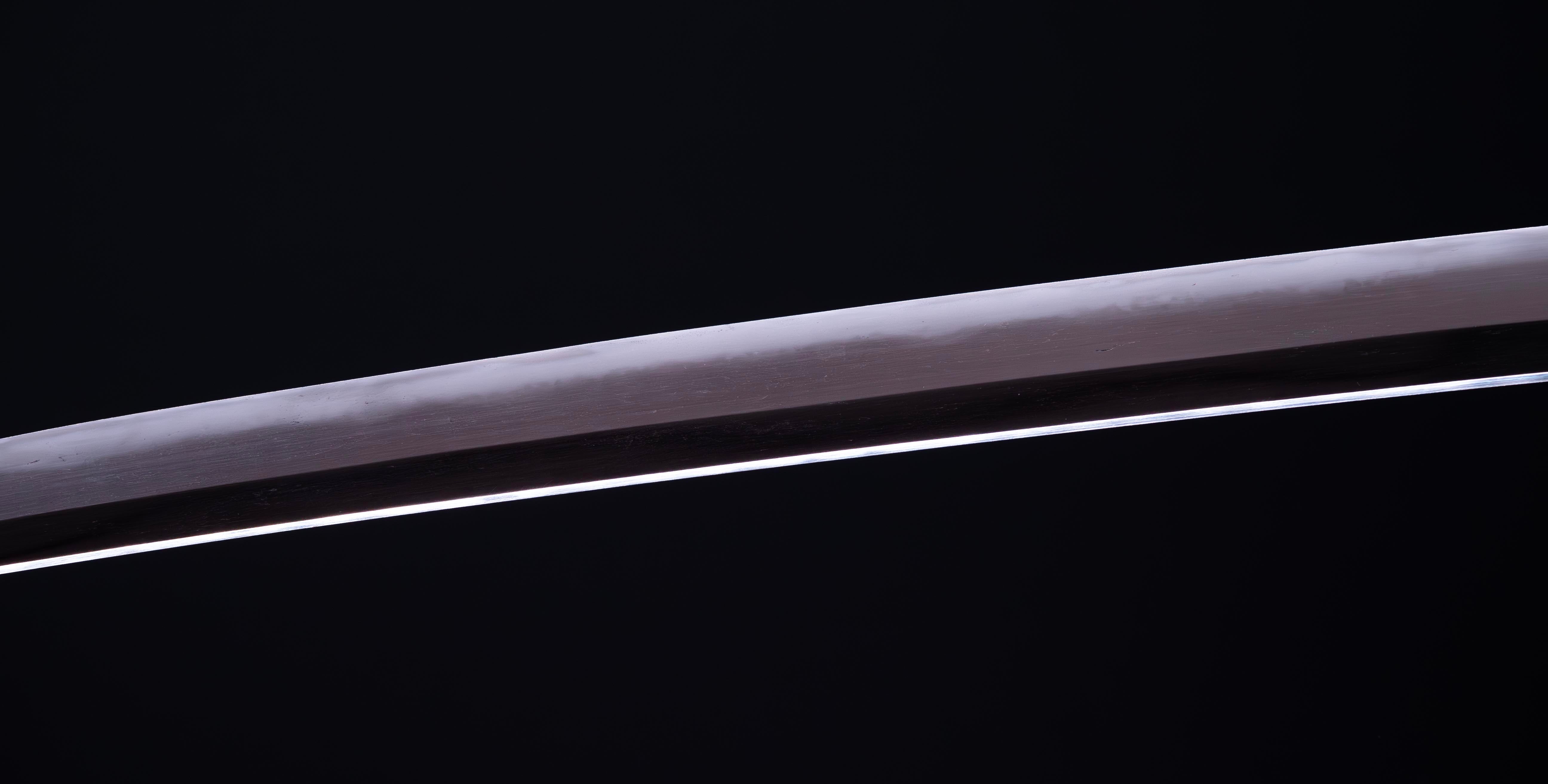
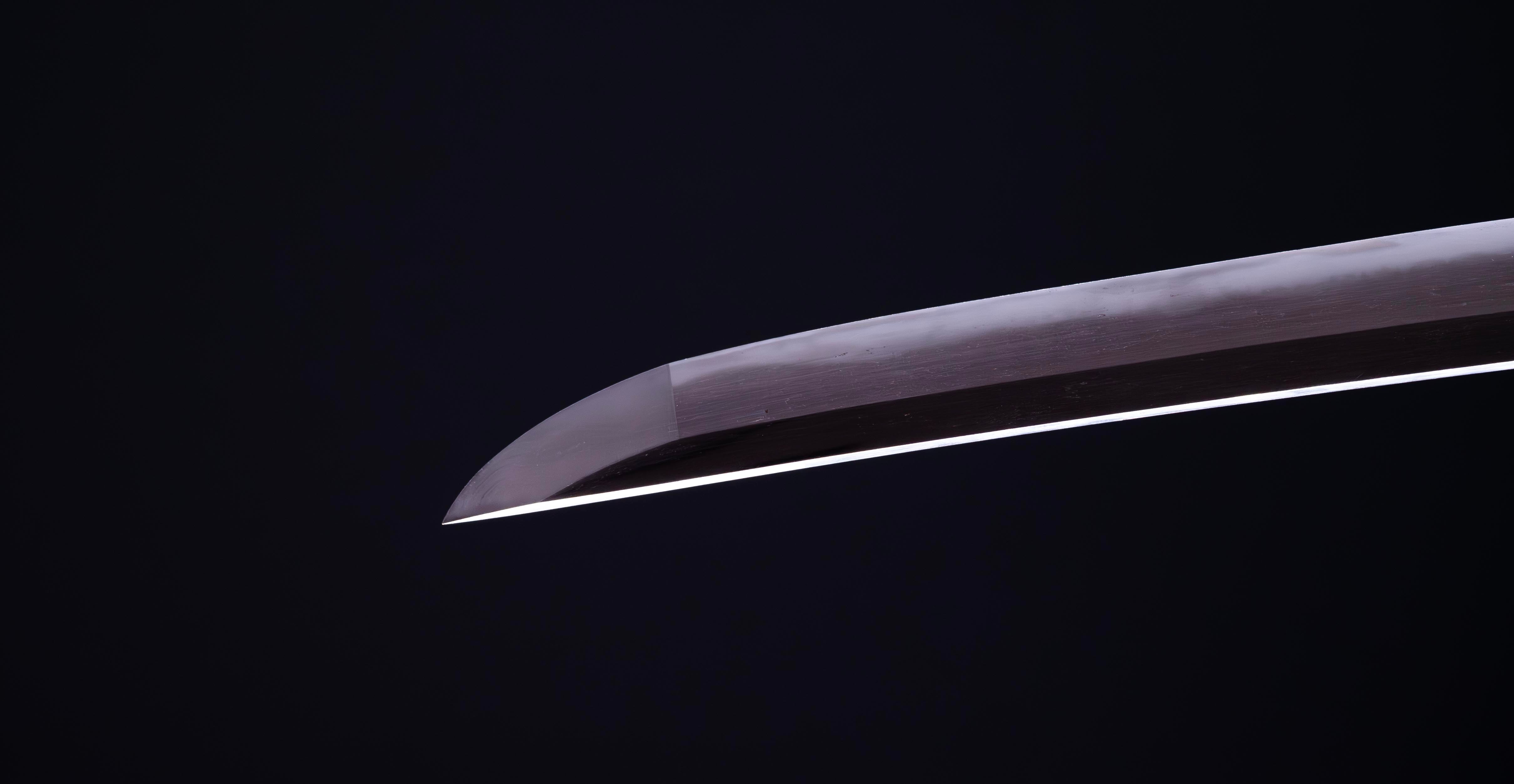
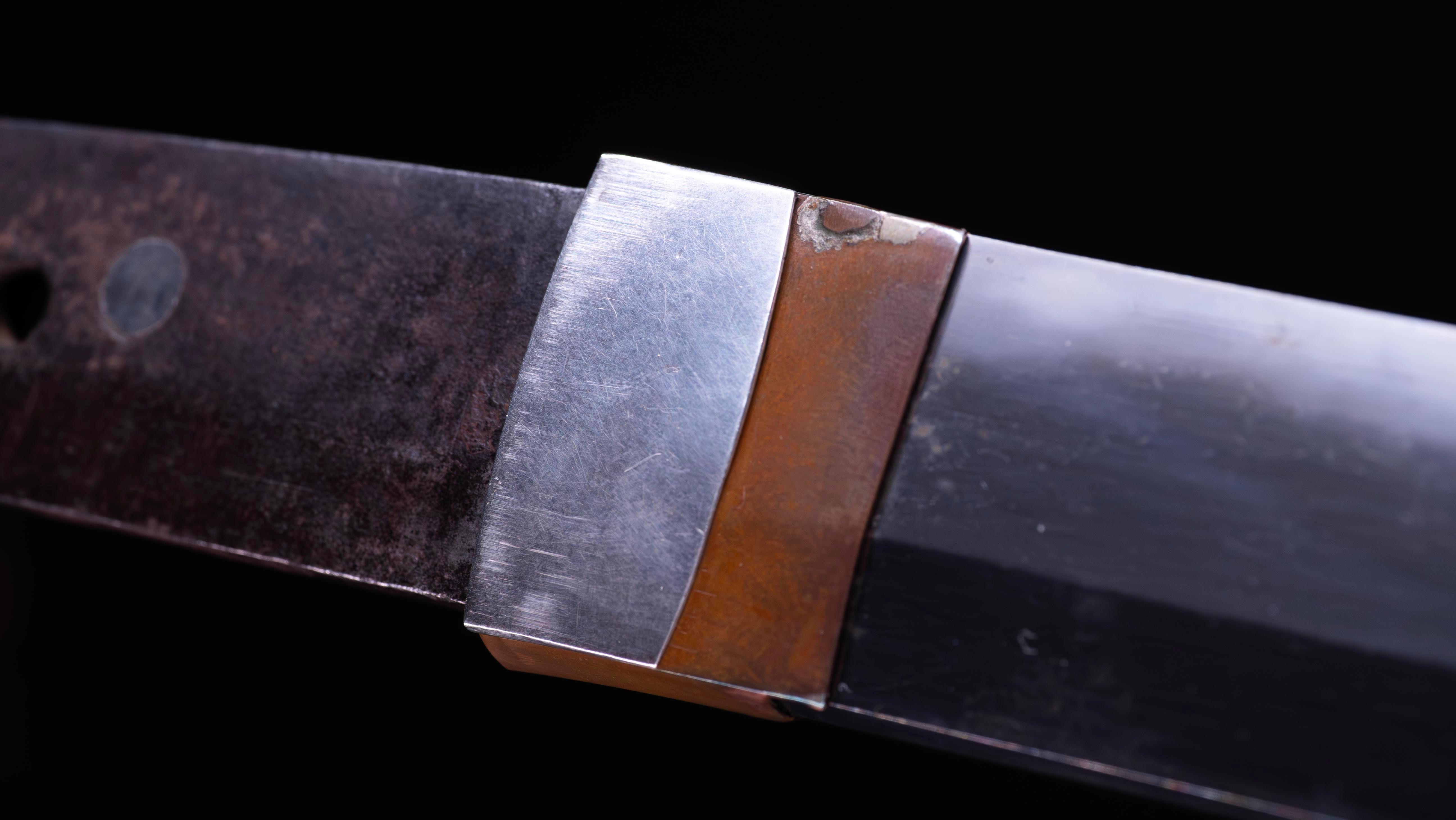
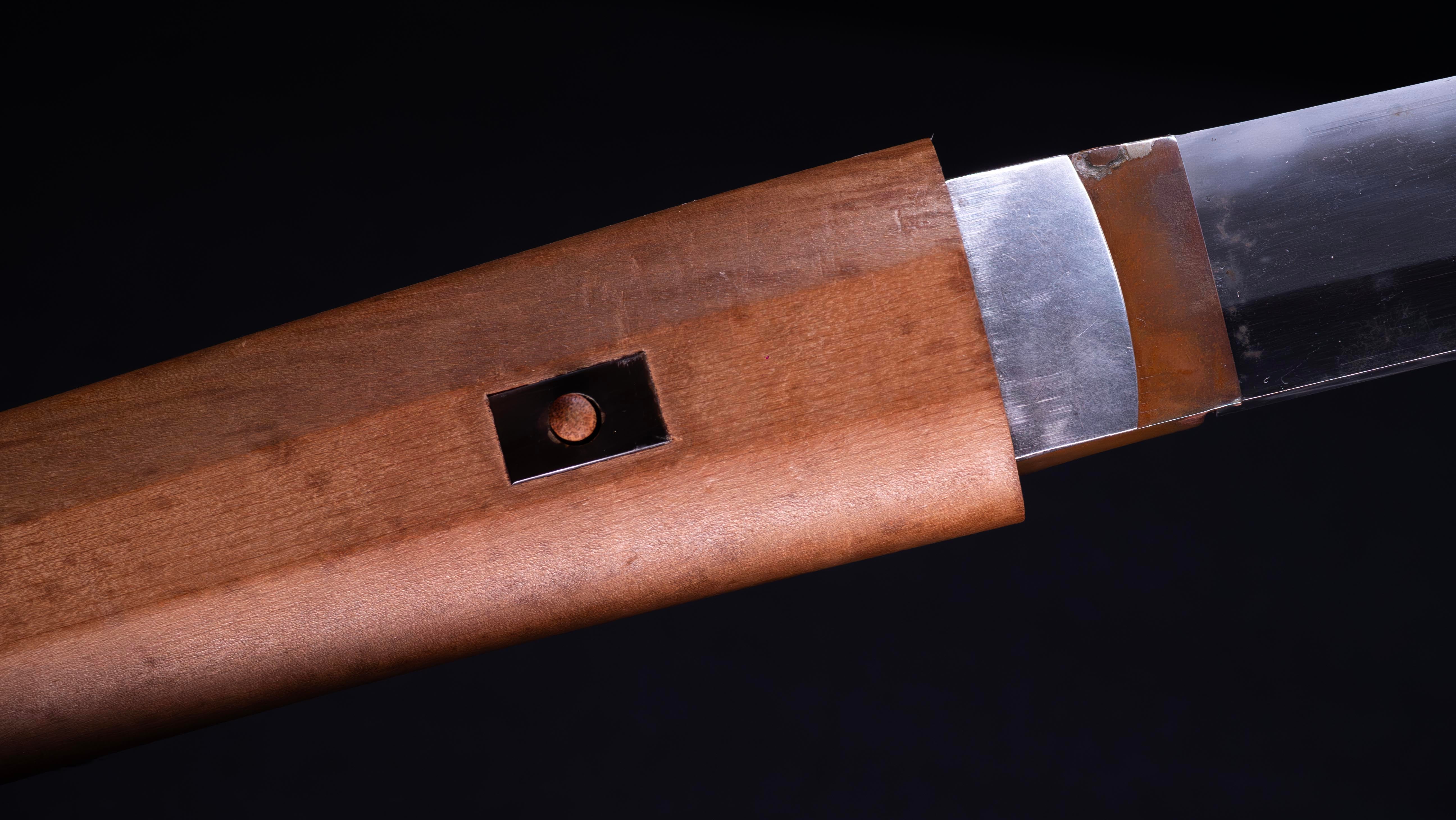
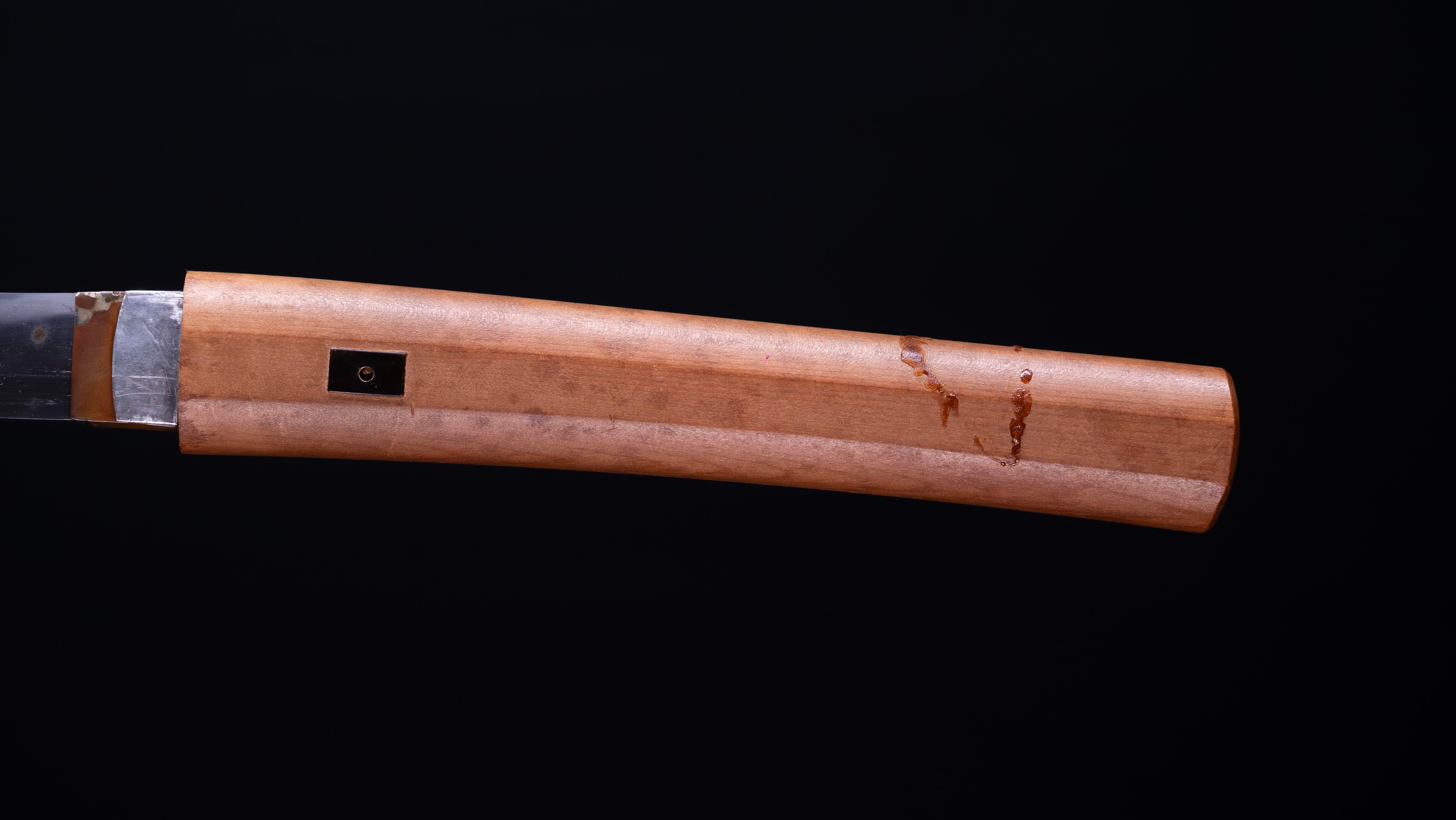
刀剣諸元 銘:加州勝家 時代:室町時代後期 鑑定書:日本美術刀剣保存協会 保存刀剣 長さ:68.8 cm 反り:1.6 cm 元幅:3.01 cm 先幅:2.07 cm 元重:0.60 cm 先重:0.38 cm 刀身重量:703 g 全長(拵込):99.8 cm 総重量(拵込):1,075 g 本作の地鉄は、細やかな小板目肌が美しく詰み、全体に均一に広がっております。さらに地には映りが立ち、刀身に視覚的な奥行きを与えています。 刃文には湯走りが見られ、刃縁に沿って硬い鋼の粒子が斑状に現れています。また、刃文から離れた地に焼き入れの跡が点在する飛焼も確認でき、変化に富んだ様相を呈しています。 総じて地刃冴える一振りであり、鍛えの肌目と焼き入れの刃文がともに極めて精緻かつ鮮明に仕上がっています。 刀工について:加州勝家 本作は、加州(現在の石川県・加賀国)の刀工、勝家の手に成るものです。「勝家」の名は、室町中期から江戸初期(1450年代〜1650年代)にかけて数代にわたり受け継がれました。 初代勝家は、美濃伝で名高い美濃国の出身と伝えられています。15世紀半ば、彼は門弟とともに加賀国へ移住し、寺院の庇護のもとで「陀羅尼派」を興しました。 二代目以降の勝家は、名門・前田家に仕え、藩士たちのために数多くの作刀を行いました。 本作は、戦乱の渦中にあった戦国時代(15世紀〜16世紀)に鍛えられたものと推測されます。実戦において武器の質が生死を分けた時代の作であり、日本史上最も激動した時代の息吹を今に伝える、稀少な一振りと言えるでしょう。
 NihontoWatch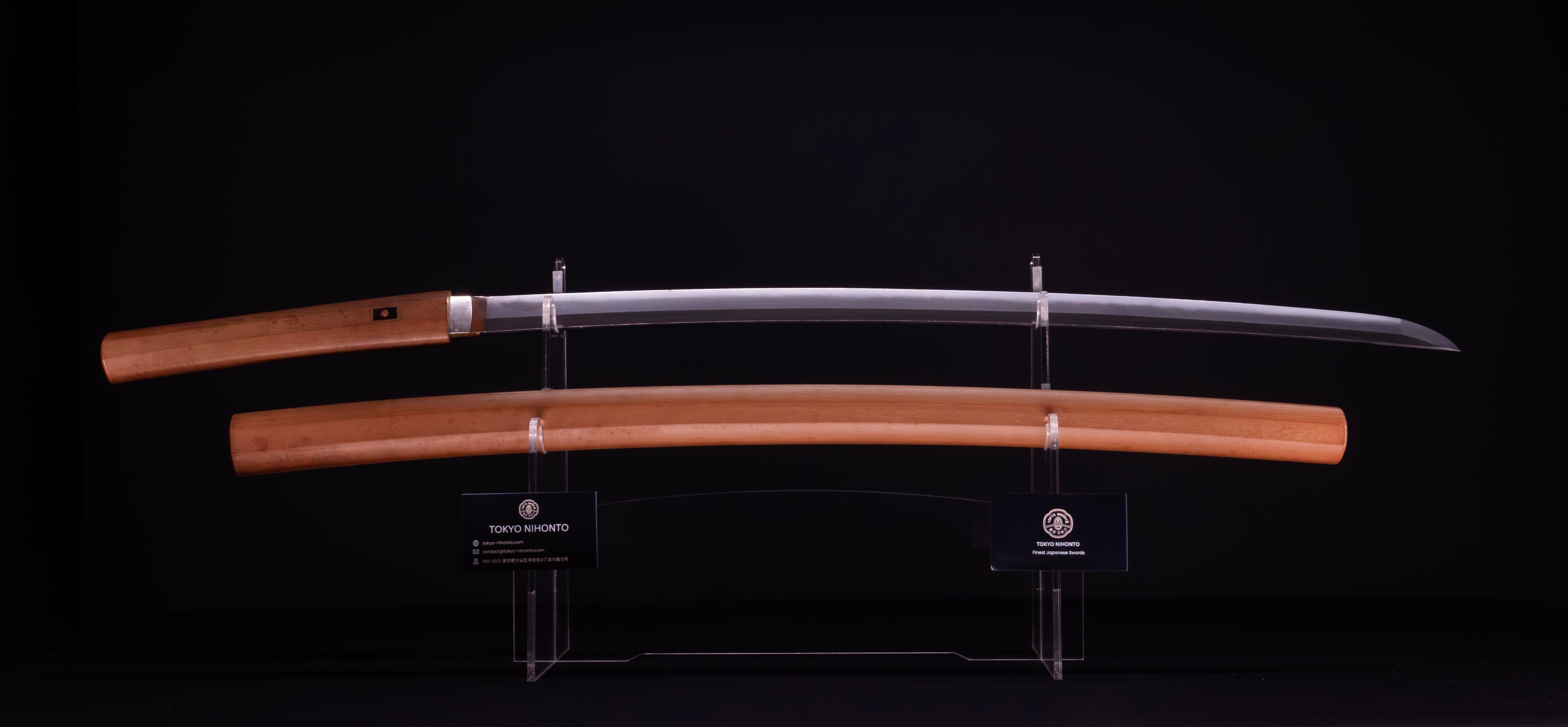
山城伝 · 加賀
現在22点販売中
藤島派は加賀国藤島の地に興り、北陸道にあって数代を重ねた一門である。その祖にして代表工が友重で、名跡は南北朝末から室町を経て近世にまで及び、現存する年紀作のうち最も古いものは応永二年の短刀である。構成員の解説はいずれも、初代を山城の来国俊の門人、あるいは同国真景の門とする古伝を載せながらこれを疑い、作風の上で来国俊に結ばれず、年代の上で真景にも肯定し難いとして、茎仕立と地刃よりすればむしろ大和物の系統、大和尻懸の手に近いものと判ずる。南北朝期を遡る作はみないとされ、初代は建武の頃、二代は貞治、三代は応永と伝える説もあるが、構成員はおおむね各作を一個人の経歴にではなく、固定した同派の特質に照らして鑑する。北陸の地にあって、同派は越中・越前の工と気脈を通じ、美濃と大和の風を受けた古刀の一門として立つ。 作風の眼目はその地鉄にある。板目に杢を交え、流れごころに肌立って、地沸つき地景入り、かねは際立って黒みをおびる。構成員はこれを同派一番の見どころとして、地鉄が肌立ちごころで黒みを帯びることを北国物の徴とし、ある作には白気映りが淡く立つと記す。山城のようなつんだ小板目には締まらず、槍・薙刀や磨上の太刀では柾目に寄った肌となって、その地に大和を素直に示す。刃文はこの地に応えて自らの混在を示し、互の目乱れを基調に、箱がかった刃・尖り刃・角ばる刃をのたれ・小のたれとともに交える。これを構成員は備前気質と美濃風が混在した感のある乱れ刃と呼び、足やや長く入り、総体に沸づいて砂流しかかり金筋入り、処々に飛焼や二重刃を交え、帽子は直ぐまたは乱れ込んで小丸となり、しばしば掃きかける。短刀ではこの手が穏やかになり、鍛えは小板目につみ、焼刃は細直刃あるいは低い小のたれ・小互の目に小沸を交え、匂口はうるんでほつれ・湯走りを交えて、同派の大和の素地が最も素直に現れる。 鑑定の勘所は、大和を素地とする黒く肌立つかねの上に、備前・美濃を想わせる躁ぎ立つ焼刃を置くという取り合わせにある。互の目と長い足は備前の作に似るが、箱がかった刃と尖り刃、肌立つ黒い地、絶えずかかる砂流しが素直な備前丁子からこれを引き離し、柾に寄る地と黒いかねが真の山城・純然たる大和の作からもこれを隔てる。同派は売立や商家に時に現れる重要刀剣を遺し、銘はほぼ在銘で、藤嶋友重の四字銘が最も多く、友重の二字銘がこれに次ぎ、生ぶ茎の作が大半を占める。藤代は同工を中上作、あるいは古刀の中位に位置づける。中心となるのは応永頃の友重で、室町から後代にかけての作が最も多く現存する。白眉として、三鈷剣と妙見大菩薩の神号を彫った大身槍を同時代を代表する名槍とする評があり、太刀の遺例は数少なく取り立てられる。伝来は稲葉家に伝わった刀や皇室の御物に列する短刀があり、市場の品ではなく長く家に伝えられた重宝を含む。一口の黒いかねの作が北国一派の総体をその地に湛えるところに、同派の値はある。 詳しく見る →
室町時代
室町は刀剣業を産業に変えた。徒歩の集団戦とともに打刀が興り、長船と関は数打ち物と注文打ちを並行して産し、勘合貿易は日本刀を数万振の単位で海外へ運んだ。
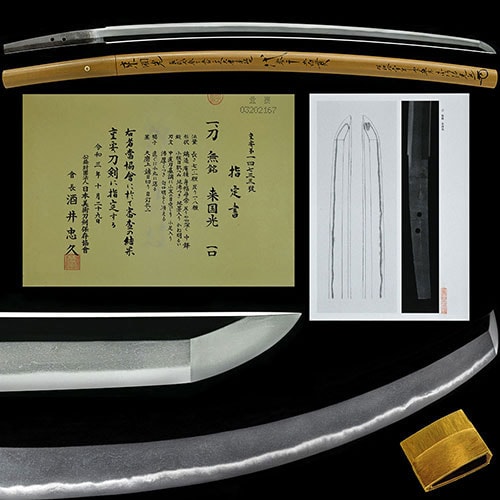
銘が正しい、または無銘でも年代・国・系統を確実に指摘できる、保存に値する真正の作と鑑定されたものです。
日本美術刀剣保存協会(NBTHK)は、1948年に設立され、文化庁の監督を受ける公益財団法人で、東京・刀剣博物館に本部を置きます。専門の審査員が出品作を直接審査し、美術的・歴史的価値に応じた鑑定書を発行します。NBTHKの鑑定書は、日本刀および刀装具の真正性を示す最も広く認知された基準です。
NBTHK公式サイト30-day money-back guarantee from receipt; items must be unused, complete, in original packaging. Sale items Final Sale. Antique swords non-returnable (Japanese export law). Damage reported within 72 hours. Customer pays return shipping unless seller error/defect. Refunds within 14 days of inspection.