鎌倉時代は備前の頂点である。伝えでは一文字派の工が後鳥羽上皇の御番鍛冶に列し、世紀の半ばには光忠が長船派を興して、注文は公家からも武家政権からも流れ込んだ。国宝刀剣の数で備前に並ぶ国はない。
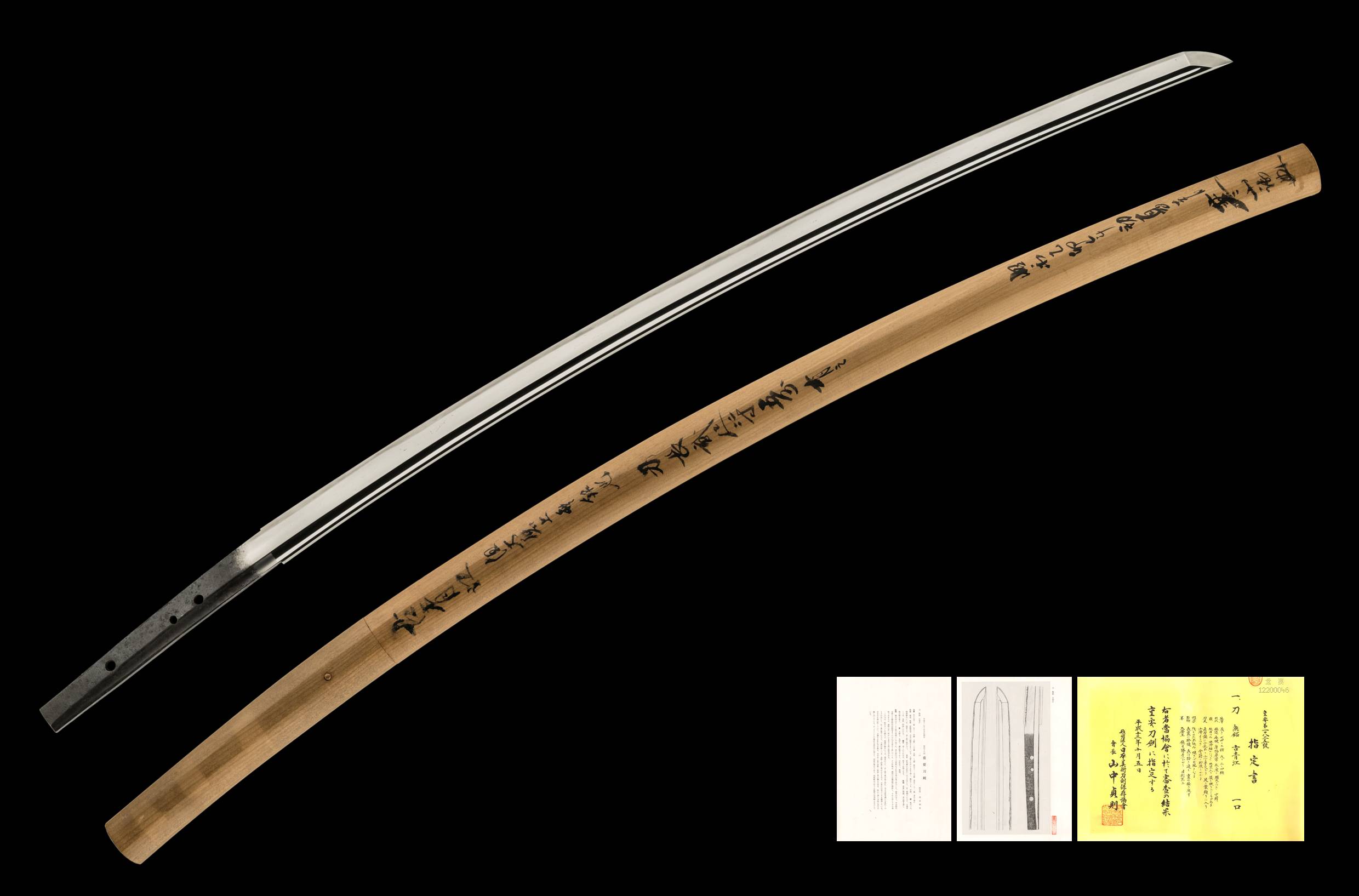
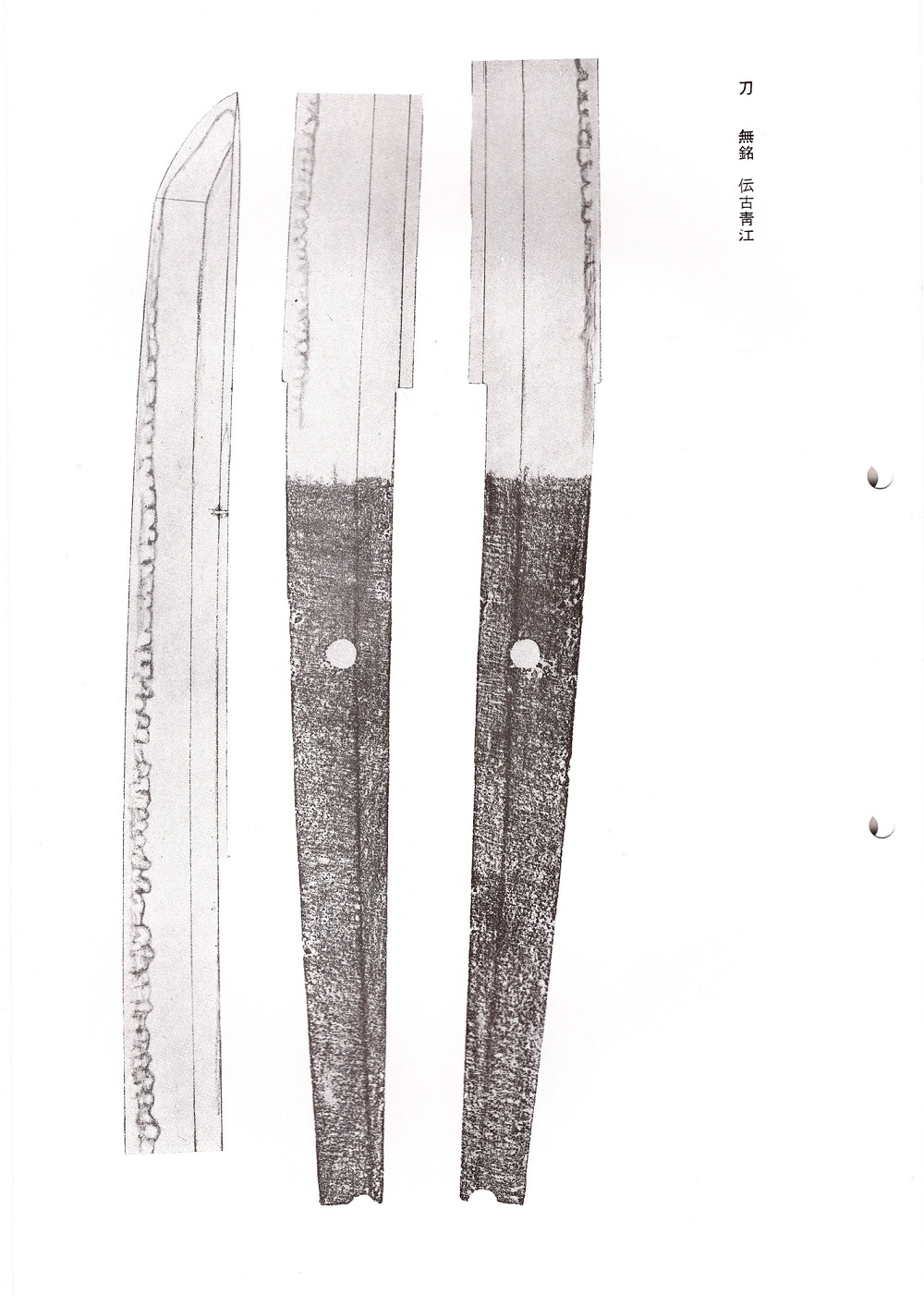
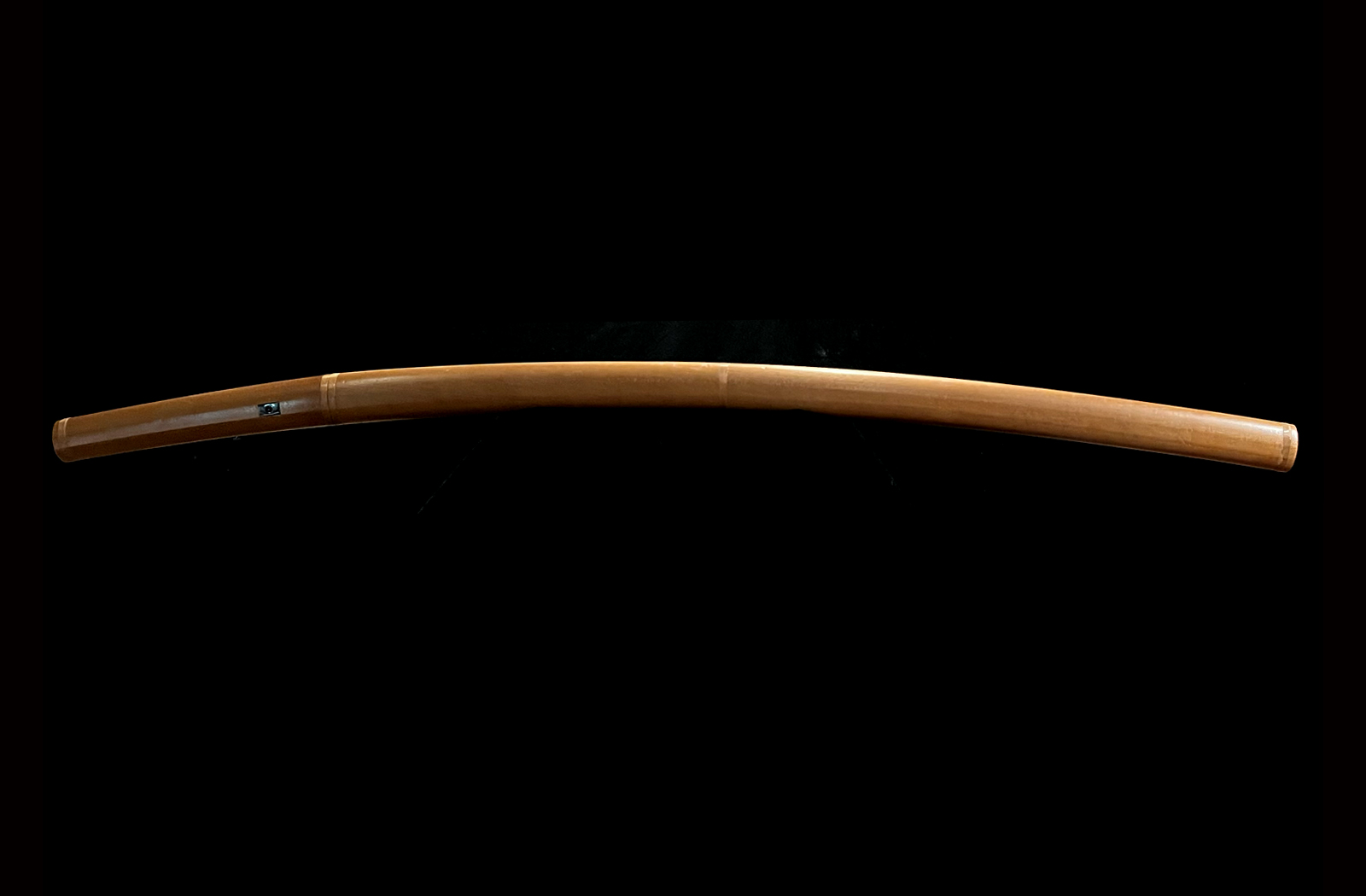
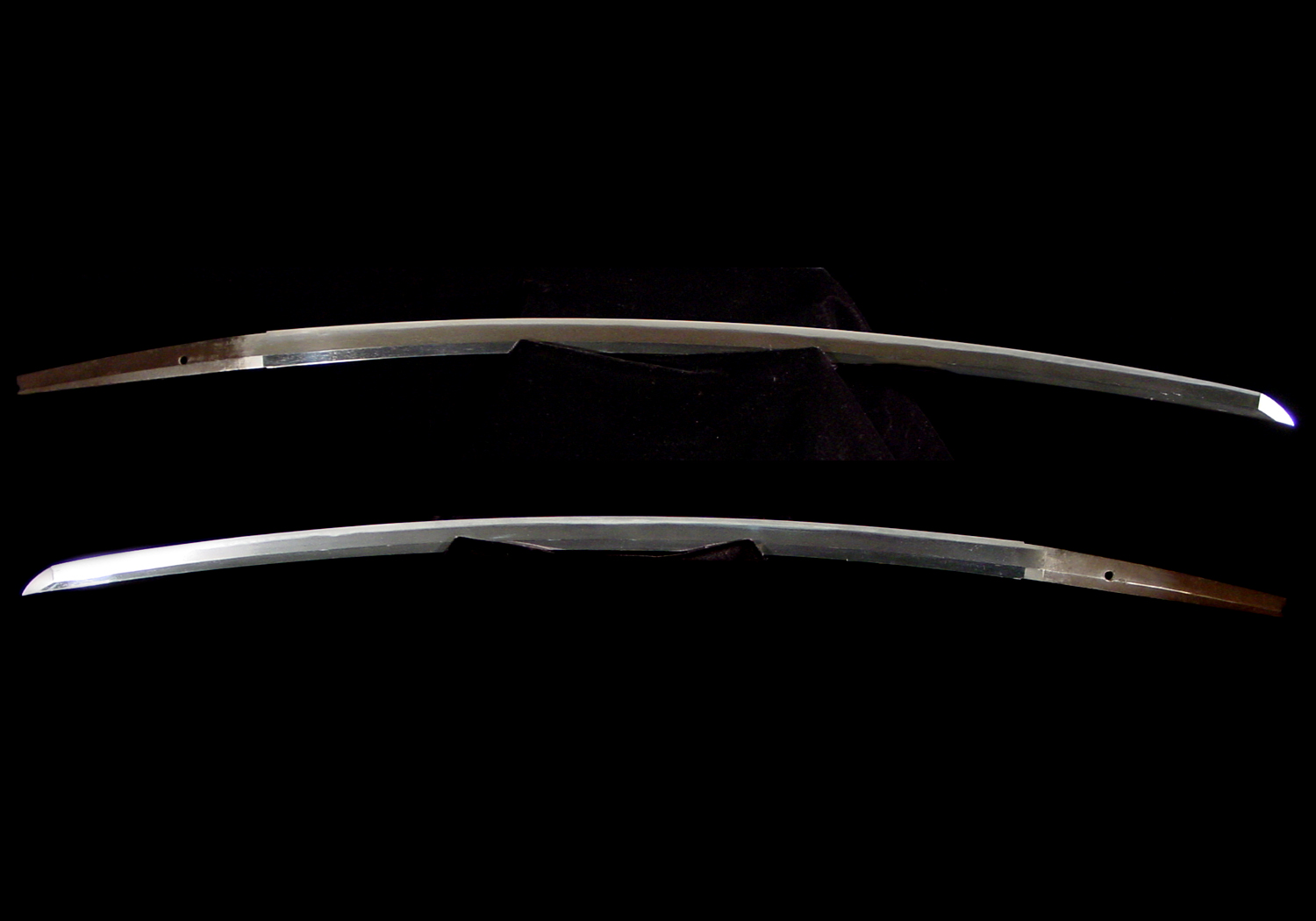
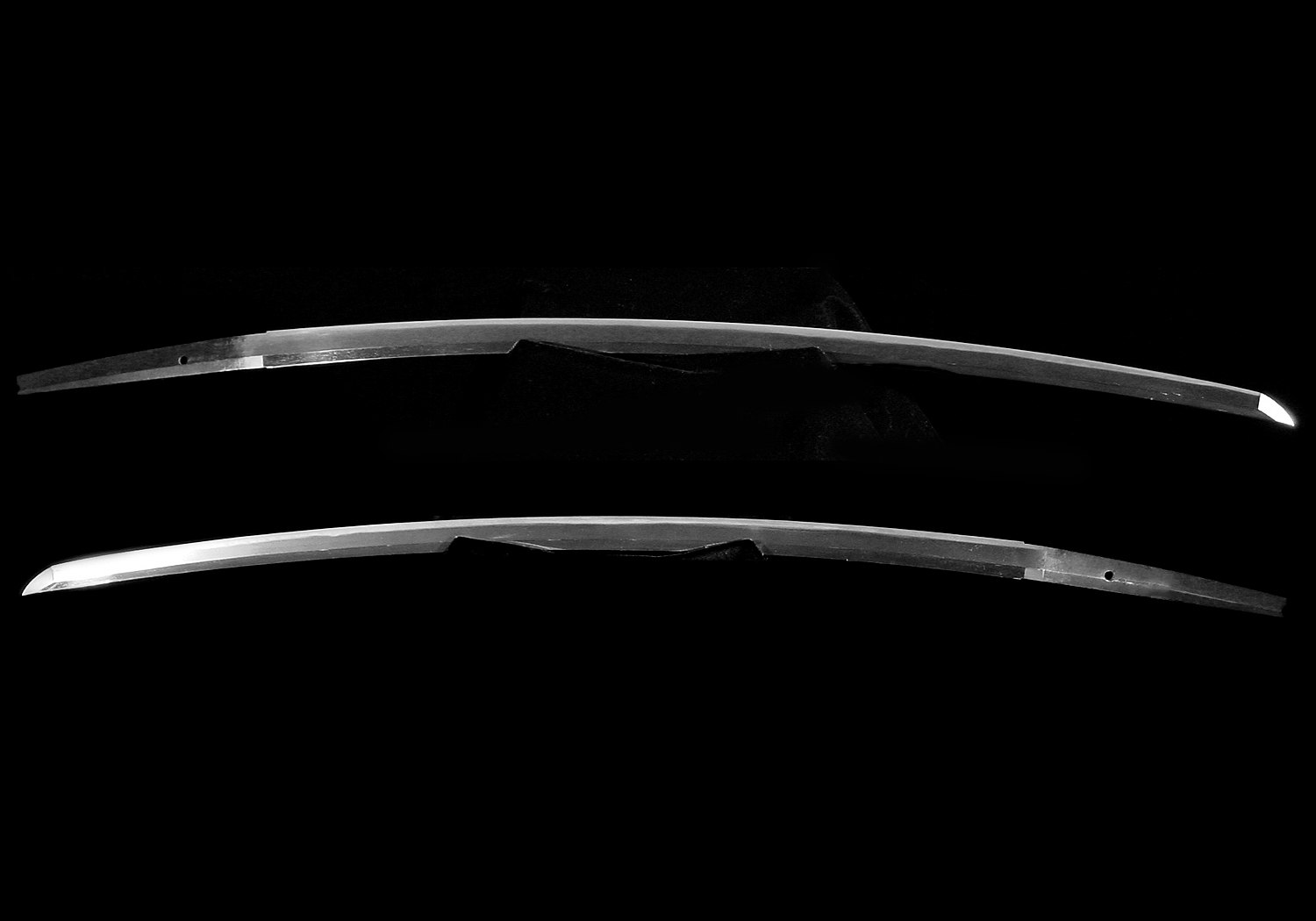
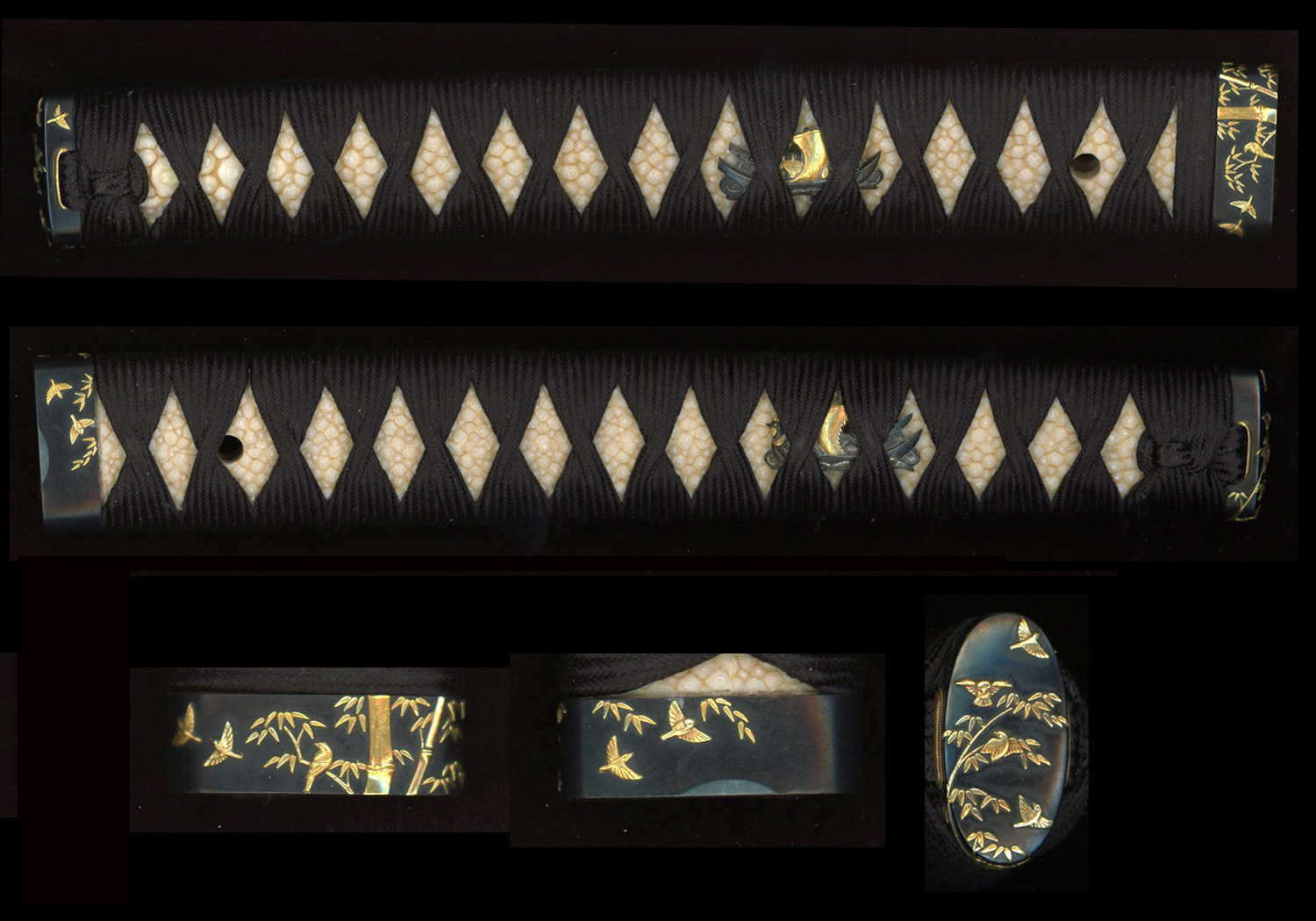
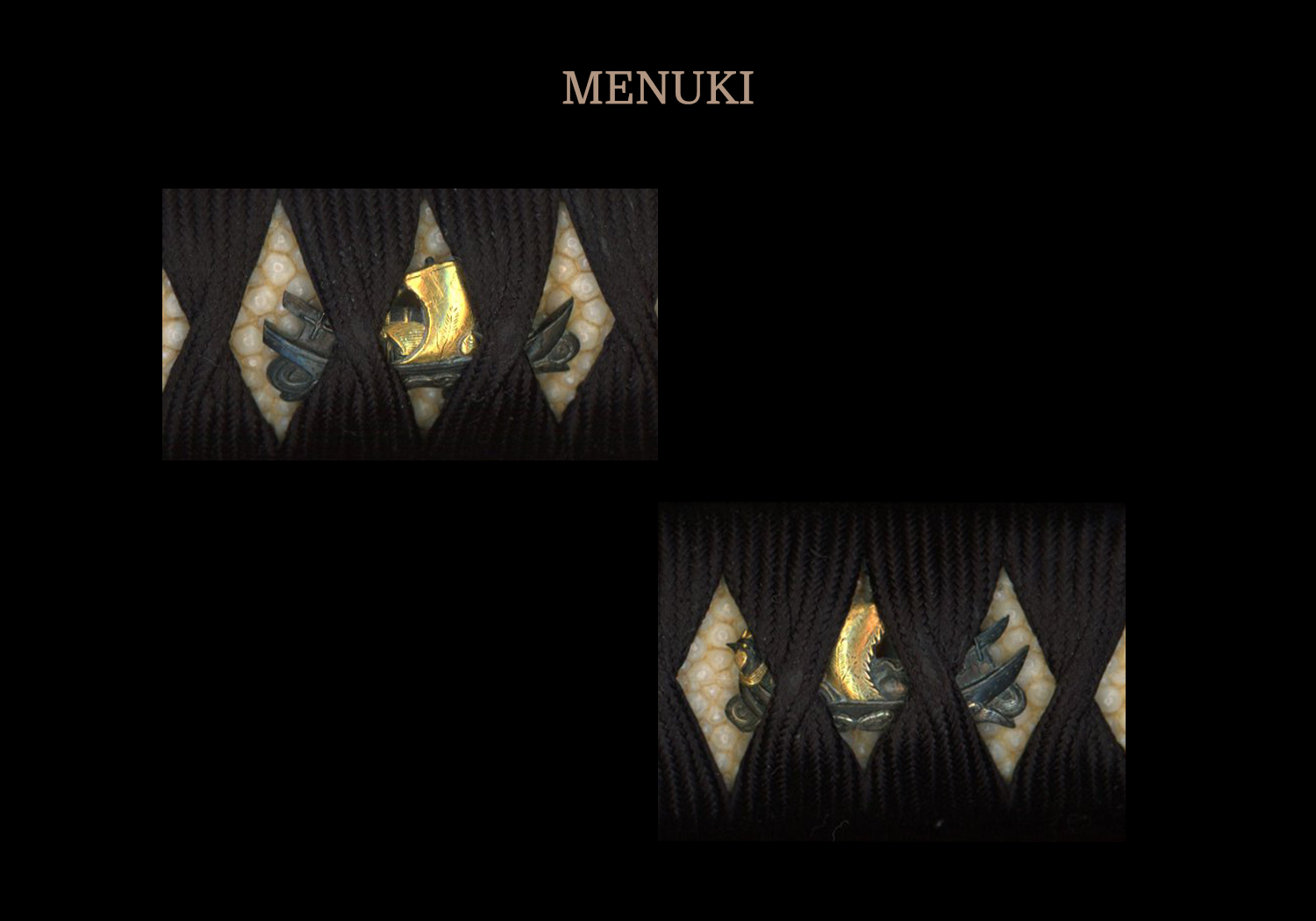
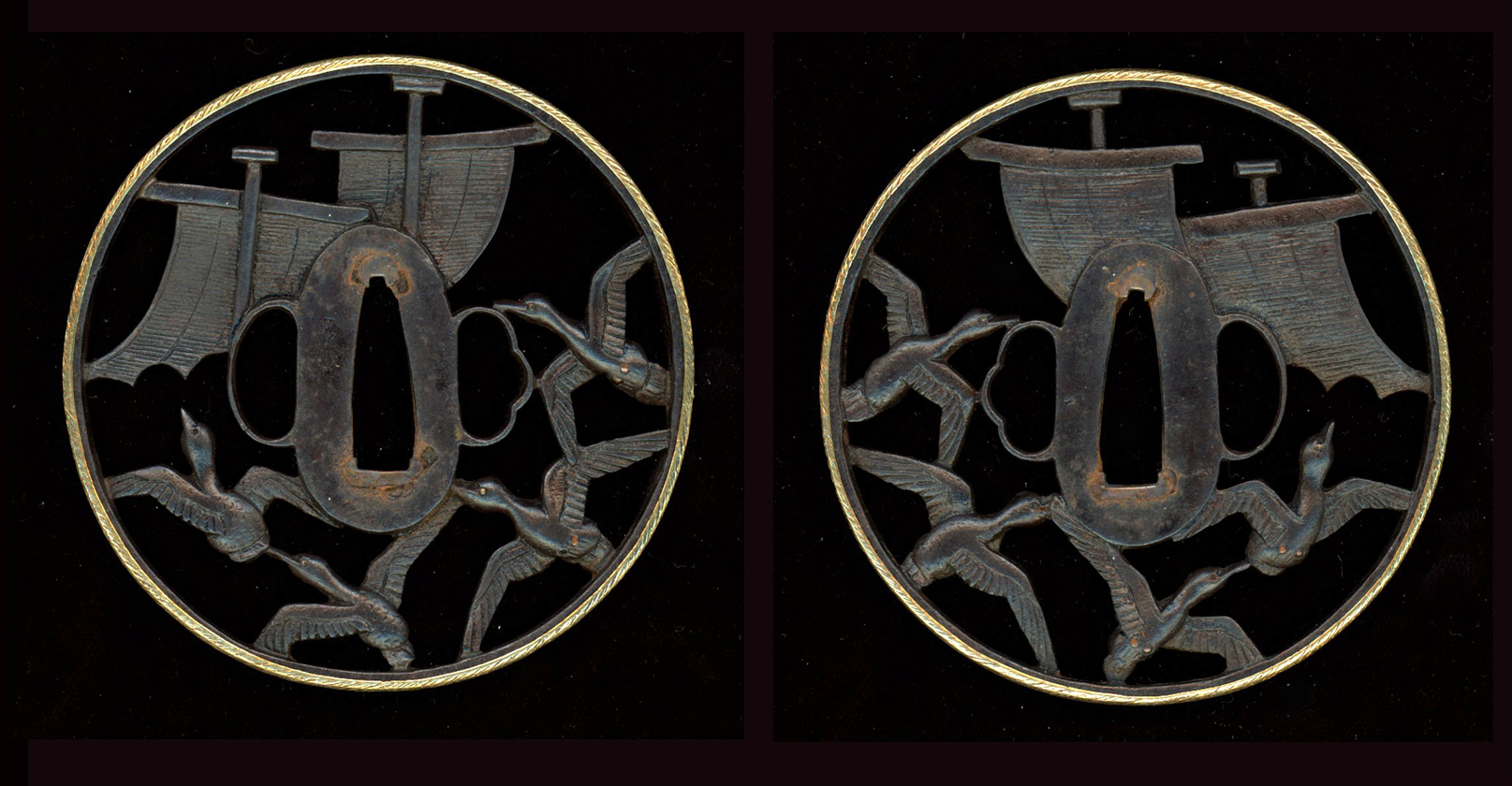
BITCHÛ KO-AOE KATANA 備中古青江 110123BITCHÛ KO-AOE KATANA 備中古青江 11012311.20.24fred@nihonto.comTo properly understand the foundation and beginnings of the Bitchû Aoe School (備中青江) we must first study geography and history. The old Kibi (吉備国) region of Japan covered an area of Western Honshu that is mostly included in today’s Okayama Prefecture. From ancient times until the Muromachi Era this area was comparable in cultural and political importance to that of the Kinai (畿内) and Kita-Kyushu (北九州) regions. This was largely due to the abundance of fine sand iron that was used not only for swords, but also to produce all kinds of iron tools for woodworking and farming since ancient times.The Kibi (吉備国) region was divided into three almost equally sized areas by the presence of three major rivers that, starting from the Chugoku Highland, flowed southwards into the Seto Inland Sea. These rivers were the Yoshii, the Asahi, and the Takahashi. These rivers carried rich sand iron from the highlands down to the lower areas giving rise to the groups of sword smiths that eventually formed the major Bizen and Bitchû schools. These groups were the Fukuoka Ichimonji (福岡一文字) on the Asahi River, the Osafune (長船) on the Yoshii River and the Aoe (青江) on the Takahashi River.The excellent workmanship of the Bitchû (備中) sword smiths was comparable to that of the smiths of the Bizen (備前),Yamashiro (山城), and Yamato (大和) traditions. Sword smiths mostly gathered around Aoe (青江), present day Kurashiki-shi in Okayama Prefecture, brought the prosperity of the Bitchû (備中)tradition forth. There were also known to have been some smiths scattered in adjacent areas of Masu and Seno.The first artists of the Bitchû Aoe School (備中青江) came forth toward the end of the Heian period. The smith credited with starting this tradition is Yasutsugu (安次). Unlike the Bizen (備前) tradition that was prosperous until the end of the Muromachi era, the Bitchû (備中) School died out earlier. Some scholars say it ended
 NihontoWatch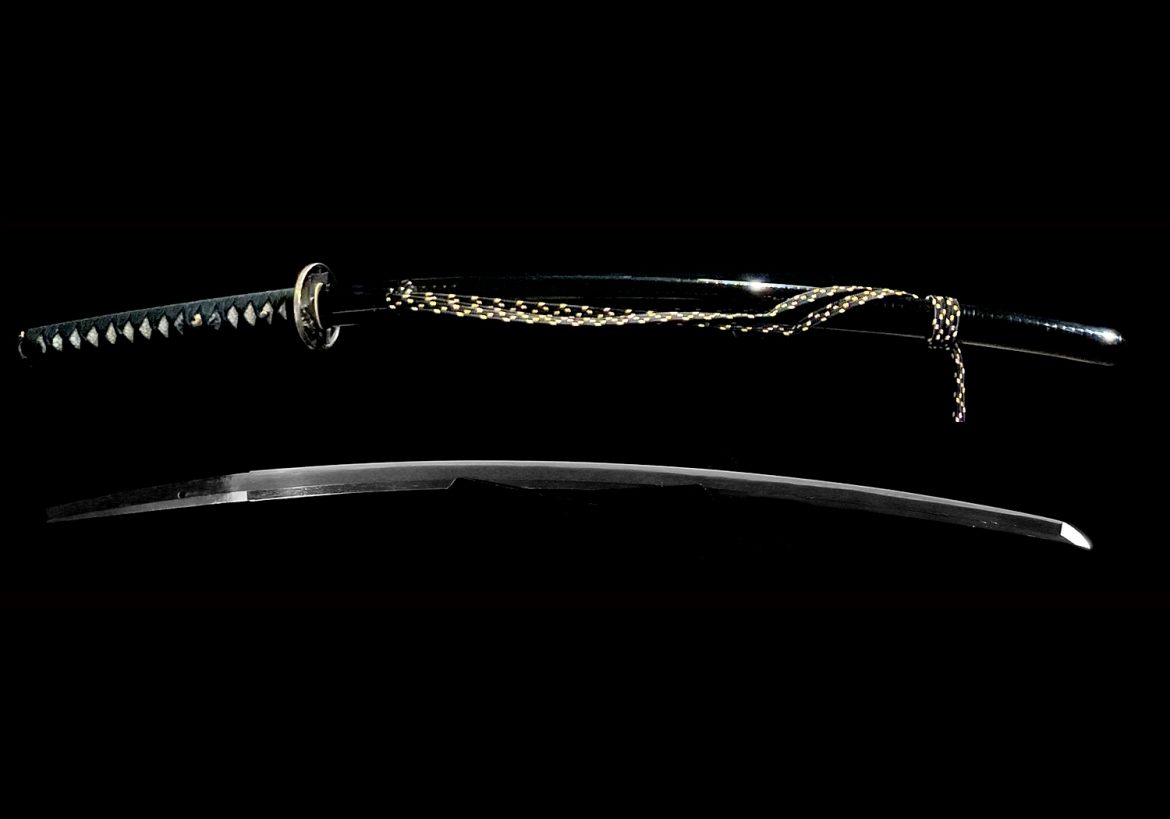





備前伝 · 備中
現在3点販売中
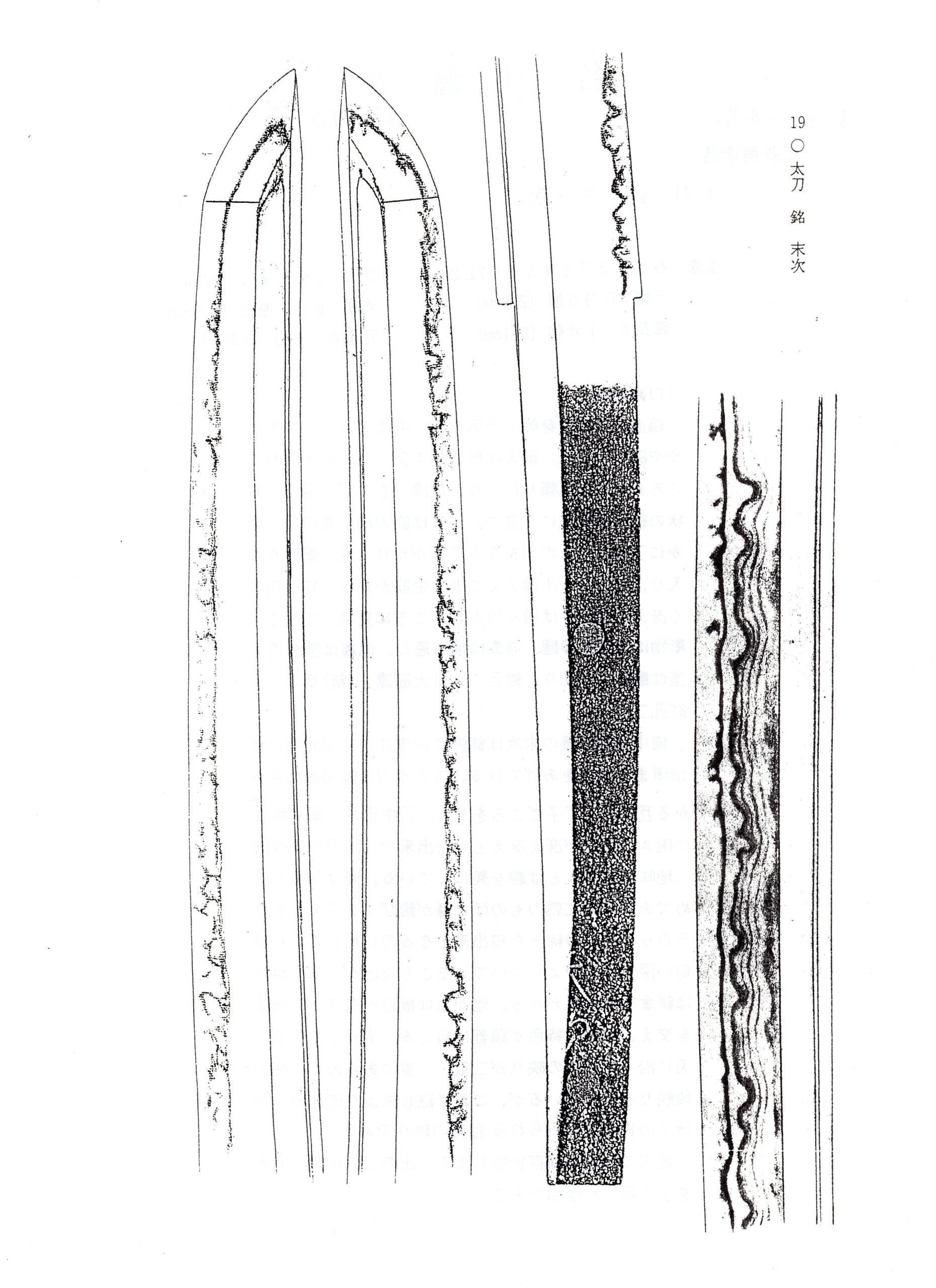
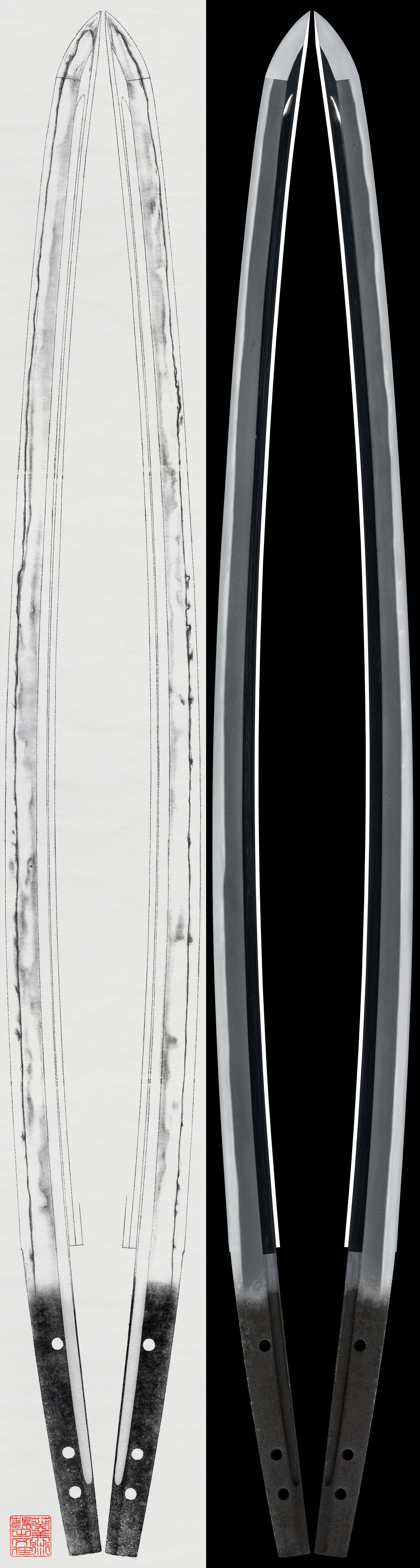
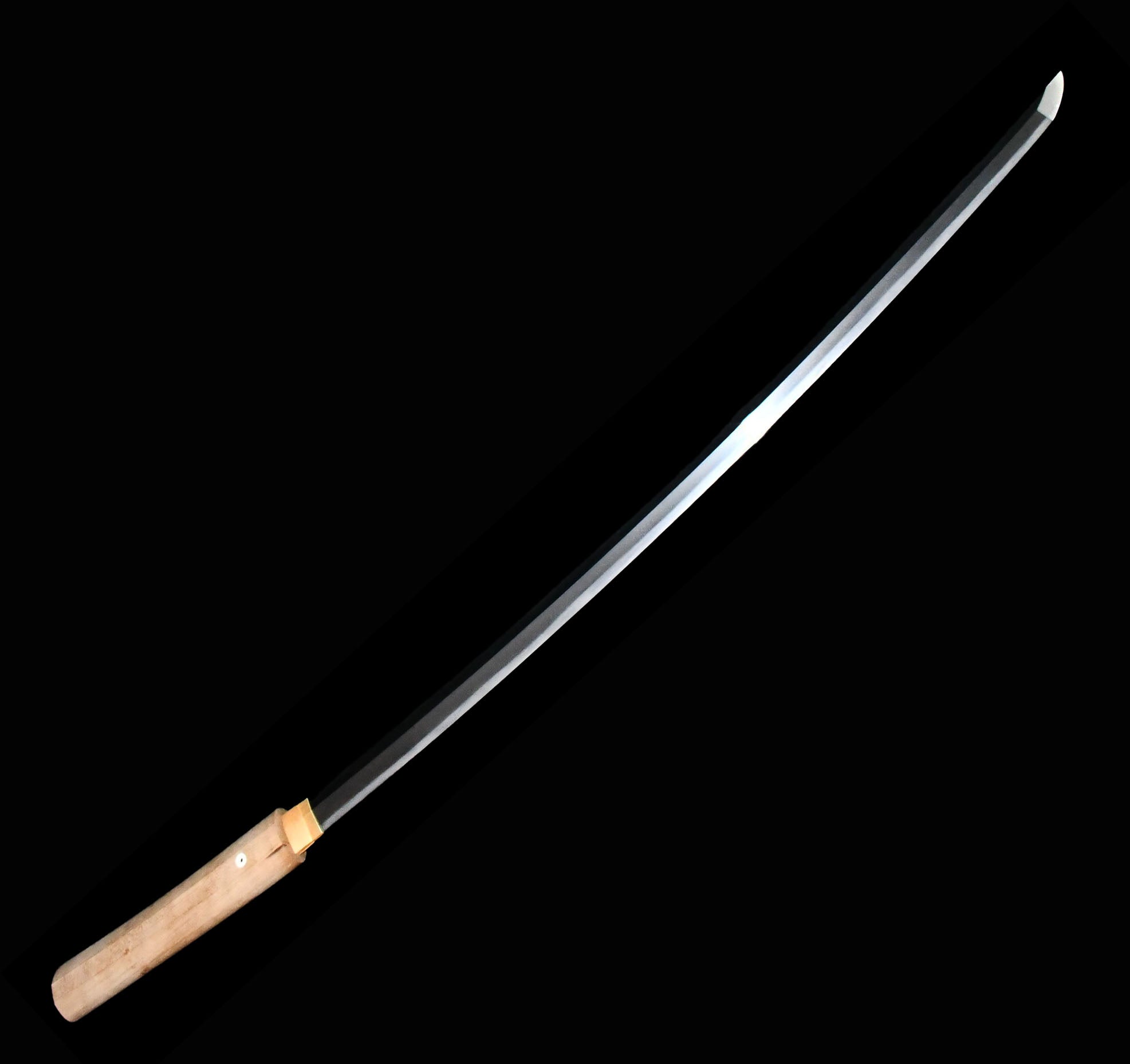
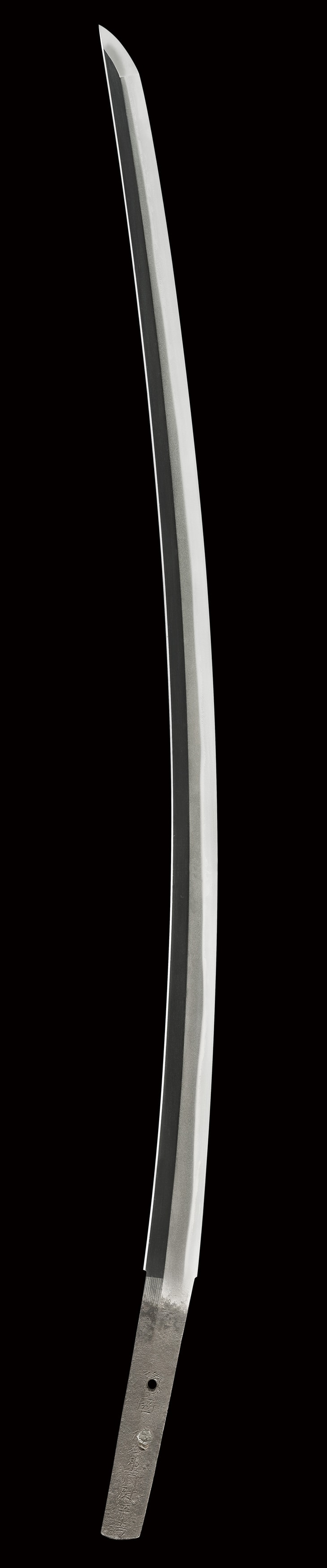
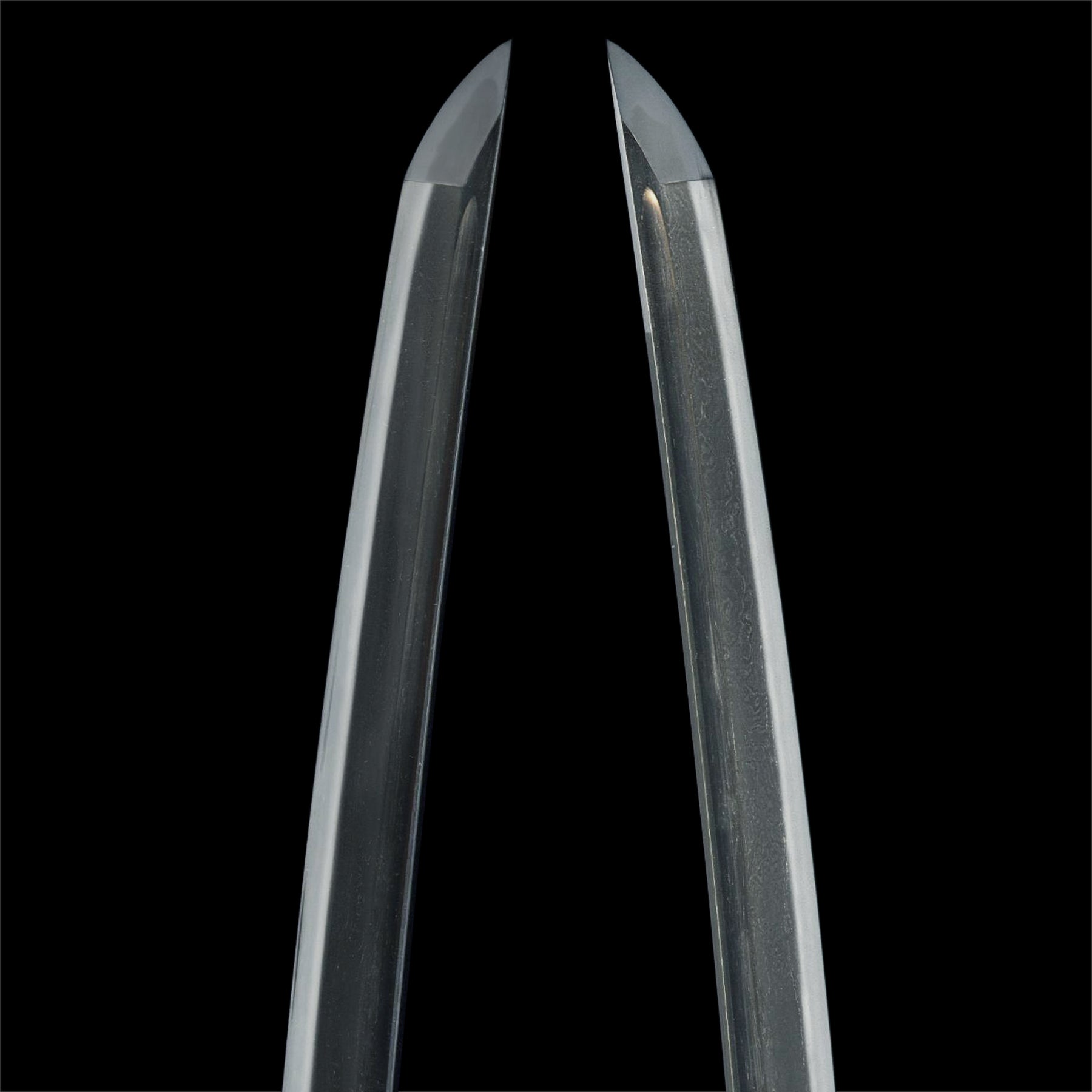
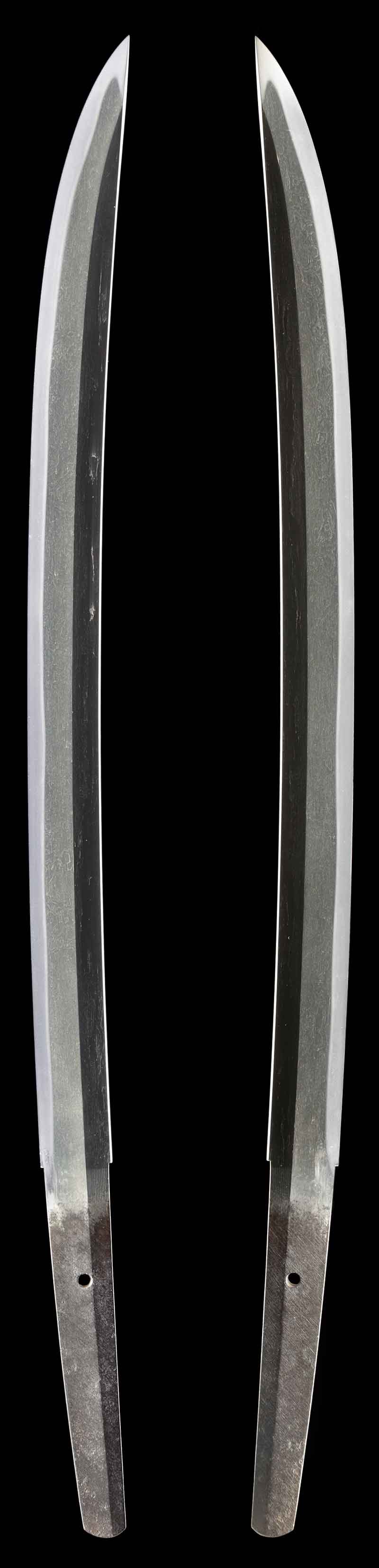
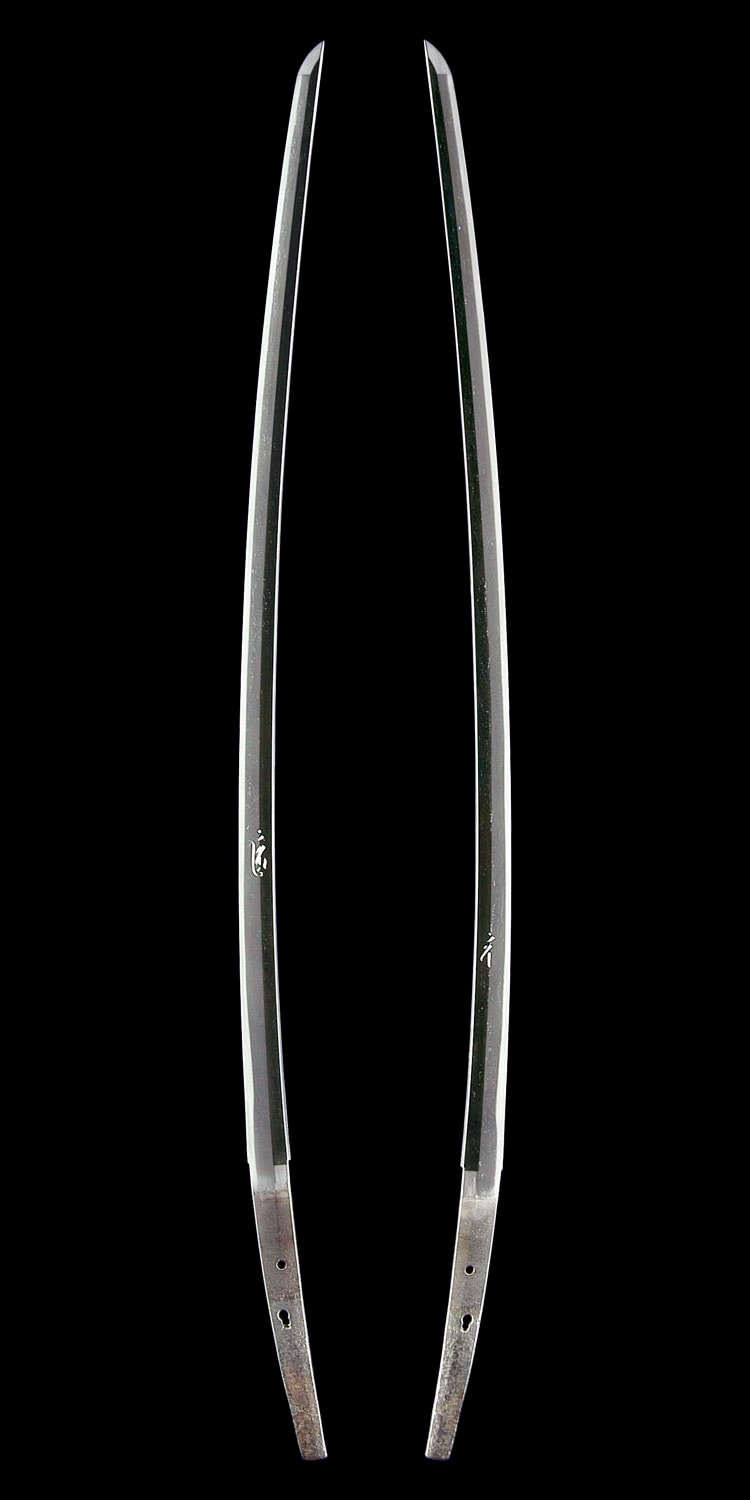
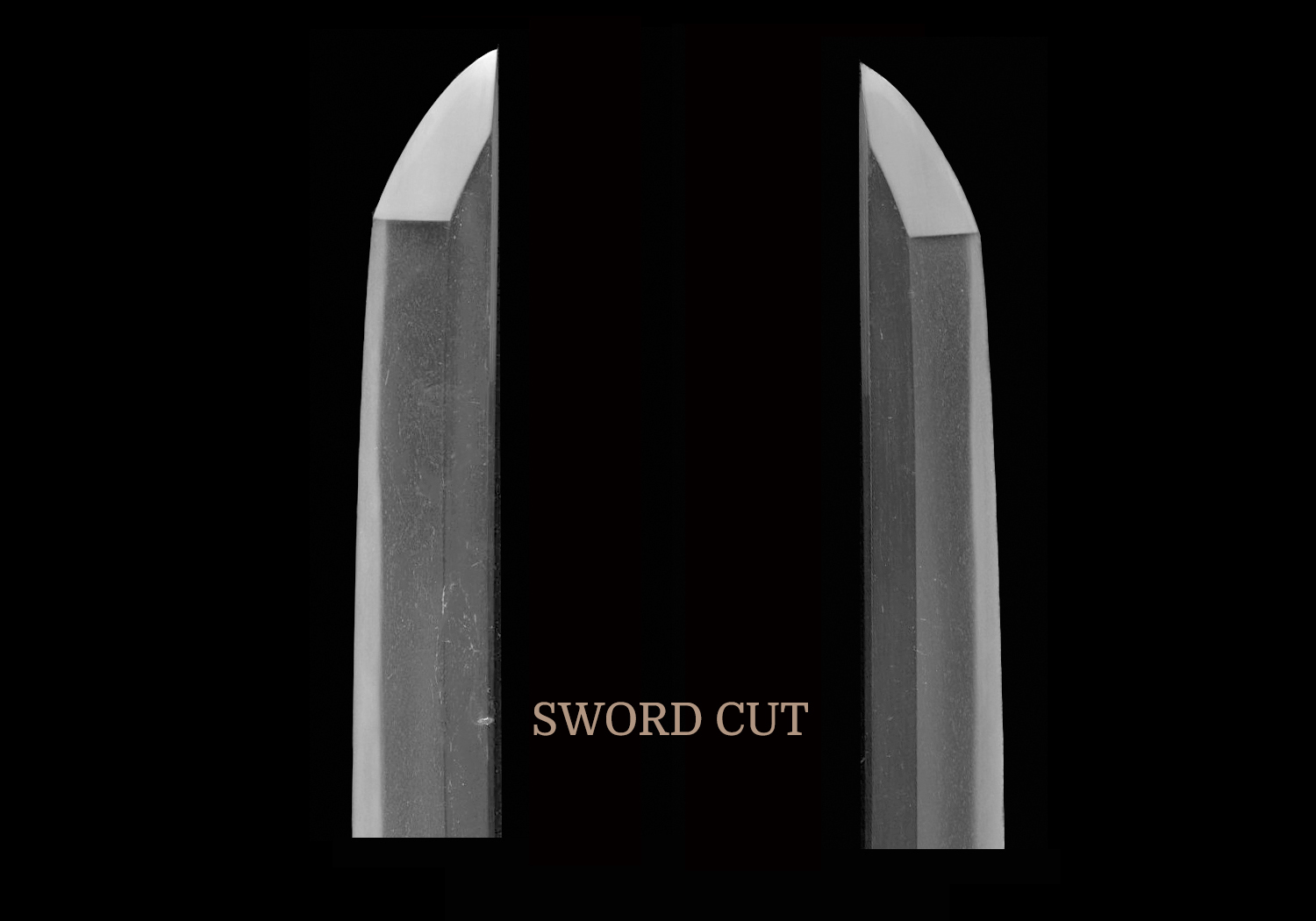
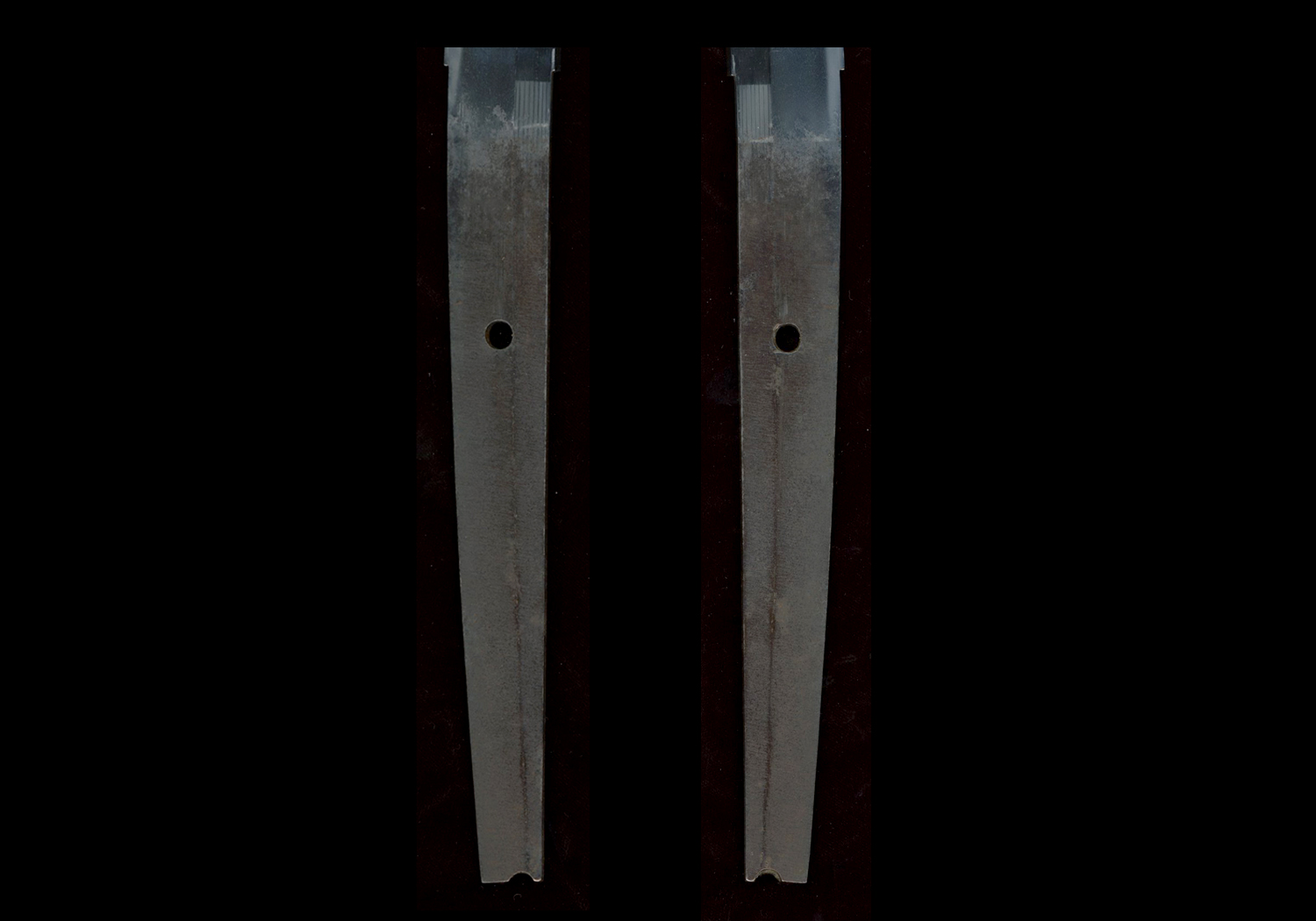
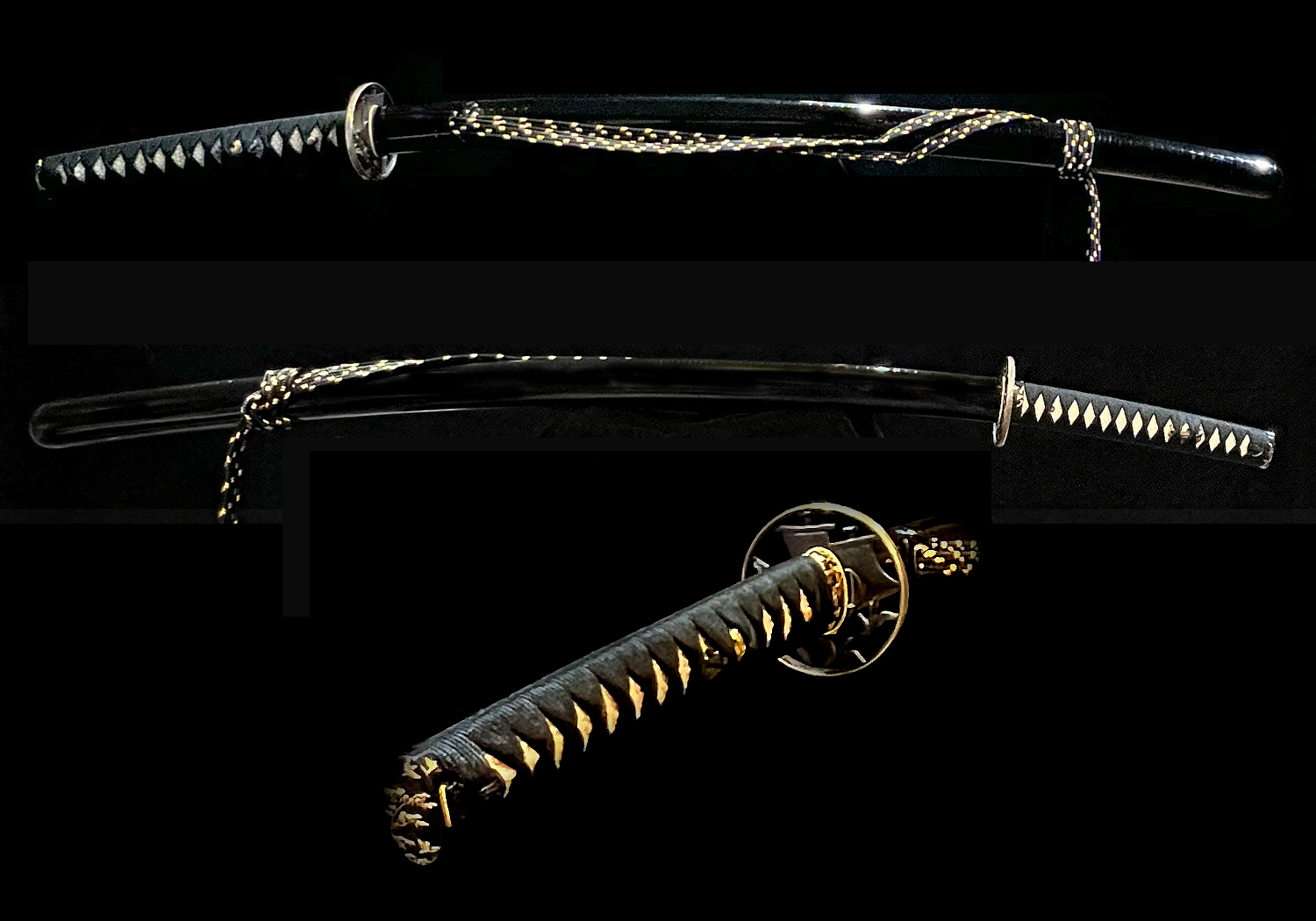
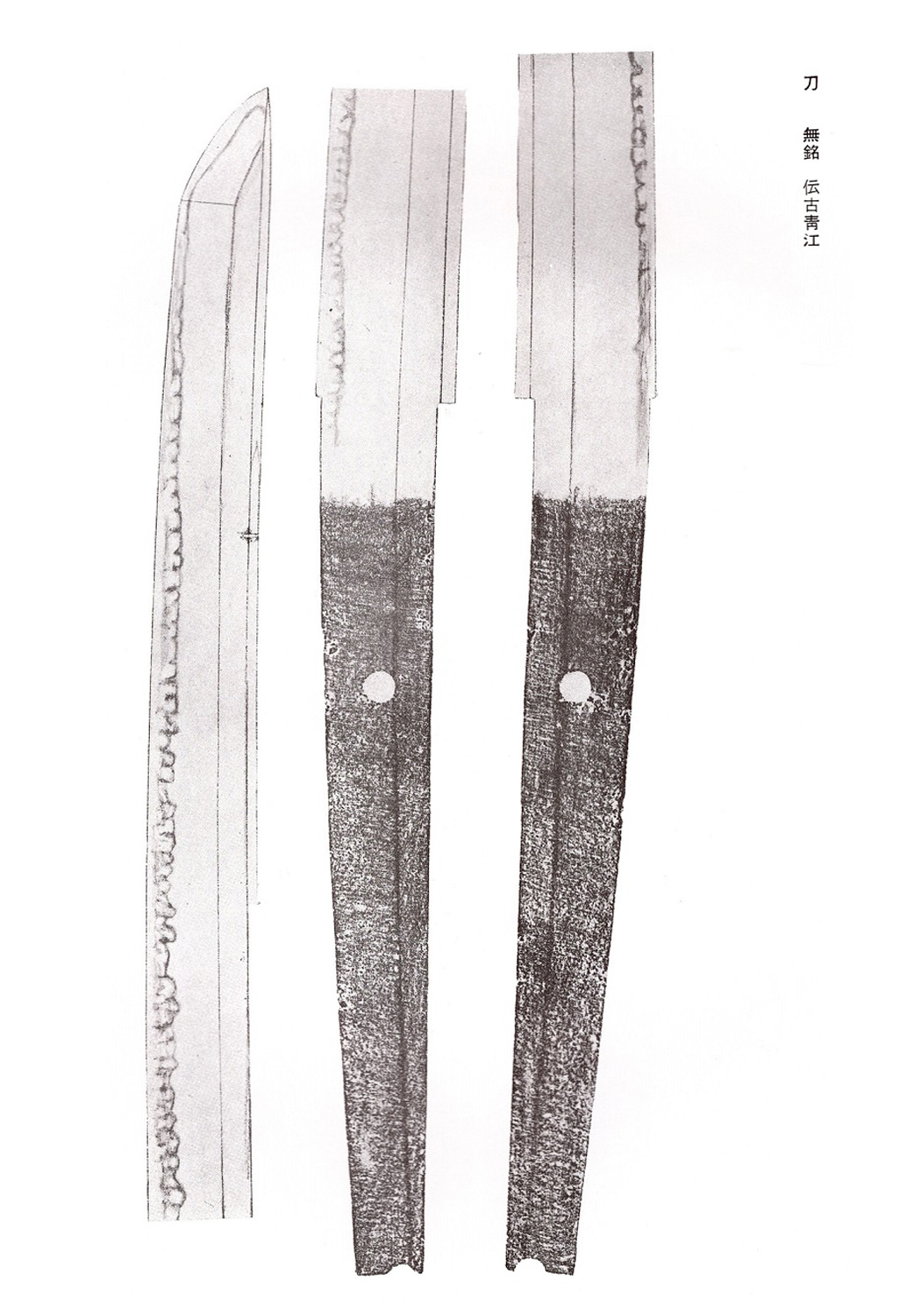
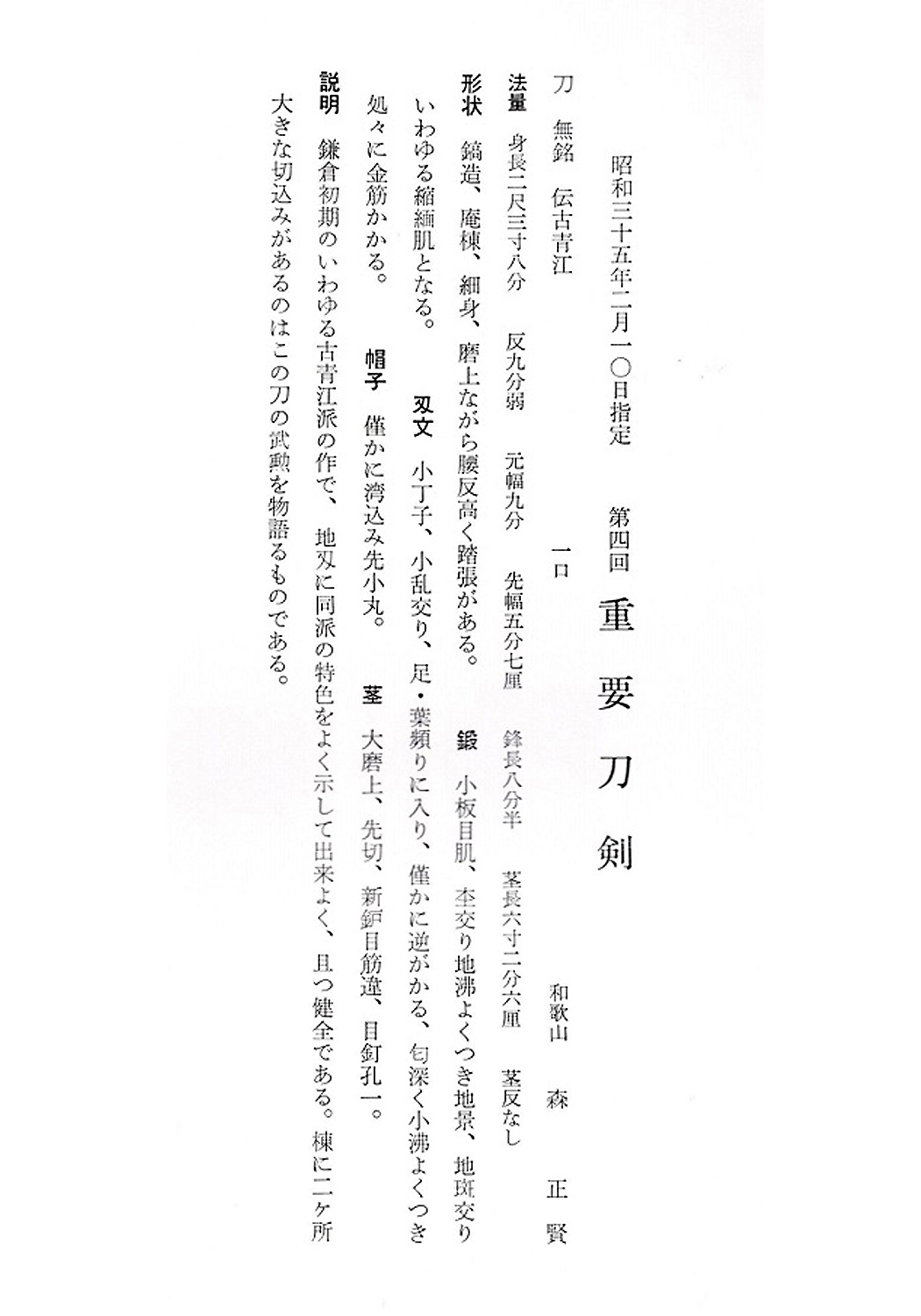
古青江派は、備中国における刀工集団として平安時代末期から鎌倉時代中期にかけて活動した。同国は古来より鉄の産地として知られ、青江派の刀工たちは高梁川下流域の子位や万寿の地を中心に作刀し、承安頃の安次を祖として始まると伝えられる。青江派は以後南北朝時代後期まで連綿として繁栄するが、その中でも平安時代末期より鎌倉時代中期頃までの作刀を特に古青江と汎称して区別している。代表的な刀工としては守次・為次・次家・次忠・貞次・康次・包次・恒次・俊次・助次等が知られ、その多くが「次」の字を通字としている点も特徴的である。 古青江派の作風は、鍛えに板目肌が杢目を交えて総体に肌立ち気味となり、いわゆる縮緬肌状の肌合を呈することが最大の特色である。地沸が微塵につき、地景が細かに入り、地斑を交えるものが多く、淡く乱れ映りが立つ。刃文は直刃調を基調として小互の目・小丁子・小乱れなどを交え、小足・葉がよく入り、小沸が厚くつき、金筋・砂流しが頻りにかかる。匂口はやや沈みごころとなるものが多く、刃縁には処々ほつれや打のけが見られる。帽子は直ぐ調に小丸ごころに返り、茎は佩裏に銘を切り、鑢目が大筋違となる点も同派の見どころである。 古青江派の作刀は、同時代の隣国備前物、特に古備前と作風が近似するものの、それらに比してやや地味で、深みを帯びた渋い味わいを醸す点に独自性がある。身幅が細めで元先の幅差がつき、腰反りが高く、小鋒となる古様な太刀姿を示すものが多く、鎌倉時代初期を降らない時代性を示している。生ぶ茎で残る遺例は貴重であり、大筋違の鑢目や茎の刃方を厚く造り込む態も同派の特徴として看取される。静穏な風格と品位の高さを備え、肉置きが豊かで健全な作が多く、古雅と典雅が同居する佳品として評価されている。 詳しく見る →
鎌倉時代の備前
鎌倉時代は備前の頂点である。伝えでは一文字派の工が後鳥羽上皇の御番鍛冶に列し、世紀の半ばには光忠が長船派を興して、注文は公家からも武家政権からも流れ込んだ。国宝刀剣の数で備前に並ぶ国はない。
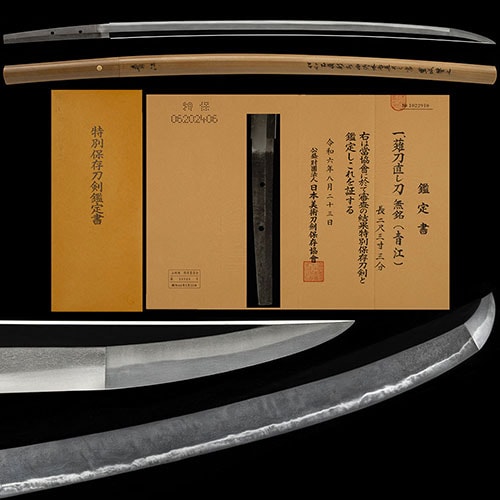
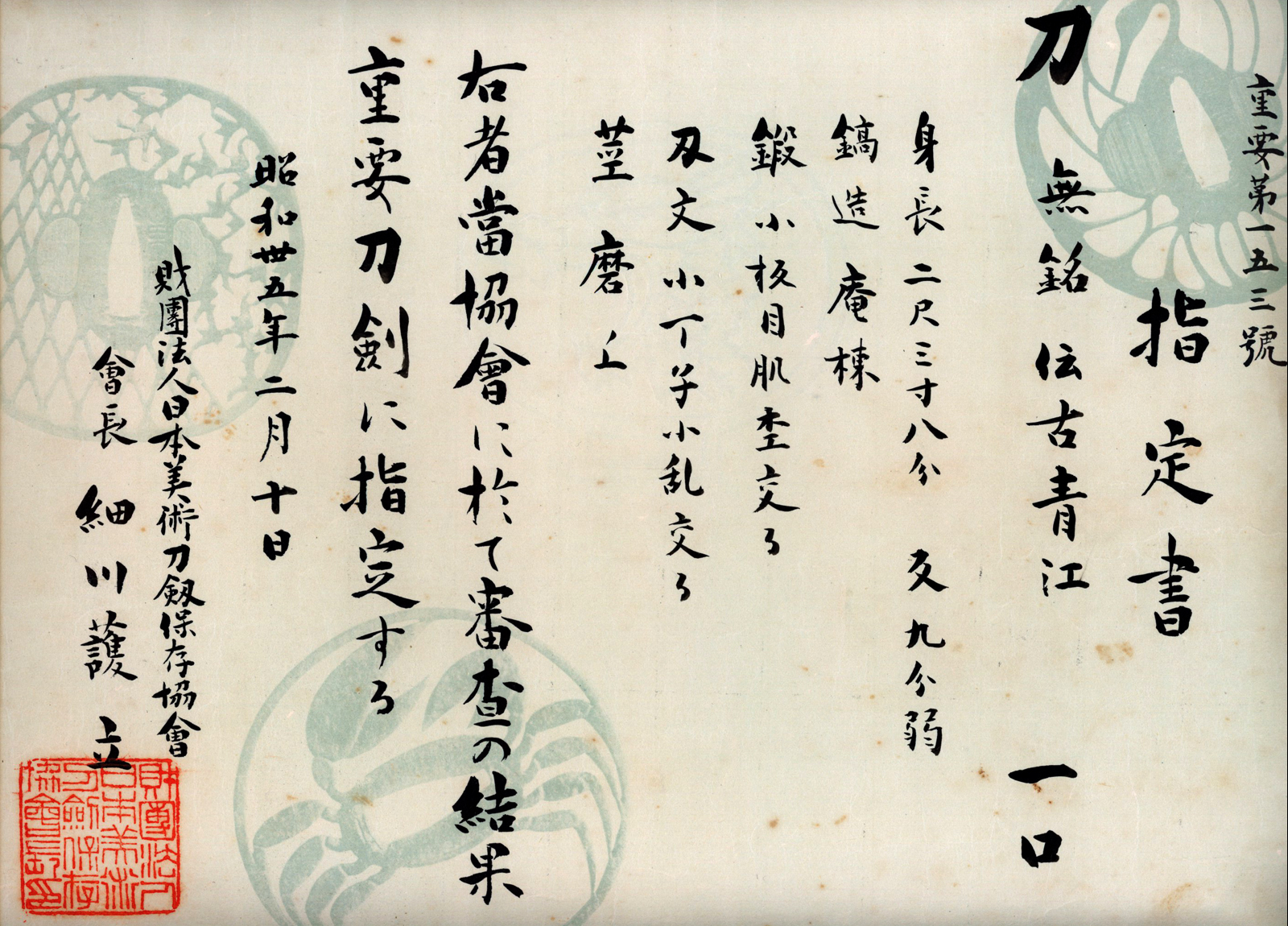
保存刀剣のうち、出来が一層優れ、保存状態も良好と認められたものです。再刃や、室町・江戸期の多くの無銘作は対象外となり、保存刀剣より高い基準が課されます。
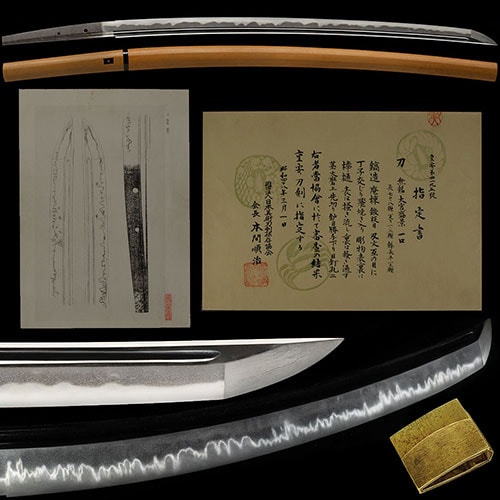
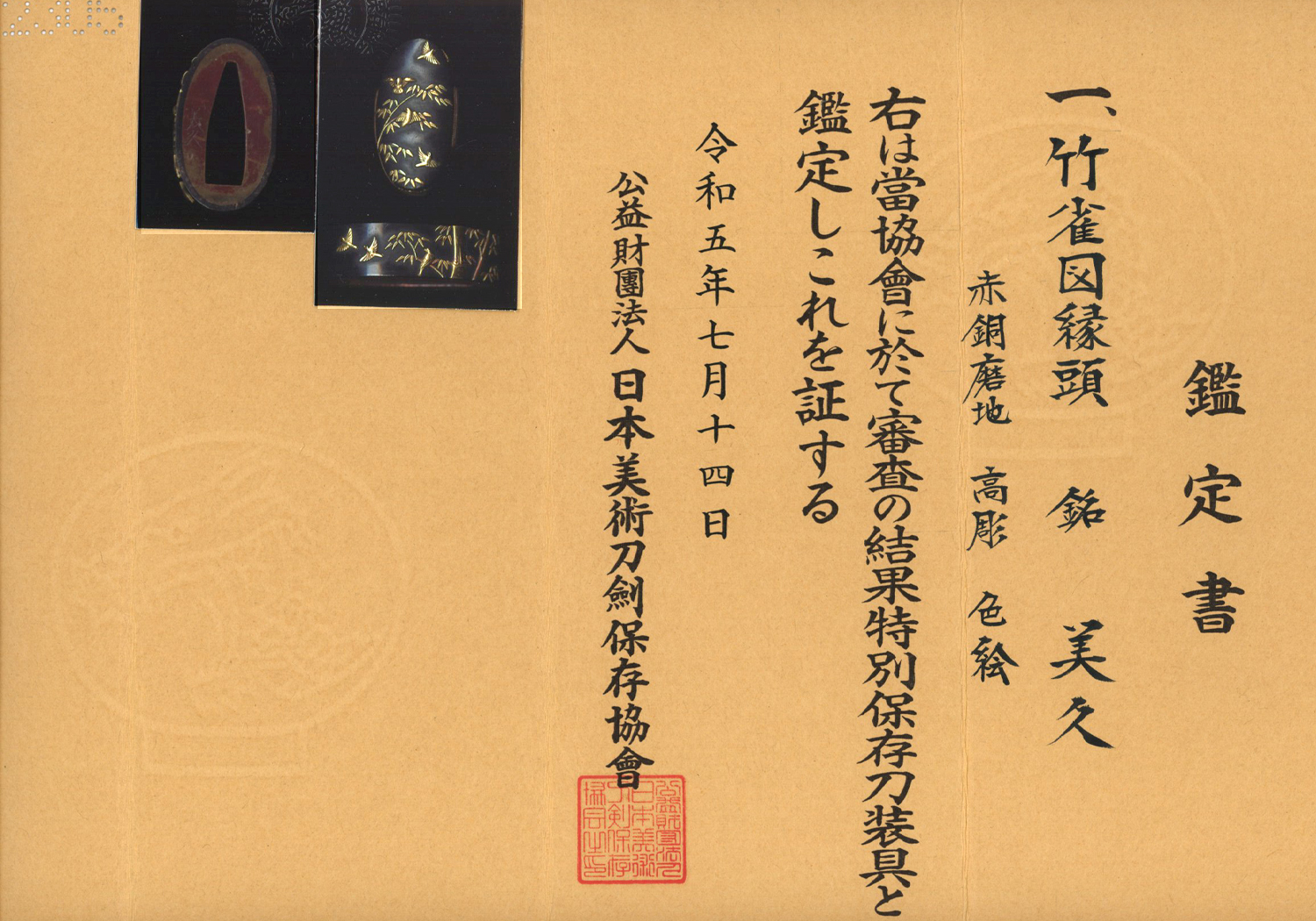
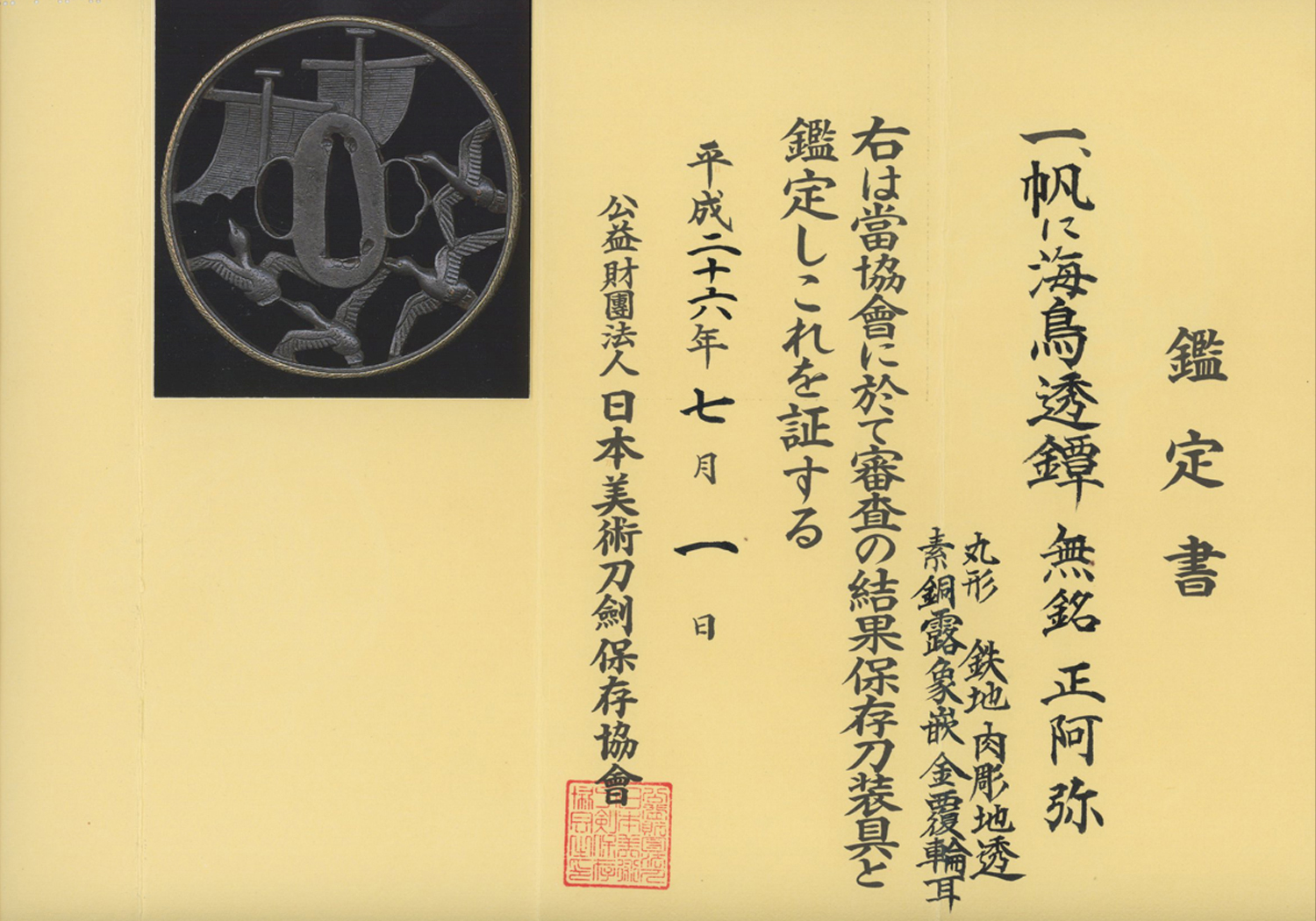
日本美術刀剣保存協会(NBTHK)は、1948年に設立され、文化庁の監督を受ける公益財団法人で、東京・刀剣博物館に本部を置きます。専門の審査員が出品作を直接審査し、美術的・歴史的価値に応じた鑑定書を発行します。NBTHKの鑑定書は、日本刀および刀装具の真正性を示す最も広く認知された基準です。
NBTHK公式サイトThree-day inspection period and seven-day return period; buyer notifies by email within three days of receipt, no reason needed; full refund once item returned undamaged and unaltered.
BITCHÛ KO-AOE KATANA 備中古青江 110123BITCHÛ KO-AOE KATANA 備中古青江 11012311.20.24fred@nihonto.comTo properly understand the foundation and beginnings of the Bitchû Aoe School (備中青江) we must first study geography and history. The old Kibi (吉備国) region of Japan covered an area of Western Honshu that is mostly included in today’s Okayama Prefecture. From ancient times until the Muromachi Era this area was comparable in cultural and political importance to that of the Kinai (畿内) and Kita-Kyushu (北九州) regions. This was largely due to the abundance of fine sand iron that was used not only for swords, but also to produce all kinds of iron tools for woodworking and farming since ancient times.The Kibi (吉備国) region was divided into three almost equally sized areas by the presence of three major rivers that, starting from the Chugoku Highland, flowed southwards into the Seto Inland Sea. These rivers were the Yoshii, the Asahi, and the Takahashi. These rivers carried rich sand iron from the highlands down to the lower areas giving rise to the groups of sword smiths that eventually formed the major Bizen and Bitchû schools. These groups were the Fukuoka Ichimonji (福岡一文字) on the Asahi River, the Osafune (長船) on the Yoshii River and the Aoe (青江) on the Takahashi River.The excellent workmanship of the Bitchû (備中) sword smiths was comparable to that of the smiths of the Bizen (備前),Yamashiro (山城), and Yamato (大和) traditions. Sword smiths mostly gathered around Aoe (青江), present day Kurashiki-shi in Okayama Prefecture, brought the prosperity of the Bitchû (備中)tradition forth. There were also known to have been some smiths scattered in adjacent areas of Masu and Seno.The first artists of the Bitchû Aoe School (備中青江) came forth toward the end of the Heian period. The smith credited with starting this tradition is Yasutsugu (安次). Unlike the Bizen (備前) tradition that was prosperous until the end of the Muromachi era, the Bitchû (備中) School died out earlier. Some scholars say it ended
NihontoWatch備前伝 · 備中
現在3点販売中
古青江派は、備中国における刀工集団として平安時代末期から鎌倉時代中期にかけて活動した。同国は古来より鉄の産地として知られ、青江派の刀工たちは高梁川下流域の子位や万寿の地を中心に作刀し、承安頃の安次を祖として始まると伝えられる。青江派は以後南北朝時代後期まで連綿として繁栄するが、その中でも平安時代末期より鎌倉時代中期頃までの作刀を特に古青江と汎称して区別している。代表的な刀工としては守次・為次・次家・次忠・貞次・康次・包次・恒次・俊次・助次等が知られ、その多くが「次」の字を通字としている点も特徴的である。 古青江派の作風は、鍛えに板目肌が杢目を交えて総体に肌立ち気味となり、いわゆる縮緬肌状の肌合を呈することが最大の特色である。地沸が微塵につき、地景が細かに入り、地斑を交えるものが多く、淡く乱れ映りが立つ。刃文は直刃調を基調として小互の目・小丁子・小乱れなどを交え、小足・葉がよく入り、小沸が厚くつき、金筋・砂流しが頻りにかかる。匂口はやや沈みごころとなるものが多く、刃縁には処々ほつれや打のけが見られる。帽子は直ぐ調に小丸ごころに返り、茎は佩裏に銘を切り、鑢目が大筋違となる点も同派の見どころである。 古青江派の作刀は、同時代の隣国備前物、特に古備前と作風が近似するものの、それらに比してやや地味で、深みを帯びた渋い味わいを醸す点に独自性がある。身幅が細めで元先の幅差がつき、腰反りが高く、小鋒となる古様な太刀姿を示すものが多く、鎌倉時代初期を降らない時代性を示している。生ぶ茎で残る遺例は貴重であり、大筋違の鑢目や茎の刃方を厚く造り込む態も同派の特徴として看取される。静穏な風格と品位の高さを備え、肉置きが豊かで健全な作が多く、古雅と典雅が同居する佳品として評価されている。 詳しく見る →
鎌倉時代の備前
鎌倉時代は備前の頂点である。伝えでは一文字派の工が後鳥羽上皇の御番鍛冶に列し、世紀の半ばには光忠が長船派を興して、注文は公家からも武家政権からも流れ込んだ。国宝刀剣の数で備前に並ぶ国はない。
保存刀剣のうち、出来が一層優れ、保存状態も良好と認められたものです。再刃や、室町・江戸期の多くの無銘作は対象外となり、保存刀剣より高い基準が課されます。
日本美術刀剣保存協会(NBTHK)は、1948年に設立され、文化庁の監督を受ける公益財団法人で、東京・刀剣博物館に本部を置きます。専門の審査員が出品作を直接審査し、美術的・歴史的価値に応じた鑑定書を発行します。NBTHKの鑑定書は、日本刀および刀装具の真正性を示す最も広く認知された基準です。
NBTHK公式サイトThree-day inspection period and seven-day return period; buyer notifies by email within three days of receipt, no reason needed; full refund once item returned undamaged and unaltered.