備前の物語は、砂鉄と炭の山林と瀬戸内の海運が交わる地に始まる。平安後期、古備前の刀工は公家と勃興する武家のために太刀を鍛え、源平の争乱では敵も味方も備前の刀を帯びていた。
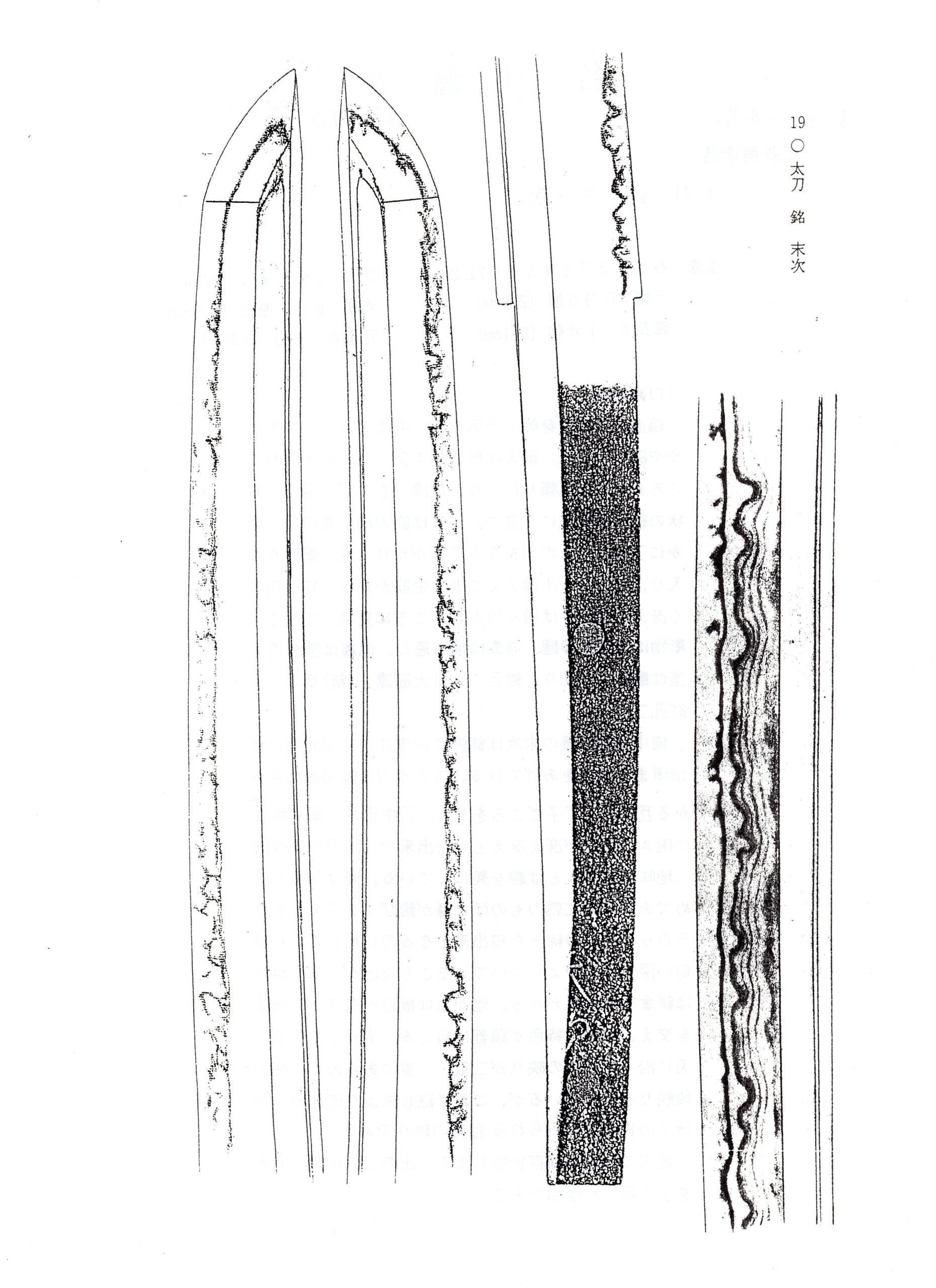
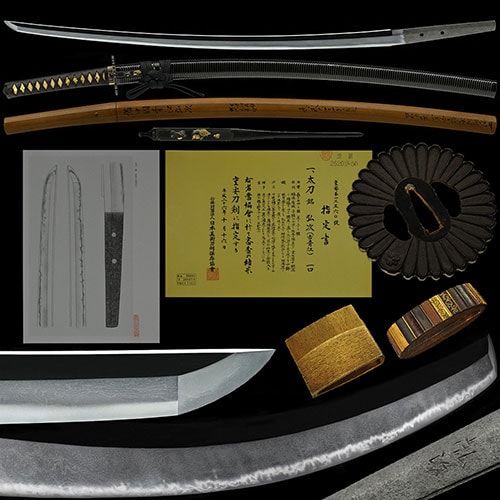
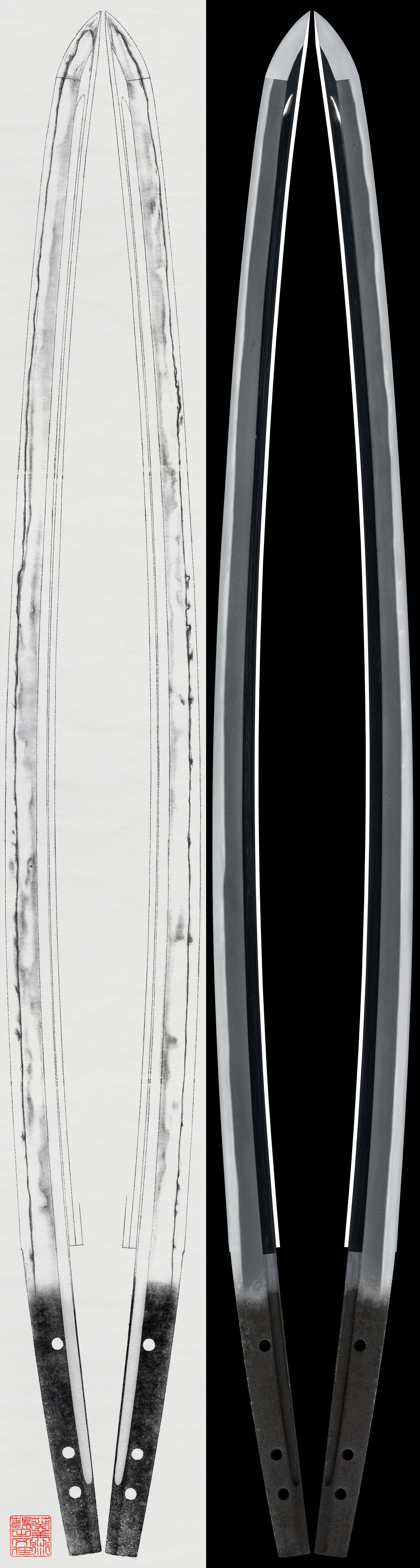
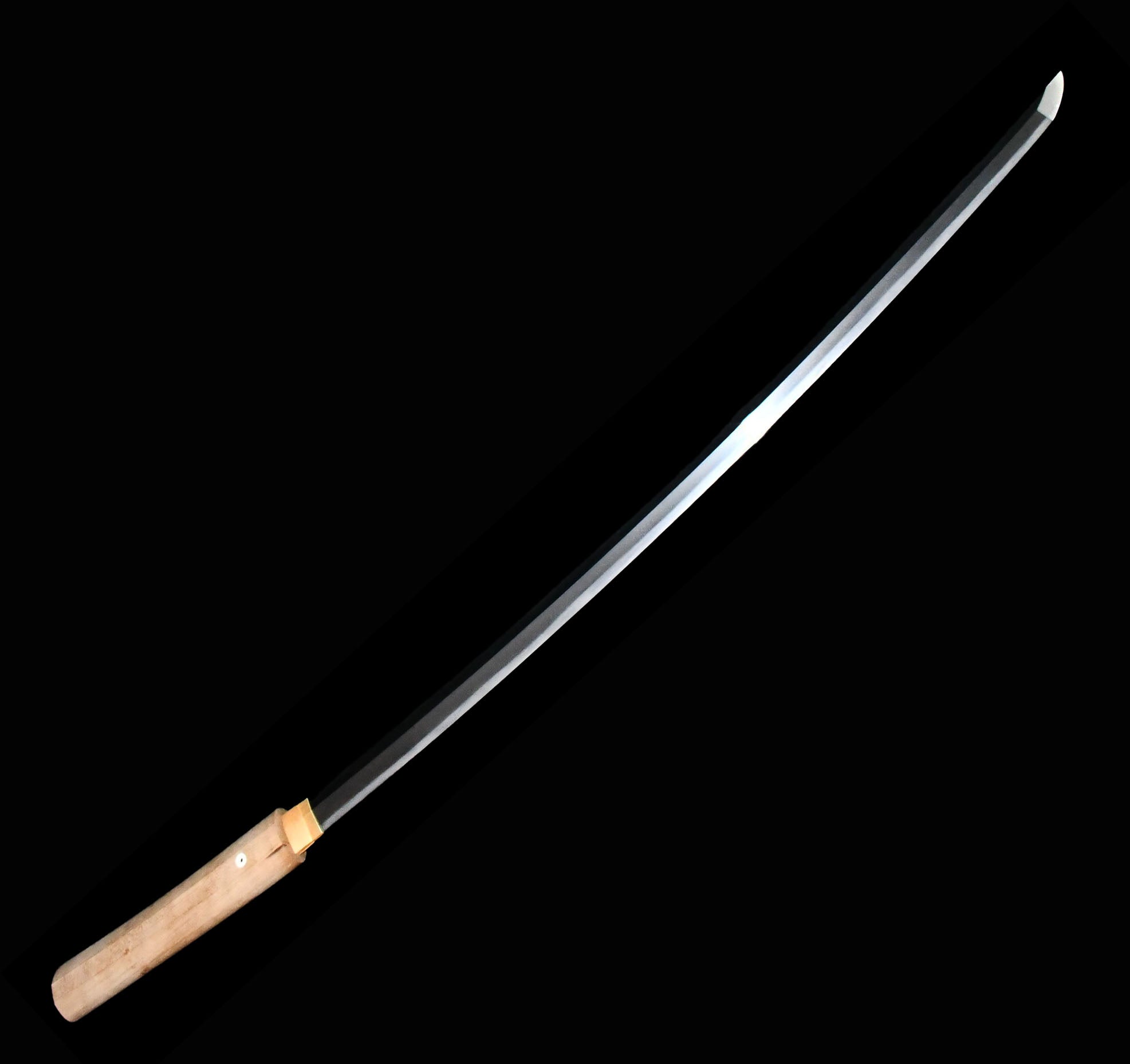
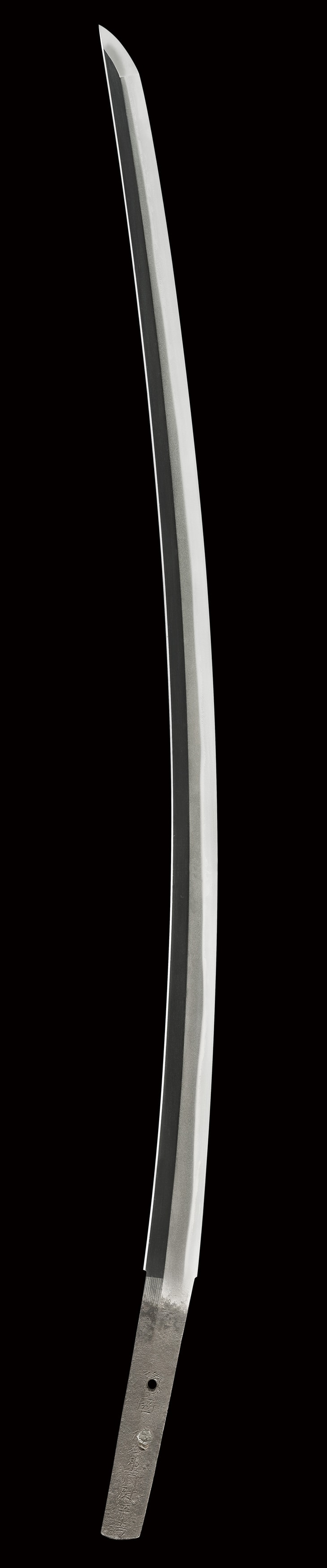
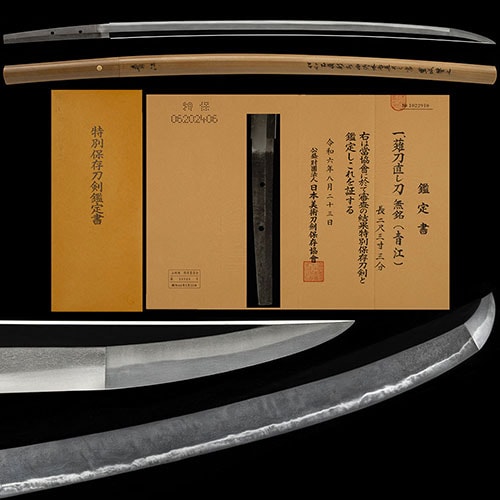
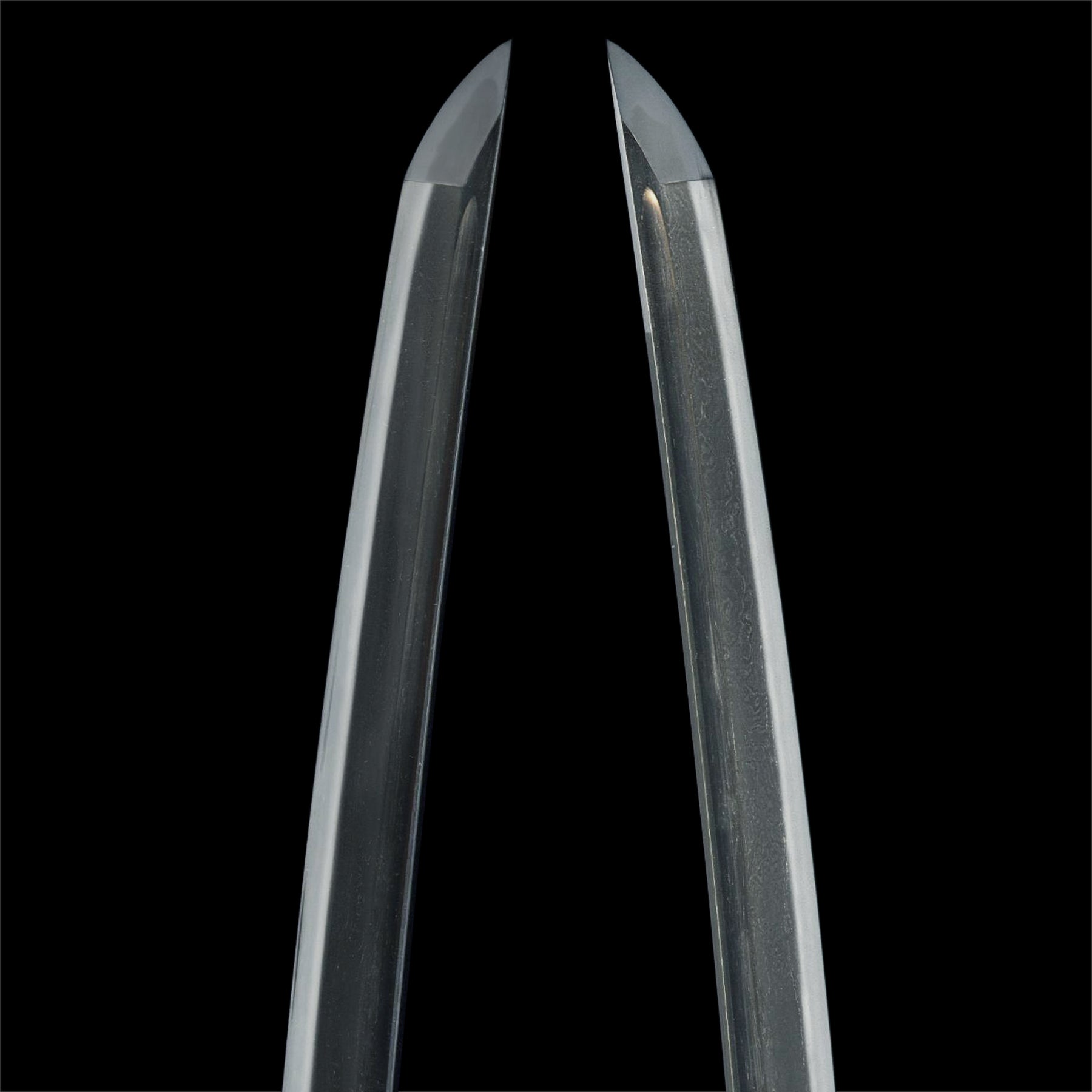
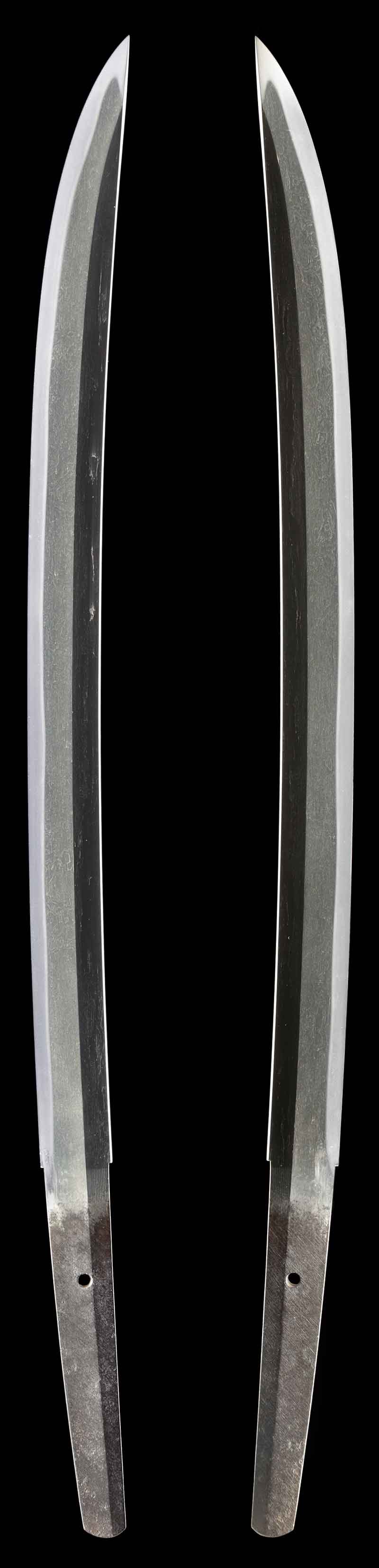
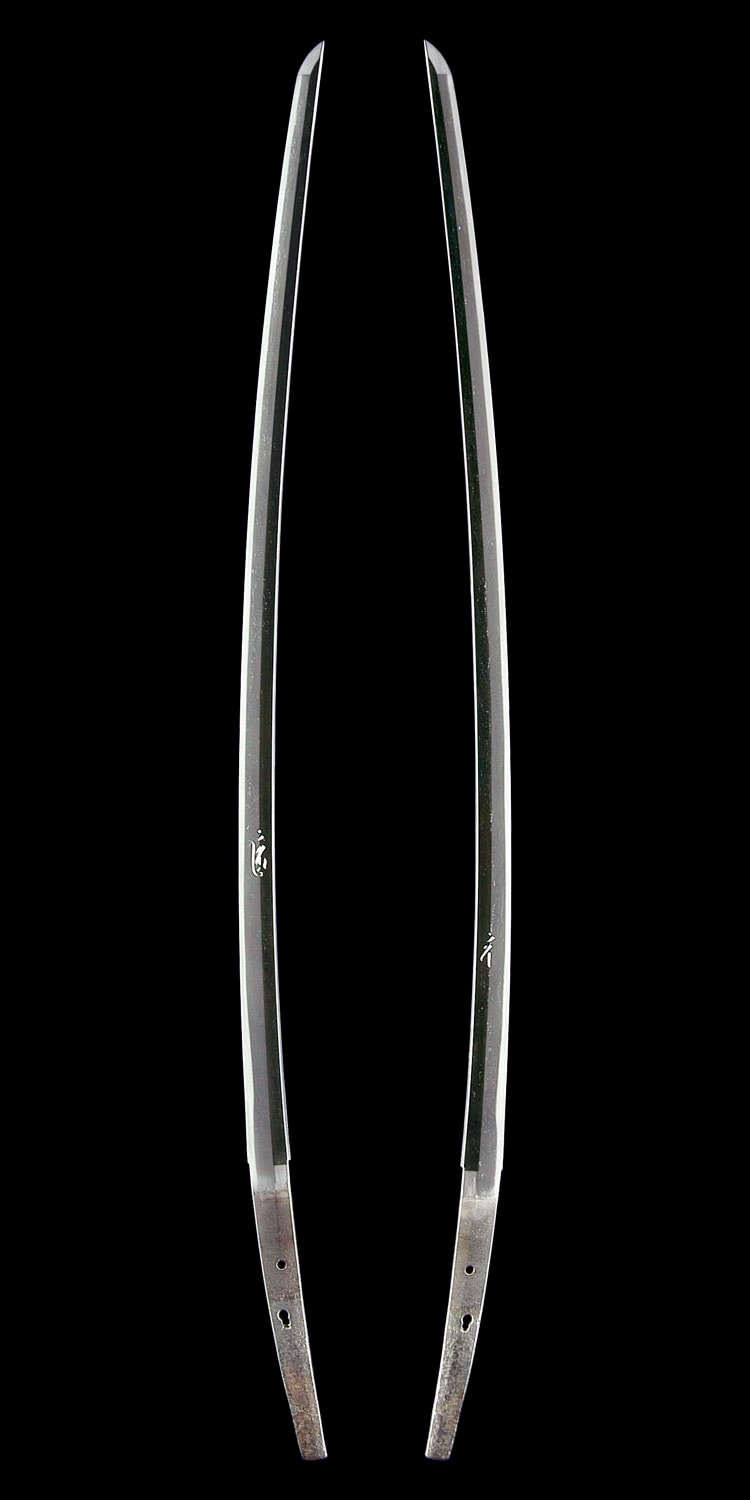
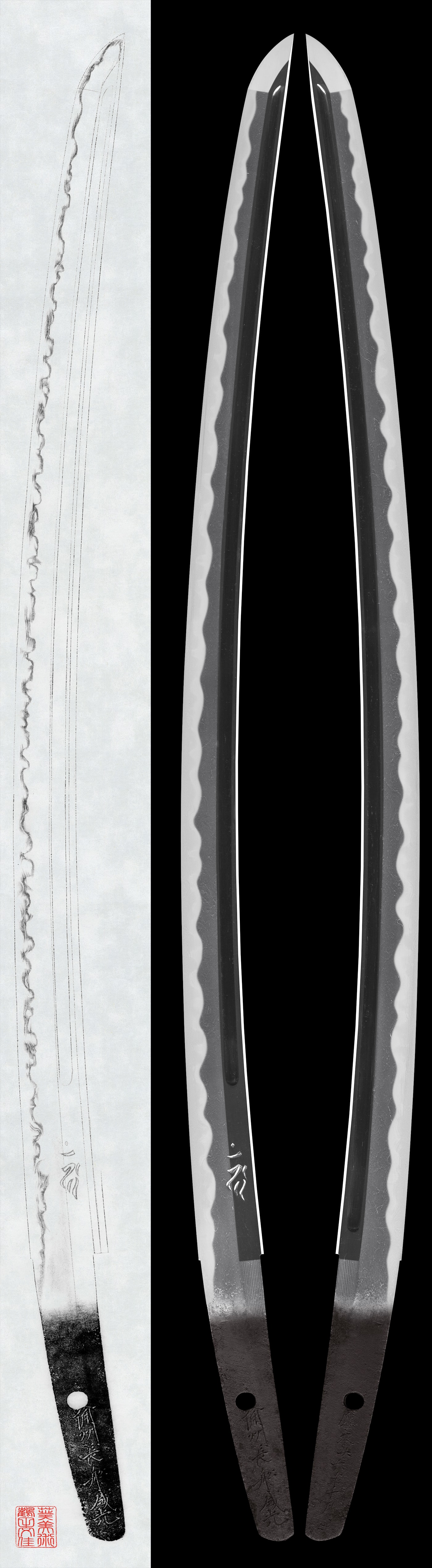
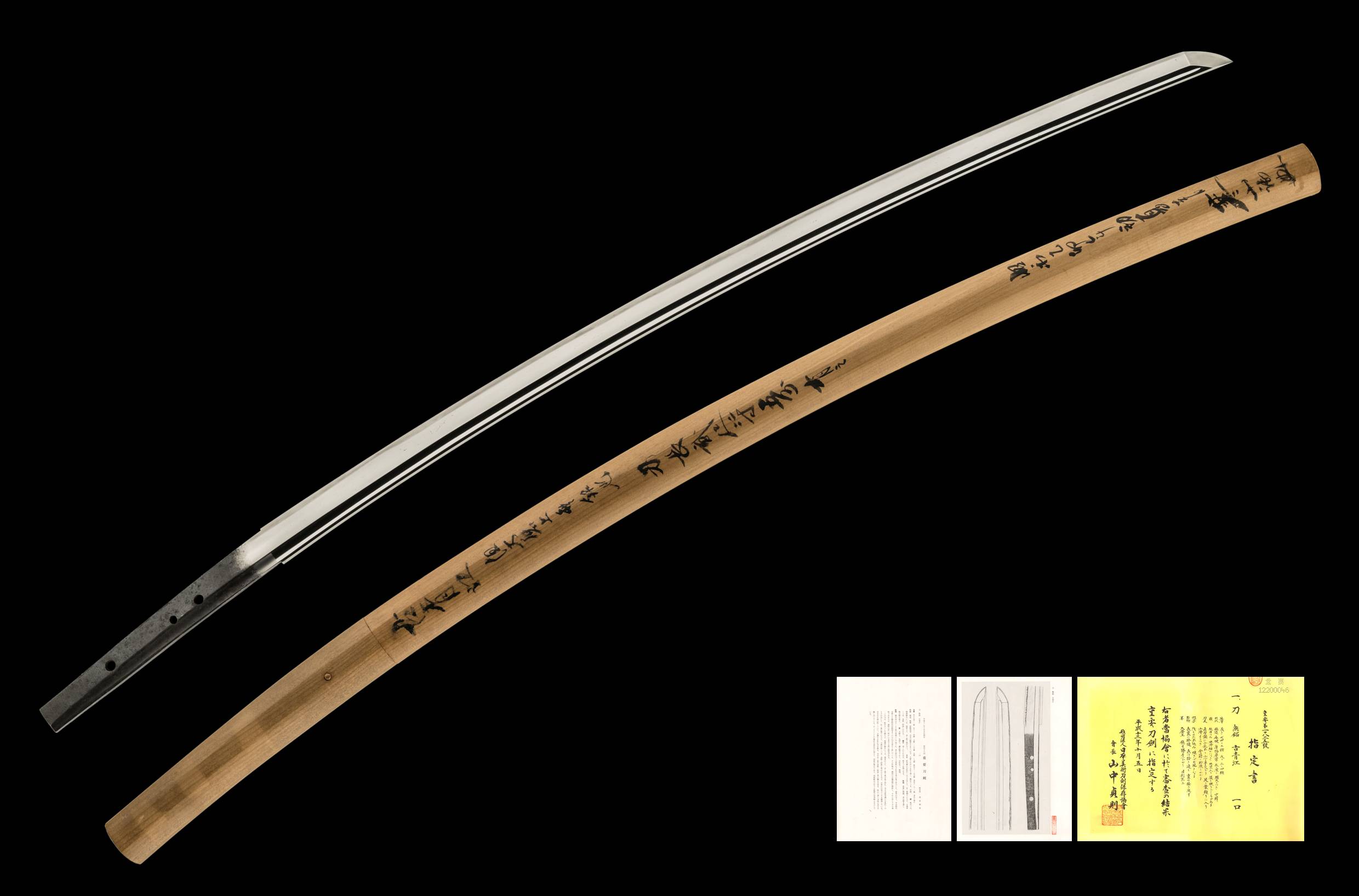
Skip to content ITEM# UJKA351 – Sold A Ko-Aoe Katana (古青江) The Ko-Aoe school flourished in Bitchu province from the end of the Heian period through the mid-Kamakura period, working in the areas of Koi and Masu in a region long celebrated for its iron production. Their blades are classified apart from their Bizen neighbours: similar in workmanship to Ko-Bizen, but with a slightly more austere character – plainer, more restrained, and possessed of a quiet authority that collectors have prized for centuries. This katana, designated 46th NBTHK Juyo Token, is a textbook example of that tradition at its finest. The blade is deeply koshi-zori in shape, with a narrow mihaba and chu-kissaki that date it conservatively to the early 1200s – a shape consistent with the transition from the late Heian to the early Kamakura period, as confirmed by the Juyo Token certificate. The jihada is a dense itame with fine ji-nie, chikei, and a faint but present utsuri. The hamon is a ko-nie-laden suguha-cho mixed with ko-midare, ko-choji, and many ashi and yo, with kinsuji and sunagashi threading through – restrained but technically accomplished, with beautiful clusters of nie known as yo visible inside the hamon. The boshi is an undulating notare-komi that runs out in yakitsume fashion, and the bo-hi (groove) runs through on the omote as kaki-toshi and ends into the nakago as kaki-nagashi on the ura side. The blade is o-suriage (greatly shortened), its original length lost to time, with three mekugi-ana marking the passage through successive generations of ownership. The sword comes with its original torokusho (registration card) dated Showa 26 (1951) – the very first year swords were formally registered in Japan, with a serial number of just 1140, suggesting this blade was once held by a prominent daimyo family. The sayagaki is by Sato Kanzan, one of the great connoisseurs of 20th-century Japanese sword scholarship, inscribed in 1975. Item Number UJKA351 Sword Type Katana (shortened from
 NihontoWatch
無銘 · Ko-Aoe · Koto – end of Heian to Early Kamakura Period (late 1100s to Early 1200s) · 長さ 74.2cm · 反り 2.6cm
備前伝 · 備中
現在3点販売中
古青江派は、備中国における刀工集団として平安時代末期から鎌倉時代中期にかけて活動した。同国は古来より鉄の産地として知られ、青江派の刀工たちは高梁川下流域の子位や万寿の地を中心に作刀し、承安頃の安次を祖として始まると伝えられる。青江派は以後南北朝時代後期まで連綿として繁栄するが、その中でも平安時代末期より鎌倉時代中期頃までの作刀を特に古青江と汎称して区別している。代表的な刀工としては守次・為次・次家・次忠・貞次・康次・包次・恒次・俊次・助次等が知られ、その多くが「次」の字を通字としている点も特徴的である。 古青江派の作風は、鍛えに板目肌が杢目を交えて総体に肌立ち気味となり、いわゆる縮緬肌状の肌合を呈することが最大の特色である。地沸が微塵につき、地景が細かに入り、地斑を交えるものが多く、淡く乱れ映りが立つ。刃文は直刃調を基調として小互の目・小丁子・小乱れなどを交え、小足・葉がよく入り、小沸が厚くつき、金筋・砂流しが頻りにかかる。匂口はやや沈みごころとなるものが多く、刃縁には処々ほつれや打のけが見られる。帽子は直ぐ調に小丸ごころに返り、茎は佩裏に銘を切り、鑢目が大筋違となる点も同派の見どころである。 古青江派の作刀は、同時代の隣国備前物、特に古備前と作風が近似するものの、それらに比してやや地味で、深みを帯びた渋い味わいを醸す点に独自性がある。身幅が細めで元先の幅差がつき、腰反りが高く、小鋒となる古様な太刀姿を示すものが多く、鎌倉時代初期を降らない時代性を示している。生ぶ茎で残る遺例は貴重であり、大筋違の鑢目や茎の刃方を厚く造り込む態も同派の特徴として看取される。静穏な風格と品位の高さを備え、肉置きが豊かで健全な作が多く、古雅と典雅が同居する佳品として評価されている。 詳しく見る →
平安時代の備前
備前の物語は、砂鉄と炭の山林と瀬戸内の海運が交わる地に始まる。平安後期、古備前の刀工は公家と勃興する武家のために太刀を鍛え、源平の争乱では敵も味方も備前の刀を帯びていた。
特別保存刀剣の中から、特に出来が優れ、国認定の重要美術品に準ずると判断された名品です。年に一度の重要刀剣審査で選ばれます。
極めて選別的で、日本に登録された約250万口の刀剣のうち、重要刀剣に達したものは12,307口(約203口に1口)にすぎません。
日本美術刀剣保存協会(NBTHK)は、1948年に設立され、文化庁の監督を受ける公益財団法人で、東京・刀剣博物館に本部を置きます。専門の審査員が出品作を直接審査し、美術的・歴史的価値に応じた鑑定書を発行します。NBTHKの鑑定書は、日本刀および刀装具の真正性を示す最も広く認知された基準です。
NBTHK公式サイトAll swords come with a three-day inspection period beginning from the date of delivery. If not satisfied, the sword may be returned within this period for a full refund of the purchase price. Outside of this period, all sales are final. Swords purchased on a layaway payment plan are not eligible for the three-day inspection period.
Skip to content ITEM# UJKA351 – Sold A Ko-Aoe Katana (古青江) The Ko-Aoe school flourished in Bitchu province from the end of the Heian period through the mid-Kamakura period, working in the areas of Koi and Masu in a region long celebrated for its iron production. Their blades are classified apart from their Bizen neighbours: similar in workmanship to Ko-Bizen, but with a slightly more austere character – plainer, more restrained, and possessed of a quiet authority that collectors have prized for centuries. This katana, designated 46th NBTHK Juyo Token, is a textbook example of that tradition at its finest. The blade is deeply koshi-zori in shape, with a narrow mihaba and chu-kissaki that date it conservatively to the early 1200s – a shape consistent with the transition from the late Heian to the early Kamakura period, as confirmed by the Juyo Token certificate. The jihada is a dense itame with fine ji-nie, chikei, and a faint but present utsuri. The hamon is a ko-nie-laden suguha-cho mixed with ko-midare, ko-choji, and many ashi and yo, with kinsuji and sunagashi threading through – restrained but technically accomplished, with beautiful clusters of nie known as yo visible inside the hamon. The boshi is an undulating notare-komi that runs out in yakitsume fashion, and the bo-hi (groove) runs through on the omote as kaki-toshi and ends into the nakago as kaki-nagashi on the ura side. The blade is o-suriage (greatly shortened), its original length lost to time, with three mekugi-ana marking the passage through successive generations of ownership. The sword comes with its original torokusho (registration card) dated Showa 26 (1951) – the very first year swords were formally registered in Japan, with a serial number of just 1140, suggesting this blade was once held by a prominent daimyo family. The sayagaki is by Sato Kanzan, one of the great connoisseurs of 20th-century Japanese sword scholarship, inscribed in 1975. Item Number UJKA351 Sword Type Katana (shortened from
NihontoWatch無銘 · Ko-Aoe · Koto – end of Heian to Early Kamakura Period (late 1100s to Early 1200s) · 長さ 74.2cm · 反り 2.6cm
備前伝 · 備中
現在3点販売中
古青江派は、備中国における刀工集団として平安時代末期から鎌倉時代中期にかけて活動した。同国は古来より鉄の産地として知られ、青江派の刀工たちは高梁川下流域の子位や万寿の地を中心に作刀し、承安頃の安次を祖として始まると伝えられる。青江派は以後南北朝時代後期まで連綿として繁栄するが、その中でも平安時代末期より鎌倉時代中期頃までの作刀を特に古青江と汎称して区別している。代表的な刀工としては守次・為次・次家・次忠・貞次・康次・包次・恒次・俊次・助次等が知られ、その多くが「次」の字を通字としている点も特徴的である。 古青江派の作風は、鍛えに板目肌が杢目を交えて総体に肌立ち気味となり、いわゆる縮緬肌状の肌合を呈することが最大の特色である。地沸が微塵につき、地景が細かに入り、地斑を交えるものが多く、淡く乱れ映りが立つ。刃文は直刃調を基調として小互の目・小丁子・小乱れなどを交え、小足・葉がよく入り、小沸が厚くつき、金筋・砂流しが頻りにかかる。匂口はやや沈みごころとなるものが多く、刃縁には処々ほつれや打のけが見られる。帽子は直ぐ調に小丸ごころに返り、茎は佩裏に銘を切り、鑢目が大筋違となる点も同派の見どころである。 古青江派の作刀は、同時代の隣国備前物、特に古備前と作風が近似するものの、それらに比してやや地味で、深みを帯びた渋い味わいを醸す点に独自性がある。身幅が細めで元先の幅差がつき、腰反りが高く、小鋒となる古様な太刀姿を示すものが多く、鎌倉時代初期を降らない時代性を示している。生ぶ茎で残る遺例は貴重であり、大筋違の鑢目や茎の刃方を厚く造り込む態も同派の特徴として看取される。静穏な風格と品位の高さを備え、肉置きが豊かで健全な作が多く、古雅と典雅が同居する佳品として評価されている。 詳しく見る →
平安時代の備前
備前の物語は、砂鉄と炭の山林と瀬戸内の海運が交わる地に始まる。平安後期、古備前の刀工は公家と勃興する武家のために太刀を鍛え、源平の争乱では敵も味方も備前の刀を帯びていた。
特別保存刀剣の中から、特に出来が優れ、国認定の重要美術品に準ずると判断された名品です。年に一度の重要刀剣審査で選ばれます。
極めて選別的で、日本に登録された約250万口の刀剣のうち、重要刀剣に達したものは12,307口(約203口に1口)にすぎません。
日本美術刀剣保存協会(NBTHK)は、1948年に設立され、文化庁の監督を受ける公益財団法人で、東京・刀剣博物館に本部を置きます。専門の審査員が出品作を直接審査し、美術的・歴史的価値に応じた鑑定書を発行します。NBTHKの鑑定書は、日本刀および刀装具の真正性を示す最も広く認知された基準です。
NBTHK公式サイトAll swords come with a three-day inspection period beginning from the date of delivery. If not satisfied, the sword may be returned within this period for a full refund of the purchase price. Outside of this period, all sales are final. Swords purchased on a layaway payment plan are not eligible for the three-day inspection period.