二つの朝廷が争った六十年、刀身は長大化し、長船がその需要に応えた。兼光と長義の工房は実際に戦う国人層の武士に仕え、軍勢とともに相州風が届いて相伝備前が生まれた。
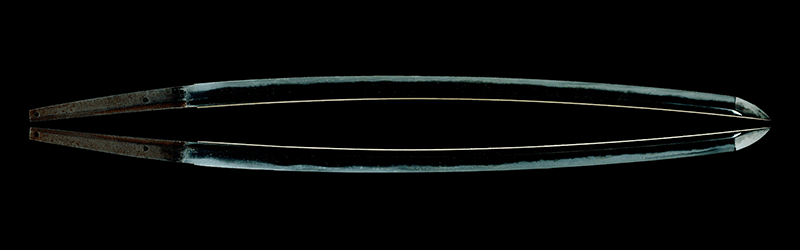
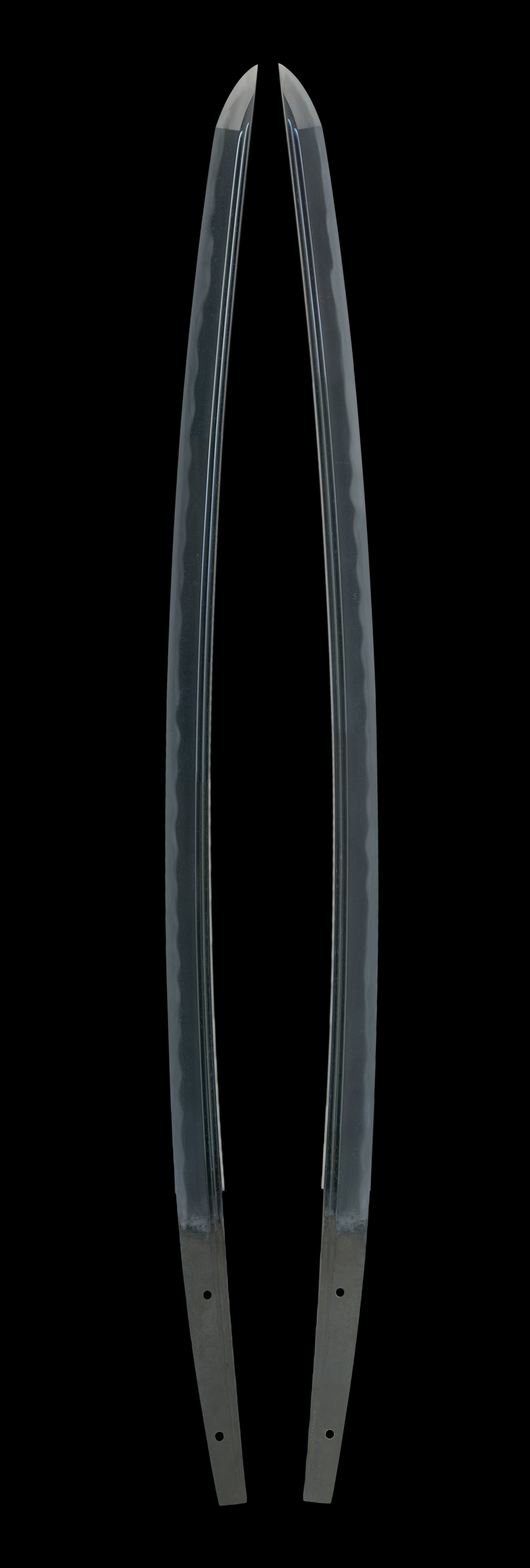
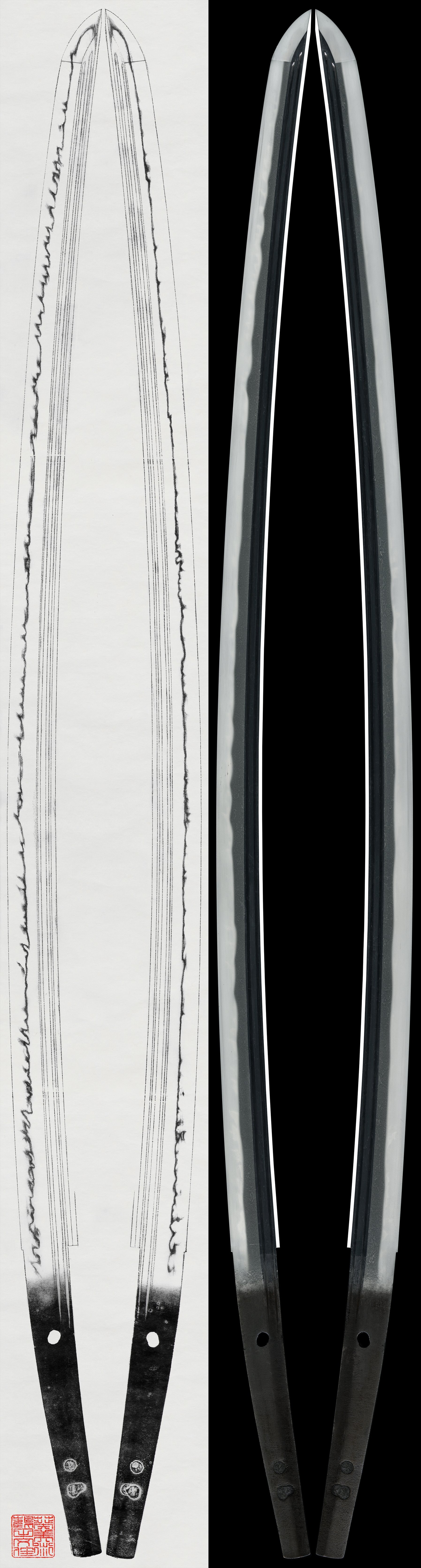
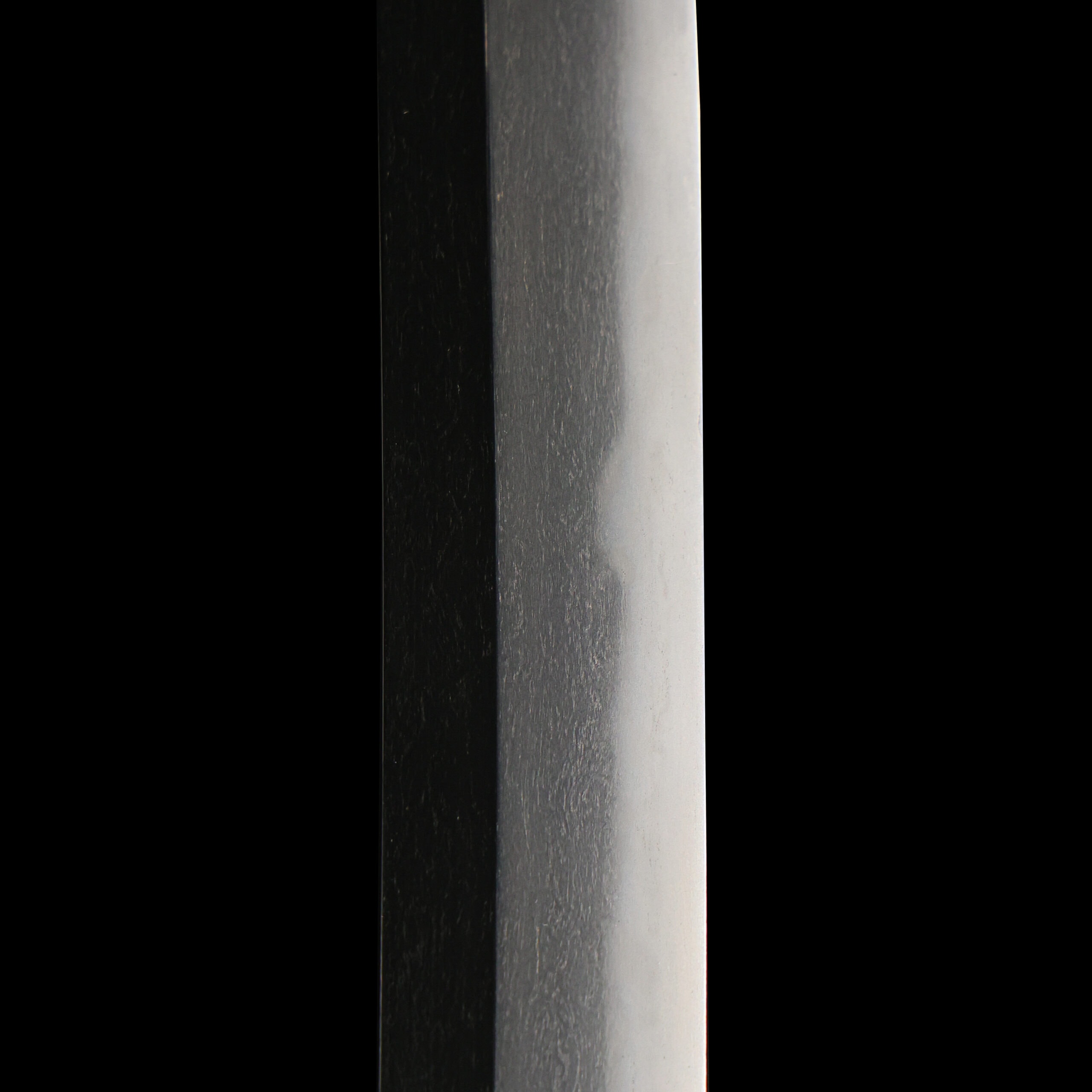
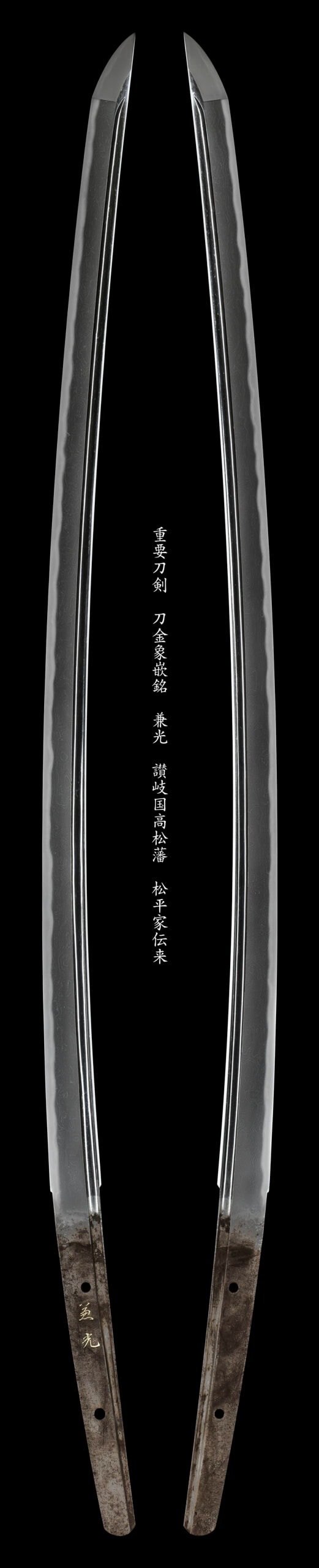
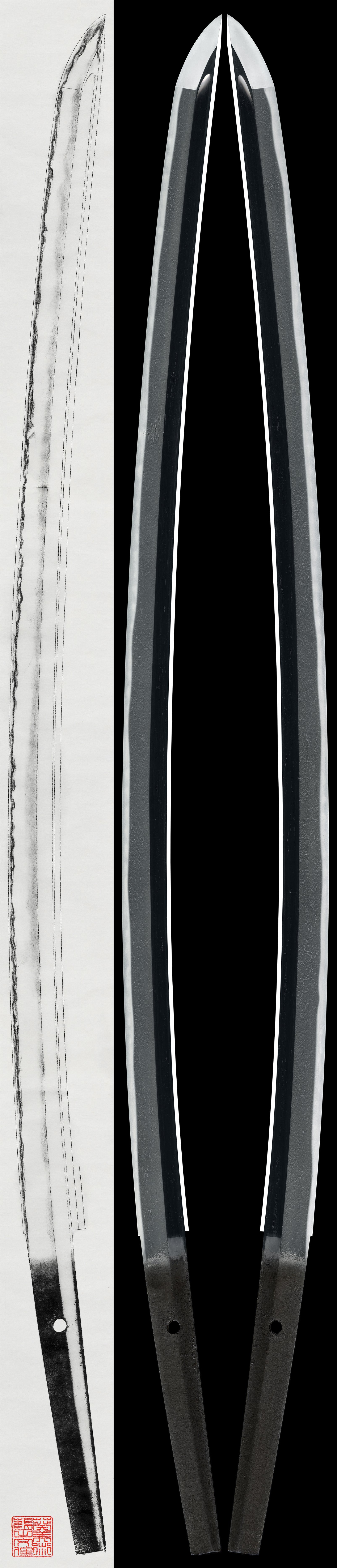
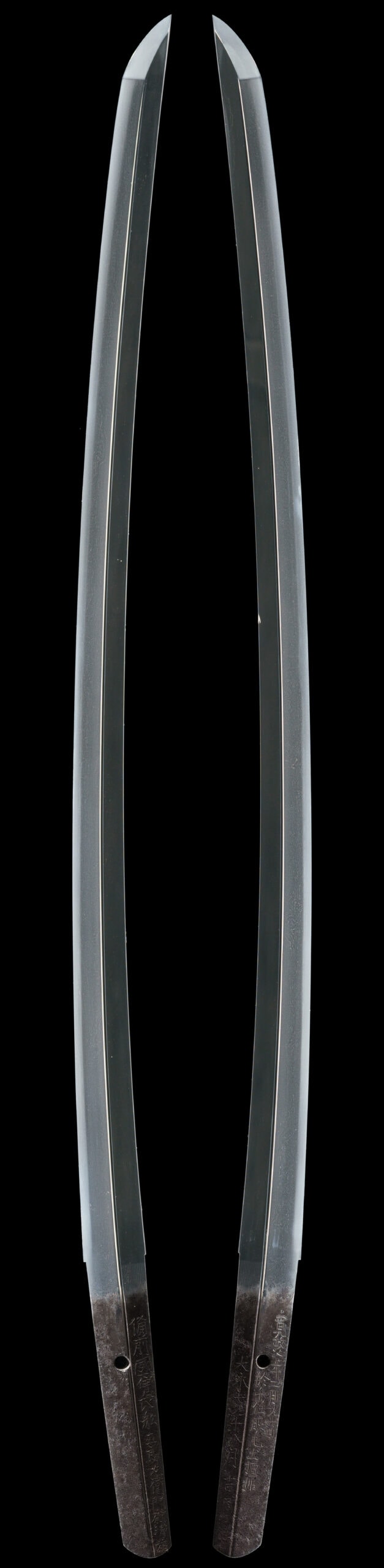
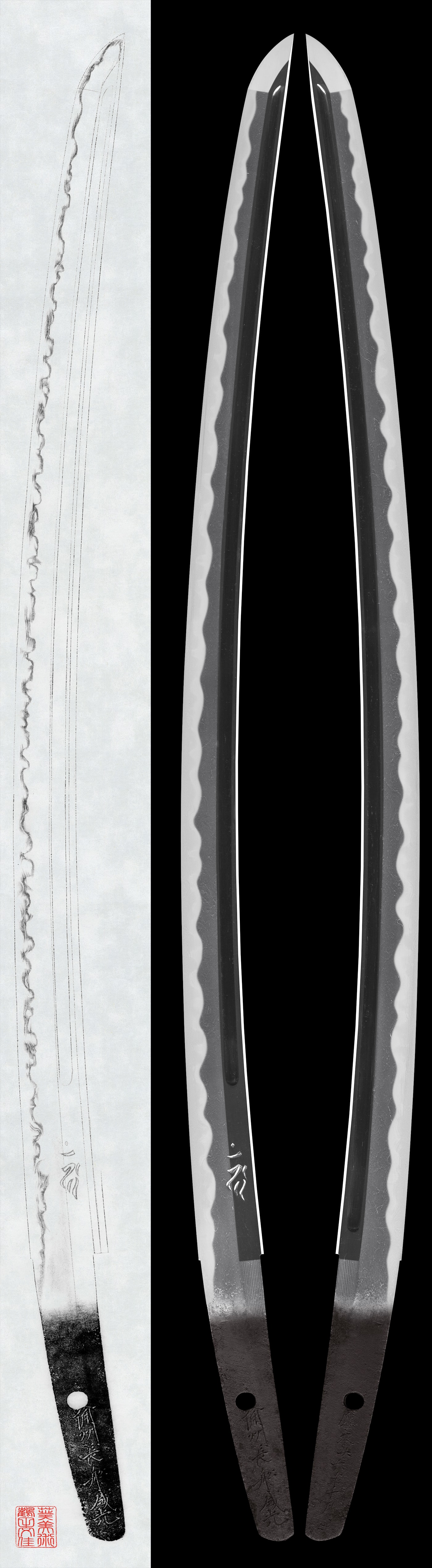
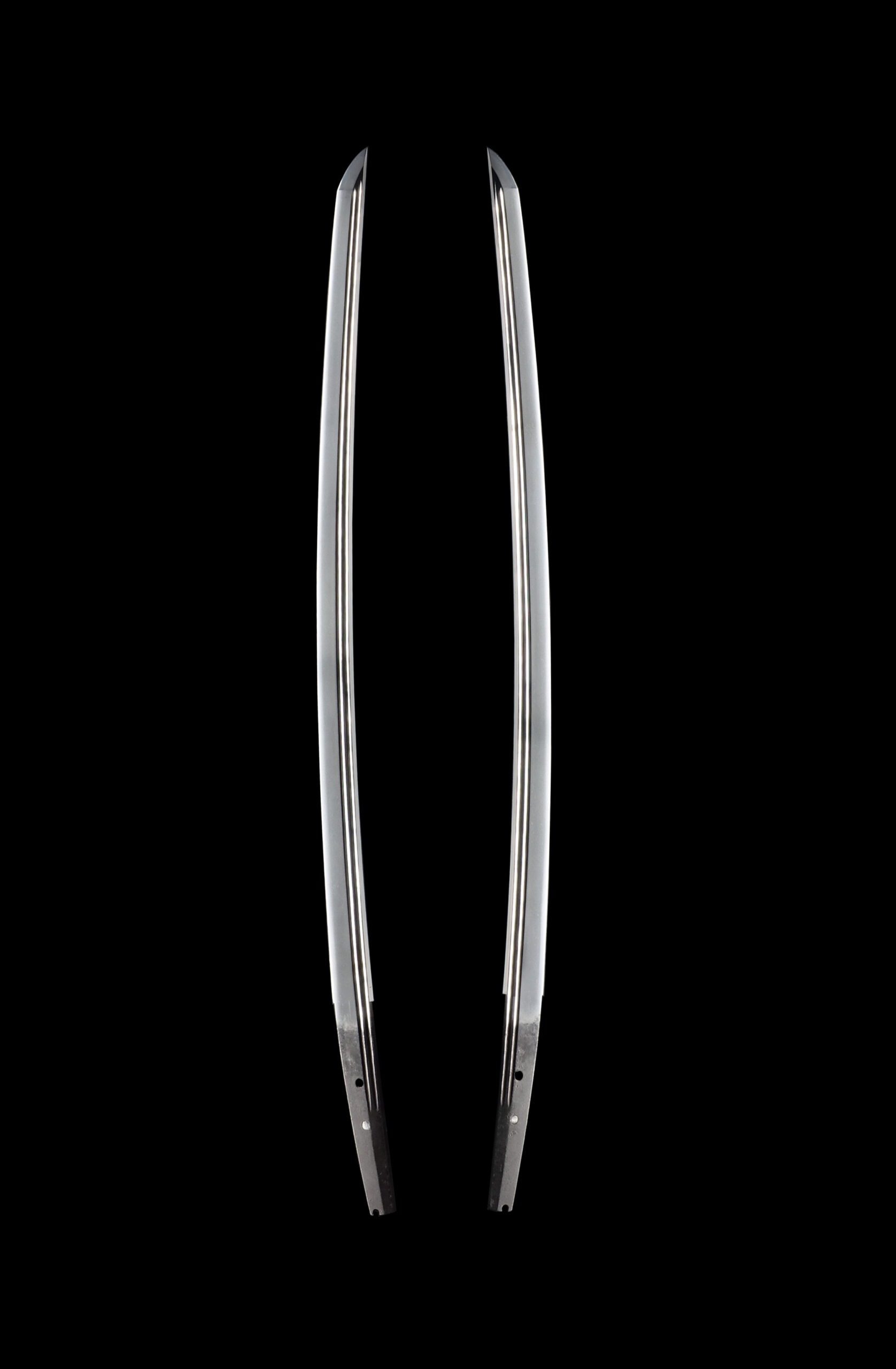
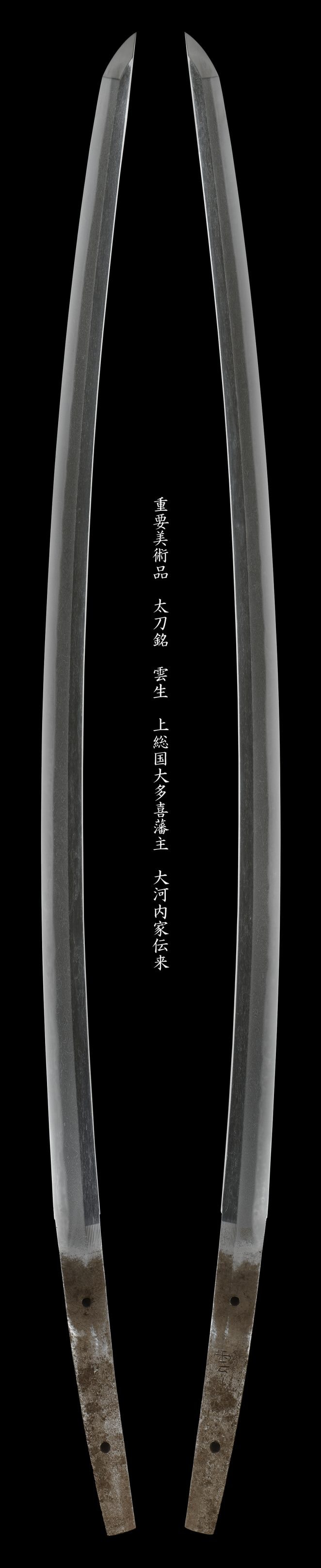
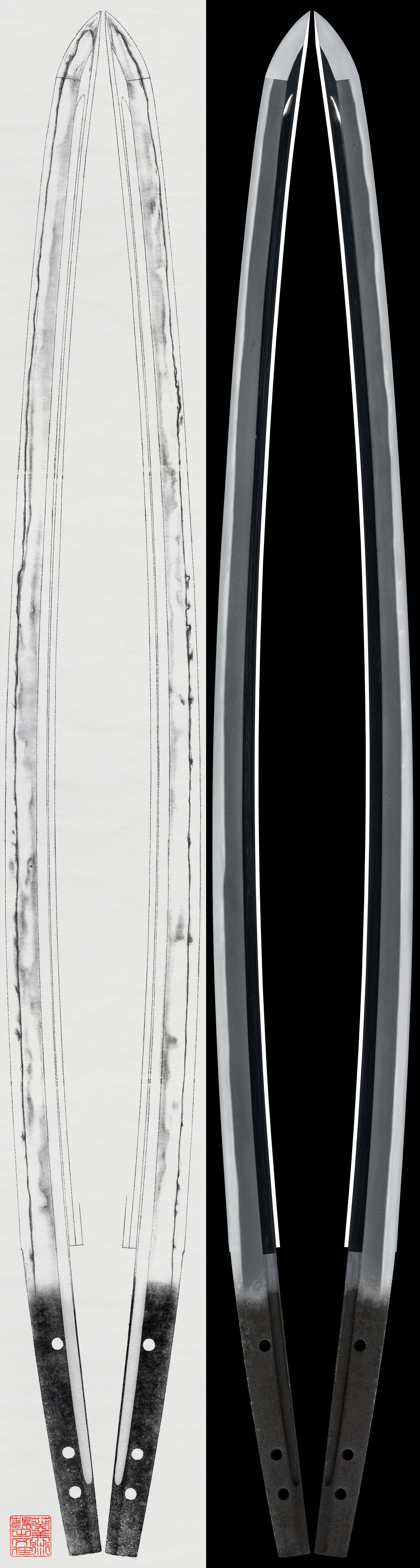
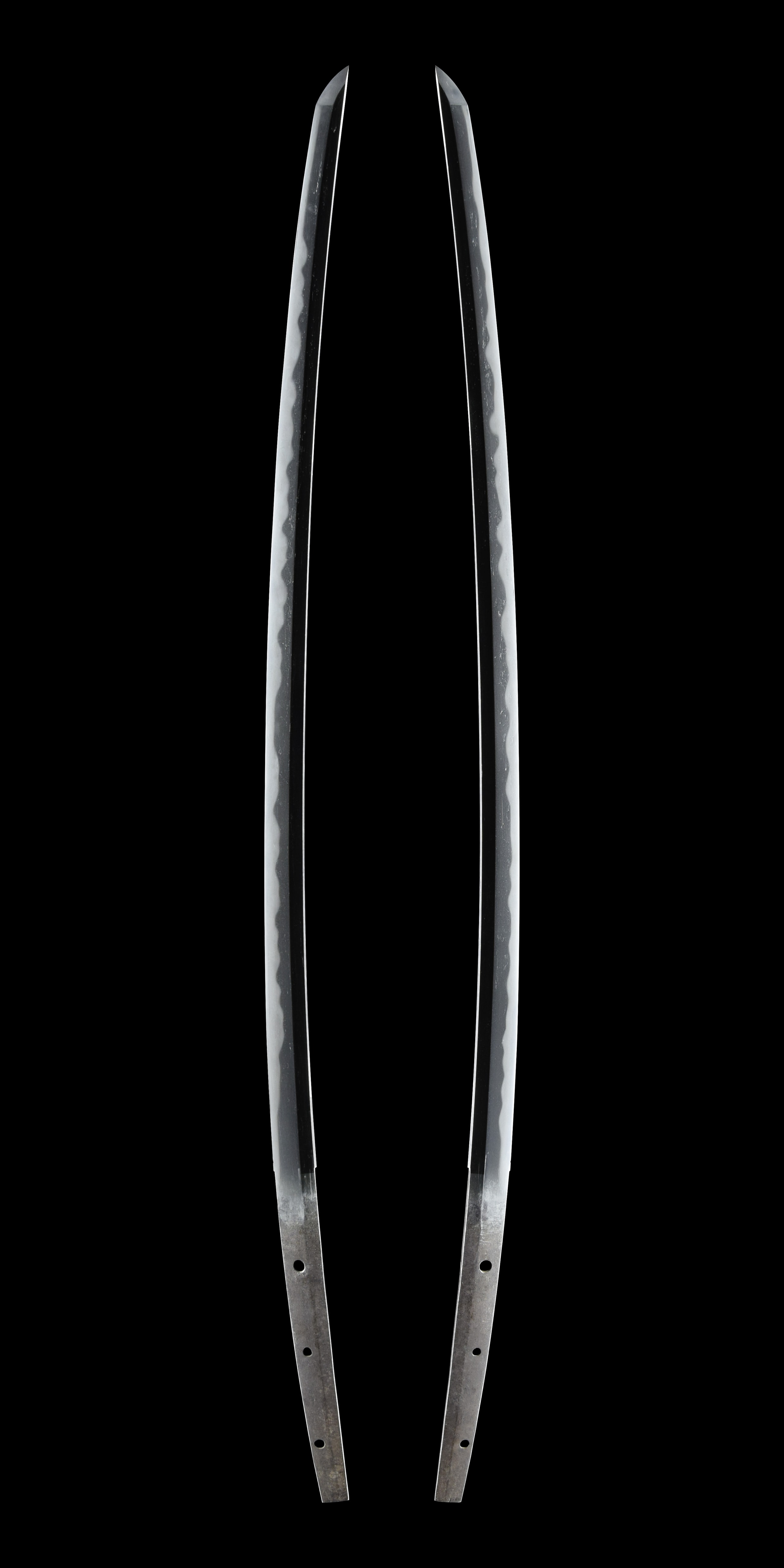
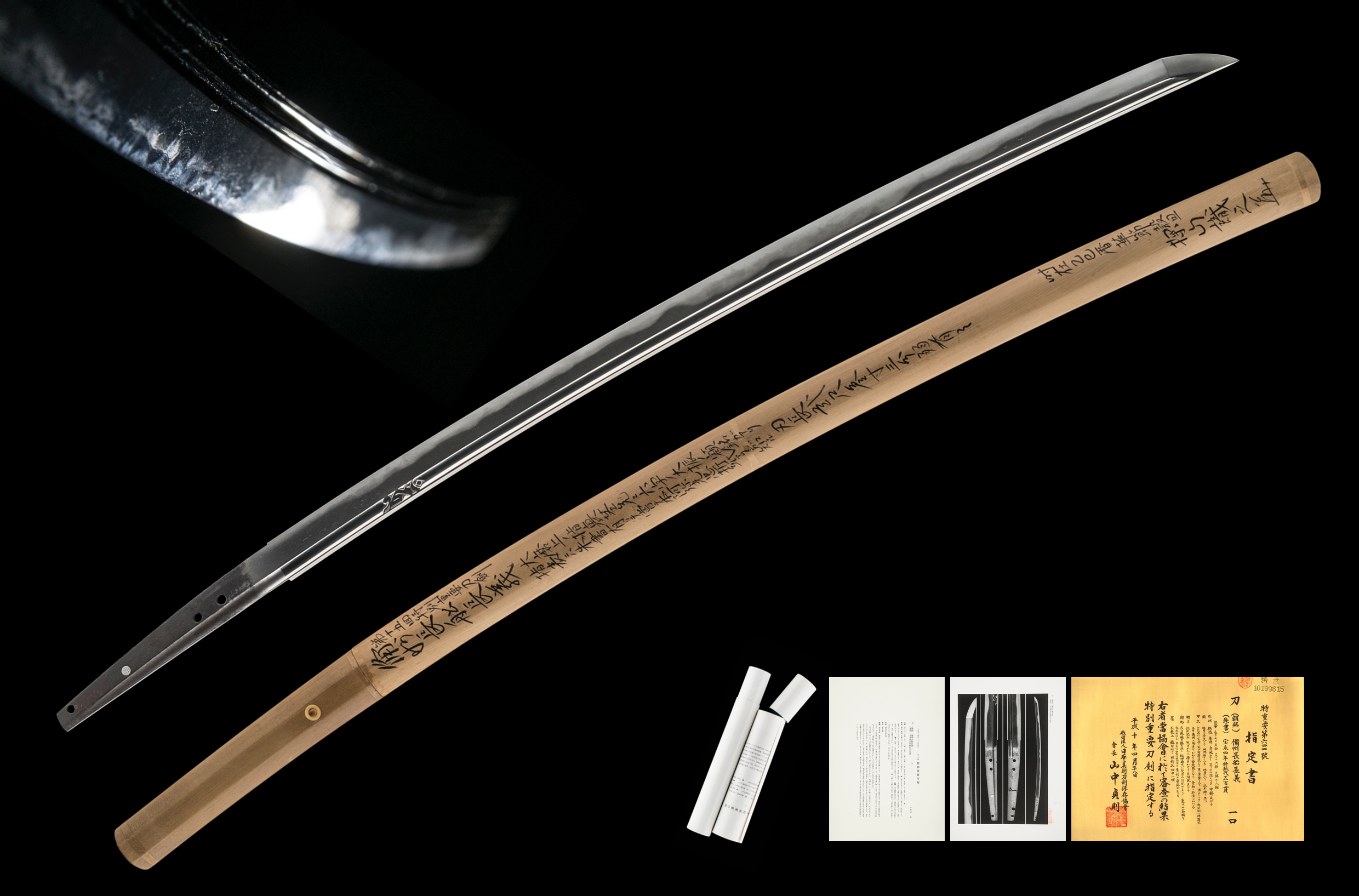
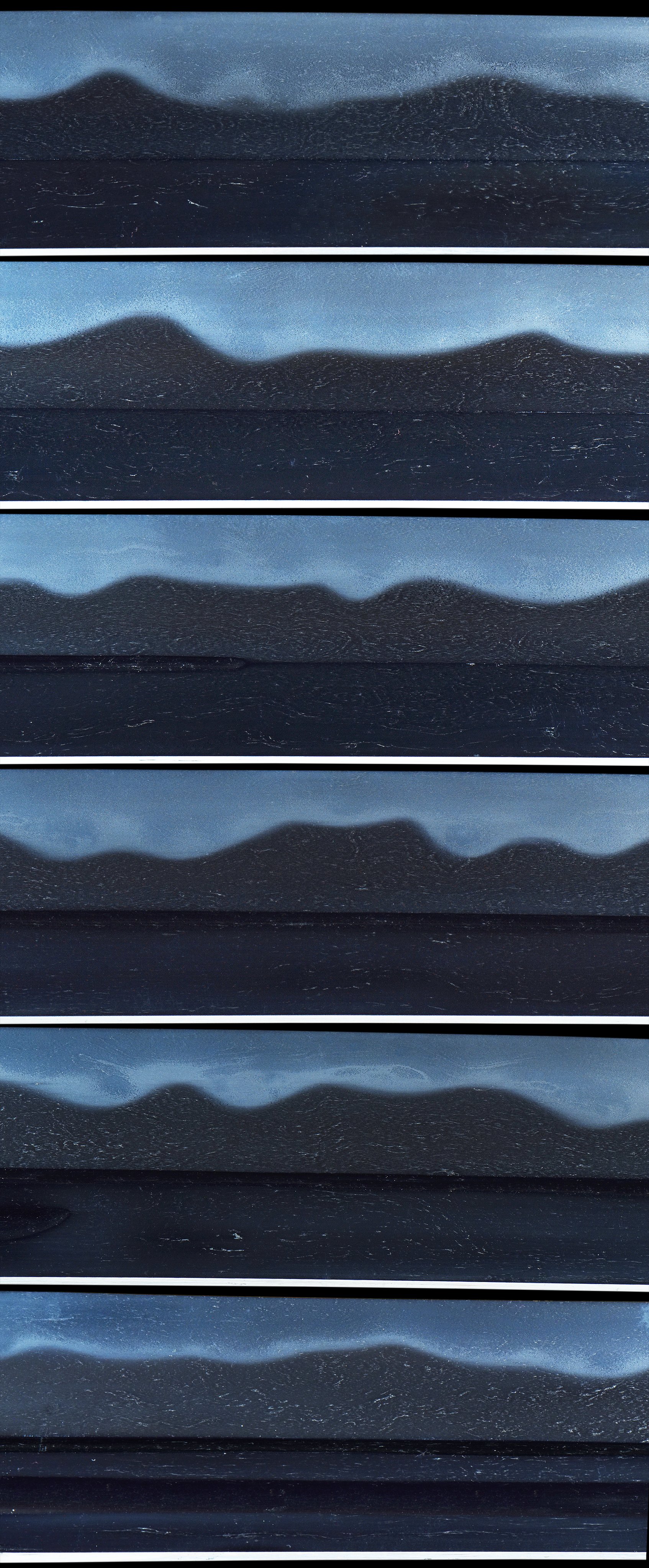
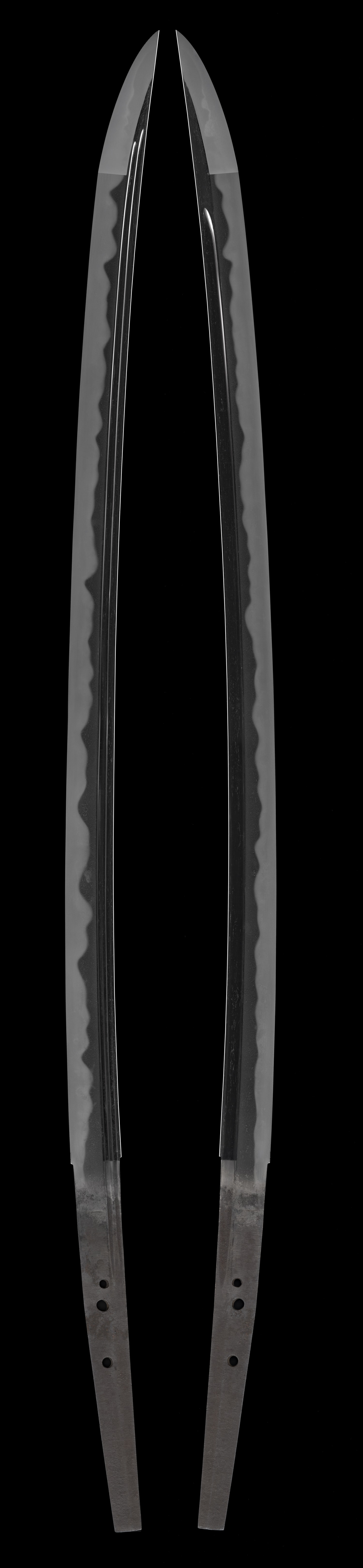
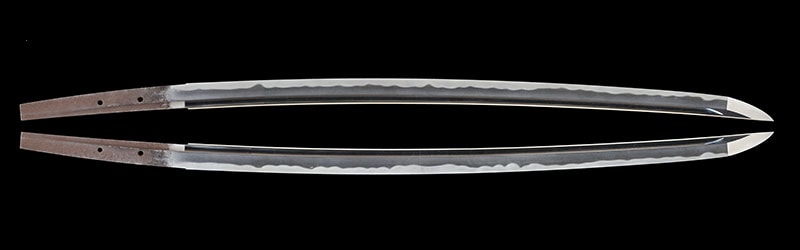
商品番号 UJKA471 – 売約済 長義 大刀 (備州長船長義) 長船長義は、14世紀半ばの南北朝時代において最も個性的かつ高く評価される刀工の一人です。動乱と作風の変革期であった備前国で活躍した彼は、備前伝の優美さと相州伝の豪放な表現力を融合させた「相伝備前」の中心的旗手となりました。長船光長の子であり、長光や景光といった長船主流派とは異なる系統に属しますが、古来「正宗十哲」の一人に数えられており、その作風が後世にいかに尊ばれてきたかを物語っています。同時代の兼光と比較して、兼光が「梅の花」に例えられるのに対し、長義は「満開の桜」と評されます。その華やかな刃文と覇気に満ちた作風を実に見事に言い表した比喩といえるでしょう。 本作は、長義のダイナミックな作風の真髄を余すところなく伝えています。地肌は板目に木目が交じり、地景が豊富に入り、厚くついた地沸と乱れ映りが華を添えています。刃文は沸の厚い荒めののたれに丁子や互乃目が交じり、足、葉が入り、明るく冴えた沸が充満しています。所々で沸が激しく裂けるような沸崩れを見せ、物打付近には湯走りや二重刃、焼落としが混じり、皆焼を思わせる華麗な様相を呈しています。さらに力強い金筋や砂流しが刀身を駆け、帽子は激しく掃き掛けて火焔となります。彫物は表裏に棒樋と連樋を掻き通し、身幅には梵字と素剣の彫物があり、その痕跡は茎にまで及んでいます。 本刀は長大な太刀を切り詰めた大磨上げながら、元の銘を切り取って現在の茎に埋め込んだ「額銘」としてその銘を遺しています。これは長義の名を後世に伝えるための深い敬意の表れといえます。また、茎の裏には本阿弥光忠(1654-1725)による宝永四年(1707年)の鑑定結果を示す朱銘が施されています。
 NihontoWatch
在銘 · Osafune School, Bizen Province (sôden-Bizen Tradition) · 古刀〜南北朝 · 長さ 70.5cm · 反り 1.6cm
Chogi (Soden-Bizen) · 備前 · 1356-1379頃
藤代 最上作
現在1点販売中
長義は南北朝時代を代表する備前の名工であり、相伝備前と呼称される同時代の多くの備前鍛冶の中で、公刊された資料が繰り返し「兼光と並んで傑れた技術を示す刀工」[[c:1]]と記す存在である。一説に長船真長の後裔と伝え、現存する作刀の年紀は貞和より康暦に及び、延文・貞治の最盛期に活躍した。その作風には匂勝ちのものと地刃の沸が強いものとの両様があり、殊に後者の作例は、兼光以上に相州伝が強調されたために、古来「備前刀の中で最も備前ばなれした刀工は長義也」[[c:2]]と称されてきた。
まず見るべきは借り物の似寄りではなく、この工自身の典型の手である。のたれを基調に、大きな互の目・丁子・角ばる刃・尖りごころの刃が密に交じり、処々のたれの頭が二つ寄り合って耳の形に連なる。これがいわゆる耳形の刃で、資料がこの工の見どころとして名指すものである。ある脇指の説明では「耳形の刃を交えた湾れ調の刃文はこの工の典型的なもの」[[c:3]]と評され、ある短刀では「のたれ刃の頭が二つに割れた「耳形の刃」[[c:4]]」と記される。これこそ最も確かな長義の見どころであり、在銘・極めを問わず諸作に共通して現れる。
刃中の働きは豊富で相州の気が濃い。足・葉よく入り、沸が厚くやや叢につき、金筋・砂流しかかり、飛焼・湯走りを交えて、匂口は明るく、また処々沈みごころとなる。沸の強い作では兼光以上に相州伝が強調されると評されるが、それでも備前の足場を失わず、丁子や山形の乱れが極めを国に繋ぎ止める。
地鉄がこれに応える。板目は肌立ちごころに、地沸厚くつき、地景よく入り、相州の沸の下に淡く、あるいは鮮やかに乱れ映りが立つ。相州の沸を、なお映りを放つ備前の地鉄に重ねるこの二重性こそ、長義を一見して読ませる。帽子は乱れ込み、尖りごころに掃きかけ、処々突き上げて先短く小丸に返るなど、力強く起伏に富む。
姿は南北朝の堂々たる体配で、身幅広く元先の幅差目立たず、反り浅く大鋒に結び、豪壮で大振りである。現存の多くは大磨上無銘の大太刀の磨上で、延文・貞治型の時代色をよく残し、在銘には沸豊かな短刀や応安の年紀ある短刀もある。白眉は山姥切長義、重要文化財にして堀川国広が写したことで名高いが、これは説明書外の伝来史である。
収集の観点では、長義はこれほどの名としては比較的手が届く。藤代の極めは最上作、国宝はないが、白眉は重要文化財で五口を数え、相当数が特別重要刀剣・重要刀剣の折紙を帯び、特別重要は三十二口に及ぶ。伝来も名高く、水戸徳川家・紀州徳川家に伝わり、信濃国飯田藩主堀家や伊東巳代治の旧蔵を経た一口もある。公私の収蔵に分かれ、長義が世に出るのは稀で、その折には大いなる入手となる。
長義の位置づけを、日本刀全体および伝統・時代・時期ごとに示します。各位(随一・屈指・有数・著名)は、NBTHK および文化庁による指定に加え、三作や名物帳などの歴史的栄誉を加味したものです。
各項目を選ぶと評価方法が表示されます。
在銘年紀作が示す、確実に活動していた年代
備前伝
時期区分: 相伝備前· 1330–1394
現在8点販売中
相伝備前 相伝備前とは、南北朝時代の備前国長船派にあって、相州伝の作風を加味した一群の刀工およびその作風期を指す呼称である。景光に続く長船派の嫡流たる兼光をはじめ、兼光と並んで傑れた技術を示すとされる長義、その門と伝える兼長、兼光門下の一人にして一説に兼光の弟とも伝える倫光、さらに兼光や長義とは別系統で青江気質を窺わせる元重、長船傍系と目される義景など、多くの備前鍛冶がこの時期に活躍した。兼光の現存する年紀作は鎌倉時代末期の元亨元年から南北朝期の貞治に及ぶ約四十五年に亘り、その南北朝時代初期の康永頃までの作は姿が尋常で父景光風を踏襲した感があるが、貞和・観応頃から姿が大柄となり、それまでになかったのたれ主調の刃文が出現する。長義は「備前刀の中で最も備前ばなれした刀工は長義也」と古来称され、相州伝を強く加味した作風で知られる。長船における正系の技量を継承しつつ、隣国相模の作風を取り込んだ点に、この作風期の独自性が存する。 作風は、まず体配において南北朝期の時代色を色濃く反映する。身幅が広く元先の幅差が目立たず、重ね頃合、大鋒に結ぶ堂々たる姿で、延文・貞治頃を最盛期とする雄渾なる体配を示す。鍛えは板目に杢を交え、総じてよく錬れて地沸つき、地景入り、乱れ映りが立つのを常とする。この乱れ映りは、相州伝の色彩を帯びながらも備前気質を表出する標識であり、相伝備前と鑑する重要な拠所となる。刃文は兼光・倫光においてはおおどかなのたれを主調に互の目・小互の目・角ばる刃・尖りごころの刃などを交え、匂勝ちに小沸つき、単調とならず変化を見せる。一方、長義・兼長においては、のたれ基調に丁子風の刃や腰開きの刃を交えて大模様に華やかに乱れ、よく沸づき、金筋・砂流し頻りにかかり、湯走り・飛焼を見せるなど、地刃の沸が一段と強い出来口を示す。元重は鍛えに流れ柾や地斑を交え、刃文に角ばる互の目が目立ち、逆がかり、逆足・葉を交えて帽子が尖るなど、青江気質を窺わせる点に同工一派の見どころがある。 評価としては、相州伝の影響が単に備前の伝統を駆逐したのではなく、長船の作域を著しく拡大せしめた点に、この作風期の歴史的意義が認められる。精錬の良さは際立ち、肌模様に緩みや荒れが看取されず、長船派棟梁としての鍛錬の妙味が遺憾なく発揮されている。匂口は明るく冴え、保存状態の健全な作が多く、備前の華やかさと強さを存分に堪能できる。兼光が先駆けたおおどかな乱れ、長義の放胆にして個性的な大乱れは、いずれも南北朝期長船を代表する達成として賞される。在銘の年紀作に乏しく無銘の極め物が多いものの、年紀を有する生ぶ茎の遺存例は資料的価値が頗る高く、後世には『集古十種』所載の名品や本阿弥折紙を伴う伝来品も知られる。相伝備前は、備前と相州という二大伝法が融合した到達点として、日本刀の歴史に重きをなすものである。 詳しく見る →
南北朝時代の備前
二つの朝廷が争った六十年、刀身は長大化し、長船がその需要に応えた。兼光と長義の工房は実際に戦う国人層の武士に仕え、軍勢とともに相州風が届いて相伝備前が生まれた。
重要刀剣の中でも出来が際立ち、資料的価値が極めて高く、国指定の重要文化財に準ずると判断された、NBTHK鑑定の最高位です。
最高峰であり、特別重要刀剣に到達した刀剣はわずか1,211口、登録刀剣の約2,064口に1口にすぎません。
日本美術刀剣保存協会(NBTHK)は、1948年に設立され、文化庁の監督を受ける公益財団法人で、東京・刀剣博物館に本部を置きます。専門の審査員が出品作を直接審査し、美術的・歴史的価値に応じた鑑定書を発行します。NBTHKの鑑定書は、日本刀および刀装具の真正性を示す最も広く認知された基準です。
NBTHK公式サイトAll swords come with a three-day inspection period beginning from the date of delivery. If not satisfied, the sword may be returned within this period for a full refund of the purchase price. Outside of this period, all sales are final. Swords purchased on a layaway payment plan are not eligible for the three-day inspection period.
商品番号 UJKA471 – 売約済 長義 大刀 (備州長船長義) 長船長義は、14世紀半ばの南北朝時代において最も個性的かつ高く評価される刀工の一人です。動乱と作風の変革期であった備前国で活躍した彼は、備前伝の優美さと相州伝の豪放な表現力を融合させた「相伝備前」の中心的旗手となりました。長船光長の子であり、長光や景光といった長船主流派とは異なる系統に属しますが、古来「正宗十哲」の一人に数えられており、その作風が後世にいかに尊ばれてきたかを物語っています。同時代の兼光と比較して、兼光が「梅の花」に例えられるのに対し、長義は「満開の桜」と評されます。その華やかな刃文と覇気に満ちた作風を実に見事に言い表した比喩といえるでしょう。 本作は、長義のダイナミックな作風の真髄を余すところなく伝えています。地肌は板目に木目が交じり、地景が豊富に入り、厚くついた地沸と乱れ映りが華を添えています。刃文は沸の厚い荒めののたれに丁子や互乃目が交じり、足、葉が入り、明るく冴えた沸が充満しています。所々で沸が激しく裂けるような沸崩れを見せ、物打付近には湯走りや二重刃、焼落としが混じり、皆焼を思わせる華麗な様相を呈しています。さらに力強い金筋や砂流しが刀身を駆け、帽子は激しく掃き掛けて火焔となります。彫物は表裏に棒樋と連樋を掻き通し、身幅には梵字と素剣の彫物があり、その痕跡は茎にまで及んでいます。 本刀は長大な太刀を切り詰めた大磨上げながら、元の銘を切り取って現在の茎に埋め込んだ「額銘」としてその銘を遺しています。これは長義の名を後世に伝えるための深い敬意の表れといえます。また、茎の裏には本阿弥光忠(1654-1725)による宝永四年(1707年)の鑑定結果を示す朱銘が施されています。
NihontoWatch在銘 · Osafune School, Bizen Province (sôden-Bizen Tradition) · 古刀〜南北朝 · 長さ 70.5cm · 反り 1.6cm
Chogi (Soden-Bizen) · 備前 · 1356-1379頃
藤代 最上作
現在1点販売中
長義は南北朝時代を代表する備前の名工であり、相伝備前と呼称される同時代の多くの備前鍛冶の中で、公刊された資料が繰り返し「兼光と並んで傑れた技術を示す刀工」[[c:1]]と記す存在である。一説に長船真長の後裔と伝え、現存する作刀の年紀は貞和より康暦に及び、延文・貞治の最盛期に活躍した。その作風には匂勝ちのものと地刃の沸が強いものとの両様があり、殊に後者の作例は、兼光以上に相州伝が強調されたために、古来「備前刀の中で最も備前ばなれした刀工は長義也」[[c:2]]と称されてきた。
まず見るべきは借り物の似寄りではなく、この工自身の典型の手である。のたれを基調に、大きな互の目・丁子・角ばる刃・尖りごころの刃が密に交じり、処々のたれの頭が二つ寄り合って耳の形に連なる。これがいわゆる耳形の刃で、資料がこの工の見どころとして名指すものである。ある脇指の説明では「耳形の刃を交えた湾れ調の刃文はこの工の典型的なもの」[[c:3]]と評され、ある短刀では「のたれ刃の頭が二つに割れた「耳形の刃」[[c:4]]」と記される。これこそ最も確かな長義の見どころであり、在銘・極めを問わず諸作に共通して現れる。
刃中の働きは豊富で相州の気が濃い。足・葉よく入り、沸が厚くやや叢につき、金筋・砂流しかかり、飛焼・湯走りを交えて、匂口は明るく、また処々沈みごころとなる。沸の強い作では兼光以上に相州伝が強調されると評されるが、それでも備前の足場を失わず、丁子や山形の乱れが極めを国に繋ぎ止める。
地鉄がこれに応える。板目は肌立ちごころに、地沸厚くつき、地景よく入り、相州の沸の下に淡く、あるいは鮮やかに乱れ映りが立つ。相州の沸を、なお映りを放つ備前の地鉄に重ねるこの二重性こそ、長義を一見して読ませる。帽子は乱れ込み、尖りごころに掃きかけ、処々突き上げて先短く小丸に返るなど、力強く起伏に富む。
姿は南北朝の堂々たる体配で、身幅広く元先の幅差目立たず、反り浅く大鋒に結び、豪壮で大振りである。現存の多くは大磨上無銘の大太刀の磨上で、延文・貞治型の時代色をよく残し、在銘には沸豊かな短刀や応安の年紀ある短刀もある。白眉は山姥切長義、重要文化財にして堀川国広が写したことで名高いが、これは説明書外の伝来史である。
収集の観点では、長義はこれほどの名としては比較的手が届く。藤代の極めは最上作、国宝はないが、白眉は重要文化財で五口を数え、相当数が特別重要刀剣・重要刀剣の折紙を帯び、特別重要は三十二口に及ぶ。伝来も名高く、水戸徳川家・紀州徳川家に伝わり、信濃国飯田藩主堀家や伊東巳代治の旧蔵を経た一口もある。公私の収蔵に分かれ、長義が世に出るのは稀で、その折には大いなる入手となる。
長義の位置づけを、日本刀全体および伝統・時代・時期ごとに示します。各位(随一・屈指・有数・著名)は、NBTHK および文化庁による指定に加え、三作や名物帳などの歴史的栄誉を加味したものです。
各項目を選ぶと評価方法が表示されます。
在銘年紀作が示す、確実に活動していた年代
備前伝
時期区分: 相伝備前· 1330–1394
現在8点販売中
相伝備前 相伝備前とは、南北朝時代の備前国長船派にあって、相州伝の作風を加味した一群の刀工およびその作風期を指す呼称である。景光に続く長船派の嫡流たる兼光をはじめ、兼光と並んで傑れた技術を示すとされる長義、その門と伝える兼長、兼光門下の一人にして一説に兼光の弟とも伝える倫光、さらに兼光や長義とは別系統で青江気質を窺わせる元重、長船傍系と目される義景など、多くの備前鍛冶がこの時期に活躍した。兼光の現存する年紀作は鎌倉時代末期の元亨元年から南北朝期の貞治に及ぶ約四十五年に亘り、その南北朝時代初期の康永頃までの作は姿が尋常で父景光風を踏襲した感があるが、貞和・観応頃から姿が大柄となり、それまでになかったのたれ主調の刃文が出現する。長義は「備前刀の中で最も備前ばなれした刀工は長義也」と古来称され、相州伝を強く加味した作風で知られる。長船における正系の技量を継承しつつ、隣国相模の作風を取り込んだ点に、この作風期の独自性が存する。 作風は、まず体配において南北朝期の時代色を色濃く反映する。身幅が広く元先の幅差が目立たず、重ね頃合、大鋒に結ぶ堂々たる姿で、延文・貞治頃を最盛期とする雄渾なる体配を示す。鍛えは板目に杢を交え、総じてよく錬れて地沸つき、地景入り、乱れ映りが立つのを常とする。この乱れ映りは、相州伝の色彩を帯びながらも備前気質を表出する標識であり、相伝備前と鑑する重要な拠所となる。刃文は兼光・倫光においてはおおどかなのたれを主調に互の目・小互の目・角ばる刃・尖りごころの刃などを交え、匂勝ちに小沸つき、単調とならず変化を見せる。一方、長義・兼長においては、のたれ基調に丁子風の刃や腰開きの刃を交えて大模様に華やかに乱れ、よく沸づき、金筋・砂流し頻りにかかり、湯走り・飛焼を見せるなど、地刃の沸が一段と強い出来口を示す。元重は鍛えに流れ柾や地斑を交え、刃文に角ばる互の目が目立ち、逆がかり、逆足・葉を交えて帽子が尖るなど、青江気質を窺わせる点に同工一派の見どころがある。 評価としては、相州伝の影響が単に備前の伝統を駆逐したのではなく、長船の作域を著しく拡大せしめた点に、この作風期の歴史的意義が認められる。精錬の良さは際立ち、肌模様に緩みや荒れが看取されず、長船派棟梁としての鍛錬の妙味が遺憾なく発揮されている。匂口は明るく冴え、保存状態の健全な作が多く、備前の華やかさと強さを存分に堪能できる。兼光が先駆けたおおどかな乱れ、長義の放胆にして個性的な大乱れは、いずれも南北朝期長船を代表する達成として賞される。在銘の年紀作に乏しく無銘の極め物が多いものの、年紀を有する生ぶ茎の遺存例は資料的価値が頗る高く、後世には『集古十種』所載の名品や本阿弥折紙を伴う伝来品も知られる。相伝備前は、備前と相州という二大伝法が融合した到達点として、日本刀の歴史に重きをなすものである。 詳しく見る →
南北朝時代の備前
二つの朝廷が争った六十年、刀身は長大化し、長船がその需要に応えた。兼光と長義の工房は実際に戦う国人層の武士に仕え、軍勢とともに相州風が届いて相伝備前が生まれた。
重要刀剣の中でも出来が際立ち、資料的価値が極めて高く、国指定の重要文化財に準ずると判断された、NBTHK鑑定の最高位です。
最高峰であり、特別重要刀剣に到達した刀剣はわずか1,211口、登録刀剣の約2,064口に1口にすぎません。
日本美術刀剣保存協会(NBTHK)は、1948年に設立され、文化庁の監督を受ける公益財団法人で、東京・刀剣博物館に本部を置きます。専門の審査員が出品作を直接審査し、美術的・歴史的価値に応じた鑑定書を発行します。NBTHKの鑑定書は、日本刀および刀装具の真正性を示す最も広く認知された基準です。
NBTHK公式サイトAll swords come with a three-day inspection period beginning from the date of delivery. If not satisfied, the sword may be returned within this period for a full refund of the purchase price. Outside of this period, all sales are final. Swords purchased on a layaway payment plan are not eligible for the three-day inspection period.

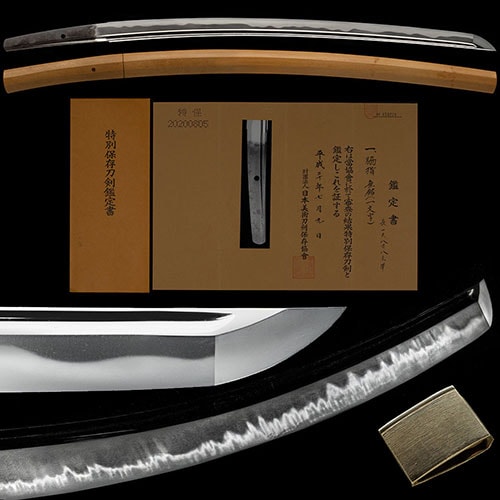
![Katana - 作 長義 - 刀[長義][日本美術刀剣保存協会]特別重要刀剣](/_next/image?url=https%3A%2F%2Fitbhfhyptogxcjbjfzwx.supabase.co%2Fstorage%2Fv1%2Fobject%2Fpublic%2Flisting-images%2Fworld-seiyudo%2FL31895%2F00.jpg&w=2560&q=90)