政権は鎌倉にあったが、美意識はなお京都が定めた。粟田口派の梨子地肌は完璧の代名詞となり、来派は公家にも上級の武家にも大寺にも、堂々たる太刀を納めている。
 NihontoWatchNihontoWatch
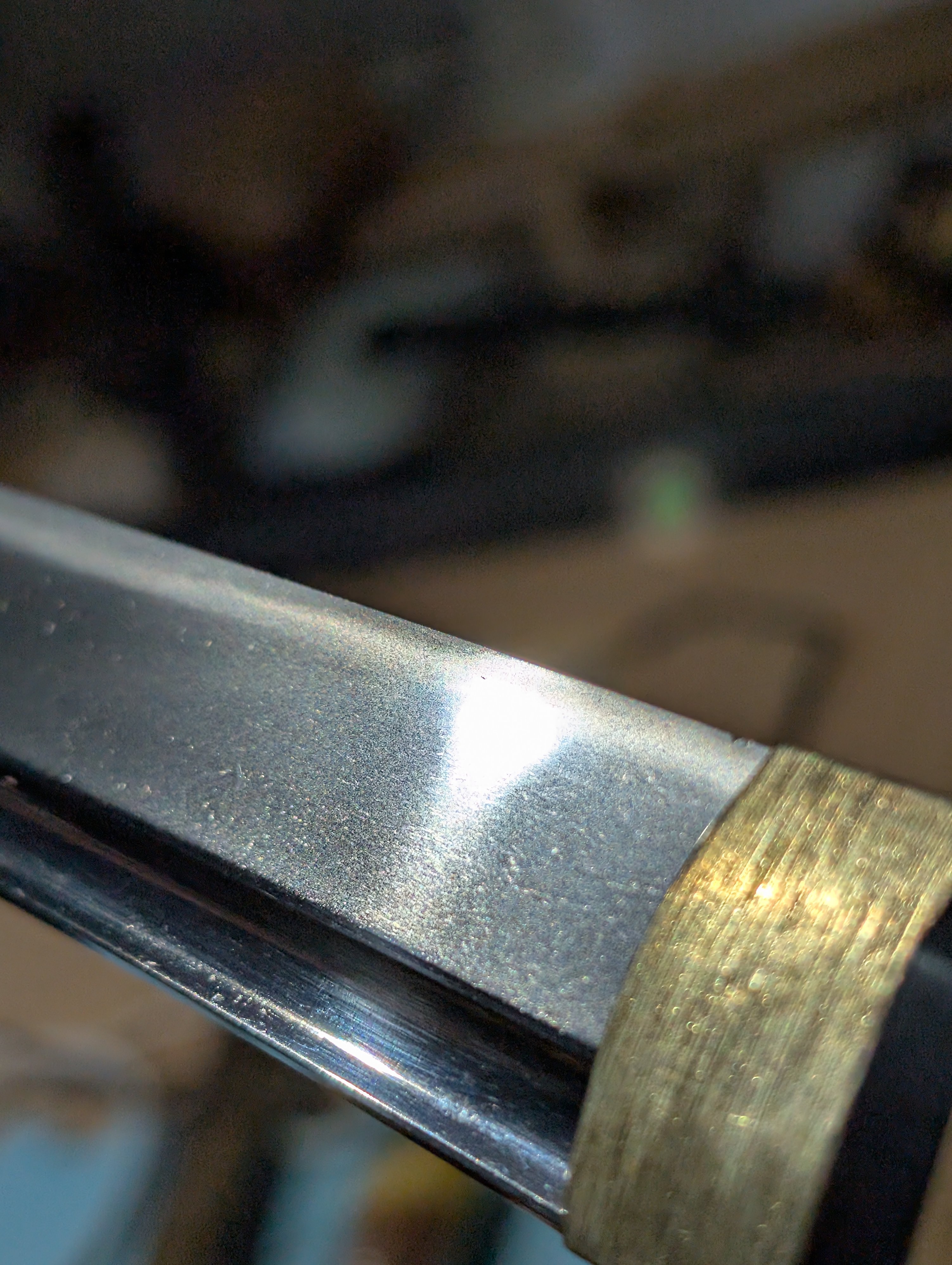
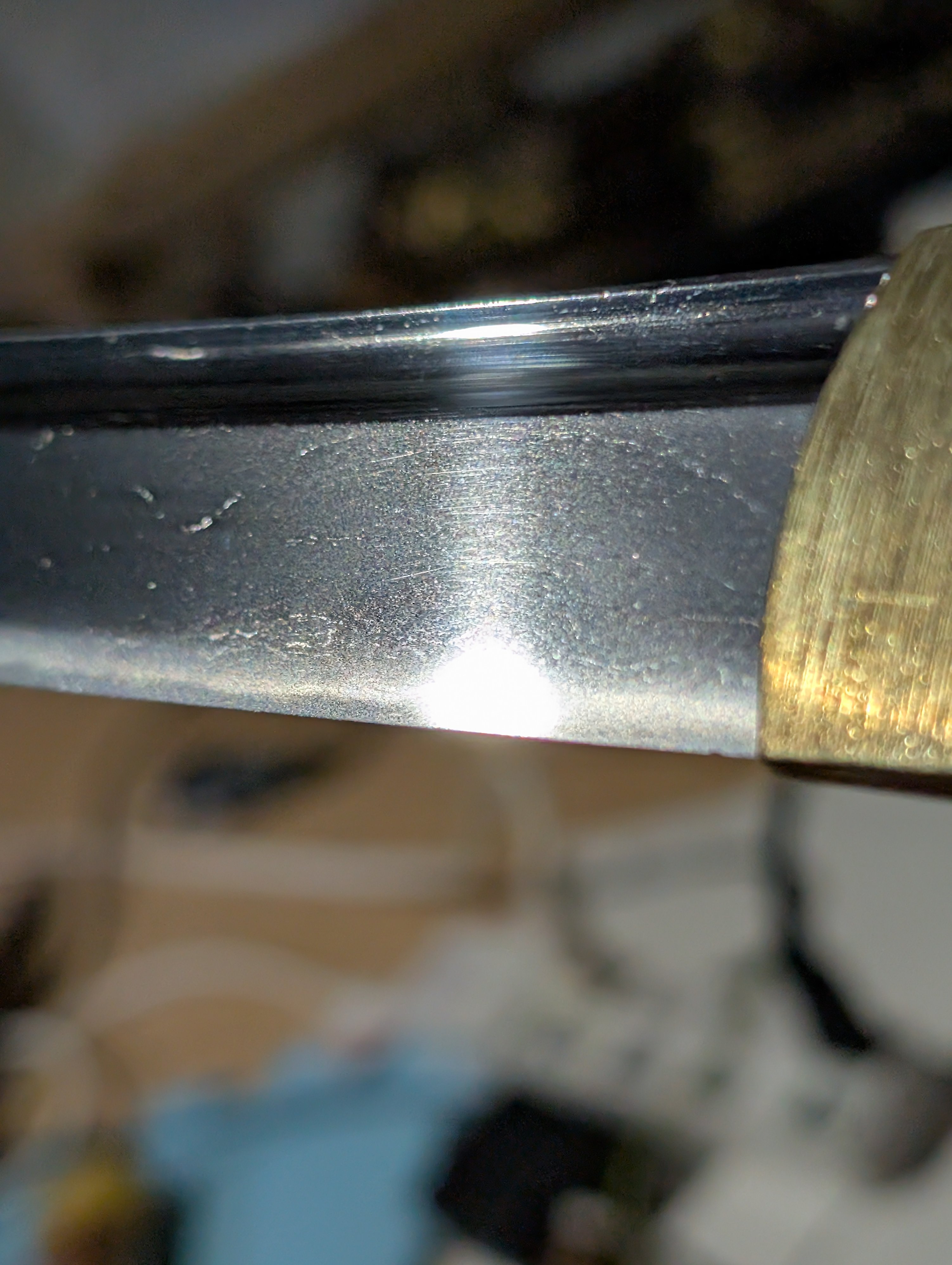
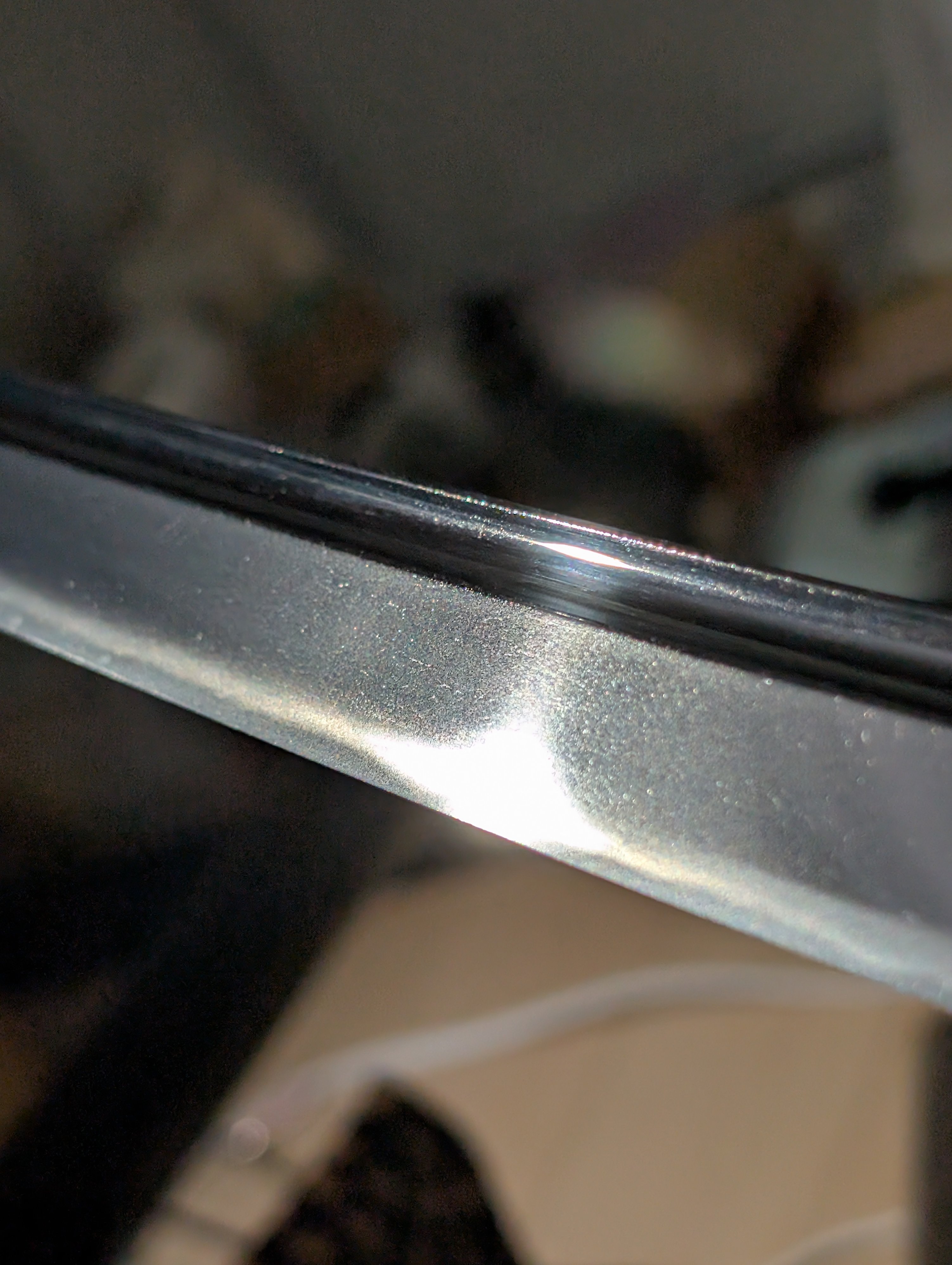
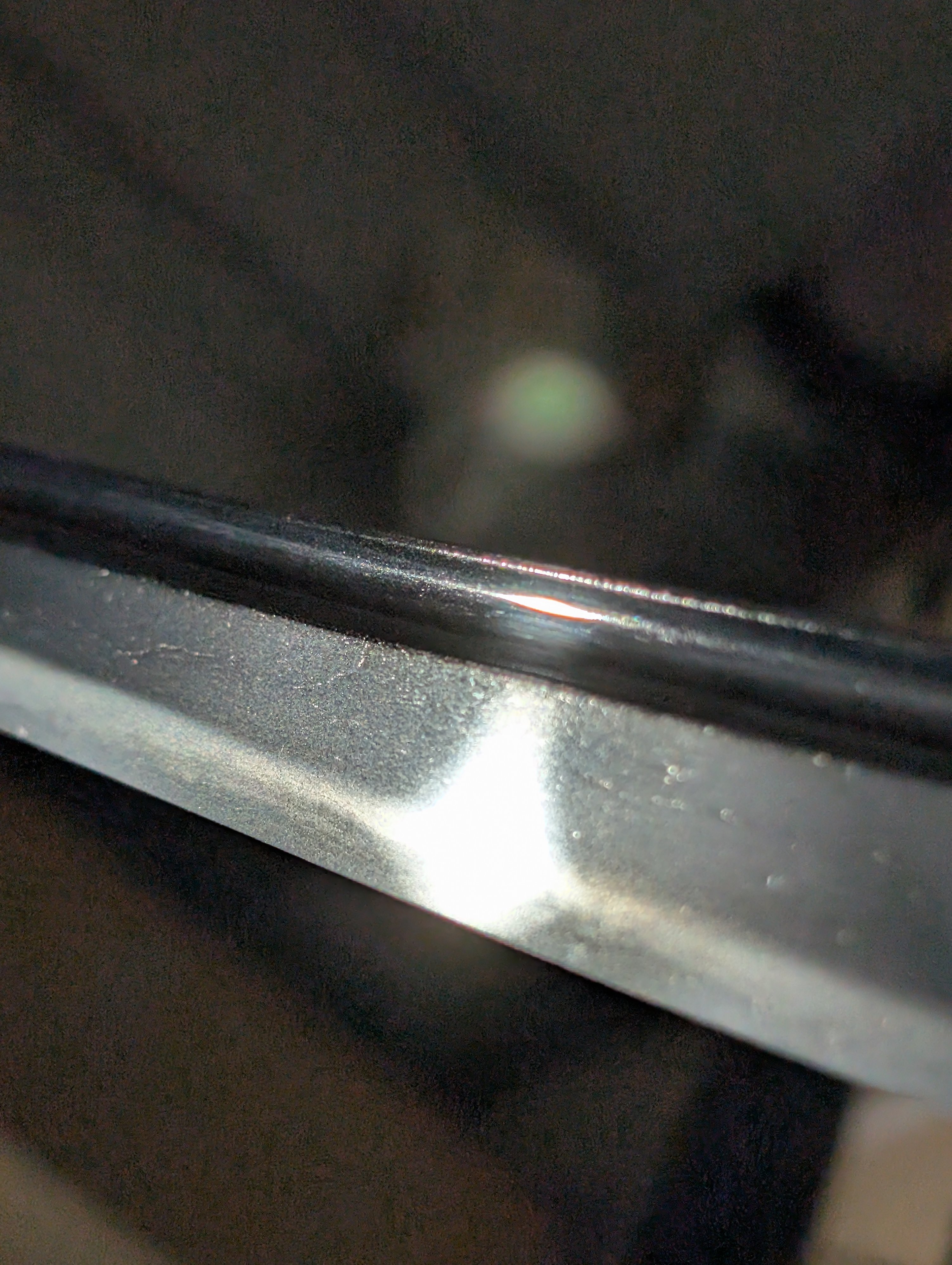
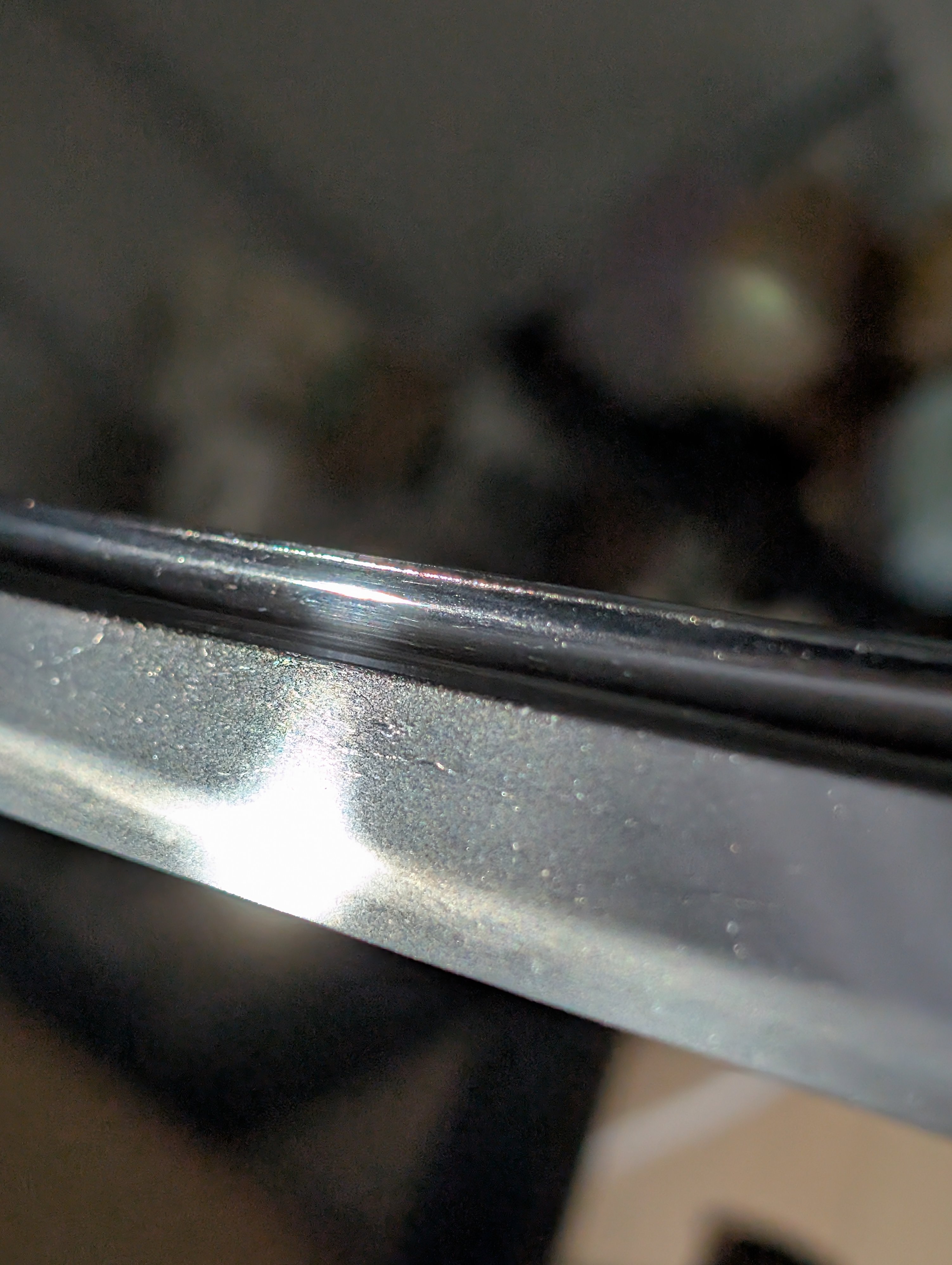
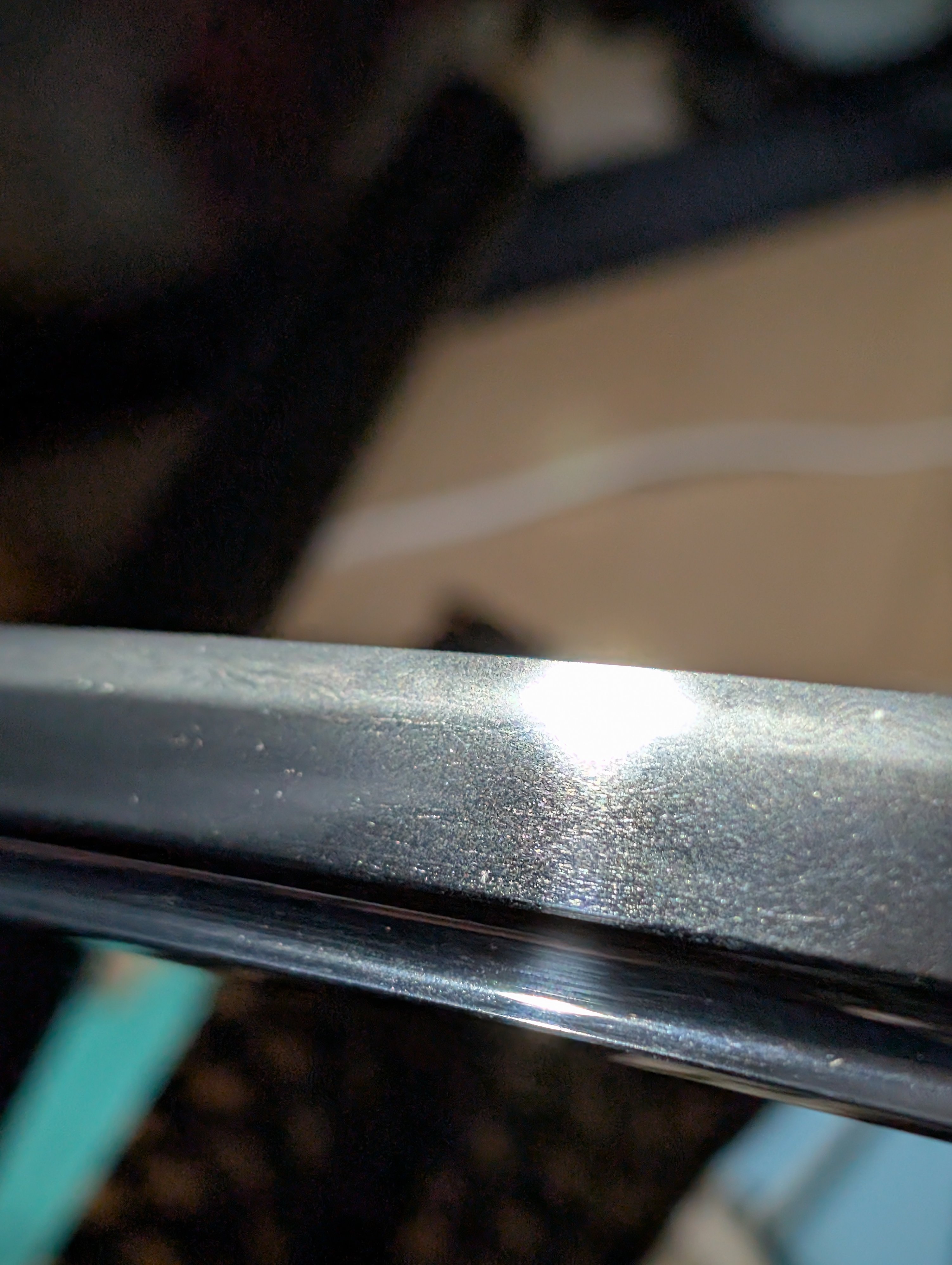
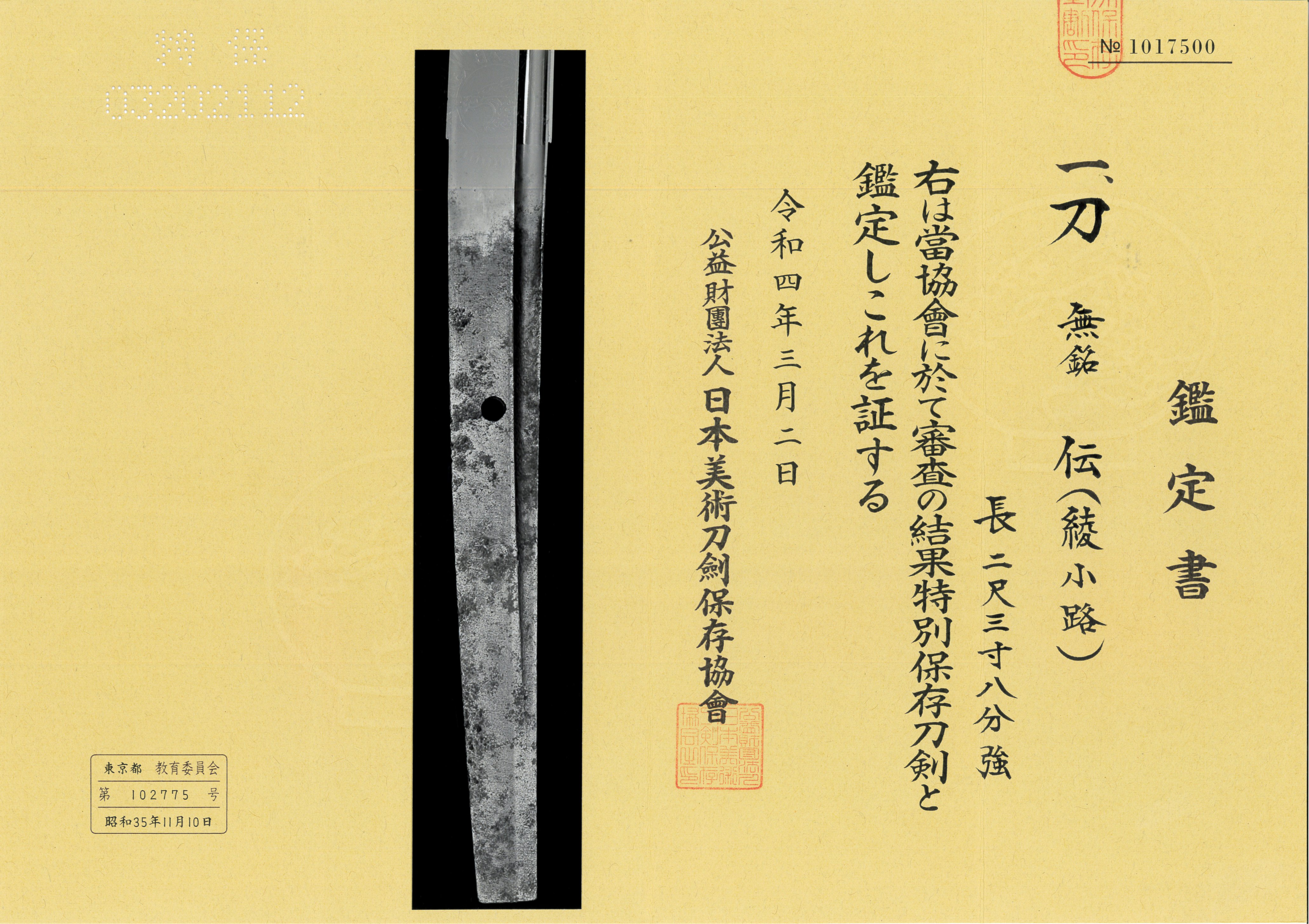
With the decline of the Yamashiro swordsmithing schools, specifically the Sanjo and Gojo Schools, new practices eventually gained prominence, including the Awataguchi School and the Rai School, which guided Kyoto’s swordsmithing tradition toward a period of refinement and innovation. Despite their dominance, however, they were not the only schools to gain fame in the region, as the Ayanokoji School gained similar renown for its work, alongside the close relationship between its founder and the Rai School’s creator. A shortened tachi by the school will be analyzed to determine the depth of their work, alongside their resemblance to the works of their contemporaries. Although greatly shortened, the blade still displays some features typical of the mid-Kamakura Period, including a relatively consistent width throughout, alongside a stubby ikubi-kissaki. A kirikomi battle scar is observed along the ha close to the ha-machi, which may be the cause of the blade’s shortening. Looking to the blade’s metallurgy, the surface grain is composed of an extremely tight ko-itame hada with burls of ko-mokume throughout. The jiba is particularly bright, being exacerbated through both ji-nie and a misty nie-utsuri, with limited chikei breaking apart this monochromy. The hamon is composed of a ko-midare in ko-nie-deki along a suguha base. Despite the subdued form, the temper is extremely active, including ko-ashi, spots of yo, and small spots of uchinoke within the vertical plane. Horizontal nie formations are also apparent, including sunagashi, long lines of kinsuji, and most prominently, niju-ba, which is a defining feature of this school. These formations run throughout the length of the hamon, leading up to the yubashiri formations near the kissaki. These forms foreshadow the termination of the hamon past the yokote, which occurs in the form of a ko-maru boshi with a gentle kaeri. With metallurgical features discussed, relevant measurements will be listed below. The nakago of the blade is o-suriage with a kiri-jiri tip. Although likely signed at one point, due to the blade’s great shortening, no signature is present on the blade’s tang. One mekugi-ana is punched into the nakago, which is strange on account of the blade’s greater shortening. This hole is most likely not the original hole punched, which was lost during shortening. The blade’s shape is in shinogi-zukuri with an iori-mune. This style is the most commonly encountered shape for a Japanese sword, originating in the late Heian Period and continuing production up into the present day. Although typical, the manufacturing period expresses the pinnacle of Yamashiro Tradition workmanship, such as a center-based curvature. This blade is also elevated through the inclusion of a classic bo-hi horimono, which not only adds a layer of depth through contrasting surfaces but also reduces the blade’s weight for combat. The blade is rated “Tokubetsu Hozon” by the NBTHK, indicating a higher degree of quality than is usually noted on nihonto, generally hinting at a finer craftsman or a uniquely excellent example. Regardless of the reason for the blade’s excellence, the ranking stands as a testament to meticulous craftsmanship, alongside centuries of careful preservation. The Ayanokoji School was founded by the swordsmith Sadatoshi in the early Kamakura Period, with the swordsmith opening up a workshop in Kyoto’s Ayanokoji District (where the name of the school originates from) and taking on new students. Various theories exist to explain Sadatoshi’s origin, ranging from him being a distant descendant of the Gojo School, one of the founding Yamashiro Schools, alongside an alleged lineage from Rai Kuniyoshi. Most accepted, however, is a theory purporting that Sadatoshi was a descendant of a swordsmith named Nagamasa, who was affiliated with either the Mutsu Mogusa School or an unknown school in Totomi Province. Regardless of origin, Sadatoshi gained renown in swordsmithing, being believed to have formed a close friendship with fellow swordsmith Rai Kuniyuki due to their proximity and similarity in workmanship. Although unsubstantiated, it is believed the two made dai-mei works for one another, leading to later theories about the incorporation of the Ayanokoji School into the Rai School. Former curator of the Metropolitan Museum of Art, Markus Sesko, elaborates on the relationship between these two smiths, stating, “There are theories that Ayanokôji Sadatoshi and Rai Kuniyuki made daisaku works for each other and that Kuniyuki was Sadatoshi’s son, i.e. that they really worked very closely together. The degree of truth of all that might never be found out but what we can say is that their workmanship has indeed many things in common.” What is confirmed, however, is the school’s longevity, continuing for various generations of grandmasters throughout the mid-Kamakura Period to the late Kamakura Period, eventually declining after the leadership of Ayanokoji (Joshu) Sueyuki, who operated from approximately 1293 CE to 1326 CE. Different theories exist as to the fall of the Ayanokoji School, the most probable of which is the school’s incorporation into the Rai School. This is corroborated through the later workmanship of Sueyuki, who worked in “kyo-saka-ashi,” a distinctive form of choji formation practiced within the Rai School following its invention by Rai Kunitoshi, Kuniyuki’s son and pioneer of the Rai School’s expansion. Through this history, alongside excellent workmanship, the blade above not only stands as a fine example of Kamakura Period Yamashiro work but also as a segue between the founding Kyoto Schools and the Rai-led future of Kyoto swordmaking practices, making the piece worthy of further study and appreciation.

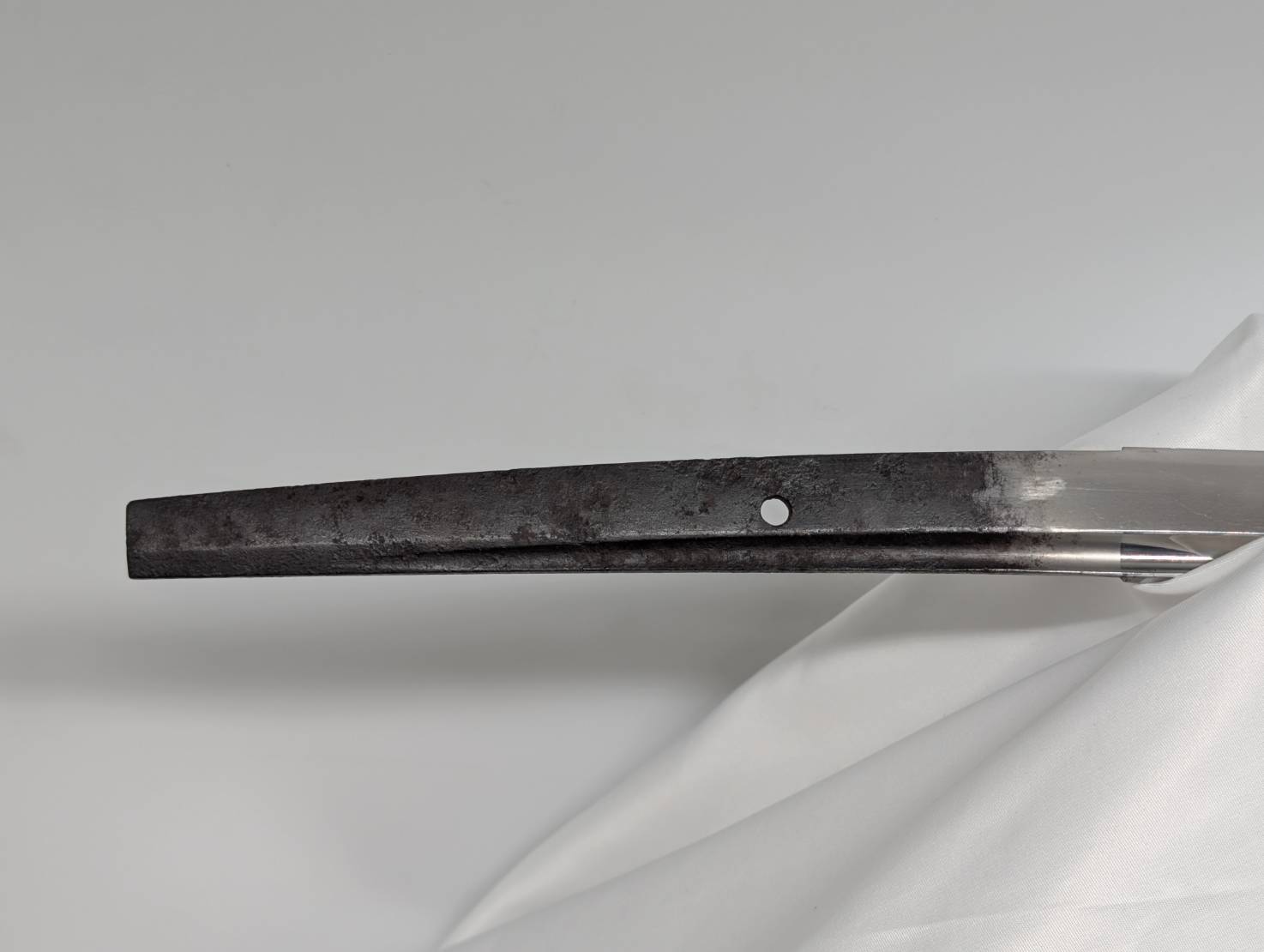
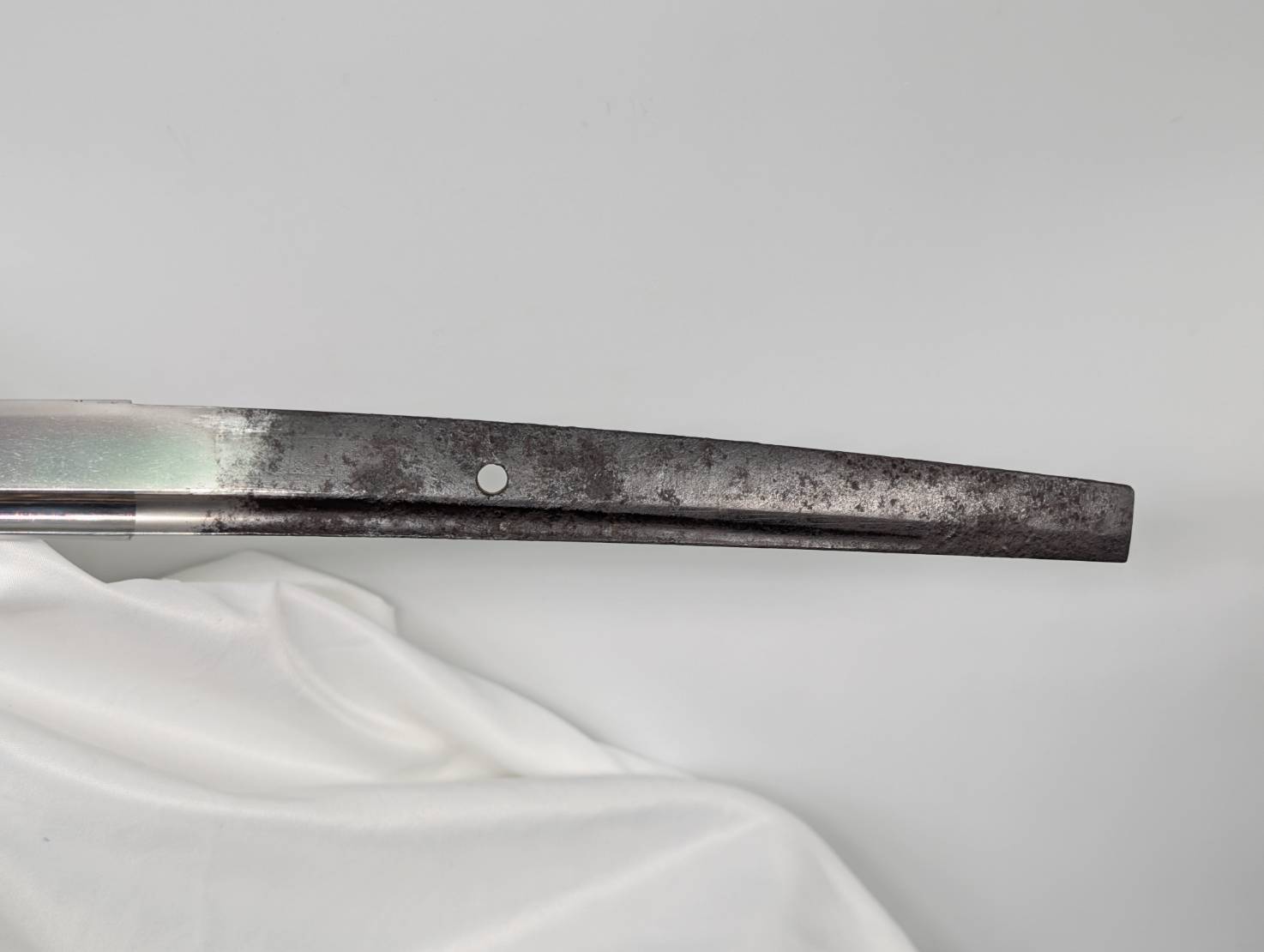
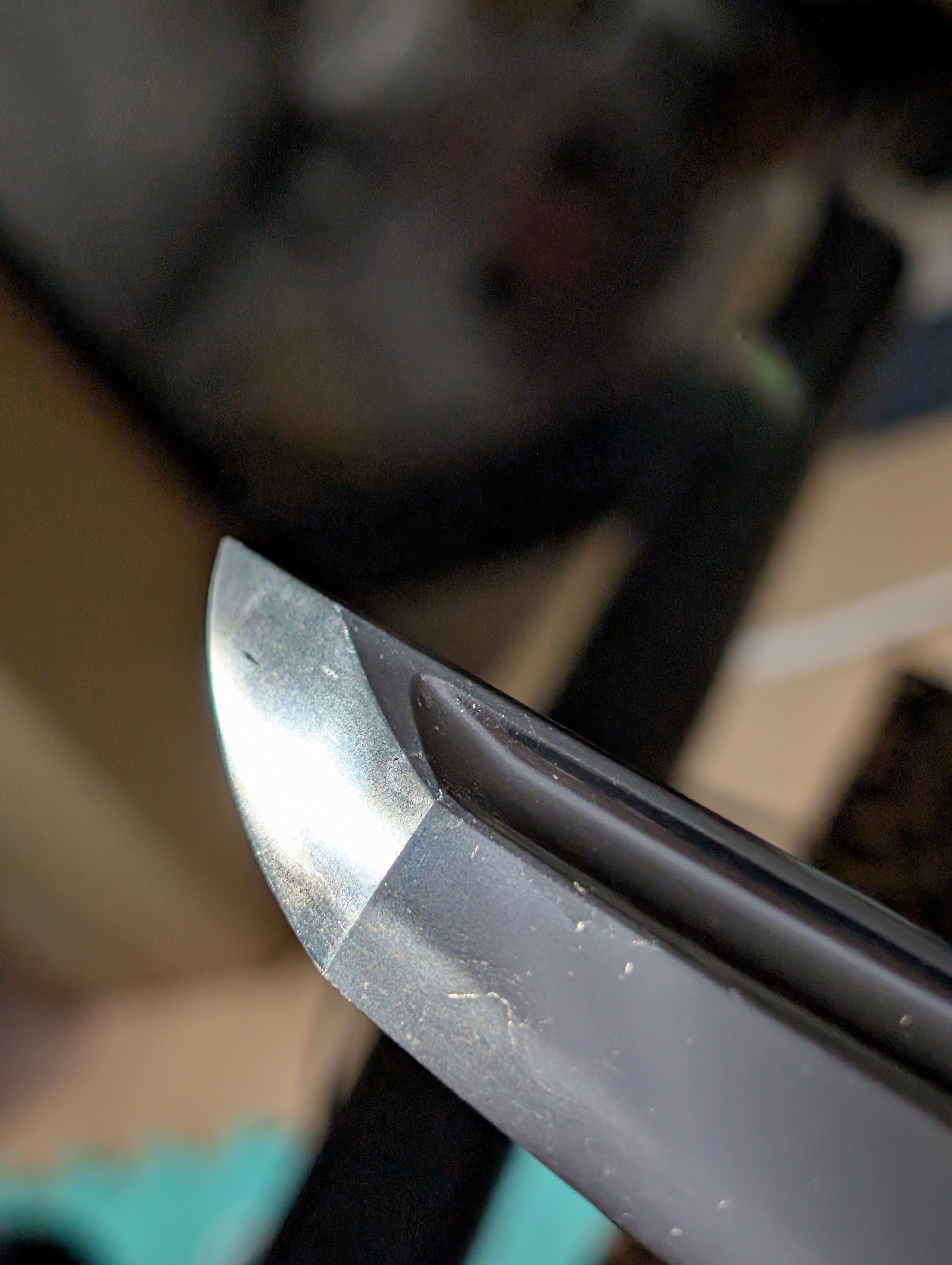
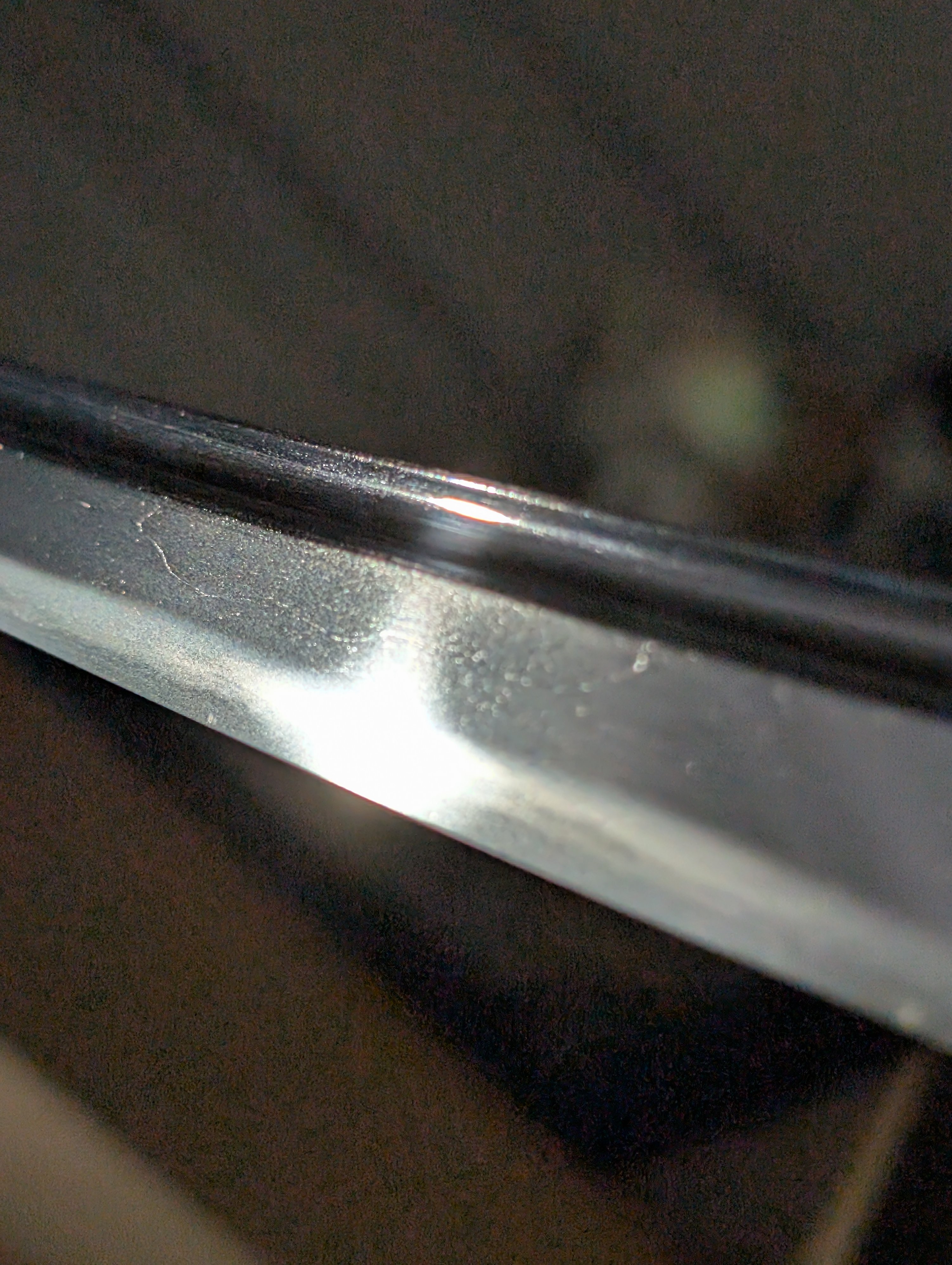
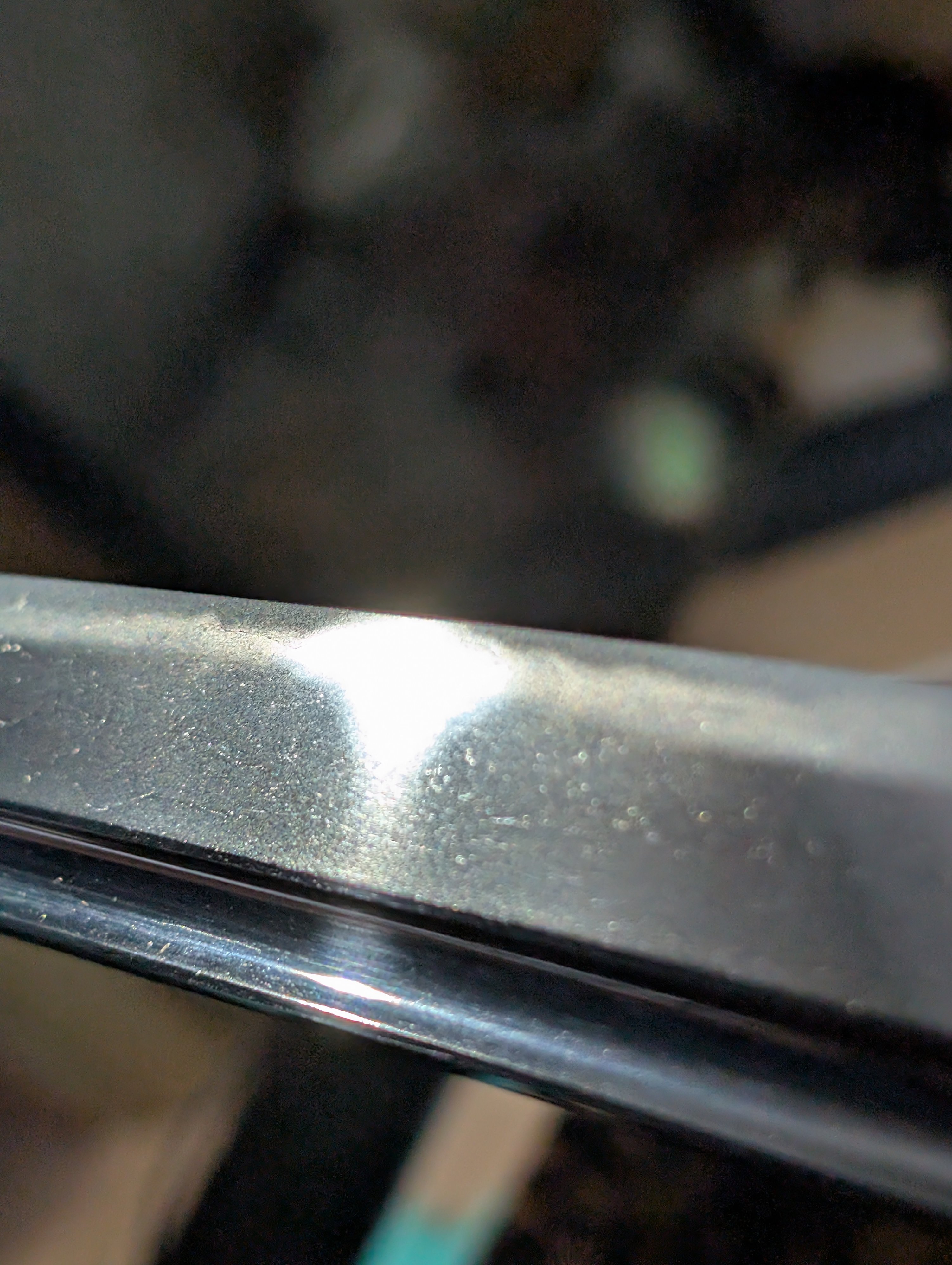
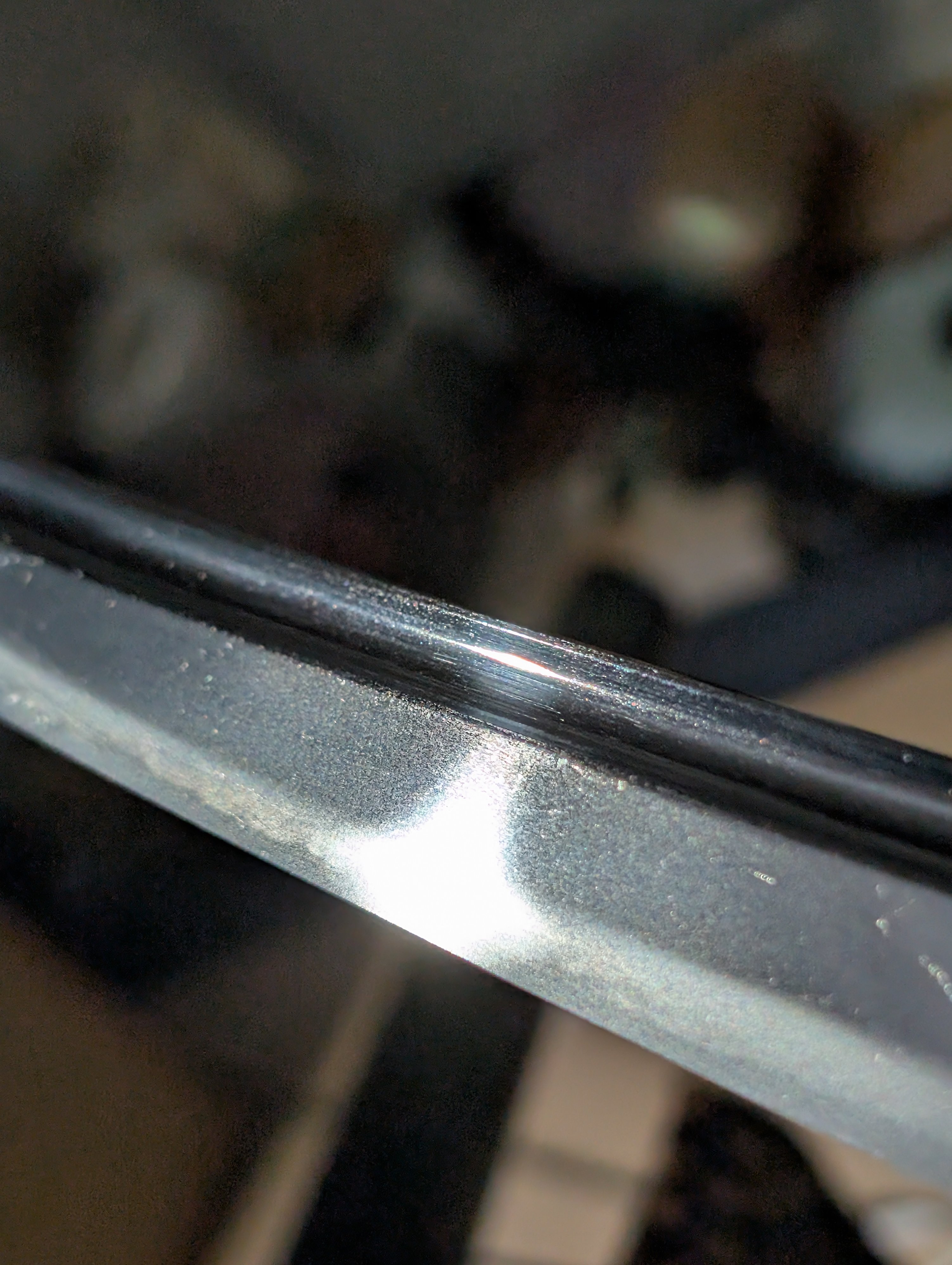
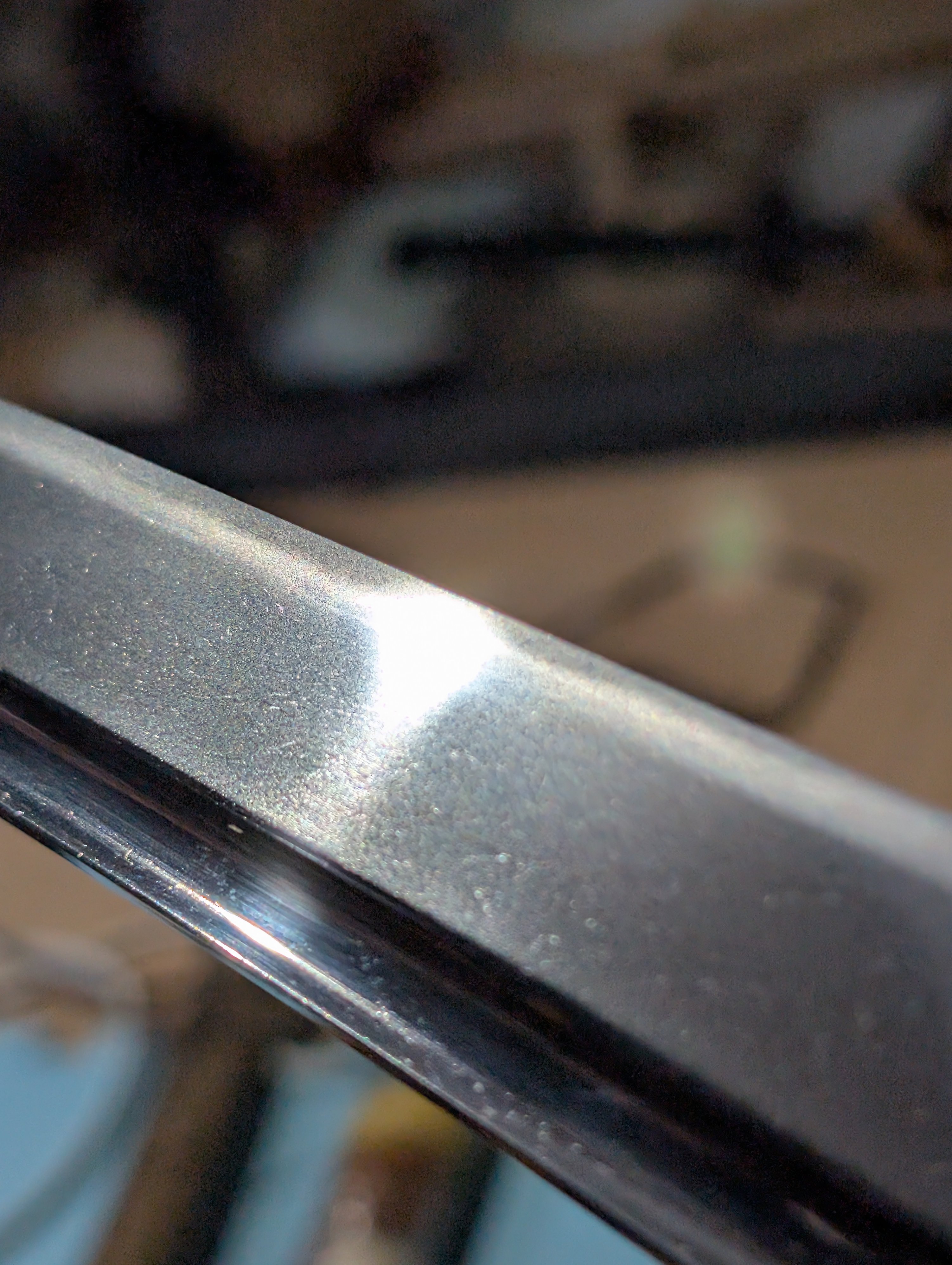
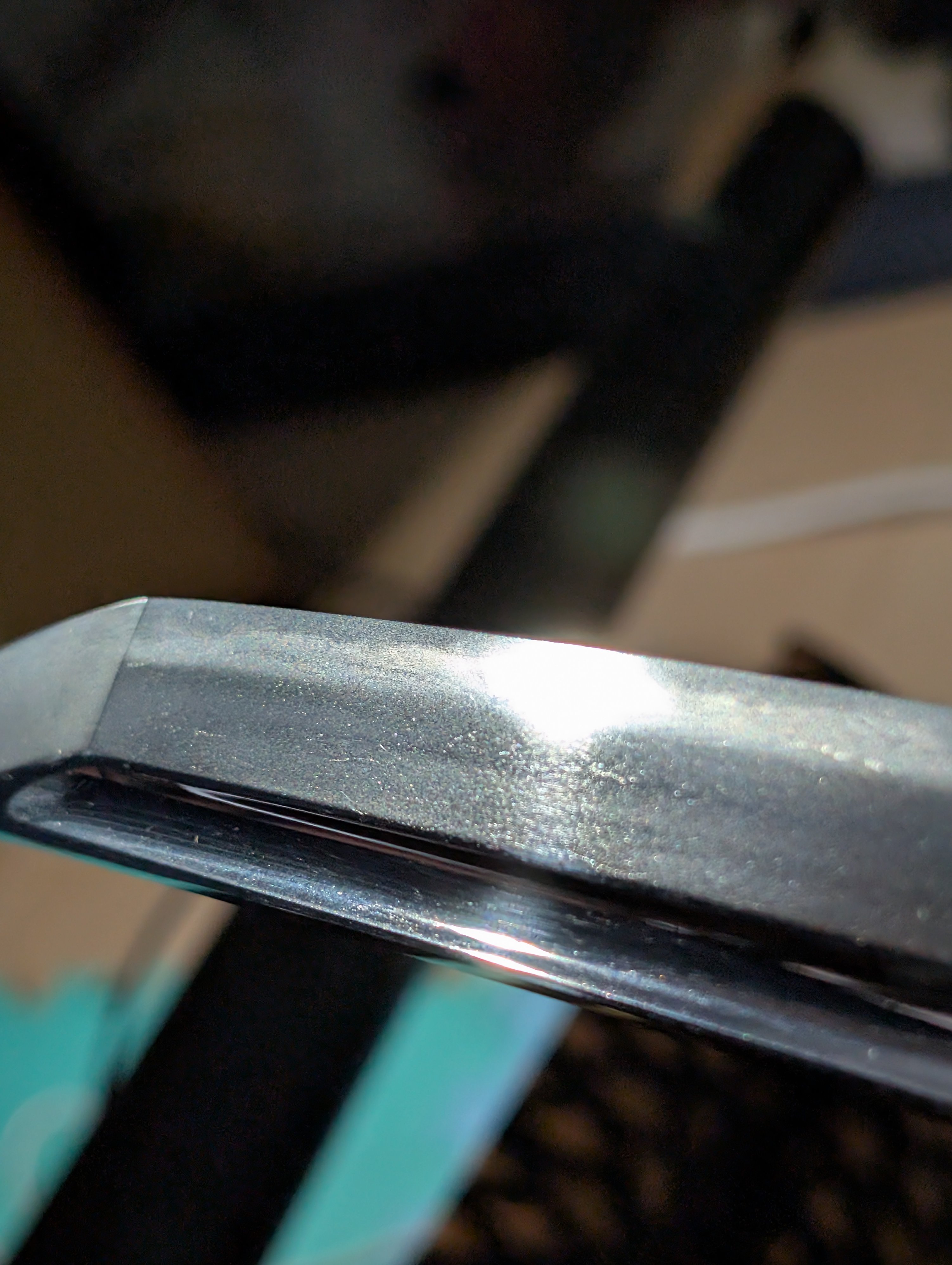
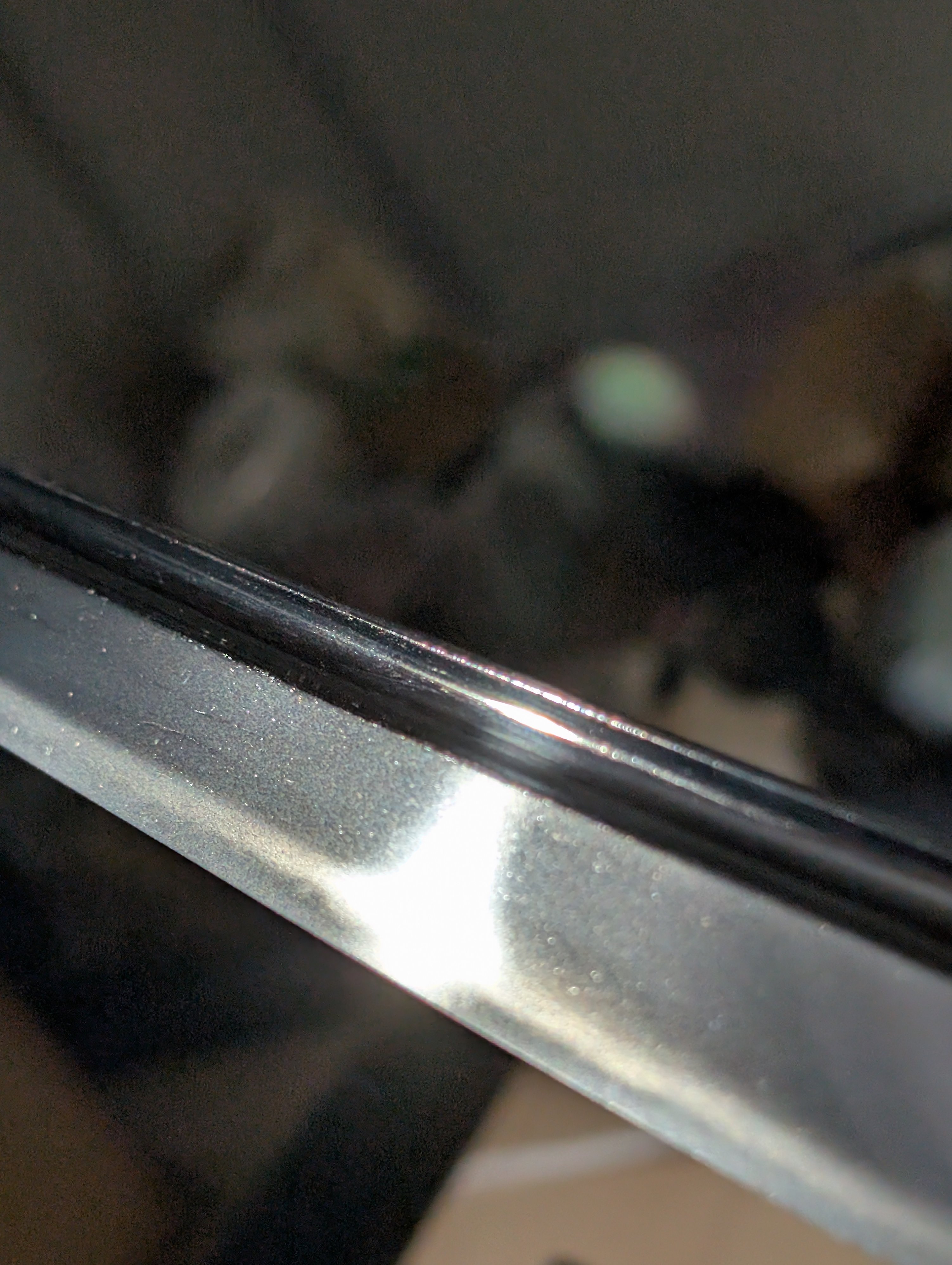
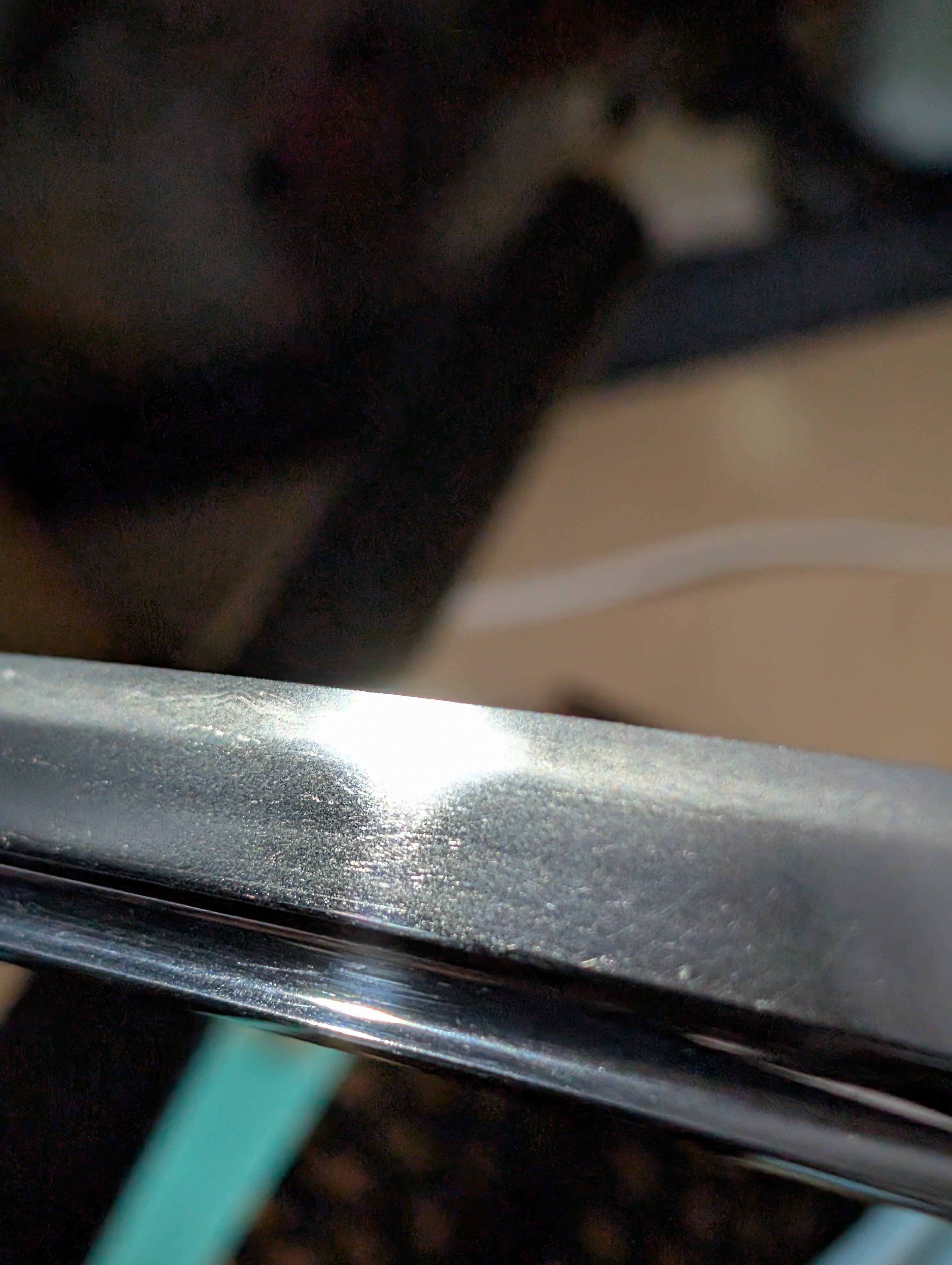
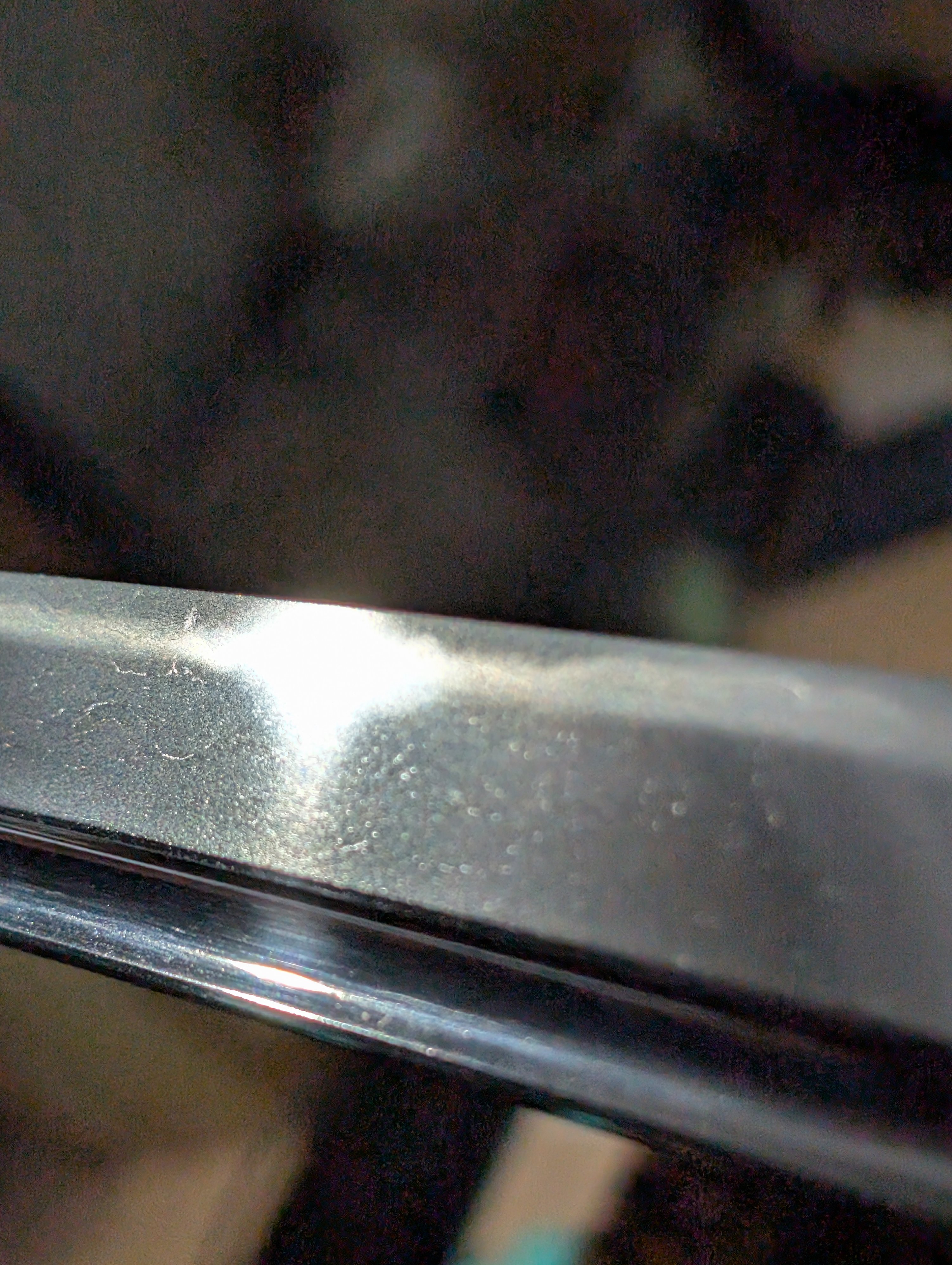
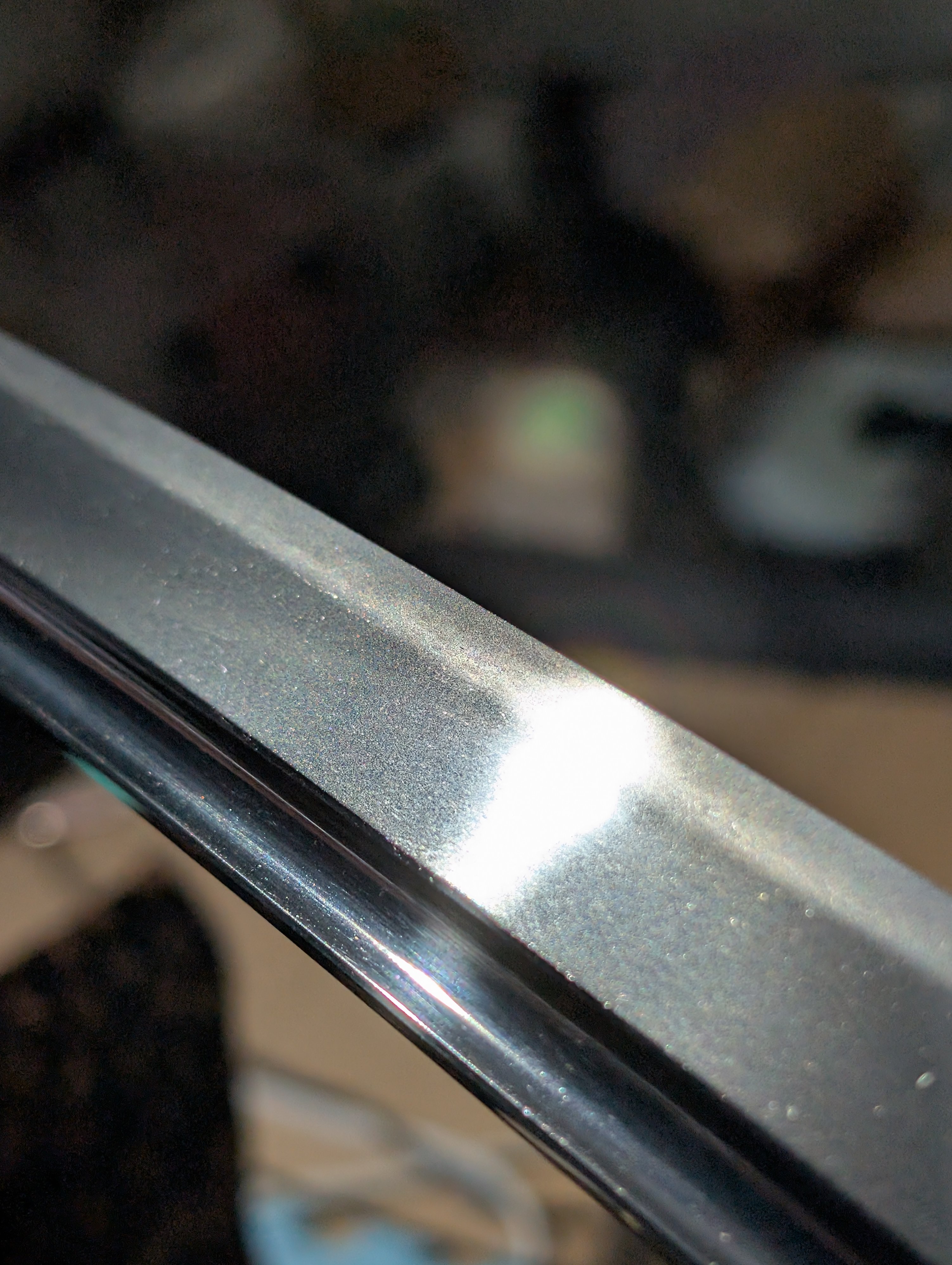
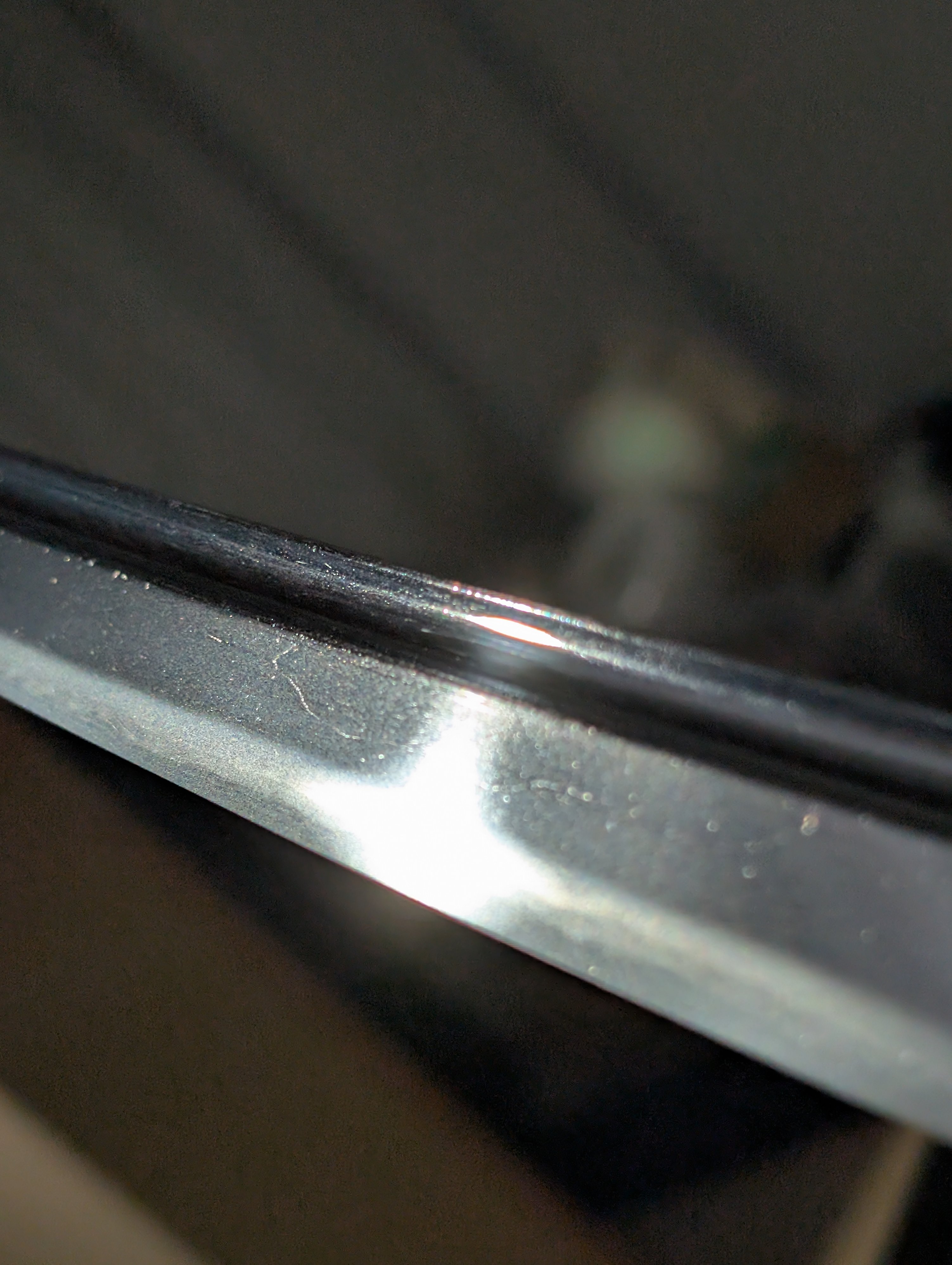
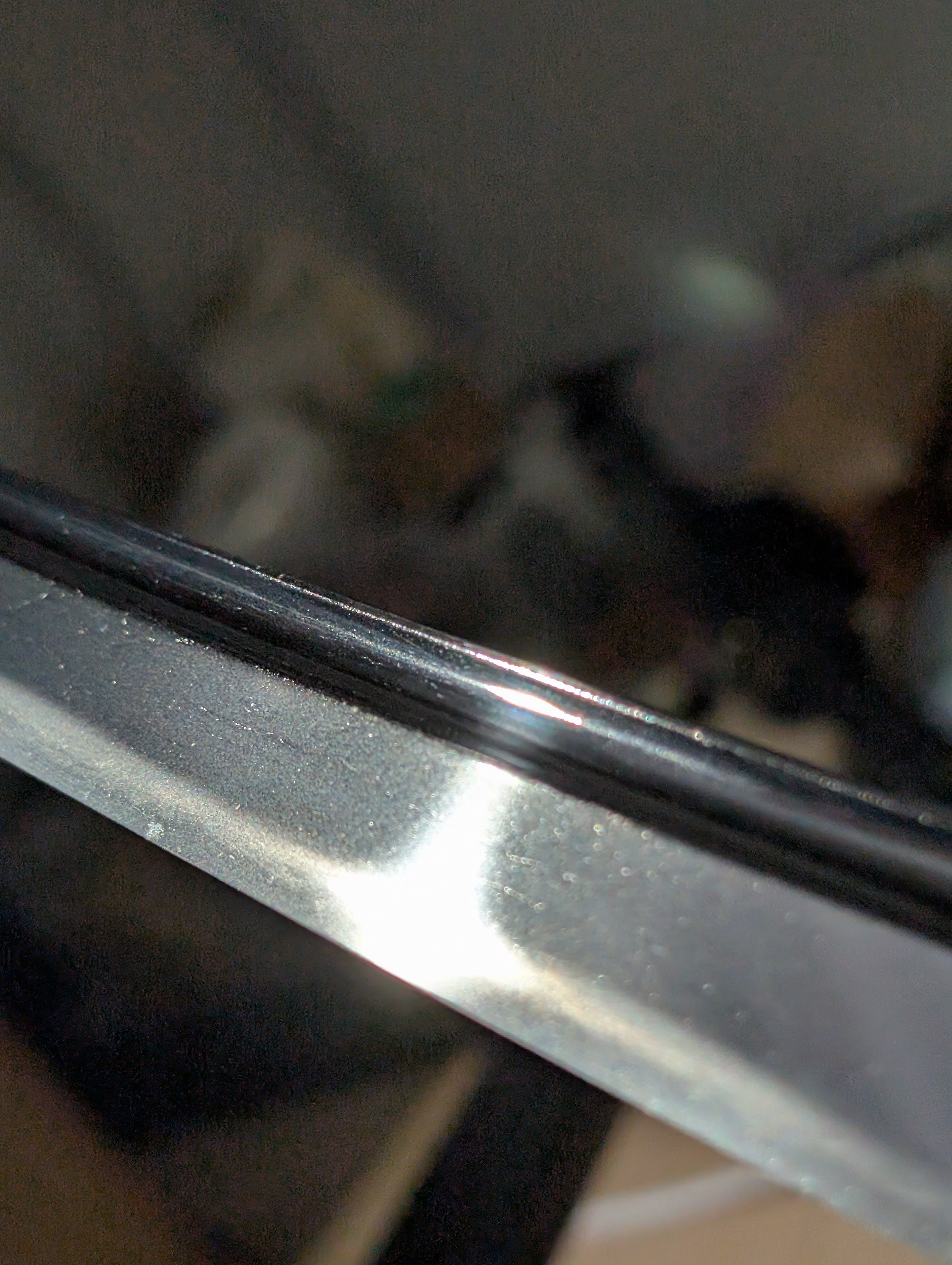
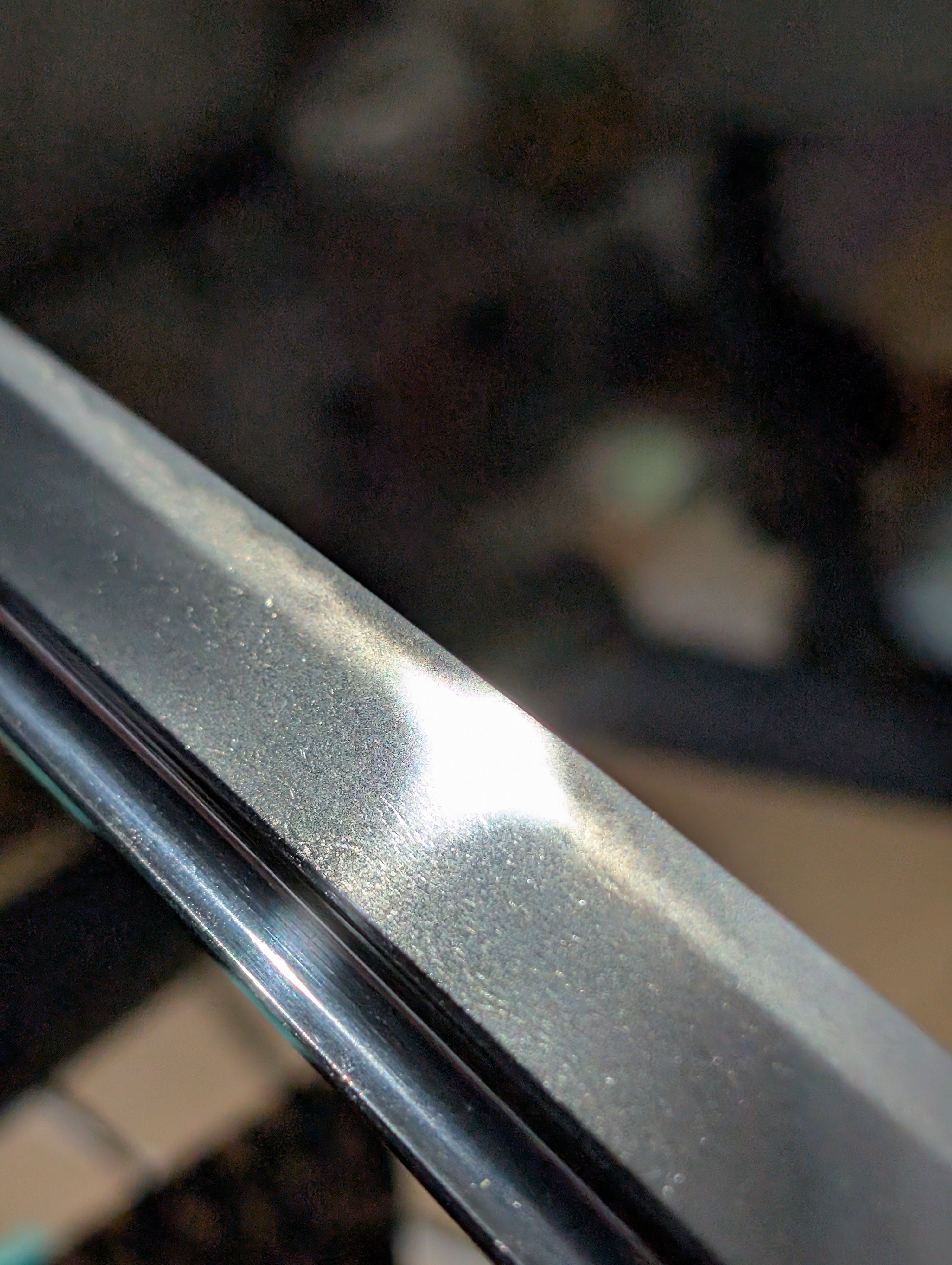
(翻訳なし) 店主の原文のまま表示しています。正確さの確認を通った翻訳のみを表示します。
山城伝 · 山城
現在10点販売中
綾小路派は京の綾小路に在住して鍛刀した一派で、定利・定吉らを主要な刀工とする。銘鑑では定利の年代を文永頃としているが、現存する作品の作風は「古京物の三条・五条派の作域を踏襲した感のある古様な趣」[[c:1]]を呈しており、「通説よりも年代が遡るものと鑑せられる」[[c:2]]と繰り返し指摘されている。一説に定利は来国行の近隣に居住し、互いに代作しあったとも伝えられるが、もし両者に接点があるとしたならば「定利の晩年と国行の初期の頃」[[c:3]]ということになろうとされ、粟田口国安あたりに繋がる古雅な作域との類縁も認められている。 本派の作風上の最大の特徴は、刃文が「乱れが間近く小模様に複雑に乱れ」[[c:4]]る点にある。小丁子・小互の目・小乱れ・小のたれなどを交えた小模様の乱れに足・葉がよく入り、沸出来となる。とりわけ鑑定の決め手となるのは、「焼頭にさらに小さな焼が点続して二重刃風を形成」[[c:5]]する現象であり、湯走りや飛焼が焼頭上に点続して現れる様は同派に一貫して認められる。匂口は「うるみごころ」を呈し、この沈んだ柔らかな匂口も本派の重要な識別点である。帽子は乱れ込んで「さかんに掃きかけ」[[c:6]]るものが多く、火焔風や焼詰め風となる作も見られる。鍛えは板目肌ないし小板目肌がつみ、地沸が微塵ないし厚くつき、地景が入り、沸映りが立つ精美な地鉄を示す。姿態はやや細身で元先の幅差がつき、腰反り深く、先伏さりごころとなって小鋒に結ぶ優美な太刀姿を典型とし、踏張りを残す生ぶ茎の遺例も知られる。同時代の来派とは、焼の高低や匂口の性質、二重刃風の焼頭の有無によって区別され、備前物とは所謂「京逆足」の入り方や小模様の複雑さにおいて異なる作域を示す。 綾小路派の作は大磨上無銘がほとんどであるが、古様な姿態と独自の刃文構成により極めが可能とされ、その所伝は「首肯しうる」と繰り返し評価されている。江戸時代の刀剣書の系図には定家・定次・家安など門流を挙げ、南北朝時代から応永頃まで同派が継続したとするものもある。説示においては「古雅」「雅趣に富んだ」「滋味溢れる」といった評語が頻出し、華やかさよりも細やかな変化と深みに本派の美点が見出されている。三条・五条派の作域を基盤としながら独自の刃文意匠を確立した綾小路派は、京鍛冶の古層を伝える貴重な存在として、刀剣史上に重要な位置を占めている。 詳しく見る →
鎌倉時代の山城
政権は鎌倉にあったが、美意識はなお京都が定めた。粟田口派の梨子地肌は完璧の代名詞となり、来派は公家にも上級の武家にも大寺にも、堂々たる太刀を納めている。
保存刀剣のうち、出来が一層優れ、保存状態も良好と認められたものです。再刃や、室町・江戸期の多くの無銘作は対象外となり、保存刀剣より高い基準が課されます。
日本美術刀剣保存協会(日刀保)は、1948年に設立され、文化庁の監督を受ける公益財団法人で、東京・刀剣博物館に本部を置きます。専門の審査員が出品作を直接審査し、美術的・歴史的価値に応じた鑑定書を発行します。日刀保の鑑定書は、日本刀および刀装具の真正性を示す最も広く認知された基準です。
日刀保公式サイト海外からの返品は原則としてお受けしておりません。デポジットをお支払いいただいた時点で、商品を最長3か月間お取り置きします。頭金は返金不可です。
価格はお問い合わせ
Certificate reading — 無銘(綾小路)