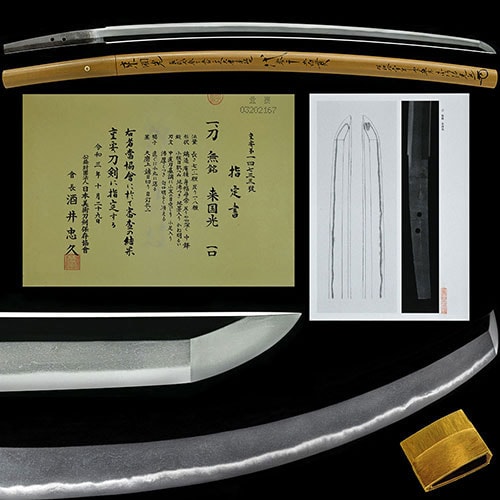
政権は鎌倉にあったが、美意識はなお京都が定めた。粟田口派の梨子地肌は完璧の代名詞となり、来派は公家にも上級の武家にも大寺にも、堂々たる太刀を納めている。
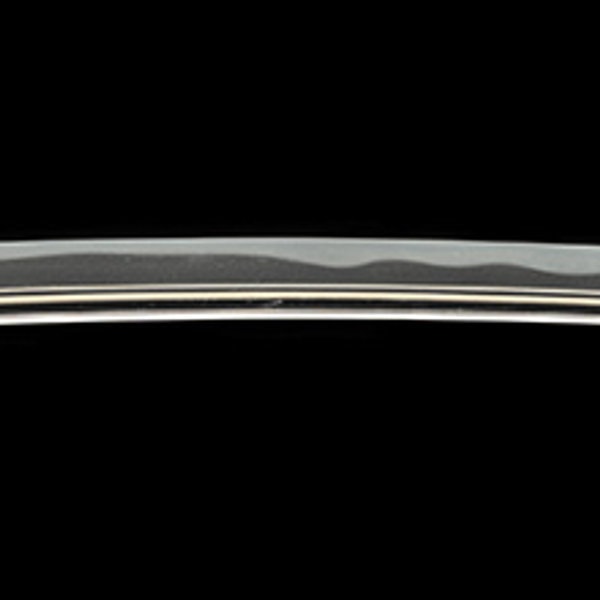
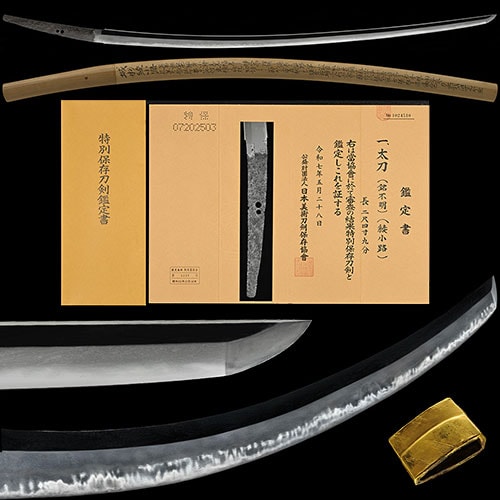
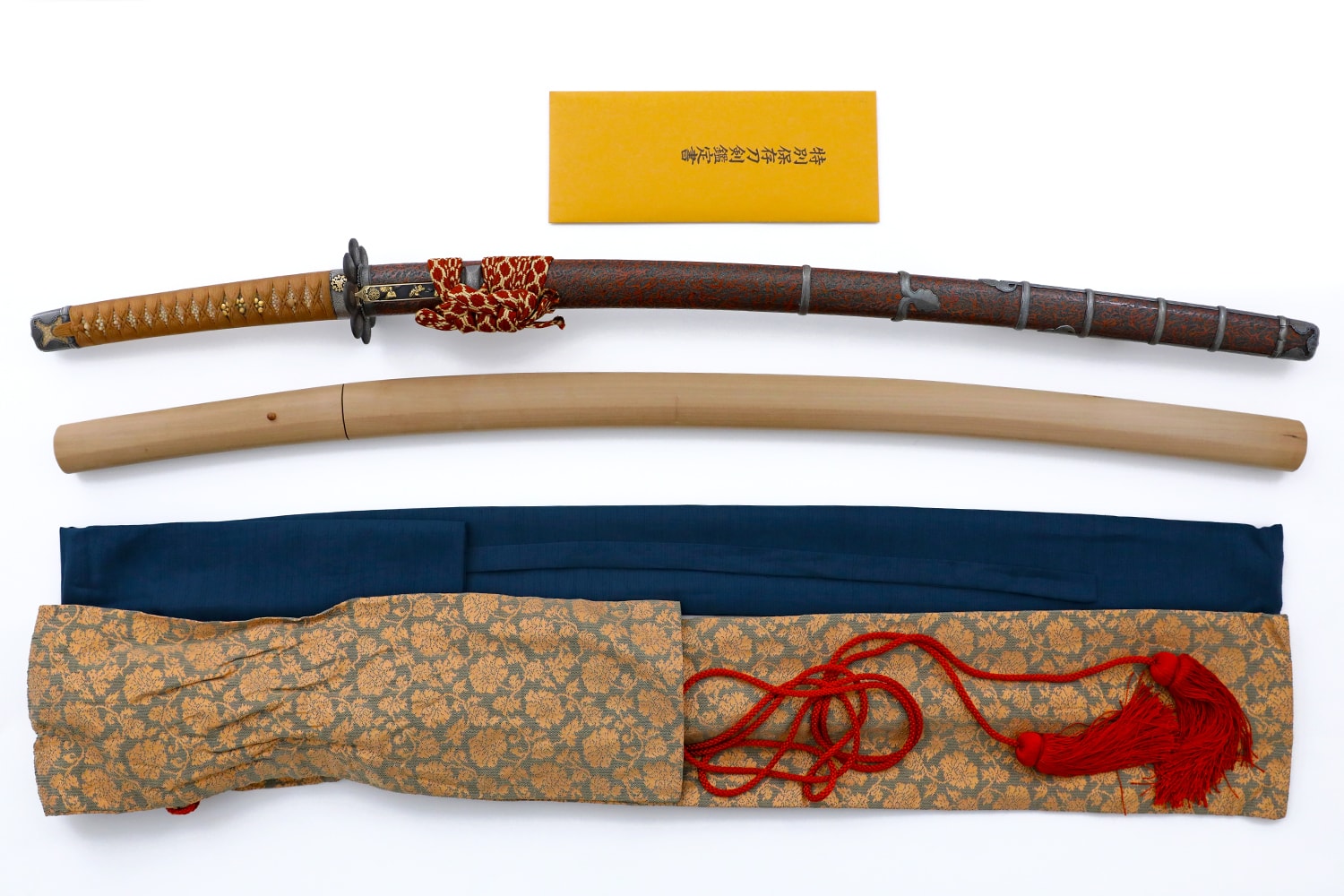
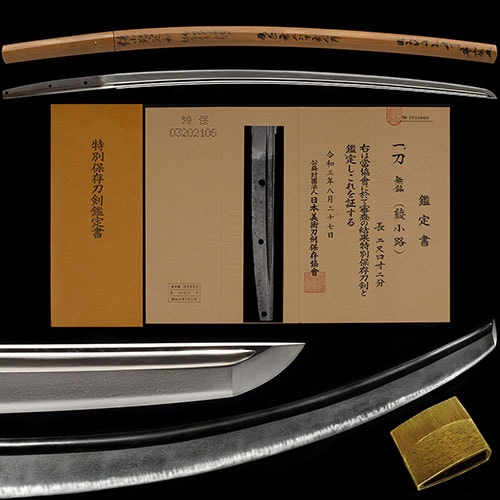
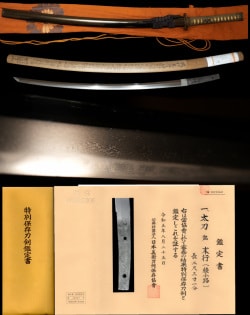
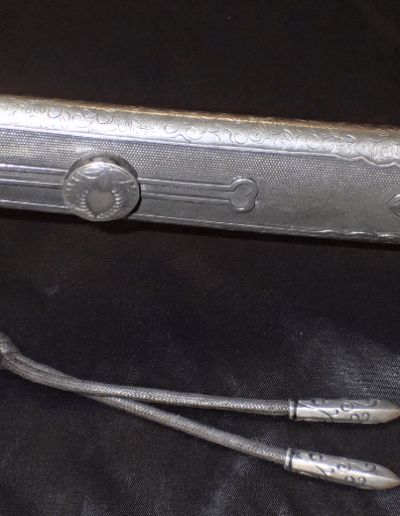
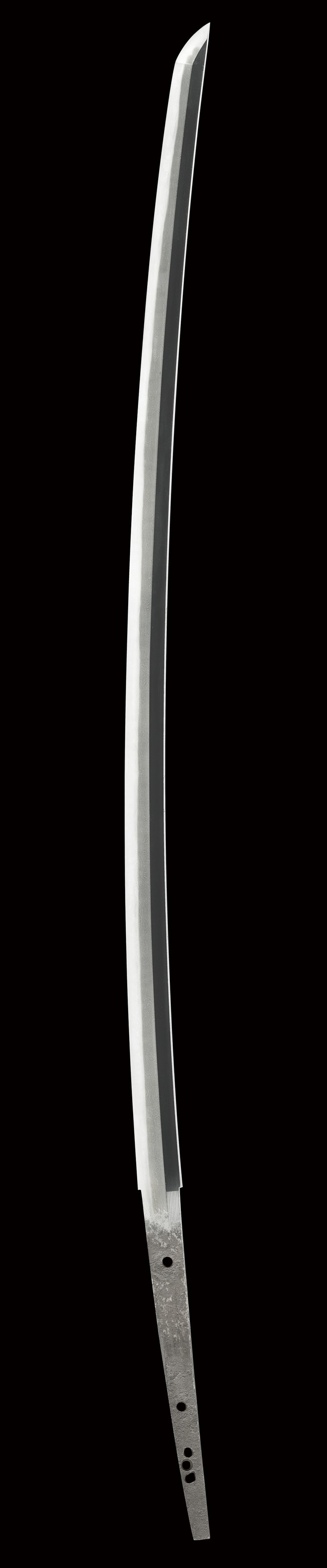
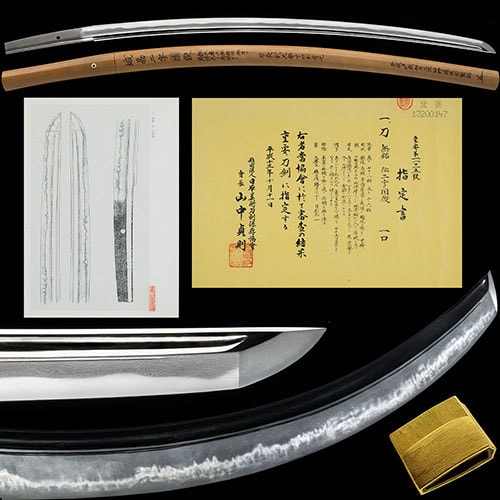
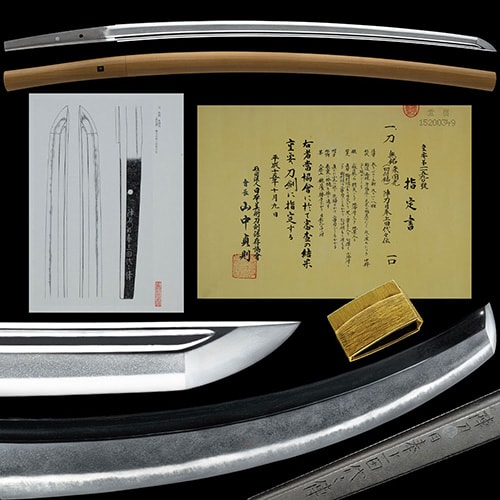
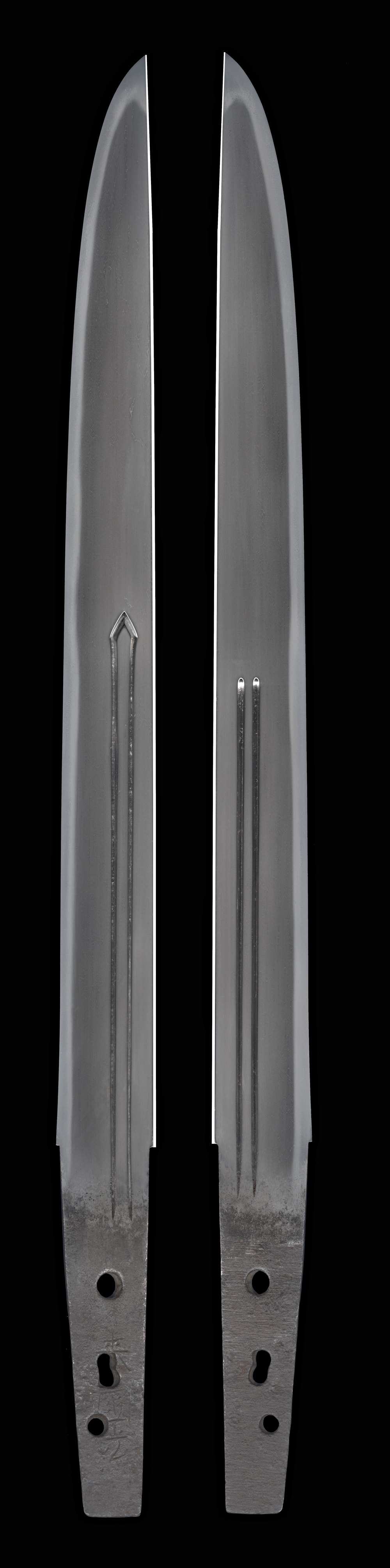
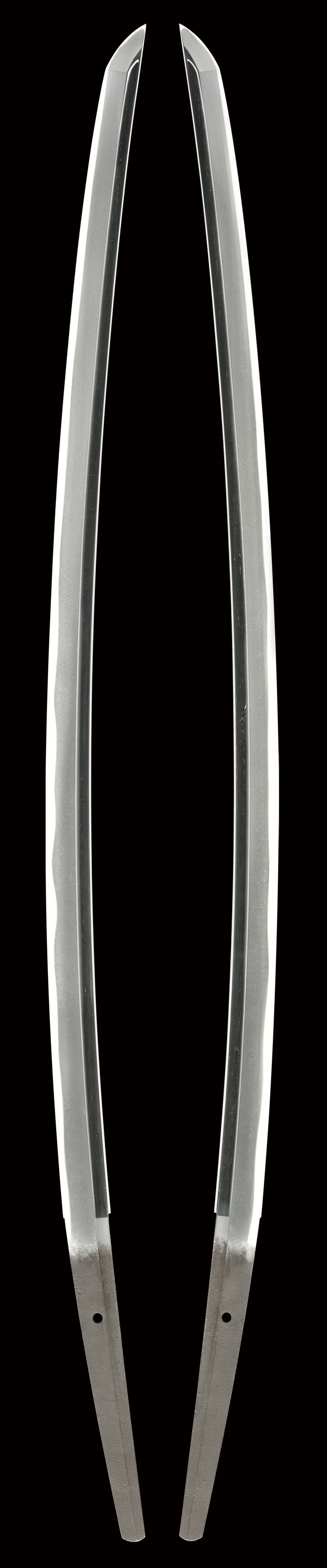
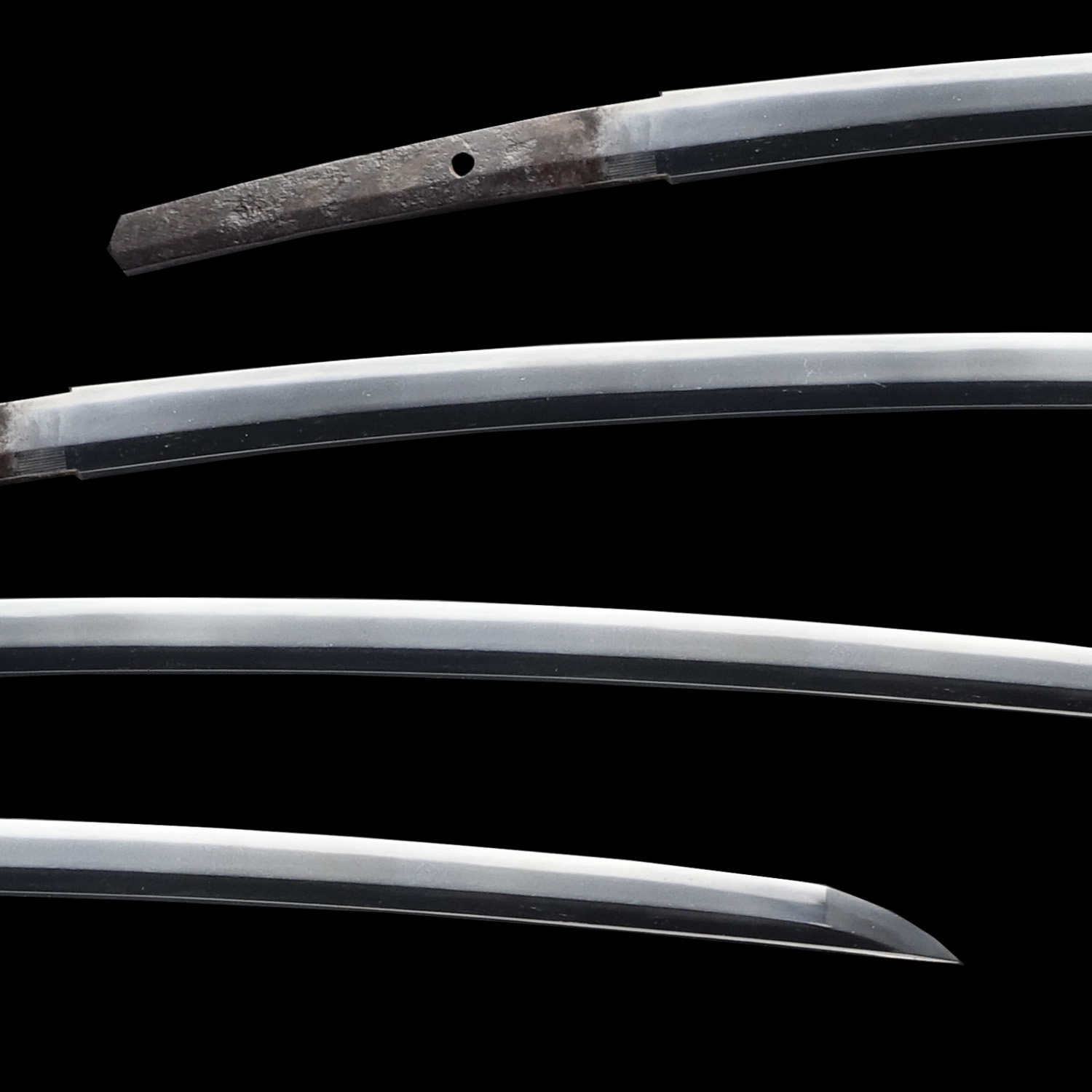
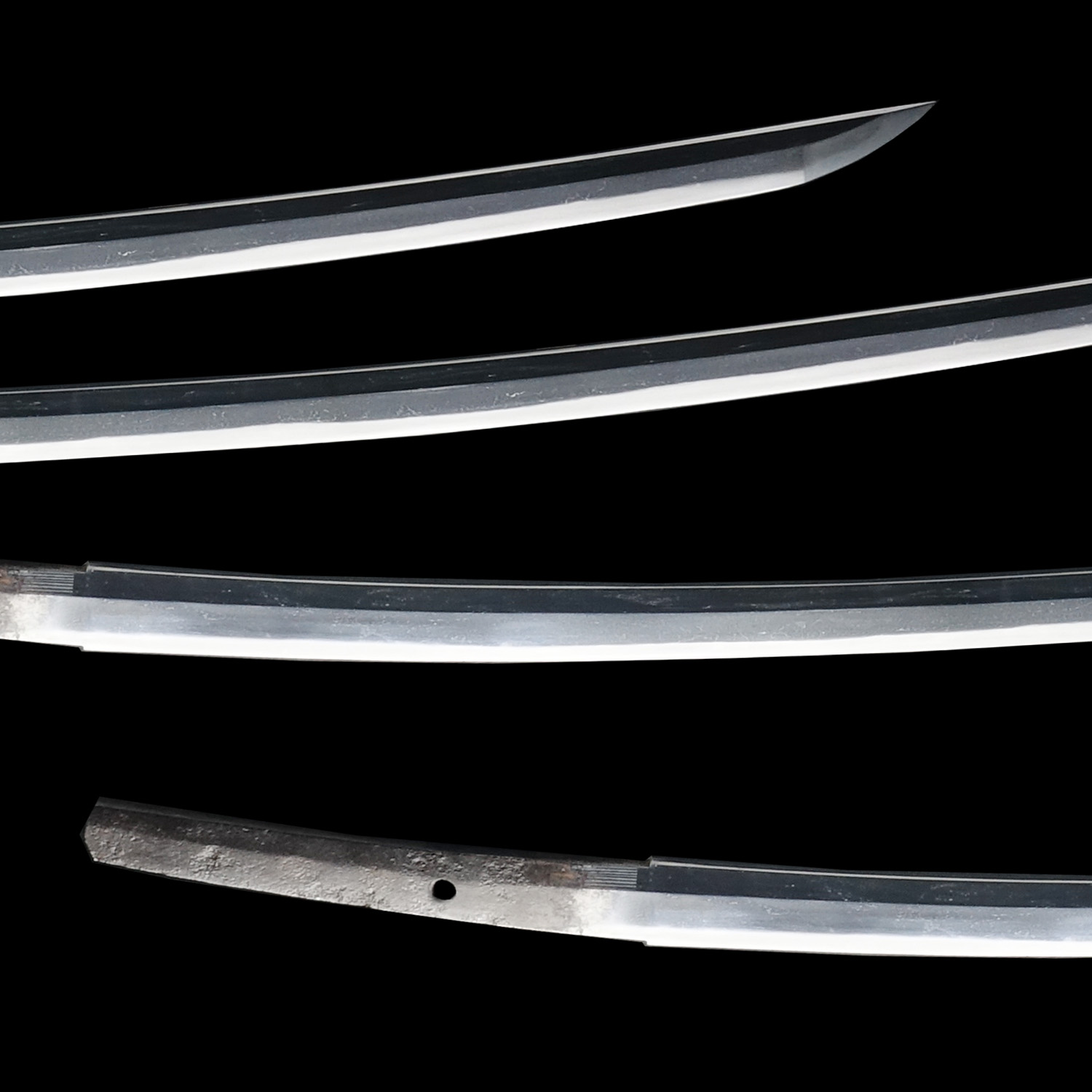
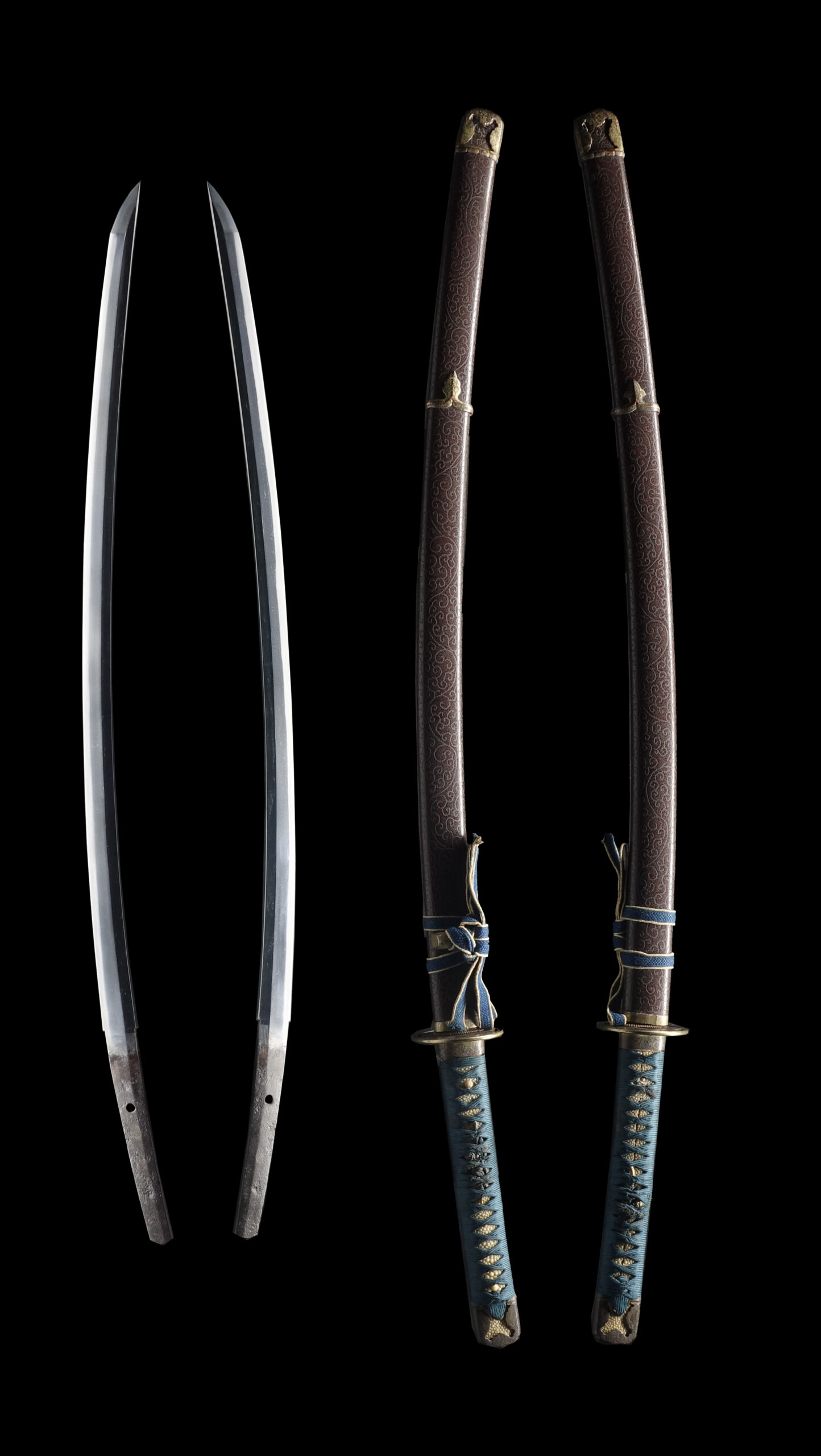
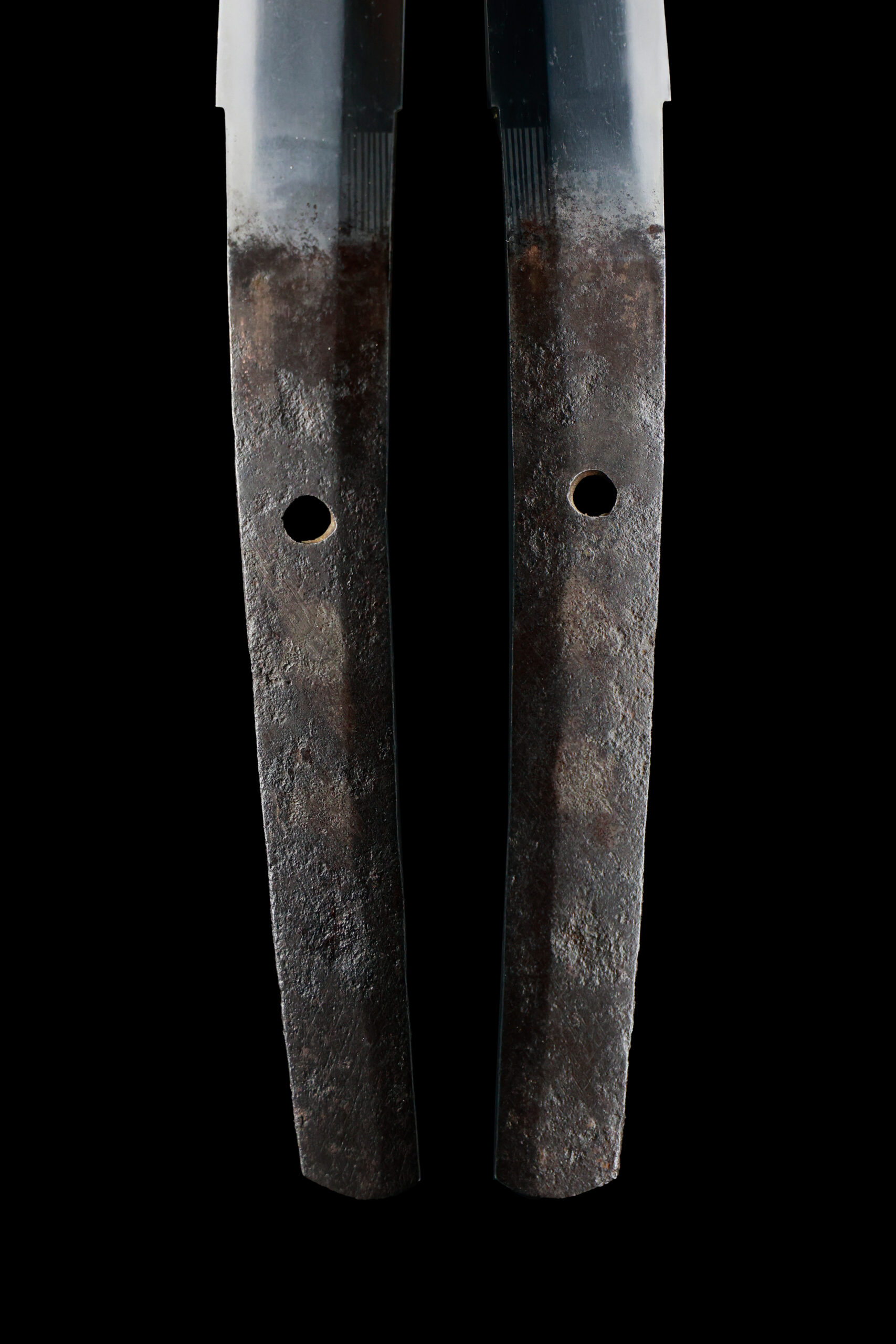
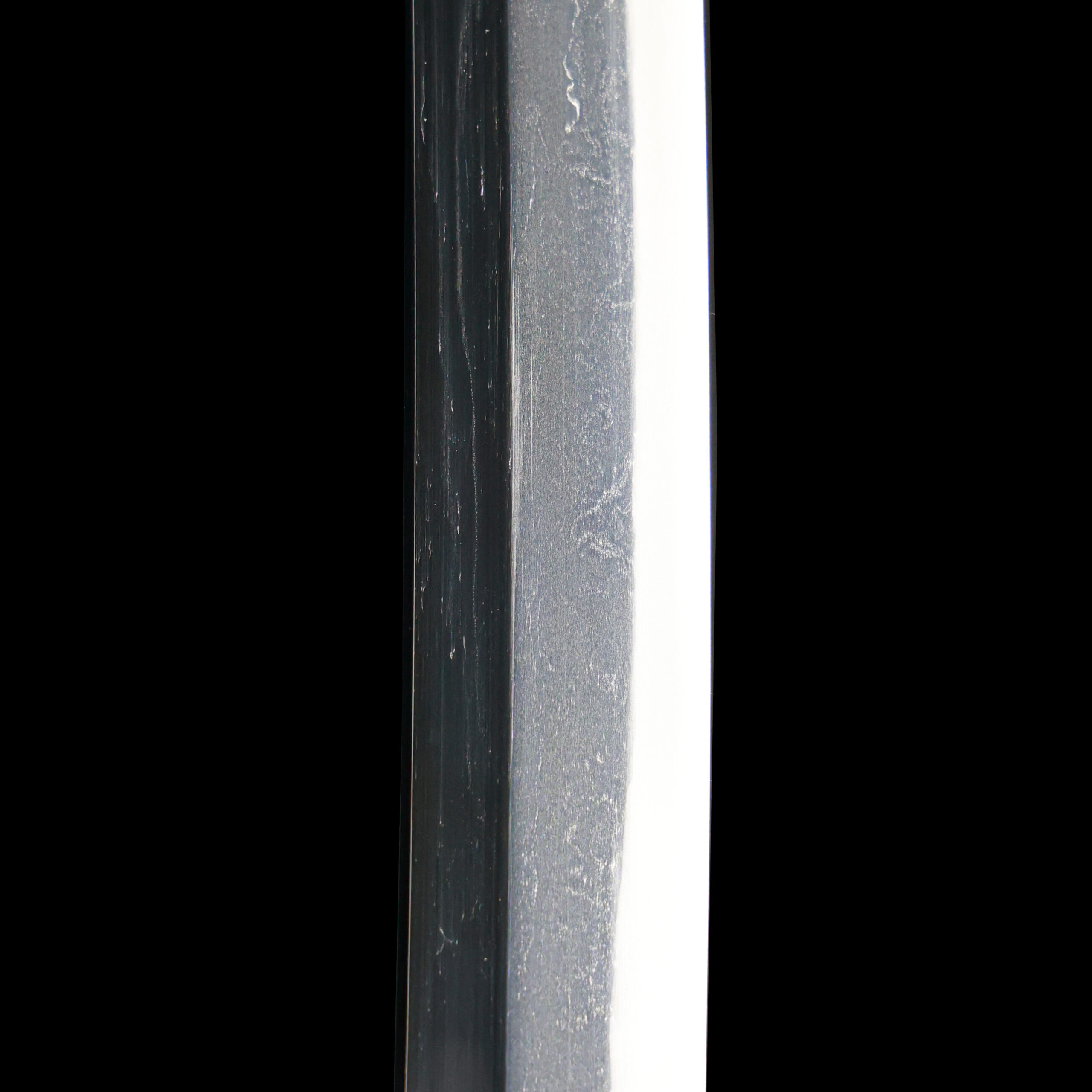
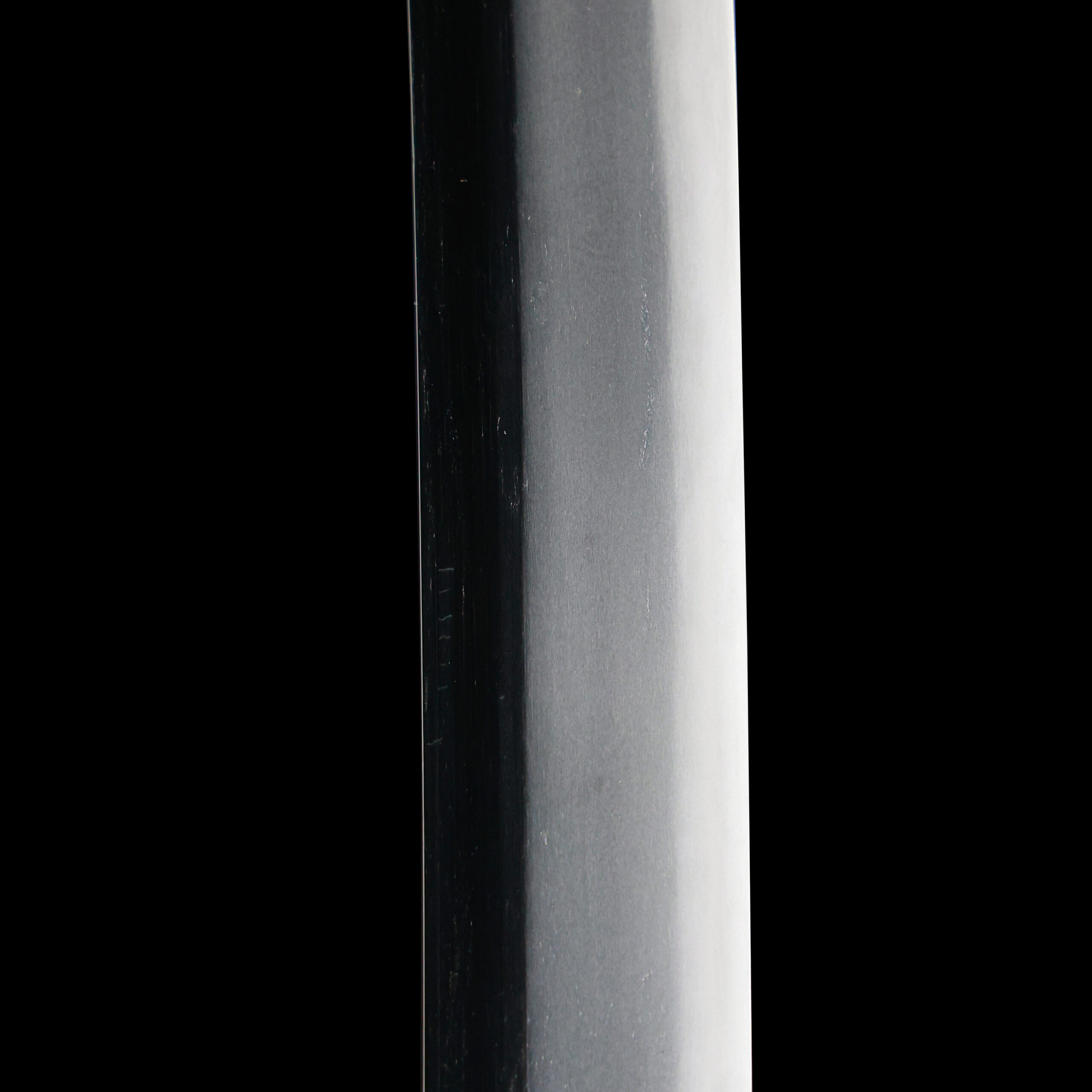
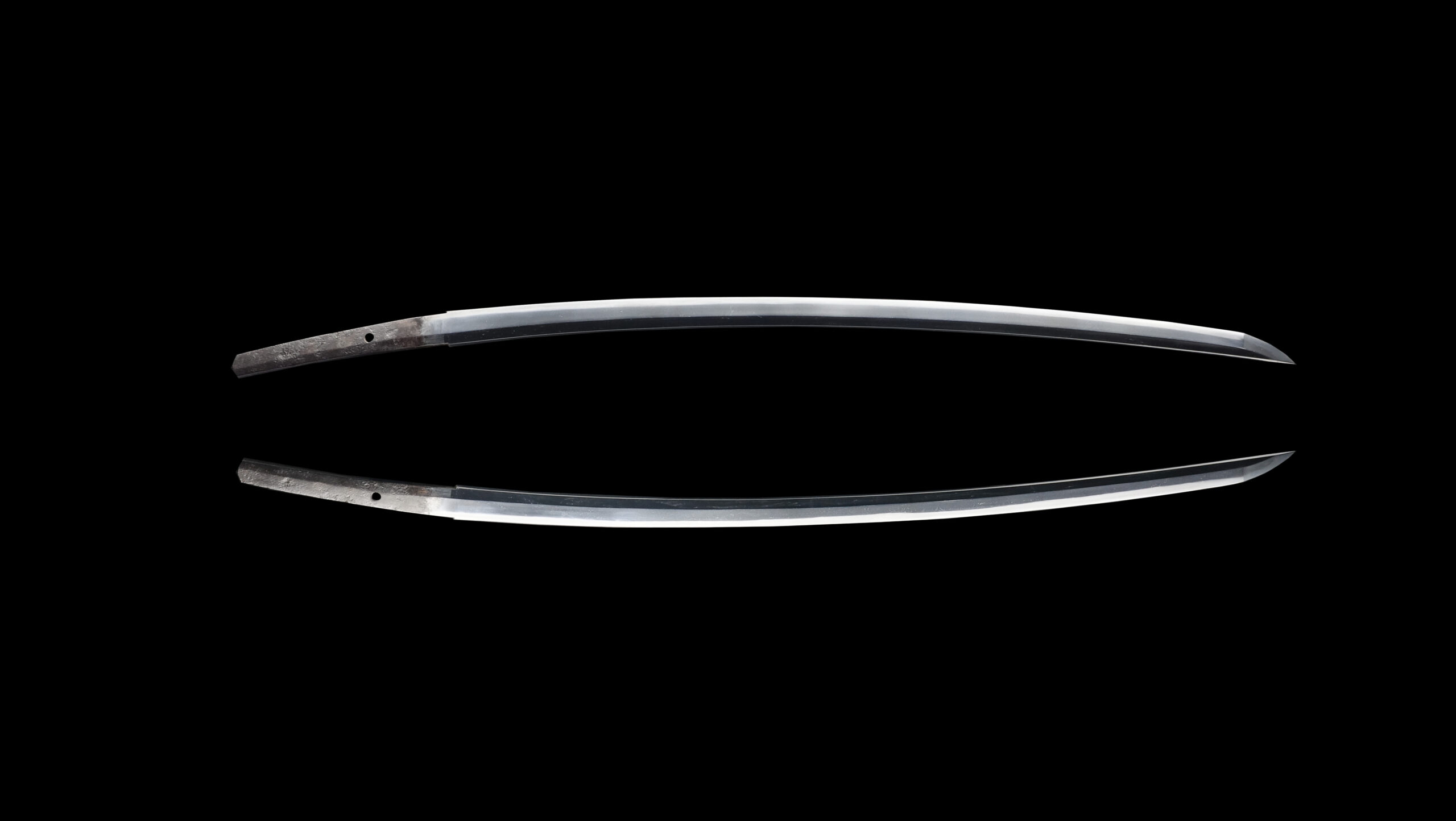
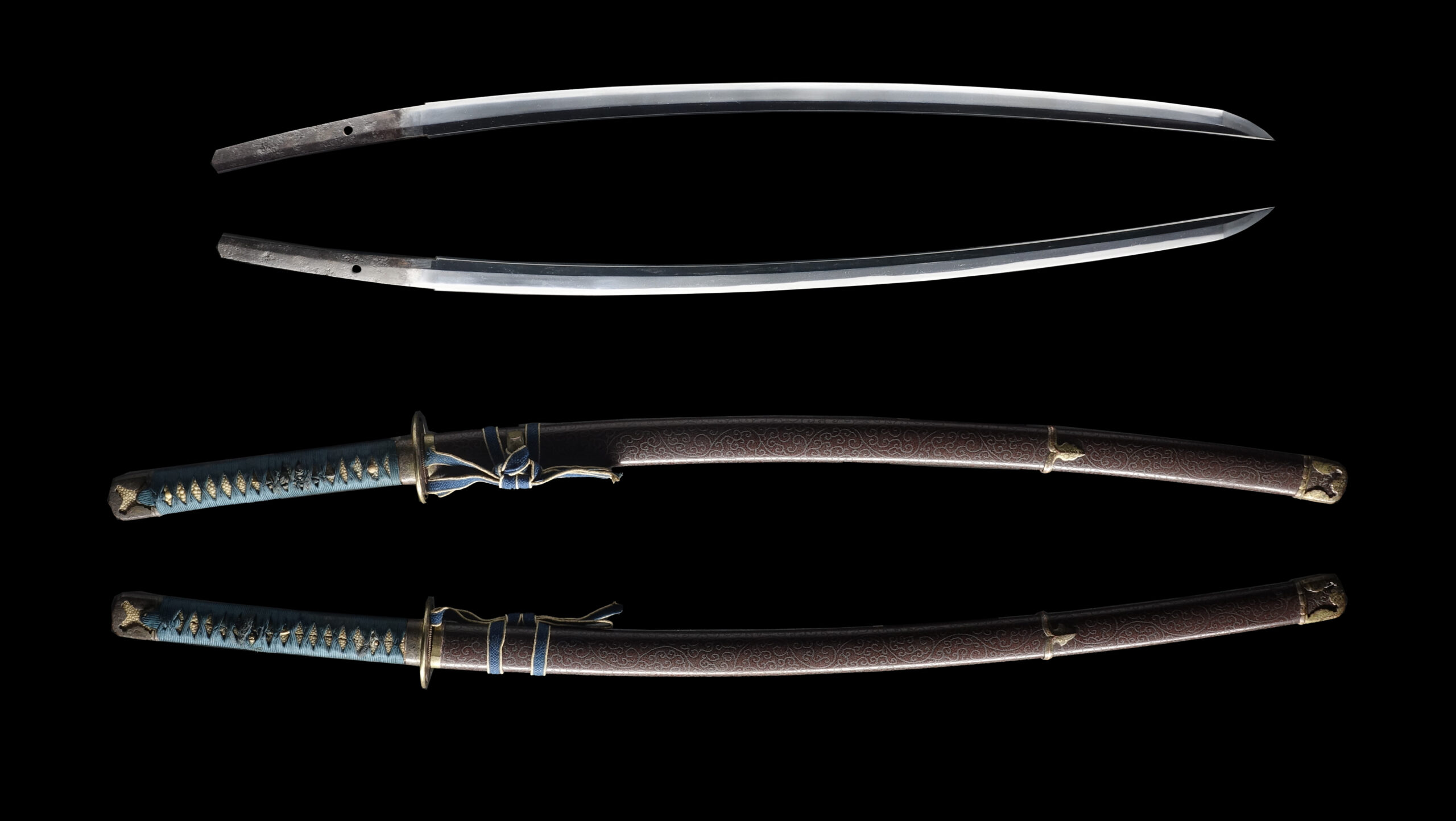
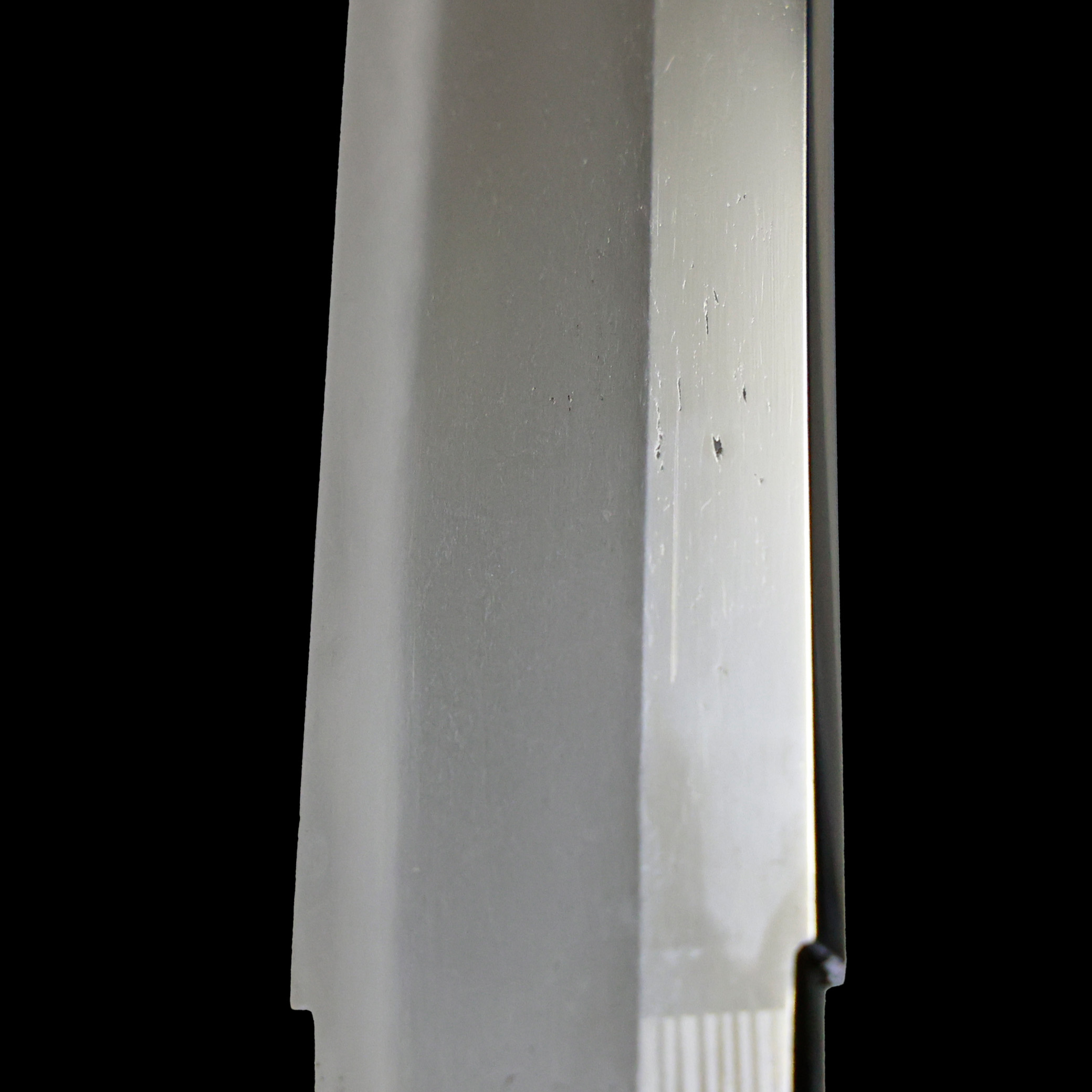
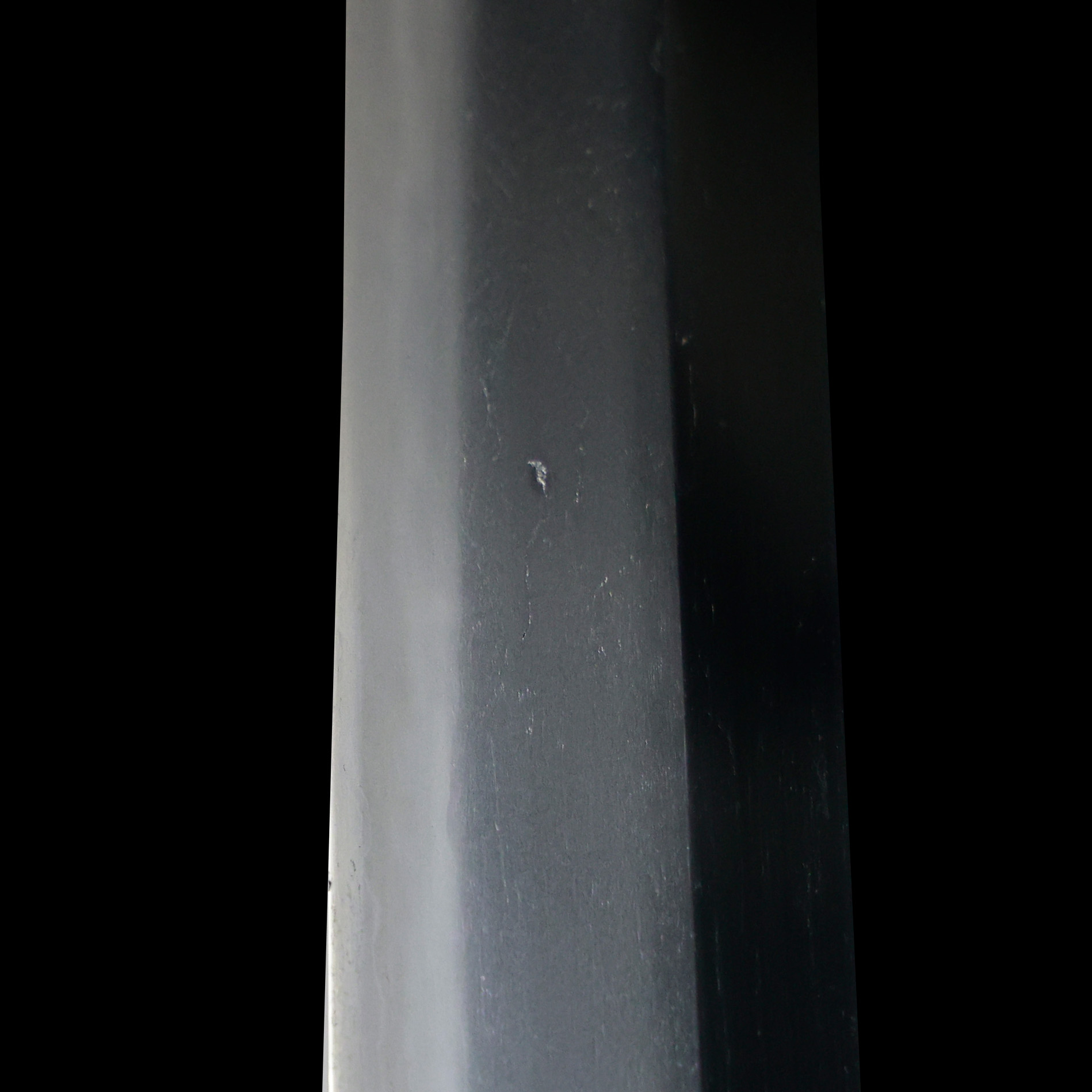
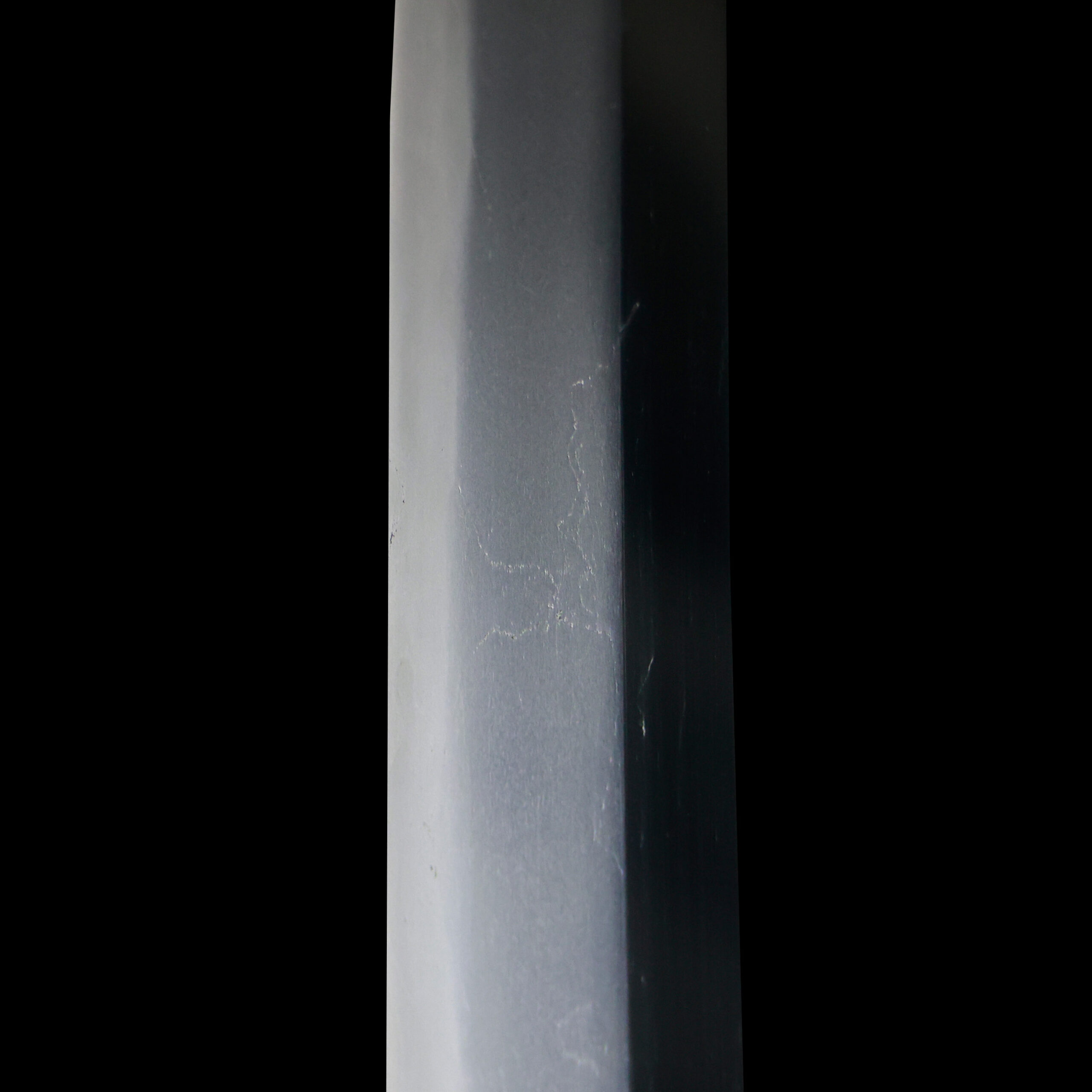
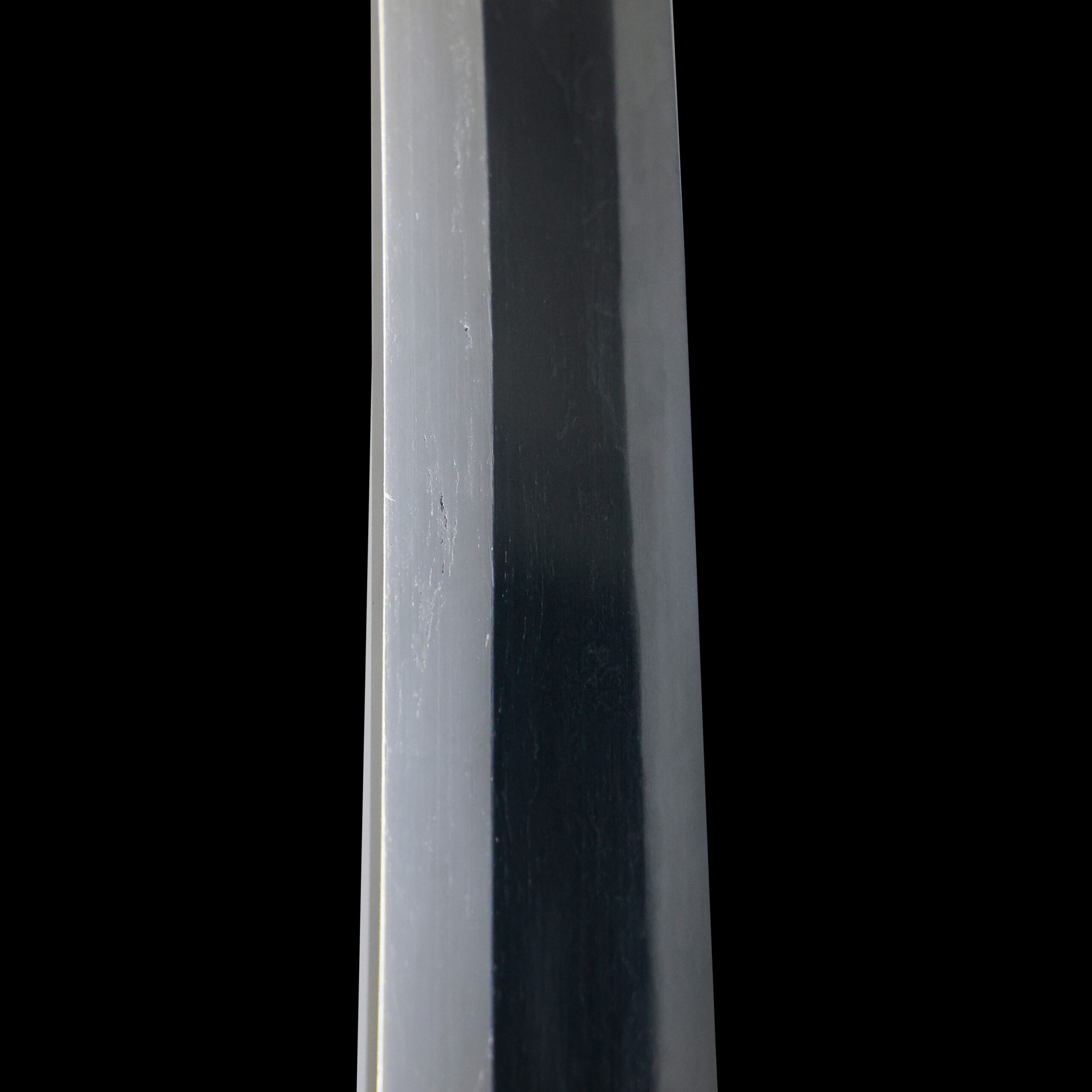
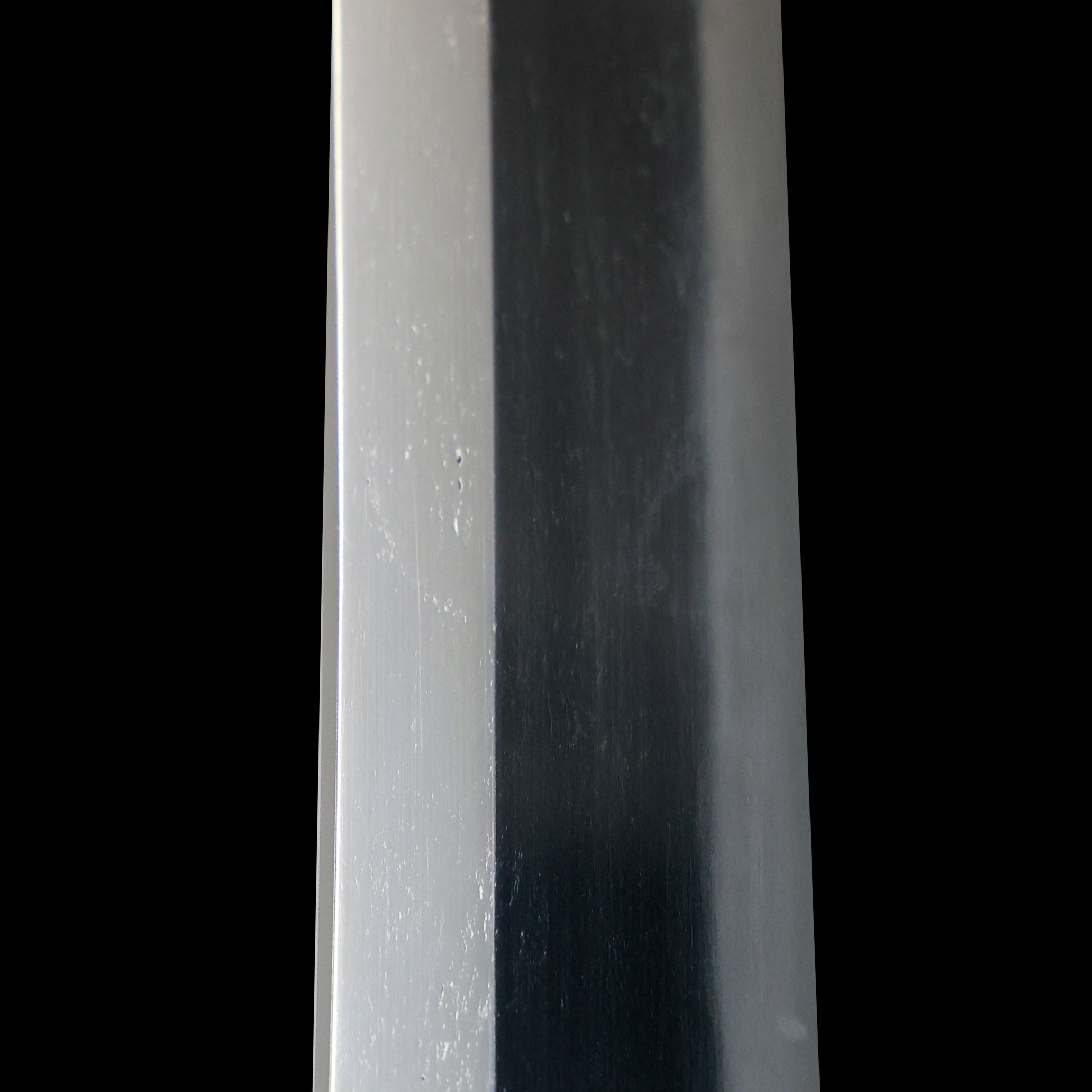
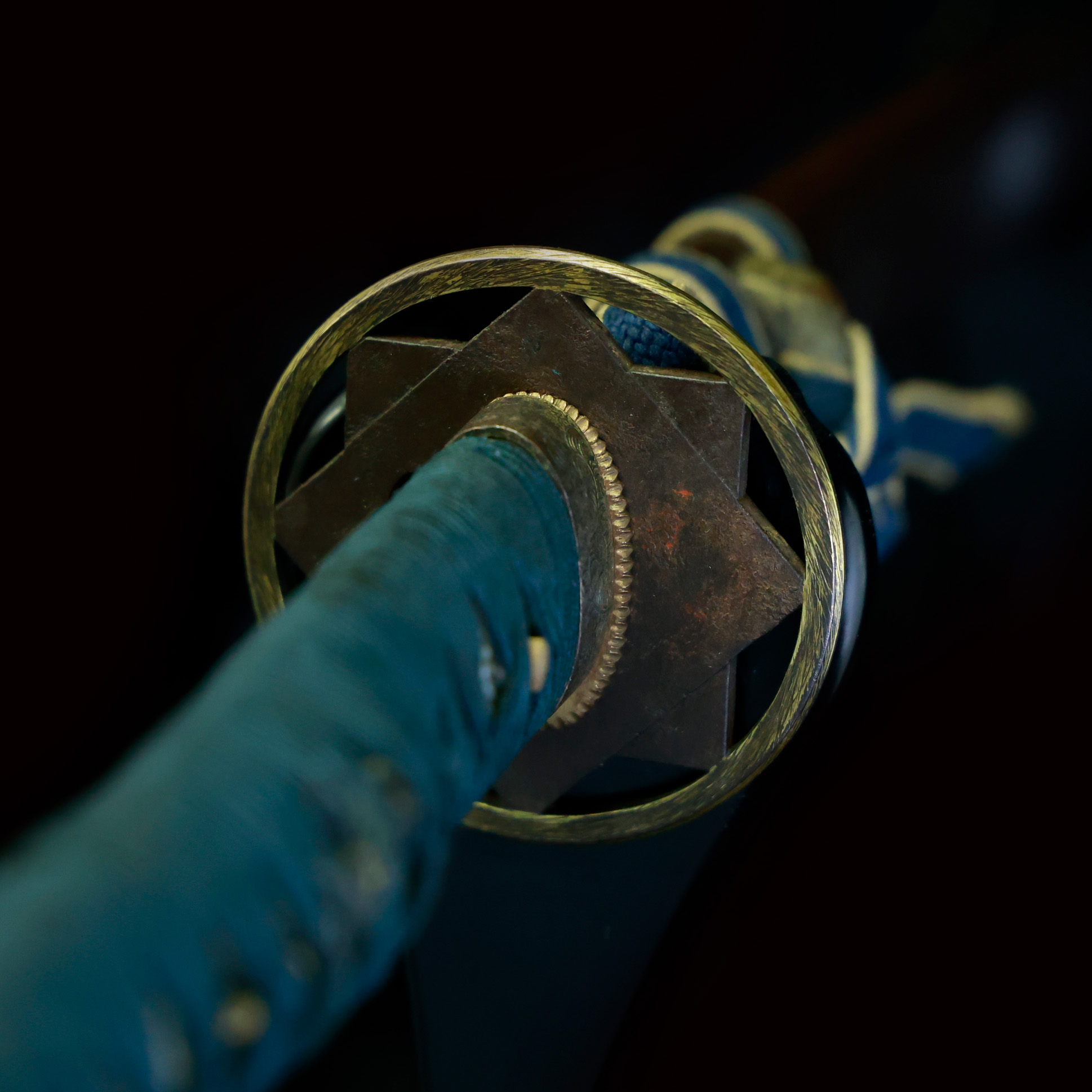
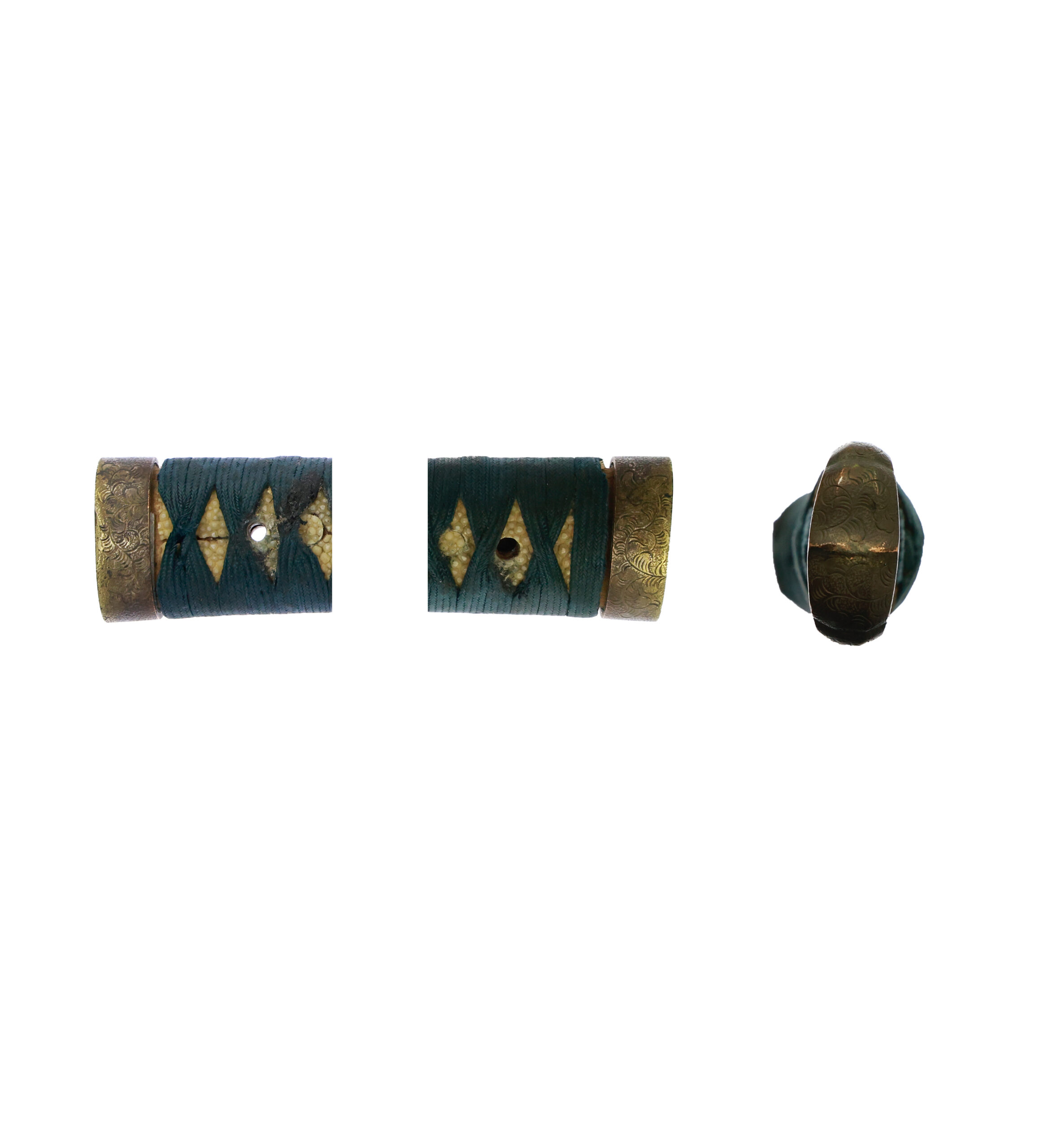
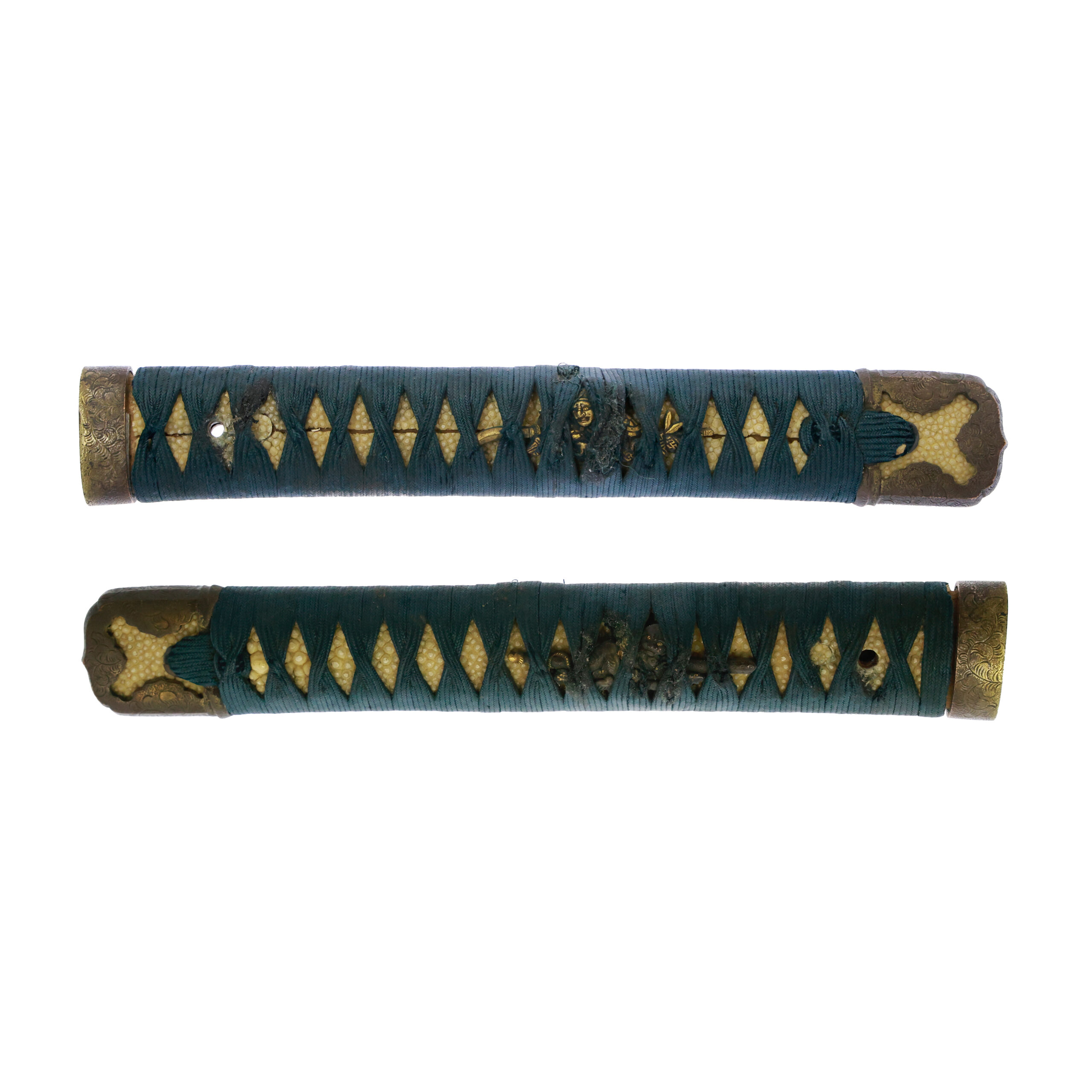
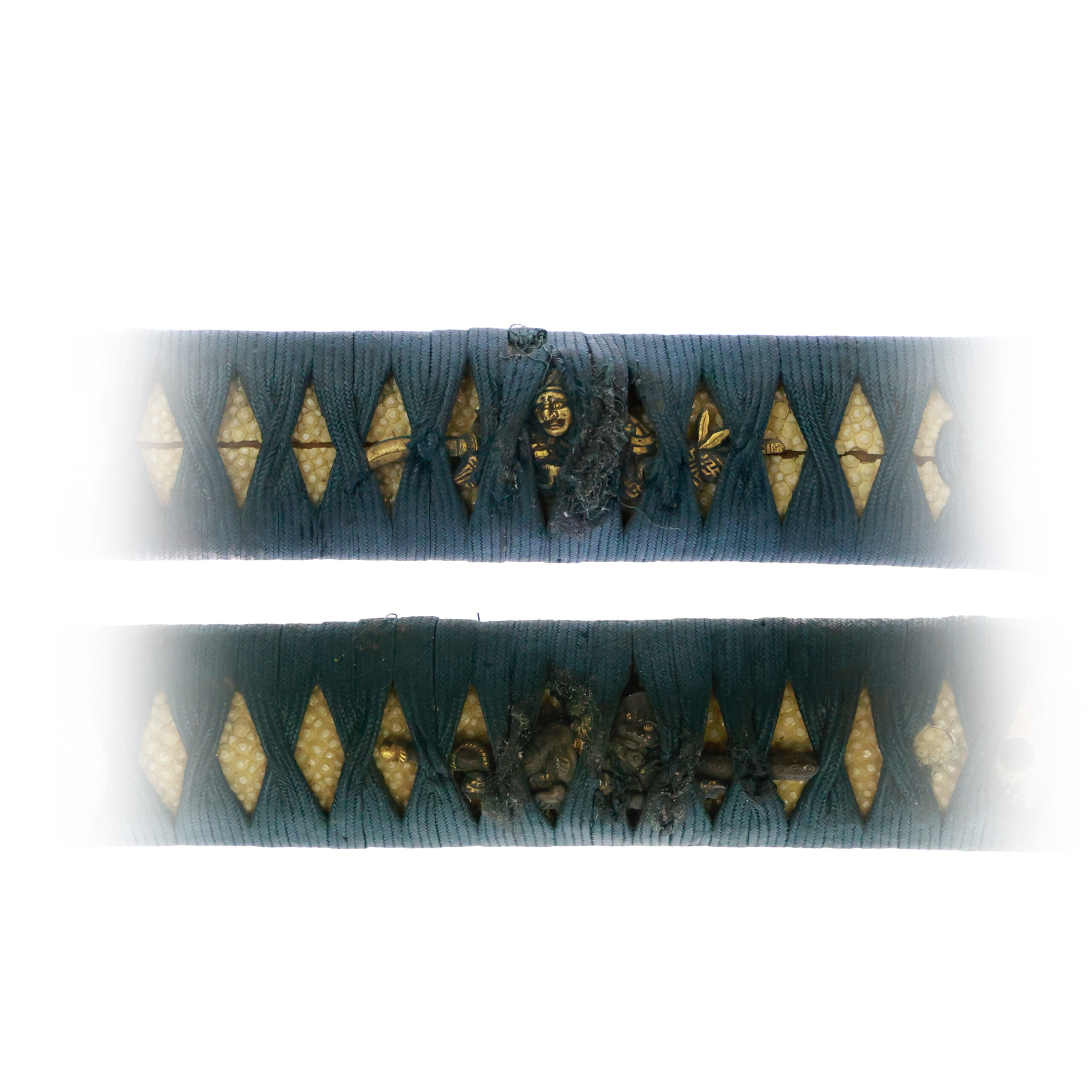
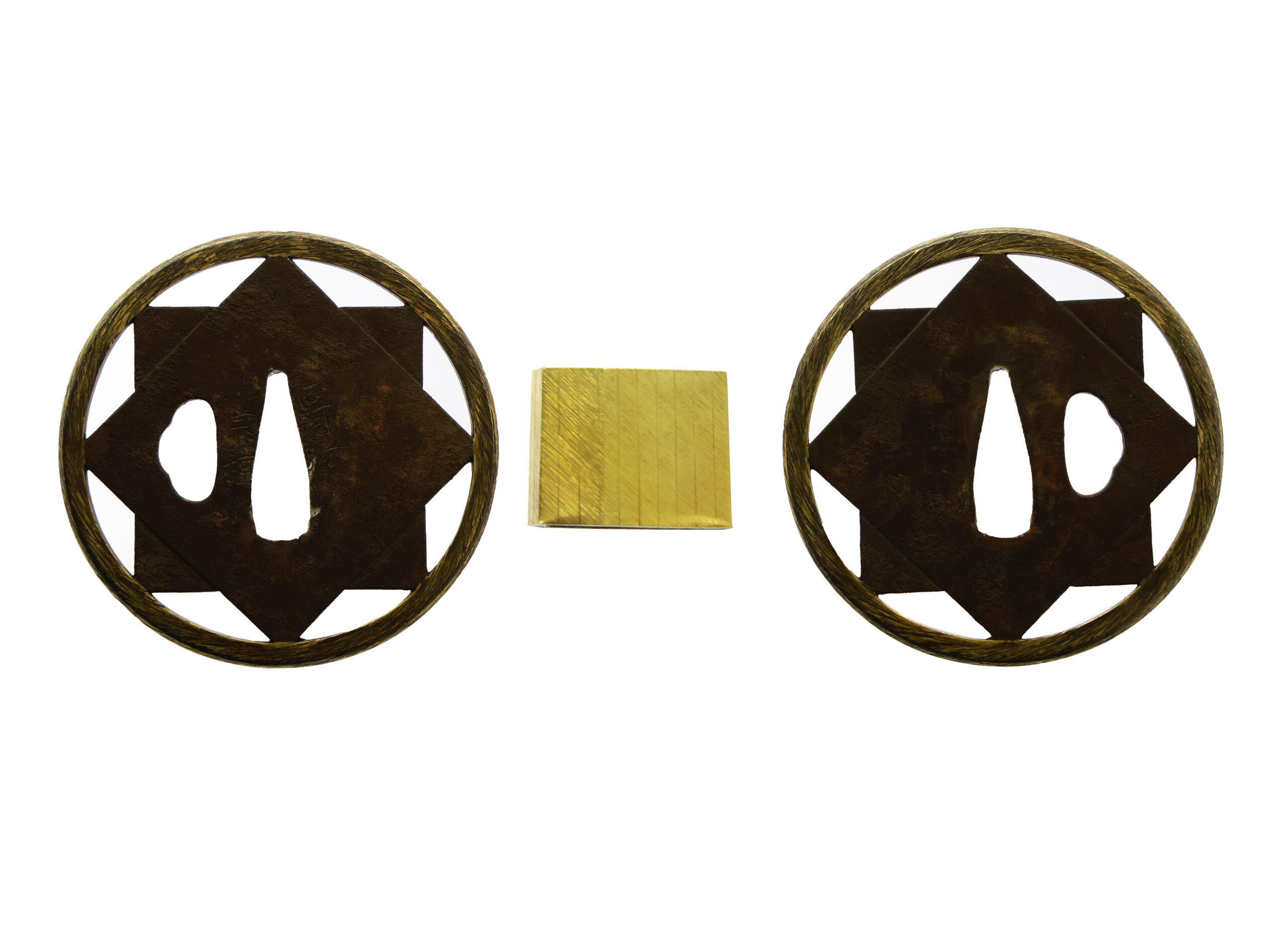
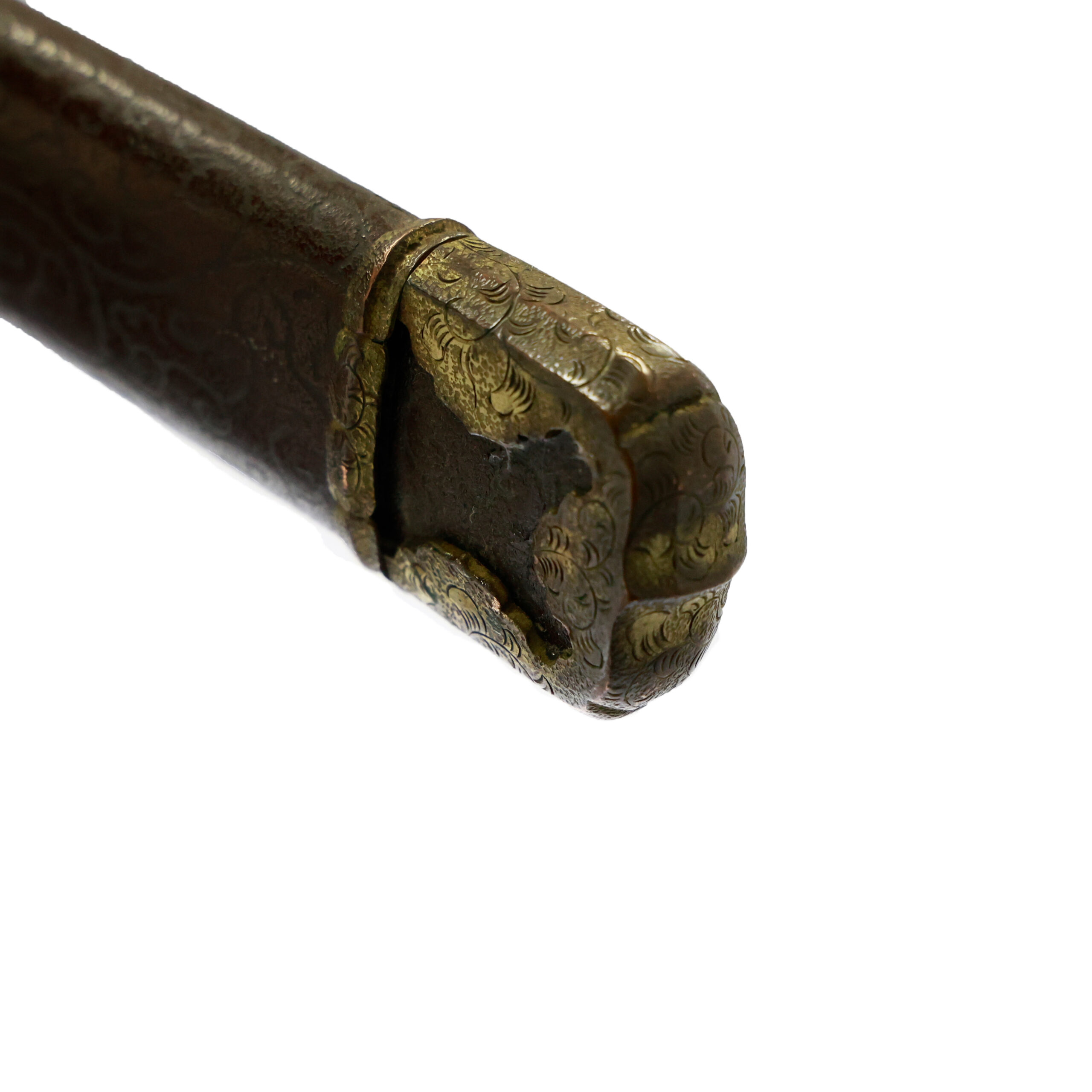
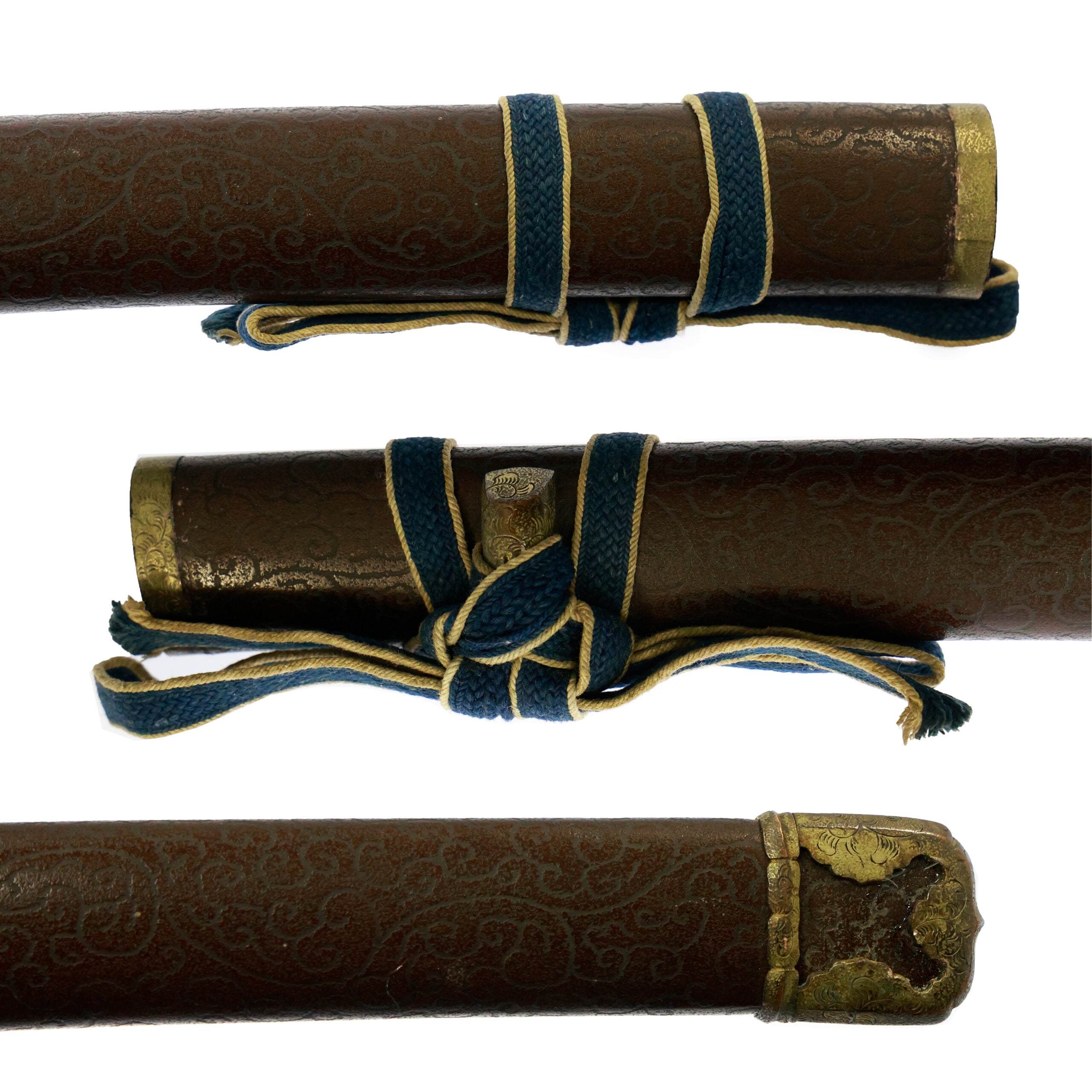
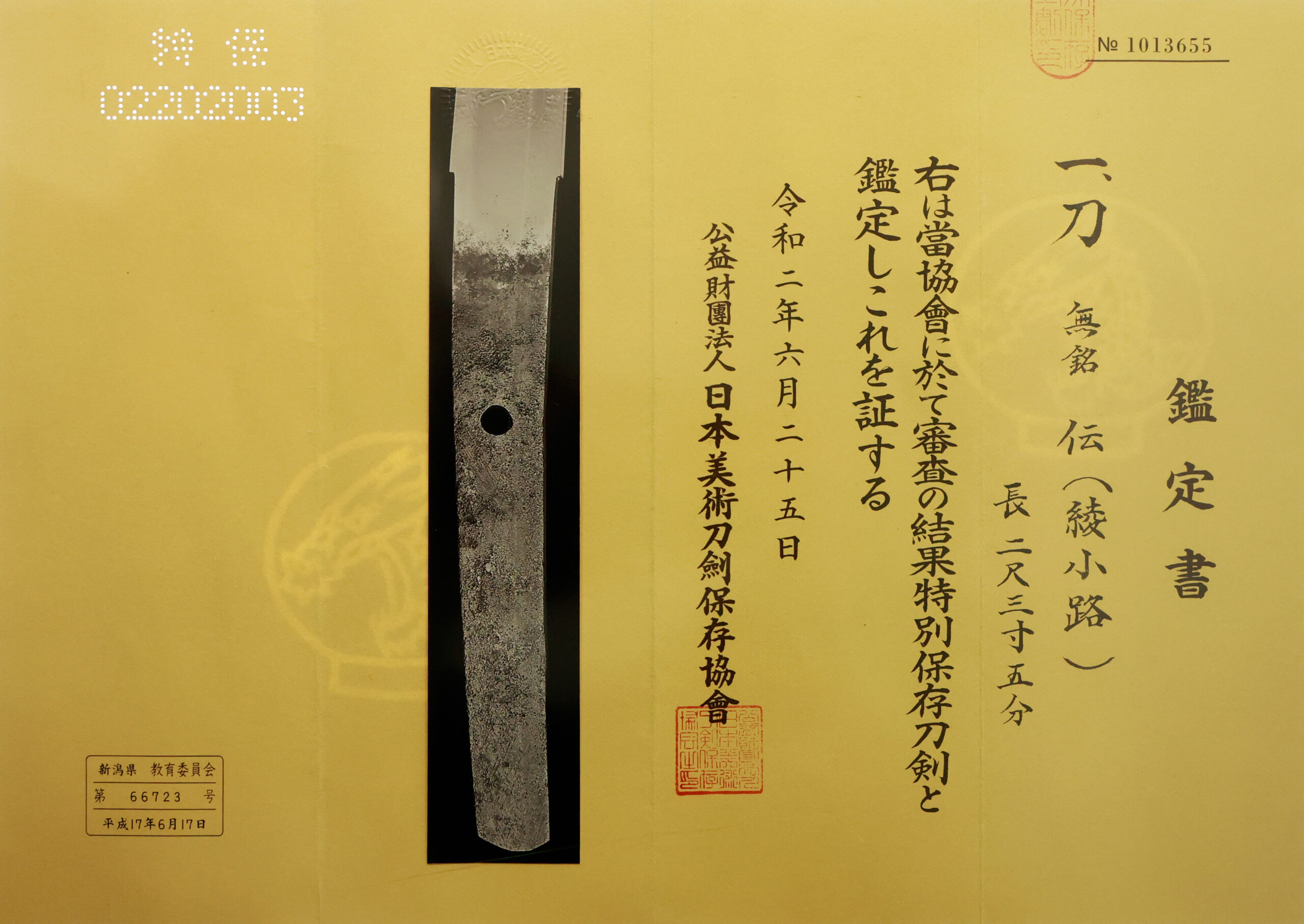
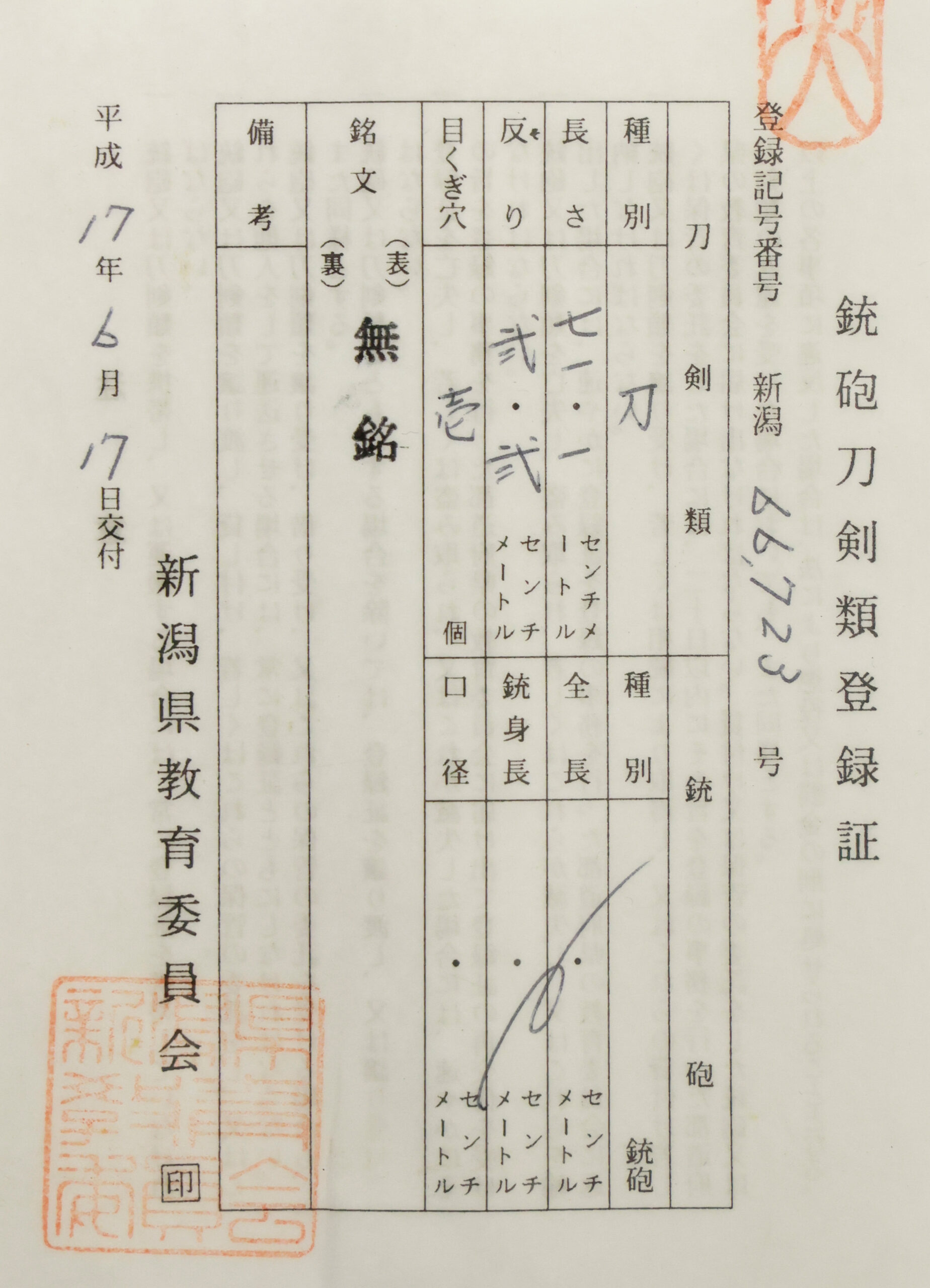
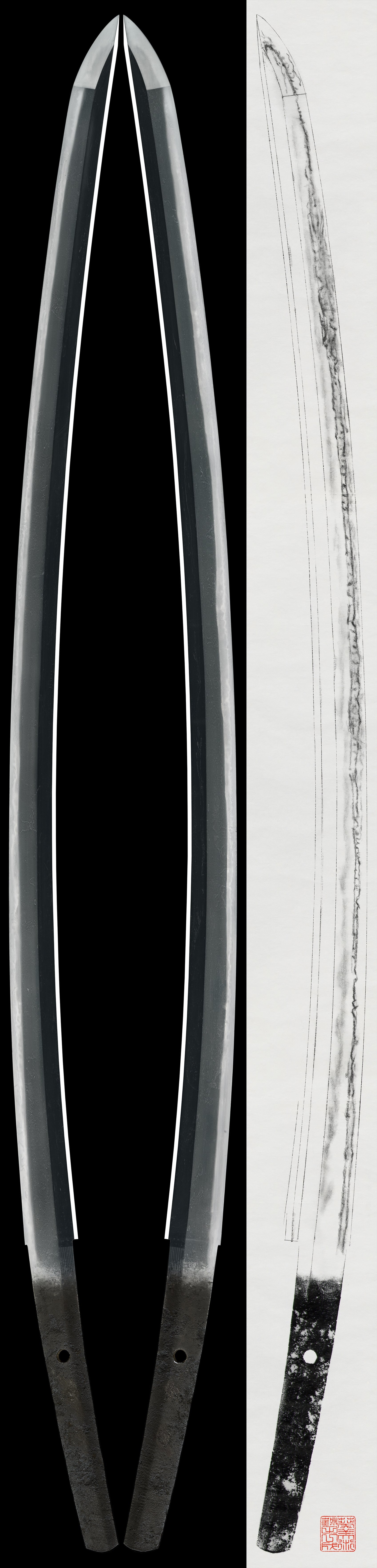
特別保存刀剣鑑定書付 伝 綾小路 刀 【解説】 本刀は、鎌倉時代後期の山城国で活躍した名門、伝 綾小路(あやのこうじ)と極められた一振りです。 綾小路派は山城伝の一派であり、文永(1264-1275年)頃に活躍した定利を事実上の祖とします。京の四条綾小路付近に居住したことから、その家名が流派の名称となりました。 代表的な工には定利をはじめ、国信、定業、定次、定家、定安などが名を連ねます。その作風は粟田口派を彷彿とさせる、極めて精緻かつ気品に満ちた出来映えを特色としています。 一説には、定利は来国行と親交が深く、互いに技術を交流し、代作を行うこともあったと伝えられています。綾小路派は、名高い粟田口派の流れを汲み、後の来派へと繋がる山城鍛冶の発展において極めて重要な役割を果たしました。 山城国は「山城伝」と呼ばれる作刀様式で知られています。山城伝の起源は、都が奈良から京都へ移された平安時代まで遡ります。当初、山城の鍛冶は公家や皇族のために刀を打ち、繁栄しました。その後、武家政権の台頭とともに、諸大名のためにも多くの名刀を世に送り出しました。 山城伝の開祖は三条宗近と伝えられ、その流れから七つの名門流派が誕生しました。来国光が属した来派や粟田口派は、その中でも山城伝を代表する最高峰の流派です。 山城伝の最大の特徴は、優美な姿と美しい地鉄(じがね)にあります。本作もまた、山城伝の真髄を随所に感じさせる一振りです。 本刀は、公益財団法人 日本美術刀剣保存協会(NBTHK)により「特別保存刀剣」に鑑定されています。この鑑定書は、保存状態が極めて良好であり、かつ美術的価値の高い貴重な真作の日本刀に対してのみ発行されるものです。 ※刀身には僅かな鍛え傷がございます。詳細なコンディションについては、お気軽にお問い合わせください。 【刀身】 長さ(長狭):71.1 cm 反り:2.2 cm 刃文:焼入れによって刃先に現れる結晶構造 地紋(地肌):折り返し鍛錬によって現れる鋼の表面模様 切先:刀身の先端部分 茎(なかご):刀身の柄に収まる中心部分。日本刀の職人は、柄の中での赤錆を防ぐために、あえて「黒錆」を残します。この茎の経年変化(錆色)は、専門家が作刀年代を推定する際の重要な指標となります。 【外装】 拵(こしらえ):鞘、柄、鍔などから構成される日本刀の外装。 縁頭(ふちがしら):柄の上下を保護する一対の金具。 本作の縁頭には、吉祥文様である「唐草」が施されています。シルクロードを経て中国から伝わった唐草文様は、日本の工芸品や刀装具に広く用いられてきました。 途切れることなく伸び続ける蔓(つる)の意匠は、長寿、繁栄、そして武家の家系が絶えないことを象徴しています。また、魔除けや守護の力があると信じられ、侍に好まれた意匠です。 柄・目貫:柄は刀の持ち手部分、目貫はその装飾金具です。 ※柄巻(柄の糸)には経年による傷みが見られます。詳細はお問い合わせください。
 NihontoWatch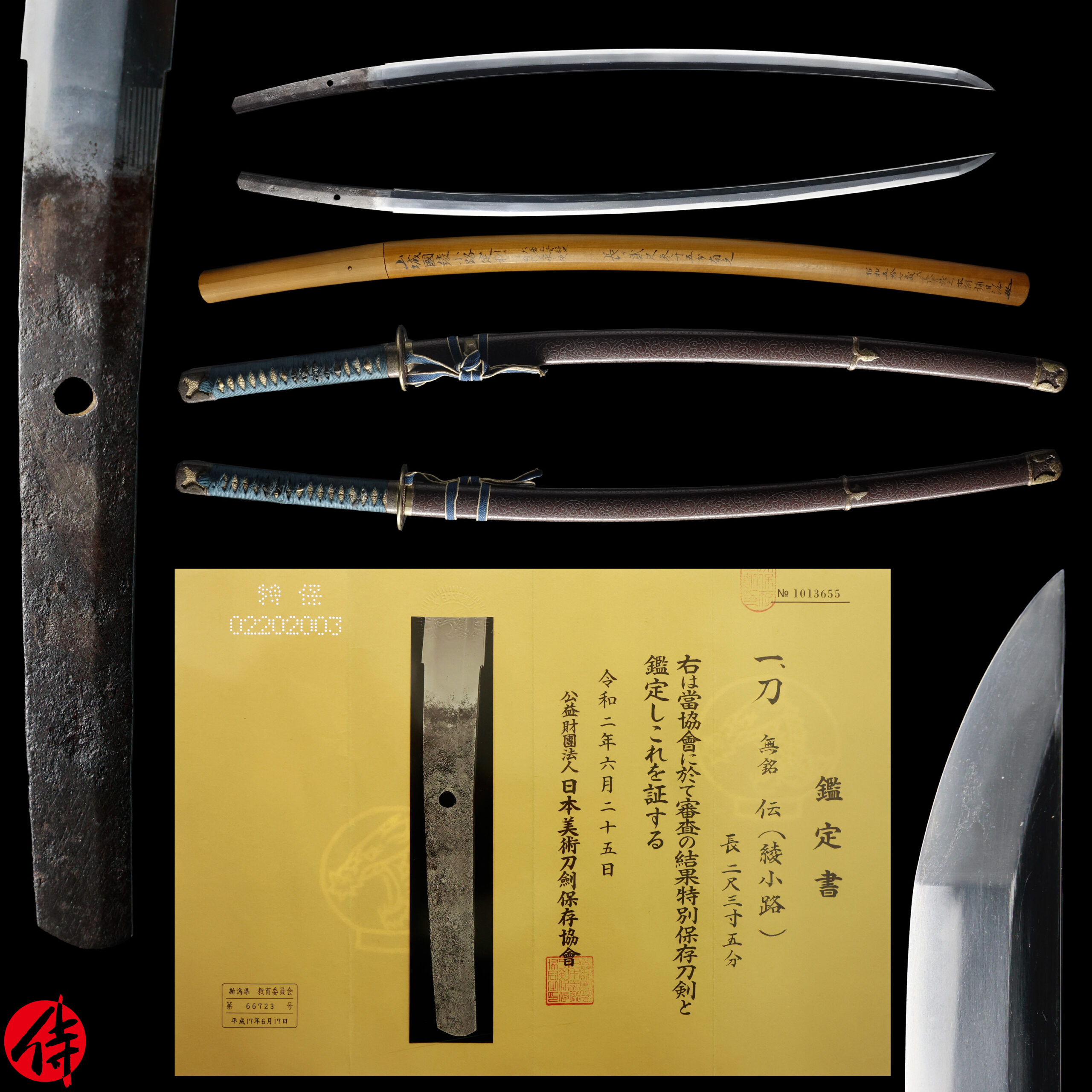
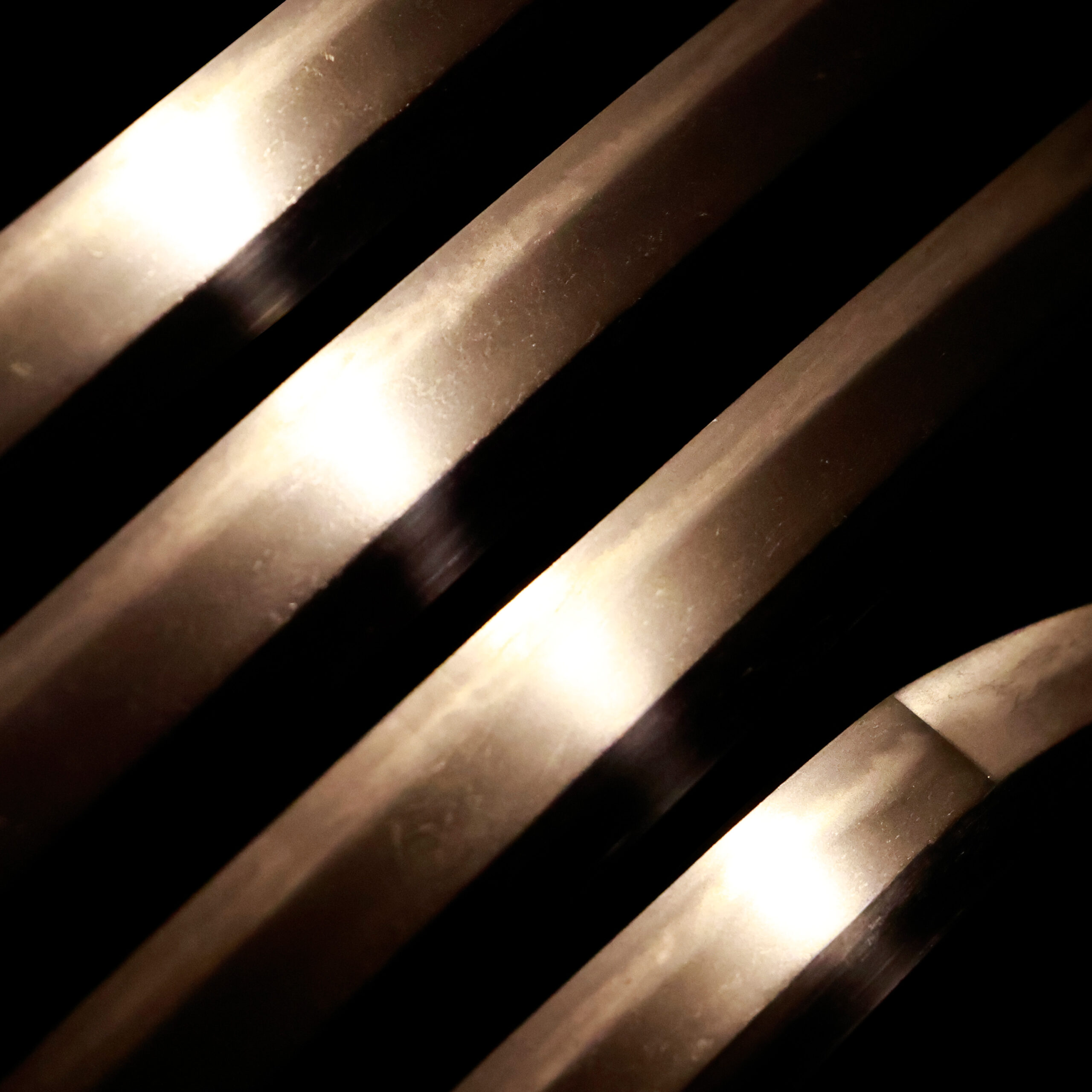
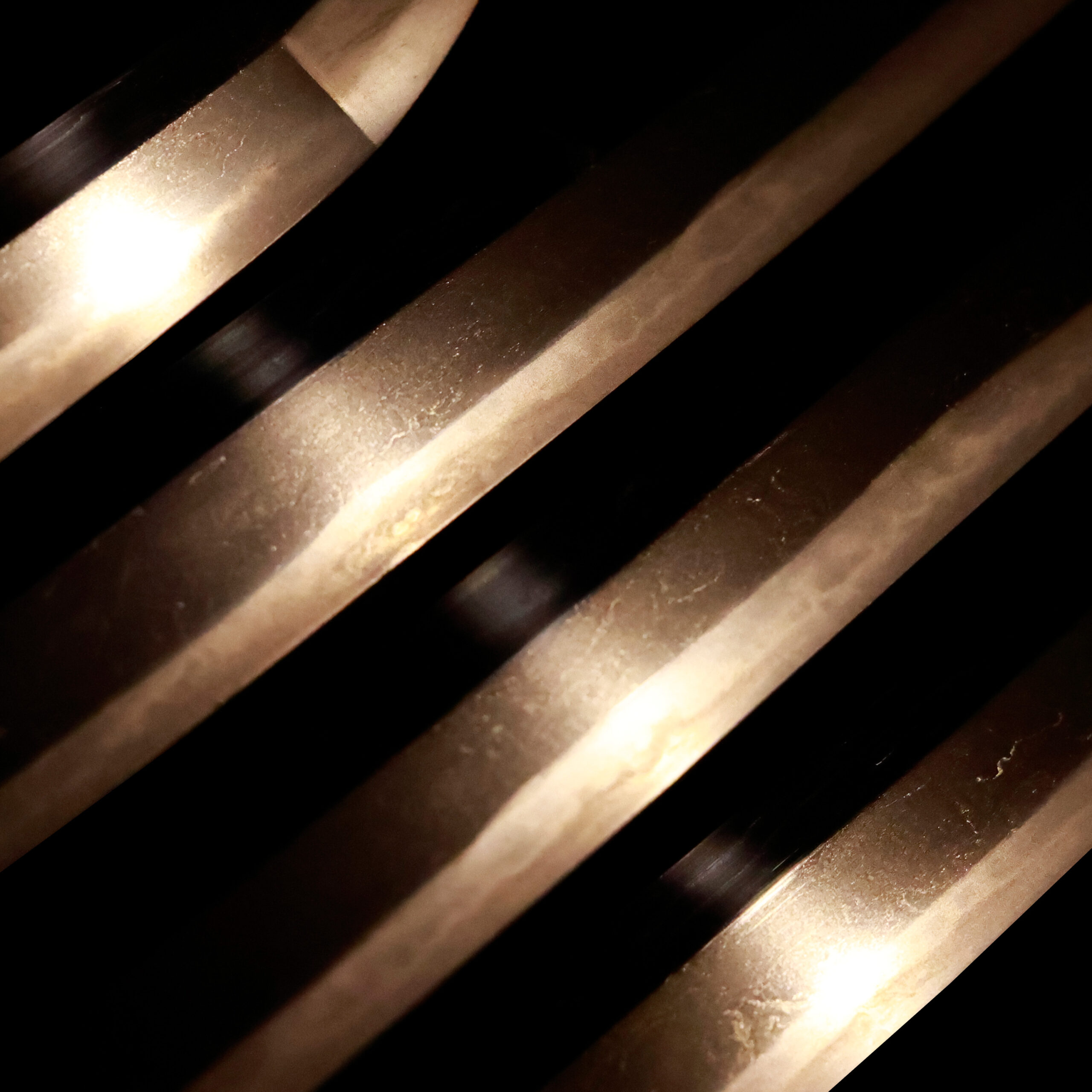
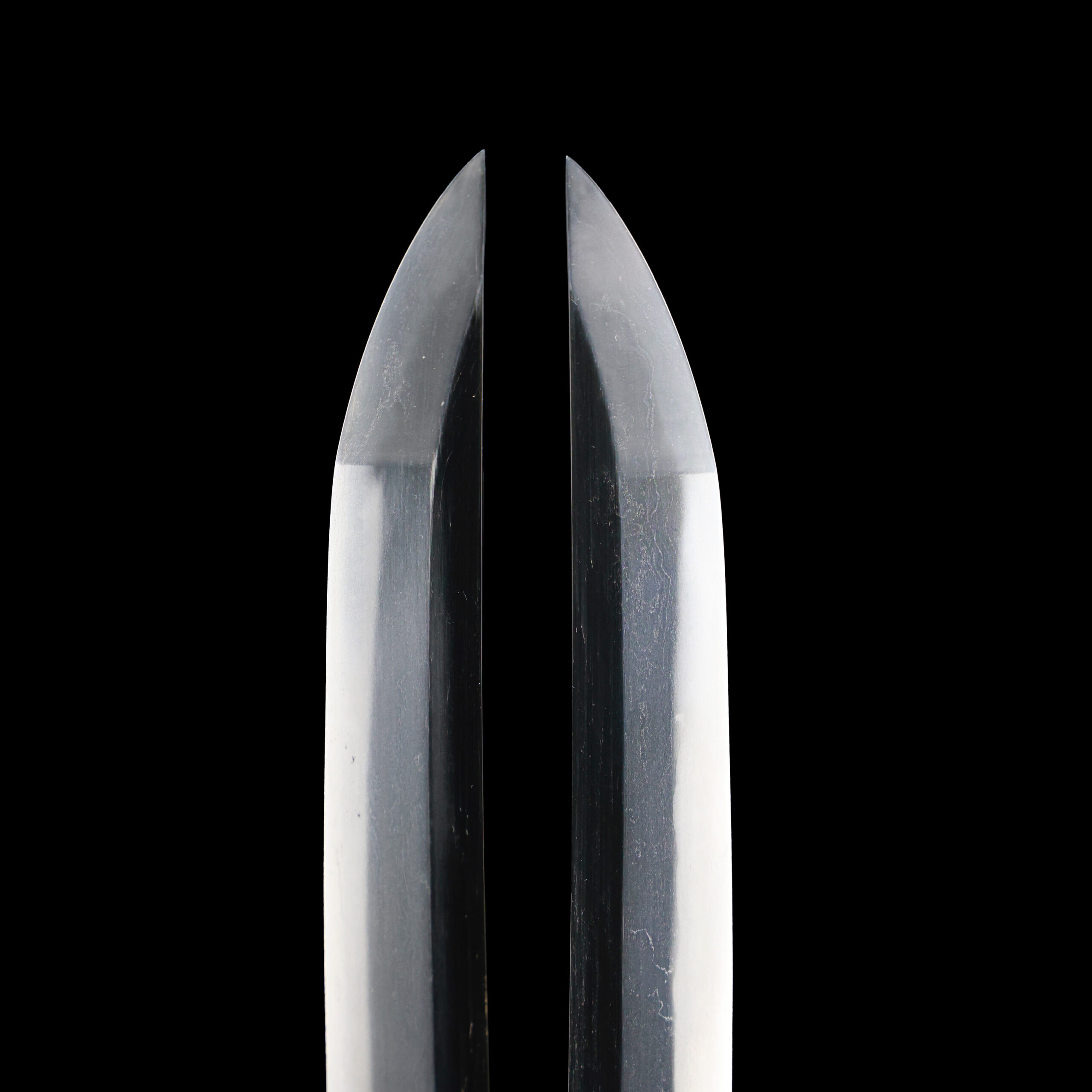
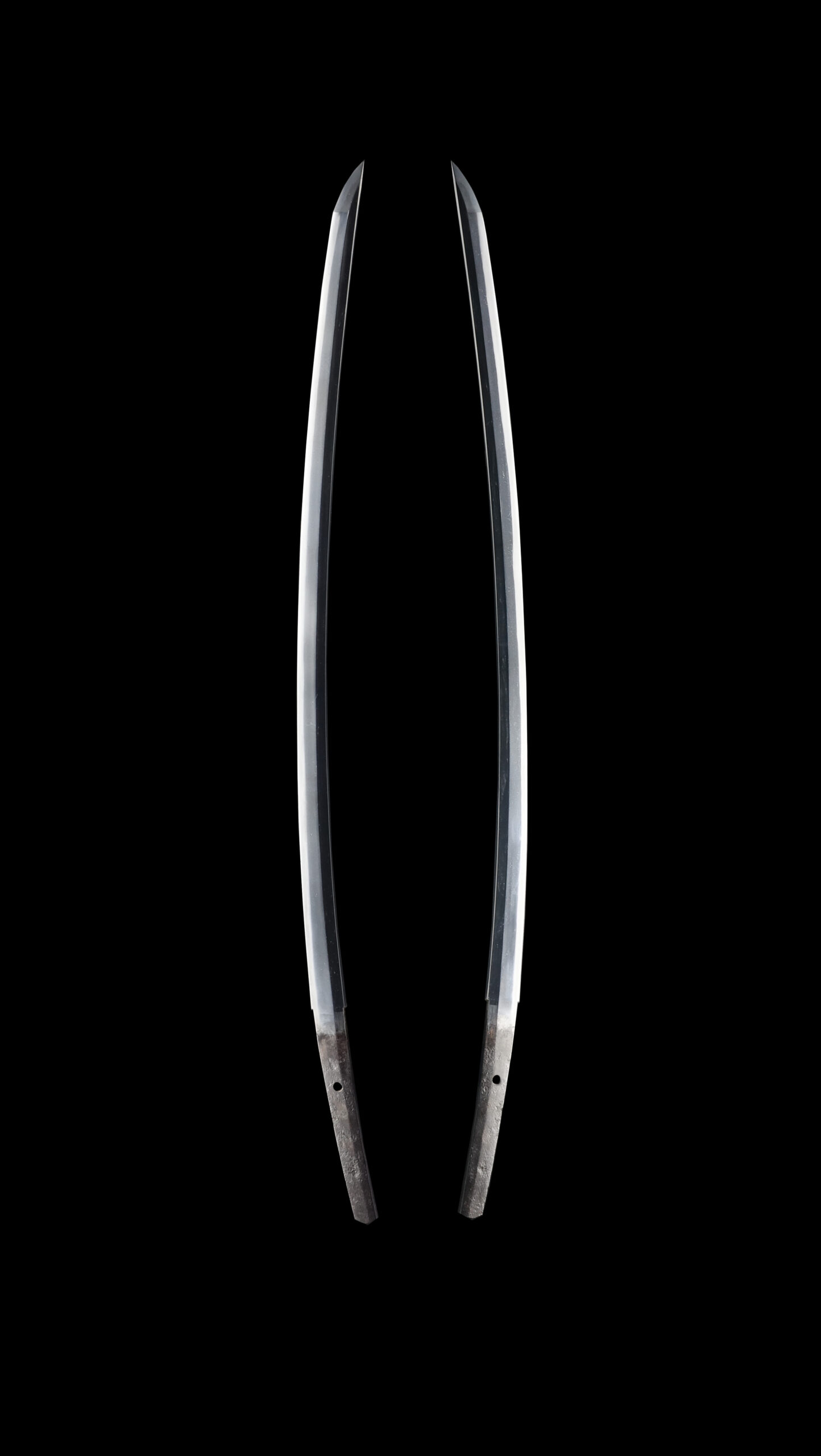
山城伝 · 山城
現在11点販売中
綾小路派は京の綾小路に在住して鍛刀した一派で、定利・定吉らを主要な刀工とする。銘鑑では定利の年代を文永頃としているが、現存する作品の作風は「古京物の三条・五条派の作域を踏襲した感のある古様な趣」[[c:1]]を呈しており、「通説よりも年代が遡るものと鑑せられる」[[c:2]]と繰り返し指摘されている。一説に定利は来国行の近隣に居住し、互いに代作しあったとも伝えられるが、もし両者に接点があるとしたならば「定利の晩年と国行の初期の頃」[[c:3]]ということになろうとされ、粟田口国安あたりに繋がる古雅な作域との類縁も認められている。 本派の作風上の最大の特徴は、刃文が「乱れが間近く小模様に複雑に乱れ」[[c:4]]る点にある。小丁子・小互の目・小乱れ・小のたれなどを交えた小模様の乱れに足・葉がよく入り、沸出来となる。とりわけ鑑定の決め手となるのは、「焼頭にさらに小さな焼が点続して二重刃風を形成」[[c:5]]する現象であり、湯走りや飛焼が焼頭上に点続して現れる様は同派に一貫して認められる。匂口は「うるみごころ」を呈し、この沈んだ柔らかな匂口も本派の重要な識別点である。帽子は乱れ込んで「さかんに掃きかけ」[[c:6]]るものが多く、火焔風や焼詰め風となる作も見られる。鍛えは板目肌ないし小板目肌がつみ、地沸が微塵ないし厚くつき、地景が入り、沸映りが立つ精美な地鉄を示す。姿態はやや細身で元先の幅差がつき、腰反り深く、先伏さりごころとなって小鋒に結ぶ優美な太刀姿を典型とし、踏張りを残す生ぶ茎の遺例も知られる。同時代の来派とは、焼の高低や匂口の性質、二重刃風の焼頭の有無によって区別され、備前物とは所謂「京逆足」の入り方や小模様の複雑さにおいて異なる作域を示す。 綾小路派の作は大磨上無銘がほとんどであるが、古様な姿態と独自の刃文構成により極めが可能とされ、その所伝は「首肯しうる」と繰り返し評価されている。江戸時代の刀剣書の系図には定家・定次・家安など門流を挙げ、南北朝時代から応永頃まで同派が継続したとするものもある。説示においては「古雅」「雅趣に富んだ」「滋味溢れる」といった評語が頻出し、華やかさよりも細やかな変化と深みに本派の美点が見出されている。三条・五条派の作域を基盤としながら独自の刃文意匠を確立した綾小路派は、京鍛冶の古層を伝える貴重な存在として、刀剣史上に重要な位置を占めている。 詳しく見る →
鎌倉時代の山城
政権は鎌倉にあったが、美意識はなお京都が定めた。粟田口派の梨子地肌は完璧の代名詞となり、来派は公家にも上級の武家にも大寺にも、堂々たる太刀を納めている。
保存刀剣のうち、出来が一層優れ、保存状態も良好と認められたものです。再刃や、室町・江戸期の多くの無銘作は対象外となり、保存刀剣より高い基準が課されます。
日本美術刀剣保存協会(NBTHK)は、1948年に設立され、文化庁の監督を受ける公益財団法人で、東京・刀剣博物館に本部を置きます。専門の審査員が出品作を直接審査し、美術的・歴史的価値に応じた鑑定書を発行します。NBTHKの鑑定書は、日本刀および刀装具の真正性を示す最も広く認知された基準です。
NBTHK公式サイトReturns/exchanges limited to defects caused by shipping (except willful misconduct or gross negligence by the company); customers must contact within 72 hours of receiving the product.
![Katana - Jūyō - 作 綾小路派 - 刀[無銘 綾小路]重要刀剣(日本美術刀剣保存協会)](/_next/image?url=https%3A%2F%2Fitbhfhyptogxcjbjfzwx.supabase.co%2Fstorage%2Fv1%2Fobject%2Fpublic%2Flisting-images%2Fworld-seiyudo%2FL31356%2F00.jpg&w=2560&q=90)