戦国の世、一派は第二の主家に仕えた。小田原の後北条氏である。その庇護のもと綱広系は打刀の時代の皆焼を鍛え続け、1590年の落城とともに新刀の時代へ散った。
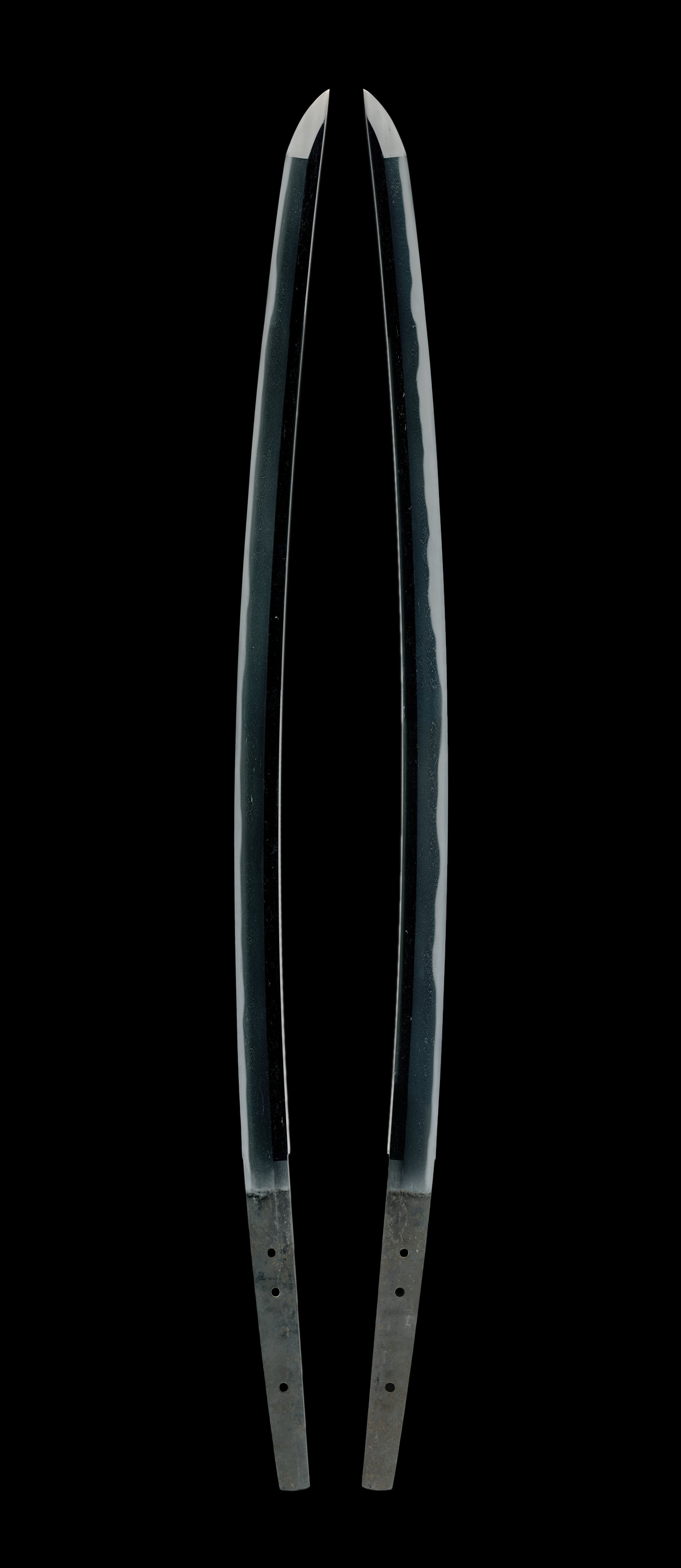
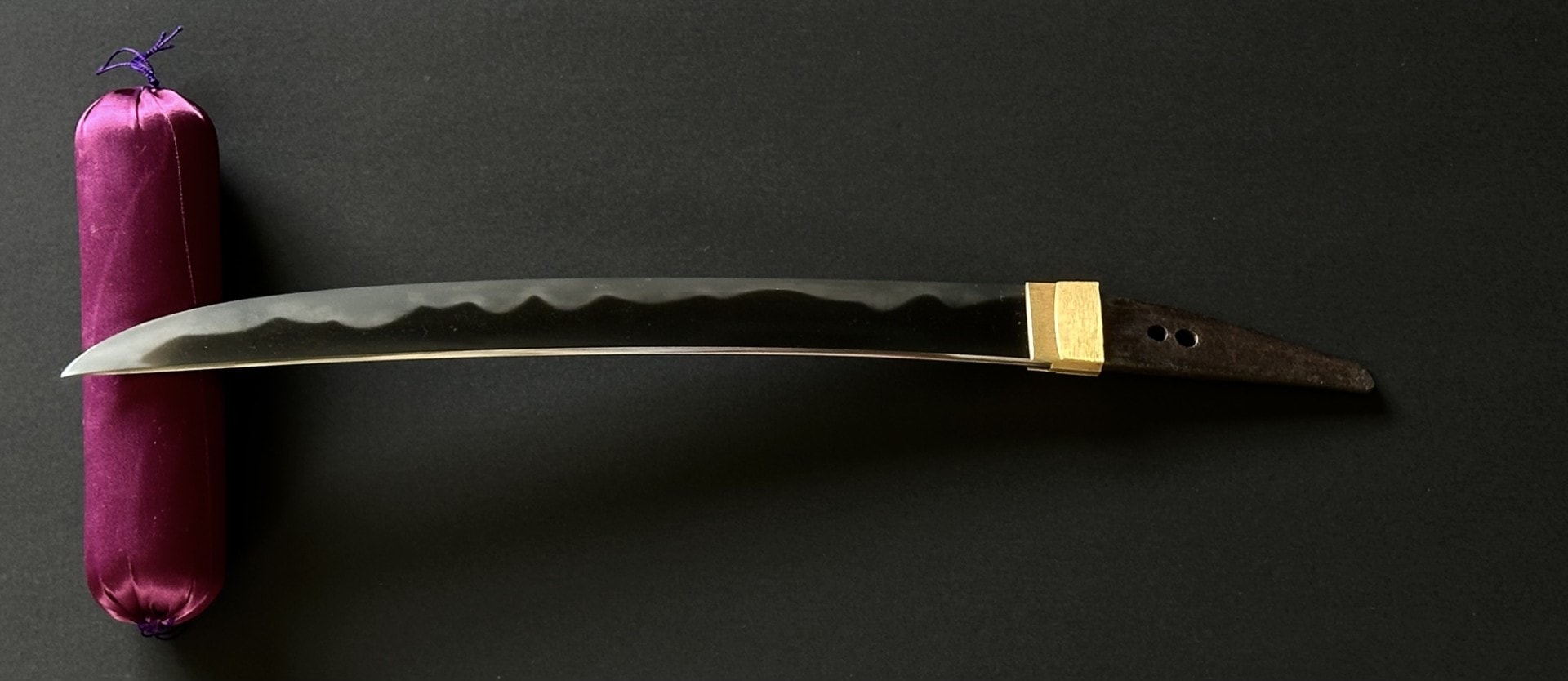
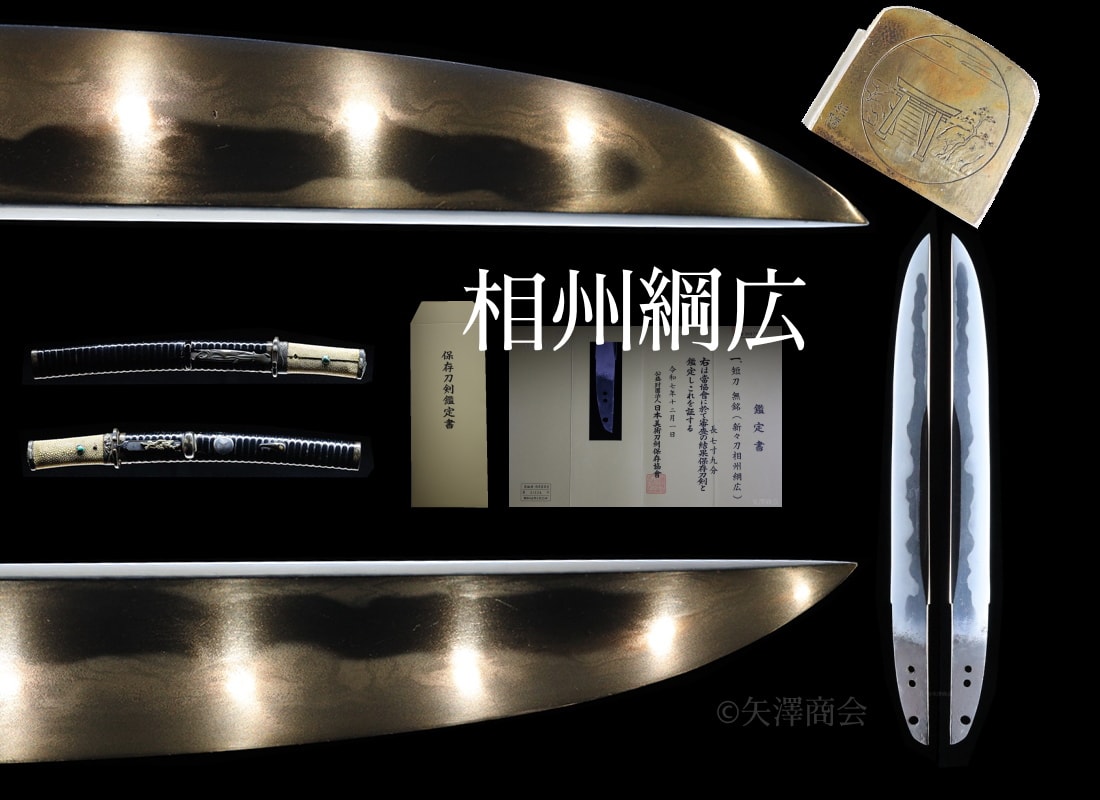
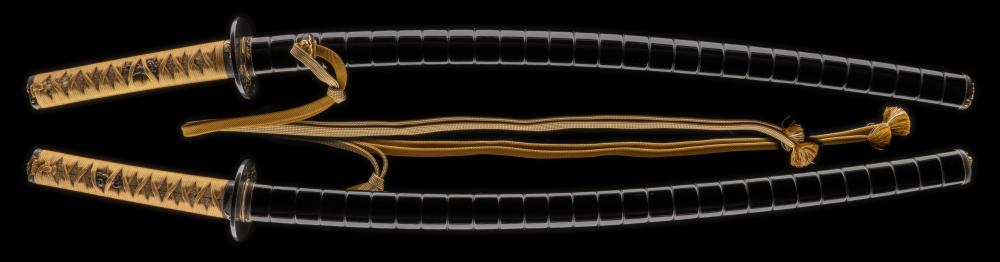
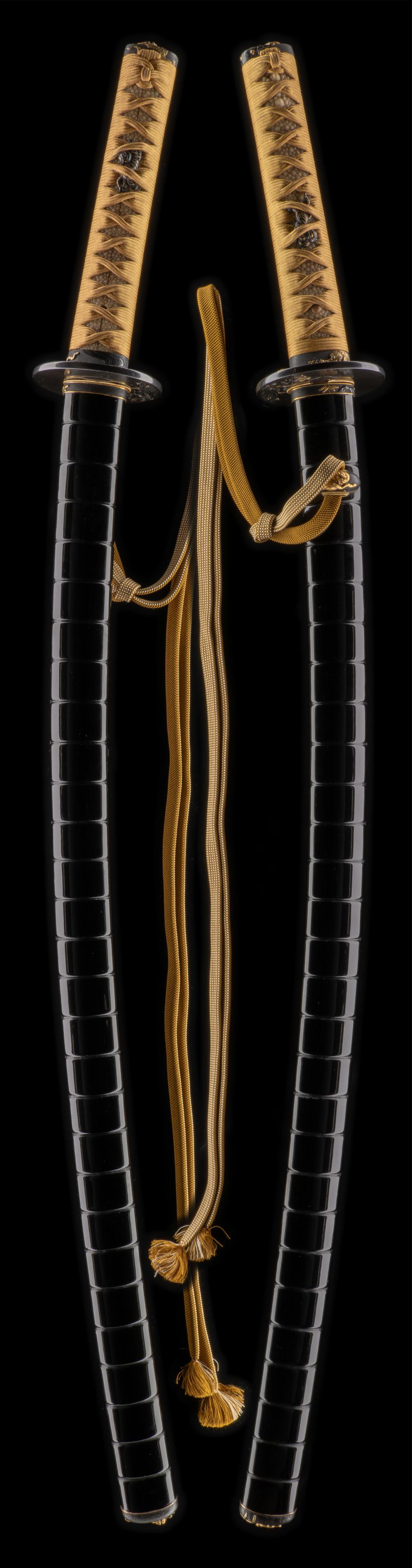
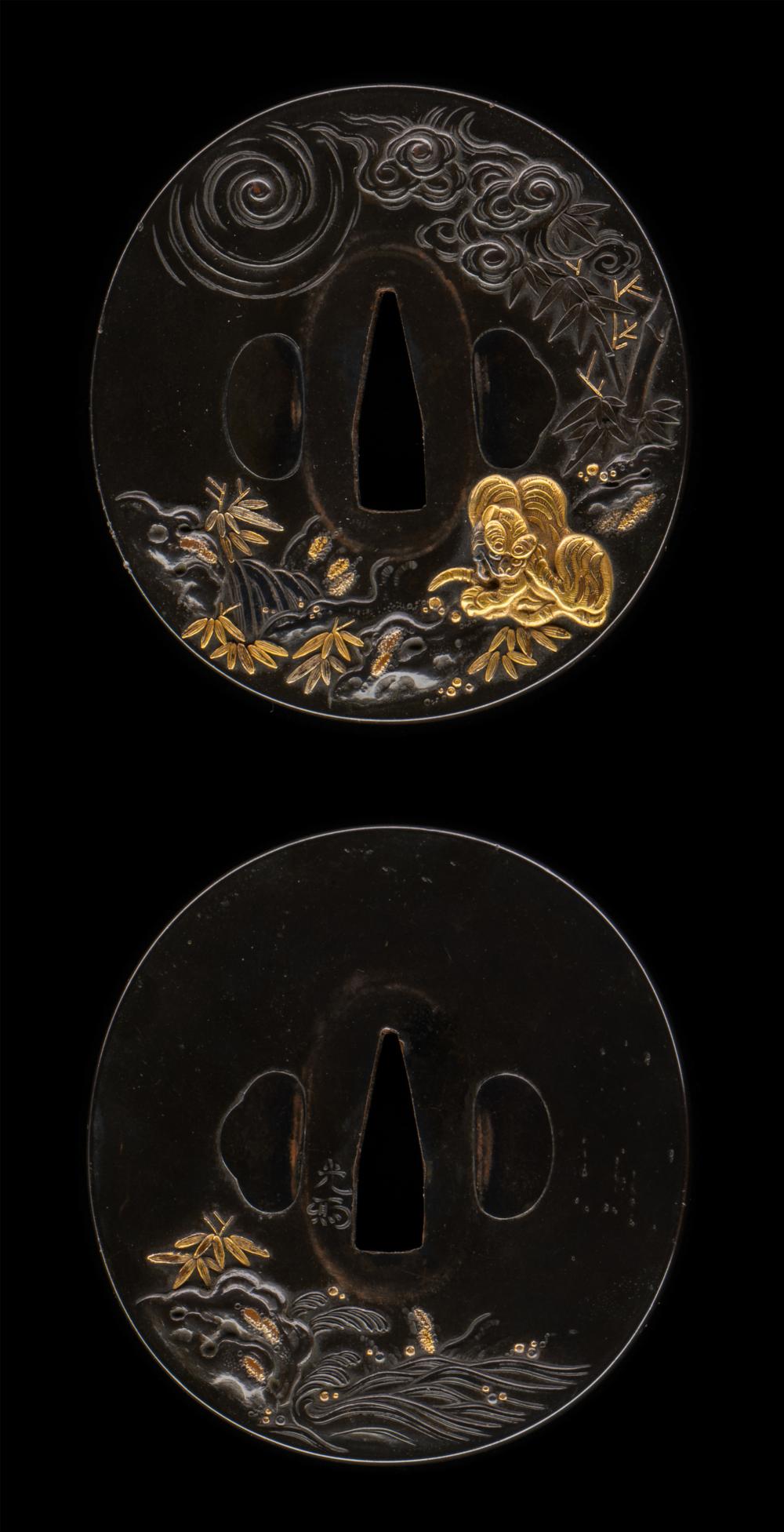
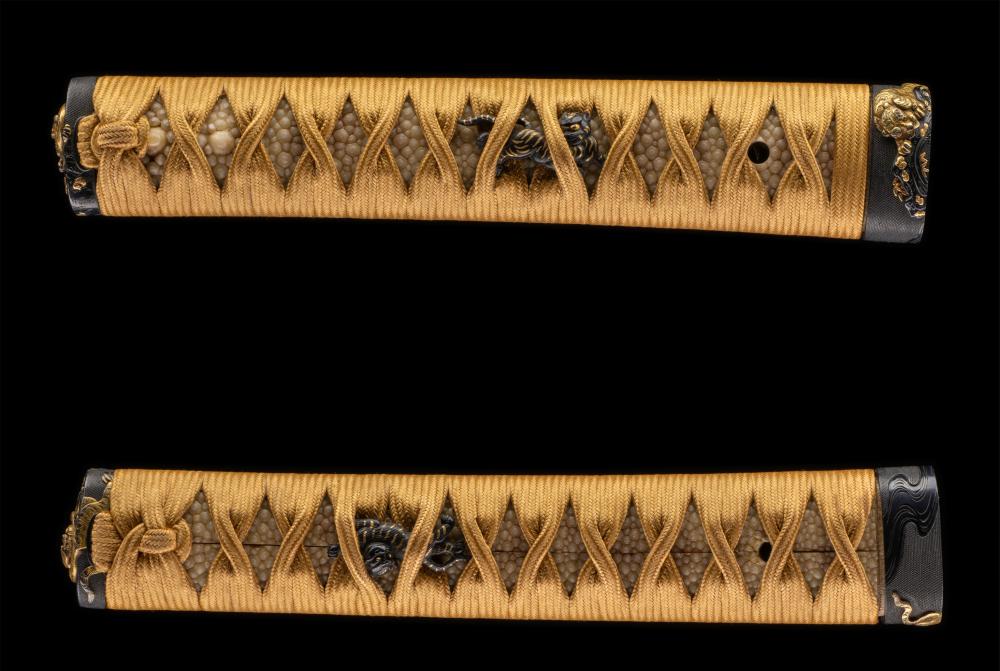
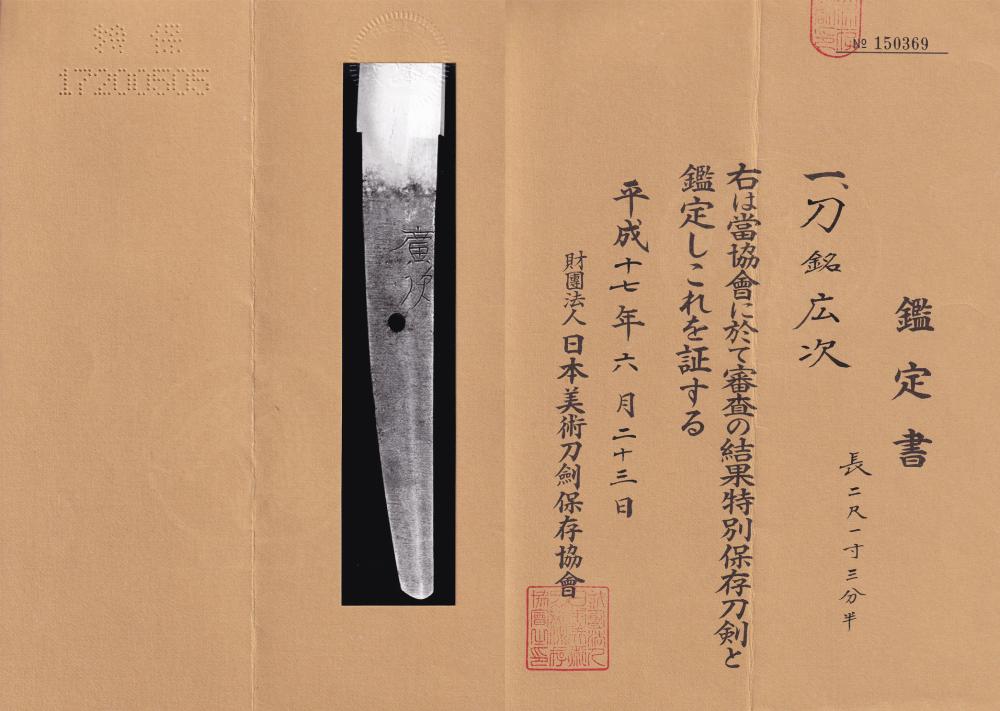
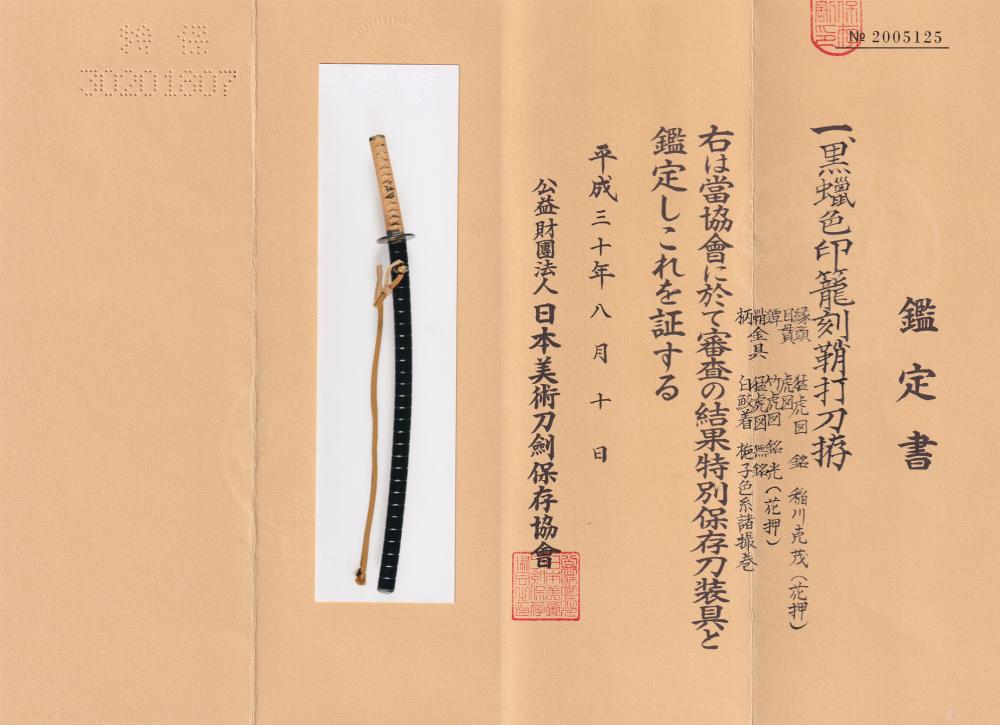
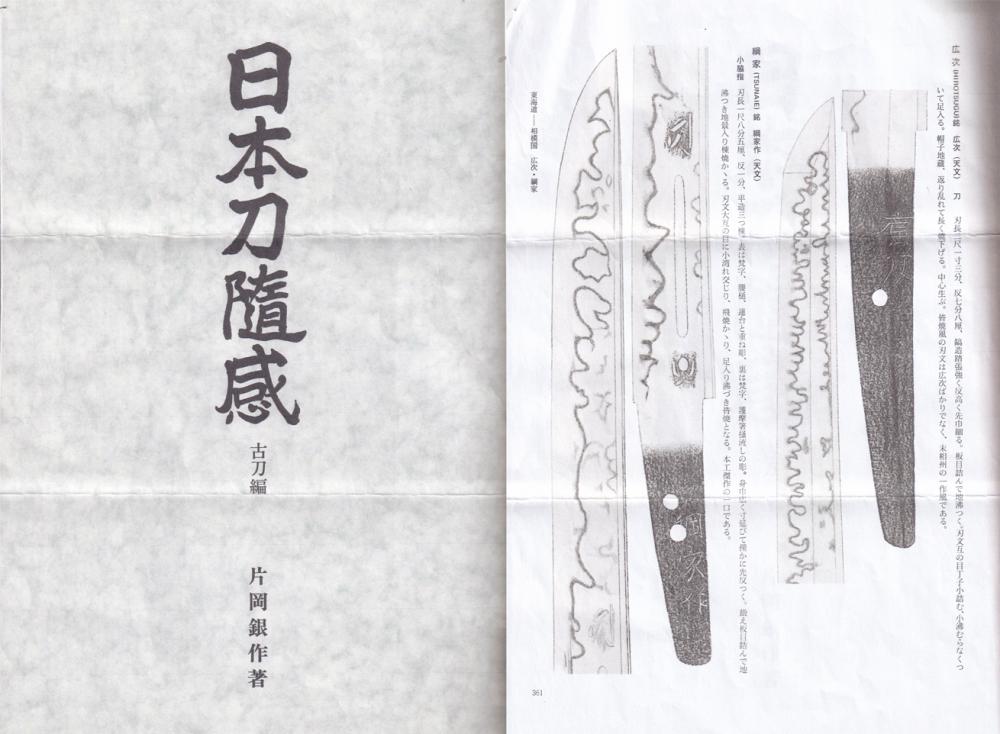
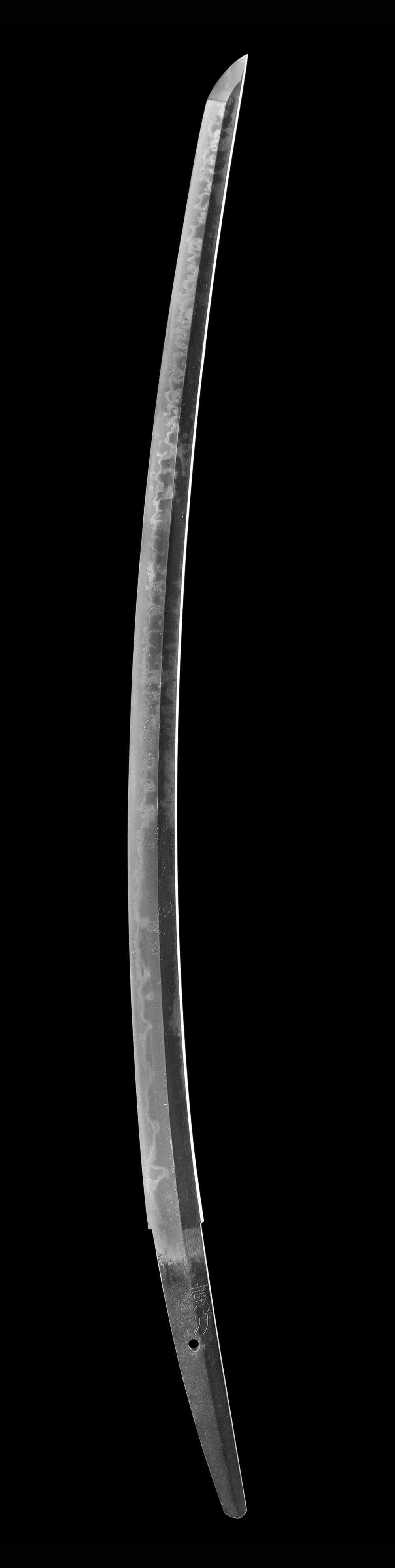
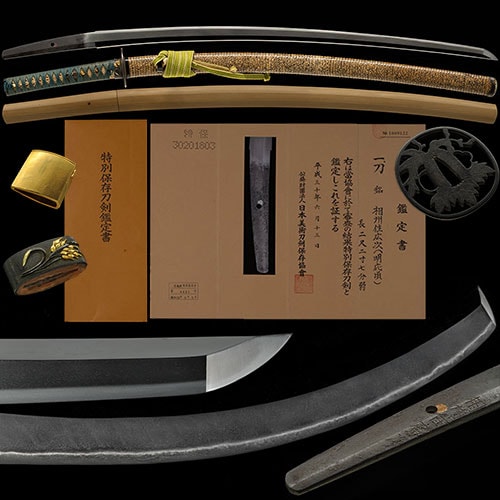
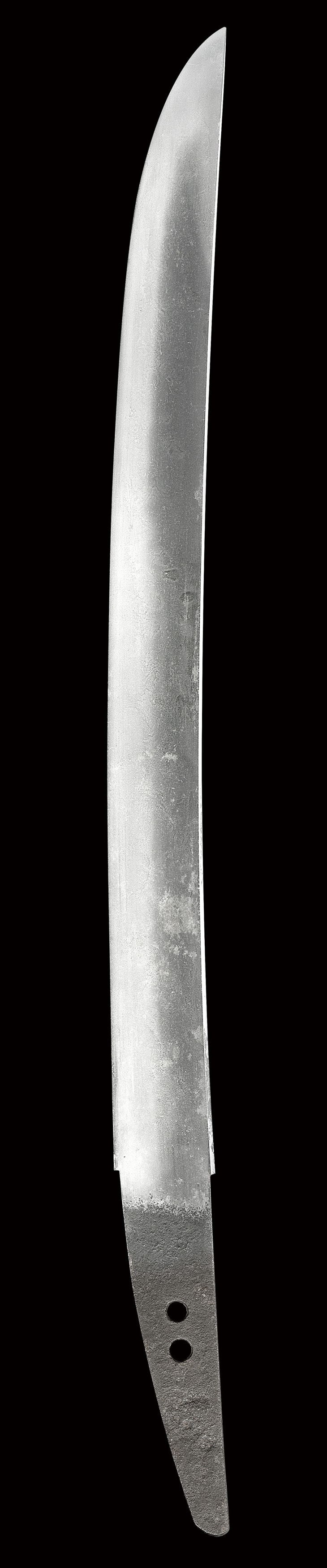
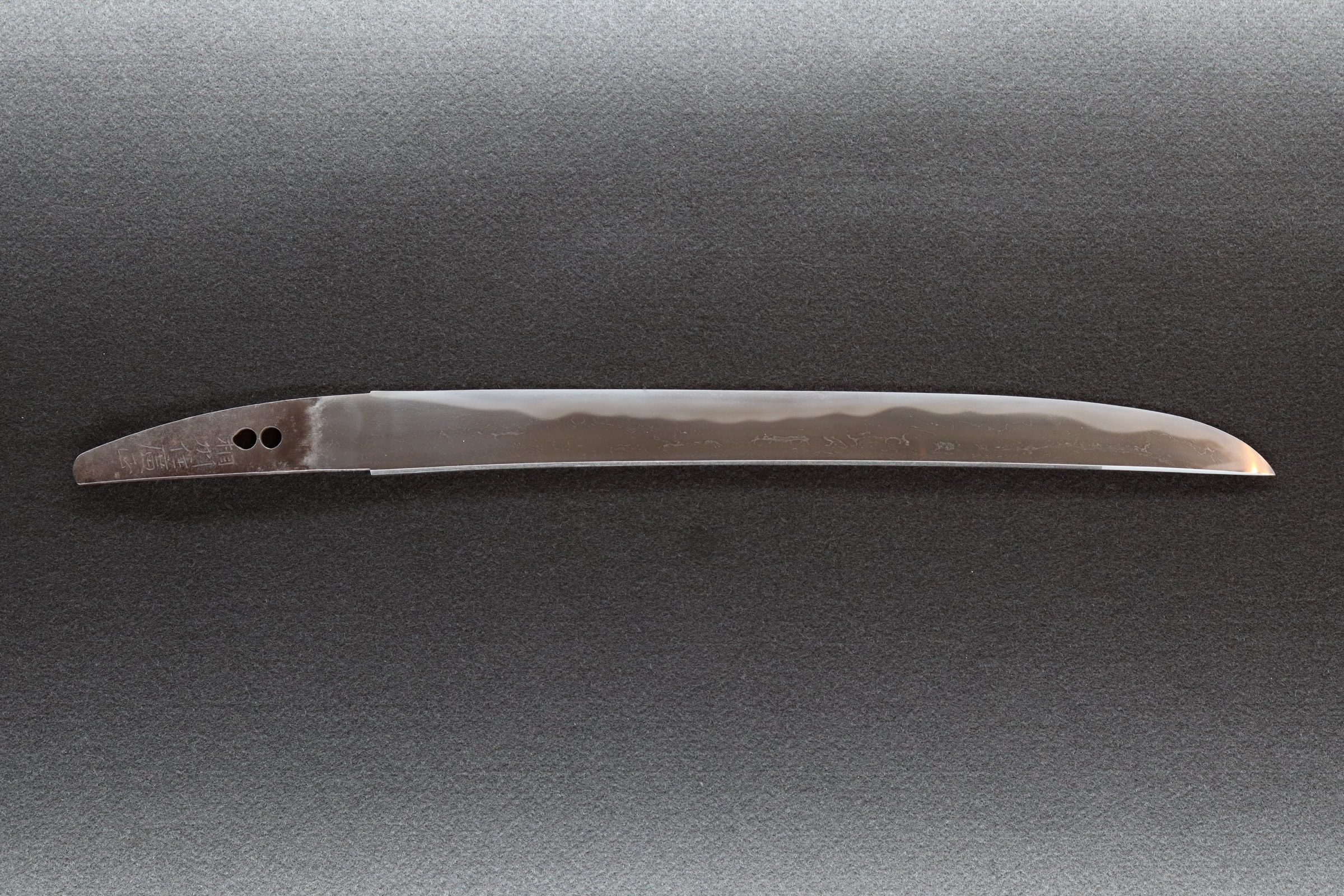
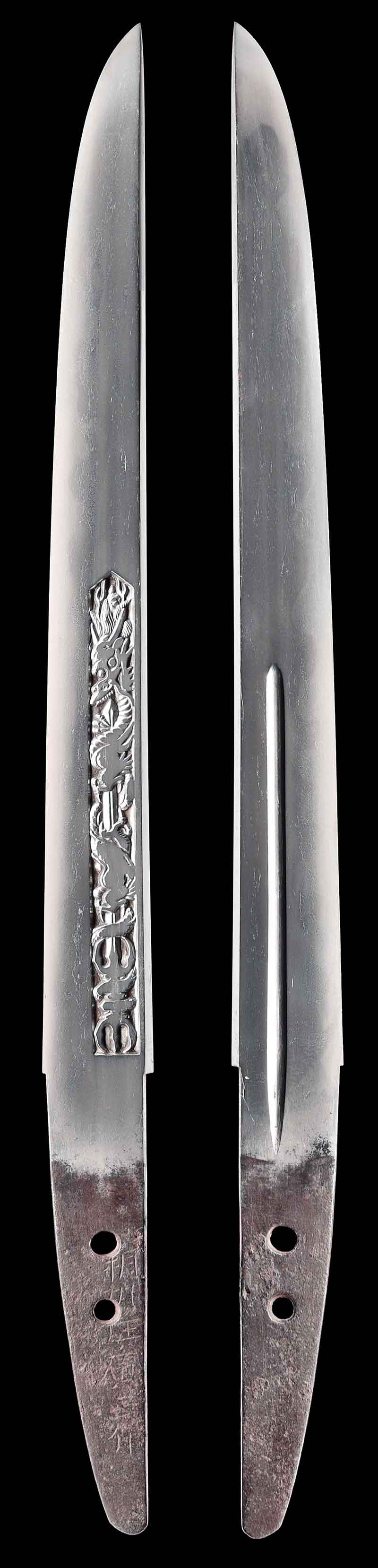
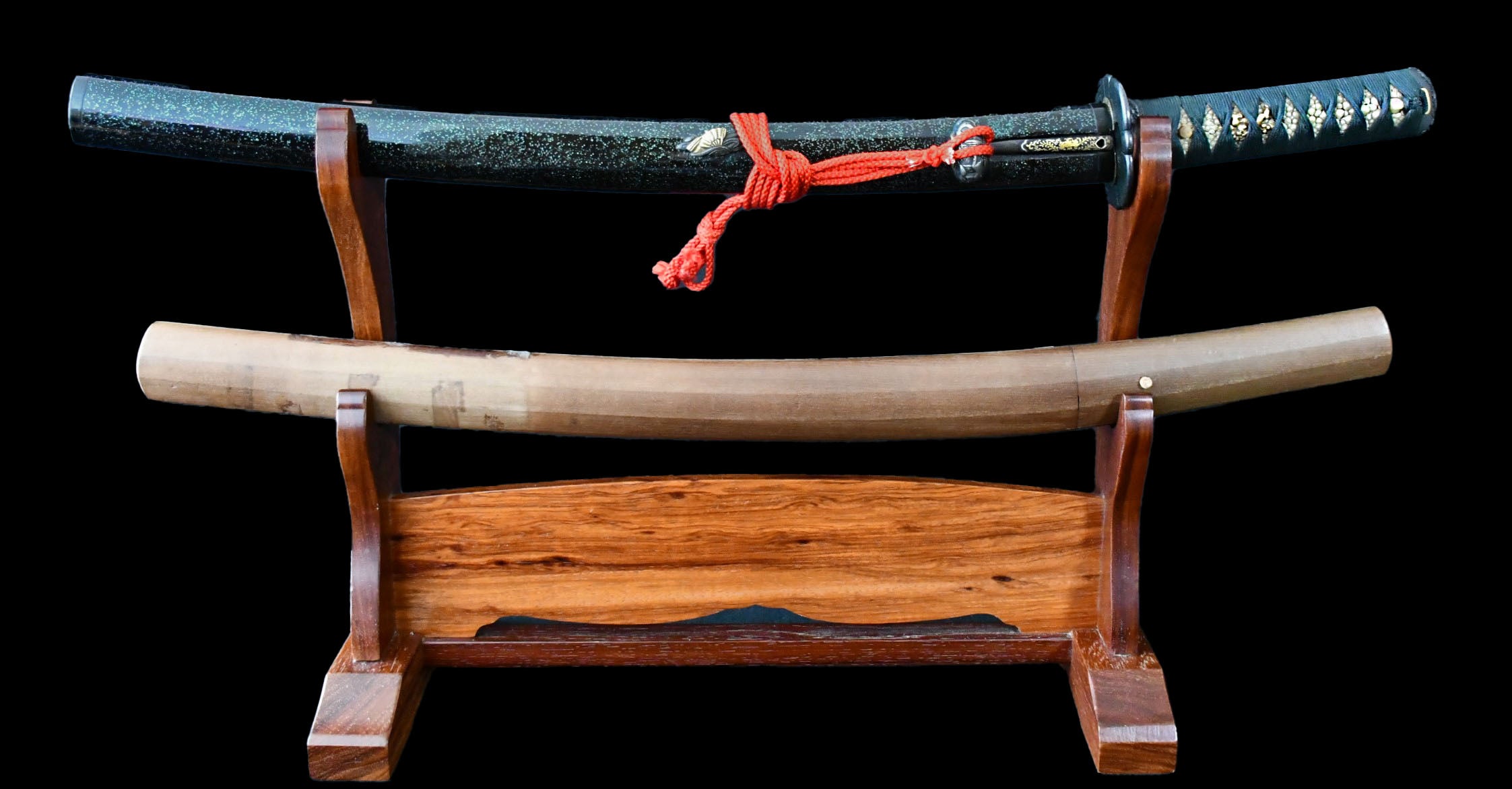
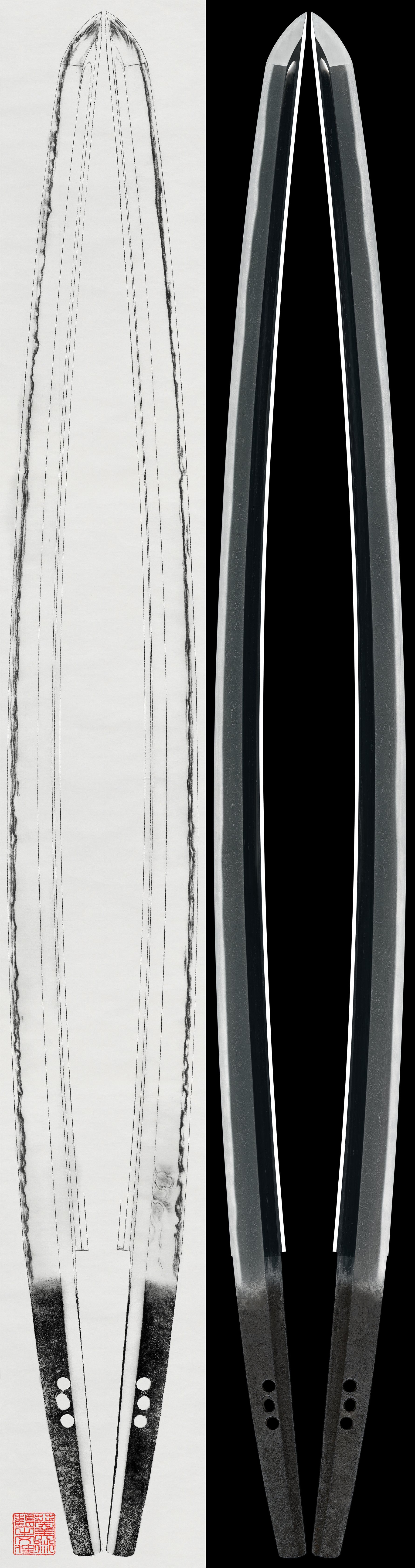
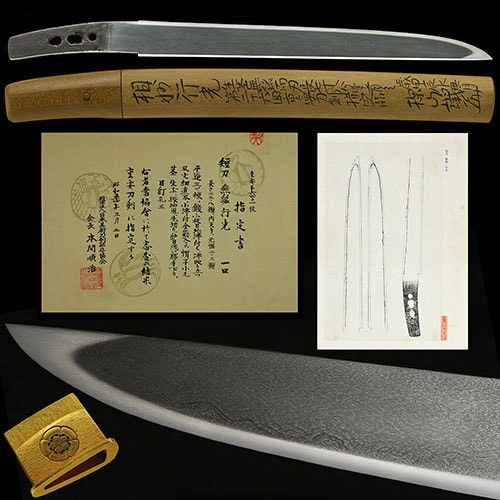
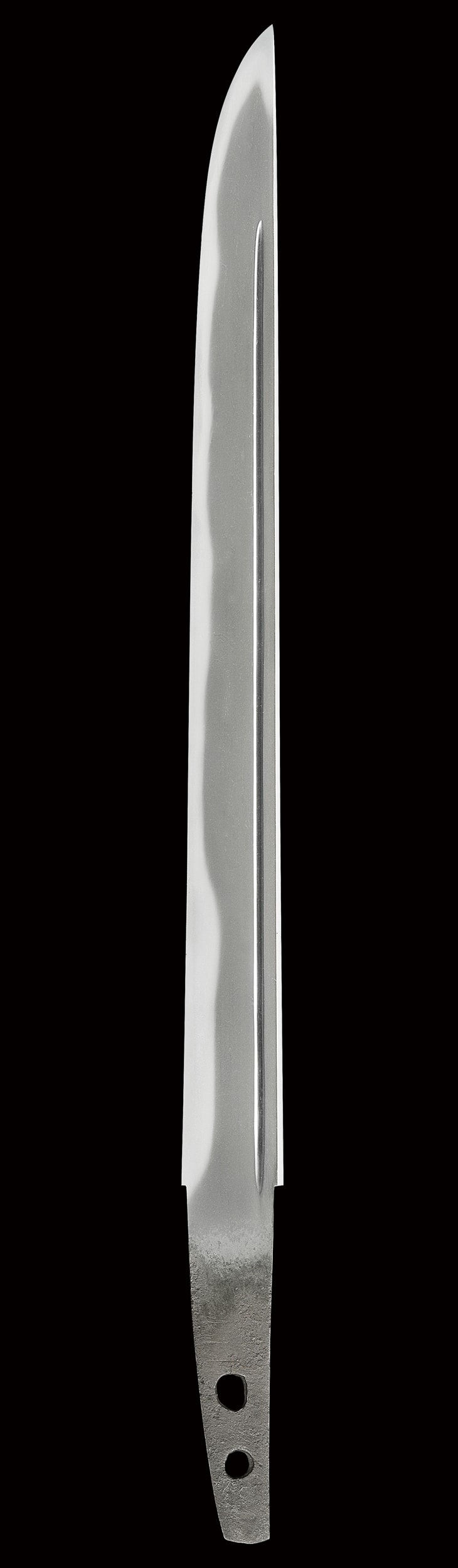
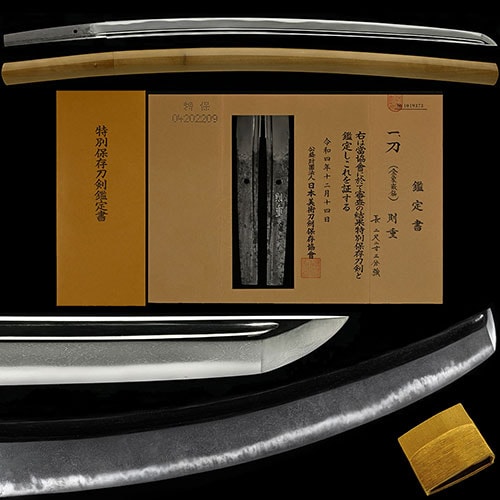
時代 : 室町中期 国 : 相模国 証書 : 財団法人日本美術刀剣保存協会 特別保存刀剣 鑑定書及び特別保存刀装 鑑定書 「日本刀随感」所載 外装 : 拵付白鞘入 刃長 : 2尺1寸3分半 反り : 7分8厘 目釘穴 : 1個 Period : Mid.Muromachi Country : Sagami Paper : NBTHK Tokubetsu Hozon Token Paper and Tokubetsu Hozon Toso Paper Recorded in Nihonto Zuikan Fittings : Koshirae+Shirasaya Length : 64.7cm(25.5inches) Curve : 2.3cm Hole : 1 廣次は相模国の刀工で、南北朝時代から室町時代にかけて数代いたとされていますが、現存する作品は室町中期のものが多いようです。相州伝は技術的に一番困難な鍛刀方法と言われており、急熱急令から生まれる皆焼・棟焼の刃文は華やかさもさることなが、強靭さも加味されたもので、この製法は全国に広がりを見せていったようです。 本作は鎬造、庵棟、元先の幅差つき、先反り高く、時代は永正(1504~1520)頃かと思われます。地鉄は小板目詰み、地景交じり、刃文は所謂皆焼刃で、下半は高低のある尖りごころの互の目、丁子を焼き、中程から上半のかけて焼きの変化細かになり、沸勝ちの尖り互の目、丁子を主体とした皆焼となって飛び焼、葉、砂流まじり、帽子の返り早く、深々と焼き下げ、鎬地にも総体的焼きが入り、かなり華やかな出来です。外装は縁頭が稲川克茂、鐔が光在銘で、共に虎図となり、目貫、栗形、小尻等も全て虎図でまとめられた黒蝋色塗の印籠刻鞘打刀拵です。拵にも特別保存の鑑定書が付帯した素晴らしい作品です。 2024大刀剣市カタログ所載品
 NihontoWatch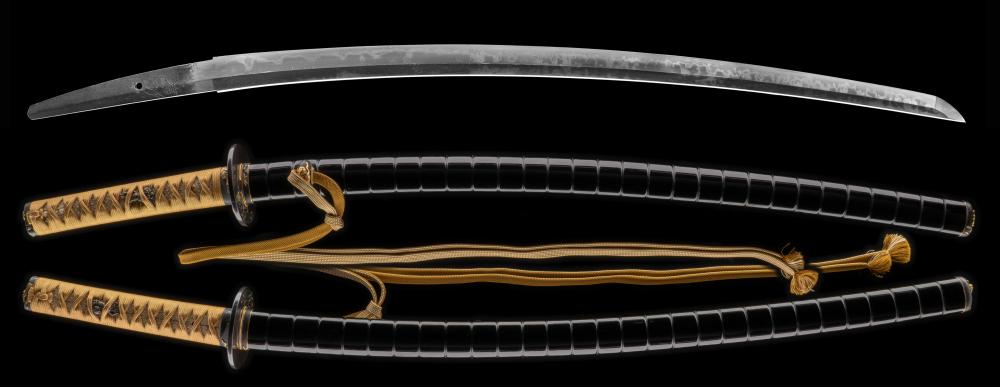
相州伝 · 相模 · 1469-1487頃
藤代 Jo saku · 刀剣大鑑 上位37%
現在1点販売中
廣次の位置づけを、日本刀全体および伝統・時代・時期ごとに示します。各位(随一・屈指・有数・著名)は、NBTHK および文化庁による指定に加え、三作や名物帳などの歴史的栄誉を加味したものです。
各項目を選ぶと評価方法が表示されます。
相州伝 · 相模
時期区分: 末相州· 1356–1868
現在23点販売中
末相州は、南北朝の広光・秋広の代を承け、室町期に入って相模で営まれた相州伝の継続である。現存遺品に即せば、室町中期を遡るものはなく、室町後期から戦国期にかけてが本区分の中心をなす。その軸となる工が綱広で、銘鑑には初代を建武とする伝もあるが、確かな在銘は天文年紀のものが最も古く、通説はこれを初代として、二代を天正、三代を慶長、四代を寛永、五代を万治頃と伝える。綱広は広正の子孫で、初め名跡を継いだが、後北条家の氏綱に召されて小田原に居を移し、綱の一字を賜って改銘したと伝え、その名跡は新々刀期にまで連なった。鎌倉にはこの綱広らが住し、これと別に小田原には康春・康国・総宗・景総らが在住して、これらを小田原相州と称する。広次もまた相州鎌倉に住して明応・天文の頃に活躍し、室町後期を代表する相州鍛冶の一人に数えられる。後北条氏の庇護のもと、正宗・貞宗を生んだ南北朝の盛時を遠く望みつつ、皆焼の系譜を保持して相州伝を伝えたのが、この区分の刀工たちであった。 作風の核は、広光・秋広が完成させた皆焼を継ぐ点にある。鍛えは板目に杢や流れ肌を交えてやや肌立ち、地沸がつき、地景が入る。刃文はのたれ・互の目に丁子・矢筈風の刃・尖り刃などを交え、飛焼・棟焼を盛んに交えて皆焼となり、沸がよくつき、金筋・砂流しがかかる。綱広は玉状ないし三日月状の飛焼を見せる皆焼を得意とし、広次に至っては焼高く、沸の強い迫力ある皆焼を焼いて、一見すると南北朝の長谷部派を思わせるほどに到る。古典相州の頂点と分かつのは、この皆焼の扱いに見える。正宗・貞宗の代では、のたれ基調の地刃に沸が深く澄んで明るく冴え、地にこぼれた沸が湯走りをなして自在に働いたのに対し、末相州の皆焼は飛焼・棟焼を全面に散らす構成そのものを看どころとして前に押し出す傾きを帯び、地鉄もやや肌立って、鎌倉期の鉄の冴えからは一段隔たる。小田原相州はこの大筋において綱広らと大差ないが、小振りの刀姿があること、濃厚緻密な彫刻を多く備えることに特色があり、殊に総宗の倶利迦羅や八幡大菩薩・梵字の彫は巧緻と評される。 鑑定にあっては、まずやや肌立つ板目に地沸・地景が働き、飛焼・棟焼を交えた皆焼に金筋・砂流しがかかる地刃を相州の継続と読み、次に古典との隔たりを沸の深さと鉄の冴えの差、そして皆焼を誇示的に焼き出す傾きに求めて末相州と分かつ。区分内では、綱広を皆焼と玉状の飛焼に、広次を長谷部風を思わせる強い沸の皆焼に、総宗ら小田原相州を小振りの姿と緻密な彫刻に見分ける。主要工は綱広・広次・総宗で、康春・康国・景総がこれに連なる。伝来の面では、綱広に後北条家の重臣桜井大学の所持銘を有する一口があり、本区分が後北条氏の小田原を地盤として営まれた事実を裏づけている。 詳しく見る →
室町時代の相州
戦国の世、一派は第二の主家に仕えた。小田原の後北条氏である。その庇護のもと綱広系は打刀の時代の皆焼を鍛え続け、1590年の落城とともに新刀の時代へ散った。
保存刀剣のうち、出来が一層優れ、保存状態も良好と認められたものです。再刃や、室町・江戸期の多くの無銘作は対象外となり、保存刀剣より高い基準が課されます。
日本美術刀剣保存協会(NBTHK)は、1948年に設立され、文化庁の監督を受ける公益財団法人で、東京・刀剣博物館に本部を置きます。専門の審査員が出品作を直接審査し、美術的・歴史的価値に応じた鑑定書を発行します。NBTHKの鑑定書は、日本刀および刀装具の真正性を示す最も広く認知された基準です。
NBTHK公式サイト商品到着後3日以内にお電話にてご連絡の上、翌日にご返送ください。その際の郵送料、セキュリティーサービス料はお客様のご負担となります。





![Wakizashi - Tokuho - 作 廣次 - 平造脇差 銘 [相][州]住廣次作](/_next/image?url=https%3A%2F%2Fitbhfhyptogxcjbjfzwx.supabase.co%2Fstorage%2Fv1%2Fobject%2Fpublic%2Flisting-images%2Fchoshuya%2FL894767%2F00.jpg&w=2560&q=90)

![Wakizashi - Tokuho - 作 末相州派 - 脇差[無銘 相州正広]日本美術刀剣保存協会 特別保存刀剣・特別保存刀装具](/_next/image?url=https%3A%2F%2Fitbhfhyptogxcjbjfzwx.supabase.co%2Fstorage%2Fv1%2Fobject%2Fpublic%2Flisting-images%2Fworld-seiyudo%2FL710046%2F01.jpg&w=2560&q=90)






![Katana - Tokuho - 作 國正 - 刀 [法城寺但馬守橘国正(良工)][日本美術刀剣保存協会]特別保存刀剣](/_next/image?url=https%3A%2F%2Fitbhfhyptogxcjbjfzwx.supabase.co%2Fstorage%2Fv1%2Fobject%2Fpublic%2Flisting-images%2Fworld-seiyudo%2FL1010048%2F01.jpg&w=2560&q=90)