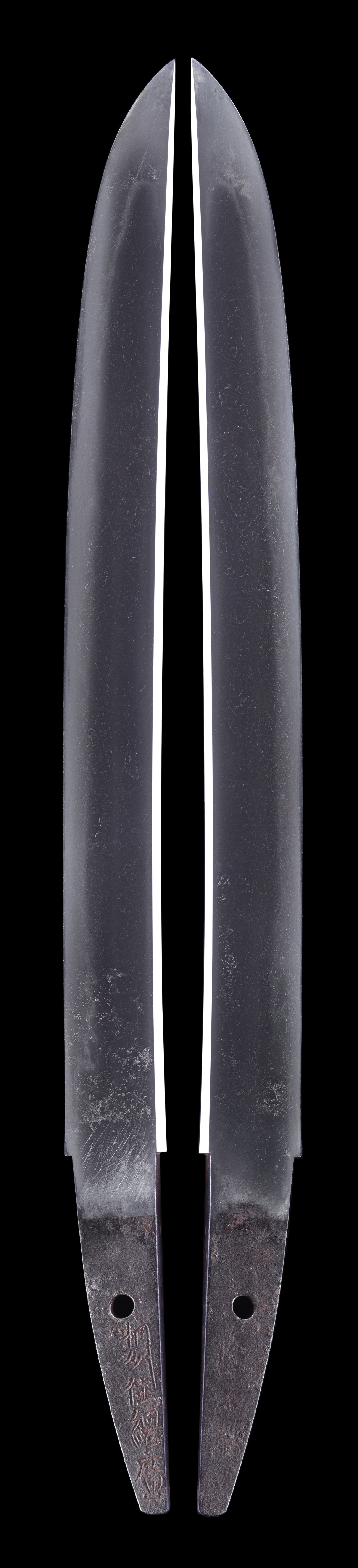
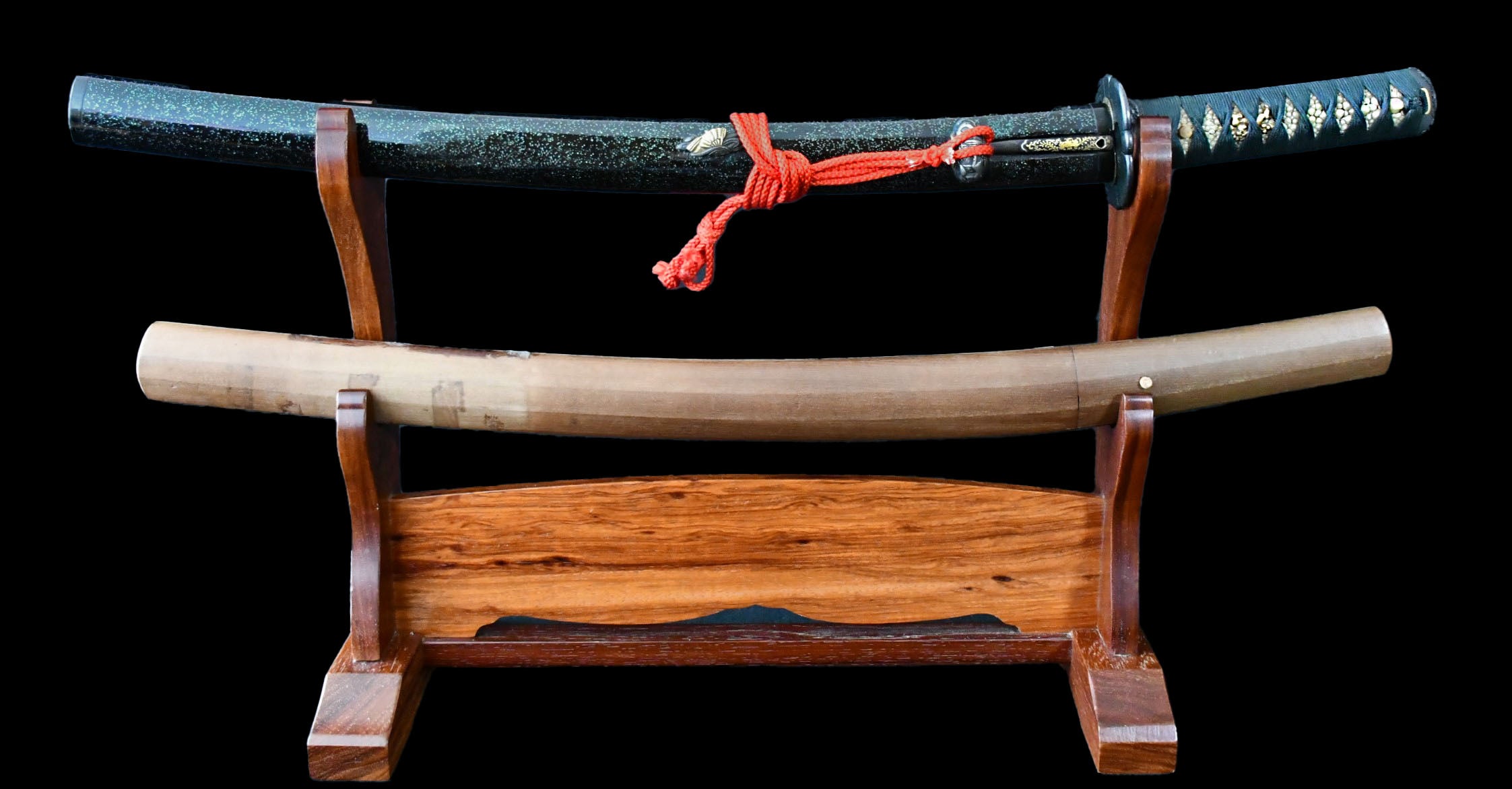
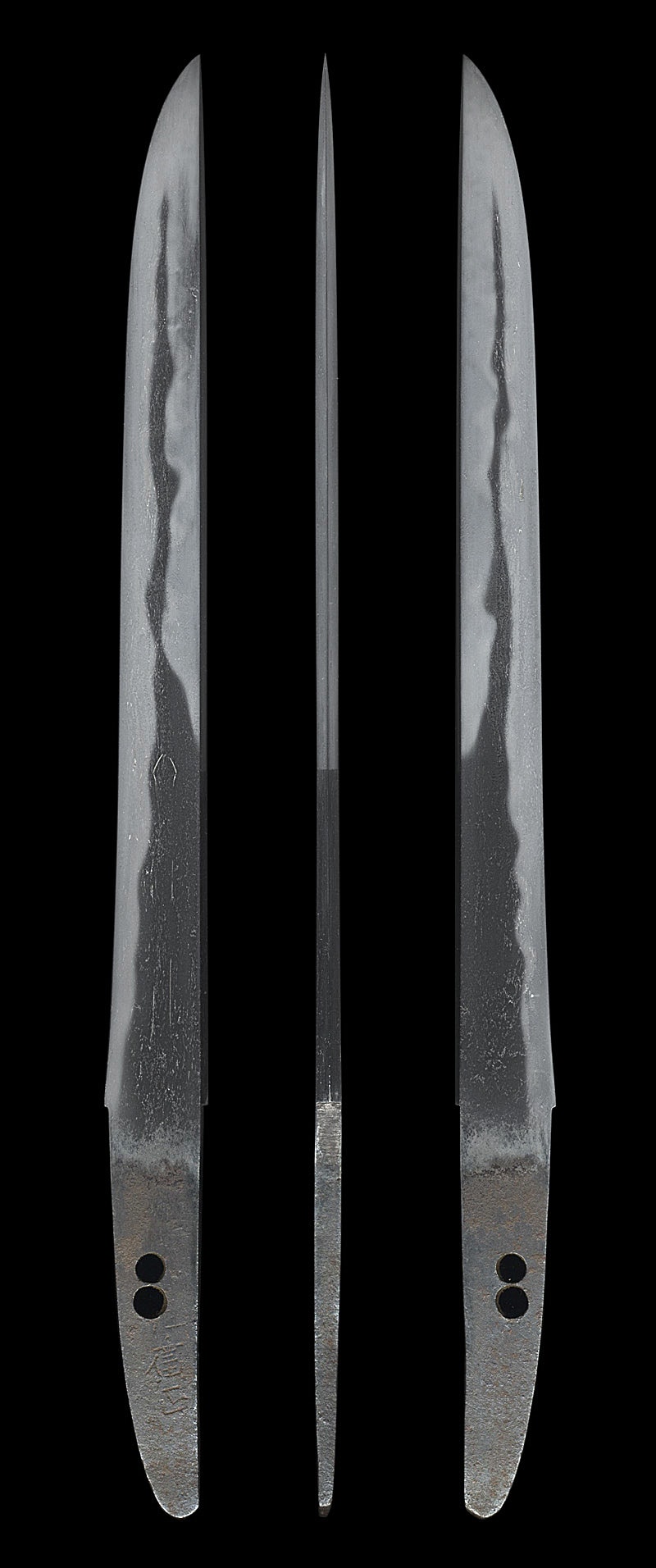
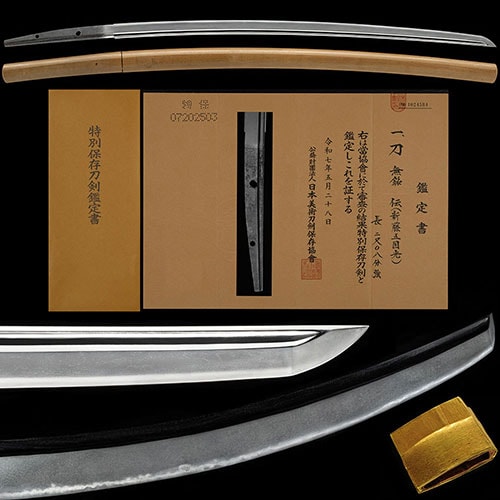
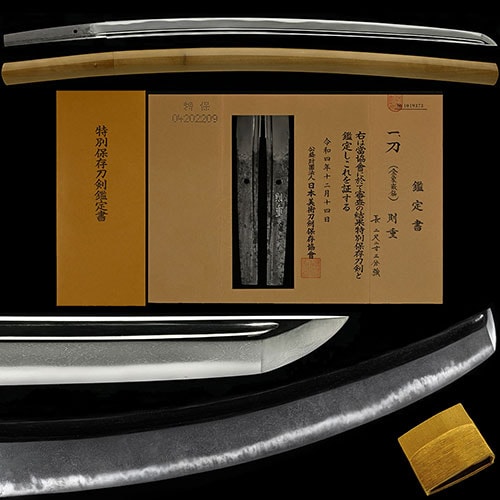
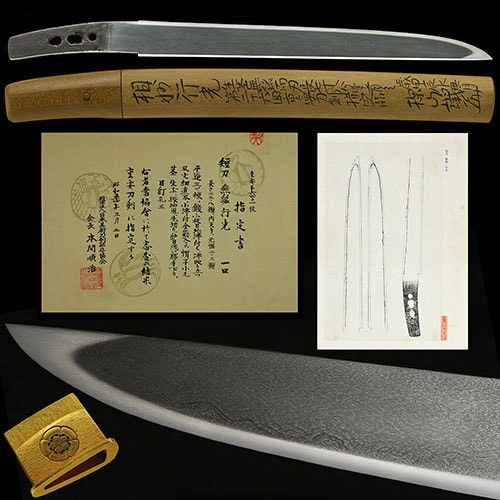
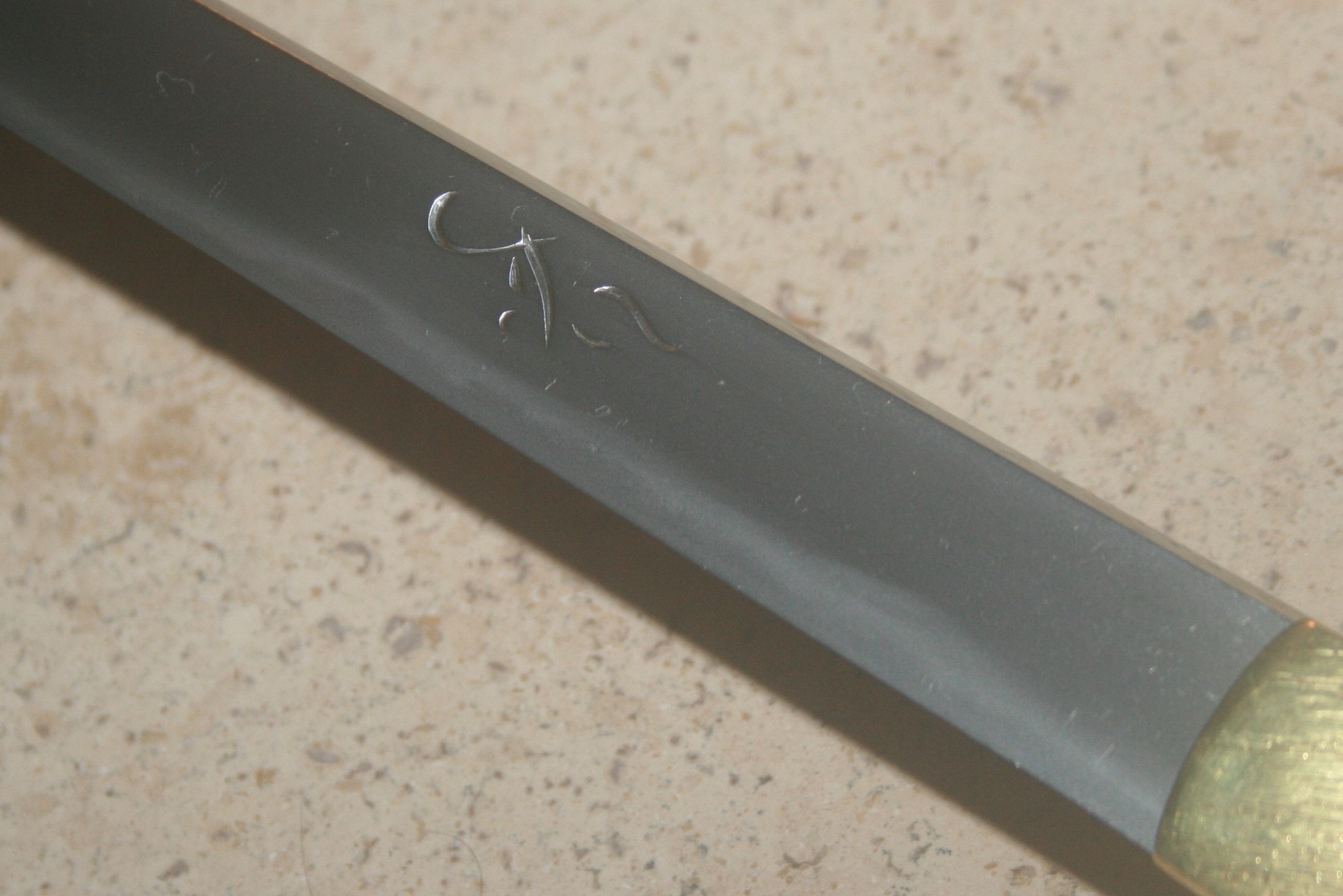
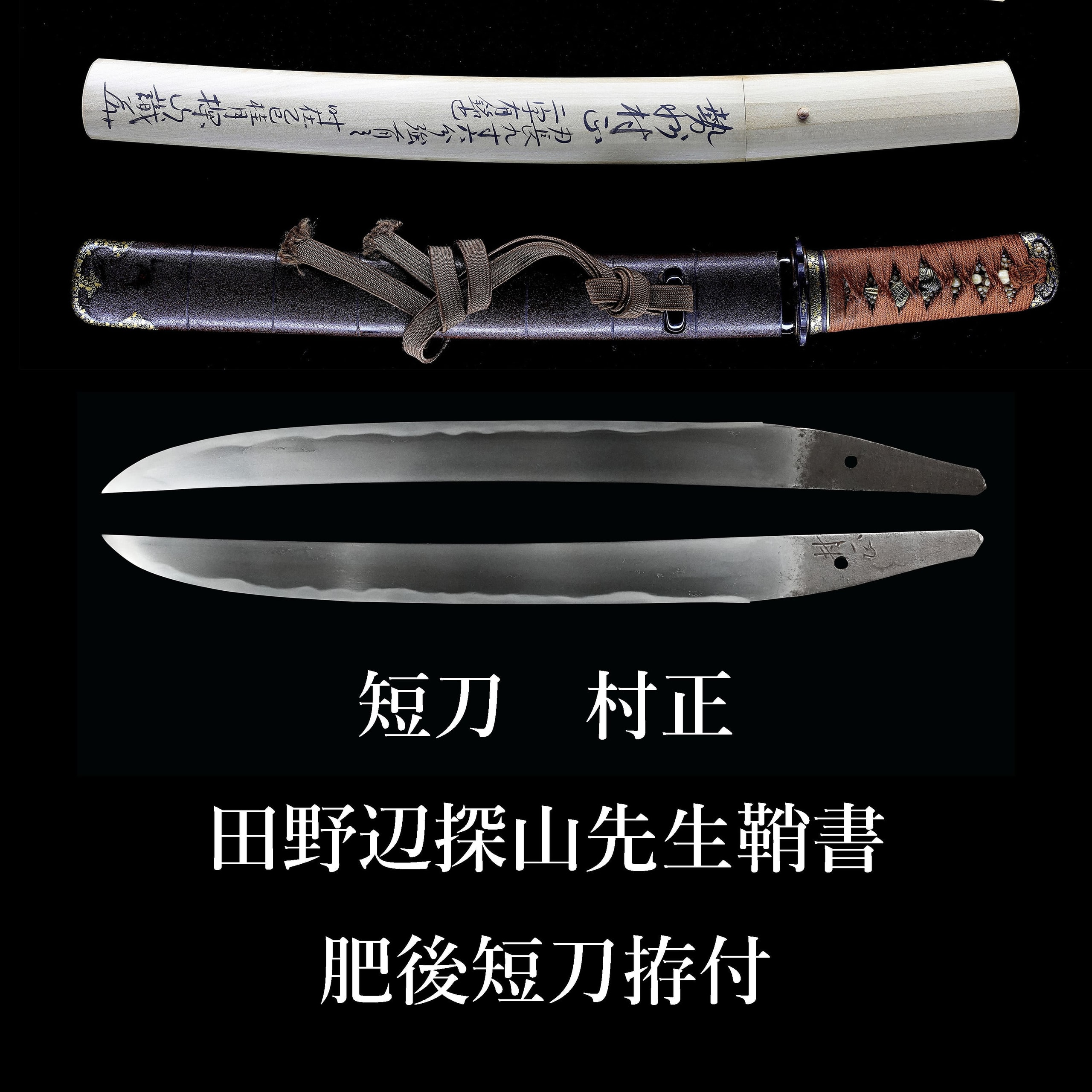
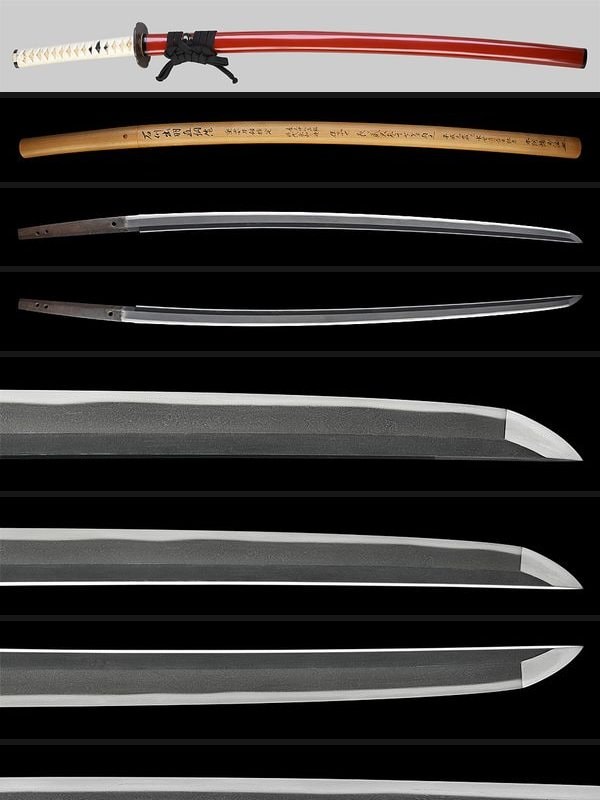
Kiyohira (清平), also known as Tsujimura Gorōemon, was the fourth son of the first-generation Kashu Jinroku Kanewaka. A blade dated Genroku 2 (1689) bearing the inscription "aged seventy" establishes his birth in Genna 6 (1620). He moved to around the end of the Keian era, and a blade dated Joo 2 (1653) already bears the inscription "made in Bushu ." Later retained by the Inaba family of , he signed works from 2 (1662) onward as "resident of Odawara Hachimanyama." His style is grounded in the character of workmanship inherited from his father Kanewaka and elder brother Kagehira, yet he established "an individual sphere of expression on that base."
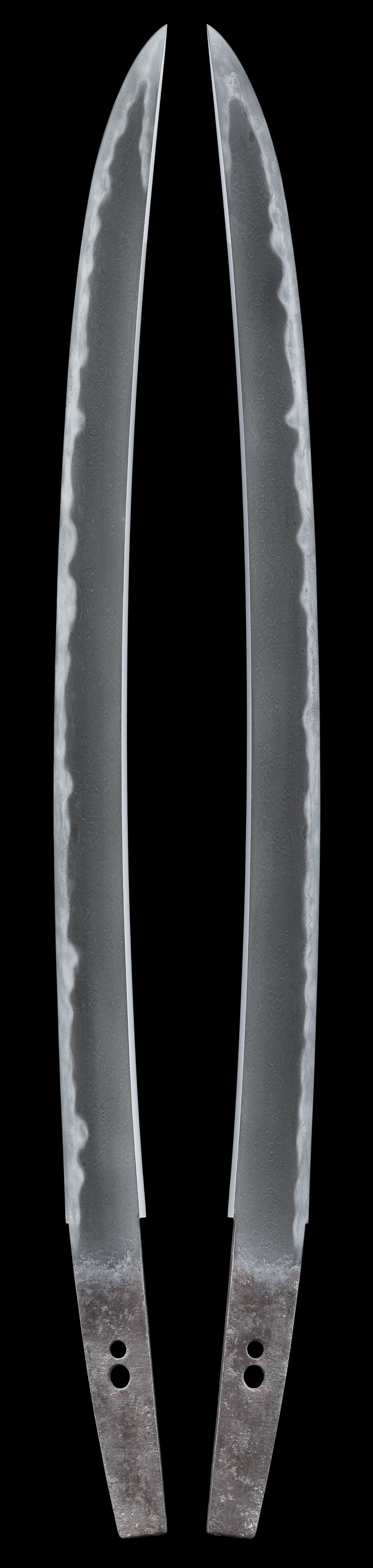
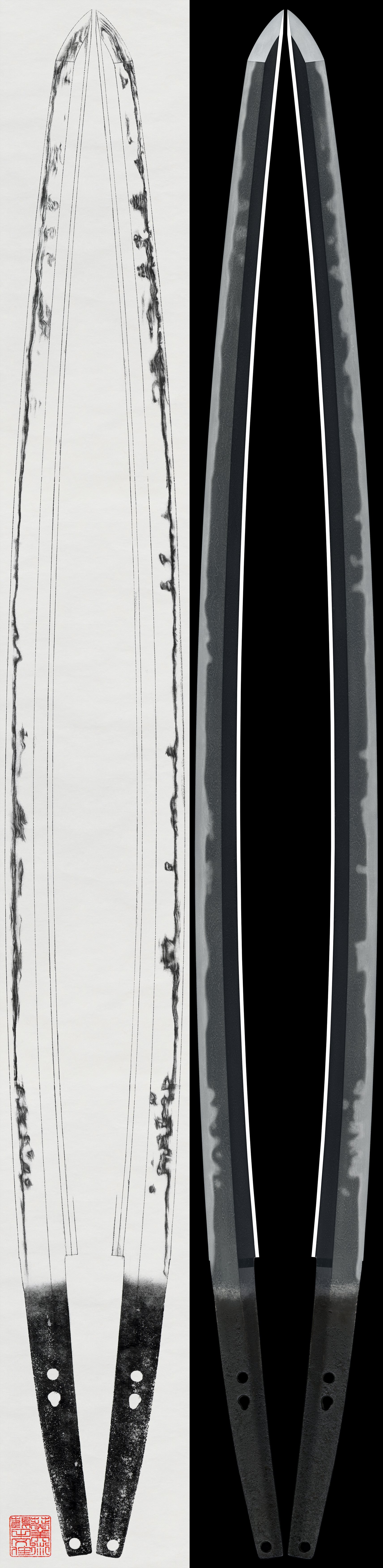
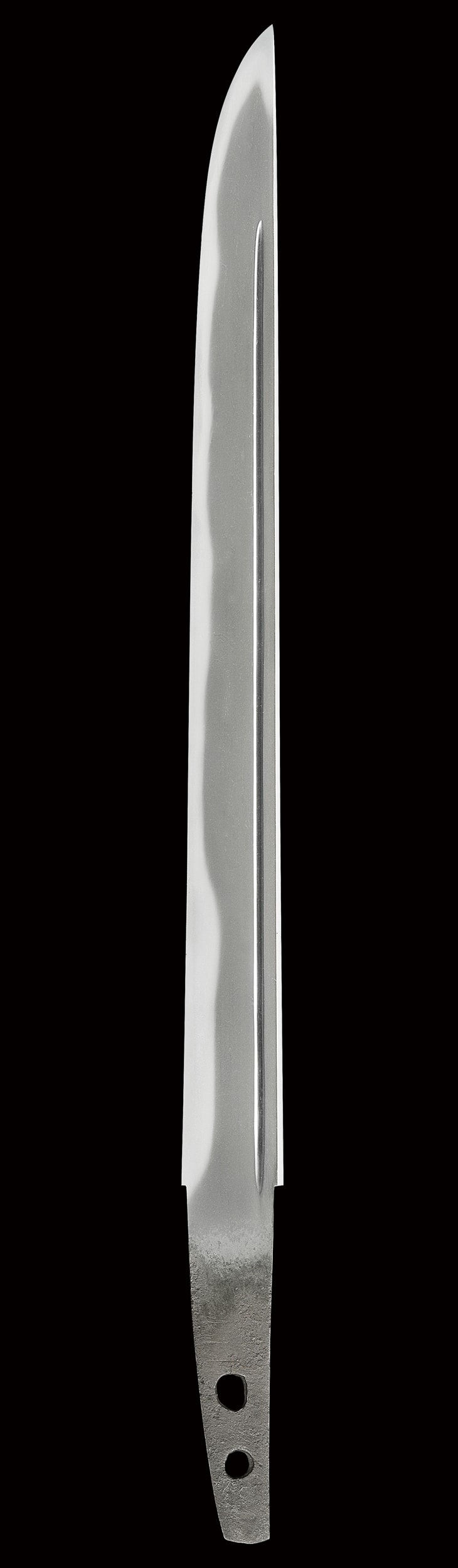
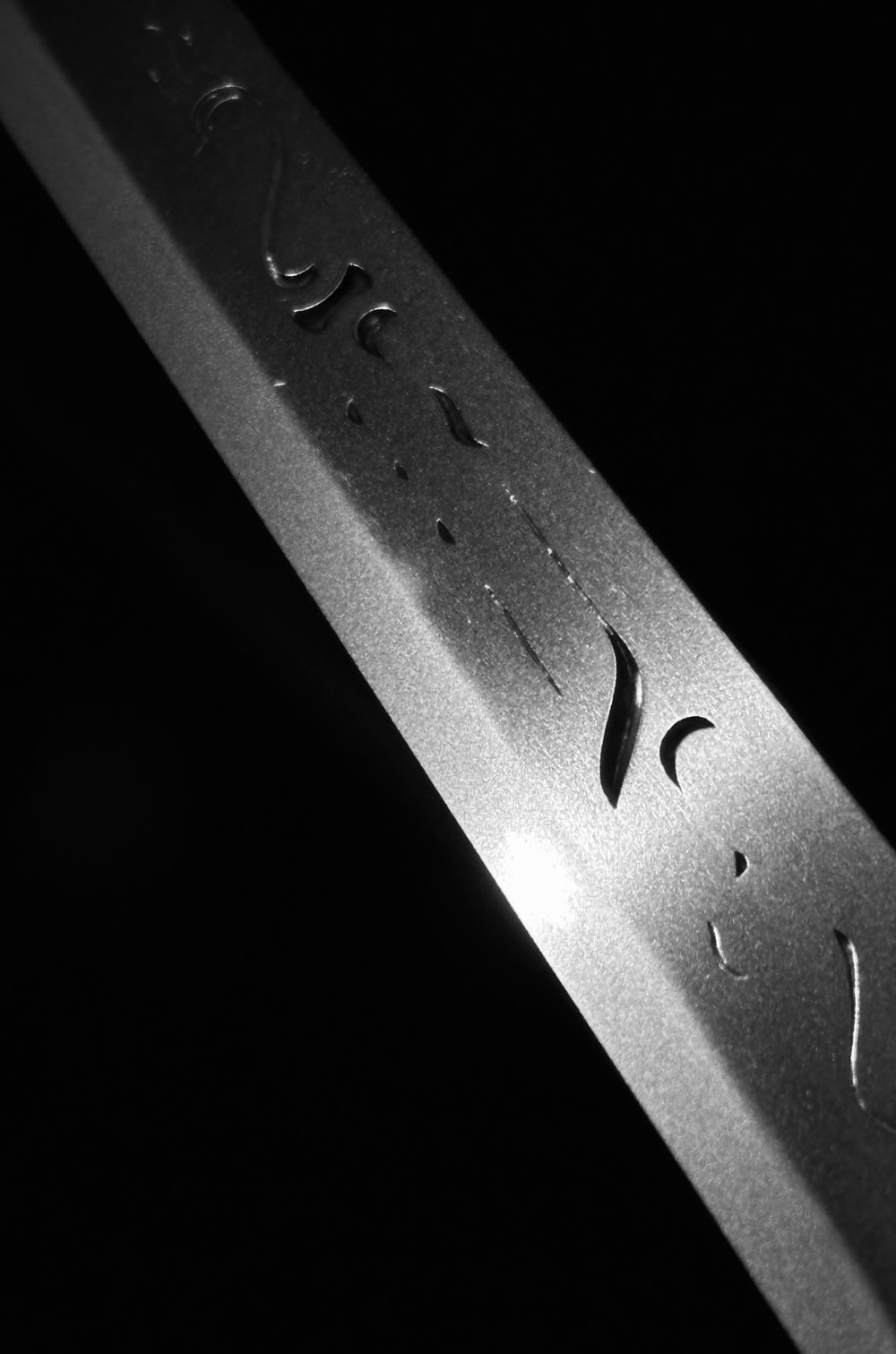
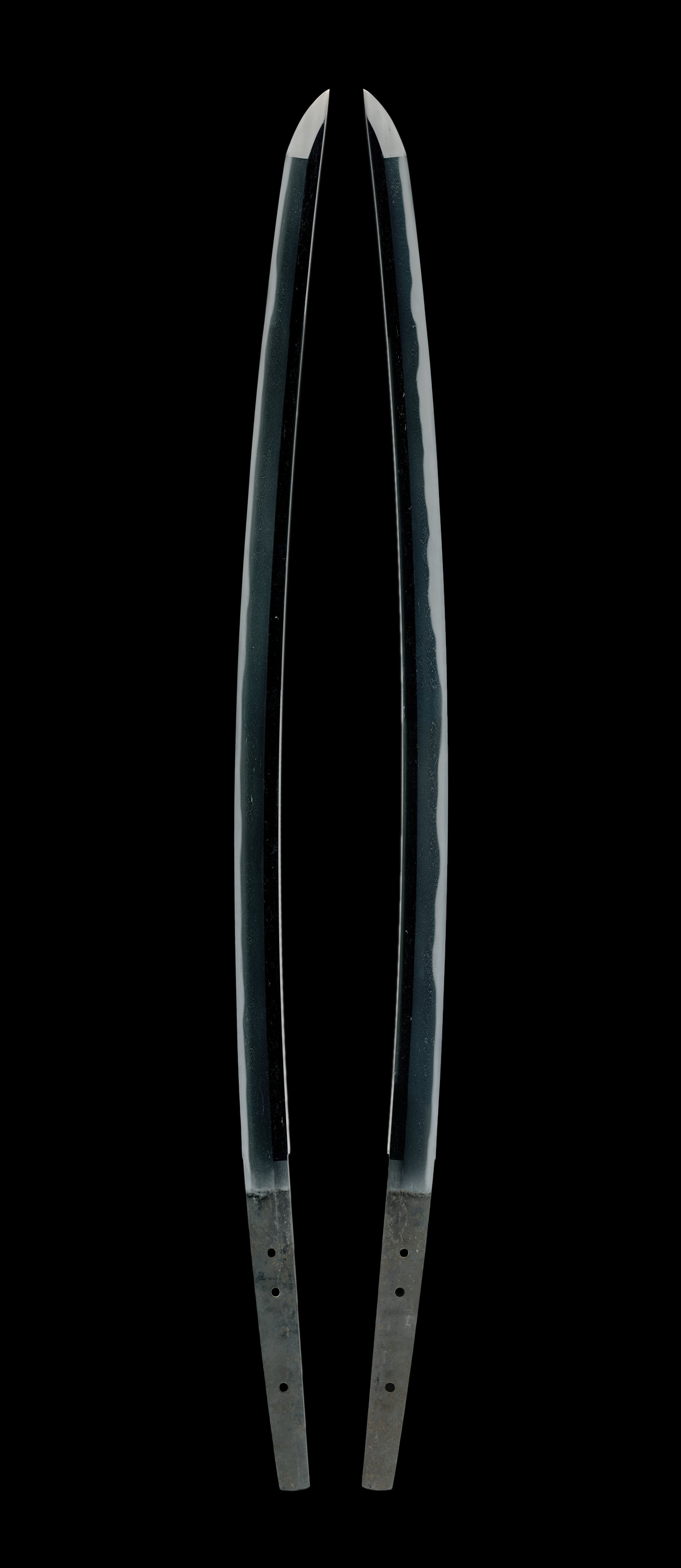
Kiyohira's characteristically shows that overall flows and becomes -inclined -- a feature the identifies as "a characteristic of this lineage." The presents mixed with large , , and , with deep and abundant ; enter well, and and appear throughout. What distinguishes Kiyohira from typical production is the conspicuously stronger adherence of , prominent and in both and , elements tending toward pointed forms within the temper, and a bright . The typically shows shallow or with and a deep return.
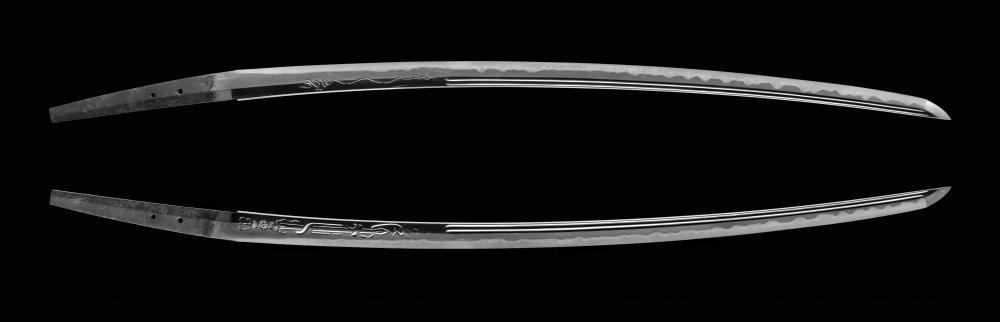
The recognizes Kiyohira's finest works as "superior pieces" that are simultaneously "precious as documentary material." His of the celebrated "Fudo Kuniyuki" -- the only known such copy by his hand -- is praised for its conscious evocation of the original through a slightly narrow with and overlaying the . Gold-inlaid cutting-test inscriptions on several works further enhance their documentary significance. Kiyohira's oeuvre represents a distinctive synthesis of the tradition with an individual intensity of expression that sets him apart within the broader Kanewaka lineage.