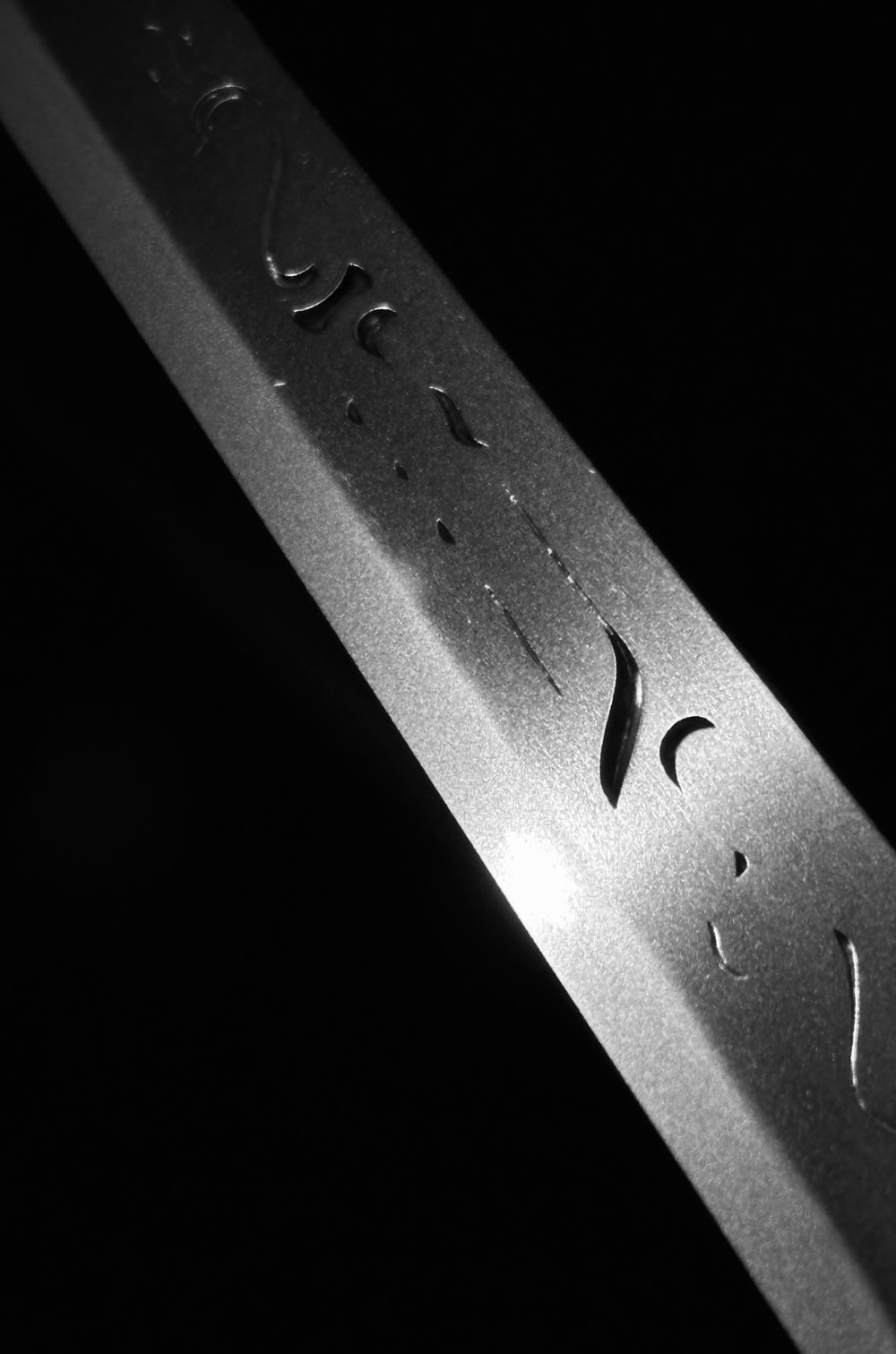
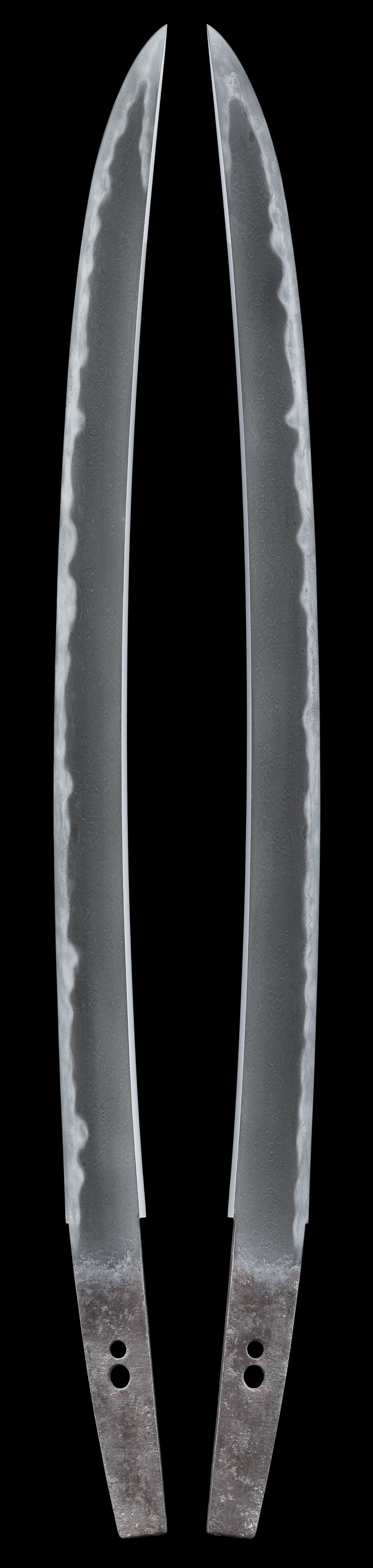
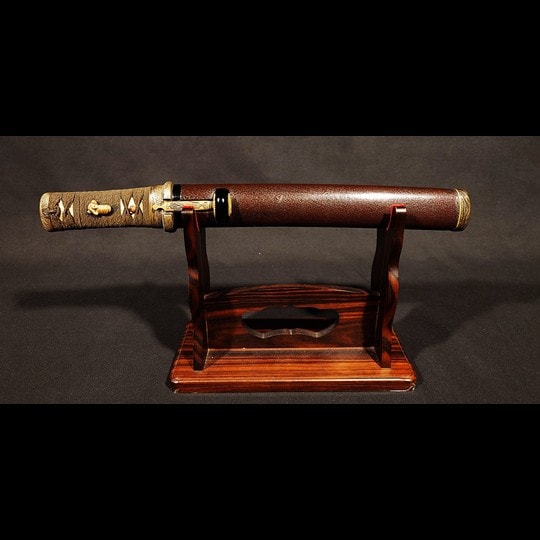
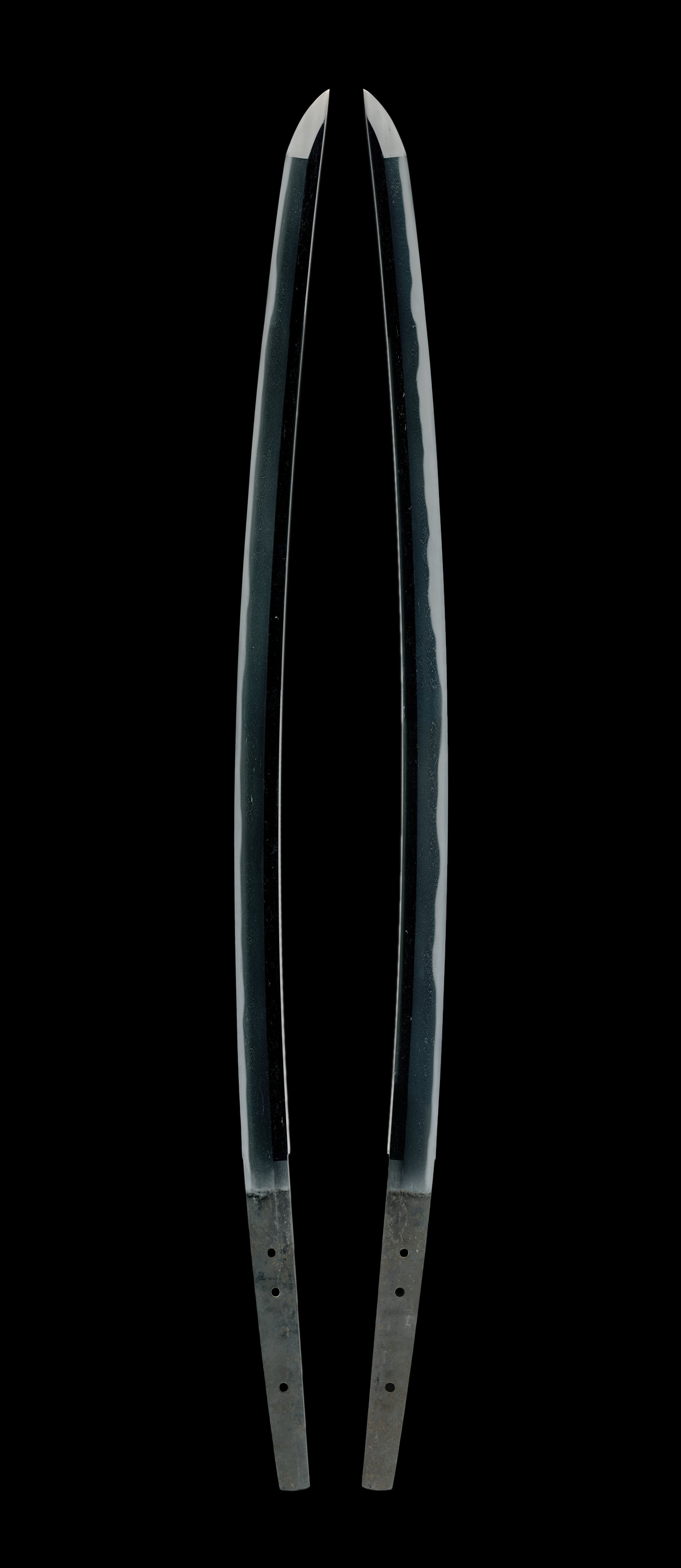
The published sources place Masamune of among the disciples of Kunimitsu, the three smiths Yukimitsu, Norishige and Masamune who further emphasized , and within the tradition (-) that Kunimitsu had founded, and led it toward completion. Masamune in particular, the writes, handled several kinds of steel of differing carbon content with skill, and, by bringing the subtleties of to their highest refinement, did much to elevate the artistic quality of the Japanese sword. Among the three the notes return again to a single judgment: that his and are "the most refined", and that he stands at the very summit of the tradition.
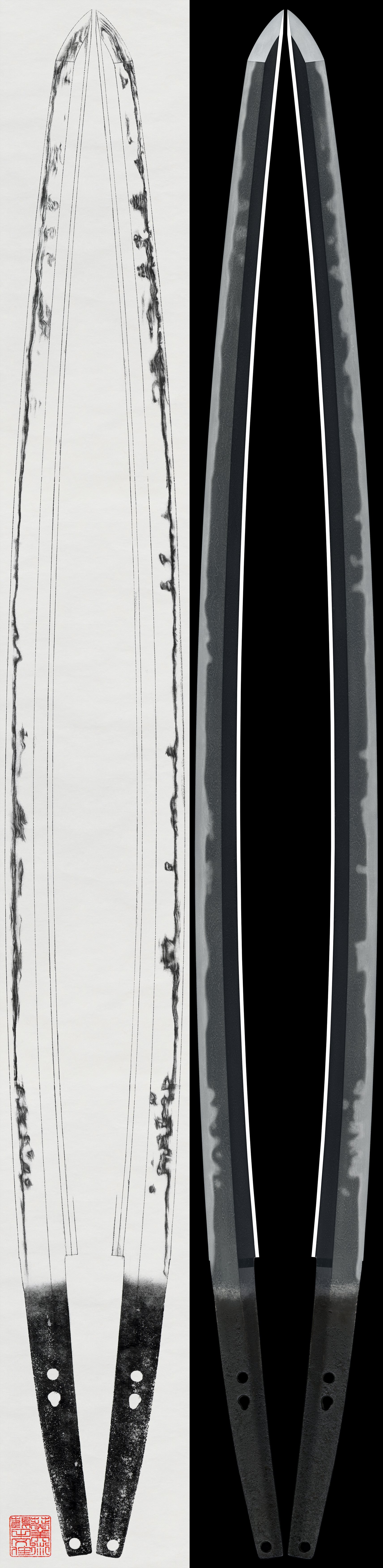
The characteristic manner the published descriptions assign to him is a whose main tone is , over which the temper rises intensely active: the becomes dense and breaks and clots, leap and move, that spills into the forms , and conspicuous are woven throughout the . This, the sources say, is a richly varied manner that may be called "Masamune's own invention", and they return to one image for it: the impression of viewing (破墨) splashed-ink landscape painting. The forging is mixed with , with a standing tendency in places, thick and frequent; the runs , at times flame-like on one face. It is in this freedom that "the exquisiteness of " reaches its limit.
The published record describes his work in two broad modes: one that, like Norishige, appears to take its models from old Ko-Hoki and pieces, and the -based mode above. Where his manner approaches Norishige the notes mark the kinship plainly, writing of one blade whose large and thick "recall the " of Norishige; yet on close examination, the source records, the shows neither the blackish tone nor the clouded iron color of Norishige, the surpasses his in brilliance, and the , tapering toward the tip rather than flared at the , decides the appraisal for Masamune.
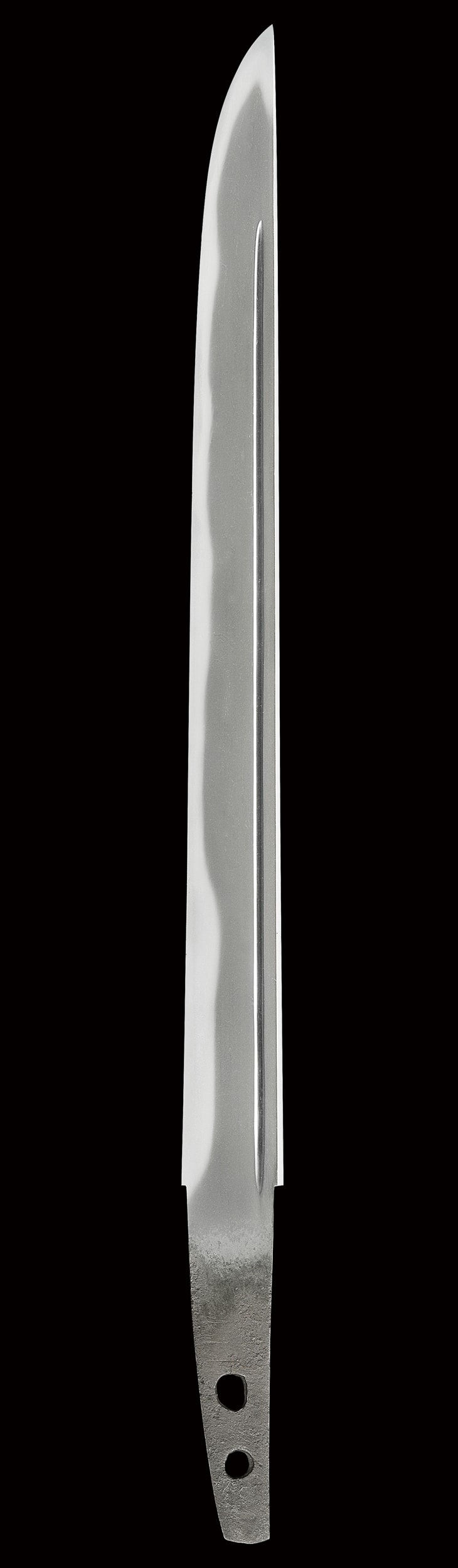
As to form, the published sources record that his run either to standard with or to a broader width with a slightly extended , while his tend to the eight- range with shallow . From these points his principal period is reckoned the late period, the lower limit reaching the beginning of , so that the old account that he died in Koei 2 (1343) cannot, the notes say, be dismissed out of hand.
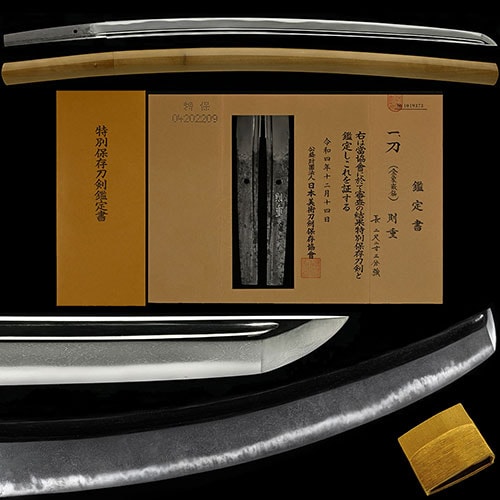
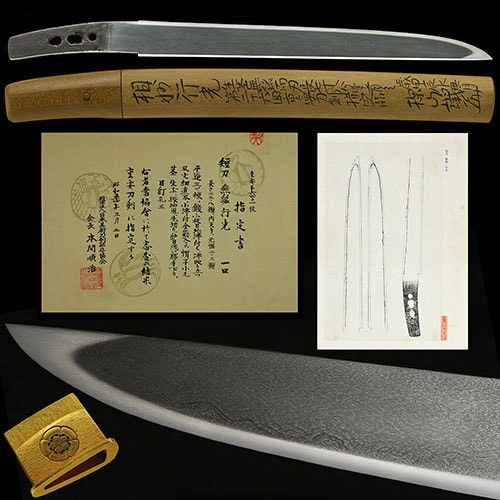
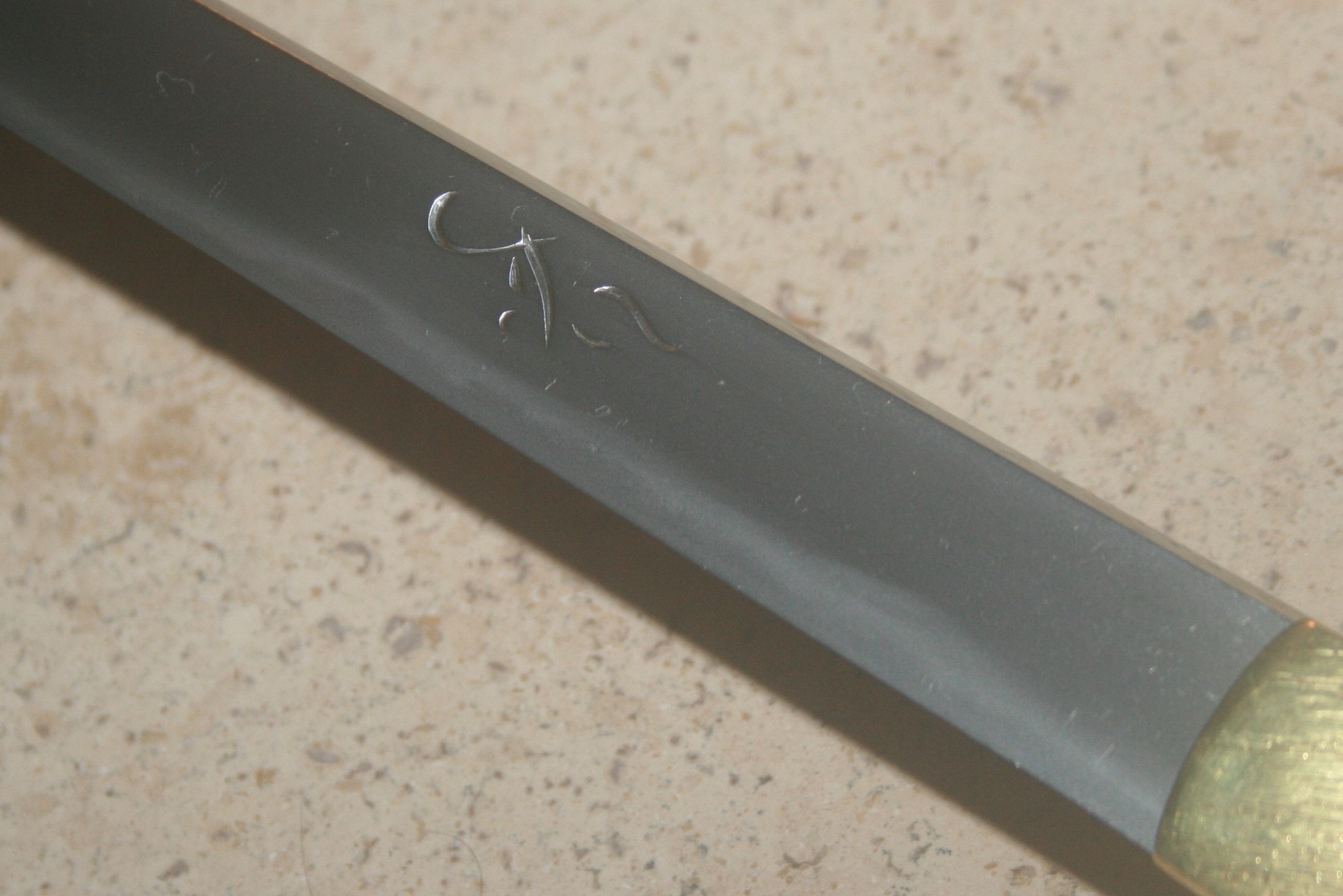
He is Sai-jo in Fujishiro's grading, and the weight of designation behind his name is the heaviest in the field: seven of his blades are National Treasures, the most of any smith, with twelve Important Cultural Properties, and beneath them twenty-three and thirty-four . Almost all that survives is - attribution, accepted as the work of a high-rank master ( joko); signed pieces are exceedingly rare, four blades in the official record against fifty-six unsigned: three , and the Kinoshita Masamune, the of which the published sources write that among Masamune's rare it is the only one whose signature cannot be denied. The Ashiya Masamune and the Ikeda Masamune carry , red-lacquer attribution inscriptions added by later appraisers, not the smith's own signature.
The provenance recorded against his blades is exceptional, sixty-five works carrying a history through the men who held the country: Oda Nobunaga, Toyotomi Hideyoshi, Tokugawa Ieyasu, Ishida Mitsunari, Honda Heihachiro Tadakatsu, Kobayakawa Takakage, the Maeda Family, the Owari Tokugawa Family and the Imperial Family. Ten of his blades are locked forever in the National Treasure and Important Cultural Property tiers and can never trade; the rest are held largely by the Tokyo National Museum, the Kyoto National Museum, the Tokugawa Art Museum, the Maeda Foundation, Eisei Bunko and Atsuta Jingu. A Masamune coming into open hands is among the rarest events in the field.