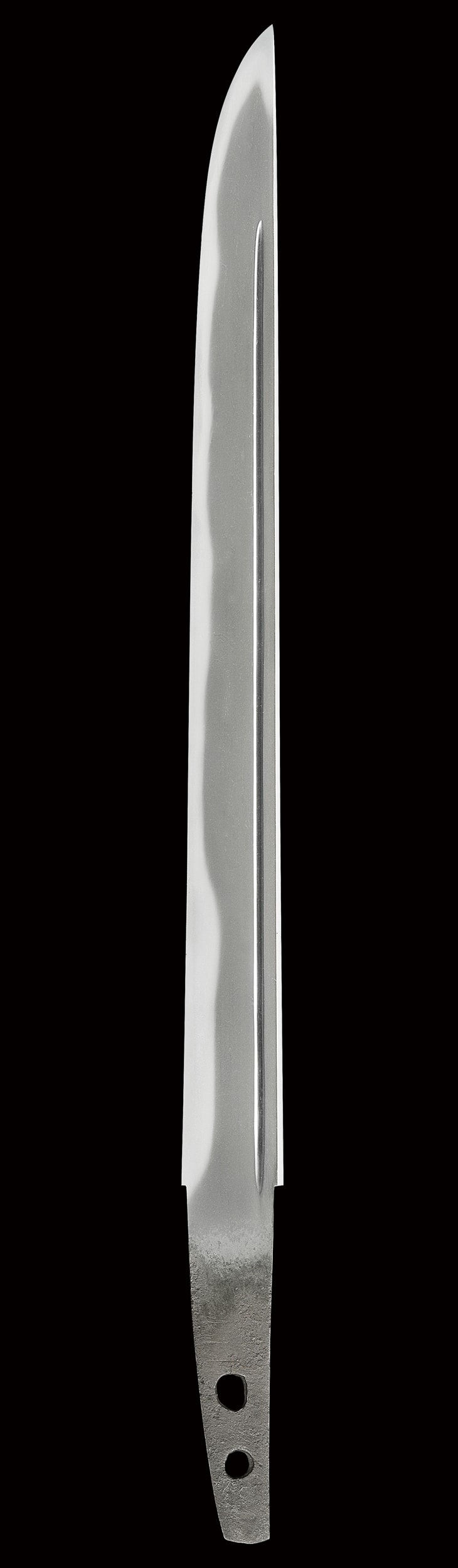
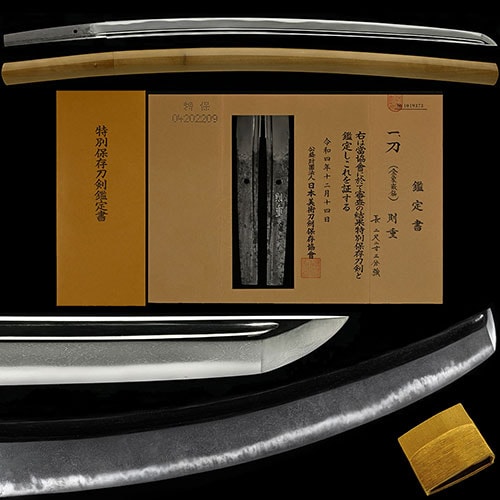
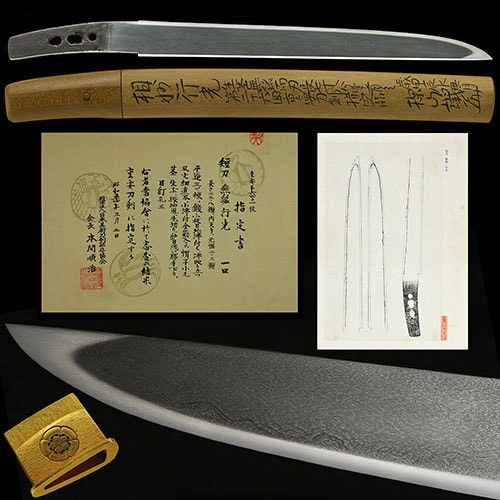
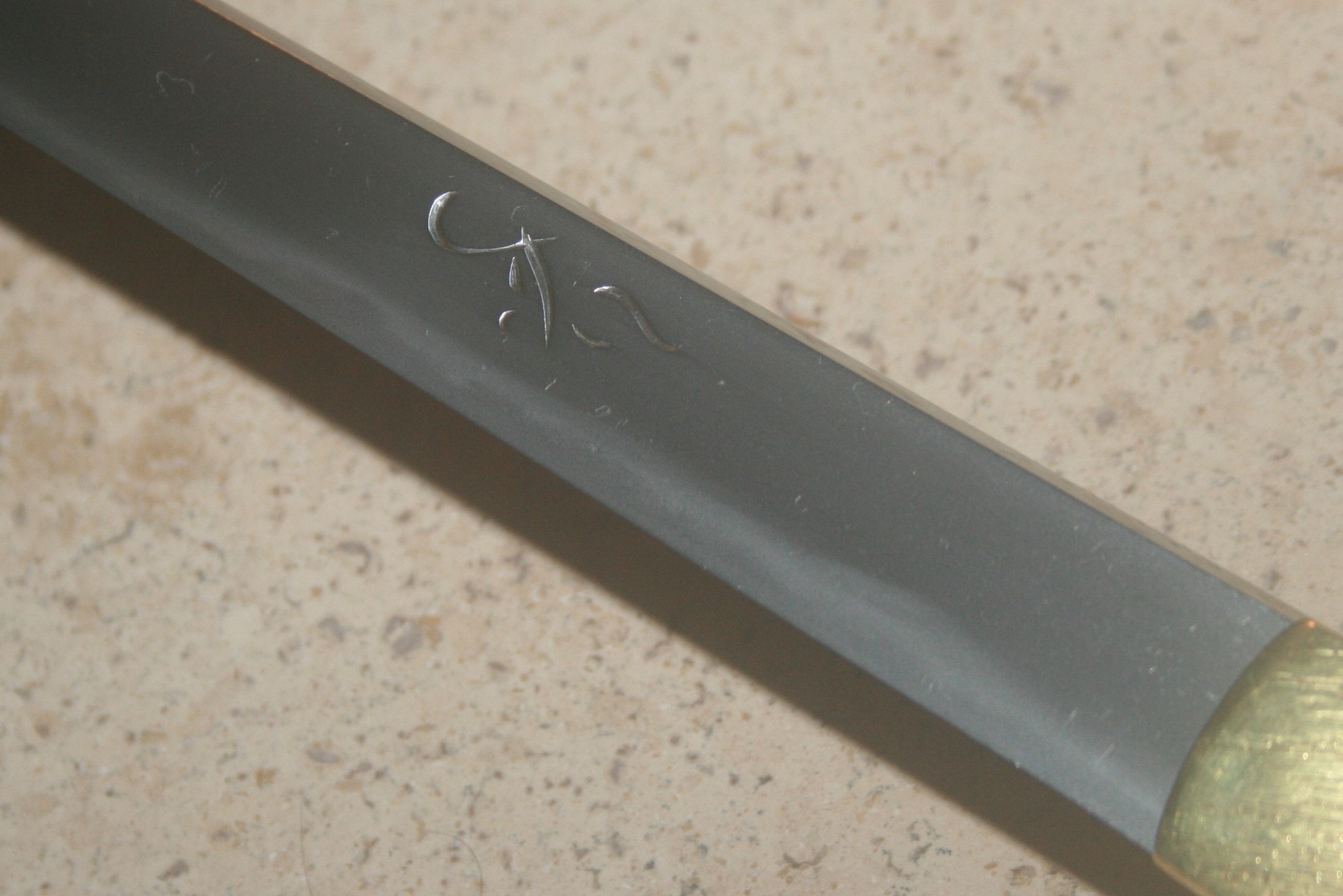
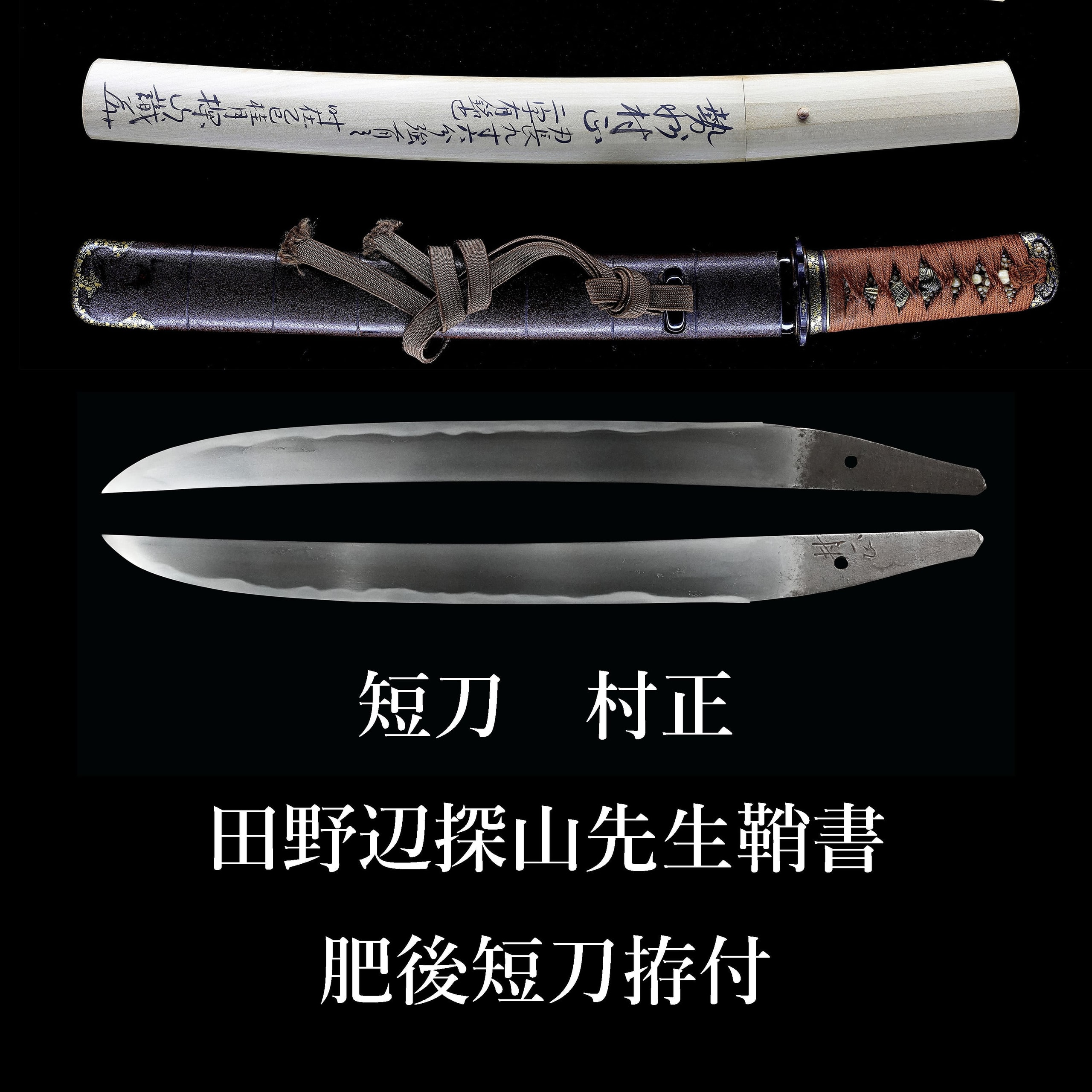
Go is the name by which Yoshihiro of Matsukura-gō in is known, and the published sources place him among the ten disciples of Masamune, one of the supreme names in the whole study of the sword. Like Sadamune he left no genuine signed work; every blade that carries his name is and , an attribution resting on the judgment of the and the later appraisers, so the smith survives only through his manner and through the great houses that kept him. He stands at the very end of the period and the opening of the , when the tradition that Masamune had brought to completion was carried west into .
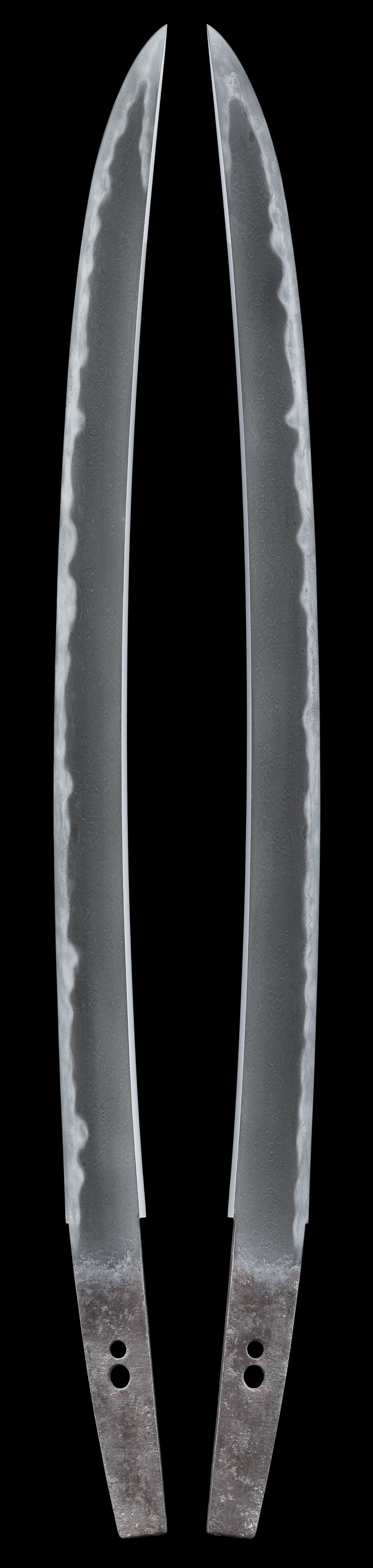
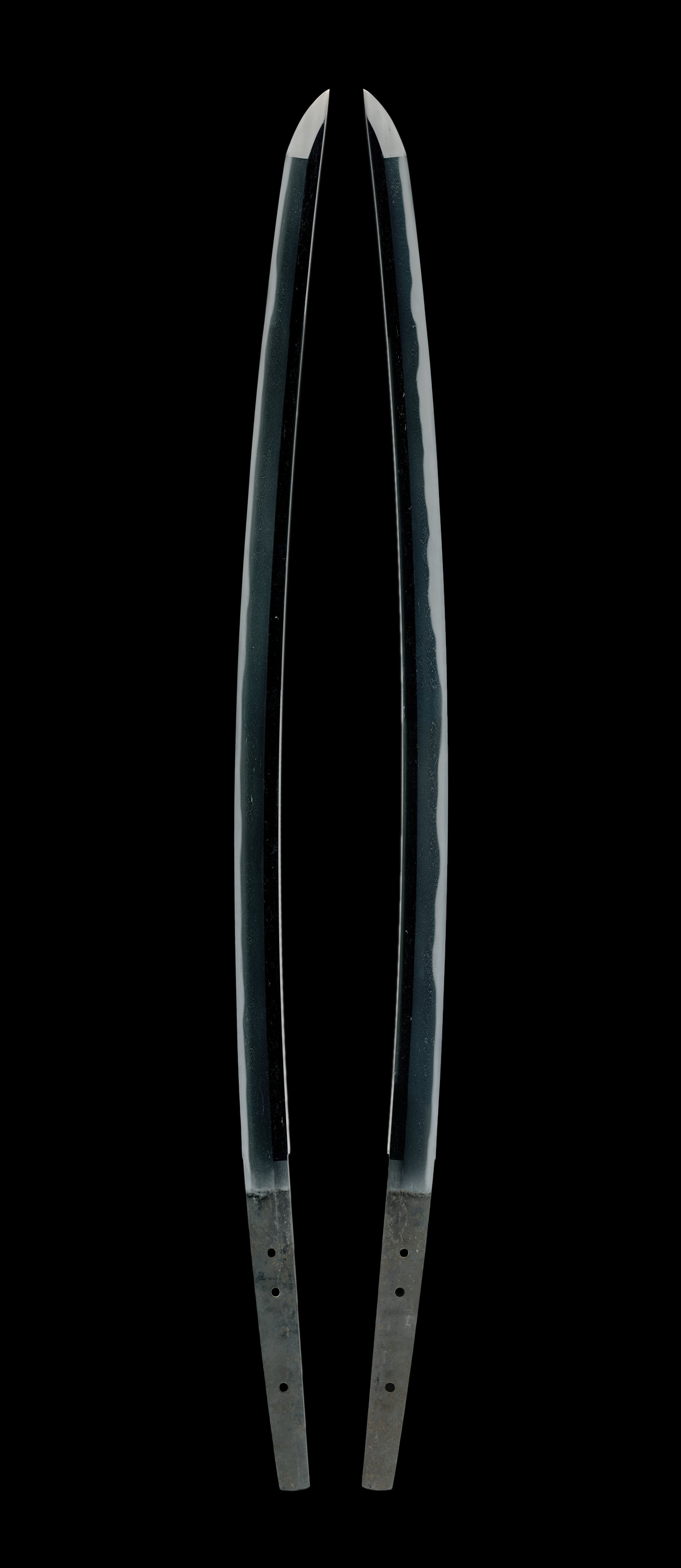
The is the first thing the published sources reach for. It is an , often mixed with and with a flowing that stands up a little, and in places it inclines strongly to ; over it the lies microscopically fine and thick, and enter frequently, so the steel reads bright and clear. The appraisers make a point of the worked into the (柾ごころ), one of the tells they list for his hand, and they single out that the and together come up a degree brighter and clearer than his fellows.
The is built on a , broad and gentle, with and mixed in and the temper height tending to broaden from the base toward the . and enter, the is deep, and the lies thick and even, breaking in places into with standing ; through the run abundant and , with occasional spilling into the . Set beside Masamune and Norishige, the published sources call his and the calmer (穏やか), yet they note the working busily within the and the whole coming up brighter, which is exactly where they locate him.
The is where Go is most distinctly himself, and it is the feature the published record names outright as a major characteristic of his hand: the point is tempered deep, sweeping with (掃きかけ) and breaking into a so that it becomes an -style , the whole tip hardened nearly solid. A representative records it precisely, the burned deep into a single sheet, collapsing in and brushing out in . Where it does turn back it settles into a quiet , the return sometimes running long; but the deep, swept, single-sheet point is the signature, and a profile that gives him only a calm has misread the smith.
For the collector the recognition runs in this order: a clear with thick fine and frequent , creeping into the , a deep- carrying and , and the deep -swept above it, the entire and lit a degree brighter than the surrounding masters. That brightness and clarity is the discriminator the appraisers use to part him from Masamune himself and from Norishige, whose stands up more and whose is the heavier. Fujishiro places him at Sai-jō , the highest rank, and among all hands his is reckoned at the summit.
Because nothing of his is signed and so little survives, Go is among the least attainable of all names. Of the work on record a few sit as National Treasures and Important Cultural Properties that can never trade, and the named carry the histories of the great : the Ōkubo Gō (大久保江), which bears a gold-inlay attribution and descended to the Ōkubo of Odawara, and the Kabutokiri Gō (兜切り江), once of the Mizuno family. Others pass through the Uwajima Date family, one of them bestowed by Tokugawa Hidetada on the first lord of Uwajima and kept thereafter as a house treasure, while further blades descended through the Maeda. To meet a Gō at all is to meet a blade the appraisers judged worthy of the very first names, held for centuries by the houses that could command it.