室町は刀剣業を産業に変えた。徒歩の集団戦とともに打刀が興り、長船と関は数打ち物と注文打ちを並行して産し、勘合貿易は日本刀を数万振の単位で海外へ運んだ。
 NihontoWatchNihontoWatch
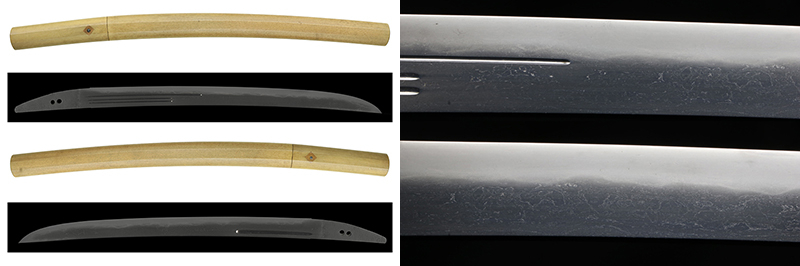
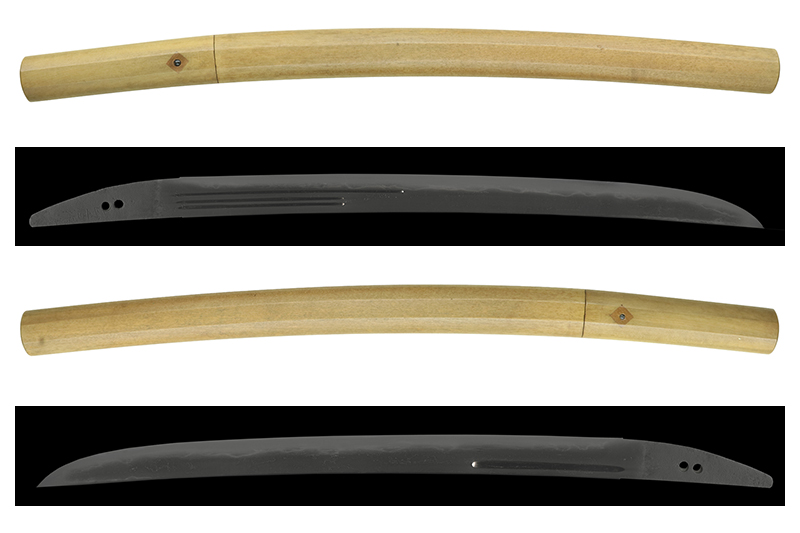
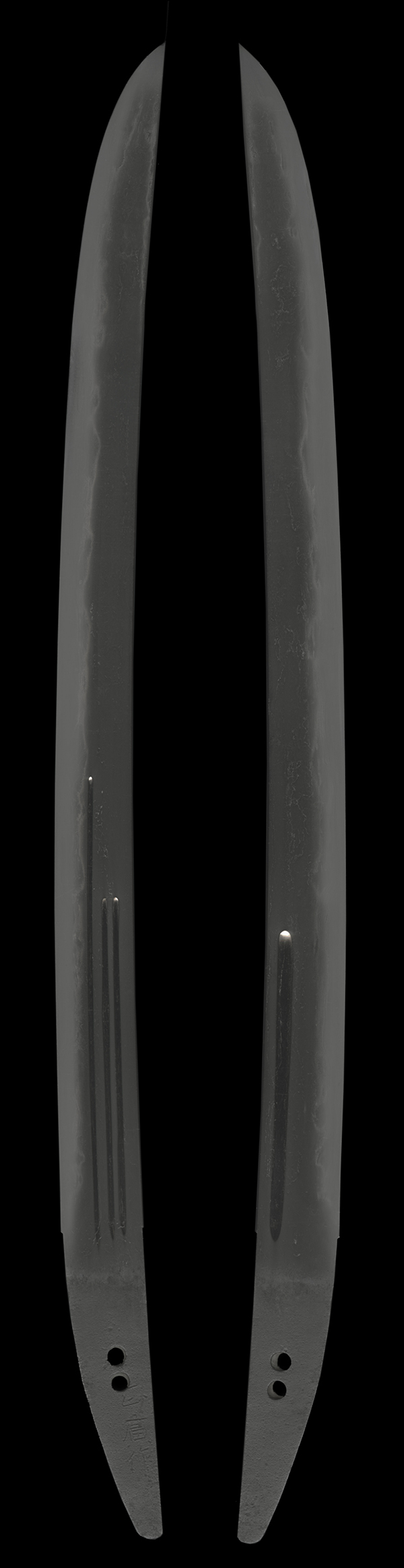
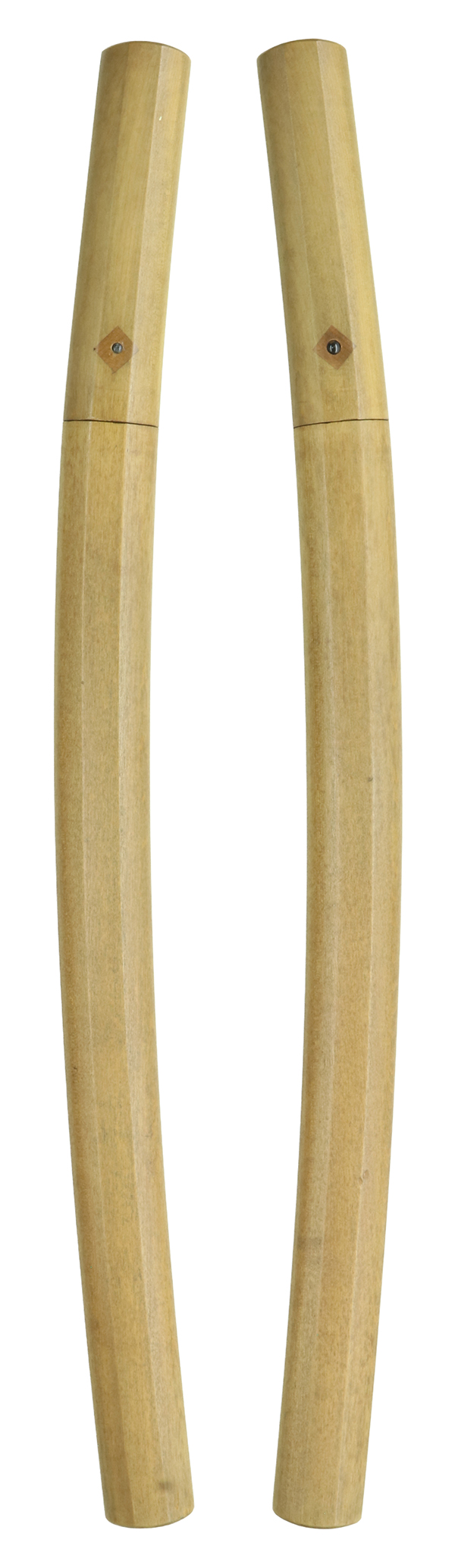
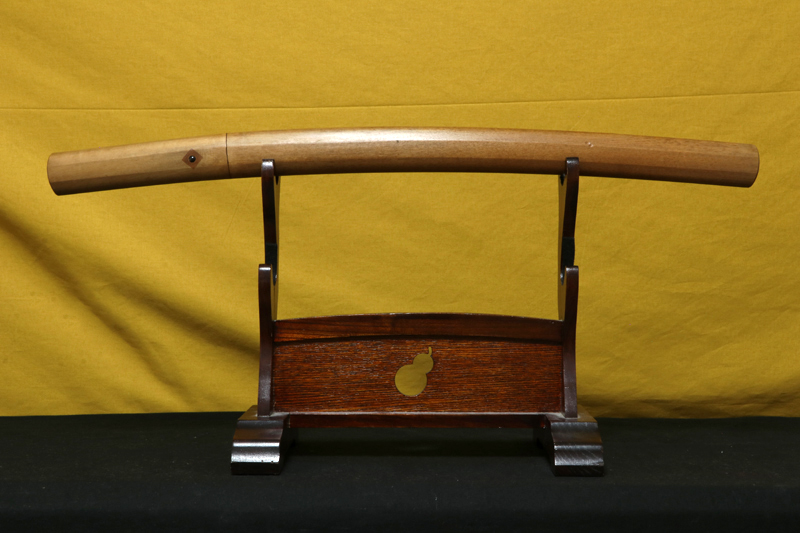
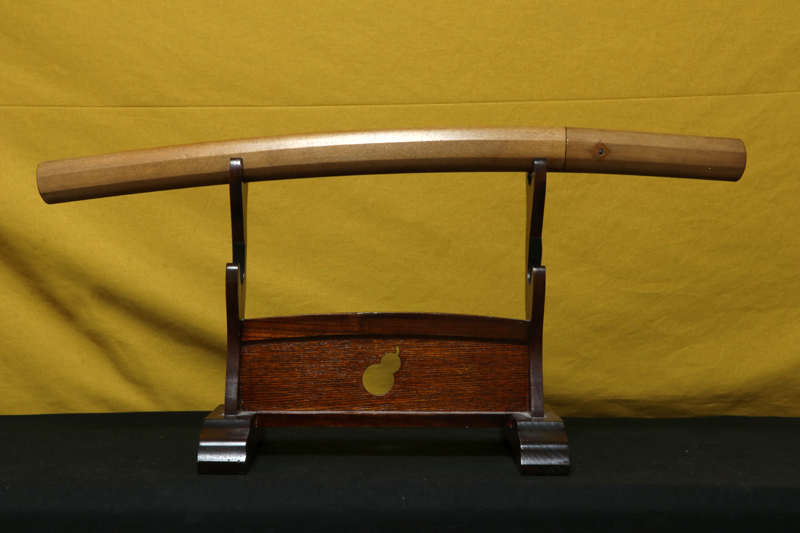
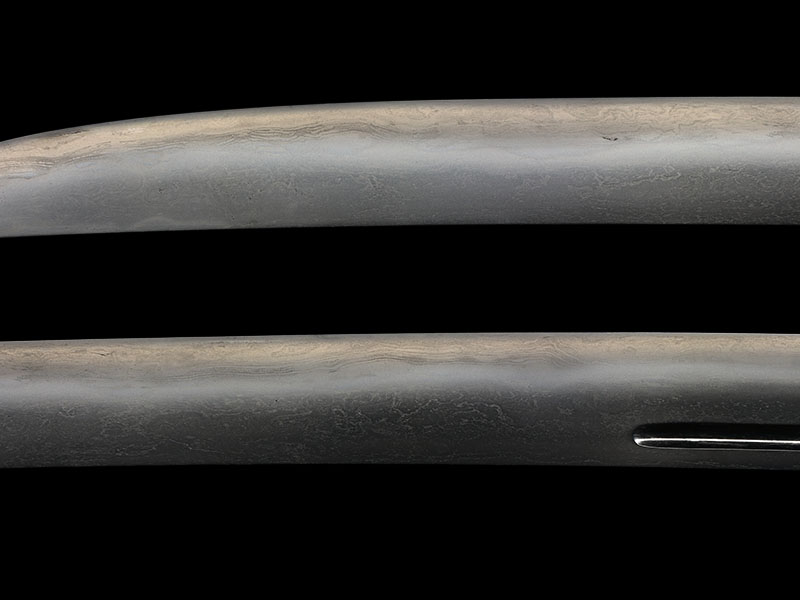
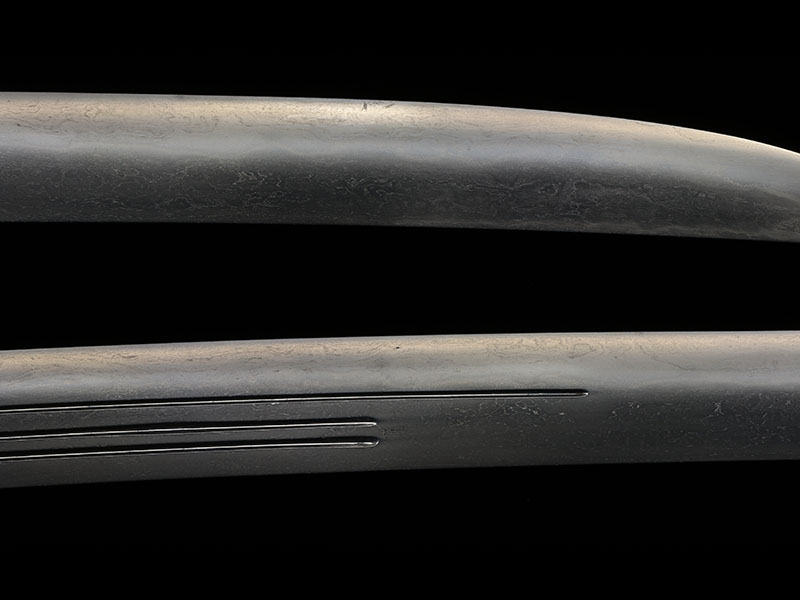
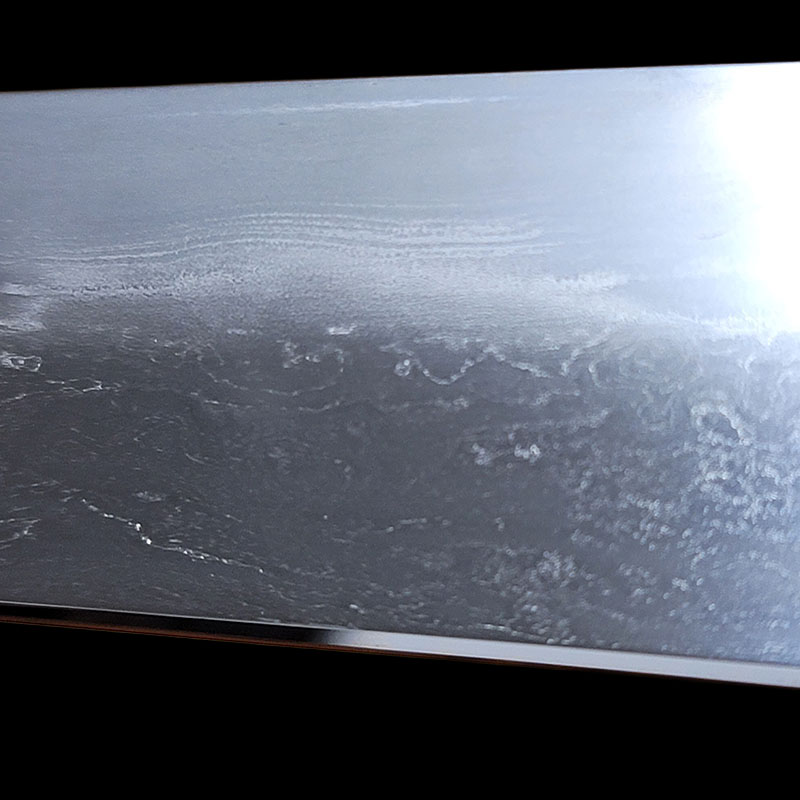
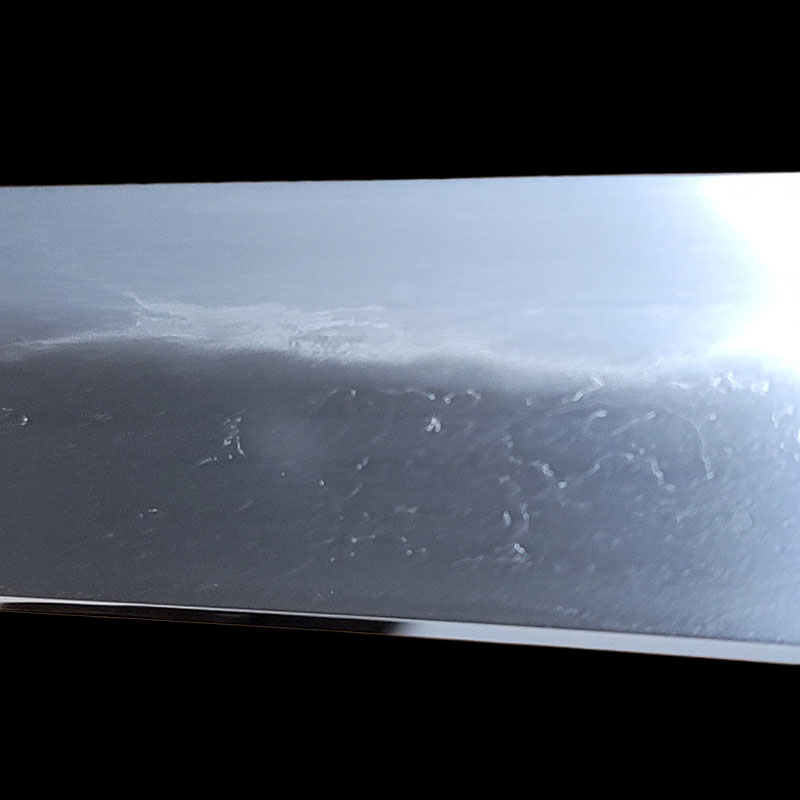
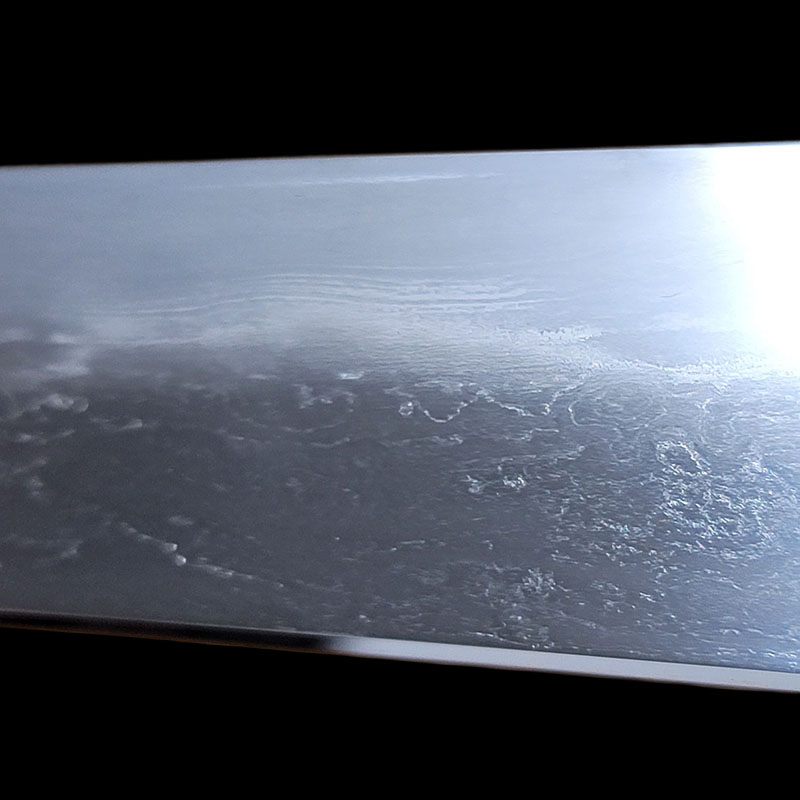
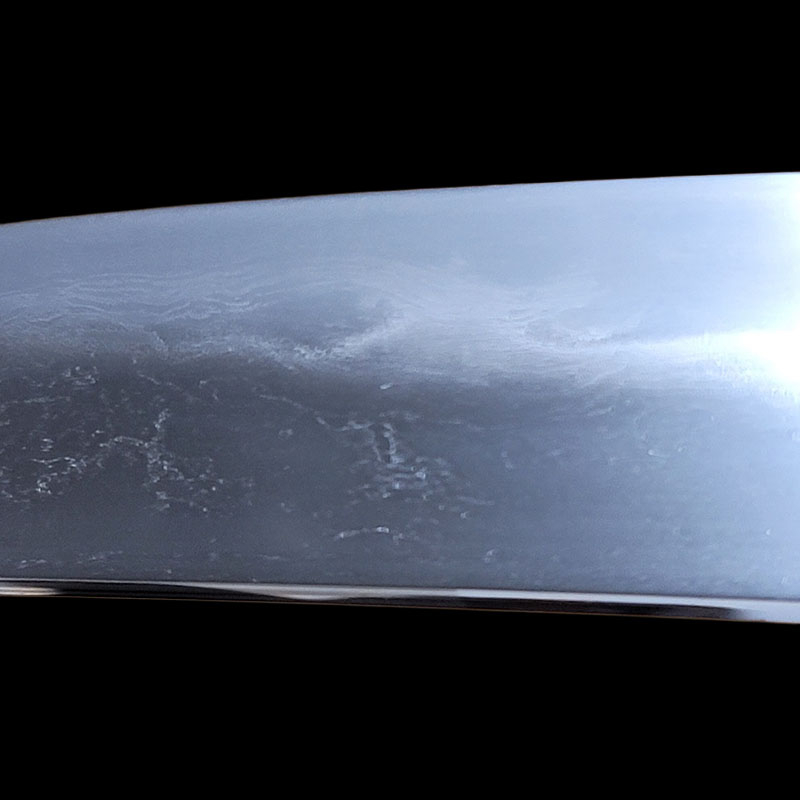
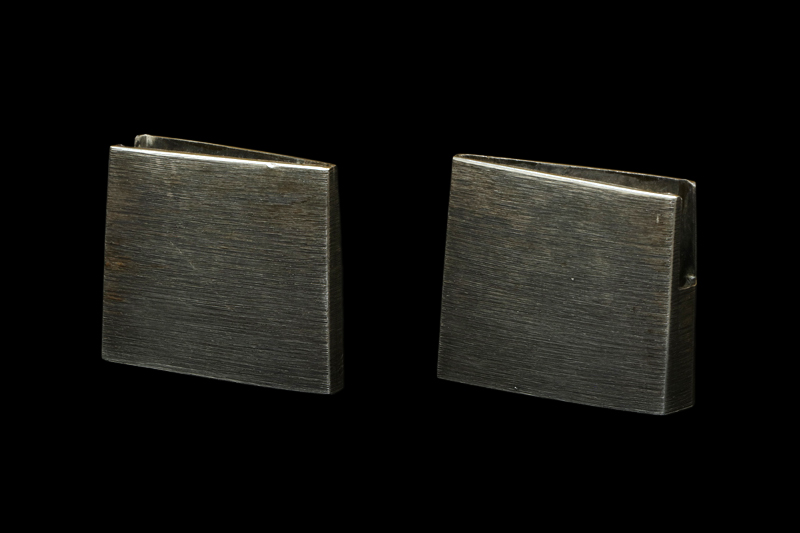
Koto Masahiro saku with Shirosaya. 正廣作。室町時代後期、天文頃の六代または七代正廣の作と思われます。三つ棟、広い身幅、先反りのついた鋭い姿を見せる、相州伝の魅力に富んだ小脇差です。長く眺めても飽きることのない一振りです。 Masahiro saku. This work is thought to be by the sixth or seventh generation Masahiro, dating to around the Tenbun era of the late Muromachi period. It is a ko-wakizashi with mitsu-mune, a wide mihaba, and a sharp saki-zori shape, displaying the rich appeal of the Sōshū tradition. A blade of such charm that one never tires of admiring it, even after long appreciation. 「刀姿 sword figure」 平造り三つ棟、身幅尋常重やや薄く、鳥居反り大鋒。茎は生で浅い筋違い鑢がかかり、茎尻は栗尻。 Hira-zukuri with mitsu-mune, of standard width and slightly thin kasane, with torii-zori curvature and a large kissaki. The nakago is ubu, finished with shallow sujikai yasurime, and the nakagojiri is kurijiri. 「彫物 carving」 彫物は表に腰樋と護摩箸、裏には腰樋が彫られる。 The horimono consist of a koshi-hi and goma-bashi on the omote, and a koshi-hi on the ura. 「地鉄 jigane」 地鉄は板目に杢が交じり、刃寄りは肌が流れて柾がかかり、肌立ち気味に地景がからみ、地沸付く。 The jigane is an itame-hada mixed with mokume, while toward the ha the grain becomes flowing and shows masame tendencies; the hada stands somewhat prominently, with chikei interwoven throughout, and the ji is covered with ji-nie. 「刃紋 hamon」 刃紋は互の目乱れ、刃縁荒沸が付き砂流しかかり、刃中は金筋が栄んにかかり簾刃のようになる。釯子は乱れ込み尖り深く返る。 The hamon is in gunome-midare, with coarse nie along the habuchi and traces of sunagashi. Within the hamon, kinsuji appear vigorously, giving it the appearance of sudare-ba. The boshi enters in midare, forms a pointed tip, and turns back deeply. 「特徴 detailed」 正廣作。相州において「正廣」と銘を切る刀工は、南北朝時代の初代から天正頃までに八代を数えます。 本作は、室町時代後期、天文頃の六代または七代正廣の作品と思われます。 刀身は三つ棟で、身幅が広く、先反りのついた鋭い姿を見せ、典型的な相州伝の働きに富んだ焼刃を備えた小脇差です。 刀身の状態は古研ぎながら、地刃は良好にご覧いただけます。 長時間眺めていてもまったく飽きることのない、素晴らしい脇差です。 Masahiro saku. In Soshu, there were eight generations of swordsmiths who signed the name “Masahiro,” from the first generation of the Nanbokucho period through around the Tensho era. This work is thought to be by the sixth or seventh generation Masahiro, active around the Tenbun era in the late Muromachi period. The blade is a ko-wakizashi with a mitsu-mune ridge, a wide mihaba, and a sharp form with saki-zori, featuring a yakiba rich in activity in the classic Sōshū tradition. Although the blade is in old polish, the jihada and hamon remain clearly visible and can still be appreciated well. It is a superb wakizashi that never ceases to fascinate, no matter how long one contemplates it. 「拵 Koshirae」 鎺(habaki) :銀無垢一重の縦鑢。 鞘(saya) :白鞘。 「刀剣の状態 condition of blade」 研:古研ぎですが、地刃は良く見えます。 傷:欠点に成るような傷は有りません。

相模 · 1532-1555頃
刀剣大鑑 上位49%
室町時代
室町は刀剣業を産業に変えた。徒歩の集団戦とともに打刀が興り、長船と関は数打ち物と注文打ちを並行して産し、勘合貿易は日本刀を数万振の単位で海外へ運んだ。
ご購入頂いた商品の到着してから3日以内であれば返金もしくは交換対応をいたします。返品時の送料と返金する際の振込手数料はお客様のご負担とさせていただきます。