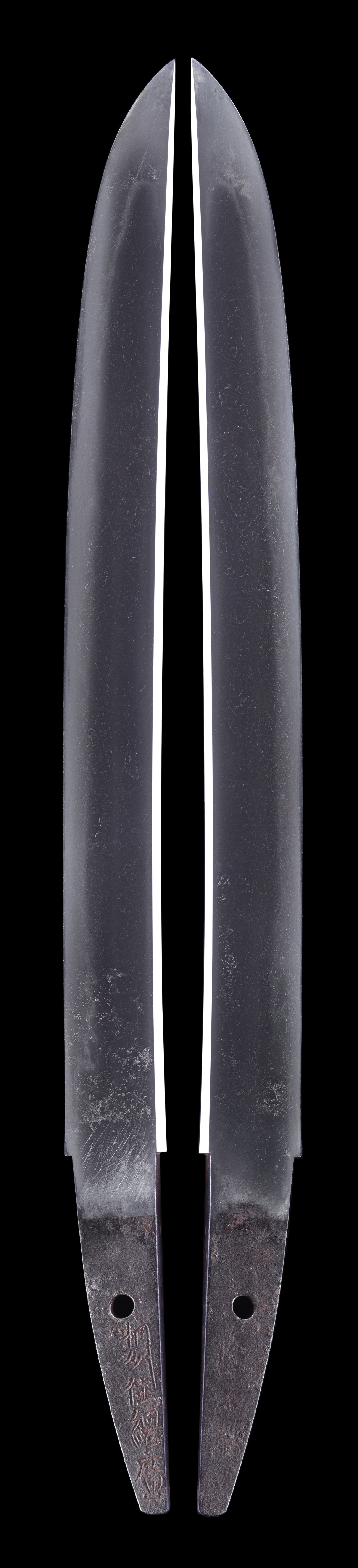
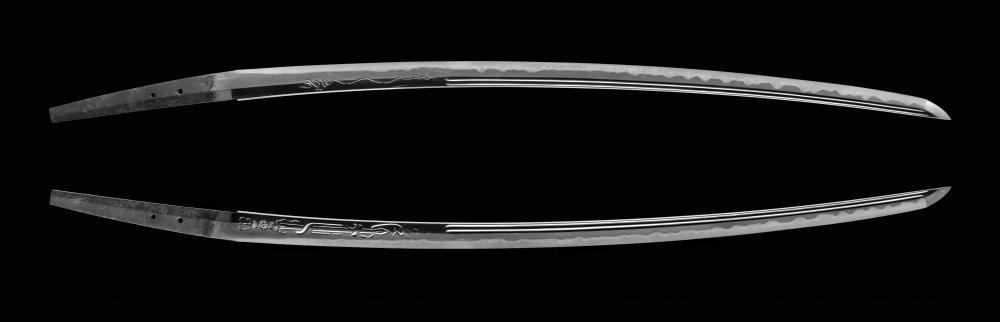
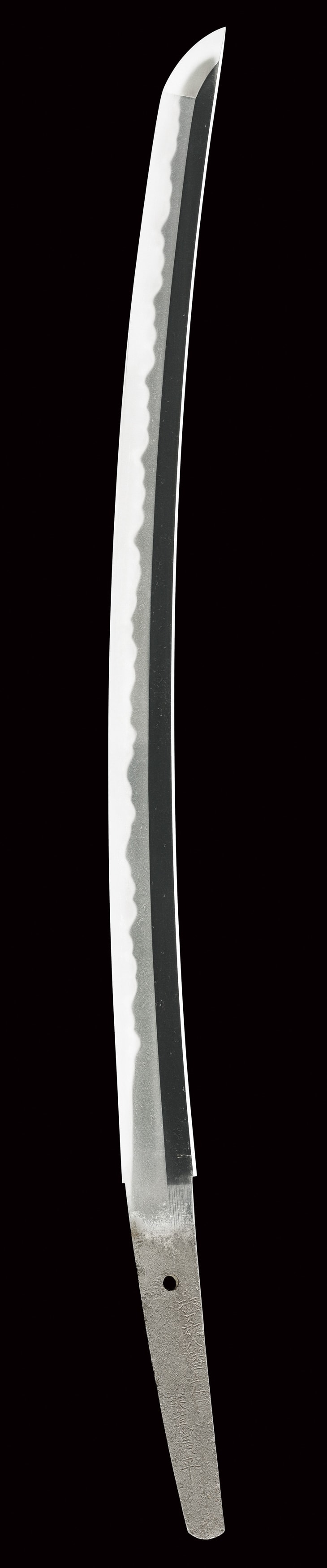
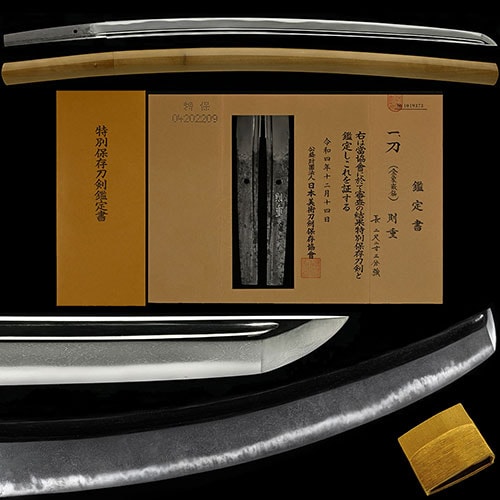
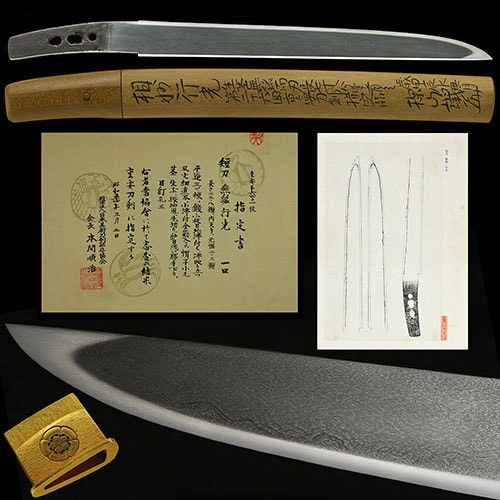
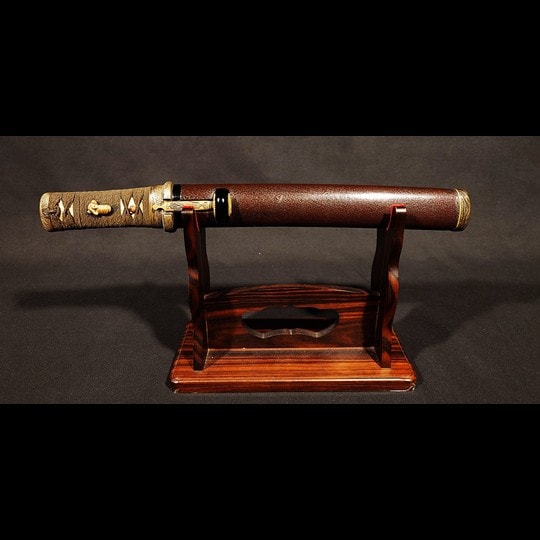
Masahiro is a lineage of smiths working in Province that continued for four or five generations, traditionally transmitted as descending from the youngest son of Masamune. The first generation, styled " Masahiro," produced works bearing era names such as Joji and Meitoku, with the earliest known dated example inscribed Sadaharu 2 (1363). However, from the standpoint of chronology, it is not feasible to connect Masahiro and Masamune directly; rather, it is necessary to posit the existence of one additional intermediary figure between them. The line extended to the end of the period, and it is also said that the fourth generation changed his name to Tsunahiro; however, the distinctions among the second and third generations are not clearly established.
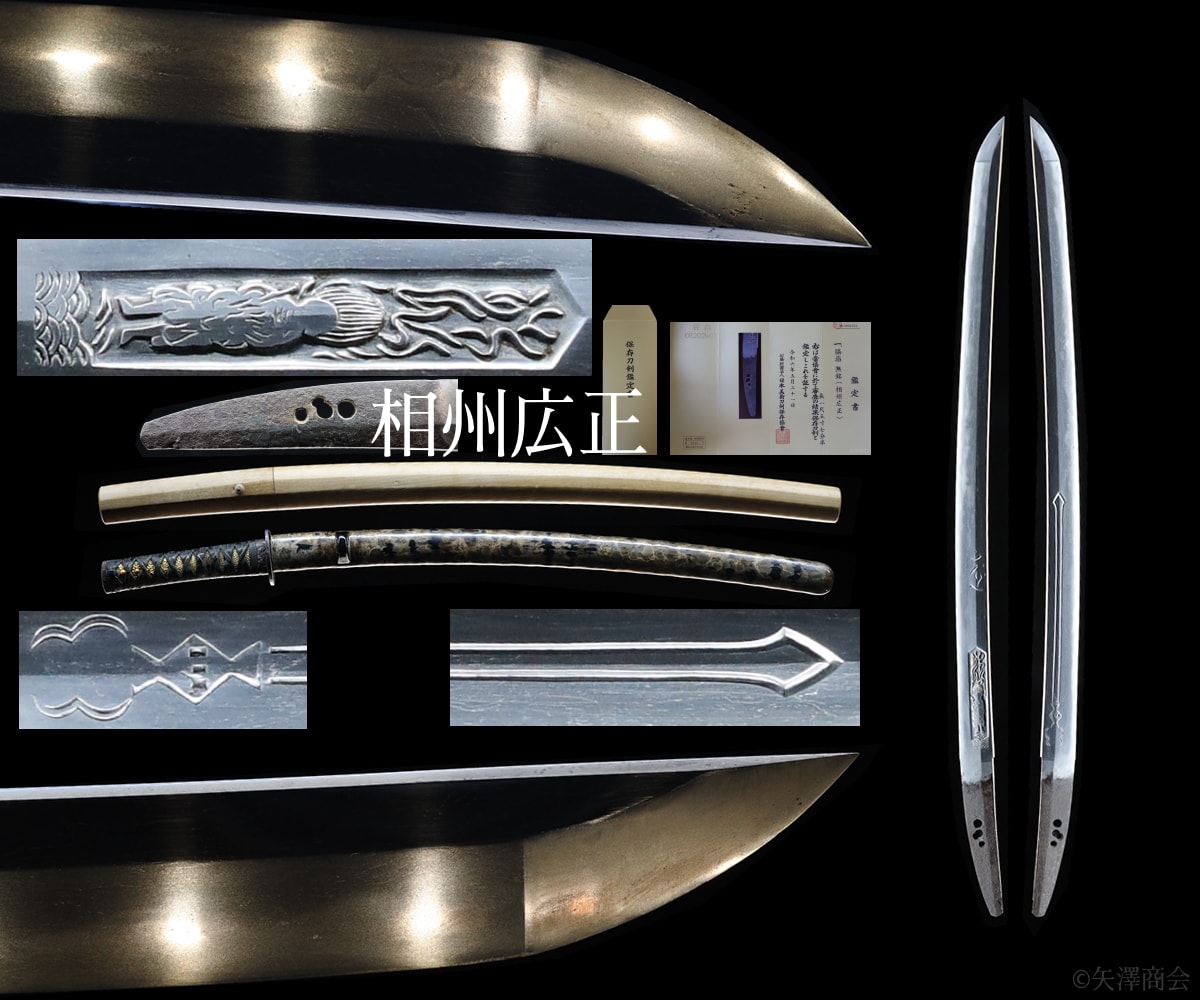
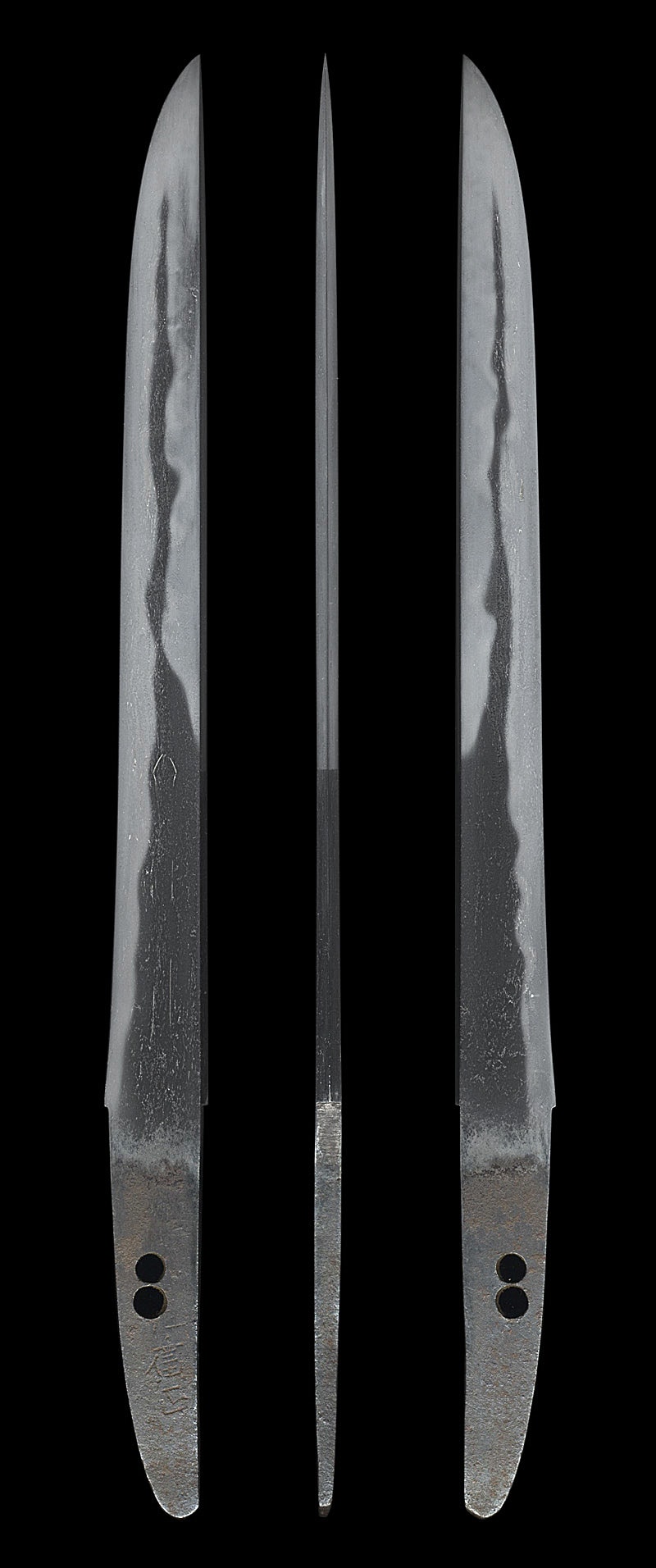
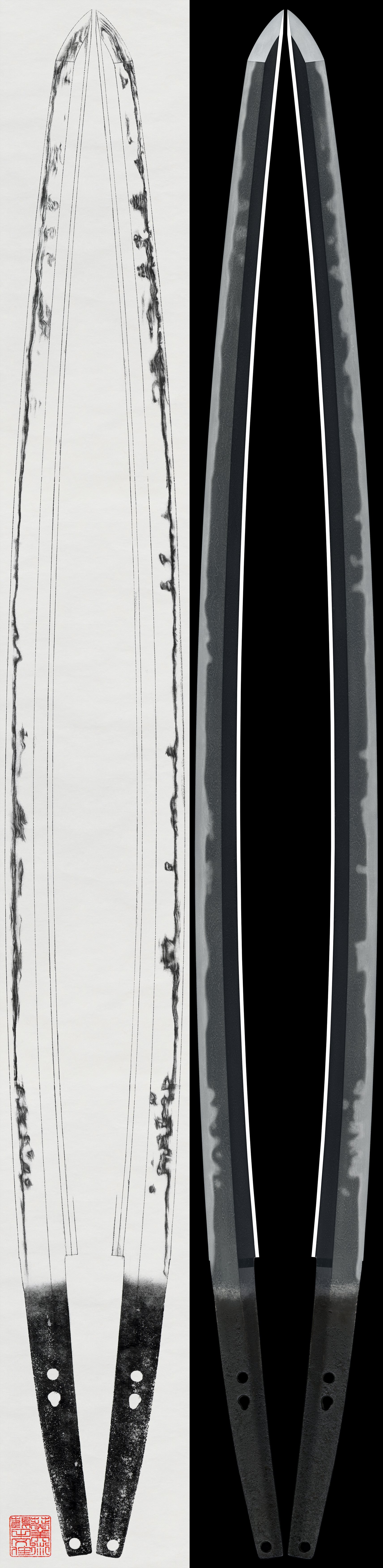
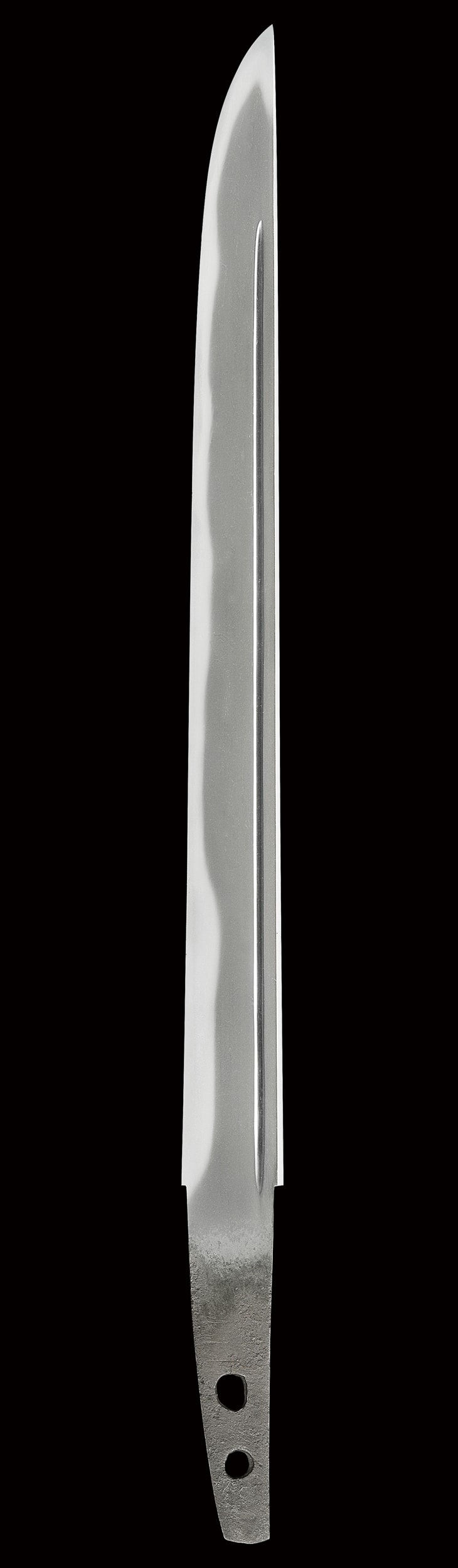
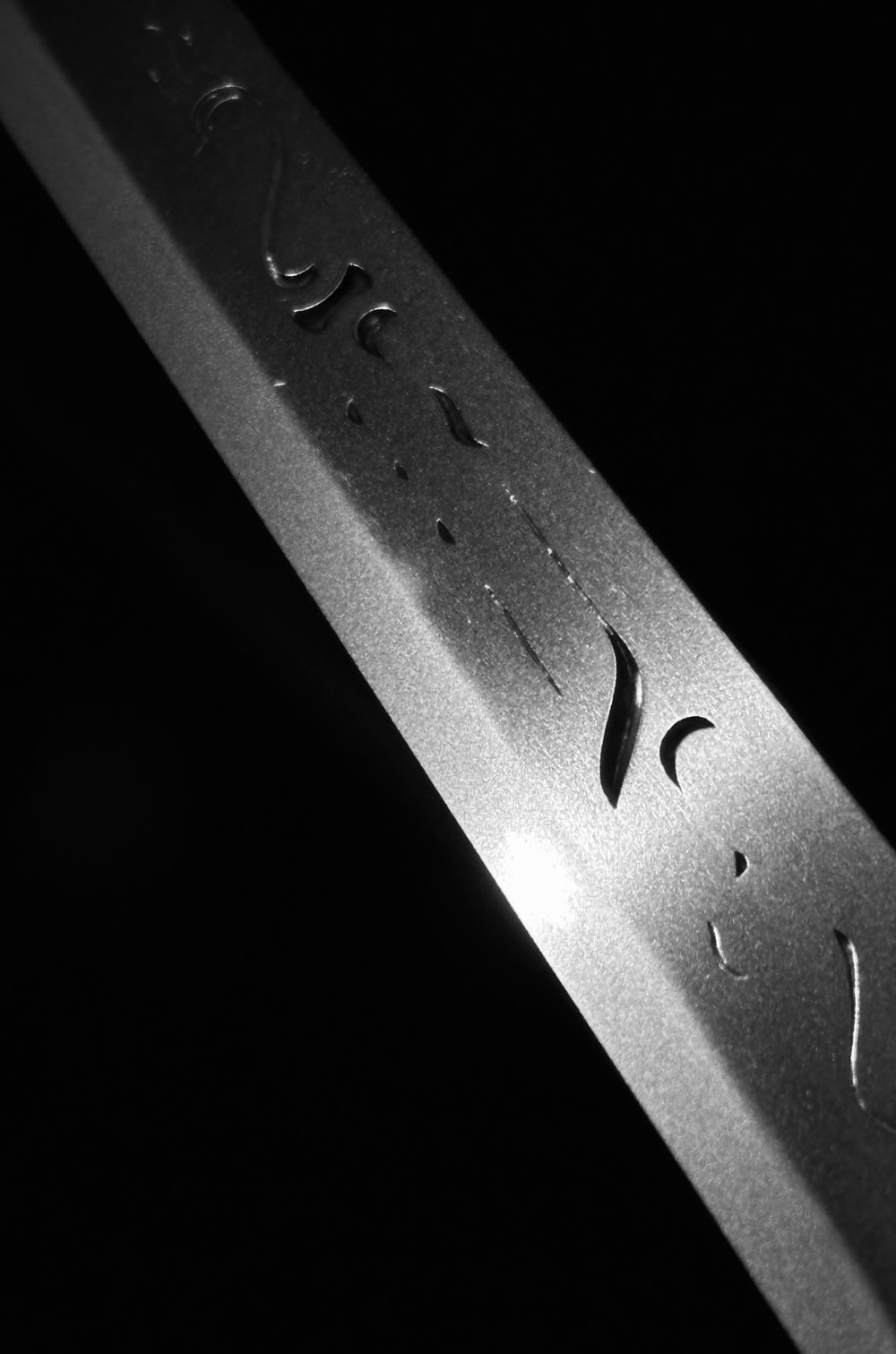
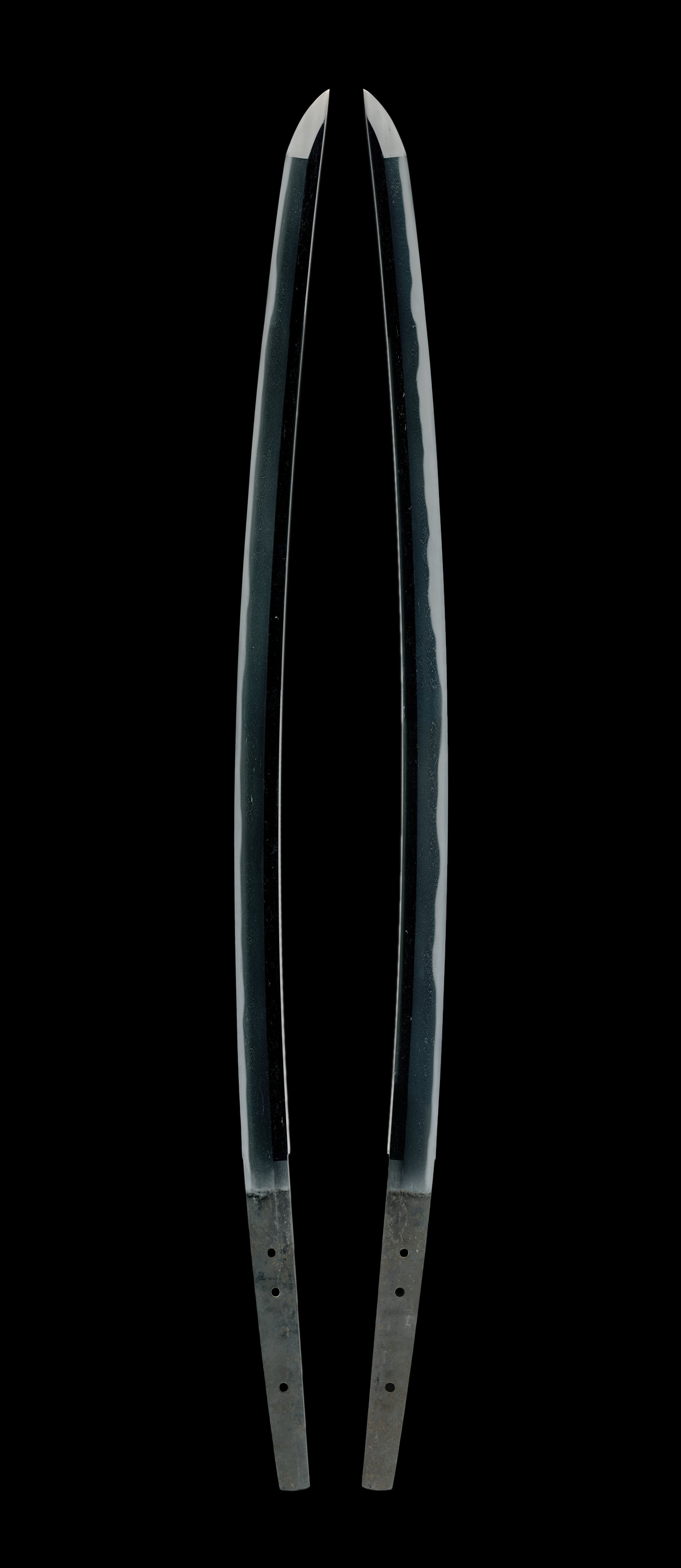
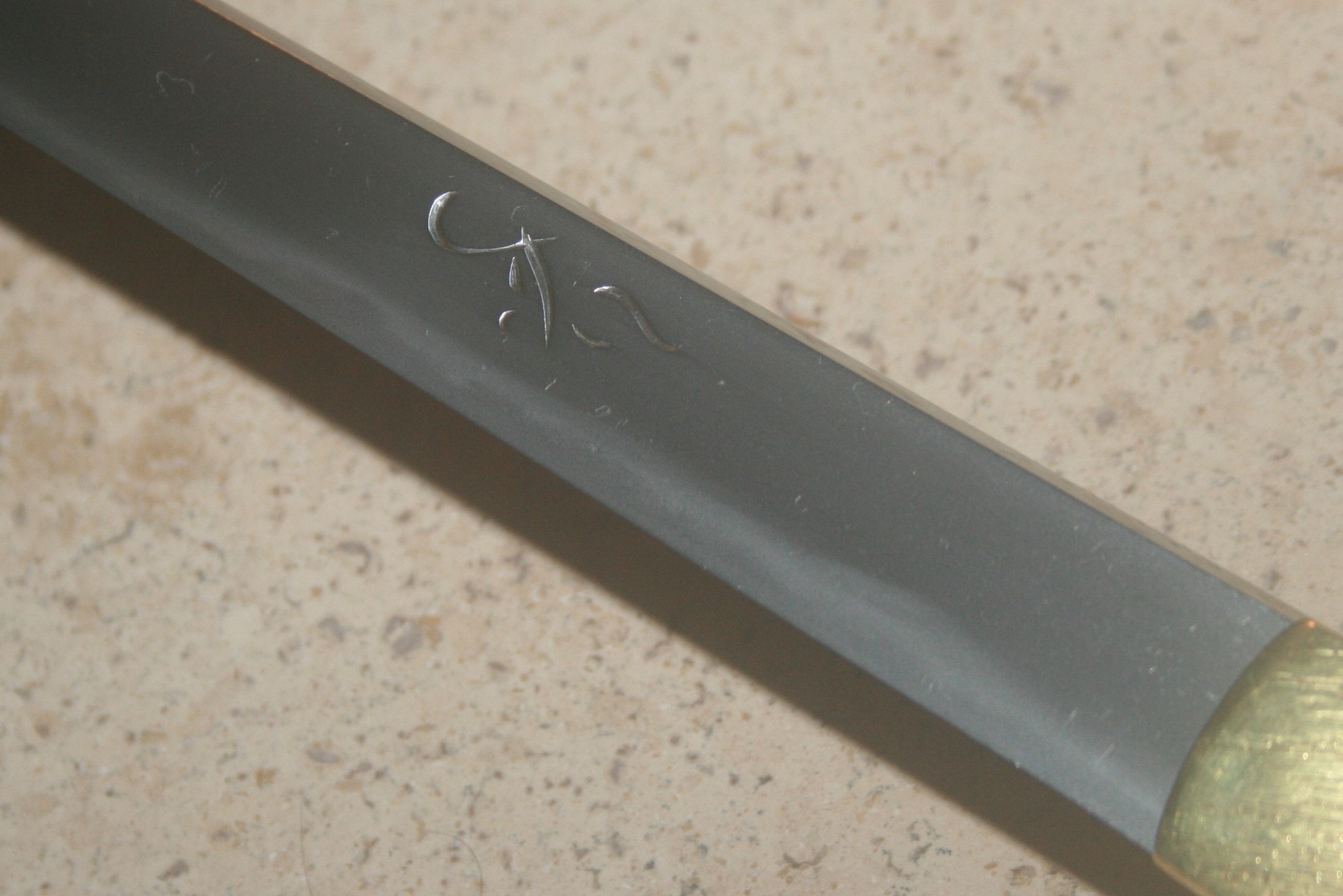
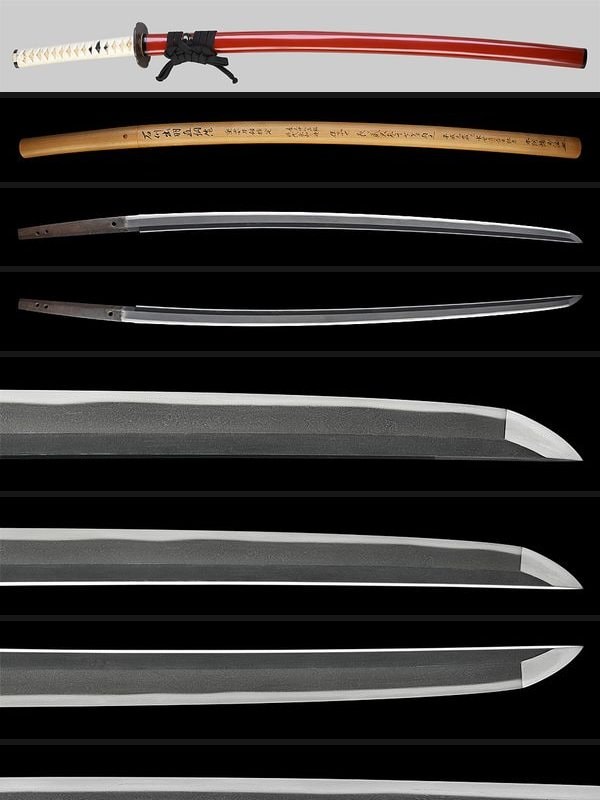
The Masahiro line works in a - idiom characterized by forging, sometimes mixed with , with abundant and . The favors a -based composition mixing and , enriched with well-entering and , and accompanied throughout by and . In more vigorous examples, develops into an overall -like manner, and the is bright and clear with adhering well. The typically enters in , and the manner of cutting the inscription "-ju Masahiro" closely resembles the practice seen in Akihiro, indicating the shared technical milieu of late tradition. Early-generation works frequently display construction with , broad , thin , and proportions with — the characteristic -period form — and many bear accomplished including , , -sho, and .
The consistently praises the Masahiro line as displaying the excellence of the tradition, with workmanship of both and rated as excellent and of upper-level quality. Well-preserved examples are noted as — sound in condition — and the carvings executed on the blades are repeatedly described as splendid. Works such as the recorded in Nihonto Taikan show connections with Hiromitsu and Akihiro through their -like tempering, further attesting to the line's place within the broader circle of later - masters who carried forward and sustained the legacy of the Masamune tradition through the period.