鎌倉時代は備前の頂点である。伝えでは一文字派の工が後鳥羽上皇の御番鍛冶に列し、世紀の半ばには光忠が長船派を興して、注文は公家からも武家政権からも流れ込んだ。国宝刀剣の数で備前に並ぶ国はない。
 NihontoWatchNihontoWatch
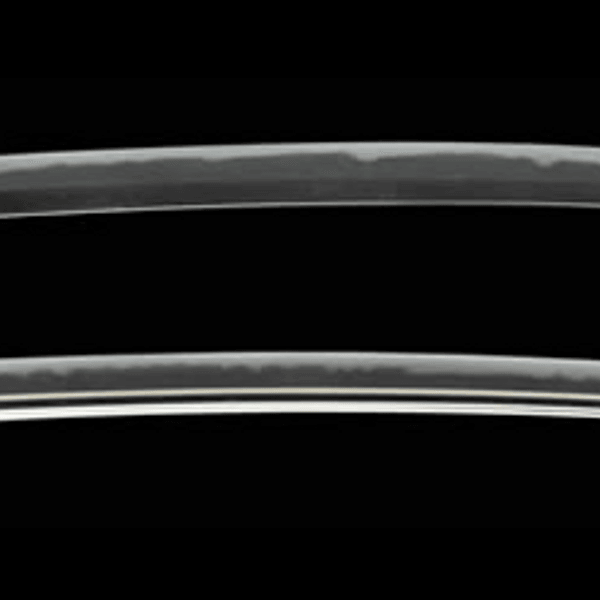
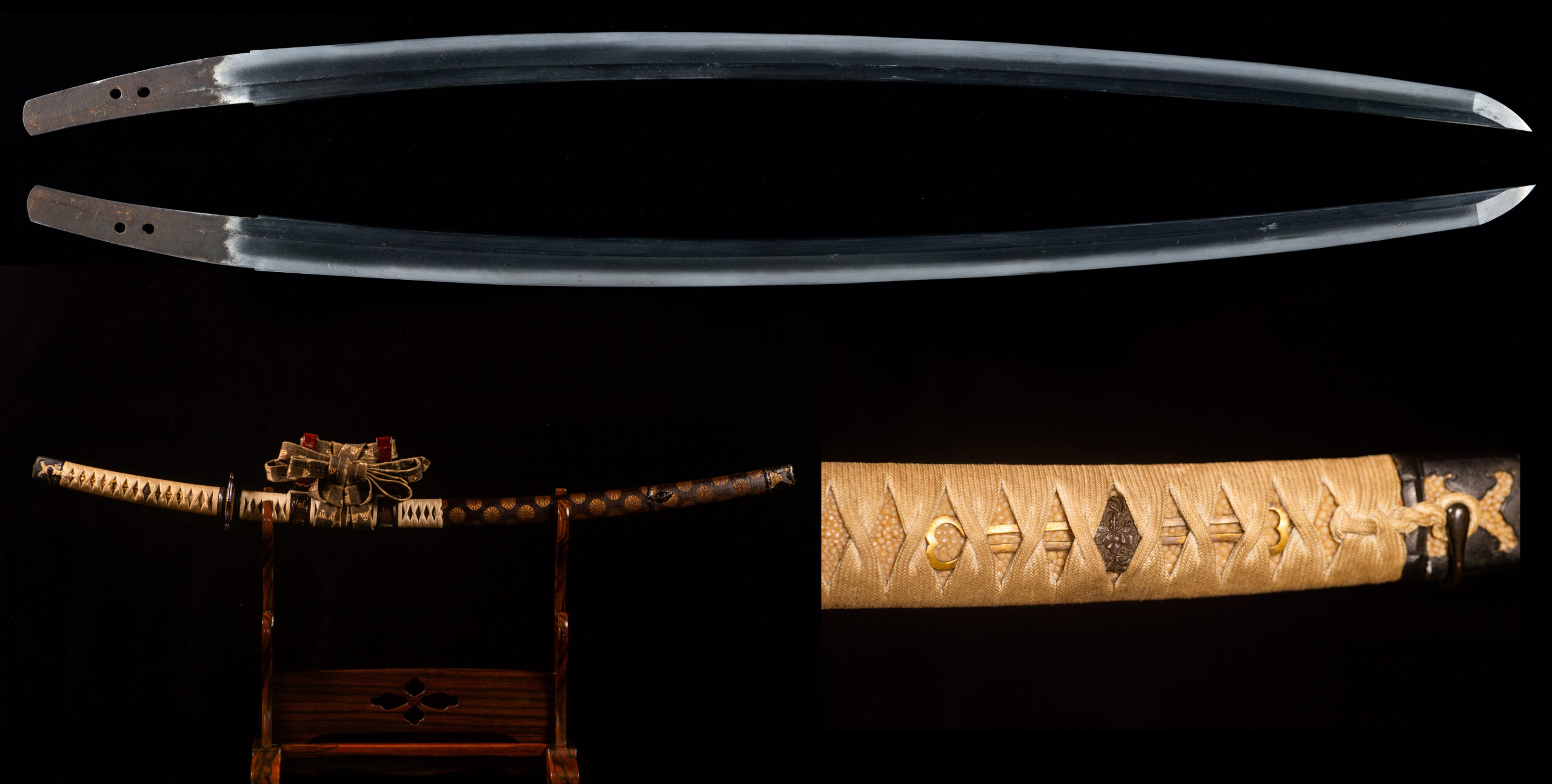
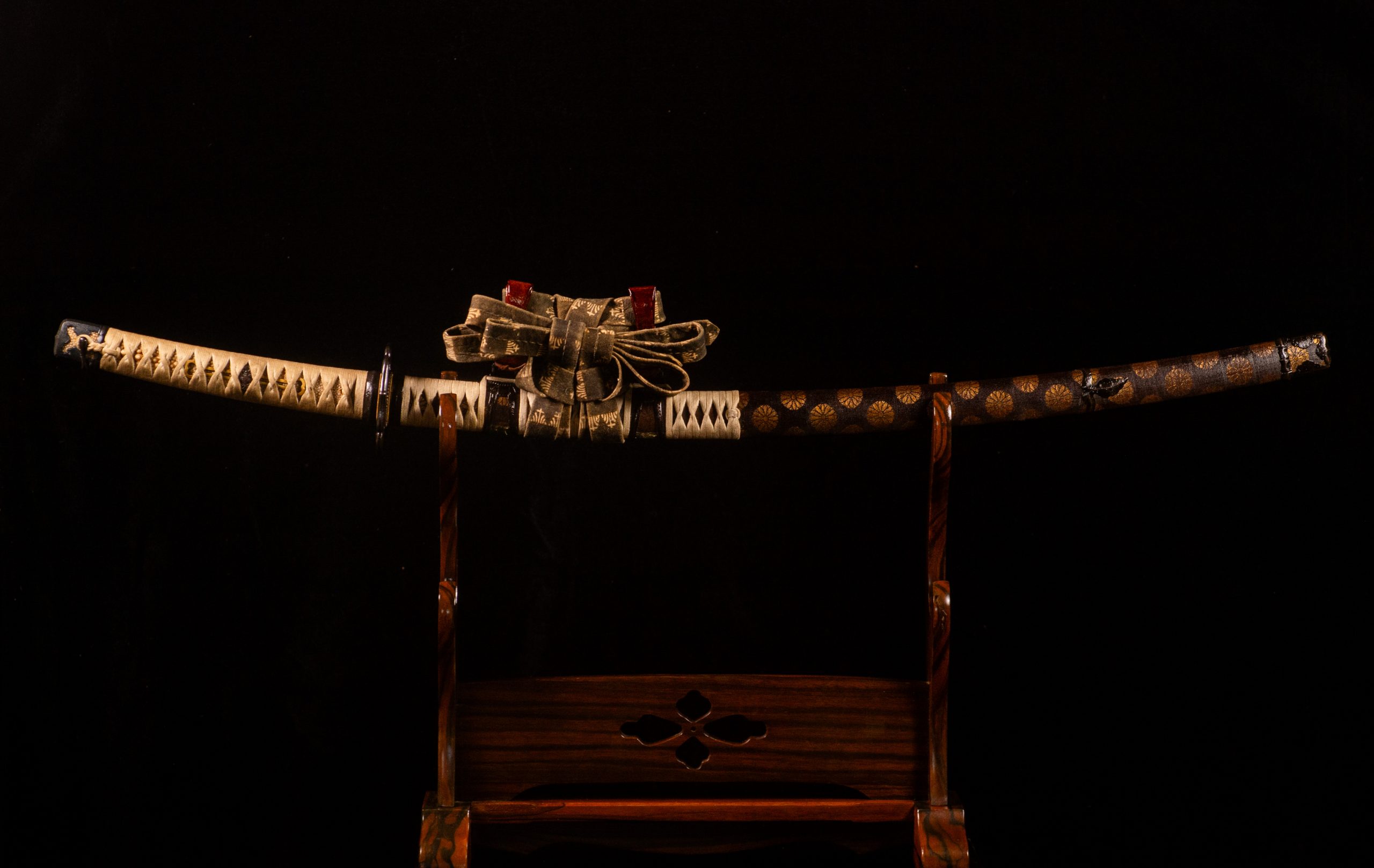
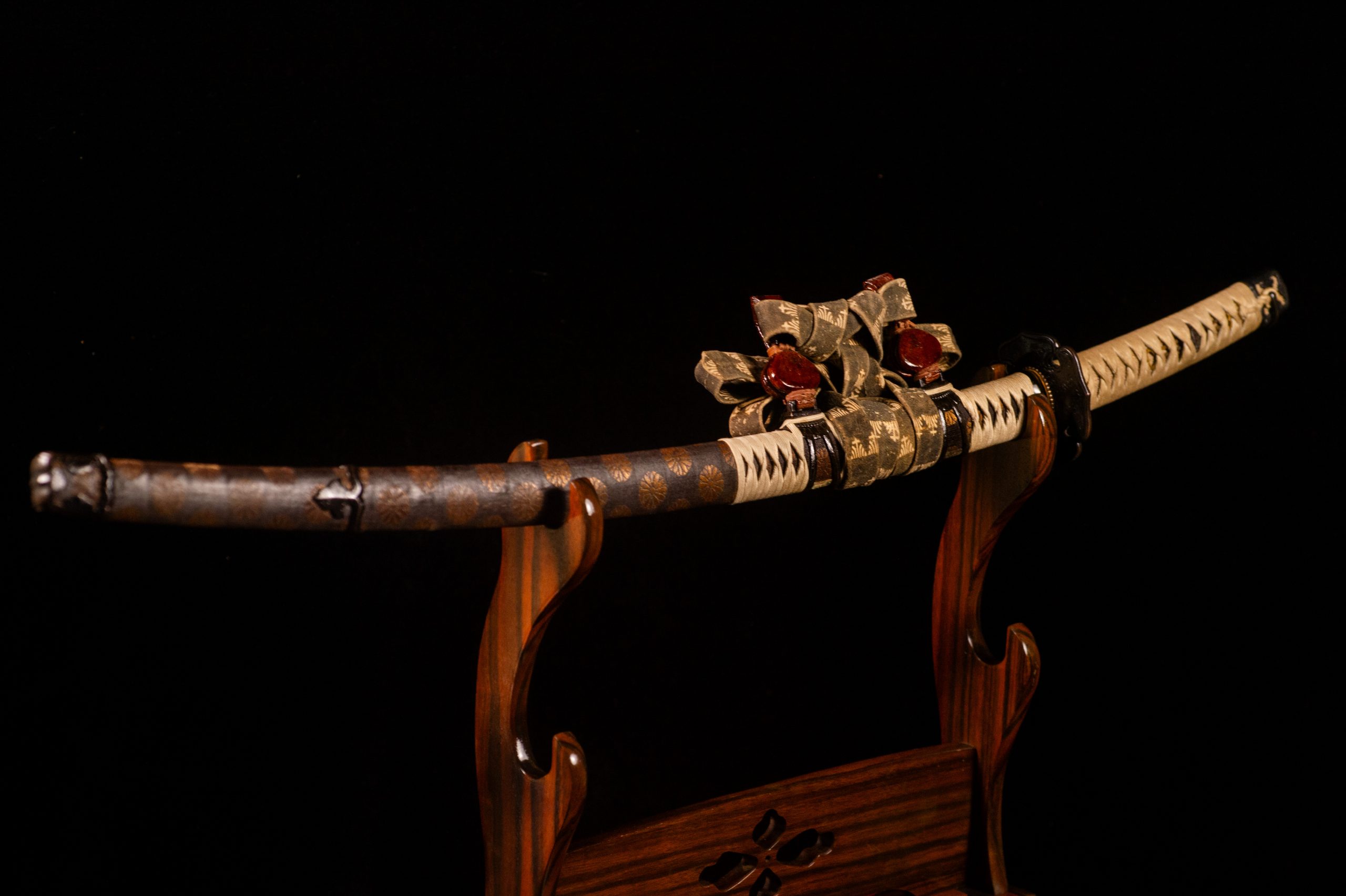
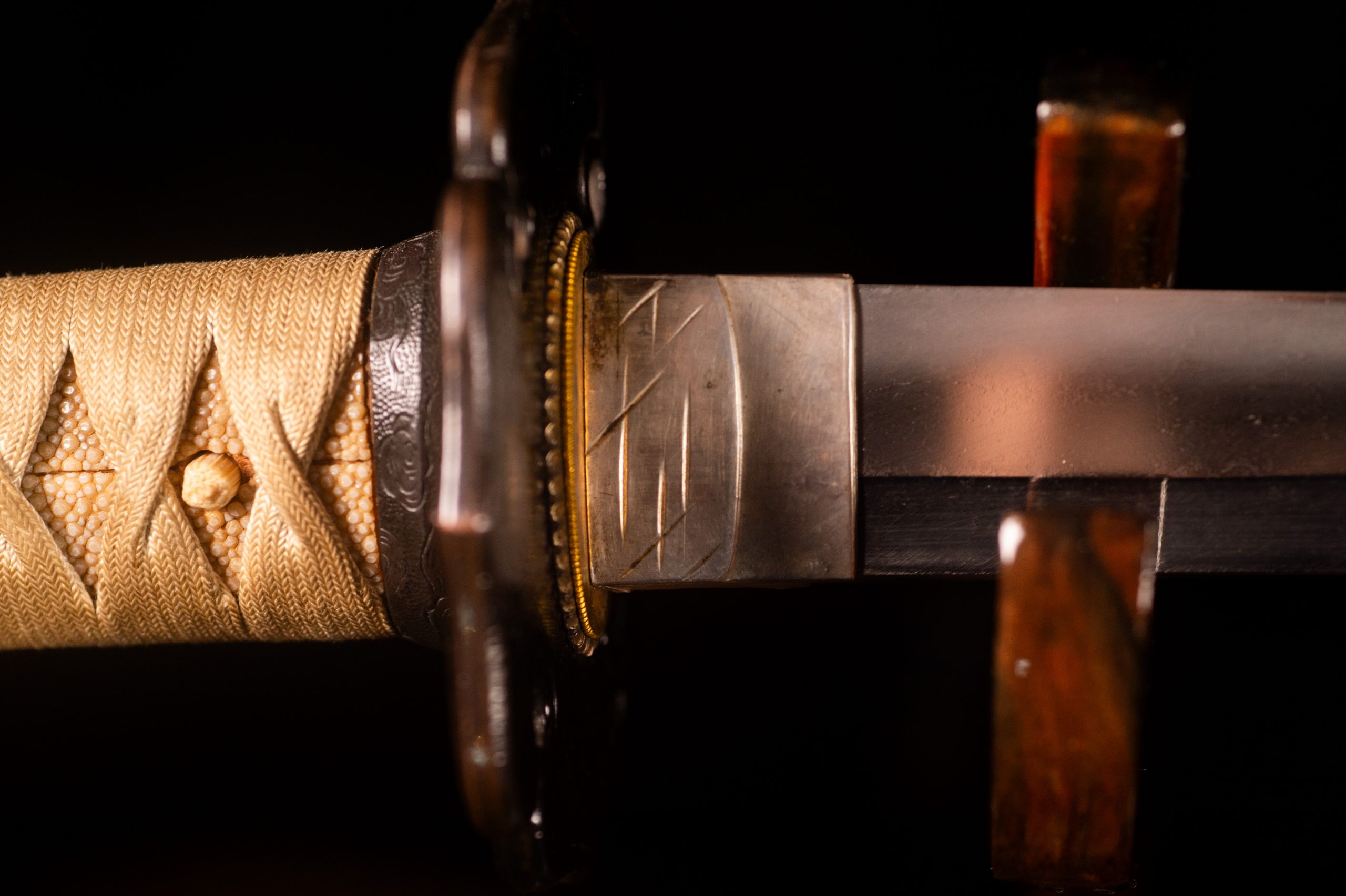
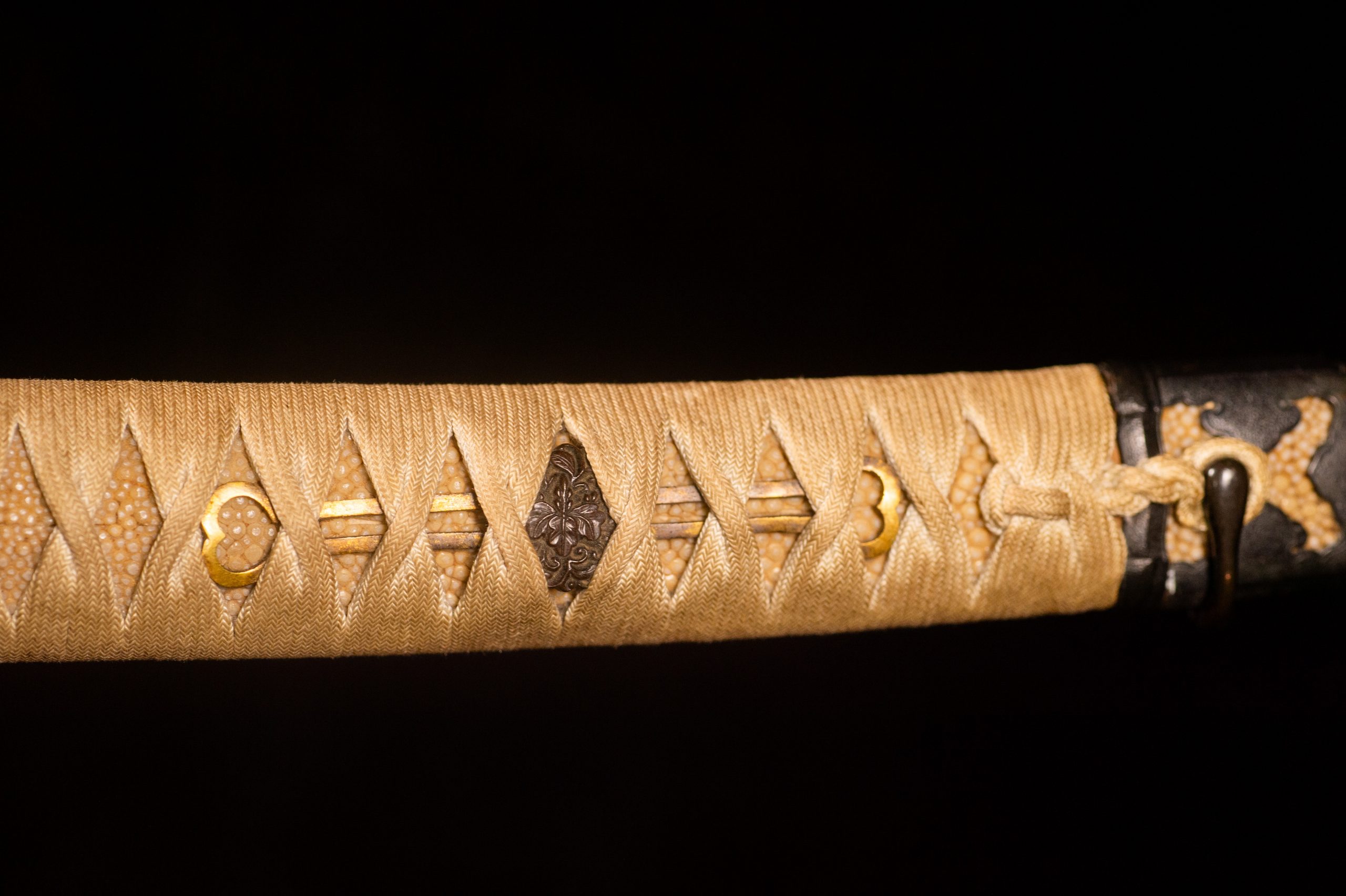
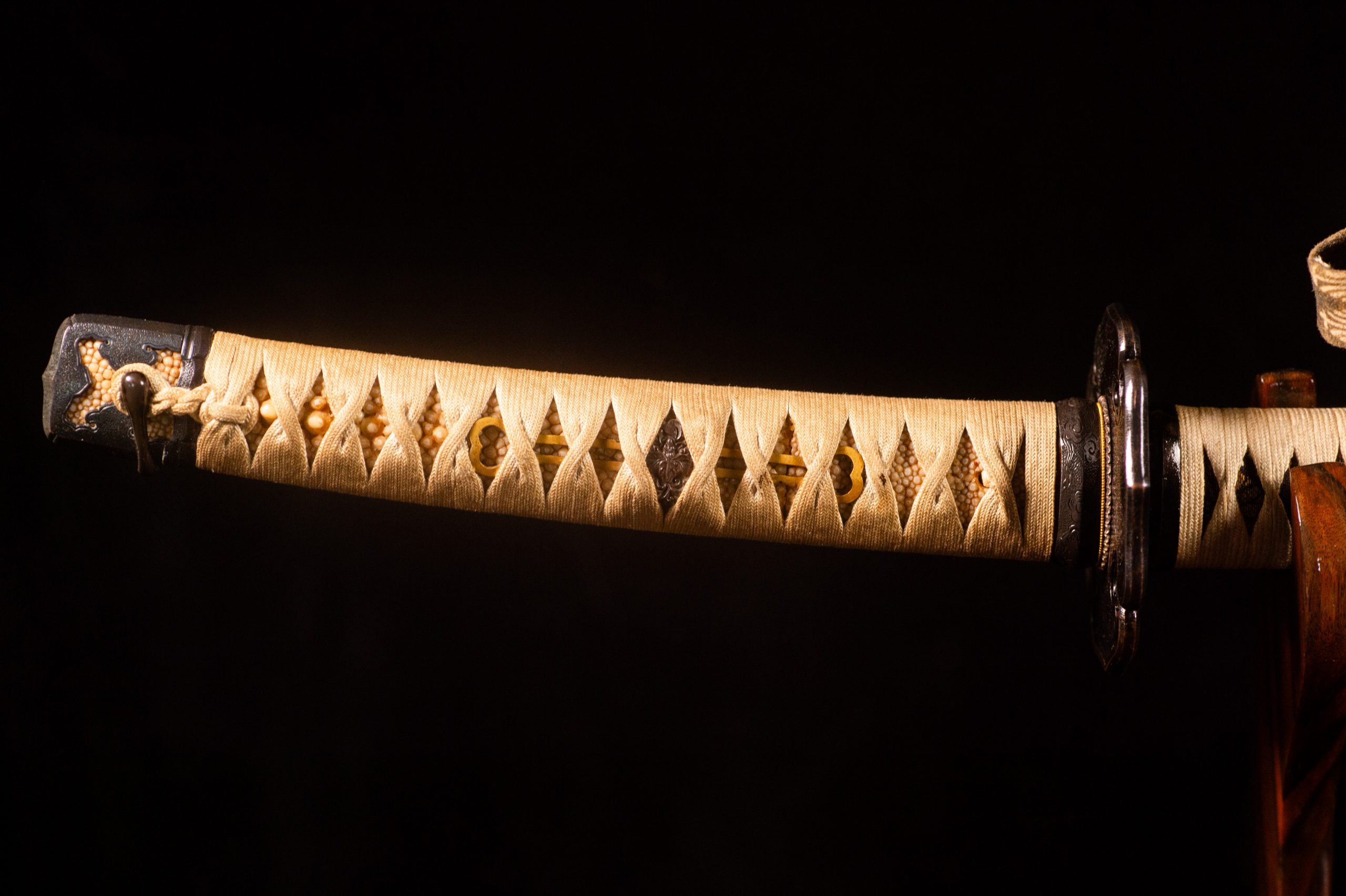
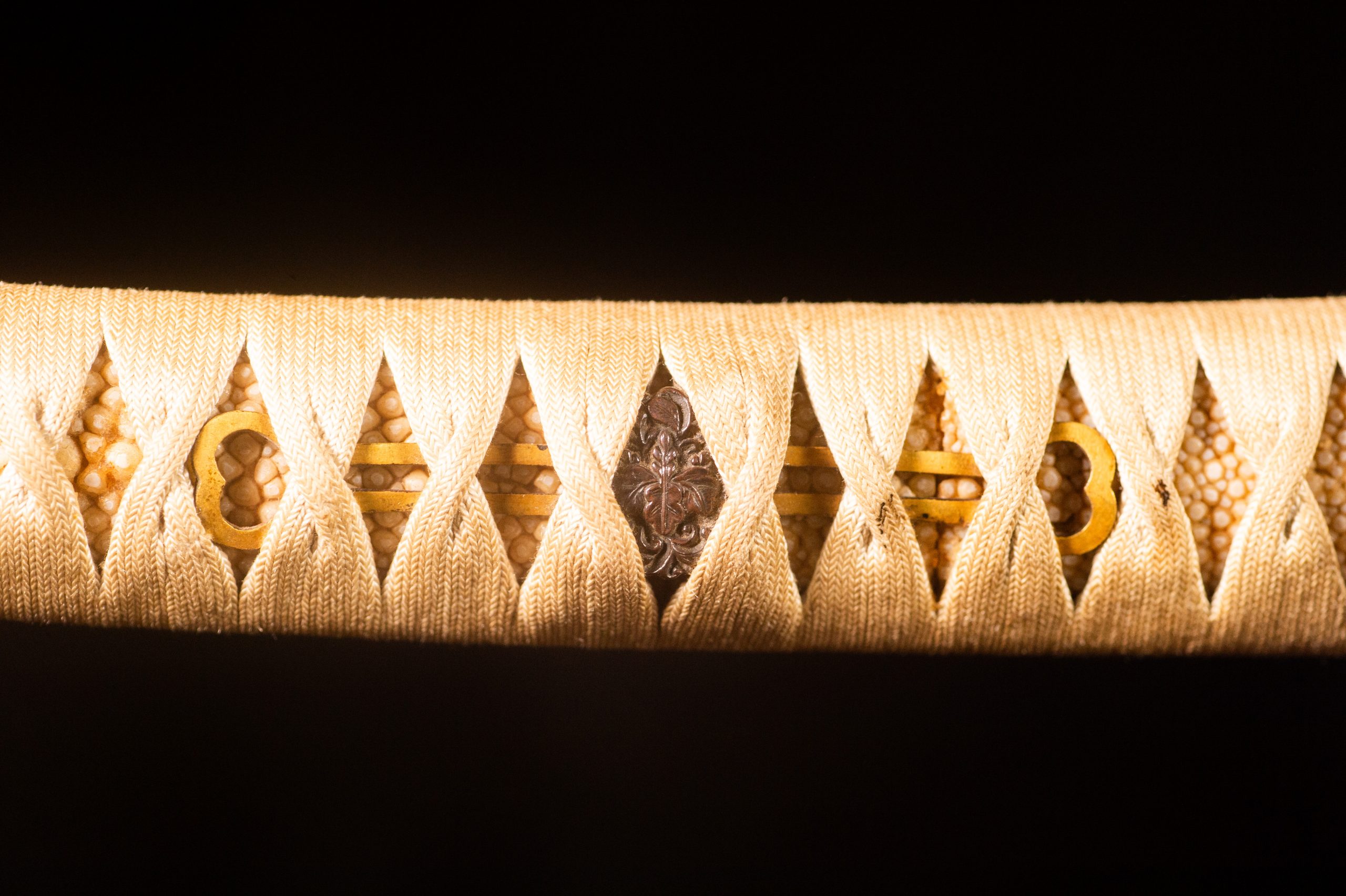
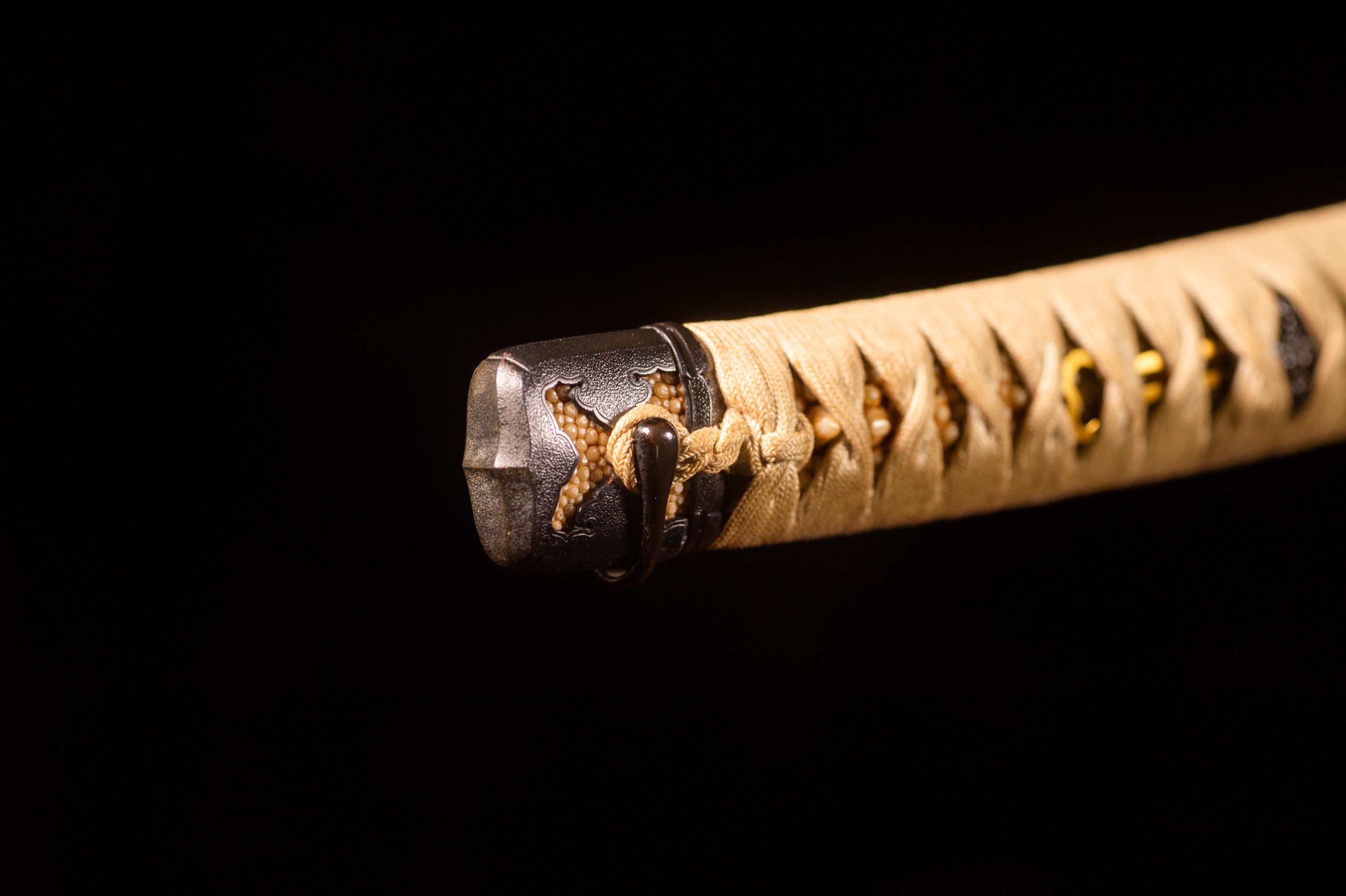
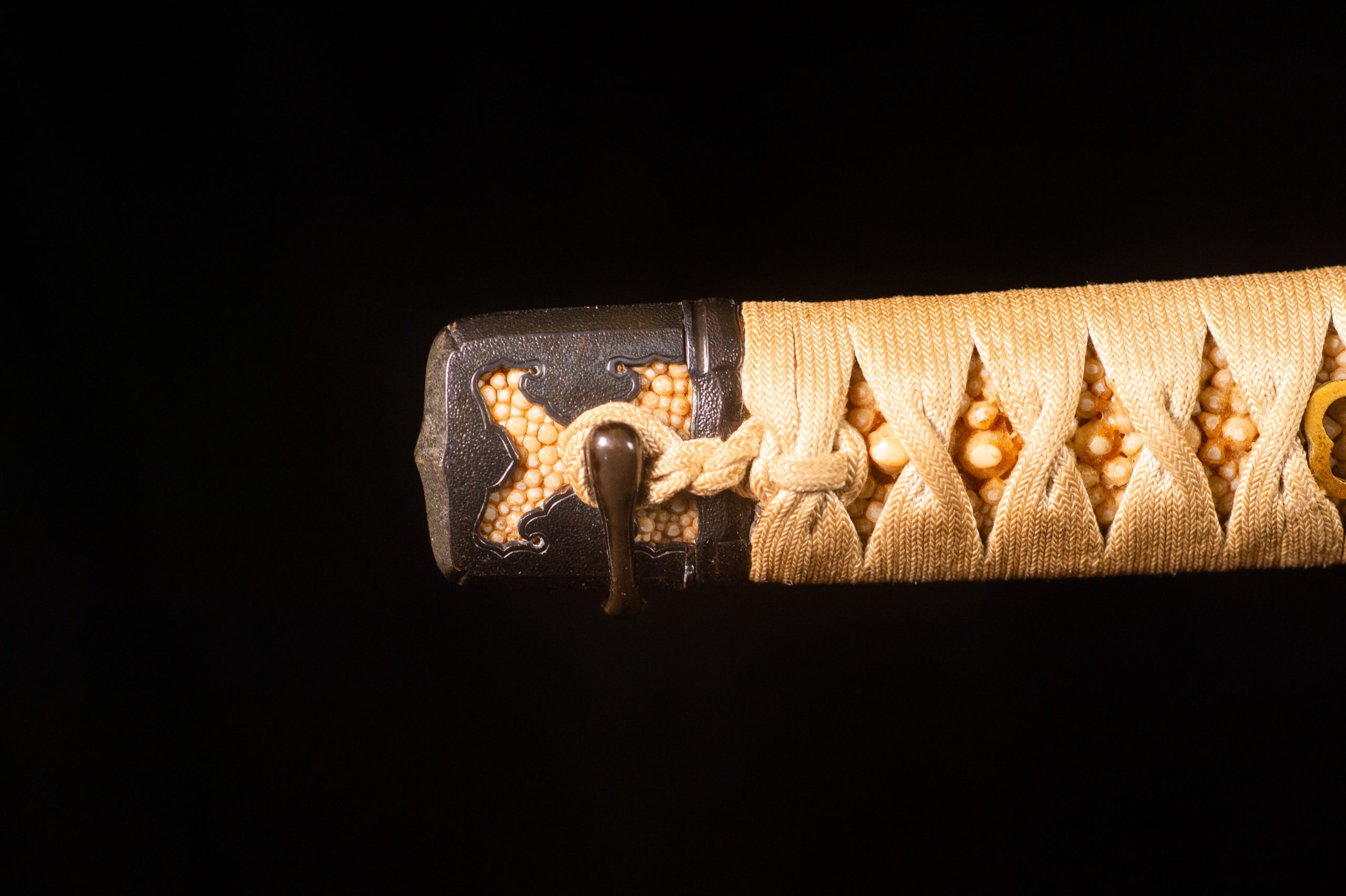
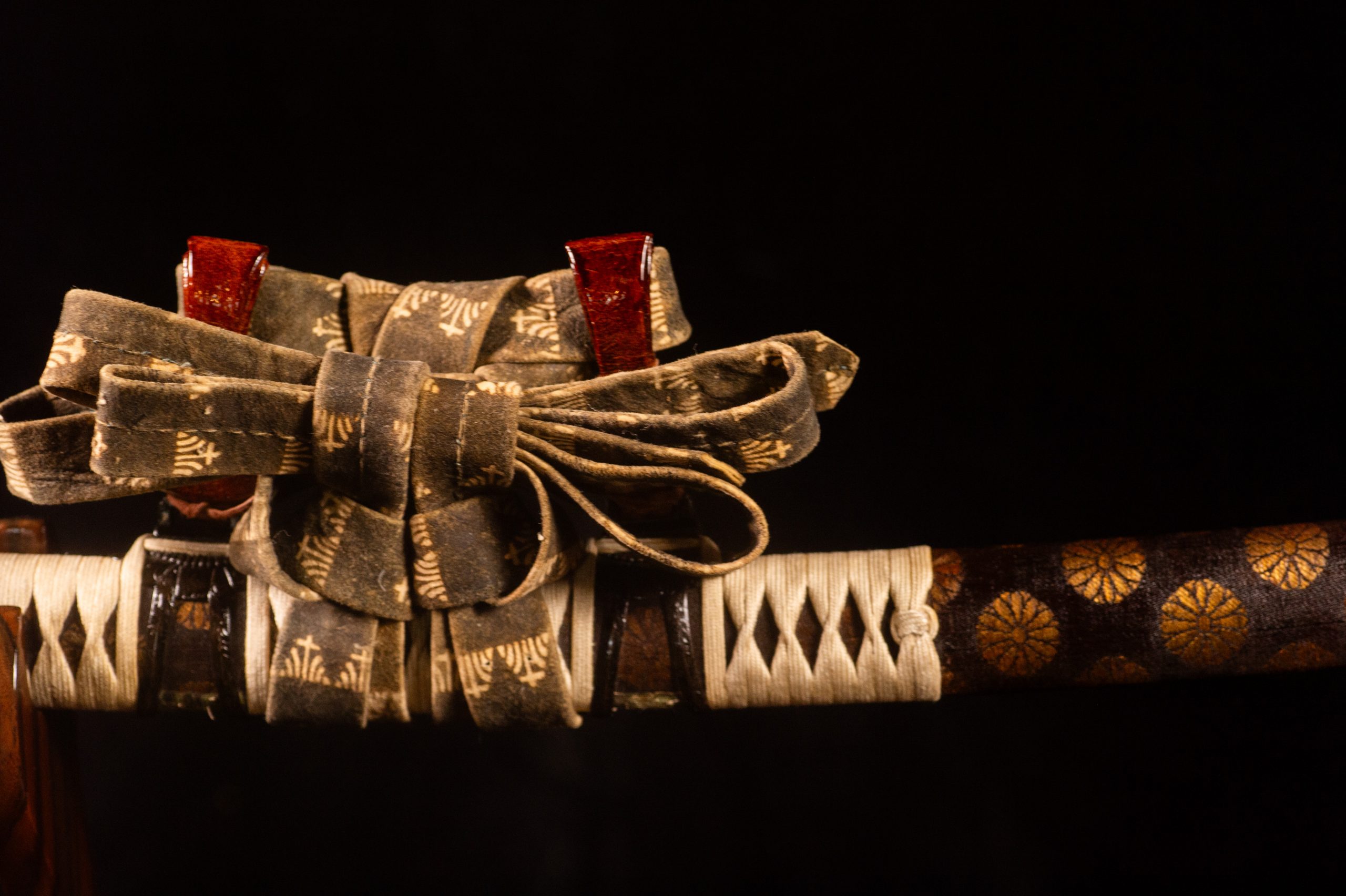
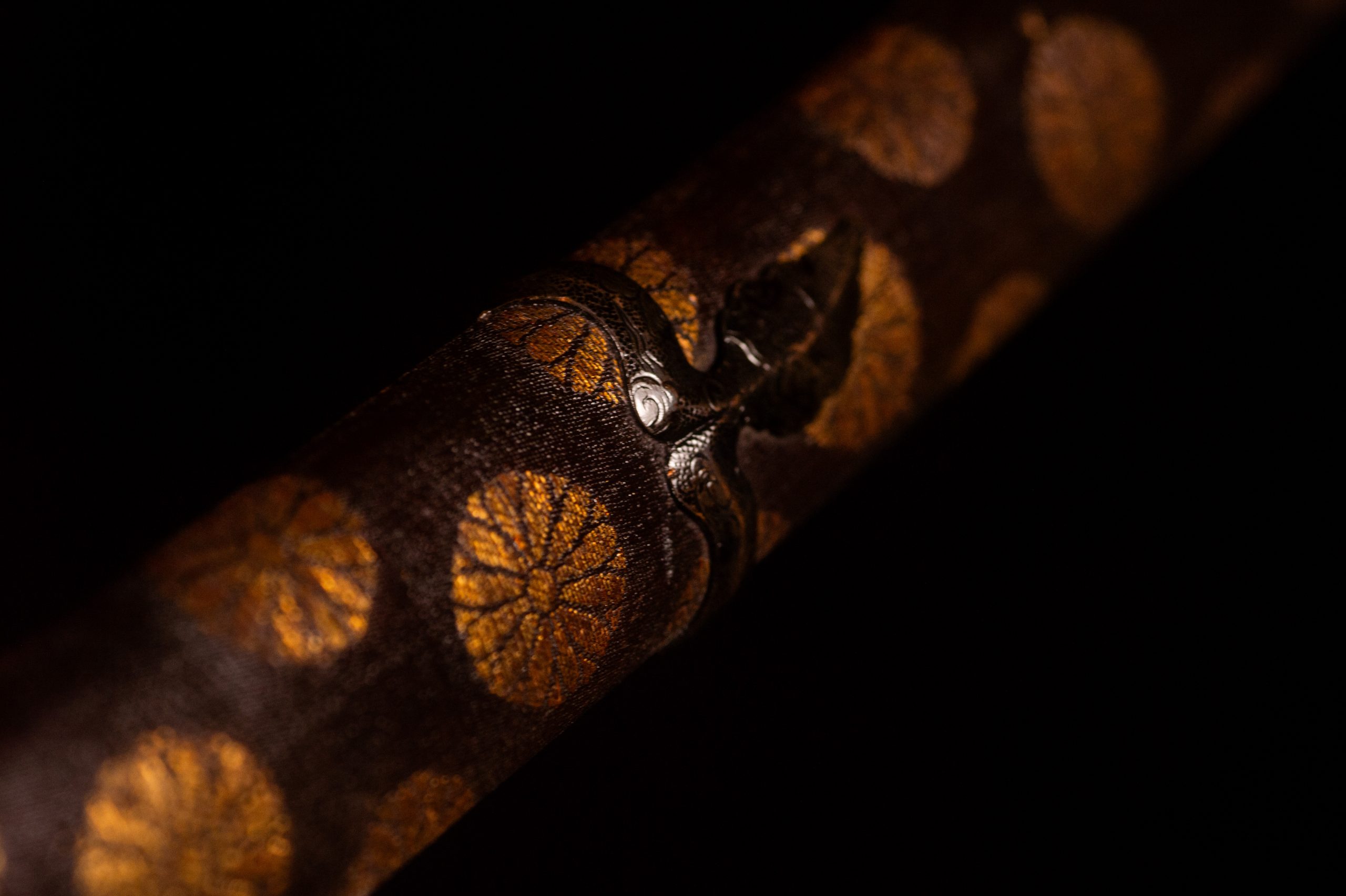
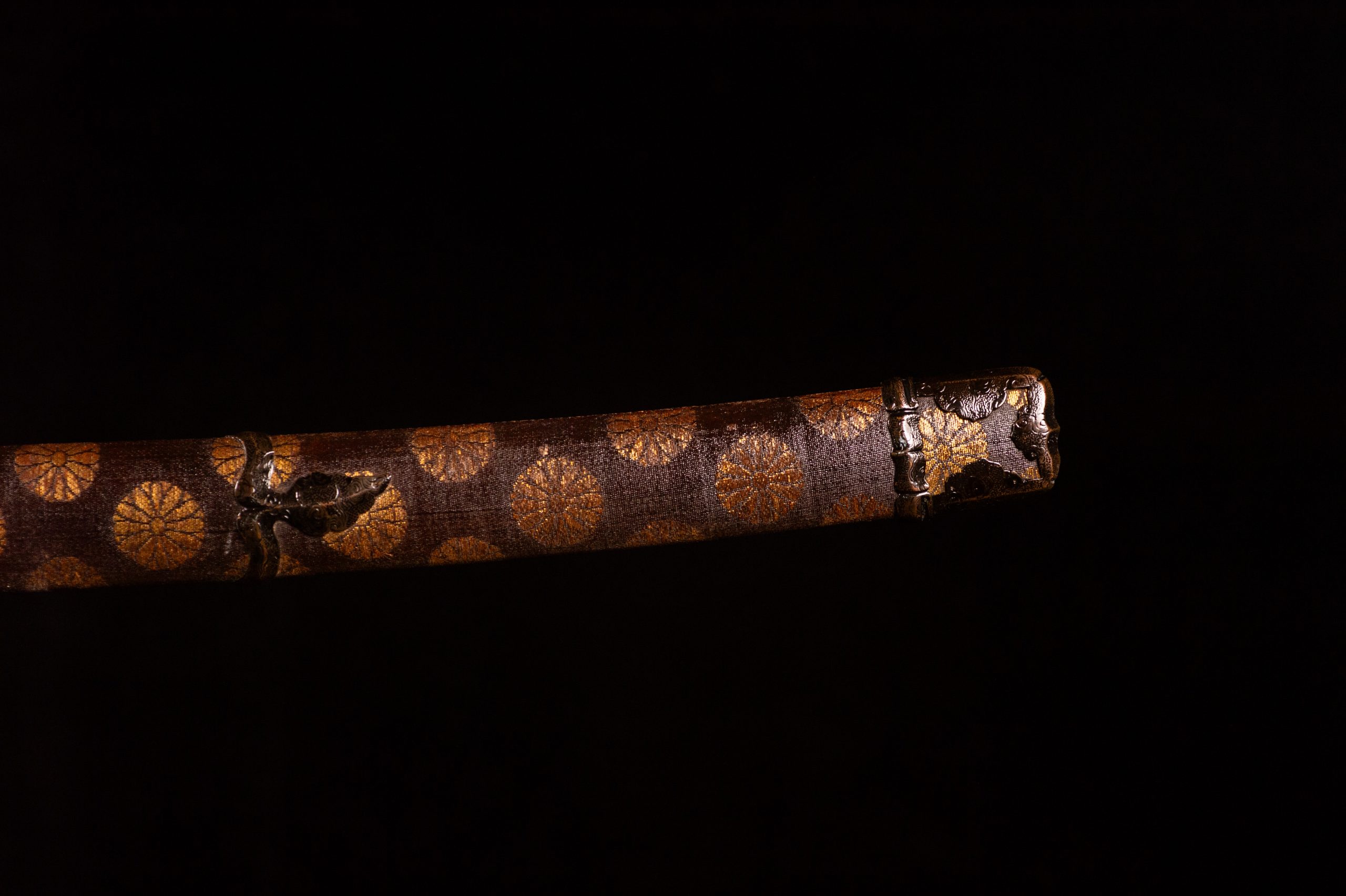
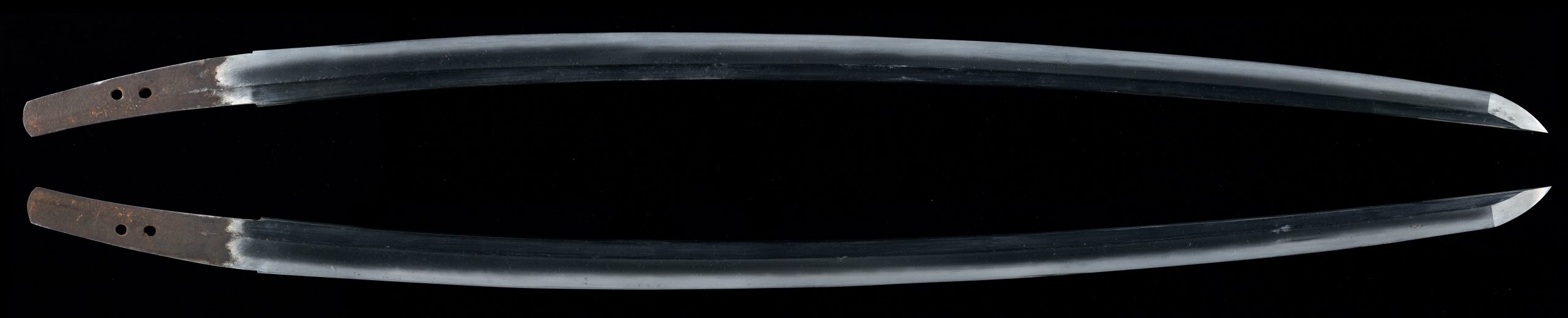
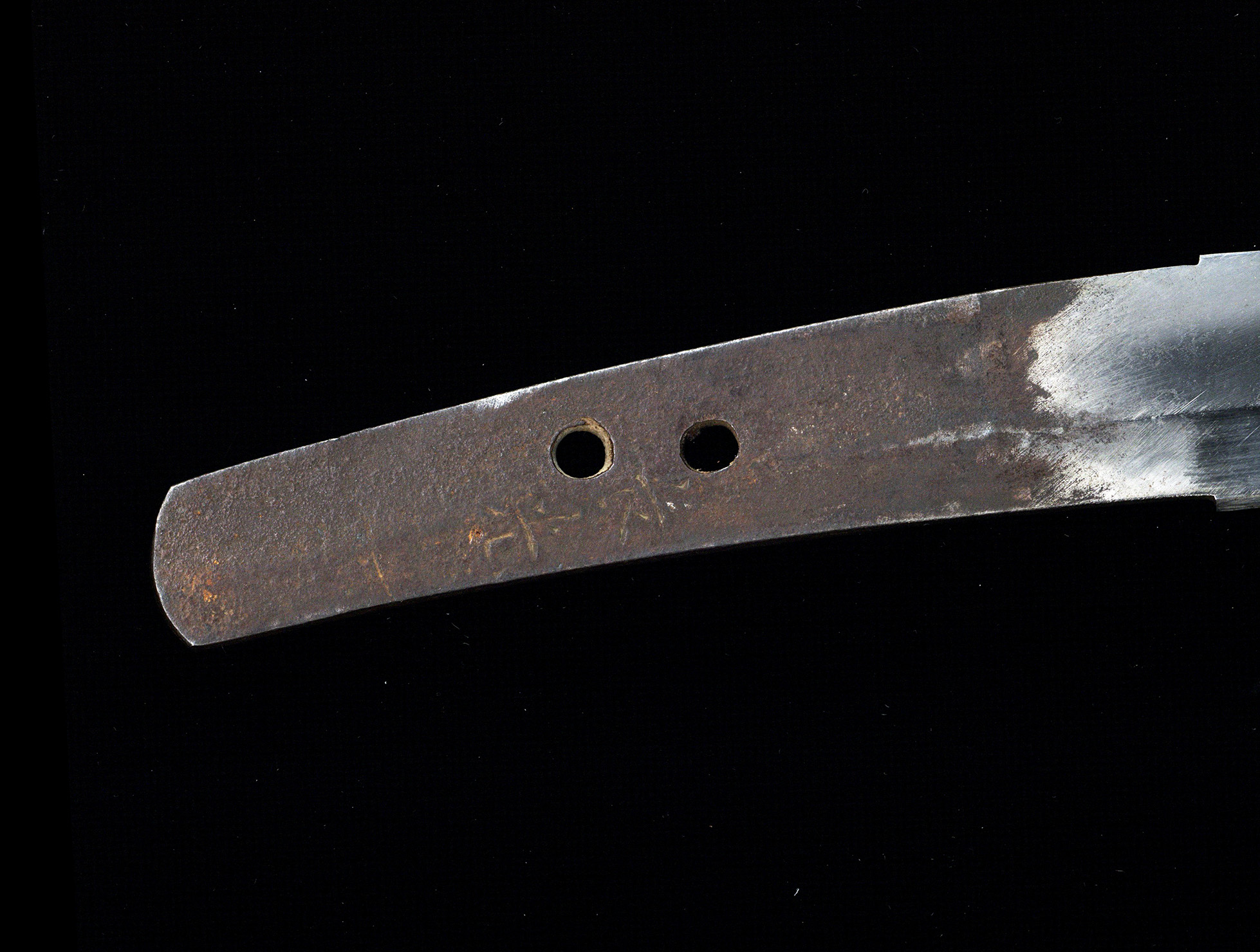
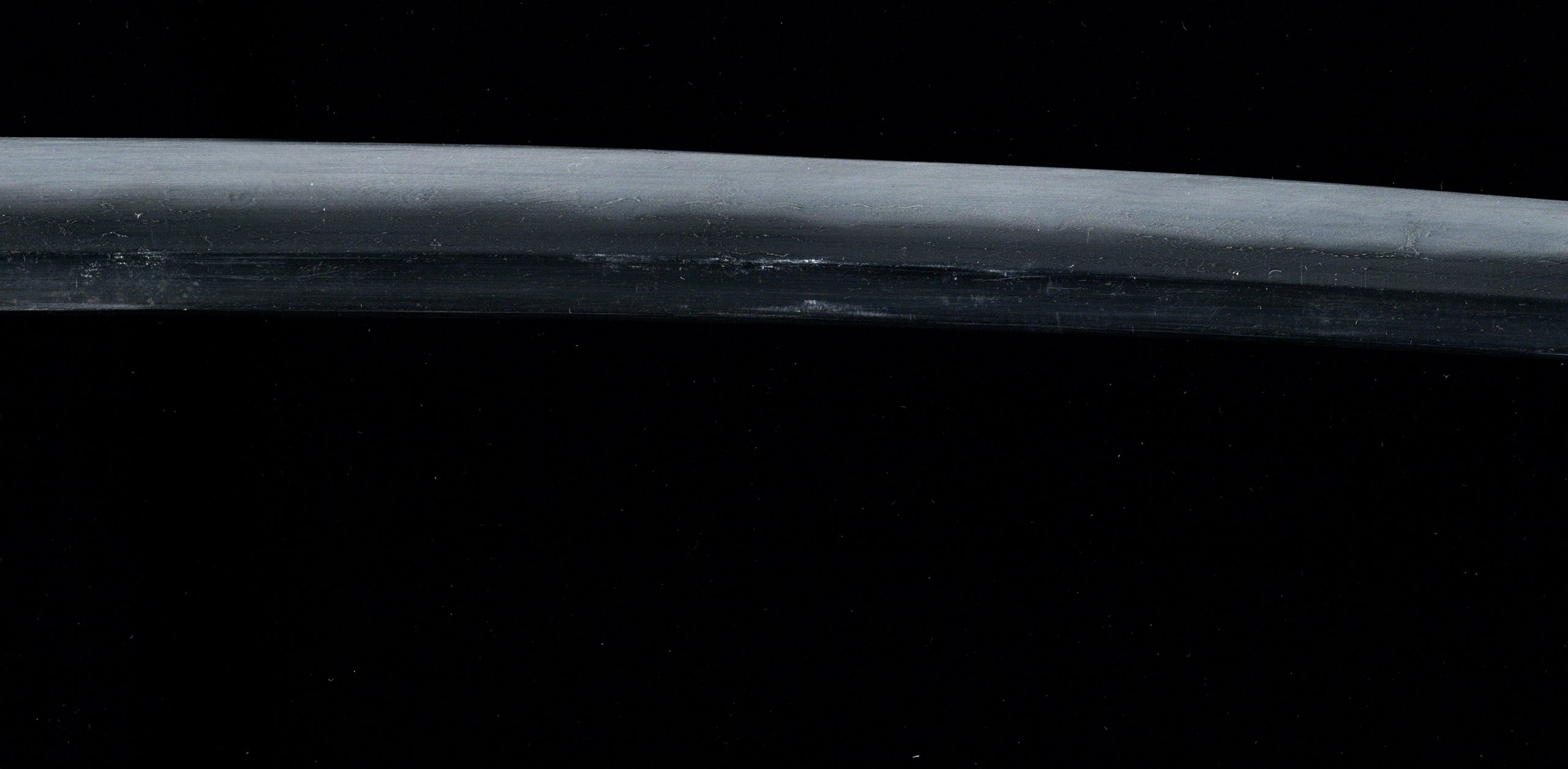
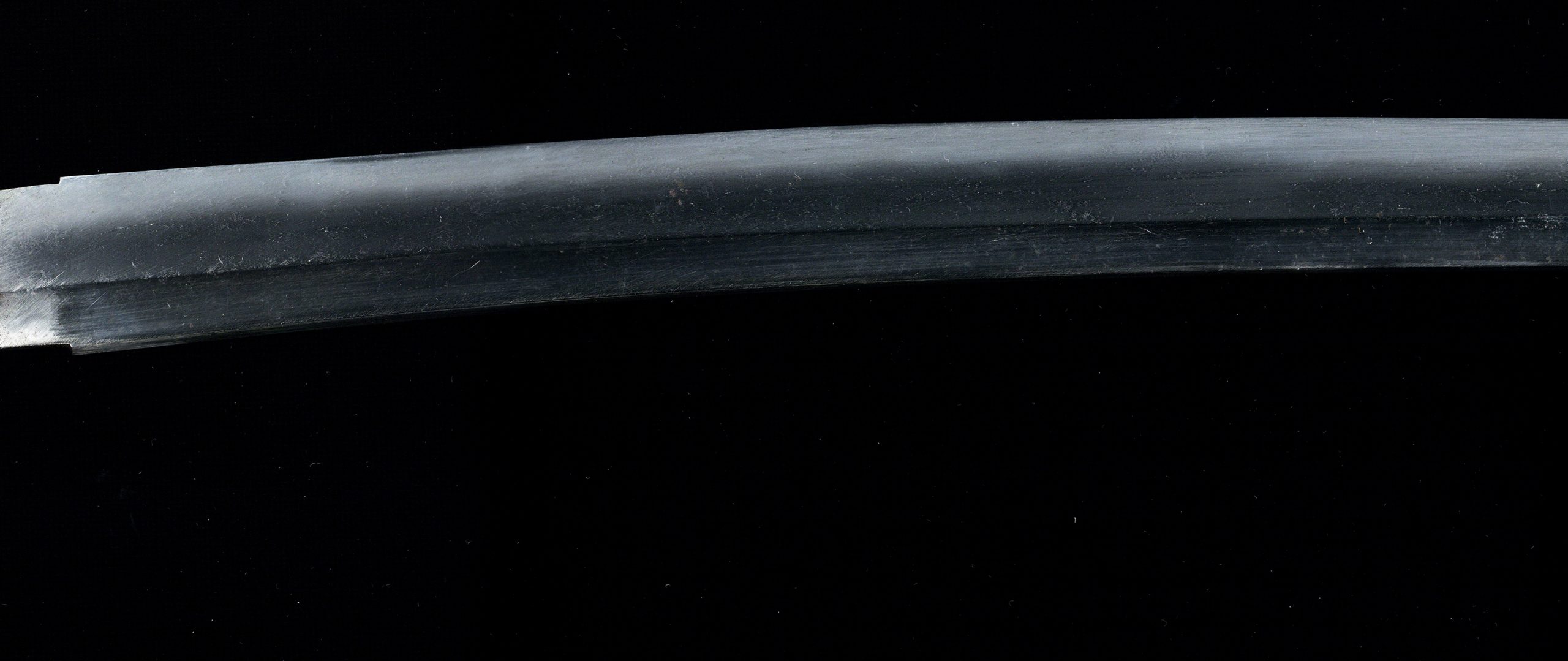
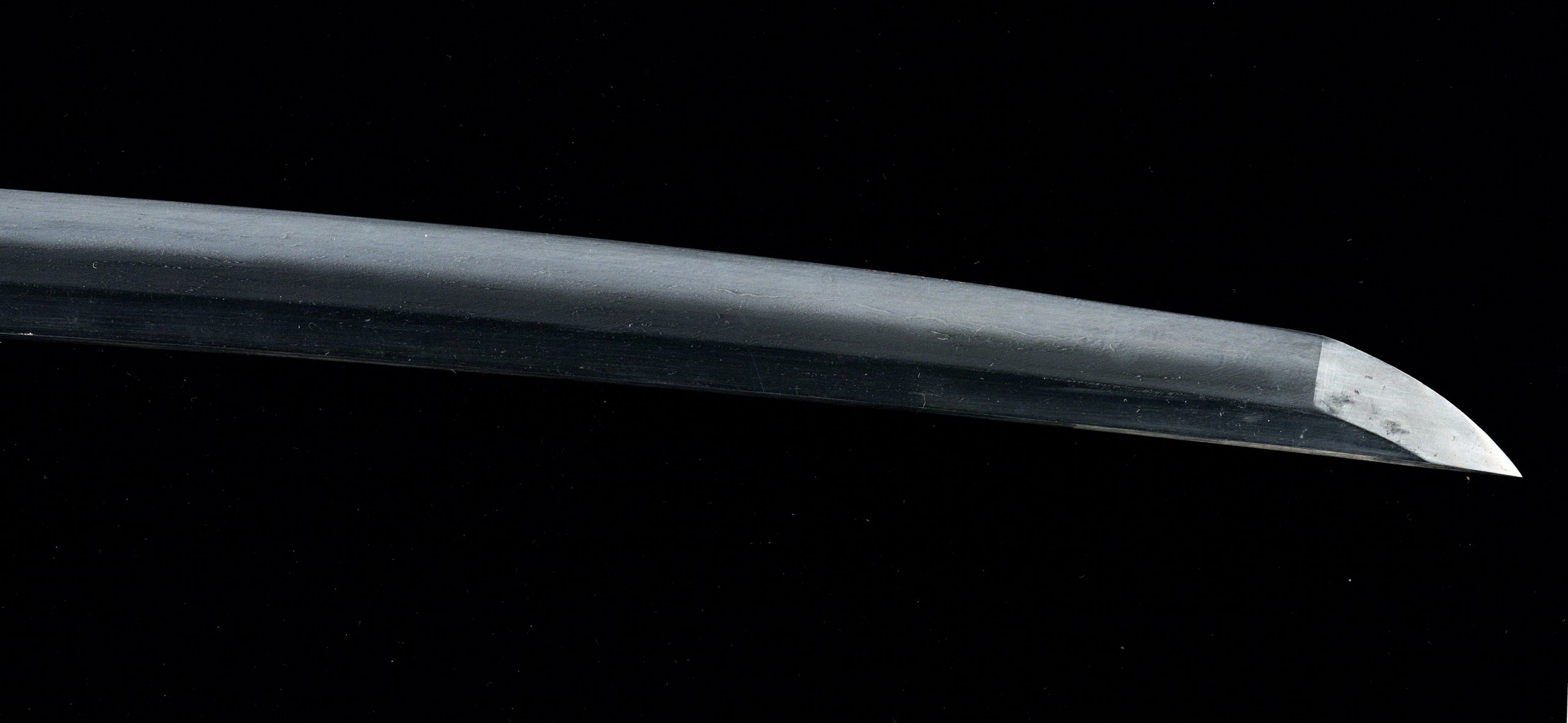
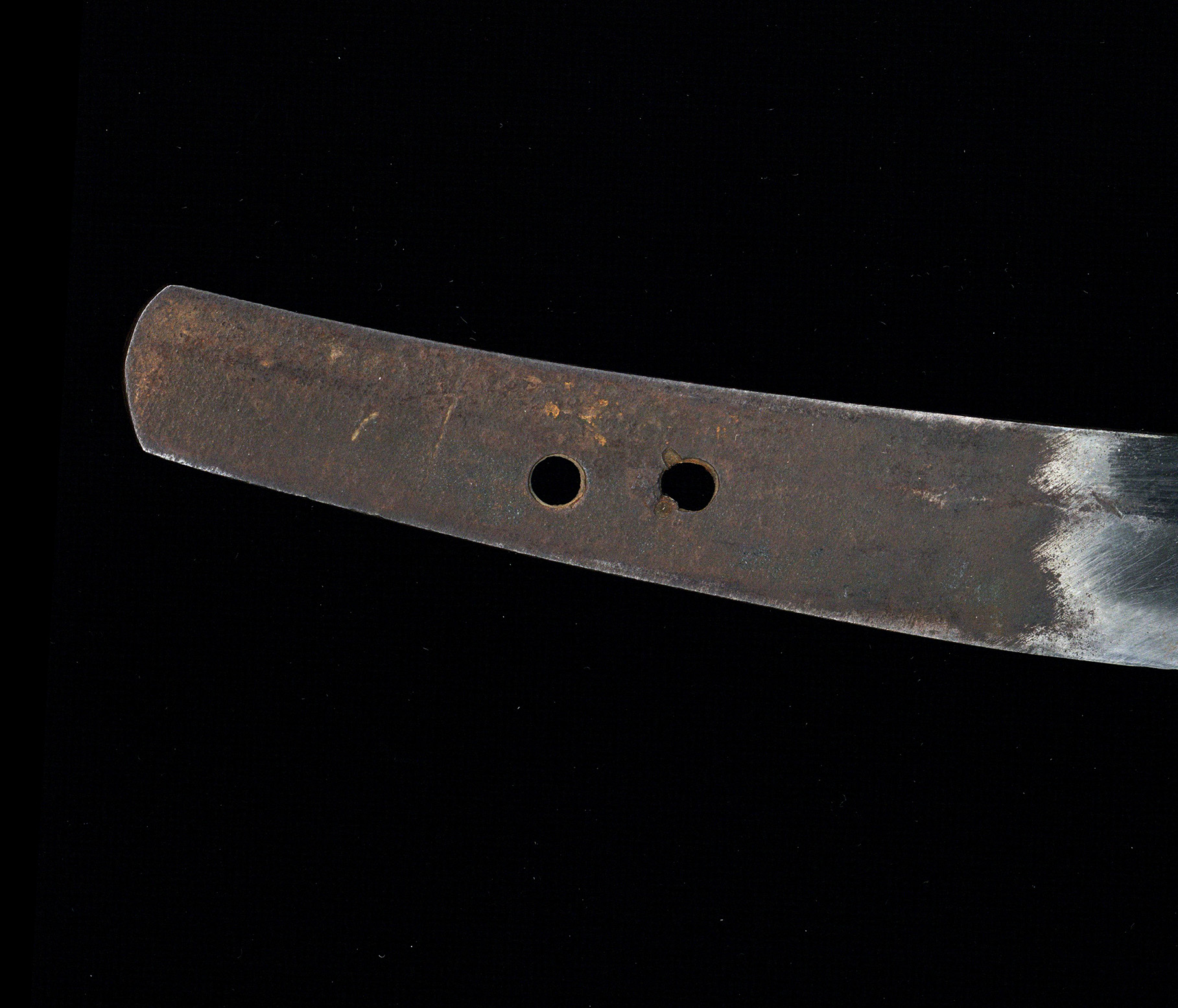
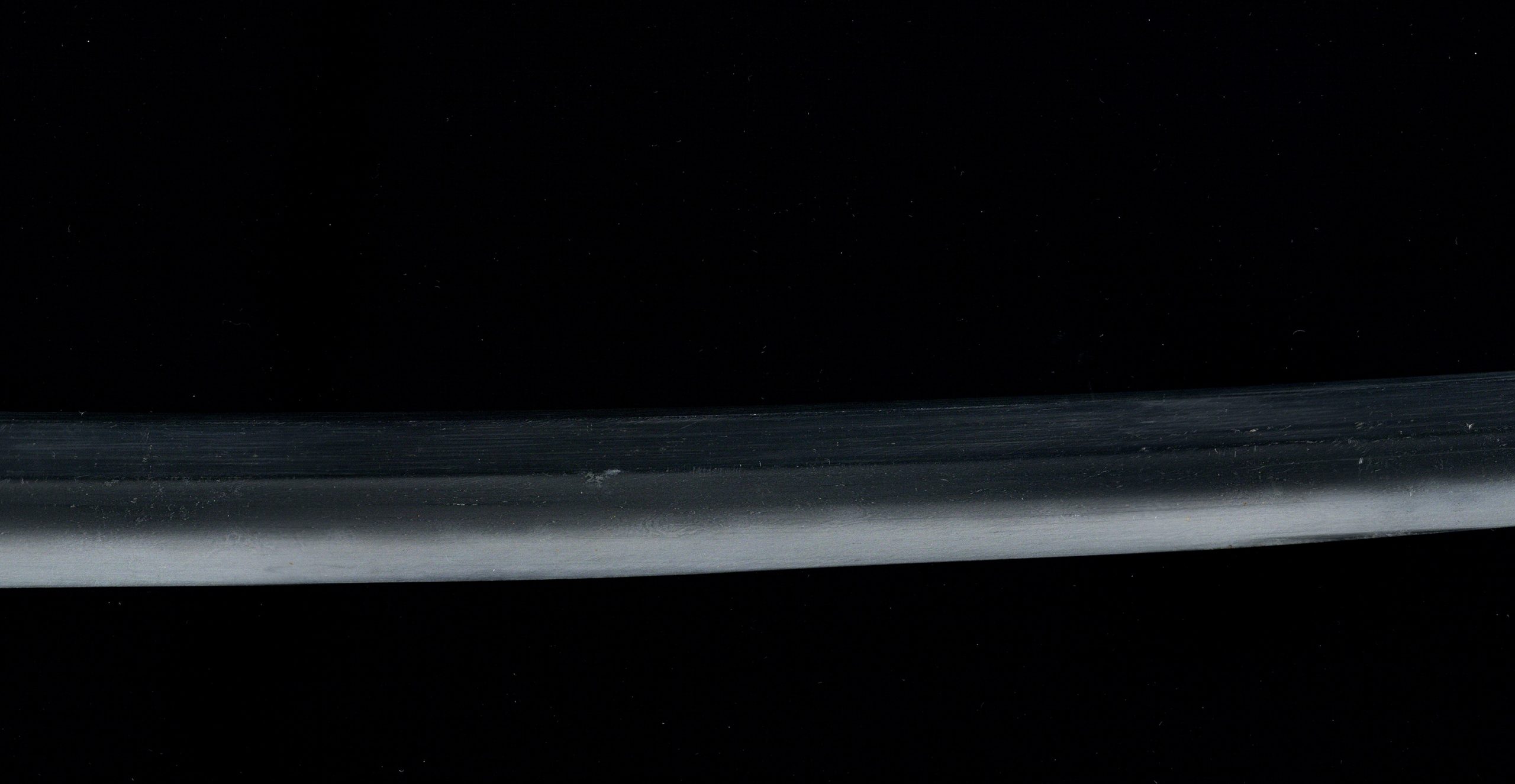
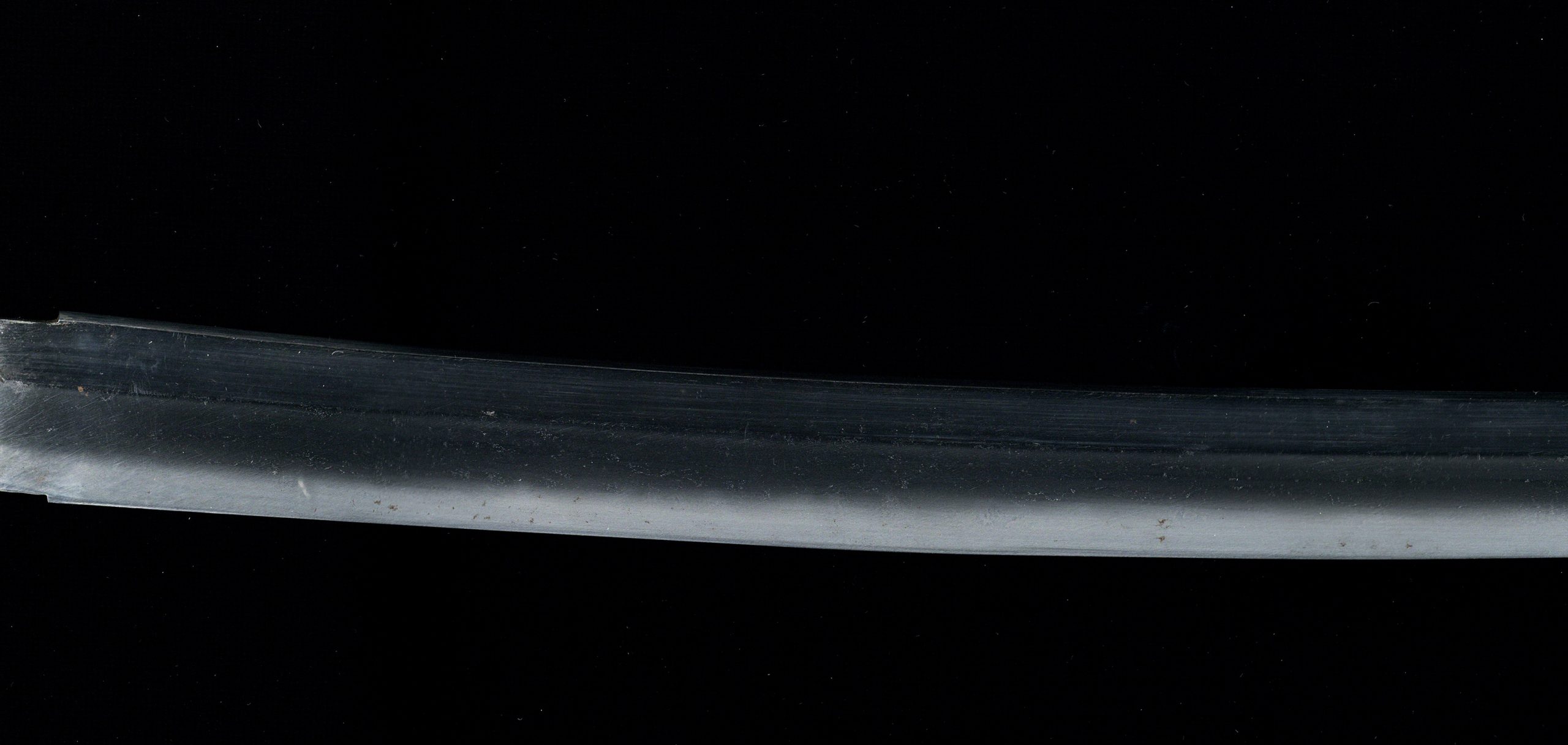
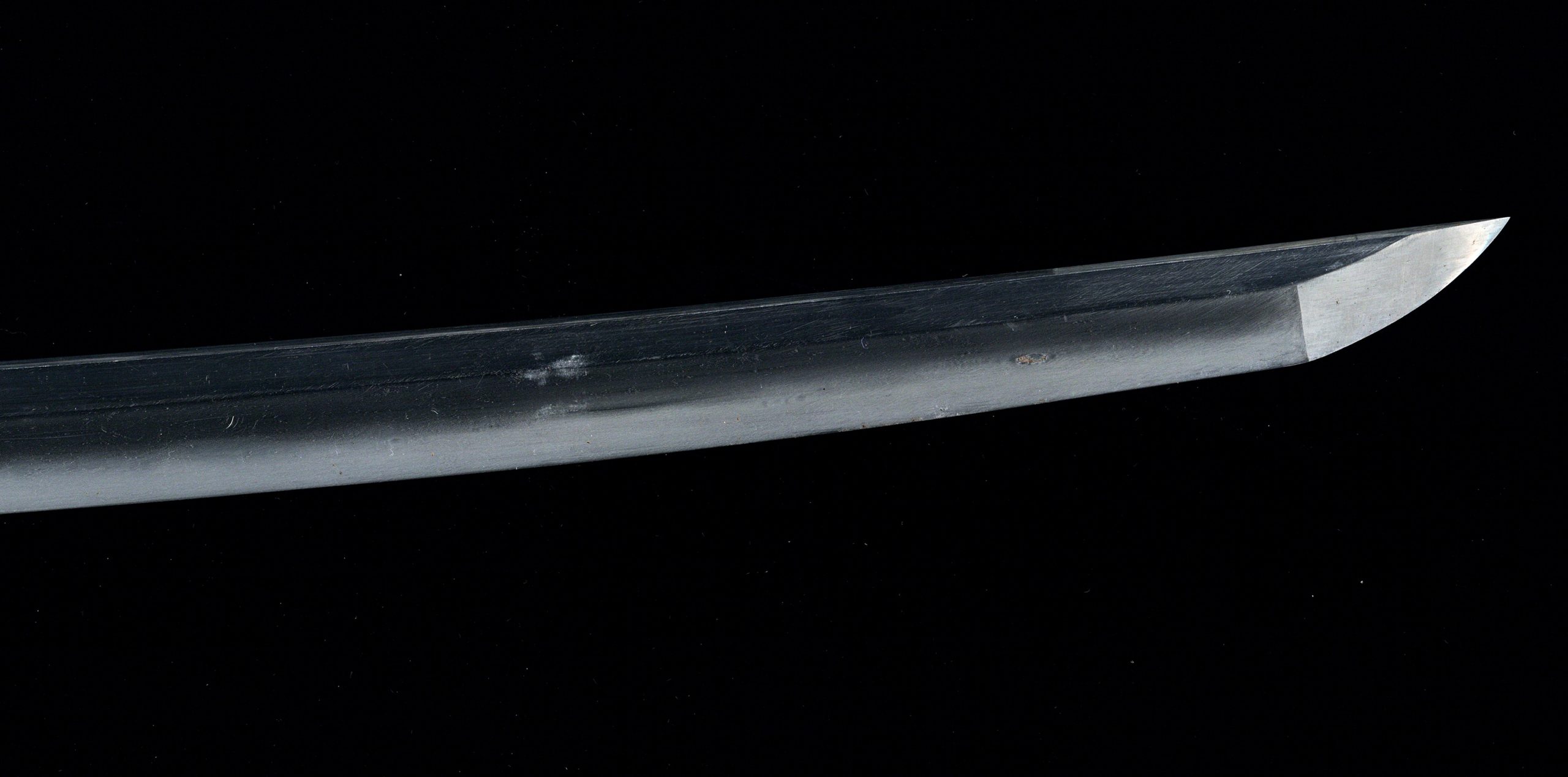
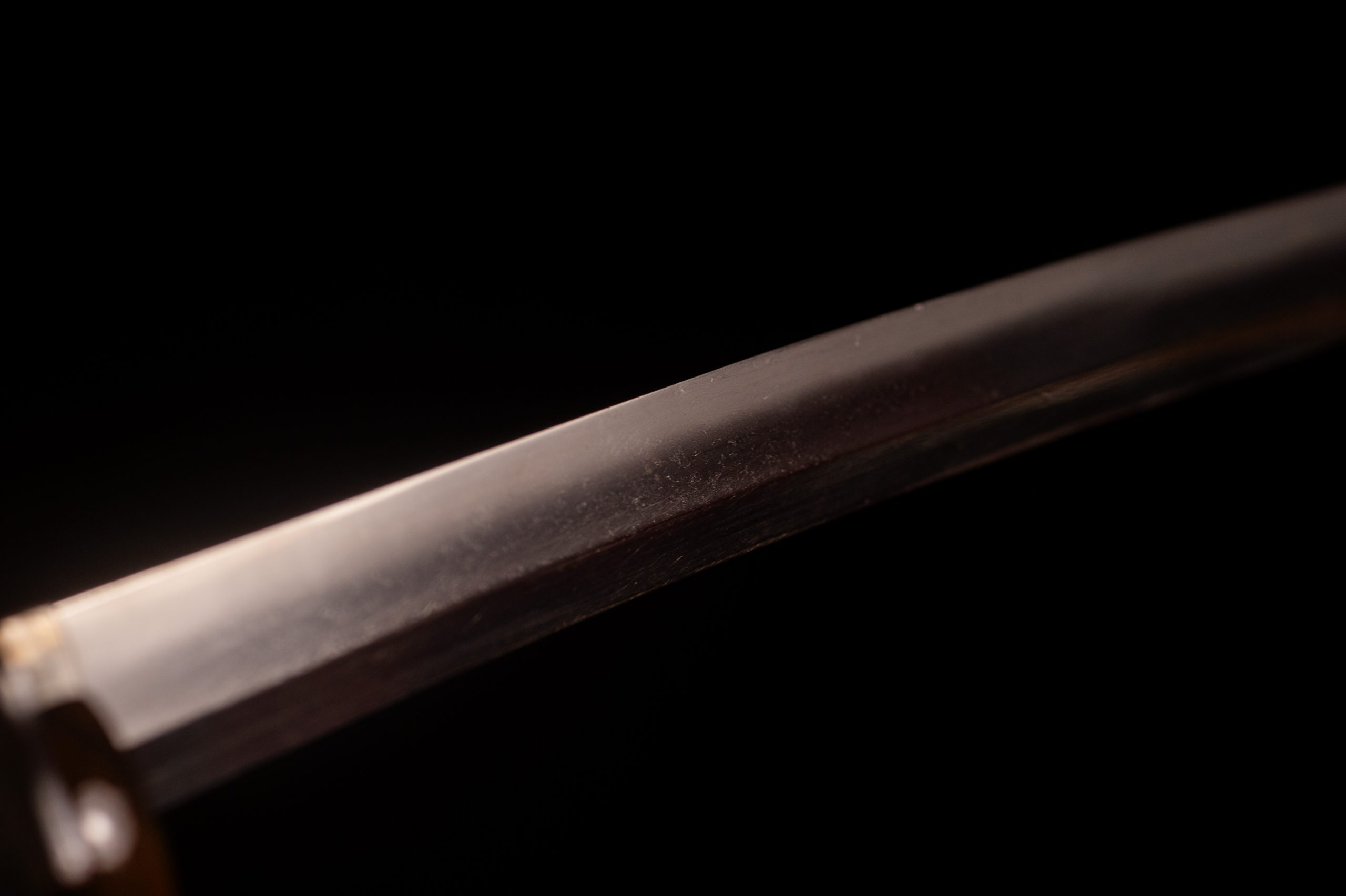
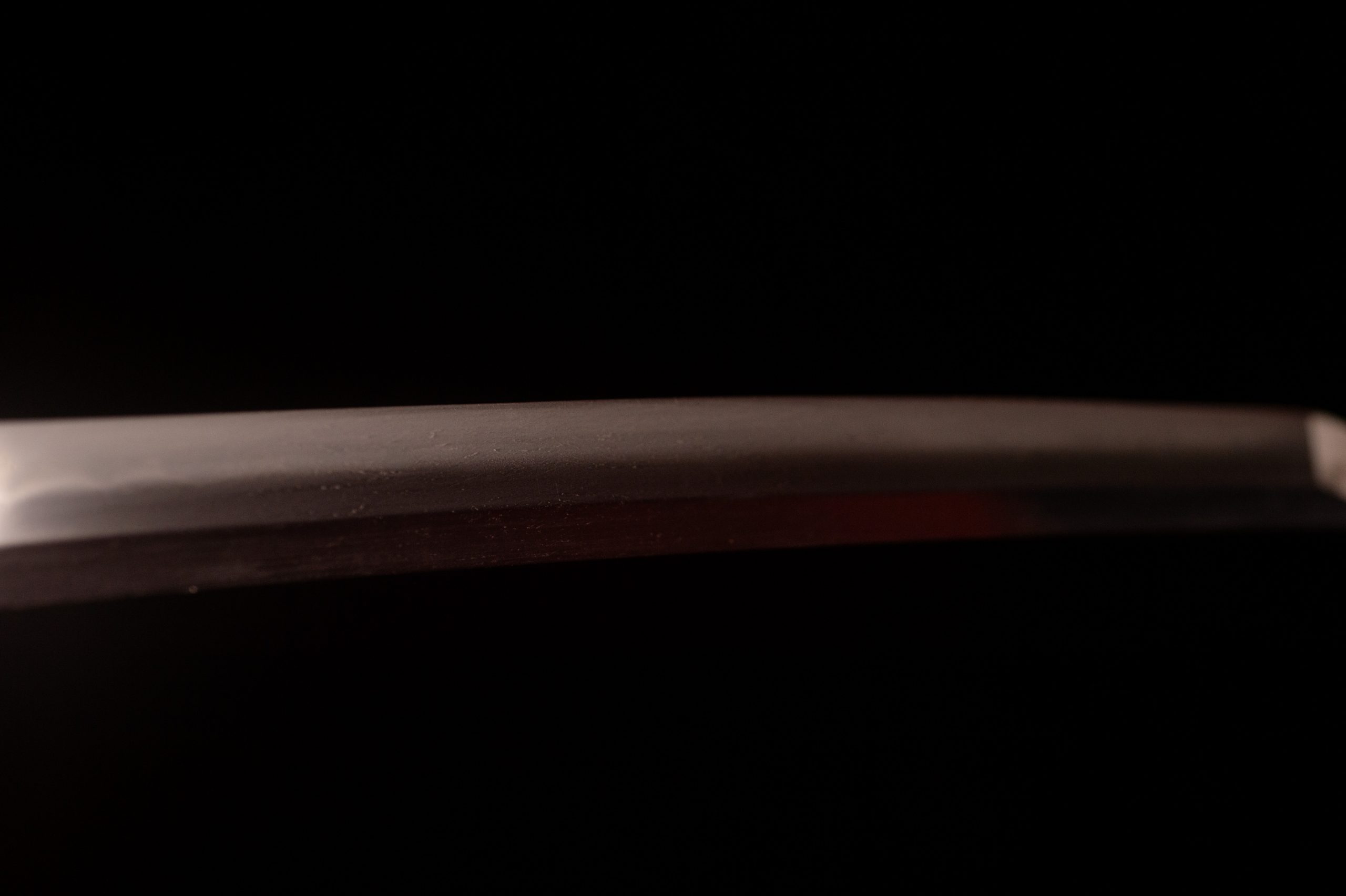
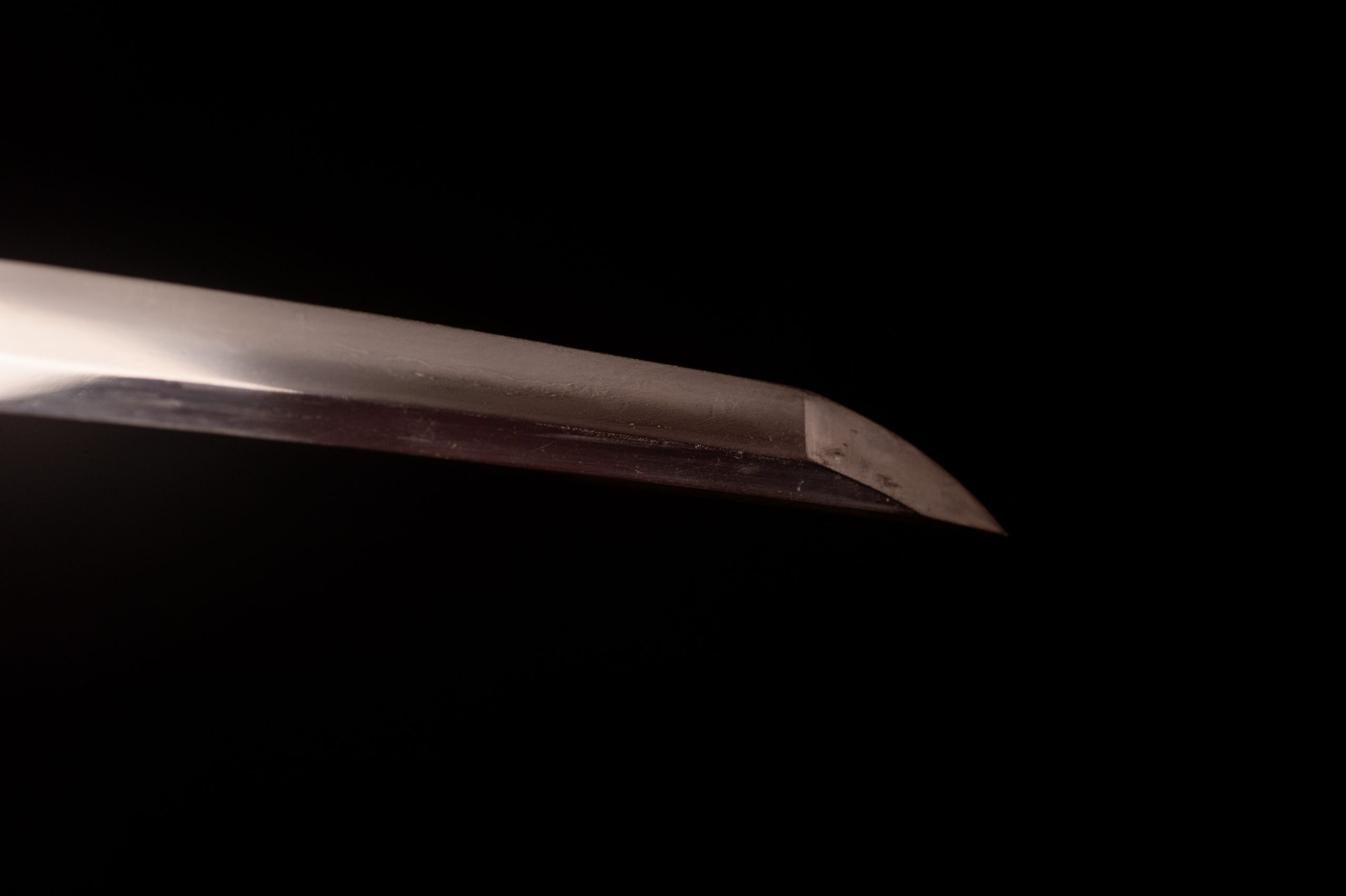
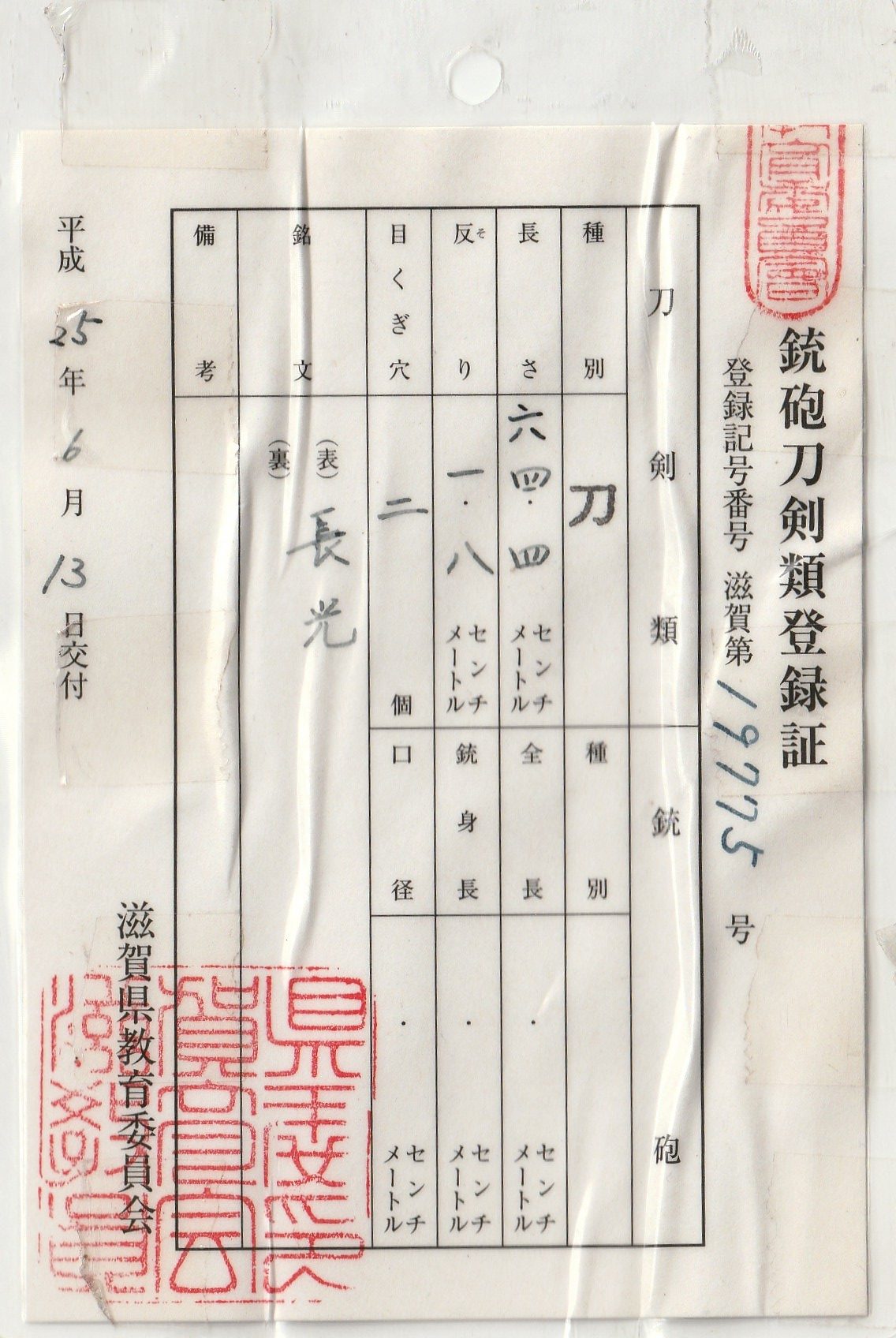
Comes with kimono or cotton bag. Comes with certificate of supein Nihonto. Comes with copy of Tokosusho. Documentation Documentation (torokusho / Japanese registration) 銃砲刀剣類登録証 (Jūhō Tōkenrui Tōrokushō) – Japanese firearms & swords registration certificate. Recorded specifications: 種別:刀 – Type (administrative category): Katana. 長さ:64.4 cm – Nagasa: 64.4 cm. 反り:1.8 cm – Sori: 1.8 cm. 目くぎ穴:2 – Mekugi-ana: 2. 銘文(表):長光 – Mei (omote): 長光. 銘文(裏):記載なし – Mei (ura) Smith, school, period, and context The name 長光 (most commonly read Nagamitsu, and also encountered as Osamitsu as a name-reading) belongs to one of the most instantly recognizable signatures within the broader koto landscape—and, by extension, to the ethos of the true war tachi: blades conceived for service, not for polite conversation. By proportion and presence—64.4 cm nagasa with 1.8 cm sori and an unmistakable tachi bearing—this piece sits coherently in a koto framework, broadly 14th–15th century, when swords were expected to deliver efficient cutting, control on the move, and hard reliability. In that historical setting, “tachi” is not a ceremonial whim: it is the format built to hang with proper fittings, travel with the wearer, and answer quickly when the day turns violent. Blade (technical appraisal) The blade shows a clear tachi sugata, with lively, well-judged curvature that favors cutting through trajectory and a balance aimed at martial use rather than static display. The temperline reads clean along the edge, with an overall impression of a straight-based hamon with gentle undulation, giving continuity and a practical, “serious” edge—stable and convincing without relying on theatrics. The nakago is recorded with two mekugi-ana, a detail often seen on blades that have lived a long, working life through demanding mounts; the patina is deep and sober, exactly the kind of surface that reads as honest rather than newly made. Koshirae (mounting) and thematic coherence Found original tachi koshiraes is very rare, as they were reserved exclusively for high-ranking feudal lords, daimyos and aristocratic samurai. It is therefore a very rare and popular item among collectors, many of whom snap them up whenever the opportunity arises. This is where the ensemble shifts into “museum-grade” presence without losing the pulse of a weapon: a original tachi-koshirae from edo period with strong visual authority, designed to read at distance and reward inspection up close. Saya The saya is clad in dark brown fabric patterned with repeating gold chrysanthemum roundels (kiku)—immediate impact, unmistakably aristocratic in tone. The texture and controlled gold sheen achieve a rare effect: luxury without noise. Tachi hardware (ashi) in dark-patinated metal is clearly present, organically modeled and executed with the assurance of skilled work. Tsuka The hilt combines pale samegawa with pronounced nodes and ivory-toned tsuka-ito, tight and even. The defining statement—and the element that pushes this koshirae into serious “collector vitrine” territory—is the exceptionally large menuki: long, bold, and sculptural under the wrap, dominating the visual rhythm of the grip. They are not a minor accent; they are the hilt’s aesthetic center of gravity. Dark fittings provide a controlled contrast, and a functional sarute is integrated at the end. Tsuba The lobed tsuba features inome sukashi and restrained surface work, finished in a uniform patina that reads as authoritative. It does not fight for attention; it does its job: closing the composition with the quiet confidence of a warrior’s taste. Cordage The upper cordage—patterned textile tied in a generous knot—reinforces the identity of a hanging tachi, meant to be worn and presented as an insignia as much as a tool. Technical sheet Type (registration): Katana (刀) Configuration: tachi (tachi-koshirae) Mei (omote): 長光 Mekugi-ana: 2 Issuing authority (seal): Prefectural Board of Education

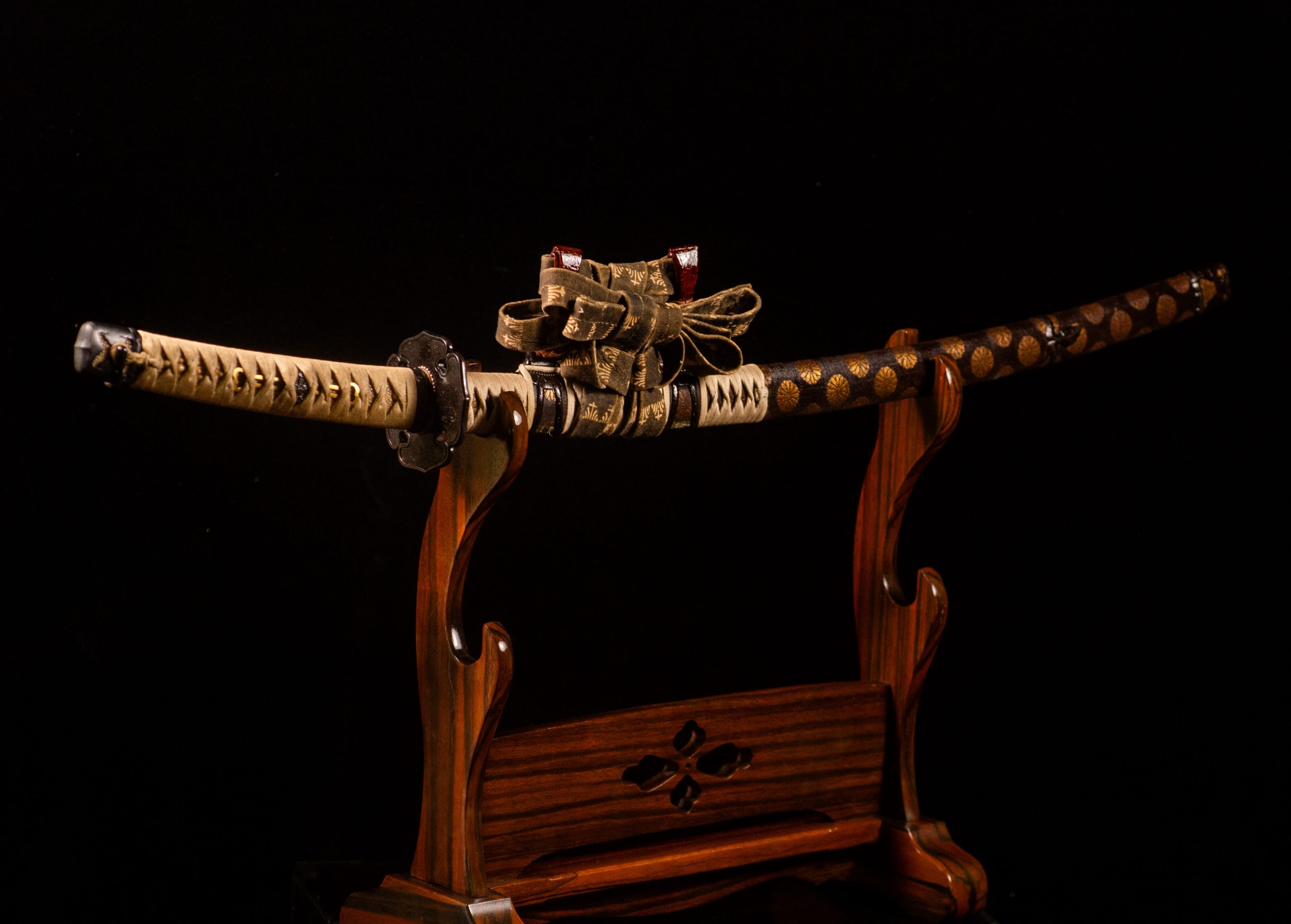
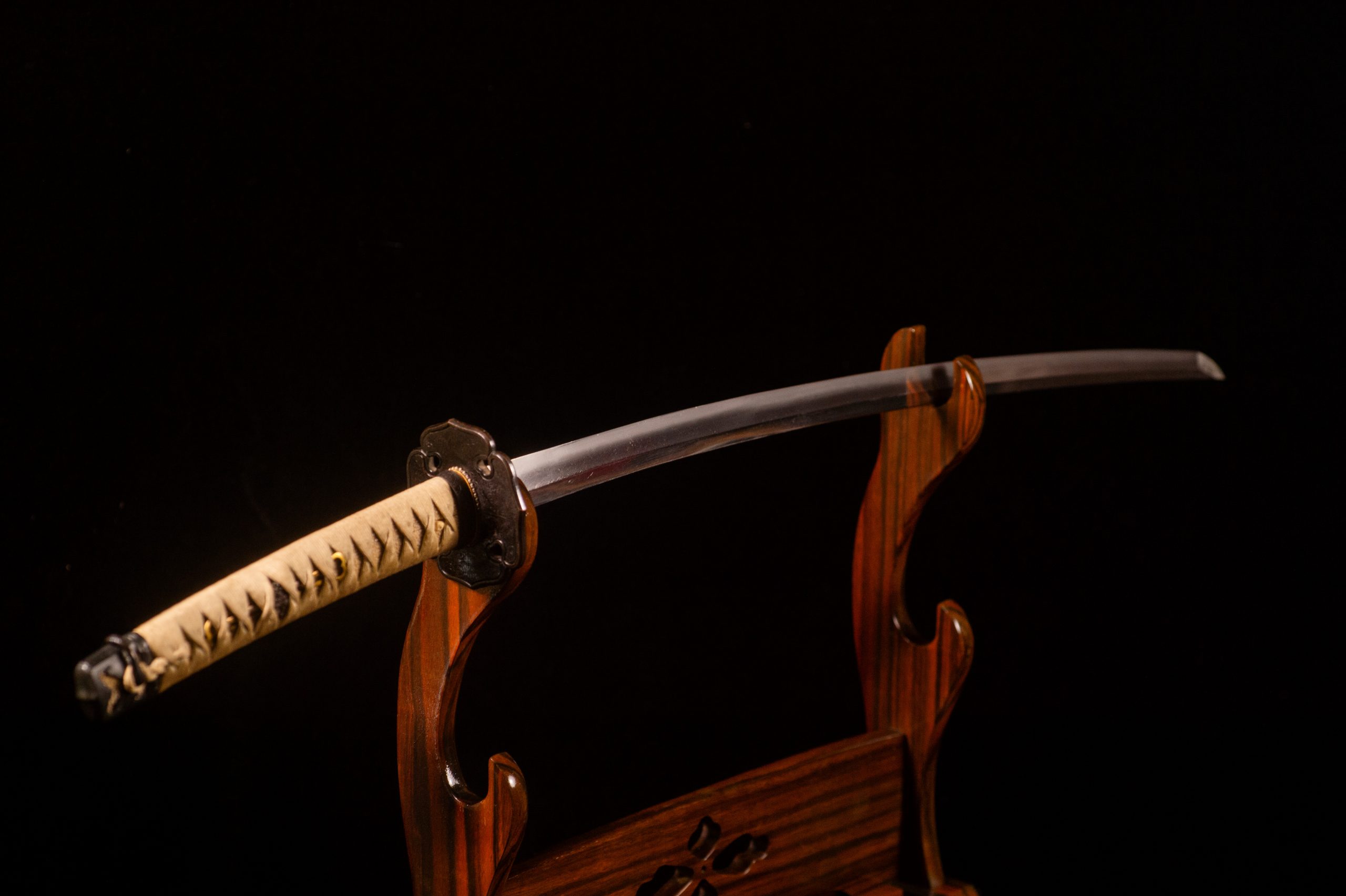
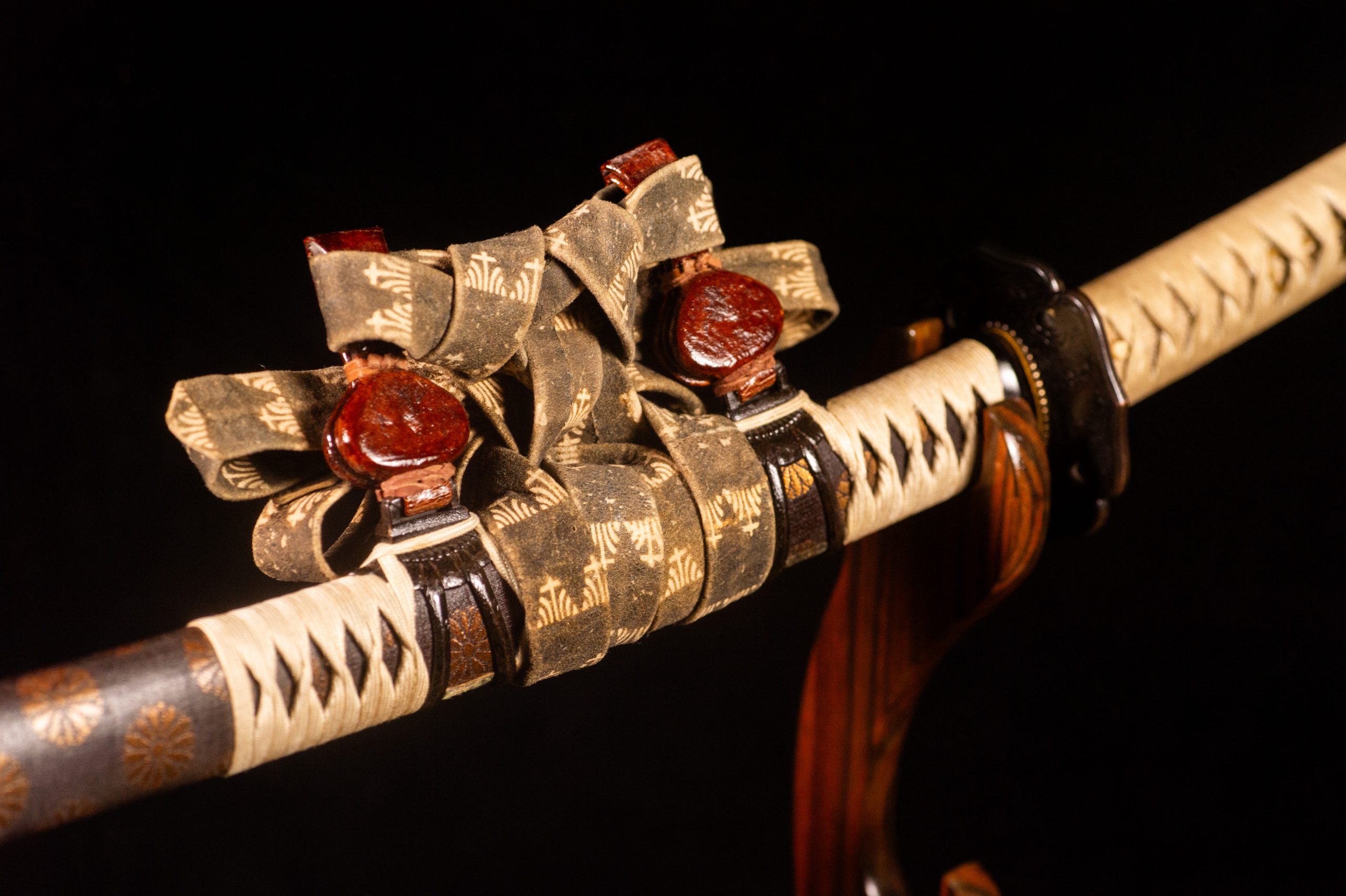
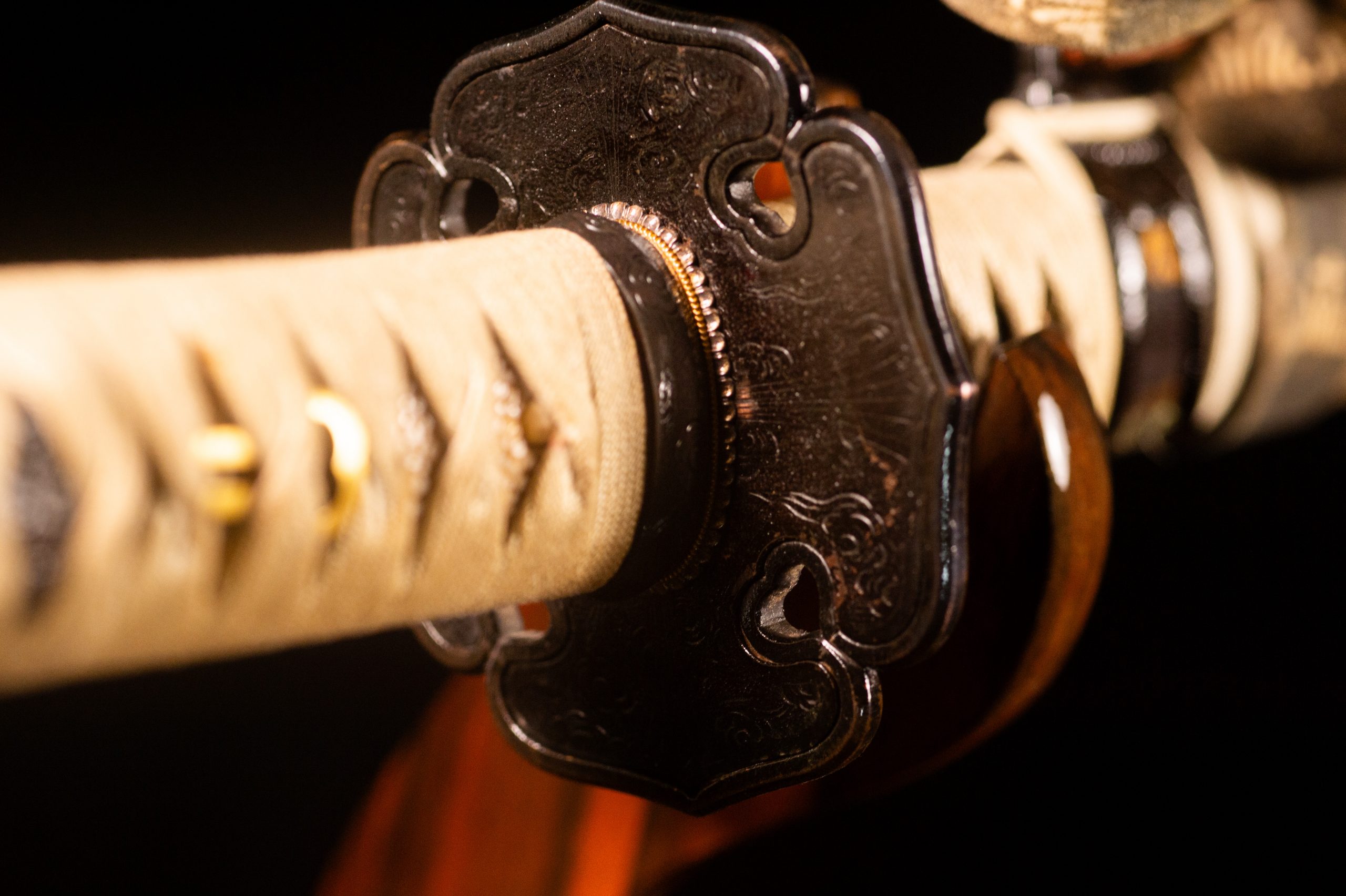


長船 · 備前 · 1274-1304頃
藤代 最上作 · 刀剣大鑑 上位1%
現在3点販売中
長光の在銘作は、鎌倉時代の刀工の中で他の何人よりも多く遺る。説明書はその記録を「現存する在銘の作品は鎌倉時代の刀工の中でも最も多い」[[c:1]]という一文で開き、続けて、いずれも「出来にむらがなく」[[c:2]]、技術の充実していたことが知られると記す。長船派の祖・光忠の子にして長船二代目であり、「父光忠と並ぶ名手」[[c:3]]と評される。ここに集う記録では在銘一七二口に対し無銘六二口、銘は「二字銘が最も多く」[[c:4]]、永仁二年紀の「備前国長船住左近将監長光造」[[c:13]]銘の生ぶ太刀のような年紀作が、同時代の刀工にはまず許されぬ確かさでその年代を定める。
作風について説明書は、数十年の指定を通じて同じ二様を繰り返す。一は父光忠風を継承した感のある豪壮な造込みに、華やかな丁子主調の乱れを焼いたもの。他は身幅尋常か細身の姿に、直刃調に丁子足の入った比較的穏和な出来口である。華やかな手では丁子乱れに互の目が交じり、足・葉が盛んに入る。匂勝ちに小沸がつき、金筋・砂流しが細かにかかり、匂口は明るい。出典が彼独自のものとして挙げるのは「頭の丸いむっくりとした丁子」[[c:5]]であり、このふくらみのある焼頭は父の作には見られない。帽子は小丸が圧倒的に多く、説明書は繰り返し「帽子浅くのたれ、先小丸に短く返る」[[c:6]]と記す。動きの強い作では「帽子乱れ込み」と入ってから返り、一部には「焼き詰める」ものもあり、全体として「いわゆる三作帽子の風情を呈す」[[c:9]]。
鍛えは板目、処々肌立ちごころとなり、多くの作では小板目につんで精美となる。地沸が微塵に厚くつき、地景が細かに入り、鮮明な乱れ映りが立つ。映りは作の大半に現れ、最も頼りになる見どころの一つである。在銘の後期太刀について説明書は、よくつんだ板目に微塵の地沸と細かな地景を交えた「精緻と美麗とを兼ね備えた鍛え」[[c:10]]と特筆し、地刃の明るく冴えることを繰り返し記している。
この記録には三つの段階が辿れる。最初期は父に最も近く、丁子主調の焼刃に蛙子を交え、「まさに光忠を髣髴とさせる出来ばえ」[[c:14]]と評される。典型期は前述の頭の丸い丁子に互の目、鮮やかな映りと三作帽子を備える。穏やかな直刃調の手は後期に集まり、左近将監の官銘や長銘の作の周りに見られる。室町・江戸期の伝書類は初二代を分かち、将監銘を二代としたが、NBTHKは「銘字の上から初二代の差異を見出すことはできず」[[c:12]]と観じ、近時は「将監長光は長光の後期から晩年作と考える説が浮上し有力視されている」[[c:15]]。この後期の短刀には片落ち互の目の萌芽が現れ、子・景光がこれを完成する。
備前の中で、その華やかな作は一見一文字派にも紛れるが、説明書は彼自身の特徴によって線を引く。すなわち「丁子主調となる一文字派の乱れに比しては互の目が目立ち」[[c:16]]、物打より上で乱れが穏やかになって焼が一段と低くなり、帽子は三作の形に収まる。父との別も同じ仕方で立つ。頭の丸いふくらみのある丁子と、初期作の華やぎに対して落ち着きを保つ焼刃である。下流では、晩年の直刃調と短刀の片落ちの萌芽がそのまま景光に開き、光忠・長光・景光の三代が長船嫡流の背骨をなす。長光はその広く安定した中核である。
藤代の極めで最上作。重要文化財二十七口は全刀工中最も多く、国宝六口がこれに並び、その下に特別重要刀剣二十八口・重要刀剣百四十六口、両級で百七十四口を数え、指定を受けた作は二百五十四口に及ぶ。また九口が本間による御物台帳に所載される。伝来は国を握った者の手を経る。名物『大般若長光』は足利義輝から三好長慶を経て織田信長・徳川家康に渡り、ひろく明智光秀・豊臣秀吉、芸州浅野家・肥後細川家・備前池田家・上杉家・前田家、水戸・尾張・紀州の徳川家、皇室の名が録される。国宝・重要文化財の作は、東京国立博物館・京都国立博物館・徳川美術館・熱田神宮・厳島神社などに護られた文化財である。しかし銘を惜しまなかったがゆえに、特別重要刀剣・重要刀剣の級の遺例は厚い。在銘の長光が市に現れることは稀で、常にその頂にあるとはいえ、大磨上無銘でのみ伝わる名工たちとは異なり、忍耐ある蒐集家にとって全く手の届かぬものではない。一口が現れるとき、それは出来事である。
長光の位置づけを、日本刀全体および伝法・時代・時期ごとに示します。各区分(随一・屈指・有数・著名)は、NBTHK および文化庁による指定に加え、三作や名物帳などの歴史的栄誉を加味したものです。
各項目を選ぶと評価方法が表示されます。
在銘年紀作が示す、確実に活動していた年代
備前伝 · 備前
時期区分: 古長船· 1238–1335
現在188点販売中
片落ち互の目という一様式を完成させた景光をひとつの到達点として、古長船は鎌倉時代中後期(おおむね一二三八年から一三三五年)の長船派草創の核を成す。光忠を初代とし、その子長光、そして真長を加えた三作の世代がまず作風の幅を定め、続いて長光の子で嫡流三代目の景光がこれを受け継いだ。景光の年紀は嘉元から建武までの三十余年に及び、説示にも元応・元亨・正中・元徳・元弘・建武といった在銘紀年作が並ぶ。武家社会の中枢で太刀が需められた鎌倉末期にあって、この草創世代は長船の鍛法と銘の様式を確立し、のちの南北朝期相伝備前や室町応永備前が分岐していく母体を準備した。逆鏨を多用する近景の代銘が景光在銘作に交じる事実も、すでに一門が複数の手で量産しうる工房へ育っていたことを示している。 作風は地鉄に古長船の眼目がある。板目に杢を交えて総じてよく錬れて緩みなく詰み、地沸が微塵に厚くつき、地景が細かに入る。映りは乱れ映りまたは棒映りが鮮明に立ち、景光の太刀では暗帯部が逆がかって青江の段映りに通じる筋映りを表裏下半に現すものまで見える。刃文は華やかな丁子乱れを基調とした世代の作と、直刃調に小互の目・小丁子・角ばる刃を交えて逆がかり、片落ち互の目を主調とする景光の穏やかな出来とが併存し、足・逆足・葉がよく入り、匂勝ちに小沸がつき、匂口は明るく冴える。帽子は乱れ込んで先尖りごころに返る三作帽子を見せる。古備前が地斑映りと厚い沸を残す素朴な源流であったのに対し、古長船は映りを意識的に立て、鍛えを精緻に詰めた点で一線を画する。さらに後続の南北朝期相伝備前が相州伝の強い沸や飛焼を取り込んで大模様に乱れ込むのに対し、また応永備前が腰開きの互の目と尖り帽子へ向かうのに対し、古長船は匂本位の締まった作域にとどまり、映りの鮮明さと地鉄の精良さで識別される。 収集家が古長船をひとつの章として区別するのは、後続の相伝備前や応永備前とは別の鑑定上の指標が立つからである。要点は三つある。第一に、暗帯部の逆がかる地斑映りや筋映りといった、後代には薄れる映りの強さ。第二に、片落ち互の目と直刃調に小乱れを交えた匂勝ちの穏やかな焼刃で、これは長光の華やかさと相州色の濃い南北朝期の双方から本区分を分かつ。第三に、景光に多く現存する短刀の存在で、細直刃から片落ち互の目まで小振りの姿に一門の特質が凝縮される。説示には元応元年紀の生ぶ茎太刀、正中・元徳・元弘・建武紀の短刀、筑前黒田家伝来の一口など、紀年と伝来の確かな作例が並び、古長船を年代の定点として捉える基盤を与えている。 詳しく見る →
鎌倉時代の備前
鎌倉時代は備前の頂点である。伝えでは一文字派の工が後鳥羽上皇の御番鍛冶に列し、世紀の半ばには光忠が長船派を興して、注文は公家からも武家政権からも流れ込んだ。国宝刀剣の数で備前に並ぶ国はない。
14-day return if items arrive damaged or in unexpected condition; customer bears return shipping + insurance; items returned in original condition with all accessories; antique armour non-returnable; only regular priced items refundable; shipping costs non-refundable.