鎌倉時代は備前の頂点である。伝えでは一文字派の工が後鳥羽上皇の御番鍛冶に列し、世紀の半ばには光忠が長船派を興して、注文は公家からも武家政権からも流れ込んだ。国宝刀剣の数で備前に並ぶ国はない。
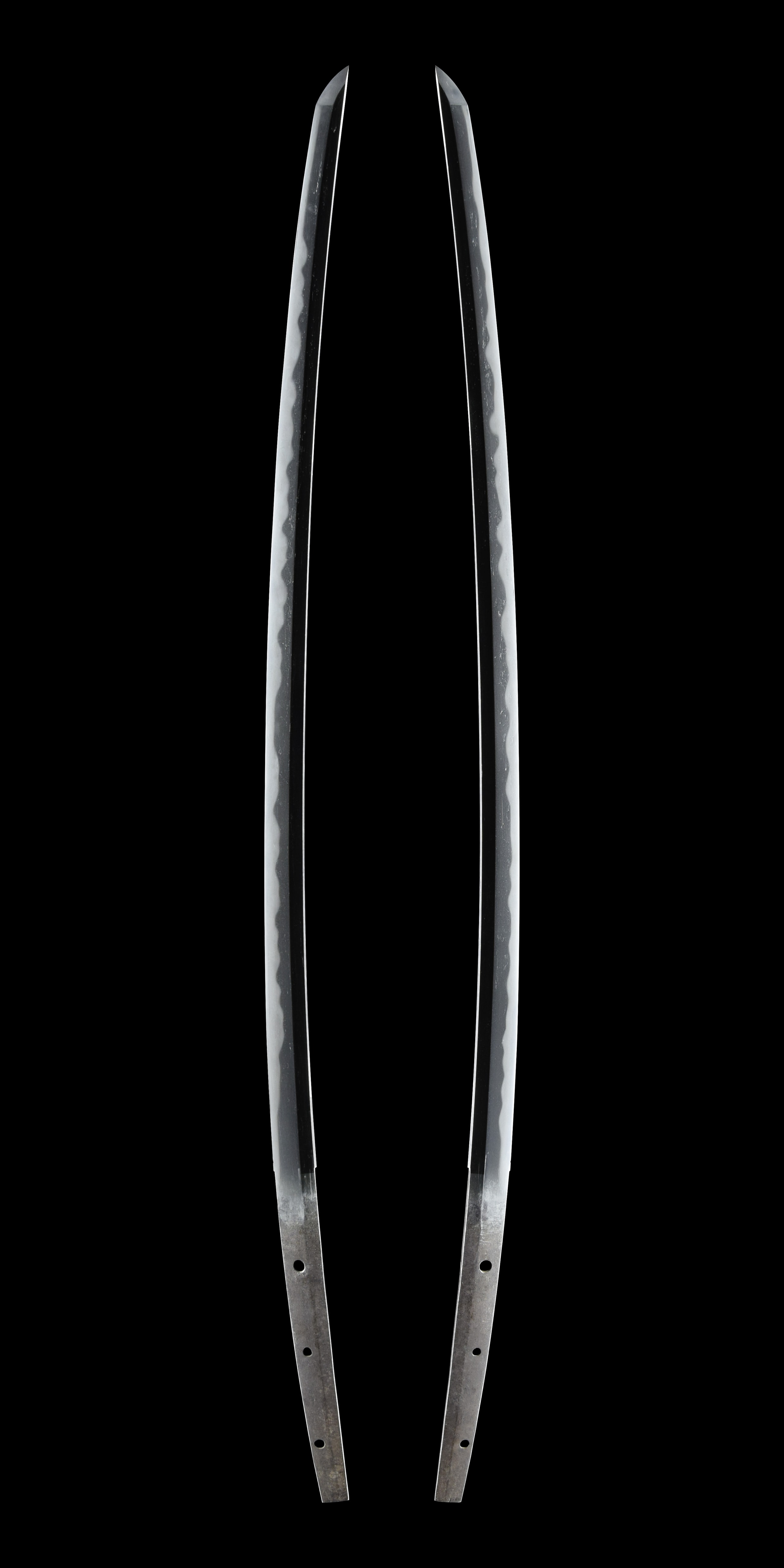
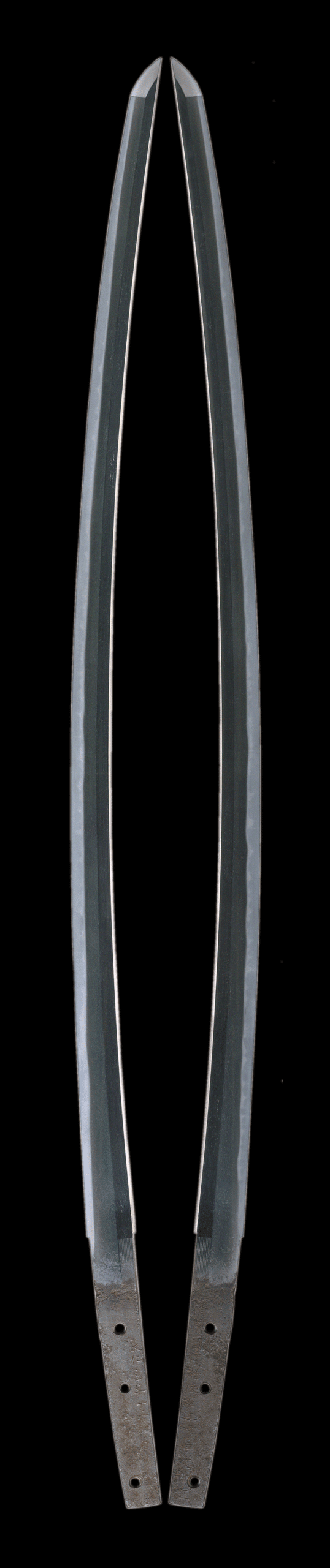
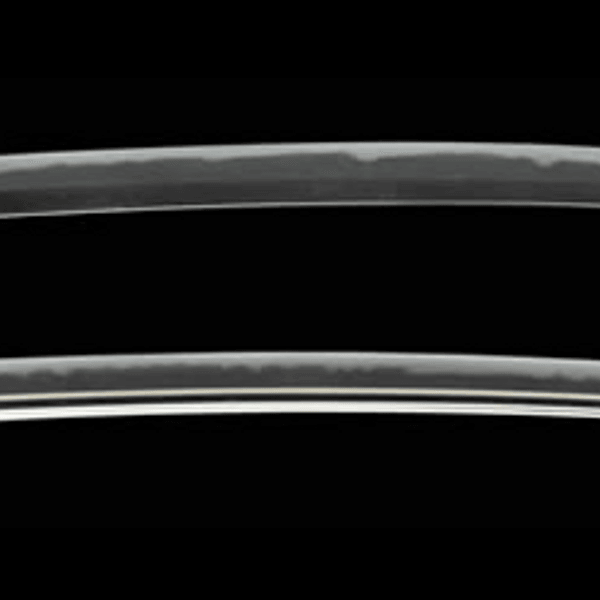
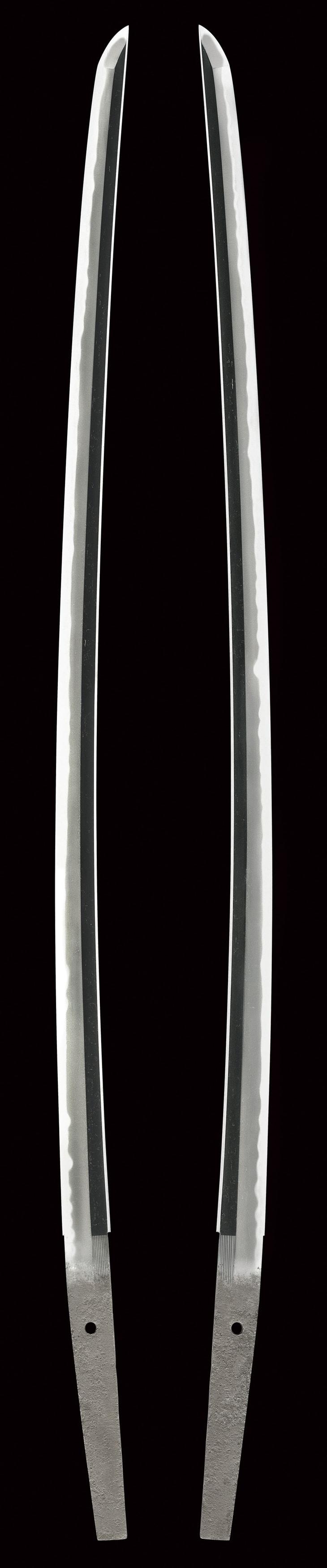
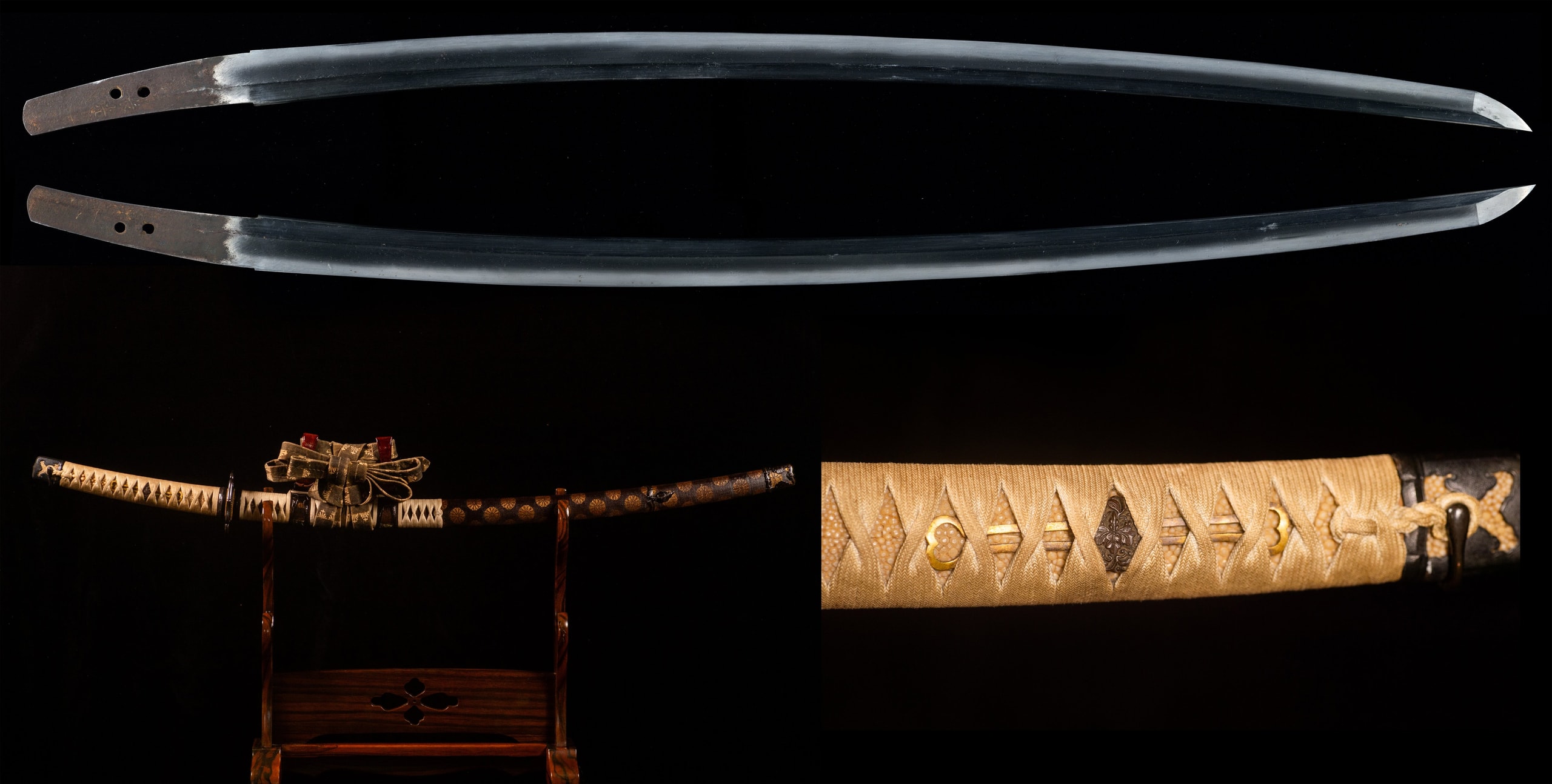
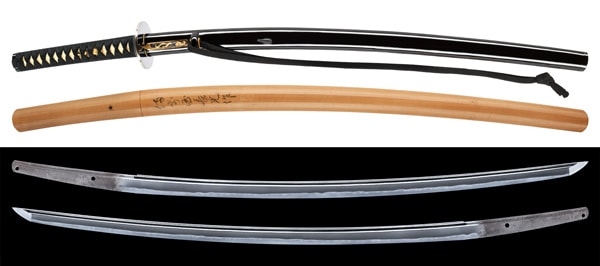
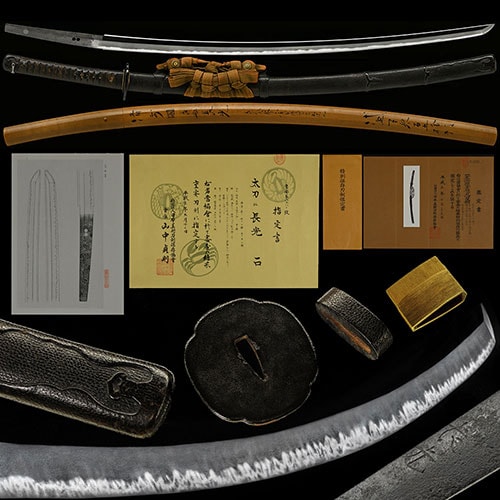
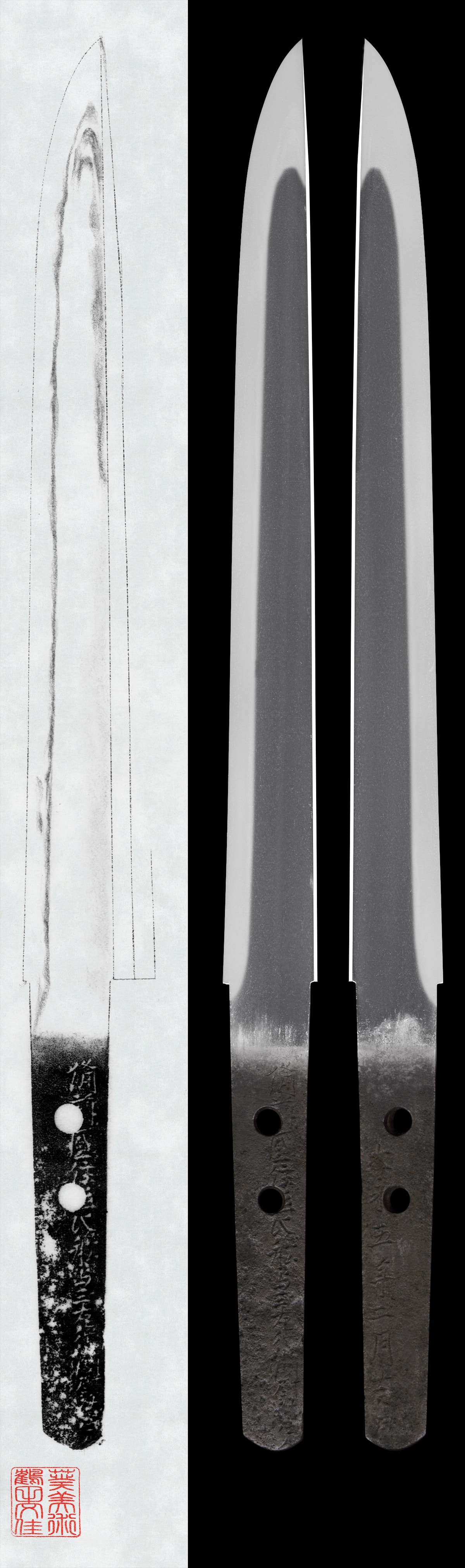
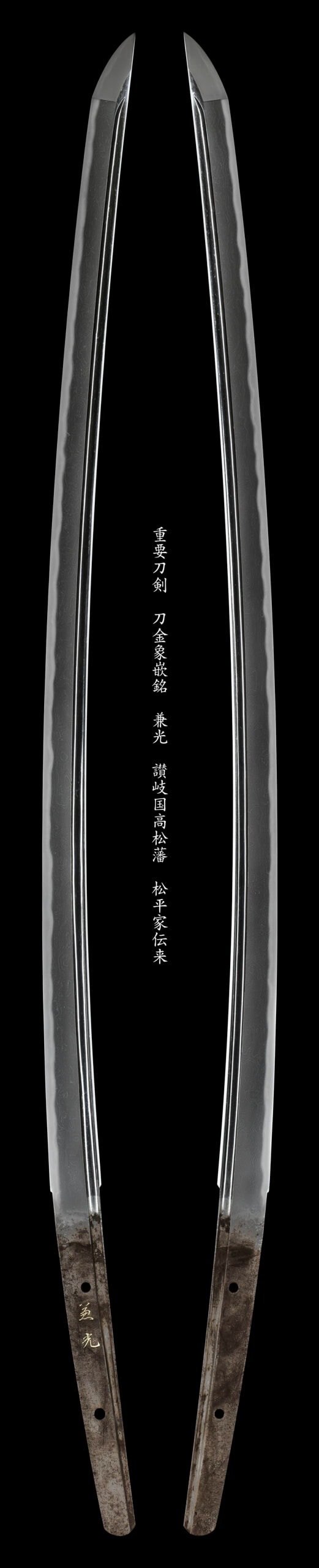
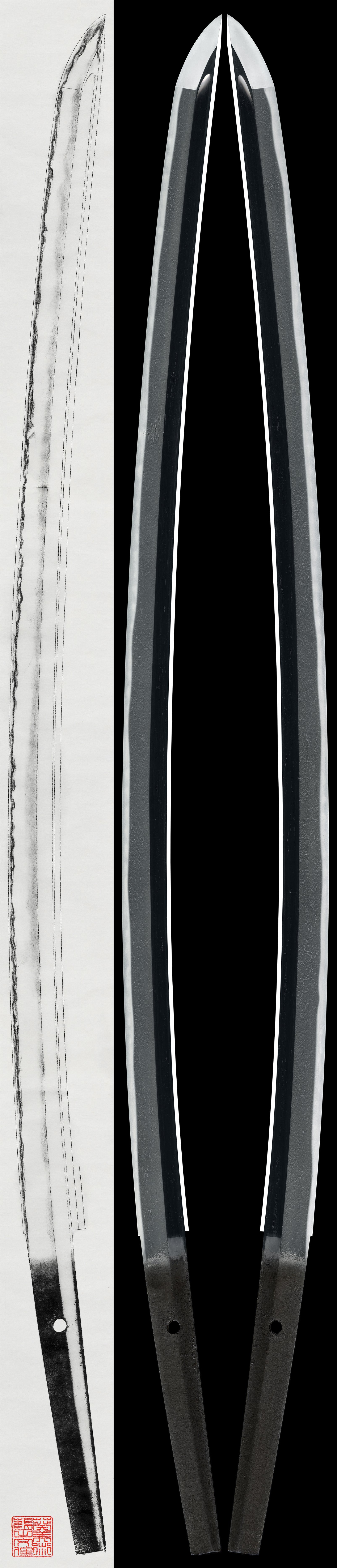
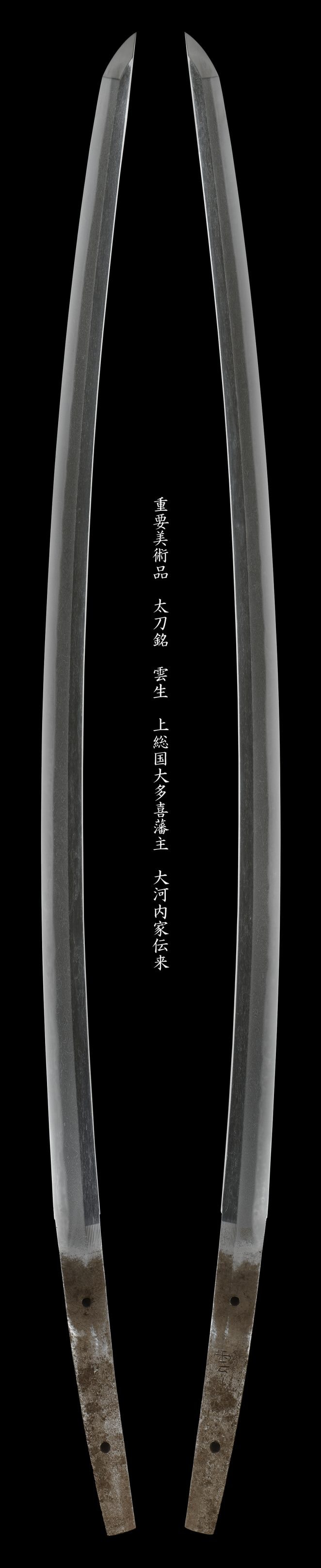
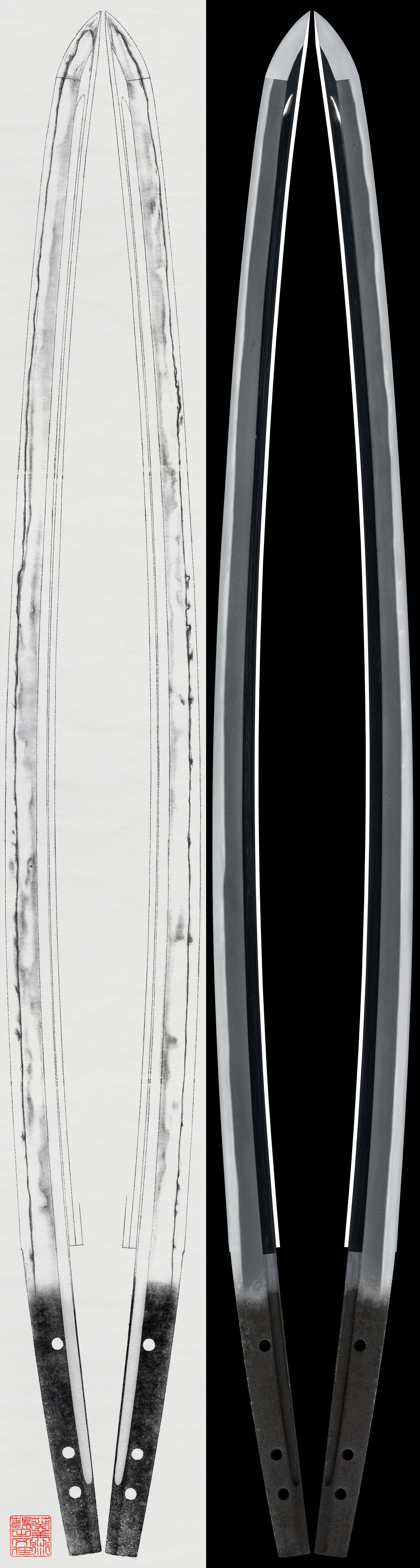
「大般若長光」「津田遠江長光」「熊野三所権現長光」などの数々の名作を造った名工中の名工、長船長光の太刀です。生ぶ姿の鎌倉中期の貴重な太刀の作例です。作風は腰反りの上品な姿に乱れの頭がむっくりとした独特の互の目が湾れ刃に交じった刃紋で、地肌は杢目が交じった板目肌に乱れ映りが鮮やかに表れています。中心はほぼ生ぶで、元に踏ん張りがよく残っており、重ねも厚く同作中でも健全です。備前刀を代表する、味わい深く気品溢れる名刀です。
長光は、長船派の祖である光忠の子で、長船二代目であり、現存する在銘の作品は鎌倉時代の刀工の中でも最も多いが、何れも出来にむらがなく、技術の充実していたことが知られる。その作風は大別して、父光忠風を継承した感のある豪壮な造込みに、華やかな丁子主調の乱れを焼いたものと、身幅が尋常か細身の姿に直刃調に足の入った比較的穏和な出来口の二様が見られる。 この太刀の姿形は、殆ど生ぶで製作当初を留めた鎌倉時代後期の姿を呈し、長寸で腰反り高く、加えて踏張りがついた凜然たるもので、平肉もさほど枯れず手持ちに重量感があり健体さを保っている。また乱れ映りを鮮明に現す板目鍛えの地鉄は元先にかけて総じてよく錬れて殆ど緩みも見られない。直刃調に小互の目などを交えた刃文は、足・葉の働きが豊富で匂口柔らかく、且つ明るく冴え、長光の技量が十分に発揮されている。作風から本工晩年の正安頃の作と推し量られ、銘の朽ち込みは惜しまれるものの、それを補う静雅な趣を湛えた優品である。
 NihontoWatch







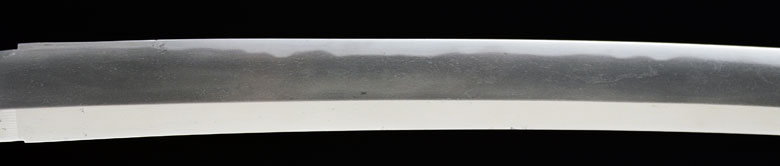





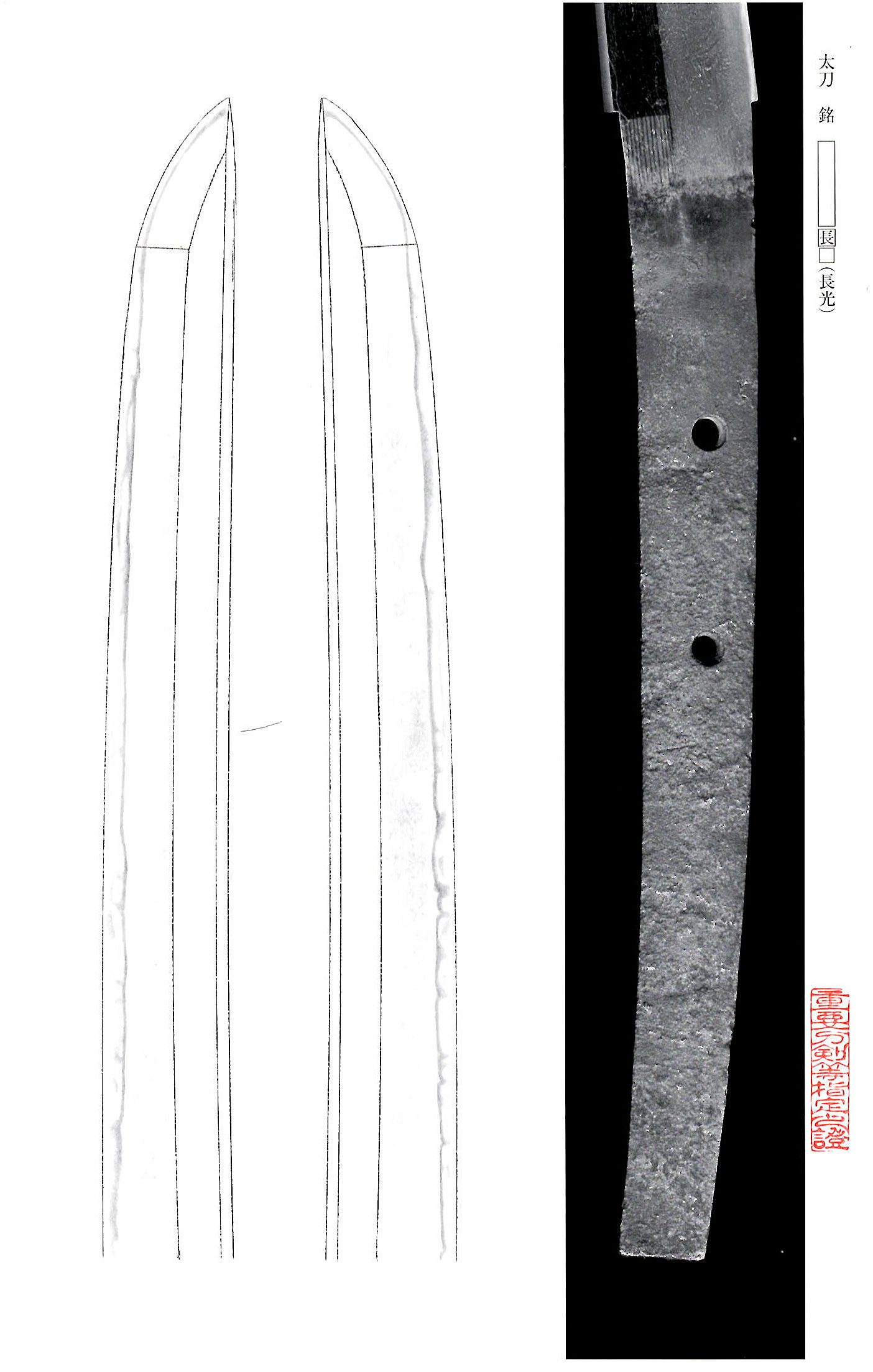
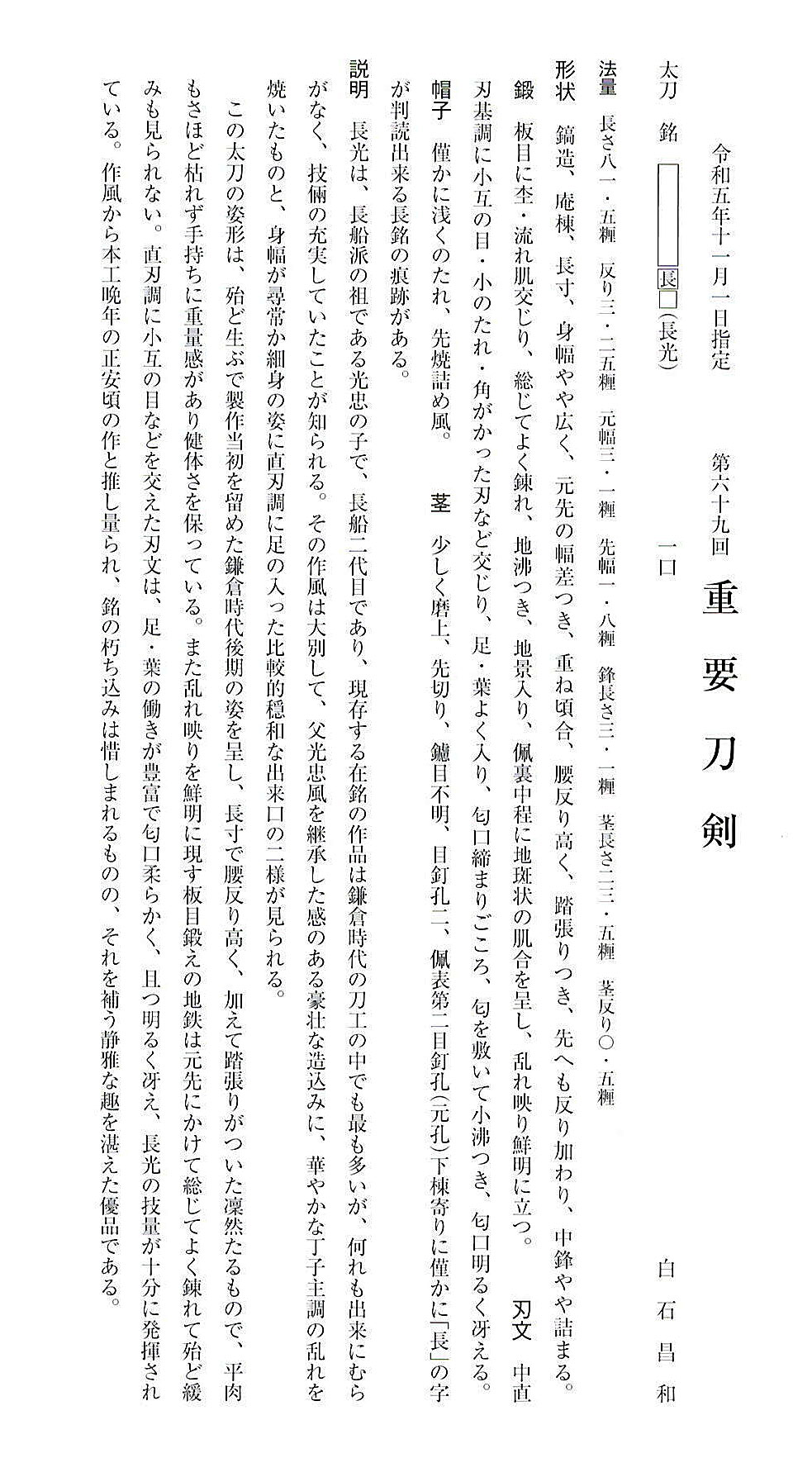


長光は、長船派の祖である光忠の子で、長船二代目であり、現存する在銘の作品は鎌倉時代の刀工の中でも最も多いが、何れも出来にむらがなく、技術の充実していたことが知られる。その作風は大別して、父光忠風を継承した感のある豪壮な造込みに、華やかな丁子主調の乱れを焼いたものと、身幅が尋常か細身の姿に直刃調に足の入った比較的穏和な出来口の二様が見られる。 この太刀の姿形は、殆ど生ぶで製作当初を留めた鎌倉時代後期の姿を呈し、長寸で腰反り高く、加えて踏張りがついた凜然たるもので、平肉もさほど枯れず手持ちに重量感があり健体さを保っている。また乱れ映りを鮮明に現す板目鍛えの地鉄は元先にかけて総じてよく錬れて殆ど緩みも見られない。直刃調に小互の目などを交えた刃文は、足・葉の働きが豊富で匂口柔らかく、且つ明るく冴え、長光の技量が十分に発揮されている。作風から本工晩年の正安頃の作と推し量られ、銘の朽ち込みは惜しまれるものの、それを補う静雅な趣を湛えた優品である。
Osafune (Bizen) · 備前 · 1274-1304頃
藤代 最上作 · 刀剣大鑑 上位1%
現在3点販売中
長光の在銘作は、鎌倉時代の刀工の中で他の何人よりも多く遺る。説明書はその記録を「現存する在銘の作品は鎌倉時代の刀工の中でも最も多い」[[c:1]]という一文で開き、続けて、いずれも「出来にむらがなく」[[c:2]]、技術の充実していたことが知られると記す。長船派の祖・光忠の子にして長船二代目であり、「父光忠と並ぶ名手」[[c:3]]と評される。ここに集う記録では在銘一七三口に対し無銘六三口、銘は「二字銘が最も多く」[[c:4]]、永仁二年紀の「備前国長船住左近将監長光造」[[c:13]]銘の生ぶ太刀のような年紀作が、同時代の刀工にはまず許されぬ確かさでその年代を定める。
作風について説明書は、数十年の指定を通じて同じ二様を繰り返す。一は父光忠風を継承した感のある豪壮な造込みに、華やかな丁子主調の乱れを焼いたもの。他は身幅尋常か細身の姿に、直刃調に丁子足の入った比較的穏和な出来口である。華やかな手では丁子乱れに互の目が交じり、足・葉が盛んに入る。匂勝ちに小沸がつき、金筋・砂流しが細かにかかり、匂口は明るい。出典が彼独自のものとして挙げるのは「頭の丸いむっくりとした丁子」[[c:5]]であり、このふくらみのある焼頭は父の作には見られない。帽子は小丸が圧倒的に多く、説明書は繰り返し「帽子浅くのたれ、先小丸に短く返る」[[c:6]]と記す。動きの強い作では「帽子乱れ込み」と入ってから返り、一部には「焼き詰める」ものもあり、全体として「いわゆる三作帽子の風情を呈す」[[c:9]]。
鍛えは板目、処々肌立ちごころとなり、多くの作では小板目につんで精美となる。地沸が微塵に厚くつき、地景が細かに入り、鮮明な乱れ映りが立つ。映りは作の大半に現れ、最も頼りになる見どころの一つである。在銘の後期太刀について説明書は、よくつんだ板目に微塵の地沸と細かな地景を交えた「精緻と美麗とを兼ね備えた鍛え」[[c:10]]と特筆し、地刃の明るく冴えることを繰り返し記している。
この記録には三つの段階が辿れる。最初期は父に最も近く、丁子主調の焼刃に蛙子を交え、「まさに光忠を髣髴とさせる出来ばえ」[[c:14]]と評される。典型期は前述の頭の丸い丁子に互の目、鮮やかな映りと三作帽子を備える。穏やかな直刃調の手は後期に集まり、左近将監の官銘や長銘の作の周りに見られる。室町・江戸期の伝書類は初二代を分かち、将監銘を二代としたが、NBTHKは「銘字の上から初二代の差異を見出すことはできず」[[c:12]]と観じ、近時は「将監長光は長光の後期から晩年作と考える説が浮上し有力視されている」[[c:15]]。この後期の短刀には片落ち互の目の萌芽が現れ、子・景光がこれを完成する。
備前の中で、その華やかな作は一見一文字派にも紛れるが、説明書は彼自身の特徴によって線を引く。すなわち「丁子主調となる一文字派の乱れに比しては互の目が目立ち」[[c:16]]、物打より上で乱れが穏やかになって焼が一段と低くなり、帽子は三作の形に収まる。父との別も同じ仕方で立つ。頭の丸いふくらみのある丁子と、初期作の華やぎに対して落ち着きを保つ焼刃である。下流では、晩年の直刃調と短刀の片落ちの萌芽がそのまま景光に開き、光忠・長光・景光の三代が長船嫡流の背骨をなす。長光はその広く安定した中核である。
藤代の極めで最上作。重要文化財二十六口は全刀工中最も多く、国宝六口がこれに並び、その下に特別重要刀剣二十八口・重要刀剣百四十四口、両級で百七十二口を数え、指定を受けた作は二百五十三口に及ぶ。伝来は国を握った者の手を経る。名物『大般若長光』は足利義輝から三好長慶を経て織田信長・徳川家康に渡り、ひろく明智光秀・豊臣秀吉、芸州浅野家・肥後細川家・備前池田家・上杉家・前田家、水戸・尾張・紀州の徳川家、皇室の名が録される。国宝・重要文化財の作は、東京国立博物館・京都国立博物館・徳川美術館・熱田神宮・厳島神社などに護られた文化財である。しかし銘を惜しまなかったがゆえに、特別重要刀剣・重要刀剣の級の遺例は厚い。在銘の長光が市に現れることは稀で、常にその頂にあるとはいえ、大磨上無銘でのみ伝わる名工たちとは異なり、忍耐ある蒐集家にとって全く手の届かぬものではない。一口が現れるとき、それは出来事である。
長光の位置づけを、日本刀全体および伝統・時代・時期ごとに示します。各位(随一・屈指・有数・著名)は、NBTHK および文化庁による指定に加え、三作や名物帳などの歴史的栄誉を加味したものです。
各項目を選ぶと評価方法が表示されます。
在銘年紀作が示す、確実に活動していた年代
備前伝 · 備前
時期区分: 古長船· 1238–1335
現在235点販売中
片落ち互の目という一様式を完成させた景光をひとつの到達点として、古長船は鎌倉時代中後期(おおむね一二三八年から一三三五年)の長船派草創の核を成す。光忠を初代とし、その子長光、そして真長を加えた三作の世代がまず作風の幅を定め、続いて長光の子で嫡流三代目の景光がこれを受け継いだ。景光の年紀は嘉元から建武までの三十余年に及び、説示にも元応・元亨・正中・元徳・元弘・建武といった在銘紀年作が並ぶ。武家社会の中枢で太刀が需められた鎌倉末期にあって、この草創世代は長船の鍛法と銘の様式を確立し、のちの南北朝期相伝備前や室町応永備前が分岐していく母体を準備した。逆鏨を多用する近景の代銘が景光在銘作に交じる事実も、すでに一門が複数の手で量産しうる工房へ育っていたことを示している。 作風は地鉄に古長船の眼目がある。板目に杢を交えて総じてよく錬れて緩みなく詰み、地沸が微塵に厚くつき、地景が細かに入る。映りは乱れ映りまたは棒映りが鮮明に立ち、景光の太刀では暗帯部が逆がかって青江の段映りに通じる筋映りを表裏下半に現すものまで見える。刃文は華やかな丁子乱れを基調とした世代の作と、直刃調に小互の目・小丁子・角ばる刃を交えて逆がかり、片落ち互の目を主調とする景光の穏やかな出来とが併存し、足・逆足・葉がよく入り、匂勝ちに小沸がつき、匂口は明るく冴える。帽子は乱れ込んで先尖りごころに返る三作帽子を見せる。古備前が地斑映りと厚い沸を残す素朴な源流であったのに対し、古長船は映りを意識的に立て、鍛えを精緻に詰めた点で一線を画する。さらに後続の南北朝期相伝備前が相州伝の強い沸や飛焼を取り込んで大模様に乱れ込むのに対し、また応永備前が腰開きの互の目と尖り帽子へ向かうのに対し、古長船は匂本位の締まった作域にとどまり、映りの鮮明さと地鉄の精良さで識別される。 収集家が古長船をひとつの章として区別するのは、後続の相伝備前や応永備前とは別の鑑定上の指標が立つからである。要点は三つある。第一に、暗帯部の逆がかる地斑映りや筋映りといった、後代には薄れる映りの強さ。第二に、片落ち互の目と直刃調に小乱れを交えた匂勝ちの穏やかな焼刃で、これは長光の華やかさと相州色の濃い南北朝期の双方から本区分を分かつ。第三に、景光に多く現存する短刀の存在で、細直刃から片落ち互の目まで小振りの姿に一門の特質が凝縮される。説示には元応元年紀の生ぶ茎太刀、正中・元徳・元弘・建武紀の短刀、筑前黒田家伝来の一口など、紀年と伝来の確かな作例が並び、古長船を年代の定点として捉える基盤を与えている。 詳しく見る →
鎌倉時代の備前
鎌倉時代は備前の頂点である。伝えでは一文字派の工が後鳥羽上皇の御番鍛冶に列し、世紀の半ばには光忠が長船派を興して、注文は公家からも武家政権からも流れ込んだ。国宝刀剣の数で備前に並ぶ国はない。
特別保存刀剣の中から、特に出来が優れ、国認定の重要美術品に準ずると判断された名品です。年に一度の重要刀剣審査で選ばれます。
極めて選別的で、日本に登録された約250万口の刀剣のうち、重要刀剣に達したものは12,307口(約203口に1口)にすぎません。
日本美術刀剣保存協会(NBTHK)は、1948年に設立され、文化庁の監督を受ける公益財団法人で、東京・刀剣博物館に本部を置きます。専門の審査員が出品作を直接審査し、美術的・歴史的価値に応じた鑑定書を発行します。NBTHKの鑑定書は、日本刀および刀装具の真正性を示す最も広く認知された基準です。
NBTHK公式サイト商品到着後一週間以内(日本国内のみクーリングオフ可能です)ご返品いただいた品の状態が販売時と異なる場合や、商品を使用された場合はご返金ができません。購入条件と違う瑕疵は商品の返品並びに代金を返還致します。
「大般若長光」「津田遠江長光」「熊野三所権現長光」などの数々の名作を造った名工中の名工、長船長光の太刀です。生ぶ姿の鎌倉中期の貴重な太刀の作例です。作風は腰反りの上品な姿に乱れの頭がむっくりとした独特の互の目が湾れ刃に交じった刃紋で、地肌は杢目が交じった板目肌に乱れ映りが鮮やかに表れています。中心はほぼ生ぶで、元に踏ん張りがよく残っており、重ねも厚く同作中でも健全です。備前刀を代表する、味わい深く気品溢れる名刀です。
長光は、長船派の祖である光忠の子で、長船二代目であり、現存する在銘の作品は鎌倉時代の刀工の中でも最も多いが、何れも出来にむらがなく、技術の充実していたことが知られる。その作風は大別して、父光忠風を継承した感のある豪壮な造込みに、華やかな丁子主調の乱れを焼いたものと、身幅が尋常か細身の姿に直刃調に足の入った比較的穏和な出来口の二様が見られる。 この太刀の姿形は、殆ど生ぶで製作当初を留めた鎌倉時代後期の姿を呈し、長寸で腰反り高く、加えて踏張りがついた凜然たるもので、平肉もさほど枯れず手持ちに重量感があり健体さを保っている。また乱れ映りを鮮明に現す板目鍛えの地鉄は元先にかけて総じてよく錬れて殆ど緩みも見られない。直刃調に小互の目などを交えた刃文は、足・葉の働きが豊富で匂口柔らかく、且つ明るく冴え、長光の技量が十分に発揮されている。作風から本工晩年の正安頃の作と推し量られ、銘の朽ち込みは惜しまれるものの、それを補う静雅な趣を湛えた優品である。
NihontoWatch長光は、長船派の祖である光忠の子で、長船二代目であり、現存する在銘の作品は鎌倉時代の刀工の中でも最も多いが、何れも出来にむらがなく、技術の充実していたことが知られる。その作風は大別して、父光忠風を継承した感のある豪壮な造込みに、華やかな丁子主調の乱れを焼いたものと、身幅が尋常か細身の姿に直刃調に足の入った比較的穏和な出来口の二様が見られる。 この太刀の姿形は、殆ど生ぶで製作当初を留めた鎌倉時代後期の姿を呈し、長寸で腰反り高く、加えて踏張りがついた凜然たるもので、平肉もさほど枯れず手持ちに重量感があり健体さを保っている。また乱れ映りを鮮明に現す板目鍛えの地鉄は元先にかけて総じてよく錬れて殆ど緩みも見られない。直刃調に小互の目などを交えた刃文は、足・葉の働きが豊富で匂口柔らかく、且つ明るく冴え、長光の技量が十分に発揮されている。作風から本工晩年の正安頃の作と推し量られ、銘の朽ち込みは惜しまれるものの、それを補う静雅な趣を湛えた優品である。
Osafune (Bizen) · 備前 · 1274-1304頃
藤代 最上作 · 刀剣大鑑 上位1%
現在3点販売中
長光の在銘作は、鎌倉時代の刀工の中で他の何人よりも多く遺る。説明書はその記録を「現存する在銘の作品は鎌倉時代の刀工の中でも最も多い」[[c:1]]という一文で開き、続けて、いずれも「出来にむらがなく」[[c:2]]、技術の充実していたことが知られると記す。長船派の祖・光忠の子にして長船二代目であり、「父光忠と並ぶ名手」[[c:3]]と評される。ここに集う記録では在銘一七三口に対し無銘六三口、銘は「二字銘が最も多く」[[c:4]]、永仁二年紀の「備前国長船住左近将監長光造」[[c:13]]銘の生ぶ太刀のような年紀作が、同時代の刀工にはまず許されぬ確かさでその年代を定める。
作風について説明書は、数十年の指定を通じて同じ二様を繰り返す。一は父光忠風を継承した感のある豪壮な造込みに、華やかな丁子主調の乱れを焼いたもの。他は身幅尋常か細身の姿に、直刃調に丁子足の入った比較的穏和な出来口である。華やかな手では丁子乱れに互の目が交じり、足・葉が盛んに入る。匂勝ちに小沸がつき、金筋・砂流しが細かにかかり、匂口は明るい。出典が彼独自のものとして挙げるのは「頭の丸いむっくりとした丁子」[[c:5]]であり、このふくらみのある焼頭は父の作には見られない。帽子は小丸が圧倒的に多く、説明書は繰り返し「帽子浅くのたれ、先小丸に短く返る」[[c:6]]と記す。動きの強い作では「帽子乱れ込み」と入ってから返り、一部には「焼き詰める」ものもあり、全体として「いわゆる三作帽子の風情を呈す」[[c:9]]。
鍛えは板目、処々肌立ちごころとなり、多くの作では小板目につんで精美となる。地沸が微塵に厚くつき、地景が細かに入り、鮮明な乱れ映りが立つ。映りは作の大半に現れ、最も頼りになる見どころの一つである。在銘の後期太刀について説明書は、よくつんだ板目に微塵の地沸と細かな地景を交えた「精緻と美麗とを兼ね備えた鍛え」[[c:10]]と特筆し、地刃の明るく冴えることを繰り返し記している。
この記録には三つの段階が辿れる。最初期は父に最も近く、丁子主調の焼刃に蛙子を交え、「まさに光忠を髣髴とさせる出来ばえ」[[c:14]]と評される。典型期は前述の頭の丸い丁子に互の目、鮮やかな映りと三作帽子を備える。穏やかな直刃調の手は後期に集まり、左近将監の官銘や長銘の作の周りに見られる。室町・江戸期の伝書類は初二代を分かち、将監銘を二代としたが、NBTHKは「銘字の上から初二代の差異を見出すことはできず」[[c:12]]と観じ、近時は「将監長光は長光の後期から晩年作と考える説が浮上し有力視されている」[[c:15]]。この後期の短刀には片落ち互の目の萌芽が現れ、子・景光がこれを完成する。
備前の中で、その華やかな作は一見一文字派にも紛れるが、説明書は彼自身の特徴によって線を引く。すなわち「丁子主調となる一文字派の乱れに比しては互の目が目立ち」[[c:16]]、物打より上で乱れが穏やかになって焼が一段と低くなり、帽子は三作の形に収まる。父との別も同じ仕方で立つ。頭の丸いふくらみのある丁子と、初期作の華やぎに対して落ち着きを保つ焼刃である。下流では、晩年の直刃調と短刀の片落ちの萌芽がそのまま景光に開き、光忠・長光・景光の三代が長船嫡流の背骨をなす。長光はその広く安定した中核である。
藤代の極めで最上作。重要文化財二十六口は全刀工中最も多く、国宝六口がこれに並び、その下に特別重要刀剣二十八口・重要刀剣百四十四口、両級で百七十二口を数え、指定を受けた作は二百五十三口に及ぶ。伝来は国を握った者の手を経る。名物『大般若長光』は足利義輝から三好長慶を経て織田信長・徳川家康に渡り、ひろく明智光秀・豊臣秀吉、芸州浅野家・肥後細川家・備前池田家・上杉家・前田家、水戸・尾張・紀州の徳川家、皇室の名が録される。国宝・重要文化財の作は、東京国立博物館・京都国立博物館・徳川美術館・熱田神宮・厳島神社などに護られた文化財である。しかし銘を惜しまなかったがゆえに、特別重要刀剣・重要刀剣の級の遺例は厚い。在銘の長光が市に現れることは稀で、常にその頂にあるとはいえ、大磨上無銘でのみ伝わる名工たちとは異なり、忍耐ある蒐集家にとって全く手の届かぬものではない。一口が現れるとき、それは出来事である。
長光の位置づけを、日本刀全体および伝統・時代・時期ごとに示します。各位(随一・屈指・有数・著名)は、NBTHK および文化庁による指定に加え、三作や名物帳などの歴史的栄誉を加味したものです。
各項目を選ぶと評価方法が表示されます。
在銘年紀作が示す、確実に活動していた年代
備前伝 · 備前
時期区分: 古長船· 1238–1335
現在235点販売中
片落ち互の目という一様式を完成させた景光をひとつの到達点として、古長船は鎌倉時代中後期(おおむね一二三八年から一三三五年)の長船派草創の核を成す。光忠を初代とし、その子長光、そして真長を加えた三作の世代がまず作風の幅を定め、続いて長光の子で嫡流三代目の景光がこれを受け継いだ。景光の年紀は嘉元から建武までの三十余年に及び、説示にも元応・元亨・正中・元徳・元弘・建武といった在銘紀年作が並ぶ。武家社会の中枢で太刀が需められた鎌倉末期にあって、この草創世代は長船の鍛法と銘の様式を確立し、のちの南北朝期相伝備前や室町応永備前が分岐していく母体を準備した。逆鏨を多用する近景の代銘が景光在銘作に交じる事実も、すでに一門が複数の手で量産しうる工房へ育っていたことを示している。 作風は地鉄に古長船の眼目がある。板目に杢を交えて総じてよく錬れて緩みなく詰み、地沸が微塵に厚くつき、地景が細かに入る。映りは乱れ映りまたは棒映りが鮮明に立ち、景光の太刀では暗帯部が逆がかって青江の段映りに通じる筋映りを表裏下半に現すものまで見える。刃文は華やかな丁子乱れを基調とした世代の作と、直刃調に小互の目・小丁子・角ばる刃を交えて逆がかり、片落ち互の目を主調とする景光の穏やかな出来とが併存し、足・逆足・葉がよく入り、匂勝ちに小沸がつき、匂口は明るく冴える。帽子は乱れ込んで先尖りごころに返る三作帽子を見せる。古備前が地斑映りと厚い沸を残す素朴な源流であったのに対し、古長船は映りを意識的に立て、鍛えを精緻に詰めた点で一線を画する。さらに後続の南北朝期相伝備前が相州伝の強い沸や飛焼を取り込んで大模様に乱れ込むのに対し、また応永備前が腰開きの互の目と尖り帽子へ向かうのに対し、古長船は匂本位の締まった作域にとどまり、映りの鮮明さと地鉄の精良さで識別される。 収集家が古長船をひとつの章として区別するのは、後続の相伝備前や応永備前とは別の鑑定上の指標が立つからである。要点は三つある。第一に、暗帯部の逆がかる地斑映りや筋映りといった、後代には薄れる映りの強さ。第二に、片落ち互の目と直刃調に小乱れを交えた匂勝ちの穏やかな焼刃で、これは長光の華やかさと相州色の濃い南北朝期の双方から本区分を分かつ。第三に、景光に多く現存する短刀の存在で、細直刃から片落ち互の目まで小振りの姿に一門の特質が凝縮される。説示には元応元年紀の生ぶ茎太刀、正中・元徳・元弘・建武紀の短刀、筑前黒田家伝来の一口など、紀年と伝来の確かな作例が並び、古長船を年代の定点として捉える基盤を与えている。 詳しく見る →
鎌倉時代の備前
鎌倉時代は備前の頂点である。伝えでは一文字派の工が後鳥羽上皇の御番鍛冶に列し、世紀の半ばには光忠が長船派を興して、注文は公家からも武家政権からも流れ込んだ。国宝刀剣の数で備前に並ぶ国はない。
特別保存刀剣の中から、特に出来が優れ、国認定の重要美術品に準ずると判断された名品です。年に一度の重要刀剣審査で選ばれます。
極めて選別的で、日本に登録された約250万口の刀剣のうち、重要刀剣に達したものは12,307口(約203口に1口)にすぎません。
日本美術刀剣保存協会(NBTHK)は、1948年に設立され、文化庁の監督を受ける公益財団法人で、東京・刀剣博物館に本部を置きます。専門の審査員が出品作を直接審査し、美術的・歴史的価値に応じた鑑定書を発行します。NBTHKの鑑定書は、日本刀および刀装具の真正性を示す最も広く認知された基準です。
NBTHK公式サイト商品到着後一週間以内(日本国内のみクーリングオフ可能です)ご返品いただいた品の状態が販売時と異なる場合や、商品を使用された場合はご返金ができません。購入条件と違う瑕疵は商品の返品並びに代金を返還致します。






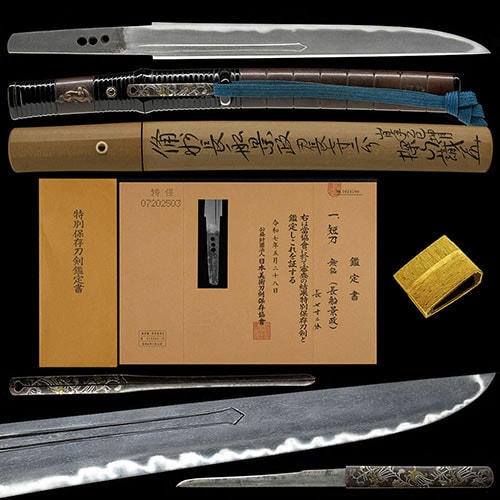


![Tachi - Jūyō - 作 景政 - 刀剣 鑑定書内容:財)日本美術刀剣保存協会 重要刀剣[N.B.T.H.K]Juyo Token No.68 No.918 銘文:備州長船住景政 Sign:Bishu Osafune Kagemasa](/_next/image?url=https%3A%2F%2Fitbhfhyptogxcjbjfzwx.supabase.co%2Fstorage%2Fv1%2Fobject%2Fpublic%2Flisting-images%2Fiida-koendo%2FL235550%2F04.png&w=2560&q=90)

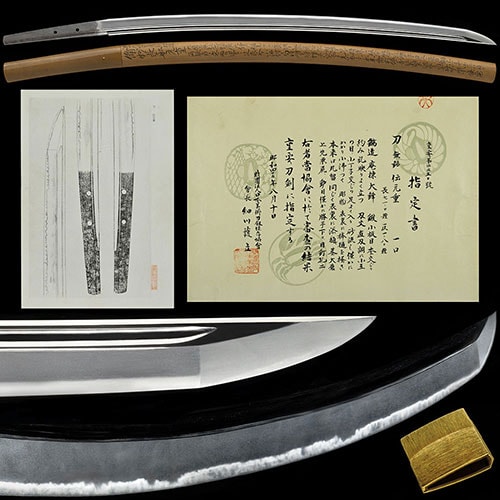





![Katana - Jūyō - 作 師光 - 刀[備州長船師光]重要刀剣/特別保存刀装具](/_next/image?url=https%3A%2F%2Fitbhfhyptogxcjbjfzwx.supabase.co%2Fstorage%2Fv1%2Fobject%2Fpublic%2Flisting-images%2Fworld-seiyudo%2FL759395%2F01.jpg&w=2560&q=90)