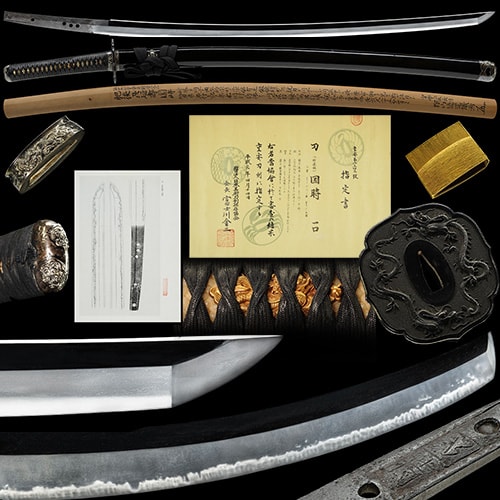
政権は鎌倉にあったが、美意識はなお京都が定めた。粟田口派の梨子地肌は完璧の代名詞となり、来派は公家にも上級の武家にも大寺にも、堂々たる太刀を納めている。
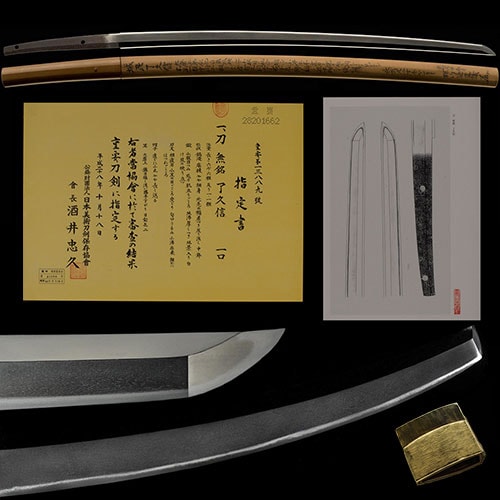
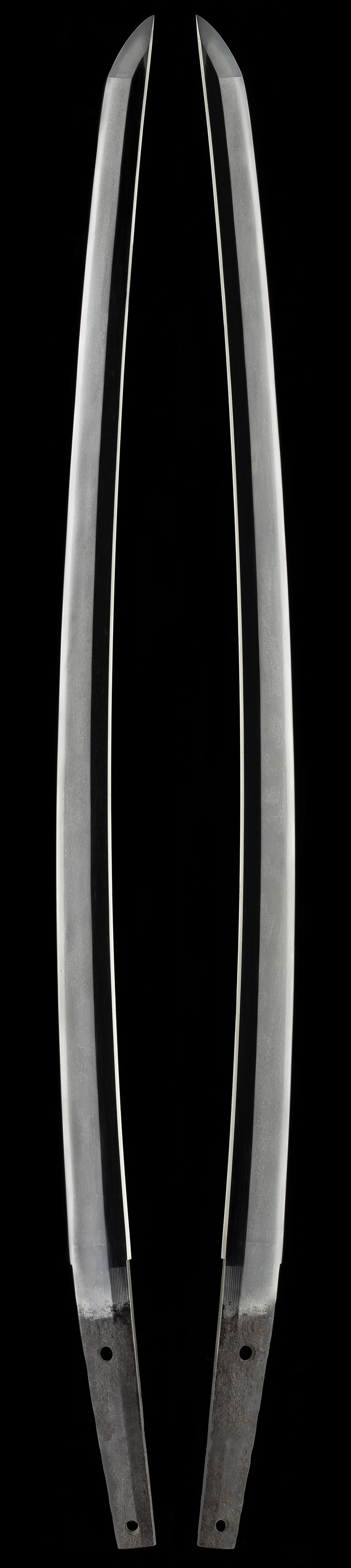
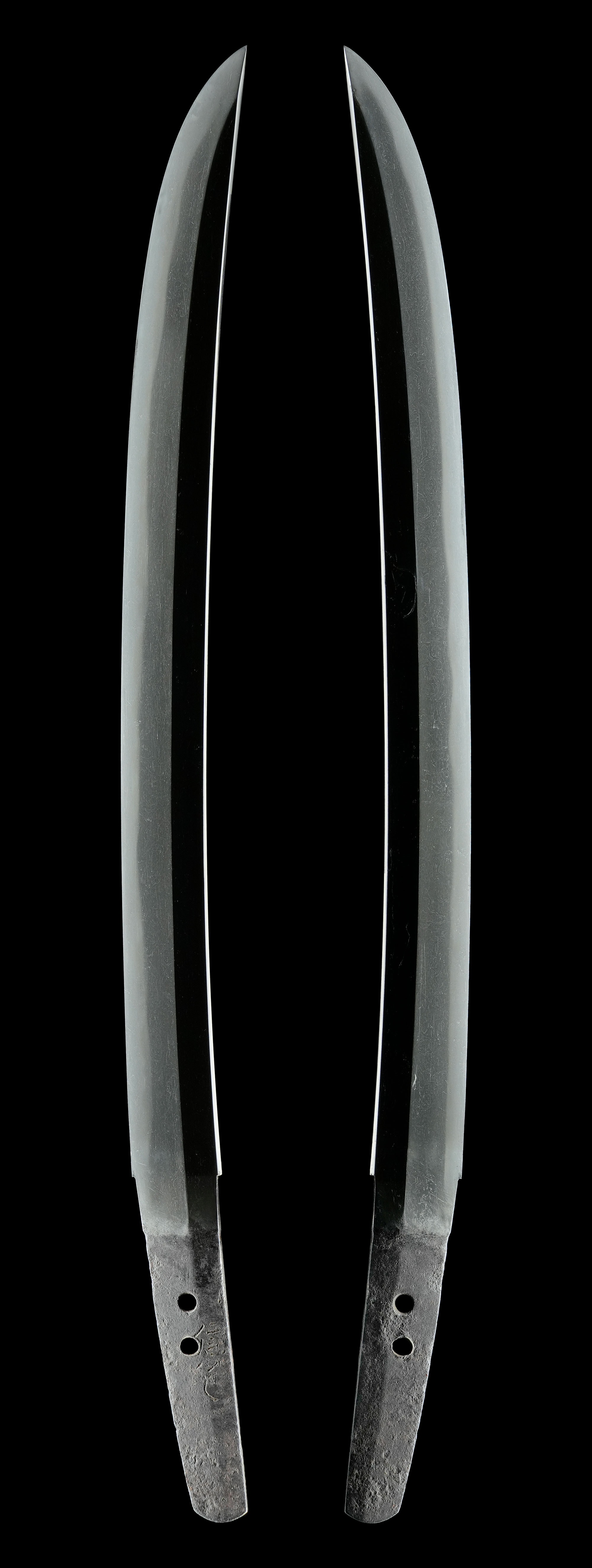
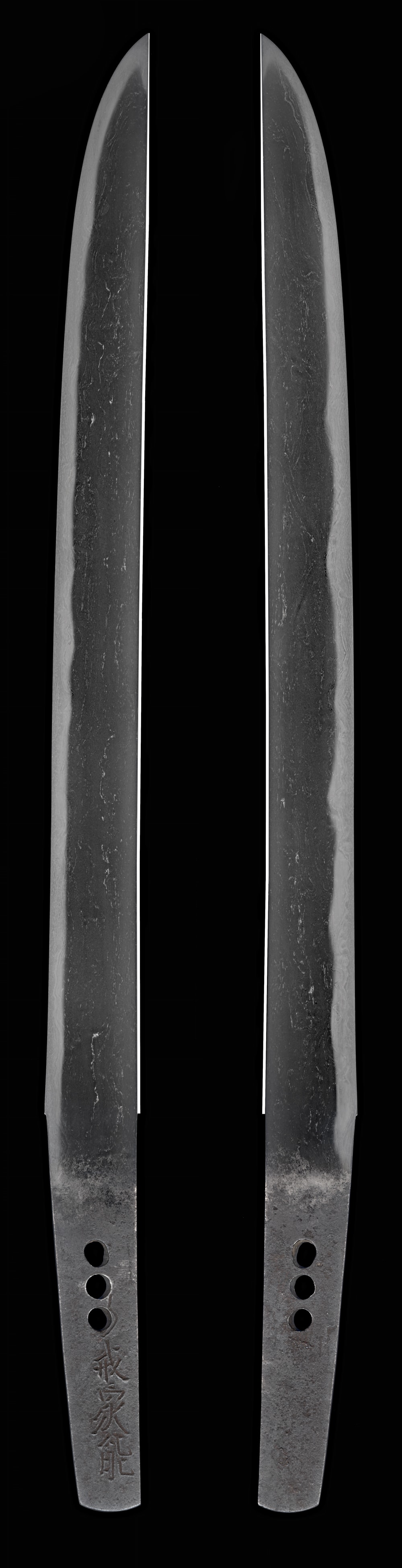
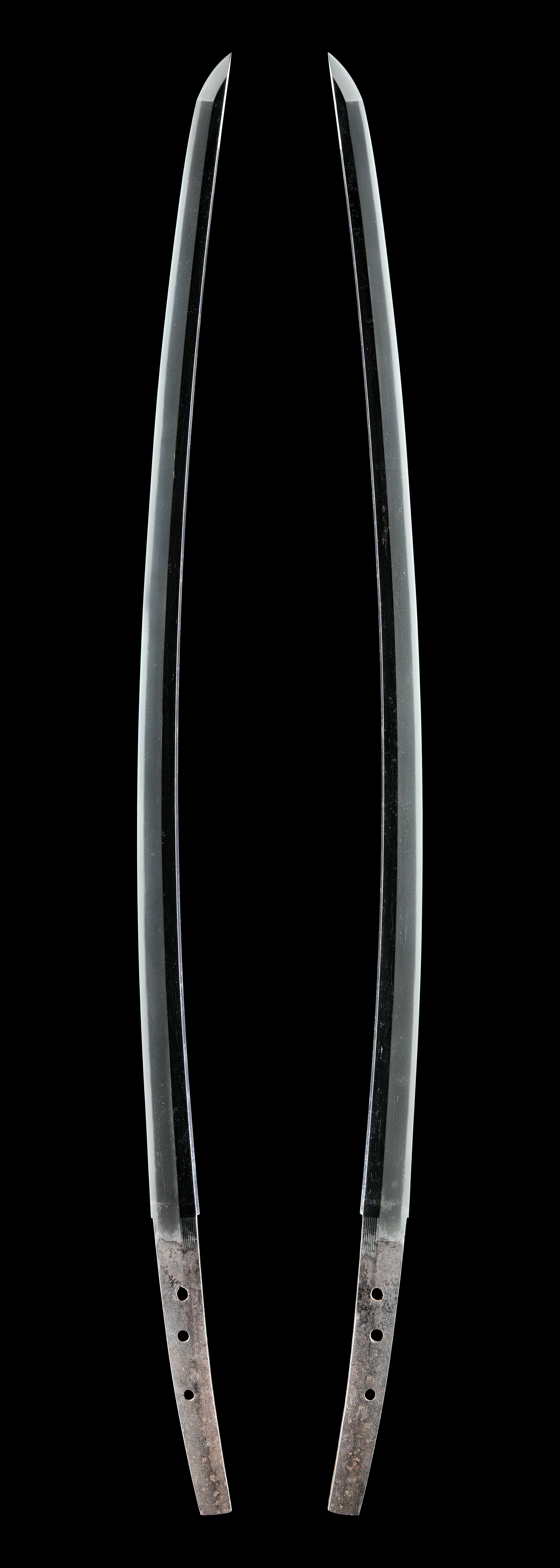
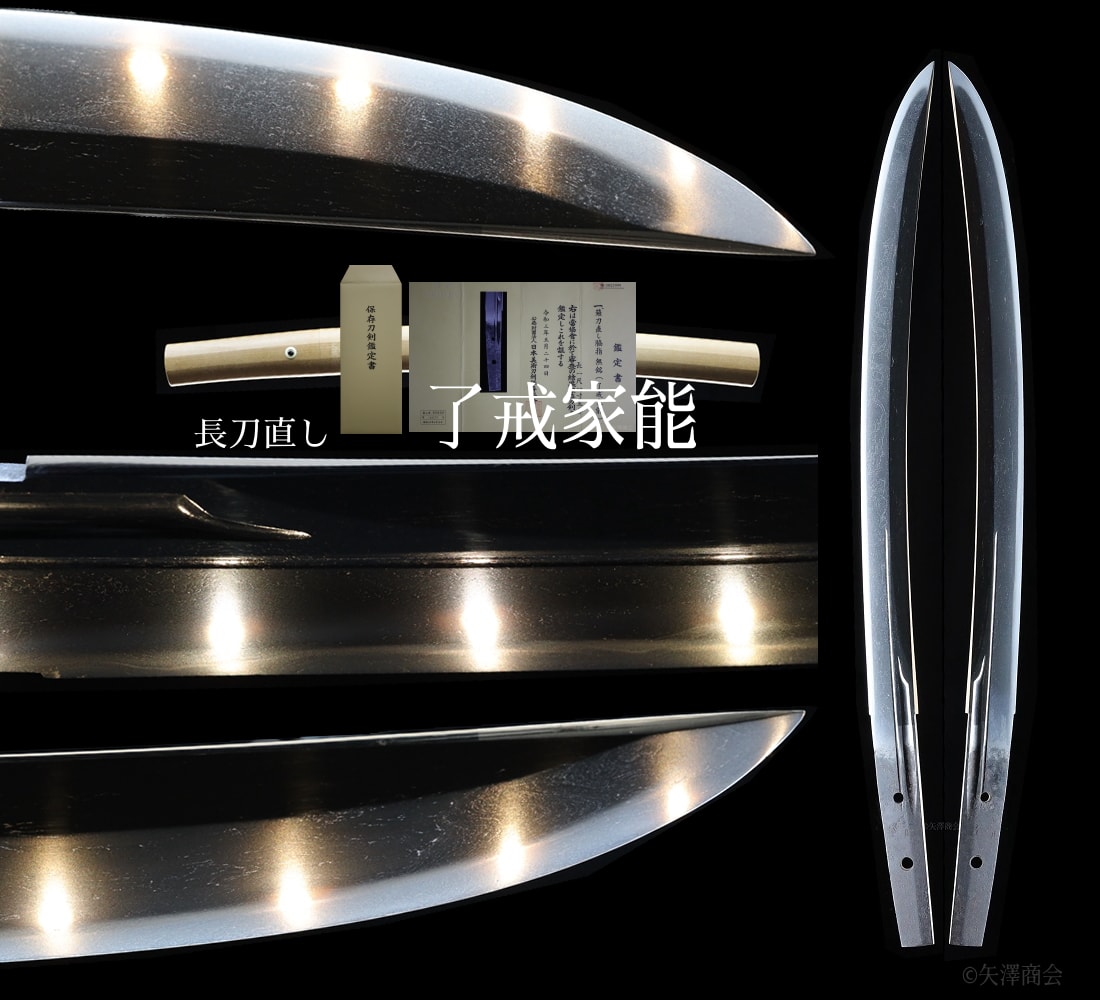
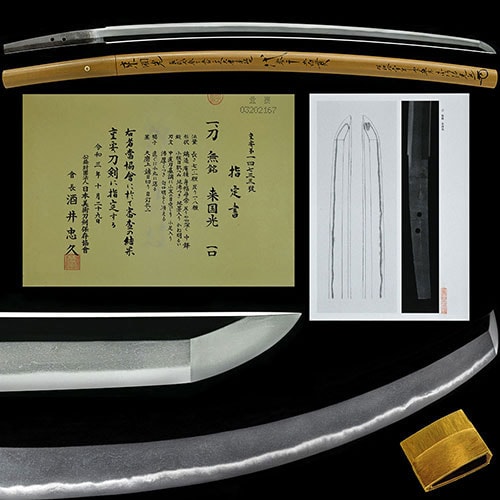
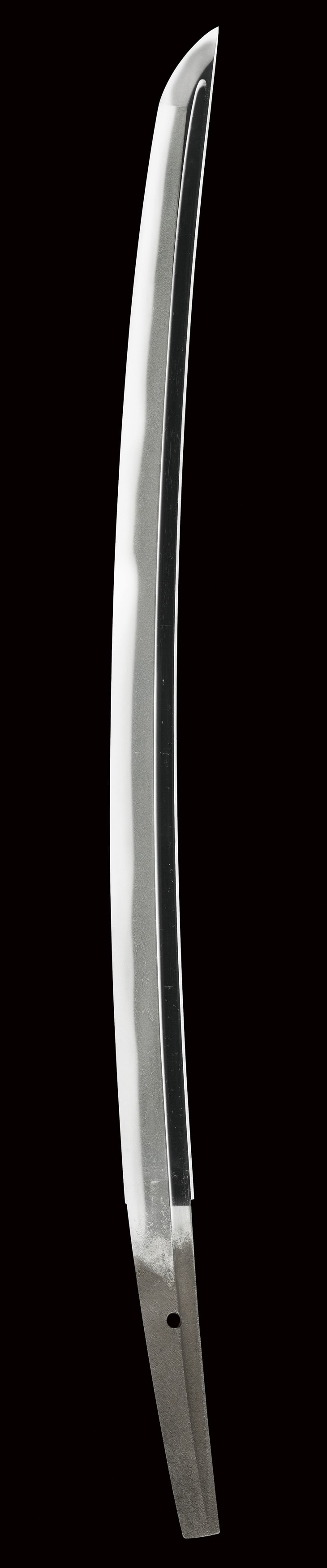
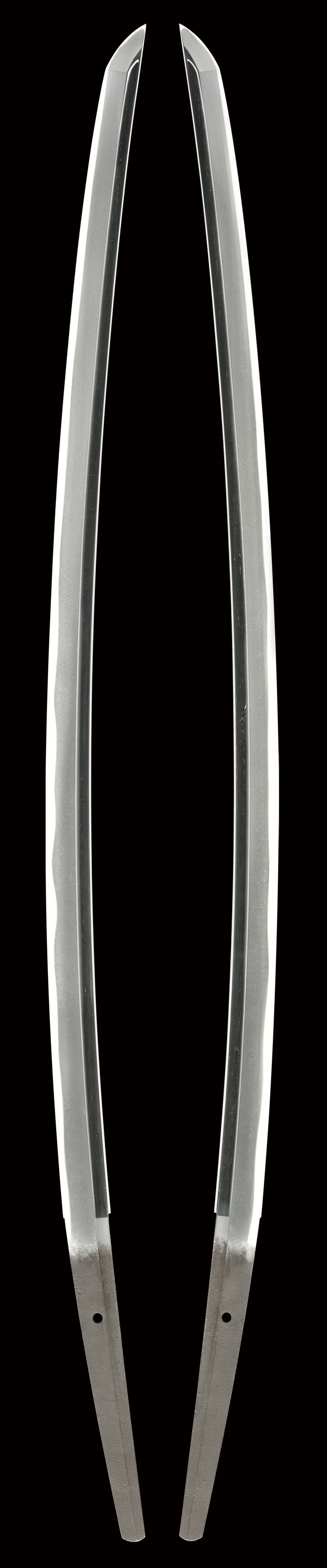
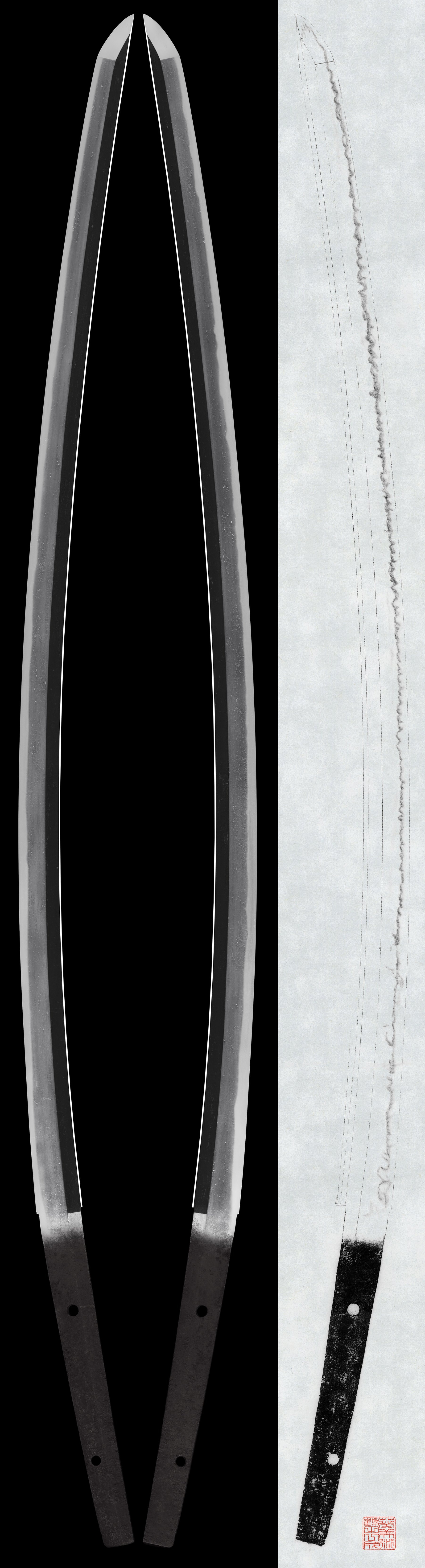
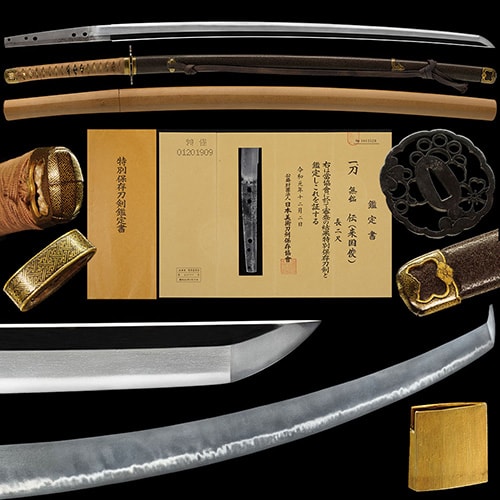
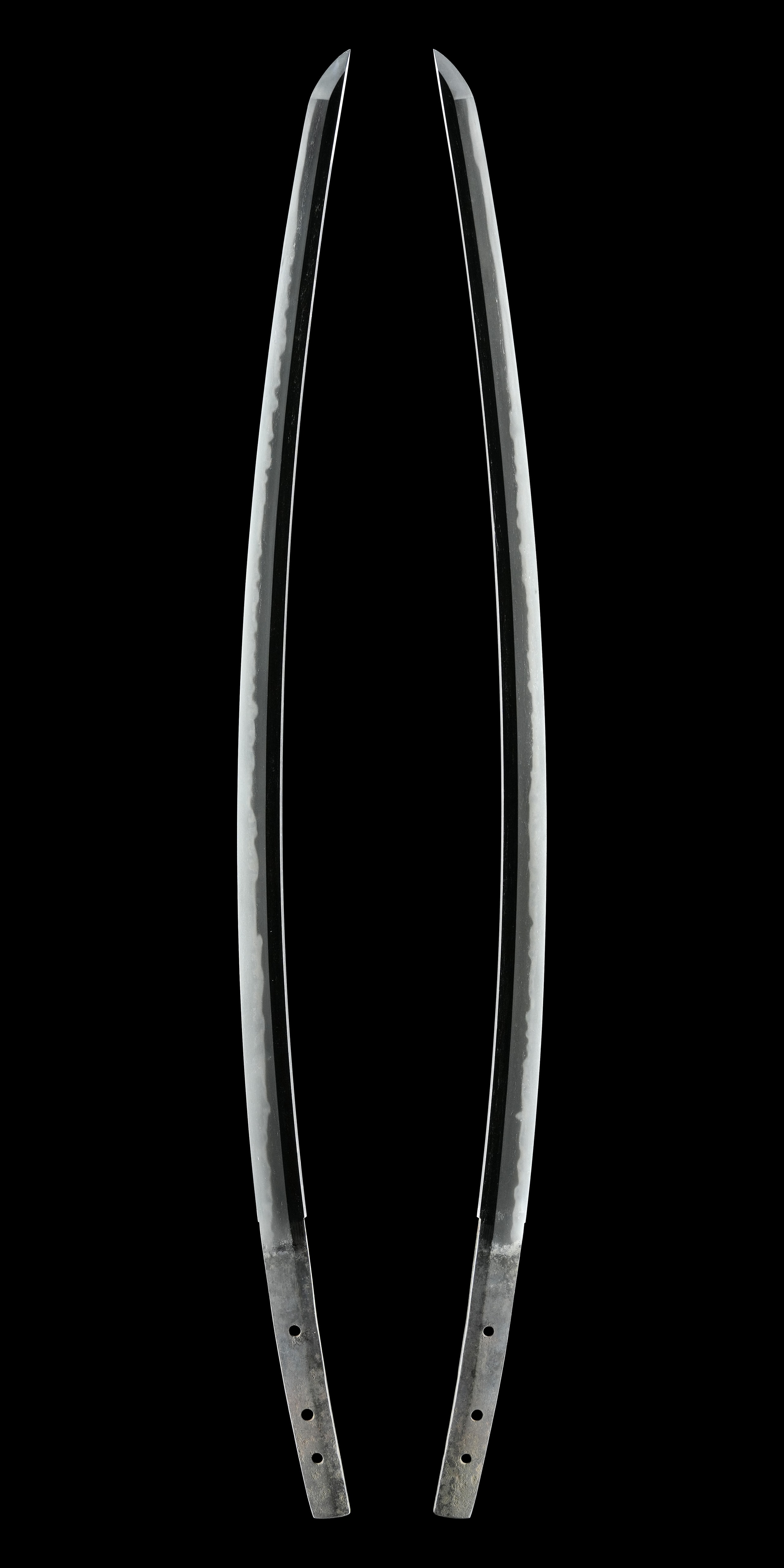
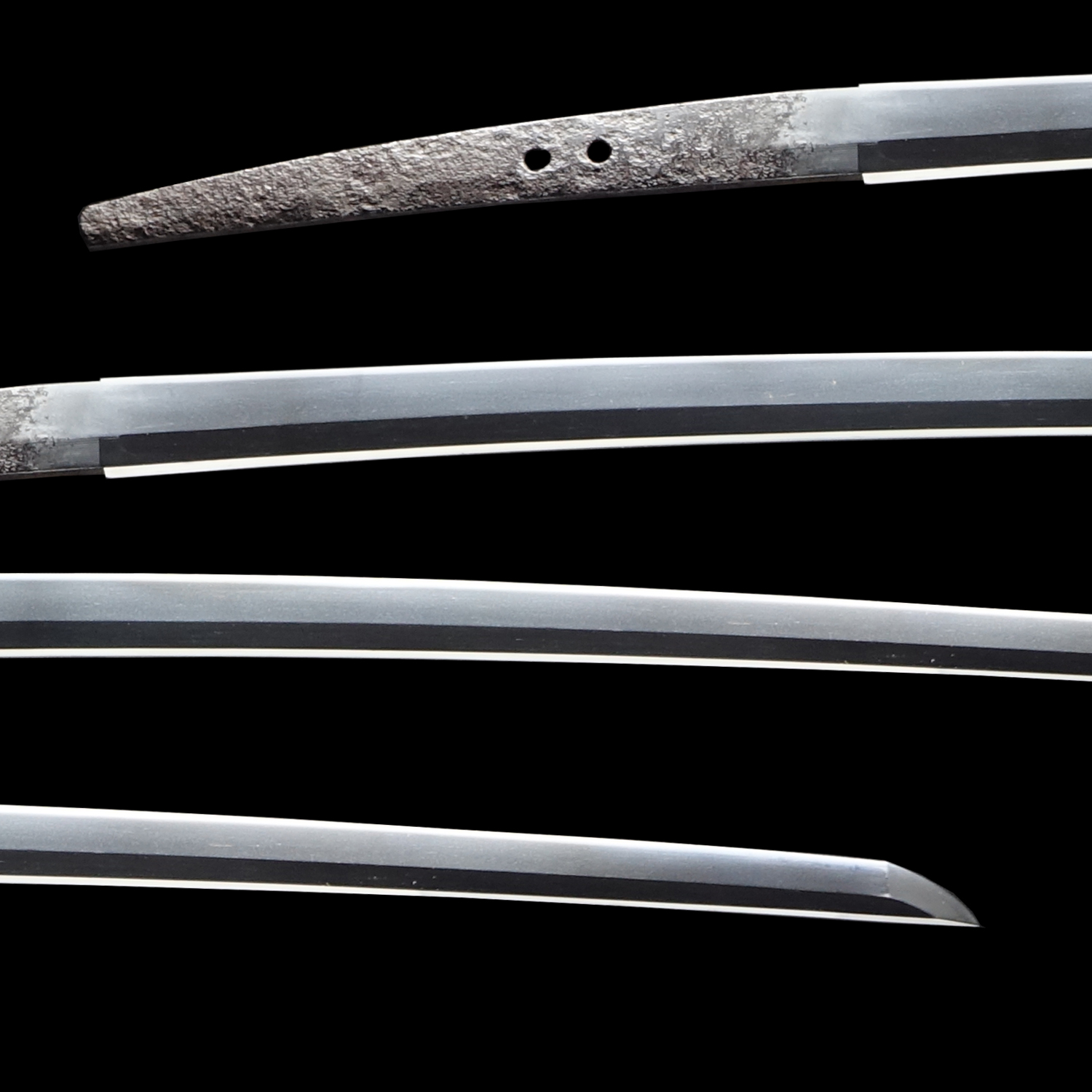
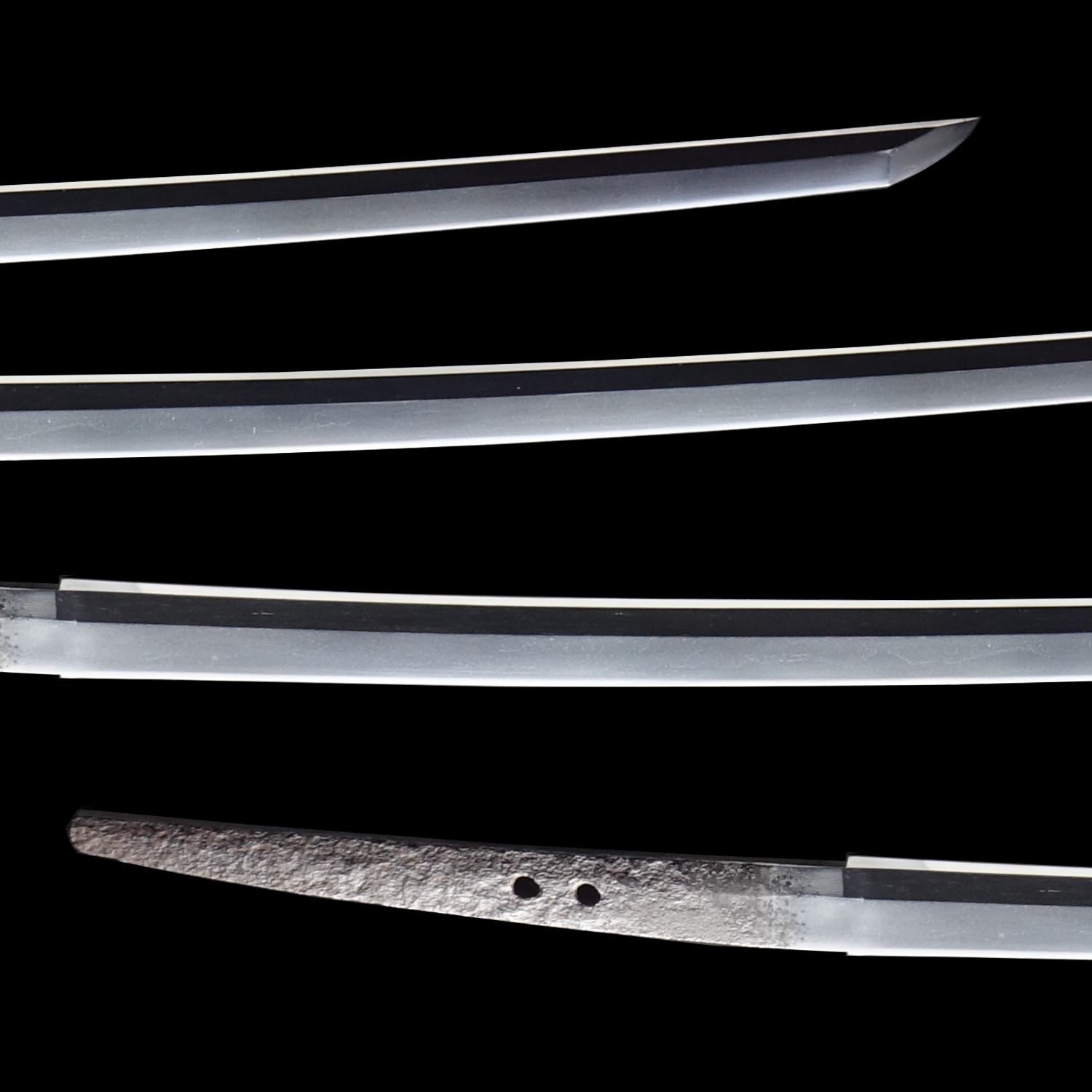
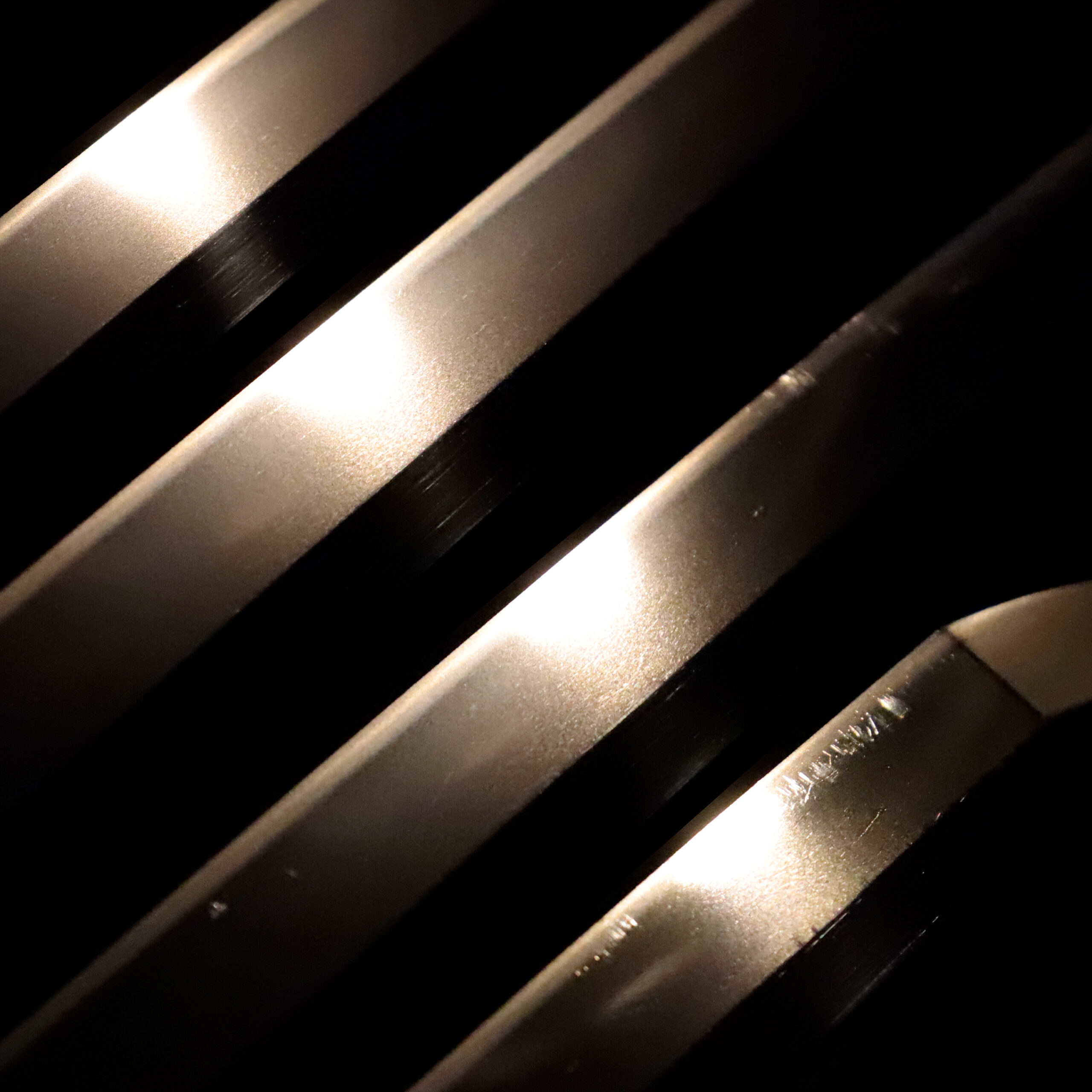
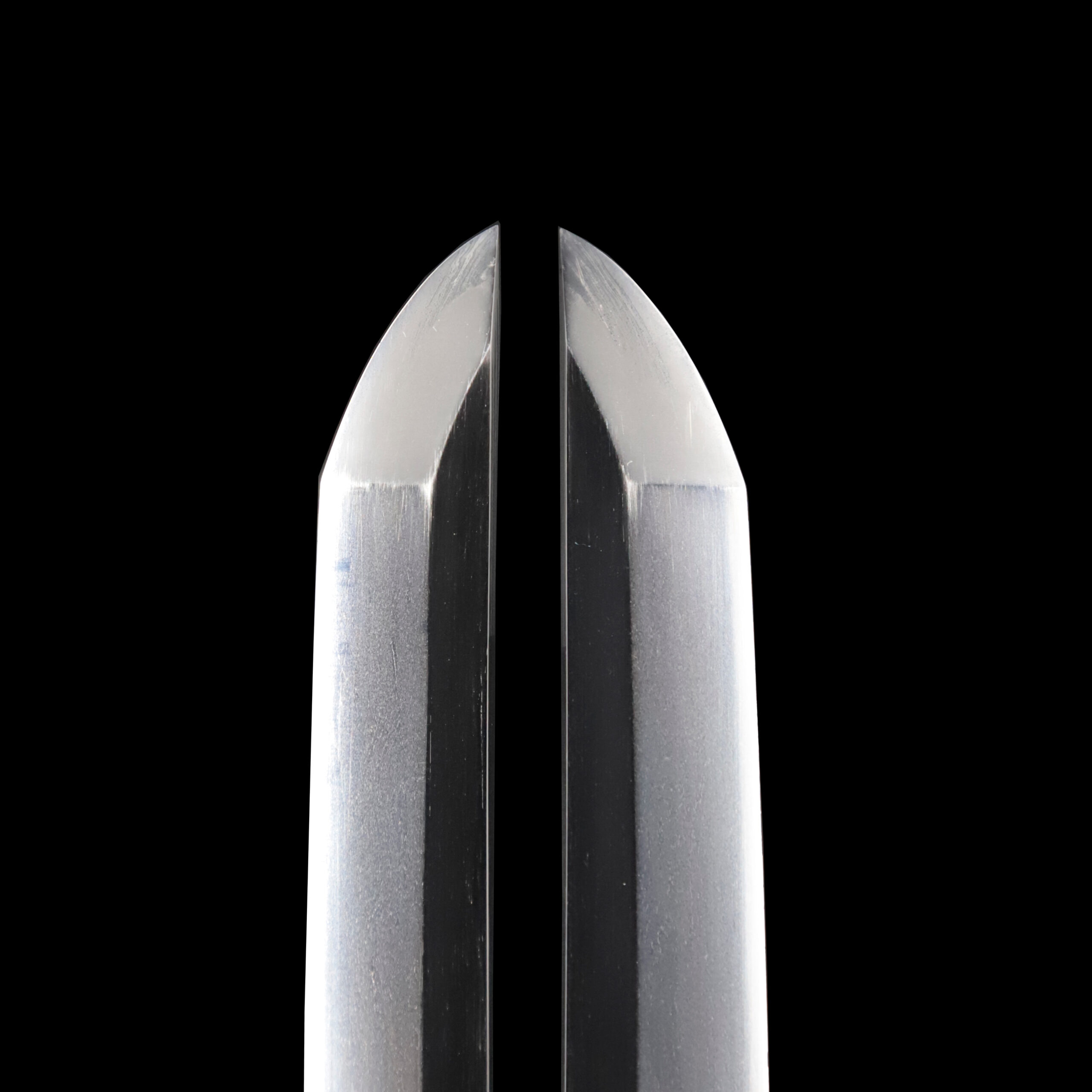
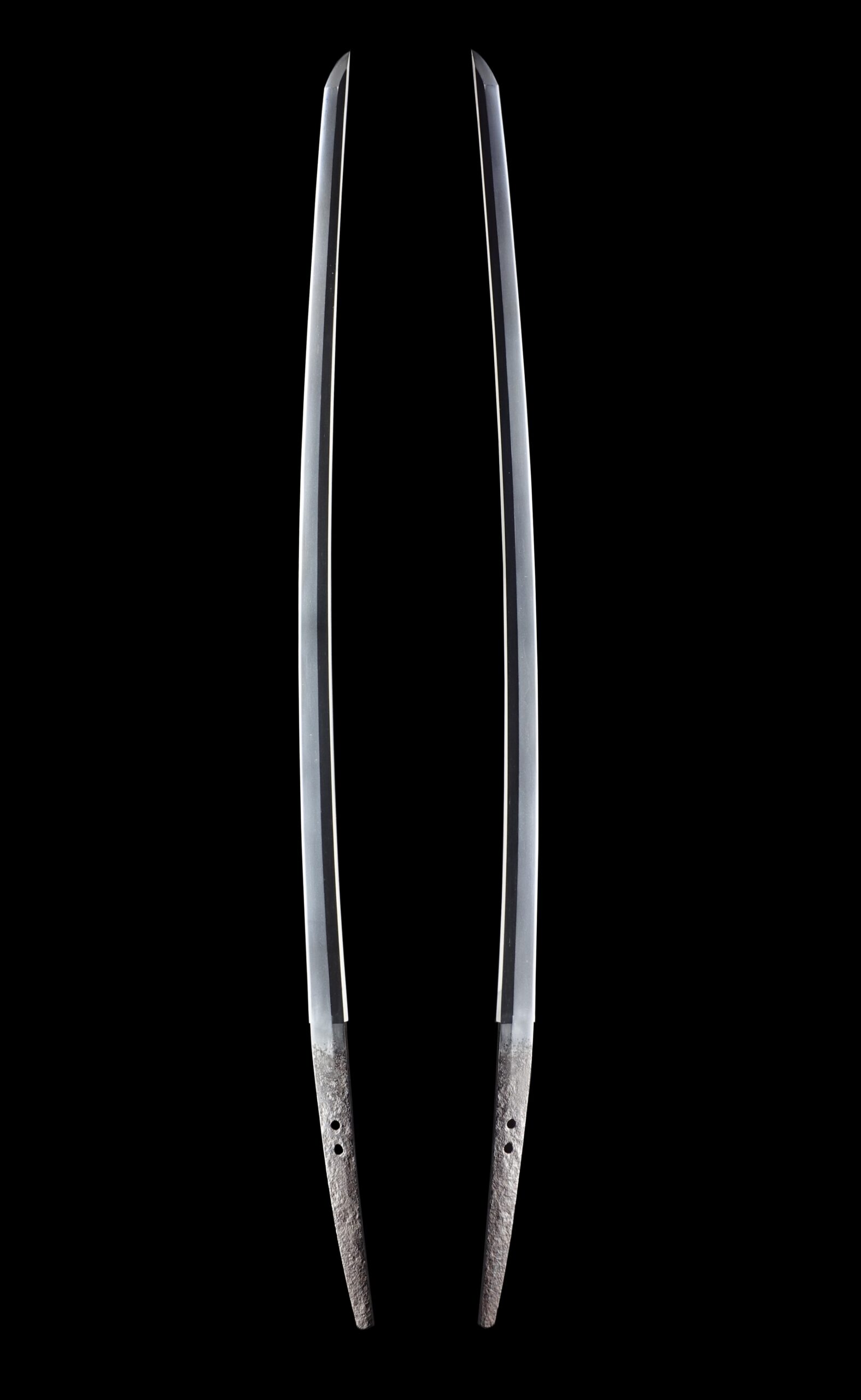
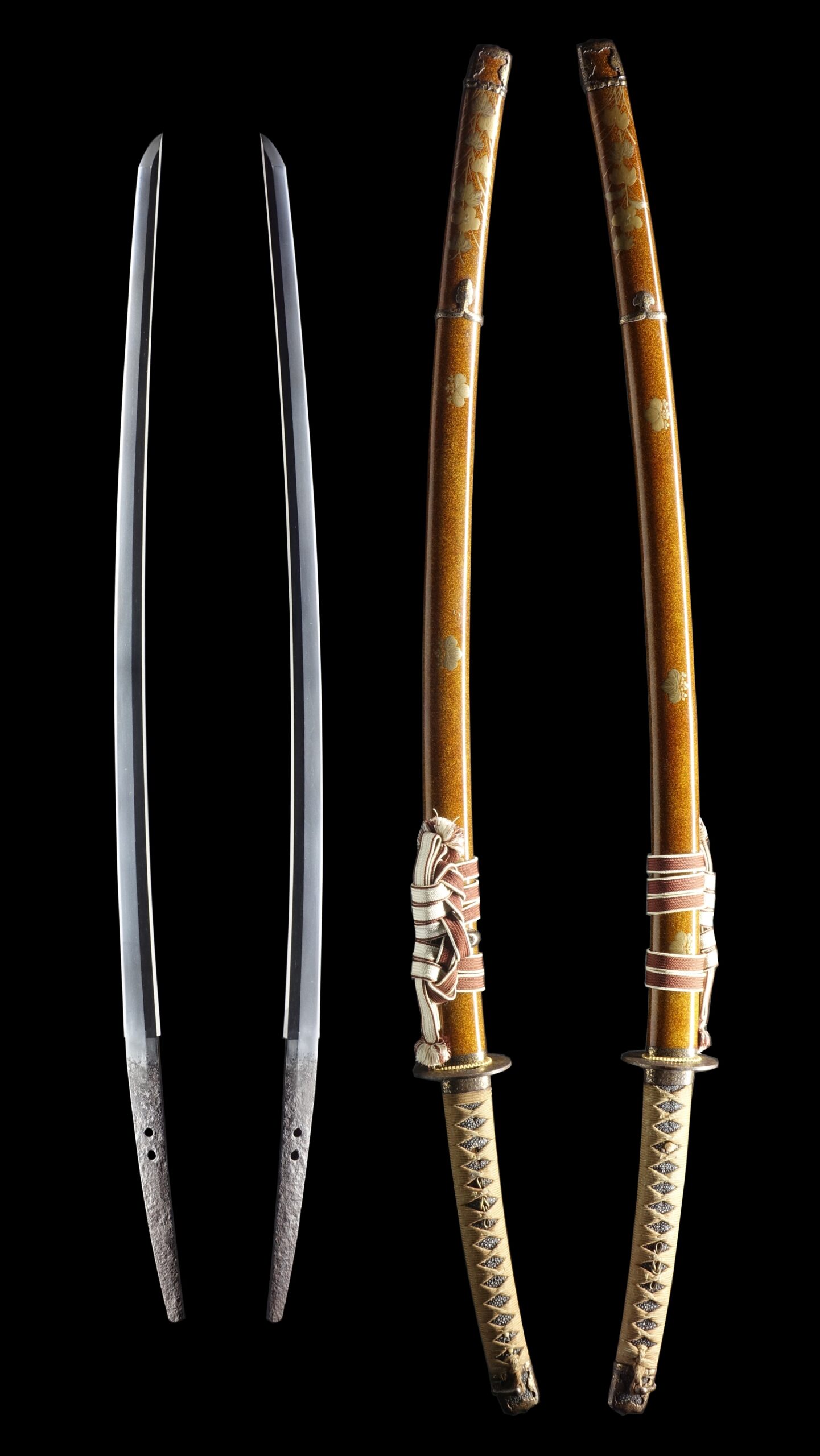
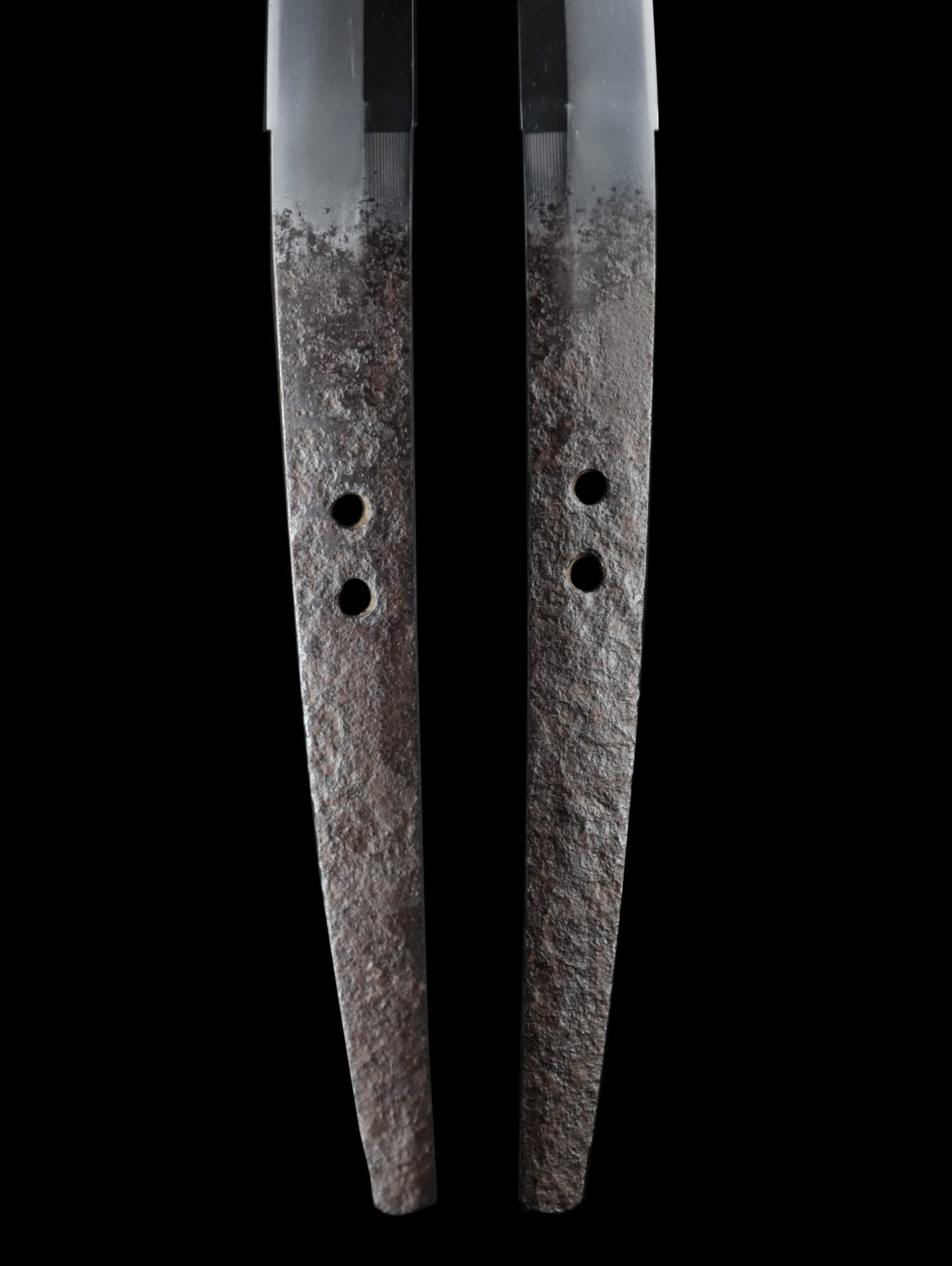
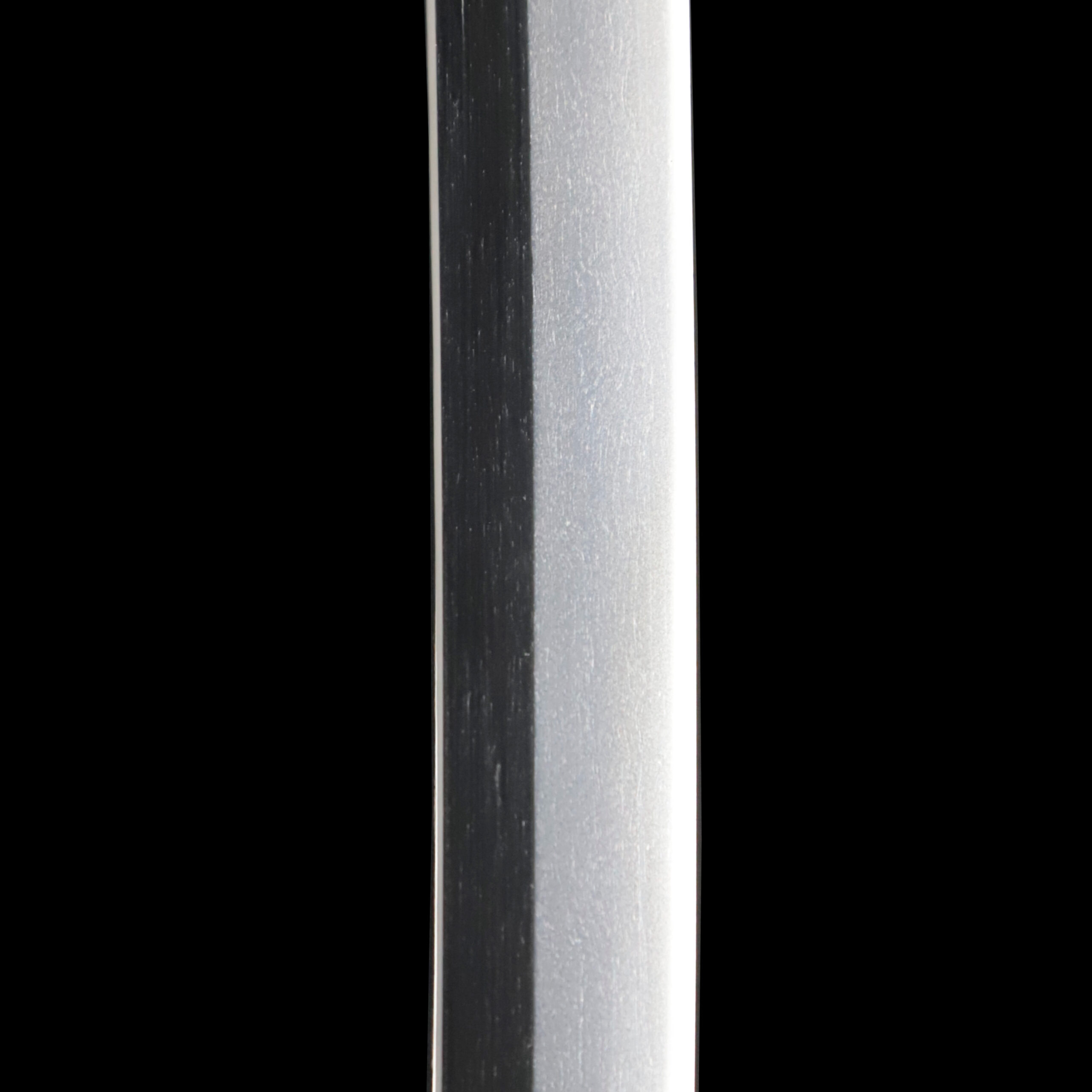
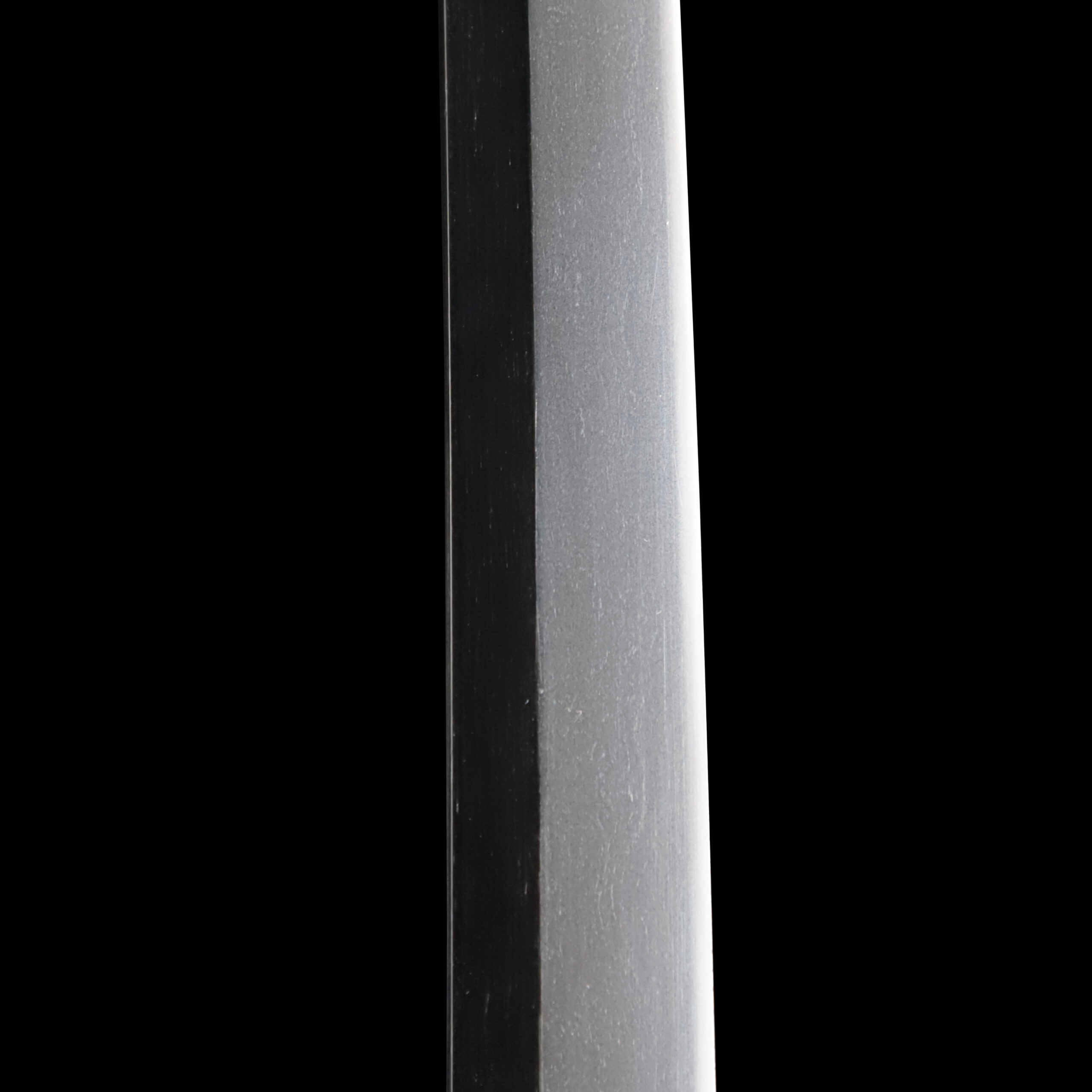
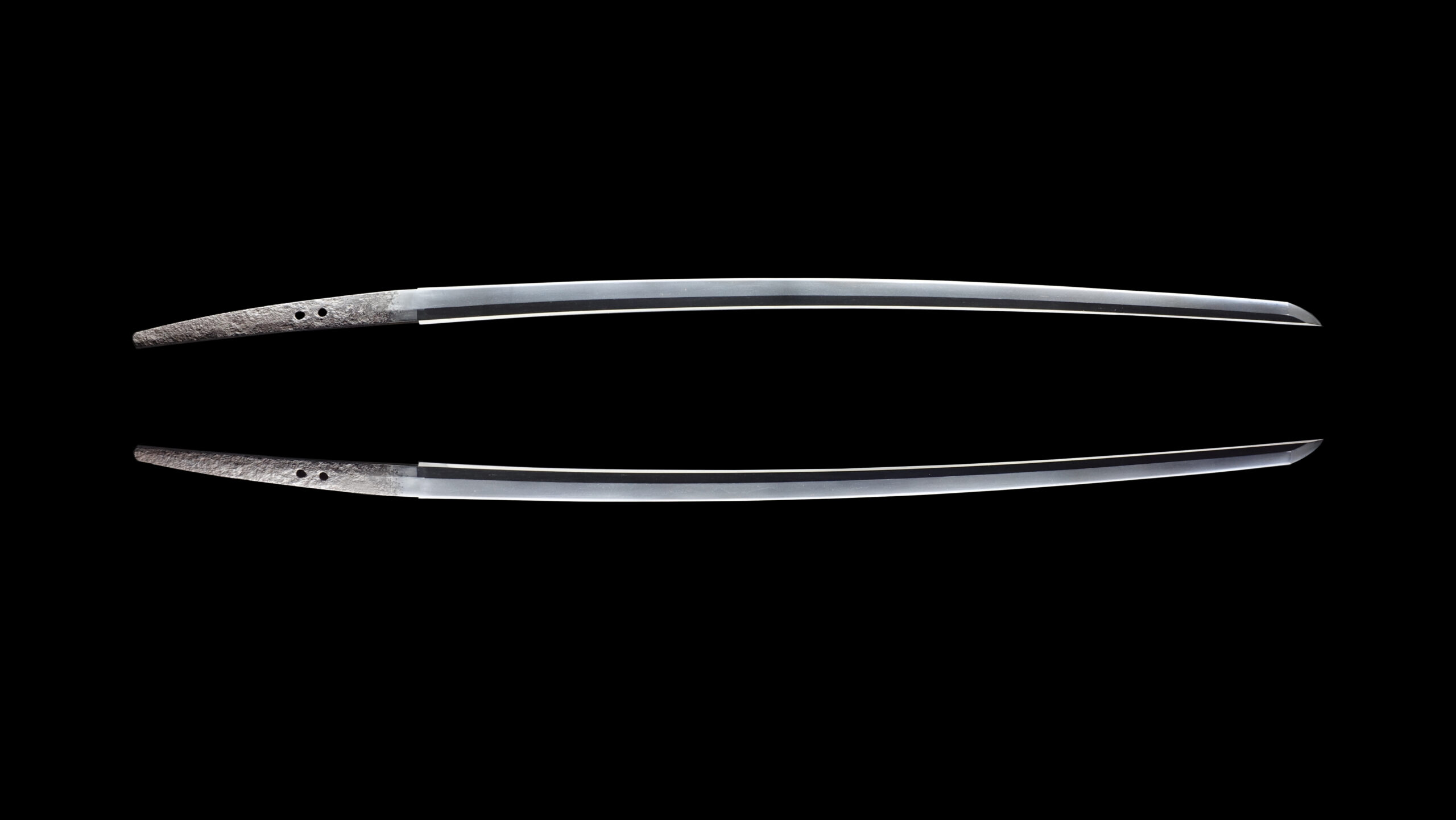
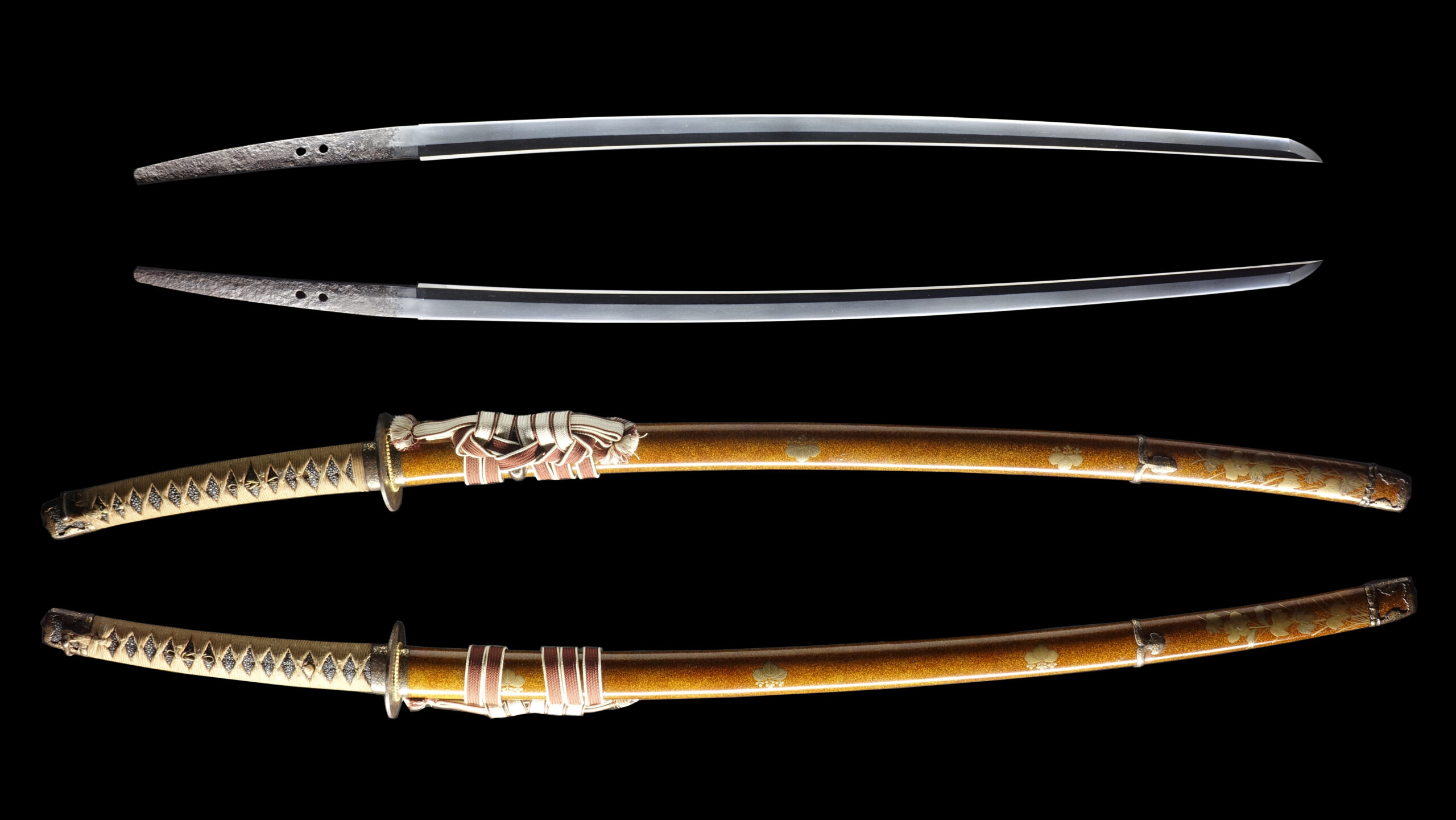
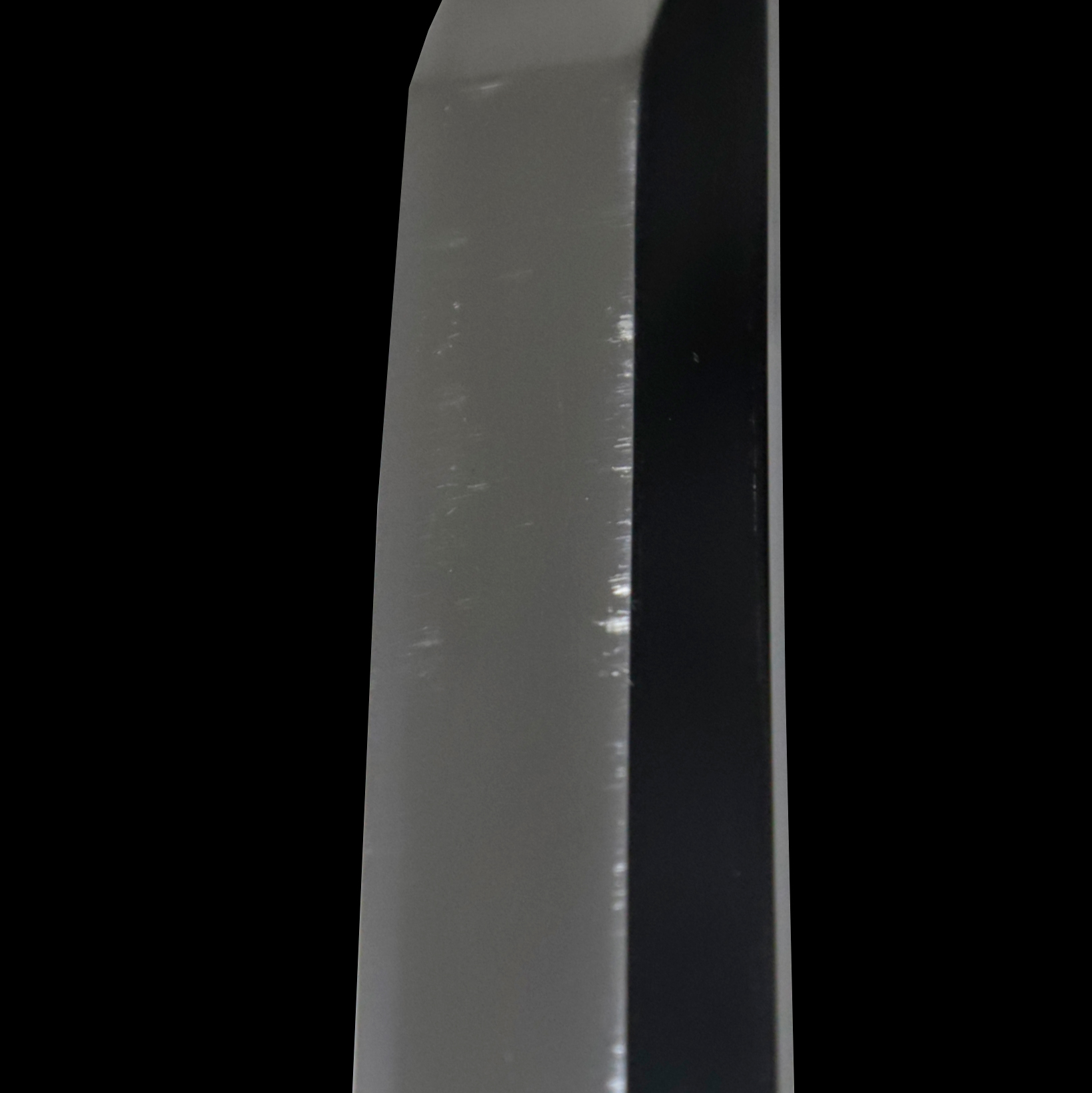
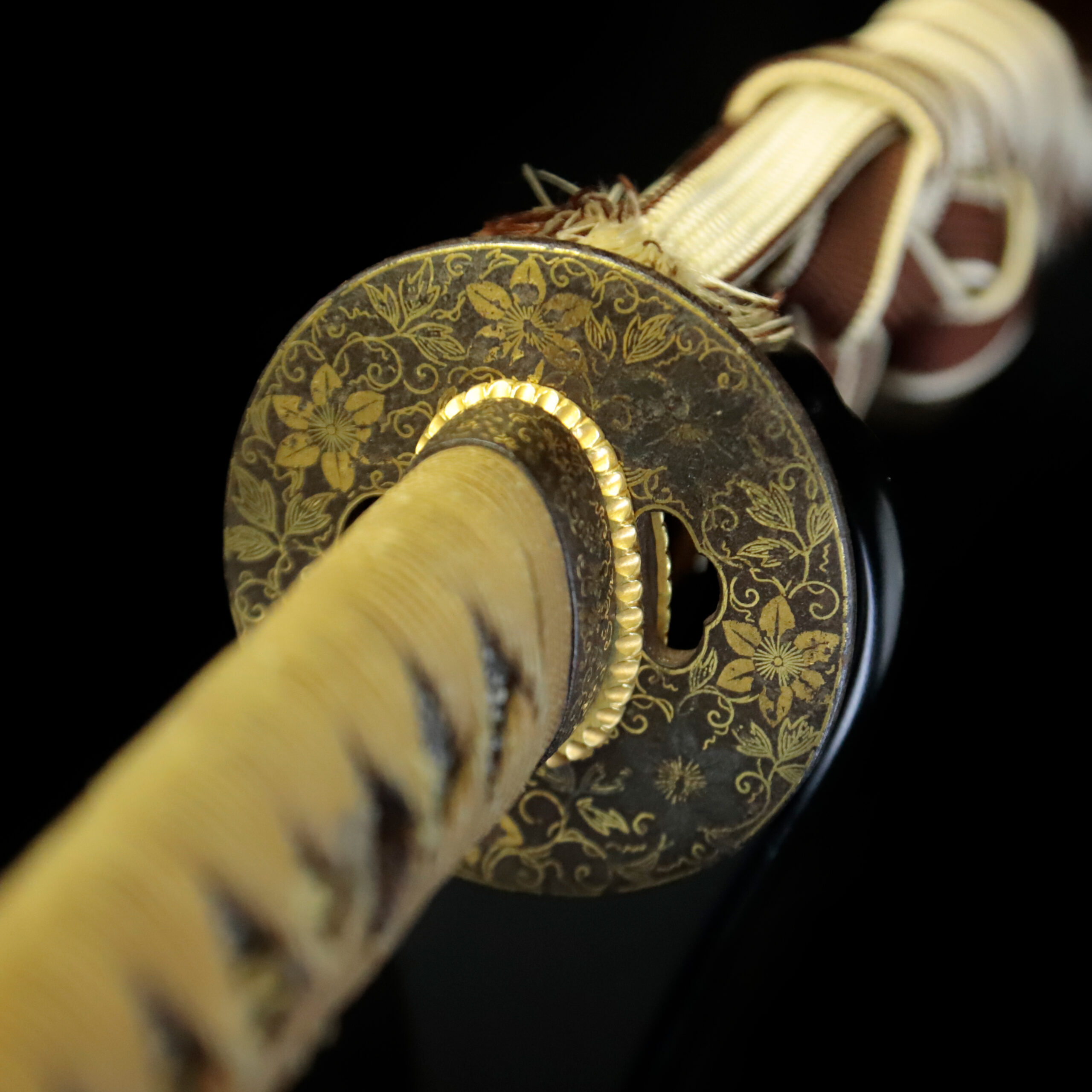
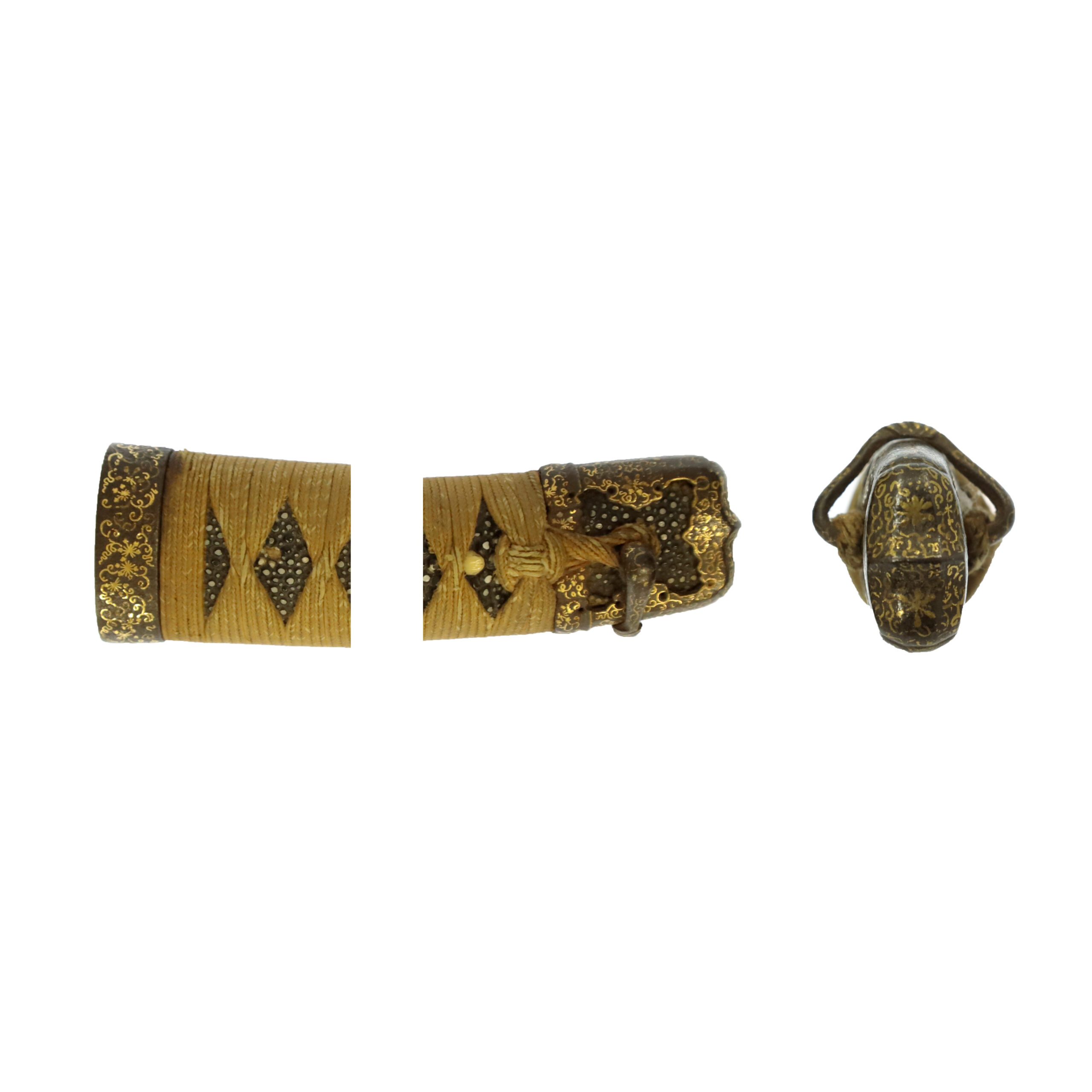
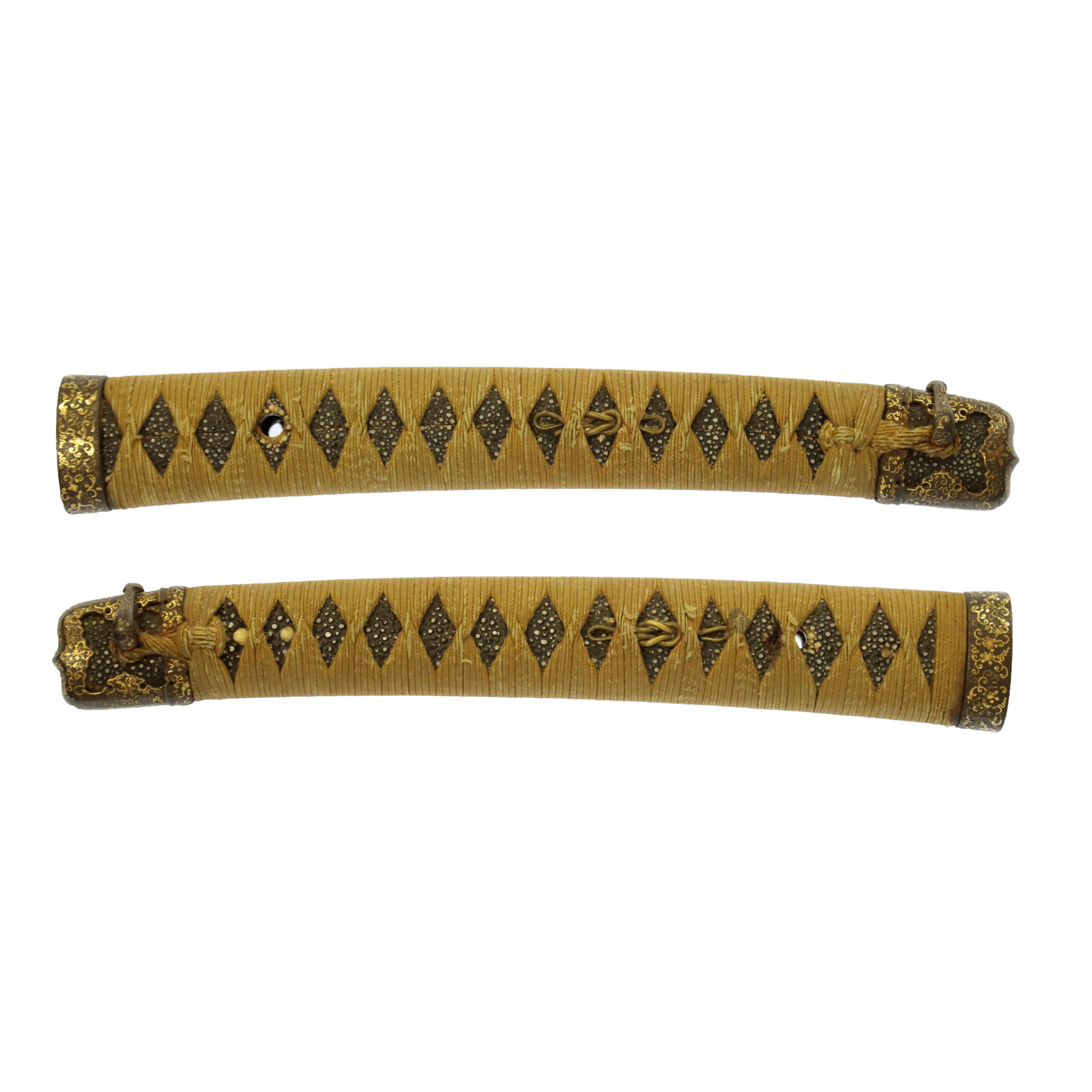
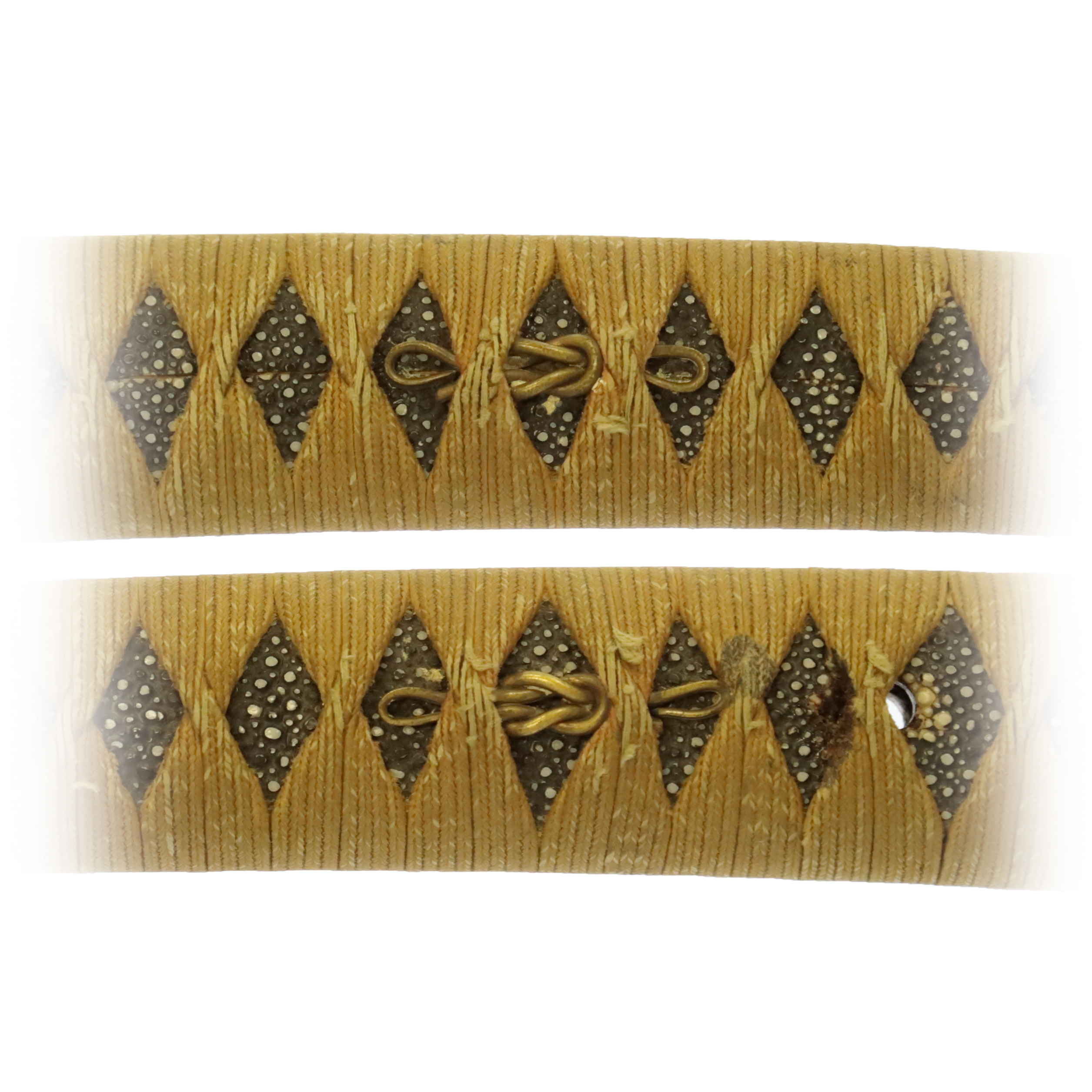
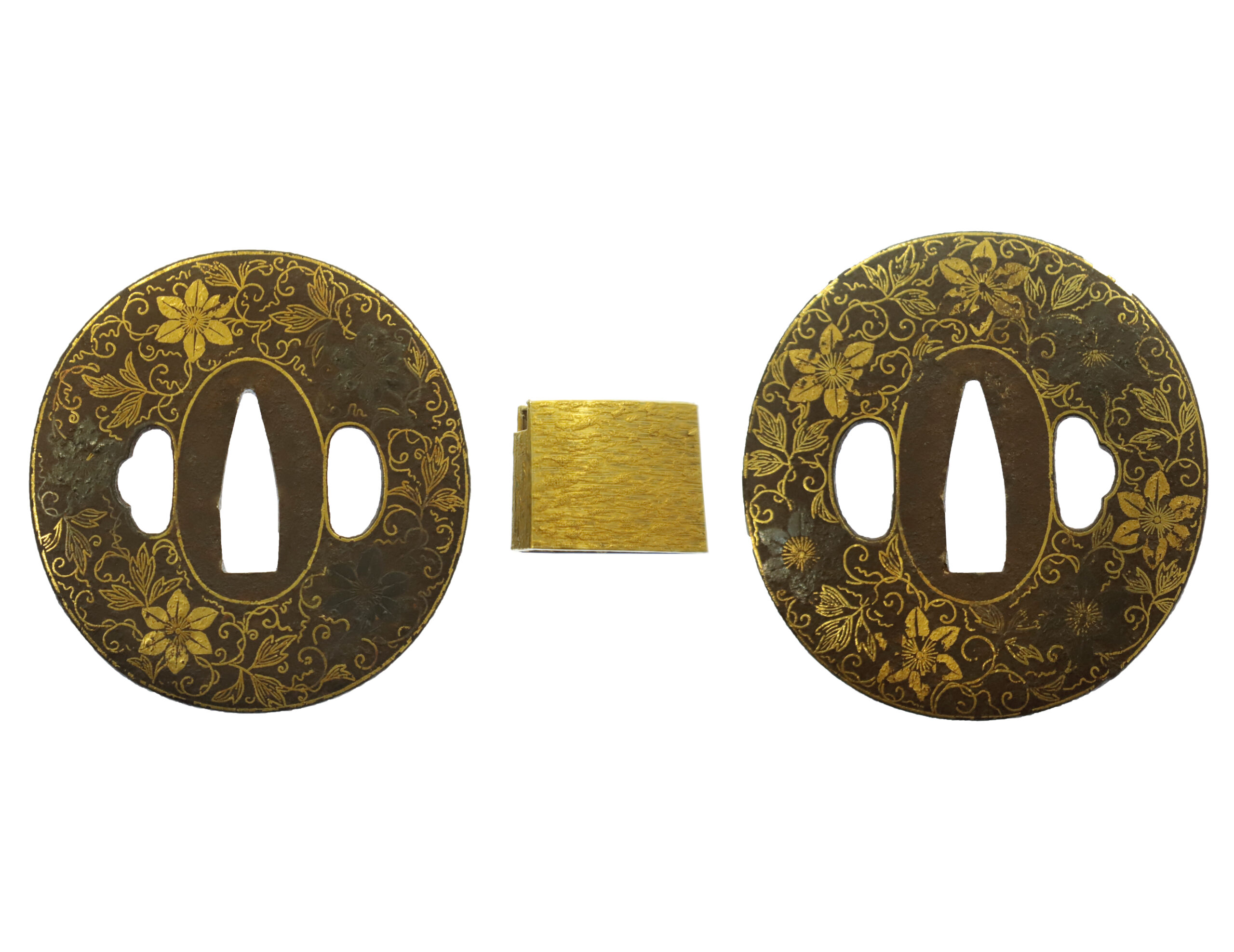
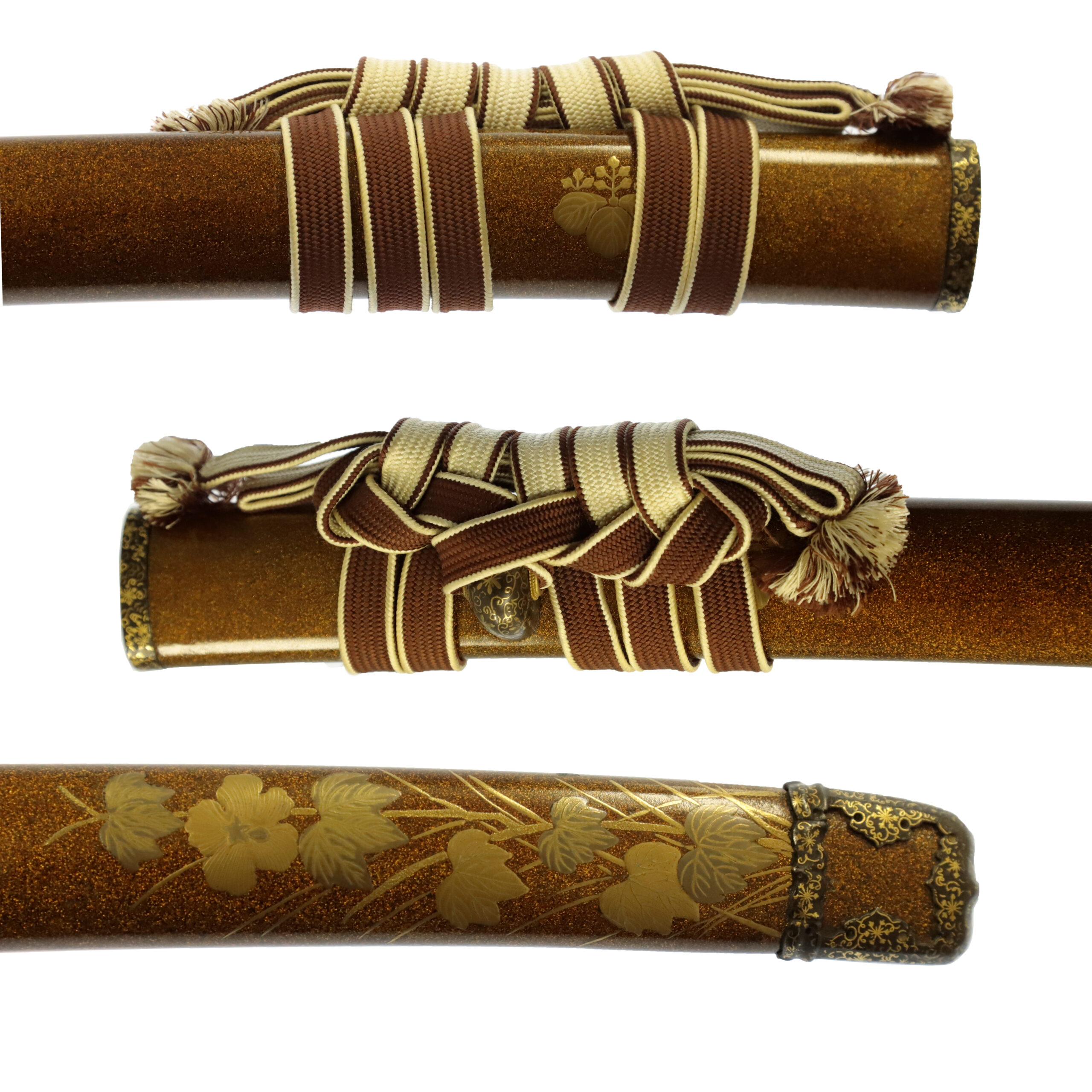
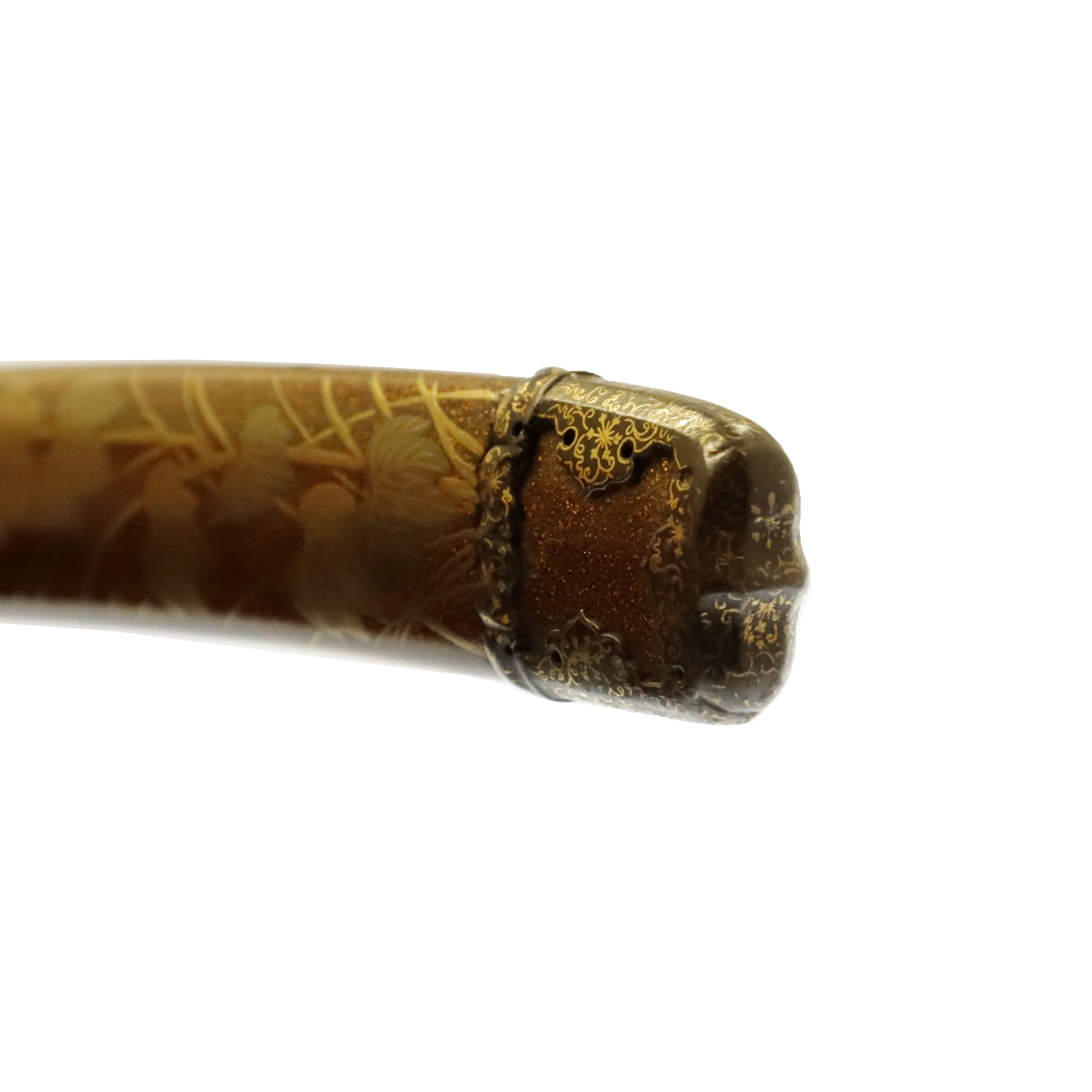
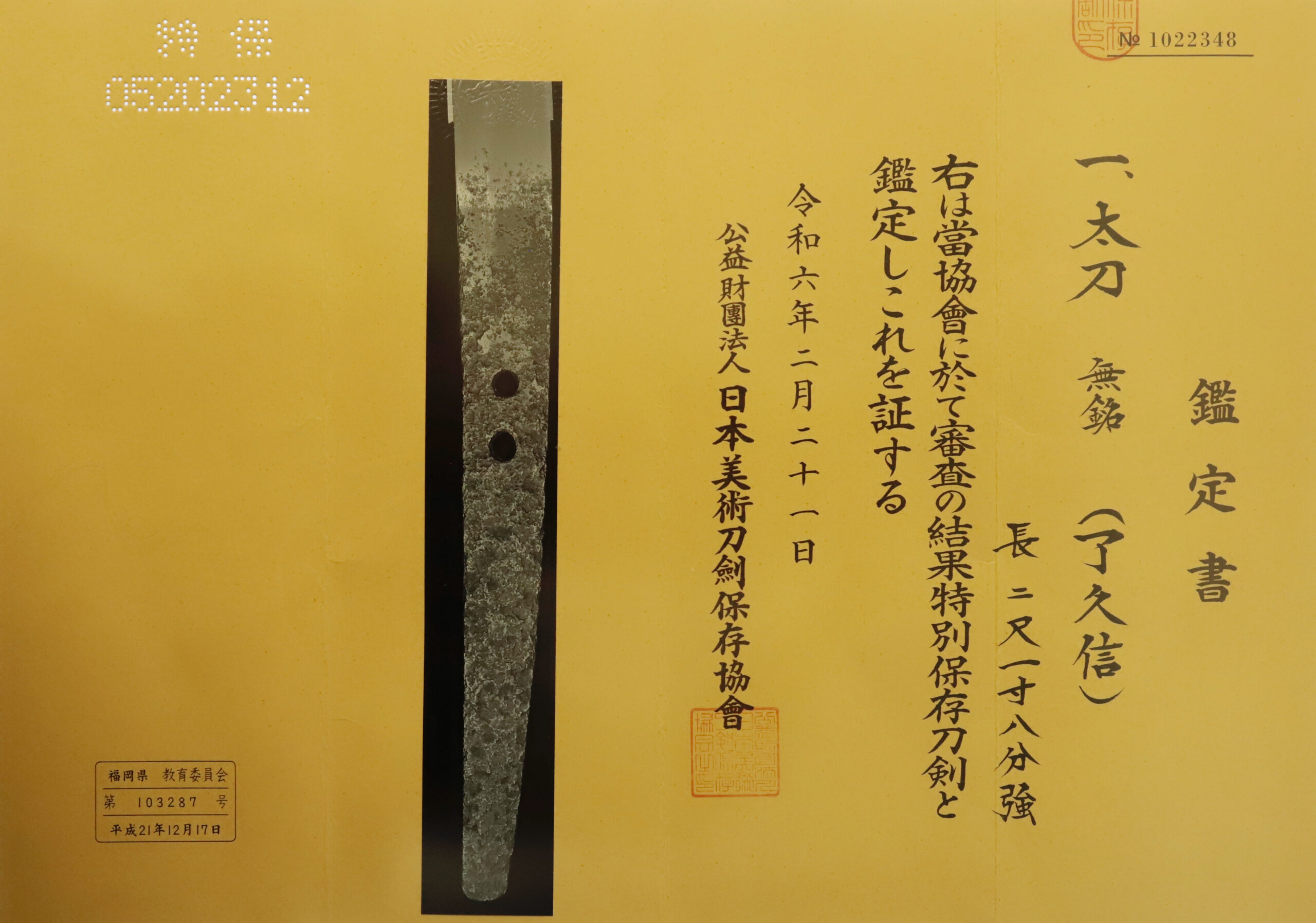
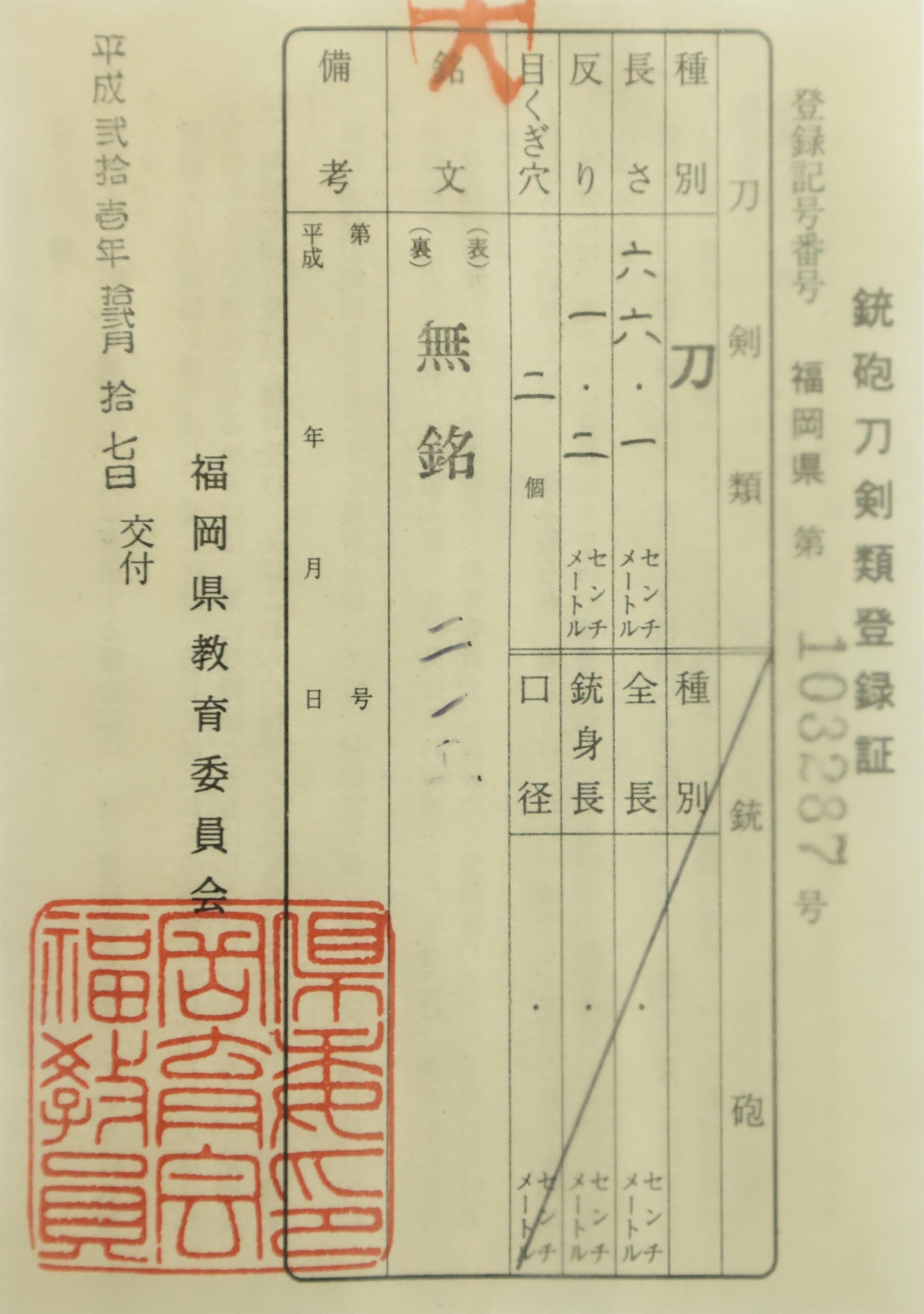
特別保存刀剣 太刀 了戒久信(極め) 【解説】 概要 本作は、鎌倉時代後期(徳治・正和頃)に山城国(現在の京都府)で活躍した了戒久信の作と極められた一振りです。久信は、来国行の門人とされる了戒の子であり、了戒派に属しました。通称を九郎左衛門尉と称し、その子は初代信国であると伝えられています。いずれも山城伝を代表する名工として知られています。 了戒は独自の派を形成し、門下には「了戒」の冠銘を許しました。久信はその跡を継ぎ、さらにその門人である了戒能定へと継承されました。 しかし、14世紀後半の南北朝の動乱により京都の街が戦火に見舞われると、能定は新天地を求めて九州の筑紫国(現在の福岡県)へと移住しました。 そこで能定が興した一派は、山城の了戒派と区別するために、刀剣界では「筑紫了戒」と呼ばれています。 山城伝 山城国は、五ヶ伝の一つである「山城伝」の地として知られています。その起源は平安遷都(794年)まで遡り、当初は公家や皇族のために、後に武家政権の誕生とともに有力大名のためにも刀剣を制作しました。この地からは数多くの名工が輩出されています。 山城伝の祖は三条宗近とされ、三条、来、信国、粟田口といった名門が軒を連ねました。 山城伝の大きな特徴は、気品ある姿と美しい地鉄(じがね)にあります。本作もまた、山城伝の優れた特色を色濃く反映した一振りです。 太刀 本作は、その形状と作風から日本美術刀剣保存協会(NBTHK)により「太刀」として鑑定されています。太刀は平安時代から室町時代初期にかけて、主に甲冑を着用した武士が馬上で使用したものです。腰に佩(は)いた際に刃が下を向くように吊るすのが特徴で、これは地上にいる敵を素早く斬り下ろすための工夫でした。現在は半太刀拵に収められています。 鑑定 本作は、日本美術刀剣保存協会(NBTHK)より「特別保存刀剣」に指定されています。この鑑定書は、保存状態が極めて良く、かつ美術的価値の高い真作の日本刀に対してのみ授与されるものです。 ※刀身には僅かなスレ等がございます。詳細なコンディションについては、お気軽にお問い合わせください。 【刀身諸元】 長さ(Nagasa):66.1 cm 反り(Sori):1.2 cm 刃文(Hamon):焼入れによって刃先に現れる結晶構造 地肌(Jihada):鍛錬の過程で現れる鋼の表面模様 切先(Kissaki):刀身の先端部分 茎(Nakago):柄に収まる中心(なかご)部分。 古来、刀工は柄の中での赤錆を防ぐため、意図的に黒錆を残しました。この茎の経年変化(錆色)は、専門家が制作年代を推定する上での重要な指標となります。 拵(Koshirae):鞘、柄、鍔などで構成される外装。 縁頭(Fuchi-Kashira):
 NihontoWatch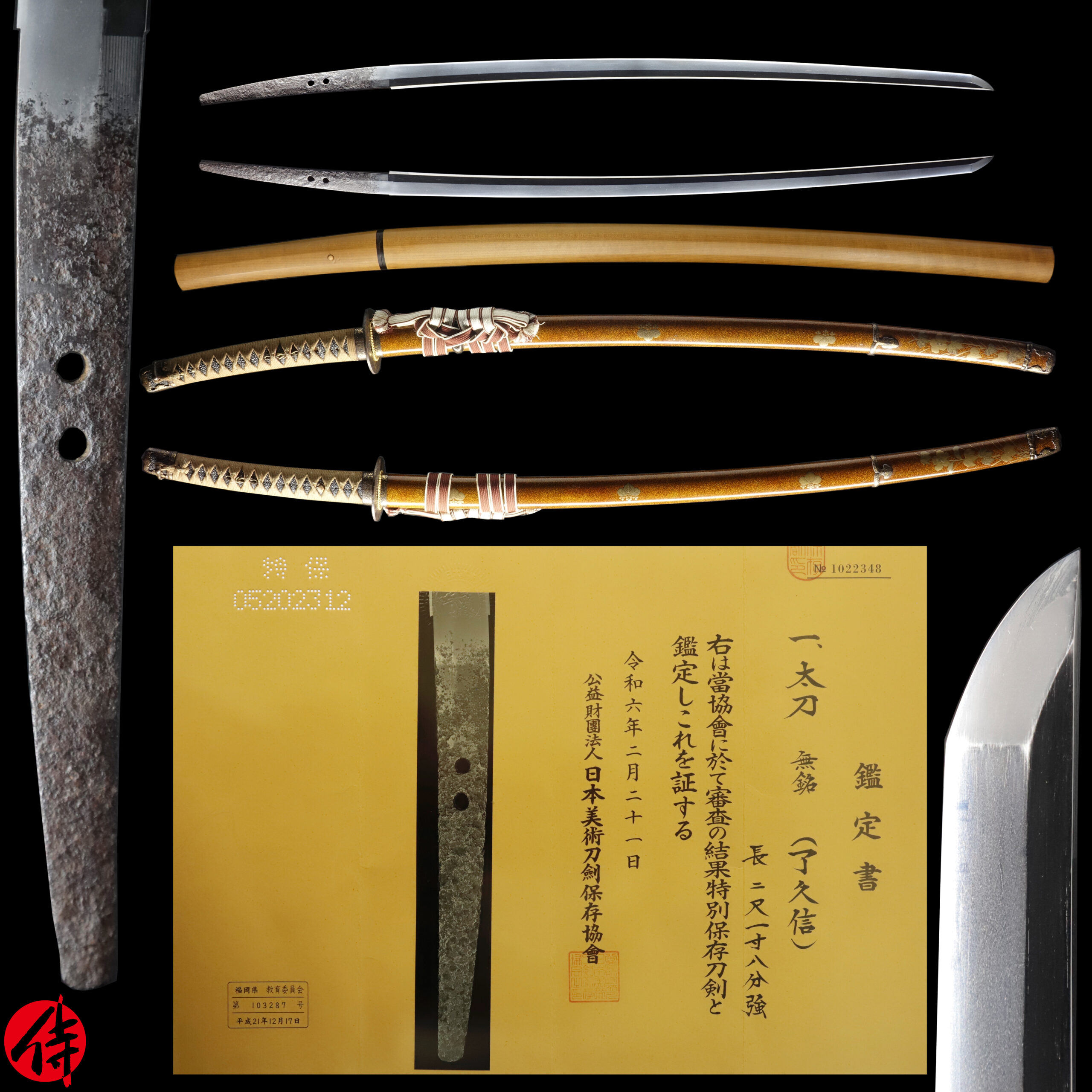

Ryokai (Yamashiro) · 山城 · 1304-1308頃
藤代 Jo-jo saku · 刀剣大鑑 上位14%
嘉元二年(一三〇四)の長銘年紀の太刀に、この工は俳名を添えた全銘、九郎左衛門尉久信を切り、その一銘が彼について知られる多くを定める。了久信は了久信と銘し、山城了戒派の祖の子にしてその二代であり、現存する作刀の年紀、すなわち嘉元・徳治・延慶によって、鎌倉時代末期、父とほぼ同年代に置かれる。了戒派は京の来一門の分派の一として認められ、説明書は久信を父の作風をほとんど変えずに継いだ工とする。参考書は上上作と評し、選ばれた作に乏しいこの工にしては高い位で、その作は在銘・極めともにわずかな指定作に遗り、これによって作風が読まれる。
その作風は了戒派の穏やかな山城の直刃である。板目あるいは小板目が枾に流れてやや肌立ちごころとなる鍍えに、地沸微塵につき、一派の白け映りが立ち、細身の作では区際より直ぐ状に映りが立ち上り、上の方白け映りに繋がる。刃文は穏やかな中直刃・細直刃、あるいは小互の目に小丁子・小乱れを少しく交える直刃調で、匀口処々締まってうるみ、小足・葉入り、刃縁僅かにほつれ、砂流し細かにかかり、帽子は直ぐに小丸に結ぶ。最初の重要刀剣の太刀を説明書は「了戒一派の特色がよく表示された出来口」[[c:1]]と評し、この句がその作風の端的な要約となっている。
鑑定の基礎は地鉄にある。彼の全作の地に白け映りが立ち、これが了戒一派を母体の来から分かつ受け継いだ見どころで、来にはほぼ無い。板目は枾に寄り、来の分派が大和へ寄る相を示して、つんだ来の地よりやや肌立ち、地沸微塵につき、处々地景細かに入る。刃中は穏やかな直刃に微細な働きをみせ、優品では小足・葉繁く入り、匀口柔らかにうるみ、指表に小さな飛焼・湯走りを交え、小太刀の下半に二重刃を見せる。極めの優れた太刀において説明書は刃中の足・葉の働きが多く、匀口の塩相もよく、地がねも精妙として、「同工極め中にあって特に優品といえる」[[c:2]]と評する。
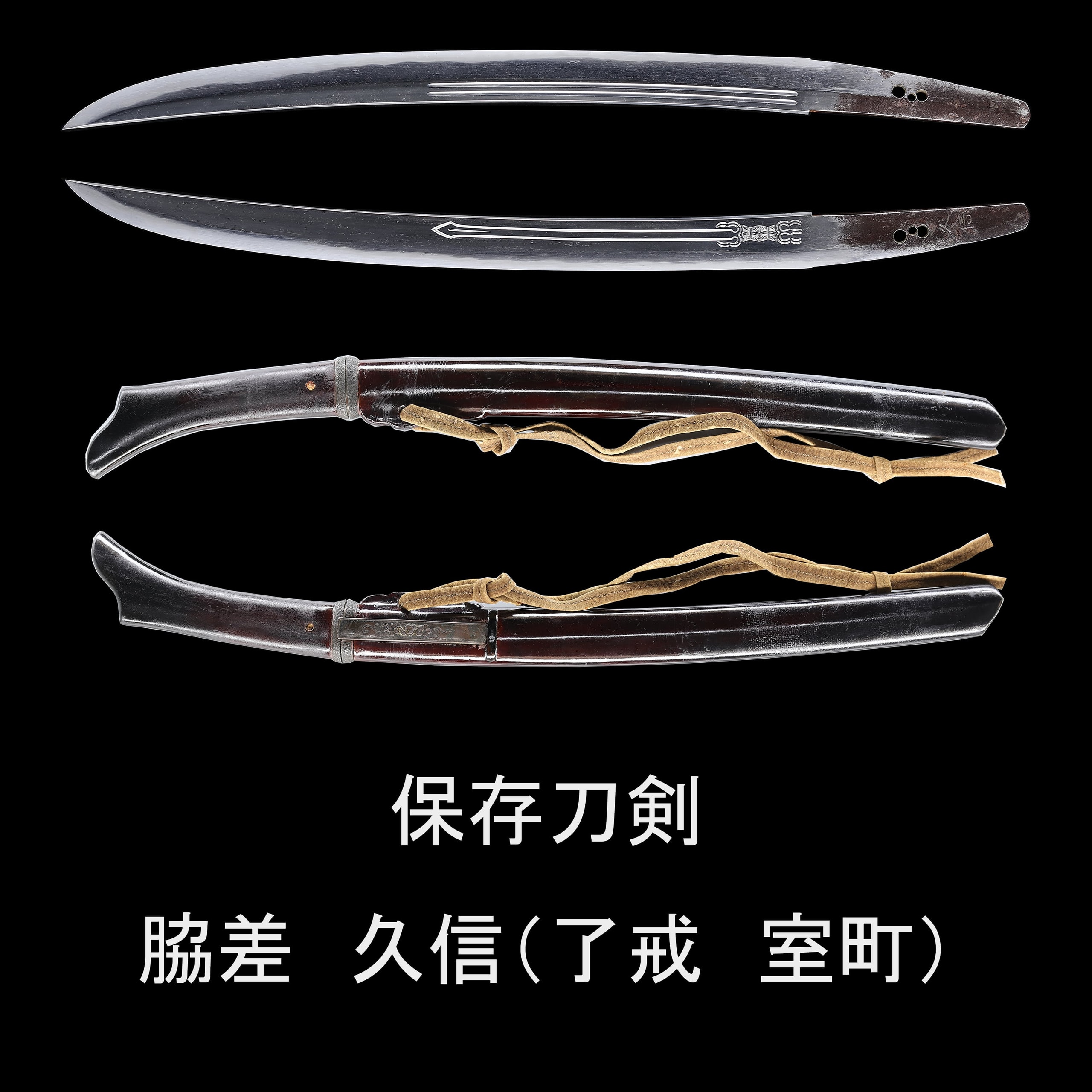
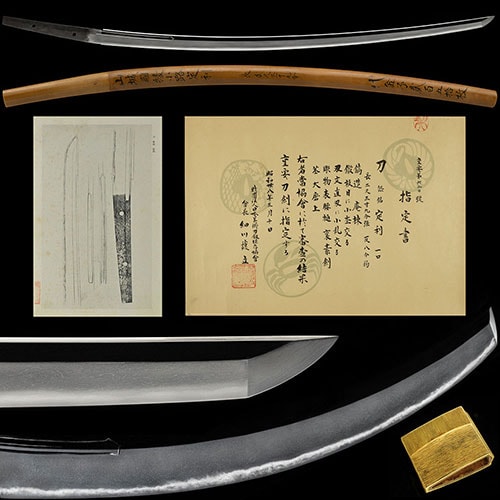
そのわずかな指定作は二つの register に分かれる。一つは稀な在銘の遗例で、生ぶの太刀・小太刀に目釘孔上の棟寄りへ三字銘「了久信」を切り、一口は俳名入りの長銘年紀を有する。一口は表に梵字・素剣、裏に梵字・護摩箸を彫る、いかにも鎌倉末期の京の作である。説明書は在銘の小太刀を数少ない同工の有銘作として貴重とし、生ぶ茂で銘字の保存もよく、「作風は父了戒を想わせるような出来口」[[c:3]]とする。いま一つの register は同じ見立てより久信に極められる無銘の作で、一口は精美な小板目鍍えの生ぶ無銘太刀、一口はやや鎅の高い大磨上無銘の刀である。在銘作は繰り返し極めて少ないと評され、それゆえ彼の年紀・長銘作は資料としての重みが重く、その一口は「数少ない同工の有銘の作として資料価値は頗る高い」[[c:4]]と評される。
鑑定は二つの近隣に対して描かれる。一つは母体の来国俊であり、説明書はその無銘の刀の一口を直に来国俊に対して読む。すなわち細直刃の刃縁の小互の目・ほつれ等の変化が来国俊よりも一段静かで淋しく、静閑な直刃ながら微細な働きをみせ、「来国俊に比してやや蕭然たるもの」[[c:5]]とし、帽子は直ぐに小丸に返るとして、久信の極めが正しく首肯されるとする。枾気と白けがより目立ち、匀口が締まって総じて穏やかなこと、これらが来と分かつ点である。いま一つの近隣は父そのもので、久信は特徴よりむしろ銘そのもので分かれ、在銘の子はさらに少ない。尋常な久信の直刃は一見父了戒に紛れ、穏やかな来国俊もまた父子いずれにも紛れる。彼の最も重要な一口は、俳名を示すことによって俳名を九郎左衛門と定め、それを通じて、かつて父単独の作と読まれた重要文化財の太刀が実は父了戒と子久信の合作であることを明らかにした嘉元の年紀太刀である。
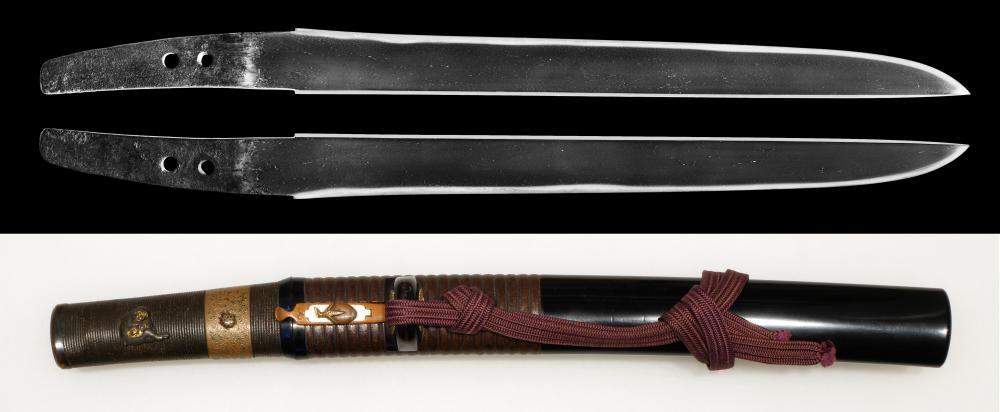
久信には国宝も自身の重要文化財もなく、記録に残るその作のいずれも永久に私蔵を離れたものではない。彼の指定作は五口が公の記録にあり、いずれも重要刀剣の位である。説明書は彼の年紀作と外部の資料に依ってその位置を定め、徳川美術館所蔵の徳治三年の薙刀が「了戒子息久信作」の銘文を持ち、了戒の子であることを裏付ける。彼の指定作に伝来の所持者は記録されず、記録上の所在は複数の県にわたる私蔵である。生ぶで銘字を保つ在銘の久信は、鎌倉末期山城の作を求める者が出会いうるものとしては稀な部に属し、時に現れるにすぎず、それ自体とともに資料としても重んじられる。久信に極められる無銘の太刀・刀は今少し現れやすく、白け映りとうるむ直刃を穏やかな来の線に対して読むこれらによって、その手は最もよく出会われる。説明書はその一口を「静閑な細直刃ながらも微細な働きをみせる」[[c:6]]味わい深い優品と結び、それは刀に対すると同じくこの工に対する公正な評となっている。
久信の位置づけを、日本刀全体および伝統・時代・時期ごとに示します。各位(随一・屈指・有数・著名)は、NBTHK および文化庁による指定に加え、三作や名物帳などの歴史的栄誉を加味したものです。
各項目を選ぶと評価方法が表示されます。
在銘年紀作が示す、確実に活動していた年代
山城伝 · 山城
現在14点販売中
了戒派は鎌倉時代末期、京都山城に興った来の分派である。祖の了戒は古来来国俊の子あるいは門人と伝えられるが、現存する作刀に正応・永仁・嘉元・延慶の紀年銘があって来国俊とほぼ同年代に活躍したことが知られ、説明書はむしろ相弟子、あるいは二字国俊の子と見るのが自然とする。俗名を九郎左衛門尉と称し、子の久信が二代を継ぎ、嘉元二年の長銘年紀の太刀によってその実在と父子の関係が裏づけられる。来の山城風を一段やわらげた手をもって一門を率い、その名は下って数代続き、南北朝より室町にかけては九州に豊後・豊前の筑紫了戒が京の系統より分かれ出た。母体の来から枝分かれしながら、地刃に大和の柾気と相州風の沸の働きをあわせ持つところに一派の位置があり、その流れはのちの信国へと展開してゆく。 一派の作風は穏やかな山城の直刃を本領とする。鍛えは板目あるいは小板目がつみ、しばしば柾に流れてやや肌立ちごころとなり、地沸微塵によくつき、地景細かに入って、一派特有の白け映りが立つ。これが了戒系を母体の来から分かつ第一の見どころで、来の明るい乱れ映り・地斑映りに対し、了戒の映りはより淡く乾いた白けを呈する。刃文は穏やかな中直刃・細直刃を基調とし、処々小丁子・小互の目・小乱れを交え、小足・葉入り、京逆足を見せることもある。見どころは匂口にあって、来国俊より一段締まり、刃中淋しく、部分的にうるみごころを呈し、その内に金筋・砂流し細かにかかって刃縁僅かにほつれ、喰違刃を見せる。帽子は直ぐに小丸、しばしば掃きかける。来とは一見紛れるが、やわらかな地刃・柾気・白け・うるむ匂口によって極まり、姉妹の延寿が丸味の大きい大丸に返るのに対し、了戒は直ぐに小丸へ結んでその直刃はうるむ点で明快に分かれる。祖の了戒は藤代の極めで上作、二代久信は上上作に位し、いずれも父祖の手をほとんど変えずに継いで一派の典型を遺した。 遺例は二つの相に読み分けられる。在銘作は細身の生ぶ太刀と短刀に、棟寄りの第一目釘孔上へ大振りの二字銘「了戒」あるいは三字銘「了久信」を切り、太刀は腰反り高く小鋒に、短刀は内反りで重ね厚く、表に梵字・素剣、裏に護摩箸を彫るものがあって、いかにも鎌倉末期の京の典雅を示す。いま一つの相は大磨上無銘の刀で、輪反りと京風は一見来を想わせるが、締まって沈みうるむ匂口・流れる柾・白けによって了戒と極まる。久信の俳名を示す嘉元の年紀太刀は、かつて父単独の作と読まれた一口が実は父子の合作であることを明らかにした資料として重く、在銘の子は繰り返し極めて稀である。伝来には秋田了戒の短刀をはじめ、宮本武蔵佩刀との伝えを残す太刀、諫早・伊達・前田の各家を経た作があり、指定作の多くは東京国立博物館・佐野美術館・物部神社・徳川美術館などの公私の旧蔵に蔵される。市に現れるのは稀で、わけても在銘生ぶの了戒・久信の作は、京鎌倉物を蒐める者が接しうる最も稀な部類に属し、出会いには時を要する。 詳しく見る →
鎌倉時代の山城
政権は鎌倉にあったが、美意識はなお京都が定めた。粟田口派の梨子地肌は完璧の代名詞となり、来派は公家にも上級の武家にも大寺にも、堂々たる太刀を納めている。
保存刀剣のうち、出来が一層優れ、保存状態も良好と認められたものです。再刃や、室町・江戸期の多くの無銘作は対象外となり、保存刀剣より高い基準が課されます。
日本美術刀剣保存協会(NBTHK)は、1948年に設立され、文化庁の監督を受ける公益財団法人で、東京・刀剣博物館に本部を置きます。専門の審査員が出品作を直接審査し、美術的・歴史的価値に応じた鑑定書を発行します。NBTHKの鑑定書は、日本刀および刀装具の真正性を示す最も広く認知された基準です。
NBTHK公式サイトReturns/exchanges limited to defects caused by shipping (except willful misconduct or gross negligence by the company); customers must contact within 72 hours of receiving the product.
特別保存刀剣 太刀 了戒久信(極め) 【解説】 概要 本作は、鎌倉時代後期(徳治・正和頃)に山城国(現在の京都府)で活躍した了戒久信の作と極められた一振りです。久信は、来国行の門人とされる了戒の子であり、了戒派に属しました。通称を九郎左衛門尉と称し、その子は初代信国であると伝えられています。いずれも山城伝を代表する名工として知られています。 了戒は独自の派を形成し、門下には「了戒」の冠銘を許しました。久信はその跡を継ぎ、さらにその門人である了戒能定へと継承されました。 しかし、14世紀後半の南北朝の動乱により京都の街が戦火に見舞われると、能定は新天地を求めて九州の筑紫国(現在の福岡県)へと移住しました。 そこで能定が興した一派は、山城の了戒派と区別するために、刀剣界では「筑紫了戒」と呼ばれています。 山城伝 山城国は、五ヶ伝の一つである「山城伝」の地として知られています。その起源は平安遷都(794年)まで遡り、当初は公家や皇族のために、後に武家政権の誕生とともに有力大名のためにも刀剣を制作しました。この地からは数多くの名工が輩出されています。 山城伝の祖は三条宗近とされ、三条、来、信国、粟田口といった名門が軒を連ねました。 山城伝の大きな特徴は、気品ある姿と美しい地鉄(じがね)にあります。本作もまた、山城伝の優れた特色を色濃く反映した一振りです。 太刀 本作は、その形状と作風から日本美術刀剣保存協会(NBTHK)により「太刀」として鑑定されています。太刀は平安時代から室町時代初期にかけて、主に甲冑を着用した武士が馬上で使用したものです。腰に佩(は)いた際に刃が下を向くように吊るすのが特徴で、これは地上にいる敵を素早く斬り下ろすための工夫でした。現在は半太刀拵に収められています。 鑑定 本作は、日本美術刀剣保存協会(NBTHK)より「特別保存刀剣」に指定されています。この鑑定書は、保存状態が極めて良く、かつ美術的価値の高い真作の日本刀に対してのみ授与されるものです。 ※刀身には僅かなスレ等がございます。詳細なコンディションについては、お気軽にお問い合わせください。 【刀身諸元】 長さ(Nagasa):66.1 cm 反り(Sori):1.2 cm 刃文(Hamon):焼入れによって刃先に現れる結晶構造 地肌(Jihada):鍛錬の過程で現れる鋼の表面模様 切先(Kissaki):刀身の先端部分 茎(Nakago):柄に収まる中心(なかご)部分。 古来、刀工は柄の中での赤錆を防ぐため、意図的に黒錆を残しました。この茎の経年変化(錆色)は、専門家が制作年代を推定する上での重要な指標となります。 拵(Koshirae):鞘、柄、鍔などで構成される外装。 縁頭(Fuchi-Kashira):
NihontoWatchRyokai (Yamashiro) · 山城 · 1304-1308頃
藤代 Jo-jo saku · 刀剣大鑑 上位14%
嘉元二年(一三〇四)の長銘年紀の太刀に、この工は俳名を添えた全銘、九郎左衛門尉久信を切り、その一銘が彼について知られる多くを定める。了久信は了久信と銘し、山城了戒派の祖の子にしてその二代であり、現存する作刀の年紀、すなわち嘉元・徳治・延慶によって、鎌倉時代末期、父とほぼ同年代に置かれる。了戒派は京の来一門の分派の一として認められ、説明書は久信を父の作風をほとんど変えずに継いだ工とする。参考書は上上作と評し、選ばれた作に乏しいこの工にしては高い位で、その作は在銘・極めともにわずかな指定作に遗り、これによって作風が読まれる。
その作風は了戒派の穏やかな山城の直刃である。板目あるいは小板目が枾に流れてやや肌立ちごころとなる鍍えに、地沸微塵につき、一派の白け映りが立ち、細身の作では区際より直ぐ状に映りが立ち上り、上の方白け映りに繋がる。刃文は穏やかな中直刃・細直刃、あるいは小互の目に小丁子・小乱れを少しく交える直刃調で、匀口処々締まってうるみ、小足・葉入り、刃縁僅かにほつれ、砂流し細かにかかり、帽子は直ぐに小丸に結ぶ。最初の重要刀剣の太刀を説明書は「了戒一派の特色がよく表示された出来口」[[c:1]]と評し、この句がその作風の端的な要約となっている。
鑑定の基礎は地鉄にある。彼の全作の地に白け映りが立ち、これが了戒一派を母体の来から分かつ受け継いだ見どころで、来にはほぼ無い。板目は枾に寄り、来の分派が大和へ寄る相を示して、つんだ来の地よりやや肌立ち、地沸微塵につき、处々地景細かに入る。刃中は穏やかな直刃に微細な働きをみせ、優品では小足・葉繁く入り、匀口柔らかにうるみ、指表に小さな飛焼・湯走りを交え、小太刀の下半に二重刃を見せる。極めの優れた太刀において説明書は刃中の足・葉の働きが多く、匀口の塩相もよく、地がねも精妙として、「同工極め中にあって特に優品といえる」[[c:2]]と評する。
そのわずかな指定作は二つの register に分かれる。一つは稀な在銘の遗例で、生ぶの太刀・小太刀に目釘孔上の棟寄りへ三字銘「了久信」を切り、一口は俳名入りの長銘年紀を有する。一口は表に梵字・素剣、裏に梵字・護摩箸を彫る、いかにも鎌倉末期の京の作である。説明書は在銘の小太刀を数少ない同工の有銘作として貴重とし、生ぶ茂で銘字の保存もよく、「作風は父了戒を想わせるような出来口」[[c:3]]とする。いま一つの register は同じ見立てより久信に極められる無銘の作で、一口は精美な小板目鍍えの生ぶ無銘太刀、一口はやや鎅の高い大磨上無銘の刀である。在銘作は繰り返し極めて少ないと評され、それゆえ彼の年紀・長銘作は資料としての重みが重く、その一口は「数少ない同工の有銘の作として資料価値は頗る高い」[[c:4]]と評される。
鑑定は二つの近隣に対して描かれる。一つは母体の来国俊であり、説明書はその無銘の刀の一口を直に来国俊に対して読む。すなわち細直刃の刃縁の小互の目・ほつれ等の変化が来国俊よりも一段静かで淋しく、静閑な直刃ながら微細な働きをみせ、「来国俊に比してやや蕭然たるもの」[[c:5]]とし、帽子は直ぐに小丸に返るとして、久信の極めが正しく首肯されるとする。枾気と白けがより目立ち、匀口が締まって総じて穏やかなこと、これらが来と分かつ点である。いま一つの近隣は父そのもので、久信は特徴よりむしろ銘そのもので分かれ、在銘の子はさらに少ない。尋常な久信の直刃は一見父了戒に紛れ、穏やかな来国俊もまた父子いずれにも紛れる。彼の最も重要な一口は、俳名を示すことによって俳名を九郎左衛門と定め、それを通じて、かつて父単独の作と読まれた重要文化財の太刀が実は父了戒と子久信の合作であることを明らかにした嘉元の年紀太刀である。
久信には国宝も自身の重要文化財もなく、記録に残るその作のいずれも永久に私蔵を離れたものではない。彼の指定作は五口が公の記録にあり、いずれも重要刀剣の位である。説明書は彼の年紀作と外部の資料に依ってその位置を定め、徳川美術館所蔵の徳治三年の薙刀が「了戒子息久信作」の銘文を持ち、了戒の子であることを裏付ける。彼の指定作に伝来の所持者は記録されず、記録上の所在は複数の県にわたる私蔵である。生ぶで銘字を保つ在銘の久信は、鎌倉末期山城の作を求める者が出会いうるものとしては稀な部に属し、時に現れるにすぎず、それ自体とともに資料としても重んじられる。久信に極められる無銘の太刀・刀は今少し現れやすく、白け映りとうるむ直刃を穏やかな来の線に対して読むこれらによって、その手は最もよく出会われる。説明書はその一口を「静閑な細直刃ながらも微細な働きをみせる」[[c:6]]味わい深い優品と結び、それは刀に対すると同じくこの工に対する公正な評となっている。
久信の位置づけを、日本刀全体および伝統・時代・時期ごとに示します。各位(随一・屈指・有数・著名)は、NBTHK および文化庁による指定に加え、三作や名物帳などの歴史的栄誉を加味したものです。
各項目を選ぶと評価方法が表示されます。
在銘年紀作が示す、確実に活動していた年代
山城伝 · 山城
現在14点販売中
了戒派は鎌倉時代末期、京都山城に興った来の分派である。祖の了戒は古来来国俊の子あるいは門人と伝えられるが、現存する作刀に正応・永仁・嘉元・延慶の紀年銘があって来国俊とほぼ同年代に活躍したことが知られ、説明書はむしろ相弟子、あるいは二字国俊の子と見るのが自然とする。俗名を九郎左衛門尉と称し、子の久信が二代を継ぎ、嘉元二年の長銘年紀の太刀によってその実在と父子の関係が裏づけられる。来の山城風を一段やわらげた手をもって一門を率い、その名は下って数代続き、南北朝より室町にかけては九州に豊後・豊前の筑紫了戒が京の系統より分かれ出た。母体の来から枝分かれしながら、地刃に大和の柾気と相州風の沸の働きをあわせ持つところに一派の位置があり、その流れはのちの信国へと展開してゆく。 一派の作風は穏やかな山城の直刃を本領とする。鍛えは板目あるいは小板目がつみ、しばしば柾に流れてやや肌立ちごころとなり、地沸微塵によくつき、地景細かに入って、一派特有の白け映りが立つ。これが了戒系を母体の来から分かつ第一の見どころで、来の明るい乱れ映り・地斑映りに対し、了戒の映りはより淡く乾いた白けを呈する。刃文は穏やかな中直刃・細直刃を基調とし、処々小丁子・小互の目・小乱れを交え、小足・葉入り、京逆足を見せることもある。見どころは匂口にあって、来国俊より一段締まり、刃中淋しく、部分的にうるみごころを呈し、その内に金筋・砂流し細かにかかって刃縁僅かにほつれ、喰違刃を見せる。帽子は直ぐに小丸、しばしば掃きかける。来とは一見紛れるが、やわらかな地刃・柾気・白け・うるむ匂口によって極まり、姉妹の延寿が丸味の大きい大丸に返るのに対し、了戒は直ぐに小丸へ結んでその直刃はうるむ点で明快に分かれる。祖の了戒は藤代の極めで上作、二代久信は上上作に位し、いずれも父祖の手をほとんど変えずに継いで一派の典型を遺した。 遺例は二つの相に読み分けられる。在銘作は細身の生ぶ太刀と短刀に、棟寄りの第一目釘孔上へ大振りの二字銘「了戒」あるいは三字銘「了久信」を切り、太刀は腰反り高く小鋒に、短刀は内反りで重ね厚く、表に梵字・素剣、裏に護摩箸を彫るものがあって、いかにも鎌倉末期の京の典雅を示す。いま一つの相は大磨上無銘の刀で、輪反りと京風は一見来を想わせるが、締まって沈みうるむ匂口・流れる柾・白けによって了戒と極まる。久信の俳名を示す嘉元の年紀太刀は、かつて父単独の作と読まれた一口が実は父子の合作であることを明らかにした資料として重く、在銘の子は繰り返し極めて稀である。伝来には秋田了戒の短刀をはじめ、宮本武蔵佩刀との伝えを残す太刀、諫早・伊達・前田の各家を経た作があり、指定作の多くは東京国立博物館・佐野美術館・物部神社・徳川美術館などの公私の旧蔵に蔵される。市に現れるのは稀で、わけても在銘生ぶの了戒・久信の作は、京鎌倉物を蒐める者が接しうる最も稀な部類に属し、出会いには時を要する。 詳しく見る →
鎌倉時代の山城
政権は鎌倉にあったが、美意識はなお京都が定めた。粟田口派の梨子地肌は完璧の代名詞となり、来派は公家にも上級の武家にも大寺にも、堂々たる太刀を納めている。
保存刀剣のうち、出来が一層優れ、保存状態も良好と認められたものです。再刃や、室町・江戸期の多くの無銘作は対象外となり、保存刀剣より高い基準が課されます。
日本美術刀剣保存協会(NBTHK)は、1948年に設立され、文化庁の監督を受ける公益財団法人で、東京・刀剣博物館に本部を置きます。専門の審査員が出品作を直接審査し、美術的・歴史的価値に応じた鑑定書を発行します。NBTHKの鑑定書は、日本刀および刀装具の真正性を示す最も広く認知された基準です。
NBTHK公式サイトReturns/exchanges limited to defects caused by shipping (except willful misconduct or gross negligence by the company); customers must contact within 72 hours of receiving the product.