NihontoWatch Mon

NihontoWatch

マーケットオークション
事典
NihontoWatch Mon

NihontoWatch

マーケットオークション
事典

説明

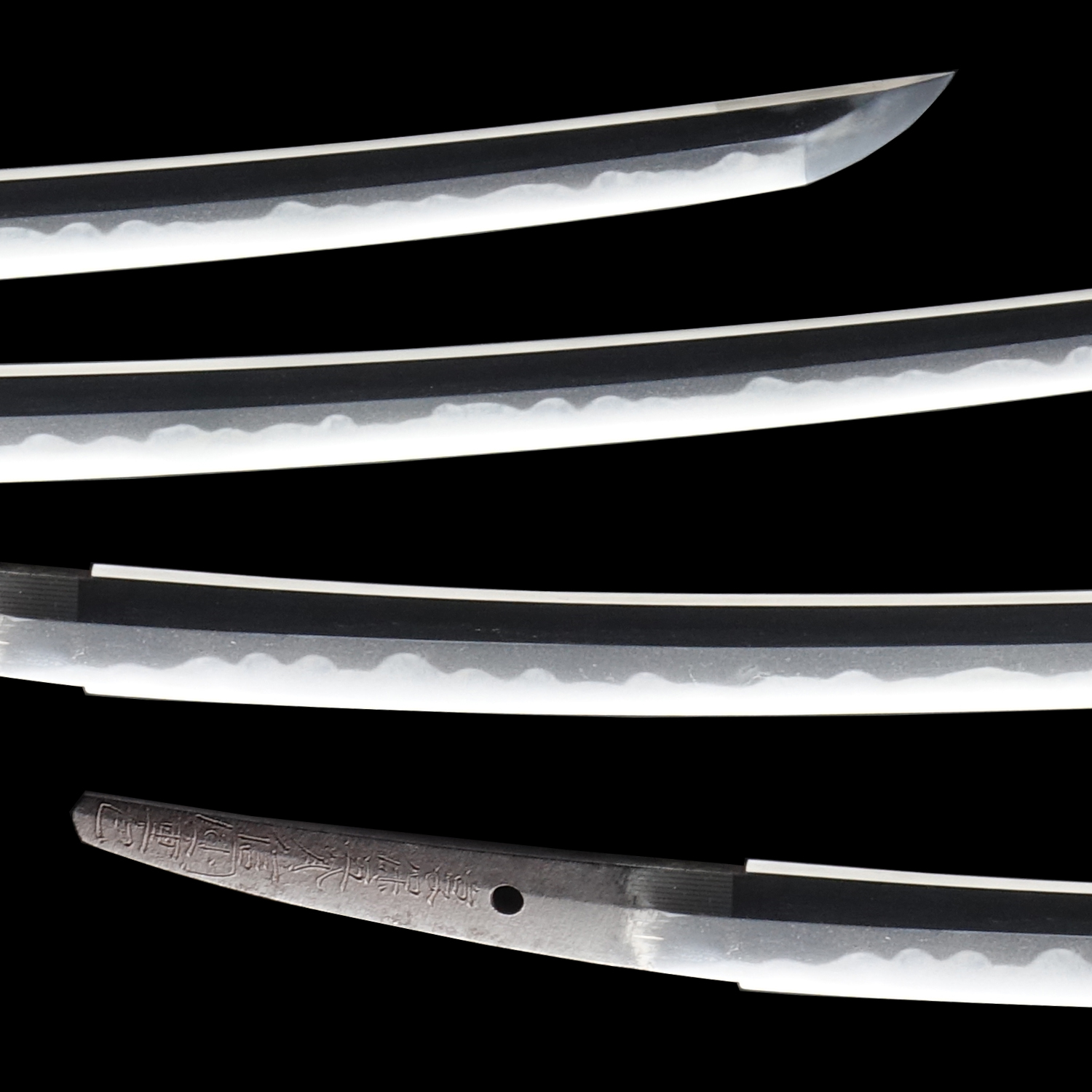
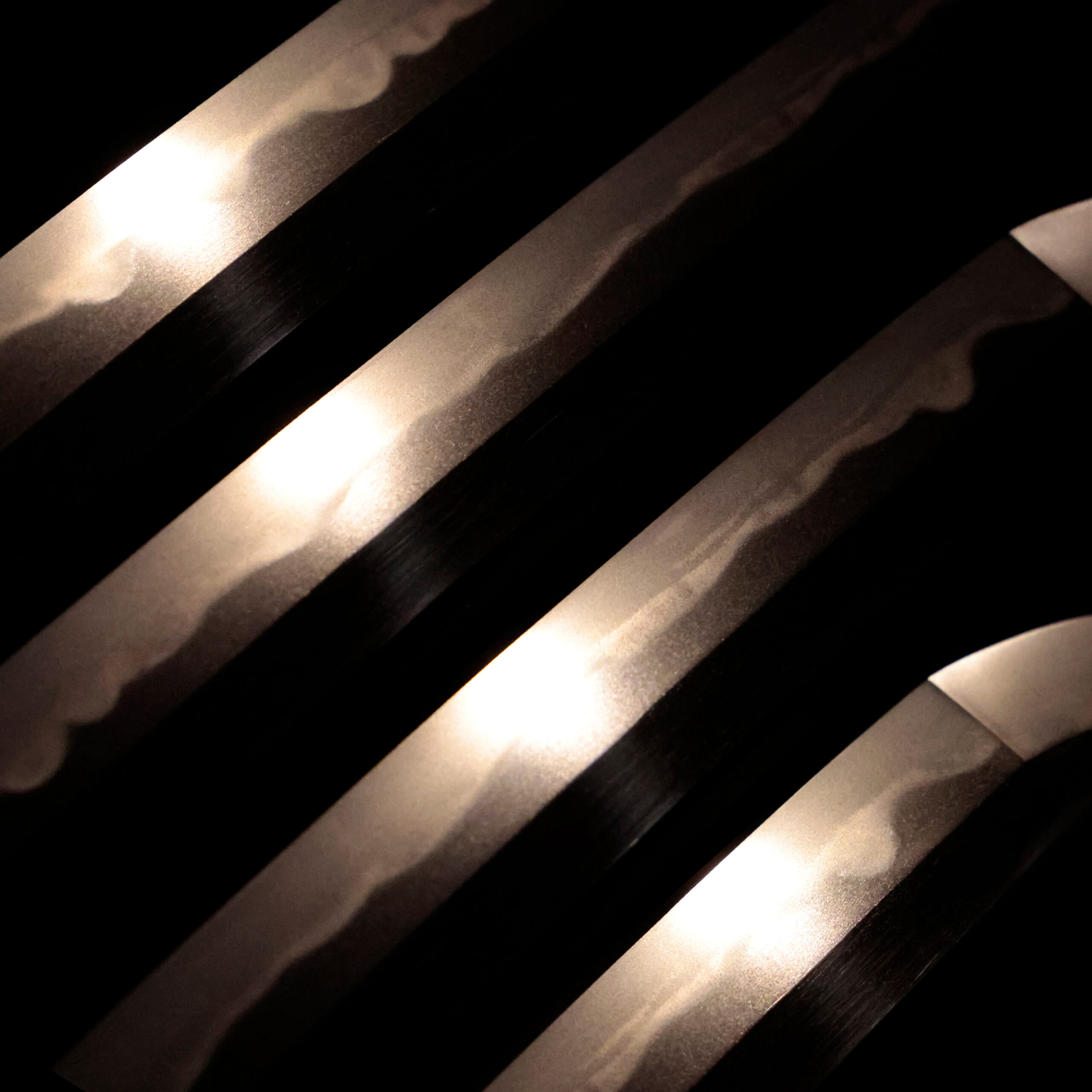
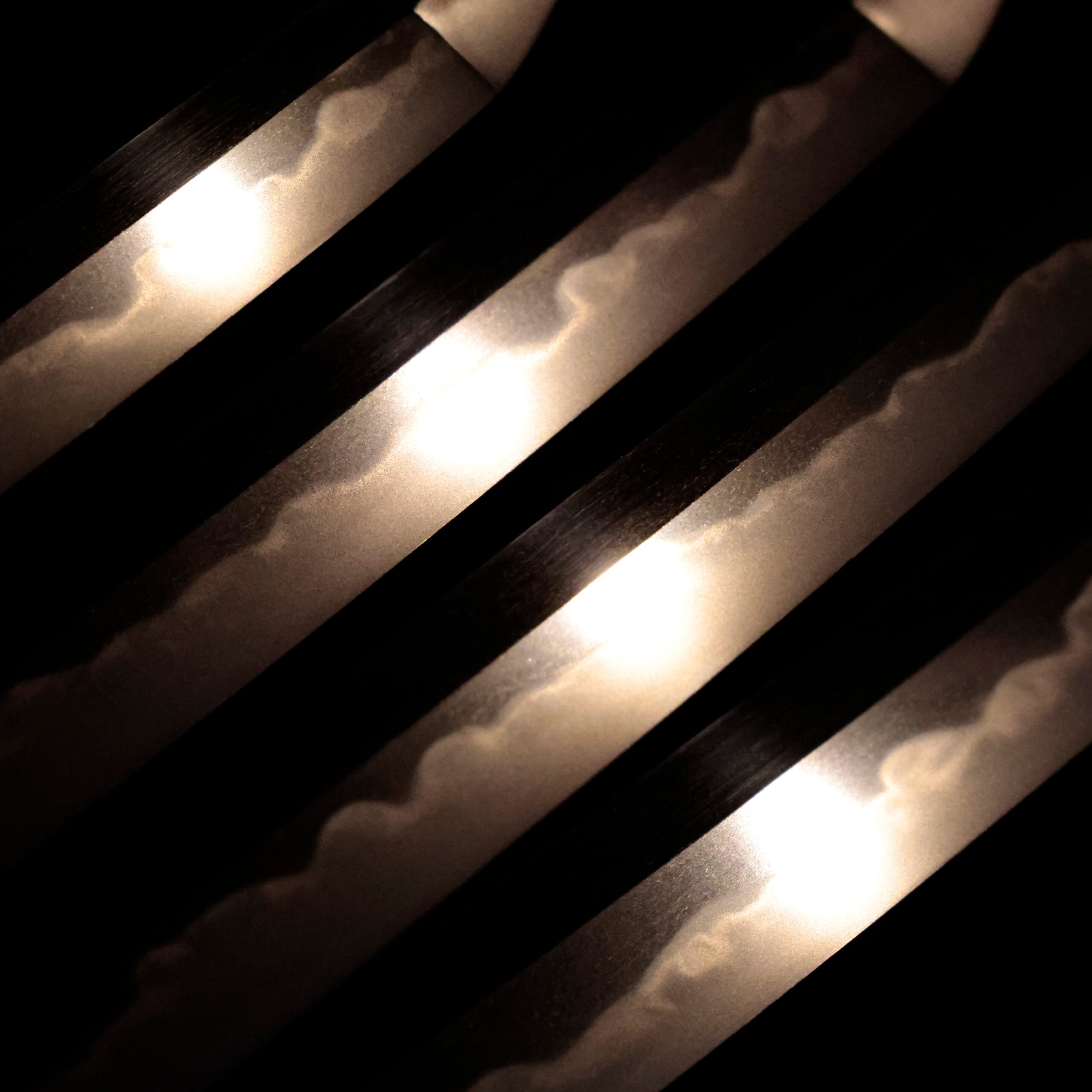
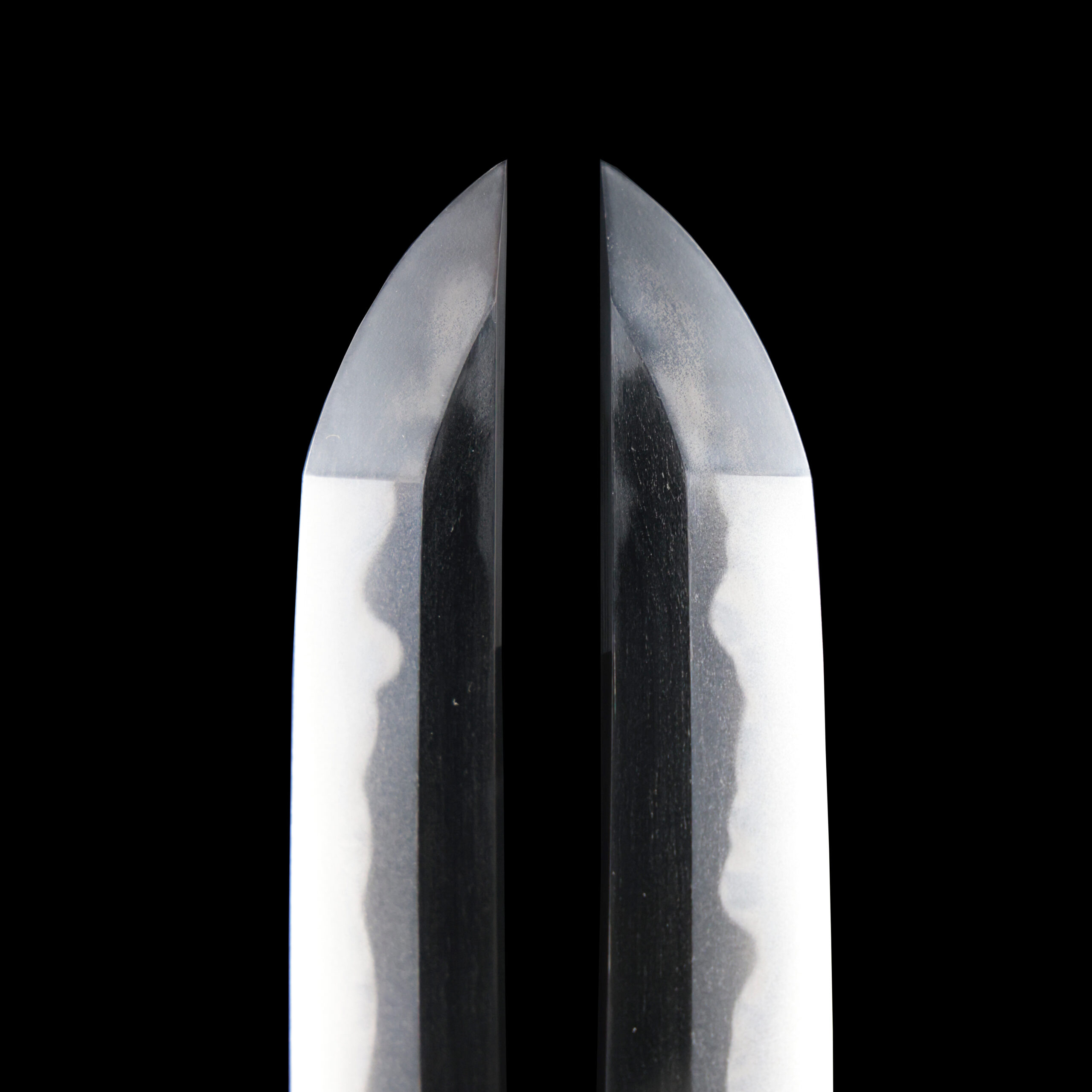
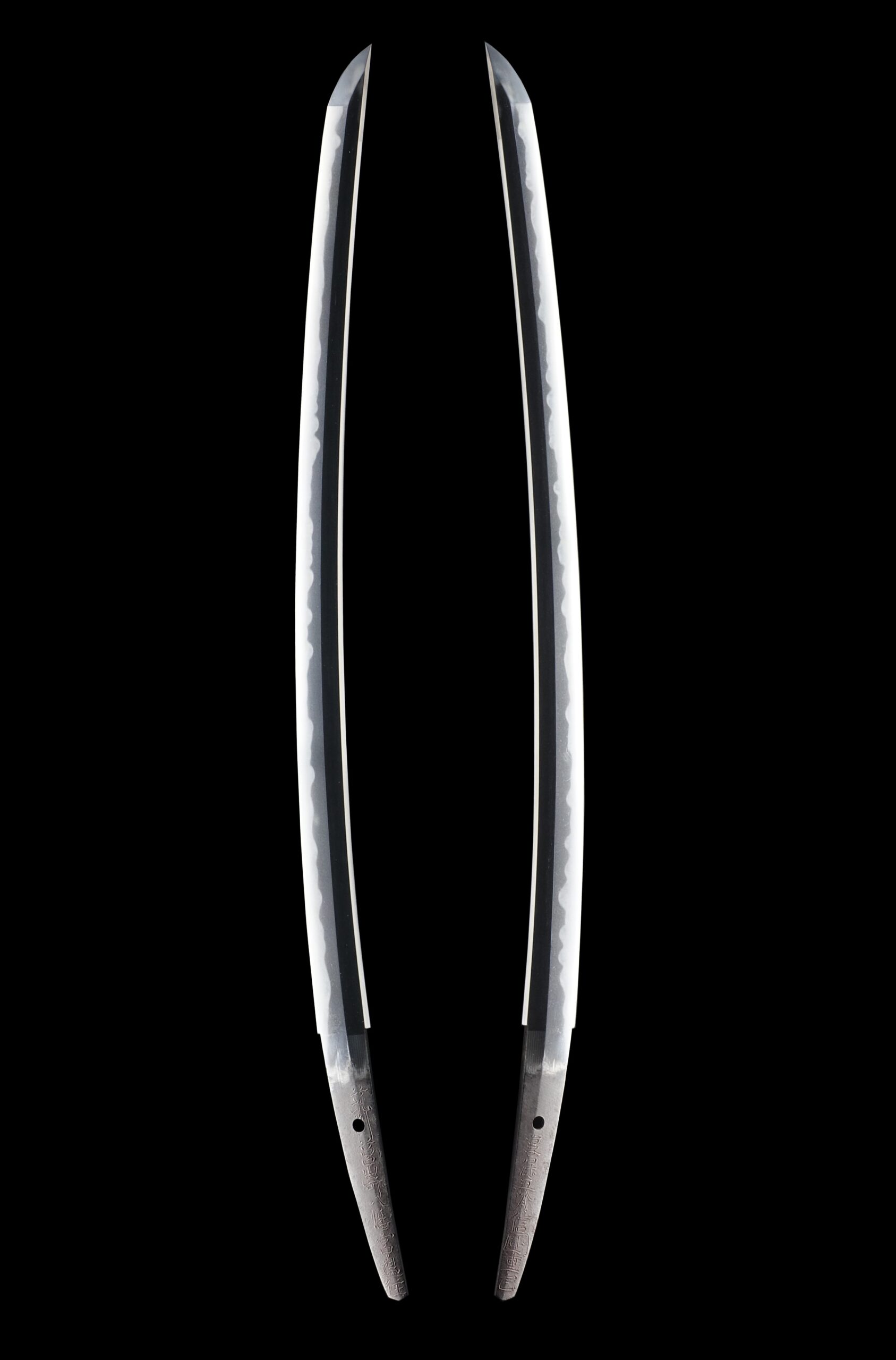
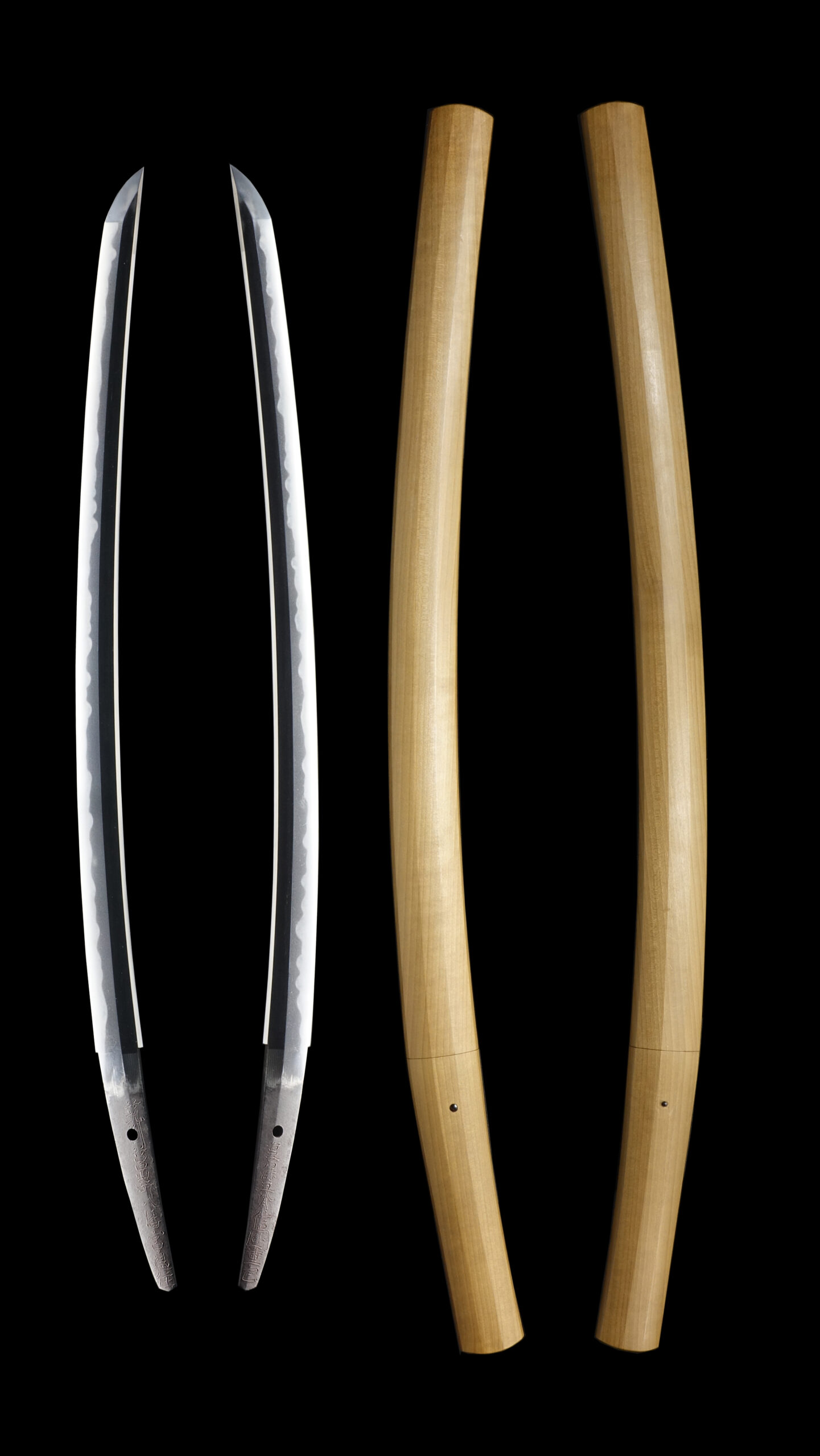
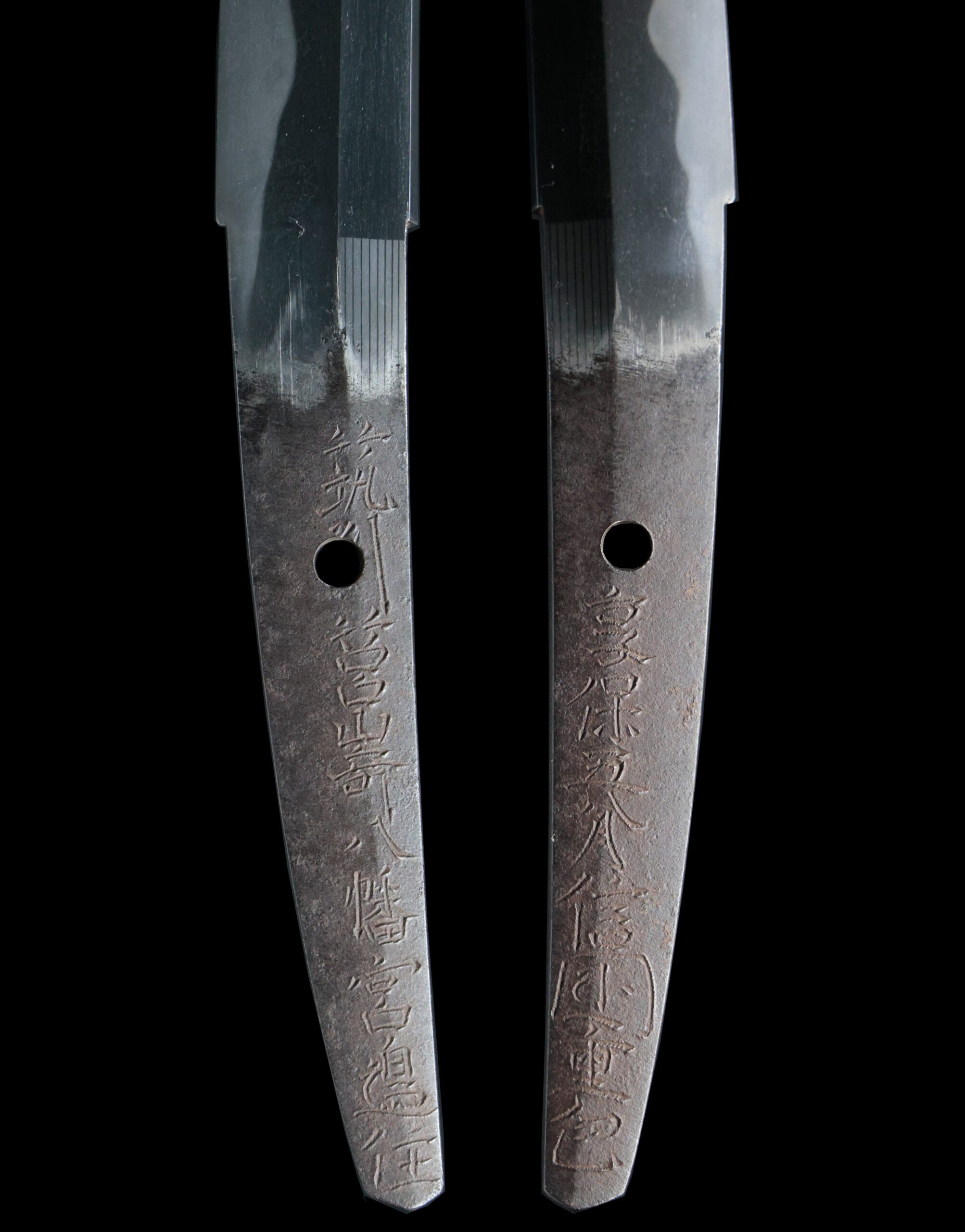
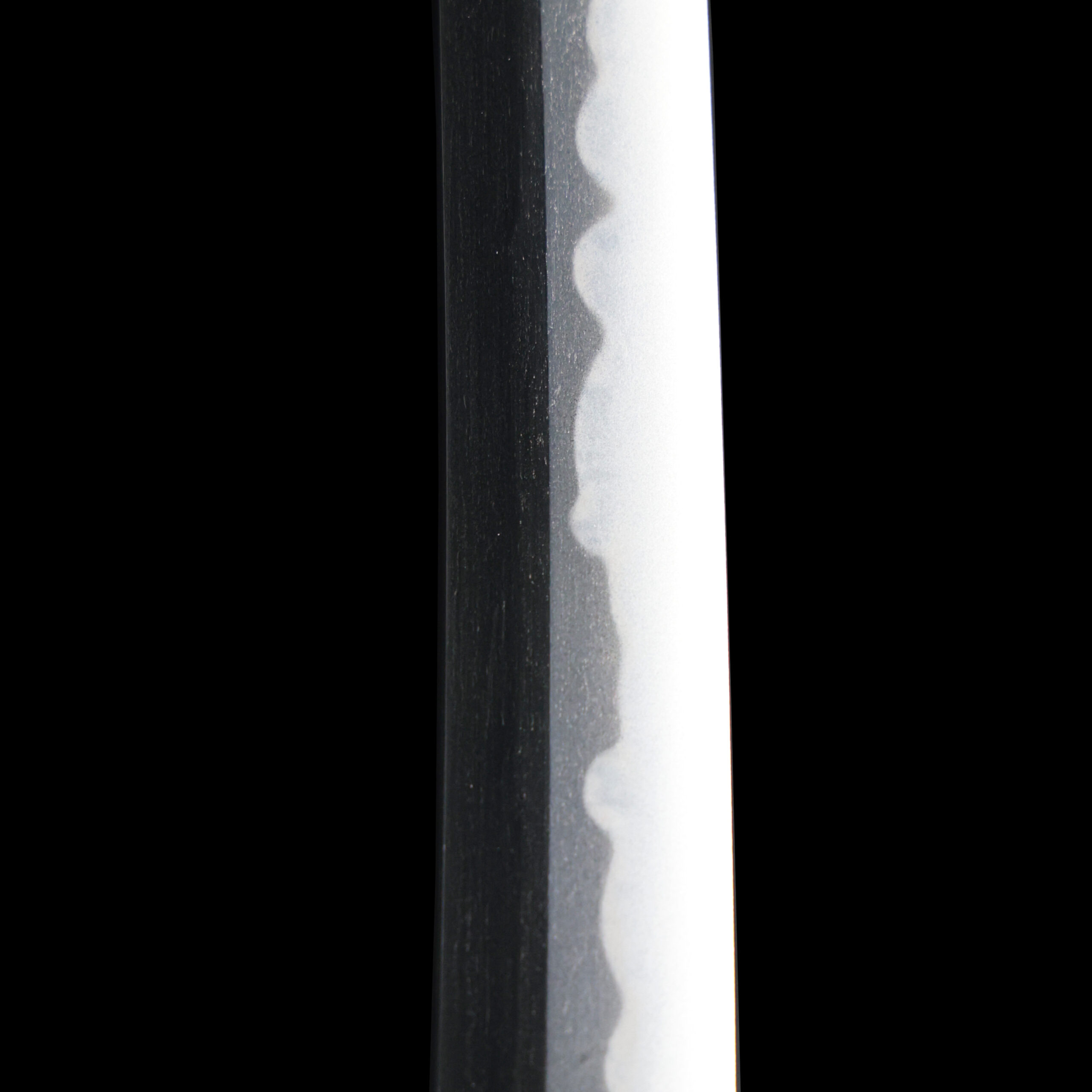
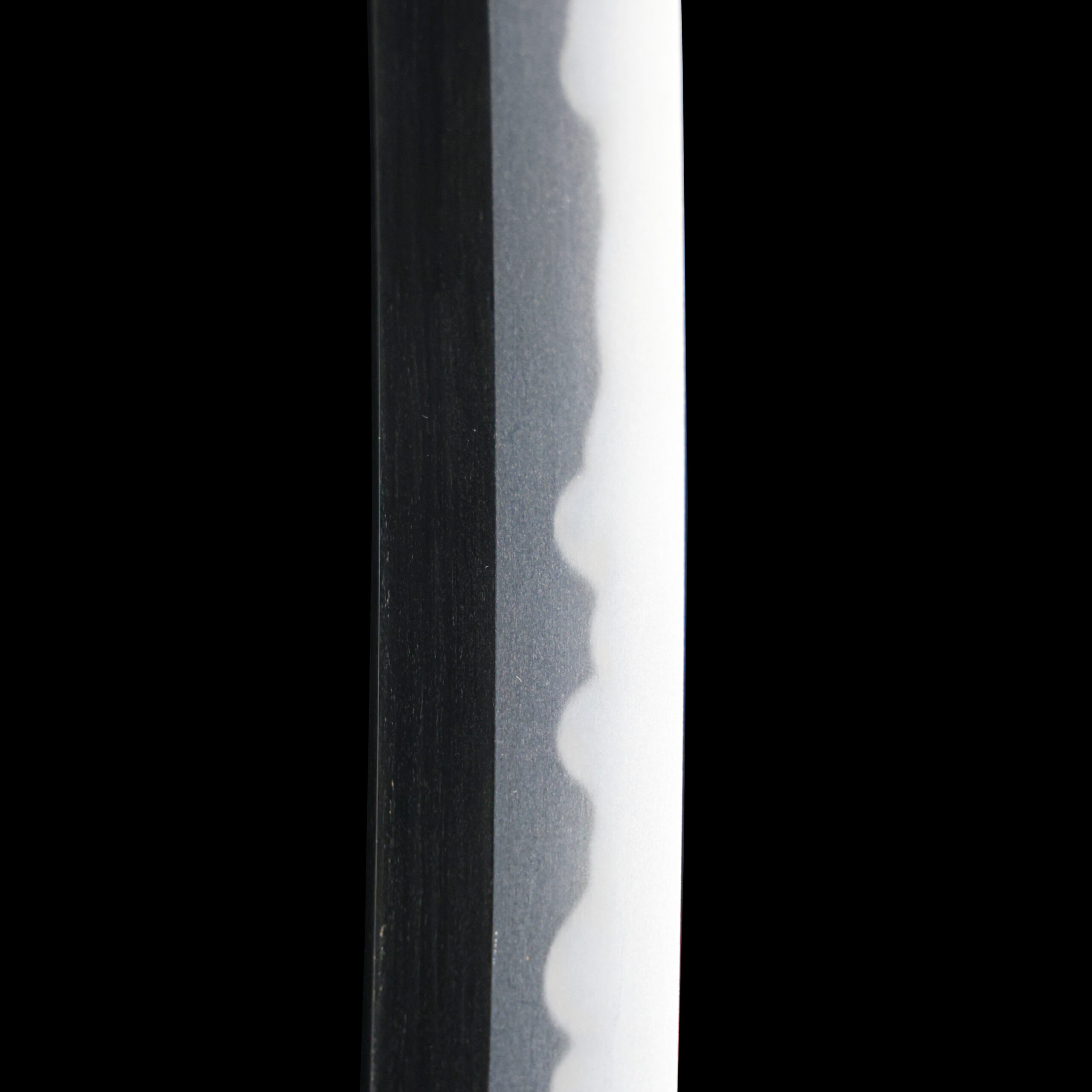
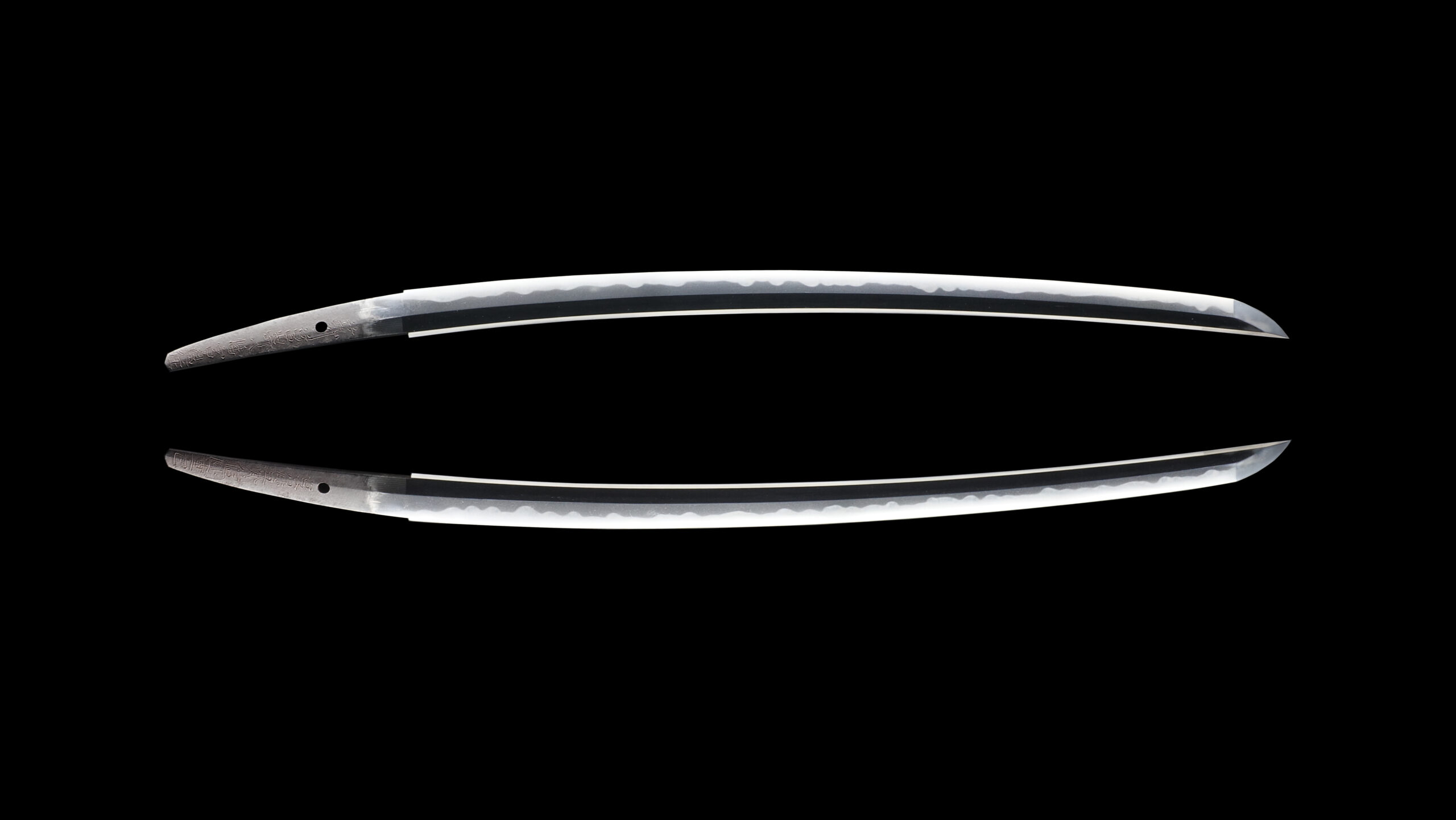
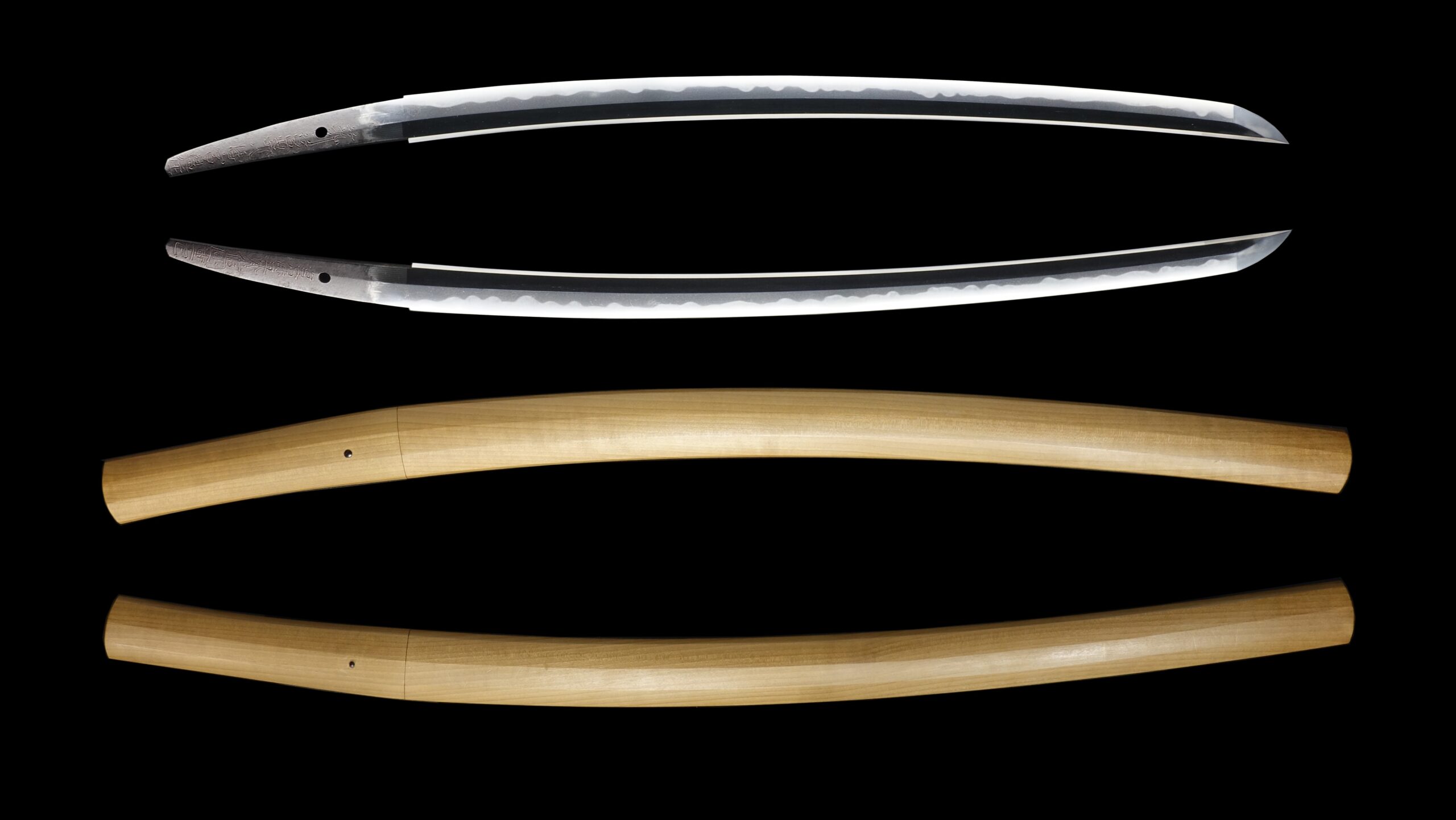
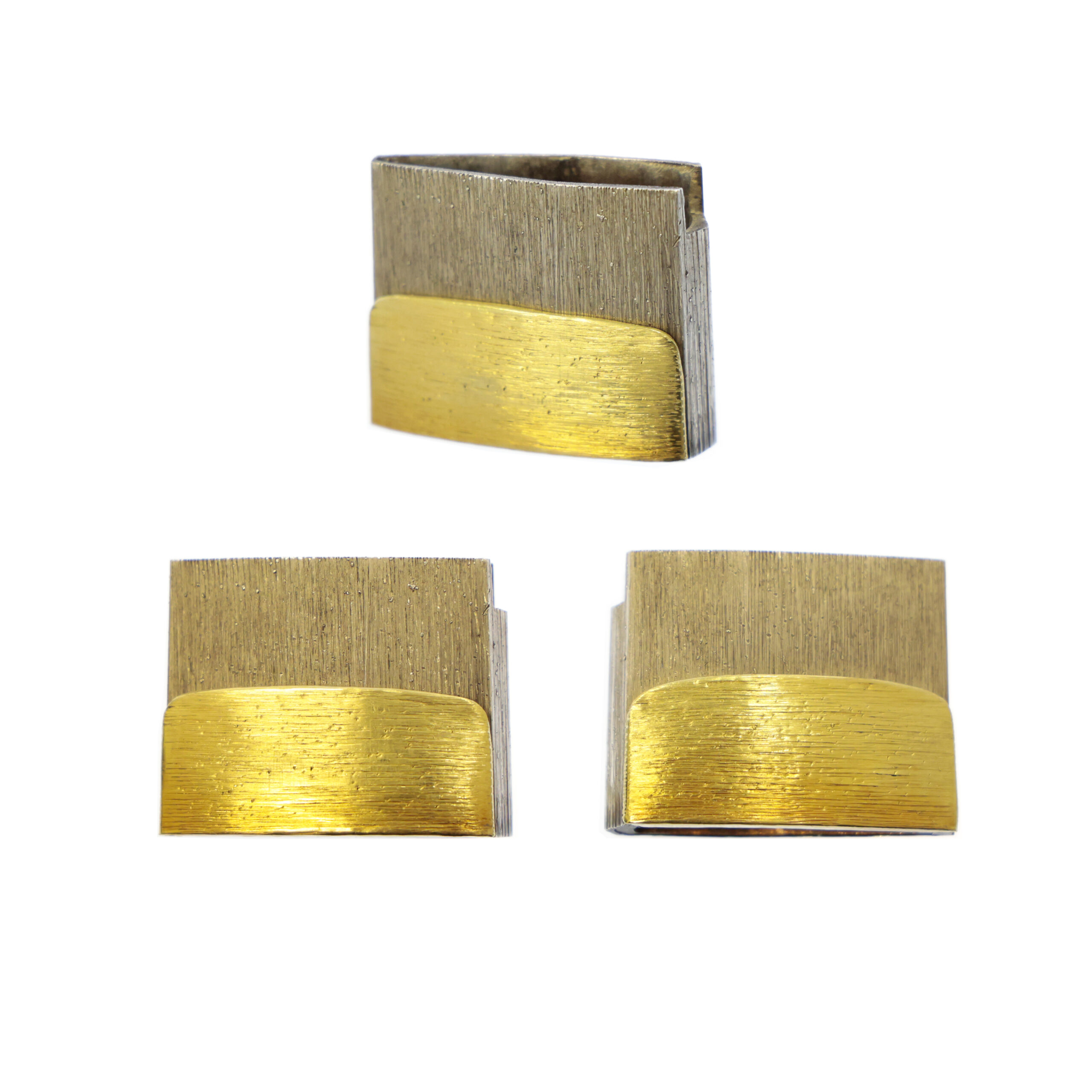
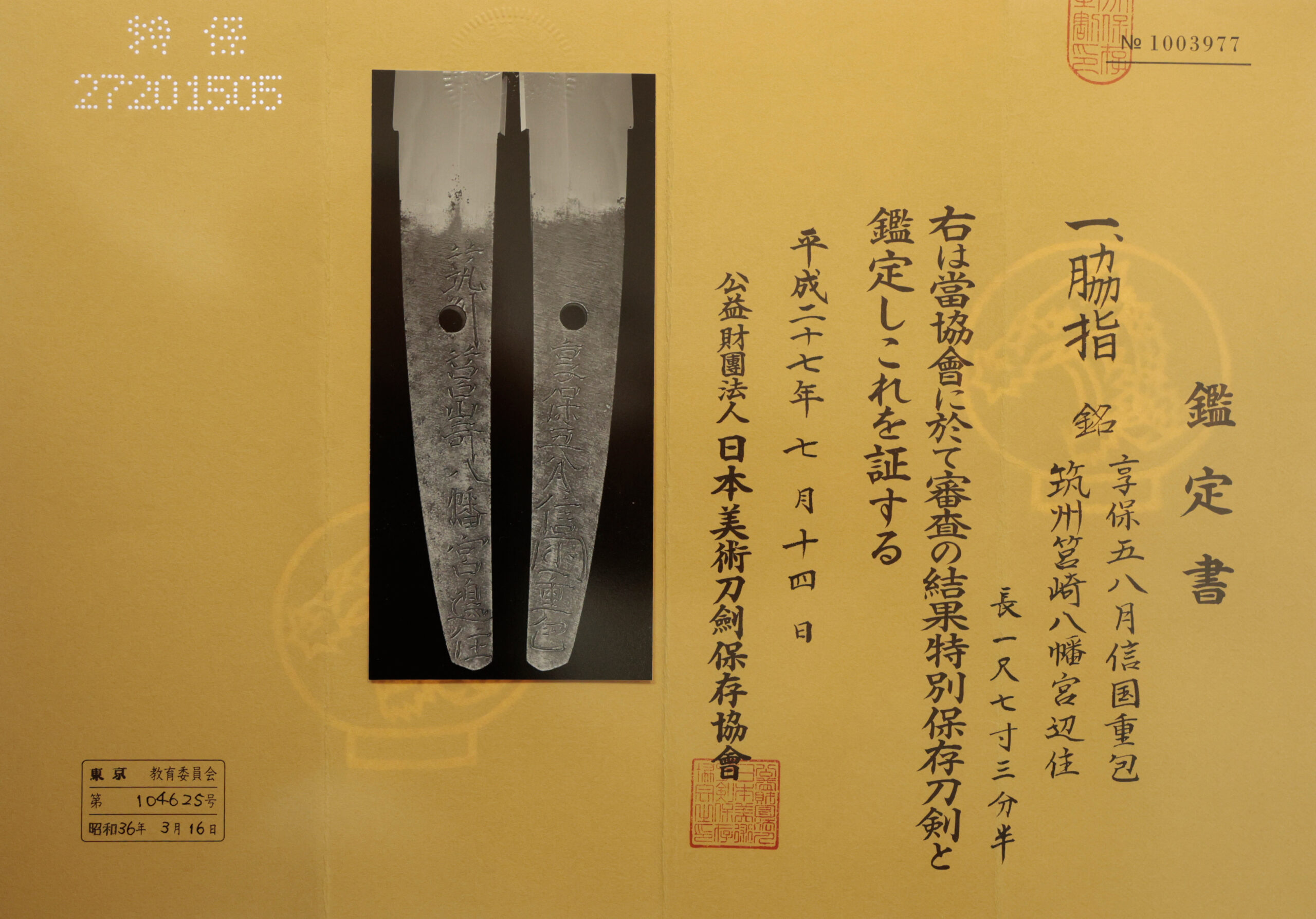
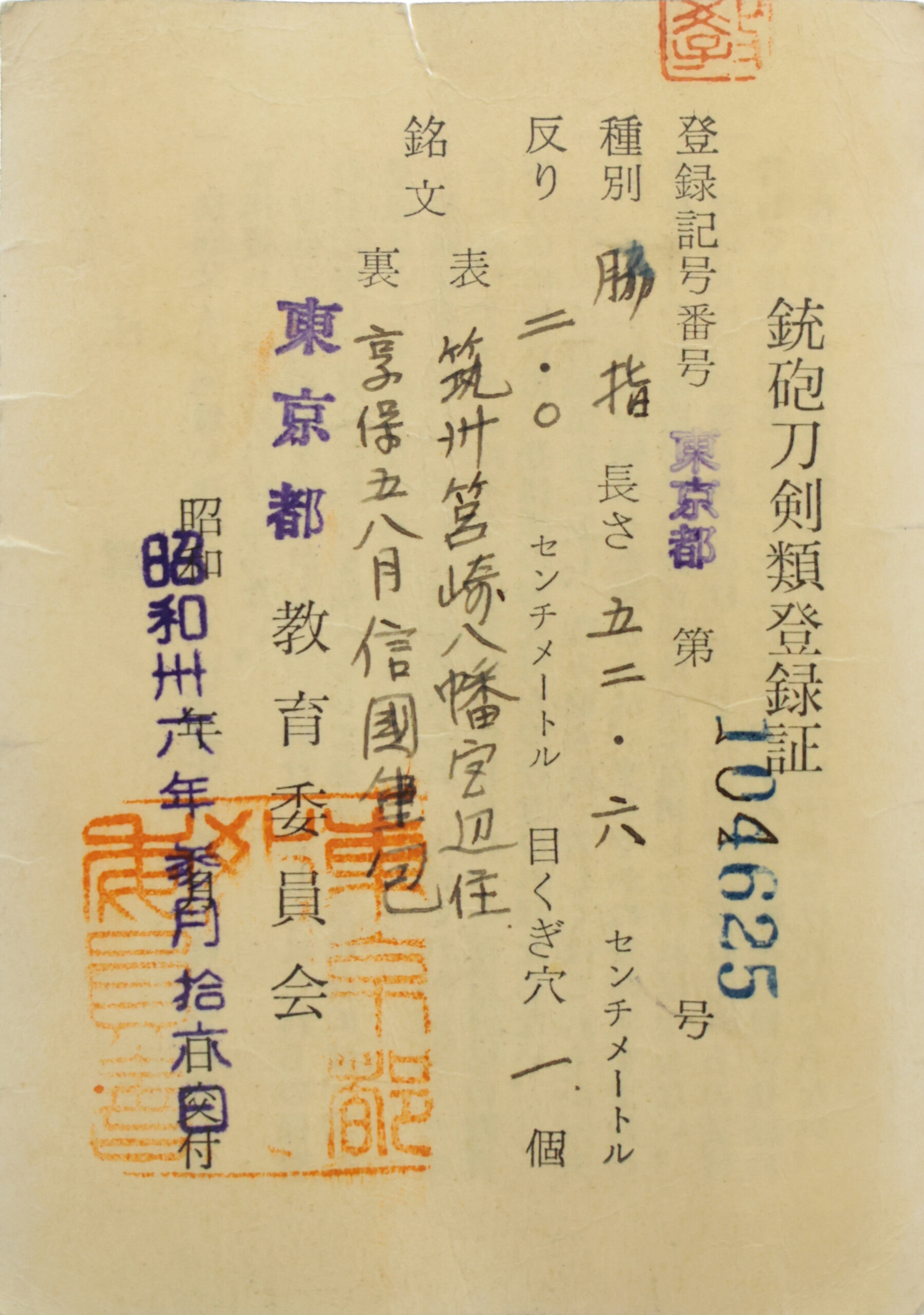
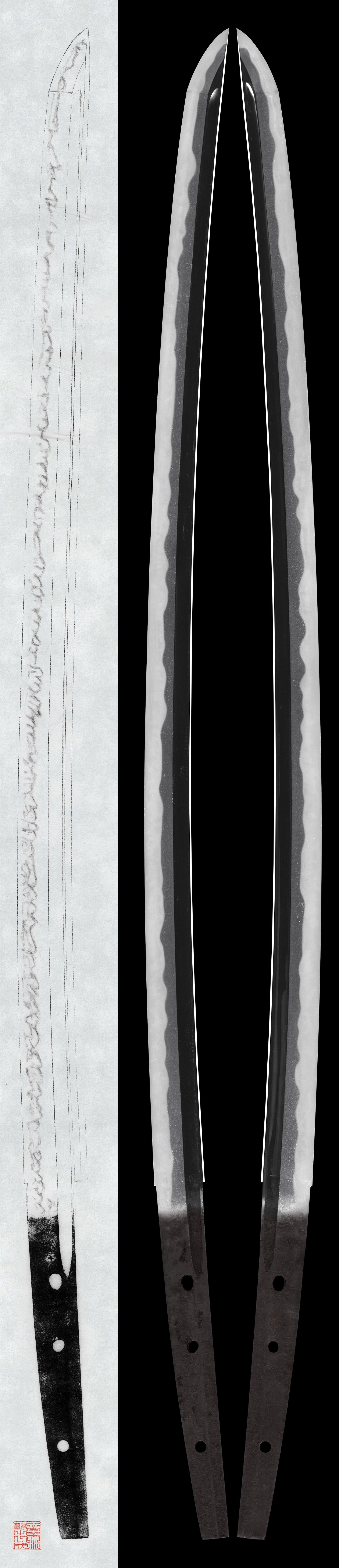
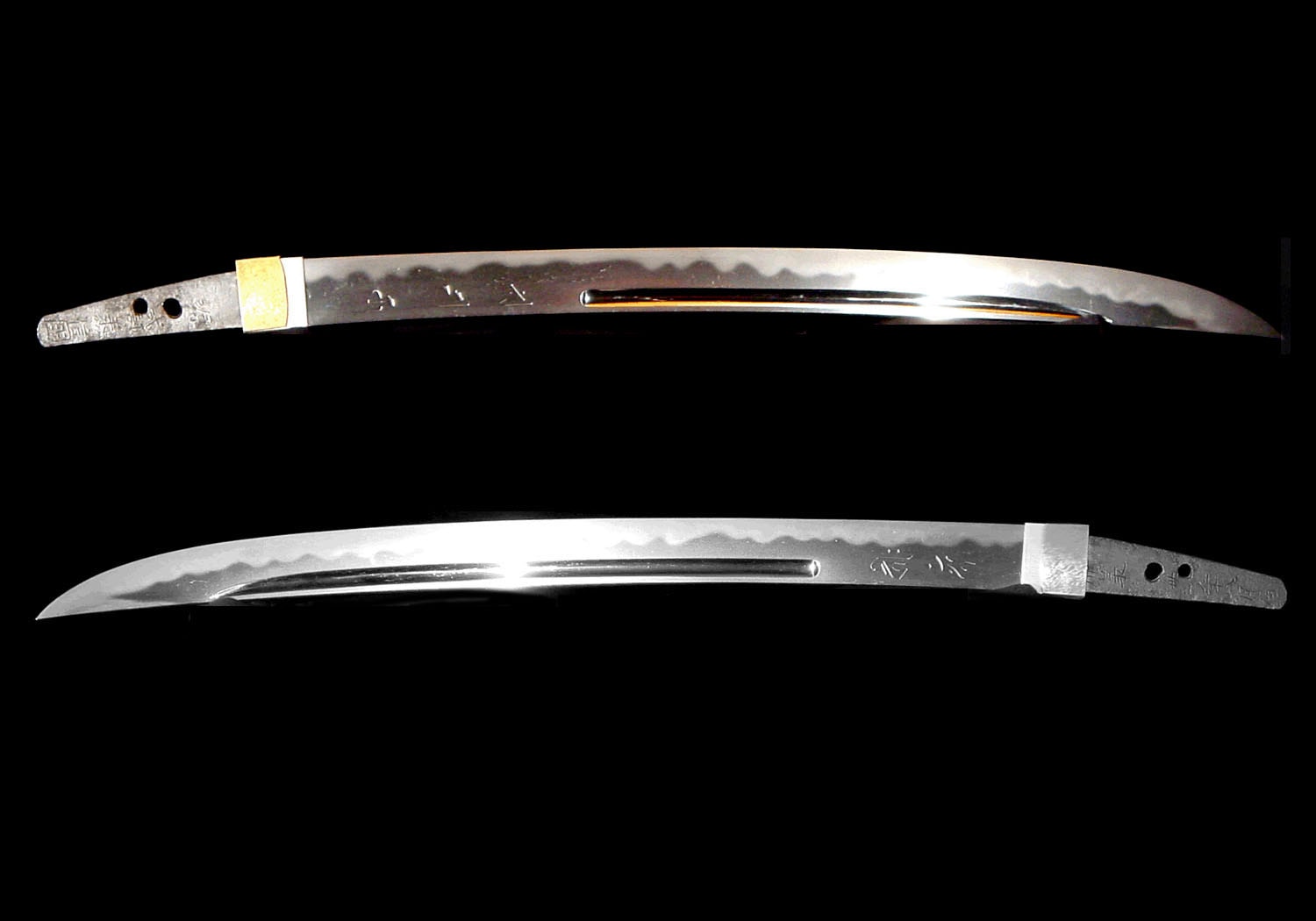
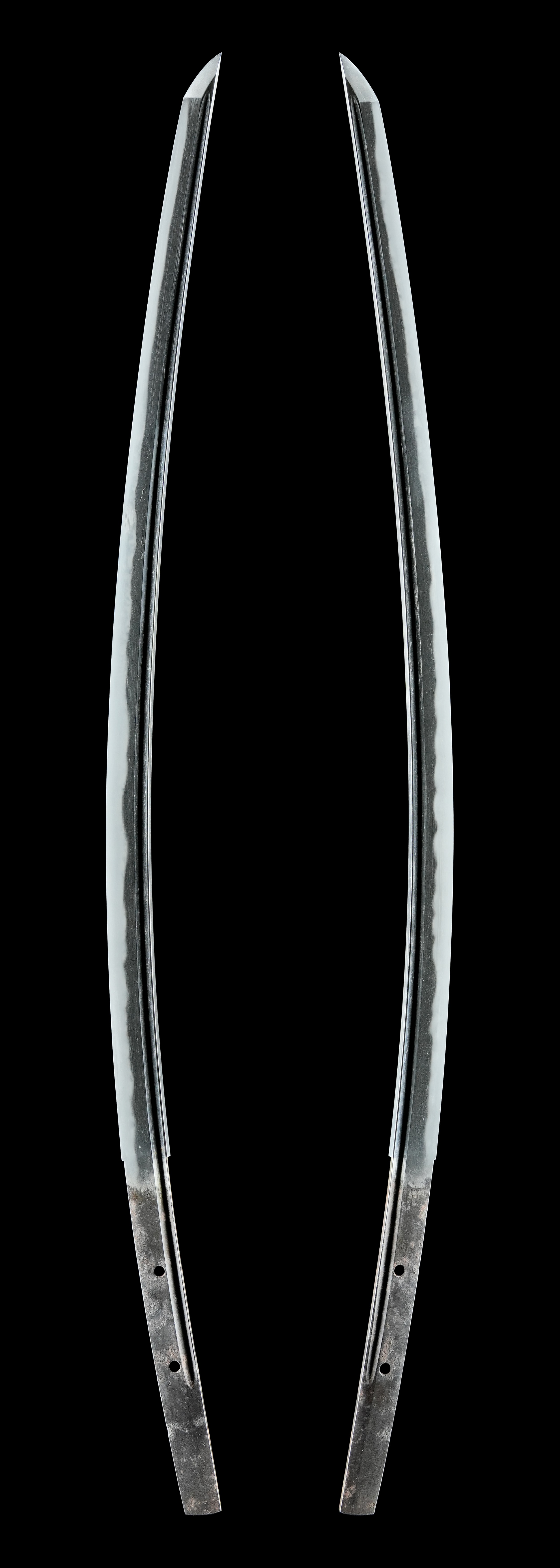
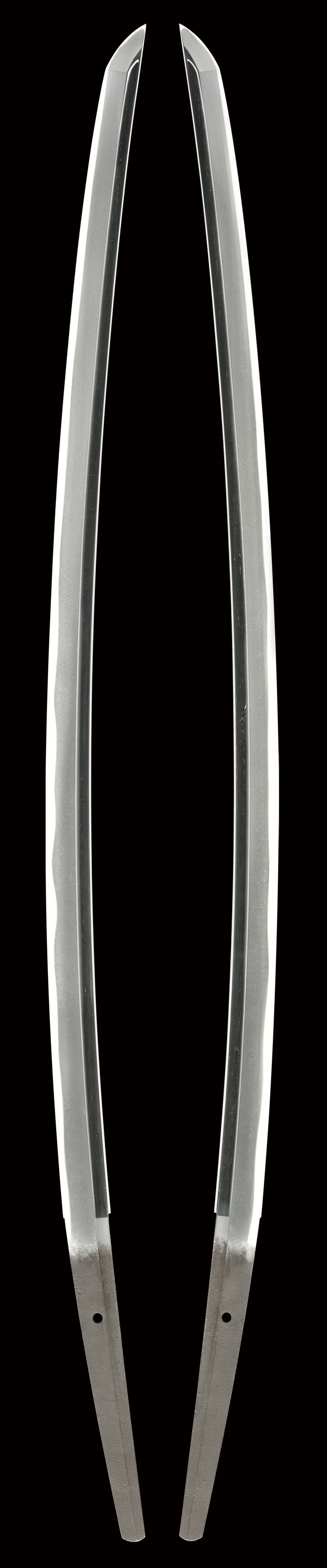
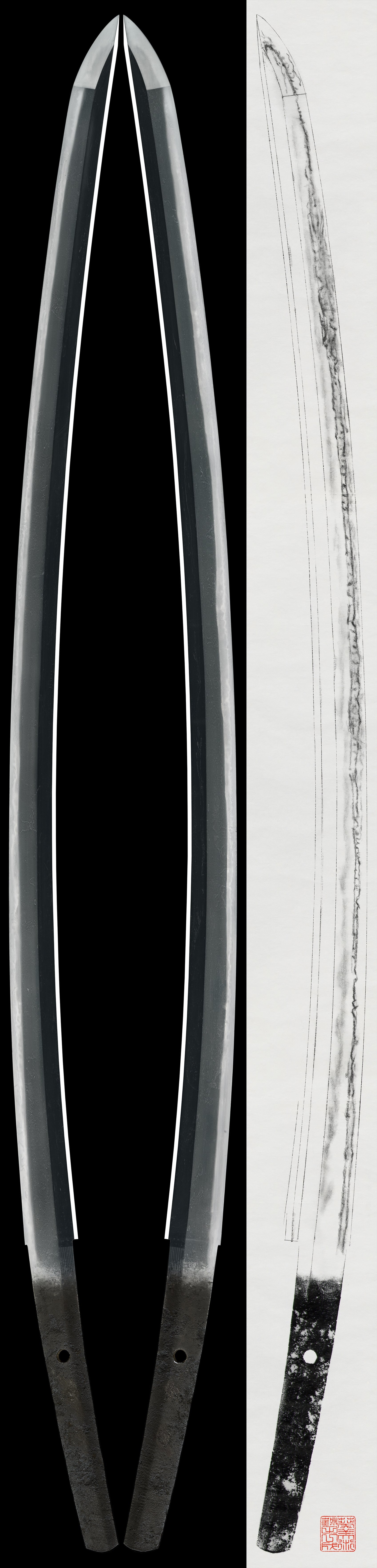
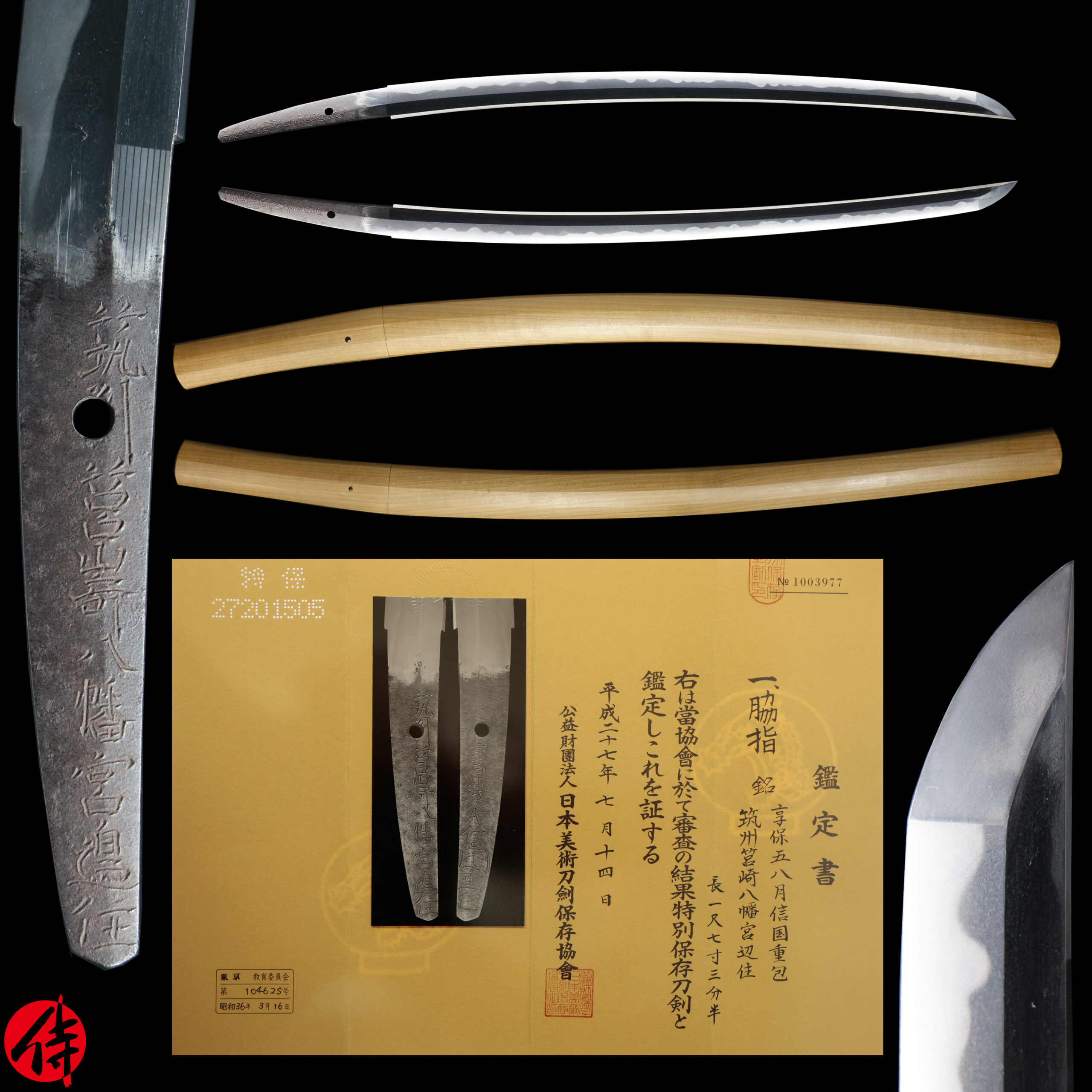
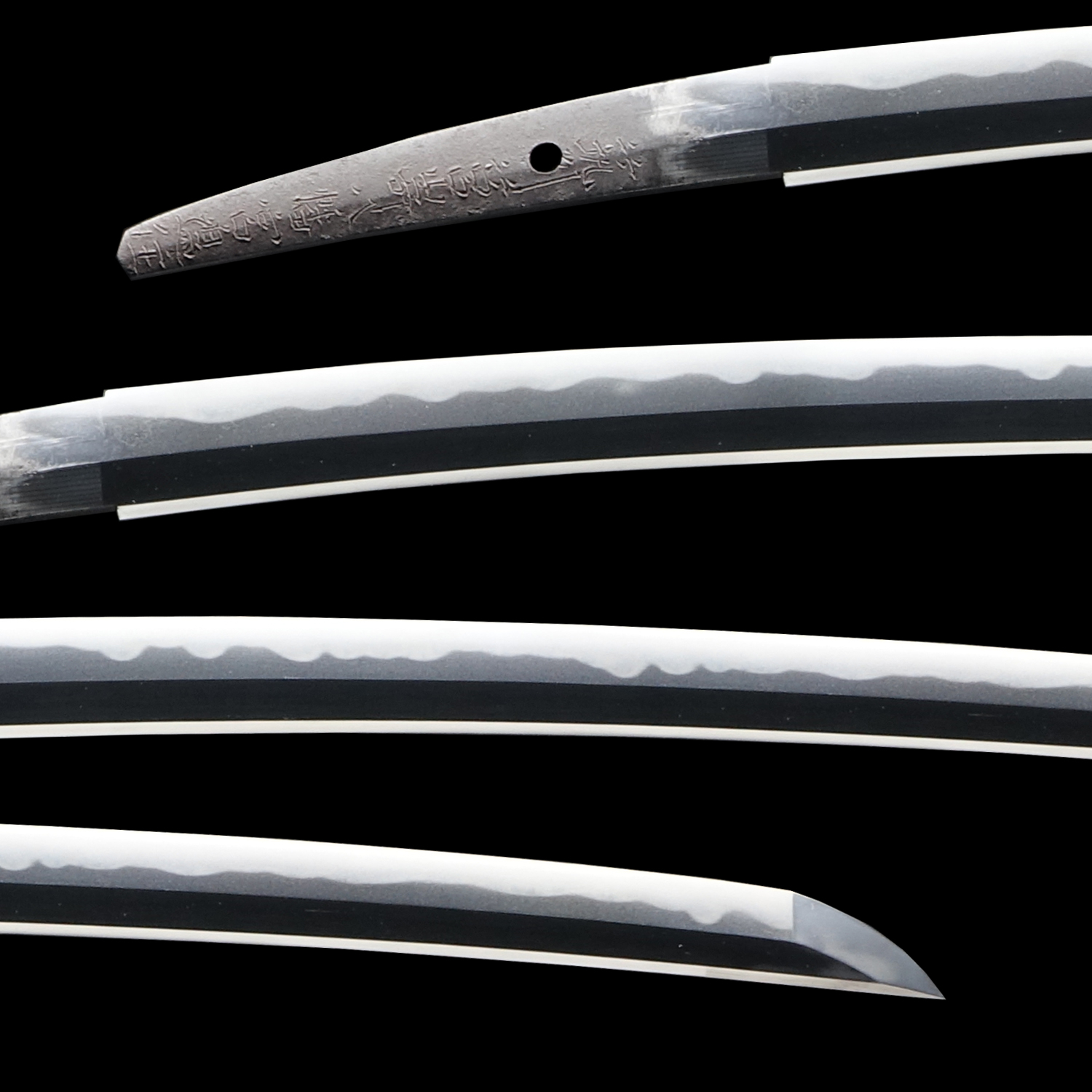
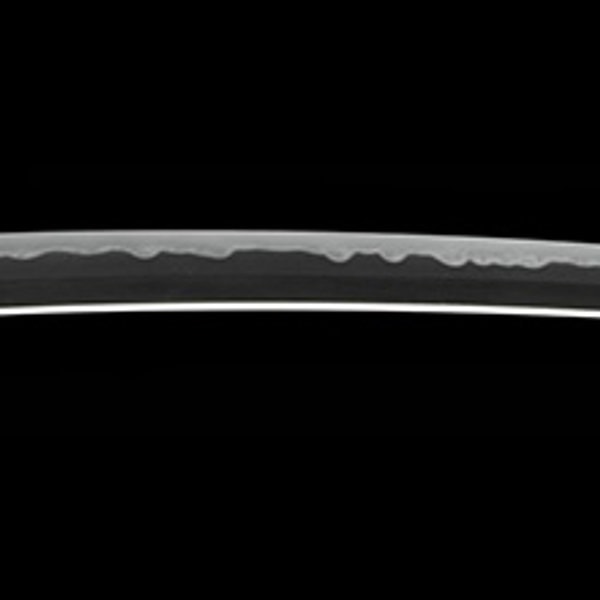
Antique Japanese Sword Wakizashi Signed by Shigekane with NBTHK Tokubestsu Hozon Certificate 【Description】 Summary This blade was signed by Nobukuni Shigekane (信国重包) in August, the 5th year of the Kyoho era (1720: Mid edo period). The back of the tang also says Chikushu Hakozaki Hachimangu Hen Jyu (筑州筥先八幡宮辺住). It means that Shigekane lived near Hakozaki shrine in Chikuzen province (Today’s Fukuoka prefecture). The maker was a 15th-generation descendant of the Nobukuni school and the son of Nobukuni Yoshikane(信国吉包). Renowned under the aliases “Sukesaburo” and “Sukeroku,” Shigekane is considered a master craftsman of the Chikuzen Nobukuni (筑前信国) school. He gained significant acclaim for forging the ceremonial blades of the 8th Tokugawa Shogun, Yoshimune(徳川吉宗), at the Edo Hama Palace. Shogun Yoshimune believed that by showcasing renowned craftsmen in Edo, their fame would inspire swordsmiths across Japan. During this time, he replicated the works of Wakasa Masamune and Fudo Kokaji, receiving recognition alongside other esteemed craftsmen. For his achievements, Shigekane was granted the honor of engraving the “Aoi Mon” crest onto his blades. After returning to his hometown Chikuzen, he changed his smithing name to “Masakane(正包).” Nobukuni Shigekane passed away on December 10th, 1738, at the age of 56. Considering the fact that this blade was made in his late 30s, we believe it embodies amazing craftsmanship he mastered, which was also recognized by Tokugawa Shogunate. The Foundation of Nobukuni School The Nobukuni school was initially founded by the first generation Nobukuni in Kyoto. The school stayed there for a few generations. However, the 4th generation Nobukuni SADAMITSU had to leave Kyoto city as the battle between the south emperor court and the north emperor court became severe. And, as a result, Kyoto city was burnt(the late 1300’s). We called this battle Nanbokucho war when the Japanese imperial court was separated into two. Nobukuni Sadamitsu managed to escape and arrive at Usaha (Ohita prefecture) to serve the Ajimu clan. However, after the Ajimu clan was destroyed, The 12th generation Nobukuni, Yoshisada, moved to Chikuzen(Fukuoka prefecture)to serve Kuroda Nagamasa, a famous feudal lord(1602). YOSHISADA was a great grandfather of Shigekane (14th generation Nobukuni). This blade is appraised as a Tokubetsu Hozon Token (特別保存刀剣) issued by NBTHK(Nihon Bijutsu Touken Hozon Kyokai:日本美術刀剣保存協会). This authentication paper was only given to authentic Japanese swords, especially well preserved and high quality with artistic value. 【Blade】 Cutting Edge Length(Nagasa) : 52.6 cm ( 20.7 inches) Curvature(Sori) : 2.0 cm ( 0.78 inches) Hamon : The crystalline structure which forms along the cutting edge of a blade as a result of the hardening process Jimon(Jihada) : visible steel surface pattern created by folding and hammering during forging process Kissaki : Kissaki is the tip of the Japanese sword. Nakago : Nakago is the tang of the Japanese sword. Japanese swordsmiths left the black rust on the tang because it prevents red rust while the tang is in its handle. And the discoloration of the tang was created over time, and it is a great indicator for a Japanese sword specialist to estimate when the sword was forged. Habaki : Habaki is the equipment to make the blade not touch its scabbard inside. It prevents the blade from getting rusty and chipped. Authentication Paper : NBTHK Tokubetsu Hozon Certificate for the blade (No.1003977) NBTHK , also known as Nihon Bijutsu Touken Hozon Kyokai (the Society for the Preservation of the Japan Art Sword), is one of the oldest Japanese sword appraising organizations in modern-day Japan. They authenticated the blade on July 14th in the 27th year of Heisei (2015). They appraised it as Tokubetsu Hozon Touken, the blade especially worth preserving for Japanese society. The purchaser will receive this original certificate as well. We can also translate what is written into English and make a PDF f

NihontoWatch MonNihontoWatch
MarketAuctionsEncyclopedia
刀剣›山城伝›信国›重包›Antique Japanese Sword Wakizashi Signed by Shigekane NBTHK Tokubetsu Hozon Certificate
脇差特別保存
重包

Antique Japanese Sword Wakizashi Signed by Shigekane NBTHK Tokubetsu Hozon Certificate

在銘 · Nobukuni · 元禄 · 長さ 52.6cm · 反り 2cm
売却済
重包 — 1 of 16
重包 — 2 of 16
重包 — 3 of 16
重包 — 4 of 16
重包 — 5 of 16
重包 — 6 of 16
重包 — 7 of 16
重包 — 8 of 16
重包 — 9 of 16
重包 — 10 of 16
重包 — 11 of 16
重包 — 12 of 16
重包 — 13 of 16
重包 — 14 of 16
重包 — 15 of 16
重包 — 16 of 16
1 / 16
1 / 16
重包 — 1 of 16重包 — 2 of 16重包 — 3 of 16重包 — 4 of 16重包 — 5 of 16重包 — 6 of 16重包 — 7 of 16重包 — 8 of 16重包 — 9 of 16重包 — 10 of 16重包 — 11 of 16重包 — 12 of 16重包 — 13 of 16重包 — 14 of 16重包 — 15 of 16重包 — 16 of 16
法量・詳細
刀工
重包
種別
脇差
流派
Nobukuni
活動期
1688–1704年頃(Genroku)
国
筑前
銘
在銘(在銘率 100%)
法量
長さ 52.6cm反り 2cm
説明

Antique Japanese Sword Wakizashi Signed by Shigekane with NBTHK Tokubestsu Hozon Certificate 【Description】 Summary This blade was signed by Nobukuni Shigekane (信国重包) in August, the 5th year of the Kyoho era (1720: Mid edo period). The back of the tang also says Chikushu Hakozaki Hachimangu Hen Jyu (筑州筥先八幡宮辺住). It means that Shigekane lived near Hakozaki shrine in Chikuzen province (Today’s Fukuoka prefecture). The maker was a 15th-generation descendant of the Nobukuni school and the son of Nobukuni Yoshikane(信国吉包). Renowned under the aliases “Sukesaburo” and “Sukeroku,” Shigekane is considered a master craftsman of the Chikuzen Nobukuni (筑前信国) school. He gained significant acclaim for forging the ceremonial blades of the 8th Tokugawa Shogun, Yoshimune(徳川吉宗), at the Edo Hama Palace. Shogun Yoshimune believed that by showcasing renowned craftsmen in Edo, their fame would inspire swordsmiths across Japan. During this time, he replicated the works of Wakasa Masamune and Fudo Kokaji, receiving recognition alongside other esteemed craftsmen. For his achievements, Shigekane was granted the honor of engraving the “Aoi Mon” crest onto his blades. After returning to his hometown Chikuzen, he changed his smithing name to “Masakane(正包).” Nobukuni Shigekane passed away on December 10th, 1738, at the age of 56. Considering the fact that this blade was made in his late 30s, we believe it embodies amazing craftsmanship he mastered, which was also recognized by Tokugawa Shogunate. The Foundation of Nobukuni School The Nobukuni school was initially founded by the first generation Nobukuni in Kyoto. The school stayed there for a few generations. However, the 4th generation Nobukuni SADAMITSU had to leave Kyoto city as the battle between the south emperor court and the north emperor court became severe. And, as a result, Kyoto city was burnt(the late 1300’s). We called this battle Nanbokucho war when the Japanese imperial court was separated into two. Nobukuni Sadamitsu managed to escape and arrive at Usaha (Ohita prefecture) to serve the Ajimu clan. However, after the Ajimu clan was destroyed, The 12th generation Nobukuni, Yoshisada, moved to Chikuzen(Fukuoka prefecture)to serve Kuroda Nagamasa, a famous feudal lord(1602). YOSHISADA was a great grandfather of Shigekane (14th generation Nobukuni). This blade is appraised as a Tokubetsu Hozon Token (特別保存刀剣) issued by NBTHK(Nihon Bijutsu Touken Hozon Kyokai:日本美術刀剣保存協会). This authentication paper was only given to authentic Japanese swords, especially well preserved and high quality with artistic value. 【Blade】 Cutting Edge Length(Nagasa) : 52.6 cm ( 20.7 inches) Curvature(Sori) : 2.0 cm ( 0.78 inches) Hamon : The crystalline structure which forms along the cutting edge of a blade as a result of the hardening process Jimon(Jihada) : visible steel surface pattern created by folding and hammering during forging process Kissaki : Kissaki is the tip of the Japanese sword. Nakago : Nakago is the tang of the Japanese sword. Japanese swordsmiths left the black rust on the tang because it prevents red rust while the tang is in its handle. And the discoloration of the tang was created over time, and it is a great indicator for a Japanese sword specialist to estimate when the sword was forged. Habaki : Habaki is the equipment to make the blade not touch its scabbard inside. It prevents the blade from getting rusty and chipped. Authentication Paper : NBTHK Tokubetsu Hozon Certificate for the blade (No.1003977) NBTHK , also known as Nihon Bijutsu Touken Hozon Kyokai (the Society for the Preservation of the Japan Art Sword), is one of the oldest Japanese sword appraising organizations in modern-day Japan. They authenticated the blade on July 14th in the 27th year of Heisei (2015). They appraised it as Tokubetsu Hozon Touken, the blade especially worth preserving for Japanese society. The purchaser will receive this original certificate as well. We can also translate what is written into English and make a PDF f

作者について

重包

Chikuzen Nobukuni school (Yamashiro-den), Kuroda retained smiths · 筑前 · 1688-1704頃

藤代 Jo saku · 刀剣大鑑 上位37%

現在1点販売中

›

宝永七年(一七一〇)紀の脇指、銘「以南蛮鉄作 不動国行写刳之」[[c:8]]が、本会が筑前信国派中とくに技価が高いとする信国重包の活躍を画する。同工は信国吉包の子で、延宝元年に生まれ、通称を原田助六、また助左衛門といい、福岡で黒田家の抱え工として作刀した。その系統は西下した京信国派の筑前の一派で、慶長頃より明治初年に至るまで黒田家の抱え工として栄え、説明はその代表者を吉貞・吉政・吉次・吉包・重包と挙げ、その中で「重包は同派中、とくに技価が高く」[[c:1]]と記す。享保六年、四十九歳の時、八代将軍吉宗に召されて江戸に上り、浜御殿で薩摩の主水正正清・一平安代らと共に鍛刀し、その技を認められて一葉葵紋を茎に切ることを許され、帰国後に正包と改銘し、享保十三年五十六歳で歿した。

本領は、よく練れた板目に焼く華やかな丁子乱れである。第三十一回の大小では、鍛えが強く流れて柾となり杢を交え、地沸つき、地景入り、淡く乱れ映りが立つ。これに焼幅広く、丁子乱れに小丁子・小互の目を交え、足・葉がよく入って華やかとなり、沸つき、細かな金筋・砂流しがかかる。かくも華やかな刃文は、説明によれば「一見石堂一派の上工作を思わせる」[[c:2]]が、鑑別の境は直ちに引かれる。石堂に比して地沸・地景がやや顕著で、刃中は沸づき、金筋・砂流しが目立つ相違があり、まさにそこに「ここに重包の特色もあらわれている」[[c:3]]と結ばれる。帽子は乱れ込んで小丸、裏はやや大丸風となり掃きかける。

その分かれ目を支えるのが地鉄である。板目で、時に柾に強く流れ小杢を交え、地沸厚く地景が明瞭で、この地鉄の上に淡い乱れ映りが立つ。古備前・山城の名残ともいえるこの映りを、石堂の工はこれほど明らかには残さない。刃文の静かな作では、宝永七年の脇指の如く鍛えはつんだ小板目となる。刃中の働きは型に収まらず連続的で、小足・葉が入り、砂流しかかり、金筋が現われ、浜御殿作の脇指では匂口が明るく冴える。彫物もまた画面の一部で、二口の写しには棒樋・連樋の中に滝不動と倶利伽羅が浮彫され、彫口は深く濃密で、写した不動国行に適った図様である。

一盛期の作は、説明が併せて示す二つの作域に分かれる。一つは右の華やかな丁子乱れ、作域の華やかな一面である。いま一つは名物写しの名手としての一面に結びつく静かな作風で、小のたれ又は小互の目に尖りごころ・丁子風を交え、小足が入り、匂口は深く又は明るく冴える。説明は同工に「不動国行写」「正宗写」などと添銘した作のあることを記し、「写し物も得意としている」[[c:9]]とする。宝永七年の脇指がその名指しの好例で、「重包には稀な小丁子に小互の目の交った刃文がある」[[c:10]]とされ、不動国行をねらった試みは成功して出来がよい作と評される。指定作はいずれも在銘で、うち三口は生ぶ茎に「筑州住源信国重包」[[c:11]]の大振りの長銘を切り、一口は制作由来と年紀を三行に分けて添える。

写しの事績こそ同工を最も明らかに分かつ。それが目に見えるだけでなく文献に裏付けられるからである。第三十一回の大小は添銘を持たないが、説明はこれを名物日光一文字の写しと伝え、その華やかな出来口からその意図が十分に窺えるとする。浜御殿作の脇指はさらに進んで、重包はこの名物「不動国行」の写しを手がけており、「光徳刀絵図に所載されている」[[c:5]]不動国行の本歌と寸法・彫物がほぼ一致し、茎の銘文よりこの時浜御殿で作刀されたことが分かる。明るく冴えた地刃、顕著な地沸、深い刃中の沸が、輪郭の似通う石堂作からこれらの写しを分かち、同工を他派の作風の借り手ではなく筑前信国派の筆頭の工として確かに位置づける。

藤代の極めで上作。公の指定記録に四口を数え、いずれも重要刀剣で、いずれも在銘である。伝来の筆頭は第五十九回の浜御殿作の脇指で、「台命を受けた特別の入念作」[[c:6]]と評され、説明の言葉のままに「大徳川家に伝来した一口」[[c:7]]として伝わり、刀としても享保の江戸鍛刀を裏付ける資料としても残る。他は東京・福岡の所蔵者を経た現所在の知られる作である。同工の作に国宝・重要文化財の指定はなく、文化財として市場の外に永く守られるという問題は生じない。私の蒐集家が現実に出会いうるのは、この小さく均質な作群の在銘でしばしば年紀のある重要刀剣で、時に現れる程度であり、現れれば特筆すべき機会となる。その稀少さゆえ、また保存する歴史事例ゆえに、台命の脇指は新刀を学ぶ者の出会いうる最も雄弁な作の一つであり、四口は併せて、説明が筑前信国派の筆頭に与える技量の高さを正確に示している。

歴史的重要度

重包の位置づけを、日本刀全体および伝統・時代・時期ごとに示します。各位(随一・屈指・有数・著名)は、NBTHK および文化庁による指定に加え、三作や名物帳などの歴史的栄誉を加味したものです。

随一
随一
屈指
屈指
有数
有数
著名
著名

各項目を選ぶと評価方法が表示されます。

指定の実績
指定4口
重要刀剣
4
重包の作 1点が現在販売中→
重包 — 詳細Chikuzen Nobukuni school (Yamashiro-den), Kuroda retained smiths派
流派について

信国

山城伝 · 山城

現在32点販売中

›

信国派は山城国京都に興った名門で、その流れは南北朝時代に遡る。一派の祖と仰がれる信国は了戒系の京鍛冶で、血脈の上では来の伝統を承けながら、修業の上では相州貞宗の門に入って貞宗三哲の一人に数えられた。来の系譜と相州伝という二つの根がこの一門の作のすべてを導く。銘鑑は祖を建武に置くが、説明書はこれを繰り返し退ける。建武年間の作は残らず、現存最古の延文・貞治の年紀作が貞宗に直結することから、本会は延文・貞治の工をもって初代と見做す。南北朝の末期には永徳・至徳・明徳の代替りの信国が続き、同銘数工があったと見られる。室町初期には左衛門尉・式部丞を冠する応永信国が栄え、これを通常三代と数える。一派は後に豊前へ、さらに筑前へ移り、慶長の頃より明治初年まで福岡藩黒田家の抱え鍛冶として吉貞・吉政・吉次・吉包・重包の代々を出し、新々刀期まで栄えた。 一派に通う語法は、まず地鉄に現れる。鍛えは杢を交えた板目で、刃寄りに流れて柾となりやや肌立ち、地沸を厚くとり地景が頻りに入り、よくつんだ作には淡い沸映りが立つ。刃寄りに流れる鍛えは了戒系の所伝を首肯せしめる証とされ、厚い地沸と頻りの地景は貞宗に学んだ相州伝の痕跡として読まれる。刃文は文様の如何を問わず沸で焼かれ、砂流し・金筋が絶えず働き、匂口は明るい。その作域は二様を基とする。一つは来派の伝統を示した直刃で、中直刃・細直刃に小沸つき、細かにほつれ喰違刃・二重刃ごころを交えて京物の格調を伝える。いま一つは貞宗風ののたれ乱れで、小のたれに互の目・小互の目を交え、足・葉入り、沸厚く明るく、刃縁にほつれ湯走りがかかり、最も多く出会う作域をなす。帽子はのたれ込みまたは乱れ込んで小丸となり掃きかける。御家芸とも言うべき濃密な彫物も貞宗譲りで、梵字・素剣・護摩箸・三鈷剣・倶利迦羅を重ね彫りにし、刀身に八幡大菩薩の神号を切る作もあって、彫物によって一門を見分けうる。代を下ると差異が明瞭となる。南北朝末期の後代は一派に初めて太刀を生み、二様に加えて互の目主調の乱れ刃を新たに見せ、互の目が二つ宛連れたものを腰の低い小のたれで繋ぐ矢筈状の刃を見どころとする。応永信国は左衛門尉が「国」の字のクニ構えの中を左字に作る点を大きな鑑別点とし、直刃と互の目乱れの双方に冴えた沸を宿す。筑前に移った吉包・重包は相州伝の志向と、流れ肌の乱れ映りを伴う一派の丁子乱れとを高い技倆で並べ持ち、重包は名物写しの名手として石堂風に紛う華やかな丁子を、地沸・地景・刃中の沸の顕著さによって石堂と分かった。 鑑定の勘所は明快である。刃寄りに流れる柾がかった肌、厚い地沸と頻りの地景、沸で焼いた直刃と貞宗風ののたれ乱れ、重ね彫りの宗教彫物が一門を束ね、相州の同門とも後世の備前丁子とも分かつ拠りどころとなる。無銘極めも代の弁別も延文三年紀の作との照合によって決せられ、後代は連れ互の目と矢筈刃で、応永信国は逆字の銘で、筑前の工は流れ肌の乱れ映りで読み分けられる。藤代の極めは初代信国を上々作とし、後代から応永信国まで京古刀の上位に列し、筑前の吉包・重包は地方新刀の堅実な工として上作の評を得る。在銘作は祖において短刀・小脇指に限られて稀であり、それゆえ年紀のある後代の太刀・薙刀は何よりの好資料として貴ばれる。伝来は大名家と社寺に厚く、黒田家・浅野家・山内家・佐竹家らの蔵刀に加え、本願寺名物や富士山本宮浅間大社に奉納された式部丞の脇指がある。上位指定の多くは公私の蔵に秘められて市に現れず、在銘の信国が世に出ること自体が稀であって、現れた時は南北朝以来の山城物の蒐集で特筆すべき機会となる。

12名の刀工指定173口
主要刀工
刀工時代指定
信國1356-136169
信國1383-139233
信國1394-142844
吉包1661-16867
正信1356-13614
信国流派を見る →
NBTHK鑑定書
Tokubetsu Hozon Tōken特別保存刀剣
Sword Especially Worthy of Preservation
›

保存刀剣のうち、出来が一層優れ、保存状態も良好と認められたものです。再刃や、室町・江戸期の多くの無銘作は対象外となり、保存刀剣より高い基準が課されます。

NBTHKについて›

日本美術刀剣保存協会(NBTHK)は、1948年に設立され、文化庁の監督を受ける公益財団法人で、東京・刀剣博物館に本部を置きます。専門の審査員が出品作を直接審査し、美術的・歴史的価値に応じた鑑定書を発行します。NBTHKの鑑定書は、日本刀および刀装具の真正性を示す最も広く認知された基準です。

NBTHK公式サイト→
販売店
サ
サムライミュージアム
🇯🇵日本から発送
›
✓認証販売店samuraimuseum.jp
✓海外発送可✓英語対応PayPalクレジットカード
返品ポリシー

Returns/exchanges limited to defects caused by shipping (except willful misconduct or gross negligence by the company); customers must contact within 72 hours of receiving the product.

サムライミュージアムの出品一覧を見る→販売店サイトでこの商品を見る→

重包の他の作

すべて見る →
安東貿易
刀写真非公開
Katana - by Nobukuni Shigekane - 刀 筑州住源信國重包

刀

作重包
67.4cm
お問い合わせ

重包の売約済み

銀座長州屋
Wakizashi - by Nobukuni Shigekane - 銘 筑州筥崎八幡宮辺住 享保五八月信国重包(業物)Wakizashi - by Nobukuni Shigekane - 銘 筑州筥崎八幡宮辺住 享保五八月信国重包(業物)
売切れ

脇差

作重包
Genroku (1688-1704)
売却済
十拳
特別保存
Katana - Tokuho - by Nobukuni Shigekane - 刀/筑前筥崎八幡宮於神辺源信国 享保三年八月吉日南蛮鉄以鍛之Katana - Tokuho - by Nobukuni Shigekane - 刀/筑前筥崎八幡宮於神辺源信国 享保三年八月吉日南蛮鉄以鍛之
売切れ

刀

作重包
68.8cm·Genroku (1688-1704)
売却済

信国派の作

すべて見る →
Nihonto.com
重要
Wakizashi - Jūyō - by Nobukuni - 重要刀剣 脇差 式部丞信国 #110514Wakizashi - Jūyō - by Nobukuni - 重要刀剣 脇差 式部丞信国 #110514

脇差

作信國
44cm·Bunmei (1469-1487)
¥47,750
銀座長州屋
特別保存
Katana - Tokuho - by Nobukuni Yoshisuke - 刀 銘 信國吉助作(号:長久) 文明十八年丙午二月日Katana - Tokuho - by Nobukuni Yoshisuke - 刀 銘 信國吉助作(号:長久) 文明十八年丙午二月日

刀

作吉助
72.5cm·Bunan (1444-1449)
¥1,500,000
刀心
特別保存
Naginata - Tokuho - by Nobukuni Yoshimasa - 源信国平四郎吉政 6-093Naginata - Tokuho - by Nobukuni Yoshimasa - 源信国平四郎吉政 6-093

薙刀

作吉政
43.71cm·Kanbun (1661-1673)
¥550,000
矢澤商会
特別保存
Tanto - Tokuho - by Nobukuni School - 特別保存刀剣 山村正信 南北朝時代後期 短刀 刃渡り27.5cm 無銘 平造りTanto - Tokuho - by Nobukuni School - 特別保存刀剣 山村正信 南北朝時代後期 短刀 刃渡り27.5cm 無銘 平造り

短刀

作信国派
27.5cm·南北朝
¥300,000
Yakiba
特別保存
Tanto - Tokuho - by Nobukuni School - 信国 短刀Tanto - Tokuho - by Nobukuni School - 信国 短刀

短刀

作信国派
30cm·南北朝
¥7,500
明倫産業
特別保存
Katana - Tokuho - by Nobukuni Yoshikane - 筑前住源信国吉包(演歌歌手村田英雄先生旧蔵品) Chikuzenju Minamoto Nobukuni YoshikaneKatana - Tokuho - by Nobukuni Yoshikane - 筑前住源信国吉包(演歌歌手村田英雄先生旧蔵品) Chikuzenju Minamoto Nobukuni Yoshikane

刀

作吉包
70cm·Kanbun (1661-1673)
¥1,300,000
勝武堂
特別保存
Katana - Tokuho - by Nobukuni School - 刀 筑前住源信国吉政Katana - Tokuho - by Nobukuni School - 刀 筑前住源信国吉政

刀

作信国派
70.7cm·Kanei (1624-1644)
¥2,200,000
刀心
特別貴重
Yari - Tokubetsu Kichō - by Nobukuni - 信國 文明十三年十二月日- Nobukuni- 6-089Yari - Tokubetsu Kichō - by Nobukuni - 信國 文明十三年十二月日- Nobukuni- 6-089

槍

作信國
32.3cm·Bunmei (1469-1487)
¥660,000

山城の伝統

すべて見る →
コレクション情報
特重
Katana - Tokuju - by Awataguchi Kuniyoshi - 刀 無銘(伝粟田口国吉)Katana - Tokuju - by Awataguchi Kuniyoshi - 刀 無銘(伝粟田口国吉)

刀

作國吉
79.5cm·鎌倉
お問い合わせ
永楽堂
特別保存
Katana - Tokuho - by Shintogo Kunimitsu - 新藤五国光 刀 特別保存刀剣Katana - Tokuho - by Shintogo Kunimitsu - 新藤五国光 刀 特別保存刀剣

刀

作國光
63.1cm·鎌倉
¥7,500,000
矢澤商会
特別保存
Tachi - Tokuho - by Rai Kuniyuki - 【委託】来国行(特別保存)鎌倉時代中期 刃渡り69.7cm 反り1.9cm 白鞘入り太刀拵付きTachi - Tokuho - by Rai Kuniyuki - 【委託】来国行(特別保存)鎌倉時代中期 刃渡り69.7cm 反り1.9cm 白鞘入り太刀拵付き

太刀

作國行
69.7cm·Shogen (1259-1260)
¥3,000,000
永楽堂
重要
Katana - Jūyō - by Rai Kunimitsu - 来国光 刀 重要刀剣Katana - Jūyō - by Rai Kunimitsu - 来国光 刀 重要刀剣

刀

作國光
71.2cm·南北朝
¥7,800,000
永楽堂
重要
Tachi - Jūyō - by Ayanokoji Sadatoshi - 定利 太刀 重要刀剣Tachi - Jūyō - by Ayanokoji Sadatoshi - 定利 太刀 重要刀剣

太刀

作定利
72.6cm·鎌倉
¥7,700,000
Bushido Antique Japanese Swords
特別保存
Katana - Tokuho - by Rai Kunitsugu - 大刀 来国次Katana - Tokuho - by Rai Kunitsugu - 大刀 来国次

刀

作國次
68.7cm·Ocho (1311-1312)
¥35,000
Nihon Art
特別保存
Tanto - Tokuho - by Shintogo Kunimitsu - 新藤五国光 短刀Tanto - Tokuho - by Shintogo Kunimitsu - 新藤五国光 短刀

短刀

作國光
27.5cm·鎌倉
お問い合わせ
儀平屋
Tanto - by Enju School - 古刀 無銘 菊池槍直し短刀 四寸三分 合口拵入、白鞘付Tanto - by Enju School - 古刀 無銘 菊池槍直し短刀 四寸三分 合口拵入、白鞘付

短刀

作延寿派
12.9cm·古刀
¥300,000

刀剣

  • 刀
  • 脇差
  • 短刀
  • 太刀
  • 薙刀
  • 槍

刀装具

  • 鍔
  • 縁頭
  • 小柄
  • 目貫

鑑定別

  • 特重
  • 重要
  • 特別保存
  • 保存

リソース

  • 刀剣商一覧
  • 刀工一覧
  • すべて見る
Nihontowatch© 2026
利用規約プライバシーCookie運営者情報

説明

Antique Japanese Sword Wakizashi Signed by Shigekane with NBTHK Tokubestsu Hozon Certificate 【Description】 Summary This blade was signed by Nobukuni Shigekane (信国重包) in August, the 5th year of the Kyoho era (1720: Mid edo period). The back of the tang also says Chikushu Hakozaki Hachimangu Hen Jyu (筑州筥先八幡宮辺住). It means that Shigekane lived near Hakozaki shrine in Chikuzen province (Today’s Fukuoka prefecture). The maker was a 15th-generation descendant of the Nobukuni school and the son of Nobukuni Yoshikane(信国吉包). Renowned under the aliases “Sukesaburo” and “Sukeroku,” Shigekane is considered a master craftsman of the Chikuzen Nobukuni (筑前信国) school. He gained significant acclaim for forging the ceremonial blades of the 8th Tokugawa Shogun, Yoshimune(徳川吉宗), at the Edo Hama Palace. Shogun Yoshimune believed that by showcasing renowned craftsmen in Edo, their fame would inspire swordsmiths across Japan. During this time, he replicated the works of Wakasa Masamune and Fudo Kokaji, receiving recognition alongside other esteemed craftsmen. For his achievements, Shigekane was granted the honor of engraving the “Aoi Mon” crest onto his blades. After returning to his hometown Chikuzen, he changed his smithing name to “Masakane(正包).” Nobukuni Shigekane passed away on December 10th, 1738, at the age of 56. Considering the fact that this blade was made in his late 30s, we believe it embodies amazing craftsmanship he mastered, which was also recognized by Tokugawa Shogunate. The Foundation of Nobukuni School The Nobukuni school was initially founded by the first generation Nobukuni in Kyoto. The school stayed there for a few generations. However, the 4th generation Nobukuni SADAMITSU had to leave Kyoto city as the battle between the south emperor court and the north emperor court became severe. And, as a result, Kyoto city was burnt(the late 1300’s). We called this battle Nanbokucho war when the Japanese imperial court was separated into two. Nobukuni Sadamitsu managed to escape and arrive at Usaha (Ohita prefecture) to serve the Ajimu clan. However, after the Ajimu clan was destroyed, The 12th generation Nobukuni, Yoshisada, moved to Chikuzen(Fukuoka prefecture)to serve Kuroda Nagamasa, a famous feudal lord(1602). YOSHISADA was a great grandfather of Shigekane (14th generation Nobukuni). This blade is appraised as a Tokubetsu Hozon Token (特別保存刀剣) issued by NBTHK(Nihon Bijutsu Touken Hozon Kyokai:日本美術刀剣保存協会). This authentication paper was only given to authentic Japanese swords, especially well preserved and high quality with artistic value. 【Blade】 Cutting Edge Length(Nagasa) : 52.6 cm ( 20.7 inches) Curvature(Sori) : 2.0 cm ( 0.78 inches) Hamon : The crystalline structure which forms along the cutting edge of a blade as a result of the hardening process Jimon(Jihada) : visible steel surface pattern created by folding and hammering during forging process Kissaki : Kissaki is the tip of the Japanese sword. Nakago : Nakago is the tang of the Japanese sword. Japanese swordsmiths left the black rust on the tang because it prevents red rust while the tang is in its handle. And the discoloration of the tang was created over time, and it is a great indicator for a Japanese sword specialist to estimate when the sword was forged. Habaki : Habaki is the equipment to make the blade not touch its scabbard inside. It prevents the blade from getting rusty and chipped. Authentication Paper : NBTHK Tokubetsu Hozon Certificate for the blade (No.1003977) NBTHK , also known as Nihon Bijutsu Touken Hozon Kyokai (the Society for the Preservation of the Japan Art Sword), is one of the oldest Japanese sword appraising organizations in modern-day Japan. They authenticated the blade on July 14th in the 27th year of Heisei (2015). They appraised it as Tokubetsu Hozon Touken, the blade especially worth preserving for Japanese society. The purchaser will receive this original certificate as well. We can also translate what is written into English and make a PDF f

NihontoWatch MonNihontoWatch
MarketAuctionsEncyclopedia
刀剣›山城伝›信国›重包›Antique Japanese Sword Wakizashi Signed by Shigekane NBTHK Tokubetsu Hozon Certificate
脇差特別保存
重包

Antique Japanese Sword Wakizashi Signed by Shigekane NBTHK Tokubetsu Hozon Certificate

在銘 · Nobukuni · 元禄 · 長さ 52.6cm · 反り 2cm
売却済
重包 — 1 of 16
重包 — 2 of 16
重包 — 3 of 16
重包 — 4 of 16
重包 — 5 of 16
重包 — 6 of 16
重包 — 7 of 16
重包 — 8 of 16
重包 — 9 of 16
重包 — 10 of 16
重包 — 11 of 16
重包 — 12 of 16
重包 — 13 of 16
重包 — 14 of 16
重包 — 15 of 16
重包 — 16 of 16
1 / 16
1 / 16
重包 — 1 of 16重包 — 2 of 16重包 — 3 of 16重包 — 4 of 16重包 — 5 of 16重包 — 6 of 16重包 — 7 of 16重包 — 8 of 16重包 — 9 of 16重包 — 10 of 16重包 — 11 of 16重包 — 12 of 16重包 — 13 of 16重包 — 14 of 16重包 — 15 of 16重包 — 16 of 16
法量・詳細
刀工
重包
種別
脇差
流派
Nobukuni
活動期
1688–1704年頃(Genroku)
国
筑前
銘
在銘(在銘率 100%)
法量
長さ 52.6cm反り 2cm
説明

Antique Japanese Sword Wakizashi Signed by Shigekane with NBTHK Tokubestsu Hozon Certificate 【Description】 Summary This blade was signed by Nobukuni Shigekane (信国重包) in August, the 5th year of the Kyoho era (1720: Mid edo period). The back of the tang also says Chikushu Hakozaki Hachimangu Hen Jyu (筑州筥先八幡宮辺住). It means that Shigekane lived near Hakozaki shrine in Chikuzen province (Today’s Fukuoka prefecture). The maker was a 15th-generation descendant of the Nobukuni school and the son of Nobukuni Yoshikane(信国吉包). Renowned under the aliases “Sukesaburo” and “Sukeroku,” Shigekane is considered a master craftsman of the Chikuzen Nobukuni (筑前信国) school. He gained significant acclaim for forging the ceremonial blades of the 8th Tokugawa Shogun, Yoshimune(徳川吉宗), at the Edo Hama Palace. Shogun Yoshimune believed that by showcasing renowned craftsmen in Edo, their fame would inspire swordsmiths across Japan. During this time, he replicated the works of Wakasa Masamune and Fudo Kokaji, receiving recognition alongside other esteemed craftsmen. For his achievements, Shigekane was granted the honor of engraving the “Aoi Mon” crest onto his blades. After returning to his hometown Chikuzen, he changed his smithing name to “Masakane(正包).” Nobukuni Shigekane passed away on December 10th, 1738, at the age of 56. Considering the fact that this blade was made in his late 30s, we believe it embodies amazing craftsmanship he mastered, which was also recognized by Tokugawa Shogunate. The Foundation of Nobukuni School The Nobukuni school was initially founded by the first generation Nobukuni in Kyoto. The school stayed there for a few generations. However, the 4th generation Nobukuni SADAMITSU had to leave Kyoto city as the battle between the south emperor court and the north emperor court became severe. And, as a result, Kyoto city was burnt(the late 1300’s). We called this battle Nanbokucho war when the Japanese imperial court was separated into two. Nobukuni Sadamitsu managed to escape and arrive at Usaha (Ohita prefecture) to serve the Ajimu clan. However, after the Ajimu clan was destroyed, The 12th generation Nobukuni, Yoshisada, moved to Chikuzen(Fukuoka prefecture)to serve Kuroda Nagamasa, a famous feudal lord(1602). YOSHISADA was a great grandfather of Shigekane (14th generation Nobukuni). This blade is appraised as a Tokubetsu Hozon Token (特別保存刀剣) issued by NBTHK(Nihon Bijutsu Touken Hozon Kyokai:日本美術刀剣保存協会). This authentication paper was only given to authentic Japanese swords, especially well preserved and high quality with artistic value. 【Blade】 Cutting Edge Length(Nagasa) : 52.6 cm ( 20.7 inches) Curvature(Sori) : 2.0 cm ( 0.78 inches) Hamon : The crystalline structure which forms along the cutting edge of a blade as a result of the hardening process Jimon(Jihada) : visible steel surface pattern created by folding and hammering during forging process Kissaki : Kissaki is the tip of the Japanese sword. Nakago : Nakago is the tang of the Japanese sword. Japanese swordsmiths left the black rust on the tang because it prevents red rust while the tang is in its handle. And the discoloration of the tang was created over time, and it is a great indicator for a Japanese sword specialist to estimate when the sword was forged. Habaki : Habaki is the equipment to make the blade not touch its scabbard inside. It prevents the blade from getting rusty and chipped. Authentication Paper : NBTHK Tokubetsu Hozon Certificate for the blade (No.1003977) NBTHK , also known as Nihon Bijutsu Touken Hozon Kyokai (the Society for the Preservation of the Japan Art Sword), is one of the oldest Japanese sword appraising organizations in modern-day Japan. They authenticated the blade on July 14th in the 27th year of Heisei (2015). They appraised it as Tokubetsu Hozon Touken, the blade especially worth preserving for Japanese society. The purchaser will receive this original certificate as well. We can also translate what is written into English and make a PDF f

作者について

重包

Chikuzen Nobukuni school (Yamashiro-den), Kuroda retained smiths · 筑前 · 1688-1704頃

藤代 Jo saku · 刀剣大鑑 上位37%

現在1点販売中

›

宝永七年(一七一〇)紀の脇指、銘「以南蛮鉄作 不動国行写刳之」[[c:8]]が、本会が筑前信国派中とくに技価が高いとする信国重包の活躍を画する。同工は信国吉包の子で、延宝元年に生まれ、通称を原田助六、また助左衛門といい、福岡で黒田家の抱え工として作刀した。その系統は西下した京信国派の筑前の一派で、慶長頃より明治初年に至るまで黒田家の抱え工として栄え、説明はその代表者を吉貞・吉政・吉次・吉包・重包と挙げ、その中で「重包は同派中、とくに技価が高く」[[c:1]]と記す。享保六年、四十九歳の時、八代将軍吉宗に召されて江戸に上り、浜御殿で薩摩の主水正正清・一平安代らと共に鍛刀し、その技を認められて一葉葵紋を茎に切ることを許され、帰国後に正包と改銘し、享保十三年五十六歳で歿した。

本領は、よく練れた板目に焼く華やかな丁子乱れである。第三十一回の大小では、鍛えが強く流れて柾となり杢を交え、地沸つき、地景入り、淡く乱れ映りが立つ。これに焼幅広く、丁子乱れに小丁子・小互の目を交え、足・葉がよく入って華やかとなり、沸つき、細かな金筋・砂流しがかかる。かくも華やかな刃文は、説明によれば「一見石堂一派の上工作を思わせる」[[c:2]]が、鑑別の境は直ちに引かれる。石堂に比して地沸・地景がやや顕著で、刃中は沸づき、金筋・砂流しが目立つ相違があり、まさにそこに「ここに重包の特色もあらわれている」[[c:3]]と結ばれる。帽子は乱れ込んで小丸、裏はやや大丸風となり掃きかける。

その分かれ目を支えるのが地鉄である。板目で、時に柾に強く流れ小杢を交え、地沸厚く地景が明瞭で、この地鉄の上に淡い乱れ映りが立つ。古備前・山城の名残ともいえるこの映りを、石堂の工はこれほど明らかには残さない。刃文の静かな作では、宝永七年の脇指の如く鍛えはつんだ小板目となる。刃中の働きは型に収まらず連続的で、小足・葉が入り、砂流しかかり、金筋が現われ、浜御殿作の脇指では匂口が明るく冴える。彫物もまた画面の一部で、二口の写しには棒樋・連樋の中に滝不動と倶利伽羅が浮彫され、彫口は深く濃密で、写した不動国行に適った図様である。

一盛期の作は、説明が併せて示す二つの作域に分かれる。一つは右の華やかな丁子乱れ、作域の華やかな一面である。いま一つは名物写しの名手としての一面に結びつく静かな作風で、小のたれ又は小互の目に尖りごころ・丁子風を交え、小足が入り、匂口は深く又は明るく冴える。説明は同工に「不動国行写」「正宗写」などと添銘した作のあることを記し、「写し物も得意としている」[[c:9]]とする。宝永七年の脇指がその名指しの好例で、「重包には稀な小丁子に小互の目の交った刃文がある」[[c:10]]とされ、不動国行をねらった試みは成功して出来がよい作と評される。指定作はいずれも在銘で、うち三口は生ぶ茎に「筑州住源信国重包」[[c:11]]の大振りの長銘を切り、一口は制作由来と年紀を三行に分けて添える。

写しの事績こそ同工を最も明らかに分かつ。それが目に見えるだけでなく文献に裏付けられるからである。第三十一回の大小は添銘を持たないが、説明はこれを名物日光一文字の写しと伝え、その華やかな出来口からその意図が十分に窺えるとする。浜御殿作の脇指はさらに進んで、重包はこの名物「不動国行」の写しを手がけており、「光徳刀絵図に所載されている」[[c:5]]不動国行の本歌と寸法・彫物がほぼ一致し、茎の銘文よりこの時浜御殿で作刀されたことが分かる。明るく冴えた地刃、顕著な地沸、深い刃中の沸が、輪郭の似通う石堂作からこれらの写しを分かち、同工を他派の作風の借り手ではなく筑前信国派の筆頭の工として確かに位置づける。

藤代の極めで上作。公の指定記録に四口を数え、いずれも重要刀剣で、いずれも在銘である。伝来の筆頭は第五十九回の浜御殿作の脇指で、「台命を受けた特別の入念作」[[c:6]]と評され、説明の言葉のままに「大徳川家に伝来した一口」[[c:7]]として伝わり、刀としても享保の江戸鍛刀を裏付ける資料としても残る。他は東京・福岡の所蔵者を経た現所在の知られる作である。同工の作に国宝・重要文化財の指定はなく、文化財として市場の外に永く守られるという問題は生じない。私の蒐集家が現実に出会いうるのは、この小さく均質な作群の在銘でしばしば年紀のある重要刀剣で、時に現れる程度であり、現れれば特筆すべき機会となる。その稀少さゆえ、また保存する歴史事例ゆえに、台命の脇指は新刀を学ぶ者の出会いうる最も雄弁な作の一つであり、四口は併せて、説明が筑前信国派の筆頭に与える技量の高さを正確に示している。

歴史的重要度

重包の位置づけを、日本刀全体および伝統・時代・時期ごとに示します。各位(随一・屈指・有数・著名)は、NBTHK および文化庁による指定に加え、三作や名物帳などの歴史的栄誉を加味したものです。

随一
随一
屈指
屈指
有数
有数
著名
著名

各項目を選ぶと評価方法が表示されます。

指定の実績
指定4口
重要刀剣
4
重包の作 1点が現在販売中→
重包 — 詳細Chikuzen Nobukuni school (Yamashiro-den), Kuroda retained smiths派
流派について

信国

山城伝 · 山城

現在32点販売中

›

信国派は山城国京都に興った名門で、その流れは南北朝時代に遡る。一派の祖と仰がれる信国は了戒系の京鍛冶で、血脈の上では来の伝統を承けながら、修業の上では相州貞宗の門に入って貞宗三哲の一人に数えられた。来の系譜と相州伝という二つの根がこの一門の作のすべてを導く。銘鑑は祖を建武に置くが、説明書はこれを繰り返し退ける。建武年間の作は残らず、現存最古の延文・貞治の年紀作が貞宗に直結することから、本会は延文・貞治の工をもって初代と見做す。南北朝の末期には永徳・至徳・明徳の代替りの信国が続き、同銘数工があったと見られる。室町初期には左衛門尉・式部丞を冠する応永信国が栄え、これを通常三代と数える。一派は後に豊前へ、さらに筑前へ移り、慶長の頃より明治初年まで福岡藩黒田家の抱え鍛冶として吉貞・吉政・吉次・吉包・重包の代々を出し、新々刀期まで栄えた。 一派に通う語法は、まず地鉄に現れる。鍛えは杢を交えた板目で、刃寄りに流れて柾となりやや肌立ち、地沸を厚くとり地景が頻りに入り、よくつんだ作には淡い沸映りが立つ。刃寄りに流れる鍛えは了戒系の所伝を首肯せしめる証とされ、厚い地沸と頻りの地景は貞宗に学んだ相州伝の痕跡として読まれる。刃文は文様の如何を問わず沸で焼かれ、砂流し・金筋が絶えず働き、匂口は明るい。その作域は二様を基とする。一つは来派の伝統を示した直刃で、中直刃・細直刃に小沸つき、細かにほつれ喰違刃・二重刃ごころを交えて京物の格調を伝える。いま一つは貞宗風ののたれ乱れで、小のたれに互の目・小互の目を交え、足・葉入り、沸厚く明るく、刃縁にほつれ湯走りがかかり、最も多く出会う作域をなす。帽子はのたれ込みまたは乱れ込んで小丸となり掃きかける。御家芸とも言うべき濃密な彫物も貞宗譲りで、梵字・素剣・護摩箸・三鈷剣・倶利迦羅を重ね彫りにし、刀身に八幡大菩薩の神号を切る作もあって、彫物によって一門を見分けうる。代を下ると差異が明瞭となる。南北朝末期の後代は一派に初めて太刀を生み、二様に加えて互の目主調の乱れ刃を新たに見せ、互の目が二つ宛連れたものを腰の低い小のたれで繋ぐ矢筈状の刃を見どころとする。応永信国は左衛門尉が「国」の字のクニ構えの中を左字に作る点を大きな鑑別点とし、直刃と互の目乱れの双方に冴えた沸を宿す。筑前に移った吉包・重包は相州伝の志向と、流れ肌の乱れ映りを伴う一派の丁子乱れとを高い技倆で並べ持ち、重包は名物写しの名手として石堂風に紛う華やかな丁子を、地沸・地景・刃中の沸の顕著さによって石堂と分かった。 鑑定の勘所は明快である。刃寄りに流れる柾がかった肌、厚い地沸と頻りの地景、沸で焼いた直刃と貞宗風ののたれ乱れ、重ね彫りの宗教彫物が一門を束ね、相州の同門とも後世の備前丁子とも分かつ拠りどころとなる。無銘極めも代の弁別も延文三年紀の作との照合によって決せられ、後代は連れ互の目と矢筈刃で、応永信国は逆字の銘で、筑前の工は流れ肌の乱れ映りで読み分けられる。藤代の極めは初代信国を上々作とし、後代から応永信国まで京古刀の上位に列し、筑前の吉包・重包は地方新刀の堅実な工として上作の評を得る。在銘作は祖において短刀・小脇指に限られて稀であり、それゆえ年紀のある後代の太刀・薙刀は何よりの好資料として貴ばれる。伝来は大名家と社寺に厚く、黒田家・浅野家・山内家・佐竹家らの蔵刀に加え、本願寺名物や富士山本宮浅間大社に奉納された式部丞の脇指がある。上位指定の多くは公私の蔵に秘められて市に現れず、在銘の信国が世に出ること自体が稀であって、現れた時は南北朝以来の山城物の蒐集で特筆すべき機会となる。

12名の刀工指定173口
主要刀工
刀工時代指定
信國1356-136169
信國1383-139233
信國1394-142844
吉包1661-16867
正信1356-13614
信国流派を見る →
NBTHK鑑定書
Tokubetsu Hozon Tōken特別保存刀剣
Sword Especially Worthy of Preservation
›

保存刀剣のうち、出来が一層優れ、保存状態も良好と認められたものです。再刃や、室町・江戸期の多くの無銘作は対象外となり、保存刀剣より高い基準が課されます。

NBTHKについて›

日本美術刀剣保存協会(NBTHK)は、1948年に設立され、文化庁の監督を受ける公益財団法人で、東京・刀剣博物館に本部を置きます。専門の審査員が出品作を直接審査し、美術的・歴史的価値に応じた鑑定書を発行します。NBTHKの鑑定書は、日本刀および刀装具の真正性を示す最も広く認知された基準です。

NBTHK公式サイト→
販売店
サ
サムライミュージアム
🇯🇵日本から発送
›
✓認証販売店samuraimuseum.jp
✓海外発送可✓英語対応PayPalクレジットカード
返品ポリシー

Returns/exchanges limited to defects caused by shipping (except willful misconduct or gross negligence by the company); customers must contact within 72 hours of receiving the product.

サムライミュージアムの出品一覧を見る→販売店サイトでこの商品を見る→

重包の他の作

すべて見る →
安東貿易
刀写真非公開
Katana - by Nobukuni Shigekane - 刀 筑州住源信國重包

刀

作重包
67.4cm
お問い合わせ

重包の売約済み

銀座長州屋
Wakizashi - by Nobukuni Shigekane - 銘 筑州筥崎八幡宮辺住 享保五八月信国重包(業物)Wakizashi - by Nobukuni Shigekane - 銘 筑州筥崎八幡宮辺住 享保五八月信国重包(業物)
売切れ

脇差

作重包
Genroku (1688-1704)
売却済
十拳
特別保存
Katana - Tokuho - by Nobukuni Shigekane - 刀/筑前筥崎八幡宮於神辺源信国 享保三年八月吉日南蛮鉄以鍛之Katana - Tokuho - by Nobukuni Shigekane - 刀/筑前筥崎八幡宮於神辺源信国 享保三年八月吉日南蛮鉄以鍛之
売切れ

刀

作重包
68.8cm·Genroku (1688-1704)
売却済

信国派の作

すべて見る →
Nihonto.com
重要
Wakizashi - Jūyō - by Nobukuni - 重要刀剣 脇差 式部丞信国 #110514Wakizashi - Jūyō - by Nobukuni - 重要刀剣 脇差 式部丞信国 #110514

脇差

作信國
44cm·Bunmei (1469-1487)
¥47,750
銀座長州屋
特別保存
Katana - Tokuho - by Nobukuni Yoshisuke - 刀 銘 信國吉助作(号:長久) 文明十八年丙午二月日Katana - Tokuho - by Nobukuni Yoshisuke - 刀 銘 信國吉助作(号:長久) 文明十八年丙午二月日

刀

作吉助
72.5cm·Bunan (1444-1449)
¥1,500,000
刀心
特別保存
Naginata - Tokuho - by Nobukuni Yoshimasa - 源信国平四郎吉政 6-093Naginata - Tokuho - by Nobukuni Yoshimasa - 源信国平四郎吉政 6-093

薙刀

作吉政
43.71cm·Kanbun (1661-1673)
¥550,000
矢澤商会
特別保存
Tanto - Tokuho - by Nobukuni School - 特別保存刀剣 山村正信 南北朝時代後期 短刀 刃渡り27.5cm 無銘 平造りTanto - Tokuho - by Nobukuni School - 特別保存刀剣 山村正信 南北朝時代後期 短刀 刃渡り27.5cm 無銘 平造り

短刀

作信国派
27.5cm·南北朝
¥300,000
Yakiba
特別保存
Tanto - Tokuho - by Nobukuni School - 信国 短刀Tanto - Tokuho - by Nobukuni School - 信国 短刀

短刀

作信国派
30cm·南北朝
¥7,500
明倫産業
特別保存
Katana - Tokuho - by Nobukuni Yoshikane - 筑前住源信国吉包(演歌歌手村田英雄先生旧蔵品) Chikuzenju Minamoto Nobukuni YoshikaneKatana - Tokuho - by Nobukuni Yoshikane - 筑前住源信国吉包(演歌歌手村田英雄先生旧蔵品) Chikuzenju Minamoto Nobukuni Yoshikane

刀

作吉包
70cm·Kanbun (1661-1673)
¥1,300,000
勝武堂
特別保存
Katana - Tokuho - by Nobukuni School - 刀 筑前住源信国吉政Katana - Tokuho - by Nobukuni School - 刀 筑前住源信国吉政

刀

作信国派
70.7cm·Kanei (1624-1644)
¥2,200,000
刀心
特別貴重
Yari - Tokubetsu Kichō - by Nobukuni - 信國 文明十三年十二月日- Nobukuni- 6-089Yari - Tokubetsu Kichō - by Nobukuni - 信國 文明十三年十二月日- Nobukuni- 6-089

槍

作信國
32.3cm·Bunmei (1469-1487)
¥660,000

山城の伝統

すべて見る →
コレクション情報
特重
Katana - Tokuju - by Awataguchi Kuniyoshi - 刀 無銘(伝粟田口国吉)Katana - Tokuju - by Awataguchi Kuniyoshi - 刀 無銘(伝粟田口国吉)

刀

作國吉
79.5cm·鎌倉
お問い合わせ
永楽堂
特別保存
Katana - Tokuho - by Shintogo Kunimitsu - 新藤五国光 刀 特別保存刀剣Katana - Tokuho - by Shintogo Kunimitsu - 新藤五国光 刀 特別保存刀剣

刀

作國光
63.1cm·鎌倉
¥7,500,000
矢澤商会
特別保存
Tachi - Tokuho - by Rai Kuniyuki - 【委託】来国行(特別保存)鎌倉時代中期 刃渡り69.7cm 反り1.9cm 白鞘入り太刀拵付きTachi - Tokuho - by Rai Kuniyuki - 【委託】来国行(特別保存)鎌倉時代中期 刃渡り69.7cm 反り1.9cm 白鞘入り太刀拵付き

太刀

作國行
69.7cm·Shogen (1259-1260)
¥3,000,000
永楽堂
重要
Katana - Jūyō - by Rai Kunimitsu - 来国光 刀 重要刀剣Katana - Jūyō - by Rai Kunimitsu - 来国光 刀 重要刀剣

刀

作國光
71.2cm·南北朝
¥7,800,000
永楽堂
重要
Tachi - Jūyō - by Ayanokoji Sadatoshi - 定利 太刀 重要刀剣Tachi - Jūyō - by Ayanokoji Sadatoshi - 定利 太刀 重要刀剣

太刀

作定利
72.6cm·鎌倉
¥7,700,000
Bushido Antique Japanese Swords
特別保存
Katana - Tokuho - by Rai Kunitsugu - 大刀 来国次Katana - Tokuho - by Rai Kunitsugu - 大刀 来国次

刀

作國次
68.7cm·Ocho (1311-1312)
¥35,000
Nihon Art
特別保存
Tanto - Tokuho - by Shintogo Kunimitsu - 新藤五国光 短刀Tanto - Tokuho - by Shintogo Kunimitsu - 新藤五国光 短刀

短刀

作國光
27.5cm·鎌倉
お問い合わせ
儀平屋
Tanto - by Enju School - 古刀 無銘 菊池槍直し短刀 四寸三分 合口拵入、白鞘付Tanto - by Enju School - 古刀 無銘 菊池槍直し短刀 四寸三分 合口拵入、白鞘付

短刀

作延寿派
12.9cm·古刀
¥300,000

刀剣

  • 刀
  • 脇差
  • 短刀
  • 太刀
  • 薙刀
  • 槍

刀装具

  • 鍔
  • 縁頭
  • 小柄
  • 目貫

鑑定別

  • 特重
  • 重要
  • 特別保存
  • 保存

リソース

  • 刀剣商一覧
  • 刀工一覧
  • すべて見る
Nihontowatch© 2026
利用規約プライバシーCookie運営者情報
NihontoWatch Mon

NihontoWatch

マーケットオークション
事典
NihontoWatch Mon

NihontoWatch

マーケットオークション
事典