NihontoWatch MonNihontoWatch
MarketAuctionsEncyclopedia
NihontoWatch Mon

NihontoWatch

MarketAuctions
Encyclopedia
Overview·Honors·Historical importance·Designations·Provenance·School
OverviewHonorsHistorical importanceDesignationsProvenanceSchool
  1. Schools
  2. Ichimonji
  3. Ko-Ichimonji
  4. Sukenori

Ko-Ichimonji Sukenori

助則

Jūyō
Vol. 35, No. 72 · Tachi

Ko-Ichimonji Sukenori

助則

4 ranked works

Leading smith
御番鍛冶
ProvinceBizenEraJokyu (1219–1222)PeriodKamakuraSchoolIchimonji>Ko-IchimonjiTraditionBizen-denFujishiroJo-jo sakuToko Taikan2,000(top 2%)TypeSwordsmithCodeSUK403
3Jūyō Bijutsuhin
1Jūyō Tōken

Overview

Sukenori (助則) was a swordsmith of the Ko- group active in Province during the early period, traditionally placed around the Jōkyū era (1222–1224). Reference works record him as the son of Fukuoka Sukemune. He is counted among the smiths appointed as imperial in the service of Emperor Go-Toba, a distinction shared with Sukenari — the only two Ko- smiths for whom extant blades bear the prefixed character "" above the individual name.

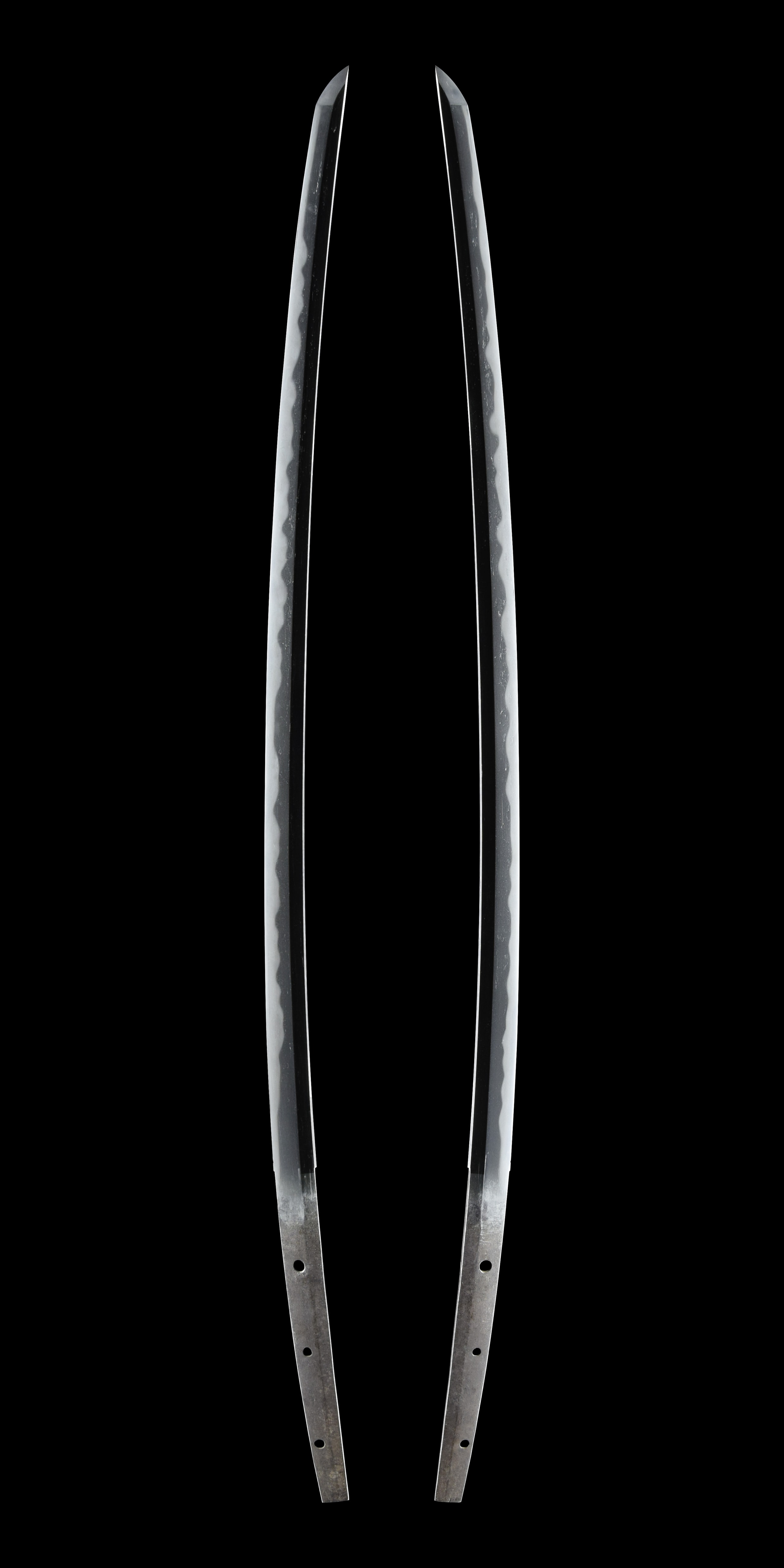
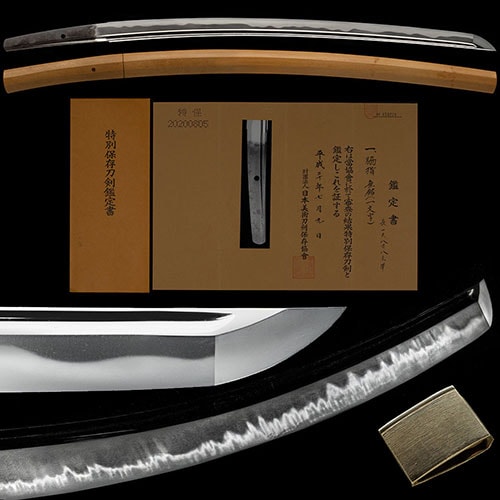
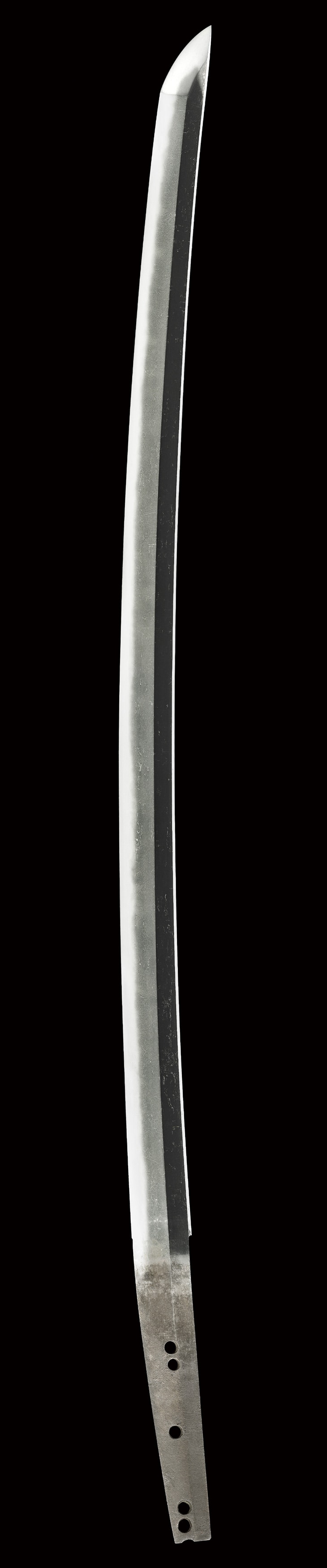
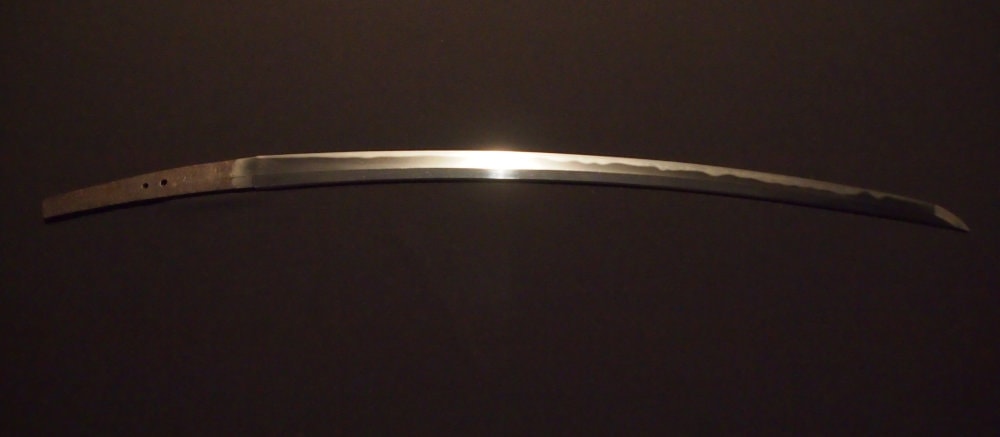
Sukenori's work represents the earlier phase of the Fukuoka school, before the flamboyant, large that would characterize the school's mid- flowering. His typically show a slender with , preserving a strong flavor in both and . The is , sometimes with a moist tendency, producing a clear in which appears distinctly. His ranges from -based compositions intermingled with and — described as archaic in feeling with thickly applied , , and gentle — to with plentiful and and a somewhat wide . The characterizes his earlier-mode work as possessing "a restrained, understated appeal," noting that the remains "gentle and faint" in contrast to more pronounced later examples.

Surviving signed works by Sukenori are exceptionally rare. The three blades bearing his name show minor differences in signature style, but expert opinion holds them to be by the hand, with the finest among them achieving "workmanship not inferior to Sukemune." His output constitutes valuable material for the study of the Ko- school and the transitional character of early swordsmithing, bridging the archaic idiom and the brilliant tradition that would follow.
Honors

御番鍛冶Goban Kaji (Go-Toba's Imperial Forging Rotation)

Transmitted as one of the goban kaji (extended roster)

Master smiths summoned by Retired Emperor Go-Toba (後鳥羽上皇) to serve monthly rotations forging swords at the imperial court, ca. Jōgen–Jōkyū (1208–1221). A cross-school honor: each smith retains his own school (, Fukuoka , , etc.). The linked school NS- holds only Go-Toba's own Kiku gyōsaku blades.

View full roster→

Historical importance

Where Sukenori stands among comparable artisans: across all of nihontō, and within tradition, era, and period. The tiers (Foremost · Leading · Major · Notable) weigh official designations from the NBTHK and Japan's Agency for Cultural Affairs, together with historical honors of lasting repute such as the Sansaku and Meibutsu-chō.

随一
Foremost
屈指
Leading
有数
Major
著名
Notable

Select a lens to see how it's measured.

Designations

Kokuhō—
Jūyō Bunkazai—
Jūyō Bijutsuhin3
Gyobutsu—
Tokubetsu Jūyō—
Jūyō Tōken1

Elite Standing

Provenance

Currently Available

Ko-Ichimonji School

Other artisans of the Ko-Ichimonji school

  1. 1.Muneyoshi宗吉11designated
  2. 2.Sadazane貞眞1 for sale13designated
  3. 3.Narimune成宗10designated
  4. 4.Shigehisa重久5designated
  5. 5.Munetada宗忠5designated
  6. 6.Yukikuni行國1 for sale1designated
  7. 7.Muneyori宗依3designated
  8. 8.Naomune尚宗2designated
  9. 9.Sukemori助守2designated
  10. 10.Sukemune助宗4designated

Sukenori

Sukenori(助則) was a Japanese swordsmith of the Ko-Ichimonji school in Bizen province, active during the Jokyu (1219-1222) period.

The work follows the Bizen-den tradition.

Designated works by Sukenori include 1 Jūyō.