NihontoWatch MonNihontoWatchBETA
MarketEncyclopedia
NihontoWatch Mon

NihontoWatchBETA

Market
Encyclopedia
Overview·Kantei·Honors·Designations·Provenance·Blade Forms·Signatures·Lineage·School
OverviewKanteiHonorsDesignationsProvenanceBlade FormsSignaturesLineageSchool
  1. Schools
  2. Ichimonji
  3. Fukuoka Ichimonji
  4. Muneyoshi

Ichimonji Muneyoshi

宗吉

Tokujū
Vol. 7, No. 28 · Tachi

Ichimonji Muneyoshi

宗吉

12 ranked works

御番鍛冶
ProvinceBizenEraJogen (1207–1211)PeriodKamakuraSchoolIchimonjiTraditionBizen-denFujishiroJo-jo sakuToko Taikan2,000(top 2%)TypeSwordsmithCodeMUN643
2Jūyō Bunkazai
4Jūyō Bijutsuhin
2Gyobutsu
3Tokubetsu Jūyō1Jūyō Tōken

Overview

Muneyoshi is a smith of the Ko-, the earliest generation of the , working in the opening years of the period. The published sources place him at the threshold of the school: drawing on the Meizukushi Taizen, they record that 'Muneyoshi belonged to the Ko-' (宗吉は古一文字派に属し), that he was a son of Munekuni and married into the house of Norimune, 'son-in-law of Norimune, founder of the ' (一文字の祖則宗の聟), and that he served alongside Norimune and Sukemune as one of the , the swordsmiths in monthly attendance on Retired Emperor Go-Toba. One Jūyō Bijutsuhin entry sets him in the Jōkyū years and the so-called July group; a gives him the Shōji-era rotation. His is among the first hands to carry the manner forward after Norimune, who signed only the single character .

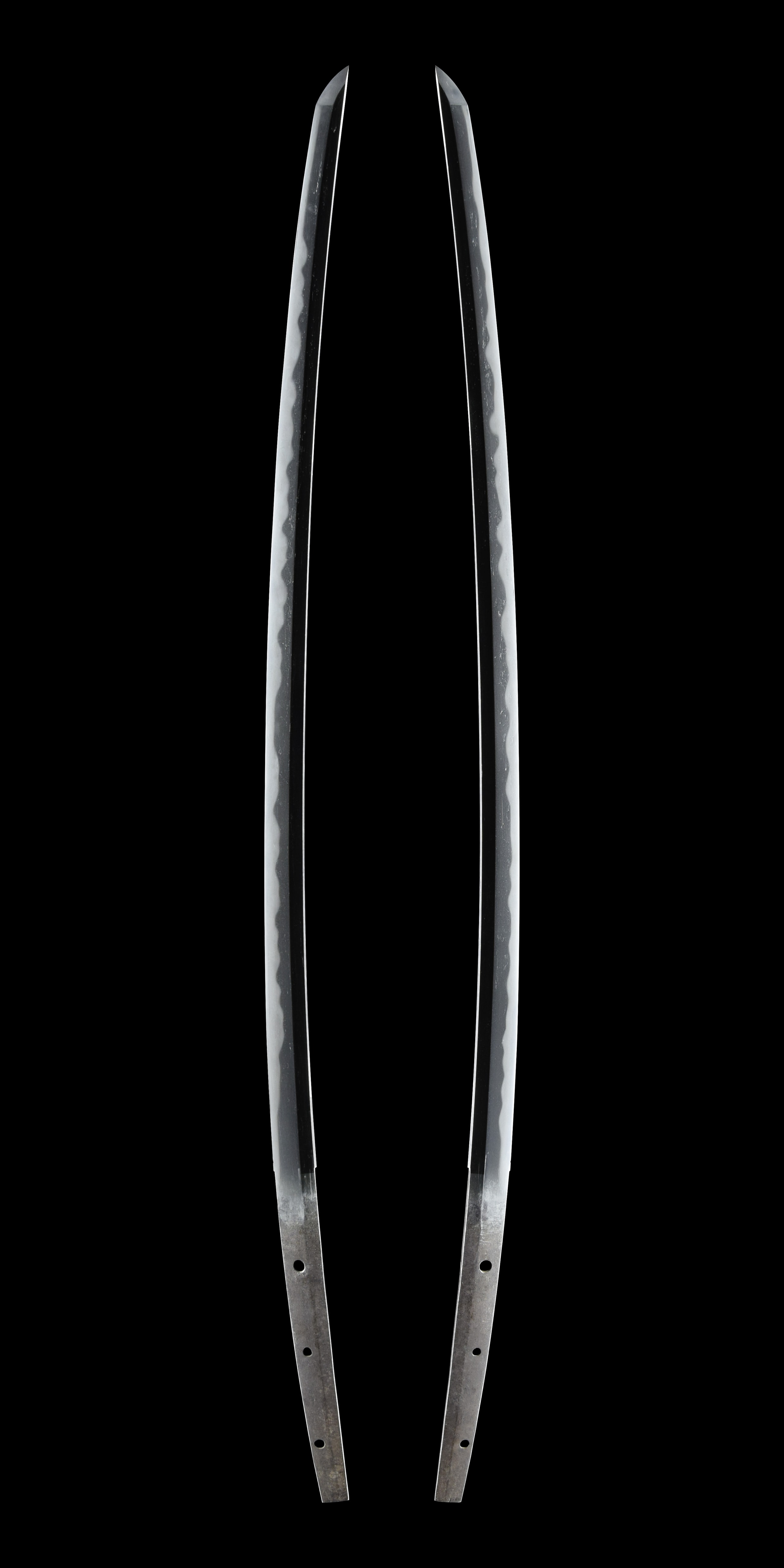
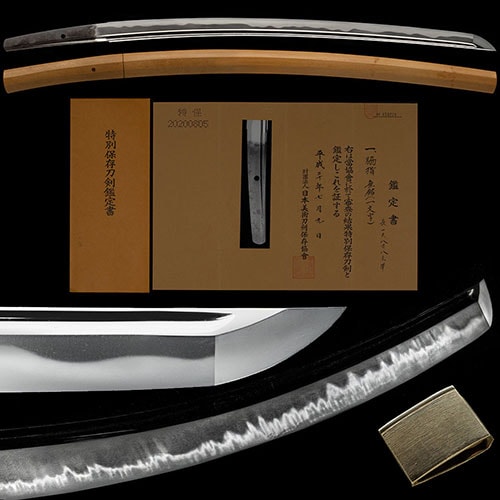
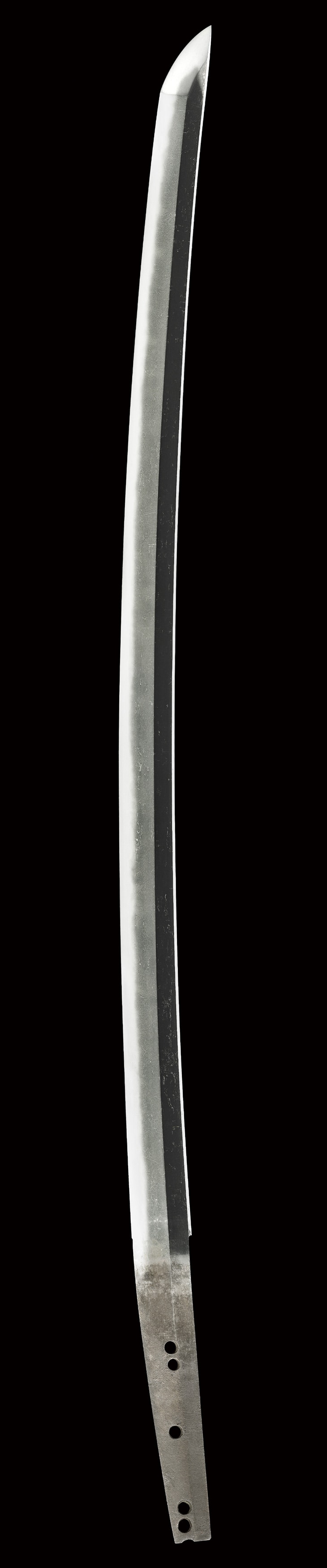
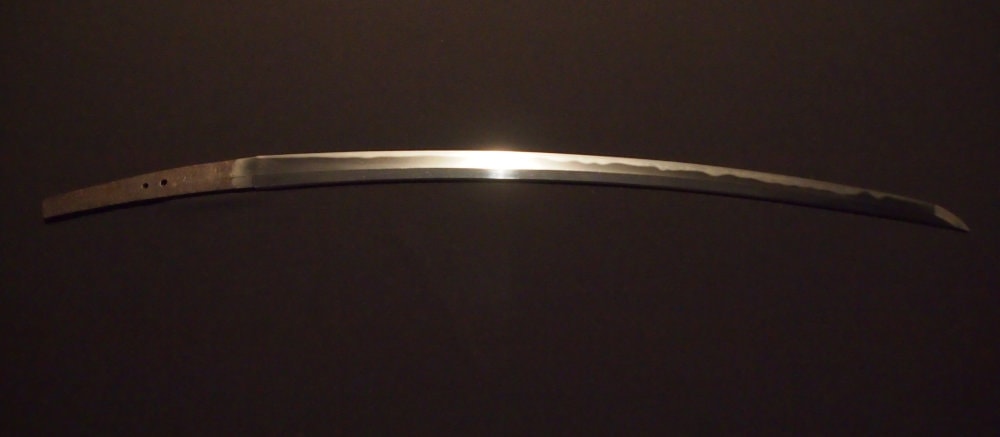
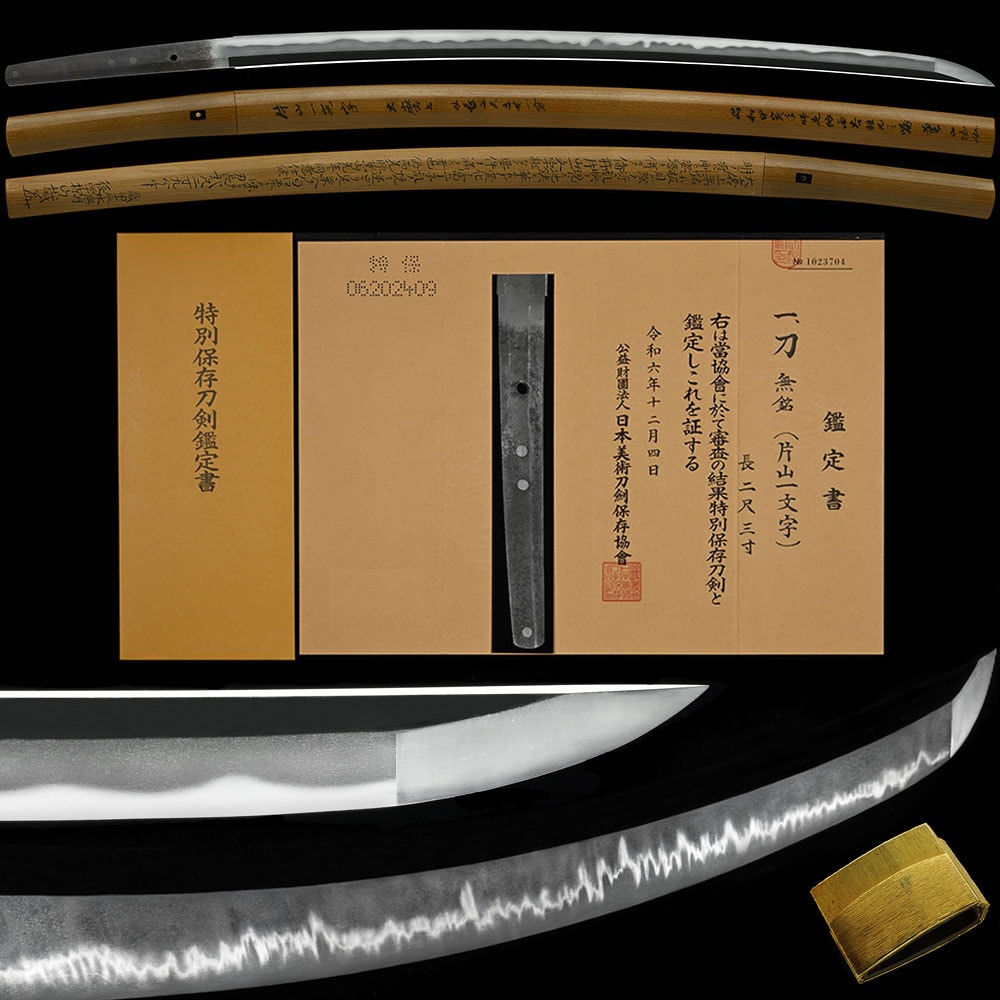
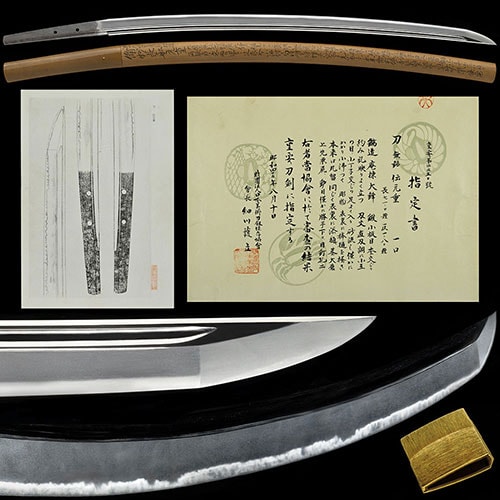
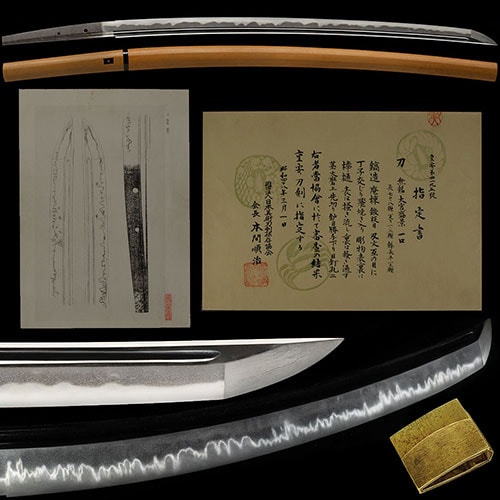
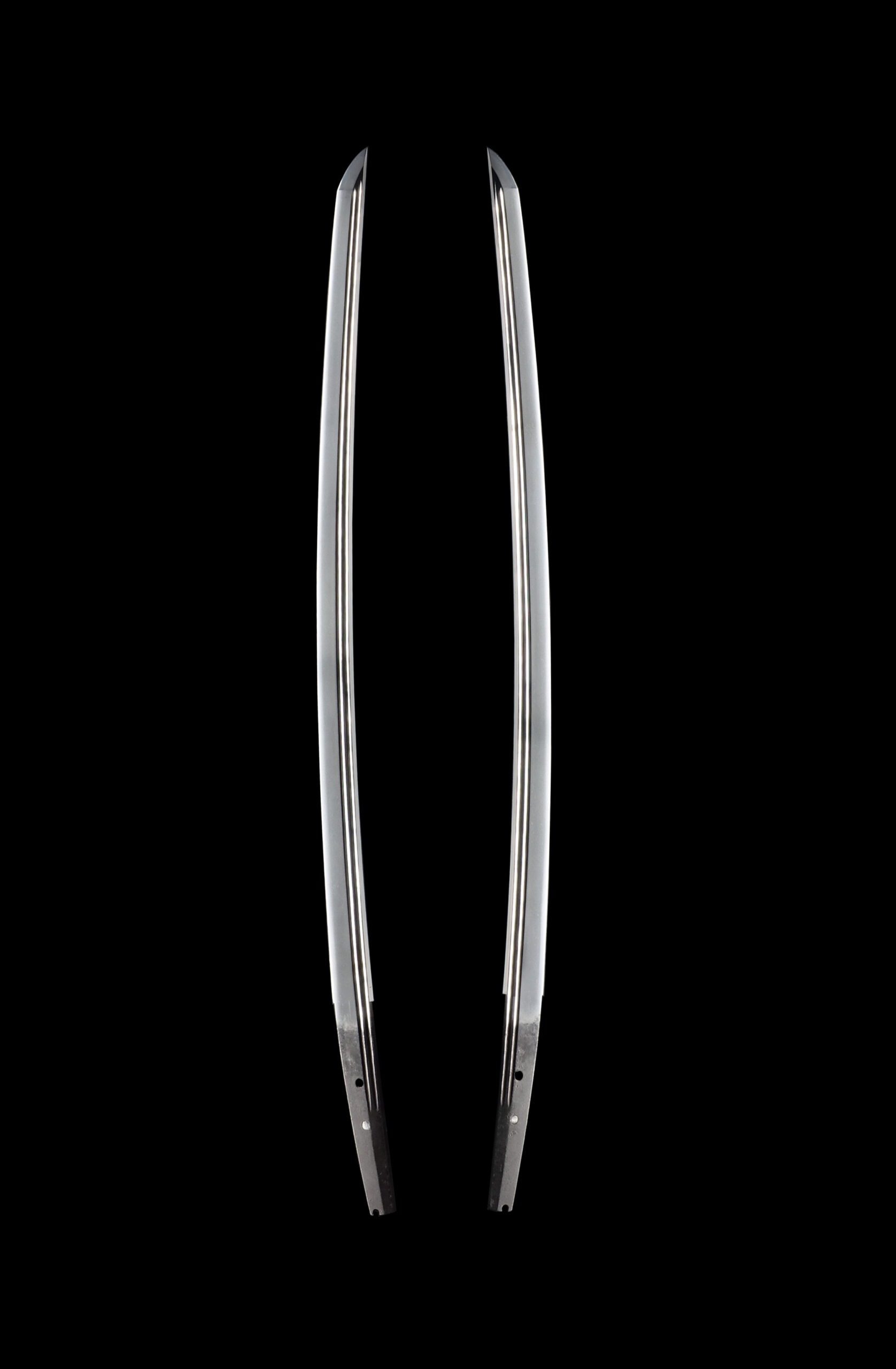
His blades are , slender and well-proportioned, several retaining a high -zori and strong even where shortened. Over an , at times a closely packed and mixed with , the steel carries a thick and a vivid that stands out clearly on every signed example. The temper is the tell of his hand: not the full clove-flower of the later school but a -toned small , into which he sets and , with abundant and , well adhered, and fine and running through. The runs straight into a small or finishes in a -like sweep.

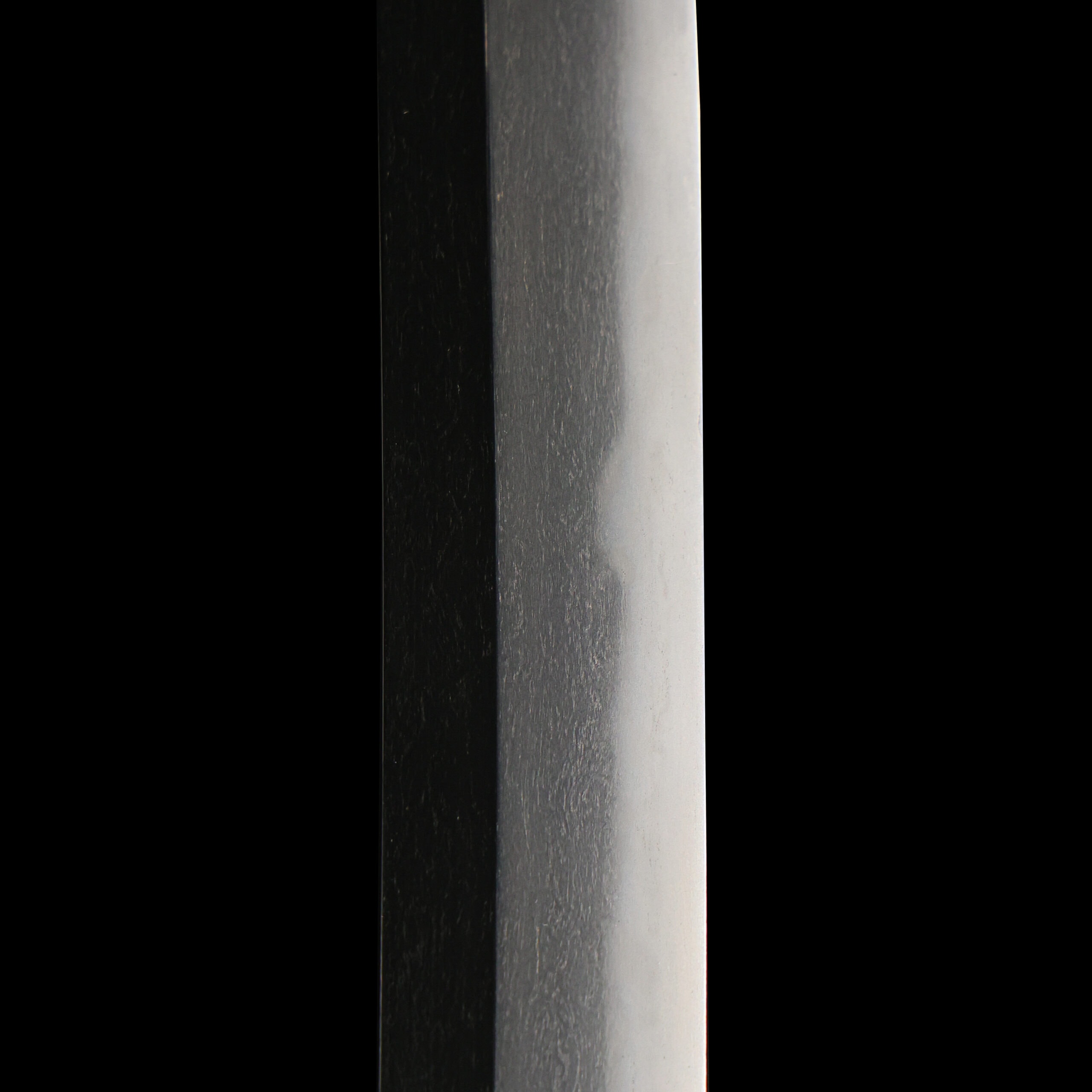
The is the constant. with and the bright of old steel appears on each blade, sometimes with entering frequently and the grain standing a little; where the forging tightens into the only grows clearer. Over that the stays comparatively calm. Where one piece widens into a more flamboyant toward the middle with , the body of the temper remains a small irregular line, deep in and , the activity carried in and rather than in towering clusters.

The published sources draw a careful distinction within his own work. Examining extant signed pieces, they find that the manner of the signature differs from blade to blade, and that the workmanship divides in two: some are archaic and classical in a mode, others mix in for a somewhat more decorative feeling. From this they infer that 'there were multiple smiths' (複数の同銘工があった) using the one name Muneyoshi. The point recurs across his entries and is the central scholarly question around him, left open for further study.

What separates the Ko- Muneyoshi from both his neighbours is exactly what the judges name. He is set apart from the flamboyant of the mid- to late- , his temper read instead as 'an archaic register, unlike the flamboyant of the mid-, with the old colour of its period' (鎌倉中期の華やかな丁子乱れとは異なって古色のある作域); and he is held apart from the plainer smiths by the brightness of his and the gathering of on his edge. He stands before the school's great flowering at Fukuoka, Yoshioka and Katayama, the quiet root from which the most brilliant of the traditions grew.

For the collector he is a rare early name. Fujishiro grades him Jō-jō . He has no National Treasures; his record runs instead through Important Cultural Properties, Jūyō Bijutsuhin and the higher modern tiers, and the published commentary calls one shortened 'foremost among works by the hand' (同作中の屈指). His blades are preserved in long-held collections and institutions grounded in their own provenance, the Mōri family among the houses, the Seikadō Bunko from the Iwasaki collection, and the Kurokawa Institute of Ancient Cultures, with a pair held at Atsuta Jingū. Only a small number fall in the and tiers, so a signed Ko- Muneyoshi comes to light only seldom, and a privately held example is a notable thing for a collector to encounter, a document of how the began.
Kantei

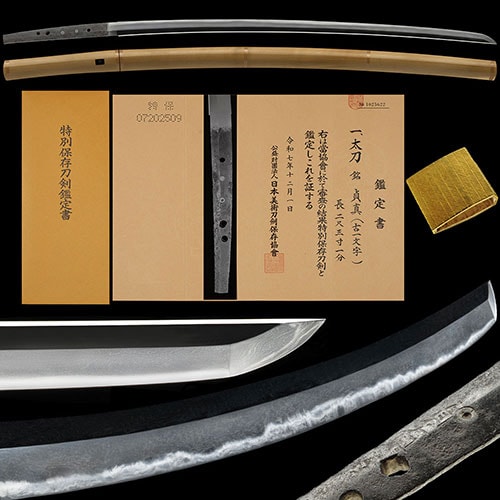
Suguha-based ko-midare with ko-choji over a vivid-utsuri itame; the archaic Ko-Ichimonji manner, set apart from both the mid-Kamakura choji-midare and the Ko-Bizen smiths.

Muneyoshi is an early- Ko- smith of , recorded as a of Retired Emperor Go-Toba and as a son-in-law of Norimune, the Fukuoka founder. His hand is a -based carrying over an with thick and a vivid , the straight into a or . The published sources read this as the archaic, -flavored manner that precedes the flamboyant of the mid- school.

Diagnostic discriminators

100% of his works

a suguha-toned small midare rather than full choji-midare, the archaic register the judges contrast with the mid-Kamakura school

50% of his works

Observation by phase

The archaic Ko-Ichimonji manner

Over an , sometimes a closely-packed and mixed with , with thick and a clear , he tempers a -toned small carrying and , with abundant and and , fine and running through; the is straight into a small or a -like finish. The published sources note that signed Muneyoshi works divide into an archaic, -like flavor and pieces that mix in for a somewhat more flamboyant character, and infer multiple smiths under the one name.

Jigane 地鉄
Hamon 刃文
Bōshi 帽子
Scholarship

Among extant signed works the manner of signature differs from piece to piece and the workmanship divides into archaic and somewhat flamboyant tendencies, from which the judges infer multiple smiths under the name Muneyoshi.

The published sources set his manner apart from the flamboyant choji-midare of the mid- to late-Kamakura Ichimonji, reading it instead as the older, Ko-Bizen-flavored character of his period.

Honors

御番鍛冶Goban Kaji (Go-Toba's Imperial Forging Rotation)

July rotation

Master smiths summoned by Retired Emperor Go-Toba (後鳥羽上皇) to serve monthly rotations forging swords at the imperial court, ca. Jōgen–Jōkyū (1208–1221). A cross-school honor: each smith retains his own school (, Fukuoka , , etc.). The linked school NS- holds only Go-Toba's own Kiku gyōsaku blades.

View full roster→

Designations

Kokuhō—
Jūyō Bunkazai2
Jūyō Bijutsuhin4
Gyobutsu2
Tokubetsu Jūyō3
Jūyō Tōken1

Elite Standing

0.98 across 12 designated works

Top 2% among smiths

Provenance

12 documented provenances across certified works by Muneyoshi

Provenance Standing

3 works held in elite collections across 12 documented provenances

Top 18% among smiths

Raw score: 2.13 / 10

Blade Forms

Distribution across 12 ranked works

Signatures

Signature types across 12 ranked works

Currently Available

Lineage

Muneyoshi
Students (4)
  1. 1.Yoshihira吉平17designated
  2. 2.Muneie宗家
  3. 3.Munenaga宗長
  4. 4.Yoshimune吉宗

Ichimonji School

Other artisans of the Ichimonji school

  1. 1.Sadazane貞眞1 for sale13designated
  2. 2.Narimune成宗10designated
  3. 3.Shigehisa重久5designated
  4. 4.Munetada宗忠5designated
  5. 5.Tsunetsugu恒次11designated
  6. 6.Sukenori助則4designated
  7. 7.Sukemune助宗4designated
  8. 8.Chikatsugu親次2designated
  9. 9.Naomune尚宗2designated
  10. 10.Yukikuni行國1 for sale2designated
  11. 11.Muneyori宗依3designated
  12. 12.Sukemasa資正1designated