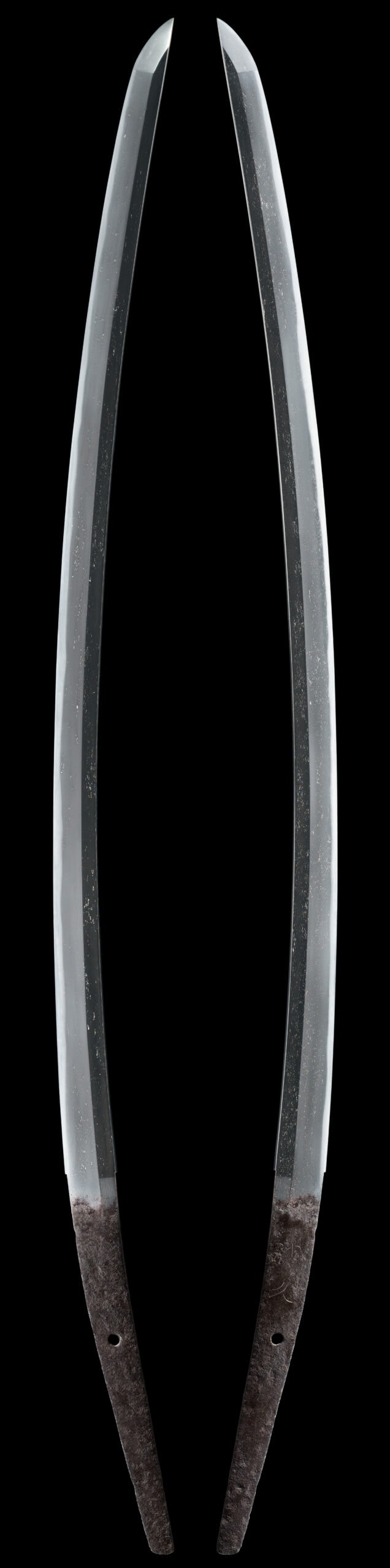
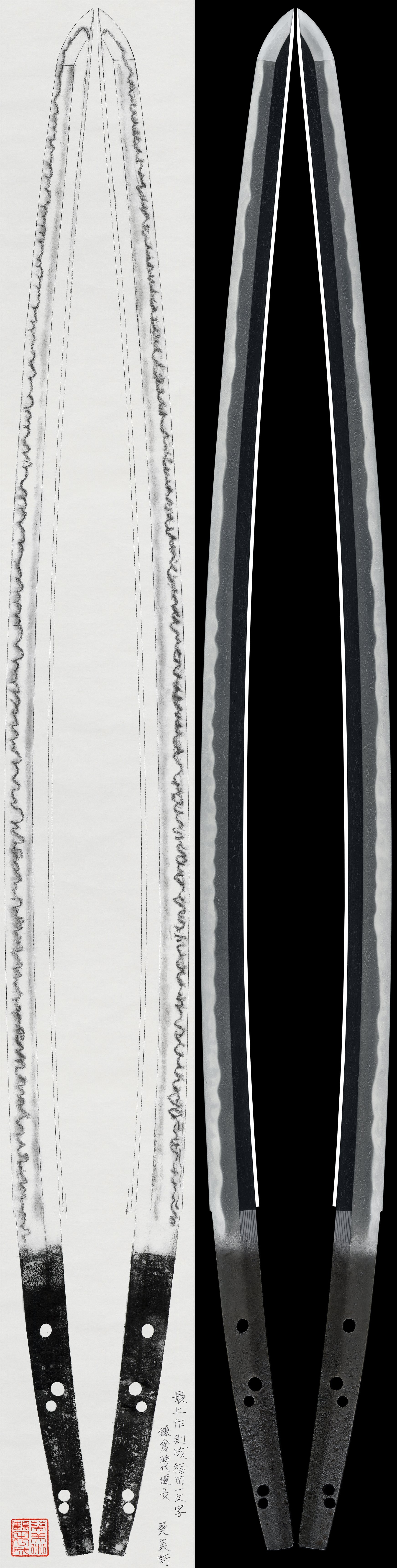
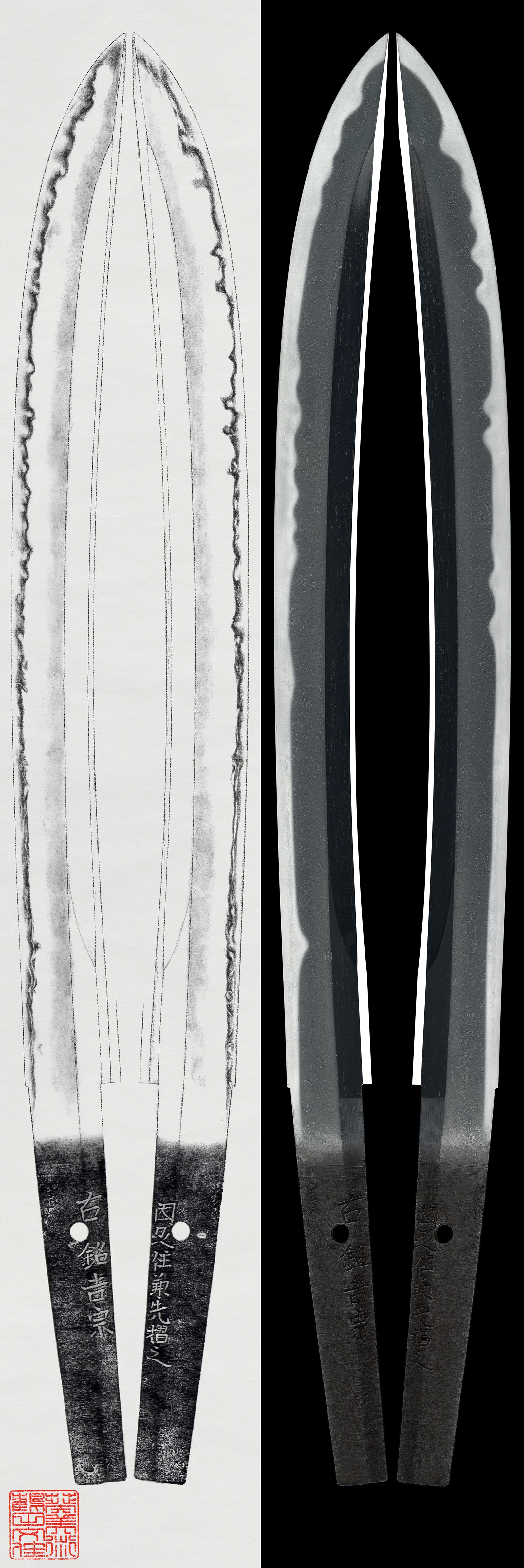
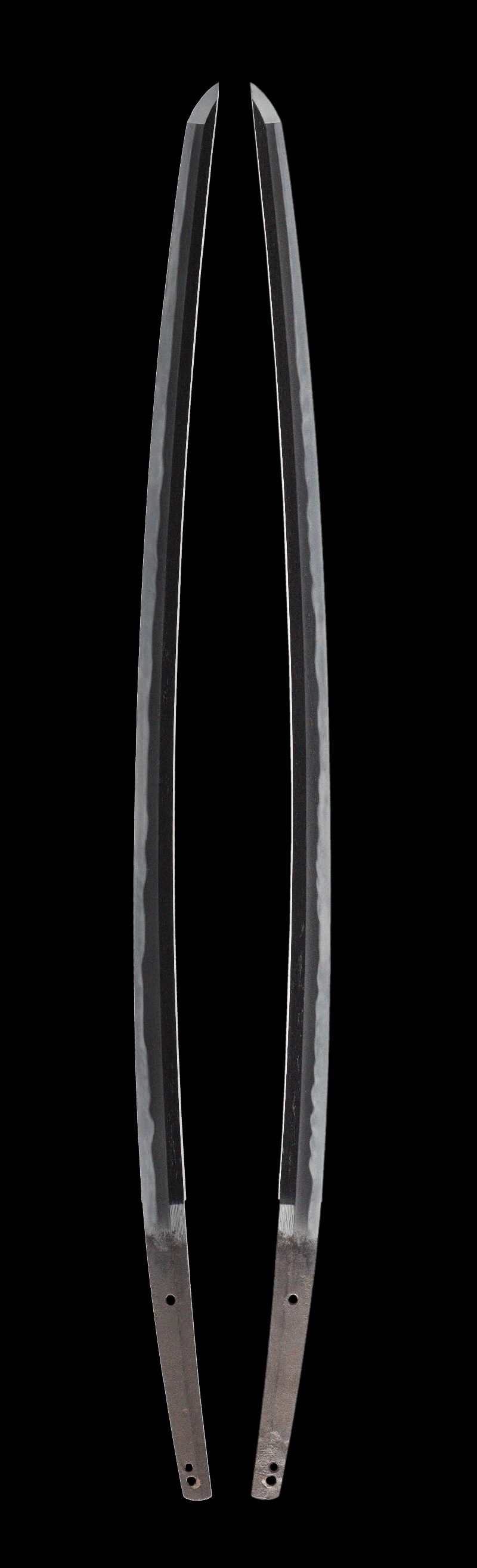
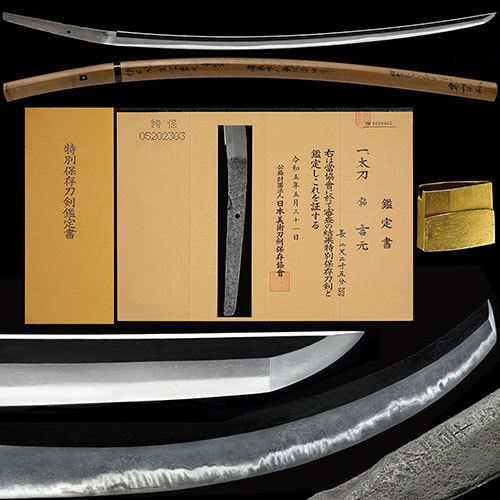
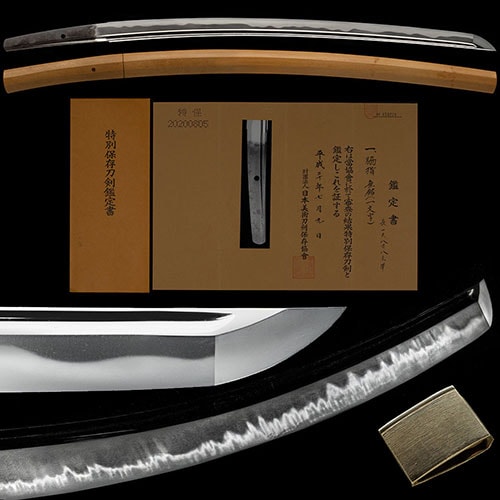
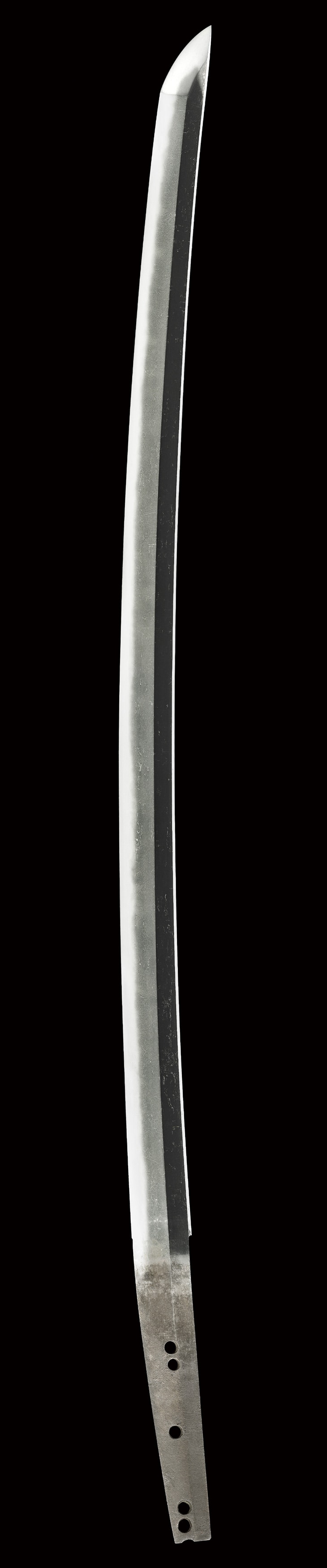
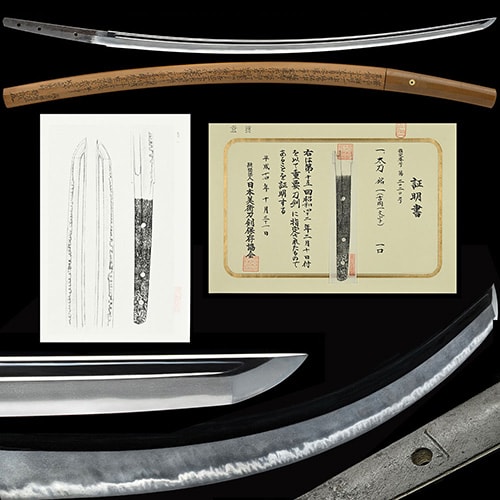
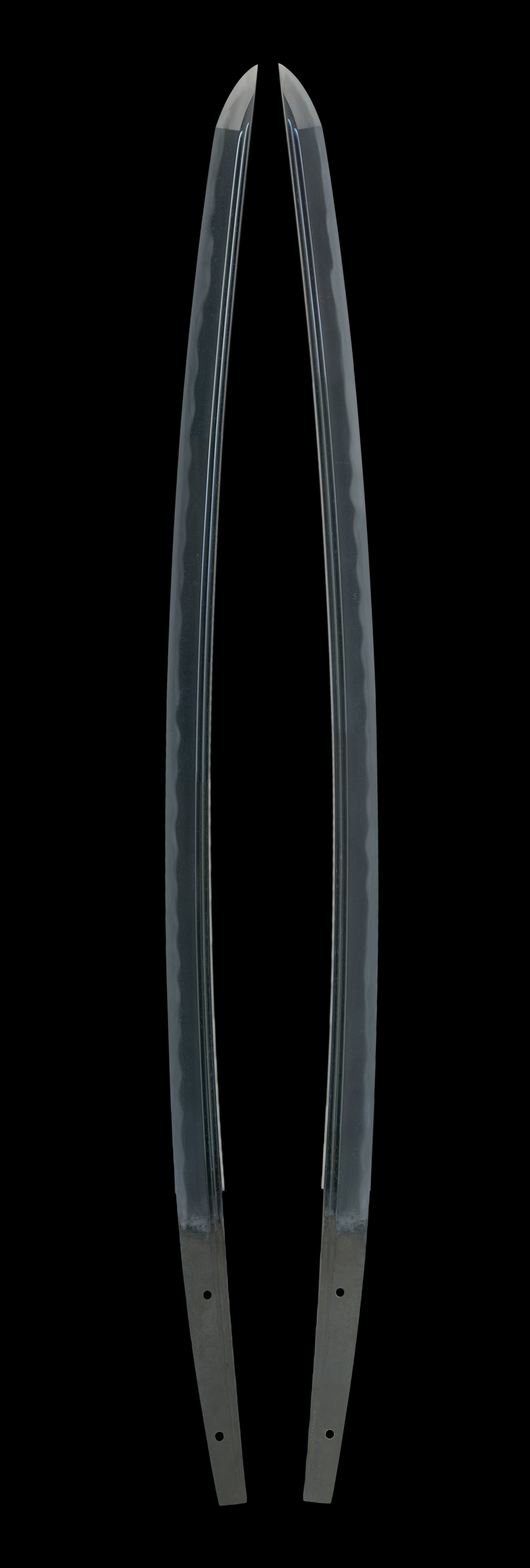
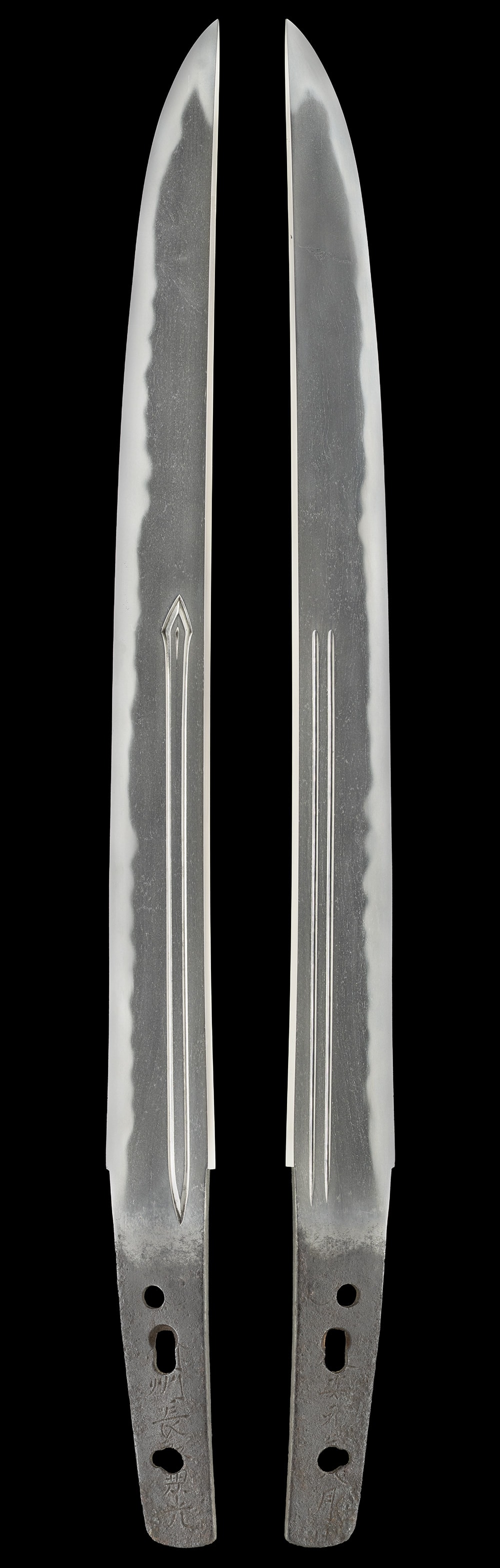
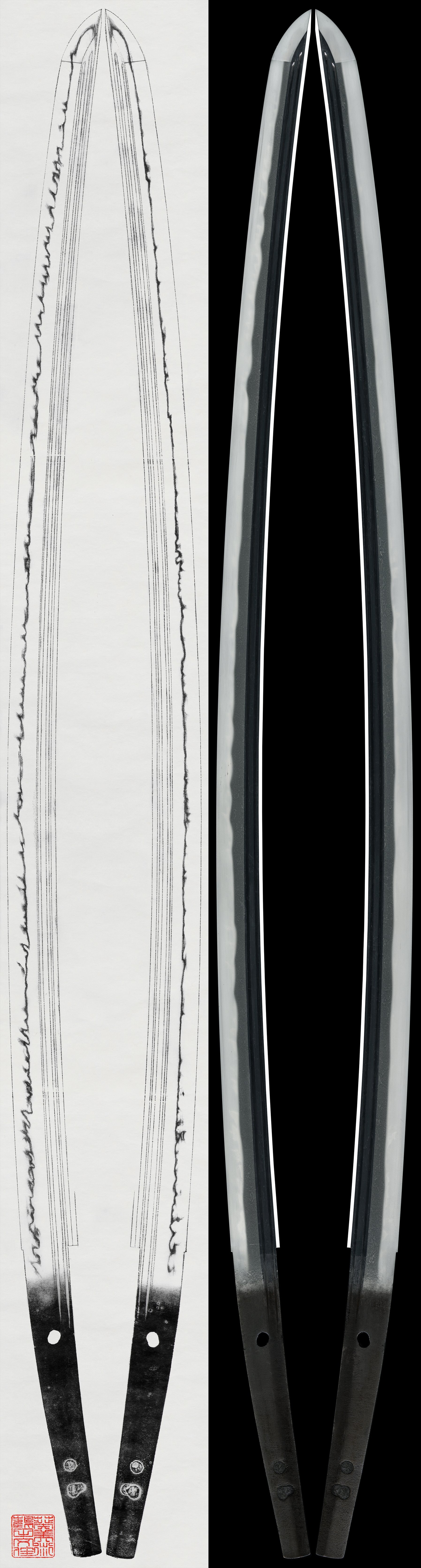
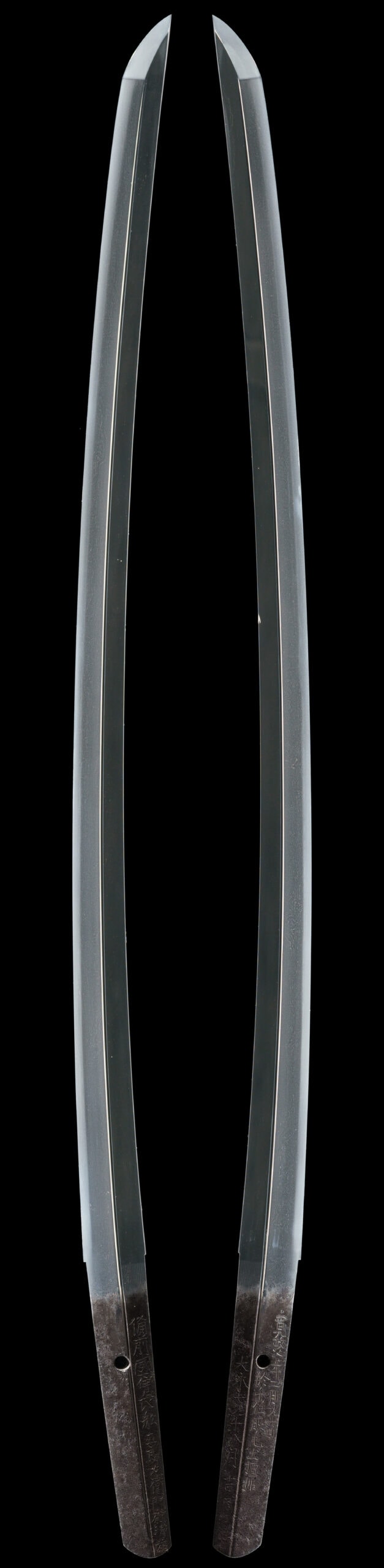
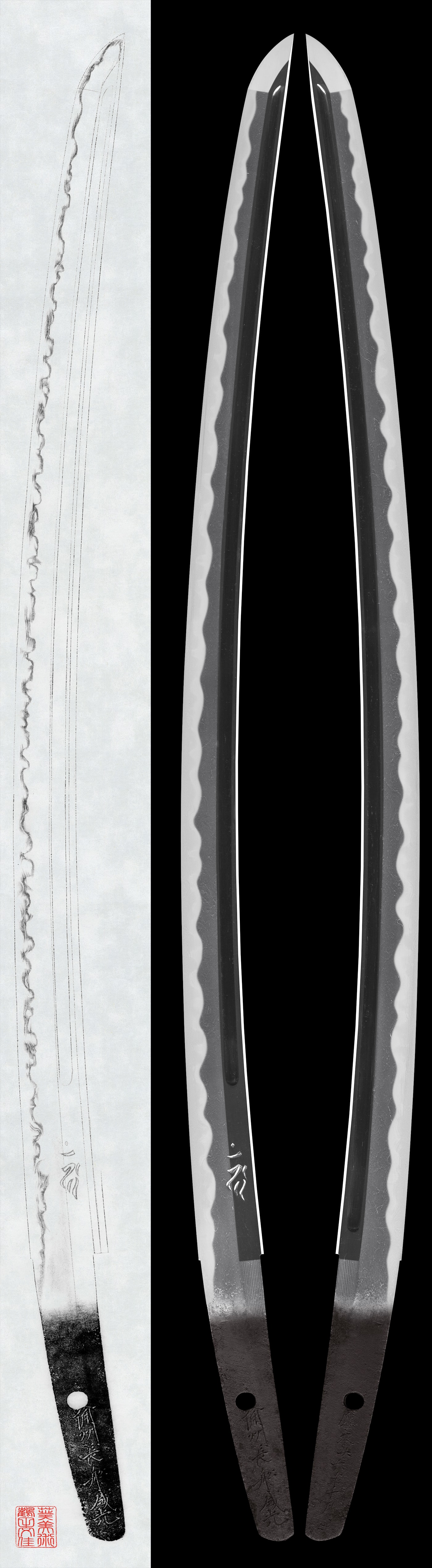
Nobufusa (延房) was an early smith of the Fukuoka lineage in Province, and is counted among the --the appointed attendant smiths who served Retired Emperor Go-Toba. Sword reference works place his period of activity around the Kenpo era (1213-1219). There has been a theory identifying the smith signing 延房 as the person as the Nobufusa who signed 信房; however, the prevailing view today regards them as separate individuals. Authenticated extant works that are reliably signed are "exceedingly few"; apart from the at Hie Shrine (Important Cultural Property), the in the Tokyo National Museum, and the in the Hayashibara Museum of Art, only a small number of signed examples are known.
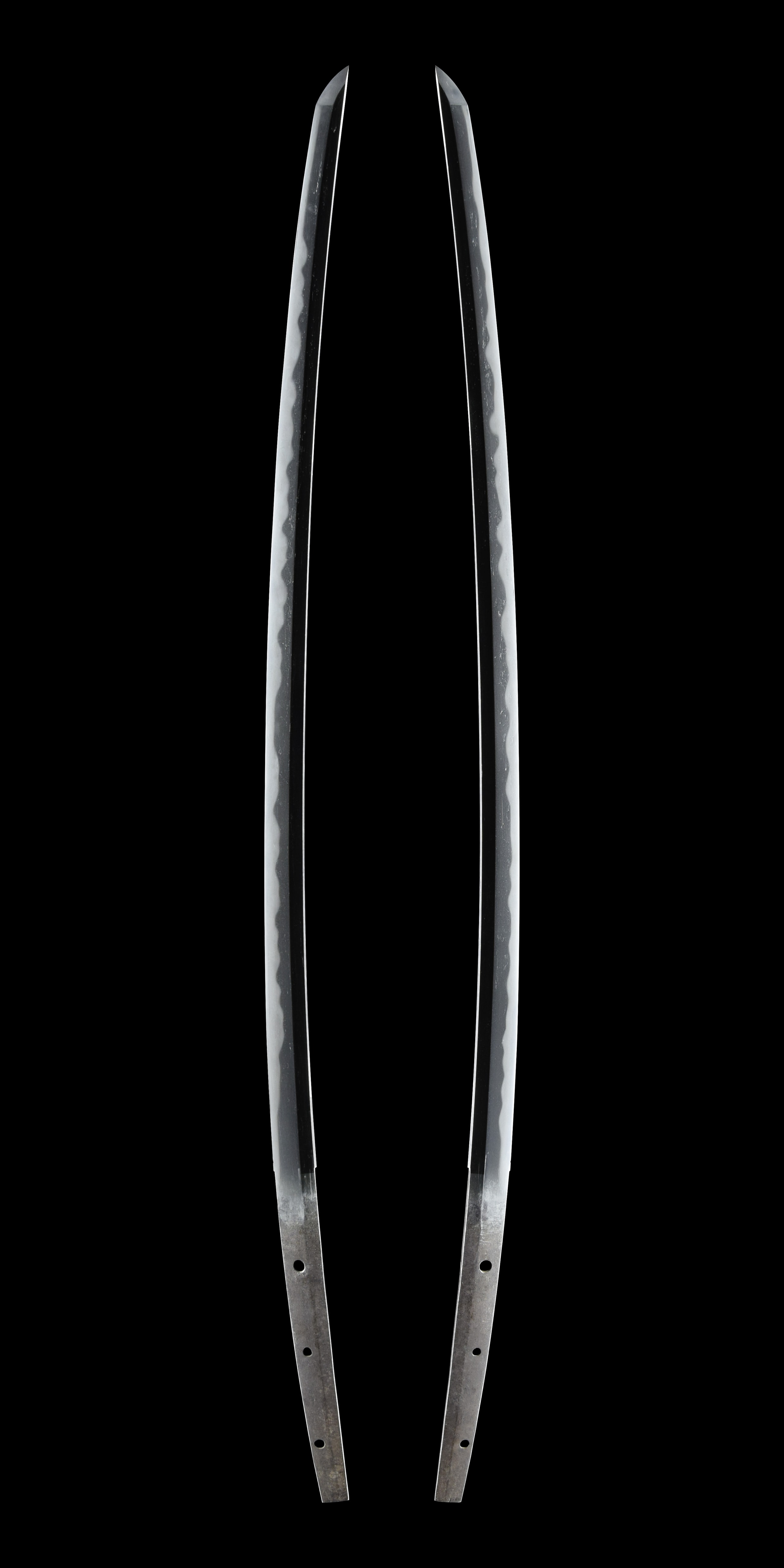
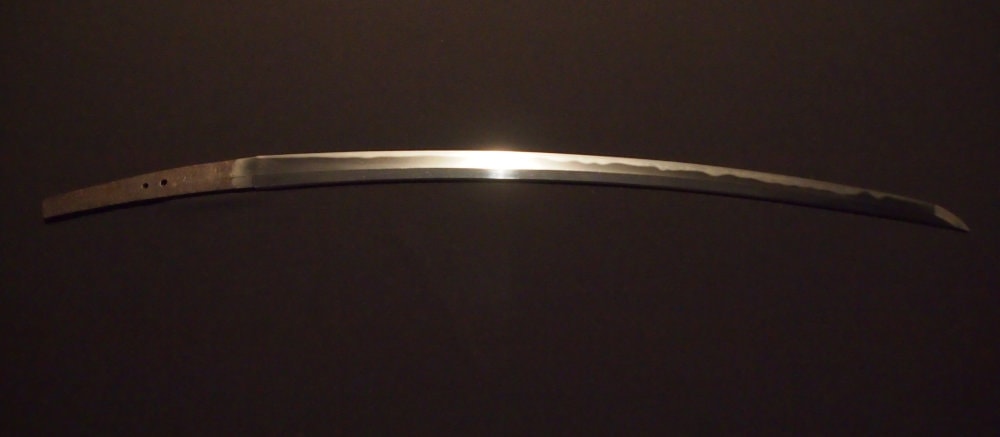
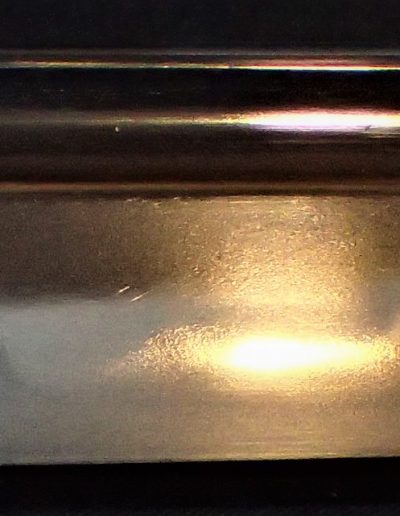
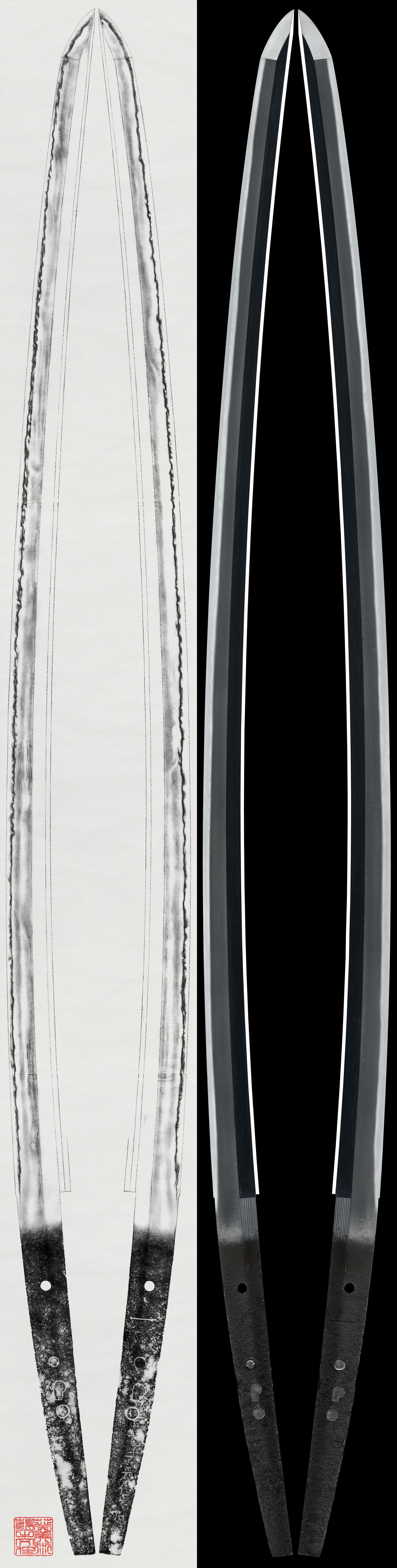
The of Nobufusa's embodies the elegant archaic ideal: slender with a pronounced , evident , and , presenting a form that "clearly displays period characteristics." His is mixed with , overall well-forged, with and fine ; a or mottled stands out, and the forging in his finest examples achieves a dense, tightly packed () texture. The is fundamentally -based--a tone mixed with , , and --with plentifully entering and and well-adhering . The observes that both and "clearly present the archaic aesthetic virtues characteristic of early work."
The consistently describe Nobufusa's work as imbued with an "archaic grace" and "refined, high-class style." Several blades retain their original , and the rarity of signed examples gives each authenticated work heightened documentary value. One bears a closely resembling that of a -Bijutsuhin blade formerly in the Kujo family, while another carries a Kochu from Kyoho 1 (1716). Two works designated as Important Art Objects were formerly transmitted within the Kujo and Izumo Senke families respectively, underscoring the esteem in which this early master has been held across centuries of connoisseurship.