NihontoWatch MonNihontoWatch
Market
Encyclopedia
Kantei

Description

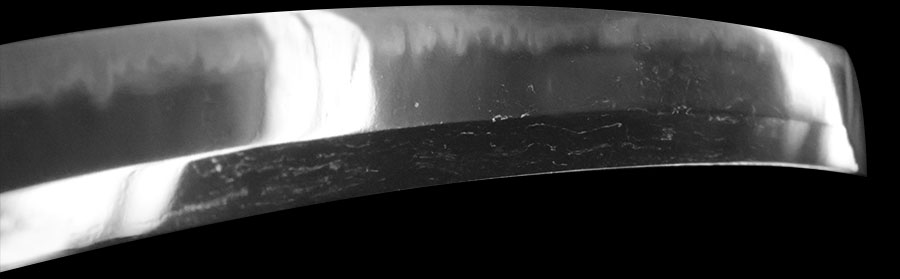
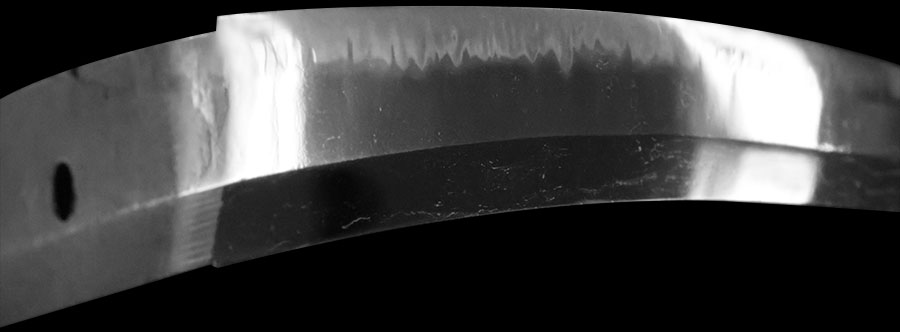
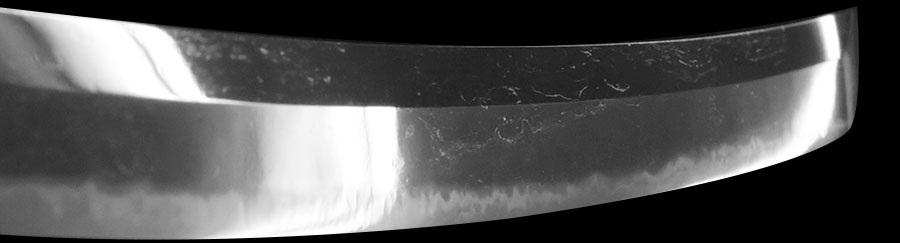
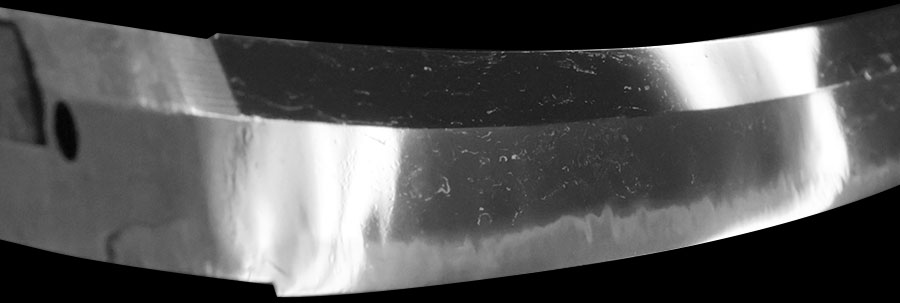
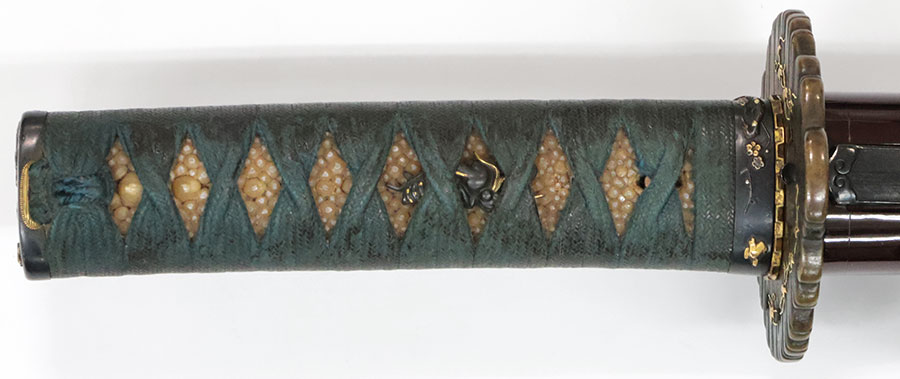
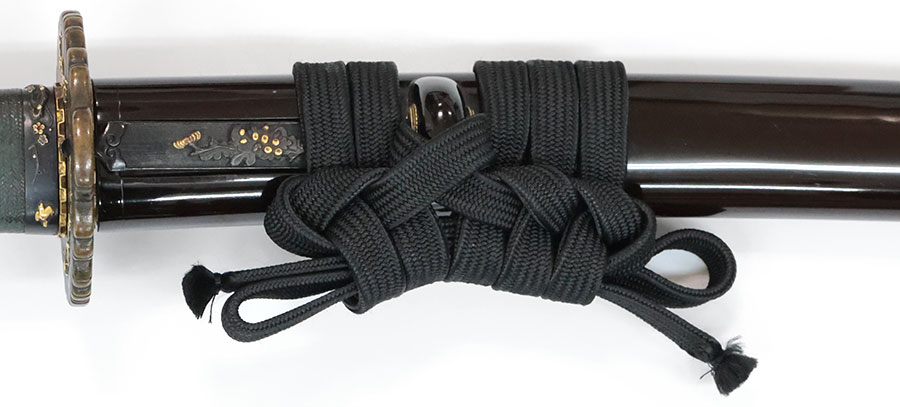
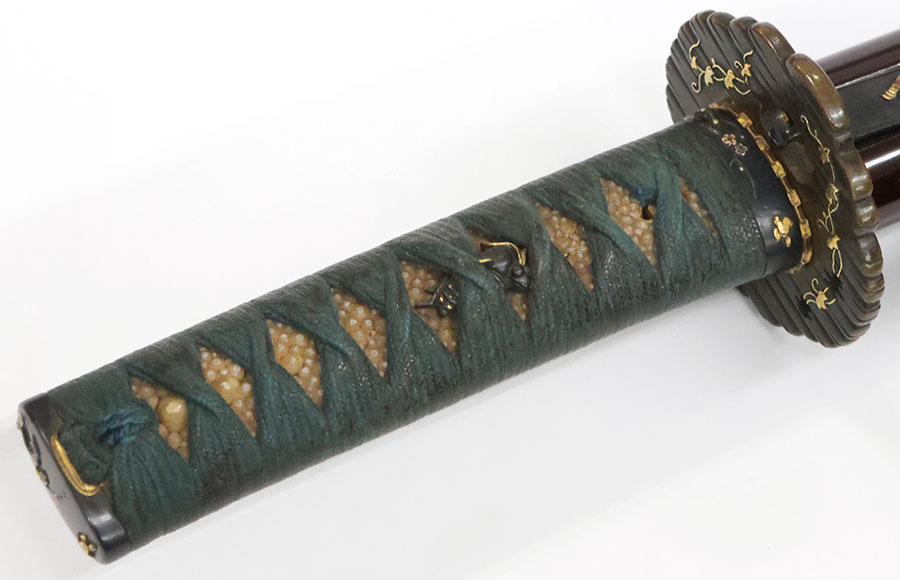
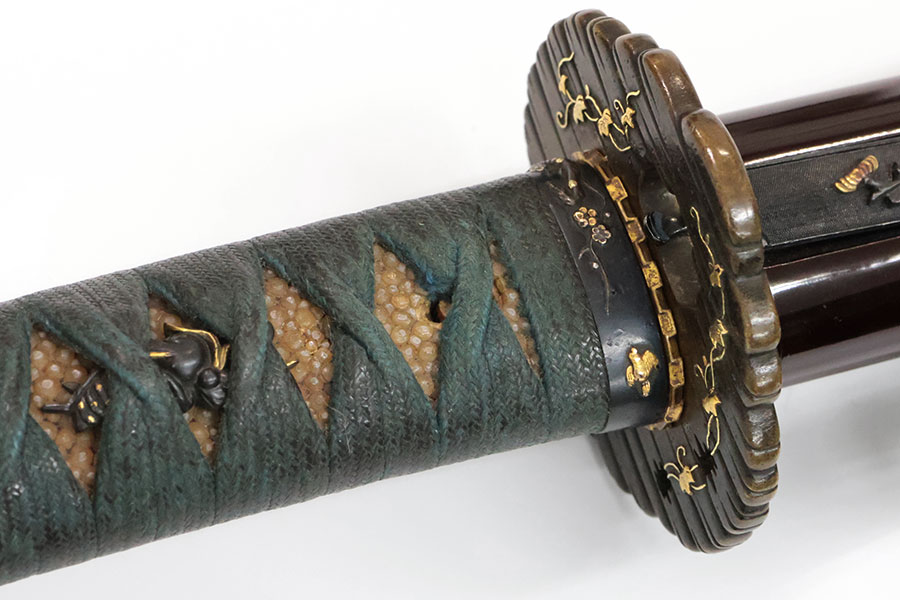
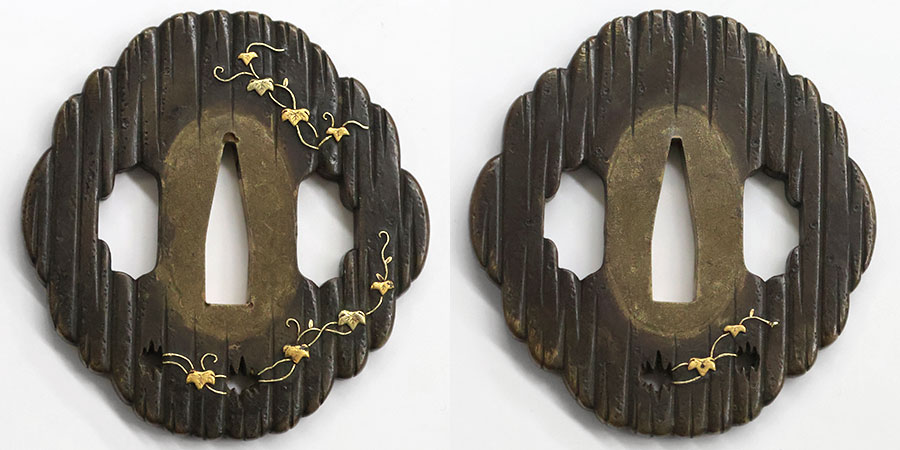
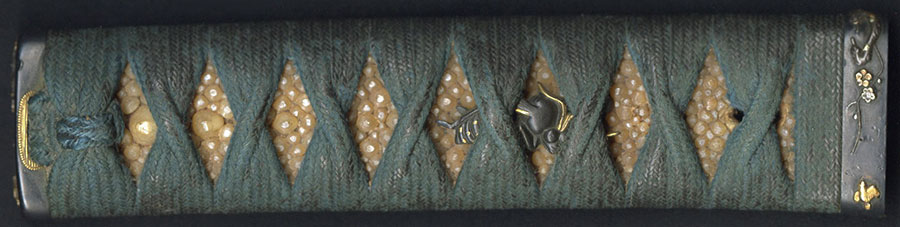
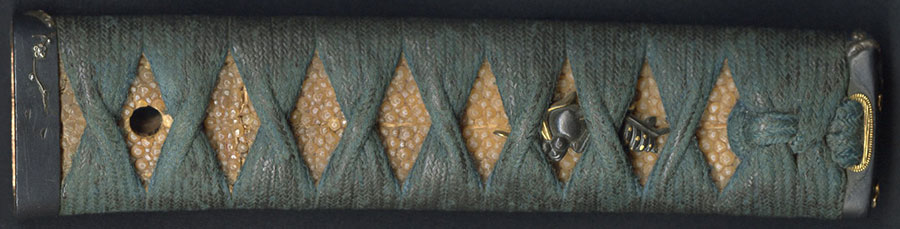
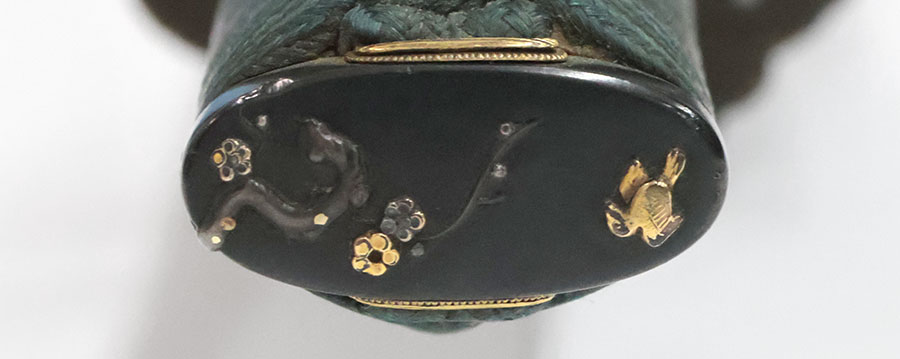
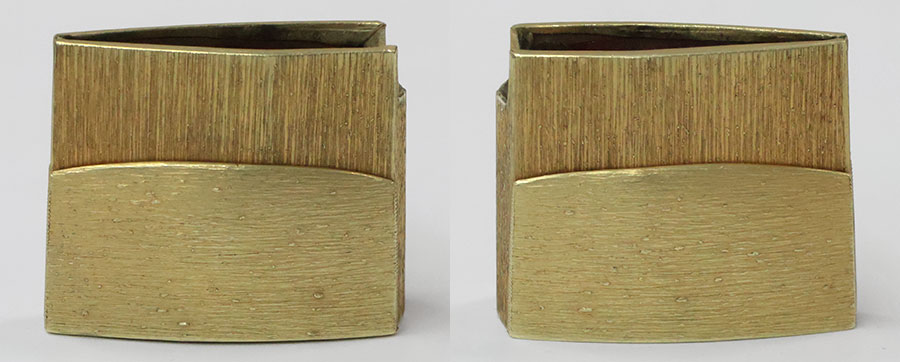
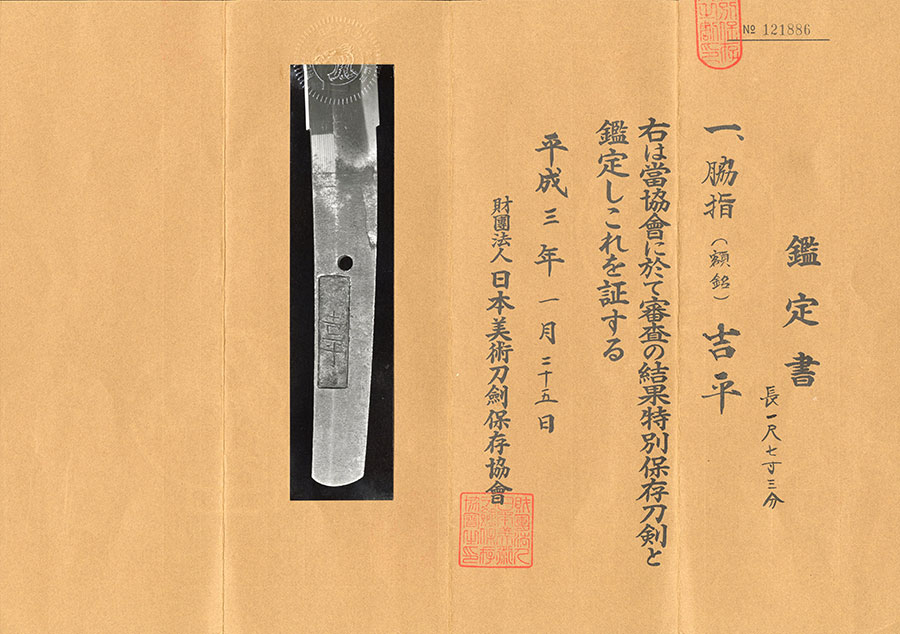
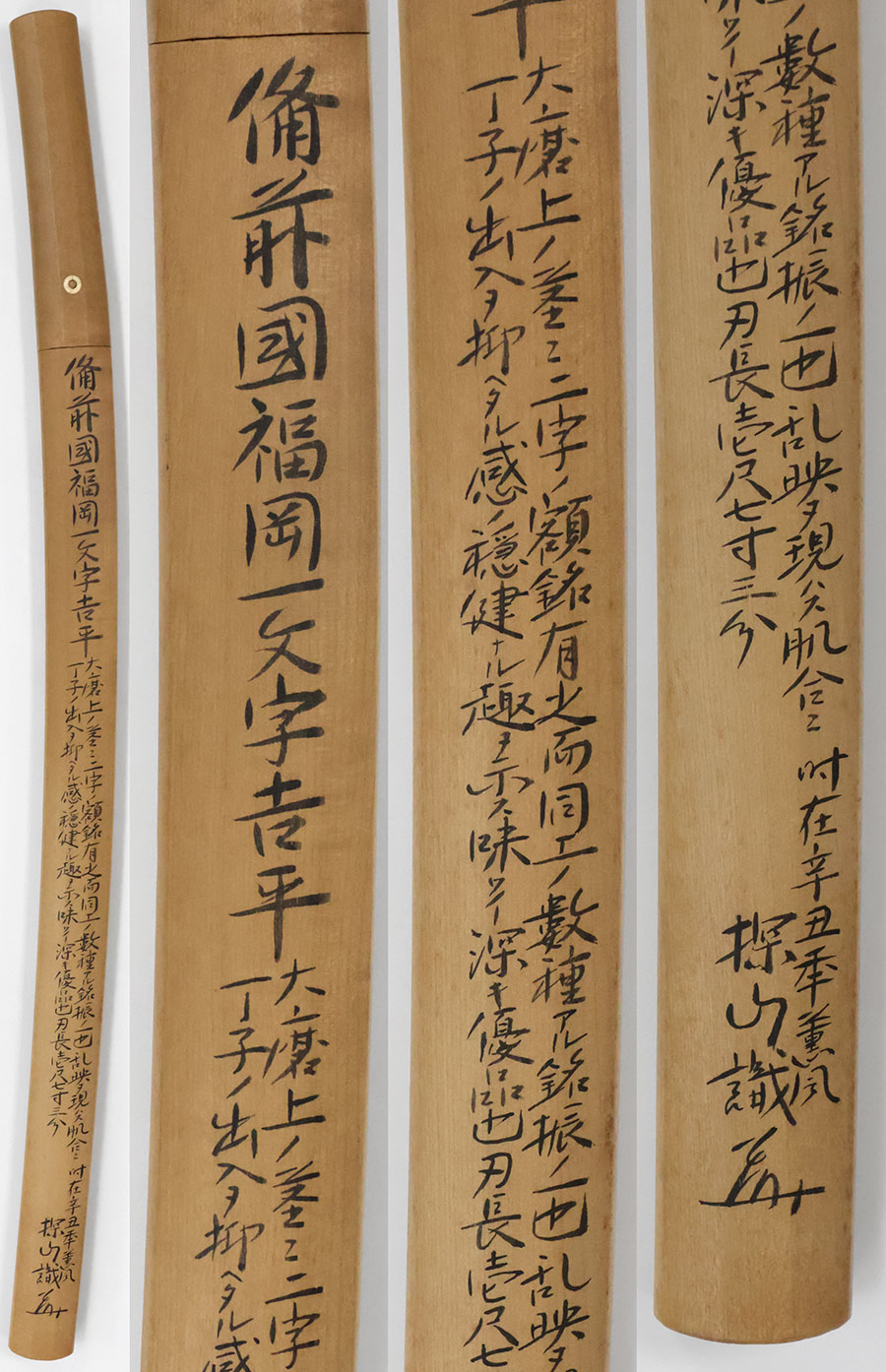
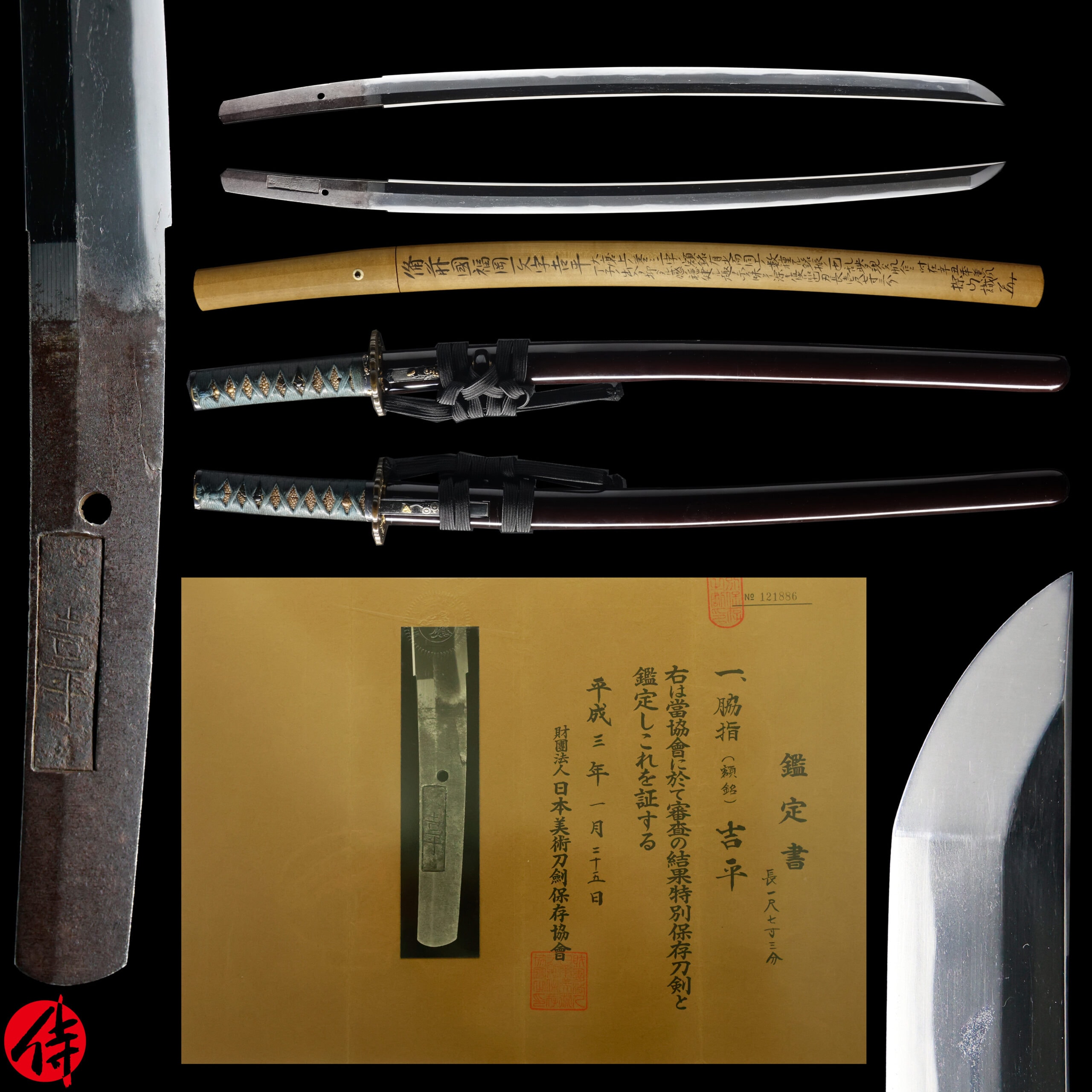
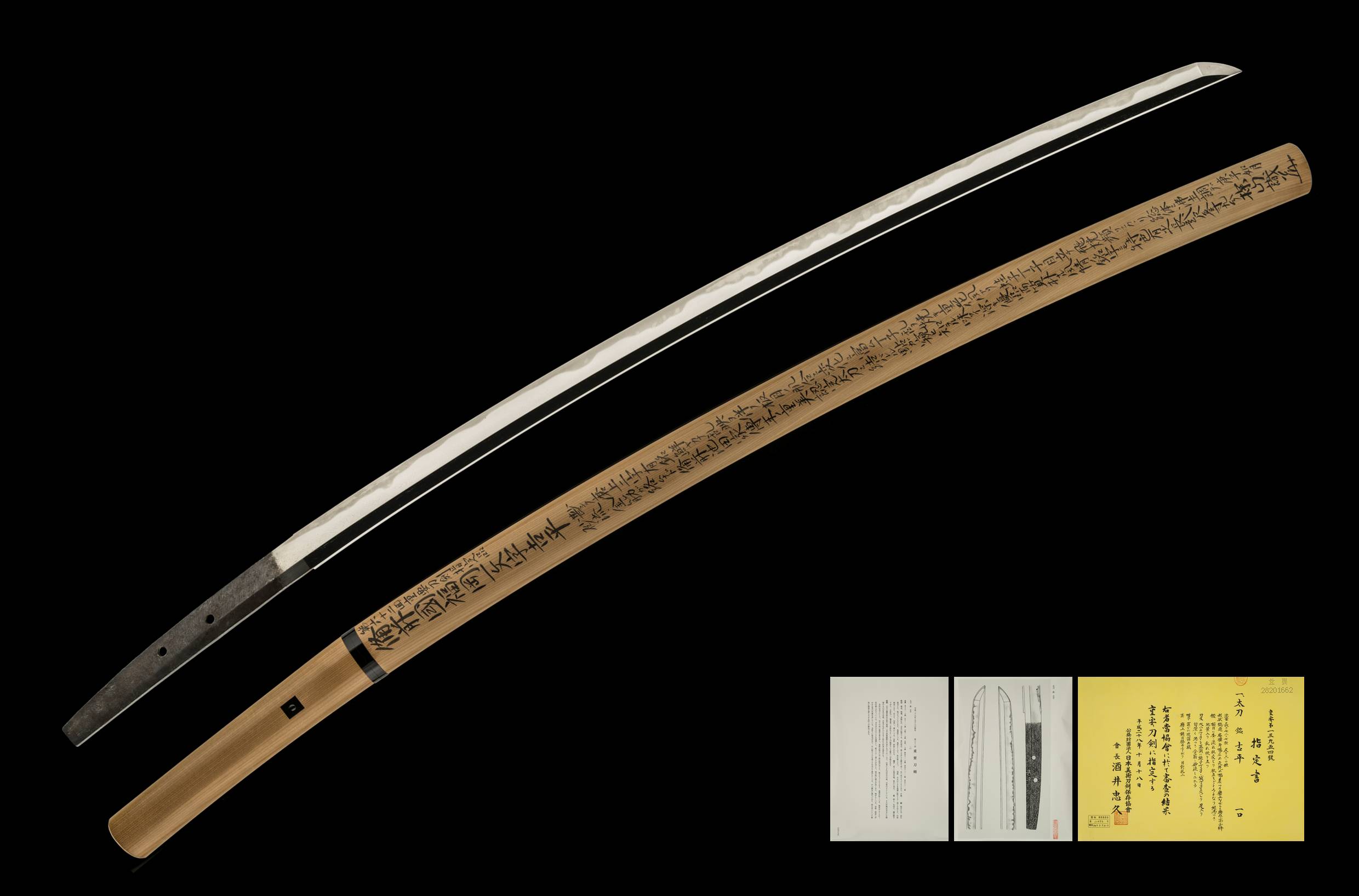
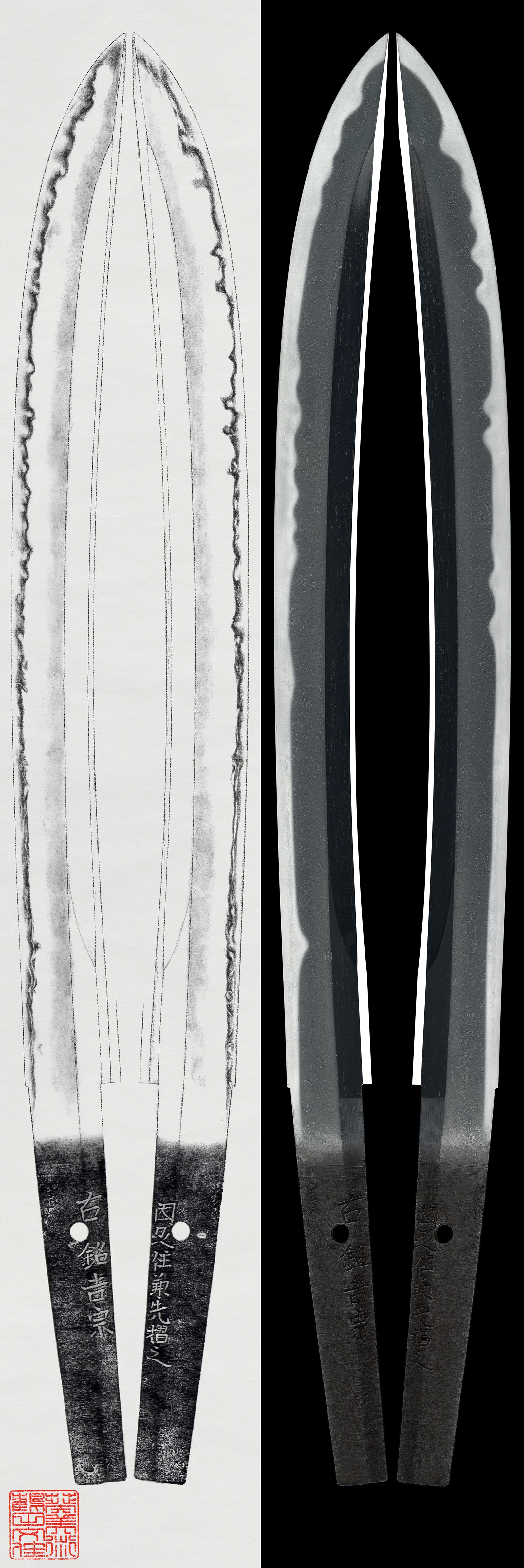
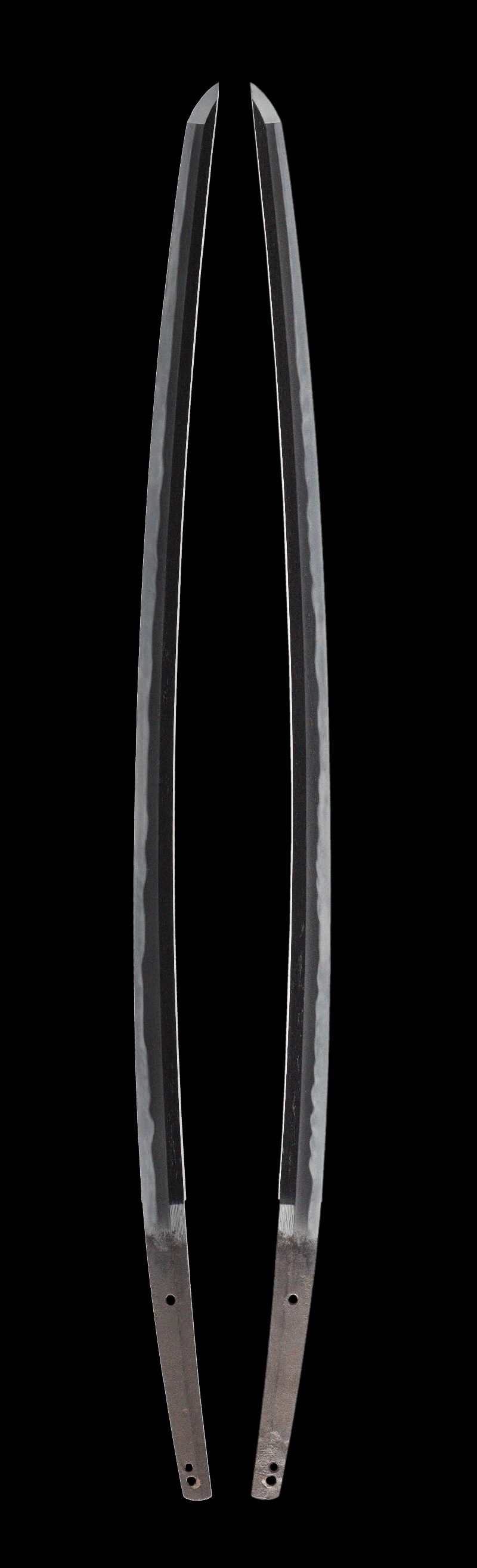
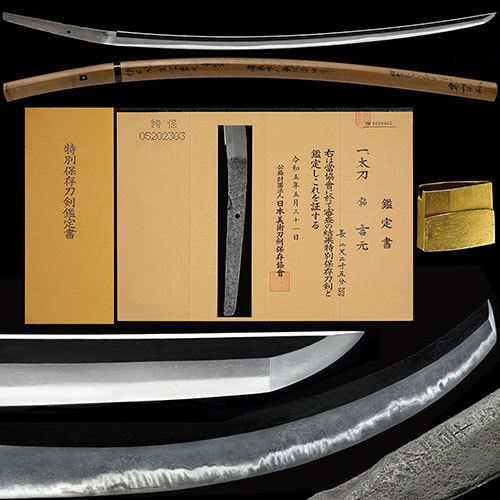
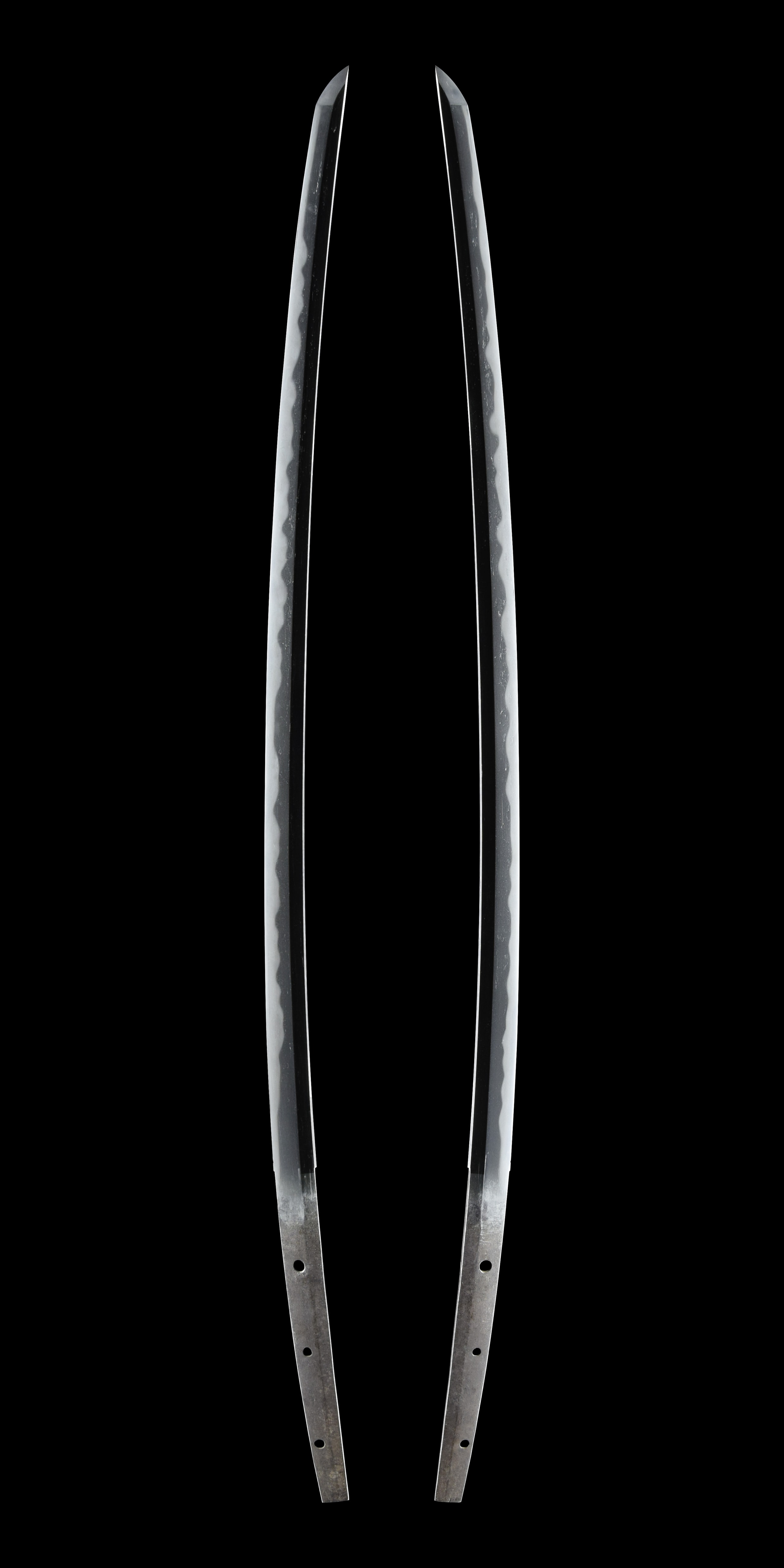
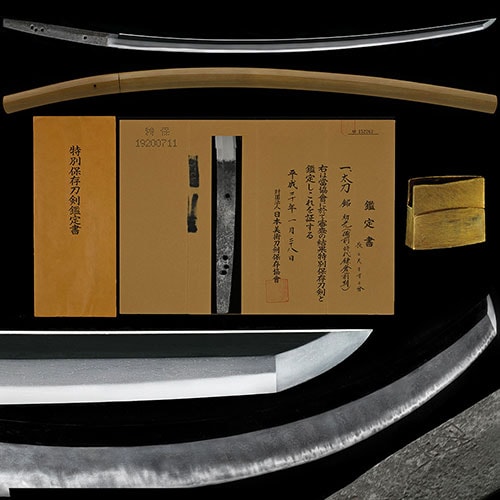
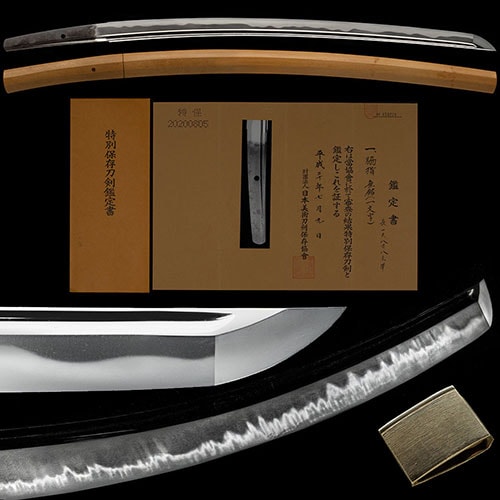
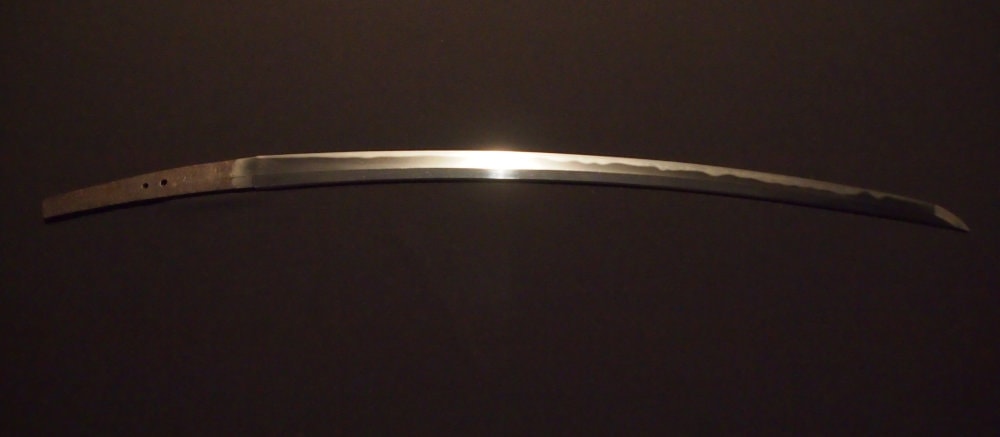
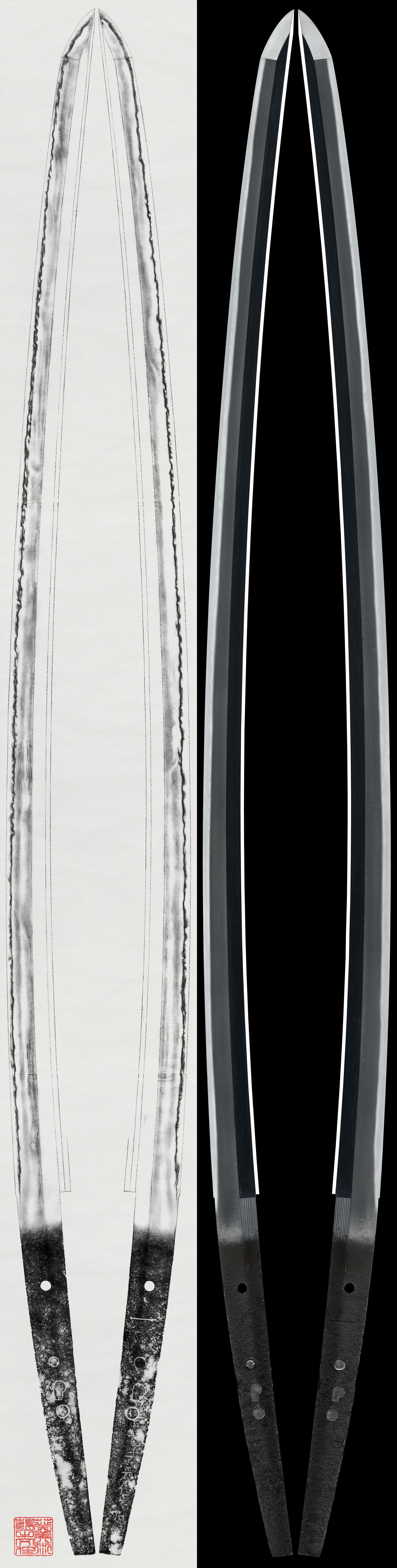
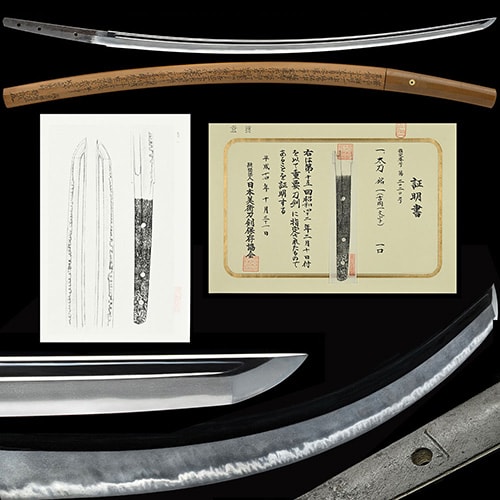
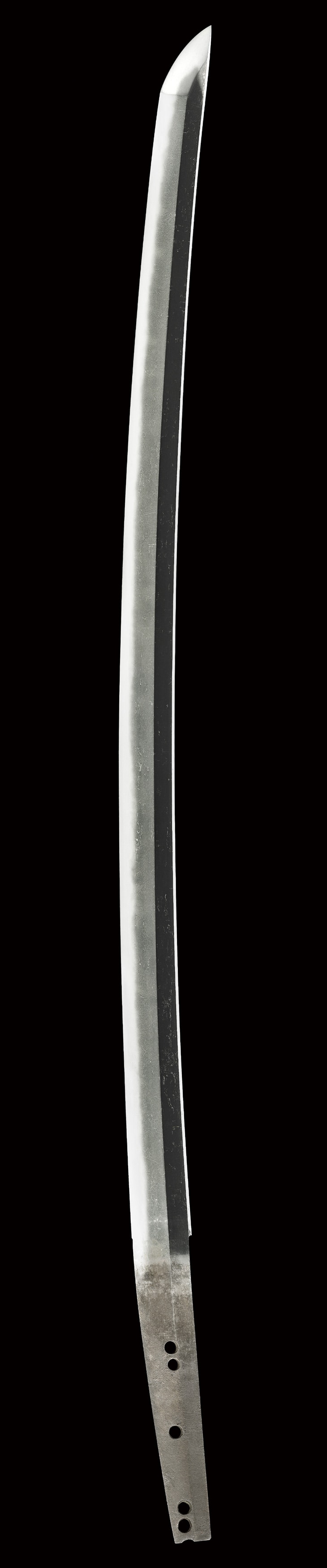
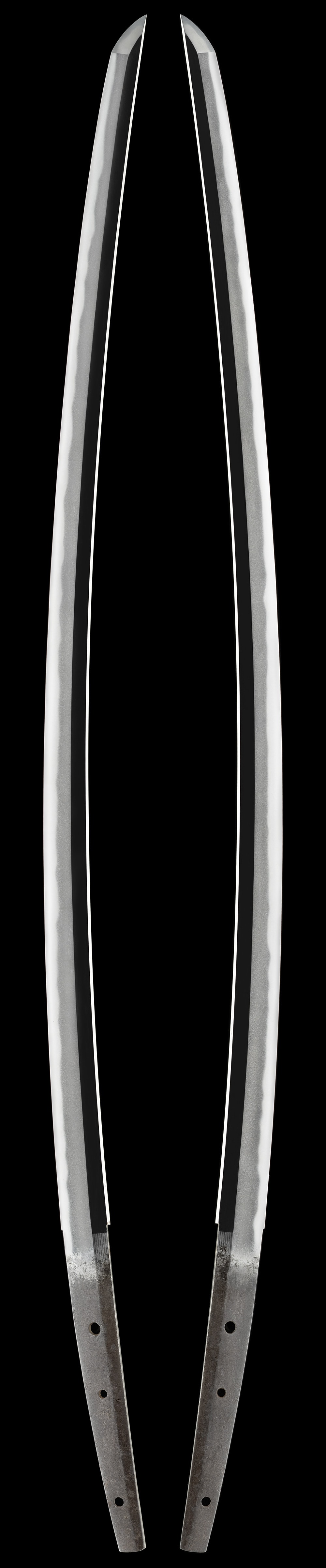
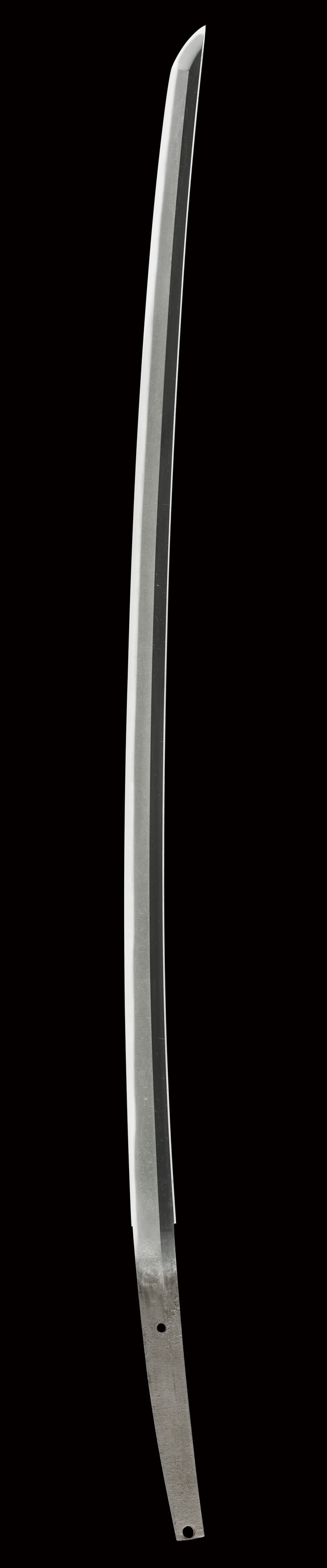
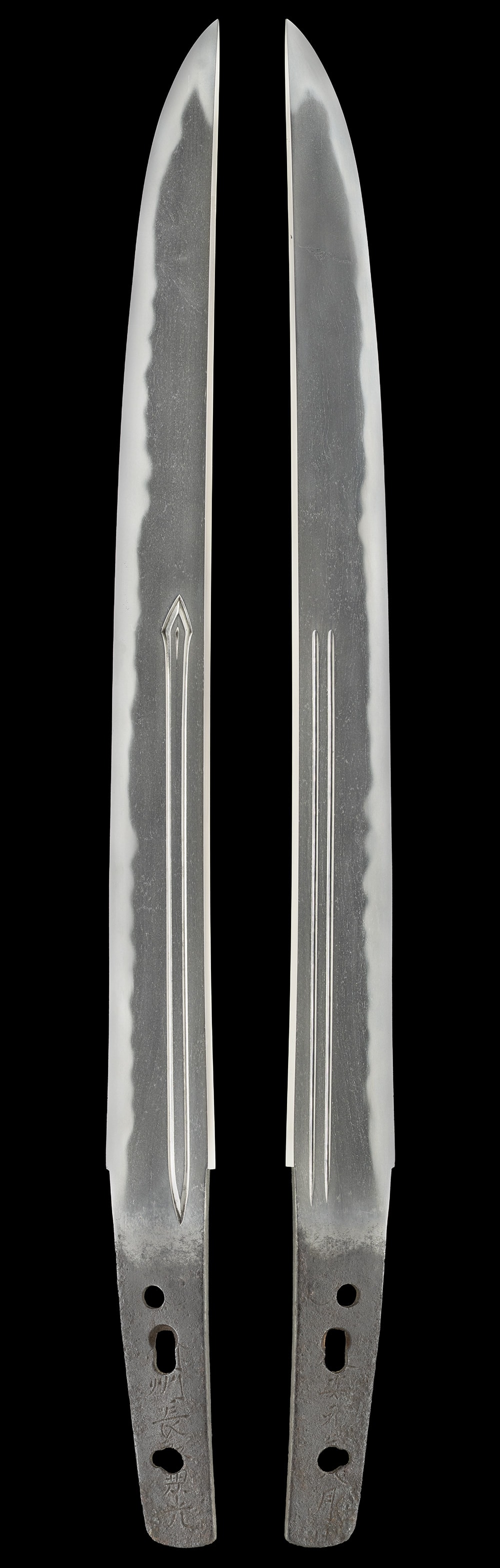
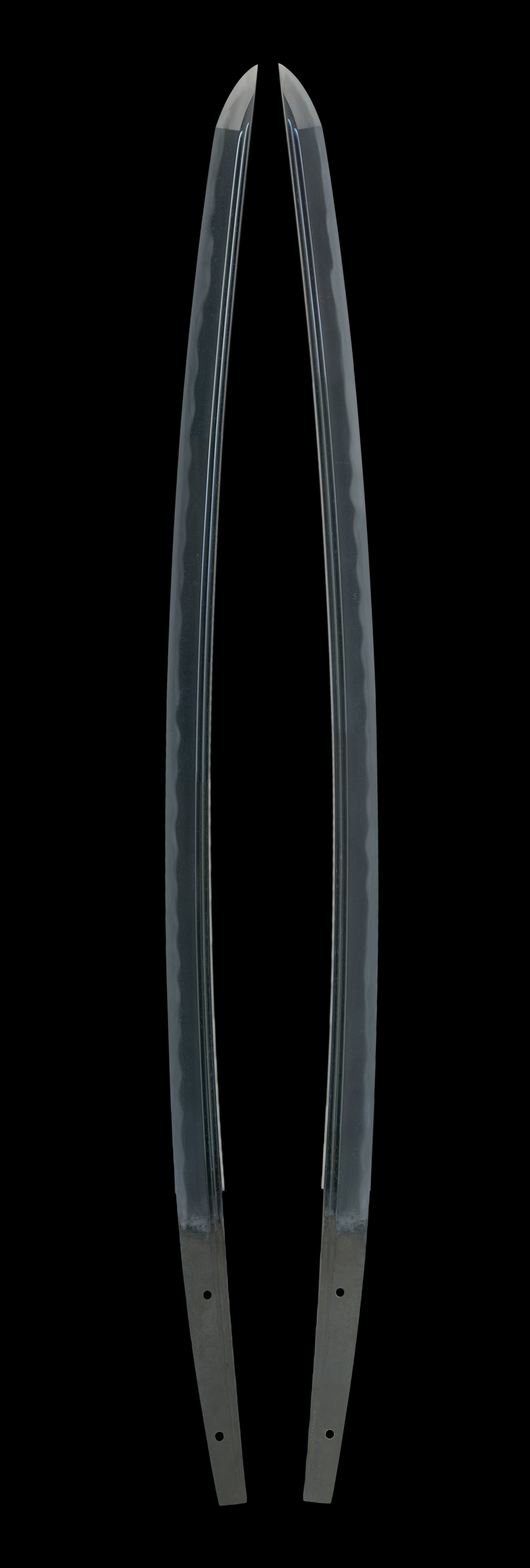
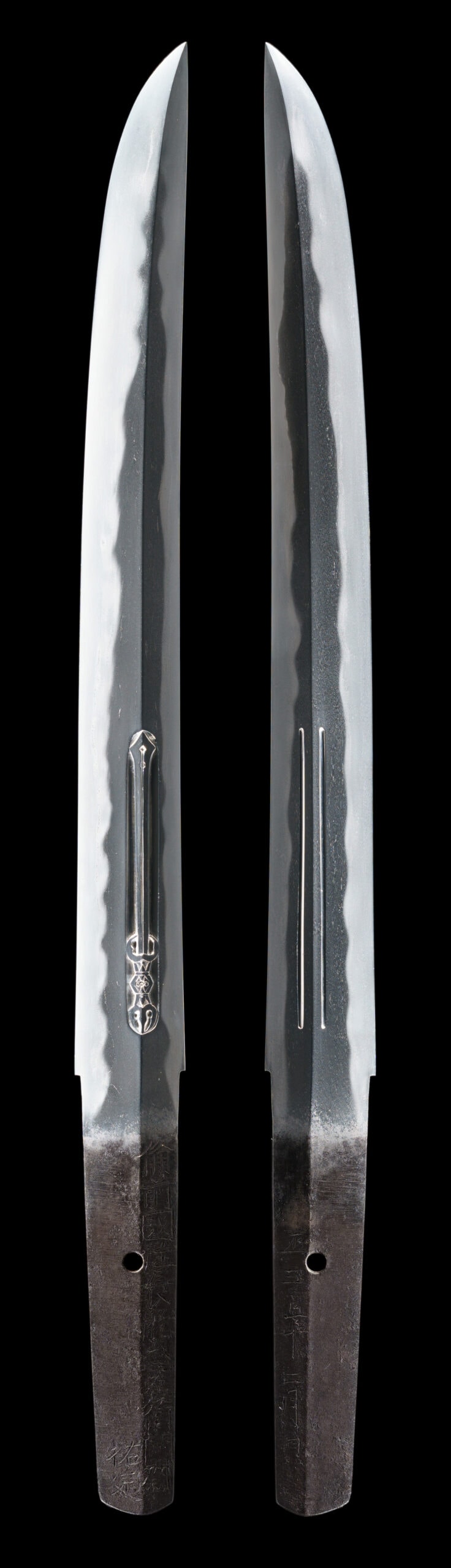
It has arrived, it has arrived—a masterpiece by the legendary Fukuoka Ichimonji Yoshihira, a name of longing in the sword world whose works are even designated as National Treasures. Yoshihira was a representative swordsmith during the peak of Fukuoka Ichimonji around the Kencho era of the Kamakura period (1249) (777 years ago). With Dai-Ichimonji Norimune, who served as a Goban Kaji for Emperor Go-Toba around the Genryaku era of the late Heian period (1184) (842 years ago), as the founder, the swordsmiths of Fukuoka Ichimonji are all master craftsmen whose works are highly coveted. However, most Fukuoka Ichimonji works are mumei with no extant mei; in the case of this Yoshihira, when the kodachi was suriage, the precious Yoshihira mei was preserved as a gakumei to avoid losing it, and one can only feel gratitude that the Yoshihira mei was so carefully preserved. Fukuoka Ichimonji Yoshihira was the son of Yoshiie, who was the son of Yoshimune, a Goban Kaji for Emperor Go-Toba. During Yoshihira's time, Fukuoka Ichimonji reached its technical peak. The sugata shows a difference between the moto-mihaba and saki-mihaba with little sori, displaying an ikubi-style kissaki. The jigane is a well-tightened itame-hada with fine jinie, and the ji displays the coveted midare-utsuri of Fukuoka Ichimonji. The hamon is a nioi-deki choji-midare with varying widths, showing Yoshihira’s magnificent and gorgeous o-choji, ko-choji, and sugu-choji. While there is some slight wear to the ji, the mere existence of this work by Fukuoka Ichimonji Yoshihira is a miracle. The Edo-period koshirae, featuring a kuro-ro-saya with luxurious floral kanagu, adds further splendor to this work by Fukuoka Ichimonji Yoshihira. On this occasion, an elderly collector has entrusted this to us, saying, "I have grown old, so please pass this Kamakura-mid period Fukuoka Ichimonji Yoshihira work to someone who will cherish it," and thus we are offering it at a special low price. Please truly enjoy it.

NihontoWatch MonNihontoWatch
MarketEncyclopediaKantei
Swords›Bizen-den›Ichimonji›Fukuoka Ichimonji›Yoshihira›Japanese Sword Wakizashi by Yoshihira (Fukuoka Ichimonji) with Gaku-Mei, attributed as an excellent piece by Tanobe-sensei, a representative smith of the peak period of Bizen Fukuoka Ichimonji
wakizashiTokubetsu Hozon
Fukuoka Ichimonji Yoshihira

Japanese Sword Wakizashi by Yoshihira (Fukuoka Ichimonji) with Gaku-Mei, attributed as an excellent piece by Tanobe-sensei, a representative smith of the peak period of Bizen Fukuoka Ichimonji

mumei · Kangen (1243-1247) · nagasa 52.5cm · sori 1cm

Price on request
Visit seller website →
Fukuoka Ichimonji Yoshihira (吉平) · Kangen (1243-1247)1 work for sale →
Wakizashi
Could you name the smith from the blade alone? Today’s kantei →
Fukuoka Ichimonji Yoshihira — 1 of 32
Fukuoka Ichimonji Yoshihira — 2 of 32
Fukuoka Ichimonji Yoshihira — 3 of 32
Fukuoka Ichimonji Yoshihira — 4 of 32
Fukuoka Ichimonji Yoshihira — 5 of 32
Fukuoka Ichimonji Yoshihira — 6 of 32
Fukuoka Ichimonji Yoshihira — 7 of 32
Fukuoka Ichimonji Yoshihira — 8 of 32
Fukuoka Ichimonji Yoshihira — 9 of 32
Fukuoka Ichimonji Yoshihira — 10 of 32
Fukuoka Ichimonji Yoshihira — 11 of 32
Fukuoka Ichimonji Yoshihira — 12 of 32
Fukuoka Ichimonji Yoshihira — 13 of 32
Fukuoka Ichimonji Yoshihira — 14 of 32
Fukuoka Ichimonji Yoshihira — 15 of 32
Fukuoka Ichimonji Yoshihira — 16 of 32
Fukuoka Ichimonji Yoshihira — 17 of 32
Fukuoka Ichimonji Yoshihira — 18 of 32
Fukuoka Ichimonji Yoshihira — 19 of 32
Fukuoka Ichimonji Yoshihira — 20 of 32
Fukuoka Ichimonji Yoshihira — 21 of 32
Fukuoka Ichimonji Yoshihira — 22 of 32
Fukuoka Ichimonji Yoshihira — 23 of 32
Fukuoka Ichimonji Yoshihira — 24 of 32
Fukuoka Ichimonji Yoshihira — 25 of 32
Fukuoka Ichimonji Yoshihira — 26 of 32
Fukuoka Ichimonji Yoshihira — 27 of 32
Fukuoka Ichimonji Yoshihira — 28 of 32
Fukuoka Ichimonji Yoshihira — 29 of 32
Fukuoka Ichimonji Yoshihira — 30 of 32
Fukuoka Ichimonji Yoshihira — 31 of 32
Fukuoka Ichimonji Yoshihira — 32 of 32
1 / 32
1 / 32
Fukuoka Ichimonji Yoshihira — 1 of 32Fukuoka Ichimonji Yoshihira — 2 of 32Fukuoka Ichimonji Yoshihira — 3 of 32Fukuoka Ichimonji Yoshihira — 4 of 32Fukuoka Ichimonji Yoshihira — 5 of 32Fukuoka Ichimonji Yoshihira — 6 of 32Fukuoka Ichimonji Yoshihira — 7 of 32Fukuoka Ichimonji Yoshihira — 8 of 32Fukuoka Ichimonji Yoshihira — 9 of 32Fukuoka Ichimonji Yoshihira — 10 of 32Fukuoka Ichimonji Yoshihira — 11 of 32Fukuoka Ichimonji Yoshihira — 12 of 32Fukuoka Ichimonji Yoshihira — 13 of 32Fukuoka Ichimonji Yoshihira — 14 of 32Fukuoka Ichimonji Yoshihira — 15 of 32Fukuoka Ichimonji Yoshihira — 16 of 32Fukuoka Ichimonji Yoshihira — 17 of 32Fukuoka Ichimonji Yoshihira — 18 of 32Fukuoka Ichimonji Yoshihira — 19 of 32Fukuoka Ichimonji Yoshihira — 20 of 32Fukuoka Ichimonji Yoshihira — 21 of 32Fukuoka Ichimonji Yoshihira — 22 of 32Fukuoka Ichimonji Yoshihira — 23 of 32Fukuoka Ichimonji Yoshihira — 24 of 32Fukuoka Ichimonji Yoshihira — 25 of 32Fukuoka Ichimonji Yoshihira — 26 of 32Fukuoka Ichimonji Yoshihira — 27 of 32Fukuoka Ichimonji Yoshihira — 28 of 32Fukuoka Ichimonji Yoshihira — 29 of 32Fukuoka Ichimonji Yoshihira — 30 of 32Fukuoka Ichimonji Yoshihira — 31 of 32Fukuoka Ichimonji Yoshihira — 32 of 32
Fukuoka Ichimonji Yoshihira (吉平) · Kangen (1243-1247)1 work for sale →
Wakizashi
Could you name the smith from the blade alone? Today’s kantei →
Measurements & details
Smith
Fukuoka Ichimonji Yoshihira
Type
Wakizashi
School
Fukuoka Ichimonji
Period
Around 1243–1247(Kangen)
Province
備前
Signature
Unsigned(94% of this smith's designated works are signed)
Measurements
Nagasa 52.5cmSori 1cmMotohaba 2.85cmSakihaba 2.1cmKasane 0.67cm
Description

It has arrived, it has arrived—a masterpiece by the legendary Fukuoka Ichimonji Yoshihira, a name of longing in the sword world whose works are even designated as National Treasures. Yoshihira was a representative swordsmith during the peak of Fukuoka Ichimonji around the Kencho era of the Kamakura period (1249) (777 years ago). With Dai-Ichimonji Norimune, who served as a Goban Kaji for Emperor Go-Toba around the Genryaku era of the late Heian period (1184) (842 years ago), as the founder, the swordsmiths of Fukuoka Ichimonji are all master craftsmen whose works are highly coveted. However, most Fukuoka Ichimonji works are mumei with no extant mei; in the case of this Yoshihira, when the kodachi was suriage, the precious Yoshihira mei was preserved as a gakumei to avoid losing it, and one can only feel gratitude that the Yoshihira mei was so carefully preserved. Fukuoka Ichimonji Yoshihira was the son of Yoshiie, who was the son of Yoshimune, a Goban Kaji for Emperor Go-Toba. During Yoshihira's time, Fukuoka Ichimonji reached its technical peak. The sugata shows a difference between the moto-mihaba and saki-mihaba with little sori, displaying an ikubi-style kissaki. The jigane is a well-tightened itame-hada with fine jinie, and the ji displays the coveted midare-utsuri of Fukuoka Ichimonji. The hamon is a nioi-deki choji-midare with varying widths, showing Yoshihira’s magnificent and gorgeous o-choji, ko-choji, and sugu-choji. While there is some slight wear to the ji, the mere existence of this work by Fukuoka Ichimonji Yoshihira is a miracle. The Edo-period koshirae, featuring a kuro-ro-saya with luxurious floral kanagu, adds further splendor to this work by Fukuoka Ichimonji Yoshihira. On this occasion, an elderly collector has entrusted this to us, saying, "I have grown old, so please pass this Kamakura-mid period Fukuoka Ichimonji Yoshihira work to someone who will cherish it," and thus we are offering it at a special low price. Please truly enjoy it.

About the maker

Yoshihira

吉平

Fukuoka Ichimonji (Bizen) · Bizen · around 1243-1247

Fujishiro Jo-jo saku · Tōken Taikan top 1%

1 piece on the market now

›

The published sources count Yoshihira (吉平) among the smiths who represent the Fukuoka Ichimonji school of Bizen at its height in the mid-Kamakura period, and most genealogies record him as a grandson of Muneyoshi (宗吉) and a son of Yoshiie (吉家), which places him in the same brilliant generation as Yoshifusa, Sukezane and Norifusa. The swordsmith registers date his activity to around the Kangen era (1243 to 1247), while one designation text gives around Bun'o (1260). His standing within that company was fixed by Honma's judgment, preserved in the record of one of his Juyo Bijutsuhin tachi: among mid-Kamakura Bizen work, "the most flamboyant choji are tempered by Yoshifusa and this Yoshihira"[[c:1]]. Several signed tachi survive, and the same sources note that one of them holds the rank of Kokuho.

For his characteristic hand the published sources repeat a single formula: beside Yoshifusa or Sukezane his work shows less of the grand o-choji-midare, yet it abounds in change, and "one often sees examples in which the interior of the ha becomes laden with nie"[[c:2]]. That variation has a precise vocabulary. Into his choji-midare enter kawazuko-choji and fukuro-choji, gunome and occasional slightly pointed forms mix in, and the yakiba rises and falls conspicuously. Ashi and yo enter well, the nioi runs deep with fine ko-nie, and kinsuji and sunagashi work through the ha. His grandest pieces are described as "a style rich in variation, mixing fukuro, juka and kawazuko choji"[[c:3]], and on the Tokubetsu Juyo tachi of the twenty-first session the temper even turns saka-gakari over the lower half, a feature of which the NBTHK writes that there are "no comparable examples among Yoshihira's works"[[c:4]].

The jigane is an itame, in places mixed with mokume and flowing hada, and its inclination to stand is stated outright: compared with his contemporaries of the school, the published record observes, "the jigane also tends somewhat to stand"[[c:5]]. Ji-nie adheres, on the finest blades thickly and with chikei entering, and a midare-utsuri rises distinctly on nearly every recorded work. The boshi runs midare-komi and returns in ko-maru, at times taking a pointed tendency with hakikake; on some blades it is sugu with a yakitsume feeling.

Within this one manner the judges distinguish two registers. The quiet, small-patterned pieces lean from ko-choji toward suguha, with a tighter nioiguchi and an unusually even yakihaba; of one such Juyo Bijutsuhin tachi from the Hachisuka family, Honma remarks that it is "unusual for this smith in that the yakiba shows little difference in height, yet it is genuine"[[c:6]]. The grand register stands at the opposite pole, "as bustling as Yoshifusa"[[c:7]], and the mumei katana of the first Tokubetsu Juyo session was judged "even more flamboyant than the signed works"[[c:8]]. His mei is normally the two characters Yoshihira, cut with a thick chisel toward the mune of the nakago; the tachi handed down in the Ii family is signed instead with a fine, small chisel and is singled out as "prime material for the study of Yoshihira"[[c:9]]. Among his works at the Kokuho rank there is one tempered with koshiba, though the published record adds that "this is not his usual practice"[[c:10]].

What separates him inside the school is carried by his own documented traits: a jigane that stands where his fellows' runs tighter, the kawazuko-choji that recurs through his grand register at a frequency he shares only with Sukezane, and a yakiba whose rises and falls are the form his variation takes. The published record also notes the general scale, observing that compared with contemporaries of the school "works of comparatively small scale are numerous"[[c:11]]. No pupils are recorded under his name; with Yoshifusa, his grandest works define the flamboyant peak of Fukuoka Ichimonji choji against which the later branches of the school and the Osafune choji smiths came to be measured.

Fujishiro grades him Jo-jo saku, and seventeen designated works stand on record: three Tokubetsu Juyo, seven Juyo, four Juyo Bijutsuhin and three Important Cultural Properties. The Important Cultural Properties are patrimony in shrine and public keeping, among them blades preserved at Futarasan Jinja and Tanzan Jinja. Nine blades carry recorded provenance. The roll runs through the Ii family of Hikone, whose almost ubu tachi, published in the Kozan Oshigata and the Umetada Meikan, keeps on its mune a kirikomi that speaks of service in battle, and onward through the Shimazu, Hachisuka, Maeda, Ikeda and Kishu Tokugawa families; the sayagaki of one mumei katana records it "presented by an old lord of Yamashiro"[[c:12]]. For a collector the realistic field is the ten blades of the Tokubetsu Juyo and Juyo tiers, and even there most pieces of recorded whereabouts rest in long-held private collections; a signed master of the Fukuoka Ichimonji at this rank reaches the open market only rarely, and a Yoshihira coming into open hands is a rare event.


Historical importance

Where Yoshihira stands among comparable artisans: across all of nihontō, and within tradition, era, and period. The tiers (Foremost · Leading · Major · Notable) weigh official designations from the NBTHK and Japan's Agency for Cultural Affairs, together with historical honors of lasting repute such as the Sansaku and Meibutsu-chō.

随一
Foremost
屈指
Leading
有数
Major
著名
Notable

Select a lens to see how it's measured.

Designation record
18 designated works
Kokuhō (National Treasure)
1
Jūyō Bunkazai
3
Jūyō Bijutsuhin
4
Tokubetsu Jūyō
3
Jūyō
7
1 work by Yoshihira on the market→
Yoshihira — full profileFukuoka Ichimonji (Bizen) school

Study this maker →

About the school

Fukuoka Ichimonji

福岡一文字

Bizen-den · Bizen

Phase: Fukuoka Ichimonji福岡一文字· 1207–1288

8 pieces on the market now

›

Centered at Fukuoka in Bizen across the middle Kamakura decades, this window is the loud heart of the Ichimonji school, the moment when the ichi-mark workshops pushed their chōji tempering to its showiest extreme. The setsumei repeatedly name the same triad as its representative hands: Norifusa, Sukezane, and Yoshifusa, a grouping cited again and again as the smiths who forged the most flamboyant chōji-midare of the period. Around them work Sukefusa, recorded as a two-character-signature smith from whom Yoshifusa, Norifusa, and Sukezane are transmitted as sons, together with Sukemori, Sukehide, Hirotoshi, Narichika, and a Fukuoka Yoshiie whose two-character blades are at times hard to separate from the Sanjō line. Norifusa, son of Sukefusa, later relocated to a place called Katayama and so came to be styled Katayama Ichimonji, a branch reading often left an open question between Bitchū and a Katayama near Fukuoka itself. Where the earlier Ko-Ichimonji generations still carried a Ko-Bizen character, with ko-midare more prominent than chōji, this phase resolves that older quietness into full, deliberate spectacle as Bizen rose to supply the Kamakura warrior demand. The defining temper here is chōji-midare worked at large scale: ō-chōji, layered jūka-chōji, and tadpole-shaped kawazu-ko chōji that climb and drop in tall waists across the ha. The blades named Norifusa show wide mihaba, high deep koshizori, retained funbari, and a generous chū-kissaki, the broad mid-Kamakura sugata that carries such a busy temper. The ground is a well-packed ko-itame, sometimes standing into hada-dachi with mixed mokume, carrying densely applied ji-nie, fine chikei, and a vivid midare-utsuri that rises clearly against the steel; the jigane reads bright and clear.

Ashi and yō enter in profusion, the nioiguchi runs soft and nioi-dominant with ko-nie, and kinsuji and sunagashi play through the hardening. This separates the phase on both sides. Against the calmer Ko-Ichimonji ko-midare, the Fukuoka work is taller and more exuberant; against the later Yoshioka Ichimonji, whose temper narrows into smaller-motif chōji-midare with conspicuous gunome and a frequent saka-gakari lean, the Fukuoka temper is broader, deeper, and less regular. The Katayama-attributed blades within this phase already foreshadow that reverse tendency, hardening flamboyant but reverse-inclined chōji. For kantei, the combination to read is wide mid-Kamakura sugata, large undulating chōji-midare with jūka and kawazu-ko mixed in, a soft nioi-dominant nioiguchi, and standing midare-utsuri over bright ko-itame. Two-character signatures cut boldly with a thick chisel recur across Norifusa, Sukemori, Sukehide, and Norinawa, and many surviving blades are suriage or ō-suriage tachi. The named masters carry weight beyond style: a Narichika tachi descends through the Date family of Sendai, a Norifusa passed through the Yanagisawa family, and Hon'ami appraisals by Kōtsune and Kōchū accompany Sukemori and Norifusa works. One den Norifusa katana bears a kinpun-mei reading Tenka Daiichi, "Best Under Heaven," a measure of how the connoisseurs of later centuries ranked this Fukuoka peak among Bizen production. Learn more →

71 recorded smiths362 designated works
Leading smiths
SmithEraDesignated
Sukezane助眞1264-127544
Yoshifusa吉房1247-124945
Norimune則宗1184-11858
Yoshihira吉平1243-124718
Sukekane助包1232-12336
Explore the Fukuoka Ichimonji school →

Historical context

Bizen in the Kamakura period

›

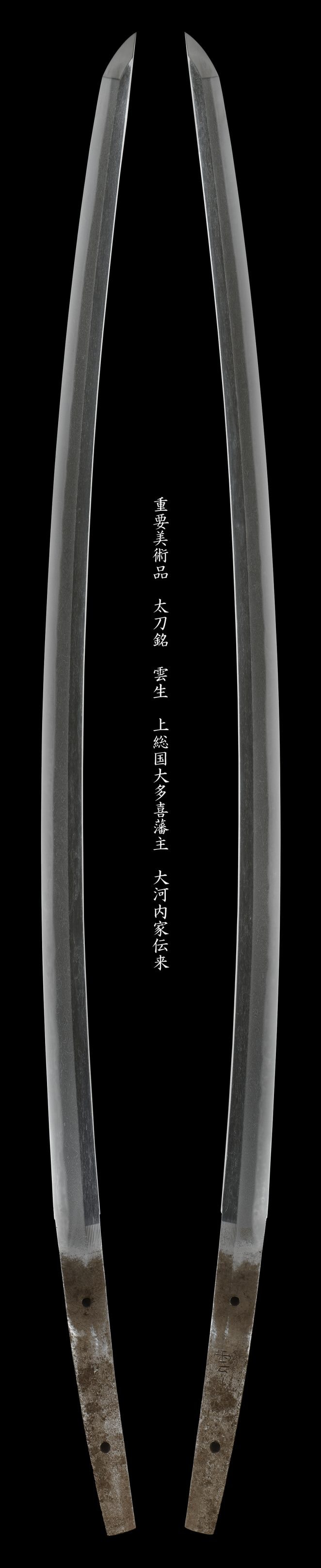
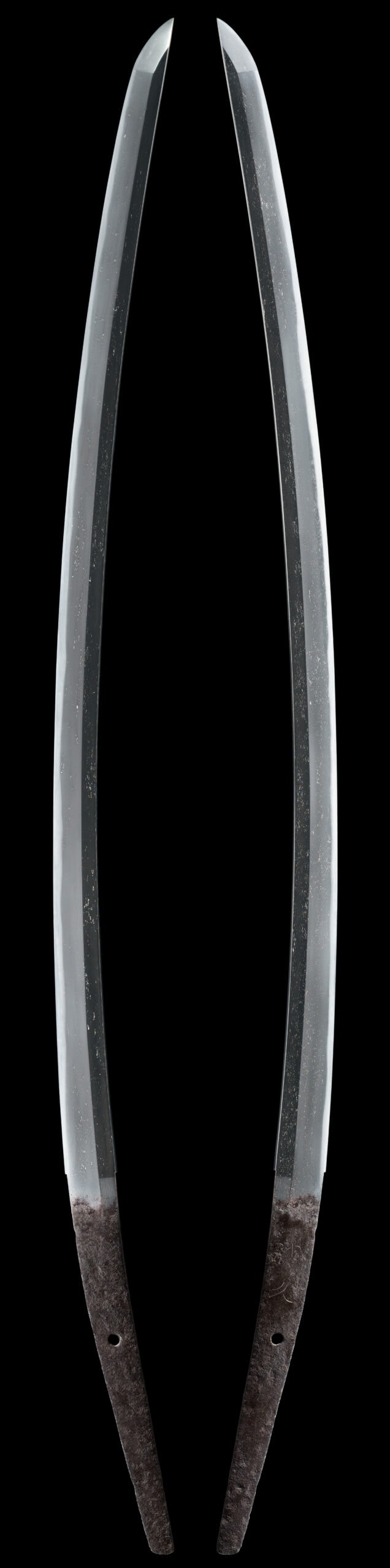
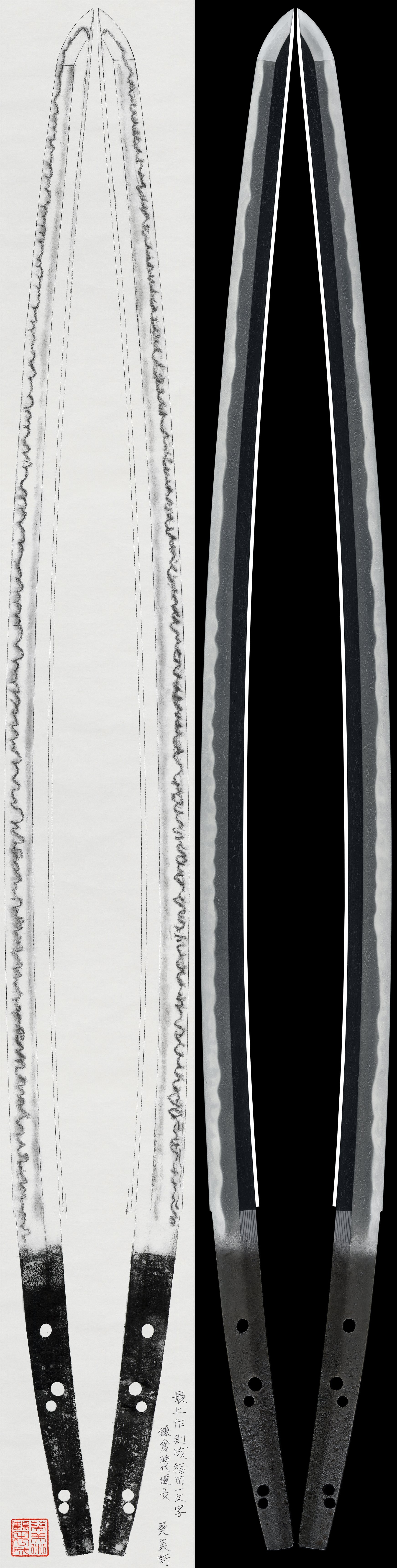
Kamakura was Bizen’s summit. Tradition places Ichimonji smiths among Go-Toba’s goban kaji, Mitsutada founded the Osafune line at mid-century, and orders flowed from the court and the warrior government alike. No province holds more National Treasure blades.
Bizen in the Kamakura period →

NBTHK Certificate
Tokubetsu Hozon Tōken特別保存刀剣
Sword Especially Worthy of Preservation
›

A Hozon-certified blade judged to show notably superior workmanship and a better state of preservation. The bar is higher: re-tempered blades and most unsigned Muromachi/Edo works are excluded.

About the NBTHK›

The NBTHK (Nihon Bijutsu Tōken Hozon Kyōkai, the Society for the Preservation of Japanese Art Swords) is a public-interest incorporated foundation founded in 1948 and supervised by Japan’s Agency for Cultural Affairs (Bunkachō); it is based at the Japanese Sword Museum in Tokyo. Its expert panels physically examine each submitted work (shinsa) and issue a certificate (kanteishō) ranking it by artistic and historical merit. NBTHK papers are the most widely recognized standard of authentication for Japanese swords and fittings.

NBTHK official site→
Seller
N
Nipponto
Established 1953 · 73 yrs on the market
🇯🇵Ships from Japan
›
✓Verified dealernipponto.co.jp
✓Ships worldwide✓English supportPayPalCredit card
Return policy

For returns due to customer circumstances, the cost is the customer's responsibility. For returns due to our mis-shipment or a defective item, we bear the cost.

View all of Nipponto’s listings→View this item on the dealer’s site→

Previously sold by Fukuoka Ichimonji Yoshihira

View all →
Samurai Museum
Tokuho
Wakizashi - Tokuho - by Fukuoka Ichimonji Yoshihira - Antique Japanese Sword Wakizashi Signed by Ichimonji Yoshihira NBTHK Tokubetsu Hozon CertificateWakizashi - Tokuho - by Fukuoka Ichimonji Yoshihira - Antique Japanese Sword Wakizashi Signed by Ichimonji Yoshihira NBTHK Tokubetsu Hozon Certificate
Sold

Wakizashi

ByFukuoka Ichimonji Yoshihira
SOLD
Unique Japan
Jūyō
Tachi - Jūyō - by Fukuoka Ichimonji Yoshihira - YoshihiraTachi - Jūyō - by Fukuoka Ichimonji Yoshihira - Yoshihira
Sold

Tachi

ByFukuoka Ichimonji Yoshihira
SOLD

More from the Fukuoka Ichimonji school

View all →
Tsuruginoya
Jūyō
Katana - Jūyō - by Fukuoka Ichimonji School - Mumei Fukuoka IchimonjiKatana - Jūyō - by Fukuoka Ichimonji School - Mumei Fukuoka Ichimonji
Koshirae

Katana

ByFukuoka Ichimonji School
Ask
Hyozaemon
Tokuho
Tokuho - by Fukuoka Ichimonji Yoshifusa - Naginata Naoshi Wakizashi by Fukuoka Ichimonji Yoshifusa, a Master of IchimonjiTokuho - by Fukuoka Ichimonji Yoshifusa - Naginata Naoshi Wakizashi by Fukuoka Ichimonji Yoshifusa, a Master of Ichimonji

Naginata Naoshi Wakizashi by Fukuoka Ichimonji Yoshifusa, a Master of Ichimonji

ByFukuoka Ichimonji Yoshifusa
Ask
Hyozaemon
Tokuho
Katana - Tokuho - by Fukuoka Ichimonji Sukehisa - Fukuoka Ichimonji SukehisaKatana - Tokuho - by Fukuoka Ichimonji Sukehisa - Fukuoka Ichimonji Sukehisa

Katana

ByFukuoka Ichimonji Sukehisa
Ask
Aoi Art
Jūyō
Tachi - Jūyō - by Fukuoka Ichimonji Norinari - Norinari (Ko-Ichimonji) - 69th NBTHK Juyo TokenTachi - Jūyō - by Fukuoka Ichimonji Norinari - Norinari (Ko-Ichimonji) - 69th NBTHK Juyo Token

Tachi

ByFukuoka Ichimonji Norinari
¥13,500,000
Aoi Art
Tokuho
Wakizashi - Tokuho - by Fukuoka Ichimonji Yoshimune - Unsigned (Ichimonji) with Kiritsuke-mei by KanesakiWakizashi - Tokuho - by Fukuoka Ichimonji Yoshimune - Unsigned (Ichimonji) with Kiritsuke-mei by Kanesaki

Wakizashi

ByFukuoka Ichimonji Yoshimune
¥1,950,000
Iida Koendo
Jūyō
Tachi - Jūyō - by Fukuoka Ichimonji Sukeyoshi - Sukeyoshi (Ichimonji)Tachi - Jūyō - by Fukuoka Ichimonji Sukeyoshi - Sukeyoshi (Ichimonji)

Tachi

ByFukuoka Ichimonji Sukeyoshi
¥16,500,000
Eirakudo
Tokuho
Tachi - Tokuho - by Fukuoka Ichimonji Yoshimoto - Yoshimoto - Tokubetsu Hozon TokenTachi - Tokuho - by Fukuoka Ichimonji Yoshimoto - Yoshimoto - Tokubetsu Hozon Token

Tachi

ByFukuoka Ichimonji Yoshimoto
¥8,500,000

More from the Ichimonji school

View all →
Toushin
Katana - by Ichimonji School - Mumei (Hatakeda Mitsumori) (Bizen no kuni Yoshioka Ichimonji Sukemitsu)Katana - by Ichimonji School - Mumei (Hatakeda Mitsumori) (Bizen no kuni Yoshioka Ichimonji Sukemitsu)
Koshirae

Katana

ByIchimonji School
¥1,210,000
Eirakudo
Tokuho
Tachi - Tokuho - by Yoshioka Ichimonji Sukemitsu - Ko-Bizen Sukemitsu Signed Tachi - Tokubetsu Hozon TokenTachi - Tokuho - by Yoshioka Ichimonji Sukemitsu - Ko-Bizen Sukemitsu Signed Tachi - Tokubetsu Hozon Token

Tachi

ByYoshioka Ichimonji Sukemitsu
¥3,900,000
Eirakudo
Tokuho
Wakizashi - Tokuho - by Ichimonji School - Fukuoka Ichimonji Wakizashi Tokubetsu Hozon TokenWakizashi - Tokuho - by Ichimonji School - Fukuoka Ichimonji Wakizashi Tokubetsu Hozon Token

Wakizashi

ByIchimonji School
¥3,500,000
Nihonto Australia
Tokuho
Katana - Tokuho - by Ichimonji School - Iwato-Ichimonji with NBTHK Tokubetsu Hozon CertificateKatana - Tokuho - by Ichimonji School - Iwato-Ichimonji with NBTHK Tokubetsu Hozon Certificate

Katana

ByIchimonji School
Ask
Kanda Toukodo
Jūyō
Katana - Jūyō - by Ichimonji School - Juyo Token (25th Session)Katana - Jūyō - by Ichimonji School - Juyo Token (25th Session)

Katana

ByIchimonji School
Ask
Aoi Art
Jūyō
Katana - Jūyō - by Yoshioka Ichimonji Sukemitsu - Ichi Sukemitsu (Yoshioka Sakon Sho) - 26th NBTHK Juyo TokenKatana - Jūyō - by Yoshioka Ichimonji Sukemitsu - Ichi Sukemitsu (Yoshioka Sakon Sho) - 26th NBTHK Juyo Token

Katana

ByYoshioka Ichimonji Sukemitsu
¥9,500,000
Eirakudo
Jūyō
Tachi - Jūyō - by Yoshioka Ichimonji School - Yoshioka Ichimonji Tachi Juyo TokenTachi - Jūyō - by Yoshioka Ichimonji School - Yoshioka Ichimonji Tachi Juyo Token

Tachi

ByYoshioka Ichimonji School
Ask
Samurai Nippon
Tokuho
Wakizashi - Tokuho - by Iwato Ichimonji School - Iwato Ichimonji (Mumei)Wakizashi - Tokuho - by Iwato Ichimonji School - Iwato Ichimonji (Mumei)
Koshirae

Wakizashi

ByIwato Ichimonji School
¥1,200,000

More from the Bizen tradition

View all →
Eirakudo
Jūyō
Katana - Jūyō - by Osafune Kagemitsu - Kagemitsu - Juyo TokenKatana - Jūyō - by Osafune Kagemitsu - Kagemitsu - Juyo Token

Katana

ByOsafune Kagemitsu
Ask
Nipponto
Tokuho
Tachi - Tokuho - by Hatakeda Moriie - Japanese Sword Tachi by Moriie (Friend of Mitsutada, Founder of Hatakeda School)Tachi - Tokuho - by Hatakeda Moriie - Japanese Sword Tachi by Moriie (Friend of Mitsutada, Founder of Hatakeda School)
Koshirae

Tachi

ByHatakeda Moriie
¥5,800,000
Samurai Nippon
Jūyō
Katana - Jūyō - by Ukai Unsho - Unsho (Mumei)Katana - Jūyō - by Ukai Unsho - Unsho (Mumei)
Koshirae

Katana

ByUkai Unsho
¥5,900,000
Eirakudo
Tokuho
Tanto - Tokuho - by Osafune Kanemitsu - Kanemitsu - Tokubetsu Hozon TokenTanto - Tokuho - by Osafune Kanemitsu - Kanemitsu - Tokubetsu Hozon Token

Tantō

ByOsafune Kanemitsu
¥4,500,000
Toukentakarado
Jūyō
Katana - Jūyō - by Osafune Tomomitsu - Mumei Attributed to TomomitsuKatana - Jūyō - by Osafune Tomomitsu - Mumei Attributed to Tomomitsu
Koshirae

Katana

ByOsafune Tomomitsu
¥6,300,000
Hyozaemon
Hozon
Tanto - Hozon - by Sukesada - Sue-Bizen, Yozaemonjo Sukesada with common name, magnificent double-edged tantoTanto - Hozon - by Sukesada - Sue-Bizen, Yozaemonjo Sukesada with common name, magnificent double-edged tanto
Koshirae

Tantō

BySukesada
¥2,900,000
Goushuya
Jūyō Bijutsuhin
Tachi - Jubi - by Ukai Unsho - Juyo Bijutsuhin Tachi by Unsho, formerly owned by the Ogochi family, lords of Otaki Domain in Kazusa ProvinceTachi - Jubi - by Ukai Unsho - Juyo Bijutsuhin Tachi by Unsho, formerly owned by the Ogochi family, lords of Otaki Domain in Kazusa Province

Tachi

ByUkai Unsho
Ask
World Seiyudo
Tokuho
Katana - Tokuho - by Sukesada - Bizen-koku-ju Osafune Sukesada - NBTHK Tokubetsu Hozon TokenKatana - Tokuho - by Sukesada - Bizen-koku-ju Osafune Sukesada - NBTHK Tokubetsu Hozon Token

Katana

BySukesada
¥2,600,000

Swords

  • Katana
  • Wakizashi
  • Tantō
  • Tachi
  • Naginata
  • Yari
  • Japanese Swords
  • Samurai Swords

Fittings

  • Tsuba
  • Fuchi-Kashira
  • Kozuka
  • Menuki
  • Sword Guards (Tsuba)

Armor

  • Kabuto
  • Samurai Armor
  • All Samurai Armor

By Certification

  • Tokujū
  • Jūyō
  • Tokuho
  • Hozon

Resources

  • Dealer Directory
  • Artist Directory
  • The Daily Kantei
  • Glossary
  • Browse All
Nihontowatch© 2026
TermsPrivacyCookiesAbout

Price on request

View on Nipponto
NihontoWatch MonNihontoWatch
Market
Encyclopedia
Kantei