Edo was the sword’s age of connoisseurship: the Hon’ami appraisers, the shogunal register of famous blades of 1719, and a thriving literature turned the sword into an object of study even as it ceased to be drawn in war.
 NihontoWatchNihontoWatch
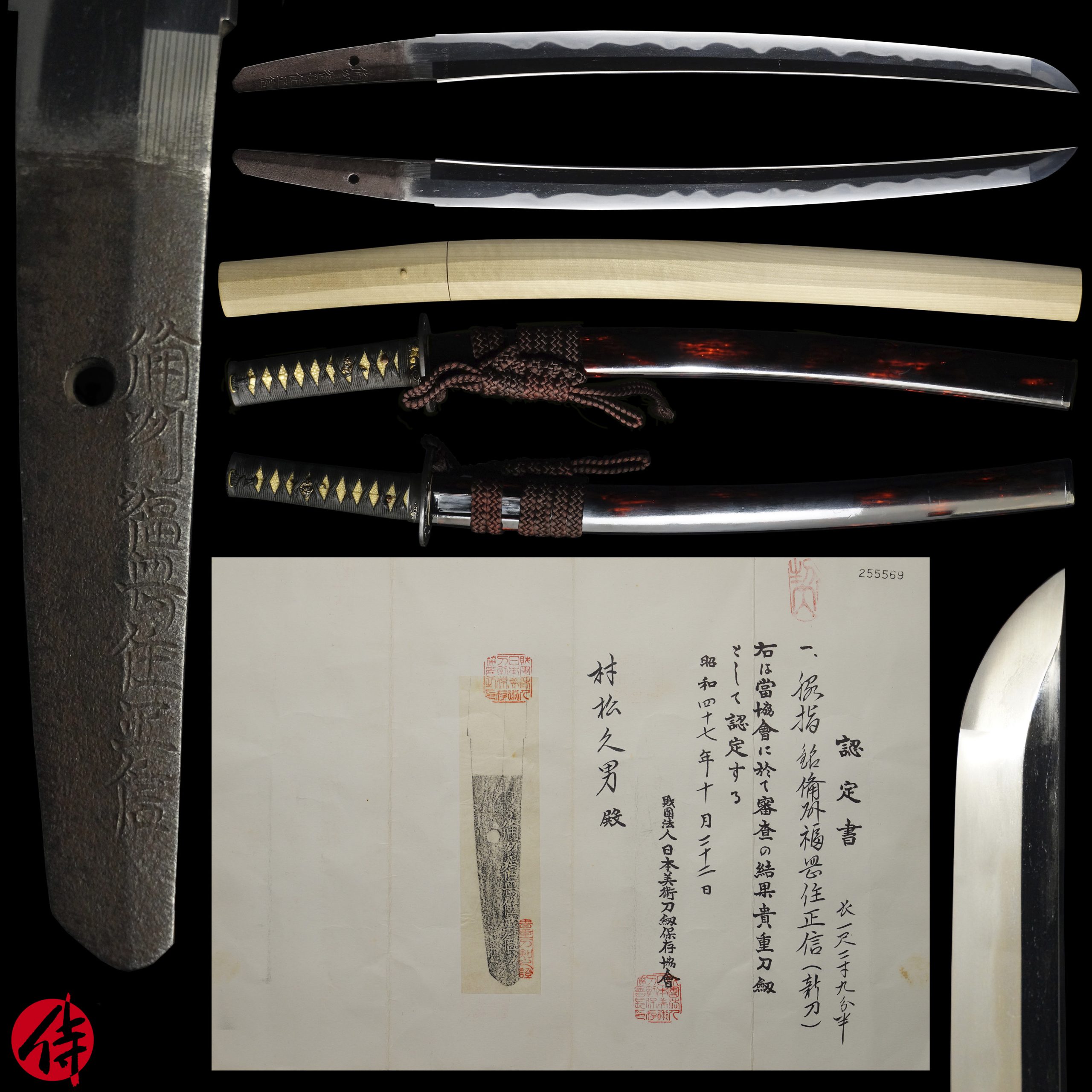
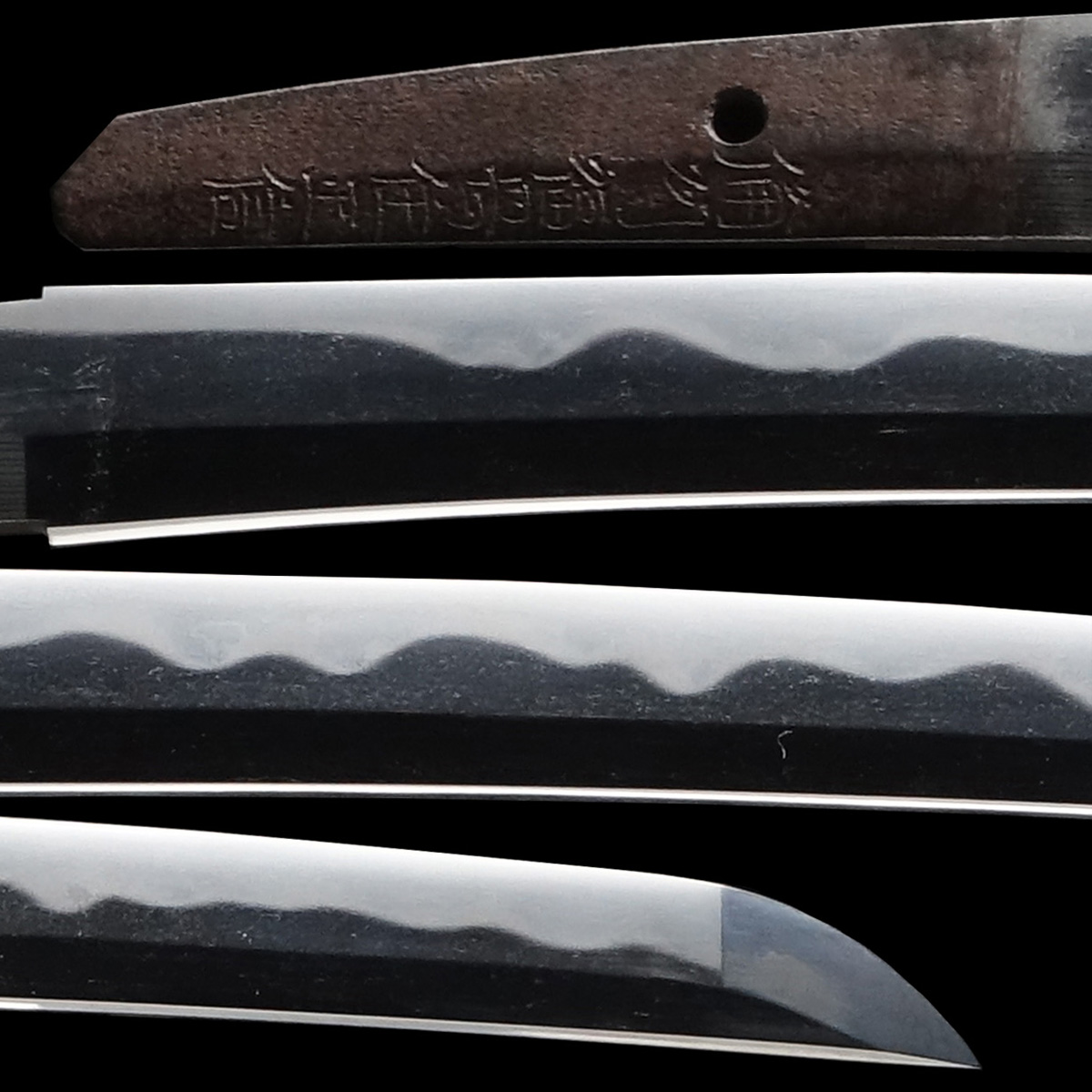
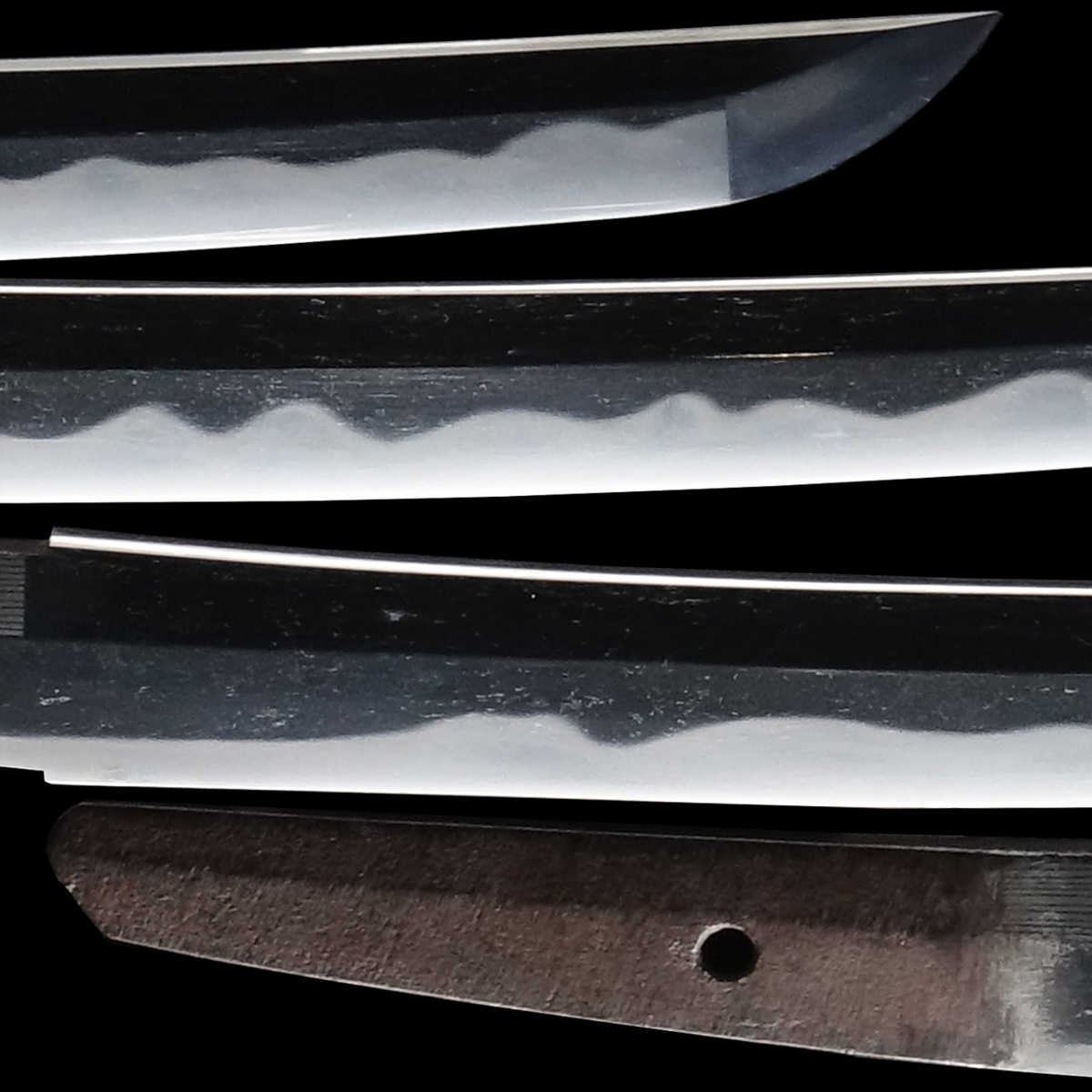
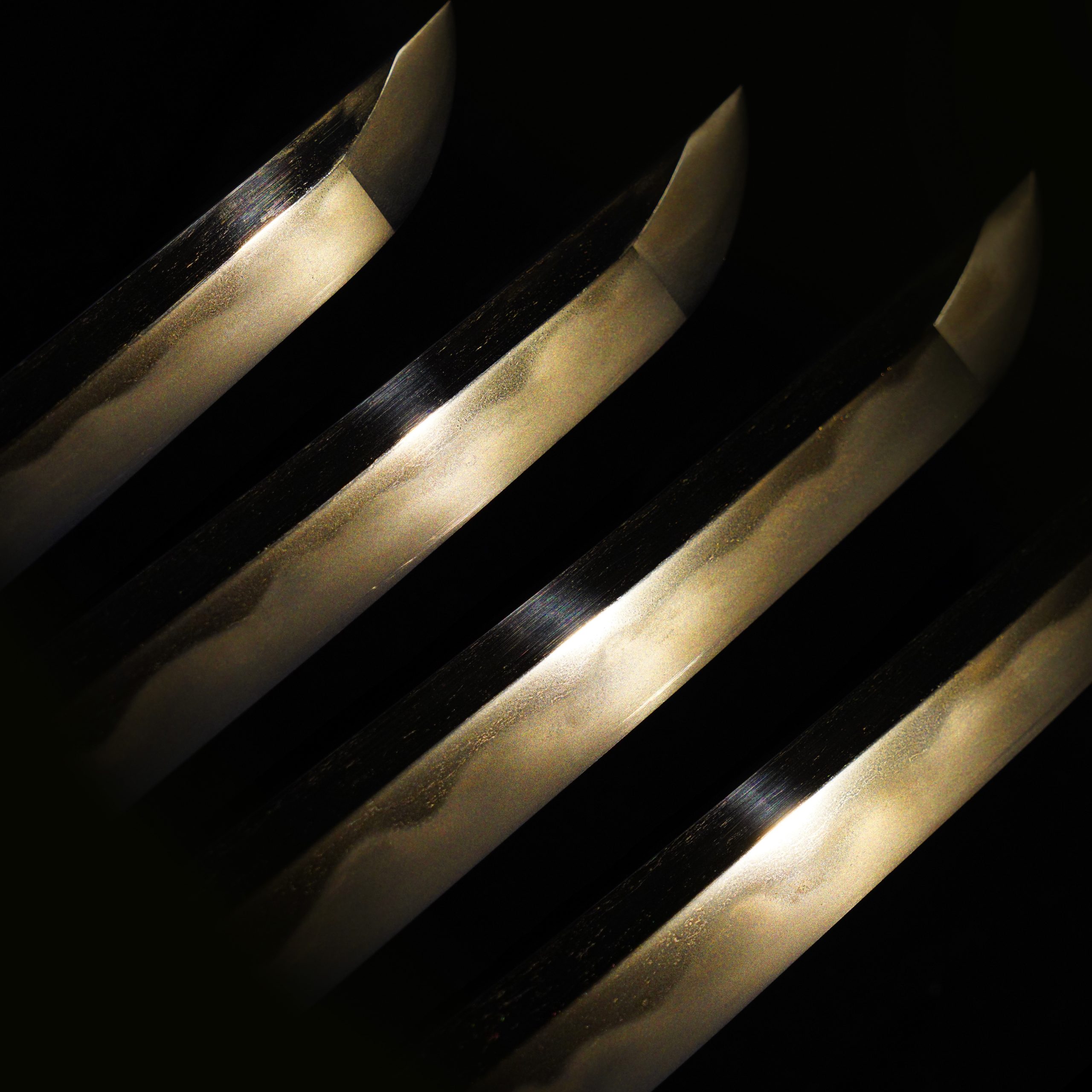
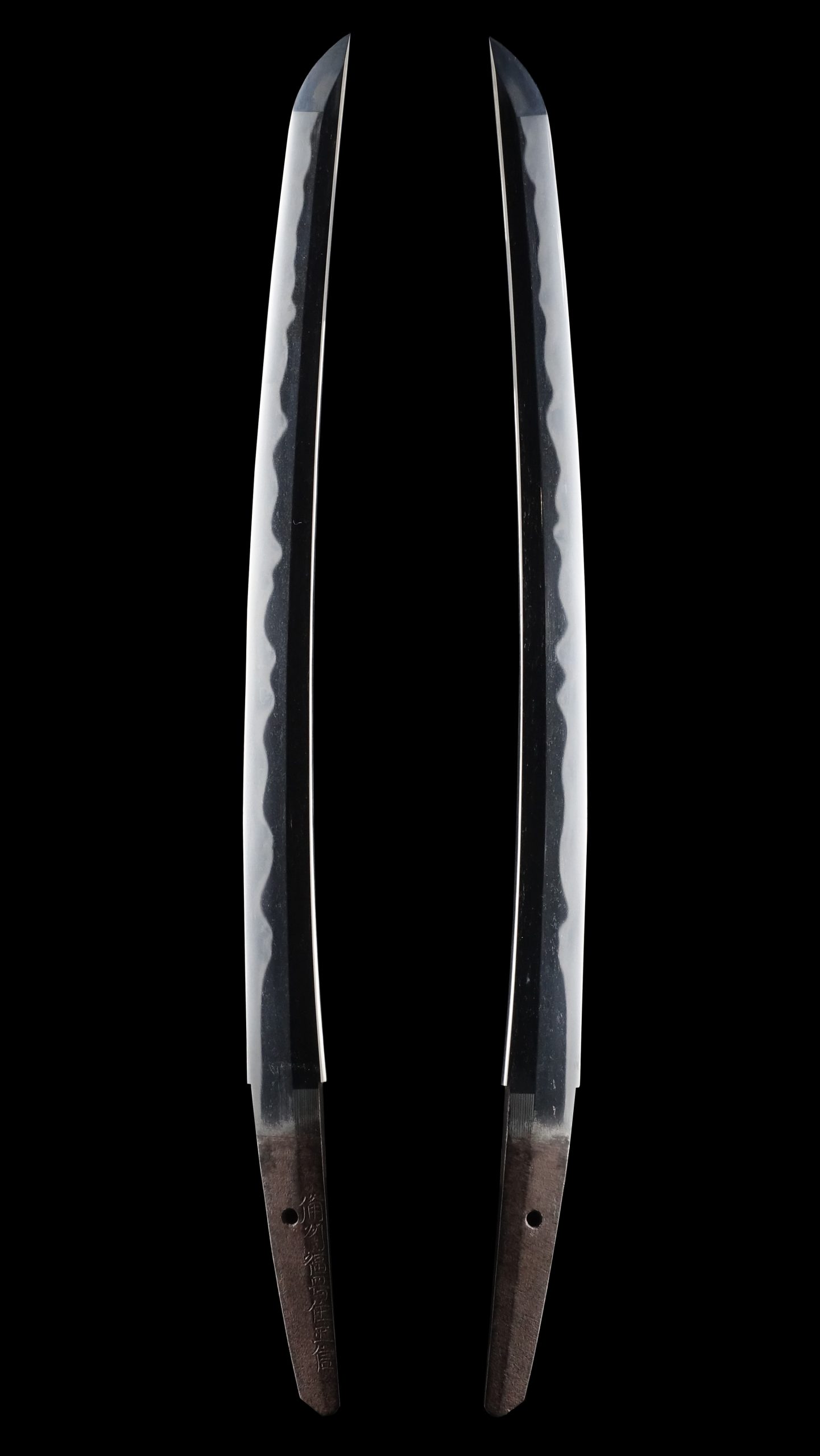
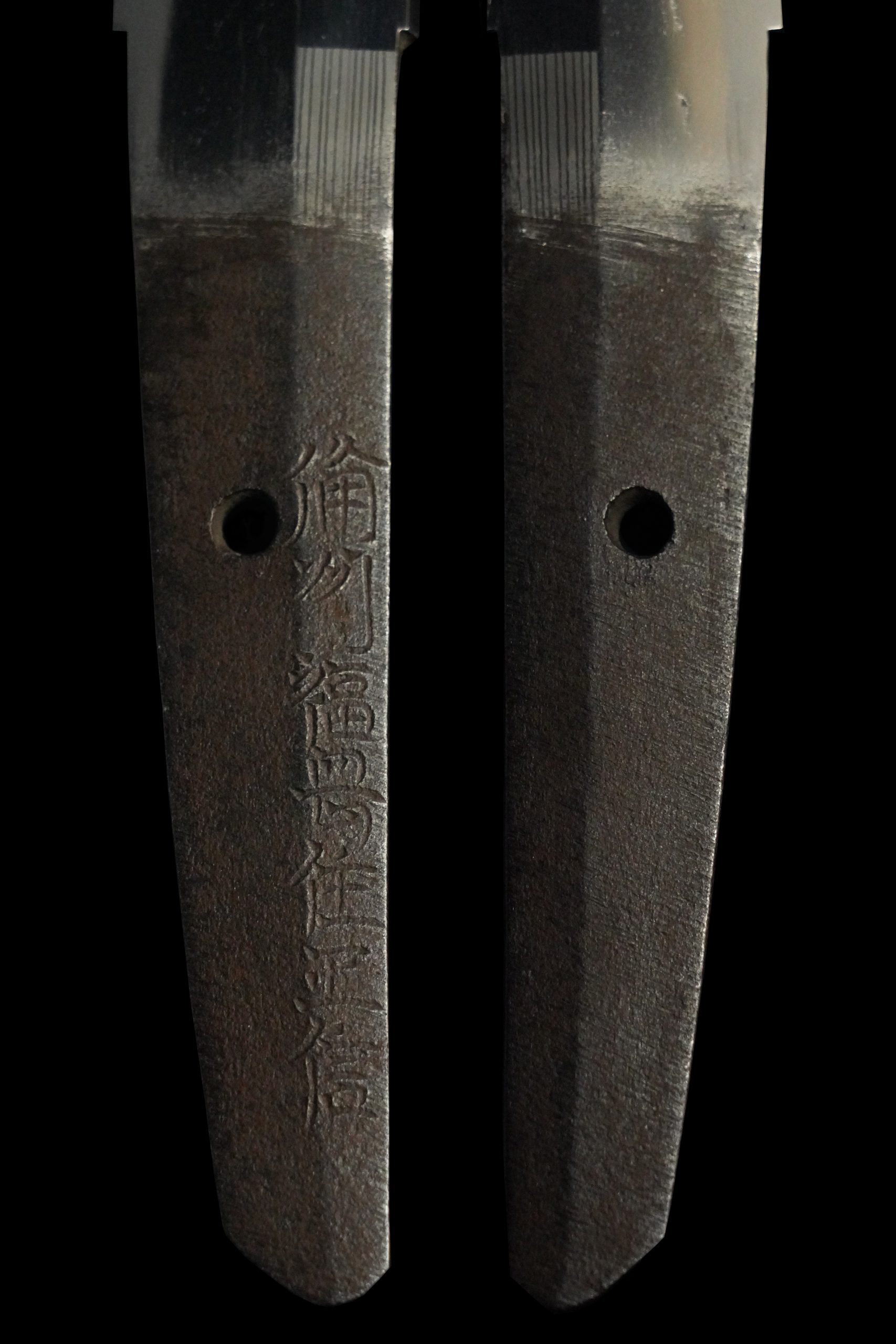
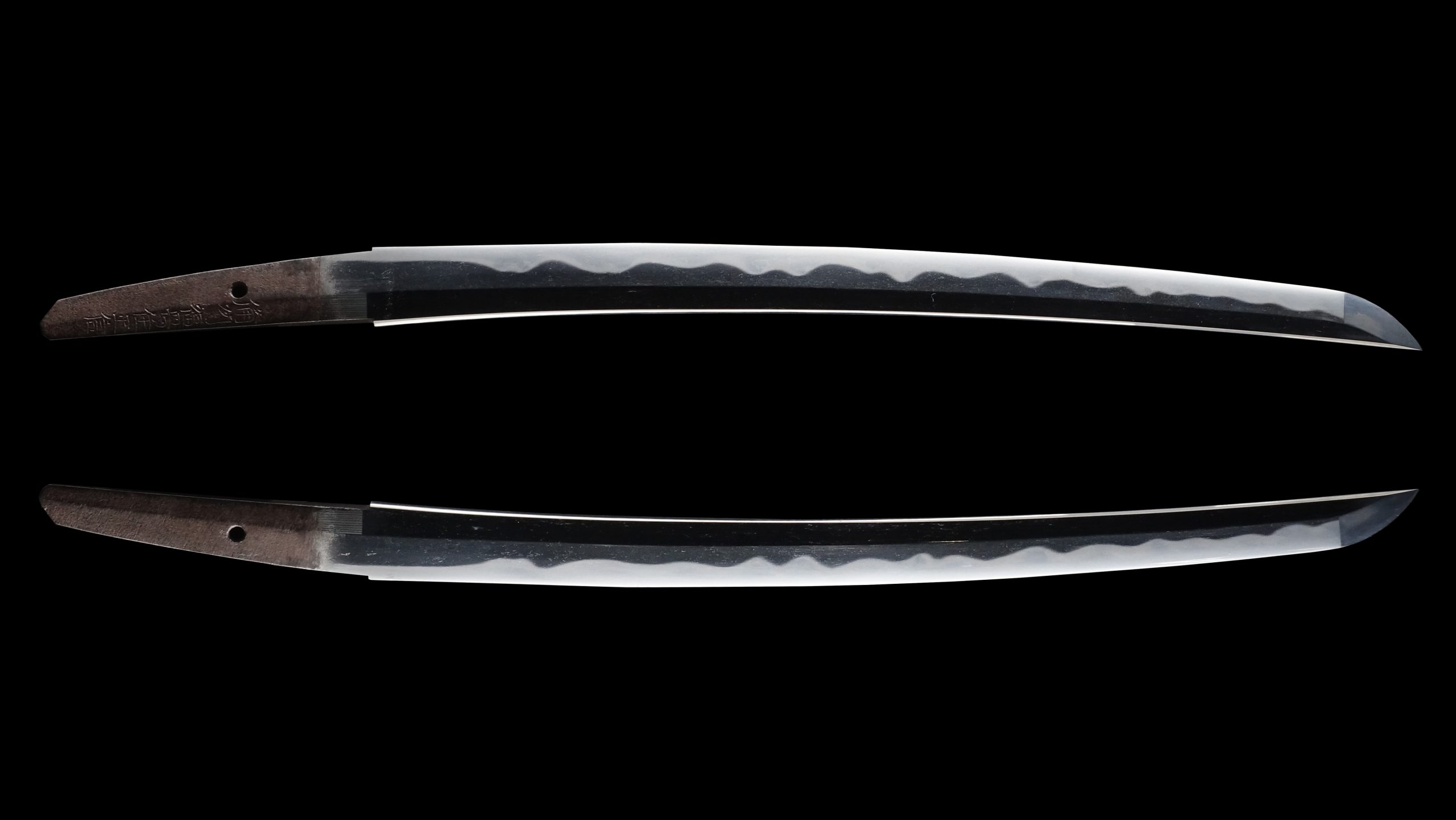
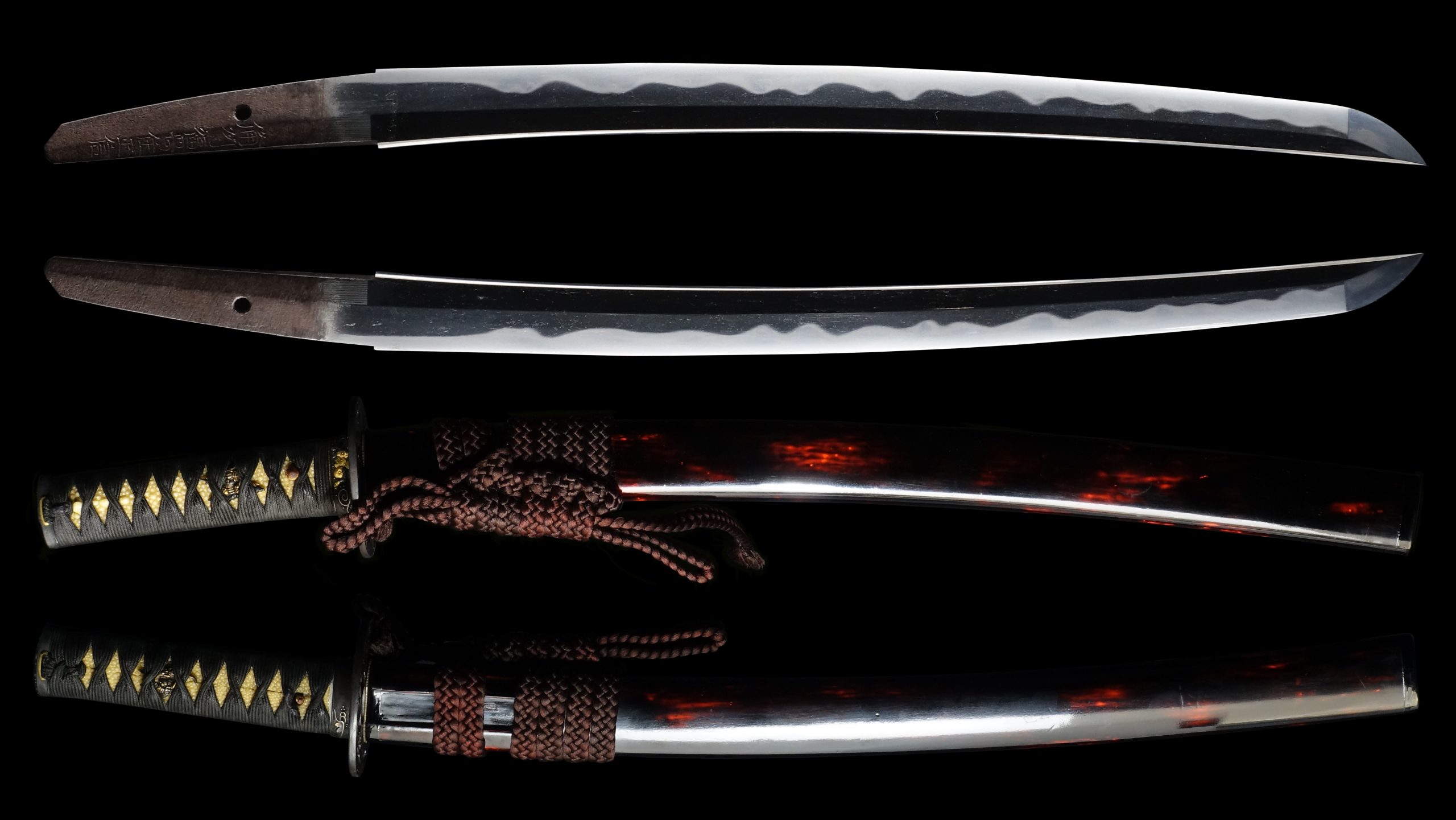
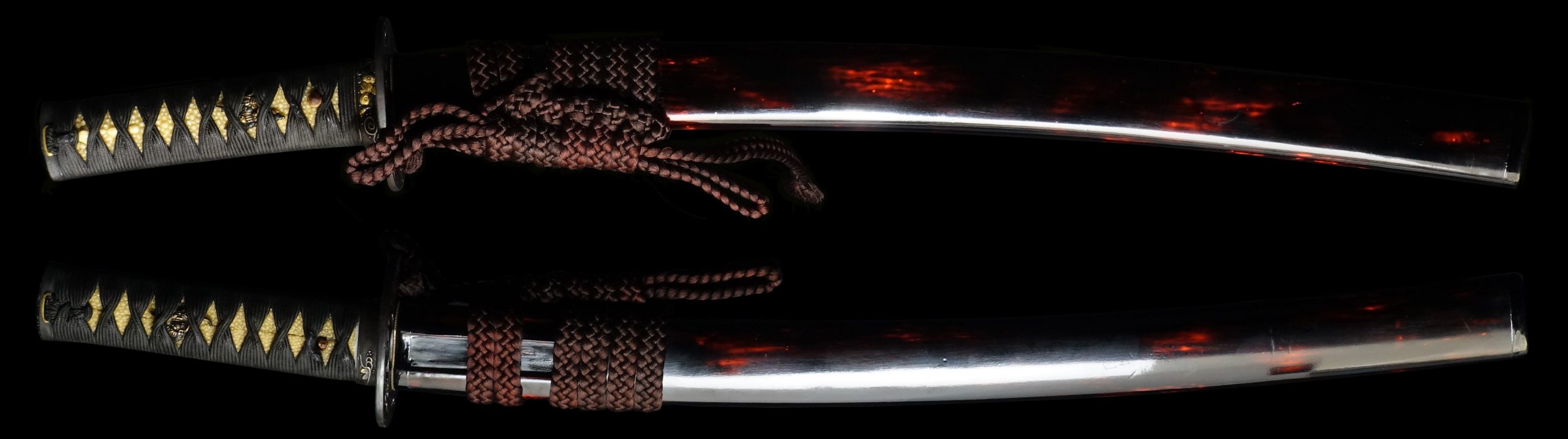
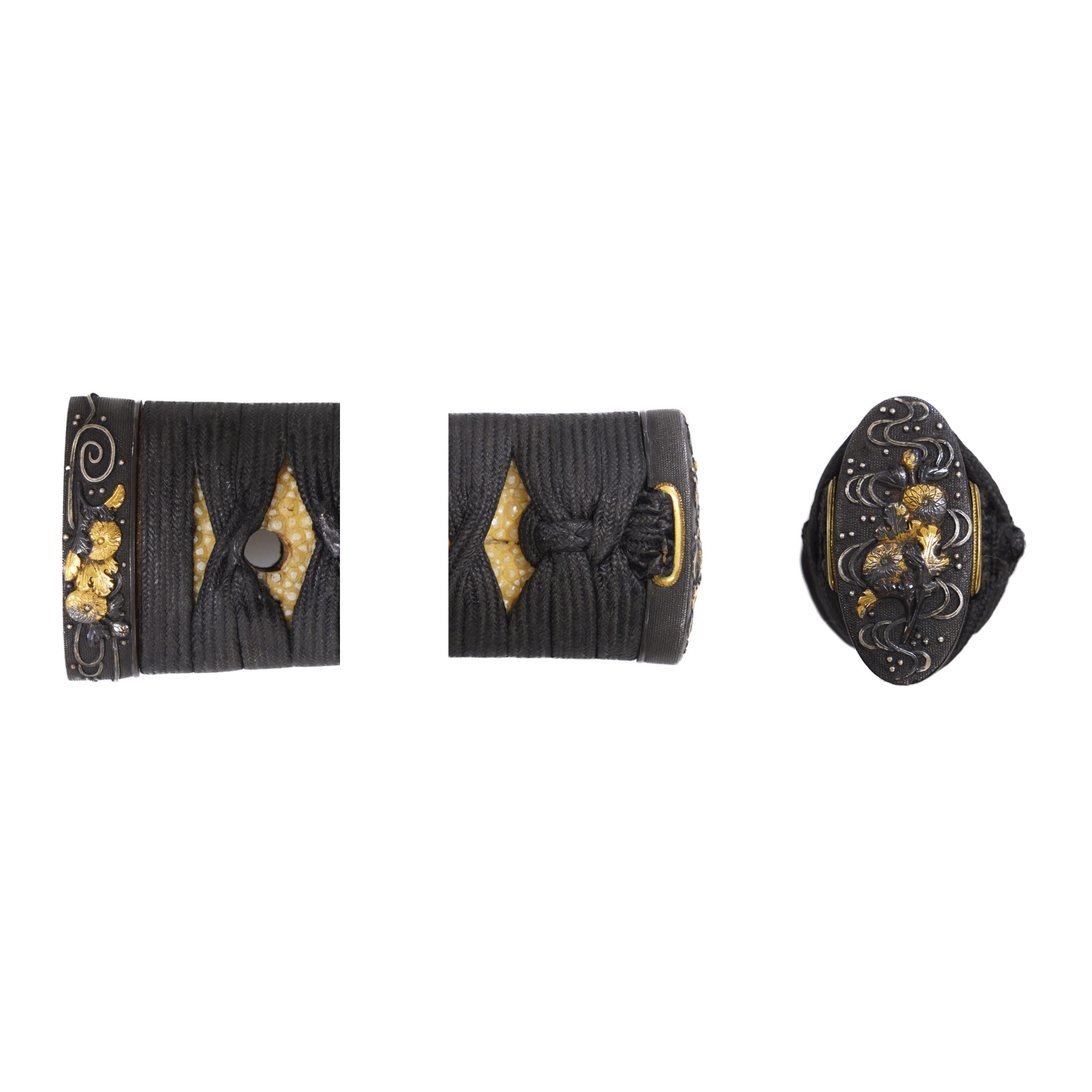
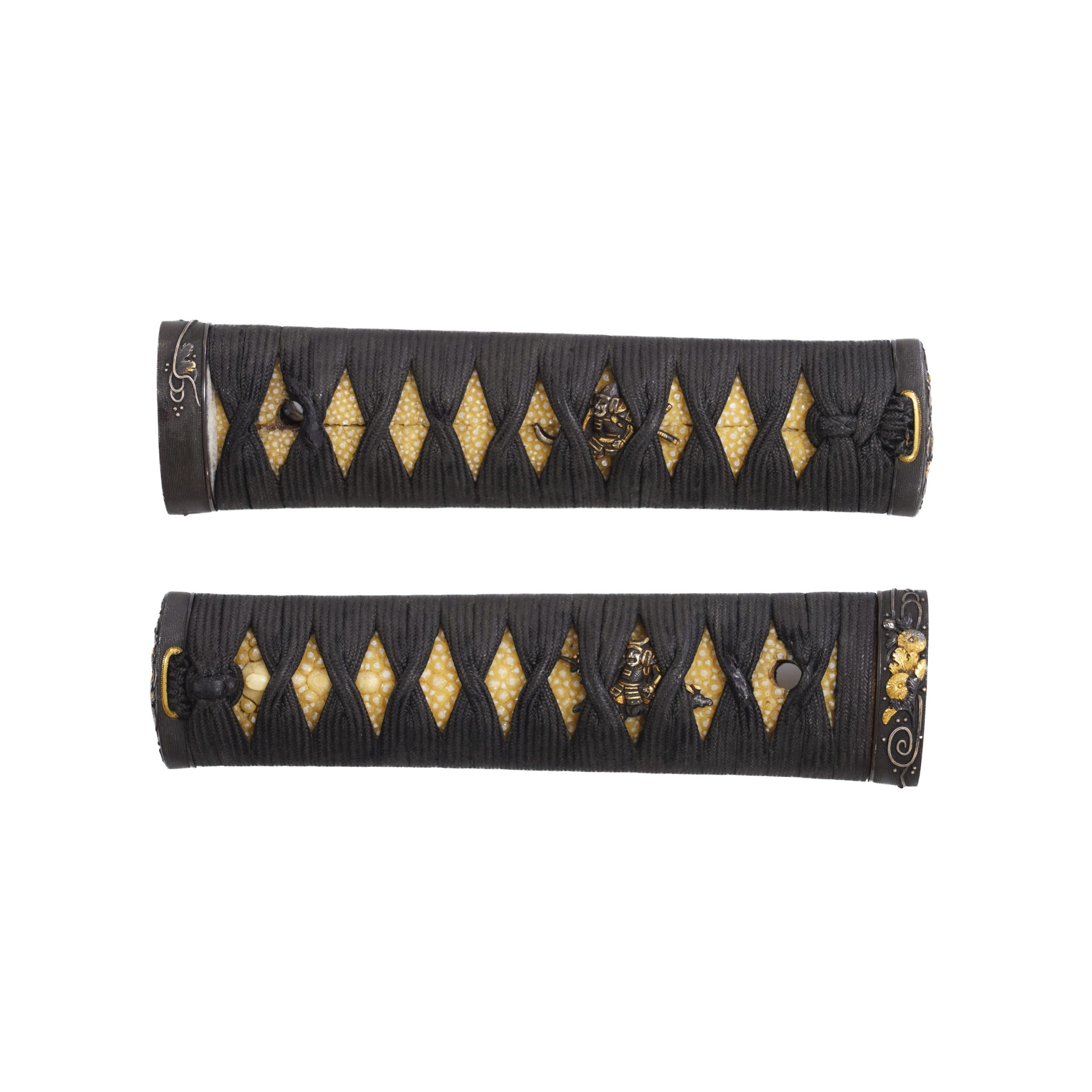
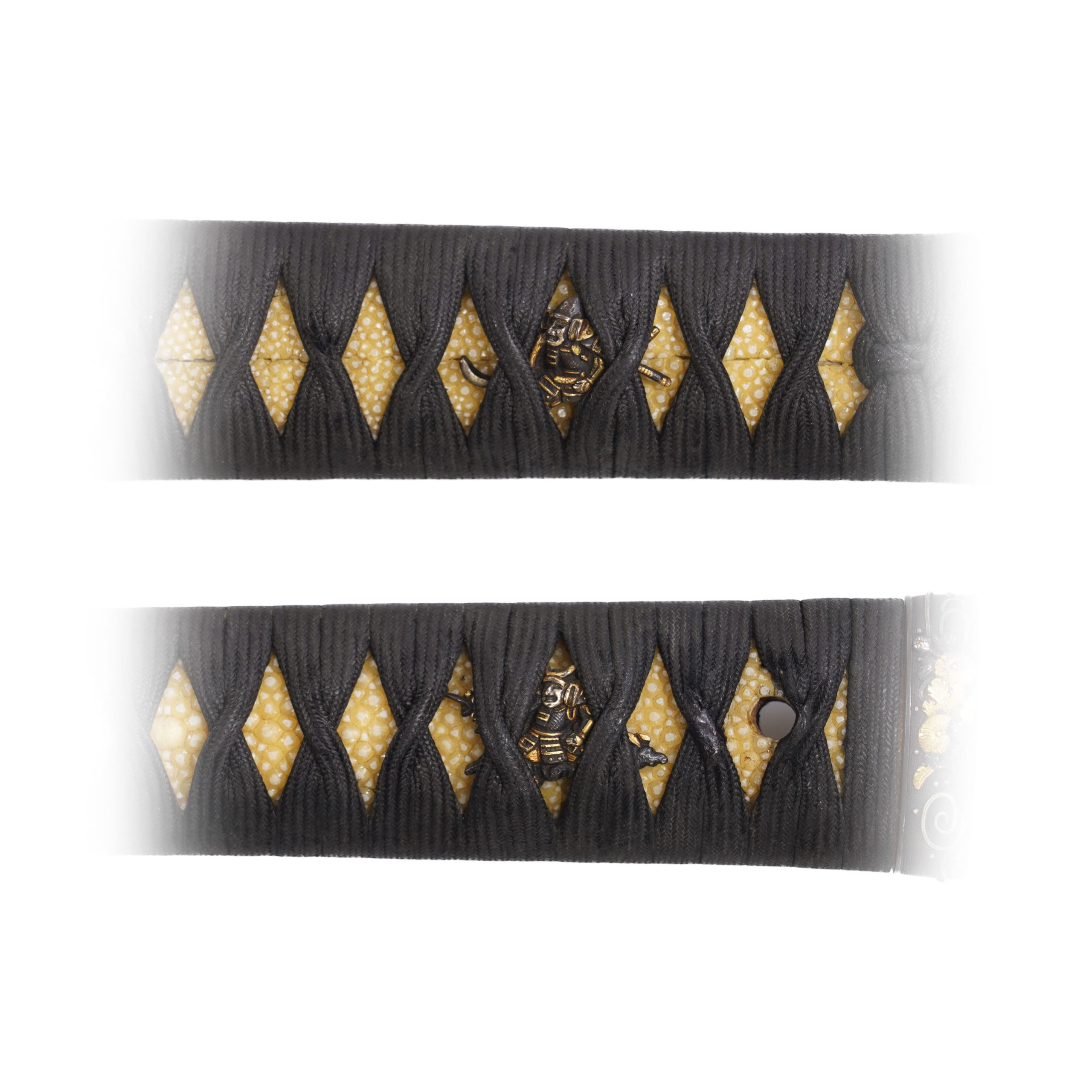
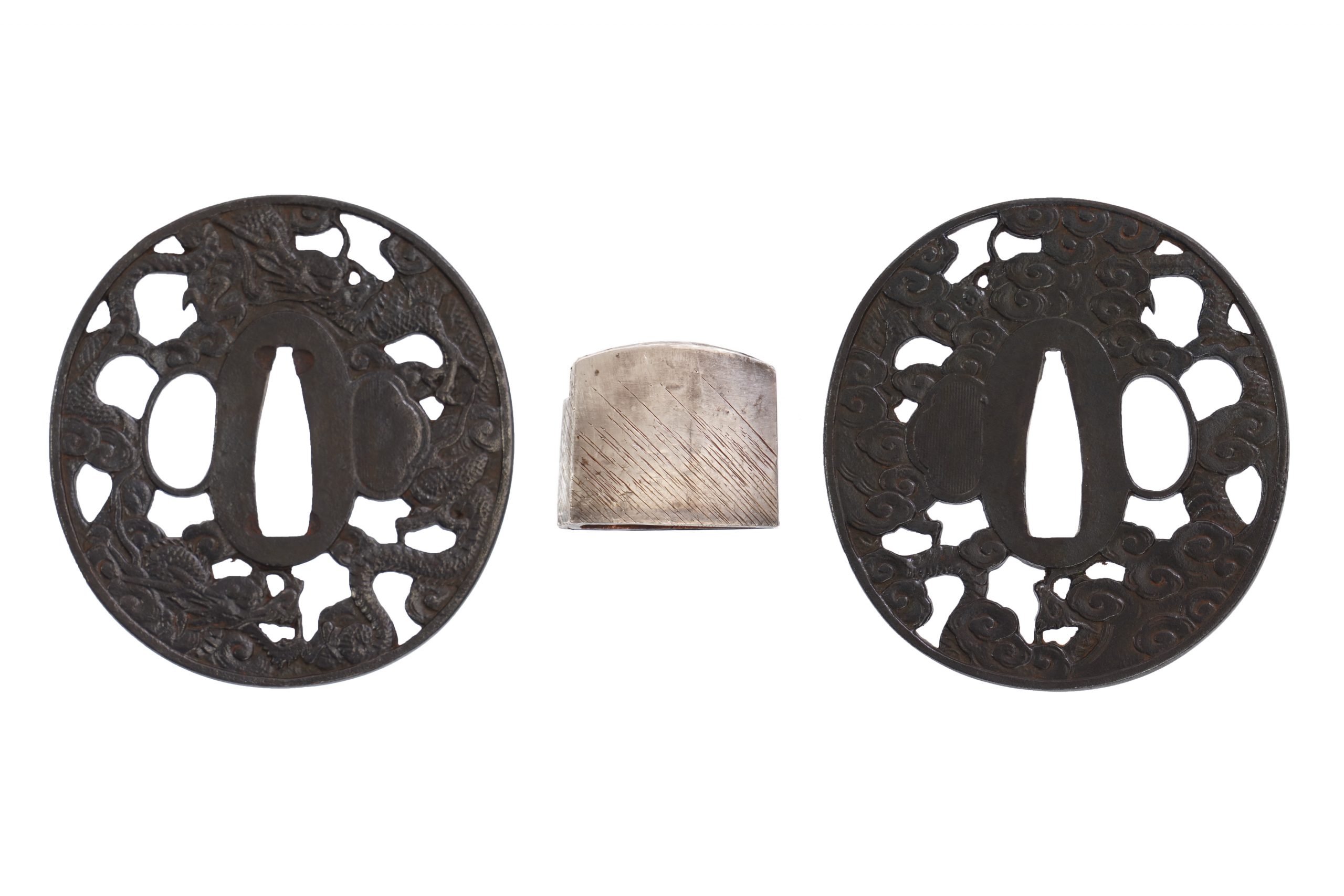
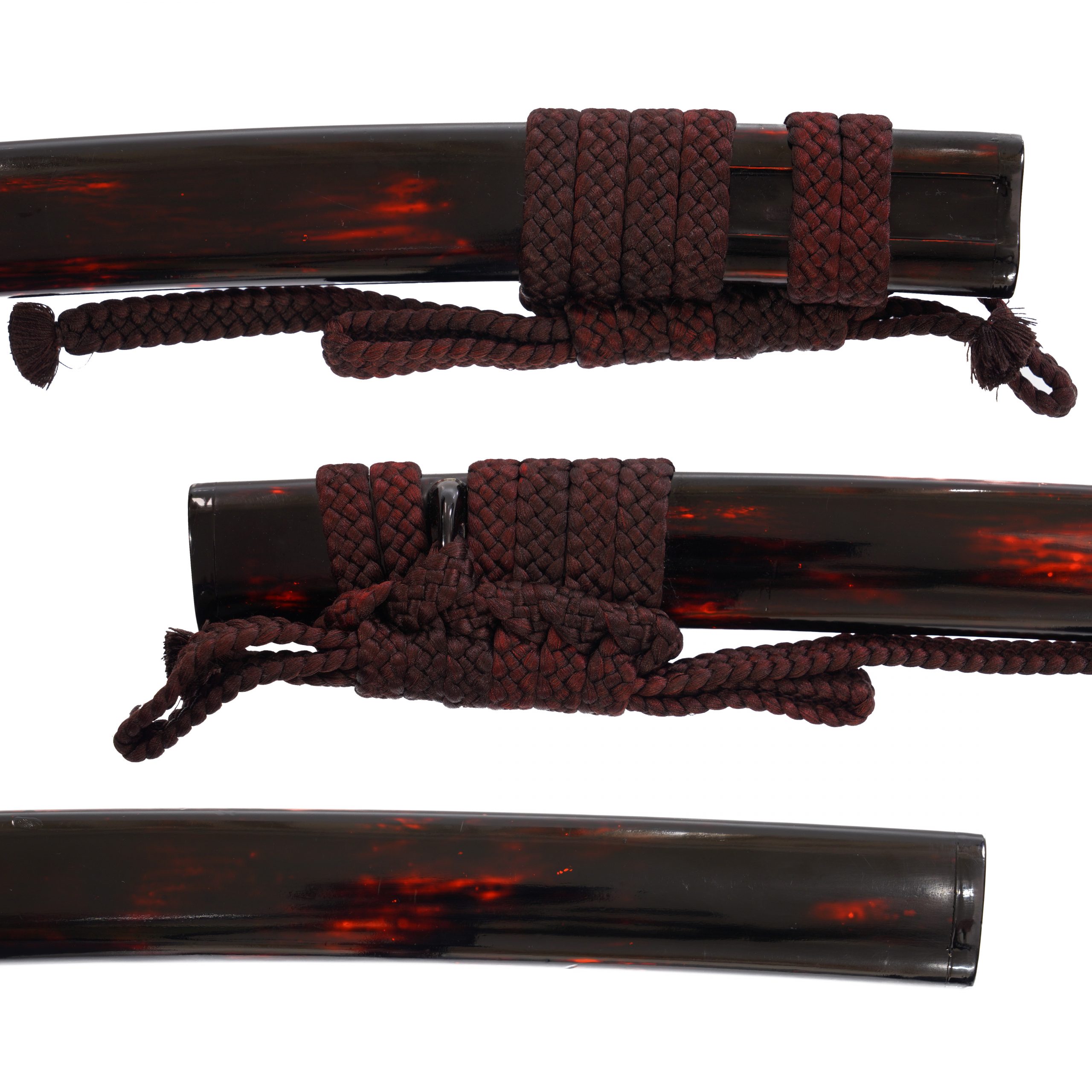
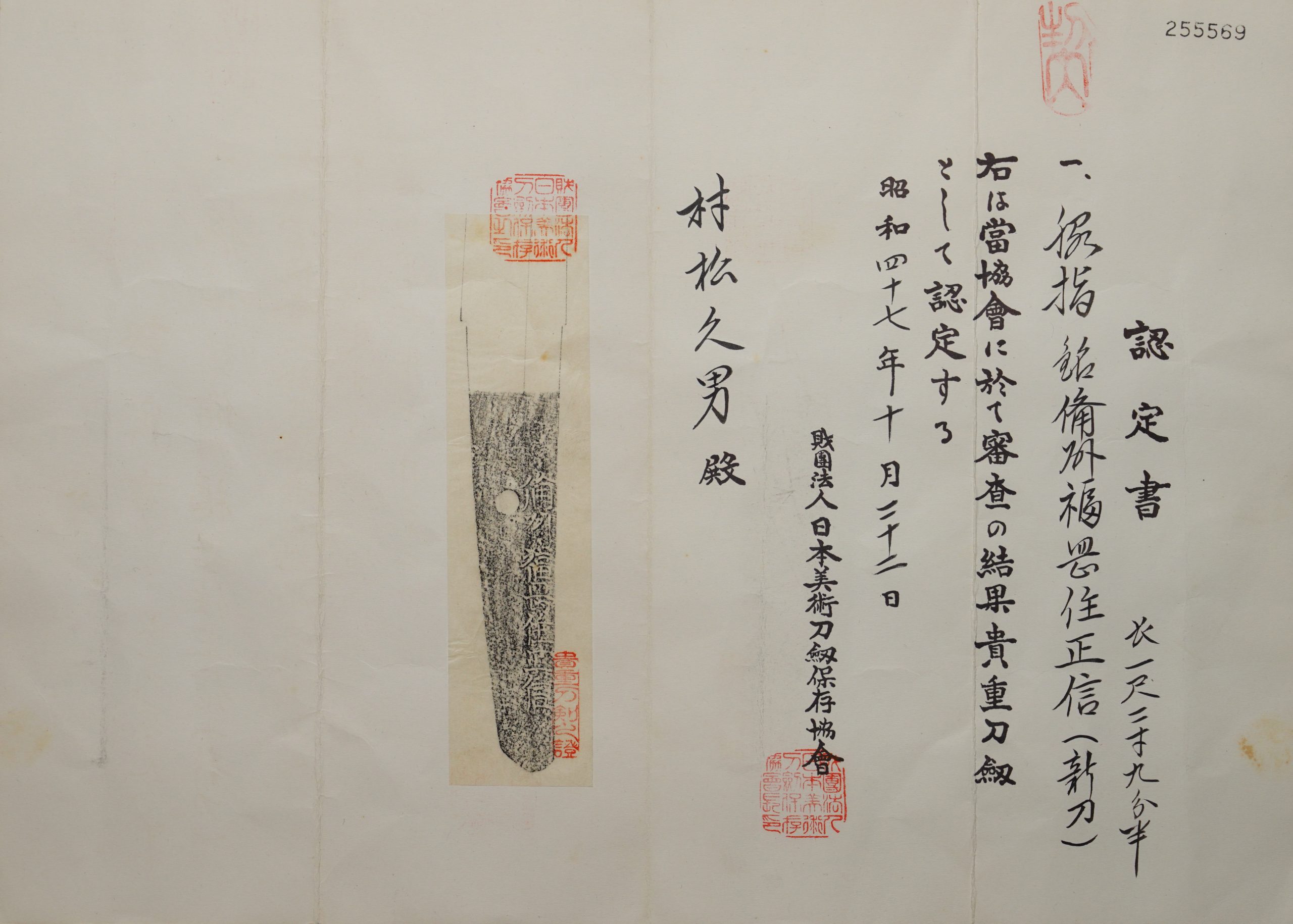
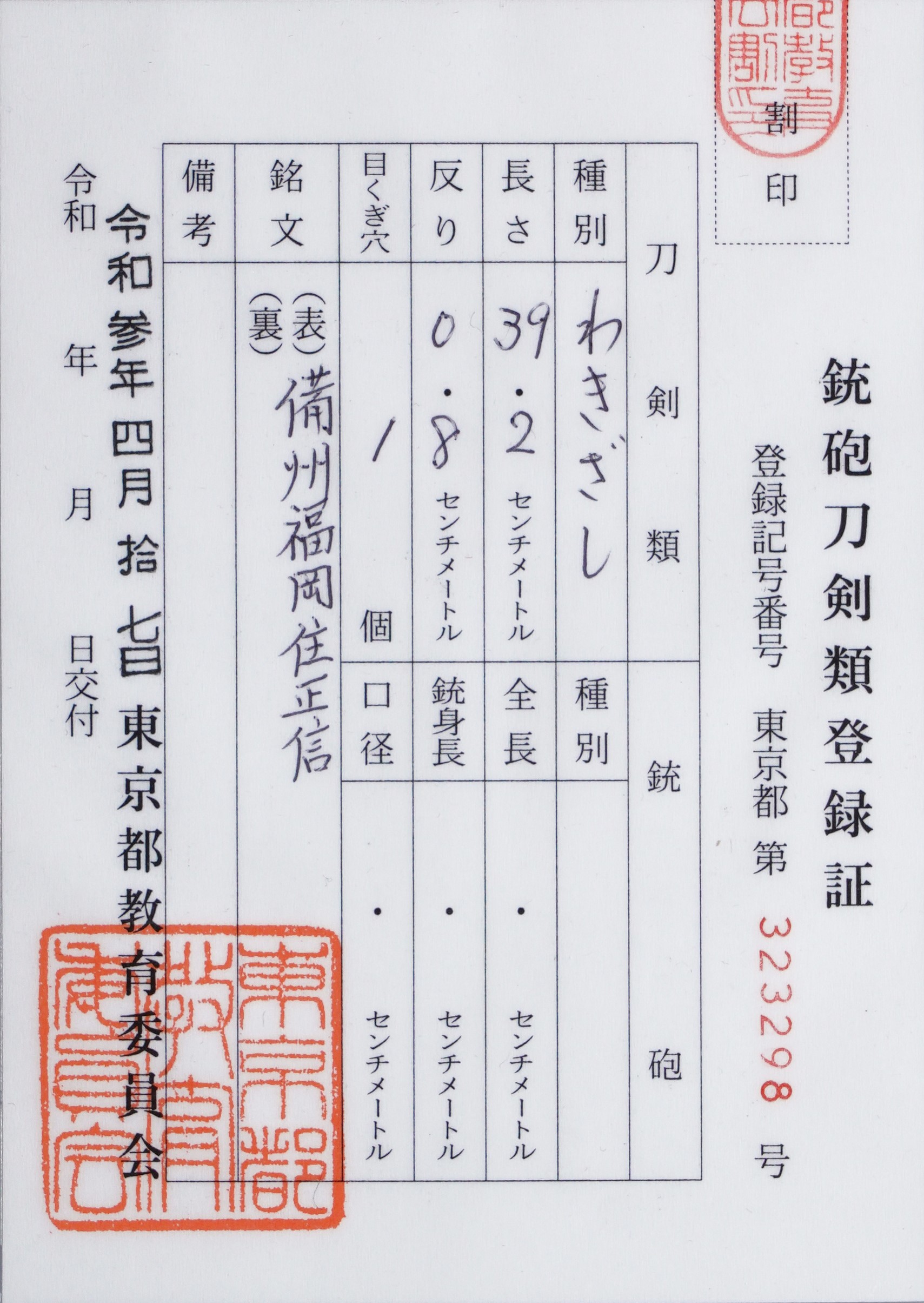
This blade was forged by Bishu Fuokuka Jyu Masanobu(備州福岡住正信) during the early Edo period according to the NBTHK’s appraisal. Bishu is the name of the province located in Today’s Okayama prefecture. Fukuoka is the name of the city famous for sword-forging from ancient times. Bishu is also known as Bizen, which created one of the five most Japanese sword-forging techniques called BIZEN DEN. BIZEN is located near the Chugoku Mountains, where iron sands, one of the essential materials for making Japanese swords, were abundant. Furthermore, BIZEN swordsmiths had close access to Yoshi River, where they could find water and charcoal. This geological location contributed to the swordsmiths to forge high-quality refined blades. We presume BIZEN was quite active in sword-forging from ancient times. It is said that BIZEN DEN was created by groups of swordsmiths there after the late Heian era(Late 12th century ). The swordsmiths in Bizen exceedingly prospered and produced many swords for feudal lords during the late Muromachi period as it was in the middle of the Sengoku period(Warring state). As a result, the demand for blades increased among strong feudal lords, and so many practically designed swords were forged and must have been used on battlefields. When this blade was made, Japan enjoyed a relatively peaceful time called the Edo period. During the Edo period. (1603-1868 A.D.), the use of Wakizashi became more widespread among Samurais. Because the Edo Government had launched the national law to force all Samurais to wear two Japanese swords (Katana and Wakizashi) to identify themselves as the regime’s military officers. Wakizashi refers to a 30-60 cm long blade (11.8-28.6 inches) and was worn on the waist along with Katana. Samurai carried Wakizashi as a backup sword next to Katana. Samurai needed to use Wakizashi when he fought in a small room or proximity where Katana would be too long to unsheathe. Also, when Samurai entered a castle, he had to leave his Katana to the castle guard. In contrast, Wakizashi was allowed to bring inside as self-protection. Based on the characteristic of this blade, we believe it was forged for a high-ranked Samurai who needed an accompanying wakizashi with his Katana. Its condition is excellent and has a very distinctive Hamon tempering line. We are confident you will cherish the beauty of this Wakizashi as well as intricate, gorgeous sword mountings. Fuchi-Kashira Chrysanthemum flowers floating in running water. This design is called Kikusui (菊水, chrysanthemum, and water) in Japanese. There is also a pattern in which half of the chrysanthemum flowers are hidden in the water. Since a long time ago, the Kikusui pattern has been known as a design representing longevity based on a Chinese legend. It says we could extend our lifespan by drinking water flowing from the chrysanthemum colony. Therefore, people treated this design as a kind of good luck motif. It is said this pattern started to be used in the Kamakura period (1185-1333). Some families used it for their family crests. Kusunoki Masashige (楠木 正成, 1294?-1336) is one of them. He contributed to the defeat of the Kamakura Shogunate and was given the chrysanthemum flower crest by Emperor Go-Daigo (後醍醐天皇, 1288-1339) in recognition of his remarkable achievements. However, Masashige chose to use the Kikusui pattern; the water flowing in the lower half of the chrysanthemum flower. A theory says it was because he thought it was too presumptuous to have the same crest as the Emperor. The Kikusui pattern was often found in Noh (能, classical Japanese dance-drama) costumes and Kosode (小袖, a type of traditional Japanese cloth), and was called in refined names such as Nagare-Giku (流れ菊) or Kiku-no Yarimizu (菊の遣り水). Tsuka and Menuki Fighting Samurais are designed for this Menuki. As they wear gorgeous armors, they are possibly high-ranked soldiers. One has a Naginata (薙刀, long pole-shaped weapon), and the other, his sword, is invisible. However, we could see that he wears a helmet with a crescent-shaped Maedate (前立て, front decoration). It seems they are on the battlefield and trying to defeat their enemies. The former owner of this sword might have longed for the bravery of these Samurais. Tsuba and Habaki Oval-shaped Tsuba made from iron. Dragons are the principal motifs of this work. It seems these dragons are looking through the clouds, or it can be seen they are floating from the surface of the water. According to a theory, a dragon dwells in the clouds. So, the combination of dragons and clouds is a famous theme. Also, there is a belief that worships dragon as a water god in Japan. Since rice cultivation has been flourished in this country, water is always an essential resource. Therefore, the combination of dragon and water could also be considered. Initially, the dragon is an imaginary creature found in ancient traditions or myths. Furthermore, it is a symbolic beast of encouraging signs. Its body is likened to nine animals: antlers are deer, the head is a camel, eyes are demons, the neck is a snake, belly is Mizuchi (蛟, mythical animal in Japan which looks like a snake and have a horn and four legs), scales are fish, claws are falcons, palms are tigers, and ears are cows. It was thought that the dragon would reign at the top of all animals because of its odd-looking appearance. Authentication Paper They authenticated the blade on October 22th in the 47th year of Showa (1972). They appraised it as Kicho Touken, an old form of the authentication paper .
Fukuoka Ichimonji School福岡一文字派
Offered by Samurai Museum
This piece has sold
6 on the market
Get an email when new Fukuoka Ichimonji School work hits the market.

Bizen-den · Bizen
6 pieces on the market now
At Fukuoka in Bizen, in the opening decades of the Kamakura period, the smiths who cut the single character ichi (一) above their signatures gathered into the line that bears the village name. The published sources name Norimune as the founder, one of the goban-kaji summoned in monthly rotation to the forge of the retired Emperor Go-Toba, and Nobufusa among the same court roster a generation alongside him. These earliest hands, the Ko-Ichimonji of Norimune, Nobufusa, Sanetoshi, Tamekiyo and the archaic side of Sukeyoshi, work at the very threshold of Ko-Bizen: a slender tachi of high koshizori and ko-kissaki, a suguha base broken by ko-midare and ko-choji, so close to the older Bizen manner that the two are read apart only with difficulty. What already separates them is the jigane, a tightly forged ko-itame over which a clear midare-utsuri rises, the bright reflection the utsuri-less Ko-Bizen ground does not carry. From this calm root the school grew toward the flamboyance for which it is now known, and the smiths who followed kept that reflection as their constant signature in steel. By the middle of the period the manner had opened into its full splendour, and the descriptions converge on a single shared vocabulary. The mid-Kamakura masters, named together as Yoshifusa, Sukezane and Norifusa and extended in the same breath to Yoshihira, Norikane, Sukekane and Yoshimune, temper a large-pattern choji-midare of marked height variation: clusters of differing size rising and falling across the blade, with the tassel-headed o-busa-choji, the sack-shaped fukuro-choji (named Yoshifusa's specialty), the layered juka-choji and the tadpole-headed kawazu-ko-choji mixed in, ashi and yo entering freely, the temper nioi-dominant with ko-nie and a nioiguchi the sources repeatedly call bright and clear. Beneath it lies itame mixed with mokume, often standing a little, carrying ji-nie and chikei, and again the vivid midare-utsuri that anchors every blade to Bizen and to this branch. Within that one manner the generations and registers diverge.
Sukezane shows a ji and ha stronger than his fellows, his edge threaded with kinsuji and sunagashi, a forcefulness that points beyond the school; tradition moves him to Sagami at the shogunate's order, so that the term Kamakura Ichimonji attaches to his hand and he stands where Bizen choji turns toward Soshu-den. Against the showy mainstream the school also kept a quiet wing. Yoshimochi works a deliberately subdued small choji over a suguha-toned base; Naganori, alone among the line cutting Fukuoka-ju in his signature, tempers low in a suguha with linked ko-choji the judges align with Osafune Kagemitsu and Chikakage; and Tameto of the Karakawa border works a suguha that undulates into notare with small gunome mixed in. The flamboyant peak fed the later branches as well, the Yoshioka, Katayama and Iwato lines that carried the ichi mark forward, with Sukeyoshi recorded by one account as a Yoshioka founder. For the collector the school is read first from the jigane: a clear midare-utsuri over well-forged itame places a blade in Bizen, and the gathering of choji on the edge with bright nioi and ko-nie marks it Ichimonji rather than the plainer Ko-Bizen or the later Nanbokucho work. The bare 一 on a tang, where the individual hand cannot be fixed, rests the attribution on era, school and the manner of the inscription; the named hands are then sorted by their own tells, Sukezane's deeper nie and pointed hakikake boshi, Yoshifusa's fukuro-choji and marked rise and fall, Norimune's restrained archaic suguha. The standing of the best is fixed by the work itself, the National Treasures cited as proof that Yoshifusa's and Sukezane's technique reached an exceptional level, with provenance running through the houses that held the country, Hideyoshi, the Tokugawa, the Uesugi, the Mori and the Imperial Family, and the Nikko Sukezane favoured by Ieyasu among the archetypes. A great many surviving blades are o-suriage mumei, attributed by the Hon'ami and at times carrying their gold-inlay appraisals, while signed, dated pieces such as Naganori's and Tameto's serve as the yardsticks against which the unsigned are judged. Its influence runs forward on two paths, into the Osafune mainline whose smiths the calmer Ichimonji hands anticipate, and into Soshu through Sukezane, so that the Fukuoka manner sits at the centre of how Kamakura Bizen is recognised and of where two later traditions begin. Learn more →
| Smith | Era | Designated |
|---|---|---|
| Sukezane助眞 | 1264-1275 | 44 |
| Yoshifusa吉房 | 1247-1249 | 44 |
| Norimune則宗 | 1184-1185 | 8 |
| Yoshihira吉平 | 1243-1247 | 17 |
| Sukekane助包 | 1232-1233 | 7 |
The Edo period (1615 to 1868)
Edo was the sword’s age of connoisseurship: the Hon’ami appraisers, the shogunal register of famous blades of 1719, and a thriving literature turned the sword into an object of study even as it ceased to be drawn in war.
This work carries older NBTHK “Kichō”-era papers, which the NBTHK no longer issues and largely disavows today. To confirm the attribution, submission to an official Japanese examination body (such as the NBTHK or NTHK) for modern certification could be considered.
Returns/exchanges limited to defects caused by shipping (except willful misconduct or gross negligence by the company); customers must contact within 72 hours of receiving the product.