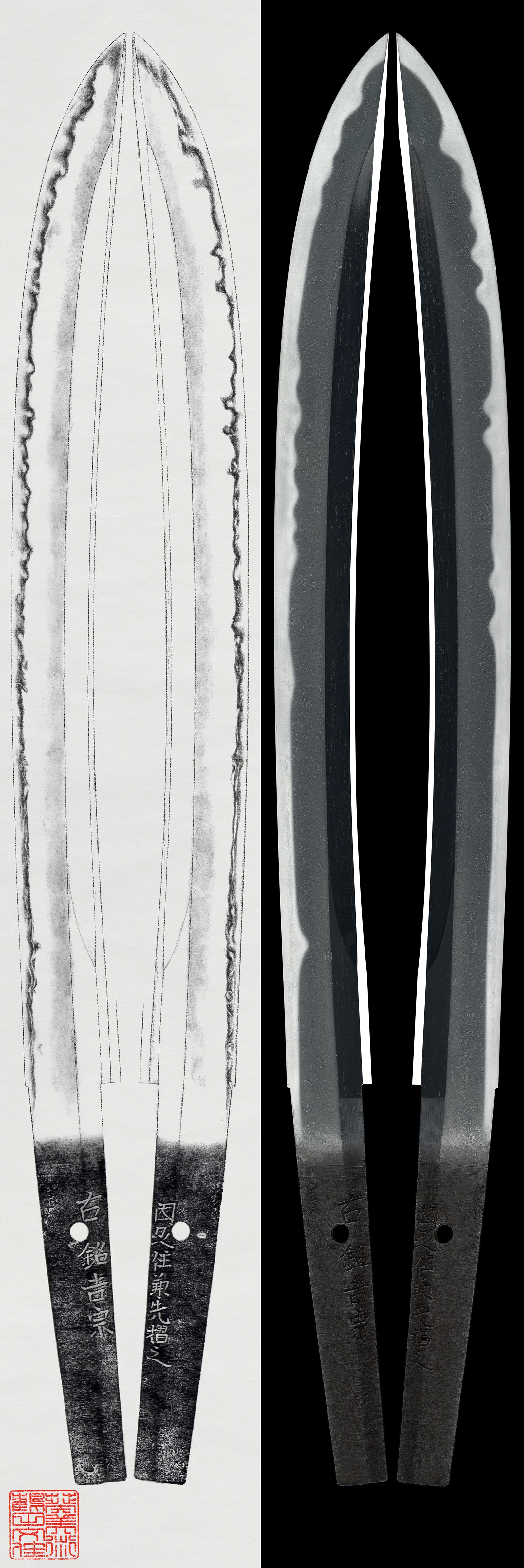
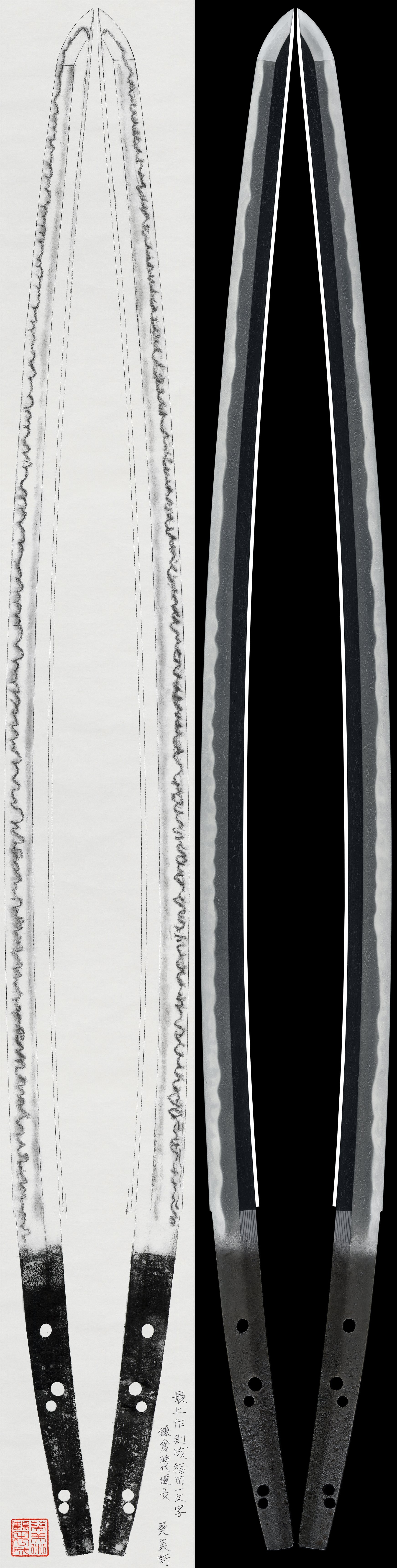
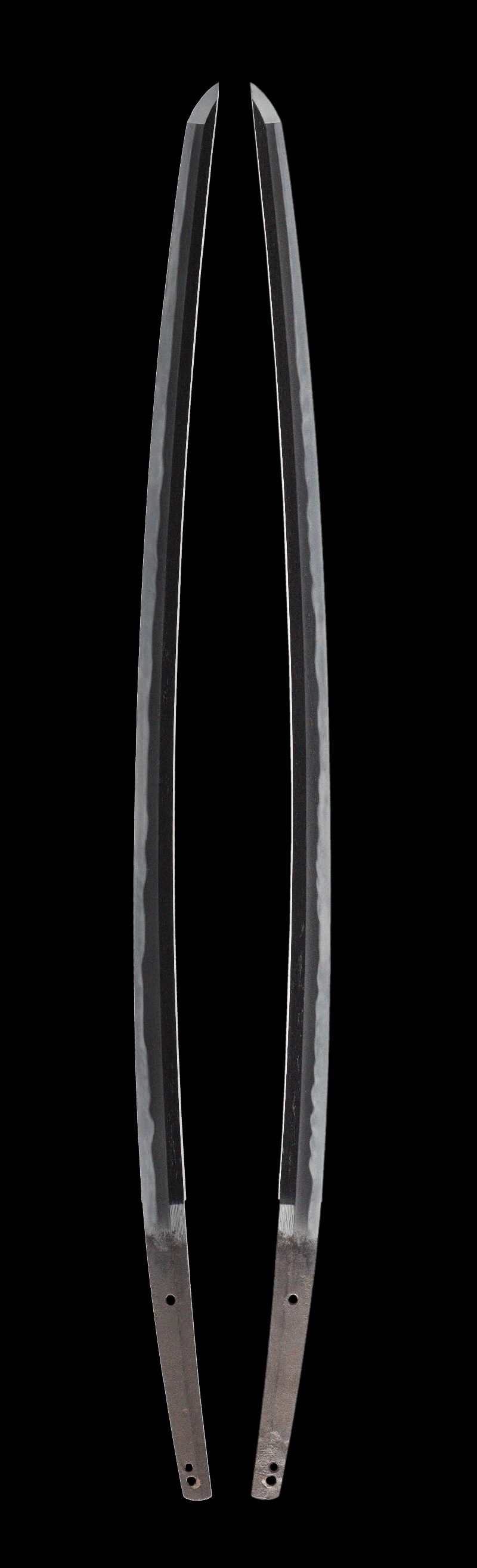
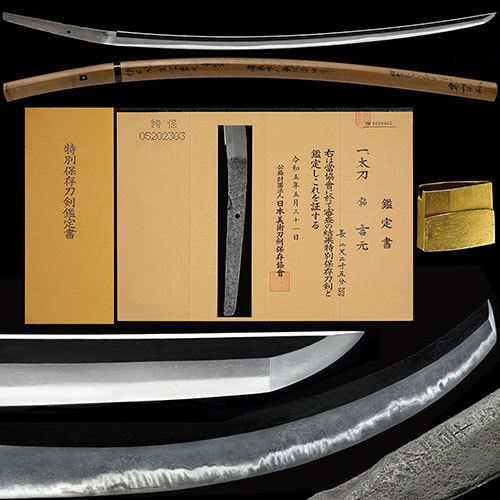
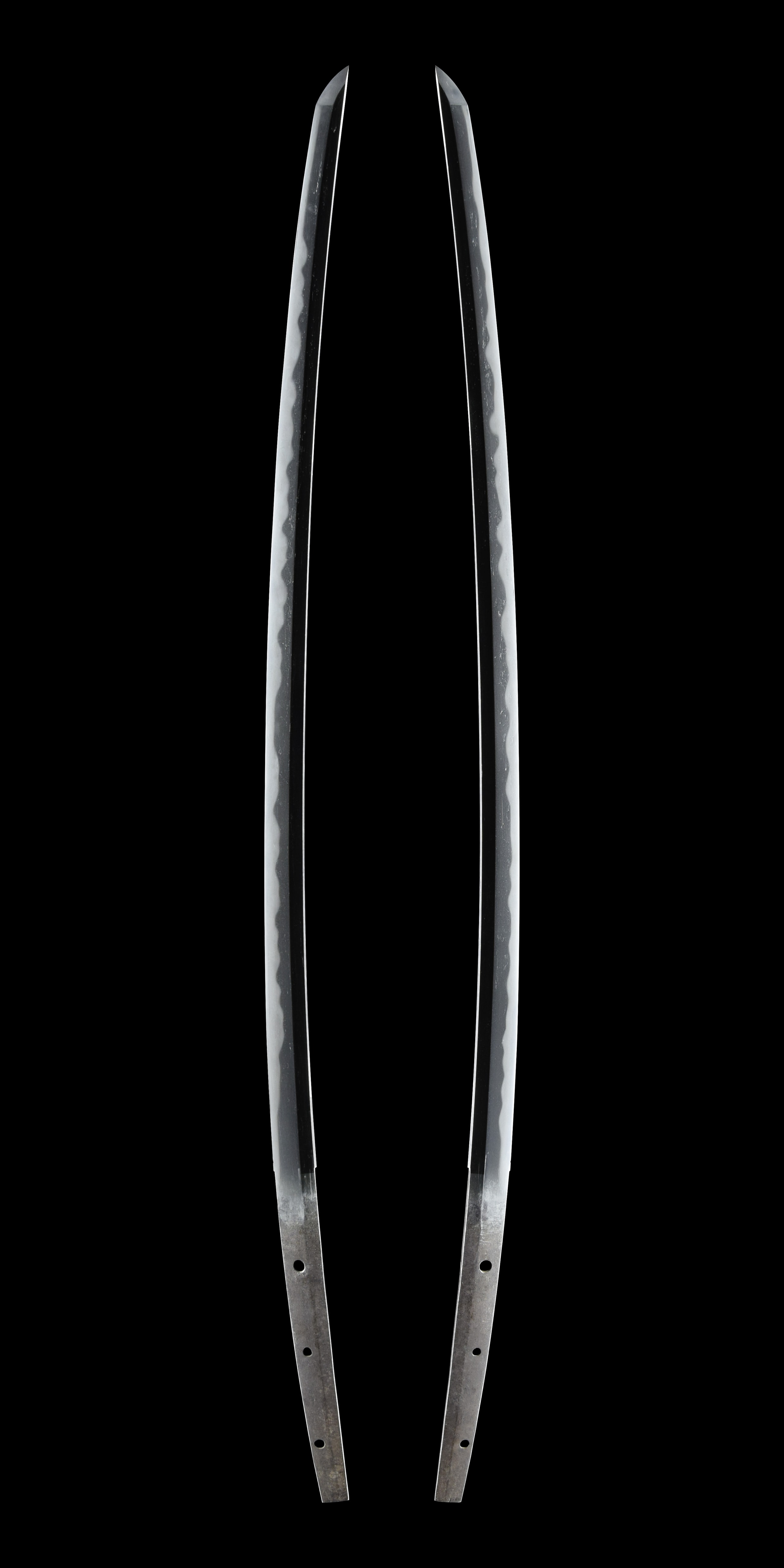
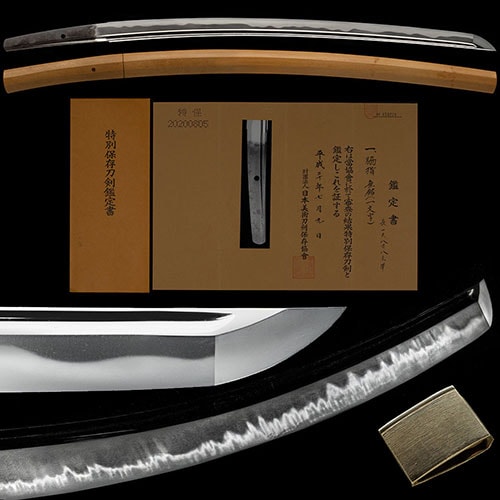
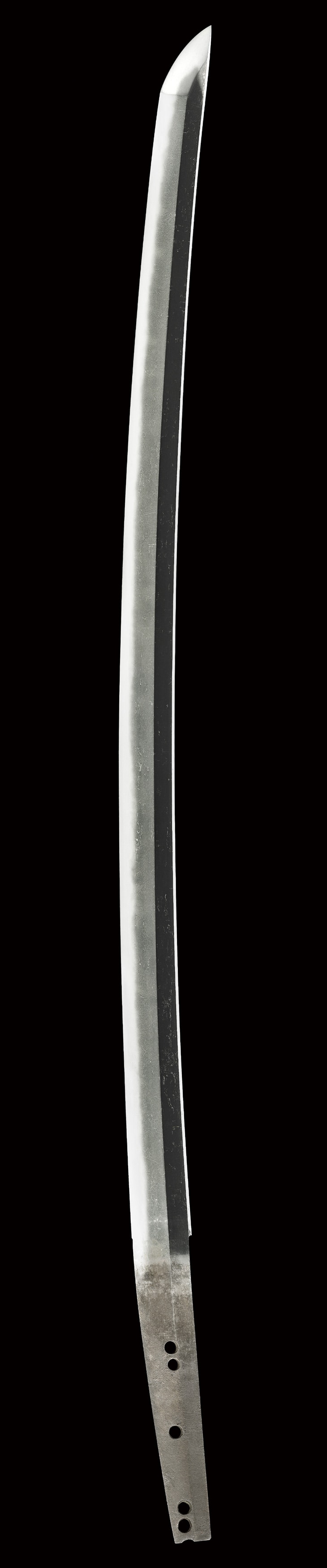
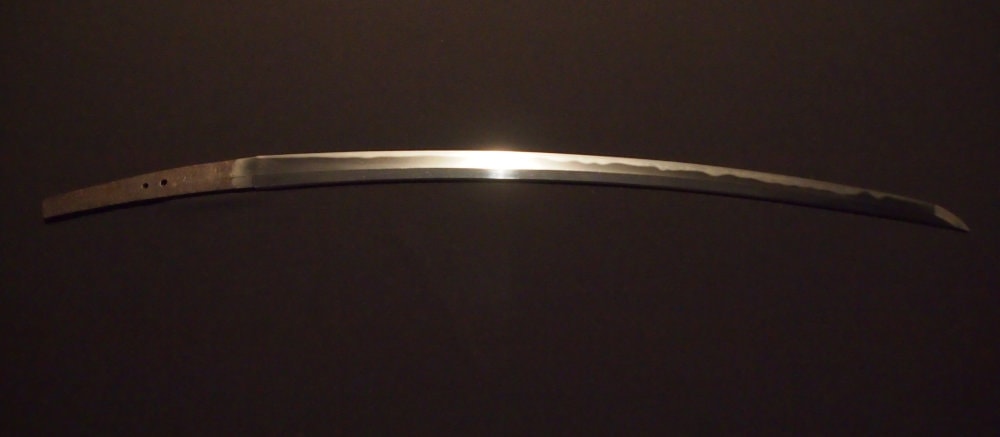
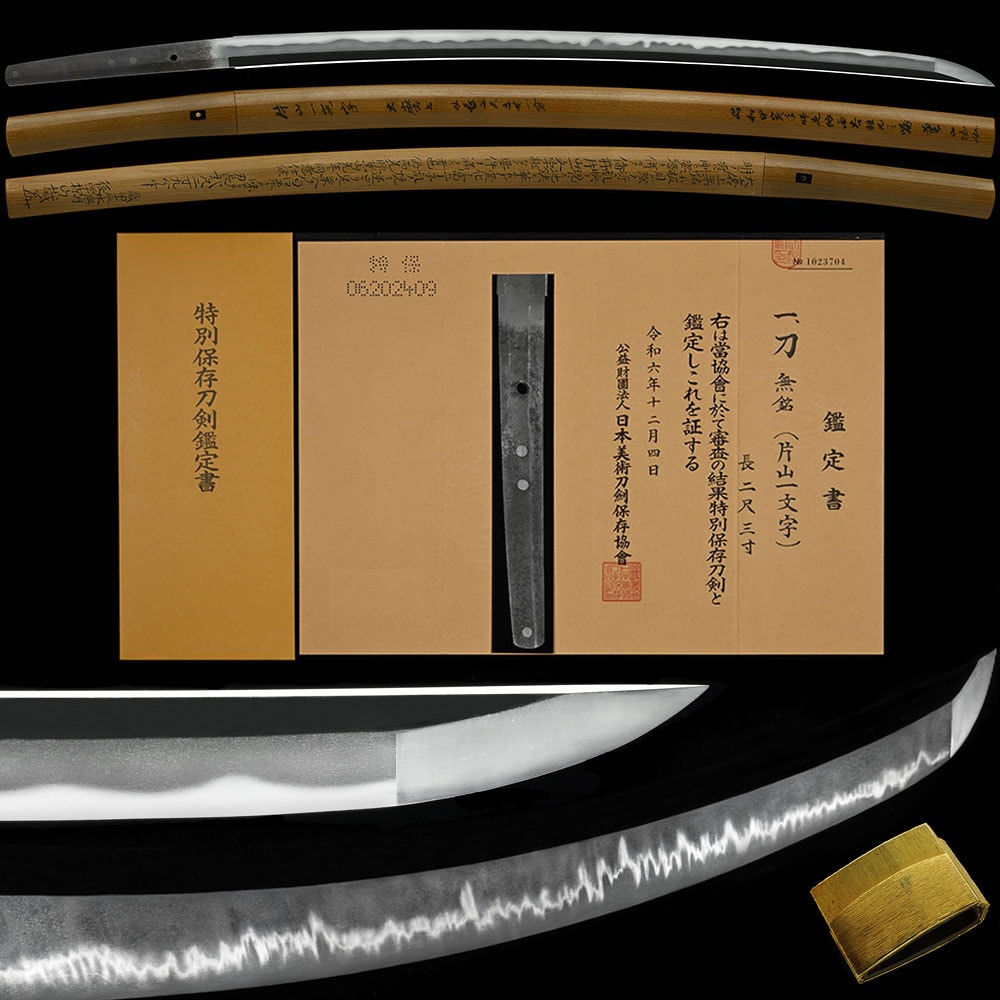
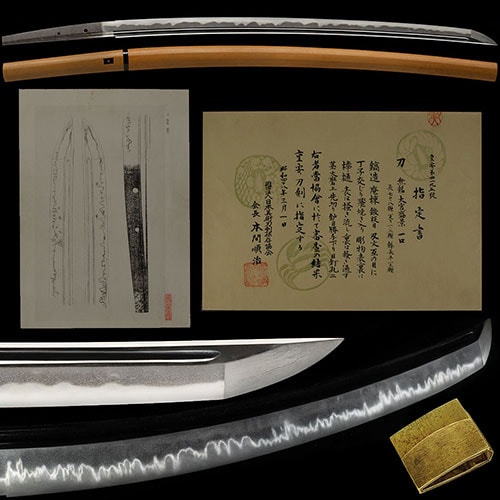
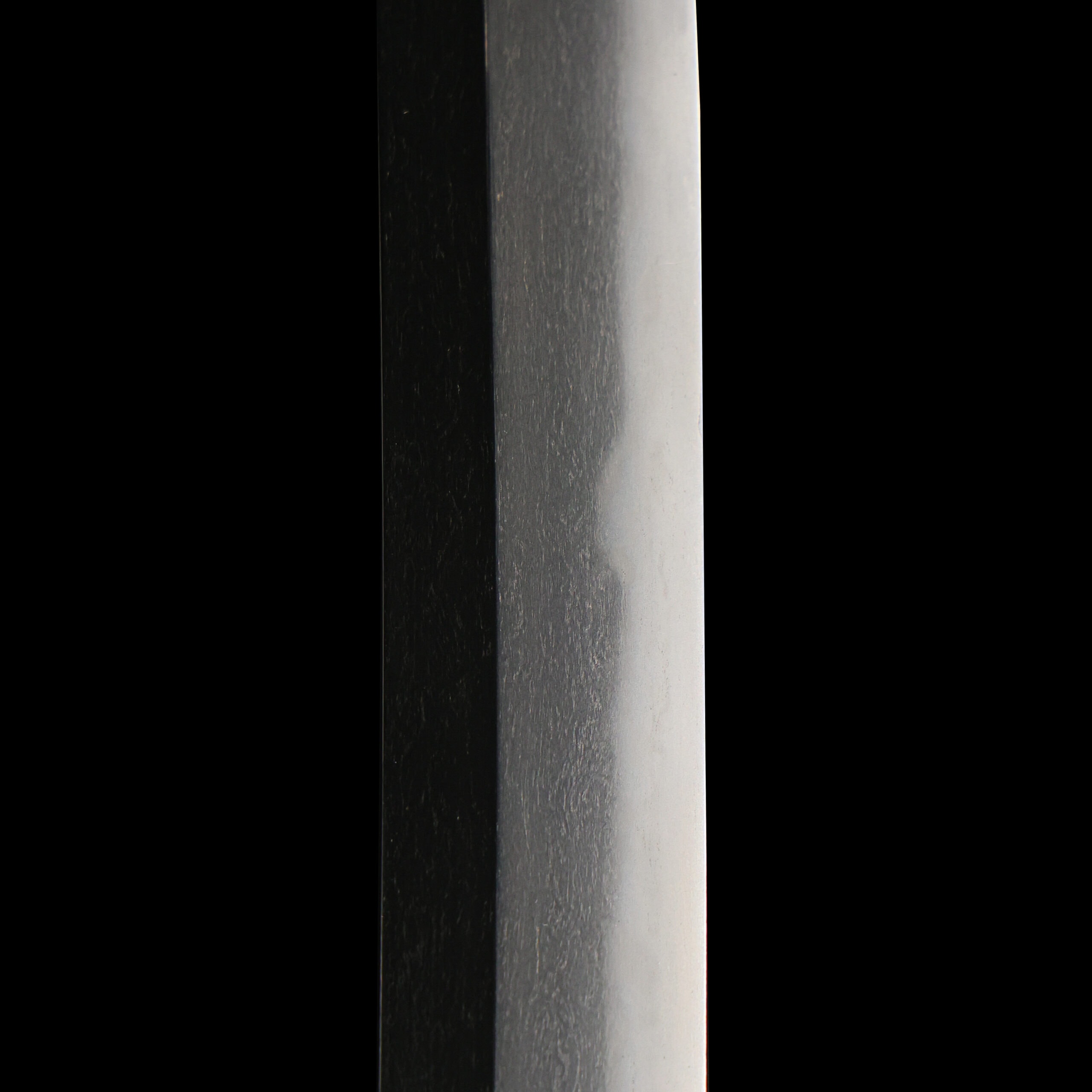
The published sources count Yoshihira (吉平) among the smiths who represent the Fukuoka school of at its height in the mid- period, and most genealogies record him as a grandson of Muneyoshi (宗吉) and a son of Yoshiie (吉家), which places him in the brilliant generation as Yoshifusa, Sukezane and Norifusa. The swordsmith registers date his activity to around the Kangen era (1243 to 1247), while one designation text gives around Bun'o (1260). His standing within that company was fixed by Honma's judgment, preserved in the record of one of his Bijutsuhin : among mid- work, "the most flamboyant are tempered by Yoshifusa and this Yoshihira". Several signed survive, and the sources note that one of them holds the rank of .
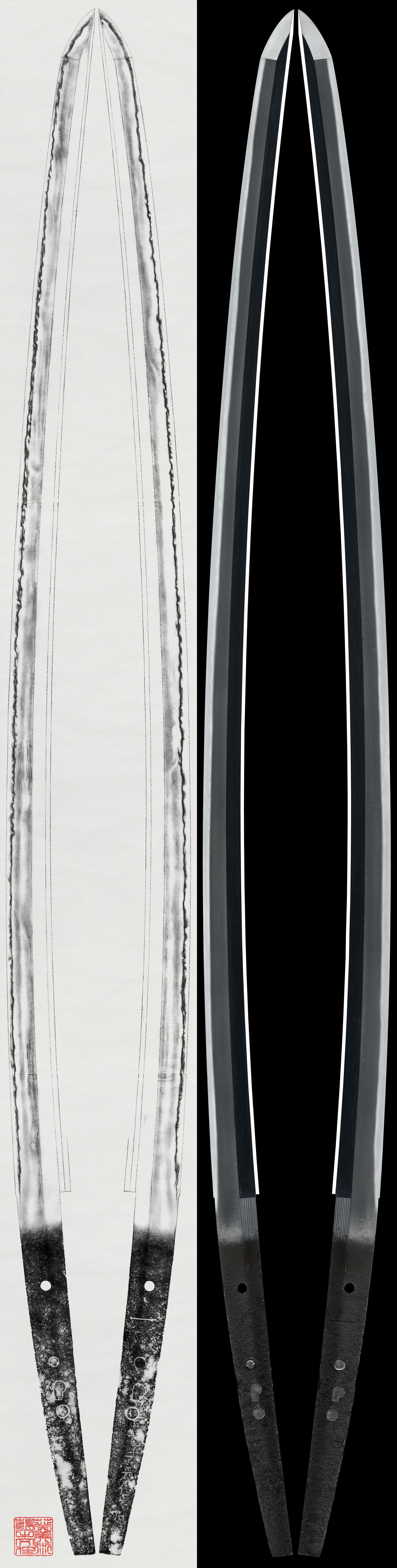
For his characteristic hand the published sources repeat a single formula: beside Yoshifusa or Sukezane his work shows less of the grand -, yet it abounds in change, and "one often sees examples in which the interior of the becomes laden with ". That variation has a precise vocabulary. Into his enter - and -, and occasional slightly pointed forms mix in, and the rises and falls conspicuously. and enter well, the runs deep with fine , and and work through the . His grandest pieces are described as "a style rich in variation, mixing , juka and ", and on the of the twenty-first session the temper even turns over the lower half, a feature of which the writes that there are "no comparable examples among Yoshihira's works".
The is an , in places mixed with and flowing , and its inclination to stand is stated outright: compared with his contemporaries of the school, the published record observes, "the also tends somewhat to stand". adheres, on the finest blades thickly and with entering, and a rises distinctly on nearly every recorded work. The runs and returns in , at times taking a pointed tendency with ; on some blades it is with a feeling.
Within this one manner the judges distinguish two registers. The quiet, small-patterned pieces lean from toward , with a tighter and an unusually even ; of one such Bijutsuhin from the Hachisuka family, Honma remarks that it is "unusual for this smith in that the shows little difference in height, yet it is genuine". The grand register stands at the opposite pole, "as bustling as Yoshifusa", and the of the first session was judged "even more flamboyant than the signed works". His is normally the two characters Yoshihira, cut with a thick chisel toward the of the ; the handed down in the Ii family is signed instead with a fine, small chisel and is singled out as "prime material for the study of Yoshihira". Among his works at the rank there is one tempered with , though the published record adds that "this is not his usual practice".
What separates him inside the school is carried by his own documented traits: a that stands where his fellows' runs tighter, the - that recurs through his grand register at a frequency he shares only with Sukezane, and a whose rises and falls are the form his variation takes. The published record also notes the general scale, observing that compared with contemporaries of the school "works of comparatively small scale are numerous". No pupils are recorded under his name; with Yoshifusa, his grandest works define the flamboyant peak of Fukuoka against which the later branches of the school and the smiths came to be measured.
Fujishiro grades him Jo-jo , and seventeen designated works stand on record: three , seven , four Bijutsuhin and three Important Cultural Properties. The Important Cultural Properties are patrimony in shrine and public keeping, among them blades preserved at Futarasan Jinja and Tanzan Jinja. Nine blades carry recorded provenance. The roll runs through the Ii family of Hikone, whose almost , published in the Kozan and the , keeps on its a that speaks of service in battle, and onward through the Shimazu, Hachisuka, Maeda, Ikeda and Kishu Tokugawa families; the of one records it "presented by an old lord of Yamashiro". For a collector the realistic field is the ten blades of the and tiers, and even there most pieces of recorded whereabouts rest in long-held private collections; a signed master of the Fukuoka at this rank reaches the open market only rarely, and a Yoshihira coming into open hands is a rare event.