戦国の関は一つの産業であった。春日神社を氏神と仰ぐ鍛冶たちが、中部日本の軍勢を武装させた。孫六兼元の三本杉と之定の最上作は、量産の町に第一級の技が息づいていたことの証である。
 NihontoWatchNihontoWatch
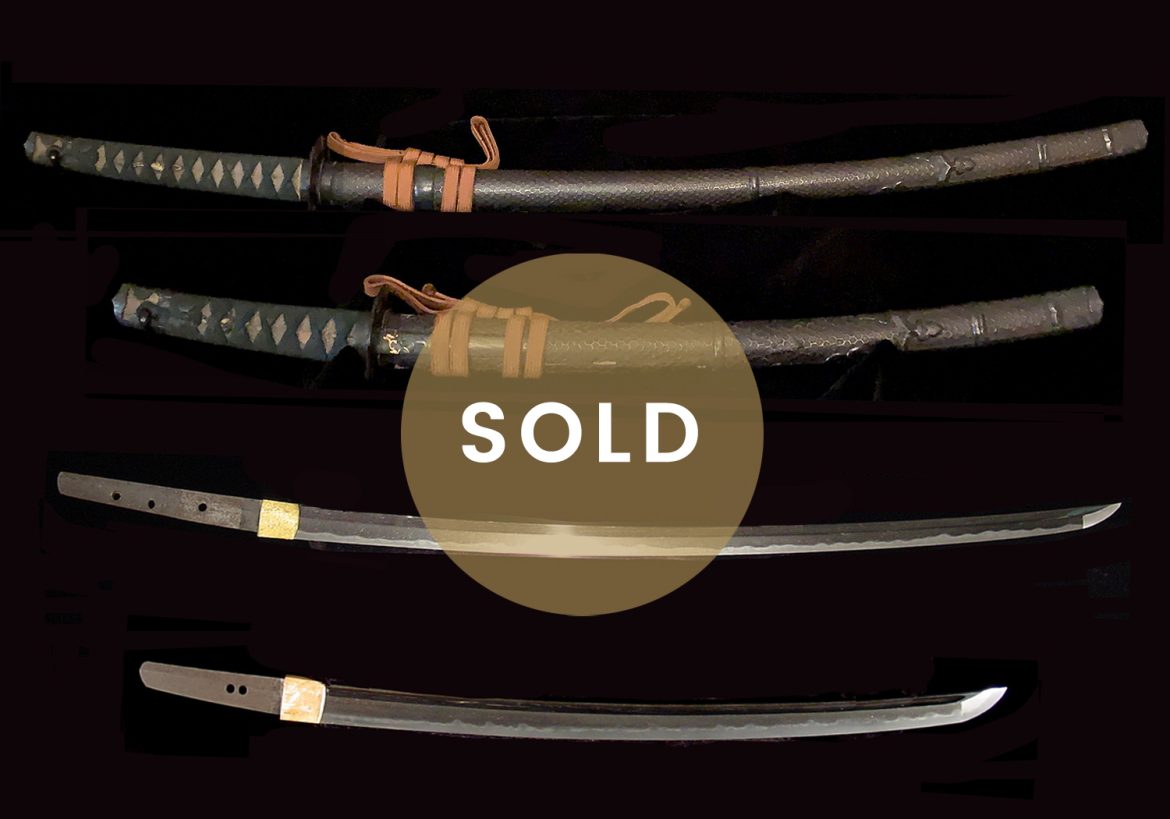
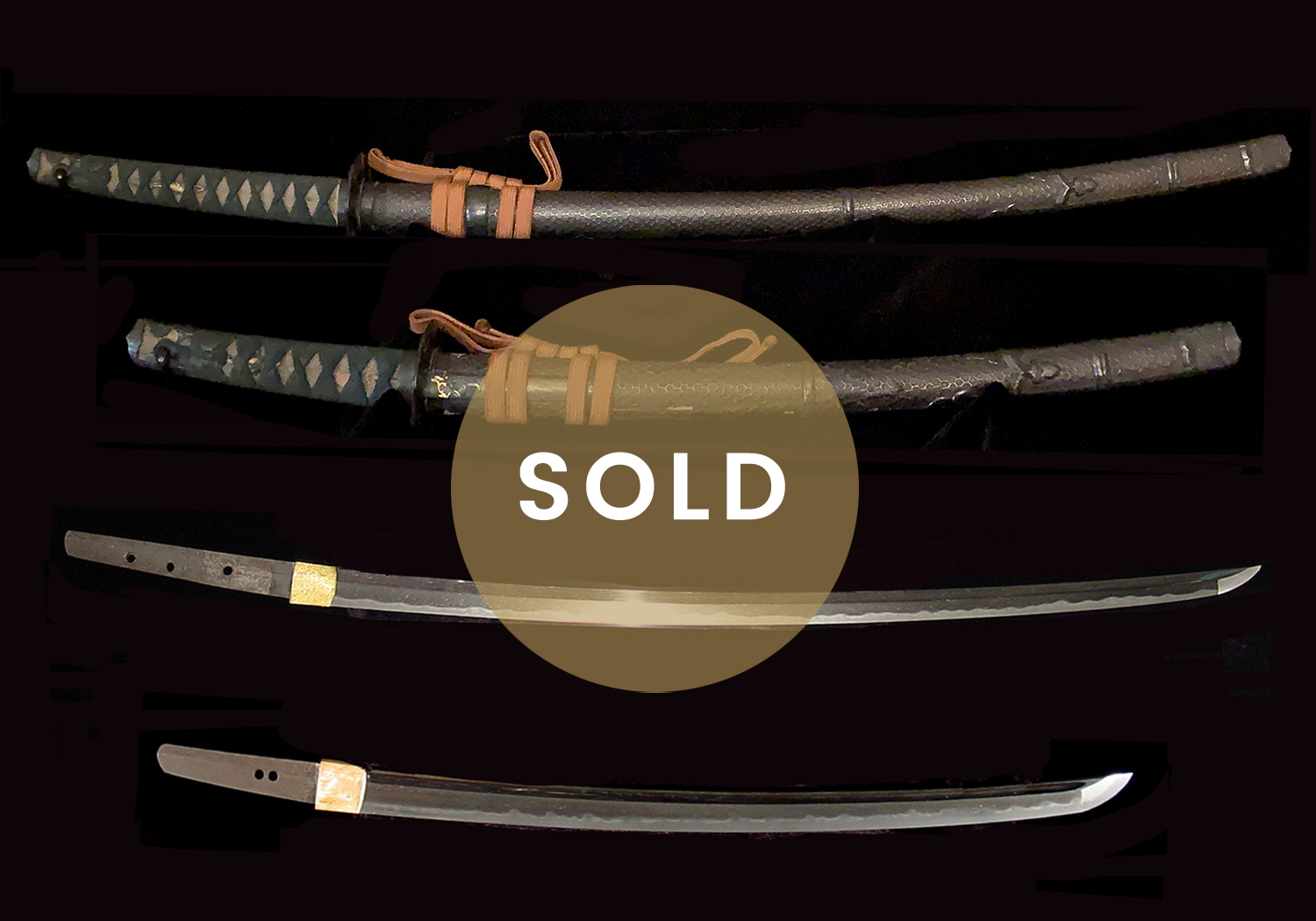
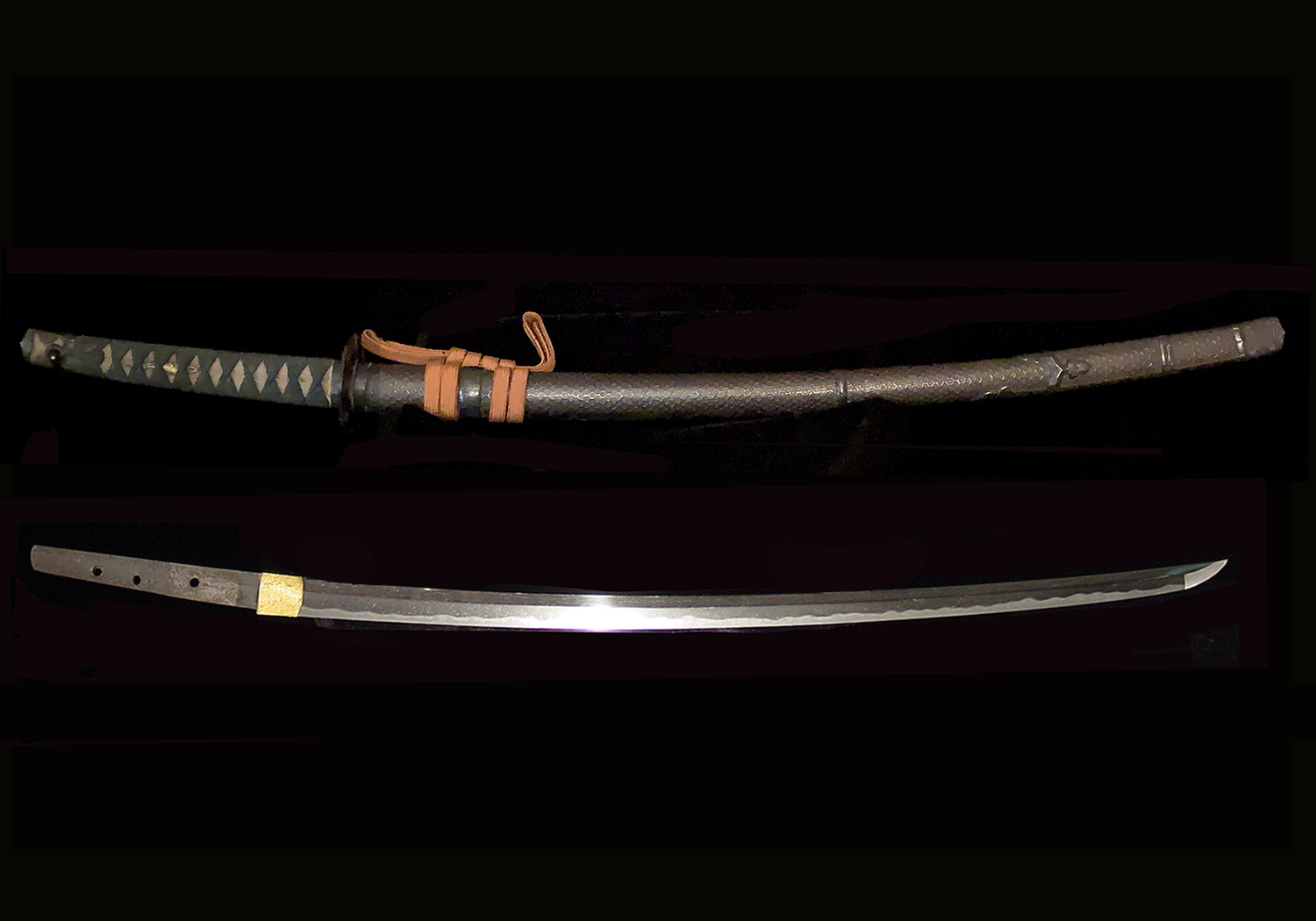
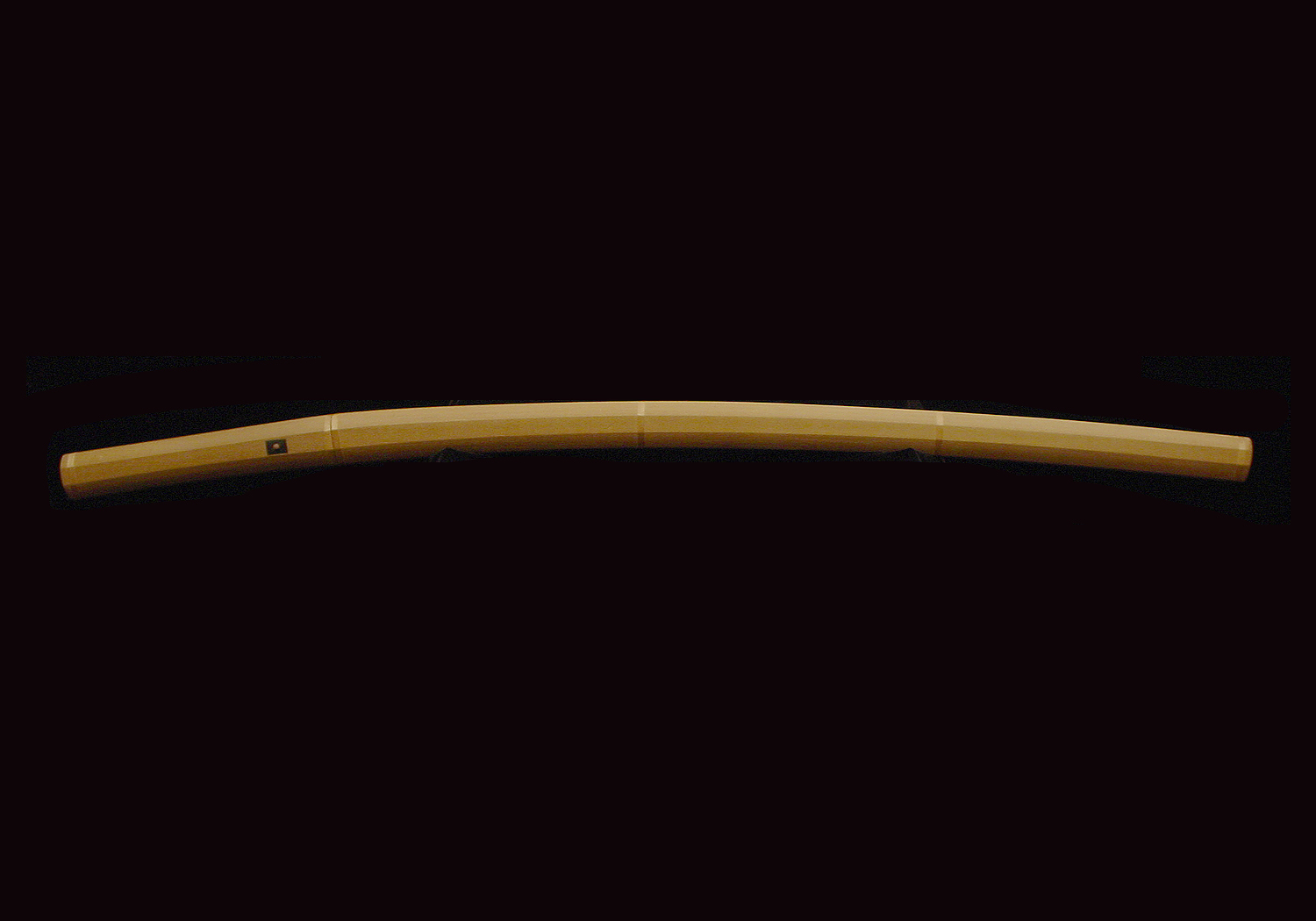
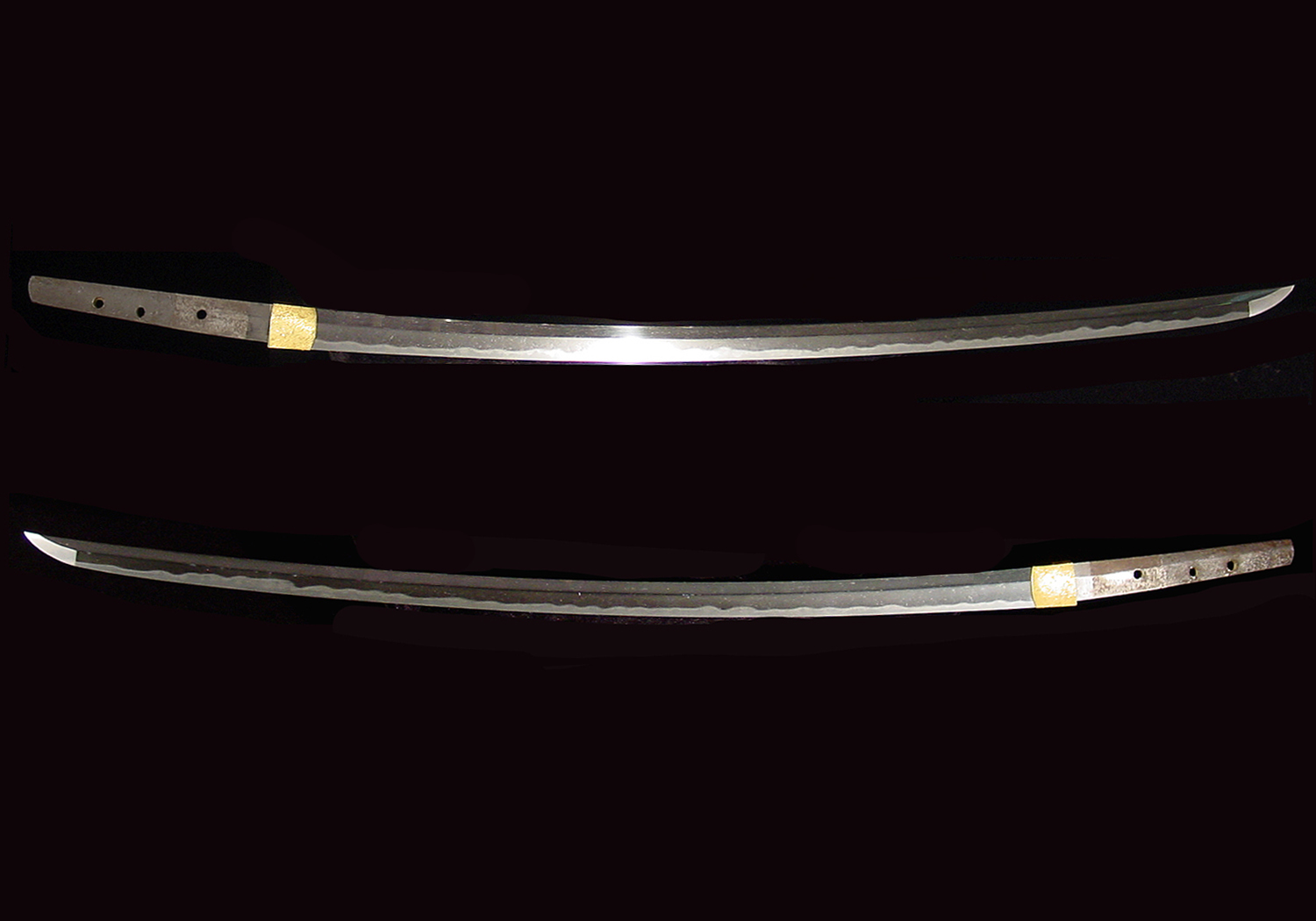
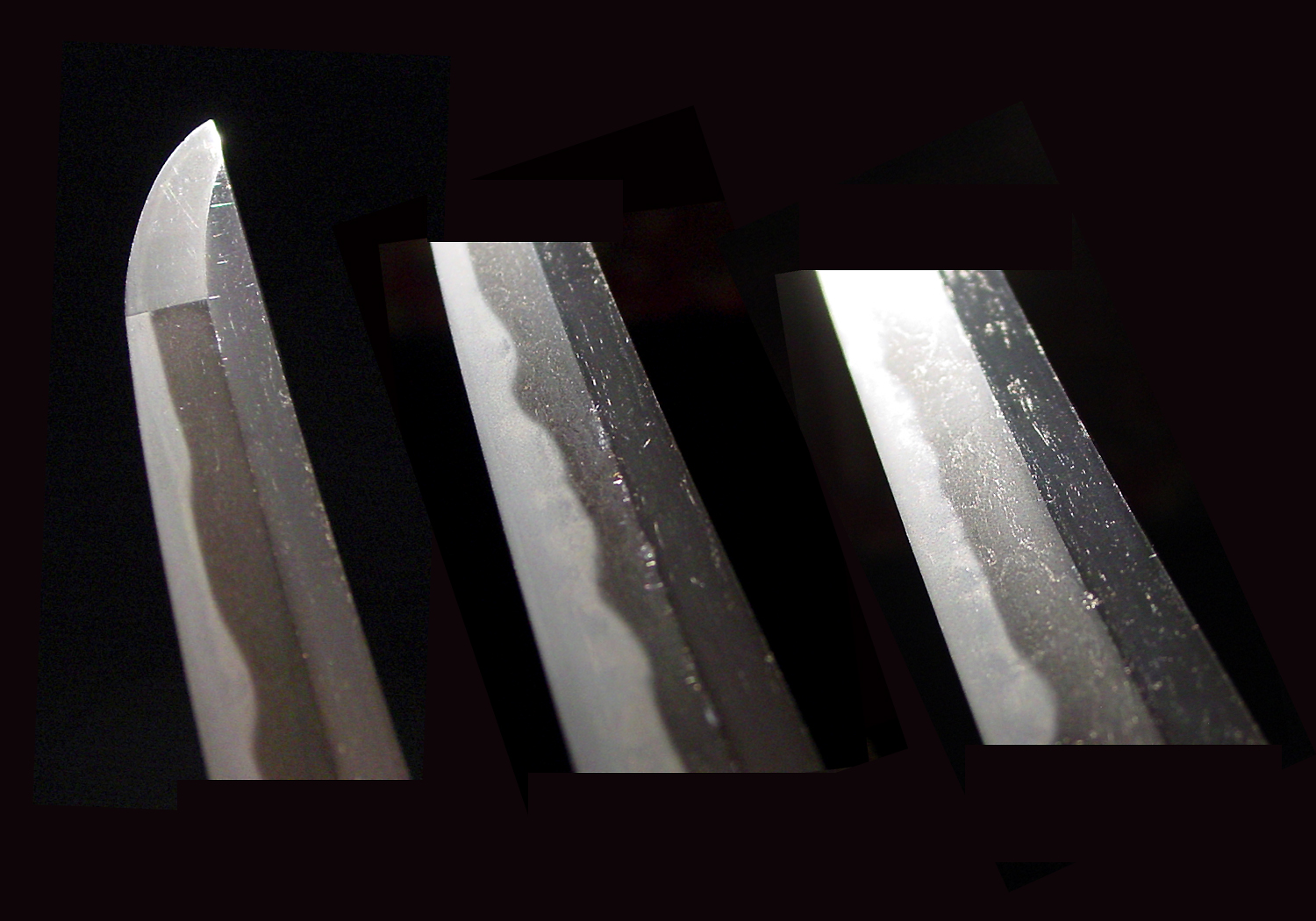
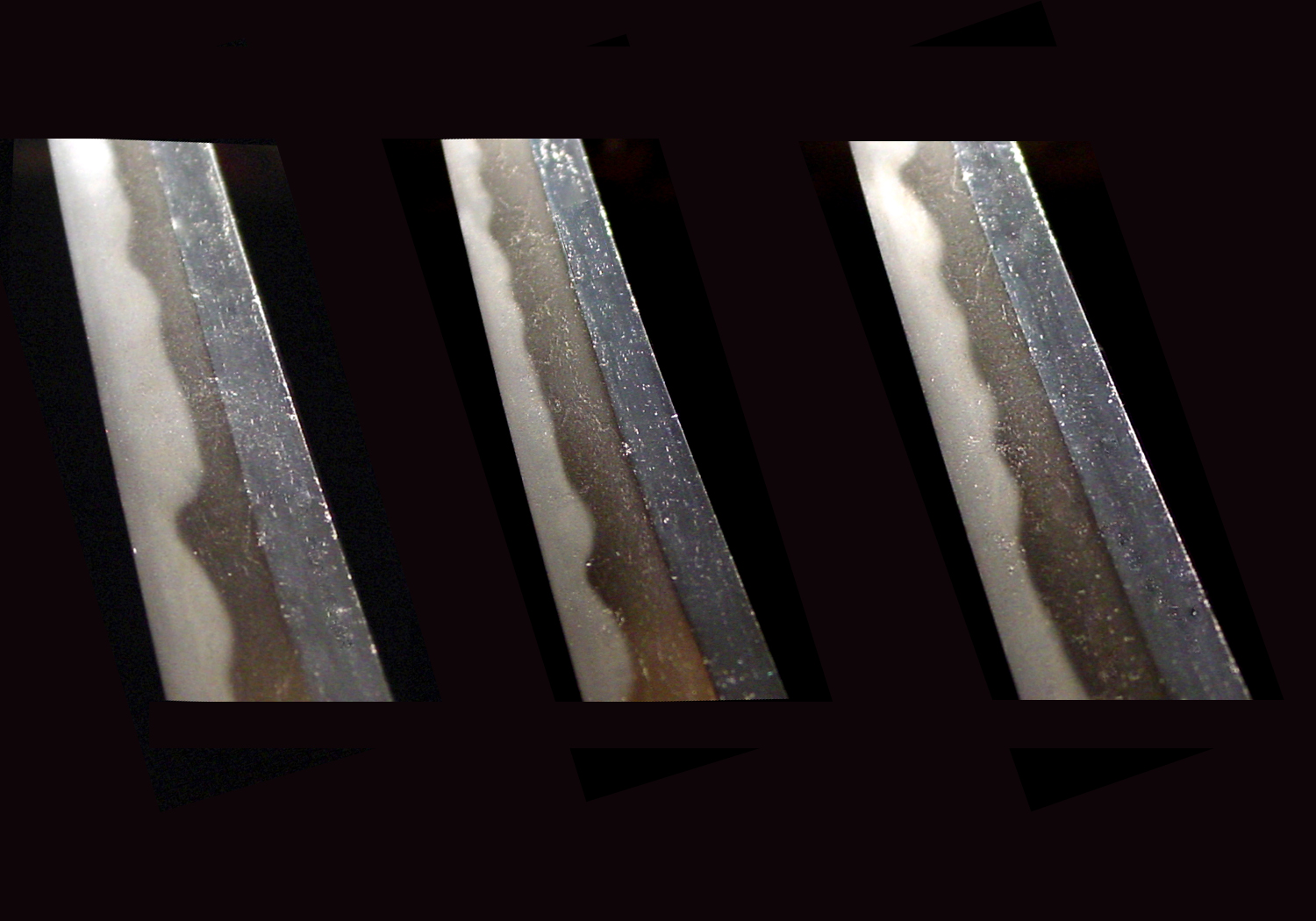
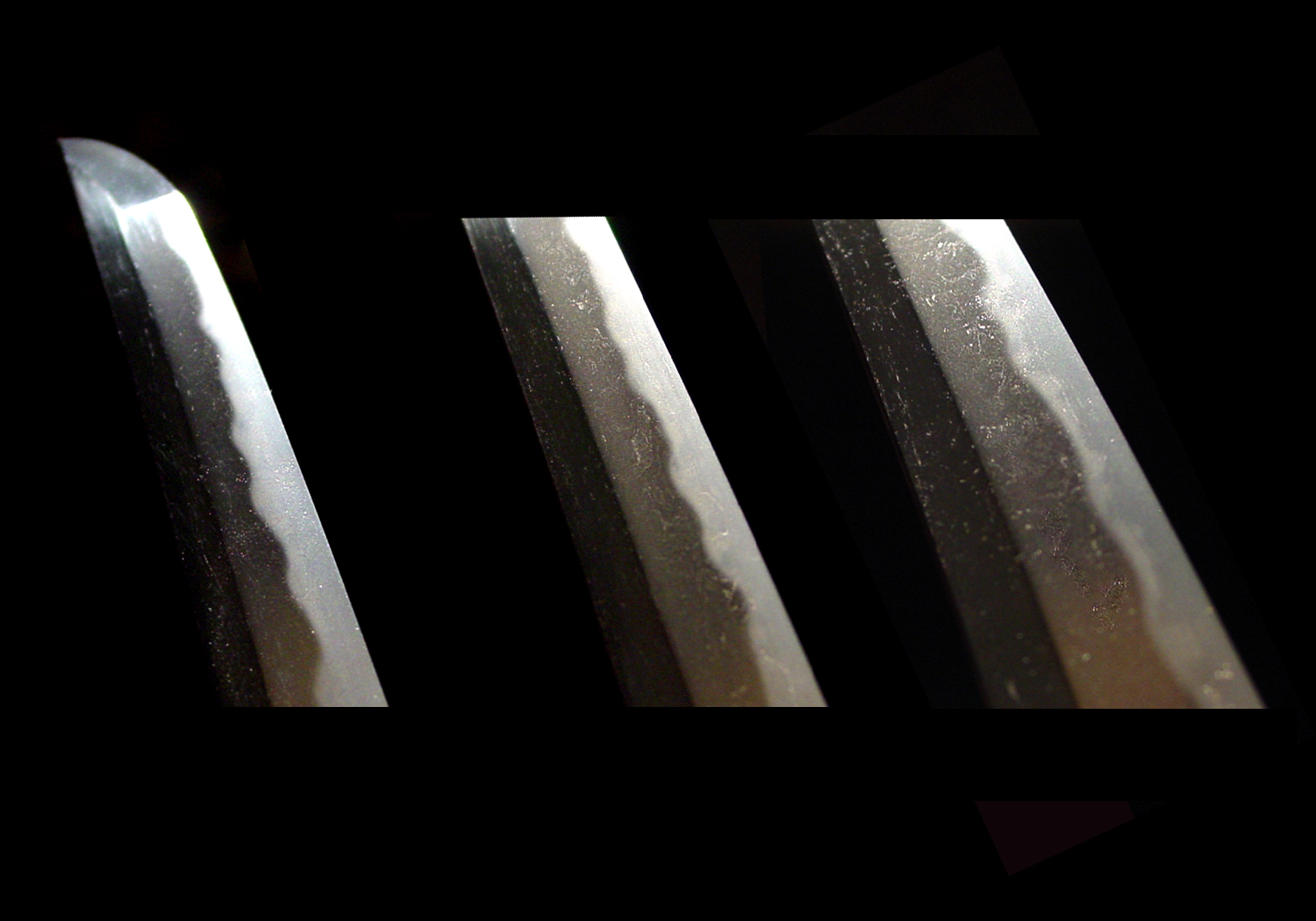
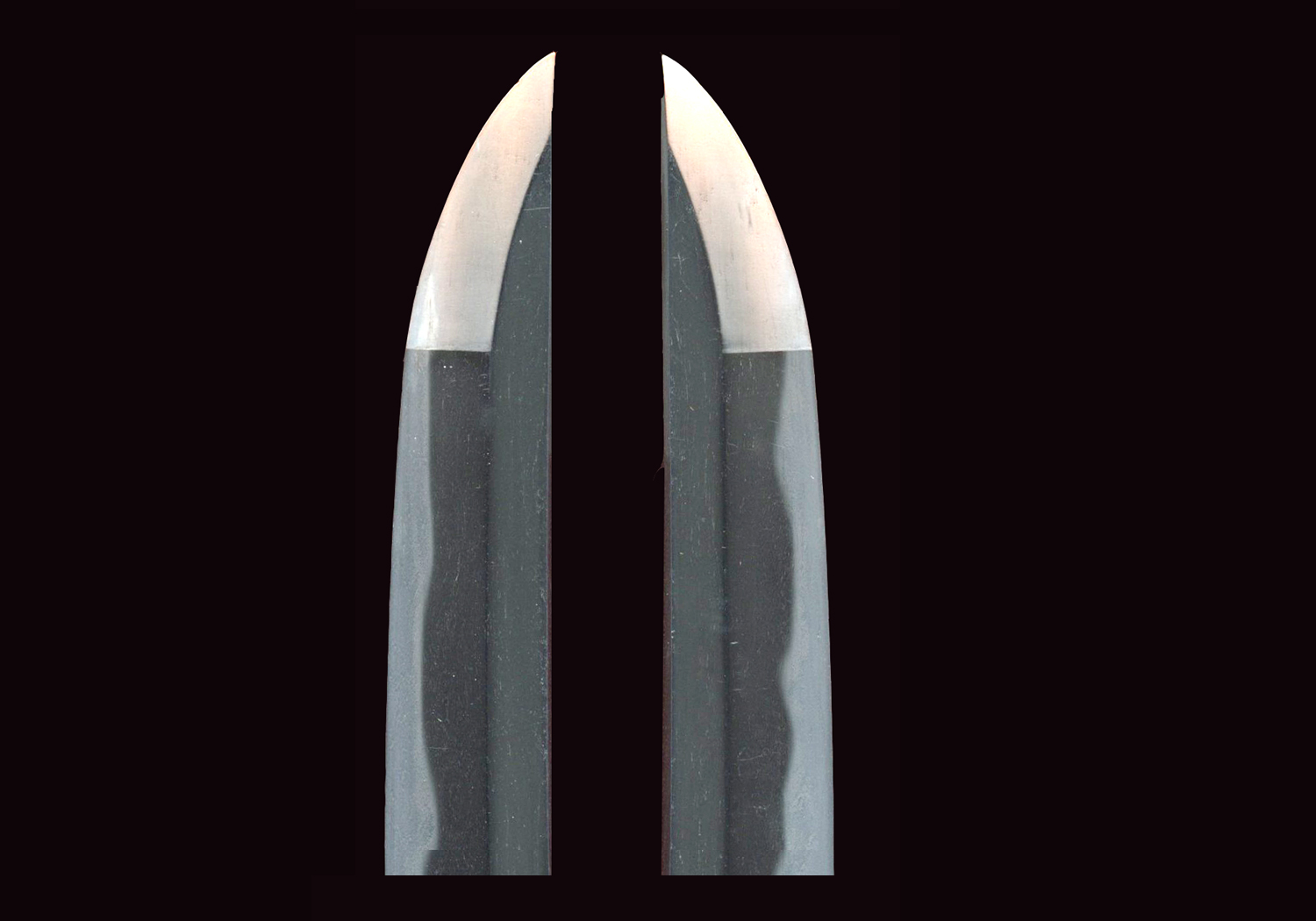
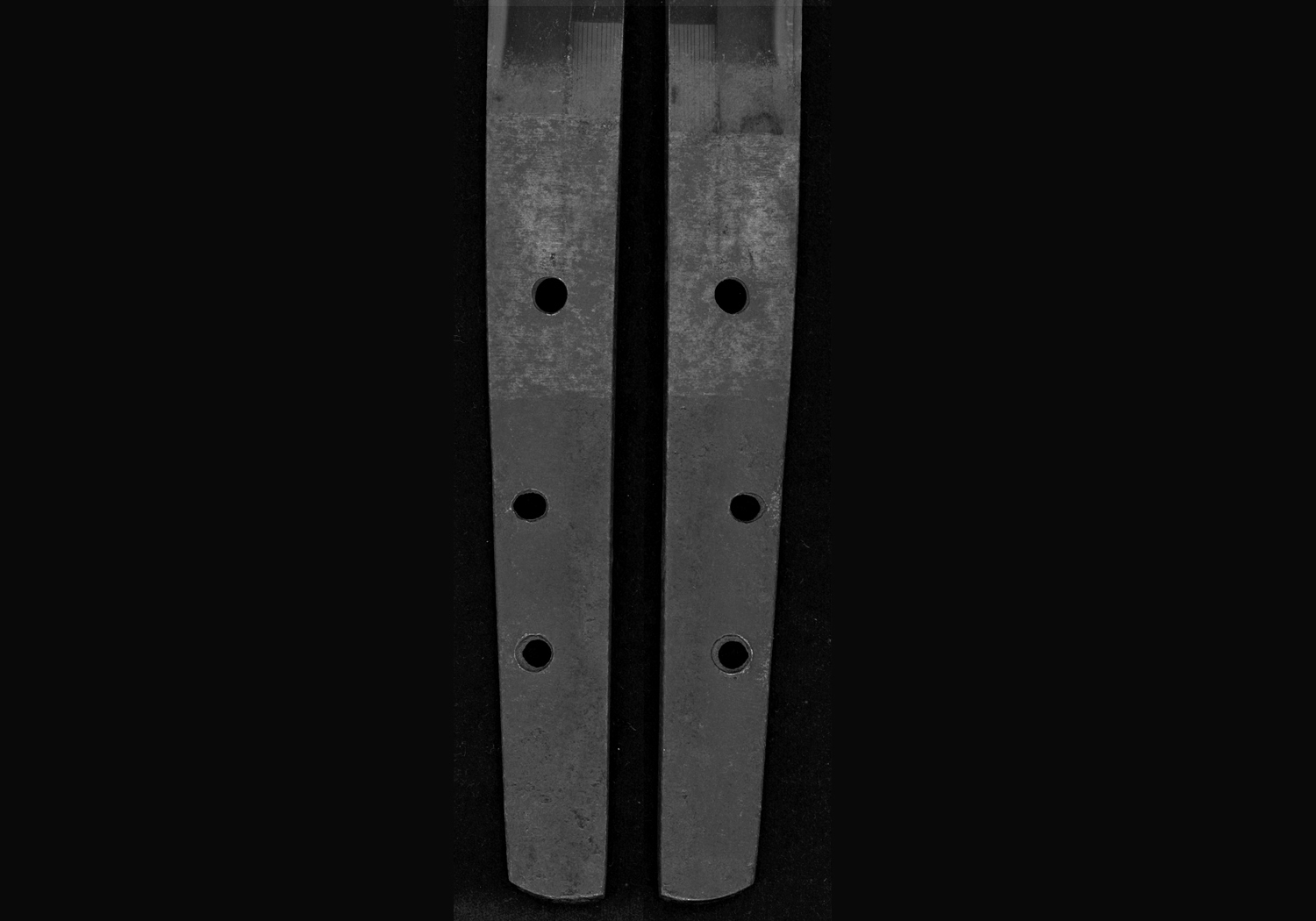
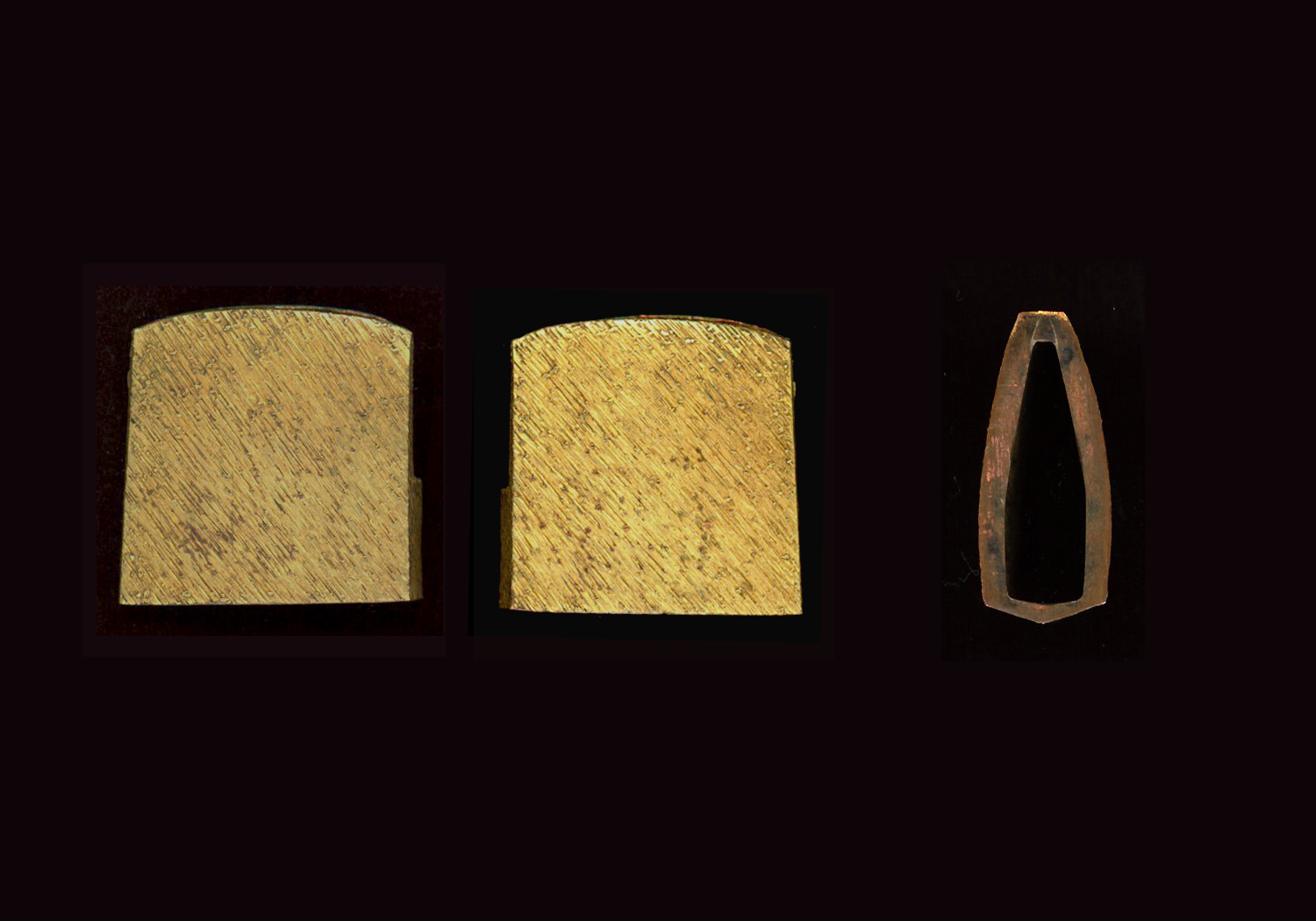
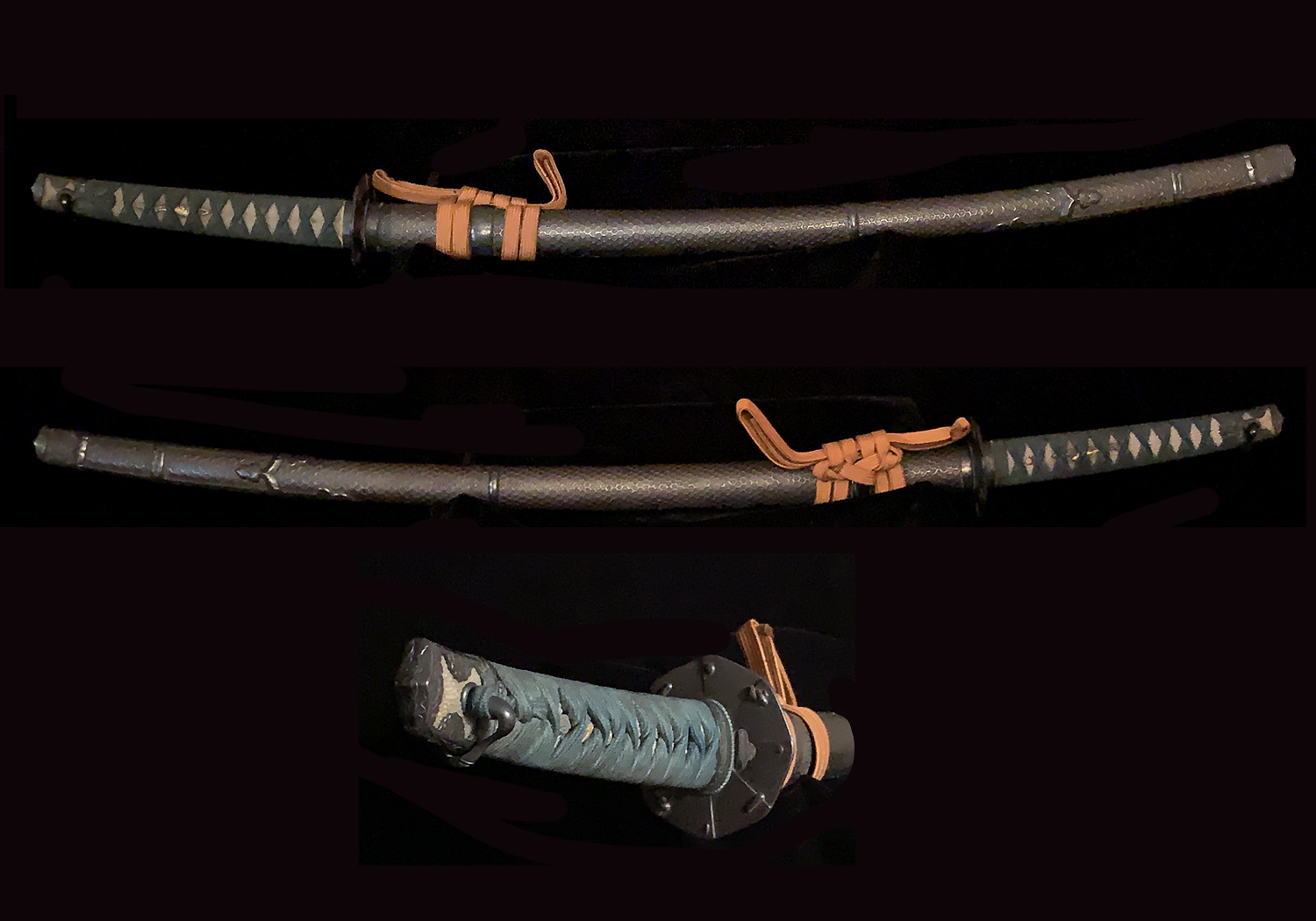
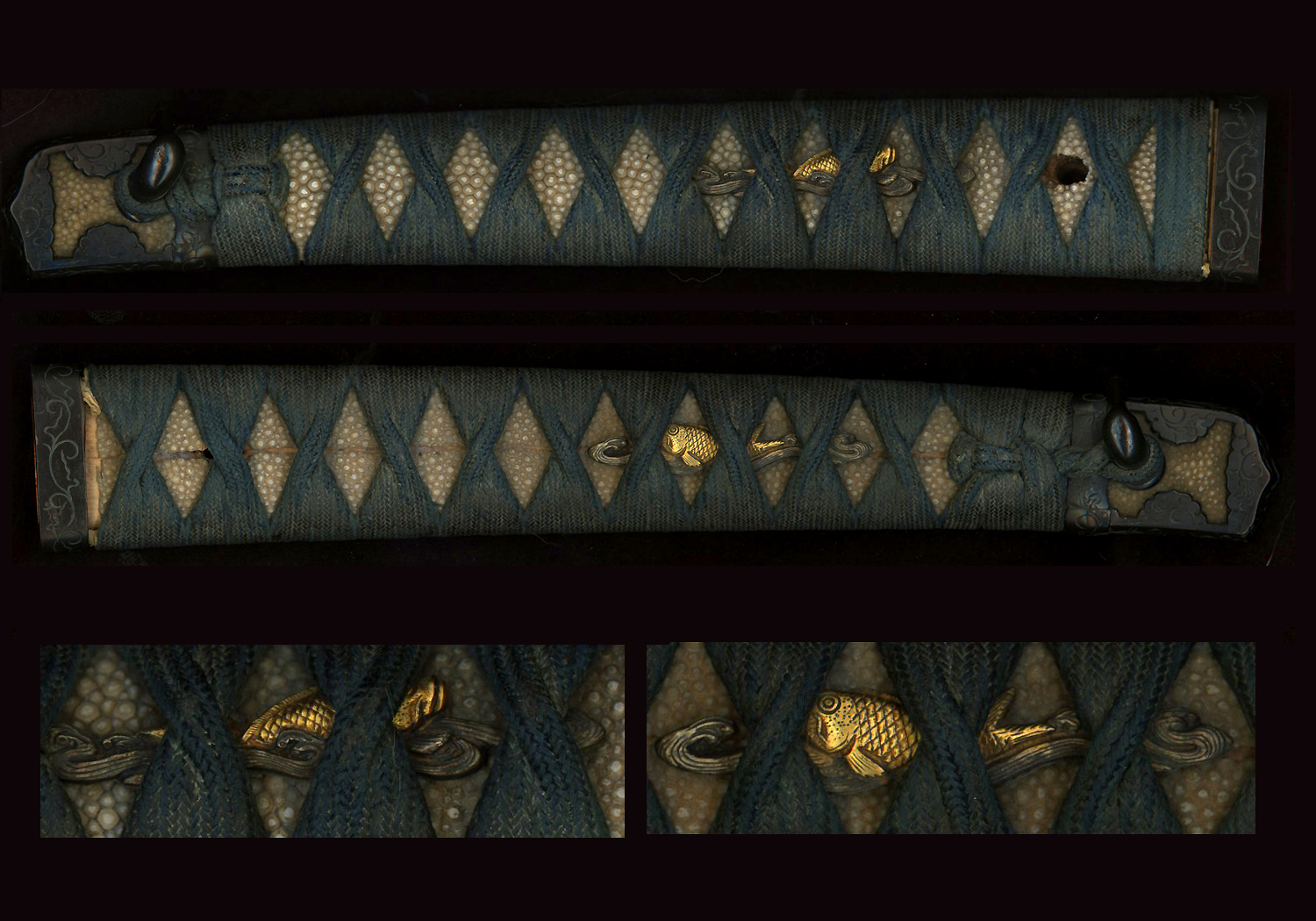
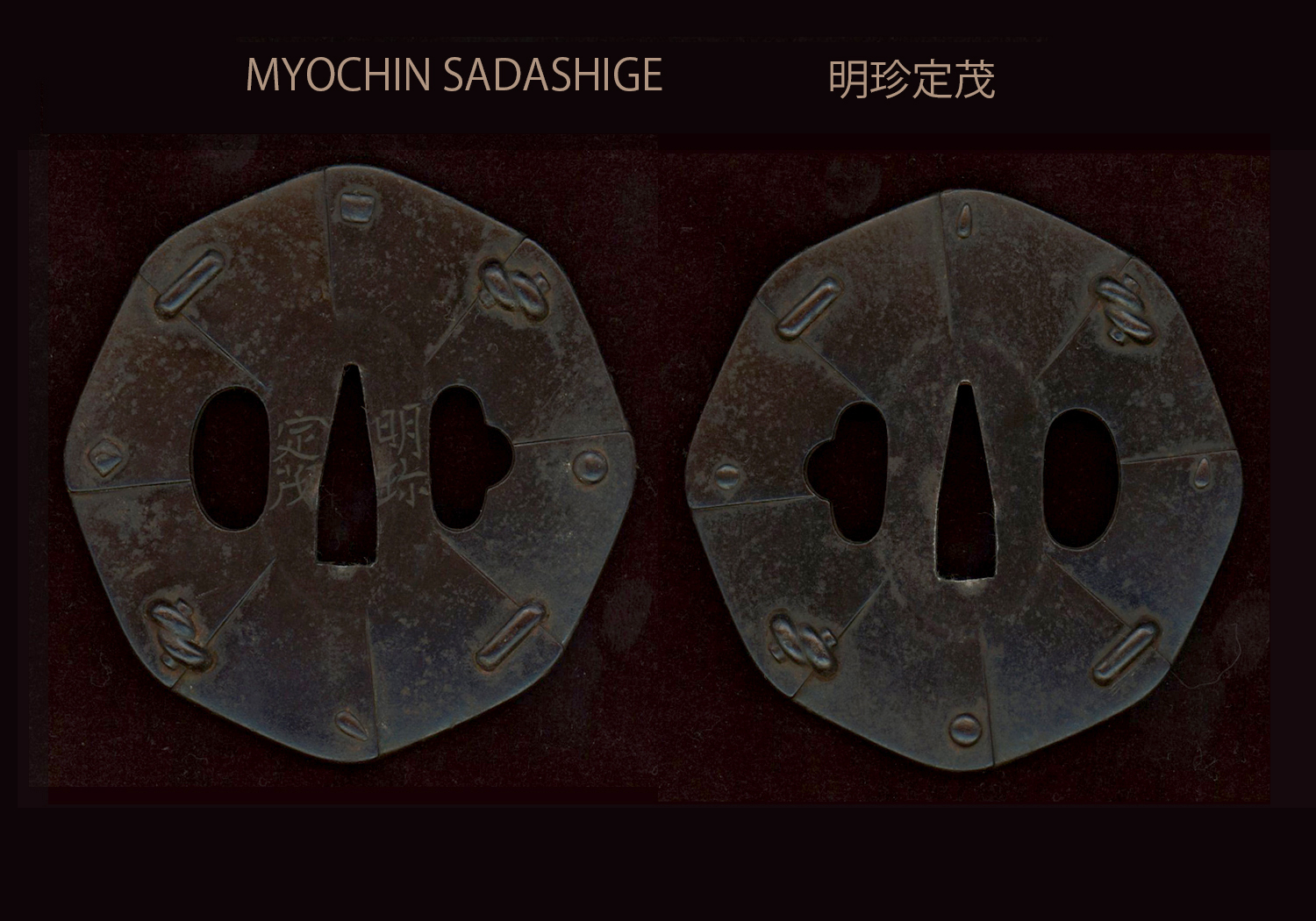
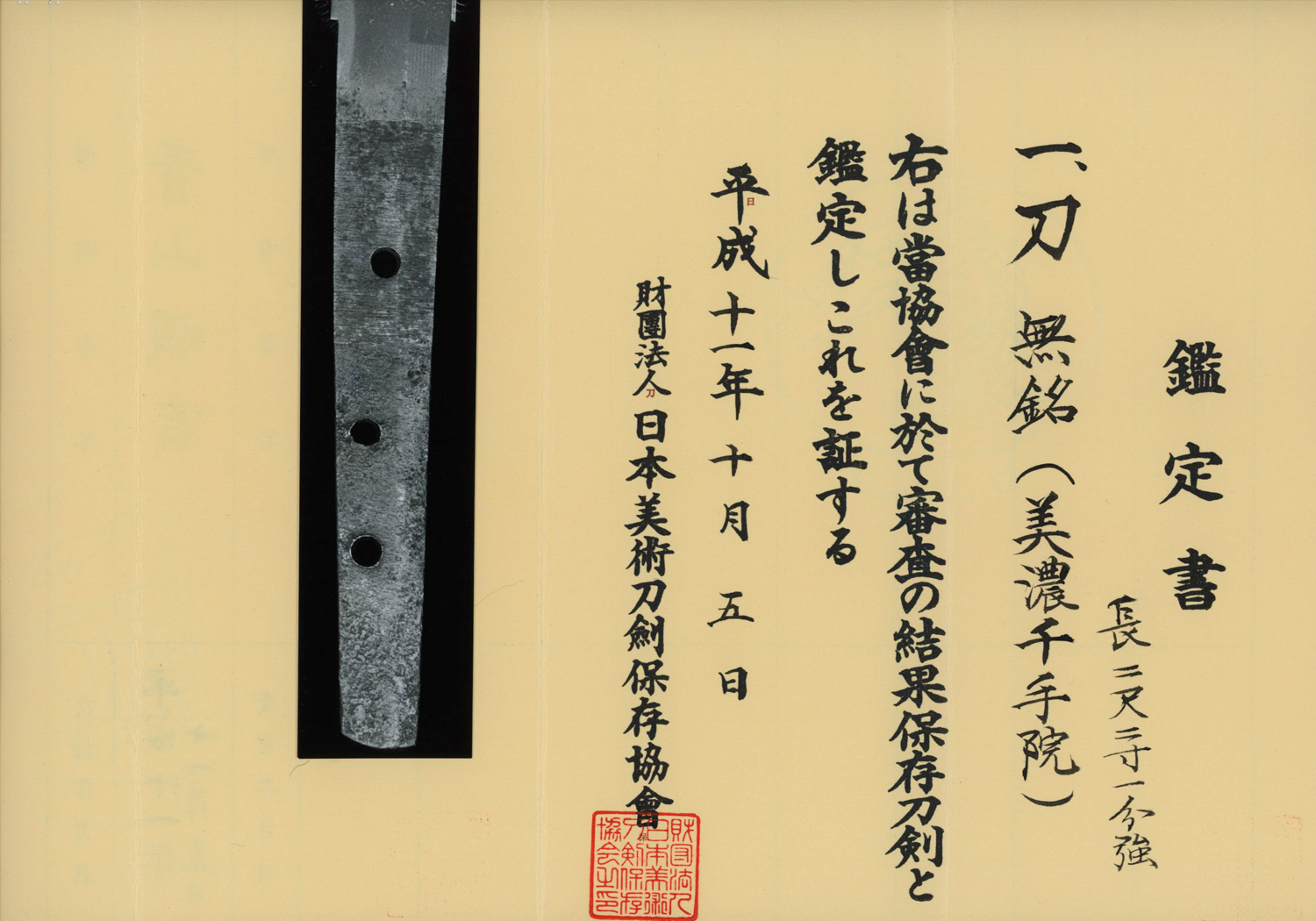
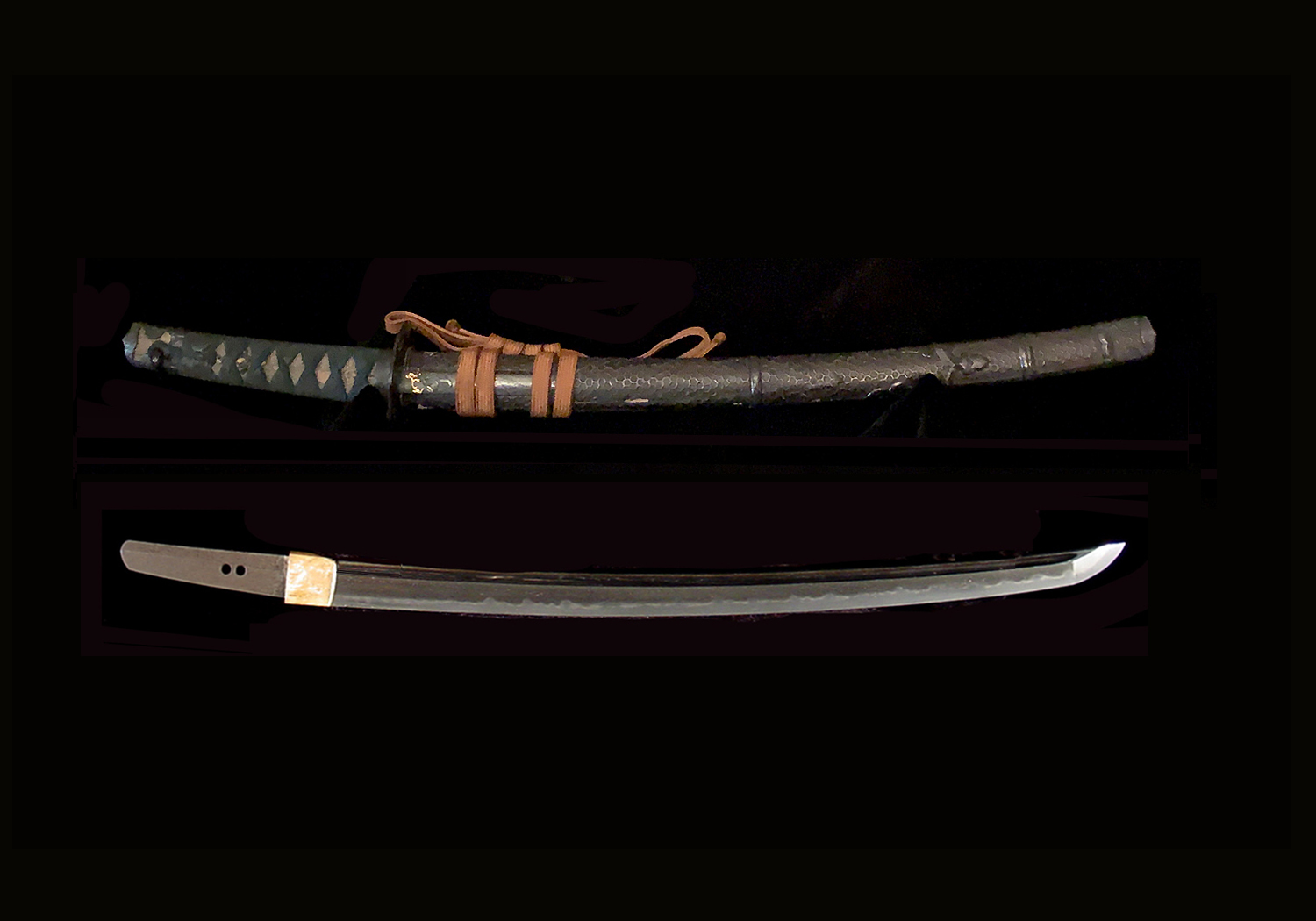
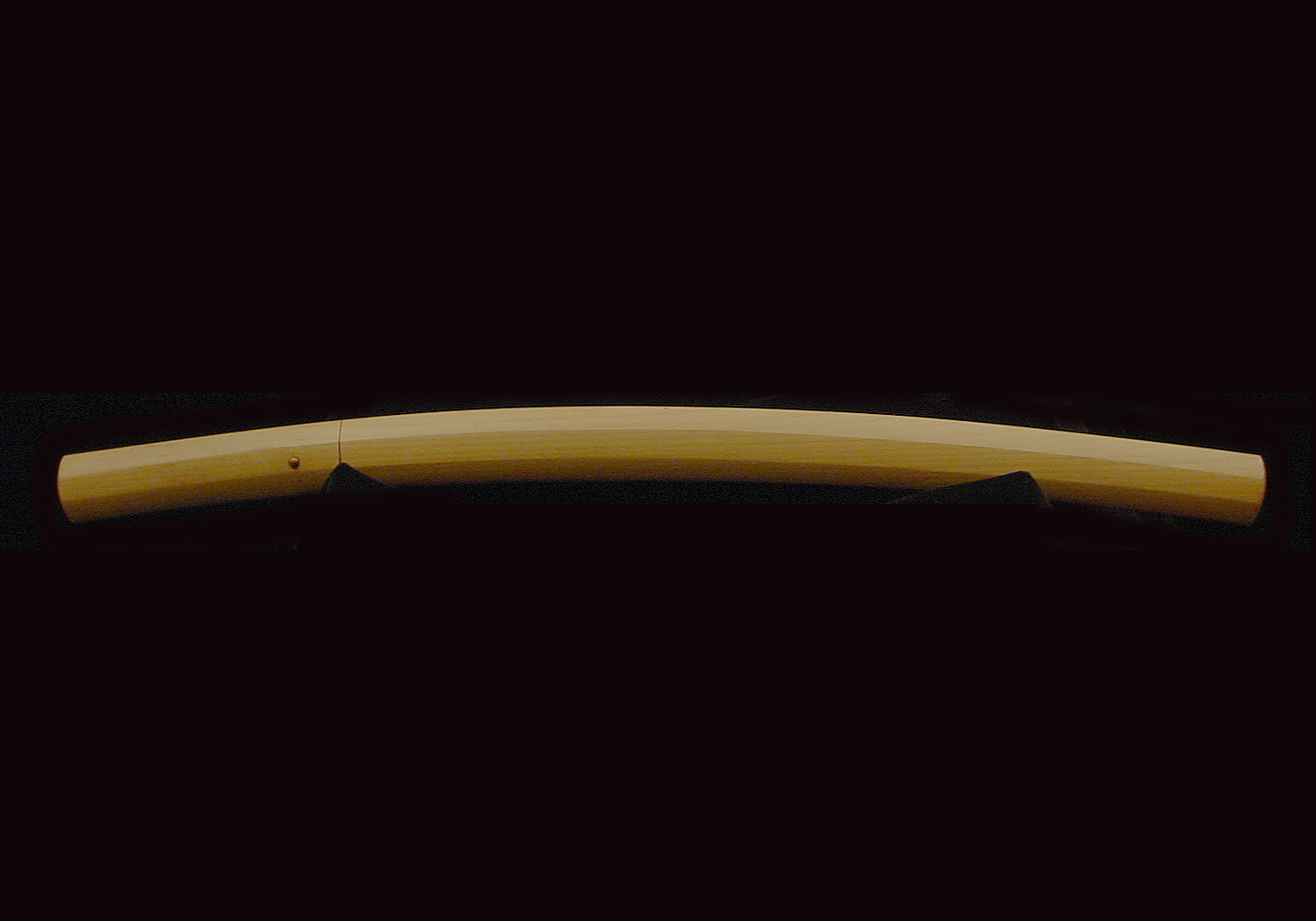
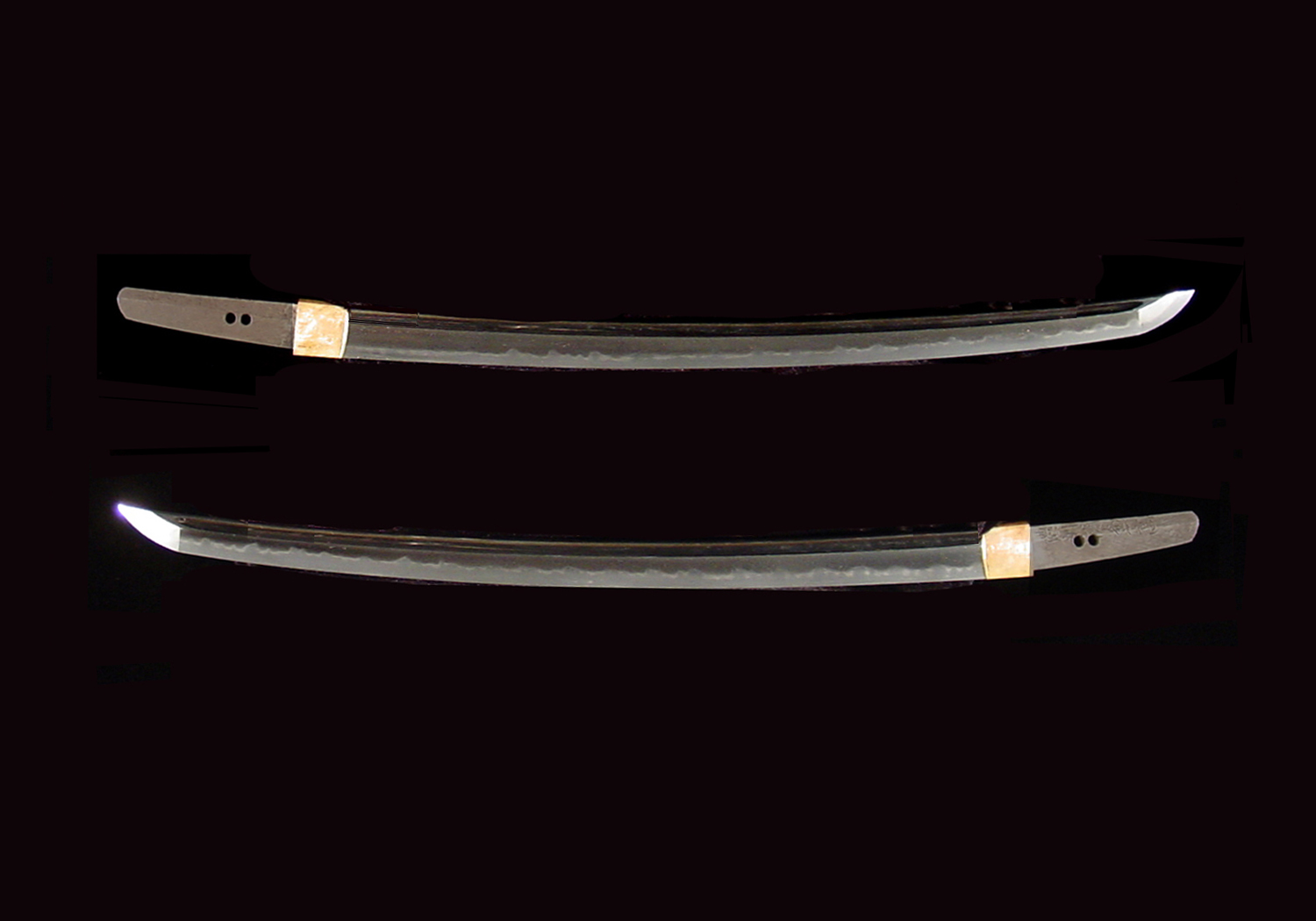
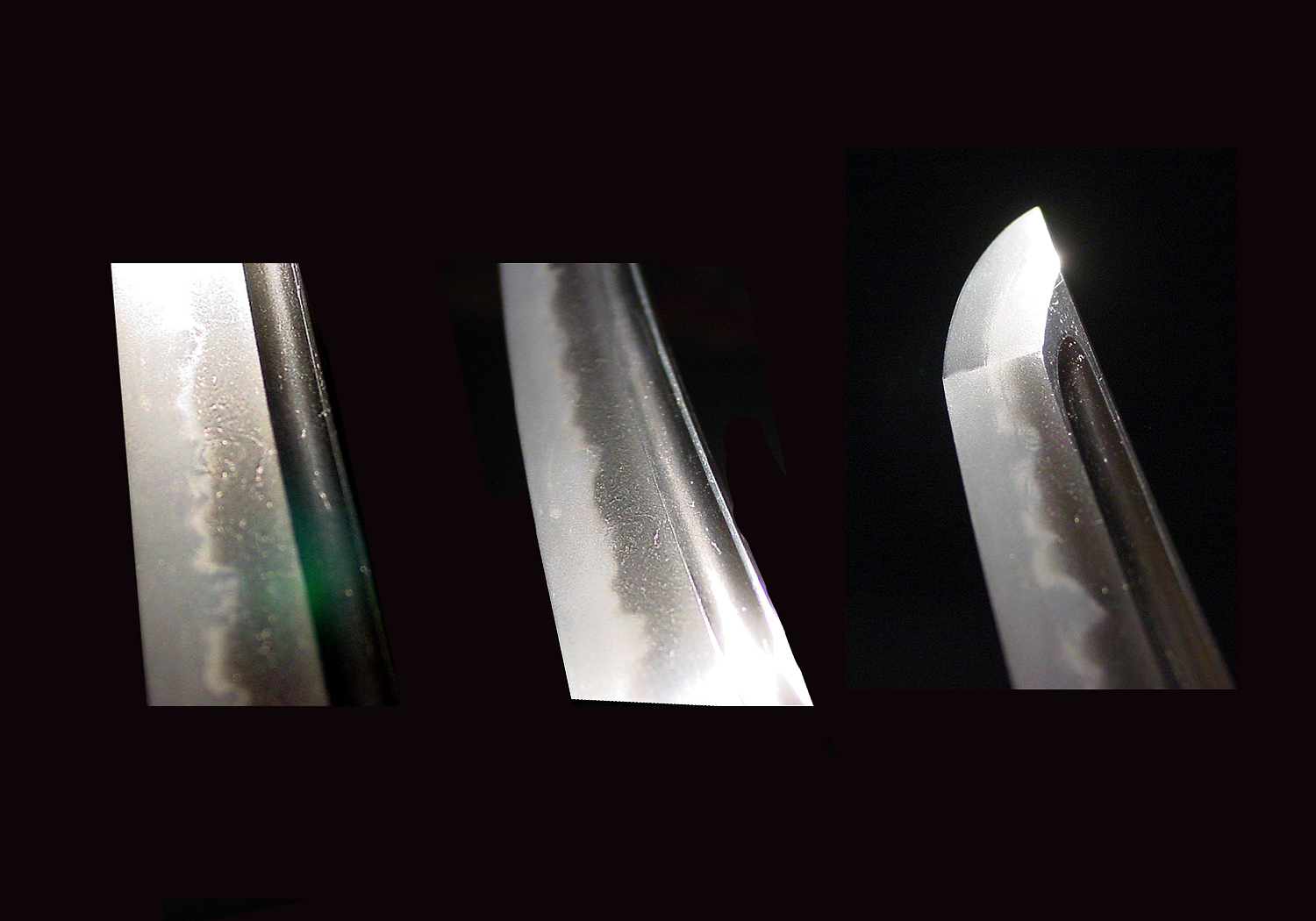
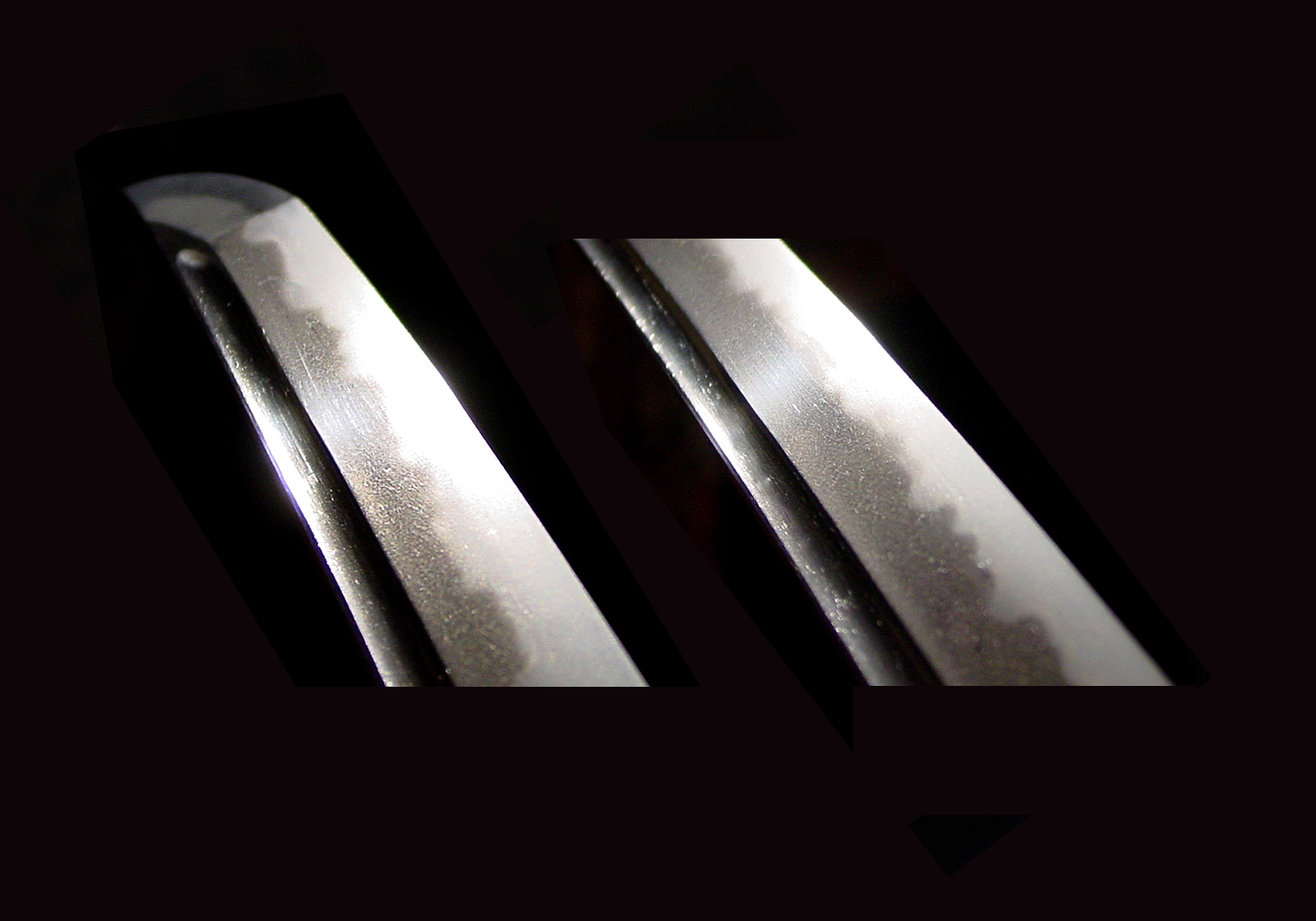
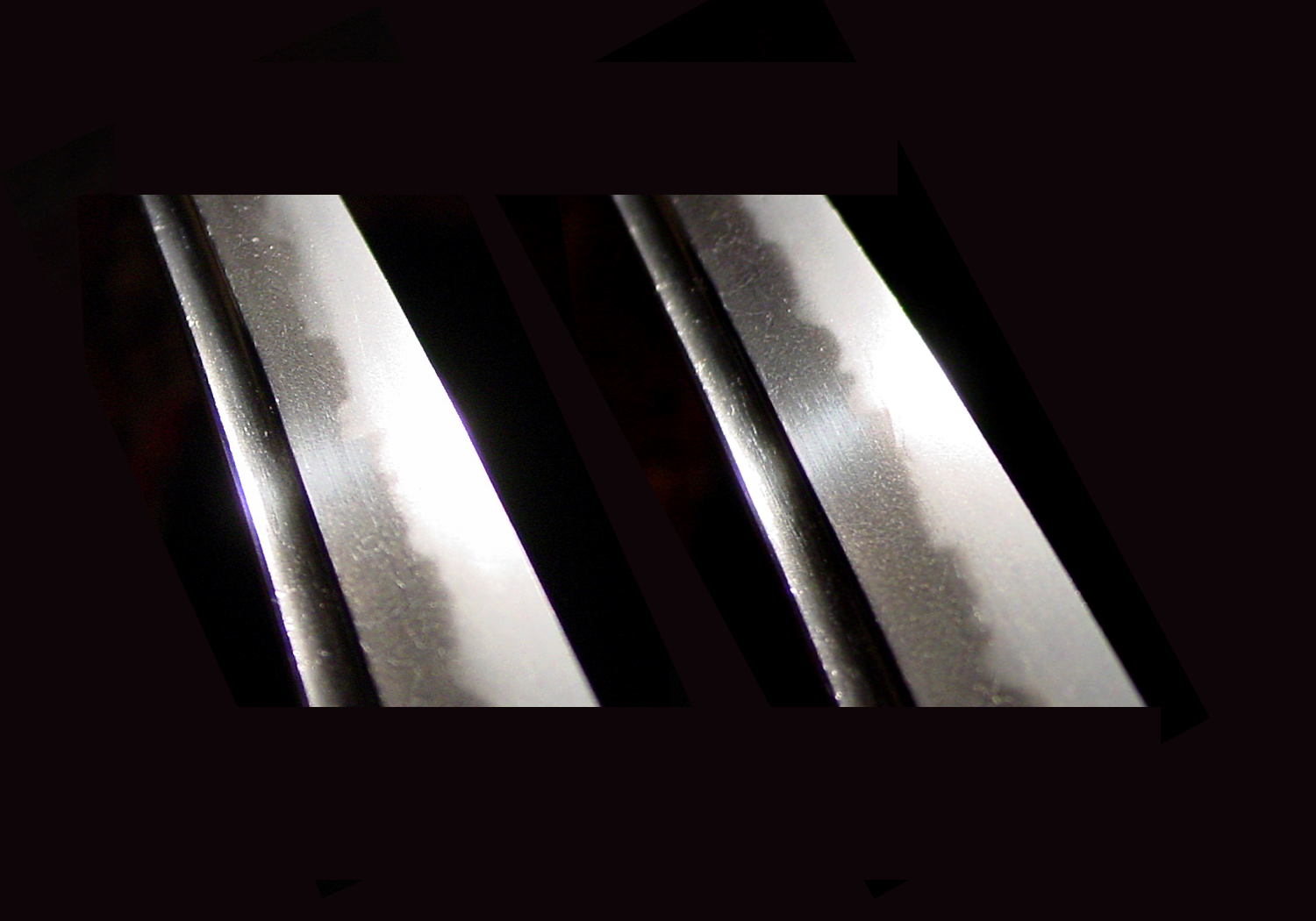
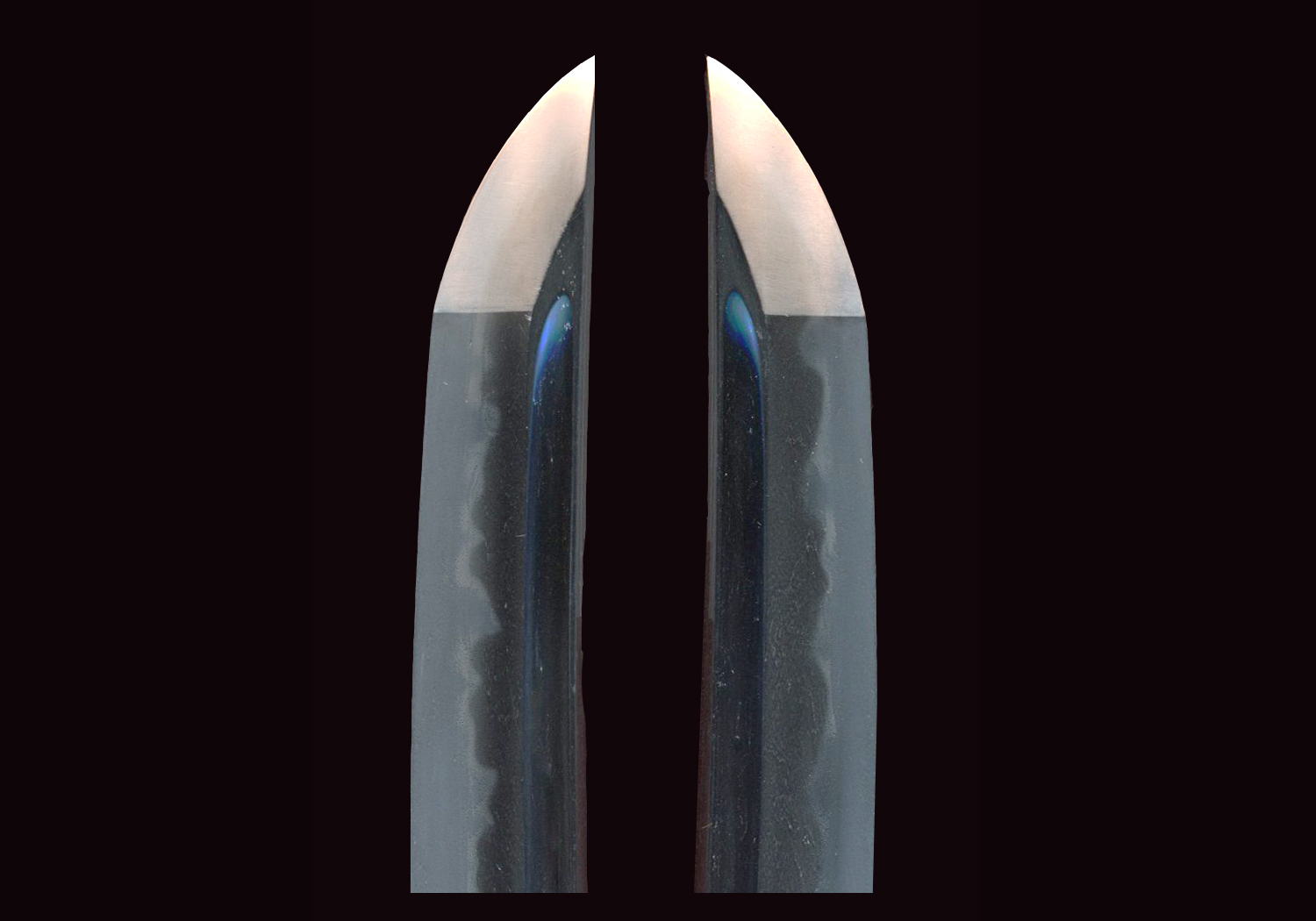
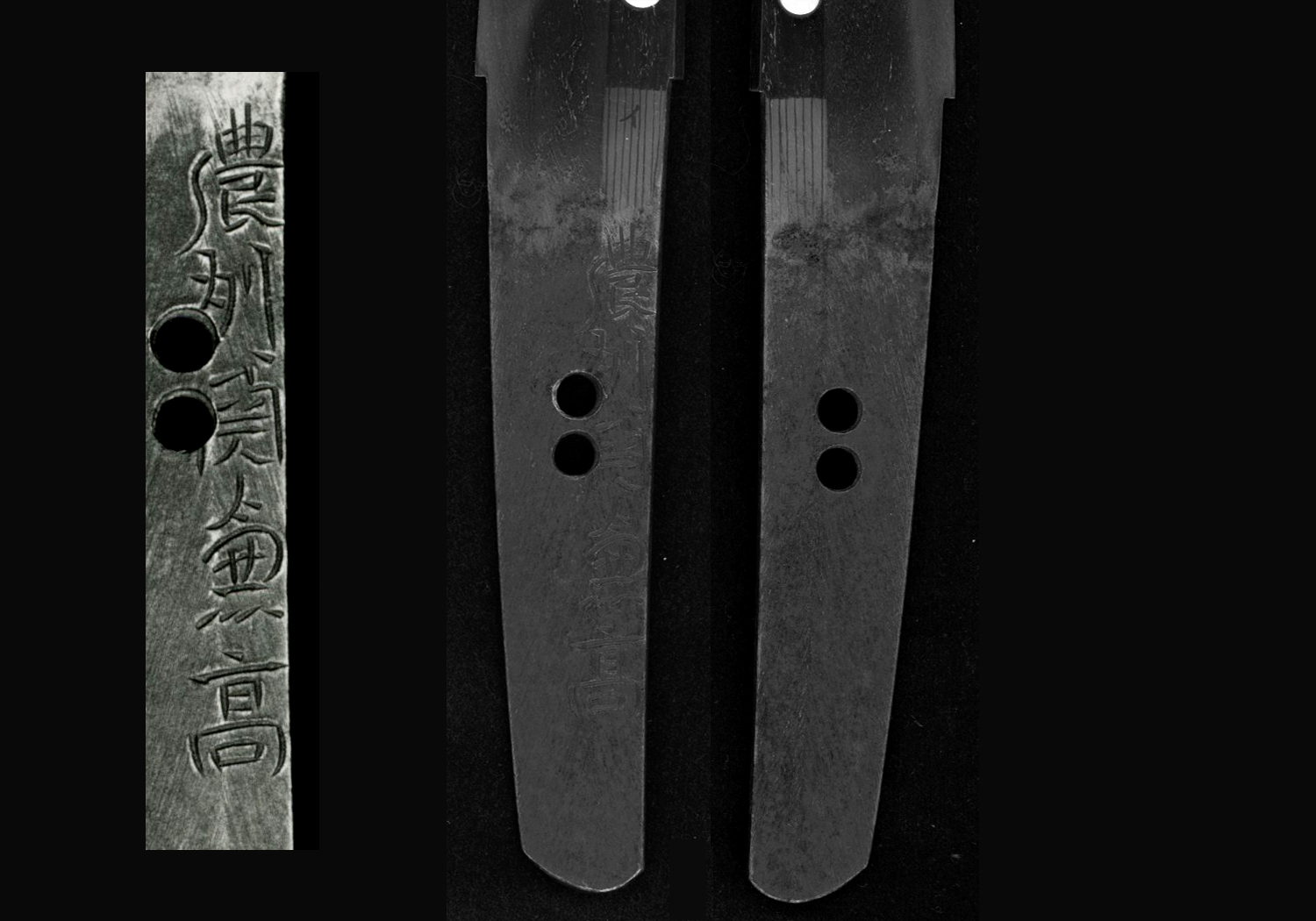
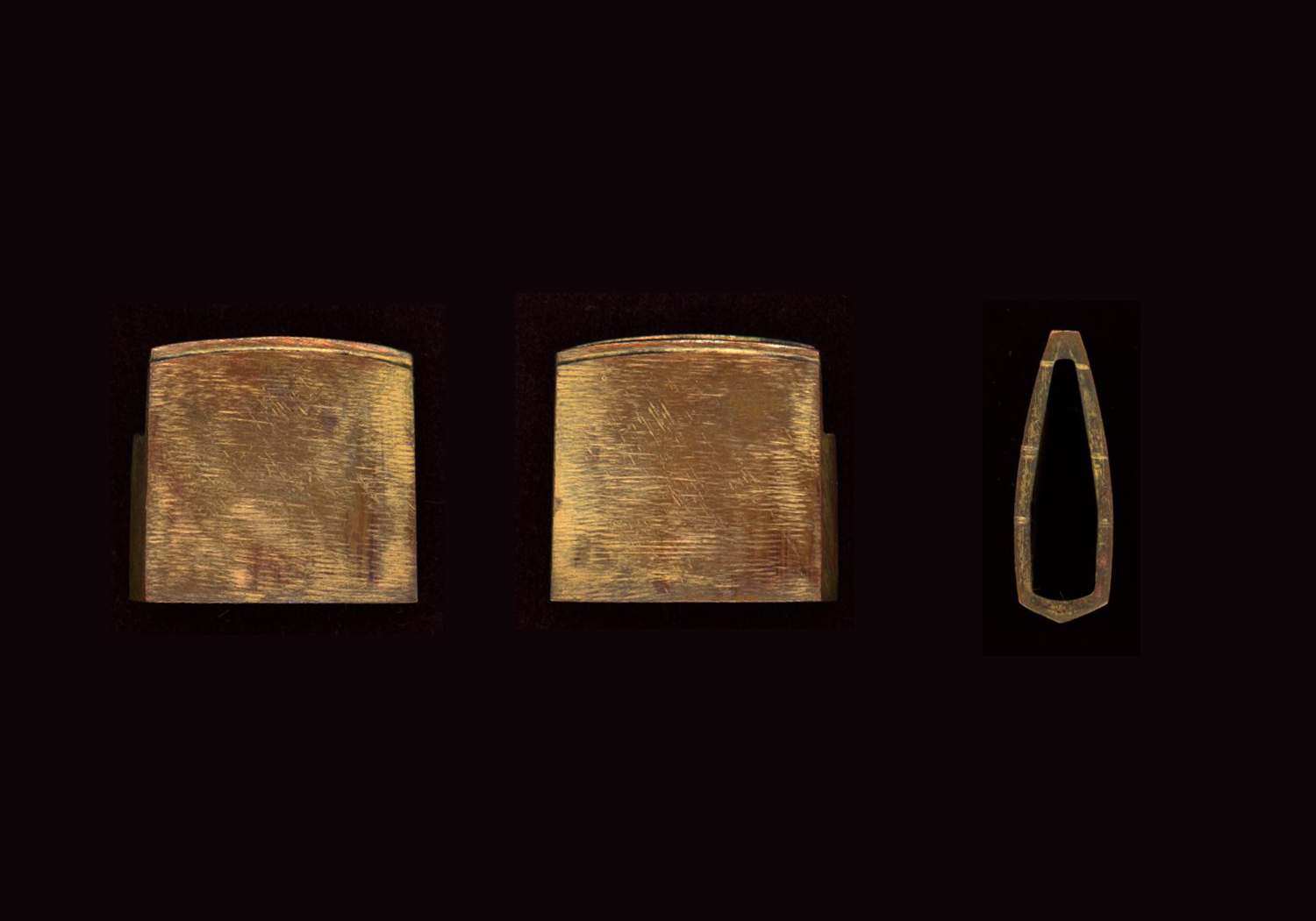
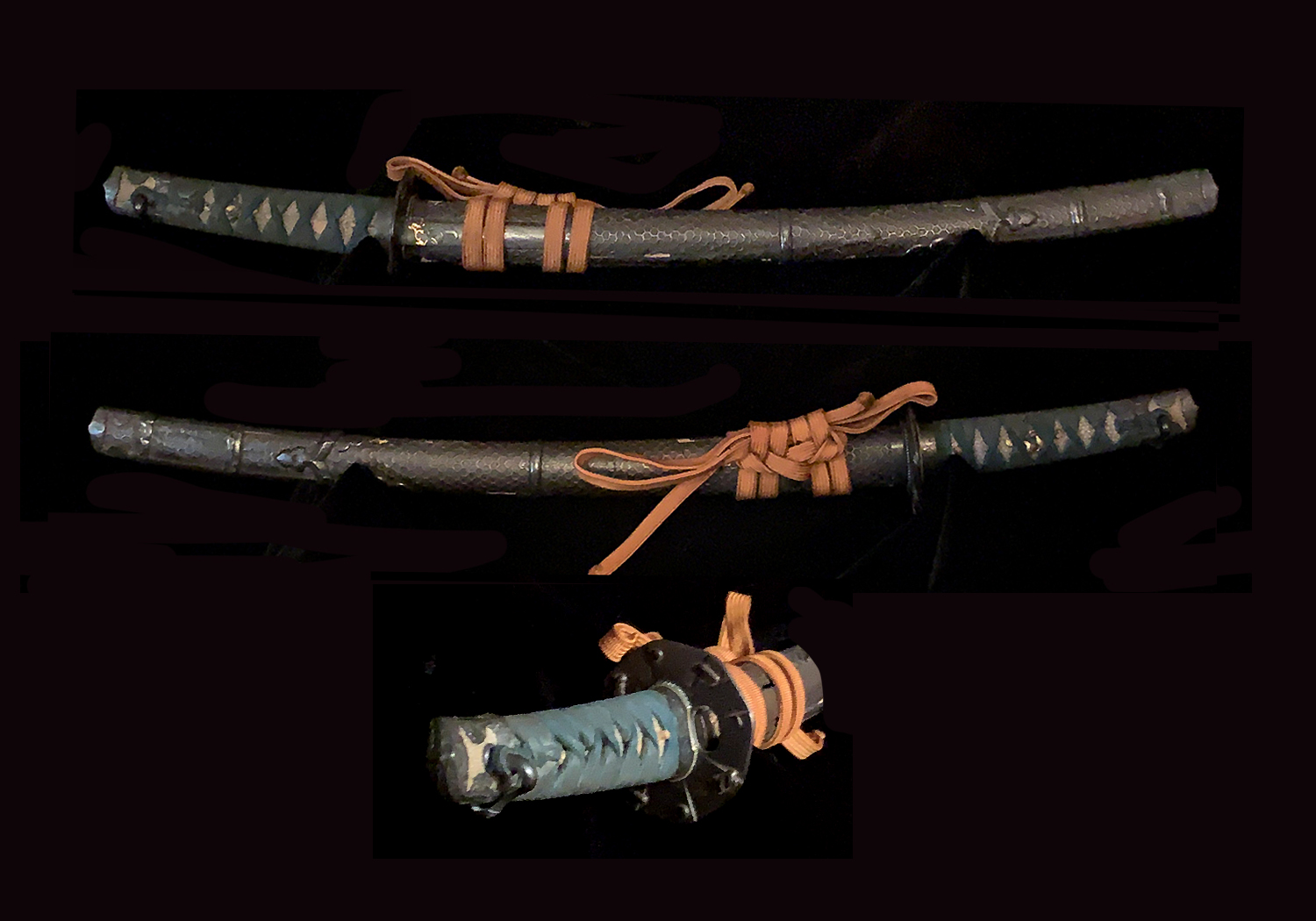
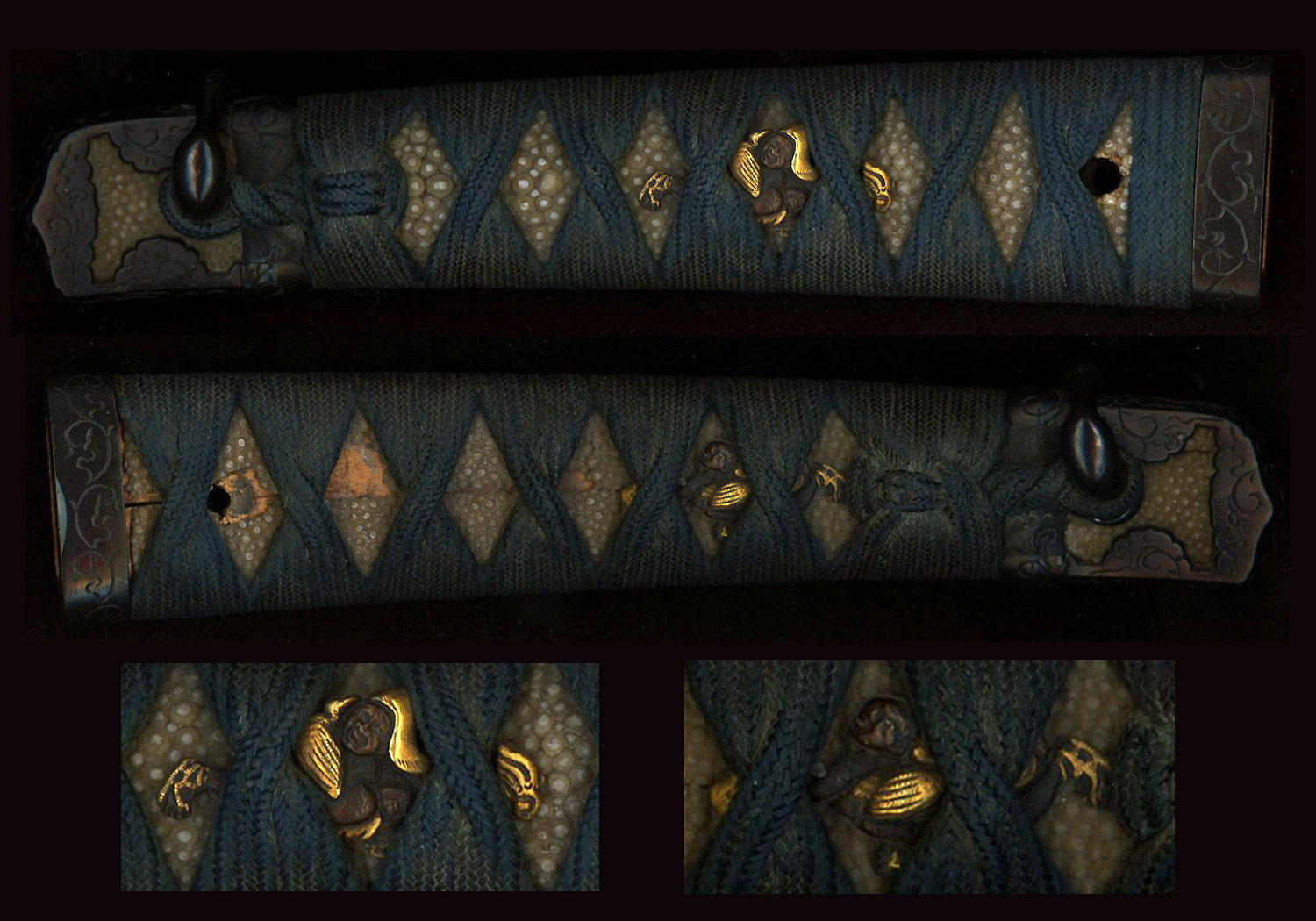
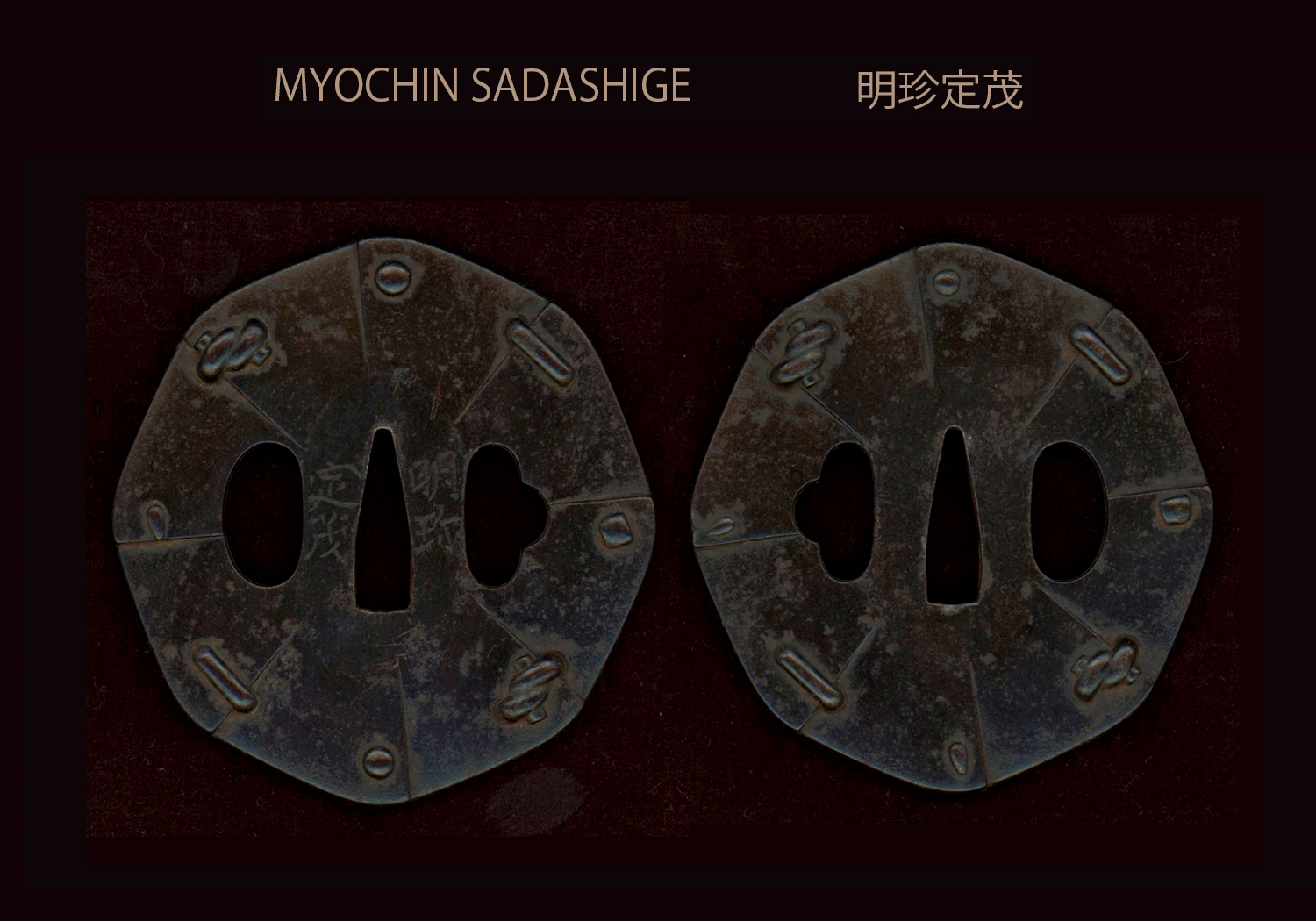
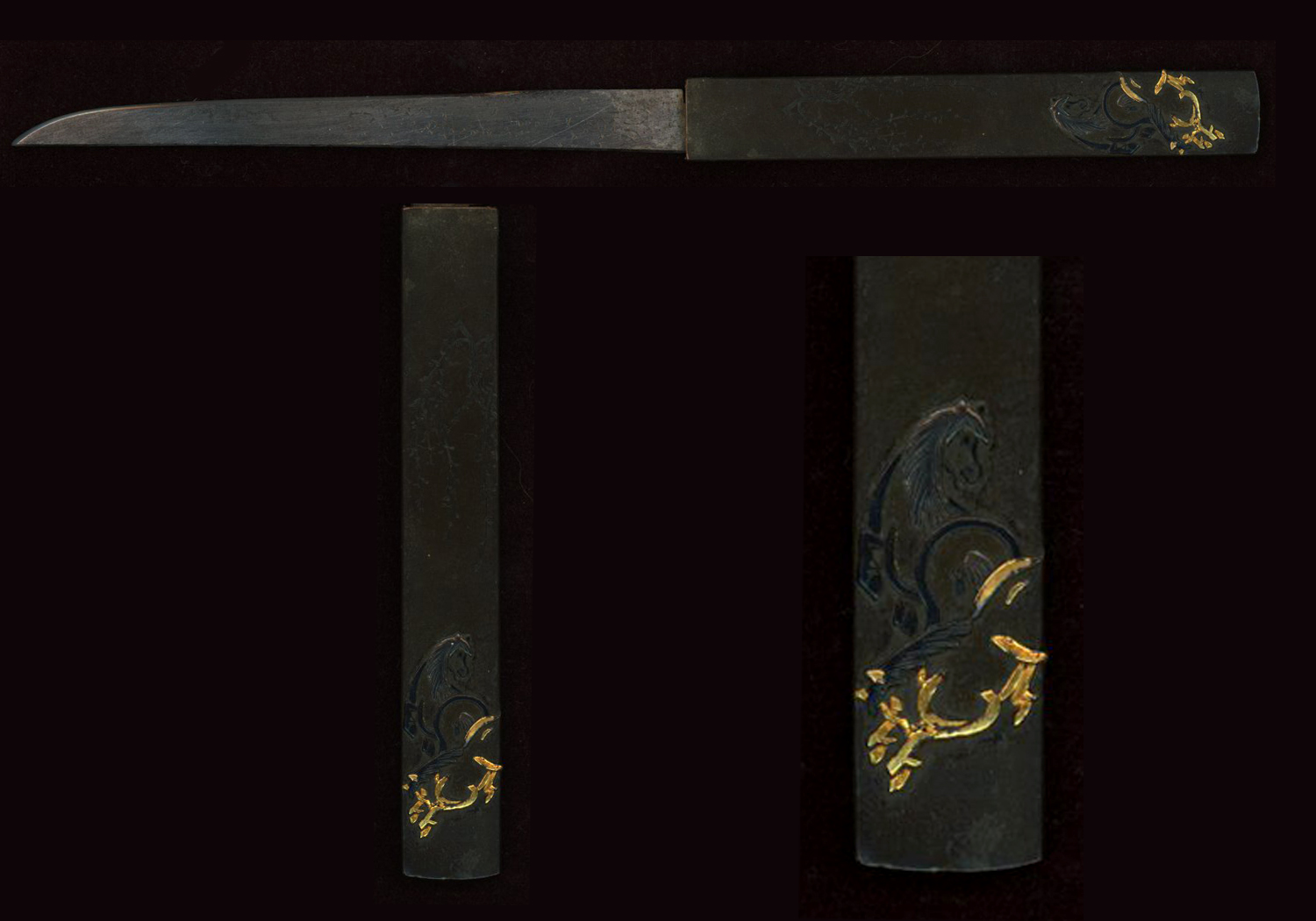
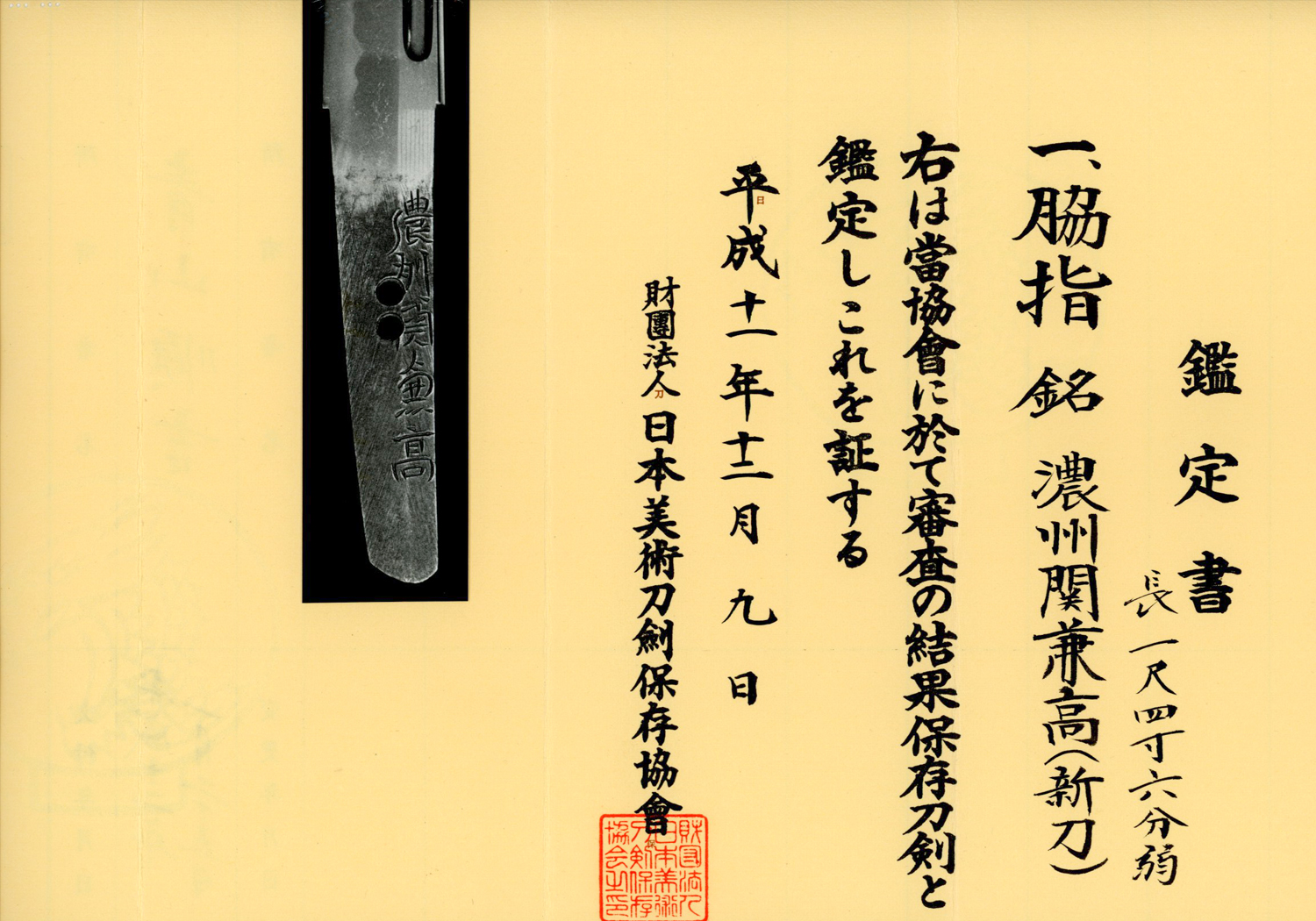
This is very nice daisho of interesting blades from two different sub-schools of the Mino tradition. The katana is unsigned and has been attributed by the NBTHK to the Mino Senjuin tradition (美濃千手院) and probably dates to the period from the mid 1400’s to mid 1500’s. The wakizashi is signed Noshu Seki Kanetaka (濃州関兼高), probably the third generation smith by this name who worked around 1624. DAI As noted, this katana is o-suriage mumei (shortened) with an attribution by the NBTHK to the Mino Senjuin school (美濃千手院). The Senjûin school (千手院) is acknowledged as the earliest and most elegant of the five Yamato schools. It is believed that Yukinobu (行信) was the founder of the Ko-Senjûin school (古千手院). He is said to have been active around the Ninpei Era (仁平) (1151-1154). Around the middle of the Nanbokuchô era (ca1350) some of the Yamato Senjuin smiths from the Nara area moved to Mino and continued making swords and creating the Mino Senjuin school. The school continued until near the end of the Muromachi era (ca.1560). Gradually over these many years, the characteristics of the Senjuin were lost and the swords began to show mixed traits, of mostly Mino and even some Bizen like characteristics. Blade Description: This katana exhibits the characteristics of the early to middle Muromachi era around 1450-1500. It measures 26 1/2 inches or 67 cm of cutting edge. The moto-haba (width at the base) measures 1.1 inches or 2.8 cm and the saki-haba (width at the point) measures 0.69 inches or 1.7 cm. The kasane (thickness of the blade) is 0.27 inches or 0.7 cm. The blade has a graceful koshi sori (curvature) of 0.80 inches or 2.0 cm. The hamon is made in notare-midare that is peaked in various areas which illustrates the incorporation of the Mino characteristic of togari-ba. While nie is present , it is not as profuse as would be found on older pure Yamato Senjuin blades. The jitetsu exhibits mokume-hada with masame-hada in the shinogi-ji. The bôshi is slightly elongated as is indicative of the Muromachi era. It contains a large round turnback with almost no kaeri. As noted, the tang o-suriage (greatly shortened) and has three mekugi ana (holes in the tang). The blade is in very good overall polish. It comes in an excellent shirasaya with a one-piece gold wash textured habaki. There are only a few areas of very minor loose hada as one would expect with a blade of this age. This blade was made during a period of constant warfare and it has seen more than its share of battle use and has held up exceedingly well. This blade comes with NBTHK Hozon (worthy of preservation) papers attesting to the authenticity of the attribution and the quality of the blade. Koshirae Description: Style: The katana koshirae matches that of the wakizashi and is done in a handachi style. Saya: The saya is lacquered in a brownish lacquer done in a raised tortoise shell pattern to match the wakizashi saya. There are a few minor losses here and there to the lacquer. Tsuba: The tsuba is made of iron and is signed by its maker, Myochin Sadashige (明珍定茂). The tsuba is done in the style of eight armor plates joined with rivets and ito. This is a very typical and popular style of tsuba that was done on occasion by the Myochin armor makers. Sadashige was a member of the Sendai Myochin group and he worked in the mid-Edo period (ca 1750). He is rated as a Jo I armorer (level 1- upper class). Kodogu: All of the kodogu (metal parts of the koshirae) with the exception of the tsuba and the menuki are done in shakudo which has been incised with a floral karakusa pattern. The quality of the shakudo is dark and lustrous indicating a high gold content in the metal. Menuki: The menuki are made of gold, and silver. Each one is a golden carp swimming among the silver waves. SHO The wakizashi is signed Noshu Seki Kanetaka (濃州関兼高), probably the third generation smith by this name who worked around 1624. Blade Description: This wakizashi has a nagasa (cutting edge length) of 17.5inches or 44.2 cm. The moto-haba (width at the base) measures 1.07 inches or 2.7 cm and the saki-haba (width at the point) measures 0.74 inches or 1.9 cm. The kasane (thickness of the blade) is 0.24 inches or 0.6 cm. The blade has a graceful torii sori (curvature) of 0.47 inches or 1.9 cm. The nakago is ubu (unshortened) measuring 4.125 inches or 10.5 cm. The jigane is itame (wood grain) with areas of mokume. The overall appearance of the hada is very beautiful and the blade’s polish is very good. There are no openings or problems with the blade. The hamon (temper-line) is midare (irregular) with many peaks and valleys. Togariba (pointed) areas are scattered throughout as is typical of Mino blades from this time period. There are bands of sunagashi (like swept sands) running along the habuchi (edge of the hamon) creating a beautiful and artistic effect. The hamon of the bôshi (point) becomes more of a wide suguha as it crosses the yokote. It becomes slightly hakikake ending in a very small turnback on the ura and yakizumi on the omote. There is horimono in the form of bo-hi (single groove) on both sides of the blade ending under the habaki. As noted, the nakago is ubu (un-shortened) and there are two closely spaced mekugi ana. The blade is in very good overall polish. It comes in an excellent shirasaya with a one-piece gold wash textured habaki. This blade comes with NBTHK Hozon papers (worthy of preservation) attesting to the validity of the signature and the quality of the blade. Koshirae Description: Style: The wakizashi koshirae matches that of the katana and is done in a handachi style. Saya: The saya is lacquered in a brownish lacquer done in a raised tortoise shell pattern to match the katana saya. There are some minor losses here and there to the lacquer. Tsuba: The tsuba is made of iron and is signed by its maker, Myochin Sadashige (明珍定茂). The tsuba is done in the style of eight armor plates joined with rivets and ito. This is a very typical and popular style of tsuba that was done on occasion by the Myochin armor makers. Sadashige was a member of the Sendai Myochin group and he worked in the mid-Edo period. He is rated as a Jo I armorer (level 1- upper class). Menuki: The menuki are made of shakudo, gold, and copper. Each one appears to be a man who is running holding a bird of some sort. Kozuka: The kozuka is made of light shakudo that has a willow tree gently carved into the upper part. Near the bottom is a dark shakudo horse standing upon golden grasses under the tree. The kozuka is not signed but it appears to be of the Hamano school. This is a true koshirae daisho with good blades being offered at an excellent price.
NihontoWatch
美濃伝 · 美濃 · 1573-1592頃
刀剣大鑑 上位76%
兼高の位置づけを、日本刀全体および伝法・時代・時期ごとに示します。各区分(随一・屈指・有数・著名)は、日刀保および文化庁による指定に加え、三作や名物帳などの歴史的栄誉を加味したものです。
各項目を選ぶと評価方法が表示されます。
美濃伝 · 美濃
現在130点販売中
美濃国の関は、南北朝より室町、新刀期に至るまで日本刀の一大生産地として栄えた鍛冶の地である。その源流は二つに発し、説明書は金重と志津兼氏とを並べて美濃鍛冶の祖とする。金重は『古今銘尽』に法名道阿、越前敦賀の住人と伝えられ、敦賀より関へ越えて住したといい、相州正宗十哲の一に数えられて、沸の厚い穏やかな手を美濃の地鉄に持ち込んだ。兼氏に発する志津の系は、尖り互の目に走る乱調をもって、いま一つの根をなす。この二流が南北朝の美濃伝を形づくり、金行のごとく金重に続く工、室町に入って善定派の兼吉のように大和手掻の血を関に運んだ工が加わって、流れは広がった。室町後期には兼元・兼定の二名を頂点とする末関の隆盛を迎え、孫六兼元の名と和泉守兼定の受領とが、地方の量産地にとどまらぬ関の格を世に示した。大和と相州の二つの源流に、備前を意識した白け映りの地が結ばれて、美濃伝という一個の伝法が立ったのである。 関物を貫くのは、工と系統の差を越えて繰り返される美濃の共通語法である。地鉄は板目に柾を交えてしばしば肌立ち、刃寄りに柾がかり、鎬地は柾に流れる。その地に立つ映りは備前の明るい乱れ映りではなく、淡く白ける美濃鉄の靄のような白け映りで、説明書はこれを終始、備前と作を分かつ見どころとして掲げる。刃文は互の目を主調に尖り刃を交え、兼元にあっては整然と並ぶ尖り刃の三本杉となり、兼定や兼之にあっては頭の丸い互の目とのたれを交えて変化に富む。沸は乾いて締まり、匂口は冴え、足入り、砂流し・細かな金筋が刃中を走る。帽子は乱れ込んで先尖りごころとなり、あるいは丸く地蔵風に返る。これらは関の背骨をなす型であって、工により濃淡を異にする。金重・金行の手は穏やかで地が肌立ち、善定兼吉は大和の血を負って締った直刃と柾がかる板目を見せ、末関の氏房は大らかなのたれに尖り刃を折り込み、兼房は頭の丸い互の目の兼房乱れを得意とする。同じ語法のうちに、それぞれの工の手が読み分けられる。 収集家が関物を求めるのは、その鑑定が手応えを伴う一個の眼の修練だからである。映りが白く沸が乾いて締まる美濃の地刃は、備前の華やかな映りとも、山城の長く澄んだ直刃とも異なり、これを見分けることが関を識る勘所となる。主要工の格は説明書の評にそのまま現れる。孫六兼元は三本杉の創始者として名を成し、和泉守兼定すなわちノサダは、白ける板目に焼いた賑やかな美濃の刃と来国俊風の細直刃の双方を能くして、古刀期に珍しい受領を許され、刀剣書が「すぐれたる上手」と評する当代第一の手とされる。兼之は末関中最もよく練れた鍛えを見せて作域広く、永正・大永のノサダとして賞玩が厚い。これらの名は将軍家・大名家の伝来を負い、ノサダの太刀には武田信虎のために打たれた一口があり、菊花紋を切った刀は皇室との関わりを示し、徳川将軍家への献上を経た金重の短刀も伝わる。末関の氏房一門は清須・名古屋へ移って尾張新刀三祖の一を生み、古い美濃の手が新たな伝統へ移る蝶番に立った。切れ味をもって武用に応えた量産の地でありながら、孫六兼元らの最上手の作は美術的価値においても高く評され、その白け映りと乾いた沸の手を識ることが、美濃伝いかに始まり継がれたかを語る証となる。 詳しく見る →
室町時代の美濃
戦国の関は一つの産業であった。春日神社を氏神と仰ぐ鍛冶たちが、中部日本の軍勢を武装させた。孫六兼元の三本杉と之定の最上作は、量産の町に第一級の技が息づいていたことの証である。
銘が正しい、または無銘でも年代・国・系統を確実に指摘できる、保存に値する真正の作と鑑定されたものです。
日本美術刀剣保存協会(日刀保)は、1948年に設立され、文化庁の監督を受ける公益財団法人で、東京・刀剣博物館に本部を置きます。専門の審査員が出品作を直接審査し、美術的・歴史的価値に応じた鑑定書を発行します。日刀保の鑑定書は、日本刀および刀装具の真正性を示す最も広く認知された基準です。
日刀保公式サイトThree-day inspection period and seven-day return period; buyer notifies by email within three days of receipt, no reason needed; full refund once item returned undamaged and unaltered.