天下統一は大量の市場を閉じ、関の鍛冶は新しい富の在り処へ移った。三品の一門は受領名を得て京に、大道系は諸国の城下町に。美濃は新刀時代の最大の祖先となった。
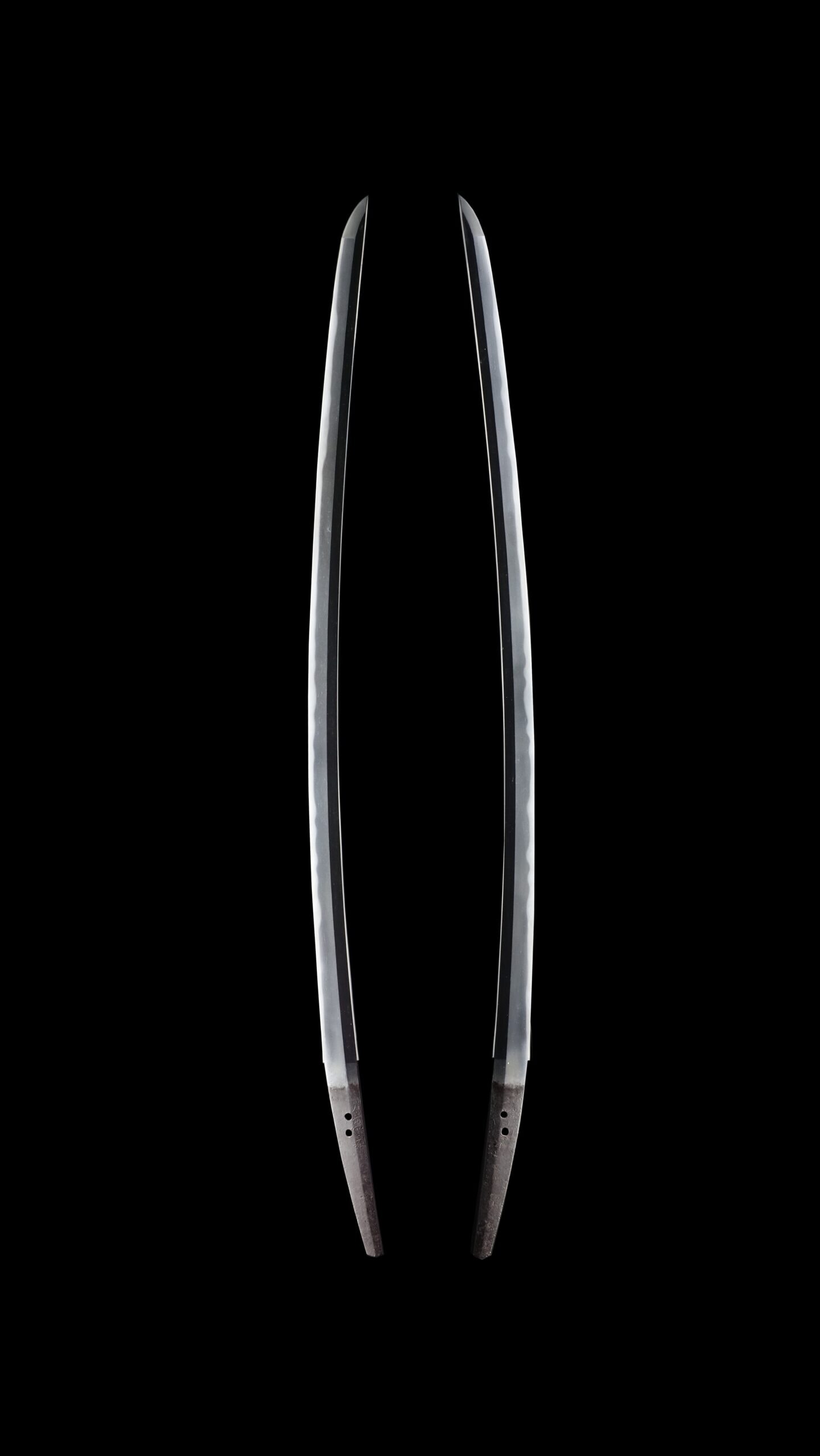
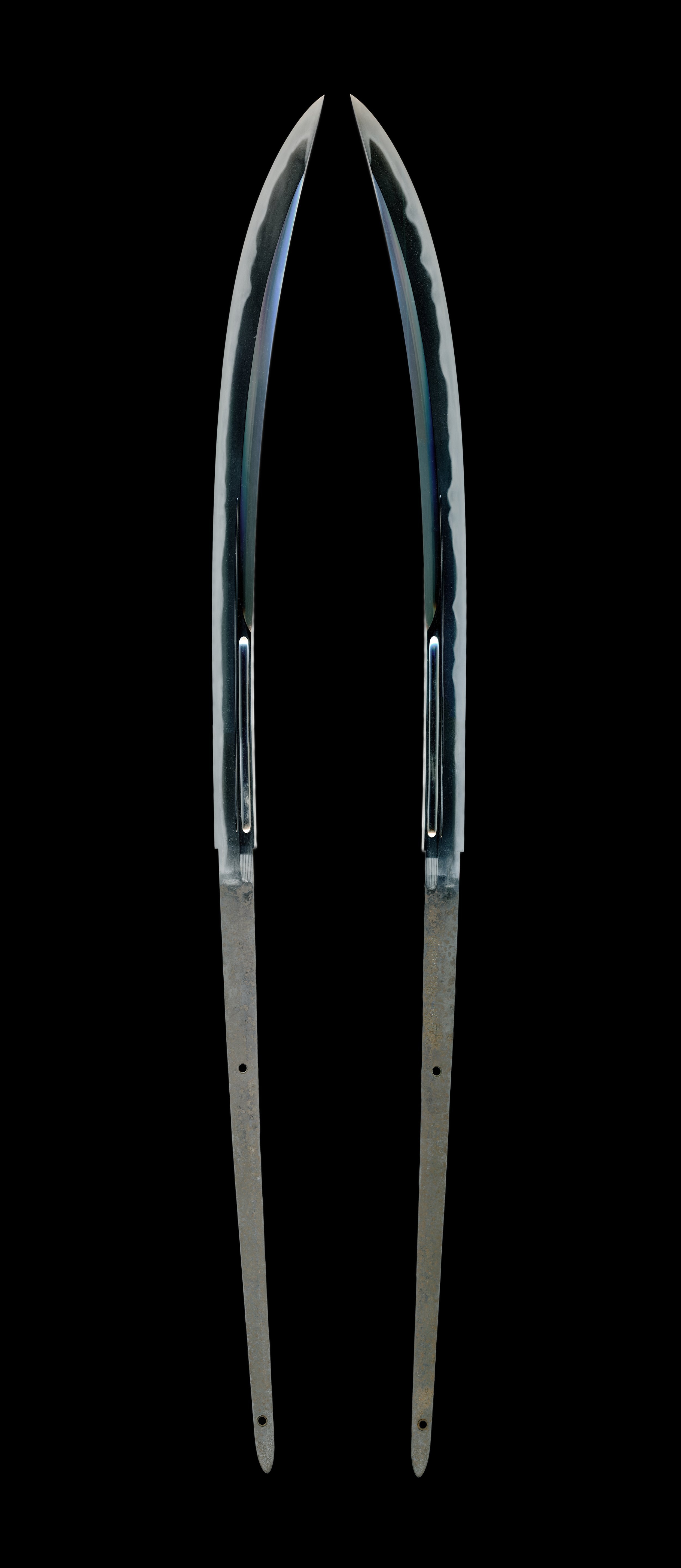
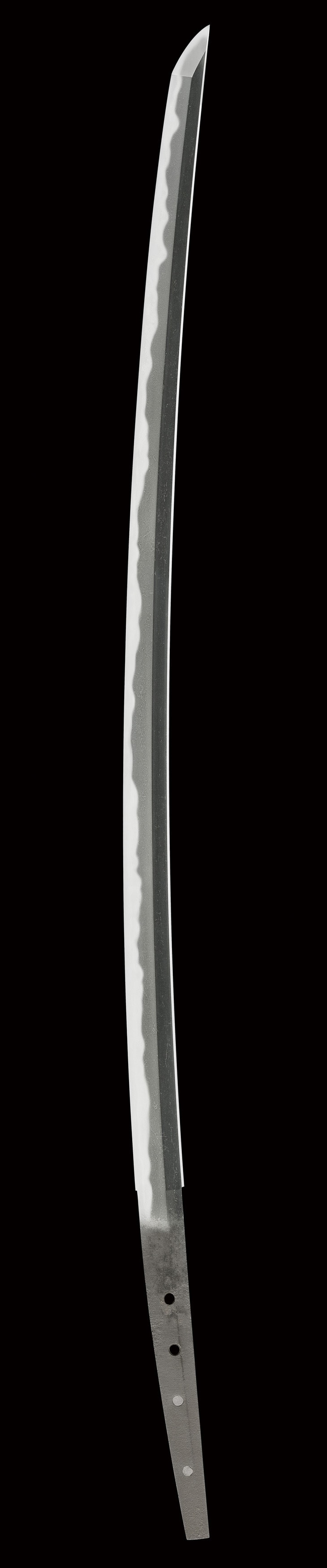
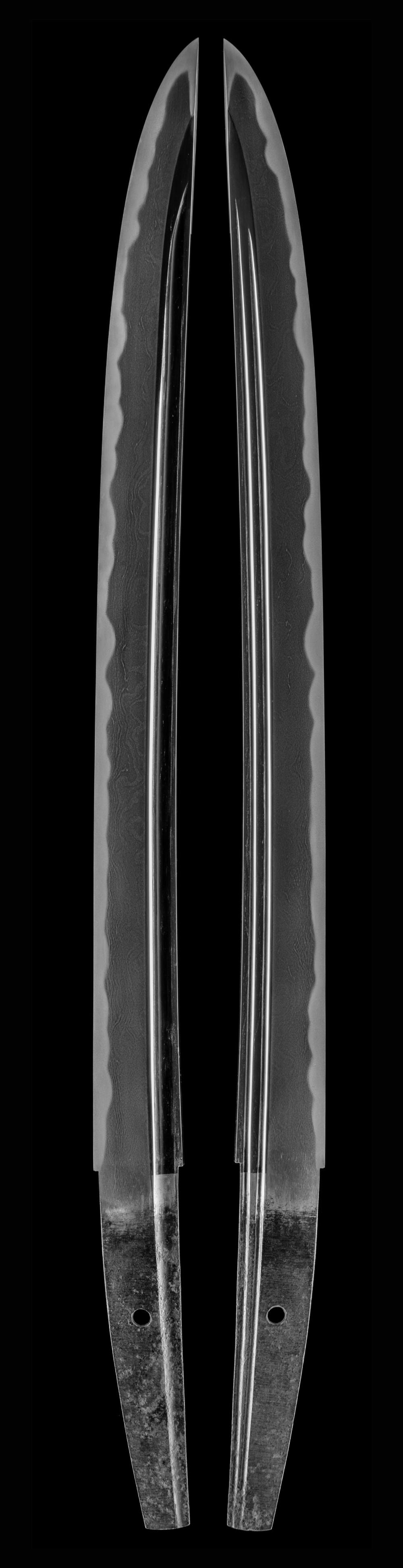
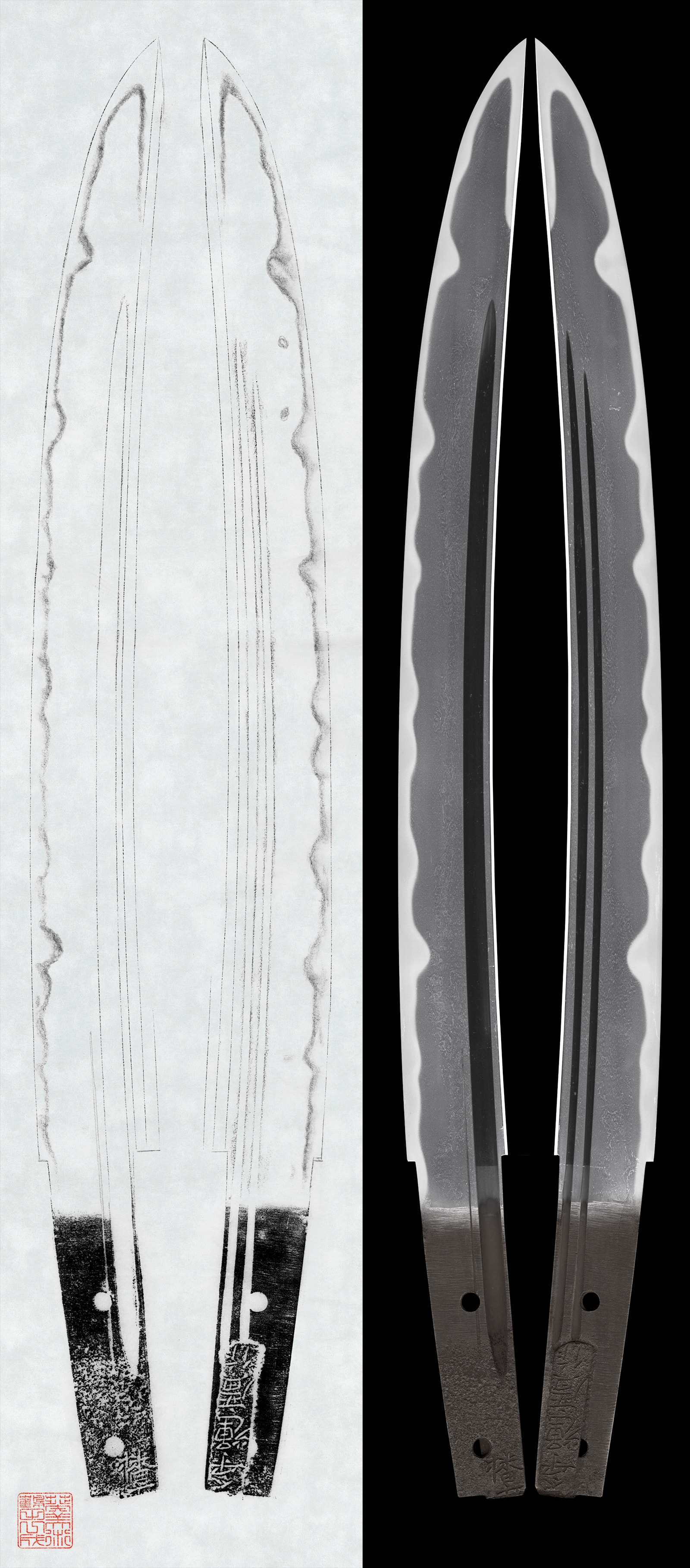
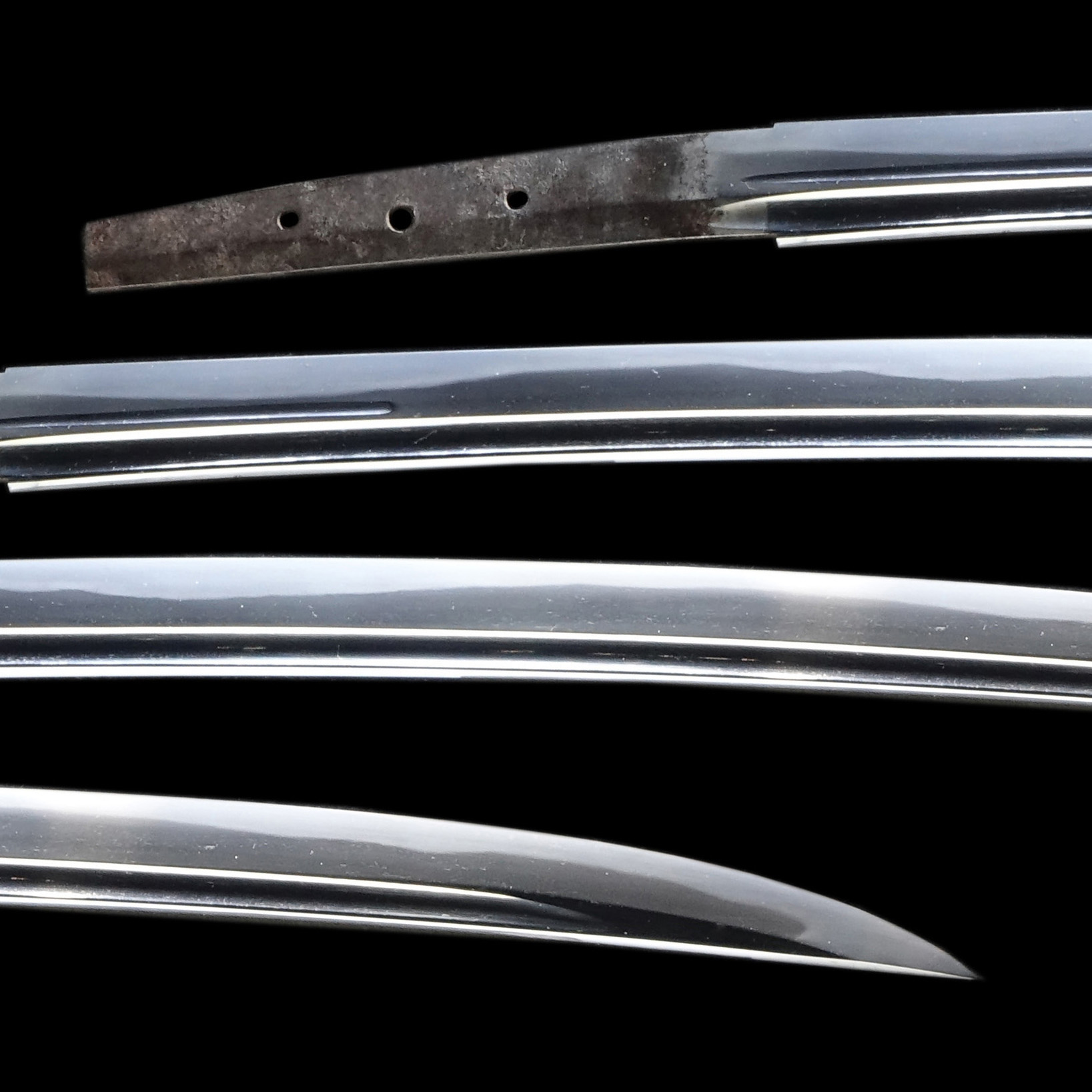
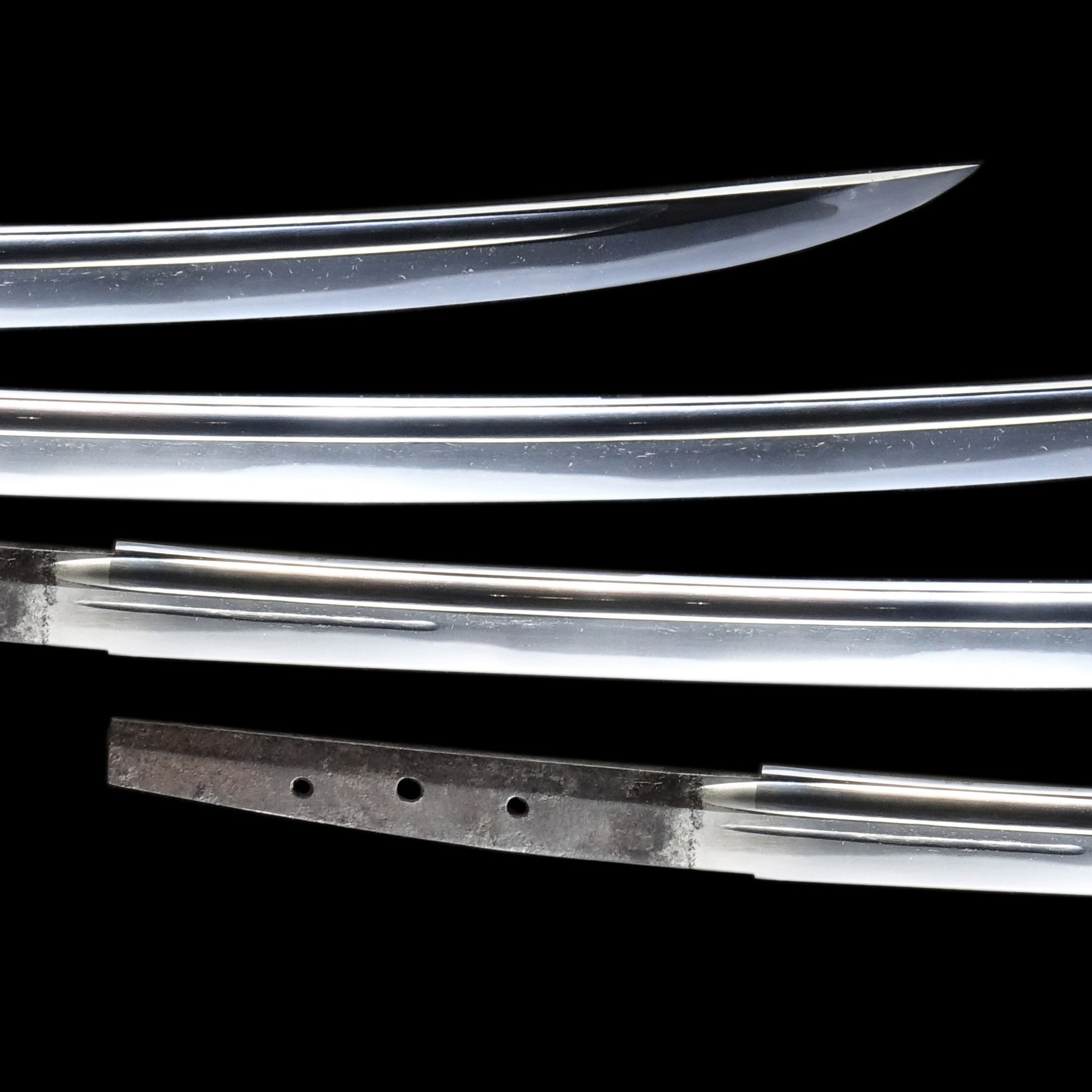
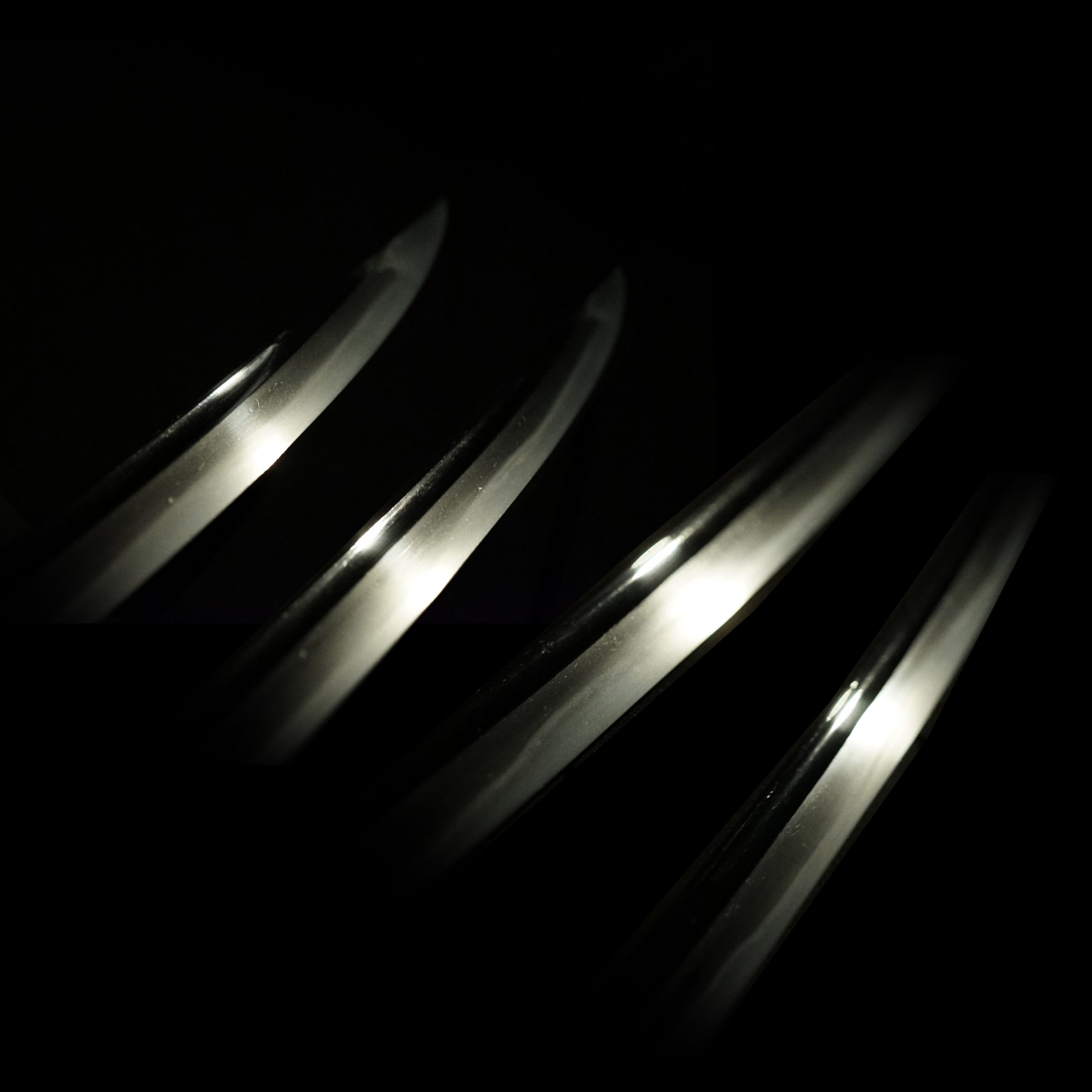
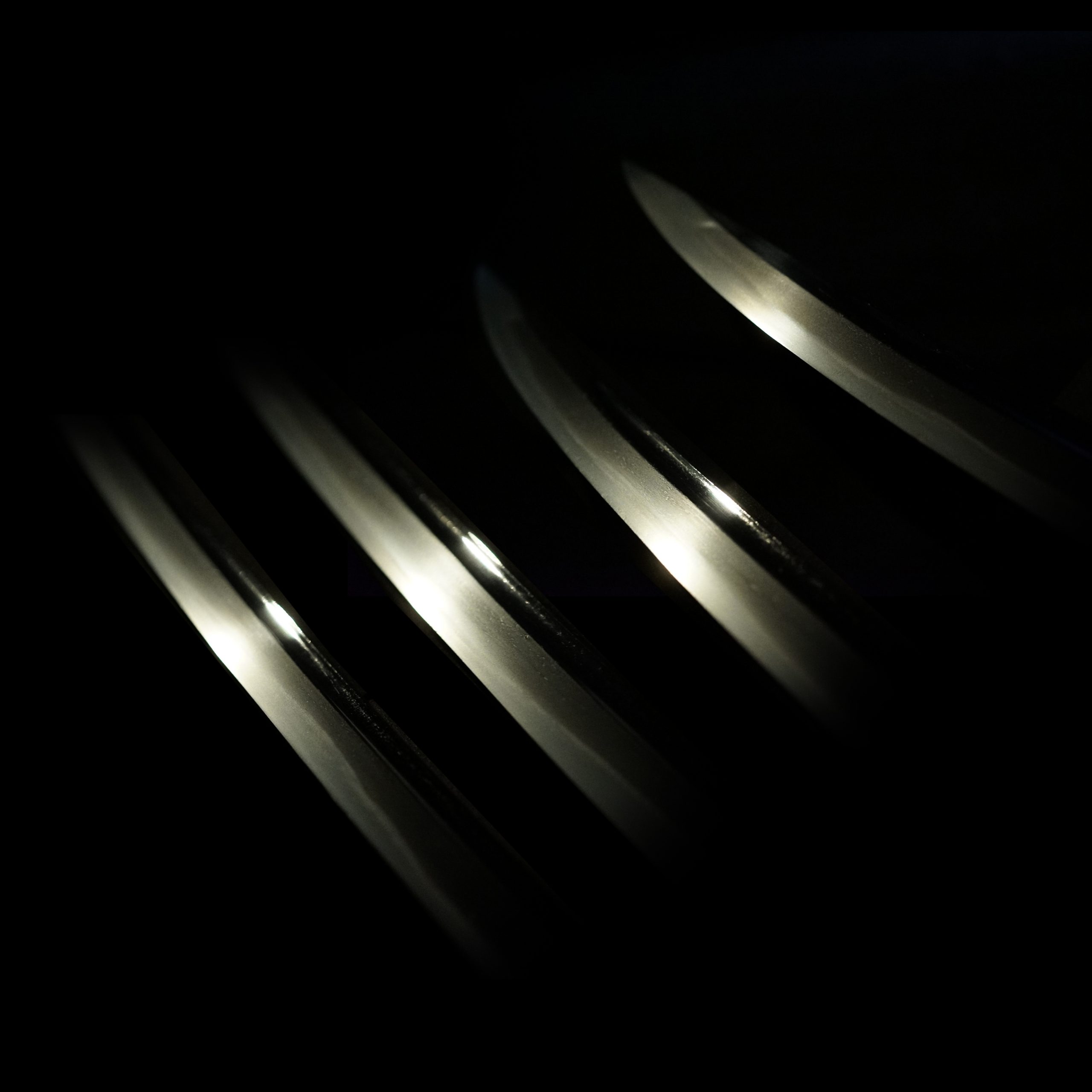
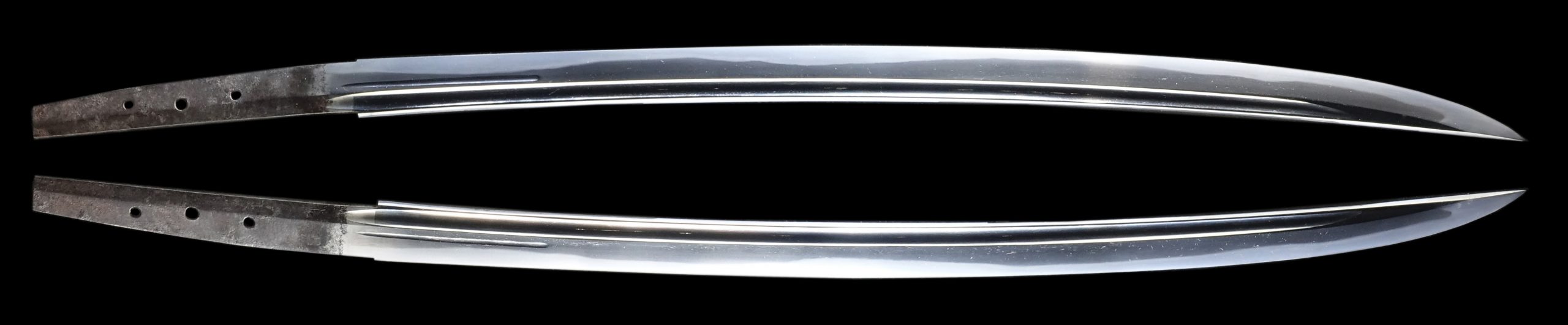
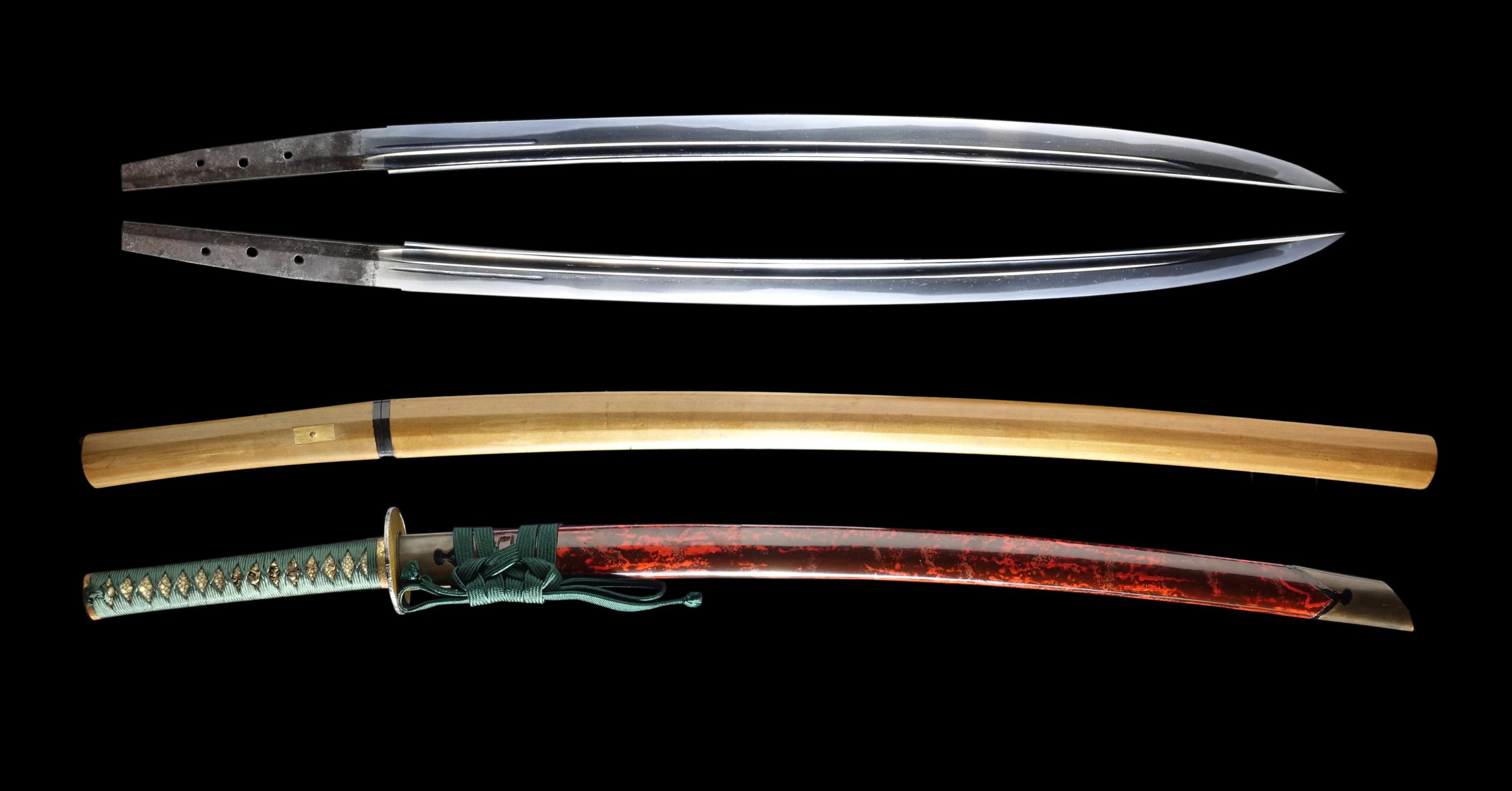
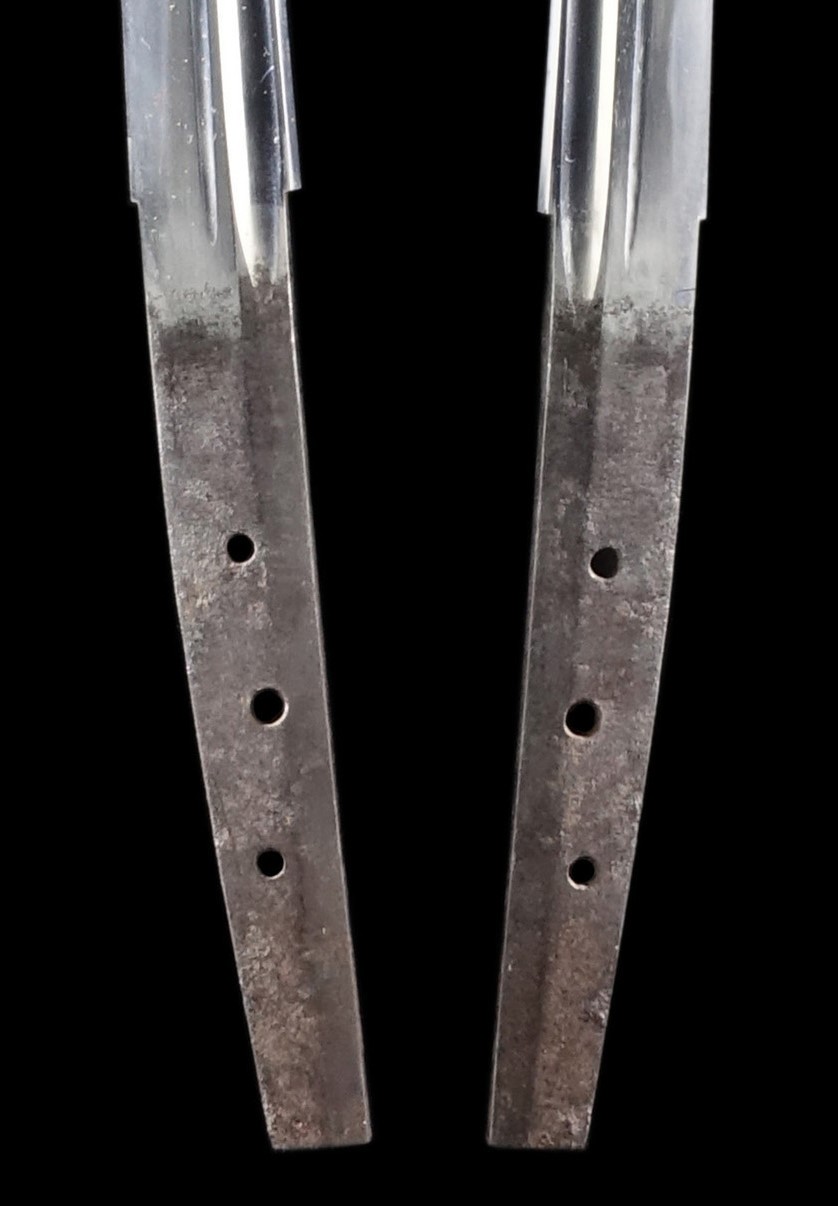
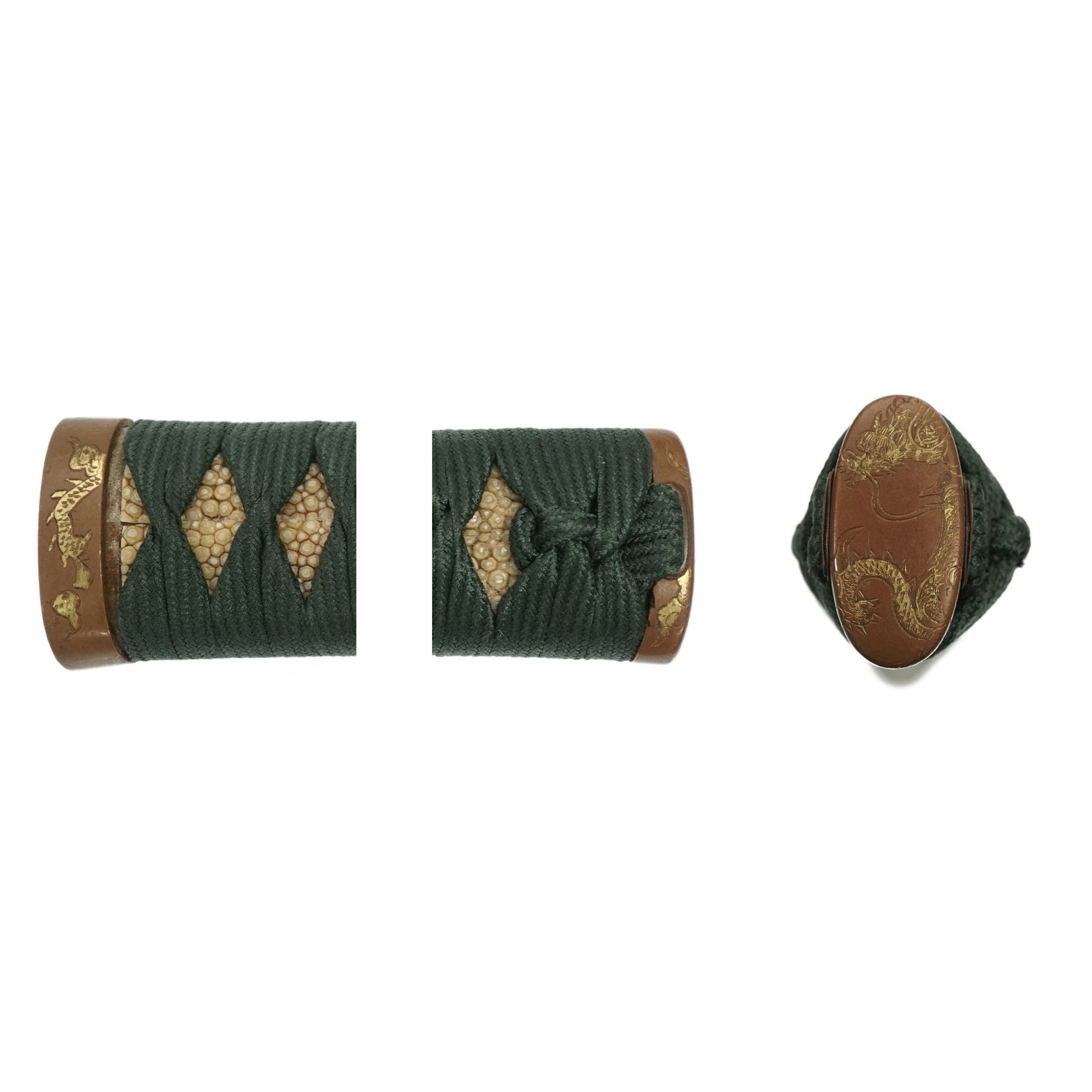
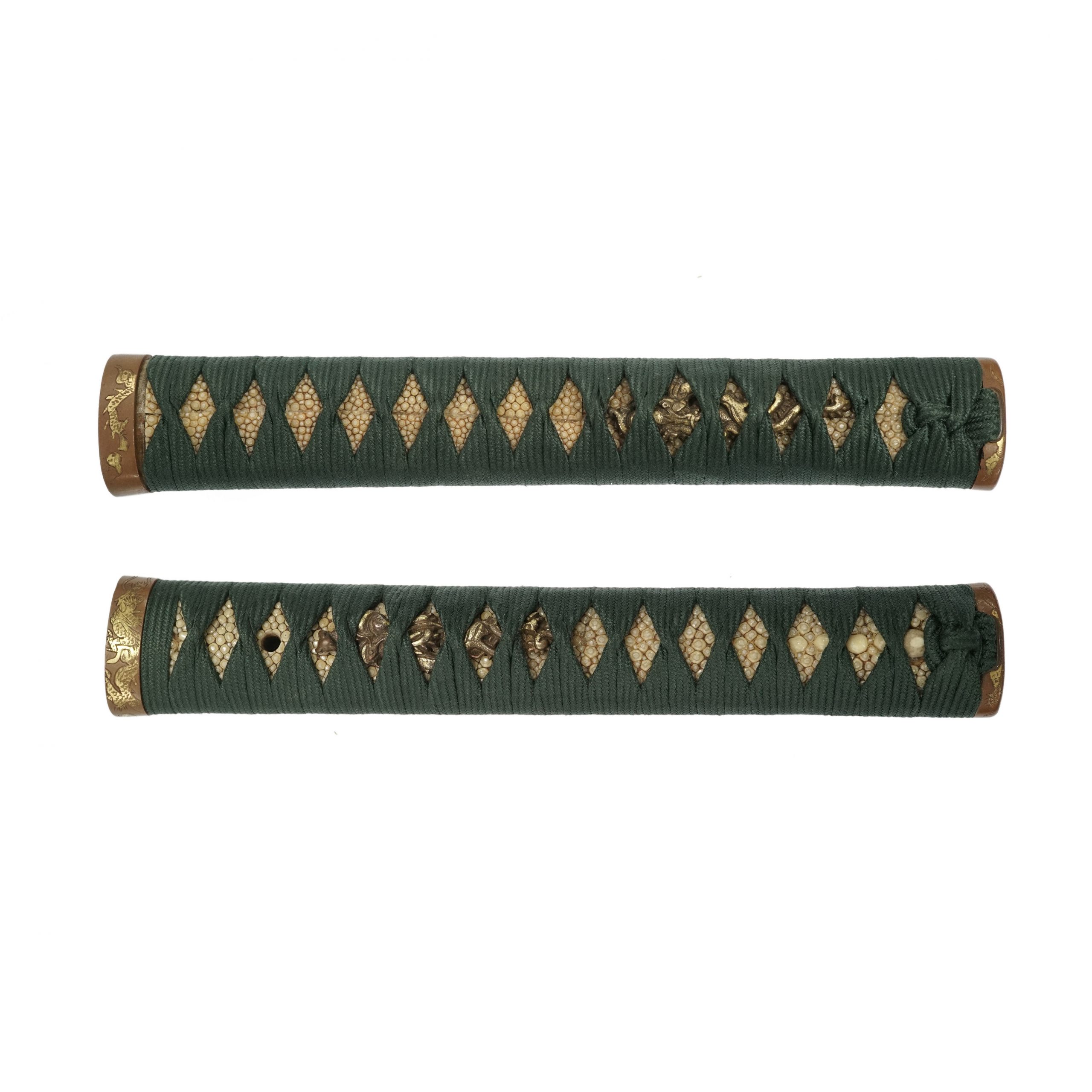
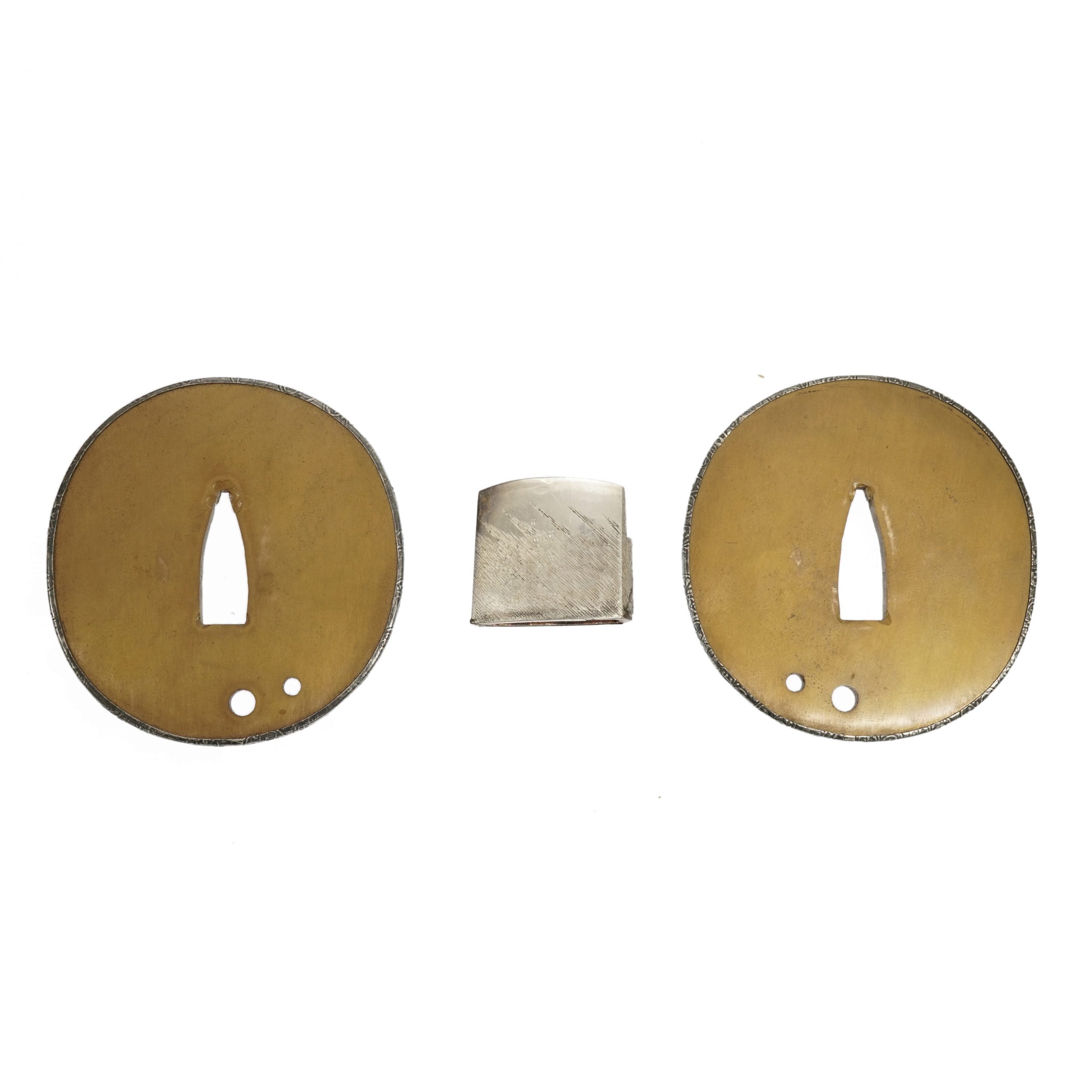
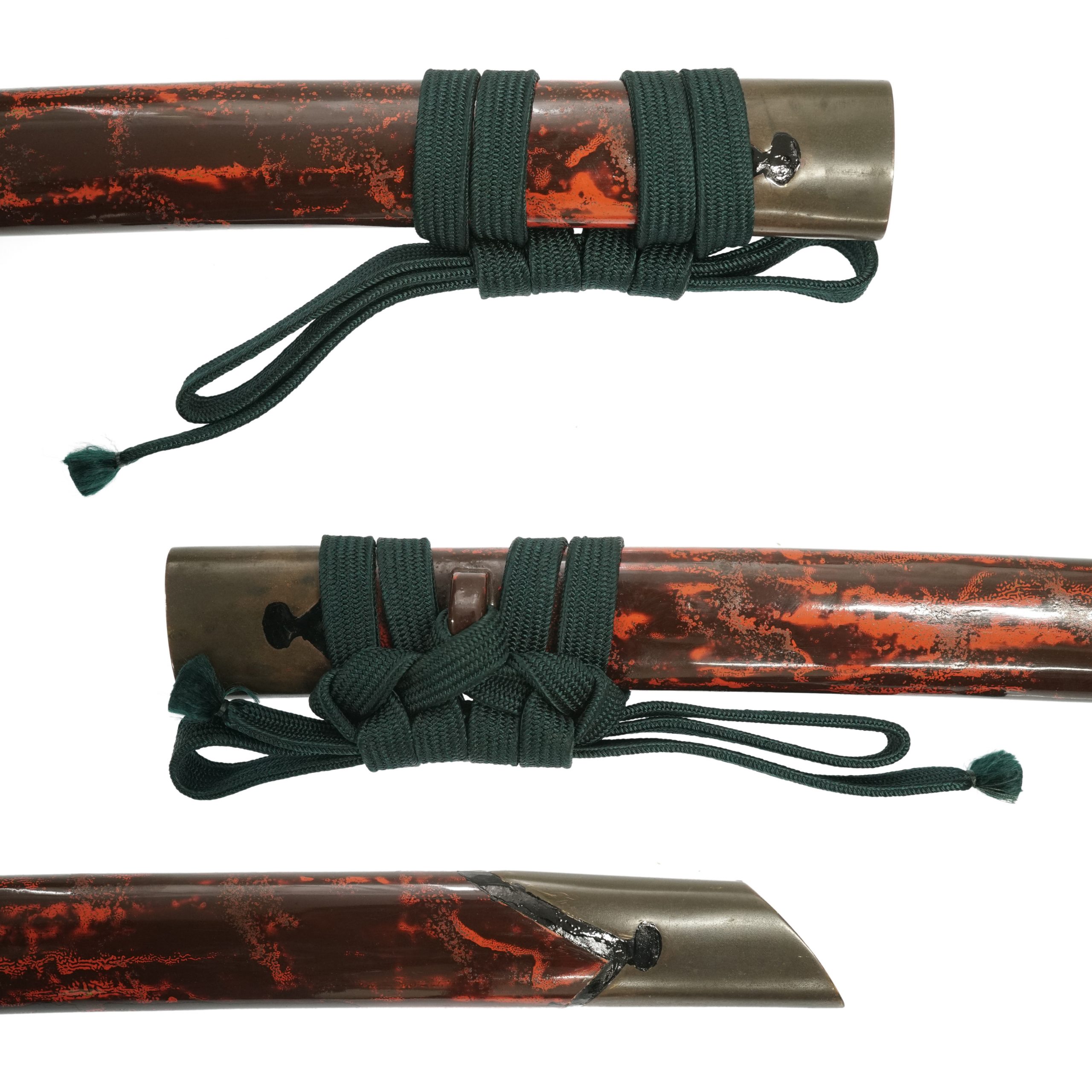
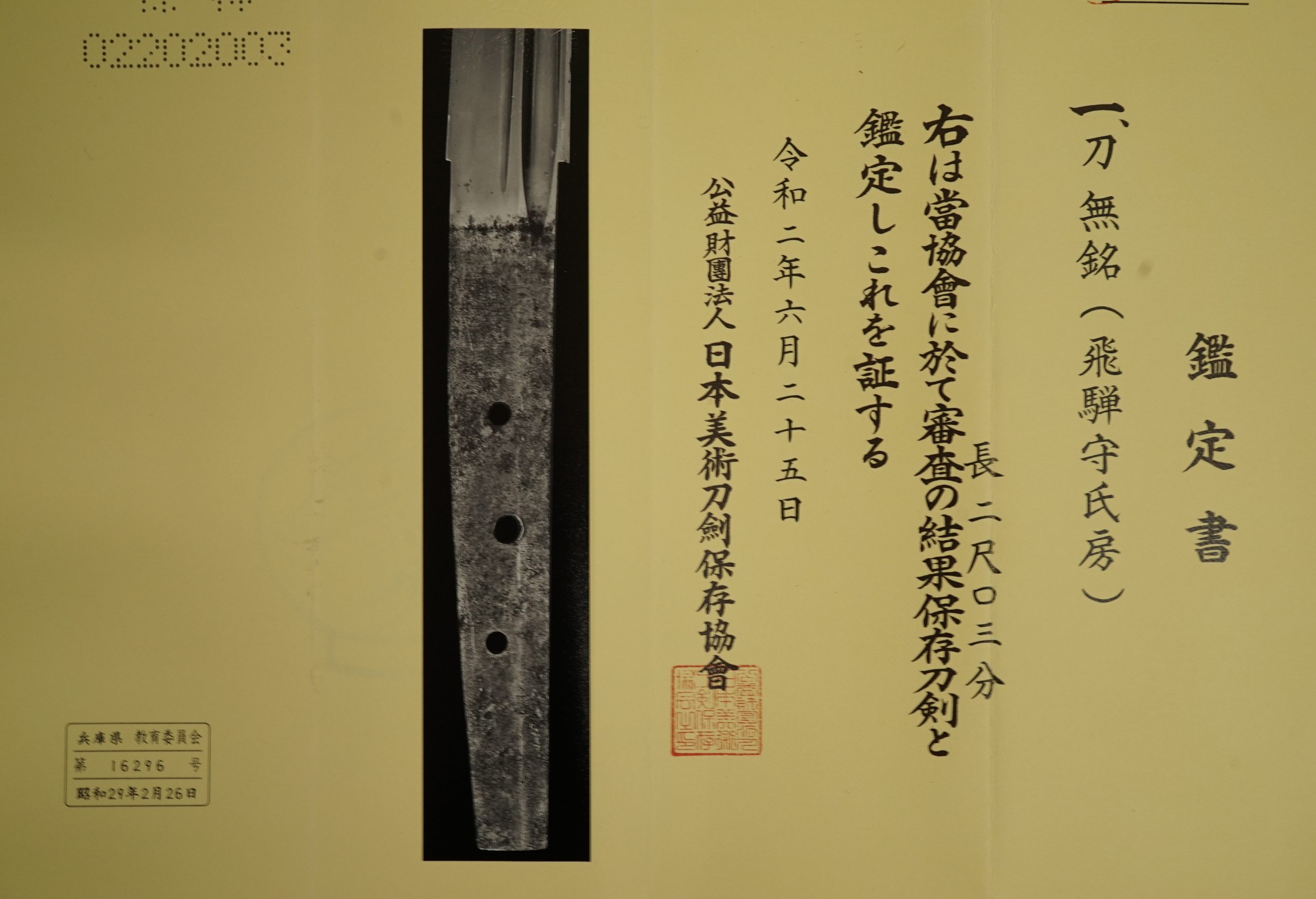
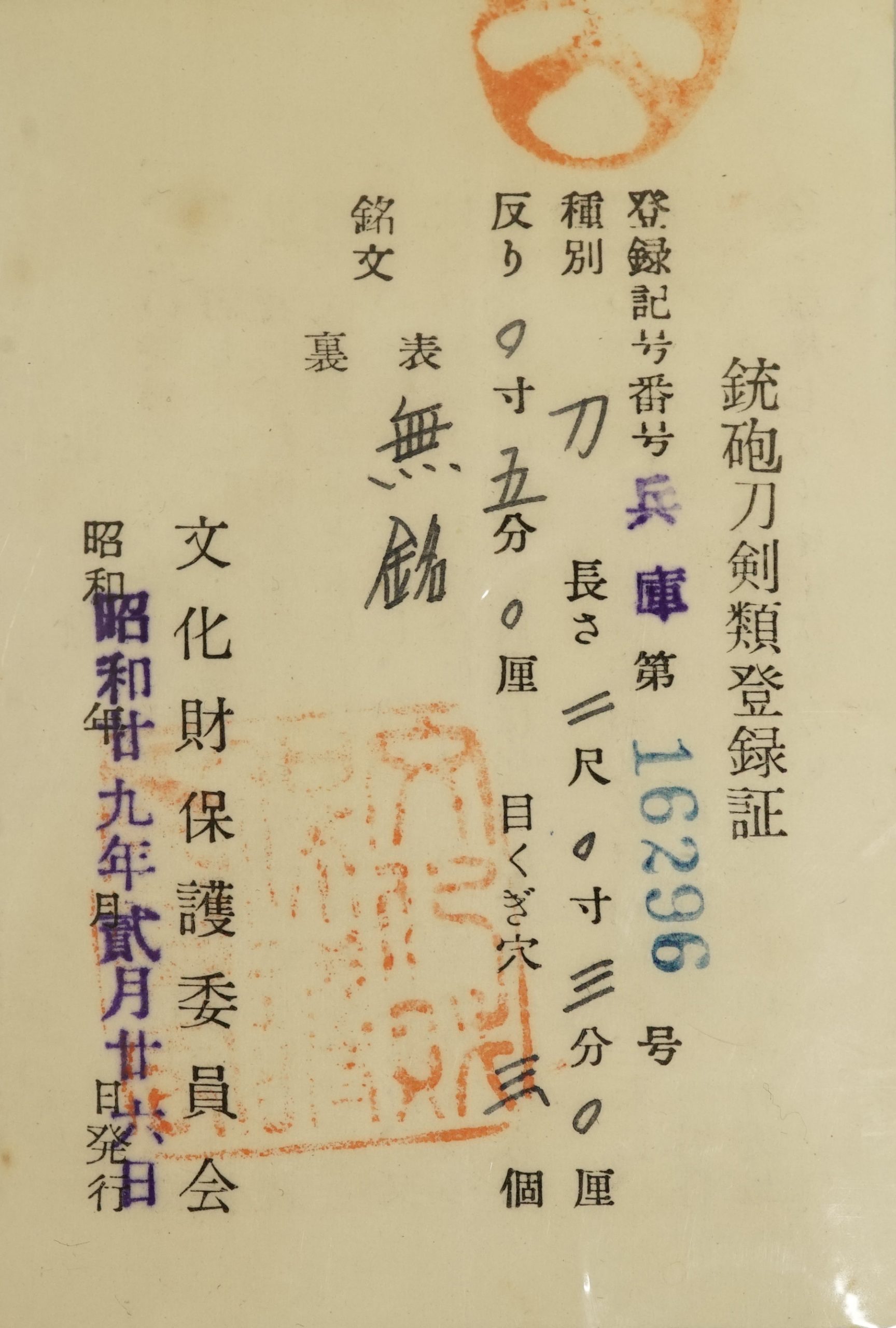
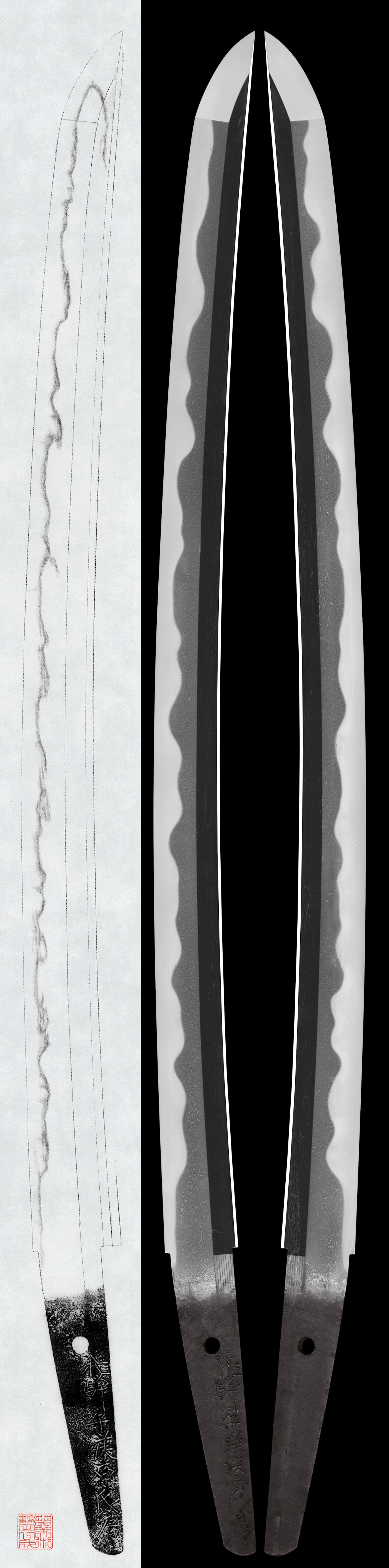
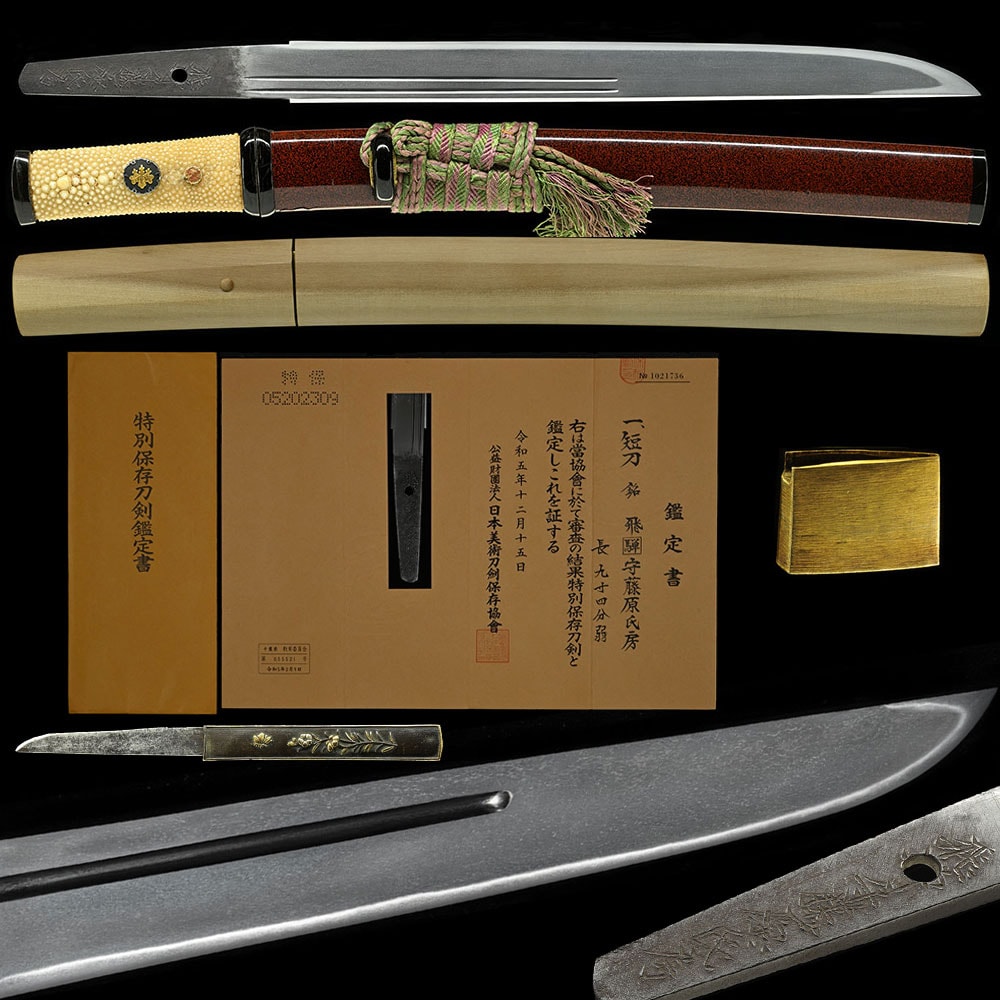
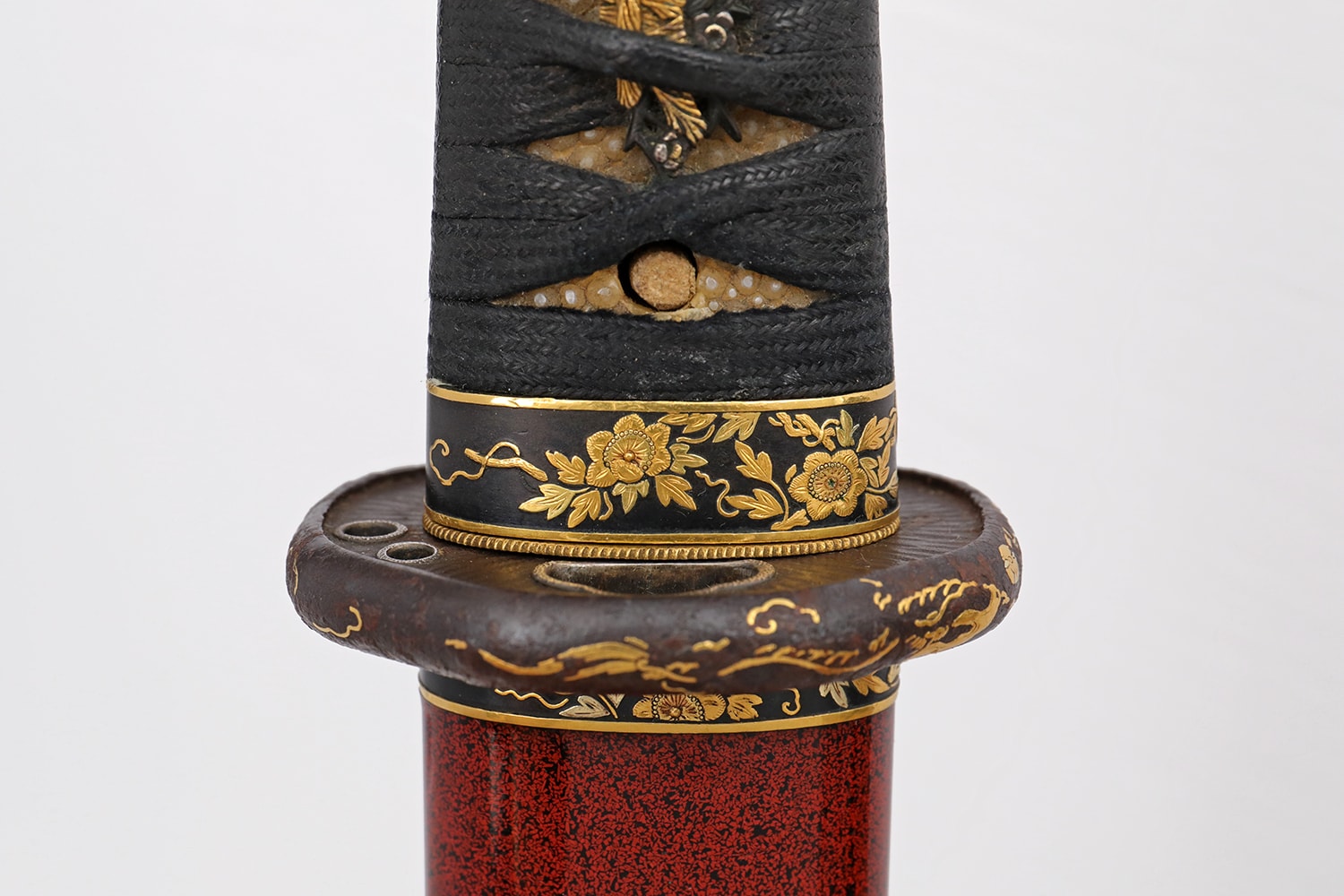
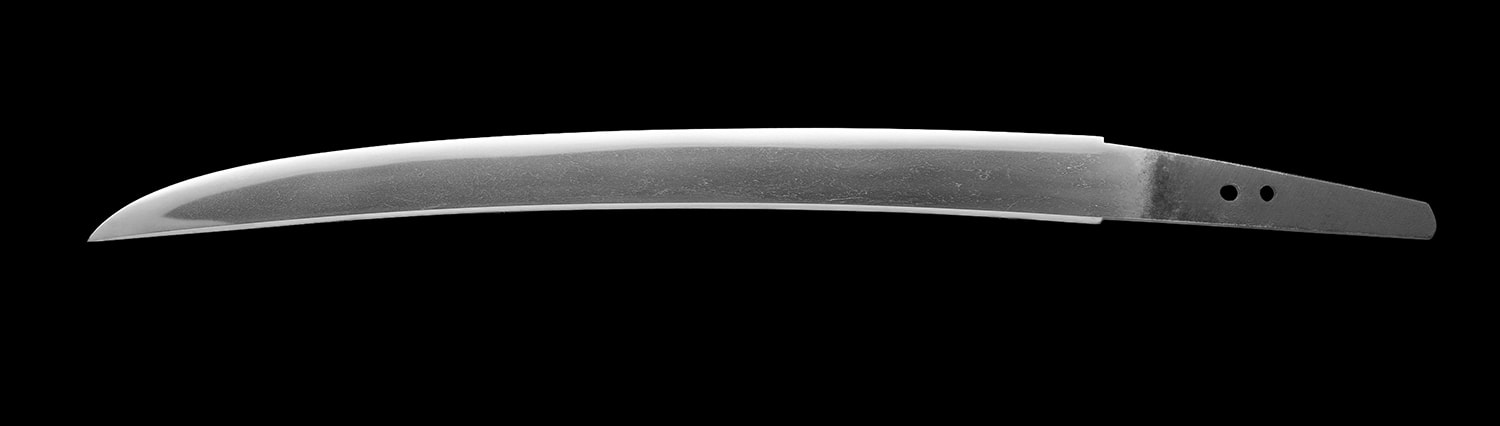
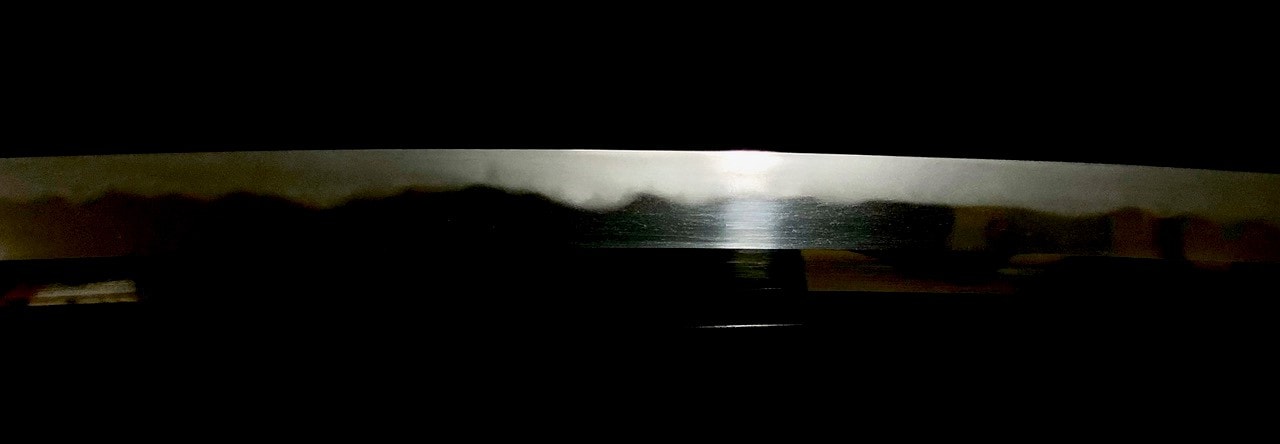
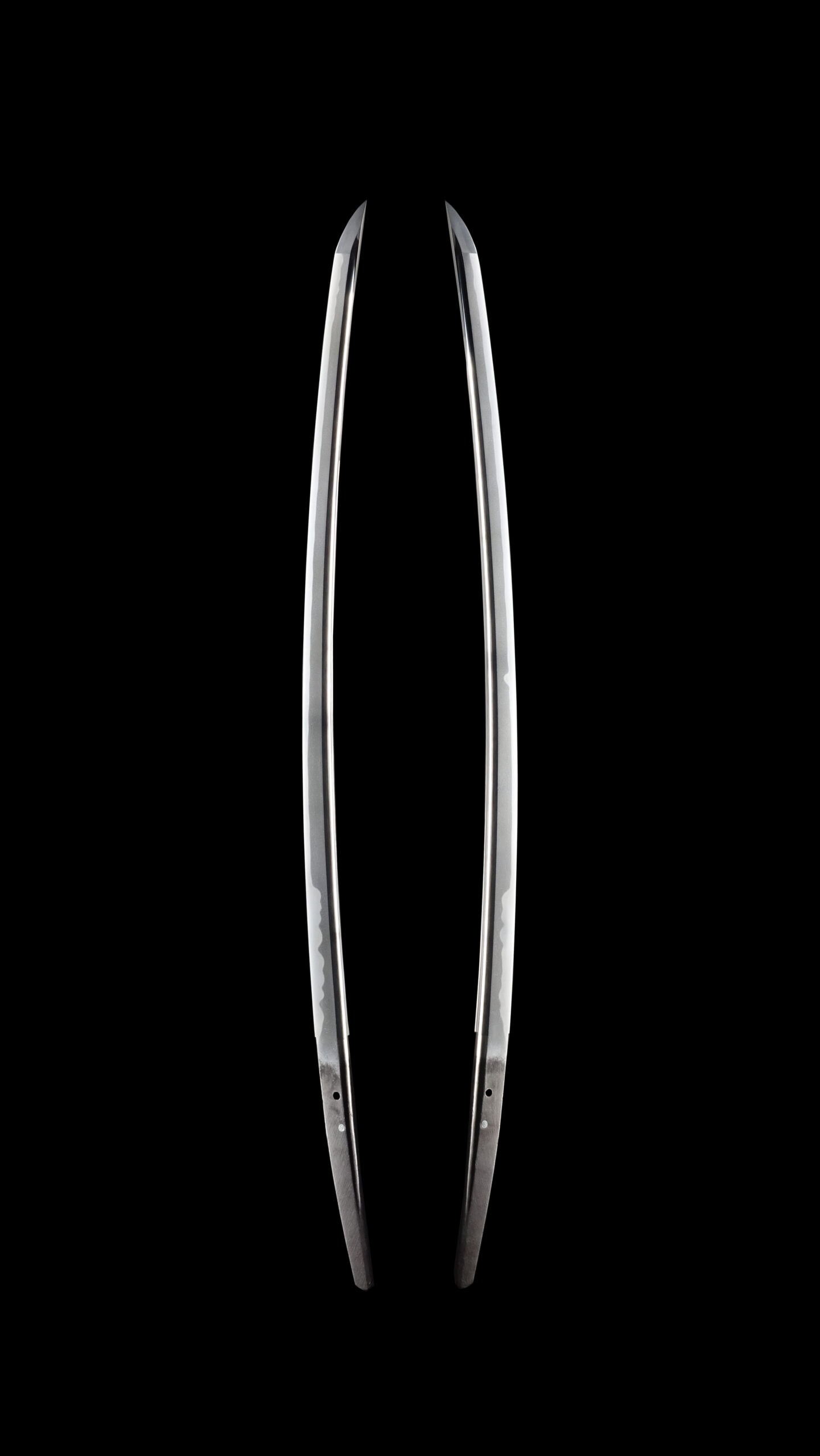
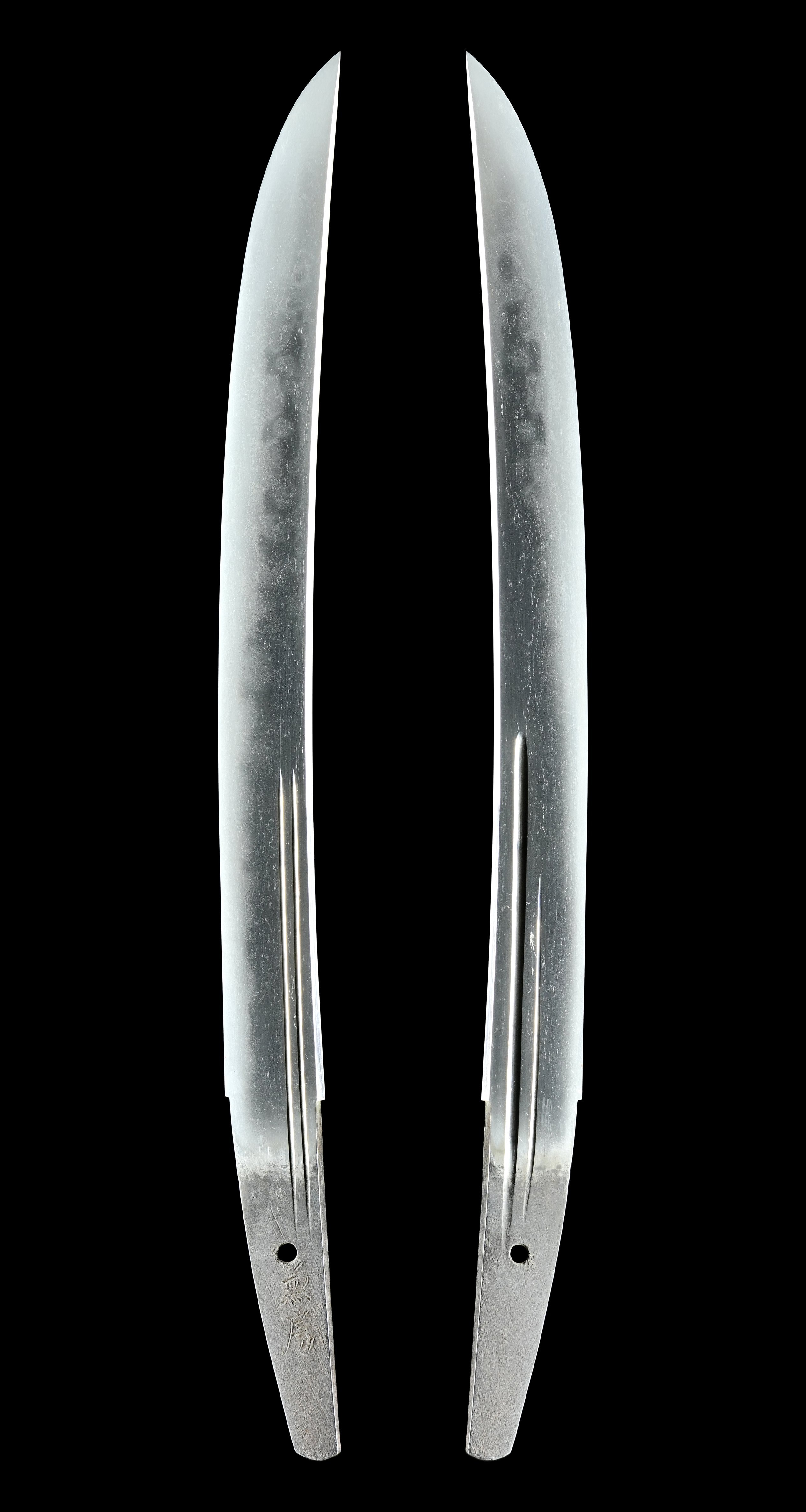
日本刀 刀 無銘 飛騨守氏房(日本美術刀剣保存協会 保存刀剣鑑定書付) 【解説】 飛騨守氏房は、安土桃山時代後期から江戸時代初期にかけて活躍した、当時を代表する名工の一人です。 永禄10年(1567年)、美濃国(現在の岐阜県)にて若狭守氏房の長男として生まれました。父・氏房は織田信長に仕えた工であり、氏房自身も11歳の頃から信長の三男である織田信孝に小姓として仕えました。 小姓とは主君の身の回りの世話から秘書業務、さらには戦場での盾となって主君を守るなど、文武両道の素養と礼節が求められる重要な職務です。前田利家や加藤清正など、後の大名たちも若かりし頃は小姓として研鑽を積んだことで知られています。 天正11年(1583年)、主君・信孝が羽柴(豊臣)秀吉との争いに敗れ自害したことで、氏房の運命は一変し、浪人の身となります。しかし、紆余曲折を経て天正16年(1588年)より父のもとで刀工としての道を歩み始めました。当初は清洲城主であった福島正則のお抱えとして鍛刀し、文禄元年(1592年)には、その優れた技量を認められ、当時の清洲領主であった豊臣秀次より「飛騨守」の受領名を授かりました。また、この受領に先立ち父の跡を継ぎ、二代目氏房となっています。その後、尾張徳川家に仕えるため名古屋へ移住し、尾張を代表する工としてその名を馳せました。 武士として生を受け、波乱万丈の人生を歩みながらも、時の権力者に重用される名工へと上り詰めた稀有な経歴を持つ人物です。 本作は、日本美術刀剣保存協会(NBTHK)より「保存刀剣」の鑑定を受けた真作です。 元来は長巻(長い柄をつけた大振りの武器)であったものを、後に刀へと直した「長巻直し」の体配と思われます。そのため、通常の刀には見られないような、力強く長い大切っ先が大きな特徴となっています。 外装には、華やかな赤漆塗の鞘と、色彩豊かな金具を用いた美しい拵が付属いたします。 【刀身】 長さ(刃長):61.5 cm 反り:1.51 cm 刃文:焼入れによって現れる刃の紋様 地鉄:鍛錬によって現れる鋼の表面模様 茎(なかご): 刀身の柄に収まる部分です。和釘と同様に、意図的に残された黒錆が内部の腐食を防ぐ役割を果たしており、その錆色は年代を特定する重要な指標となります。本作は無銘ですが、その作風や特徴から日本美術刀剣保存協会により「飛騨守氏房」と極められています。目釘穴が三つ開けられていることから、過去に少なくとも二度は磨上げ(短く仕立て直すこと)が行われた歴史が窺えます。 【外装・金具】 縁頭(ふちがしら): 柄の両端を保護し装飾する一対の金具です。 本作の縁頭には、細長い体をくねらせ、悠然と昇天する龍の姿が彫描されています。龍は古代中国の神話に由来する想像上の瑞獣であり、その姿は「九似(角は鹿、頭は駱駝、眼は鬼、項は蛇、腹は蛟、鱗は魚、爪は鷹、掌は虎、耳は牛)」に例えられます。あらゆる動物の頂点に立つ万能の存在として崇められ、吉祥の象徴として尊ばれてきました。この龍の意匠が、拵全体に格調高く、豪華な印象を与えています。
 NihontoWatch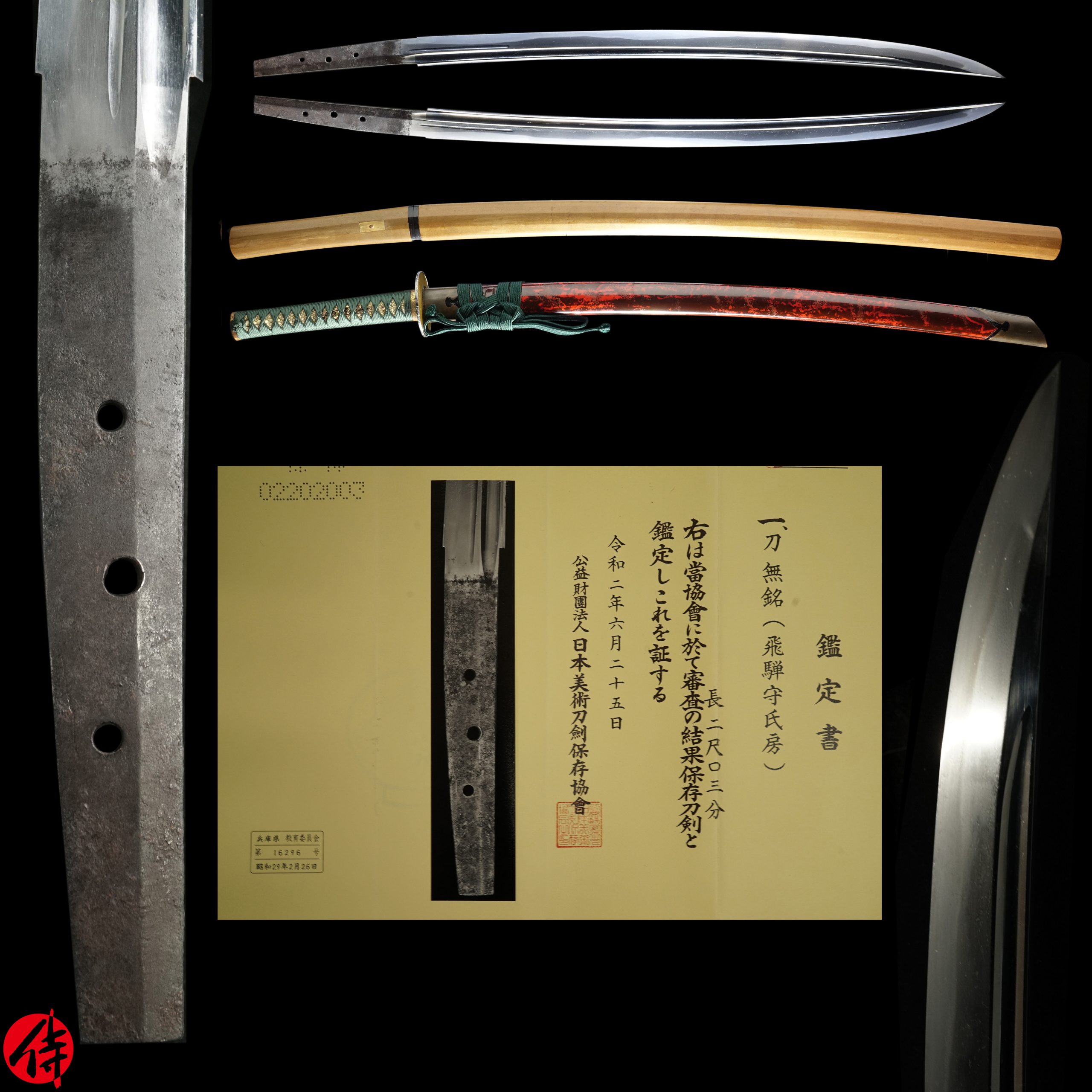
Owari-Seki (Mino-derived Owari shinto; retained by the Owari Tokugawa) · 尾張 · 1596-1615頃
藤代 Jo saku · 刀剣大鑑 上位26%
現在8点販売中
飛騨守藤原氏房は若狭守氏房の子として永禄十年に濃州の関に生まれ、初め河村伊勢千代、後に平十郎と称した。説明書はその経歴を丹念に追う。織田信孝の側小姓に仕え、主君の死後は浪人となり、尾州蟹江城主佐久間正勝の幕下を経て清洲に移り、天正十七年頃より刀匠として活動を始めた。天正十九年、関白豊臣秀次が清洲の領主となると、氏房・政常・信高の三名は聚楽第で謁見を許されて各自の作刀を献上し、氏房は飛騨守を賜わった。この三名は後世、徳川の下に尾張新刀を興した尾張三作に数えられる。慶長十五・六年頃に名古屋へ移って徳川義直の抱工として仕え、寛永八年に備前守氏房へ家督を譲って同年六十五歳で歿した。同名は三代あって初代は飛騨守、二代は備前守、三代は再び飛騨守を受領するが、一派の名声を担うのはその初代、すなわち祖である。
その典型は大らかなのたれで、説明書が得意・本領とする焼である。身幅広く反り浅く大鋒の、いわゆる慶長新刀の典型的姿の刀に、大のたれを主調として互の目・小のたれを交え、足・葉入り、小沸よくつき、処々むら沸・湯走りが刃の調子を破る。同じ大らかな手は薙刀にも通い、寸延びの平造脇指では箱がかったのたれに広がる。あるその脇指を説明書は「同工の本領を遺憾なく発揮した」[[c:1]]刃と評する。慶長十一年紀の刀でも、同じ開いたのたれに互の目を交えた刃を、氏房の特色をよくしめした典型作と呼ぶ。
その焼を支える地鉄は肌立った地である。肌立ちごころの板目、時に大板目あるいはザングリとした地に杢を交え、鎬地は柾に流れて地沸がつく。それは彼の出た美濃関の地鉄であり、最上の在銘刀において説明書はそこに志津風を読み、ある一刀をその「同作中の白眉」とし、「志津風を最もよく現わしている」[[c:2]]作とする。この地の上の帽子は焼深く、のたれ込んで小丸あるいは大丸となり、長く返って掃きかけるが、短刀や数口では突き上げて先尖る美濃三品の手となる。刀は棒樋を掻通し、薙刀は薙刀樋に添樋を彫る一方、説明書が珍しいとする文字や浮彫の彫物は平造の脇指にのみあらわれる。
この一人の手のうちに、説明書はさらに二つの面を引き出す。第一は最も多い、身幅広く反り浅く大鋒の、南北朝期の大磨上を思わせる姿であるが、それを慶長作と定めるのは先反りであると判者は注意し、就中あるものは一見村正の作に見えるとする。第二は稀で、説明書が二度この工には珍しいとする、微塵の地沸の地にほつれ・二重刃・細かな金筋を働かせた明るい中直刃で、帽子は焼深く先尖る。この直刃の刀に判者は相州上工郷・左文字への私淑を読み、鍛えがよく錬れて「相州上工に私淑したような古色の趣」[[c:3]]があるとする。慶長七年の短刀は三品帽子が一見越前康継を思わせるが、のたれの調子が大模様で沸が強くむらにつくところに氏房自身の特色があらわれる。
彼を際立たせるのは、判者が繰り返し挙げる取り合わせである。出自は関の工で、肌立って柾流れの地鉄、突き上げて先尖る三品帽子、大らかなのたれはいずれもその美濃の根を負う。だが身幅広く力強い慶長新刀の姿、深い沸、直刃に見せる相州への志は、地方の関の手というより徳川に仕えた尾張の上工を示す。大らかに開いたのたれは緊まった美濃の互の目と分かれ、明るく沸深い直刃は同輩の平明な直刃と分かれる。氏房・政常・信高が共に聚楽第に謁見を許され尾張三作として記憶されることは、彼を古き伝統の末ではなく新たな伝統の興りに置く。
収集の観点では、彼は伝説の稀少品というより、よく記録された一派の祖である。藤代の極めは上々作。国宝も重要文化財もなく、その記録は重要刀剣の級を通じ、そこに初代の在銘の、しばしば年紀のある刀・脇指・短刀・薙刀が相応に残り、その内には説明書が貴重とする慶長年紀のものが少なくなく、これらを「飛騨守氏房研究の好資料」[[c:4]]と称える。「藤原朝臣」を冠し年紀のある刀は珍しいため、年紀作こそ最も学ぶところの多い作とされる。その作の来歴はあまり記録されず、私蔵と述べるにとどまるが、身幅広く豪壮で、長銘を太く明瞭に切った在銘の初代氏房は時に世に出ることがあり、年紀のある一口は尾張新刀を学ぶ者が最も会いたいと願う作である。
氏房の位置づけを、日本刀全体および伝統・時代・時期ごとに示します。各位(随一・屈指・有数・著名)は、NBTHK および文化庁による指定に加え、三作や名物帳などの歴史的栄誉を加味したものです。
各項目を選ぶと評価方法が表示されます。
在銘年紀作が示す、確実に活動していた年代
美濃伝 · 美濃
現在153点販売中
美濃国の関は、南北朝より室町、新刀期に至るまで日本刀の一大生産地として栄えた鍛冶の地である。その源流は二つに発し、説明書は金重と志津兼氏とを並べて美濃鍛冶の祖とする。金重は『古今銘尽』に法名道阿、越前敦賀の住人と伝えられ、敦賀より関へ越えて住したといい、相州正宗十哲の一に数えられて、沸の厚い穏やかな手を美濃の地鉄に持ち込んだ。兼氏に発する志津の系は、尖り互の目に走る乱調をもって、いま一つの根をなす。この二流が南北朝の美濃伝を形づくり、金行のごとく金重に続く工、室町に入って善定派の兼吉のように大和手掻の血を関に運んだ工が加わって、流れは広がった。室町後期には兼元・兼定の二名を頂点とする末関の隆盛を迎え、孫六兼元の名と和泉守兼定の受領とが、地方の量産地にとどまらぬ関の格を世に示した。大和と相州の二つの源流に、備前を意識した白け映りの地が結ばれて、美濃伝という一個の伝法が立ったのである。 関物を貫くのは、工と系統の差を越えて繰り返される美濃の共通語法である。地鉄は板目に柾を交えてしばしば肌立ち、刃寄りに柾がかり、鎬地は柾に流れる。その地に立つ映りは備前の明るい乱れ映りではなく、淡く白ける美濃鉄の靄のような白け映りで、説明書はこれを終始、備前と作を分かつ見どころとして掲げる。刃文は互の目を主調に尖り刃を交え、兼元にあっては整然と並ぶ尖り刃の三本杉となり、兼定や兼之にあっては頭の丸い互の目とのたれを交えて変化に富む。沸は乾いて締まり、匂口は冴え、足入り、砂流し・細かな金筋が刃中を走る。帽子は乱れ込んで先尖りごころとなり、あるいは丸く地蔵風に返る。これらは関の背骨をなす型であって、工により濃淡を異にする。金重・金行の手は穏やかで地が肌立ち、善定兼吉は大和の血を負って締った直刃と柾がかる板目を見せ、末関の氏房は大らかなのたれに尖り刃を折り込み、兼房は頭の丸い互の目の兼房乱れを得意とする。同じ語法のうちに、それぞれの工の手が読み分けられる。 収集家が関物を求めるのは、その鑑定が手応えを伴う一個の眼の修練だからである。映りが白く沸が乾いて締まる美濃の地刃は、備前の華やかな映りとも、山城の長く澄んだ直刃とも異なり、これを見分けることが関を識る勘所となる。主要工の格は説明書の評にそのまま現れる。孫六兼元は三本杉の創始者として名を成し、和泉守兼定すなわちノサダは、白ける板目に焼いた賑やかな美濃の刃と来国俊風の細直刃の双方を能くして、古刀期に珍しい受領を許され、刀剣書が「すぐれたる上手」と評する当代第一の手とされる。兼之は末関中最もよく練れた鍛えを見せて作域広く、永正・大永のノサダとして賞玩が厚い。これらの名は将軍家・大名家の伝来を負い、ノサダの太刀には武田信虎のために打たれた一口があり、菊花紋を切った刀は皇室との関わりを示し、徳川将軍家への献上を経た金重の短刀も伝わる。末関の氏房一門は清須・名古屋へ移って尾張新刀三祖の一を生み、古い美濃の手が新たな伝統へ移る蝶番に立った。切れ味をもって武用に応えた量産の地でありながら、孫六兼元らの最上手の作は美術的価値においても高く評され、その白け映りと乾いた沸の手を識ることが、美濃伝いかに始まり継がれたかを語る証となる。 詳しく見る →
天下統一は大量の市場を閉じ、関の鍛冶は新しい富の在り処へ移った。三品の一門は受領名を得て京に、大道系は諸国の城下町に。美濃は新刀時代の最大の祖先となった。
銘が正しい、または無銘でも年代・国・系統を確実に指摘できる、保存に値する真正の作と鑑定されたものです。
日本美術刀剣保存協会(NBTHK)は、1948年に設立され、文化庁の監督を受ける公益財団法人で、東京・刀剣博物館に本部を置きます。専門の審査員が出品作を直接審査し、美術的・歴史的価値に応じた鑑定書を発行します。NBTHKの鑑定書は、日本刀および刀装具の真正性を示す最も広く認知された基準です。
NBTHK公式サイトReturns/exchanges limited to defects caused by shipping (except willful misconduct or gross negligence by the company); customers must contact within 72 hours of receiving the product.
日本刀 刀 無銘 飛騨守氏房(日本美術刀剣保存協会 保存刀剣鑑定書付) 【解説】 飛騨守氏房は、安土桃山時代後期から江戸時代初期にかけて活躍した、当時を代表する名工の一人です。 永禄10年(1567年)、美濃国(現在の岐阜県)にて若狭守氏房の長男として生まれました。父・氏房は織田信長に仕えた工であり、氏房自身も11歳の頃から信長の三男である織田信孝に小姓として仕えました。 小姓とは主君の身の回りの世話から秘書業務、さらには戦場での盾となって主君を守るなど、文武両道の素養と礼節が求められる重要な職務です。前田利家や加藤清正など、後の大名たちも若かりし頃は小姓として研鑽を積んだことで知られています。 天正11年(1583年)、主君・信孝が羽柴(豊臣)秀吉との争いに敗れ自害したことで、氏房の運命は一変し、浪人の身となります。しかし、紆余曲折を経て天正16年(1588年)より父のもとで刀工としての道を歩み始めました。当初は清洲城主であった福島正則のお抱えとして鍛刀し、文禄元年(1592年)には、その優れた技量を認められ、当時の清洲領主であった豊臣秀次より「飛騨守」の受領名を授かりました。また、この受領に先立ち父の跡を継ぎ、二代目氏房となっています。その後、尾張徳川家に仕えるため名古屋へ移住し、尾張を代表する工としてその名を馳せました。 武士として生を受け、波乱万丈の人生を歩みながらも、時の権力者に重用される名工へと上り詰めた稀有な経歴を持つ人物です。 本作は、日本美術刀剣保存協会(NBTHK)より「保存刀剣」の鑑定を受けた真作です。 元来は長巻(長い柄をつけた大振りの武器)であったものを、後に刀へと直した「長巻直し」の体配と思われます。そのため、通常の刀には見られないような、力強く長い大切っ先が大きな特徴となっています。 外装には、華やかな赤漆塗の鞘と、色彩豊かな金具を用いた美しい拵が付属いたします。 【刀身】 長さ(刃長):61.5 cm 反り:1.51 cm 刃文:焼入れによって現れる刃の紋様 地鉄:鍛錬によって現れる鋼の表面模様 茎(なかご): 刀身の柄に収まる部分です。和釘と同様に、意図的に残された黒錆が内部の腐食を防ぐ役割を果たしており、その錆色は年代を特定する重要な指標となります。本作は無銘ですが、その作風や特徴から日本美術刀剣保存協会により「飛騨守氏房」と極められています。目釘穴が三つ開けられていることから、過去に少なくとも二度は磨上げ(短く仕立て直すこと)が行われた歴史が窺えます。 【外装・金具】 縁頭(ふちがしら): 柄の両端を保護し装飾する一対の金具です。 本作の縁頭には、細長い体をくねらせ、悠然と昇天する龍の姿が彫描されています。龍は古代中国の神話に由来する想像上の瑞獣であり、その姿は「九似(角は鹿、頭は駱駝、眼は鬼、項は蛇、腹は蛟、鱗は魚、爪は鷹、掌は虎、耳は牛)」に例えられます。あらゆる動物の頂点に立つ万能の存在として崇められ、吉祥の象徴として尊ばれてきました。この龍の意匠が、拵全体に格調高く、豪華な印象を与えています。
NihontoWatchOwari-Seki (Mino-derived Owari shinto; retained by the Owari Tokugawa) · 尾張 · 1596-1615頃
藤代 Jo saku · 刀剣大鑑 上位26%
現在8点販売中
飛騨守藤原氏房は若狭守氏房の子として永禄十年に濃州の関に生まれ、初め河村伊勢千代、後に平十郎と称した。説明書はその経歴を丹念に追う。織田信孝の側小姓に仕え、主君の死後は浪人となり、尾州蟹江城主佐久間正勝の幕下を経て清洲に移り、天正十七年頃より刀匠として活動を始めた。天正十九年、関白豊臣秀次が清洲の領主となると、氏房・政常・信高の三名は聚楽第で謁見を許されて各自の作刀を献上し、氏房は飛騨守を賜わった。この三名は後世、徳川の下に尾張新刀を興した尾張三作に数えられる。慶長十五・六年頃に名古屋へ移って徳川義直の抱工として仕え、寛永八年に備前守氏房へ家督を譲って同年六十五歳で歿した。同名は三代あって初代は飛騨守、二代は備前守、三代は再び飛騨守を受領するが、一派の名声を担うのはその初代、すなわち祖である。
その典型は大らかなのたれで、説明書が得意・本領とする焼である。身幅広く反り浅く大鋒の、いわゆる慶長新刀の典型的姿の刀に、大のたれを主調として互の目・小のたれを交え、足・葉入り、小沸よくつき、処々むら沸・湯走りが刃の調子を破る。同じ大らかな手は薙刀にも通い、寸延びの平造脇指では箱がかったのたれに広がる。あるその脇指を説明書は「同工の本領を遺憾なく発揮した」[[c:1]]刃と評する。慶長十一年紀の刀でも、同じ開いたのたれに互の目を交えた刃を、氏房の特色をよくしめした典型作と呼ぶ。
その焼を支える地鉄は肌立った地である。肌立ちごころの板目、時に大板目あるいはザングリとした地に杢を交え、鎬地は柾に流れて地沸がつく。それは彼の出た美濃関の地鉄であり、最上の在銘刀において説明書はそこに志津風を読み、ある一刀をその「同作中の白眉」とし、「志津風を最もよく現わしている」[[c:2]]作とする。この地の上の帽子は焼深く、のたれ込んで小丸あるいは大丸となり、長く返って掃きかけるが、短刀や数口では突き上げて先尖る美濃三品の手となる。刀は棒樋を掻通し、薙刀は薙刀樋に添樋を彫る一方、説明書が珍しいとする文字や浮彫の彫物は平造の脇指にのみあらわれる。
この一人の手のうちに、説明書はさらに二つの面を引き出す。第一は最も多い、身幅広く反り浅く大鋒の、南北朝期の大磨上を思わせる姿であるが、それを慶長作と定めるのは先反りであると判者は注意し、就中あるものは一見村正の作に見えるとする。第二は稀で、説明書が二度この工には珍しいとする、微塵の地沸の地にほつれ・二重刃・細かな金筋を働かせた明るい中直刃で、帽子は焼深く先尖る。この直刃の刀に判者は相州上工郷・左文字への私淑を読み、鍛えがよく錬れて「相州上工に私淑したような古色の趣」[[c:3]]があるとする。慶長七年の短刀は三品帽子が一見越前康継を思わせるが、のたれの調子が大模様で沸が強くむらにつくところに氏房自身の特色があらわれる。
彼を際立たせるのは、判者が繰り返し挙げる取り合わせである。出自は関の工で、肌立って柾流れの地鉄、突き上げて先尖る三品帽子、大らかなのたれはいずれもその美濃の根を負う。だが身幅広く力強い慶長新刀の姿、深い沸、直刃に見せる相州への志は、地方の関の手というより徳川に仕えた尾張の上工を示す。大らかに開いたのたれは緊まった美濃の互の目と分かれ、明るく沸深い直刃は同輩の平明な直刃と分かれる。氏房・政常・信高が共に聚楽第に謁見を許され尾張三作として記憶されることは、彼を古き伝統の末ではなく新たな伝統の興りに置く。
収集の観点では、彼は伝説の稀少品というより、よく記録された一派の祖である。藤代の極めは上々作。国宝も重要文化財もなく、その記録は重要刀剣の級を通じ、そこに初代の在銘の、しばしば年紀のある刀・脇指・短刀・薙刀が相応に残り、その内には説明書が貴重とする慶長年紀のものが少なくなく、これらを「飛騨守氏房研究の好資料」[[c:4]]と称える。「藤原朝臣」を冠し年紀のある刀は珍しいため、年紀作こそ最も学ぶところの多い作とされる。その作の来歴はあまり記録されず、私蔵と述べるにとどまるが、身幅広く豪壮で、長銘を太く明瞭に切った在銘の初代氏房は時に世に出ることがあり、年紀のある一口は尾張新刀を学ぶ者が最も会いたいと願う作である。
氏房の位置づけを、日本刀全体および伝統・時代・時期ごとに示します。各位(随一・屈指・有数・著名)は、NBTHK および文化庁による指定に加え、三作や名物帳などの歴史的栄誉を加味したものです。
各項目を選ぶと評価方法が表示されます。
在銘年紀作が示す、確実に活動していた年代
美濃伝 · 美濃
現在153点販売中
美濃国の関は、南北朝より室町、新刀期に至るまで日本刀の一大生産地として栄えた鍛冶の地である。その源流は二つに発し、説明書は金重と志津兼氏とを並べて美濃鍛冶の祖とする。金重は『古今銘尽』に法名道阿、越前敦賀の住人と伝えられ、敦賀より関へ越えて住したといい、相州正宗十哲の一に数えられて、沸の厚い穏やかな手を美濃の地鉄に持ち込んだ。兼氏に発する志津の系は、尖り互の目に走る乱調をもって、いま一つの根をなす。この二流が南北朝の美濃伝を形づくり、金行のごとく金重に続く工、室町に入って善定派の兼吉のように大和手掻の血を関に運んだ工が加わって、流れは広がった。室町後期には兼元・兼定の二名を頂点とする末関の隆盛を迎え、孫六兼元の名と和泉守兼定の受領とが、地方の量産地にとどまらぬ関の格を世に示した。大和と相州の二つの源流に、備前を意識した白け映りの地が結ばれて、美濃伝という一個の伝法が立ったのである。 関物を貫くのは、工と系統の差を越えて繰り返される美濃の共通語法である。地鉄は板目に柾を交えてしばしば肌立ち、刃寄りに柾がかり、鎬地は柾に流れる。その地に立つ映りは備前の明るい乱れ映りではなく、淡く白ける美濃鉄の靄のような白け映りで、説明書はこれを終始、備前と作を分かつ見どころとして掲げる。刃文は互の目を主調に尖り刃を交え、兼元にあっては整然と並ぶ尖り刃の三本杉となり、兼定や兼之にあっては頭の丸い互の目とのたれを交えて変化に富む。沸は乾いて締まり、匂口は冴え、足入り、砂流し・細かな金筋が刃中を走る。帽子は乱れ込んで先尖りごころとなり、あるいは丸く地蔵風に返る。これらは関の背骨をなす型であって、工により濃淡を異にする。金重・金行の手は穏やかで地が肌立ち、善定兼吉は大和の血を負って締った直刃と柾がかる板目を見せ、末関の氏房は大らかなのたれに尖り刃を折り込み、兼房は頭の丸い互の目の兼房乱れを得意とする。同じ語法のうちに、それぞれの工の手が読み分けられる。 収集家が関物を求めるのは、その鑑定が手応えを伴う一個の眼の修練だからである。映りが白く沸が乾いて締まる美濃の地刃は、備前の華やかな映りとも、山城の長く澄んだ直刃とも異なり、これを見分けることが関を識る勘所となる。主要工の格は説明書の評にそのまま現れる。孫六兼元は三本杉の創始者として名を成し、和泉守兼定すなわちノサダは、白ける板目に焼いた賑やかな美濃の刃と来国俊風の細直刃の双方を能くして、古刀期に珍しい受領を許され、刀剣書が「すぐれたる上手」と評する当代第一の手とされる。兼之は末関中最もよく練れた鍛えを見せて作域広く、永正・大永のノサダとして賞玩が厚い。これらの名は将軍家・大名家の伝来を負い、ノサダの太刀には武田信虎のために打たれた一口があり、菊花紋を切った刀は皇室との関わりを示し、徳川将軍家への献上を経た金重の短刀も伝わる。末関の氏房一門は清須・名古屋へ移って尾張新刀三祖の一を生み、古い美濃の手が新たな伝統へ移る蝶番に立った。切れ味をもって武用に応えた量産の地でありながら、孫六兼元らの最上手の作は美術的価値においても高く評され、その白け映りと乾いた沸の手を識ることが、美濃伝いかに始まり継がれたかを語る証となる。 詳しく見る →
天下統一は大量の市場を閉じ、関の鍛冶は新しい富の在り処へ移った。三品の一門は受領名を得て京に、大道系は諸国の城下町に。美濃は新刀時代の最大の祖先となった。
銘が正しい、または無銘でも年代・国・系統を確実に指摘できる、保存に値する真正の作と鑑定されたものです。
日本美術刀剣保存協会(NBTHK)は、1948年に設立され、文化庁の監督を受ける公益財団法人で、東京・刀剣博物館に本部を置きます。専門の審査員が出品作を直接審査し、美術的・歴史的価値に応じた鑑定書を発行します。NBTHKの鑑定書は、日本刀および刀装具の真正性を示す最も広く認知された基準です。
NBTHK公式サイトReturns/exchanges limited to defects caused by shipping (except willful misconduct or gross negligence by the company); customers must contact within 72 hours of receiving the product.





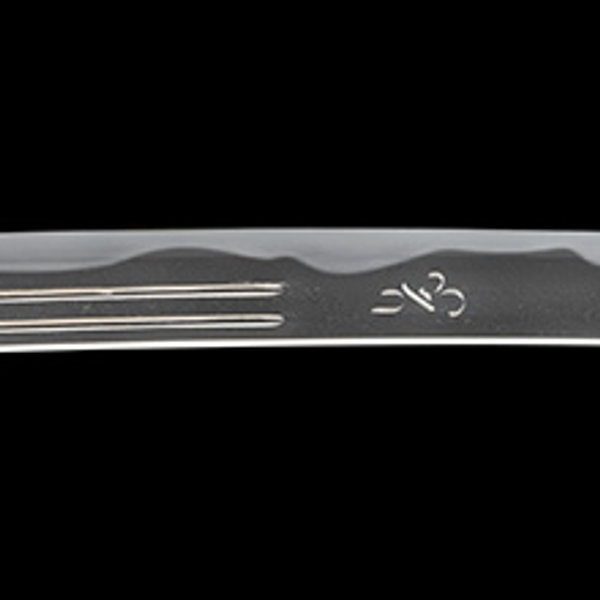
![Tanto - Hozon - by Seki Ujifusa - 短刀[氏房][日本美術刀剣保存協会]保存刀剣](/_next/image?url=https%3A%2F%2Fitbhfhyptogxcjbjfzwx.supabase.co%2Fstorage%2Fv1%2Fobject%2Fpublic%2Flisting-images%2Fworld-seiyudo%2FL747655%2F01.jpg&w=2560&q=90)





![Katana - Hozon - by Kanemoto - 刀 兼元(孫六) (切付銘)三七郎[神戸信孝]](/_next/image?url=https%3A%2F%2Fitbhfhyptogxcjbjfzwx.supabase.co%2Fstorage%2Fv1%2Fobject%2Fpublic%2Flisting-images%2Fshoubudou%2FL598722%2F06.jpg&w=2560&q=90)