二つの朝廷が争った六十年、刀身は長大化し、長船がその需要に応えた。兼光と長義の工房は実際に戦う国人層の武士に仕え、軍勢とともに相州風が届いて相伝備前が生まれた。
 NihontoWatchNihontoWatch
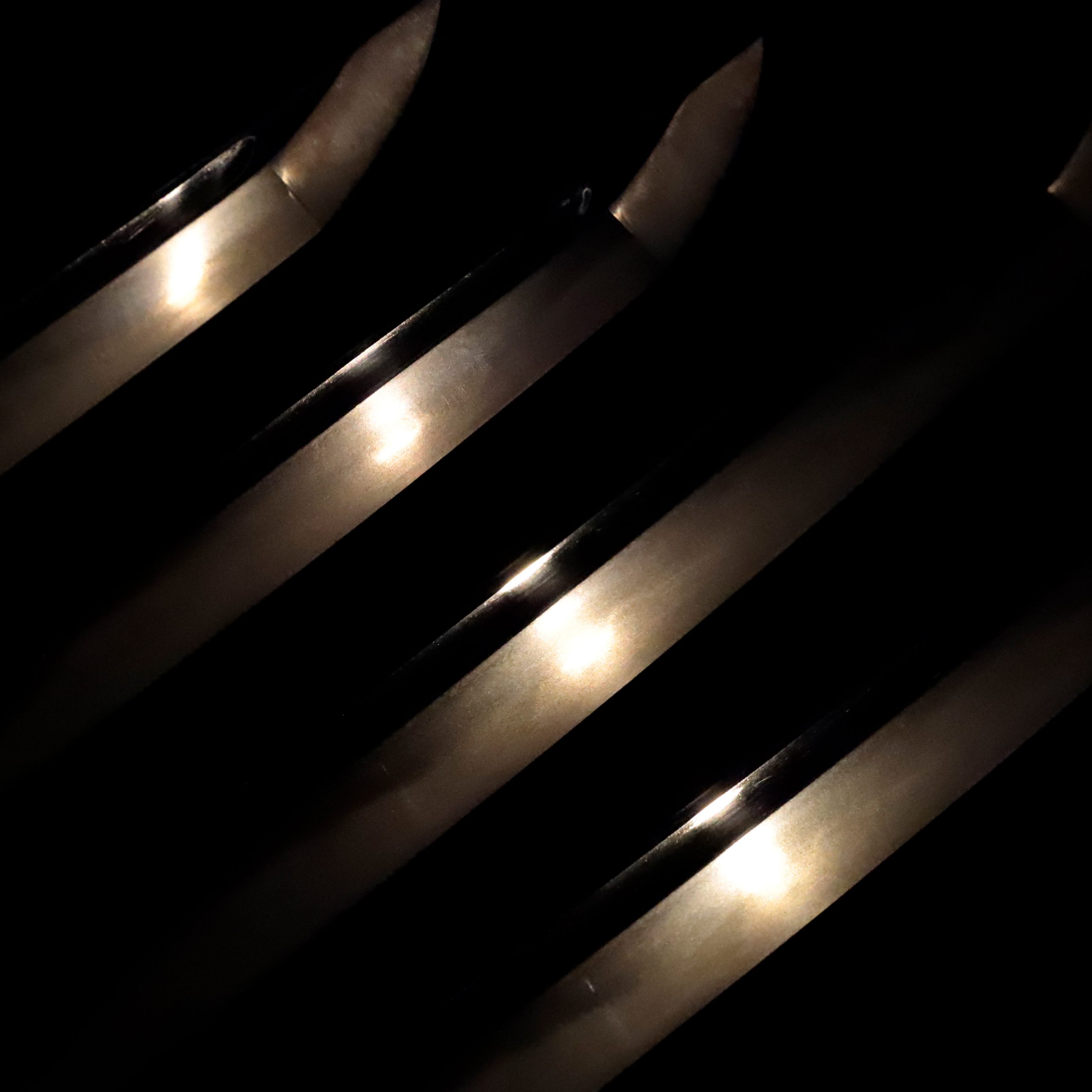
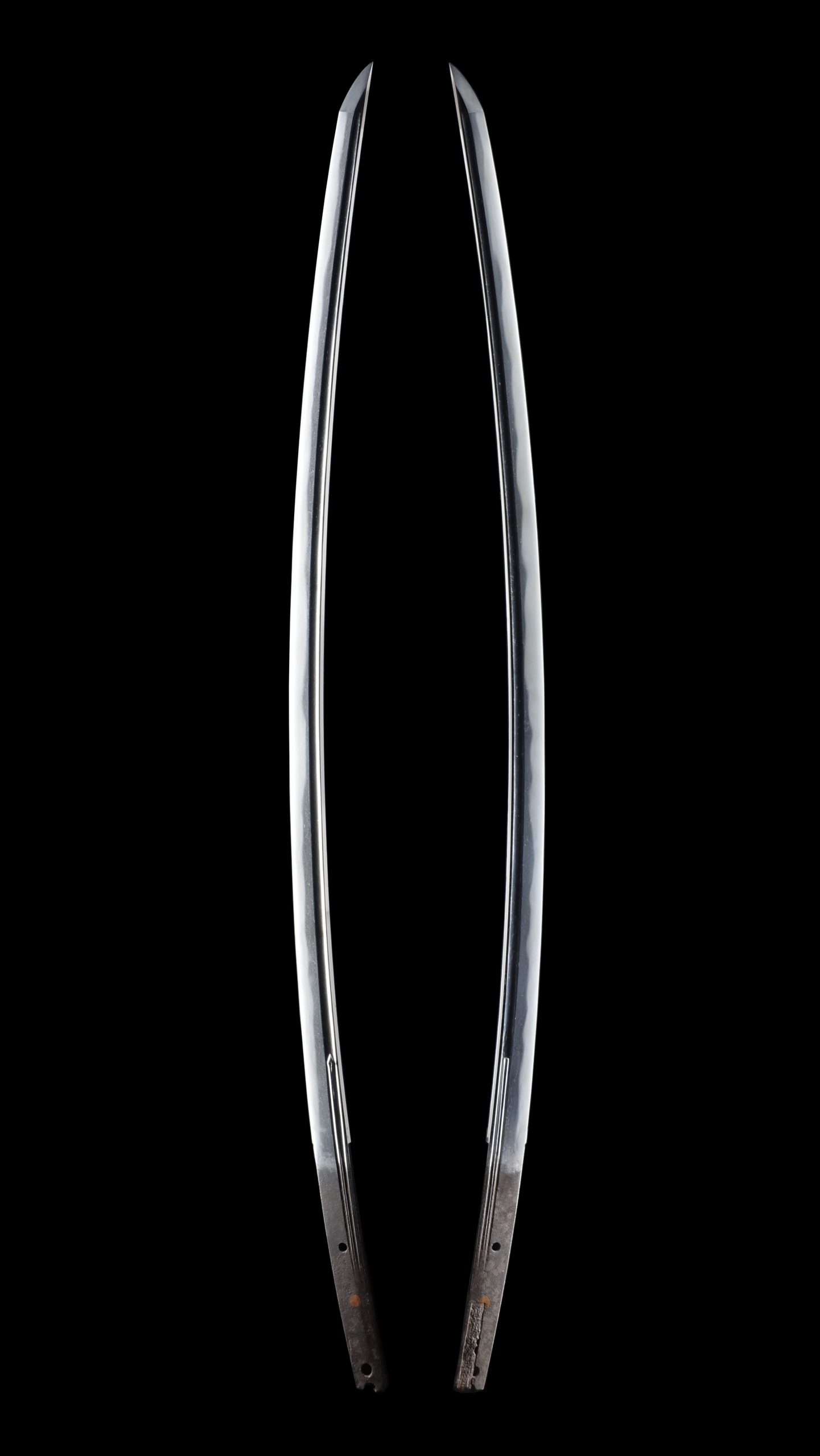
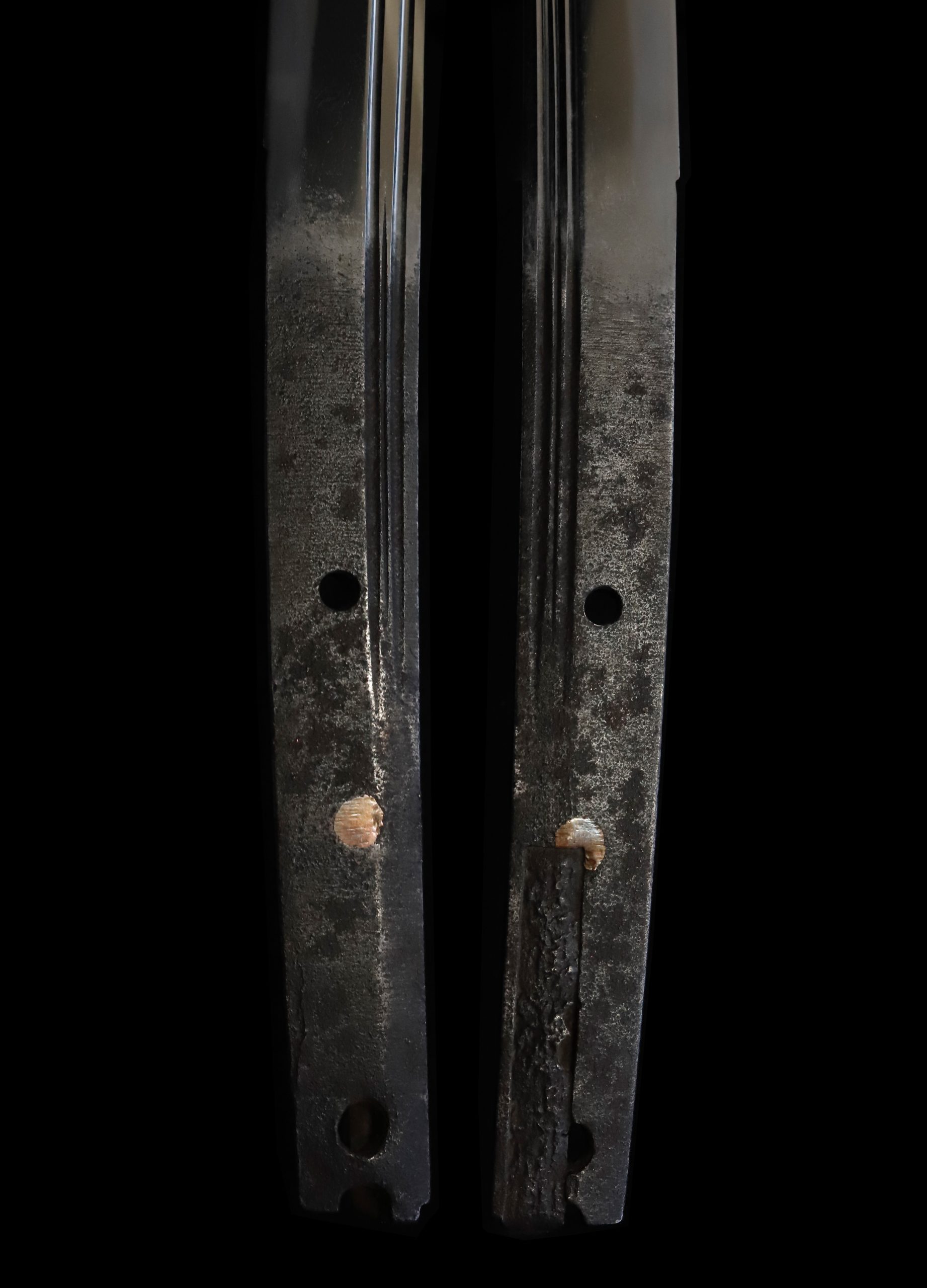
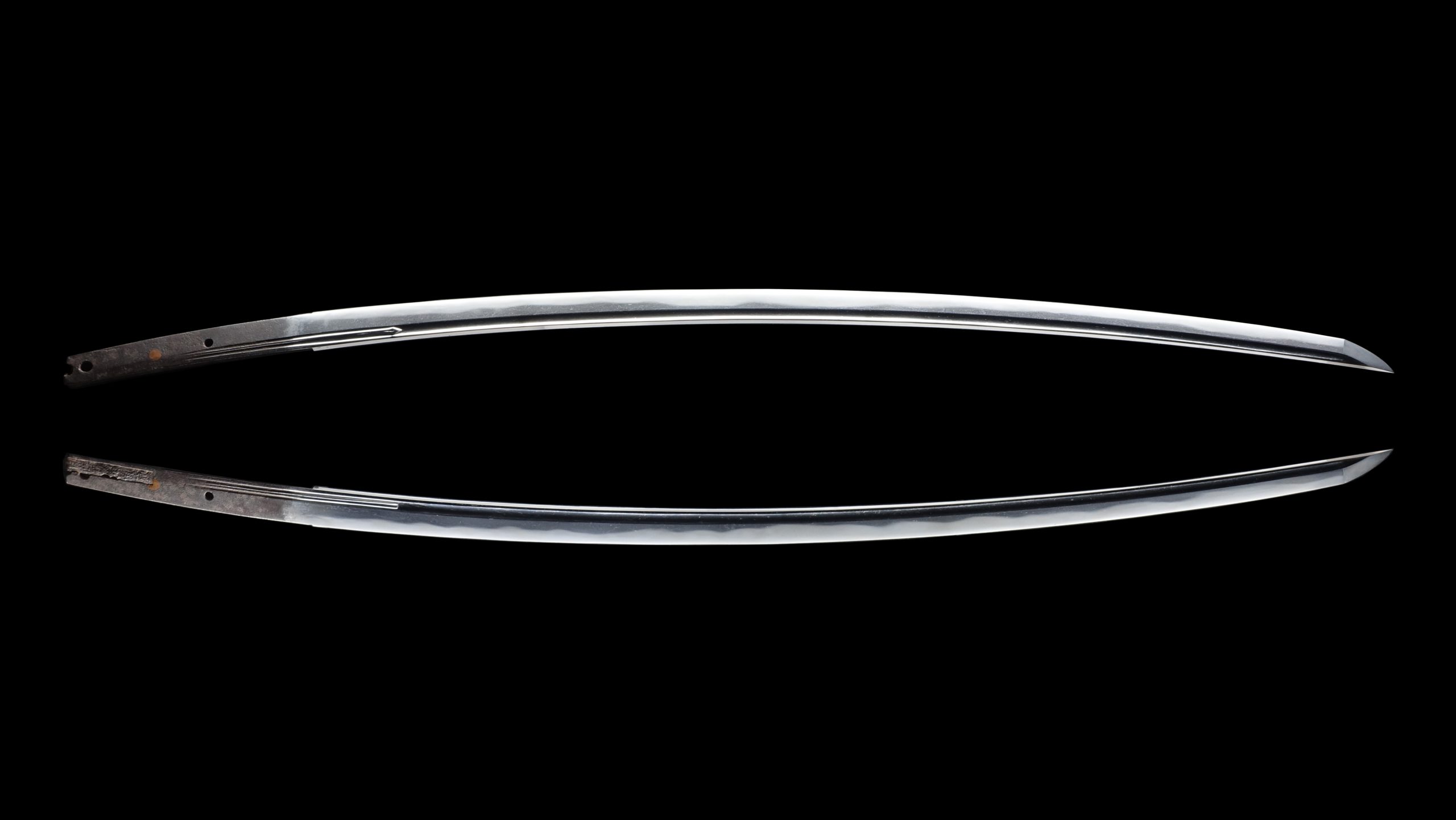
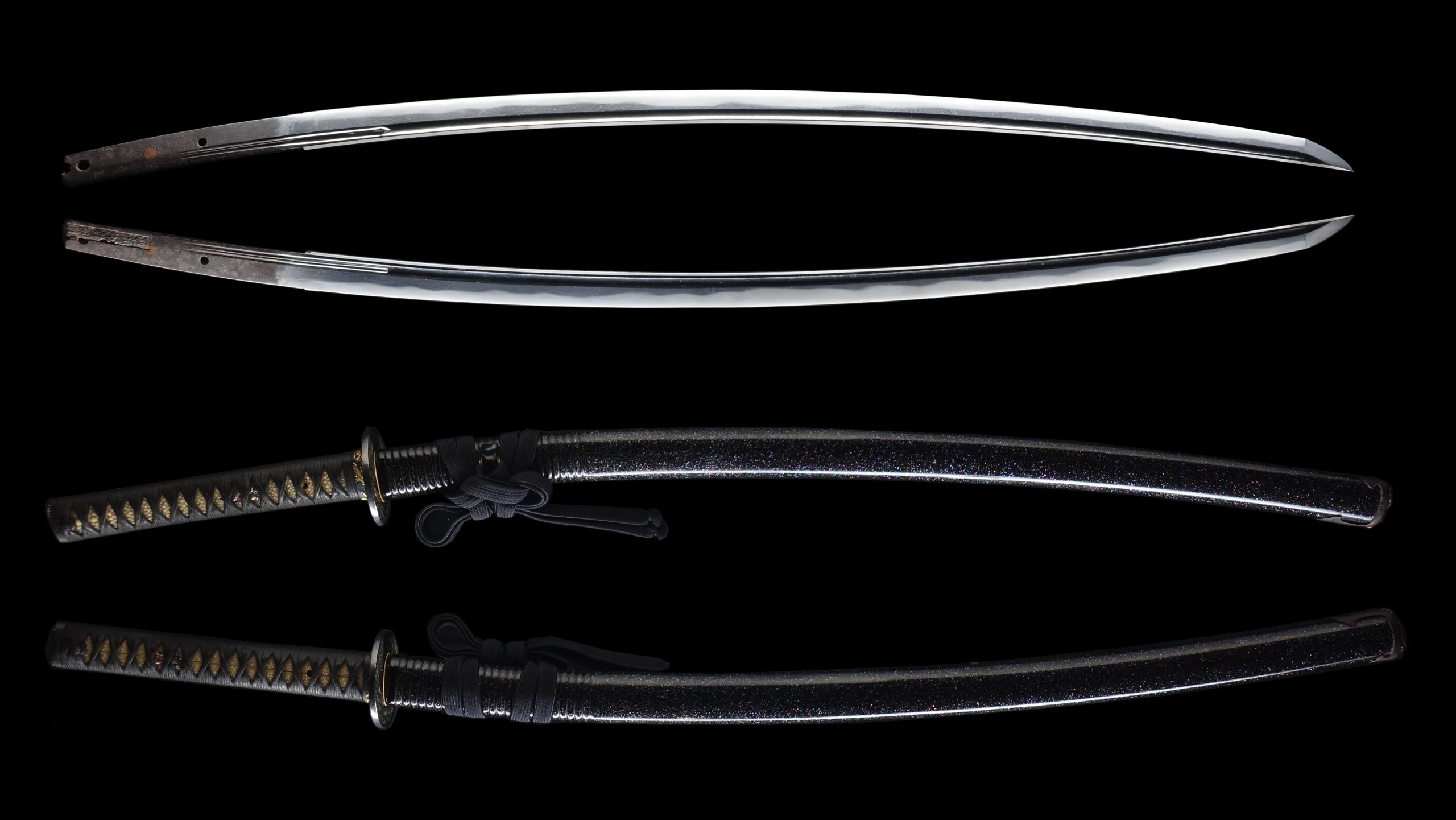
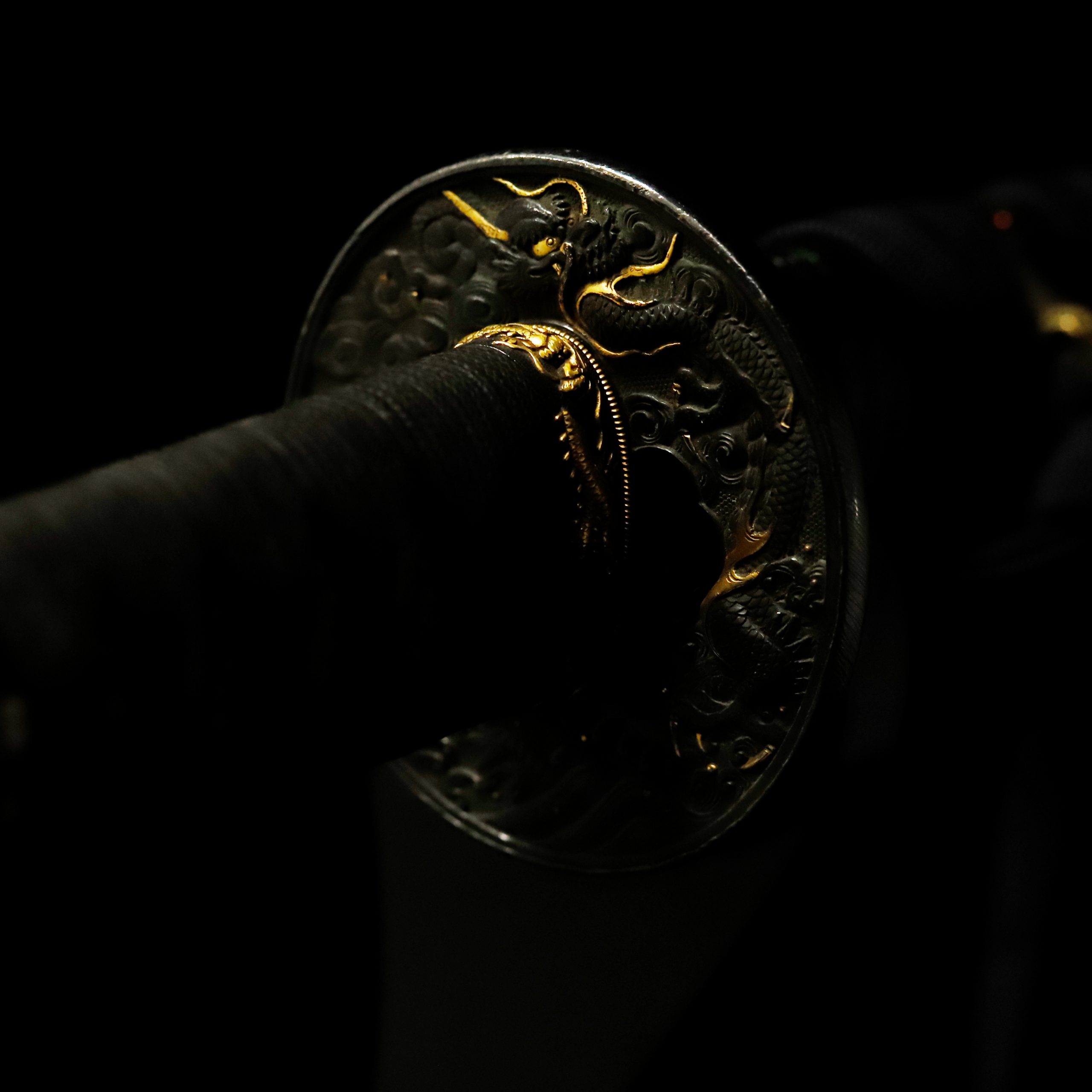
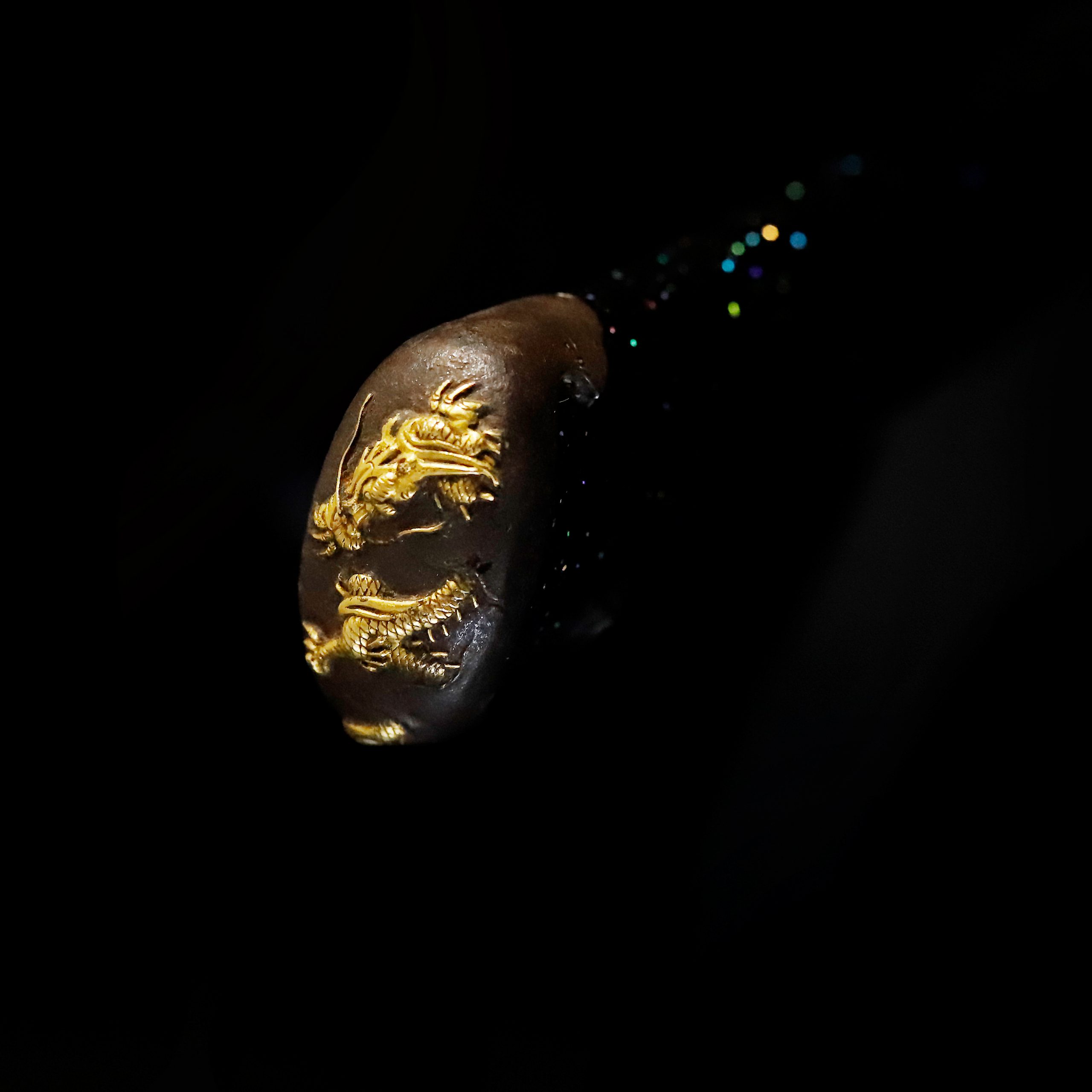
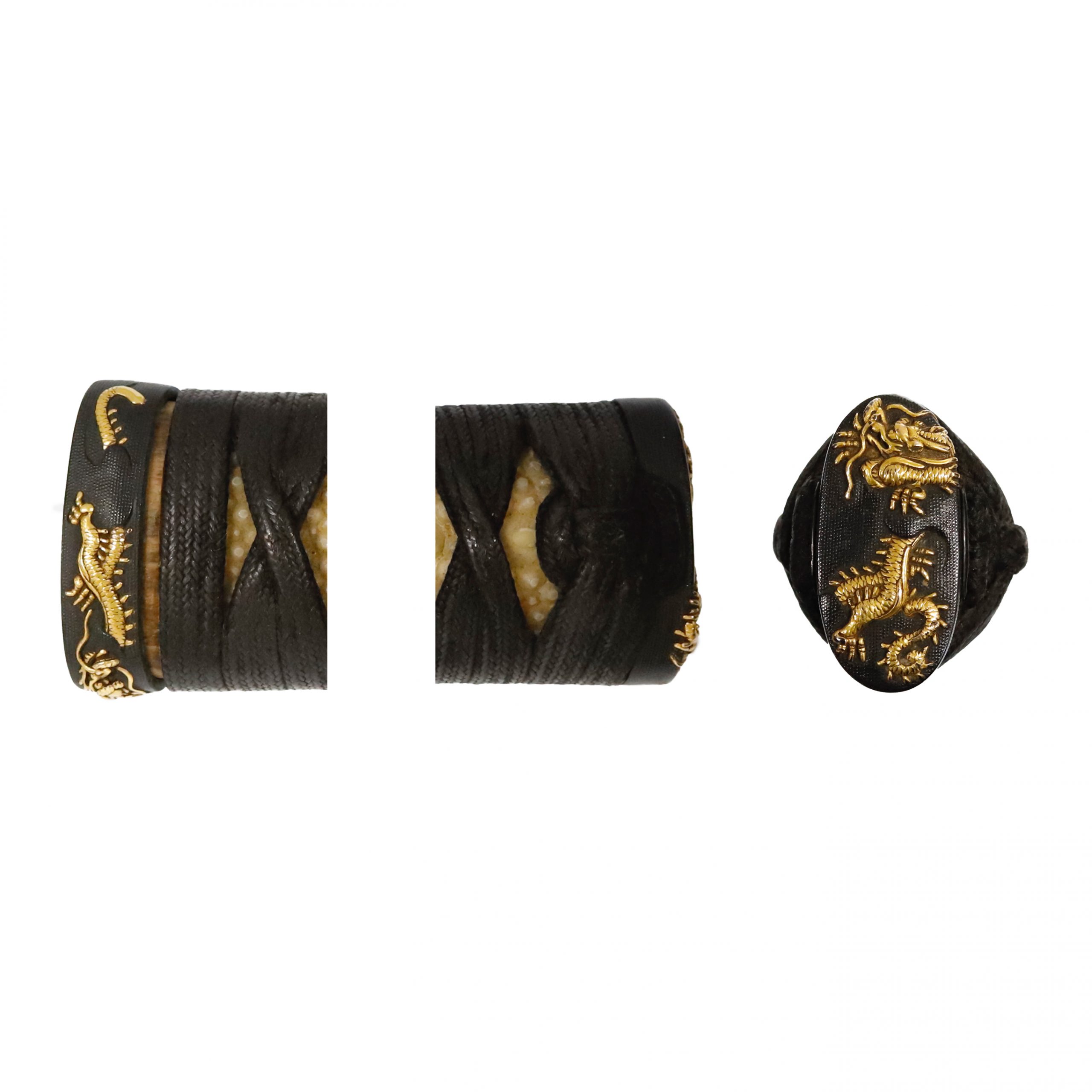
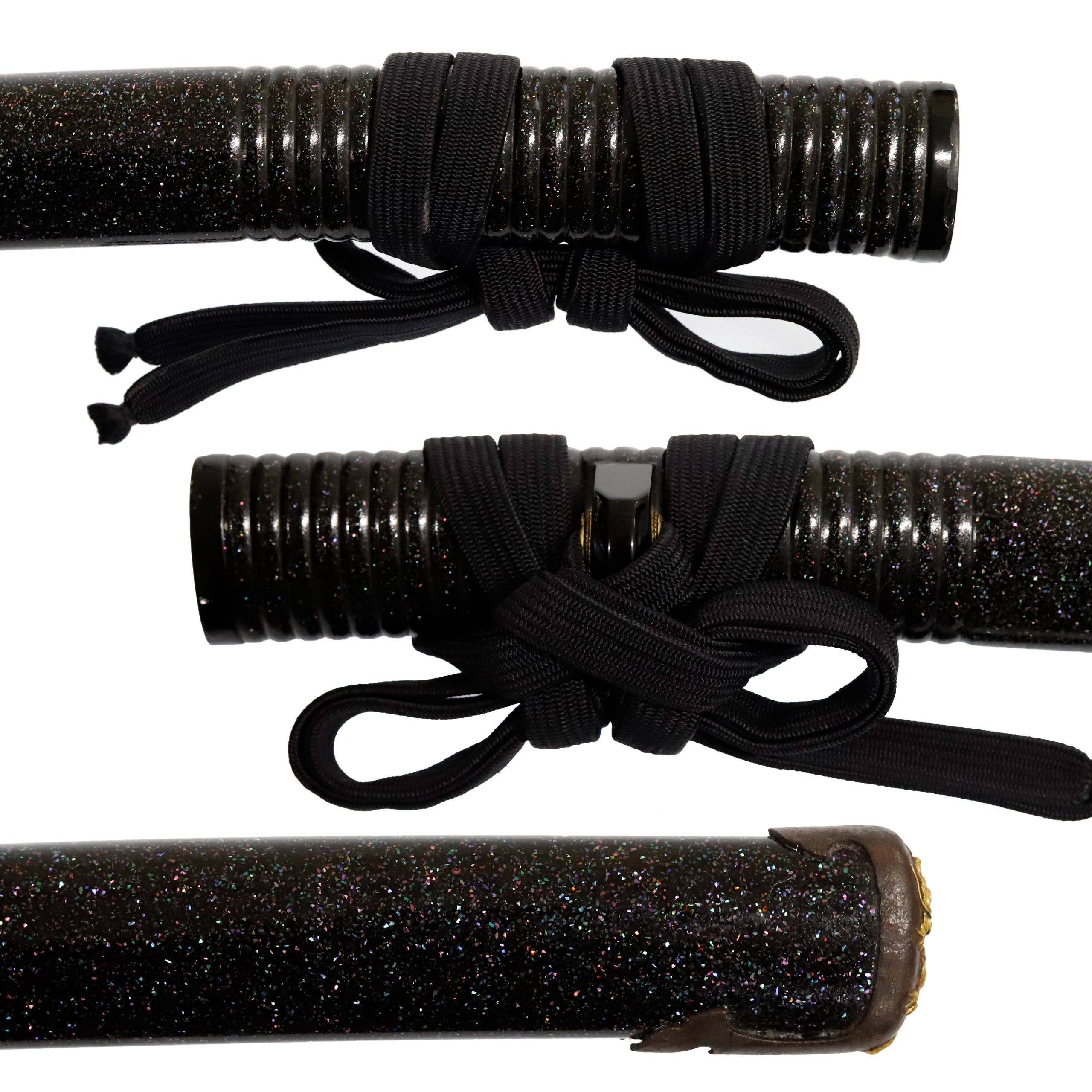
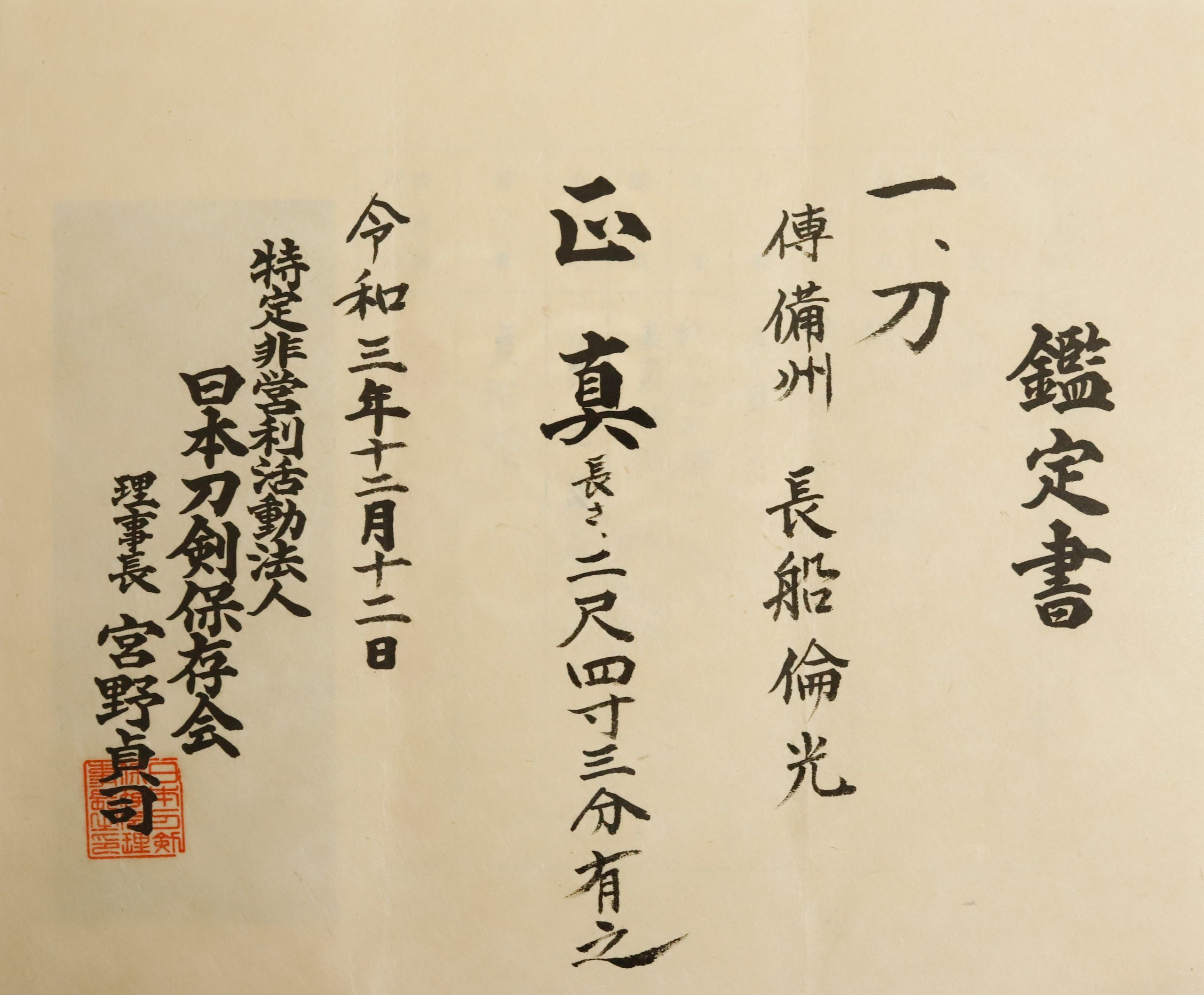
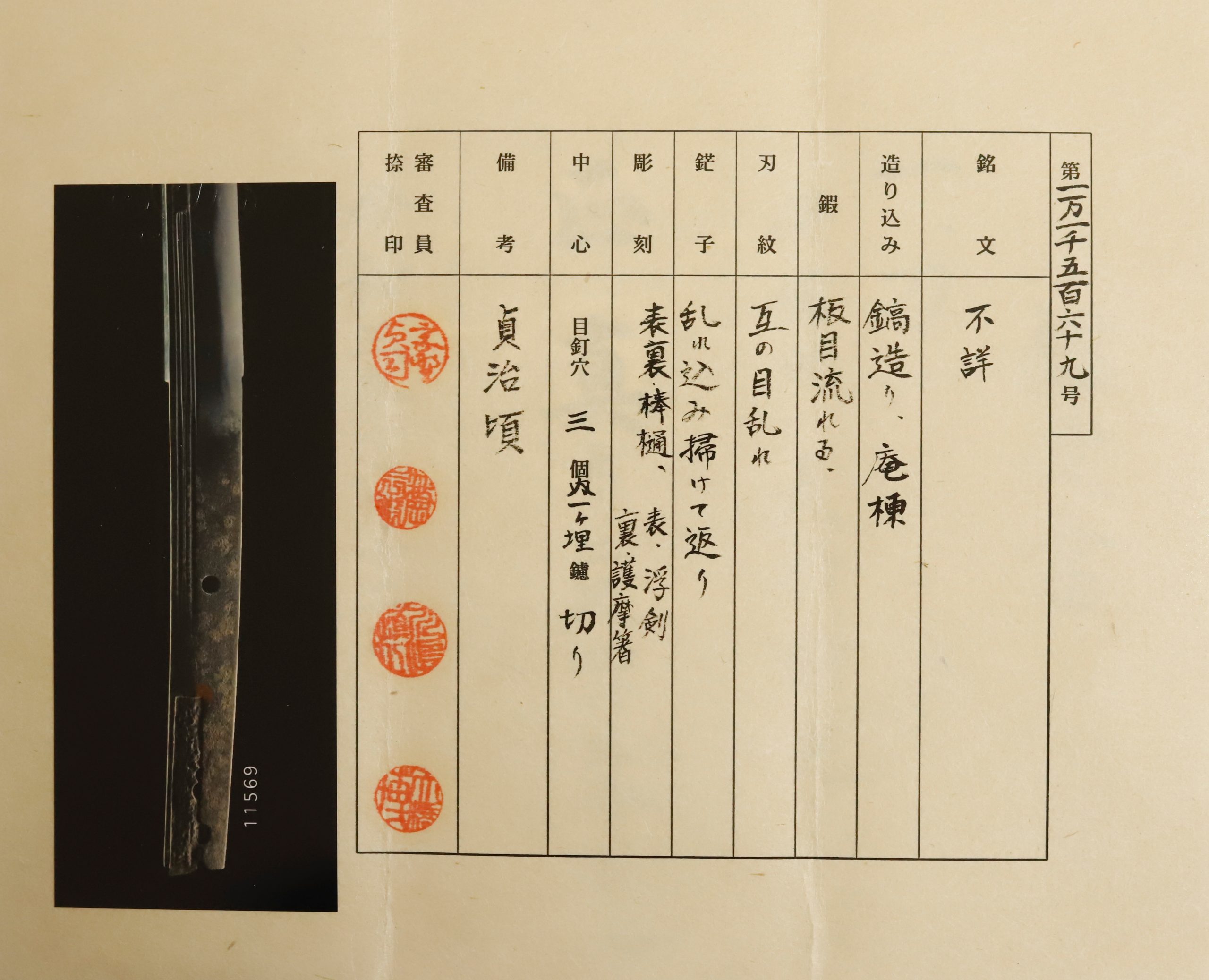
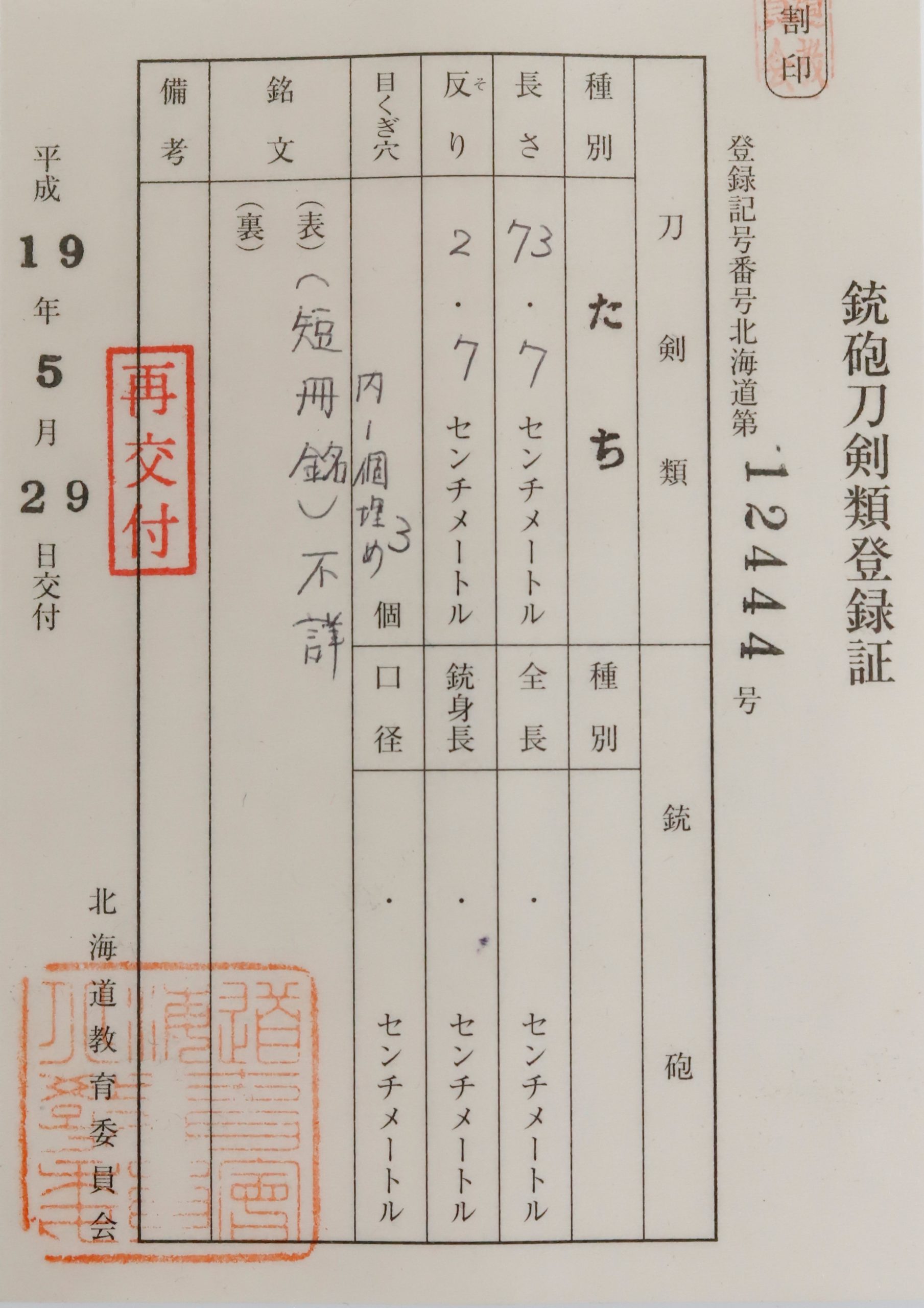
Swordsmith This blade is attributed to Bizen Osafune Tomomitsu (備前長船倫光) during the Joji era (1362-1368: Nanbokucho era) according to the NTHK’s appraisal. Bizen is the name of the province located in Today’s Okayama prefecture, and Osafune is the name of the prestigious school. Tomomitsu is also known as Rintomo among Japanese sword collectors. Tomimitsu was active in sword forging during 1345-1375, and he is one of the most highly-regarded swordsmiths in Bizen province. It is said that Tomomitsu was an apprentice of Kanemitsu, one of the most skilled swordsmiths in Japanese sword history. One of Tomitsu’s works is designated as a national treasure of Japan. Two of them are specified as Important Cultural Property of Japan. The tang of this blade has Tanzaku Mei. Tanzaku Mei is a kind of signature that was cut from the original tang when the blade was shortened (Suriage). Instead of just cutting the signature part of the blade, it was embedded in the tang. It was named after a Japanese strip of paper (Tanzaku) because the shape of the signature resembles it. While this signature is no longer legible, based on the characteristic of the blade and other factors, NTHK attributes it to the work of Tomomitsu. When this blade was forged, Japan had a tumultuous time called the Nanbokucho period. The imperial court was split into two sides(south and north). There were so many conflicts, and the trend in battlefields among Samurai was to use a surprisingly long sword. This blade doesn’t look massive today, but we assume it used to be quite a long sword based on the tang’s shape. This History of Bizen Osafune School It is said that Osafune school was founded by Mitsutada (光忠), who was active during the mid-Kamakura period. Bizen Osafune school was the biggest one of all other schools in Bizen province, and they received many orders from feudal lords or renowned Samurai. They were called Osafunemono and beloved by Samurai warriors. Among the swordsmiths who belonged to this school, Nagamitsu, Sanenaga, and Kagemitsu are known as Osafune Sansaku, the three renowned Osafune swordsmiths. There are also four other prominent swordsmiths who were from Bizen Osafune school. They are called Osafune Shiten-no, the four masters of Osafune school. Their names are Nagamitsu, Kanemitsu, Nagayoshi, and Motoshige. BIZEN is located near the Chugoku Mountains, where iron sands, one of the essential materials for making Japanese swords, were abundant. Furthermore, BIZEN swordsmiths had close access to Yoshi River, where they could find water and charcoal. This geological location contributed to the swordsmiths forging high-quality refined blades. We presume BIZEN was quite active in sword-forging from ancient times. It is said that BIZEN DEN was created by groups of swordsmiths there during the late Heian era (Late 12th century ). These ancient swordsmiths in Bizen province are called Ko-Bizen (Old Bizen) swordsmiths. By inheriting the sword forging techniques from Ko-Bizen swordsmiths, the Bizen Osafune school flourished from the mid-Kamakura period. Horimono You can find a Tsurugi (Double-edged blade) Horimono at the bottom of the blade. This might be Kurikaraken. Kurikara-Ken (倶利伽羅剣) is the sword that Fudo Myo-O (不動明王, acalanātha) holds with his right hand(you can see it on the tang part). Fudo Myo-O is one of the objects of worship in Buddhism. According to a theory, it is the incarnation of Dainichi Nyorai (大日如来, Mahāvairocana, the principal image of esoteric Buddhism). Kurikara-ken was named due to its appearance that Kurikara Ryu-O (倶利伽羅龍王, dragon) is winding around the sword. It is believed Kurikara-Ken could cut off worldly desires: Sandoku (三毒). Sandoku is the three fundamental earthly desires; Ton (貪, greed), Jin (瞋, anger, grudge), Chi (癡, delusion, complaint). Fuchi-Kashira Dragons are designed for this Fuchi Kashira. The golden paint is applied to these dragons and remains its shiny color. Although there are tiny damages due to aging, you could see details such as each scale and nail. The surface of this Fuchi Kashira is decorated with the Nanako-Ji (魚子地) technique. You see delicate fish egg-shaped protrusions. These dots were made by hitting with the Nanako-Ji Tagane (魚子地鏨, chisel used for this technique), and it gives decorativeness for the work. Tsuka and Menuki Same as the Fuchi Kashira, this Menuki’s motif is also the dragon. You would find its figure from the gaps of the Tsukamaki thread. Initially, the dragon is an imaginary creature found in ancient traditions or myths. Furthermore, it is regarded as a symbol of auspicious signs. Its body is likened to nine animals: antlers are deer, the head is a camel, eyes are demons, the neck is a snake, belly is the Mizuchi (蛟, mythical animal in Japan which looks like a snake and have a horn and four legs), scales are fish, claws are falcons, palms are tigers, and ears are cows. It was thought that the dragon would reign at the top of all animals because of its odd-looking appearance. Tsuba and Habaki Oval-shaped Tsuba that has Kozuka and Kougai holes. Now you realize that this sword’s Koshirae is composed of the dragon motif. By using the same design, the entire appearance of Koshirae has unity. In this Tsuba, waves and clouds surround the dragon. The combination of the dragon and waves, or clouds, both two combinations are often seen as a design. It might be related to religion. In Japan, there is a belief that worships a dragon as a water god. Since rice cultivation flourished in this country, water has always been an essential resource. It is thought that dragons dwell in the clouds, and clouds would bring blessed rain. Therefore, this beast was associated with waves (water) and clouds. Understandably, the dragon motif has been familiar to Japanese people since long ago. Authentication Paper NTHK, also known as NPO Nihon Touken Hozon Kai, is the oldest organization for sword authentication of Japanese swords in modern times. It was established in 1889 during the post-Samurai era. They authenticated the blade on December 12nd, the 3rd year of Reiwa (2021).

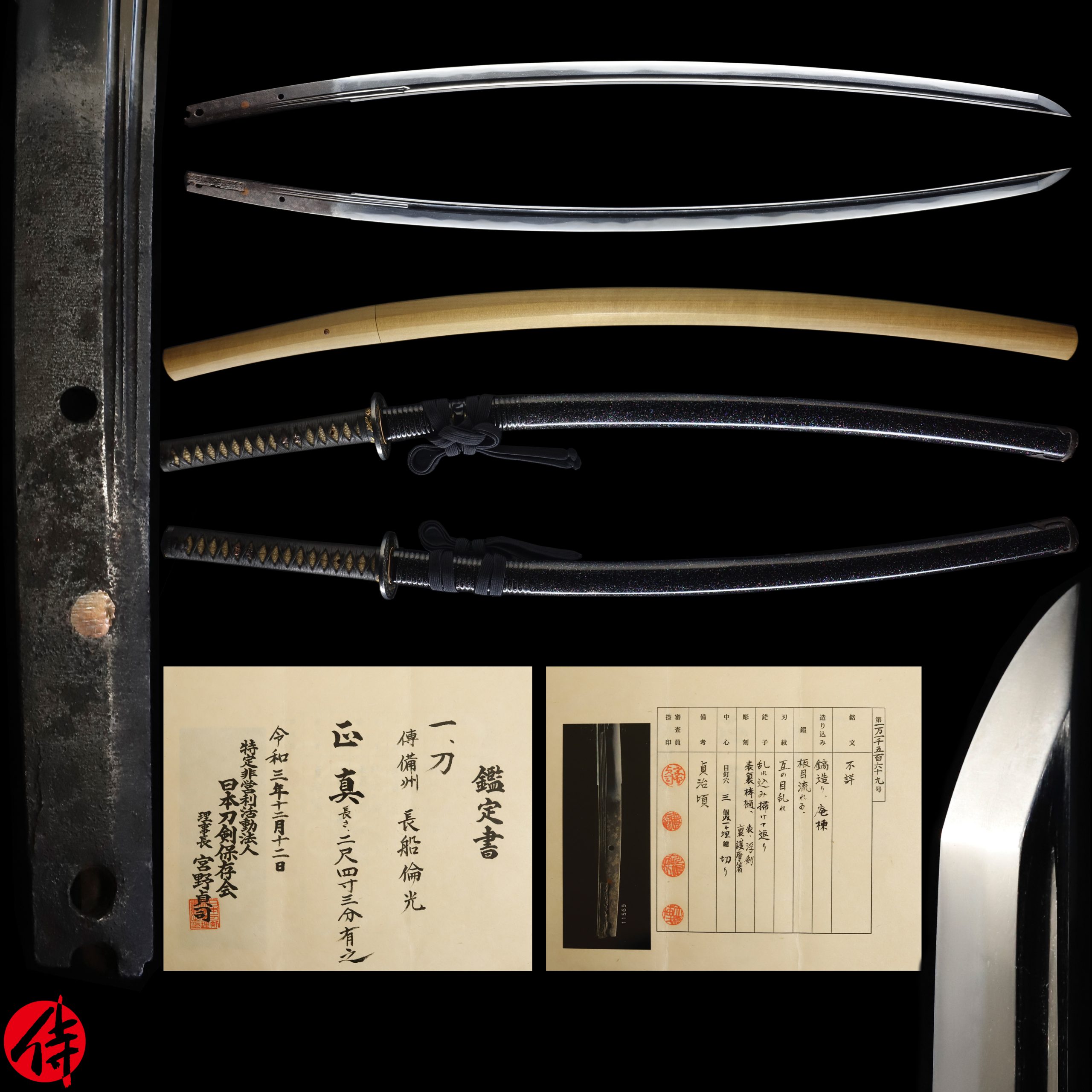
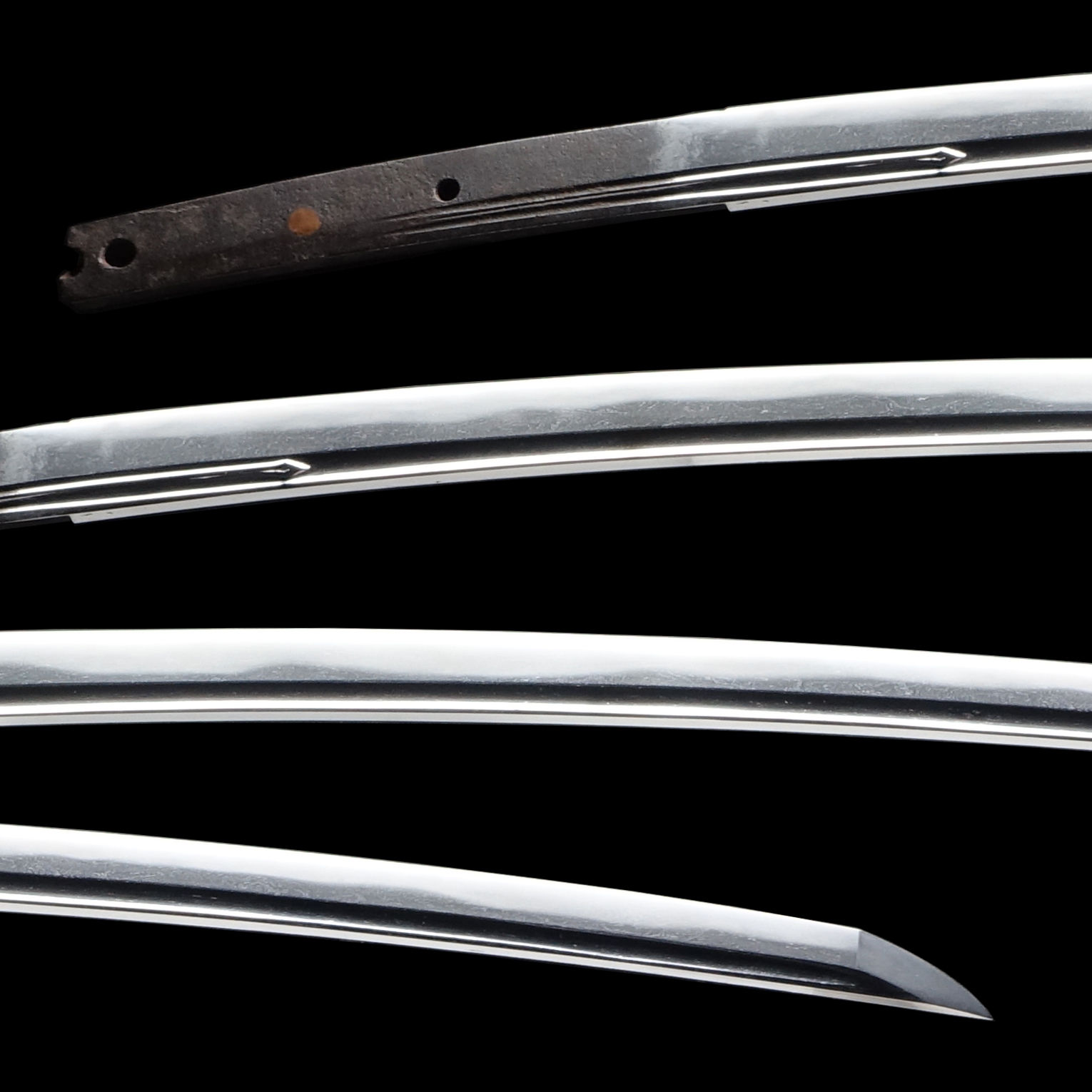
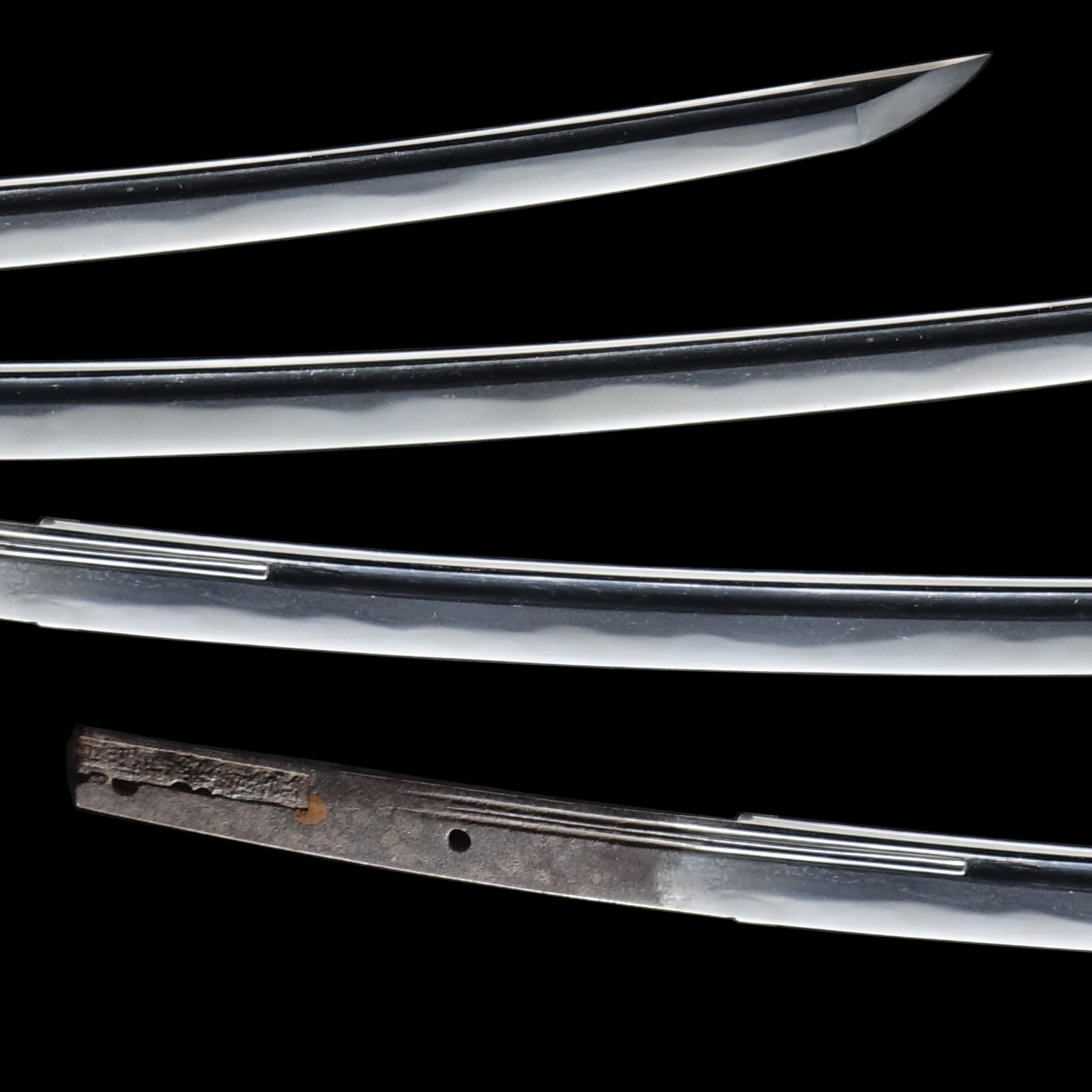
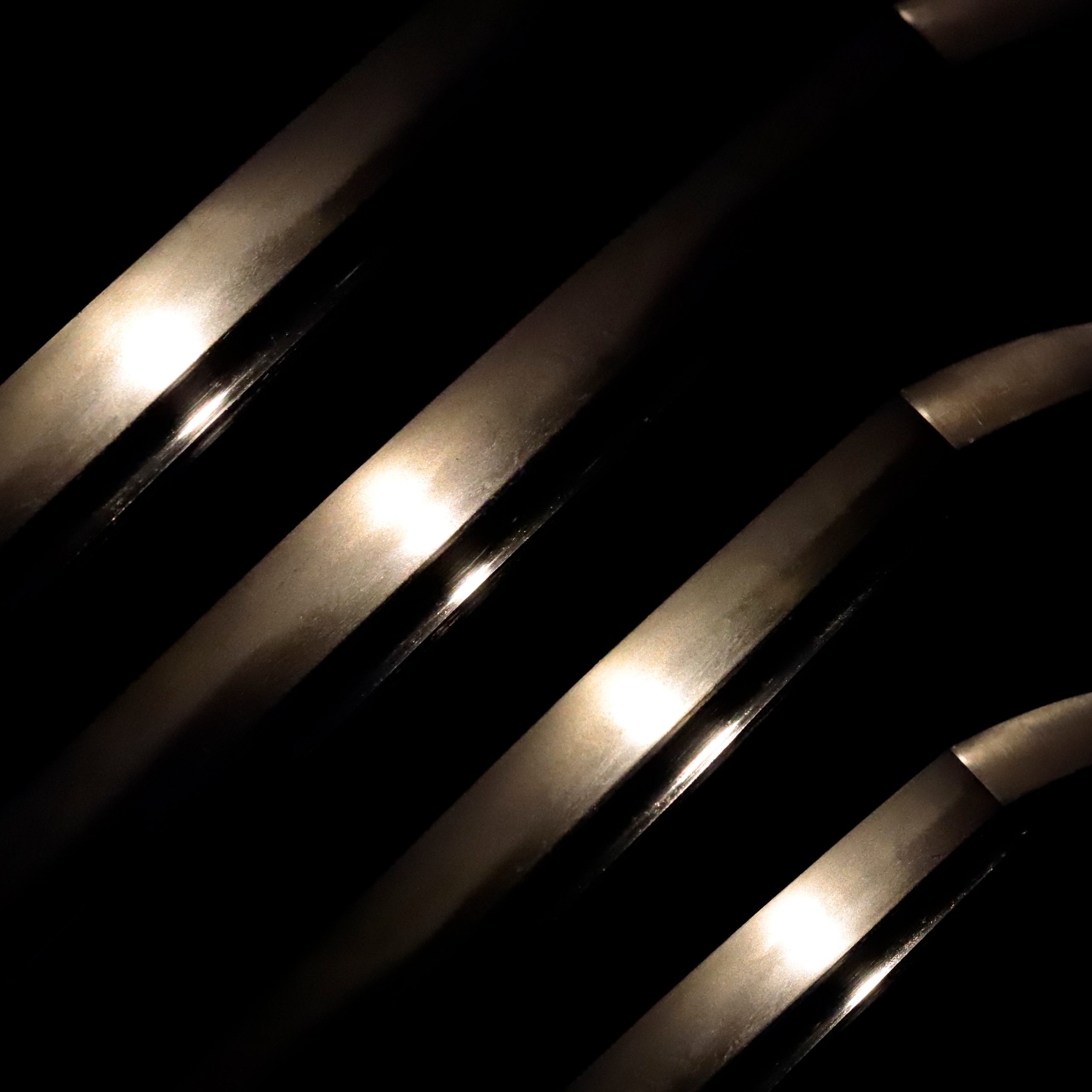
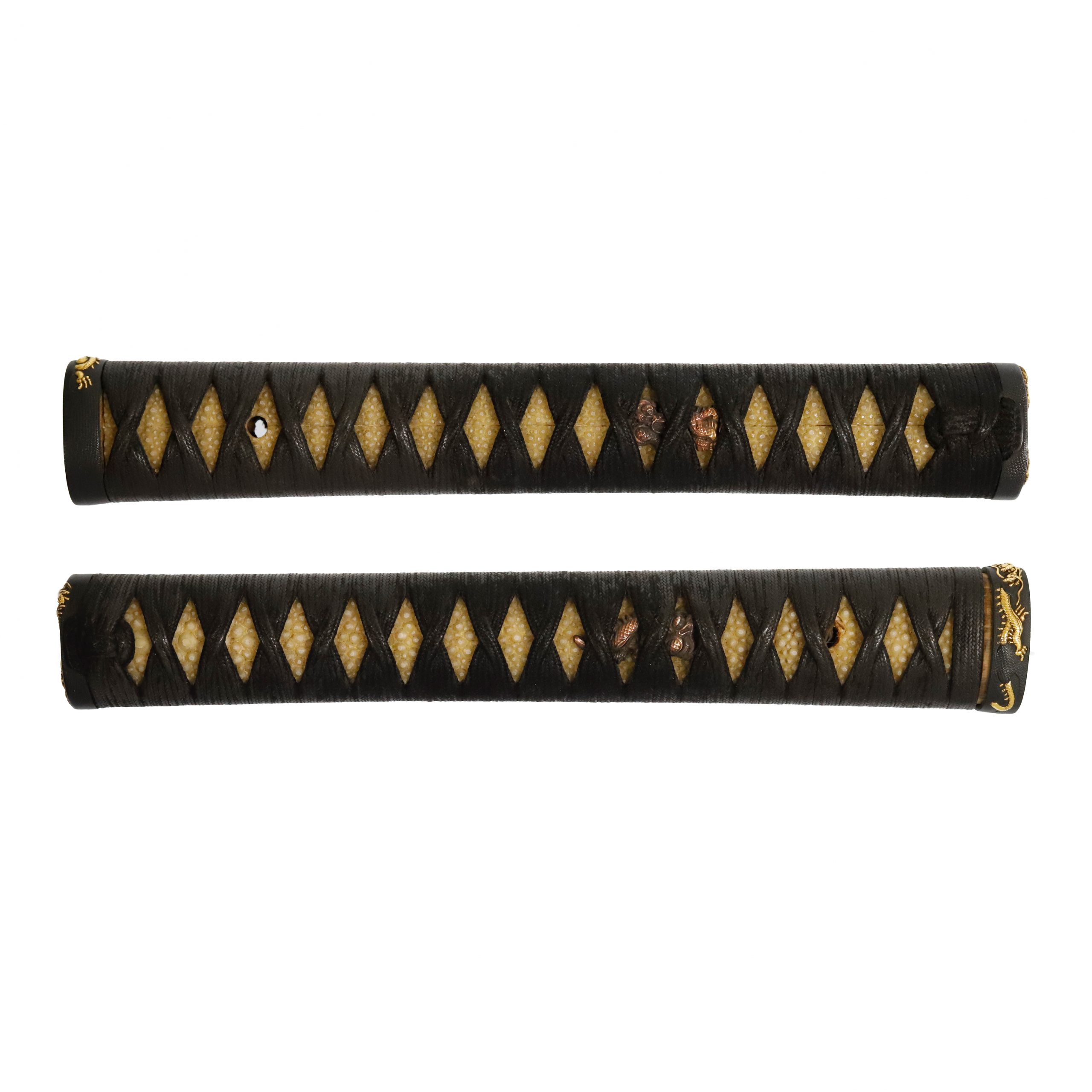
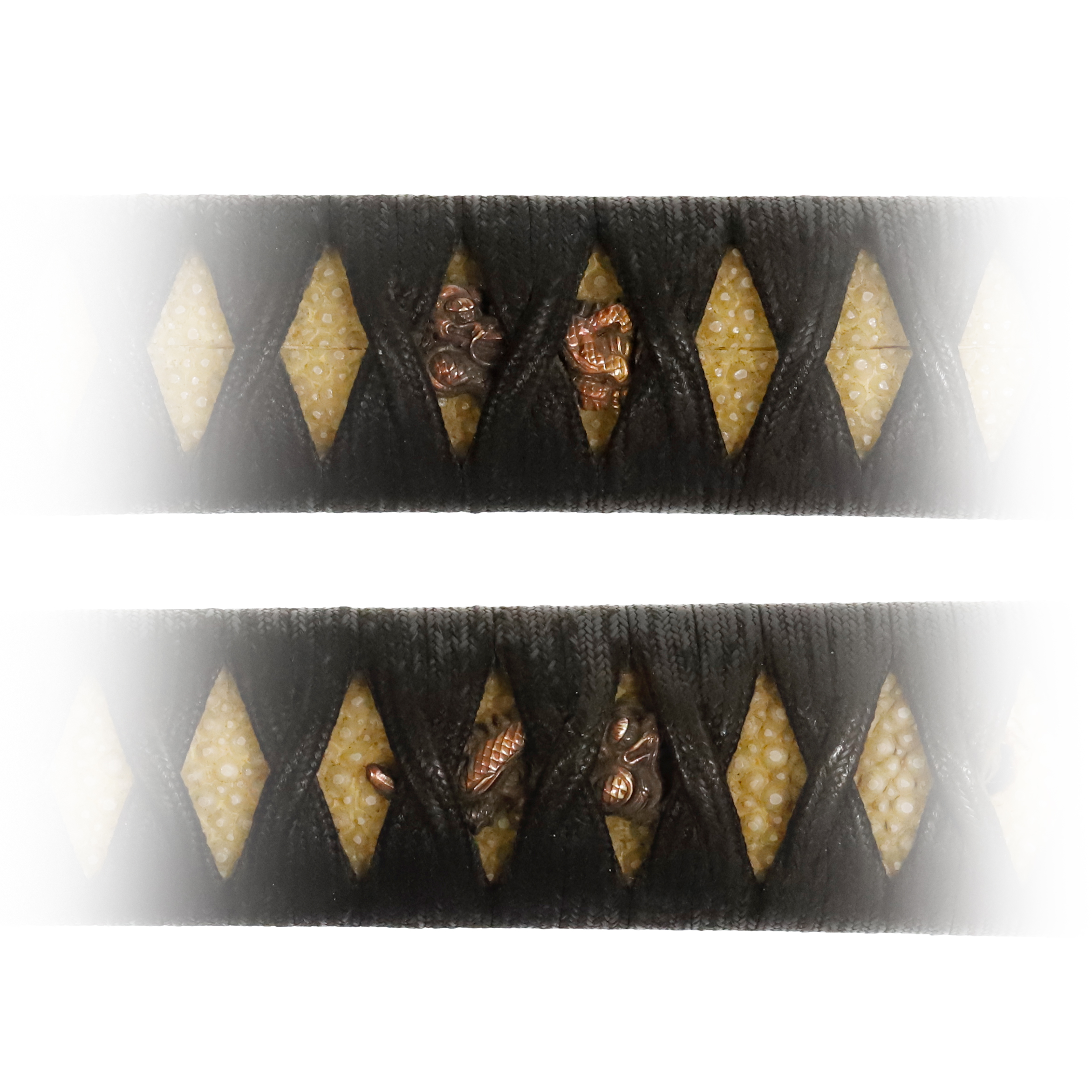
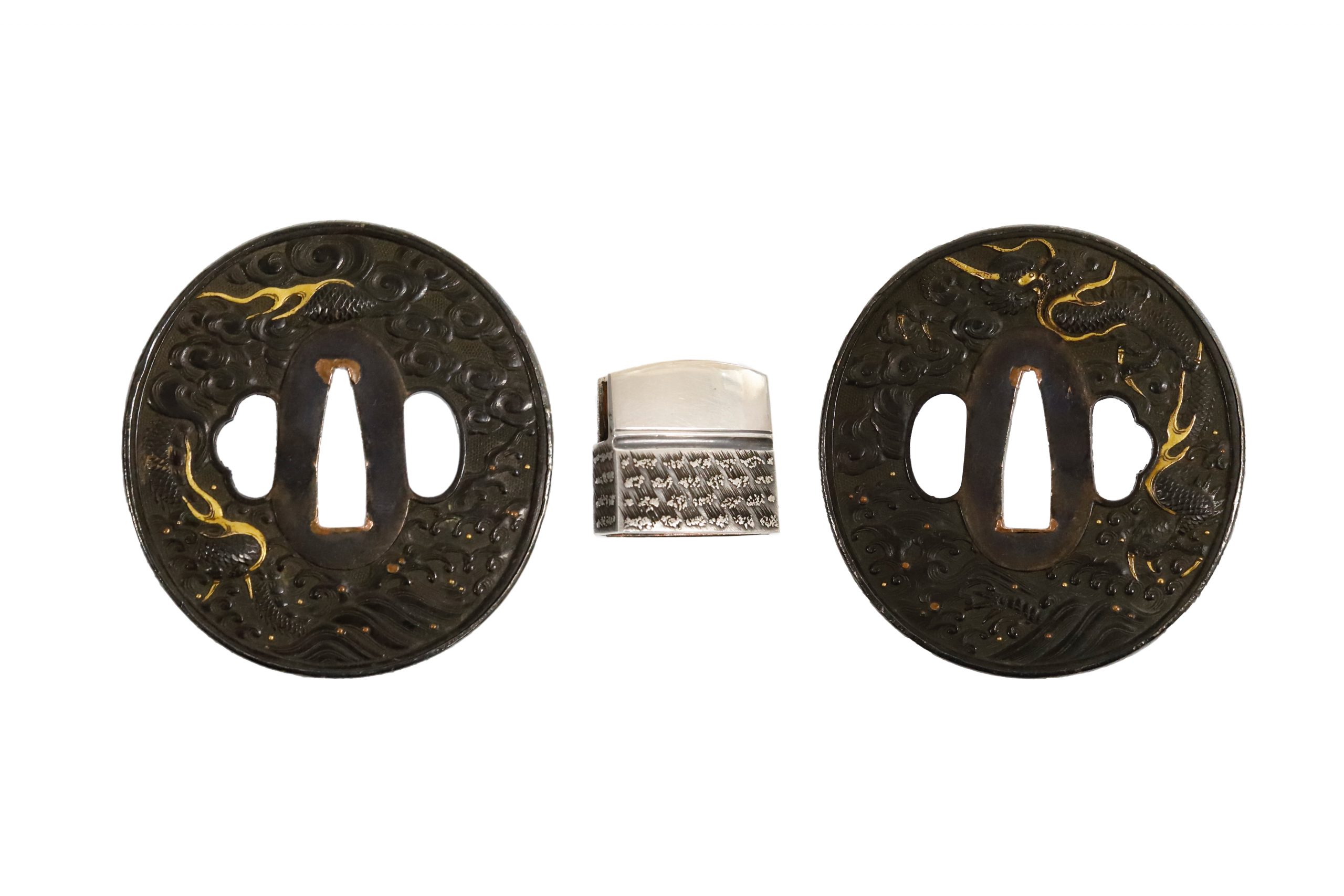
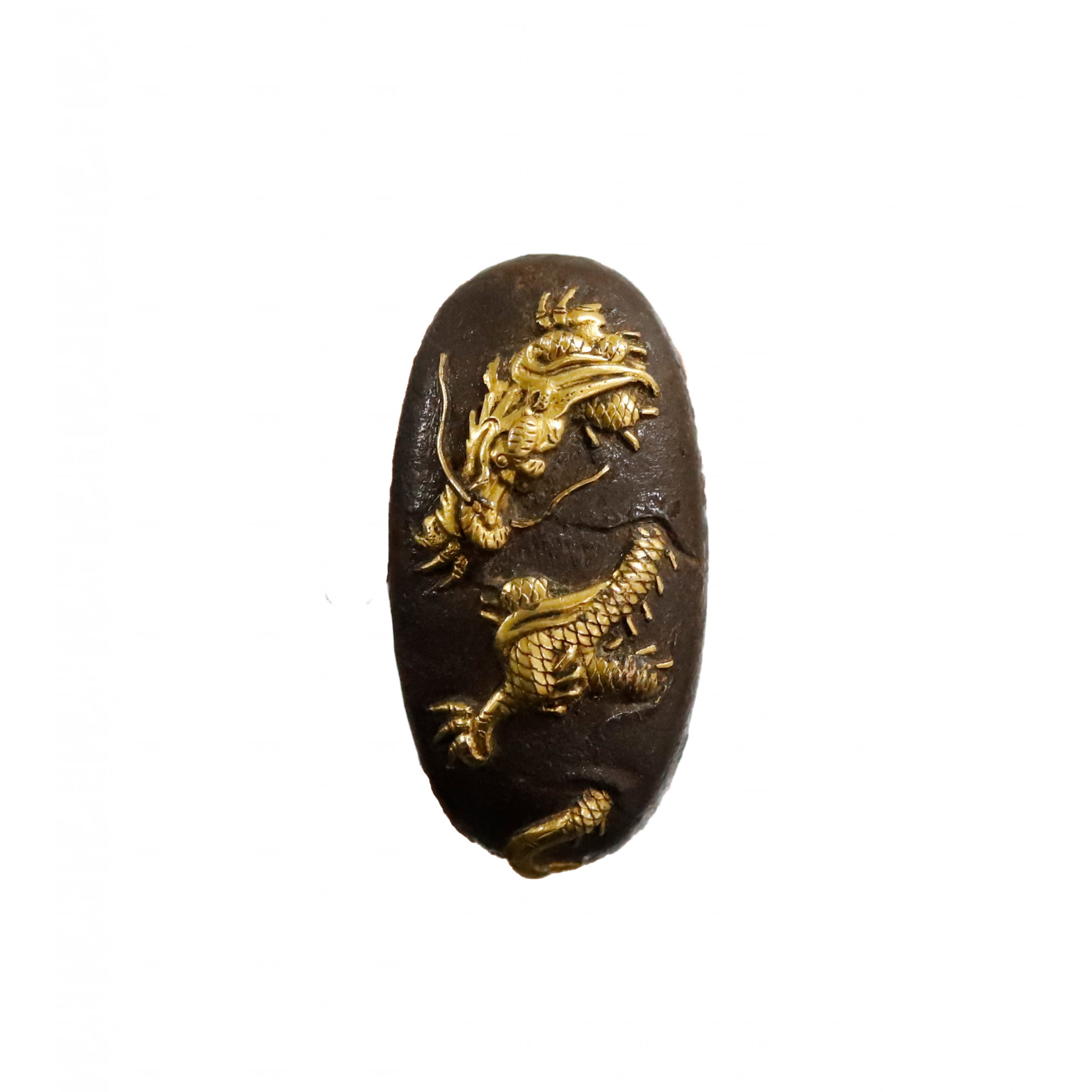
販売店の記載のまま
長船 · 備前 · 1345-1370頃
藤代 上々作 · 刀剣大鑑 上位10%
現在2点販売中
長船倫光は南北朝時代の備前長船派正系の刀工である。説明書は必ず「兼光門下の一人であり、一説に兼光の弟とも伝えている」[[c:3]]と書き起こし、近年の定型は年紀作を「貞和から永和に及んでいる」[[c:18]]とし、古い説明は文和からとする。公の指定記録に実在する年紀は文和から応安に及び、延文・貞治の頃に最も厚い。一門内の位置づけも定型が言い切る。「一門にあっては兼光の作風に最も近く、作位的にも師に迫るものがある」[[c:19]]。藤代の極めで上々作。在銘最大の作が日光二荒山神社所蔵の国宝の大太刀(貞治五年紀)であり、第一回重要刀剣の説明が早くも「有銘中最大のものが二荒山神社所蔵の国宝の大太刀である」[[c:20]]と記し、近年の説明は同作を「長船倫光の最高峰と位置づけられる」[[c:21]]と評して、新規指定作の彫物の極めの拠り所とする。
得意とするのは「おおどかなのたれ主調の乱れ」[[c:5]]である。多くは小のたれを基調に互の目・小互の目・尖り刃・角ばる刃を交え、足・葉が入り、匂勝ちに小沸がつき、金筋・砂流しがかかる。鑑定基準は明文で与えられ、「のたれの頭がやや尖る点から倫光と鑑すべき」[[c:22]]という。帽子は乱れ込んで先が尖るものが多く、まま掃きかける。彫物の多さも一門内の判別点であり、棒樋のほか梵字・護摩箸・二筋樋・三鈷剣・倶利迦羅が頻りに見られ、「草の倶利迦羅の彫物は此の工と兼光以外にはあまり経眼しない独得なもの」[[c:23]]と明記され、二荒山神社の大太刀と黒川古文化研究所所蔵の在銘太刀がその類例として引かれる。
鍛えは板目に杢を交え、地沸がつき、地景が細かに入り、太刀・刀には乱れ映り、平造の作には直ぐ状の映りや棒映りが立つ。地鉄こそ師との分かれ目であって、最古の説明は「倫光は兼光に比して地がねが劣り、やや肌立つものが多い」[[c:24]]と率直に記し、近年の説明も兼光に近似しつつ地鉄が肌立ちごころとなり、ゆったりとしたのたれを基調とする点をもって倫光と分ける。
遺例の偏りは第一回の説明が言い切る。「短刀、小脇指は比較的多く有銘のものが現存するが、太刀は殆ど無銘物である」[[c:9]]。太刀は延文・貞治型の長大なものが多かったために大磨上無銘の刀として伝わり、在銘・年紀作は身幅広く寸延びた平造の短刀・脇指に集中し、うち二口に「八幡大菩薩」の彫字がある。銘は「備州長船倫光」の六字長銘で、小振りにまま細鏨、棟寄りに切り、裏に年紀を添える。指定刀のうち在銘二十八口、無銘二十九口。大磨上の刀に見る金象嵌銘・金粉銘(本阿弥光常・光勇・寒山・光遜)は後世の鑑定家による極め銘であって在銘ではなく、一口は折返銘によって原銘を留める。初期の一説明は「同名二代あるもののごとく」[[c:12]]と代別の問題を残している。
のたれの傍らに二つの別手が立つ。貞治・応安の在銘作には片落ち互の目や角張る互の目を主調とする手があり、説明はこれを「同工の作域の広さと技術の確かさを窺うことのできる好資料」[[c:25]]と結び、小振りの片落互の目の短刀は「一見鎌倉期のものにも見紛う」[[c:14]]という。無銘極めには「同工極めでも一段と沸の強い出来口」[[c:26]]の一群があって、湯走り・飛焼を見せ、尖る帽子と相俟って「相伝備前の特色」を成す。その象徴が靖國神社蔵の庖丁形大脇指で、松平定信編『集古十種』に拵と共に鎌倉荏柄天満宮の刀として所載され、古来「正宗作」と所伝、固山宗次の写しも残る「古来世に喧伝された名品」[[c:17]]であり、鮮明な映りとのたれ主体の乱れ、尖る帽子、二荒山神社の大太刀に近似する倶利迦羅の彫から倫光極めが首肯されている。師に対しては逆向きの指標も働く。景光・兼光を定義する片落ち互の目は倫光では退き、直刃は殆ど見られず、師が互の目を角張らせ静かな刃を引くところを、倫光はおおどかなのたれに置き換える。説明は秀光・政光・基光ら兼光門下と並べて記し、後継の系は引かれない。
公の指定記録に残る作は六十二口。国宝一口(二荒山神社の大太刀)、重要文化財二口、特別重要刀剣八口、重要刀剣五十口を数える。伝来は大名家を貫く。第一回重要刀剣の応安六年紀の太刀はもと土佐藩主山内家伝来であり、金象嵌銘の特別重要刀剣の刀は越前松平家に伝来して松平春岳の指料といわれ、元禄七年本阿弥光常の折紙が添う。ほかに井伊直政の属将鈴木石見守重好が拝領して後に水戸徳川家へ献上された一口、小田原藩主大久保家、伊東巳代治の旧蔵が記録される。国宝・重要文化財の三口は社頭と公の手に永く守られて市に出ることはない。蒐集家が現実に相見えるのは特別重要・重要の五十七口であり、その多くは大太刀を磨り上げた大磨上無銘の刀である。在銘年紀の短刀・脇指は折々に現れるに過ぎず、倫光の一口が市に出ることは稀である。
倫光の位置づけを、日本刀全体および伝法・時代・時期ごとに示します。各区分(随一・屈指・有数・著名)は、NBTHK および文化庁による指定に加え、三作や名物帳などの歴史的栄誉を加味したものです。
各項目を選ぶと評価方法が表示されます。
在銘年紀作が示す、確実に活動していた年代
備前伝 · 備前
時期区分: 相伝備前· 1330–1394
現在188点販売中
相伝備前 相伝備前とは、南北朝時代の備前国長船派にあって、相州伝の作風を加味した一群の刀工およびその作風期を指す呼称である。景光に続く長船派の嫡流たる兼光をはじめ、兼光と並んで傑れた技術を示すとされる長義、その門と伝える兼長、兼光門下の一人にして一説に兼光の弟とも伝える倫光、さらに兼光や長義とは別系統で青江気質を窺わせる元重、長船傍系と目される義景など、多くの備前鍛冶がこの時期に活躍した。兼光の現存する年紀作は鎌倉時代末期の元亨元年から南北朝期の貞治に及ぶ約四十五年に亘り、その南北朝時代初期の康永頃までの作は姿が尋常で父景光風を踏襲した感があるが、貞和・観応頃から姿が大柄となり、それまでになかったのたれ主調の刃文が出現する。長義は「備前刀の中で最も備前ばなれした刀工は長義也」と古来称され、相州伝を強く加味した作風で知られる。長船における正系の技量を継承しつつ、隣国相模の作風を取り込んだ点に、この作風期の独自性が存する。 作風は、まず体配において南北朝期の時代色を色濃く反映する。身幅が広く元先の幅差が目立たず、重ね頃合、大鋒に結ぶ堂々たる姿で、延文・貞治頃を最盛期とする雄渾なる体配を示す。鍛えは板目に杢を交え、総じてよく錬れて地沸つき、地景入り、乱れ映りが立つのを常とする。この乱れ映りは、相州伝の色彩を帯びながらも備前気質を表出する標識であり、相伝備前と鑑する重要な拠所となる。刃文は兼光・倫光においてはおおどかなのたれを主調に互の目・小互の目・角ばる刃・尖りごころの刃などを交え、匂勝ちに小沸つき、単調とならず変化を見せる。一方、長義・兼長においては、のたれ基調に丁子風の刃や腰開きの刃を交えて大模様に華やかに乱れ、よく沸づき、金筋・砂流し頻りにかかり、湯走り・飛焼を見せるなど、地刃の沸が一段と強い出来口を示す。元重は鍛えに流れ柾や地斑を交え、刃文に角ばる互の目が目立ち、逆がかり、逆足・葉を交えて帽子が尖るなど、青江気質を窺わせる点に同工一派の見どころがある。 評価としては、相州伝の影響が単に備前の伝統を駆逐したのではなく、長船の作域を著しく拡大せしめた点に、この作風期の歴史的意義が認められる。精錬の良さは際立ち、肌模様に緩みや荒れが看取されず、長船派棟梁としての鍛錬の妙味が遺憾なく発揮されている。匂口は明るく冴え、保存状態の健全な作が多く、備前の華やかさと強さを存分に堪能できる。兼光が先駆けたおおどかな乱れ、長義の放胆にして個性的な大乱れは、いずれも南北朝期長船を代表する達成として賞される。在銘の年紀作に乏しく無銘の極め物が多いものの、年紀を有する生ぶ茎の遺存例は資料的価値が頗る高く、後世には『集古十種』所載の名品や本阿弥折紙を伴う伝来品も知られる。相伝備前は、備前と相州という二大伝法が融合した到達点として、日本刀の歴史に重きをなすものである。 詳しく見る →
南北朝時代の備前
二つの朝廷が争った六十年、刀身は長大化し、長船がその需要に応えた。兼光と長義の工房は実際に戦う国人層の武士に仕え、軍勢とともに相州風が届いて相伝備前が生まれた。
NTHKの中心的な鑑定書で、相応の出来を備えた作に発行されます。在銘作は銘の正真を、無銘作は審査員による刀工・流派の極めを示します。点数を記す詳細な審査表が付されます。
NTHK(日本刀剣保存会)は、NBTHK(1948年設立)に先立つ1910年に創立された、日本で最も古い刀剣鑑定団体です。長く会を率いた会長の没後、NTHKとNTHK-NPOの二つに分かれ、いずれも審査を続けています。NTHKの鑑定書は、点数と審査員の所見を併記する詳細な審査表が特徴で、特に無銘作の極めに定評があります。
Returns/exchanges limited to defects caused by shipping (except willful misconduct or gross negligence by the company); customers must contact within 72 hours of receiving the product.