南北朝の戦乱は、山城の精緻を支えた公家社会を疲弊させた。来派最後の巨匠たちをもって古典の系譜は閉じ、長谷部と信国が新しい相州風を都に持ち込んでいる。
 NihontoWatchNihontoWatch
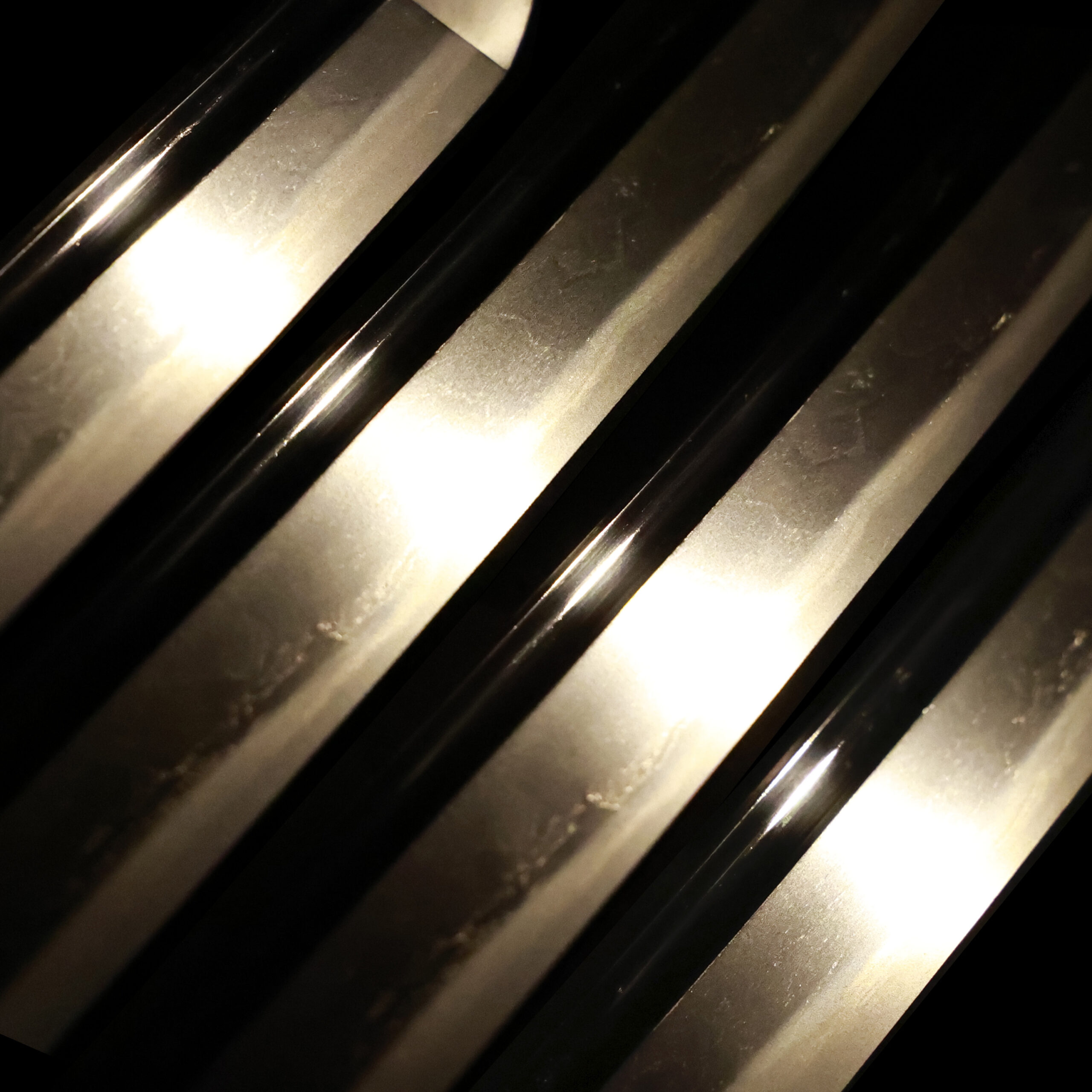
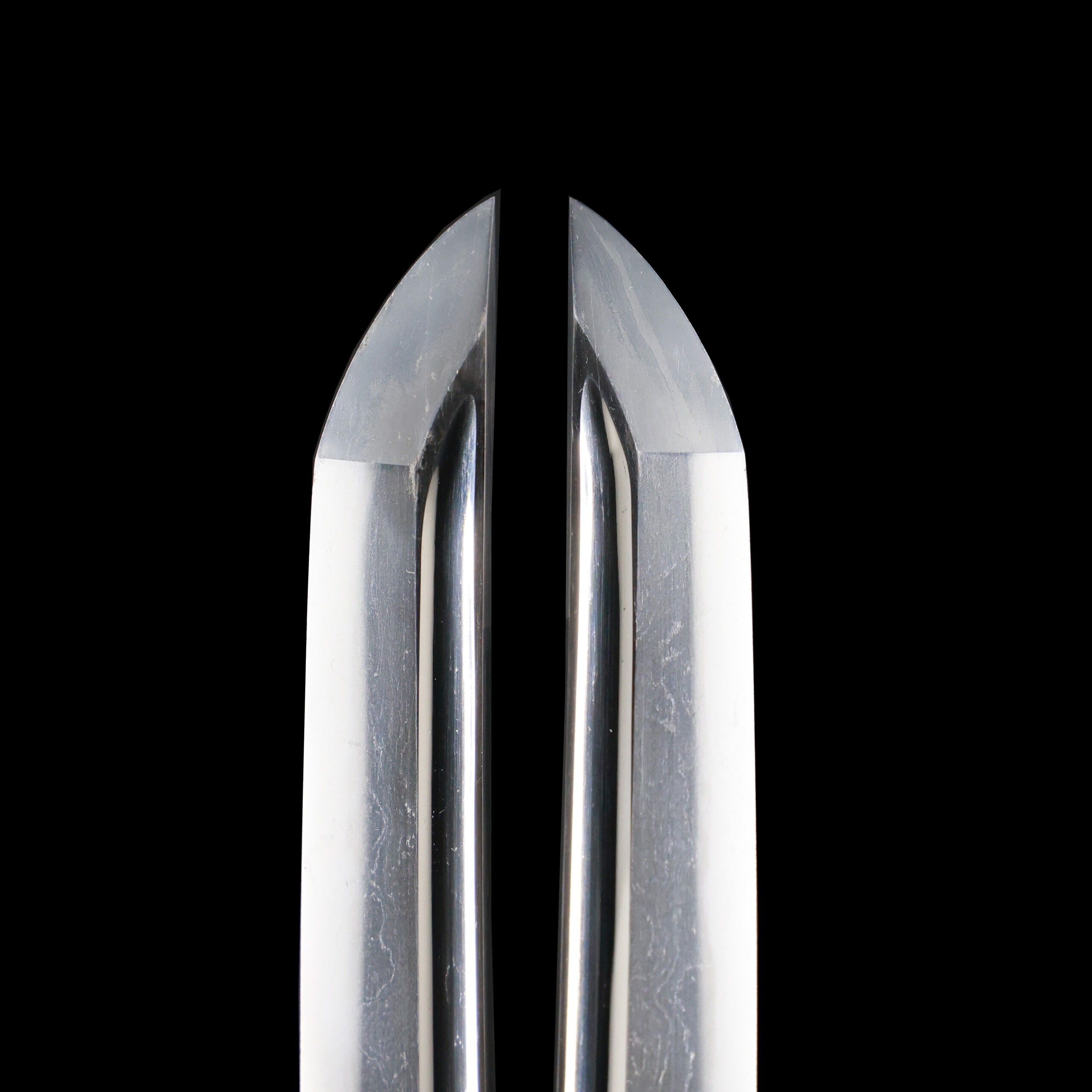
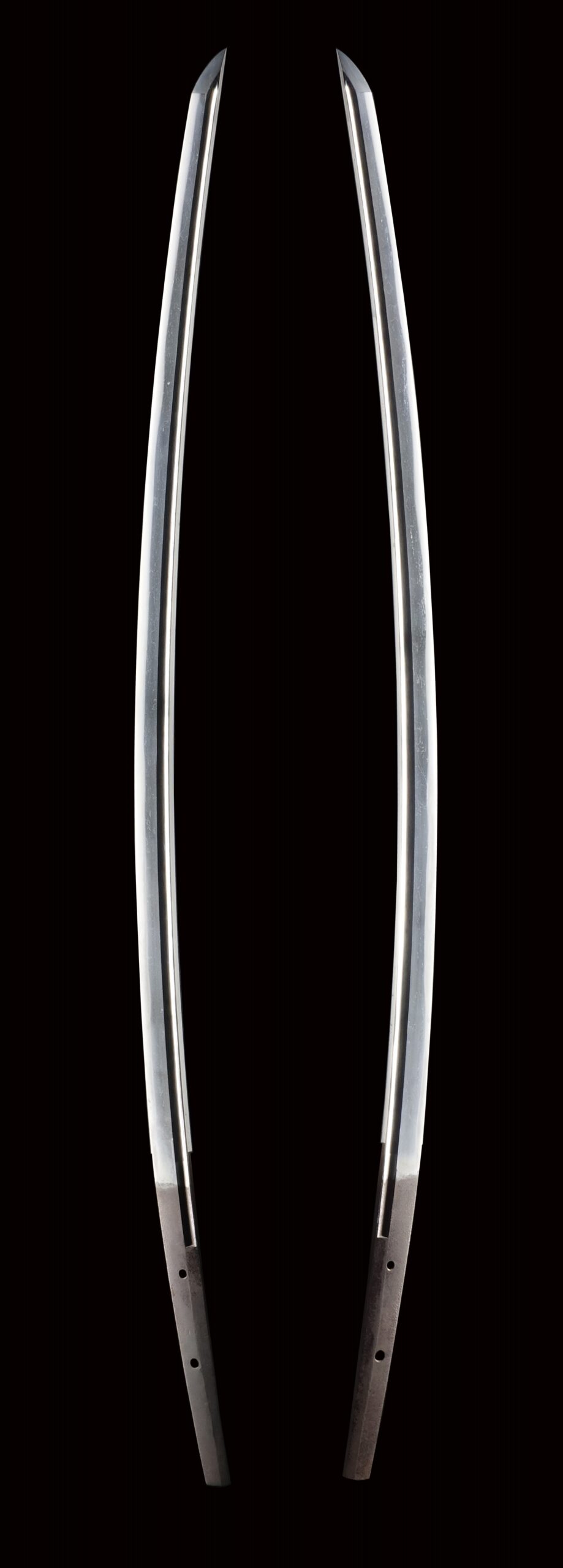
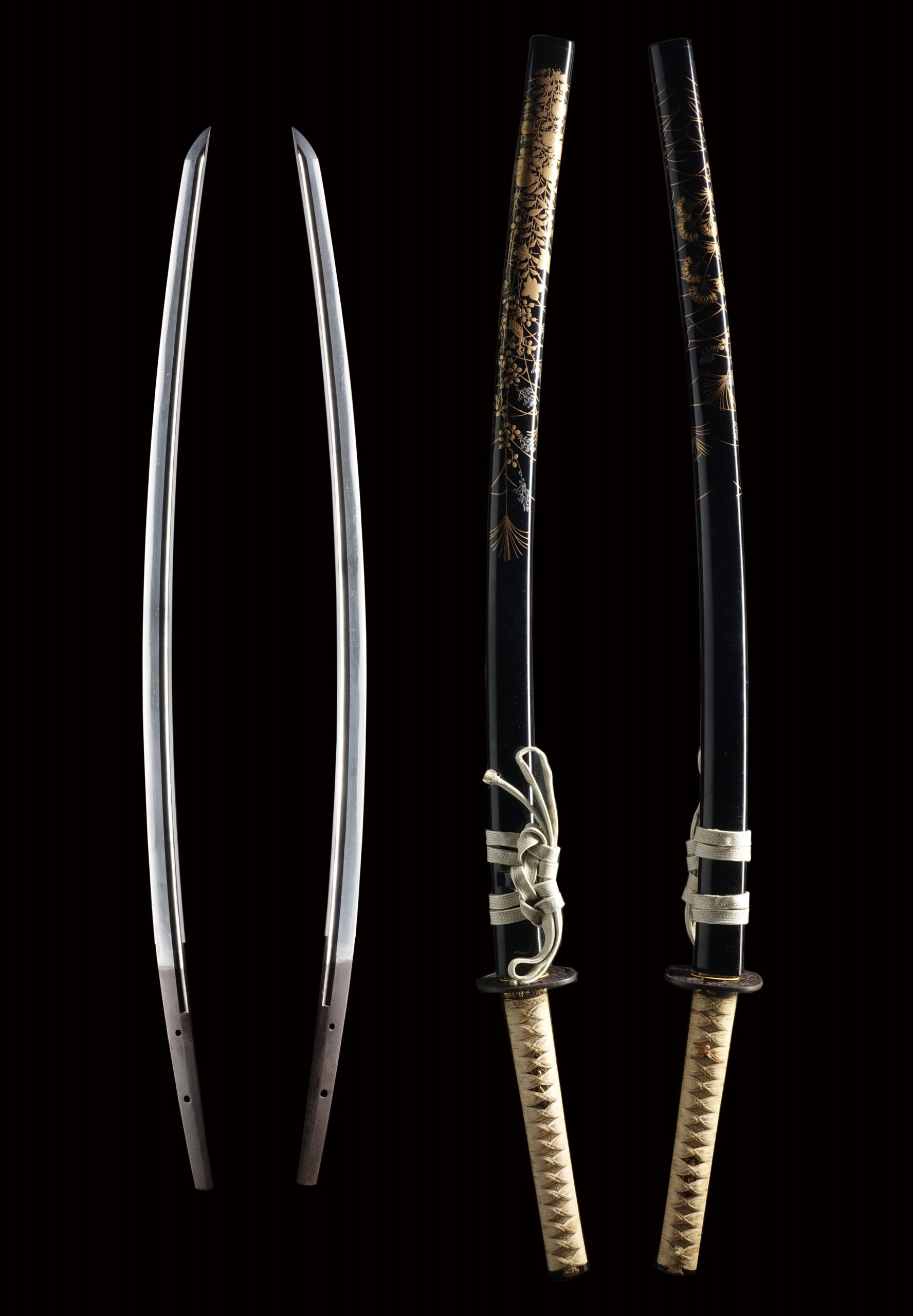
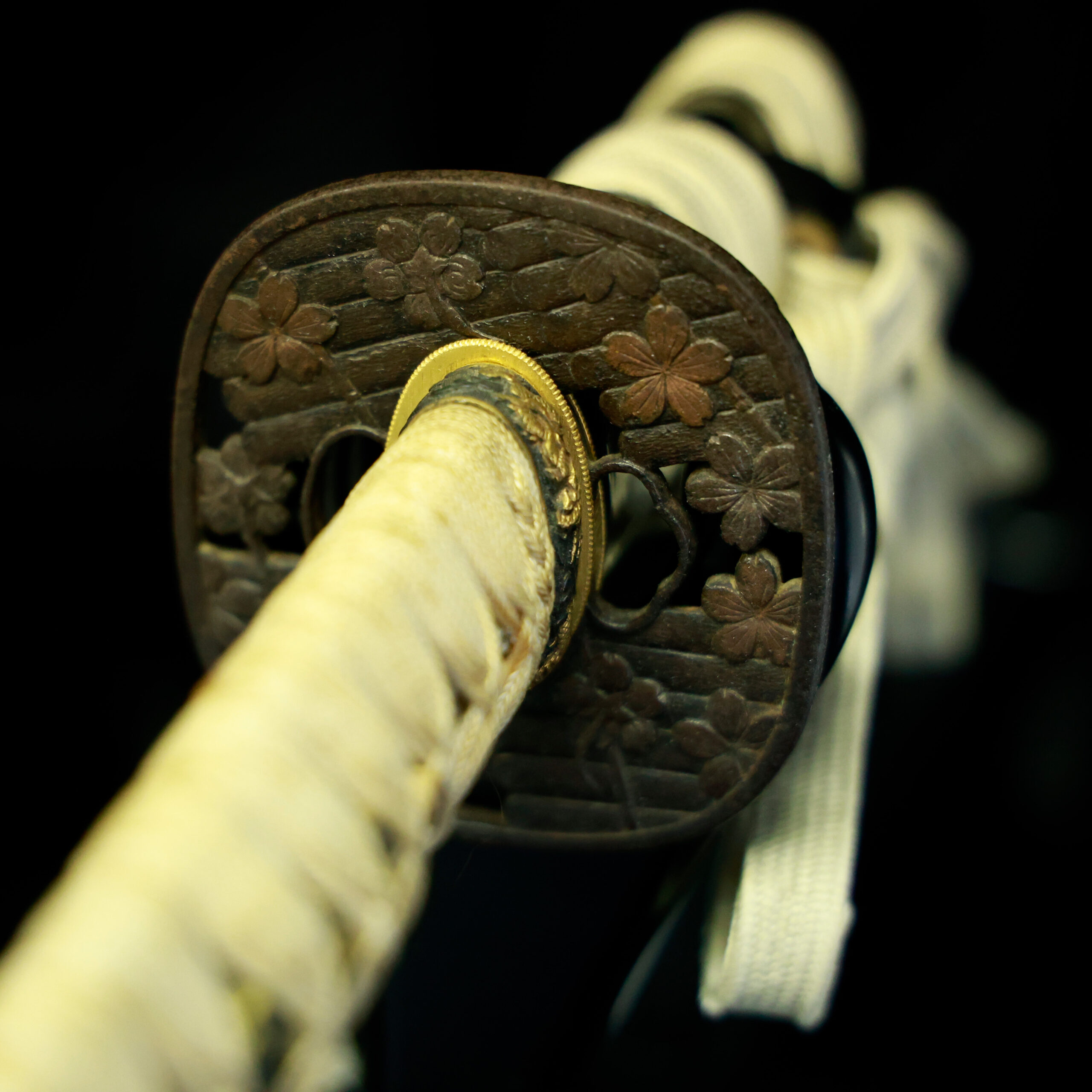
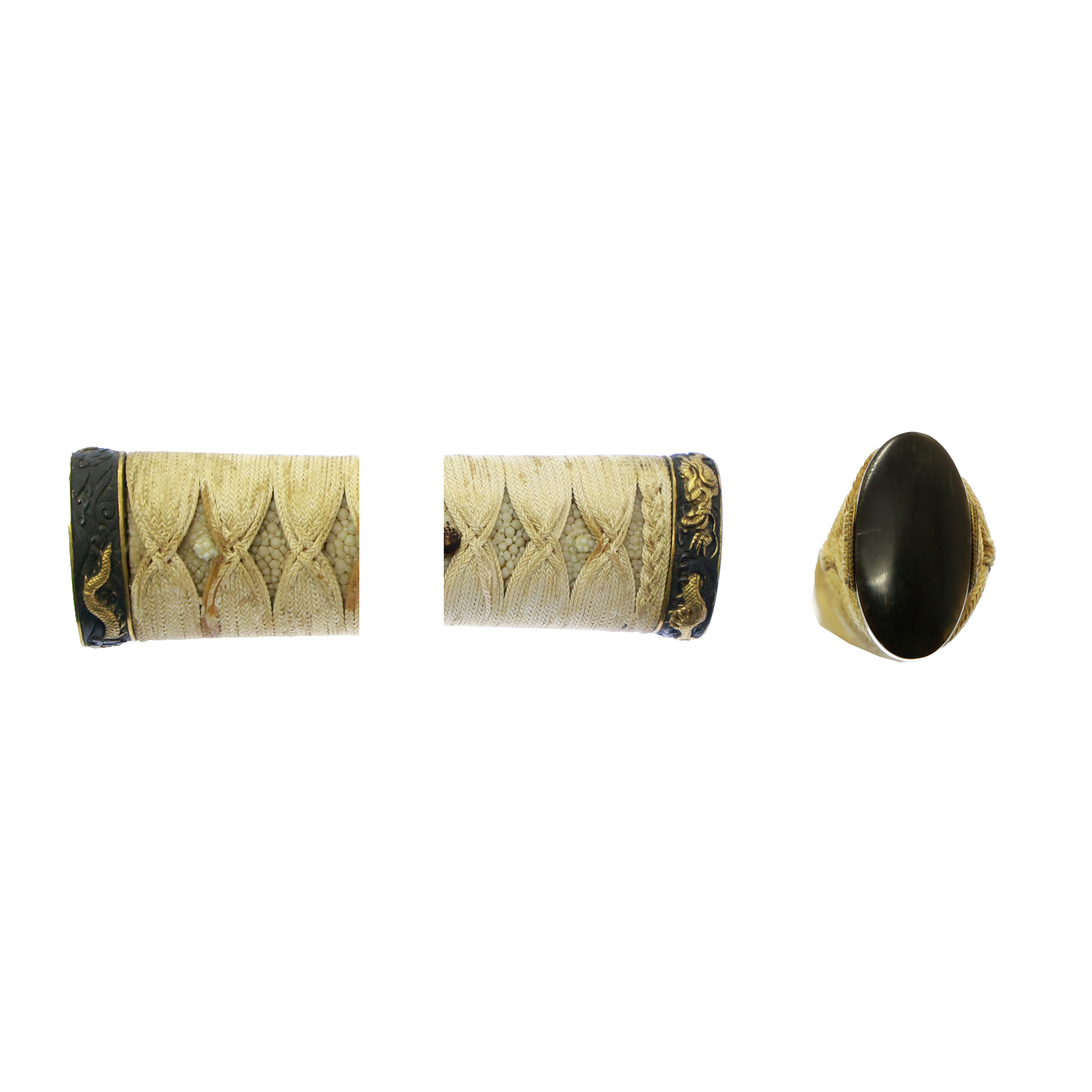
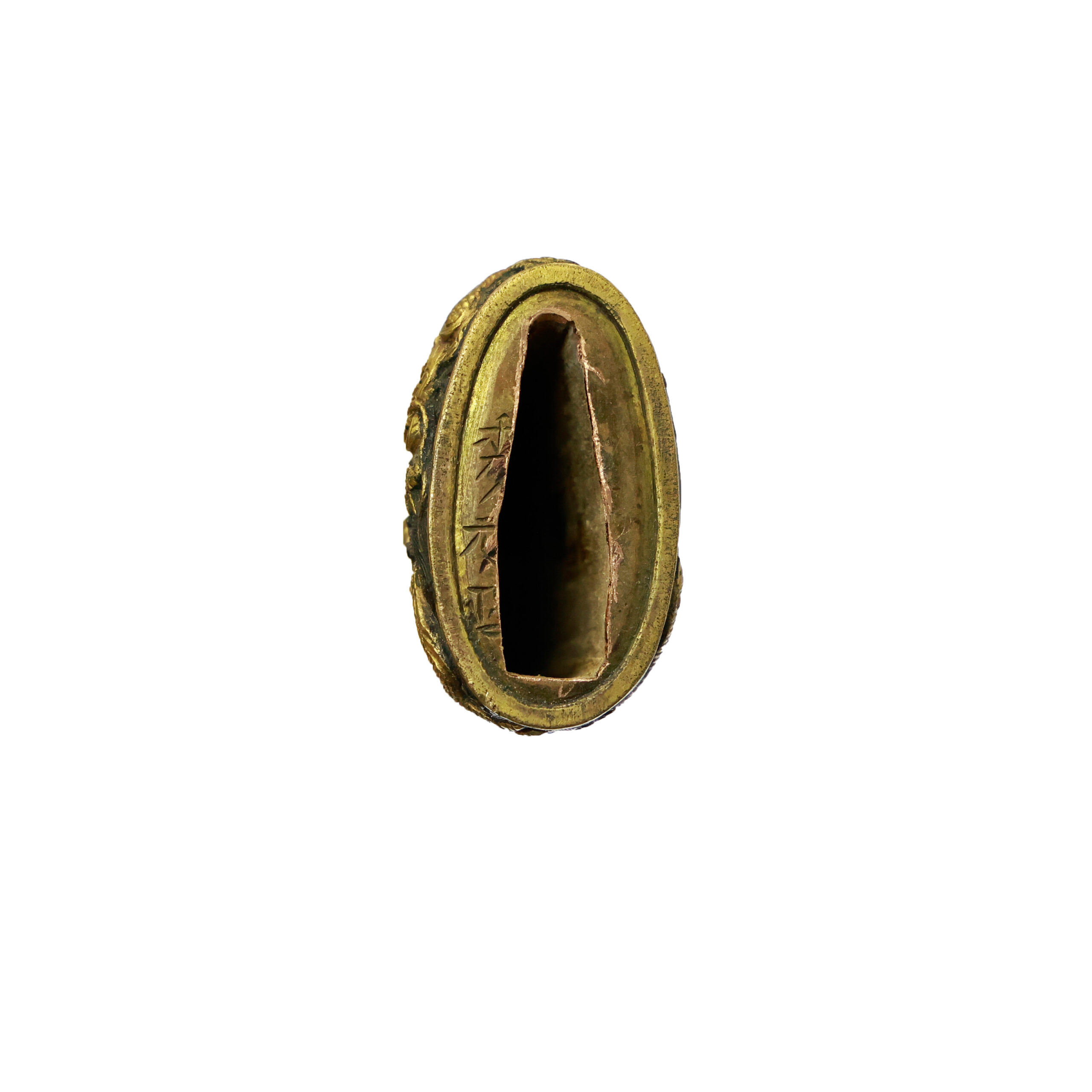
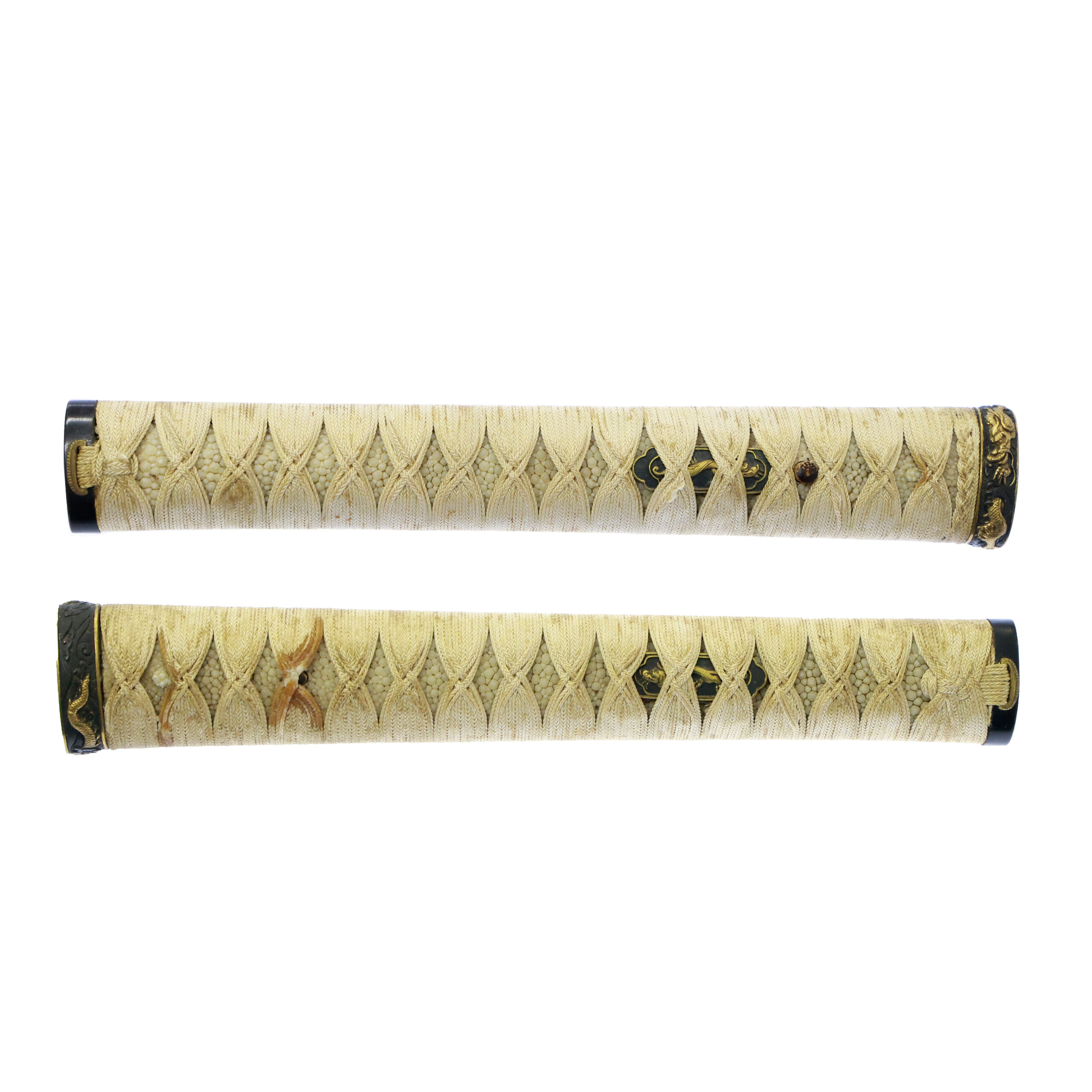
This blade is attributed to Den Rai Kunitsyugu (伝来国次), a renowned swordsmith who was active during the early Nambokucho period (around early 14th century) in Yamashiro province (today’s Kyoto prefecture). He belonged to Rai school, a representative school of Yamashiro blades founded by Rai Kuniyuki (来国行). The swordsmiths of this school preceded their names with the character “Rai” (来). Rai Kunitsugu is said to have been an apprentice of Rai Kunitoshi (来国俊) or a cousin of Rai Kunimitsu (来国光), both of whom are renowned swordsmiths throughout Samurai history. Later, Kunitsugu moved to Kamakura, an area located in today’s Kanagawa prefecture, and learned the excellent craftsmanship from Masamune, who is arguably one of the most famous swordsmiths in Japan and said to be the actual founder of Soshu Den tradition. Kunitsugu was one of the top ten apprentices of Masamune, also known as Masamune Jittetsu (正宗十哲). And Kunitsugu became a master craftsman known as “Kamakura Rai” (鎌倉来). The most significant characteristic of Kunitsugu’s style is the strong influence of Soshu Den. Kunitsugu’s craftsmanship has been regarded as excellent and he is listed as Koto Saijo–saku (grandmaster swordsmith of Koto blades). Soshu Den Swordsmiths residing in Soshu province (Today’s Kanagawa prefecture) used a particular sword-forging tradition called Soshu Den. And, Shimada school also used this tradition to forge blades. Shoshu Den was born in the middle of the Kamakura period (mid 13th century). Back then, the Yamato and Yamashiro traditions were highly developed, and there were a few renowned swordsmiths from those regions. However, the sword-forging practice was in its infancy in the Kanto area, where the Soshu region was located. At the beginning of the Kamakura government, which was established in 1185, the first Shogun, Minamoto Yoritomo, prioritized making a lot of rules to have its political stability. And he couldn’t afford to hire swordsmiths within the same region or train them. Therefore, the Kamakura government originally ordered weapons to the swordsmiths in the other areas, such as Yamato and Yamashiro. But, since the government was established, the demand for weapons increased exponentially in the government, and they had to figure out how to meet those demands from Samurai who served Kamakura shogunate. Then, the 5th head of the Shogun, Hojo Tokiyori, invited two renowned swordsmiths from other parts of Japan. They were Awataguchi Kunitsuna from Yamashiro province and Bizen Saburo Kunimune from Bizen province. And the 7th-gen Shogun Koreyasu Shino also invited Fukuoka Ichimonji Sukezane from Bizen province. It is said that those three swordsmiths played an essential role in creating the Soshu Den and making the foundation of the Soshu Den. Also another famous figure in the Soshu den is Intou Kunimitsu, an adopted son of Awataguchi Knitsuna. And Kunimitsu passed his excellent craftsmanship to Yukimitsu, his apprentice. And Masamune, one of the most famous swordsmiths in Japanese history, was an apprentice of Yukimitsu. And Masamune was the one that brought Shoshuden to nationwide fame. The tradition Masamune completed became an example of other swordsmiths who learned Soshu Den. Also, Soshu Den influenced many renowned swordsmiths during the Koto- Shinto era. One of examples is Inoue Shinkai from Osaka and Suishinshi Masahide from Edo. It is appraised as a Tokubetsu Hozon Token (特別保存刀剣) issued by NBTHK (Nihon Bijutsu Touken Hozon Kyokai:日本美術刀剣保存協会). *Please keep in mind that there are a couple of Kitae Kizu on the blade. Fuchi-Kashira On the Fuchi part, a dragon (龍, Ryu) flying through clouds is depicted. The combination of a dragon and clouds, called the Unryu Zu (雲龍図), is a classical and common motif. Initially, dragons were imaginary creatures found in ancient foreign traditions or myths. Furthermore, it is regarded as a symbolic beast of auspicious signs. Its body is likened to nine animals: antlers are deer, the head is a camel, eyes are demons, the neck is a snake, the belly is the Mizuchi (蛟, a mythical animal in Japan that looks like a snake and has a horn and four legs), scales are fish, claws are falcons, palms are tigers and ears are cows. It was thought that the dragon would reign at the top of all animals because of its odd-looking appearance. About the cloud pattern, clouds bring blessed rain and snow, and their movements significantly affect the day’s weather. Due to its supernatural power, a theory says that gods, spirits, and dragons dwell in the clouds. In Japan, there is a belief that worships dragons as water gods. Since rice cultivation has flourished in this country, people always treat water as an essential resource. It might be one of the reasons why the combination of dragon and clouds motifs is often seen even in sword mountings. We imagine some people wished for a plentiful harvest in the Unryu theme. From such a religious aspect, we could infer that dragon designs were familiar to people. Tsuka and Menuki The motif of this Menuki is also a dragon. Besides the description about a dragon as mentioned above, the dragon pattern was used for emperors’ clothing in ancient China so that people strictly defined its shape or even the number of nails. On the other hand, the dragon pattern does not have detailed rules to represent classes in Japan. However, still, it maintains its meaning as the all-purpose auspicious pattern. Tsuba and Habaki Hana ikada (花筏, flower raft) is the theme of this Tsuba. Originally, the flower raft pattern represents the scattered petals of cherry blossoms floating on the surface of the water and flowing together like a raft. And it became a popular classic and elegant pattern from the Azuchi Momoyama period (1573-). The elegant appearance is still popular today, especially when the cherry blossoms have fallen, and the surface of the river turns to be pink with petals. This Tsuba depicts cherry petals and a raft more directly. Cherry blossom is one of the seasonal things of spring, and it has been loved for a long time in Japan. Its pattern is designed not only for sword mountings but also for Kimono (着物, traditional Japanese costume) or furnishings. One theory says that the god of grain exists in cherry blossoms. Therefore, this flower pattern has been treated as the symbol of a plentiful harvest. In ancient times, people held a traditional custom under cherry blossom trees to pray for a bumper year. It is said that this is the origin of the cherry blossom viewing picnic today. Saya Various autumn plants (秋草, Akikusa), such as Kiku (菊, chrysanthemum) and Kikyou (桔梗, Japanese bellflower), are beautifully depicted with the Makie (蒔絵) technique on this scabbard. The Makie is a typical Japanese lacquer art technique developed uniquely in Japan for about 1,200 years. Firstly, it needs to draw a picture with lacquer on the surface with a thin brush. Next, sprinkle the gold powder from above to show the pattern before the lacquer hardens. This technique makes a gorgeous and elegant look to works. Kiku is one of the flowers that symbolizes fall, and people appreciate it very much since ancient times. It is said that this flower was used as a medicine for obtaining a long life in China a long time ago, and it was brought to Japan with this thought in the Nara period (648-781). As its petals form radially, the chrysanthemum has been likened to the sun. That is why this flower pattern is treated as the symbol of perpetual youth and longevity or good health. “Kiku no Gomon (菊の御紋)” is a kind of chrysanthemum pattern, and it has been used as the crest of the Emperor and the royal family in Japan so that it is well-known as a noble pattern. Kikyou, depicted in the lower right side on the inside of the box, is a small star-shaped flower. It is said its root has medicinal efficacy. The Kikyou pattern has often been used as a motif of Tanka (短歌, a kind of traditional Japanese poem) and pictures since the Heian period (794-1185). Its name was initially “Kichikou,” and it changed to “Kikyou” with time. It is said this flower was used for fortune-telling in the old days. This action is called Kikkyou-wo Uranau (吉凶を占う) in Japanese. The word Kikkyou (吉凶, good or bad omen) was associated with this flower’s name. “Kichikou” was compared to the word “Kichi Kou (吉更),” which means further good fortune. That is why this flower pattern is treated as a good omen design. Authentication Paper They authenticated the blade on February 21st in the 6th year of Reiwa (2024). They appraised it as Tokubetsu Hozon Touken, the blade especially worth preserving for Japanese society.

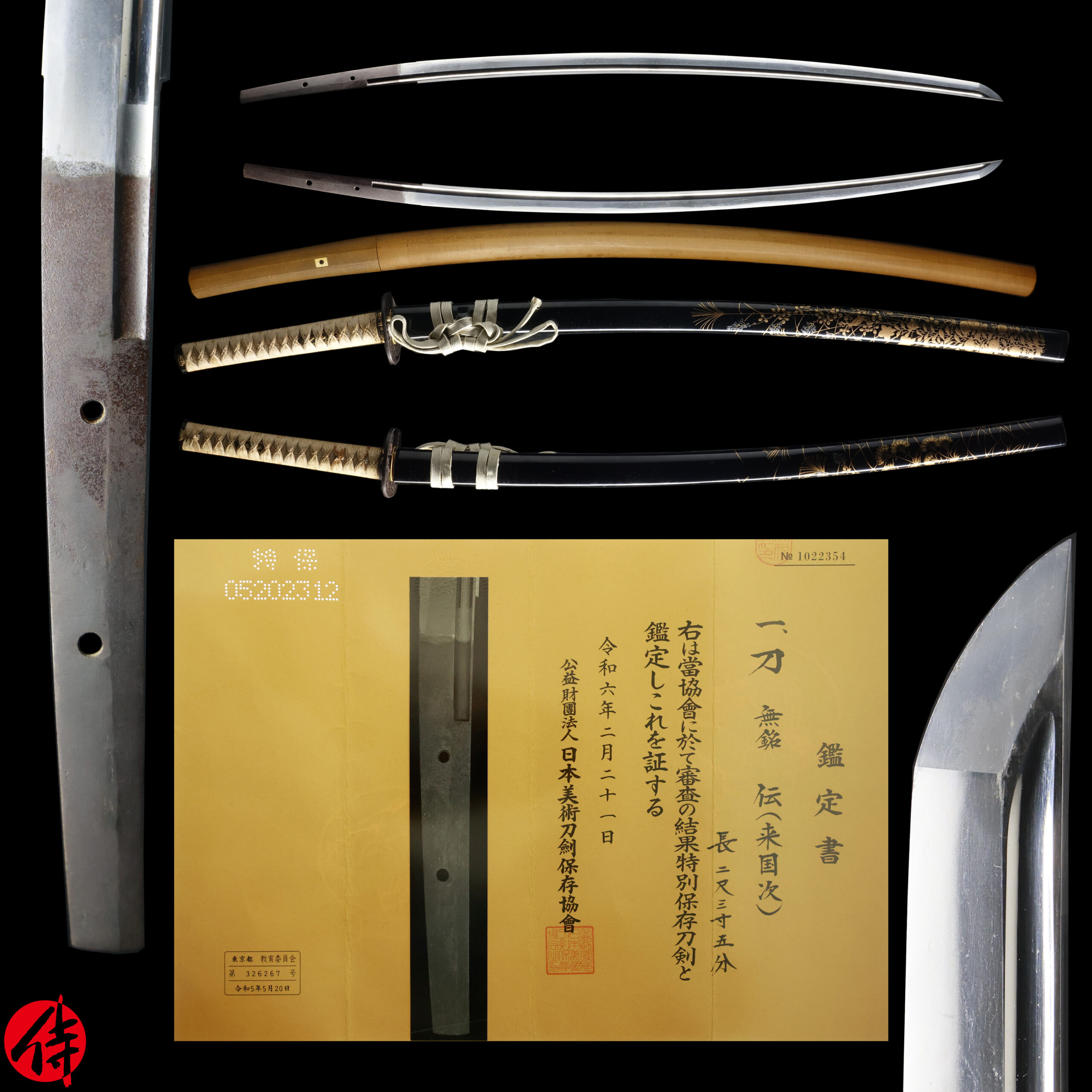
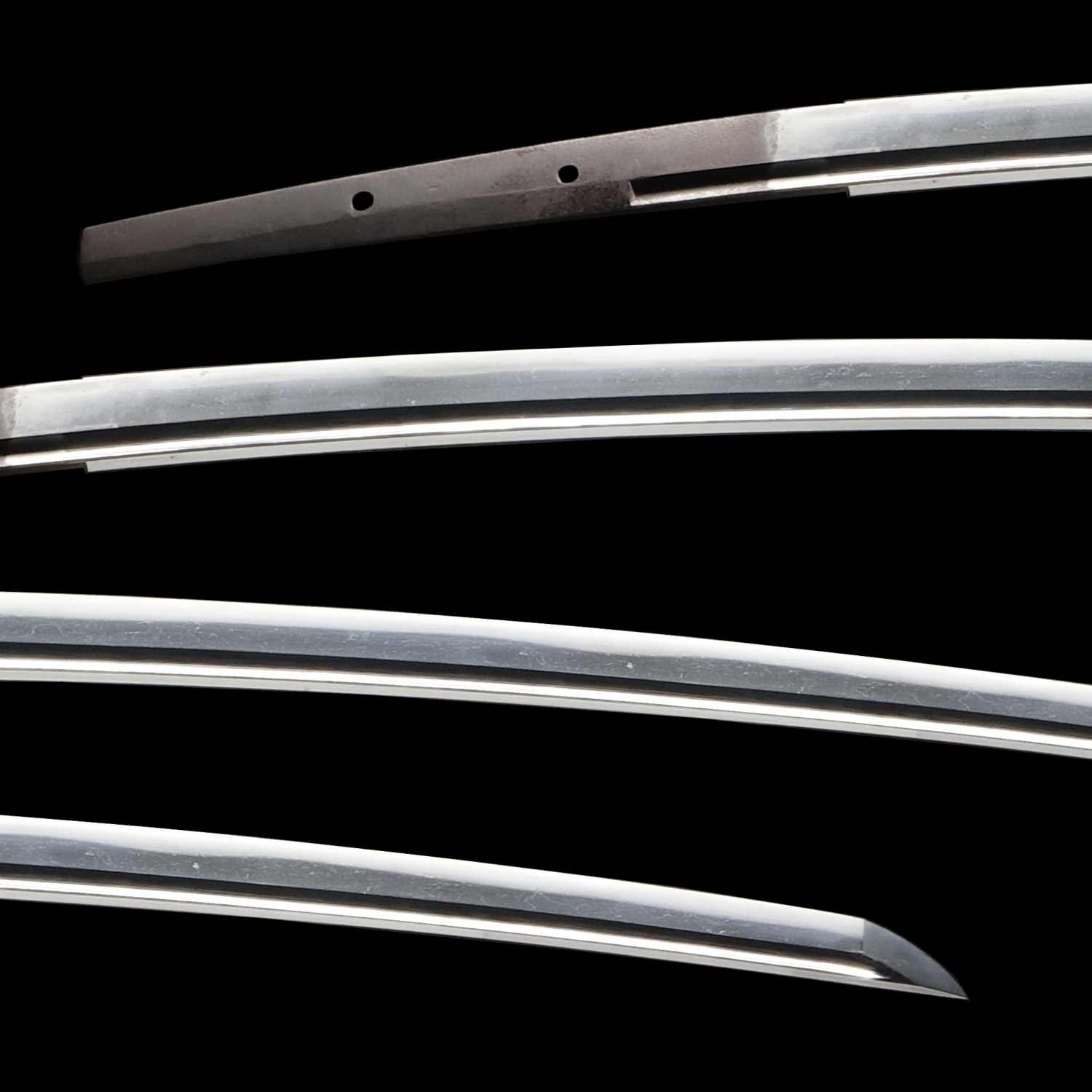
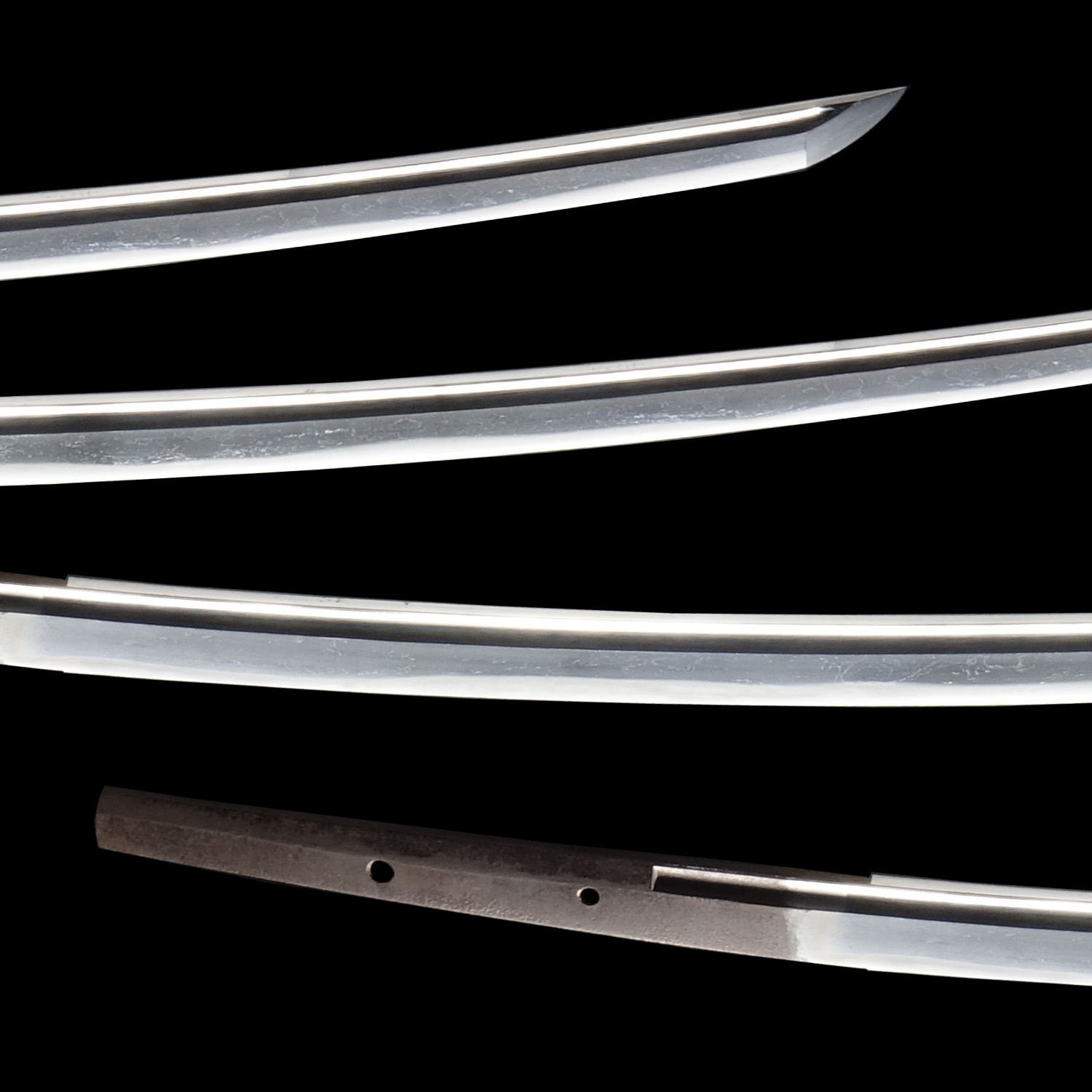
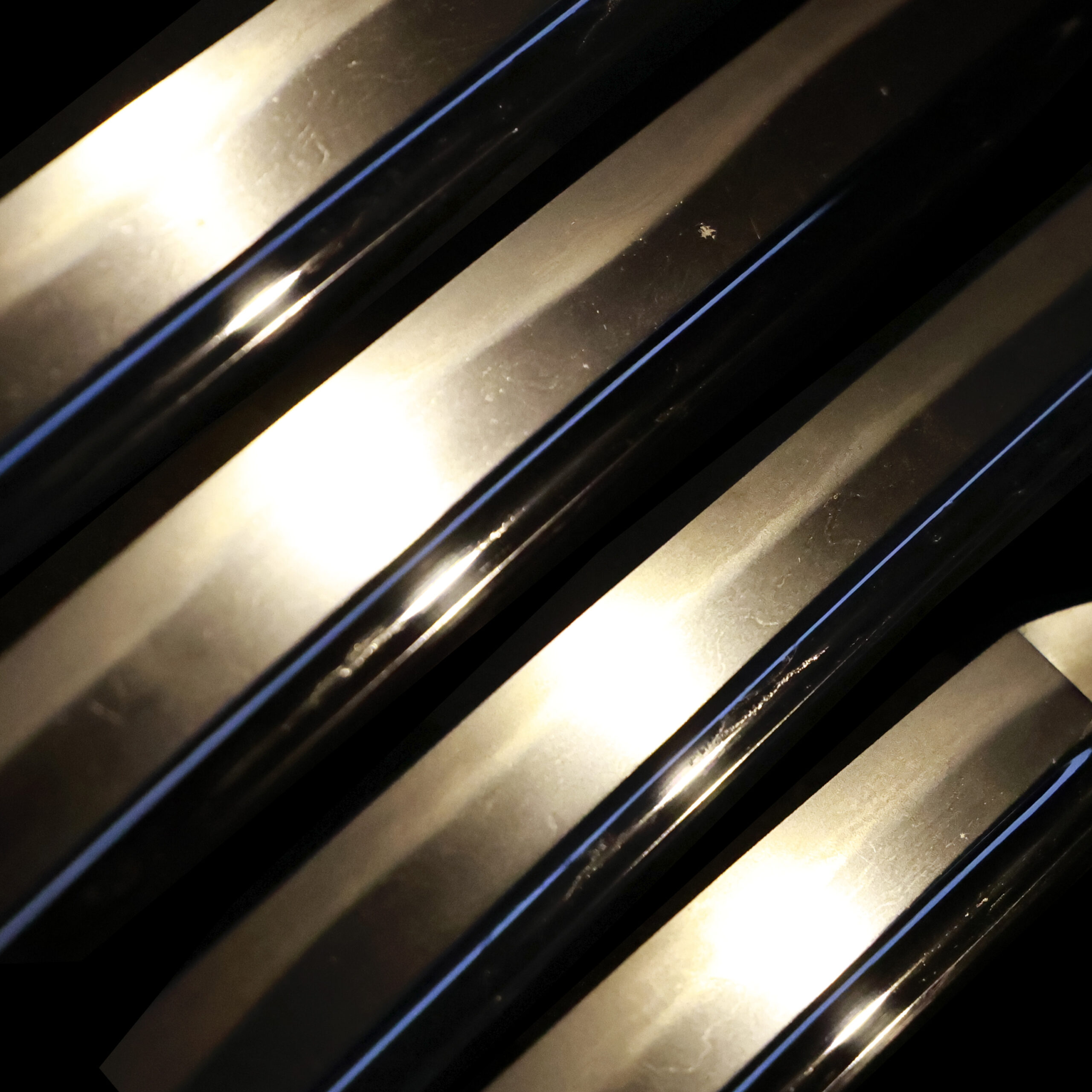
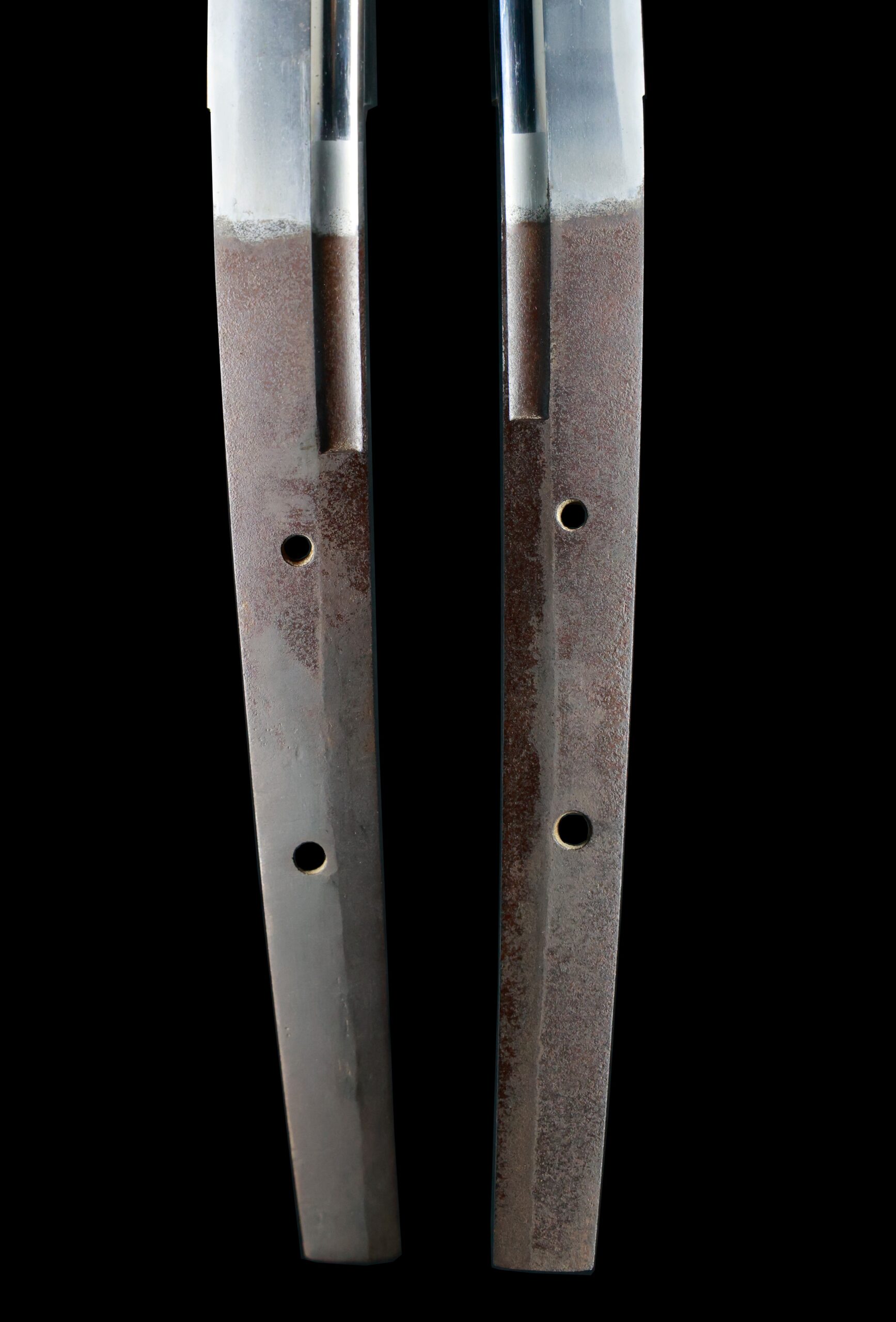
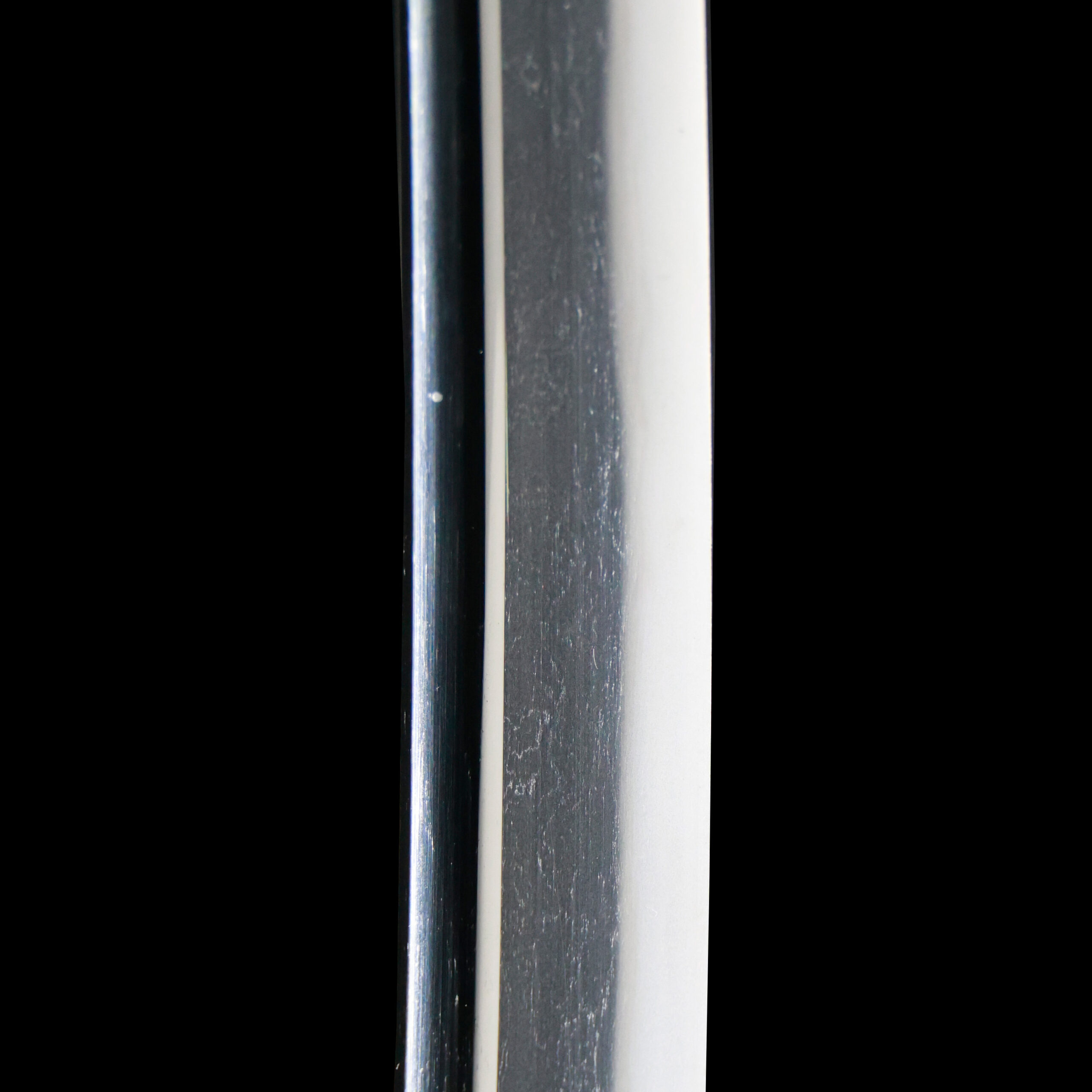
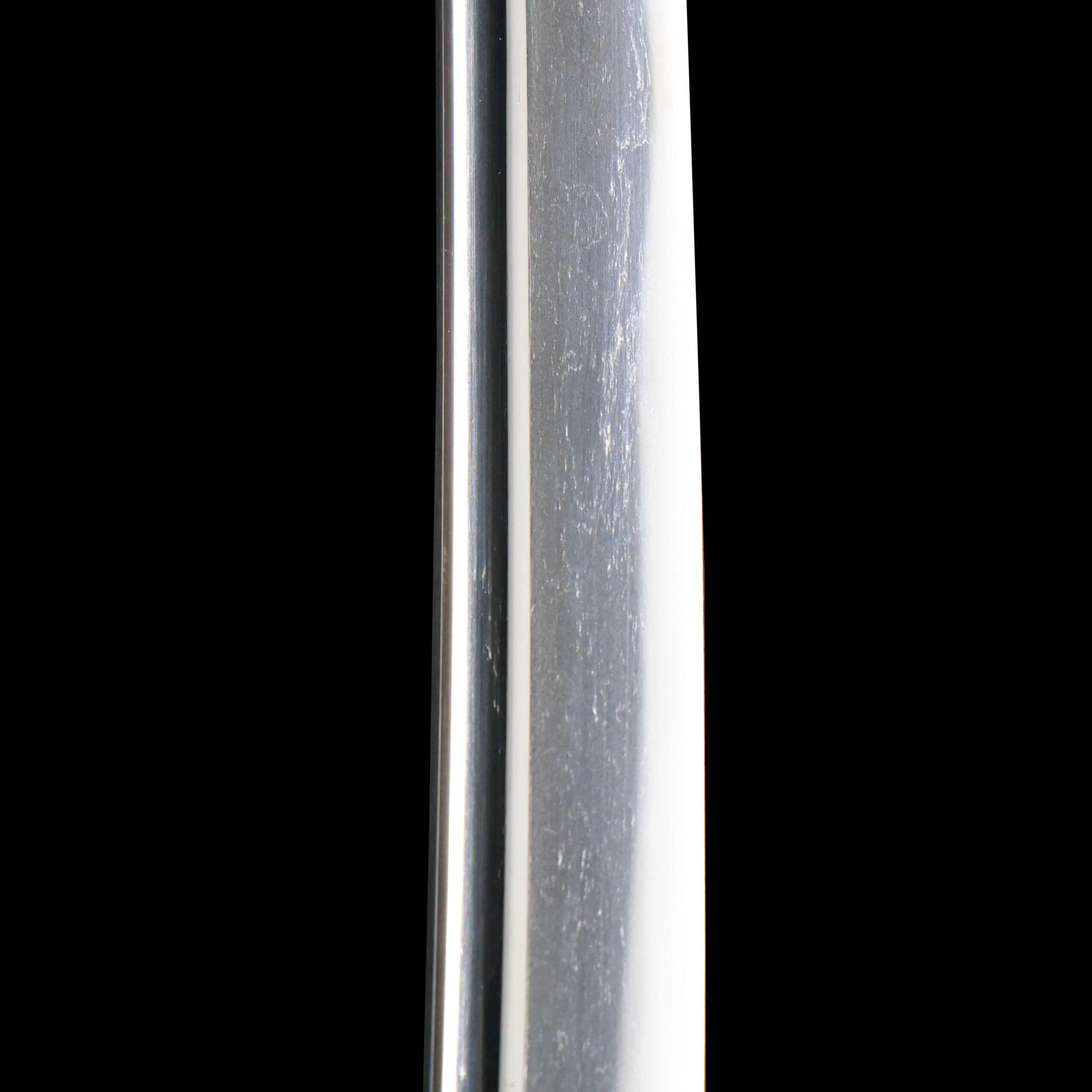
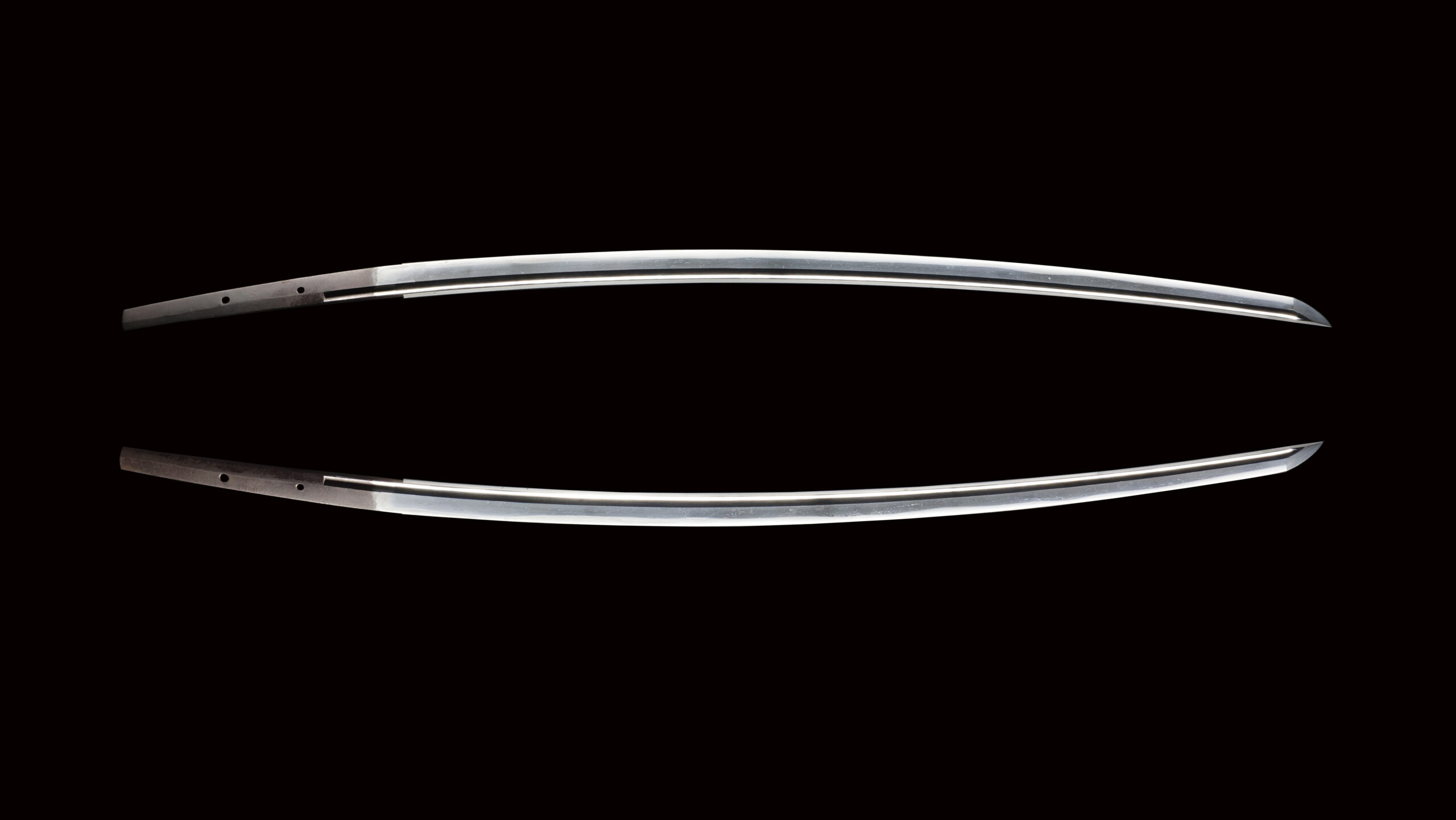
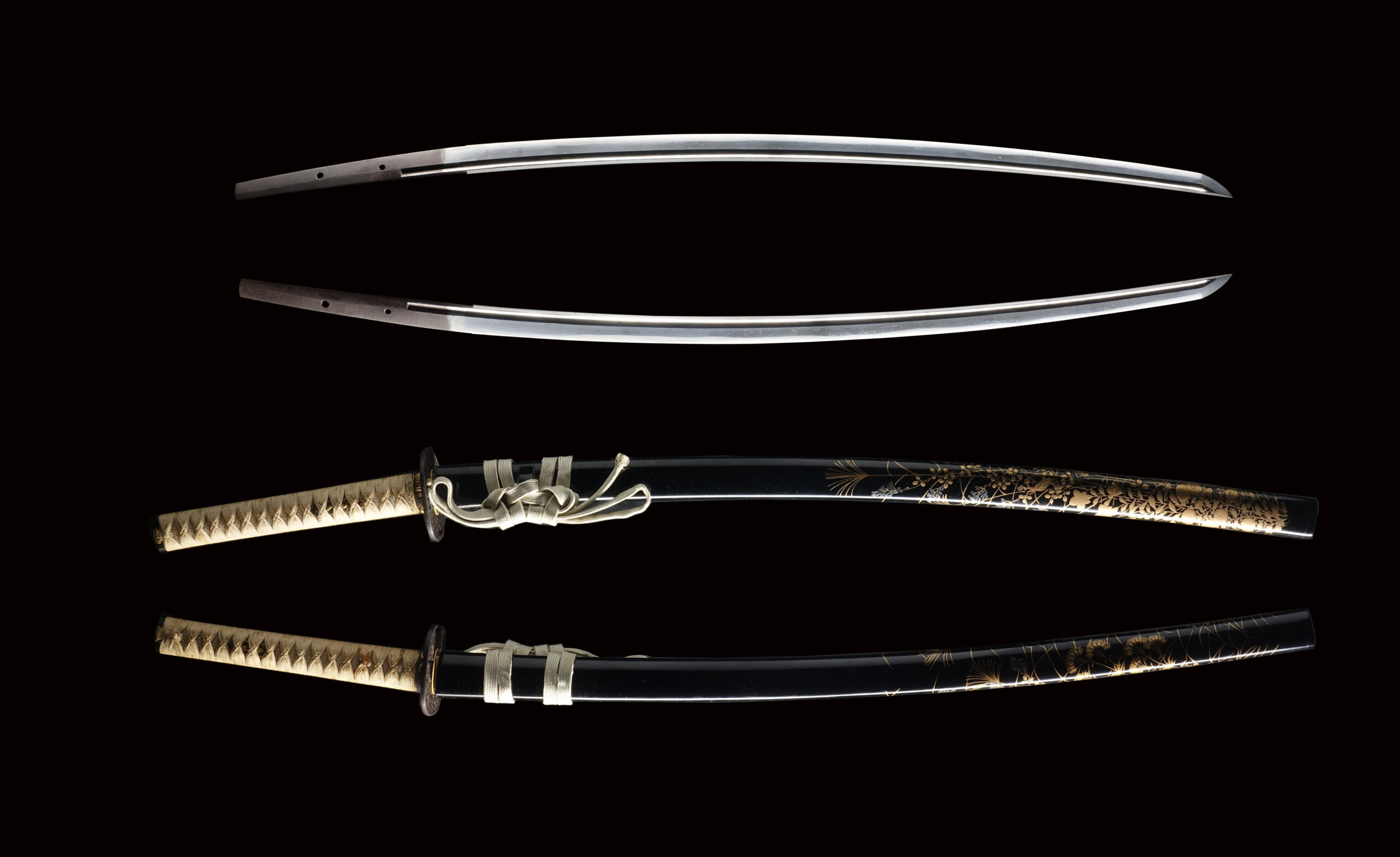
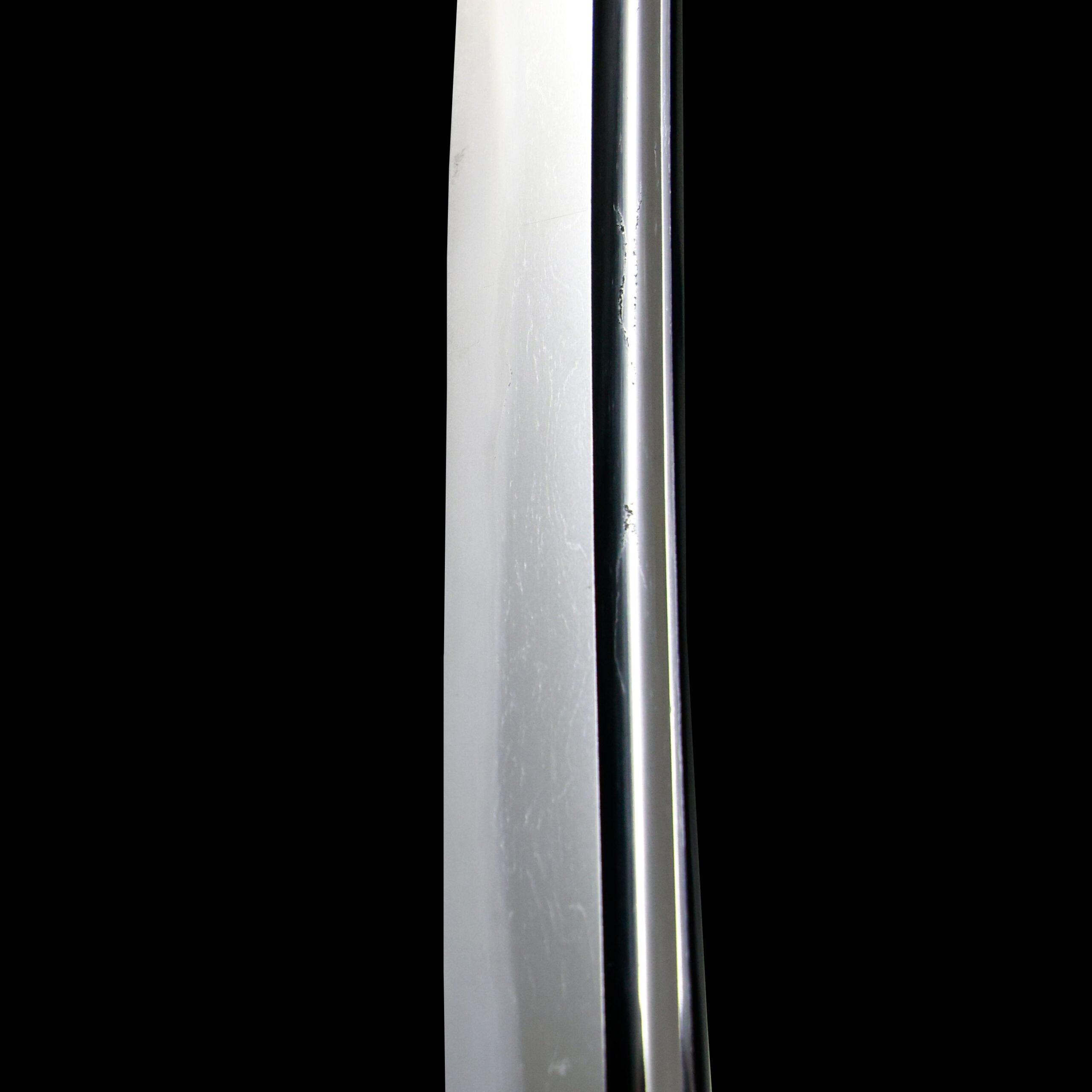
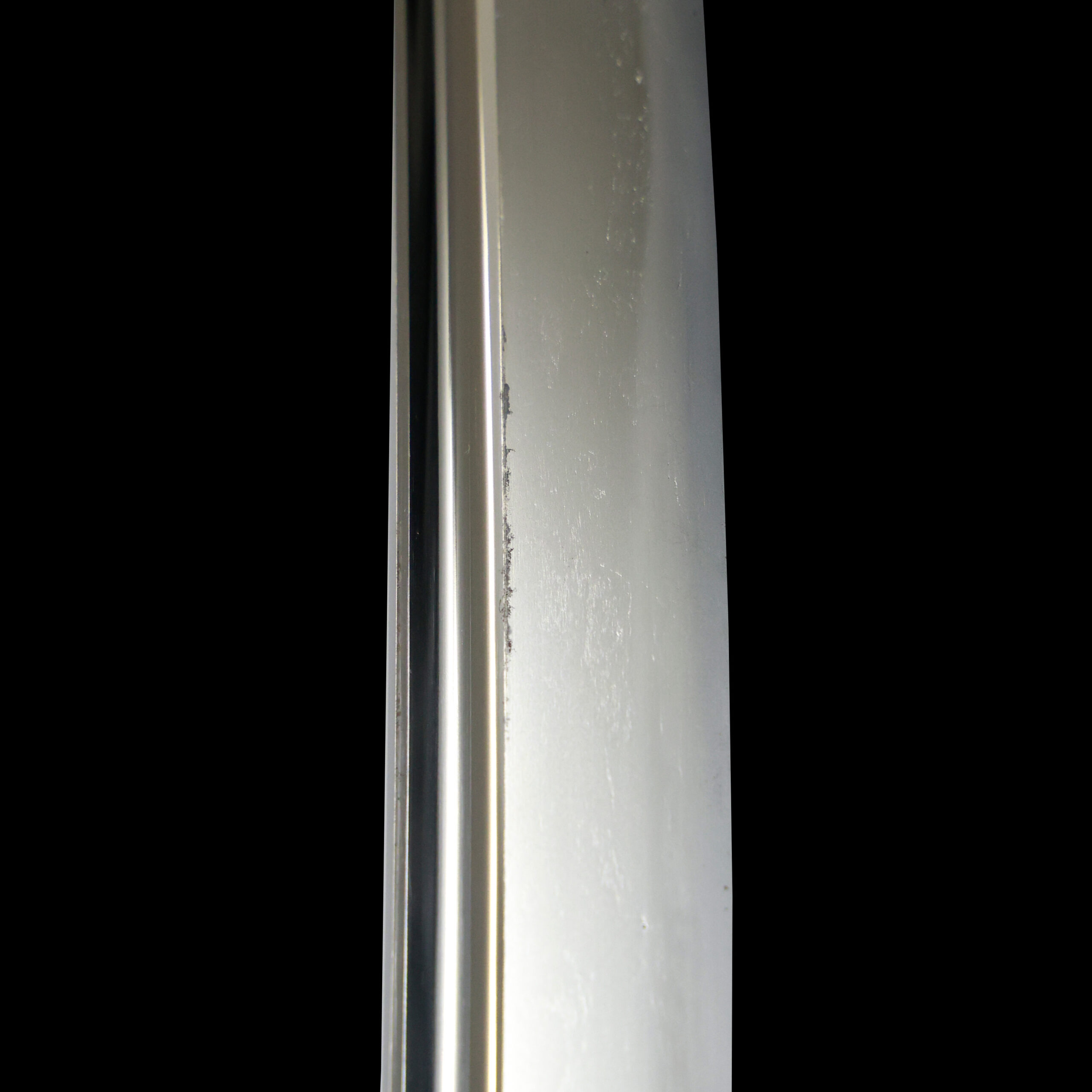
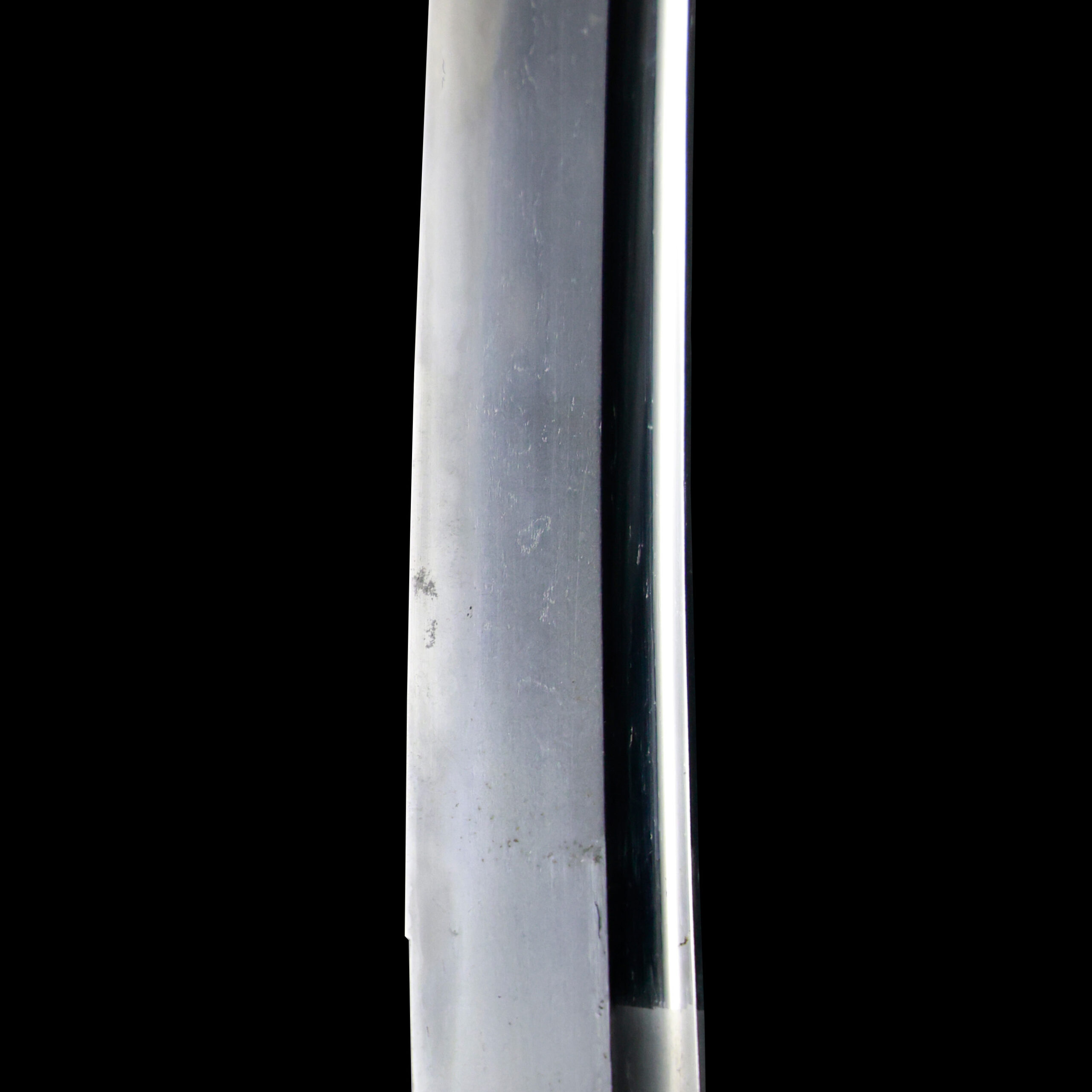
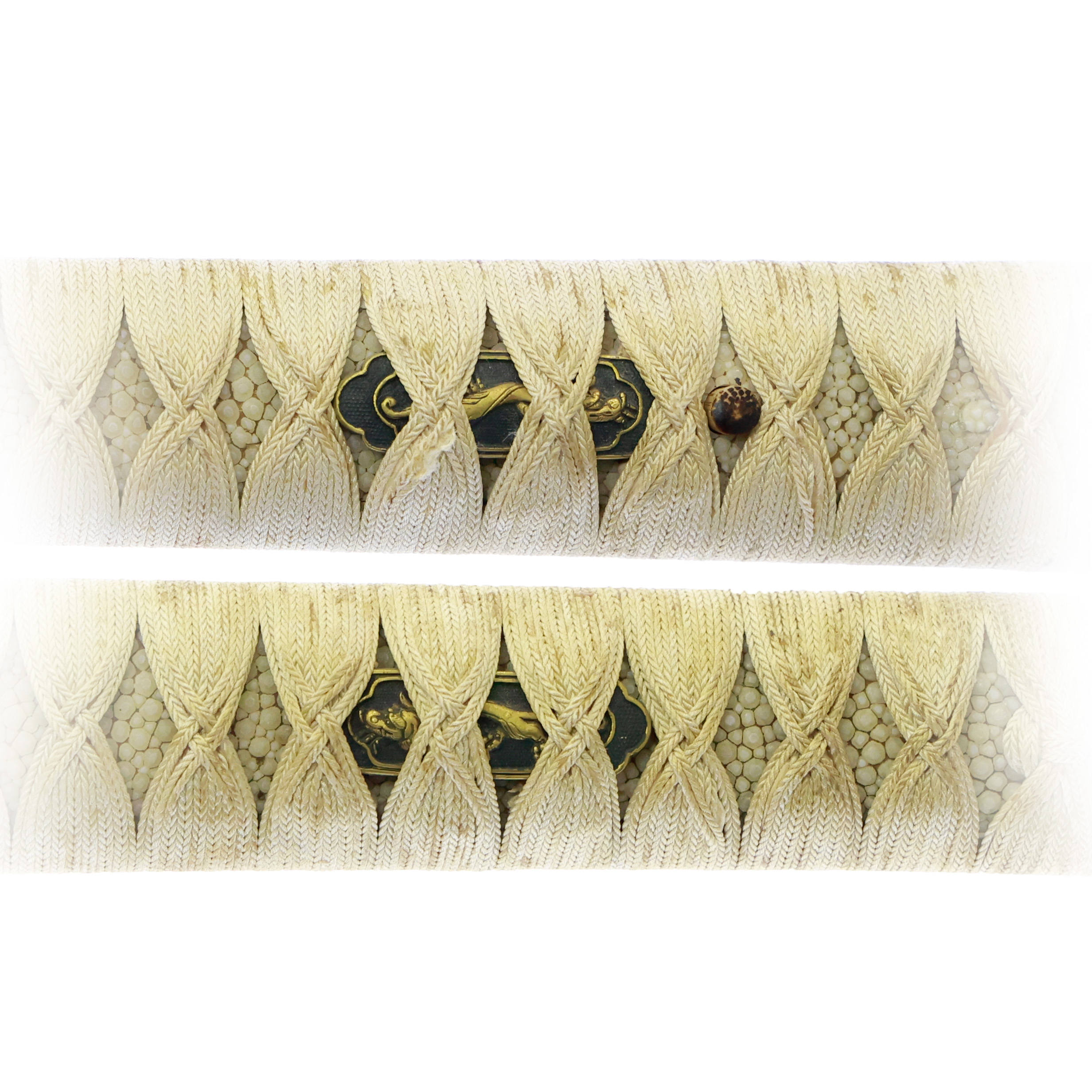
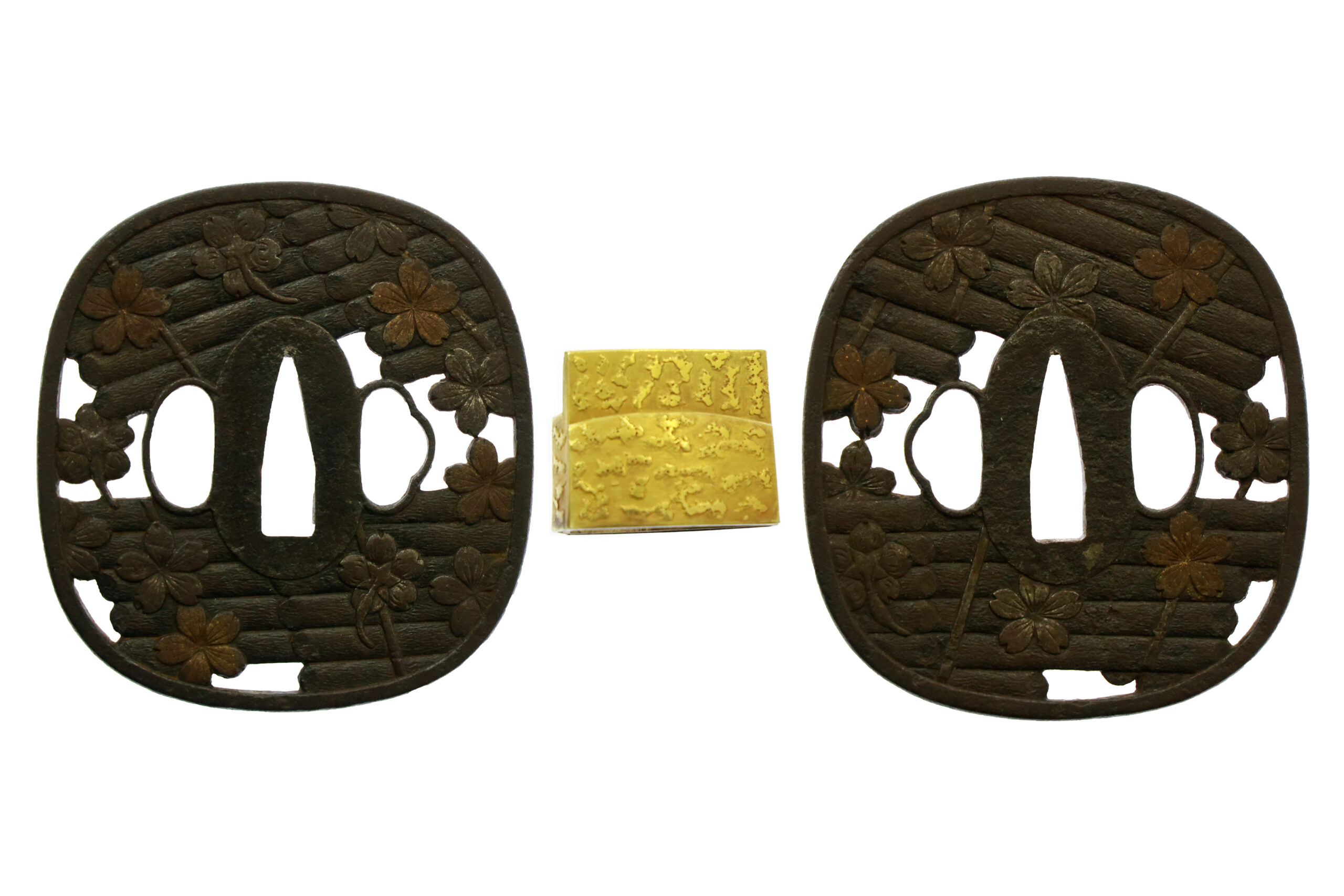
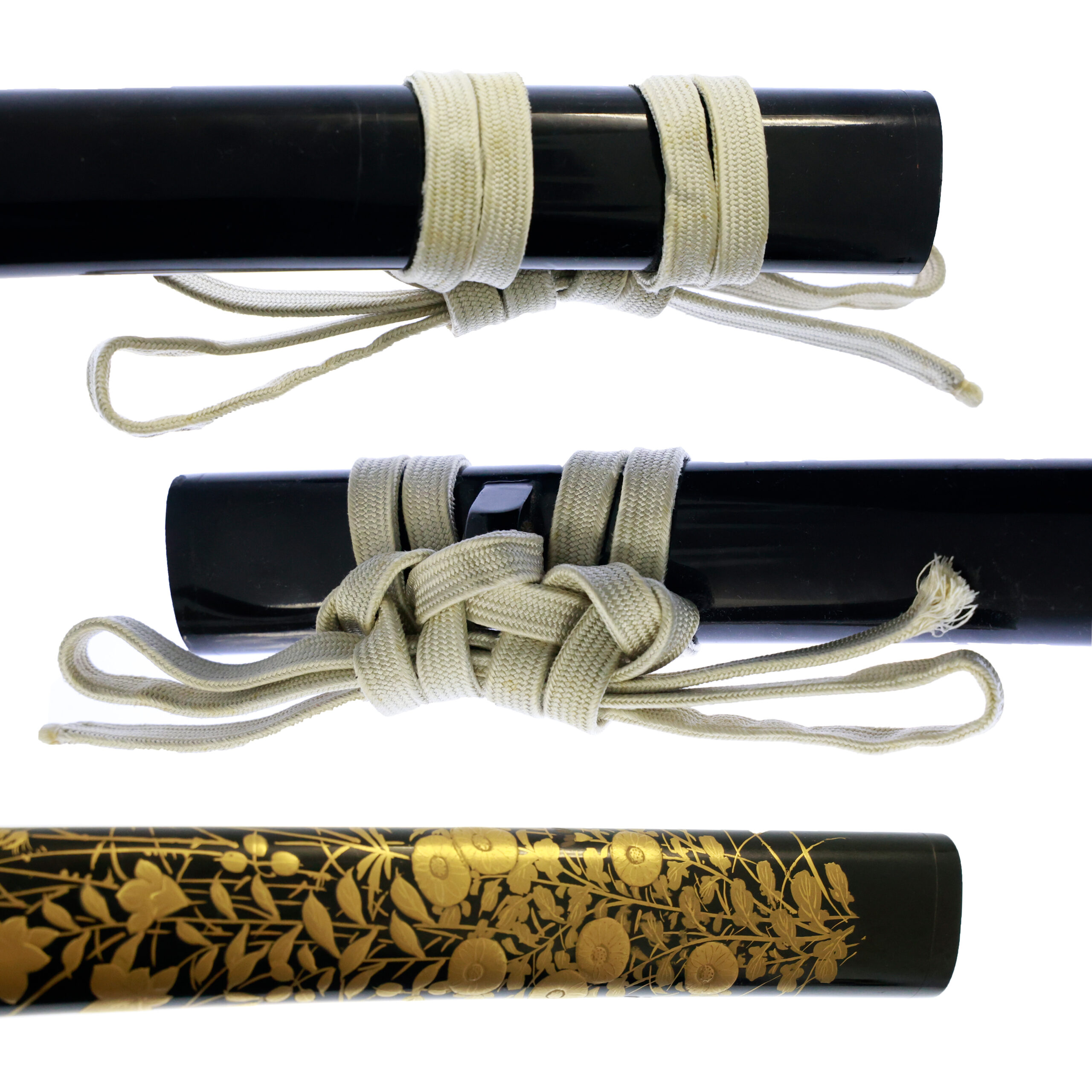
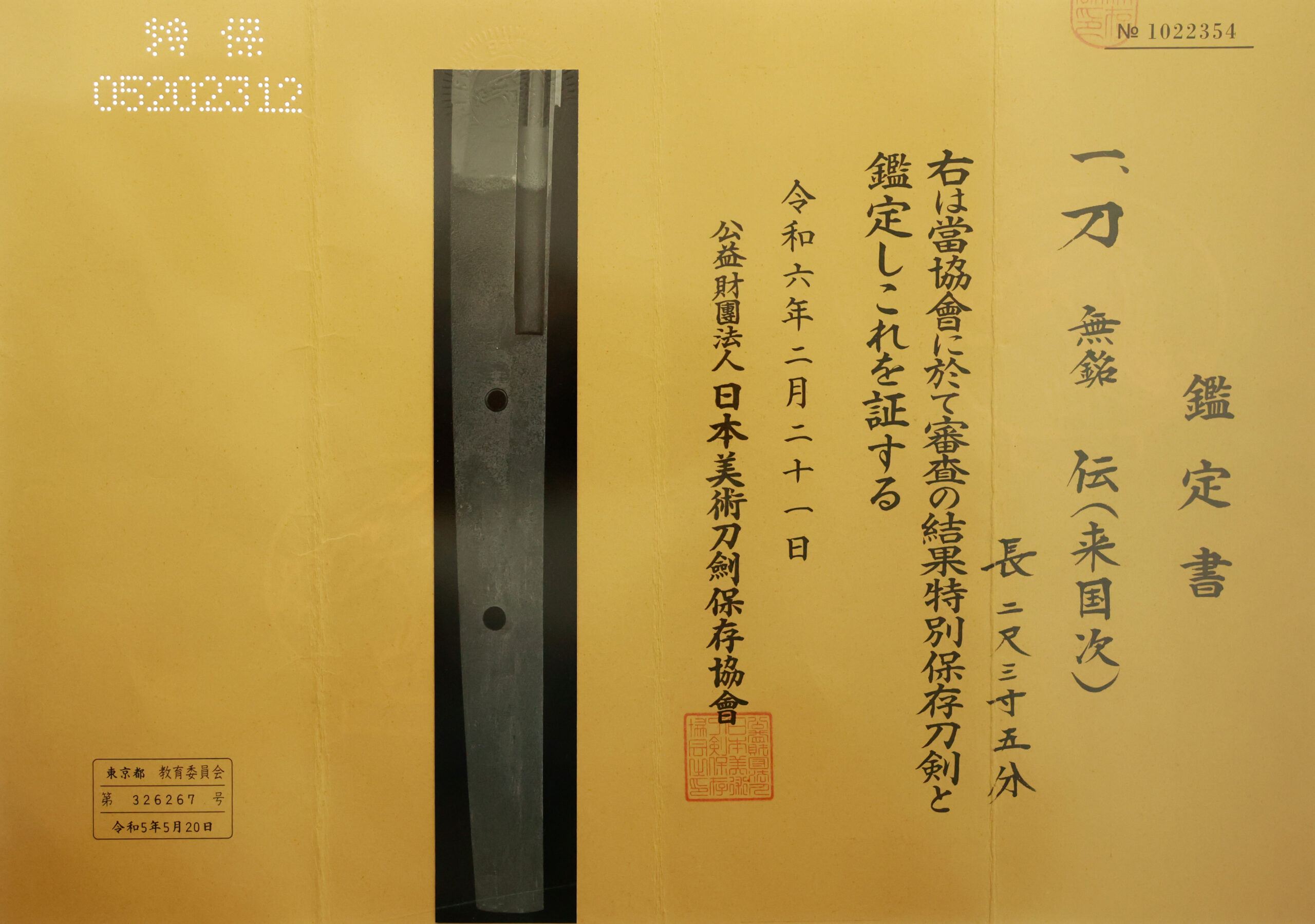
販売店の記載のまま
来 · 山城 · 1311-1327頃
藤代 上々作 · 刀剣大鑑 上位5%
現在2点販売中
『名物帳』所収の短刀「鳥養国次」について、説明書は「来一派の中では地刃の沸が一番強い」[[c:1]]のが来国次の作であると記し、この一文に同工の本領が尽きている。説明書は彼を鎌倉時代最末期に置き、その活躍は南北朝初期に及ぶとし、やや先輩格の来国光と並んで来派本流の最終期を担う二人の名手とする。系譜は所伝が分かれ、通説に来国俊の弟子、一説に来国光の従兄弟、また国俊の子、国光の弟とも伝えている。古来「正宗十哲」の一人に数えられ、「鎌倉来」と呼称されるが、説明書はその名の由来を作風そのものに求める。
その作風とは、それまでの来派に見られなかった乱れ主調の刃文である。のたれに互の目を交え、沸は厚く明るく、金筋・砂流しが刃中を駆け、刃縁には湯走りがかかる。鍛えは板目に地沸が厚くつき、地景が頻りに入り、処々肌立ちごころとなる。説明書はこれを繰り返し「相州伝の影響を多分に受けた出来口」[[c:3]]と評し、重要美術品の短刀に対する本間談も同じ線上にあって、「来一派の中でも地刃の沸が目立って強い」[[c:9]]という。欠如もまた同じ方向を指す。一般の来派の作に比して、その地には「来肌なども少く」と指摘される。この作域の帽子は乱れ込み、あるいは尖りごころとなり、掃きかけを伴うことが多い。
相州的な色彩の下で、地鉄は飽くまで来である。上作では小板目がよくつみ、地沸が微塵に厚く、地景が細かに入り、淡く沸映りが立つ。これが作を京物に留める錨である。現存最多の作域は大磨上無銘の刀で、身幅広く、輪反りが深くつき、中鋒が延びごころとなる。直刃調に小互の目・小丁子を交え、足・葉が長く太く絶え間なく入り、沸が厚く刃に深くつき、金筋・砂流しがかかり、二重刃風の湯走りが刃縁に遊ぶ。無銘極めの着眼は明文化されており、地刃がことに明るく沸づきが強い上に、「刃中の沸足が目立っている点に着眼すれば来国次と鑑するのが妥当」[[c:4]]とされる。ある重要刀剣の刀は「宛ら同工の短刀に焼く乱れを太刀にあらわした感」[[c:5]]と評されている。
有銘作はほとんど短刀・小脇指であり、説明書は太刀の現存が僅少で、剣・槍は極めて稀にしか遺らないことを繰り返す。短刀は目釘孔の下中央に太鏨大振りの三字銘を切り、腰反り高く細身の在銘太刀は縦長・細鏨・小振りの銘字をもち、説明書はこれを初期の手と鑑して、年代による作域の変遷を知る上で貴重とする。少数ながら来派の旧様をそのまま守る作があり、静かな直刃に小丁子を交え、沸づきは尋常である。上杉家伝来の短刀は「来派の伝統を墨守した穏やかな作域」[[c:6]]と記され、同作には極めて稀有とされる。年紀作はほとんどなく、嘉暦二年(1327)の剣が現存最古の年紀で、この期の他工同様に大和伝で制作されている点が注目され、正慶元年(1332)の短刀が現存し、元徳の年紀は古い刀絵図に所載されるのみである。正宗門下の所伝については説明書自身が慎重であり、同様の沸の強い作風は来国光にも往々見られるところから、「直ちに来国次が正宗門人説を肯定することは早計である」[[c:10]]と戒めている。
彼の位置を定めるのは来国光との対置である。国光にも伝統的な直刃出来のほかに乱出来があるが、その数量は直刃の方がはるかに多く、「来国次はそれとは反対」[[c:8]]と説明書は記す。さらにある重要刀剣の説明は、先輩国光の沸を強調した乱れ刃よりも「それ以上に沸出来をあらわして」[[c:11]]おり、かつての来派には見られぬ作風と判じている。来国行・二字国俊・来国俊・来国光という一派の先人の中で、伝統的な京風を最も残さないのが国次であり、そこにこそ正宗門人という古来の説が注目される所以がある。一方で鑑定は幅も認めており、同工には種々の「変り出来」もあるとされ、数少ない有銘太刀は相互に作風を異にする。国光と共に南北朝初期に来派本流の最終期を飾り、「鎌倉来」の称は一派の相州伝寄りの極にあることを示している。
藤代の極めで上々作。国宝一口と重要文化財四口は市場の外に保たれた文化財であり、その下に特別重要刀剣十五口・重要刀剣三十九口、この二段で五十四口を数える。指定を受けた作は六十五口、うち在銘二十四口に対し無銘三十五口である。名物『鳥養国次』は昭和八年に重要美術品に認定された。伝来は第一級で、説明書は旧将軍家伝来と旧前田家伝来の太刀を有名なものに挙げ、徳川実紀に載る一振りは元禄十五年(1702)に将軍綱吉から柳沢吉保に下され、家康の長男松平信康から家老平岩親吉に下賜された刀があり、上杉家・浅野家・大久保家・鍋島家・生駒家の短刀、土佐山内家伝来で享保五年(1720)に遺物として将軍家へ献上された一口が知られる。現所在の知られるものは東京国立博物館・佐野美術館・彦根城博物館などに蔵される。蒐集家にとっての実像は、指定作が動くことより蔵されることのはるかに多い来派の大家であり、重要刀剣級の無銘の刀・脇指は時に現れ、在銘の短刀は稀にしか現れず、『鳥養国次』級の作に逢うことは一つの事件として待つほかない。
國次の位置づけを、日本刀全体および伝法・時代・時期ごとに示します。各区分(随一・屈指・有数・著名)は、NBTHK および文化庁による指定に加え、三作や名物帳などの歴史的栄誉を加味したものです。
各項目を選ぶと評価方法が表示されます。
在銘年紀作が示す、確実に活動していた年代
山城伝 · 山城
現在30点販売中
来派の作をまず見分けさせるのは地鉄である。精美によく約んだ小板目を主体に板目・杢・流れ肌を交えてよく錬れ、地沸が微塵に厚くつき、細かな地景が頻りに入り、沸映りが立って鉄が明るく冴える。処々に交じる柔らかく大模様の肌合は来肌と呼ばれ、疵ではなく一派の見どころとして受け取られている。この明るく精到な山城の鍛えこそ、来一門の作を貫く第一の標識である。 その出発点に位置するのが、鎌倉時代中期に山城国京都に活躍した来国行で、諸書のくり返し記すとおり事実上の祖と仰がれる。自身の作に年紀はないが、その子と伝える二字国俊に弘安元年(一二七八)の太刀があり、これに拠って正元・文応頃の活躍年代が首肯される。以後、二字国俊から三字銘の来国俊へ、さらに来国光・来国次へと血脈が継がれ、鎌倉末から南北朝前期にかけて一門は山城刀工の最上位を占めた。なお来国俊は来派で最初に「来」の字を冠した工であり、以後の一門が皆これに倣っている。二字国俊と三字銘来国俊の同人・別人は、両銘の年紀が弘安元年から元亨元年の約四十年に納まることなどから近年同人説が定着しつつあり、一門の古典的な論点をなす。 地鉄の上に来派の焼く刃は、備前の華やかな丁子ではなく、広直刃調を基調とする。これに小丁子・小互の目・小乱れを交え、足・葉が繁く入り、佩表の足が備前とは逆に茎の方へ斜めに傾く所謂京逆足となるところに京物の本領がある。匂深く明るく、小沸が厚くついて働きは刃の高さではなく沸に宿り、刃中に金筋・砂流しがかかる。帽子は小丸を主としながら掃きかけを伴うことが多く、この掃きかけは小丸と並ぶ第一の鑑別点に据えるべきものである。時代と系統による振幅も明瞭で、二字国俊は身幅広く猪首鋒に結ぶ豪壮な体配に丁子主調の賑やかな乱れを焼き、三字銘来国俊は細身か尋常の姿に締まった直刃の上品な作域を示す。末期の来国光は直刃に互の目を目立って交え作域が最も広く、来国次に至っては地刃の沸が一門で最も強く、のたれに互の目を交えた相州伝寄りの作風から鎌倉来と呼ばれ正宗十哲に数えられる。 収集家がこの一門を求めるべき所以は、まずその鑑定の勘所が明快なことにある。よく約んだ小板目に微塵の地沸と鮮明な沸映り、広直刃に京逆足、そして掃きかける帽子という積極的な特色が揃い、無銘極めの拠りどころが明文化されている。一門内の差も精密に引かれ、来国光は来国次に比して焼きが幾分低く突き上げ気味の帽子に個性を窺い、戸津来あるいは中堂来と呼ばれる光包は来肌の少ない強く冴えた地鉄と広く長く返る帽子で一門中の異色として立つ。代表作と伝来も厚く、来国行在銘の太刀は筑前黒田家に伝わって本阿弥光忠の千貫折紙と後藤家製の糸巻太刀拵を備え、名物愛染国俊・名物鳥飼国俊・名物乱光包をはじめ尾張紀州徳川家、前田家、上杉家、島津家、伊達家など大名家の蔵刀として珍重された。鎌倉末期山城物の最も純粋な姿を示す来派の作は、日本刀剣史において古刀山城の頂点に位置づけられ、真剣な収集家が現実に到達し得る目標であり続けている。 詳しく見る →
南北朝時代の山城
南北朝の戦乱は、山城の精緻を支えた公家社会を疲弊させた。来派最後の巨匠たちをもって古典の系譜は閉じ、長谷部と信国が新しい相州風を都に持ち込んでいる。
保存刀剣のうち、出来が一層優れ、保存状態も良好と認められたものです。再刃や、室町・江戸期の多くの無銘作は対象外となり、保存刀剣より高い基準が課されます。
日本美術刀剣保存協会(NBTHK)は、1948年に設立され、文化庁の監督を受ける公益財団法人で、東京・刀剣博物館に本部を置きます。専門の審査員が出品作を直接審査し、美術的・歴史的価値に応じた鑑定書を発行します。NBTHKの鑑定書は、日本刀および刀装具の真正性を示す最も広く認知された基準です。
NBTHK公式サイトReturns/exchanges limited to defects caused by shipping (except willful misconduct or gross negligence by the company); customers must contact within 72 hours of receiving the product.