大和五派は奈良の大寺の影で育った。手掻の名は東大寺転害門に由来する。柾目と静かな直刃の厳格は寺の美学であり、後世はまさにその節度を賞美してきた。
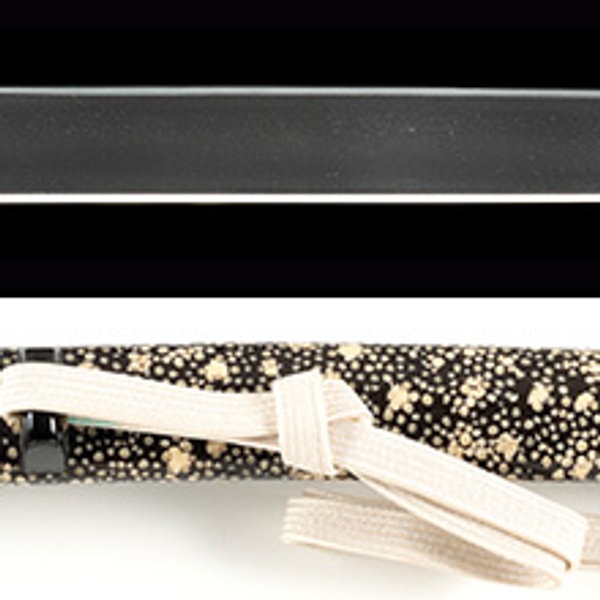
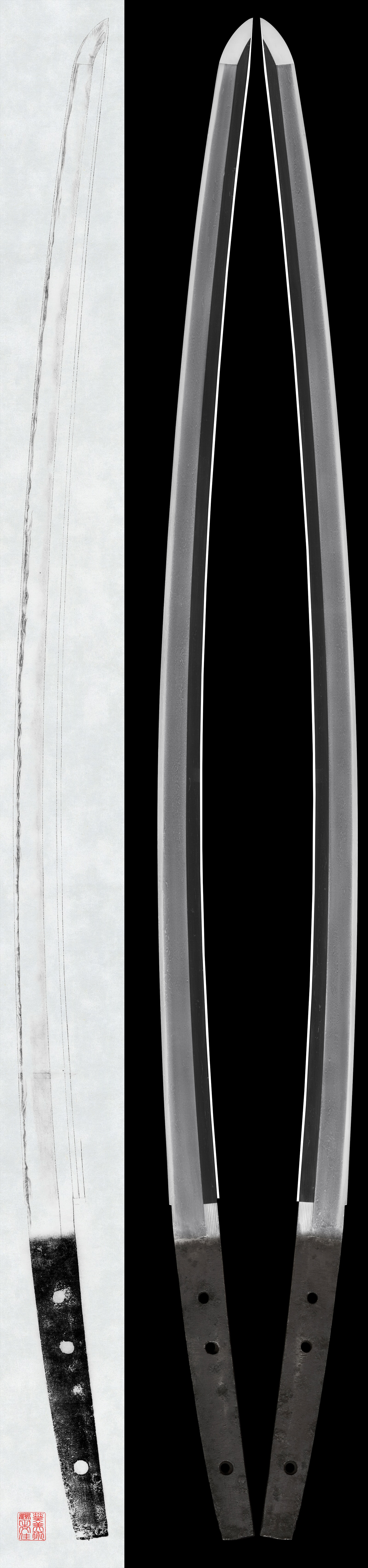
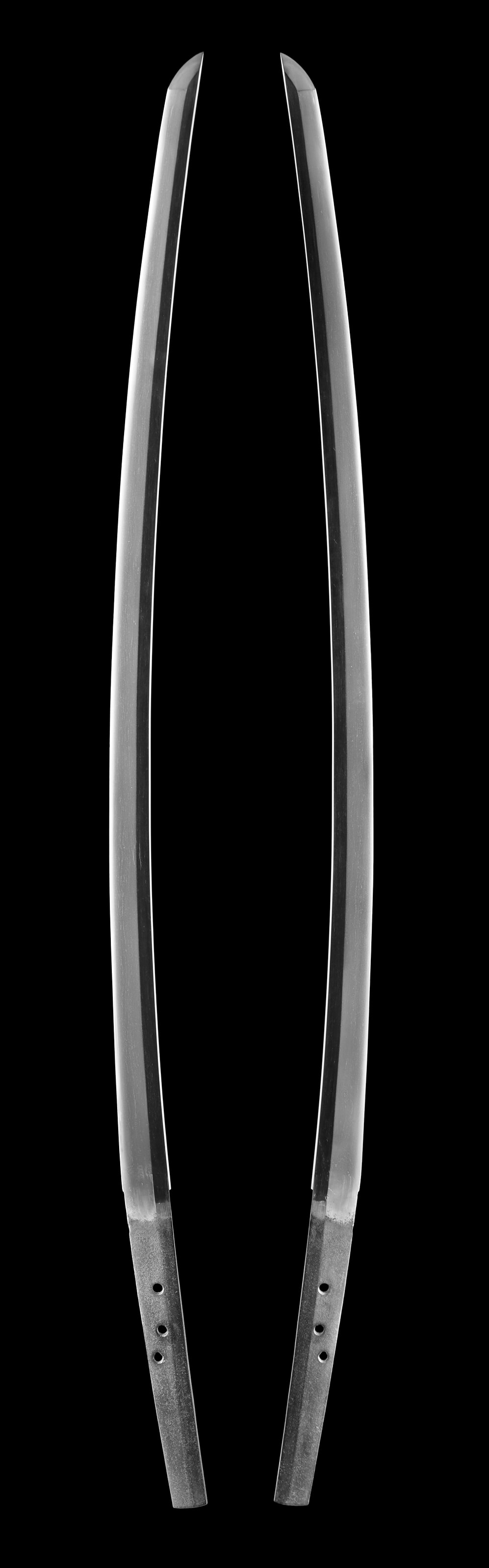
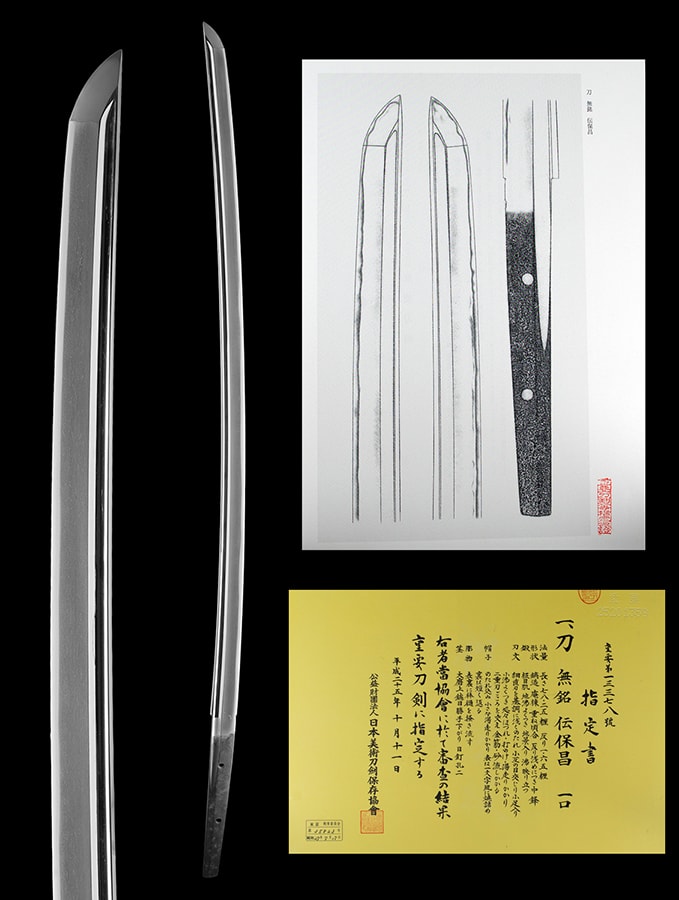
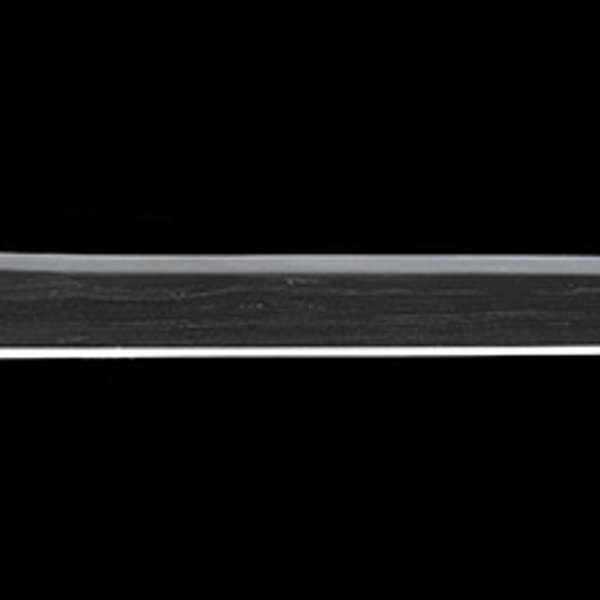
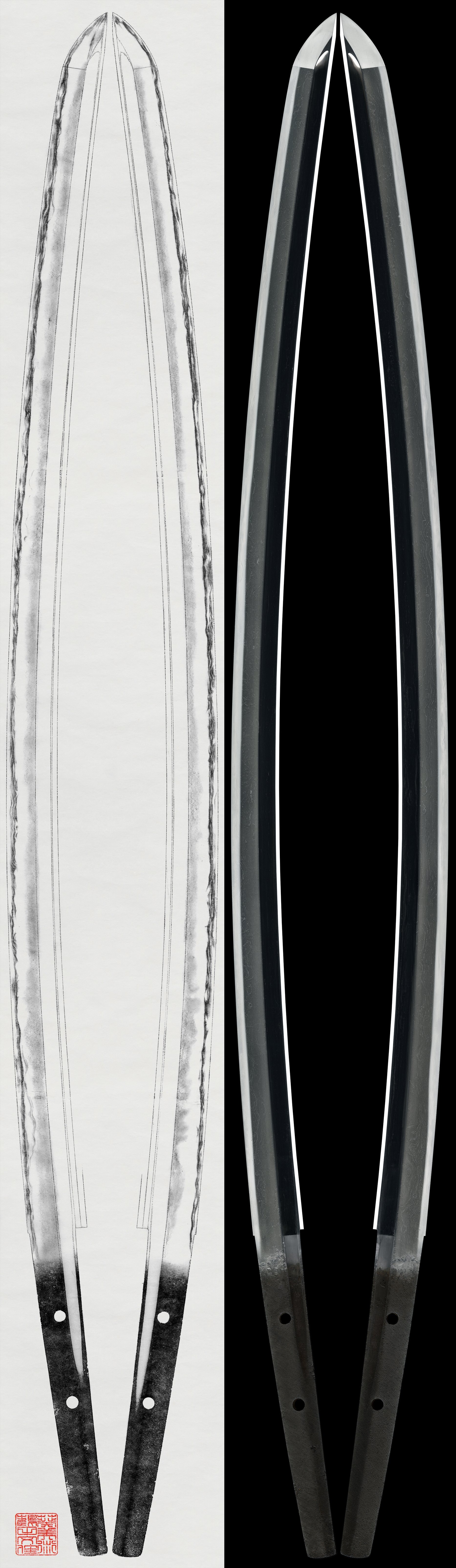
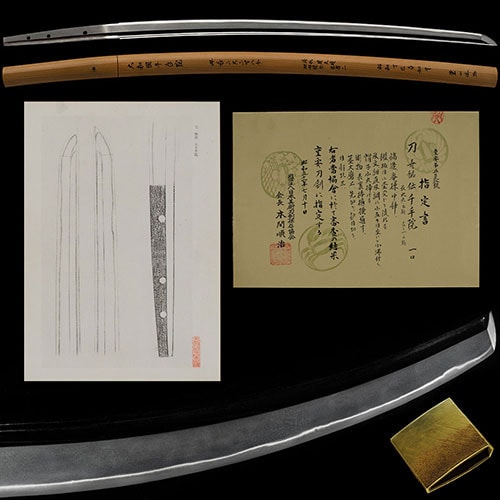
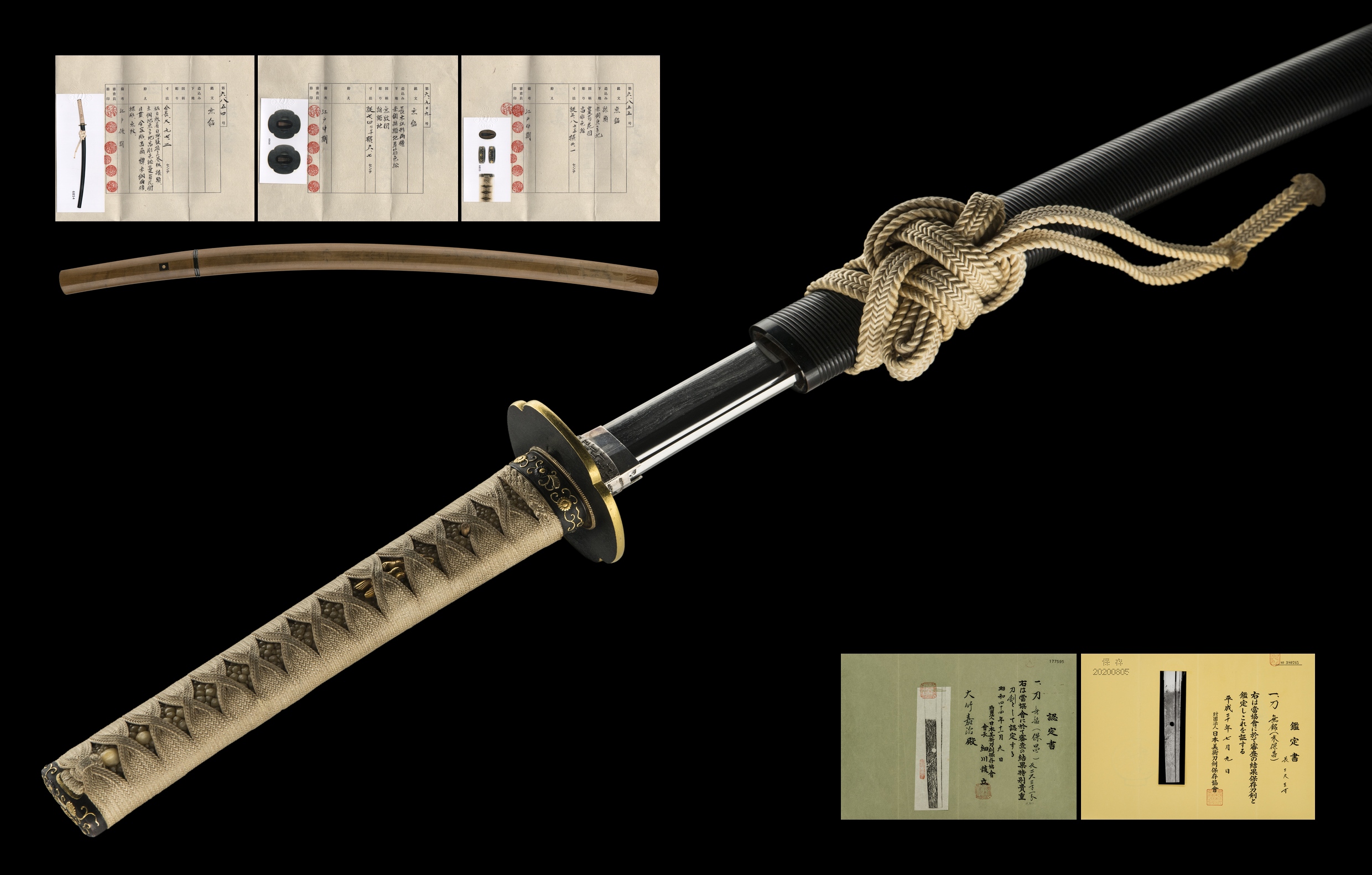
Skip to content ITEM# UJKA174 – Catalogue 40 – Sold A Sue-Hôshô Katana (保昌・貞家) The Hôshô school holds a singular place amongst the five major schools of the Yamato tradition. Alone amongst them, the smiths of Hôshô forged exclusively in the pure straight-grain pattern known as masame-hada – a discipline that demanded extraordinary control and produced steel of unmistakeable character. The school began in the middle to late Kamakura period and counts Sadamune , Sadayoshi , and Sadatsugu amongst its finest names. Blades attributed to the Sue-Hôshô school are those made in the early Muromachi period, circa the 1400s. This sword carries an NBTHK Hozon certificate attributing it to the Sue-Hôshô school, yet its provenance reaches considerably further back. A former green Tokubetsu Kichô certificate – one of the most respected verdicts of the old system – placed it at least a century earlier, to Hôshô proper. Confirming this elevated attribution, the sword carries a sayagaki by Dr. Satô Kanzan, the eminent scholar and author, who authenticated it to Hôshô Sadaie , a smith working during the Bunpô era (1317-1319) of the late Kamakura period. The jihada of undulating masame-hada with fine channels of chikei gleaming like comets through the steel fully supports this reading. The koshirae that accompanies this blade is itself a remarkable object. Crafted in the late Edo period, the kizami-saya – its every ring hand-carved – is lacquered in glossy black and clearly takes its inspiration from the straight grain of the blade’s own masame-hada. The fittings, attributed to the celebrated Yoshioka Inaba no Suke school, feature chrysanthemums and karakusa vines in gold and shakudô over a fine nanako ground – a celebratory suite of the highest craft. The tsuka is wrapped in beautifully preserved white silk, with a matching pair of gold loving birds as menuki. Altogether, an inspiring piece of Japanese sword history. Item Number UJKA174 Sword Type Katana Attribution Sue-Hôshô school (
 NihontoWatch
無銘 · Sue-Hôshô (hôshô School, Yamato Tradition) · 文保 · 長さ 69.6cm · 反り 1.7cm
大和伝 · 大和
現在5点販売中
大和五派のうち、地鉄に総柾目を貫いたただ一門が保昌派である。その本拠は大和国高市郡、成立は鎌倉時代の末葉に置かれ、南北朝期へと続いた。古来寺院に付属して刀を鍛えた大和鍛冶の流れを汲み、同派の工は皆「貞」を通字とする。祖と仰がれるのは貞宗・貞吉で、両者は共に保昌五郎と称したと伝え、その下に貞清・貞興・貞光らが連なる。中にあって居住地と制作年紀を最も多く銘に記すのが貞吉であり、嘉暦三年紀の太刀に「大和国高市郡住」と切って活躍地・年代を明らかにする。貞清・貞興は貞宗あるいは貞吉に続く手とされ、現存する作はおおむね鎌倉末に収まる。 作風は一門を通じて均質で、まず地鉄に集約される。在銘・無銘を問わず総柾目肌を鍛え、柾が区より先まで通って棟へ抜け、地沸が厚くつき地景が頻りに入る。手掻・千手院・尻懸・当麻が柾がかった板目を鍛えるのに対し、保昌はこの純然たる総柾に徹し、説示も大和五派の中で最も作風の個性が顕著な一派と記す。刃文はその柾目に応じ、匂深く小沸のついた直刃を主とし、刃は地鉄と別に立つのではなく肌目にからんで頻りにほつれ、刃縁に喰違刃・二重刃・打のけを集め、金筋・砂流しがかかる。物打辺より上で焼幅が広がり一段と沸が強くつくのも一派の所作である。帽子は直ぐに掃きかけて焼詰めとなり、多くは返りを持たず、時に火焔風となる。茎には檜垣鑢をかけ先をぶっ切りとし、これも銘と並ぶ見どころをなす。工により振幅には差があり、貞吉の地刃は荒く沸が強く、やや時代の下る貞清・貞興の手は地刃ともに静かで精良に読まれる。短刀には小振りで重ねの厚い品のよいものが多い。 鑑定の勘所は何よりこの純然たる総柾目にあり、これによって同じ大和の手掻・千手院・尻懸・当麻と分かたれる。一門の諸工に際立った個性は見出しにくく、無銘作は個ではなく時代と作域から保昌と極められ、ゆえに在銘作では銘振りこそが工を分かつ。年紀と居住地まで記す貞吉が最も知り得る工で、藤代の極めでは最上作にあたり、貞清・貞興は二字銘や藤原を冠する四字銘を残すのみで年紀作を見ない。在銘作は短刀に多く、大磨上無銘の刀は後に金象嵌の極めを受け、埋忠家や本阿弥光一の銘を留めるものがある。伝来は大名家を貫き、肥後細川家を経た短刀をはじめ、毛利元康所持を記す大磨上の刀などが知られる。総柾目に徹したこの一門の作が市に現れることは稀で、ことに年紀ある貞吉の在銘作に接する機会は少ない。 詳しく見る →
鎌倉時代の大和
大和五派は奈良の大寺の影で育った。手掻の名は東大寺転害門に由来する。柾目と静かな直刃の厳格は寺の美学であり、後世はまさにその節度を賞美してきた。
本作はNBTHKの旧鑑定書(貴重・特別貴重)を有しますが、これらは現在発行されておらず、信頼性に欠けるとされています。極めを確認するには、公的な鑑定機関(NBTHK・NTHKなど)への再提出による現代の鑑定をご検討いただけます。
All swords come with a three-day inspection period beginning from the date of delivery. If not satisfied, the sword may be returned within this period for a full refund of the purchase price. Outside of this period, all sales are final. Swords purchased on a layaway payment plan are not eligible for the three-day inspection period.
Skip to content ITEM# UJKA174 – Catalogue 40 – Sold A Sue-Hôshô Katana (保昌・貞家) The Hôshô school holds a singular place amongst the five major schools of the Yamato tradition. Alone amongst them, the smiths of Hôshô forged exclusively in the pure straight-grain pattern known as masame-hada – a discipline that demanded extraordinary control and produced steel of unmistakeable character. The school began in the middle to late Kamakura period and counts Sadamune , Sadayoshi , and Sadatsugu amongst its finest names. Blades attributed to the Sue-Hôshô school are those made in the early Muromachi period, circa the 1400s. This sword carries an NBTHK Hozon certificate attributing it to the Sue-Hôshô school, yet its provenance reaches considerably further back. A former green Tokubetsu Kichô certificate – one of the most respected verdicts of the old system – placed it at least a century earlier, to Hôshô proper. Confirming this elevated attribution, the sword carries a sayagaki by Dr. Satô Kanzan, the eminent scholar and author, who authenticated it to Hôshô Sadaie , a smith working during the Bunpô era (1317-1319) of the late Kamakura period. The jihada of undulating masame-hada with fine channels of chikei gleaming like comets through the steel fully supports this reading. The koshirae that accompanies this blade is itself a remarkable object. Crafted in the late Edo period, the kizami-saya – its every ring hand-carved – is lacquered in glossy black and clearly takes its inspiration from the straight grain of the blade’s own masame-hada. The fittings, attributed to the celebrated Yoshioka Inaba no Suke school, feature chrysanthemums and karakusa vines in gold and shakudô over a fine nanako ground – a celebratory suite of the highest craft. The tsuka is wrapped in beautifully preserved white silk, with a matching pair of gold loving birds as menuki. Altogether, an inspiring piece of Japanese sword history. Item Number UJKA174 Sword Type Katana Attribution Sue-Hôshô school (
NihontoWatch無銘 · Sue-Hôshô (hôshô School, Yamato Tradition) · 文保 · 長さ 69.6cm · 反り 1.7cm
大和伝 · 大和
現在5点販売中
大和五派のうち、地鉄に総柾目を貫いたただ一門が保昌派である。その本拠は大和国高市郡、成立は鎌倉時代の末葉に置かれ、南北朝期へと続いた。古来寺院に付属して刀を鍛えた大和鍛冶の流れを汲み、同派の工は皆「貞」を通字とする。祖と仰がれるのは貞宗・貞吉で、両者は共に保昌五郎と称したと伝え、その下に貞清・貞興・貞光らが連なる。中にあって居住地と制作年紀を最も多く銘に記すのが貞吉であり、嘉暦三年紀の太刀に「大和国高市郡住」と切って活躍地・年代を明らかにする。貞清・貞興は貞宗あるいは貞吉に続く手とされ、現存する作はおおむね鎌倉末に収まる。 作風は一門を通じて均質で、まず地鉄に集約される。在銘・無銘を問わず総柾目肌を鍛え、柾が区より先まで通って棟へ抜け、地沸が厚くつき地景が頻りに入る。手掻・千手院・尻懸・当麻が柾がかった板目を鍛えるのに対し、保昌はこの純然たる総柾に徹し、説示も大和五派の中で最も作風の個性が顕著な一派と記す。刃文はその柾目に応じ、匂深く小沸のついた直刃を主とし、刃は地鉄と別に立つのではなく肌目にからんで頻りにほつれ、刃縁に喰違刃・二重刃・打のけを集め、金筋・砂流しがかかる。物打辺より上で焼幅が広がり一段と沸が強くつくのも一派の所作である。帽子は直ぐに掃きかけて焼詰めとなり、多くは返りを持たず、時に火焔風となる。茎には檜垣鑢をかけ先をぶっ切りとし、これも銘と並ぶ見どころをなす。工により振幅には差があり、貞吉の地刃は荒く沸が強く、やや時代の下る貞清・貞興の手は地刃ともに静かで精良に読まれる。短刀には小振りで重ねの厚い品のよいものが多い。 鑑定の勘所は何よりこの純然たる総柾目にあり、これによって同じ大和の手掻・千手院・尻懸・当麻と分かたれる。一門の諸工に際立った個性は見出しにくく、無銘作は個ではなく時代と作域から保昌と極められ、ゆえに在銘作では銘振りこそが工を分かつ。年紀と居住地まで記す貞吉が最も知り得る工で、藤代の極めでは最上作にあたり、貞清・貞興は二字銘や藤原を冠する四字銘を残すのみで年紀作を見ない。在銘作は短刀に多く、大磨上無銘の刀は後に金象嵌の極めを受け、埋忠家や本阿弥光一の銘を留めるものがある。伝来は大名家を貫き、肥後細川家を経た短刀をはじめ、毛利元康所持を記す大磨上の刀などが知られる。総柾目に徹したこの一門の作が市に現れることは稀で、ことに年紀ある貞吉の在銘作に接する機会は少ない。 詳しく見る →
鎌倉時代の大和
大和五派は奈良の大寺の影で育った。手掻の名は東大寺転害門に由来する。柾目と静かな直刃の厳格は寺の美学であり、後世はまさにその節度を賞美してきた。
本作はNBTHKの旧鑑定書(貴重・特別貴重)を有しますが、これらは現在発行されておらず、信頼性に欠けるとされています。極めを確認するには、公的な鑑定機関(NBTHK・NTHKなど)への再提出による現代の鑑定をご検討いただけます。
All swords come with a three-day inspection period beginning from the date of delivery. If not satisfied, the sword may be returned within this period for a full refund of the purchase price. Outside of this period, all sales are final. Swords purchased on a layaway payment plan are not eligible for the three-day inspection period.