大和を支えた大寺の力は室町を通じて衰え、諸派もこれとともに細った。末手掻が古風な柾目を量産のうちに伝えている。1567年の東大寺大仏殿の炎上が、寺院の時代の幕を引いた。
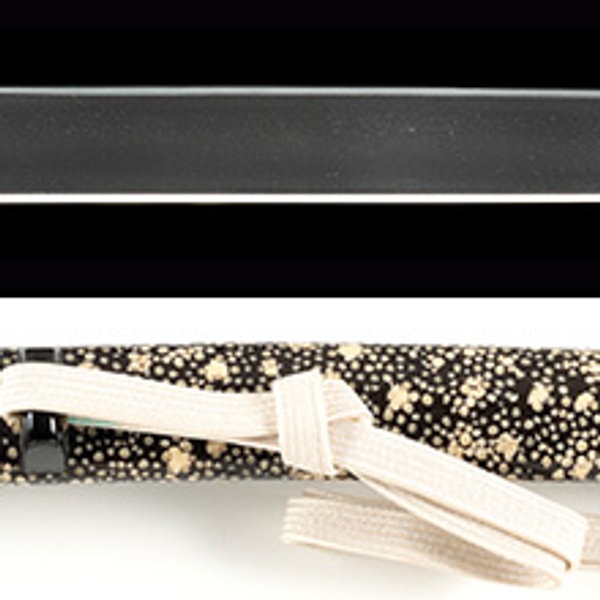
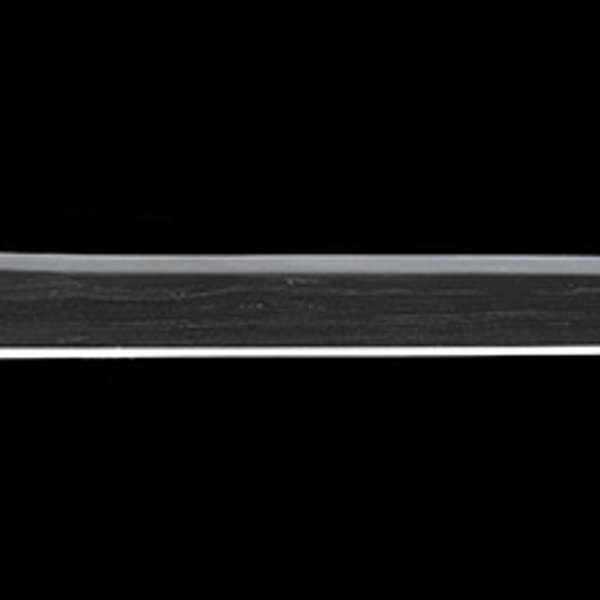
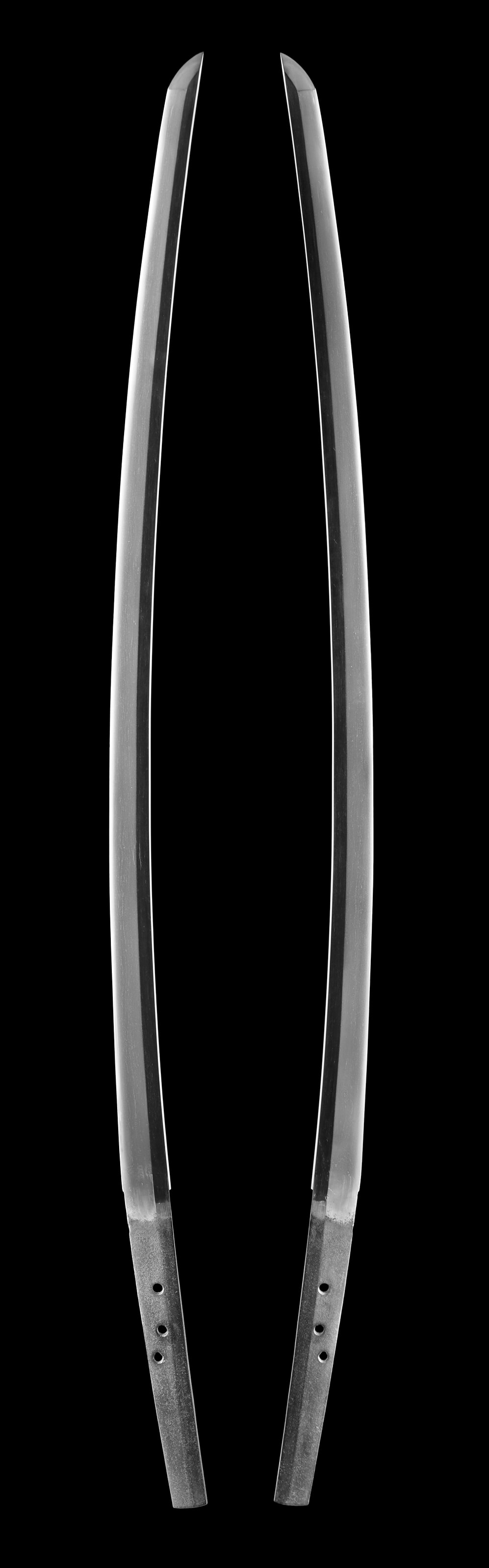
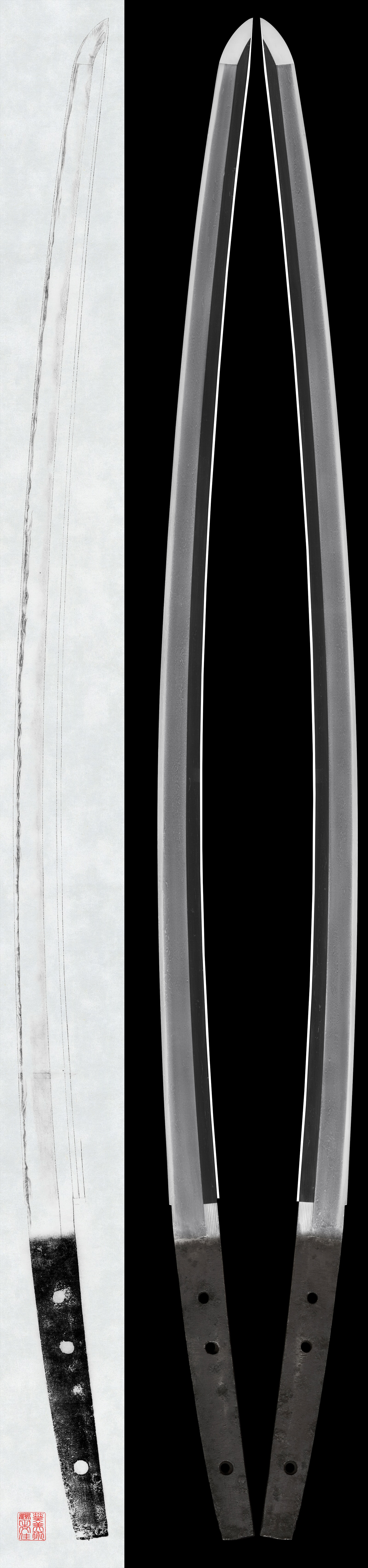
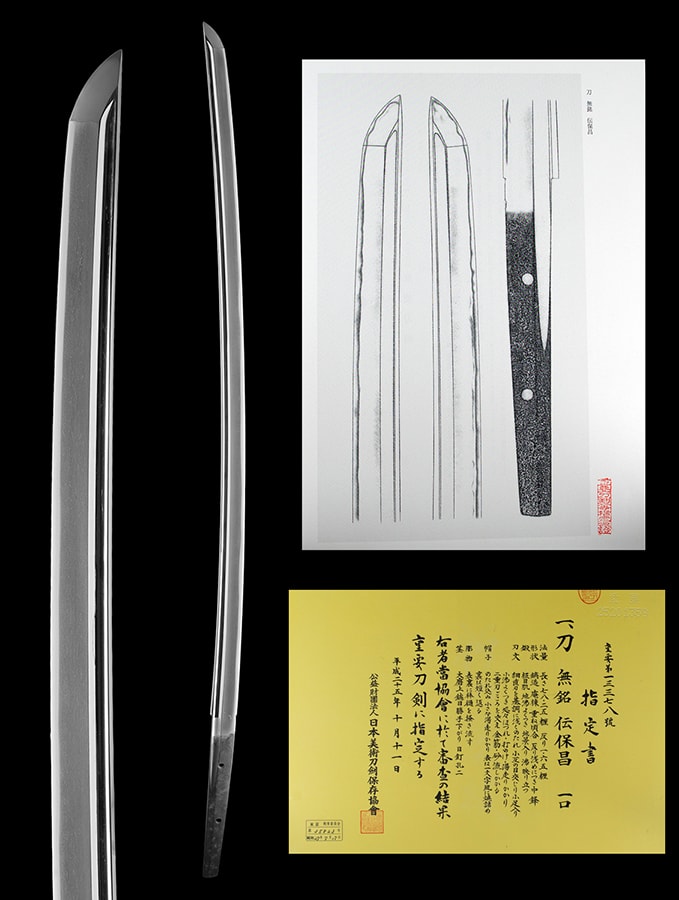
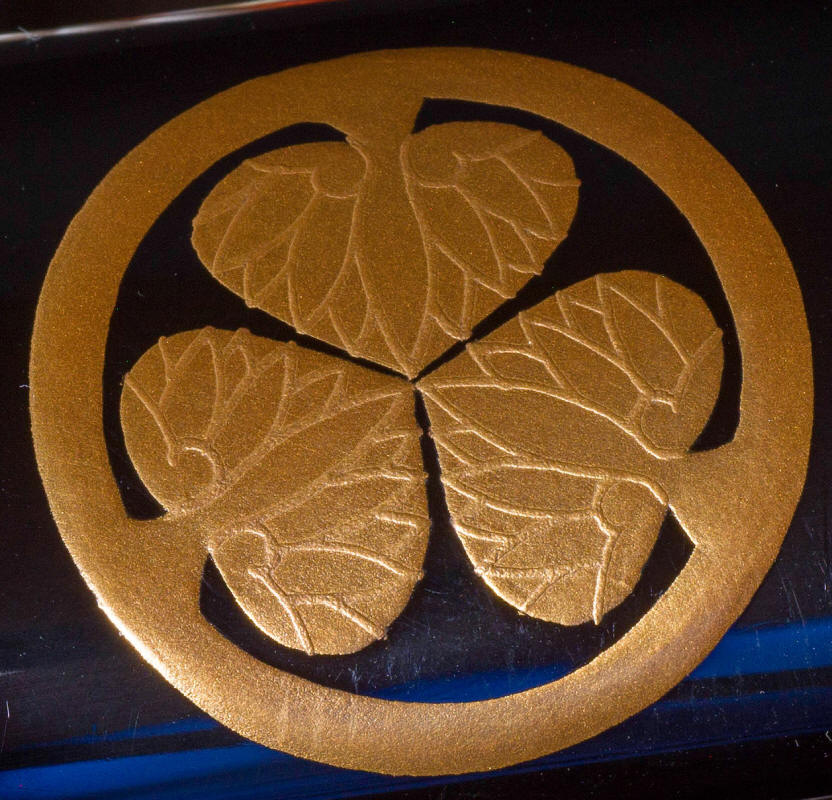
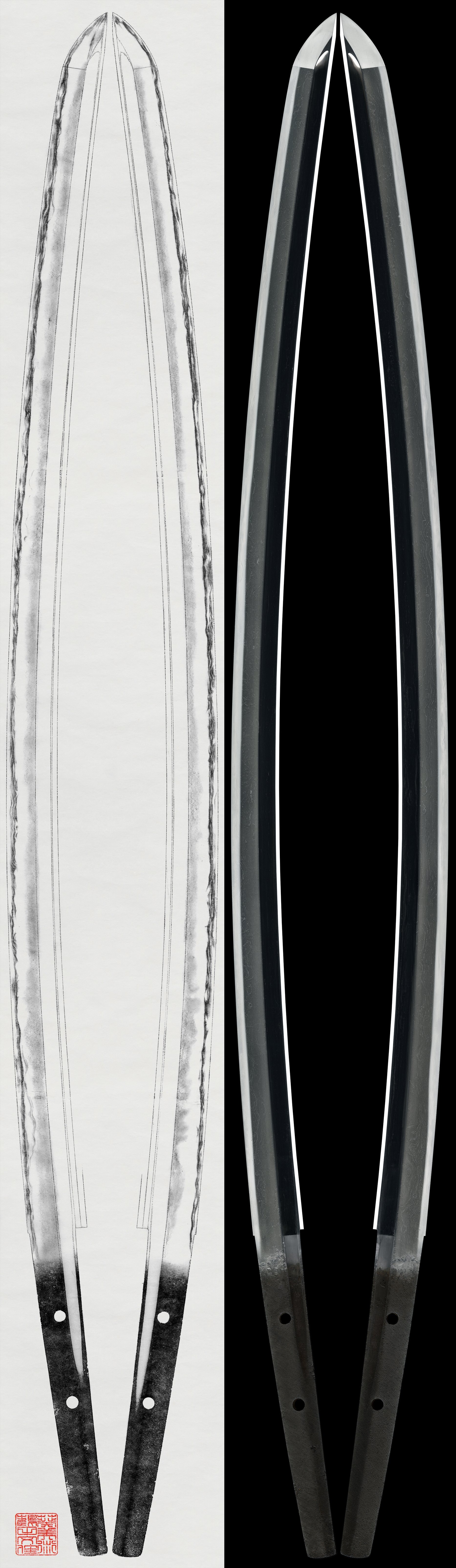
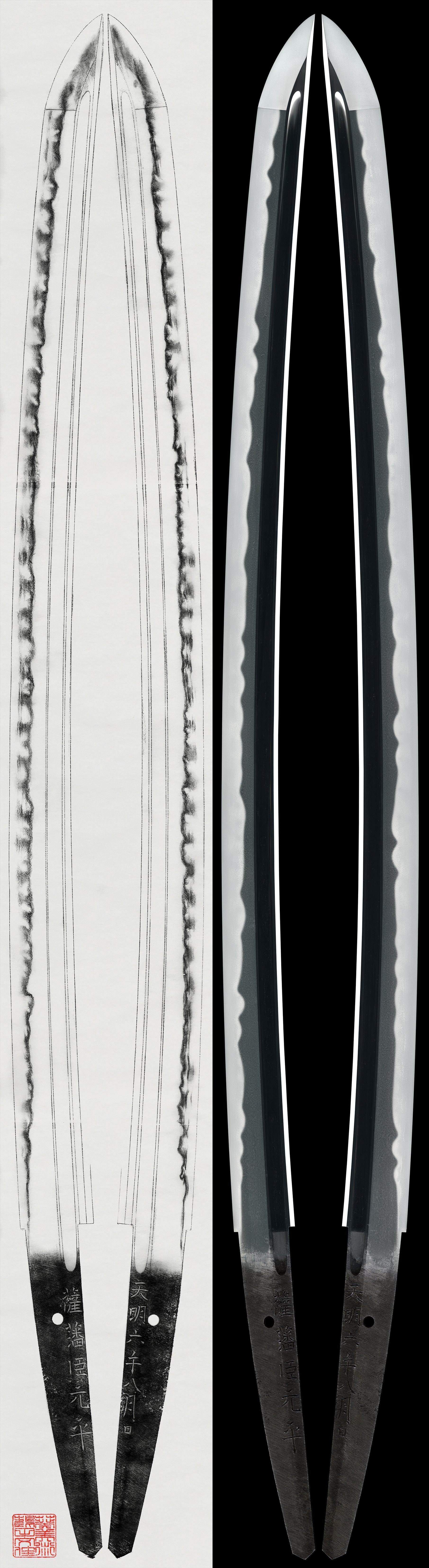
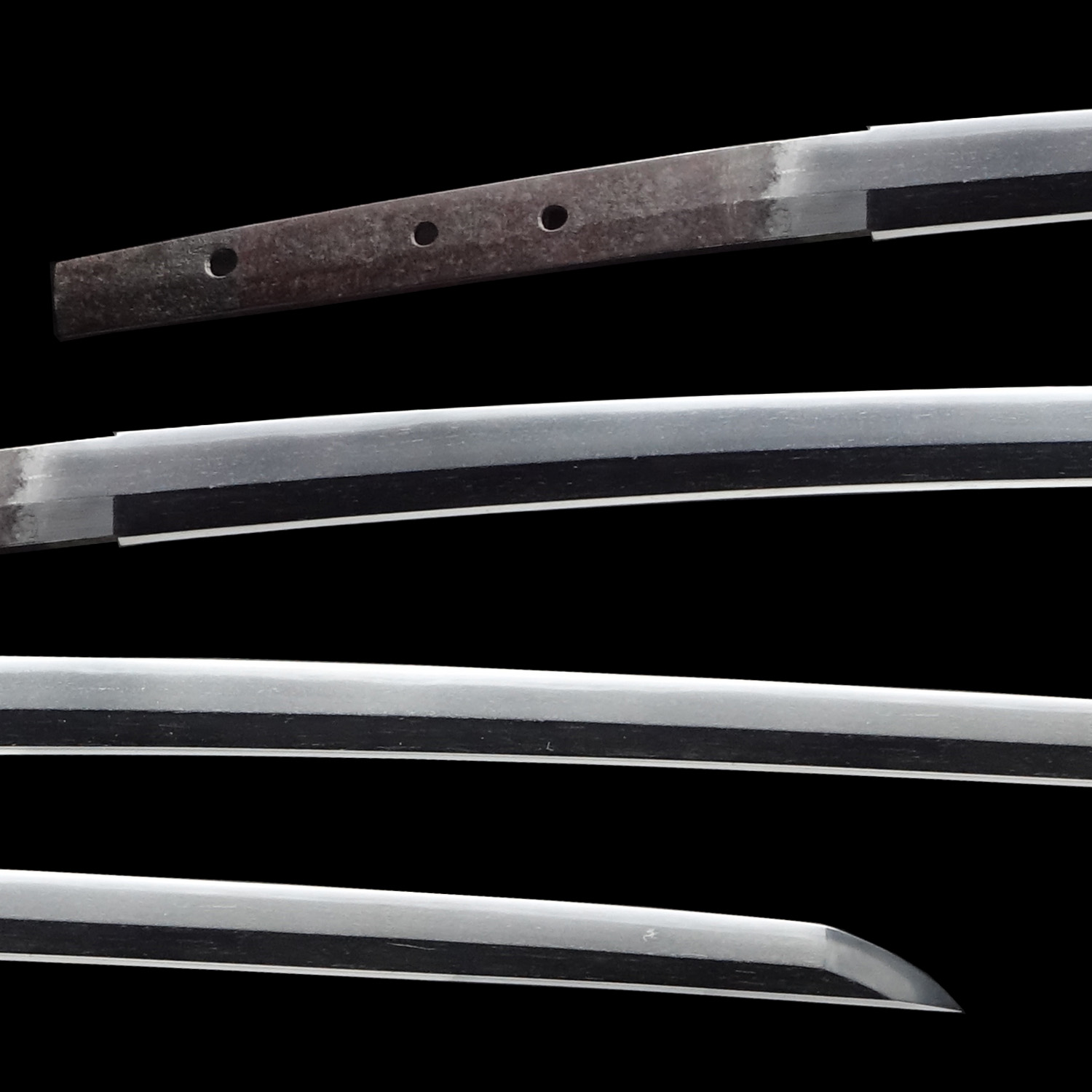
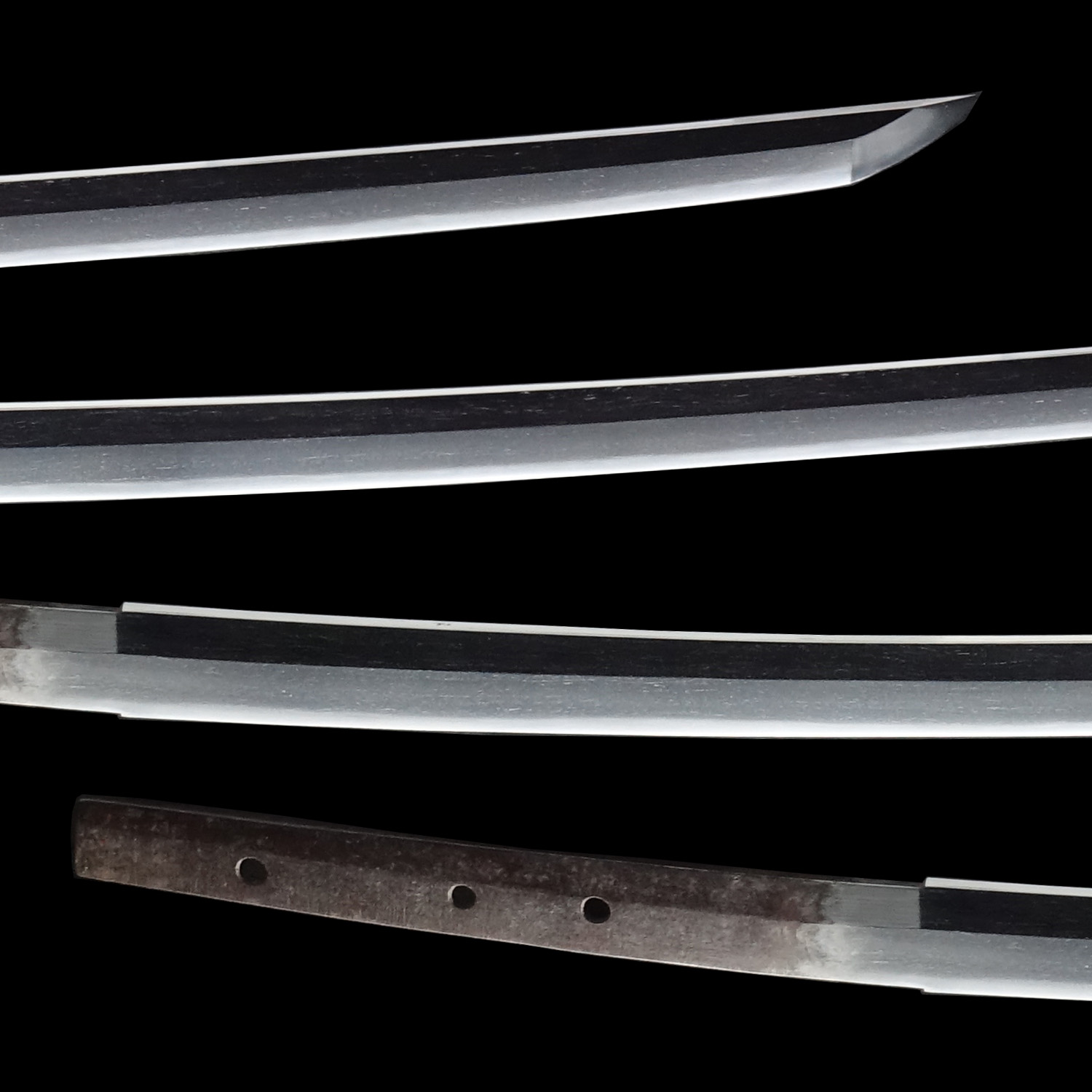
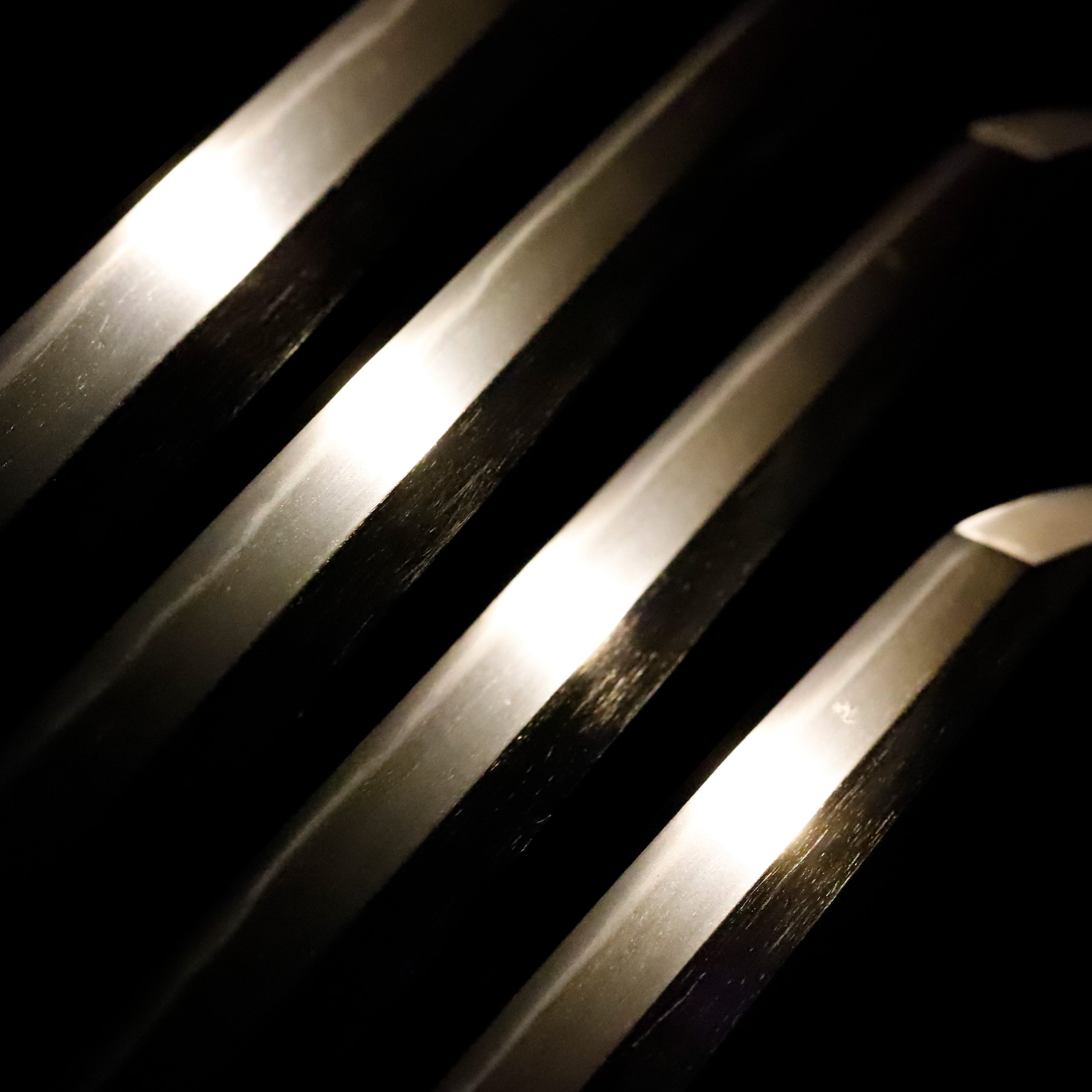
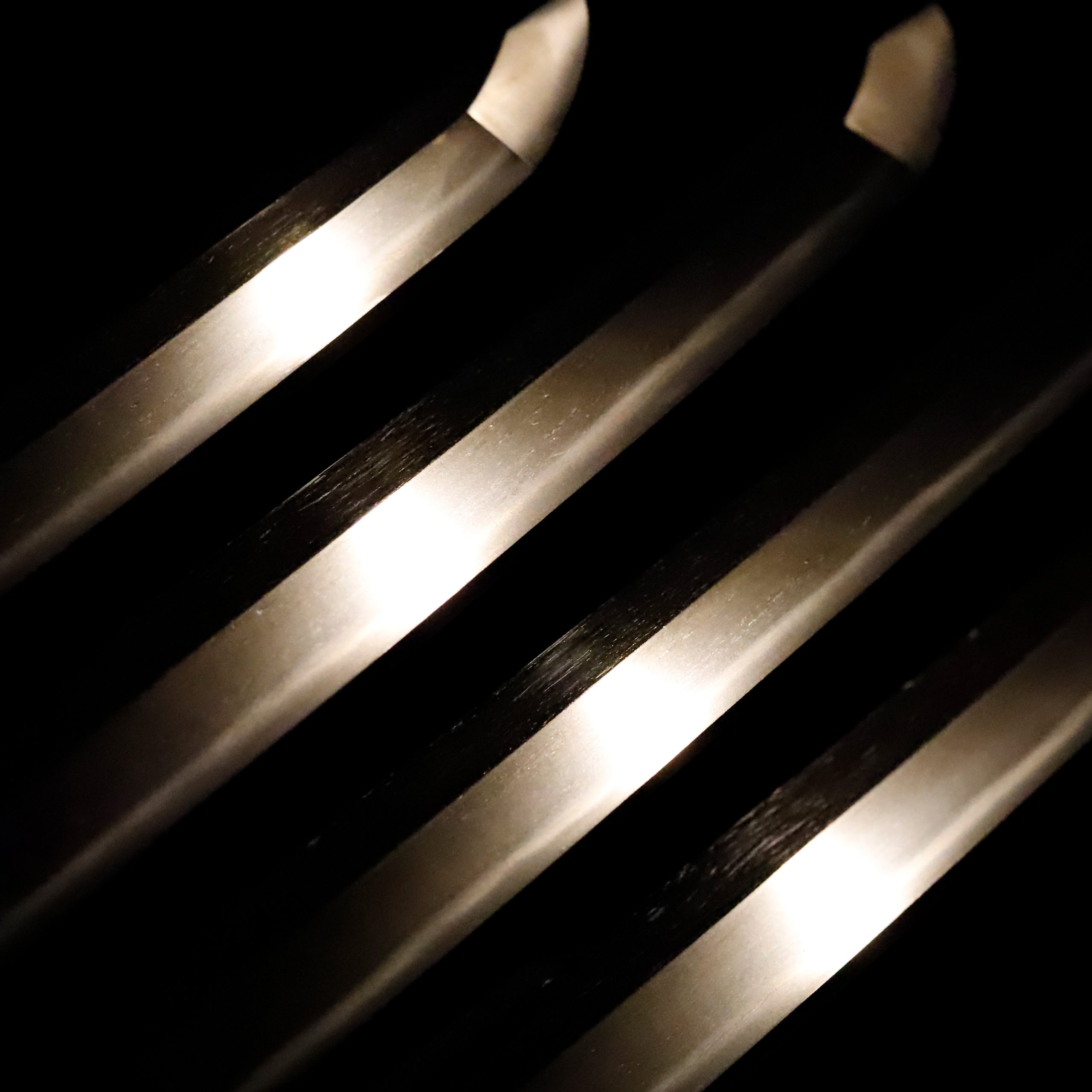
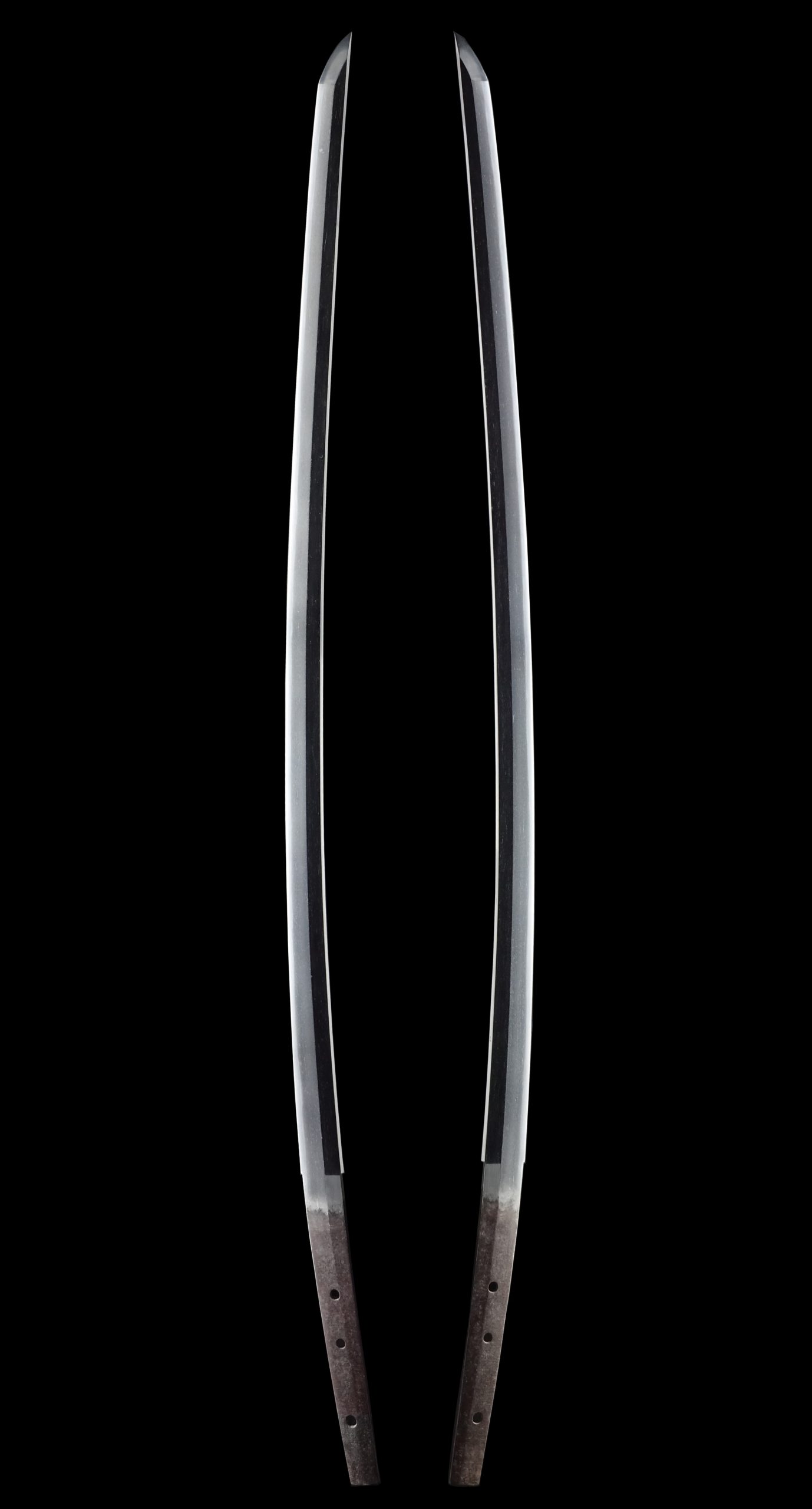
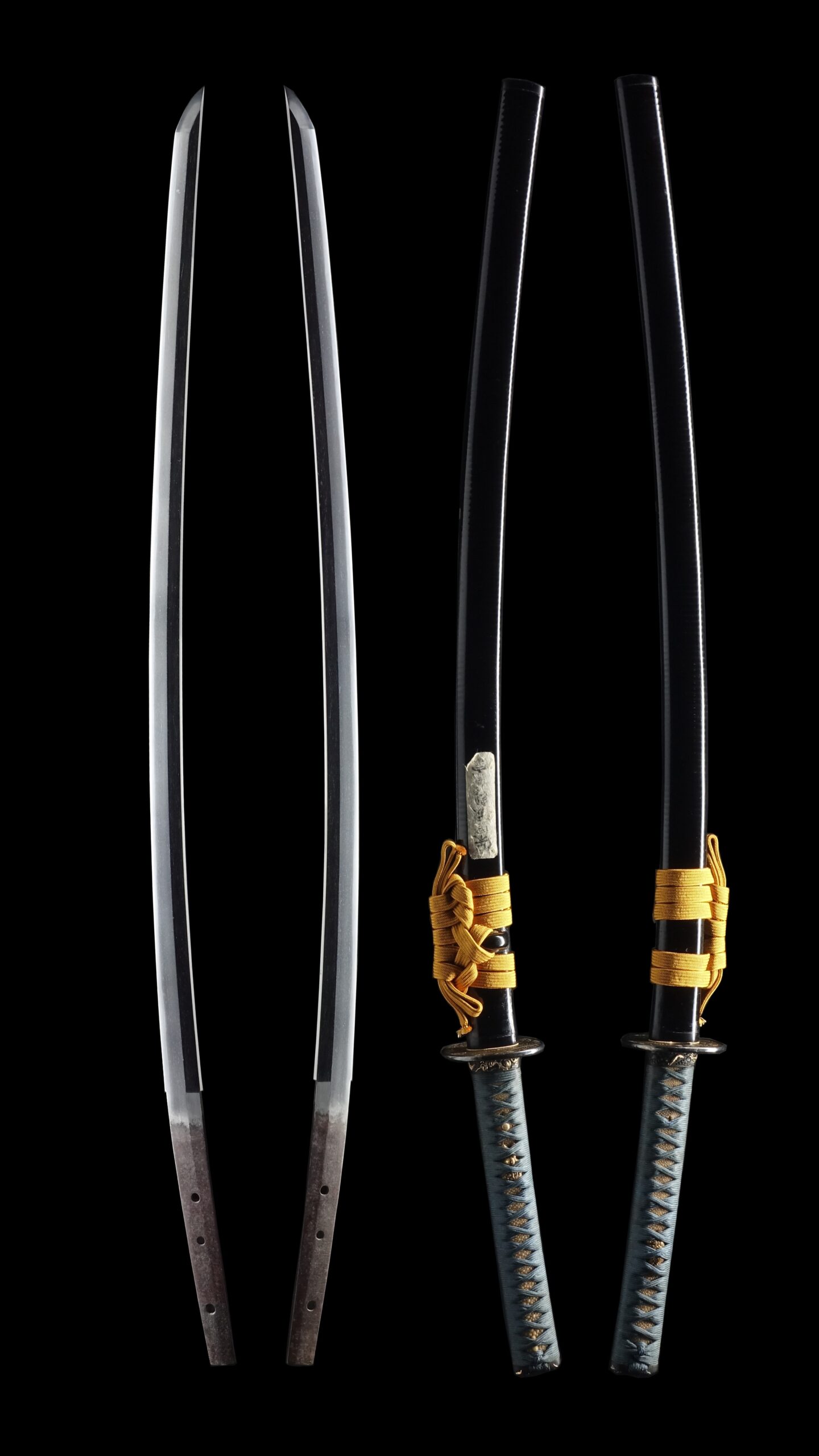
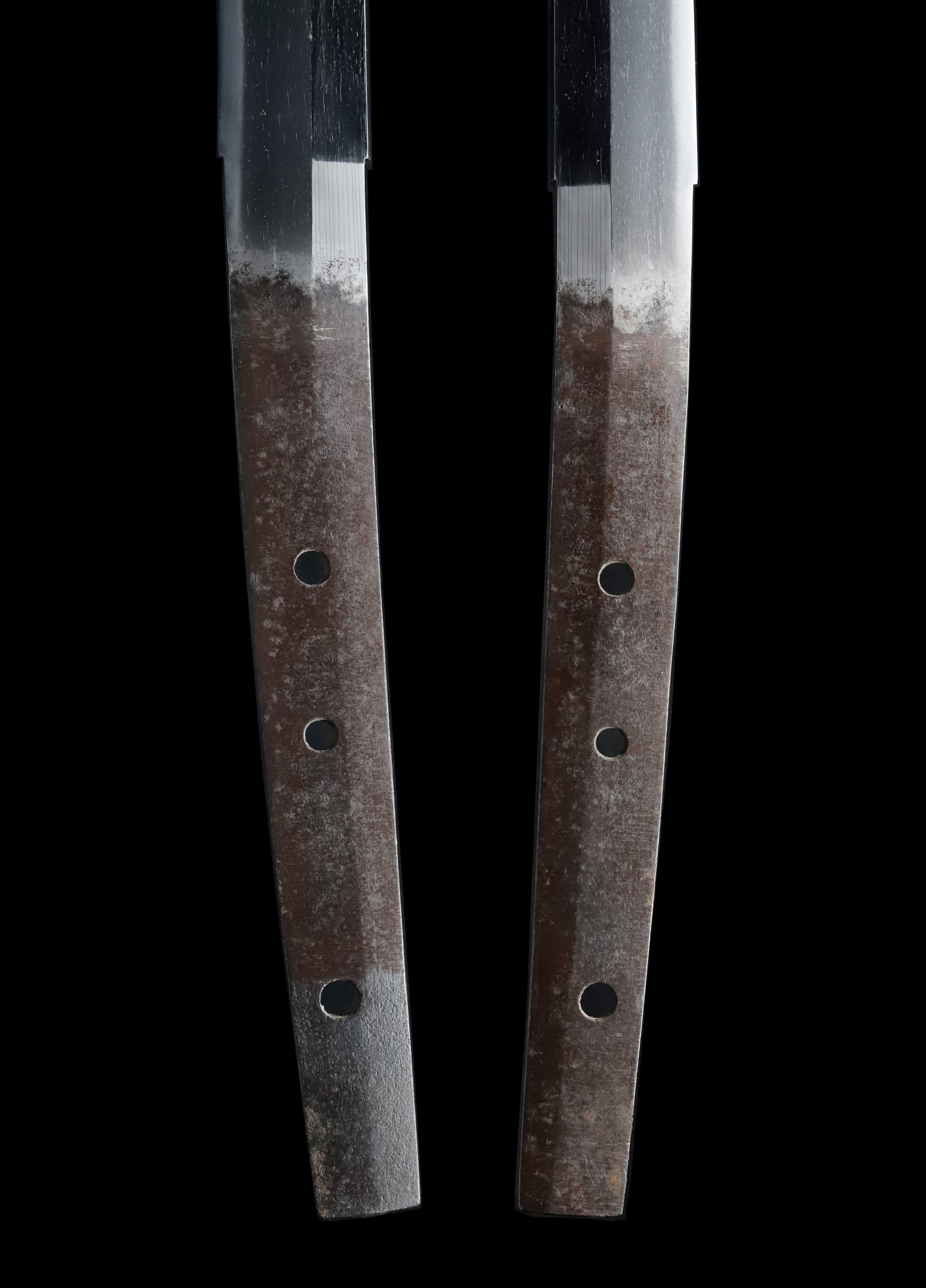
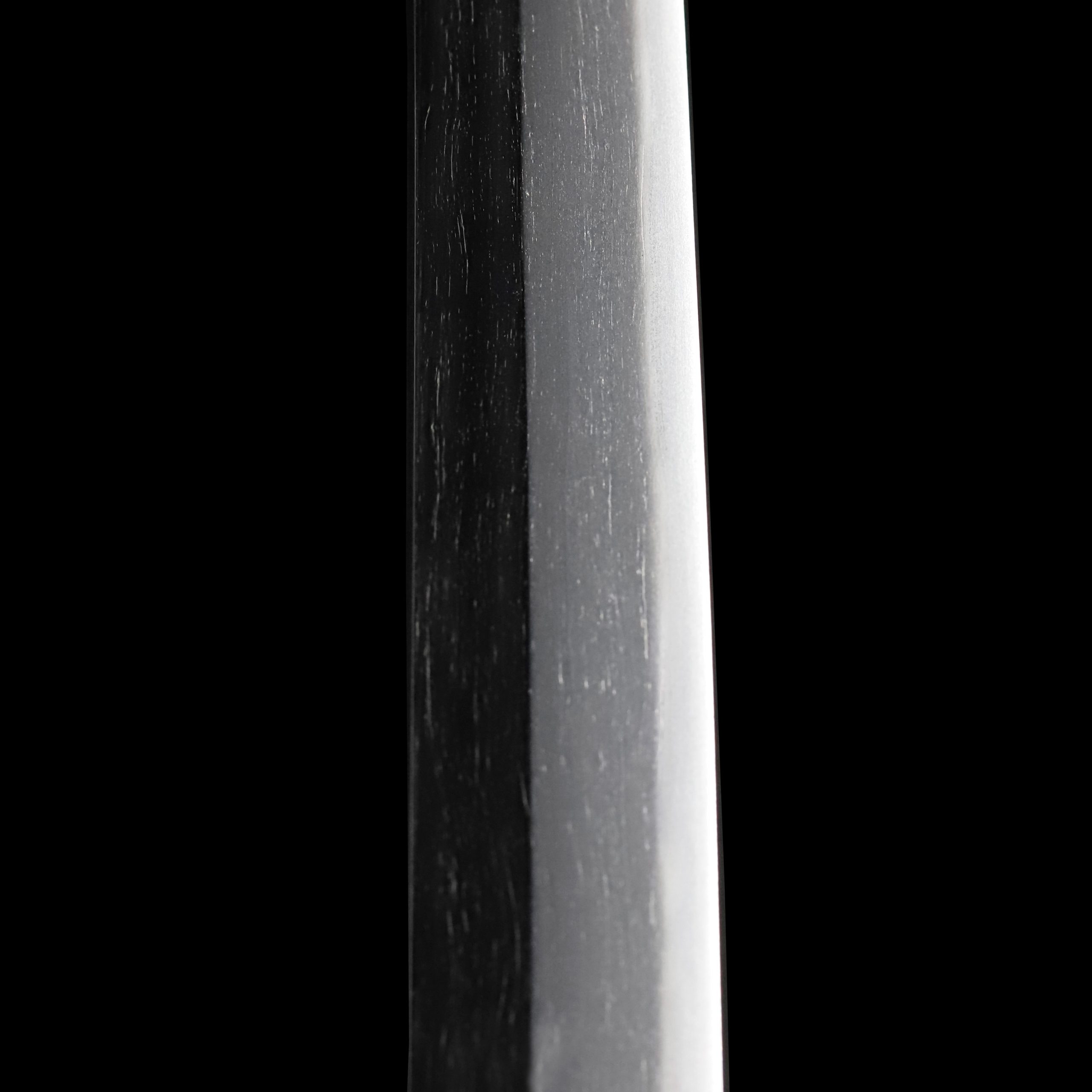
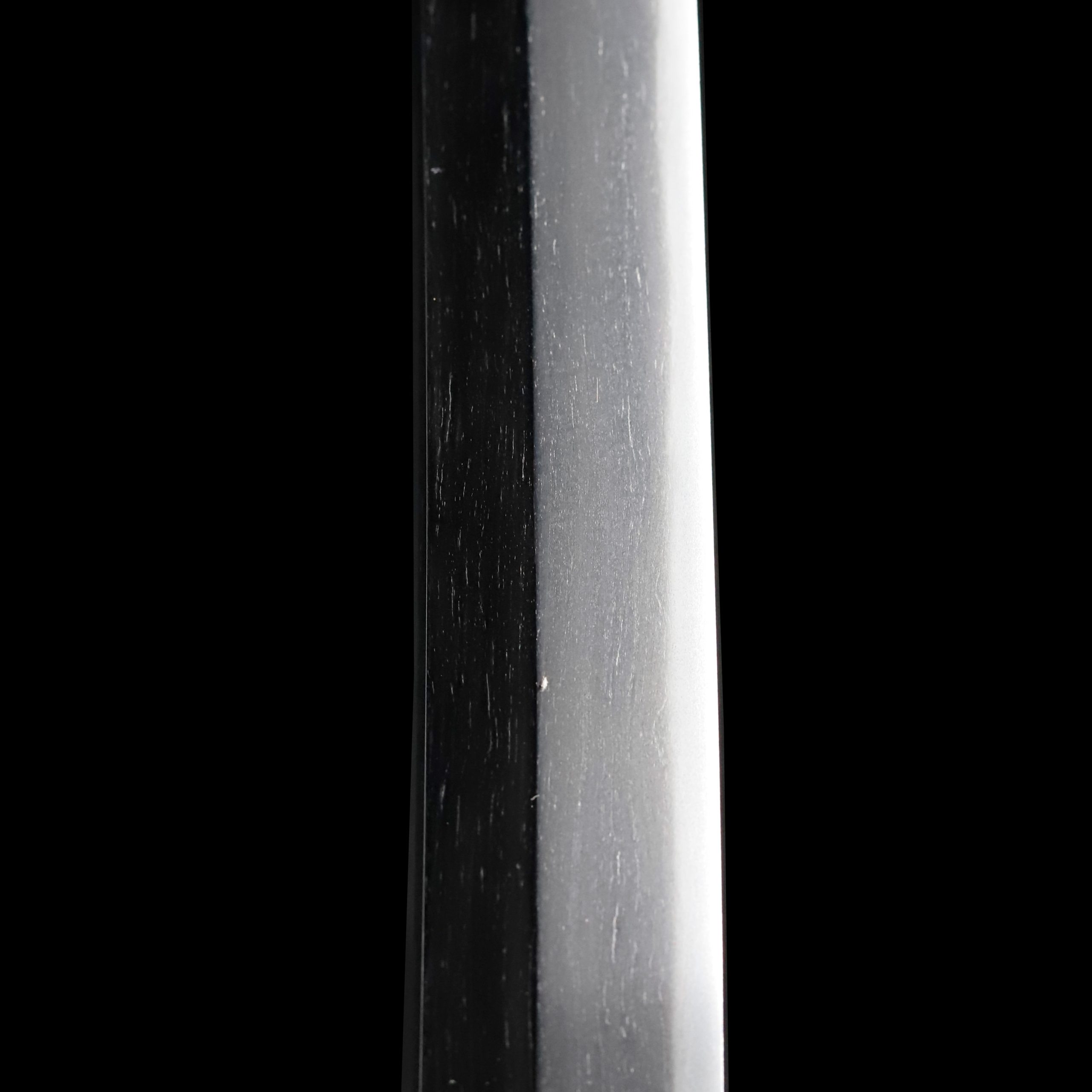
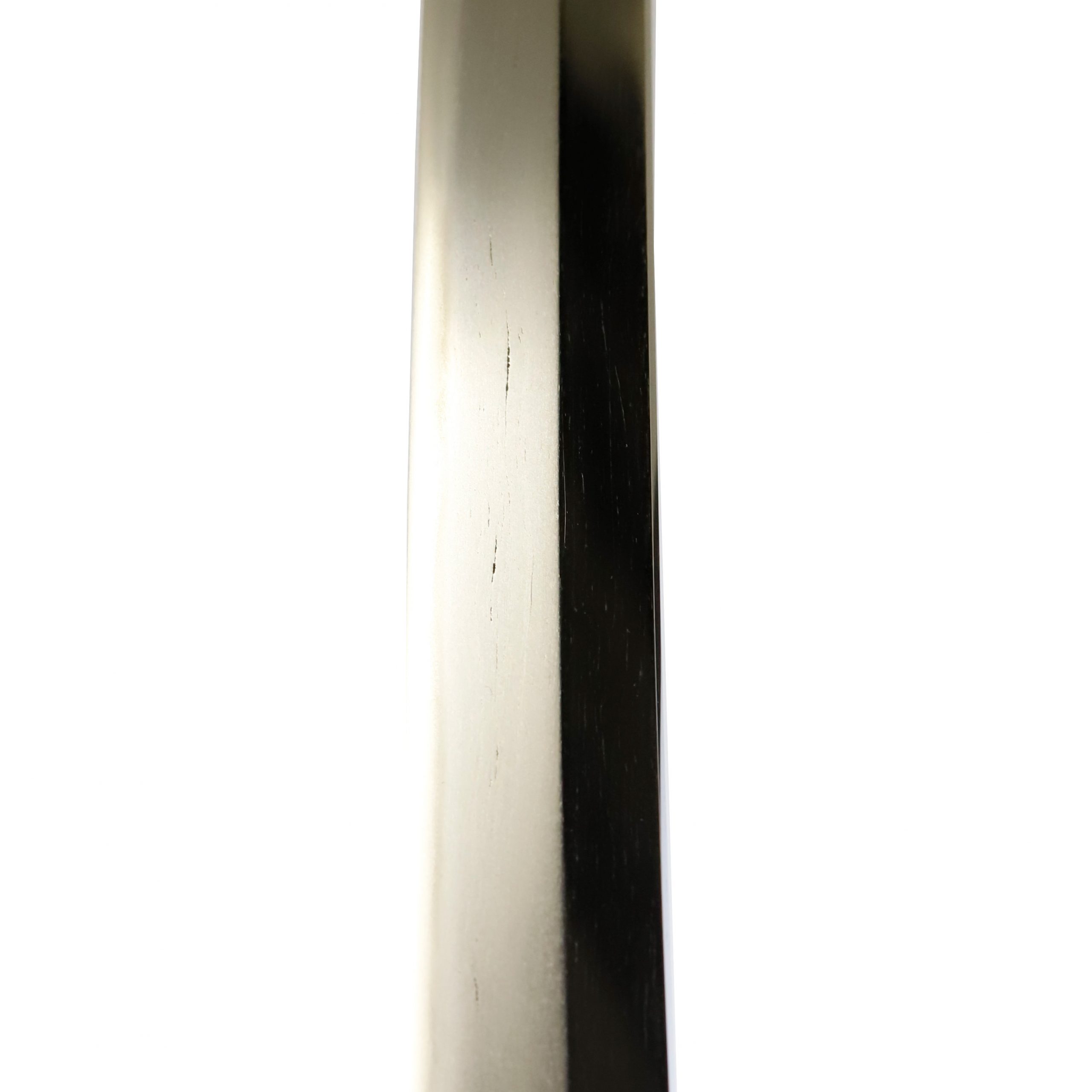
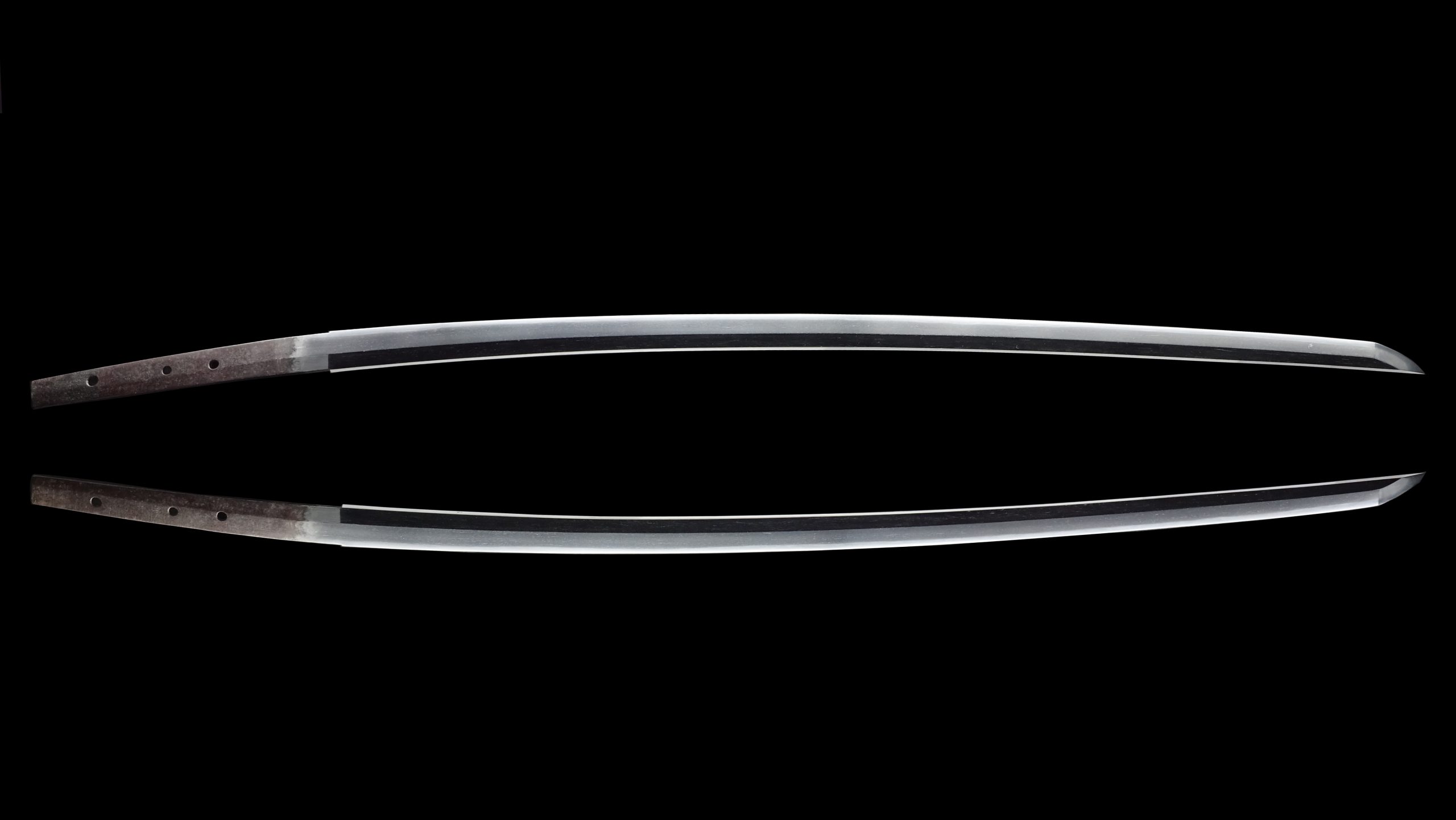
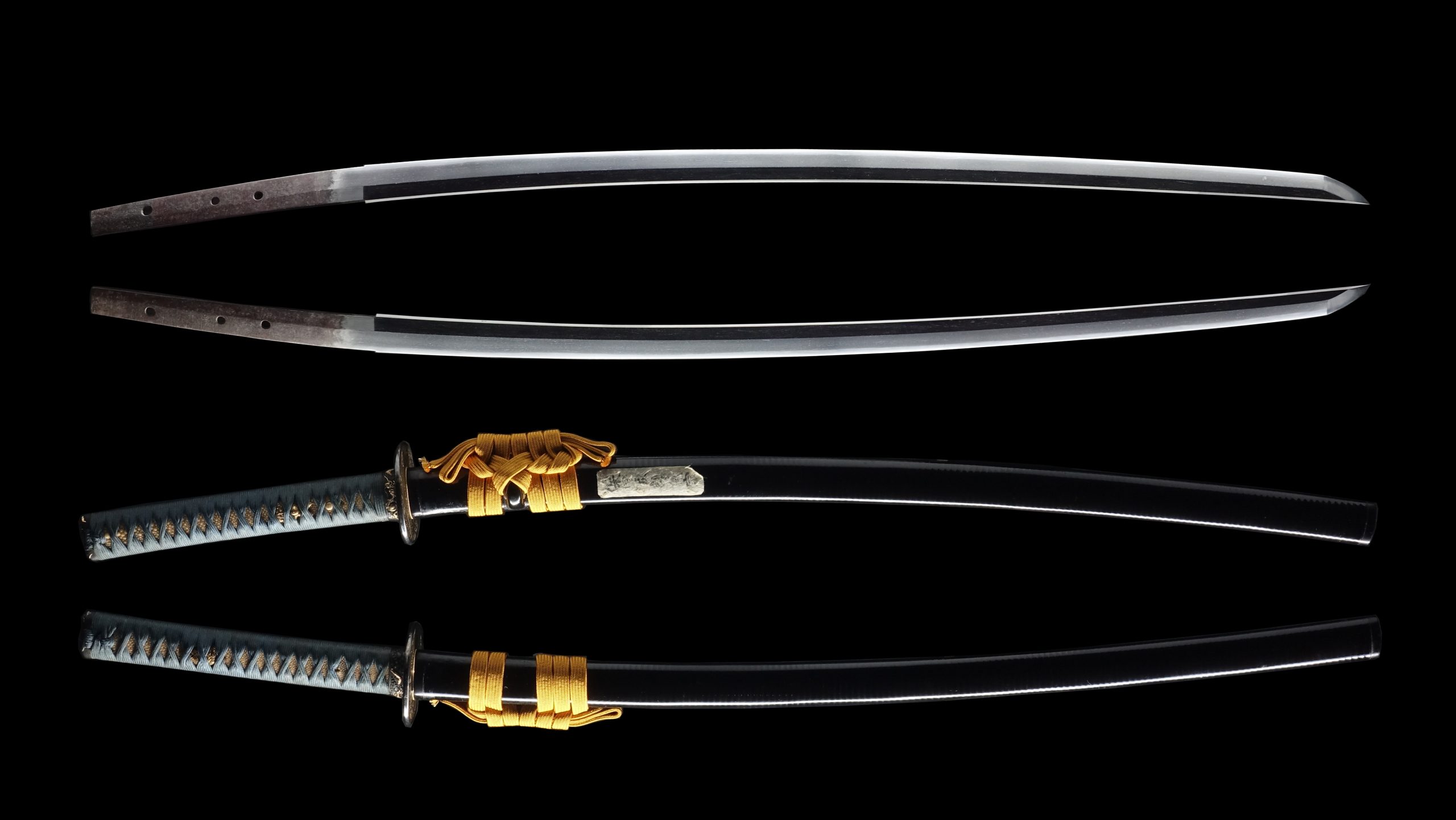
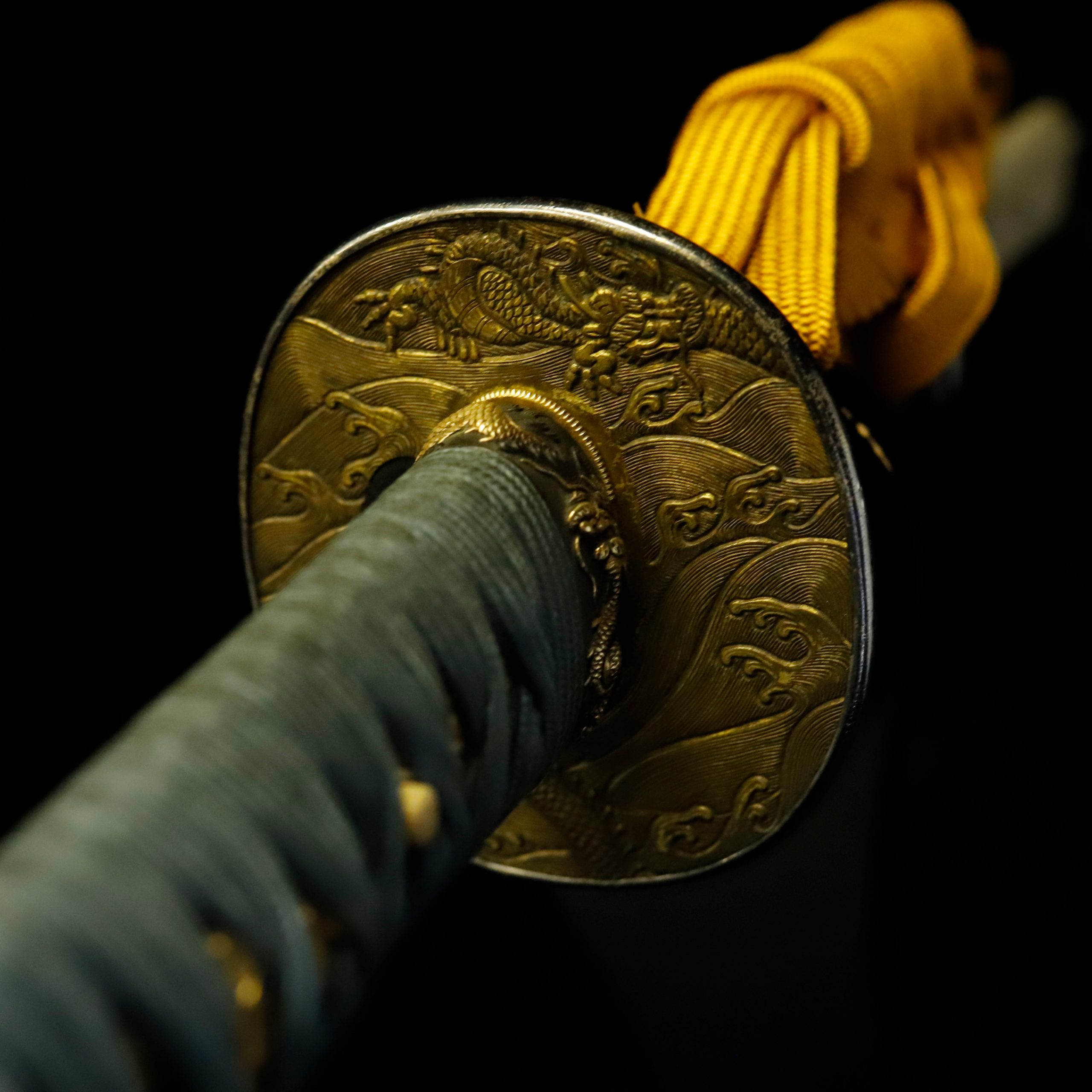
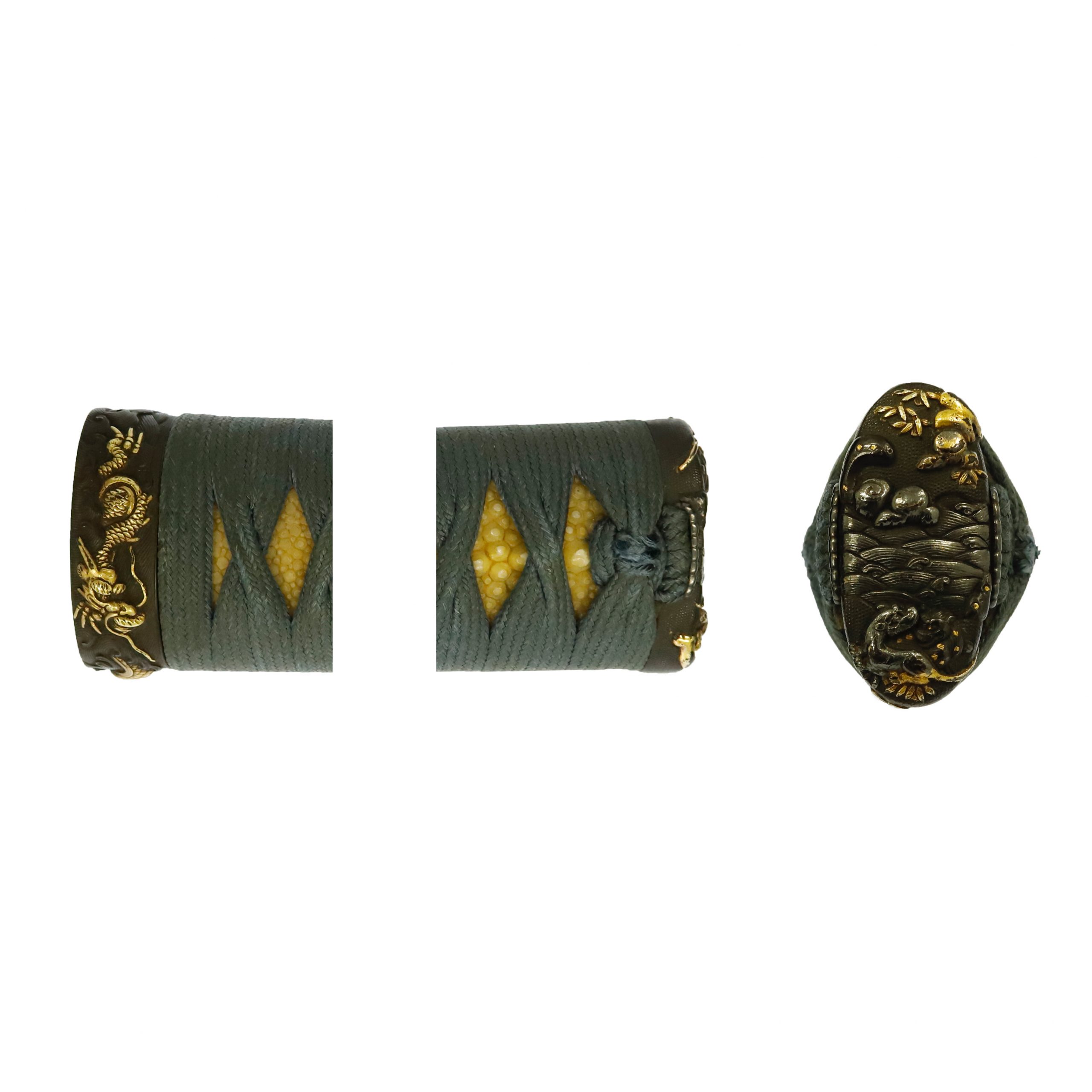
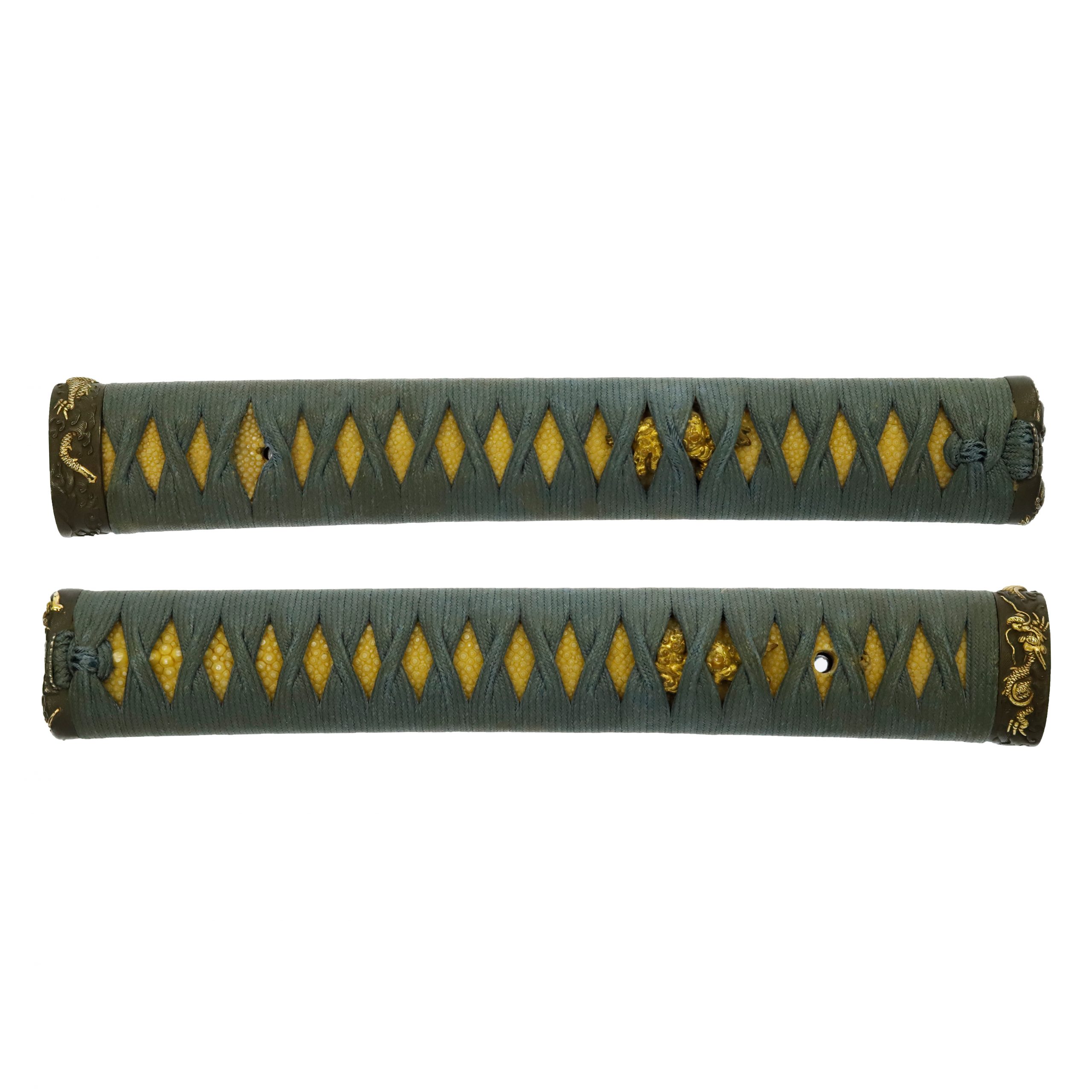
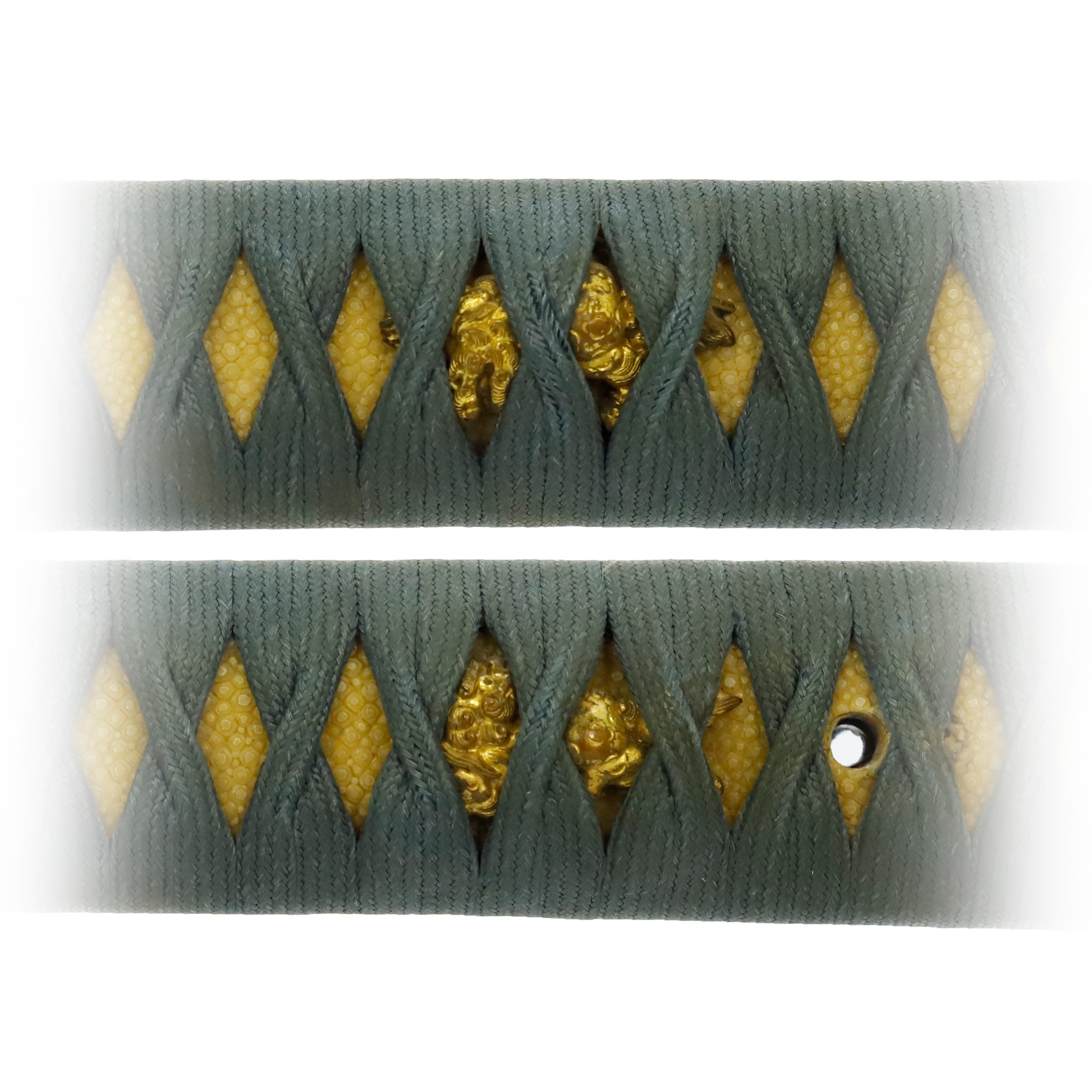
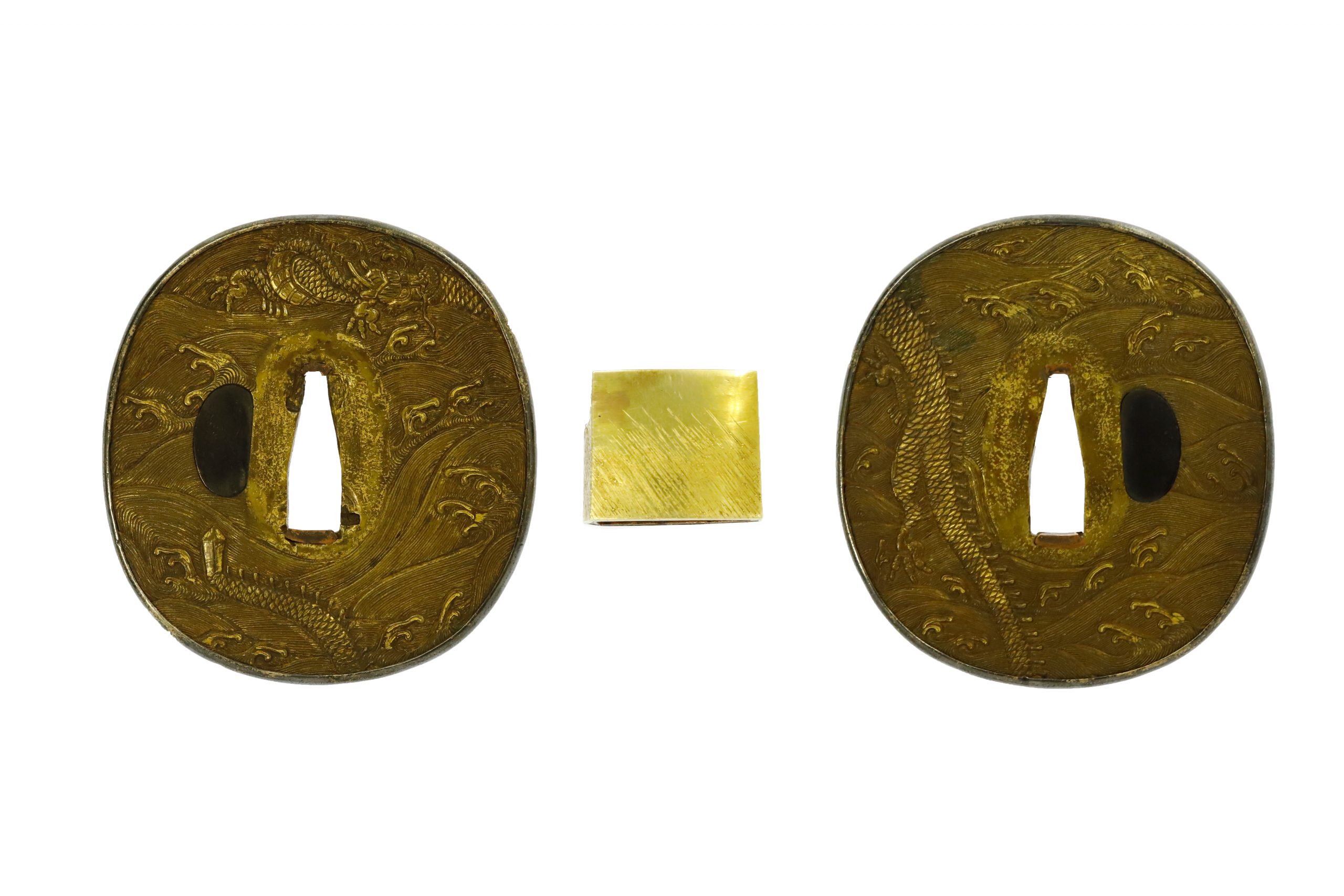
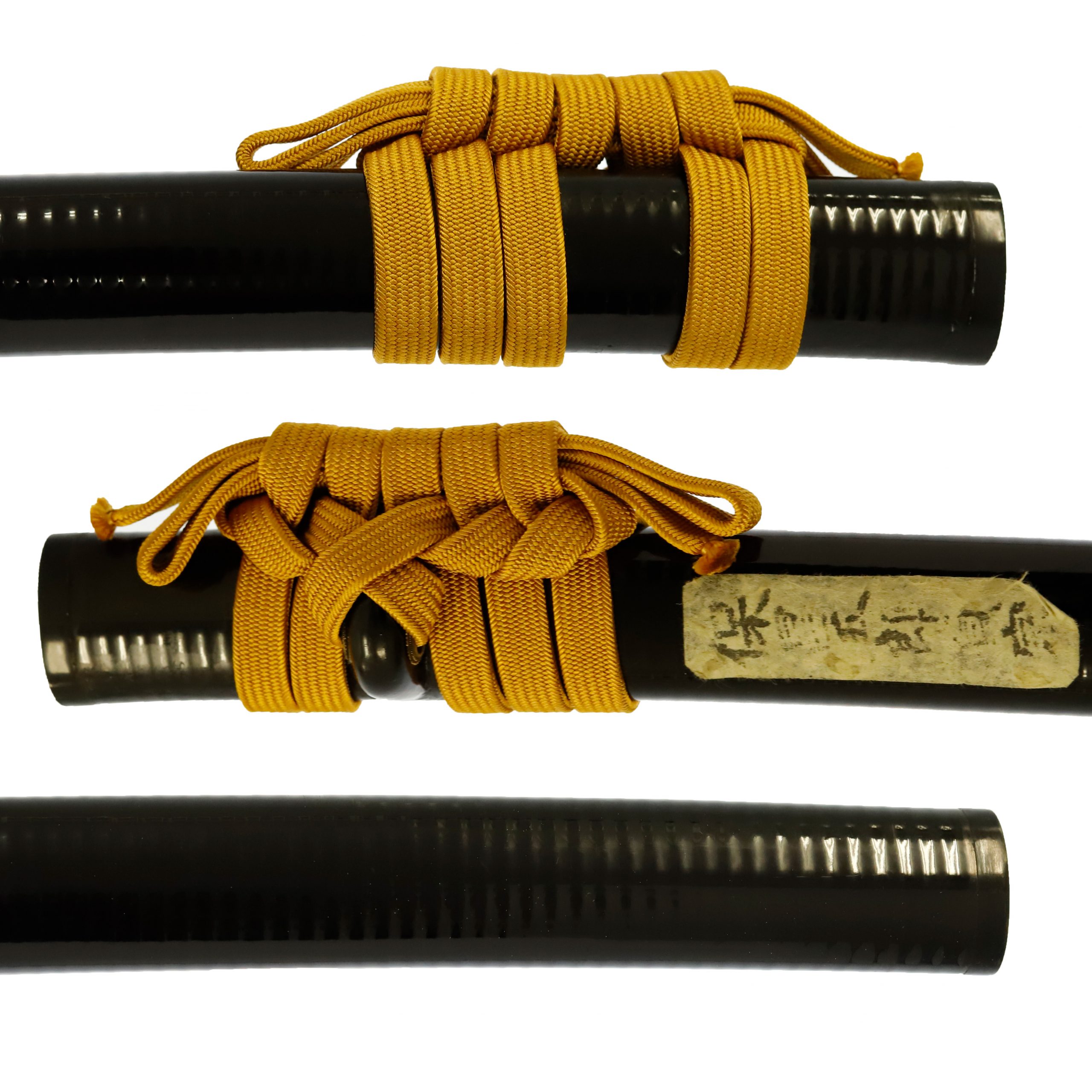
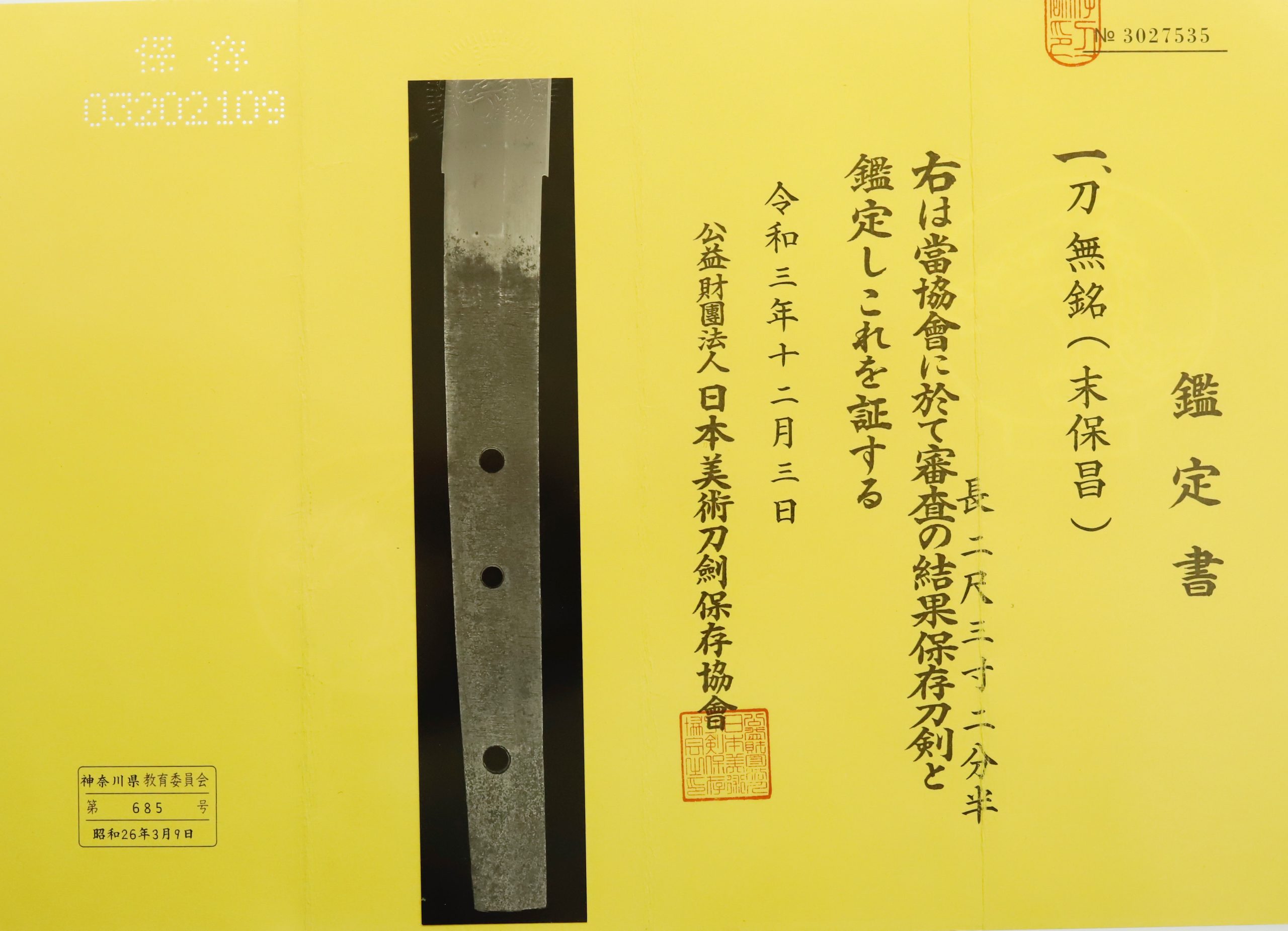
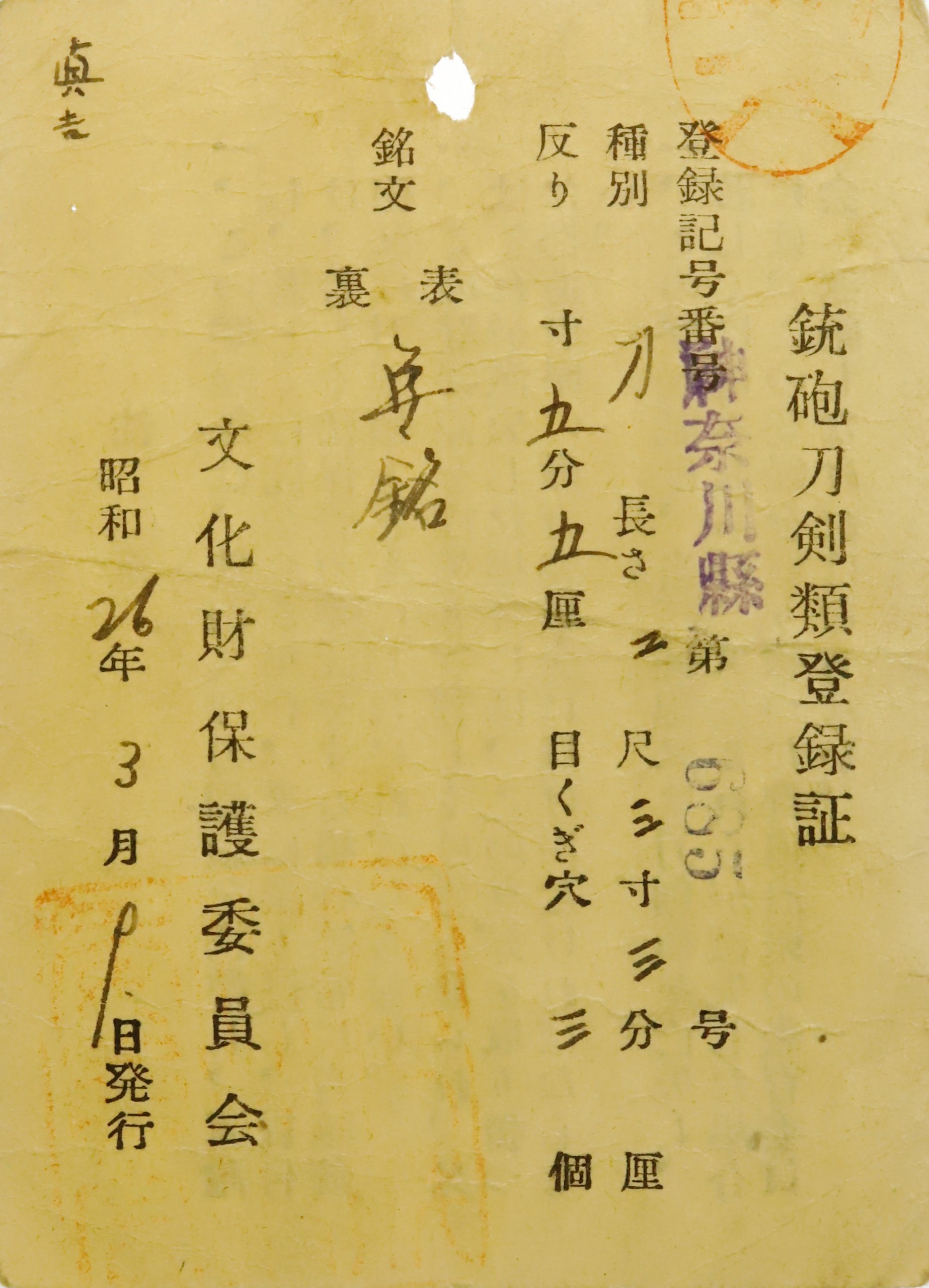
日本刀 刀:無銘 末保昌(保存刀剣鑑定書付属) 【解説】 本刀は、日本で最も権威ある鑑定機関の一つである日本美術刀剣保存協会(NBTHK)により「末保昌」と極められた一振りです。保昌派は大和国(現在の奈良県)で鎌倉時代後期から室町時代初期(14世紀初頭〜15世紀初頭)にかけて繁栄した一派です。 刀剣用語において、鎌倉後期から南北朝期(14世紀初頭〜後半)の作を「保昌」、それ以降の室町時代初期の作を「末保昌」と呼び区別しています。 保昌派は14世紀初頭、大和国の定宗によって創始されました。門下には貞吉、貞清、貞興といった名工が名を連ねます。保昌派の最大の特徴は、地鉄の模様である「柾目肌(まさめはだ)」を顕著に焼くことで知られています。 当時、大和国には保昌のほかに千手院、尻懸、当麻、手掻の四派があり、これらを合わせて「大和五派」と呼びます。彼らは東大寺をはじめとする有力寺院のお抱え鍛冶として、当時勢力を誇った僧兵たちの需要に応え、実戦的で強靭な刀剣を数多く制作しました。 大和伝 大和地方で打たれた刀剣は、美しい地鉄と直刃(すぐは)の焼出しで知られ、「大和伝」と呼ばれる独自の伝法を確立しました。本作もまた、大和伝の特色が色濃く反映された美しい地鉄と直刃を焼いており、保存状態も極めて良好です。茎(なかご)の形状から、元来は現在よりもさらに長大な太刀であったものを、後年に切り詰めた(大磨上げ)ものと推測されます。 柾目肌 「柾目」とは、木材を縦に切った際に見られる真っ直ぐな木目のことです。刀剣用語における柾目肌は、大和伝、特に保昌派の作品に顕著に見られる特徴です。本作においては、板目肌に柾目が交じり合った複雑で味わい深い肌合いをご覧いただけます。 本刀には、日本美術刀剣保存協会が発行する「保存刀剣」の鑑定書が付属しております。これは美術品として価値が高く、保存状態の良い真作の日本刀にのみ与えられるものです。 ※本刀には数箇所、鑑賞に差し支えない程度の鍛え傷がございます。詳細をご希望の方はお気軽にお問い合わせください。 【刀身諸元】 長さ(中心から先まで):70.6 cm 反り:1.66 cm 刃文:直刃 地文(地肌):板目に柾目交じる 茎:大磨上げ 無銘 【拵】 縁頭: 波龍図縁頭。 頭(かしら)には荒波の意匠が抽象的に彫り込まれ、縁(ふち)には水辺の情景を思わせる植物が配されています。赤銅地に施された金の色絵が、意匠をより一層引き立てています。
 NihontoWatch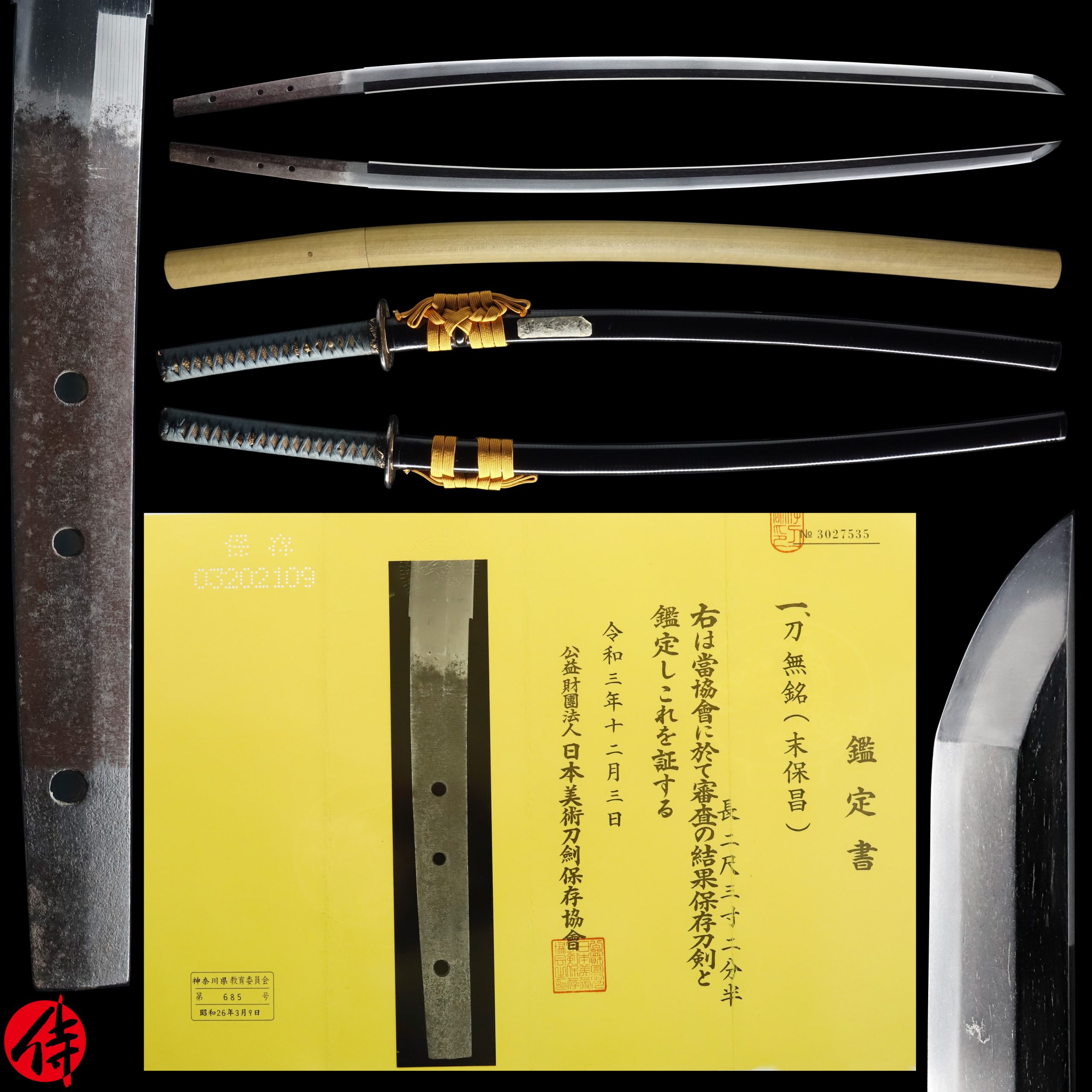
大和伝 · 大和
現在5点販売中
大和五派のうち、地鉄に総柾目を貫いたただ一門が保昌派である。その本拠は大和国高市郡、成立は鎌倉時代の末葉に置かれ、南北朝期へと続いた。古来寺院に付属して刀を鍛えた大和鍛冶の流れを汲み、同派の工は皆「貞」を通字とする。祖と仰がれるのは貞宗・貞吉で、両者は共に保昌五郎と称したと伝え、その下に貞清・貞興・貞光らが連なる。中にあって居住地と制作年紀を最も多く銘に記すのが貞吉であり、嘉暦三年紀の太刀に「大和国高市郡住」と切って活躍地・年代を明らかにする。貞清・貞興は貞宗あるいは貞吉に続く手とされ、現存する作はおおむね鎌倉末に収まる。 作風は一門を通じて均質で、まず地鉄に集約される。在銘・無銘を問わず総柾目肌を鍛え、柾が区より先まで通って棟へ抜け、地沸が厚くつき地景が頻りに入る。手掻・千手院・尻懸・当麻が柾がかった板目を鍛えるのに対し、保昌はこの純然たる総柾に徹し、説示も大和五派の中で最も作風の個性が顕著な一派と記す。刃文はその柾目に応じ、匂深く小沸のついた直刃を主とし、刃は地鉄と別に立つのではなく肌目にからんで頻りにほつれ、刃縁に喰違刃・二重刃・打のけを集め、金筋・砂流しがかかる。物打辺より上で焼幅が広がり一段と沸が強くつくのも一派の所作である。帽子は直ぐに掃きかけて焼詰めとなり、多くは返りを持たず、時に火焔風となる。茎には檜垣鑢をかけ先をぶっ切りとし、これも銘と並ぶ見どころをなす。工により振幅には差があり、貞吉の地刃は荒く沸が強く、やや時代の下る貞清・貞興の手は地刃ともに静かで精良に読まれる。短刀には小振りで重ねの厚い品のよいものが多い。 鑑定の勘所は何よりこの純然たる総柾目にあり、これによって同じ大和の手掻・千手院・尻懸・当麻と分かたれる。一門の諸工に際立った個性は見出しにくく、無銘作は個ではなく時代と作域から保昌と極められ、ゆえに在銘作では銘振りこそが工を分かつ。年紀と居住地まで記す貞吉が最も知り得る工で、藤代の極めでは最上作にあたり、貞清・貞興は二字銘や藤原を冠する四字銘を残すのみで年紀作を見ない。在銘作は短刀に多く、大磨上無銘の刀は後に金象嵌の極めを受け、埋忠家や本阿弥光一の銘を留めるものがある。伝来は大名家を貫き、肥後細川家を経た短刀をはじめ、毛利元康所持を記す大磨上の刀などが知られる。総柾目に徹したこの一門の作が市に現れることは稀で、ことに年紀ある貞吉の在銘作に接する機会は少ない。 詳しく見る →
室町時代の大和
大和を支えた大寺の力は室町を通じて衰え、諸派もこれとともに細った。末手掻が古風な柾目を量産のうちに伝えている。1567年の東大寺大仏殿の炎上が、寺院の時代の幕を引いた。
銘が正しい、または無銘でも年代・国・系統を確実に指摘できる、保存に値する真正の作と鑑定されたものです。
日本美術刀剣保存協会(NBTHK)は、1948年に設立され、文化庁の監督を受ける公益財団法人で、東京・刀剣博物館に本部を置きます。専門の審査員が出品作を直接審査し、美術的・歴史的価値に応じた鑑定書を発行します。NBTHKの鑑定書は、日本刀および刀装具の真正性を示す最も広く認知された基準です。
NBTHK公式サイトReturns/exchanges limited to defects caused by shipping (except willful misconduct or gross negligence by the company); customers must contact within 72 hours of receiving the product.
日本刀 刀:無銘 末保昌(保存刀剣鑑定書付属) 【解説】 本刀は、日本で最も権威ある鑑定機関の一つである日本美術刀剣保存協会(NBTHK)により「末保昌」と極められた一振りです。保昌派は大和国(現在の奈良県)で鎌倉時代後期から室町時代初期(14世紀初頭〜15世紀初頭)にかけて繁栄した一派です。 刀剣用語において、鎌倉後期から南北朝期(14世紀初頭〜後半)の作を「保昌」、それ以降の室町時代初期の作を「末保昌」と呼び区別しています。 保昌派は14世紀初頭、大和国の定宗によって創始されました。門下には貞吉、貞清、貞興といった名工が名を連ねます。保昌派の最大の特徴は、地鉄の模様である「柾目肌(まさめはだ)」を顕著に焼くことで知られています。 当時、大和国には保昌のほかに千手院、尻懸、当麻、手掻の四派があり、これらを合わせて「大和五派」と呼びます。彼らは東大寺をはじめとする有力寺院のお抱え鍛冶として、当時勢力を誇った僧兵たちの需要に応え、実戦的で強靭な刀剣を数多く制作しました。 大和伝 大和地方で打たれた刀剣は、美しい地鉄と直刃(すぐは)の焼出しで知られ、「大和伝」と呼ばれる独自の伝法を確立しました。本作もまた、大和伝の特色が色濃く反映された美しい地鉄と直刃を焼いており、保存状態も極めて良好です。茎(なかご)の形状から、元来は現在よりもさらに長大な太刀であったものを、後年に切り詰めた(大磨上げ)ものと推測されます。 柾目肌 「柾目」とは、木材を縦に切った際に見られる真っ直ぐな木目のことです。刀剣用語における柾目肌は、大和伝、特に保昌派の作品に顕著に見られる特徴です。本作においては、板目肌に柾目が交じり合った複雑で味わい深い肌合いをご覧いただけます。 本刀には、日本美術刀剣保存協会が発行する「保存刀剣」の鑑定書が付属しております。これは美術品として価値が高く、保存状態の良い真作の日本刀にのみ与えられるものです。 ※本刀には数箇所、鑑賞に差し支えない程度の鍛え傷がございます。詳細をご希望の方はお気軽にお問い合わせください。 【刀身諸元】 長さ(中心から先まで):70.6 cm 反り:1.66 cm 刃文:直刃 地文(地肌):板目に柾目交じる 茎:大磨上げ 無銘 【拵】 縁頭: 波龍図縁頭。 頭(かしら)には荒波の意匠が抽象的に彫り込まれ、縁(ふち)には水辺の情景を思わせる植物が配されています。赤銅地に施された金の色絵が、意匠をより一層引き立てています。
NihontoWatch大和伝 · 大和
現在5点販売中
大和五派のうち、地鉄に総柾目を貫いたただ一門が保昌派である。その本拠は大和国高市郡、成立は鎌倉時代の末葉に置かれ、南北朝期へと続いた。古来寺院に付属して刀を鍛えた大和鍛冶の流れを汲み、同派の工は皆「貞」を通字とする。祖と仰がれるのは貞宗・貞吉で、両者は共に保昌五郎と称したと伝え、その下に貞清・貞興・貞光らが連なる。中にあって居住地と制作年紀を最も多く銘に記すのが貞吉であり、嘉暦三年紀の太刀に「大和国高市郡住」と切って活躍地・年代を明らかにする。貞清・貞興は貞宗あるいは貞吉に続く手とされ、現存する作はおおむね鎌倉末に収まる。 作風は一門を通じて均質で、まず地鉄に集約される。在銘・無銘を問わず総柾目肌を鍛え、柾が区より先まで通って棟へ抜け、地沸が厚くつき地景が頻りに入る。手掻・千手院・尻懸・当麻が柾がかった板目を鍛えるのに対し、保昌はこの純然たる総柾に徹し、説示も大和五派の中で最も作風の個性が顕著な一派と記す。刃文はその柾目に応じ、匂深く小沸のついた直刃を主とし、刃は地鉄と別に立つのではなく肌目にからんで頻りにほつれ、刃縁に喰違刃・二重刃・打のけを集め、金筋・砂流しがかかる。物打辺より上で焼幅が広がり一段と沸が強くつくのも一派の所作である。帽子は直ぐに掃きかけて焼詰めとなり、多くは返りを持たず、時に火焔風となる。茎には檜垣鑢をかけ先をぶっ切りとし、これも銘と並ぶ見どころをなす。工により振幅には差があり、貞吉の地刃は荒く沸が強く、やや時代の下る貞清・貞興の手は地刃ともに静かで精良に読まれる。短刀には小振りで重ねの厚い品のよいものが多い。 鑑定の勘所は何よりこの純然たる総柾目にあり、これによって同じ大和の手掻・千手院・尻懸・当麻と分かたれる。一門の諸工に際立った個性は見出しにくく、無銘作は個ではなく時代と作域から保昌と極められ、ゆえに在銘作では銘振りこそが工を分かつ。年紀と居住地まで記す貞吉が最も知り得る工で、藤代の極めでは最上作にあたり、貞清・貞興は二字銘や藤原を冠する四字銘を残すのみで年紀作を見ない。在銘作は短刀に多く、大磨上無銘の刀は後に金象嵌の極めを受け、埋忠家や本阿弥光一の銘を留めるものがある。伝来は大名家を貫き、肥後細川家を経た短刀をはじめ、毛利元康所持を記す大磨上の刀などが知られる。総柾目に徹したこの一門の作が市に現れることは稀で、ことに年紀ある貞吉の在銘作に接する機会は少ない。 詳しく見る →
室町時代の大和
大和を支えた大寺の力は室町を通じて衰え、諸派もこれとともに細った。末手掻が古風な柾目を量産のうちに伝えている。1567年の東大寺大仏殿の炎上が、寺院の時代の幕を引いた。
銘が正しい、または無銘でも年代・国・系統を確実に指摘できる、保存に値する真正の作と鑑定されたものです。
日本美術刀剣保存協会(NBTHK)は、1948年に設立され、文化庁の監督を受ける公益財団法人で、東京・刀剣博物館に本部を置きます。専門の審査員が出品作を直接審査し、美術的・歴史的価値に応じた鑑定書を発行します。NBTHKの鑑定書は、日本刀および刀装具の真正性を示す最も広く認知された基準です。
NBTHK公式サイトReturns/exchanges limited to defects caused by shipping (except willful misconduct or gross negligence by the company); customers must contact within 72 hours of receiving the product.