
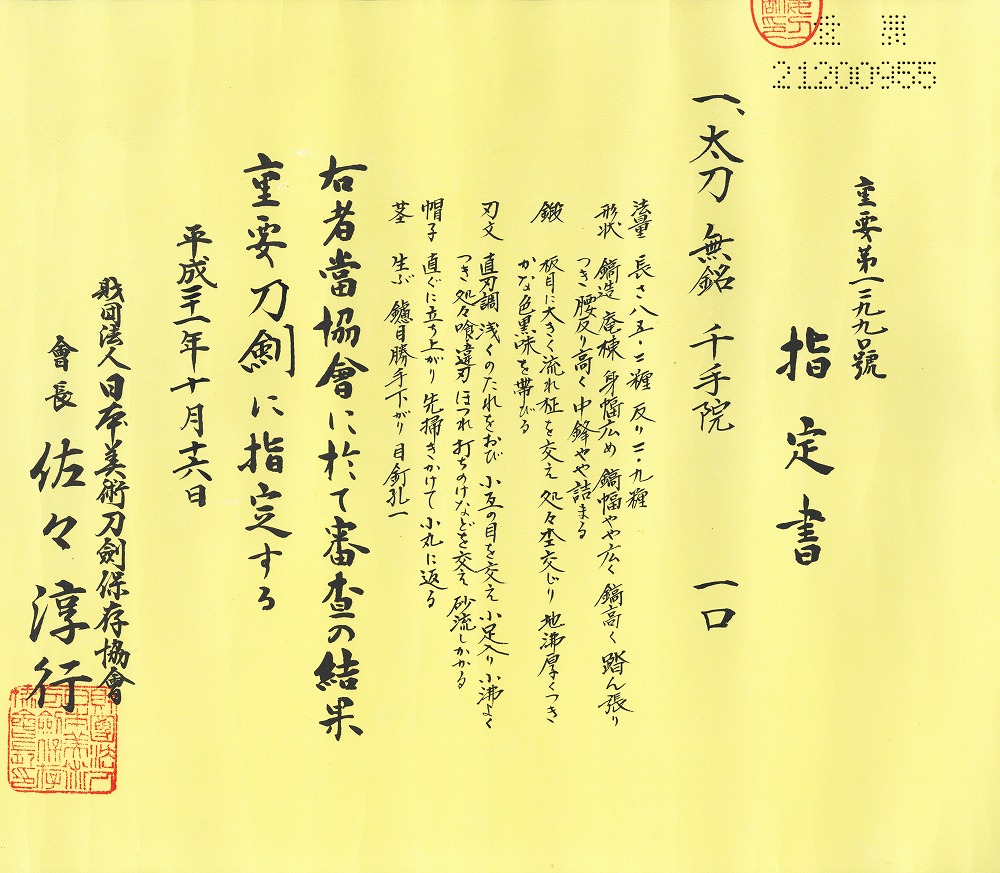
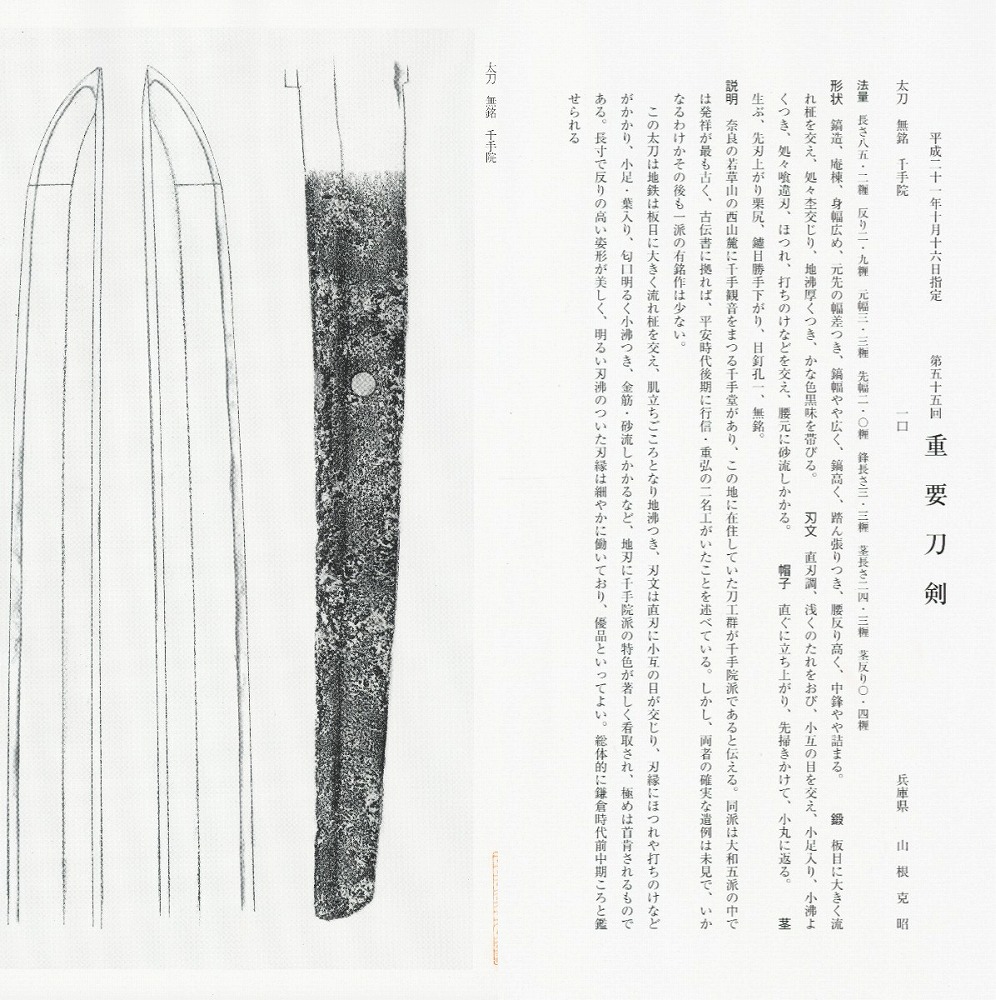
Jūyō-Tōken, 55th Session — Designated October 16, 2009
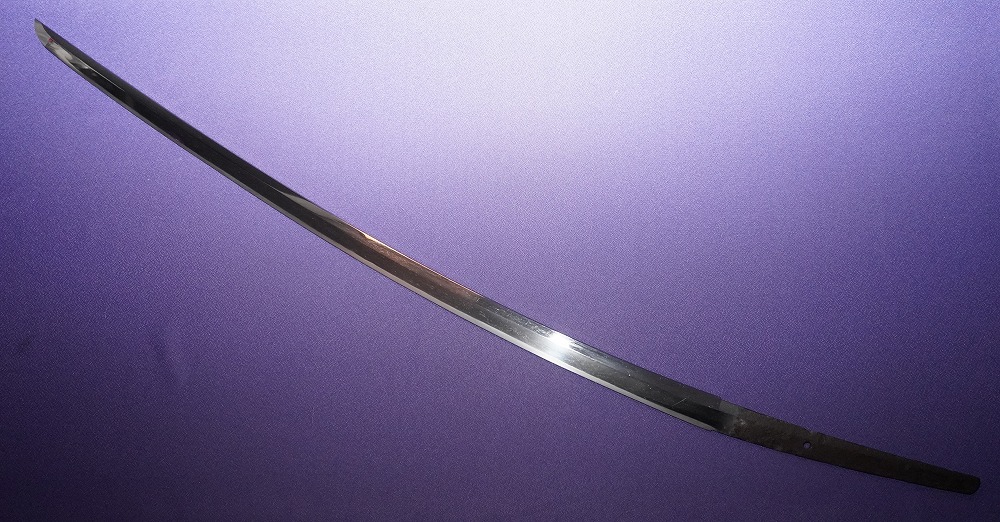
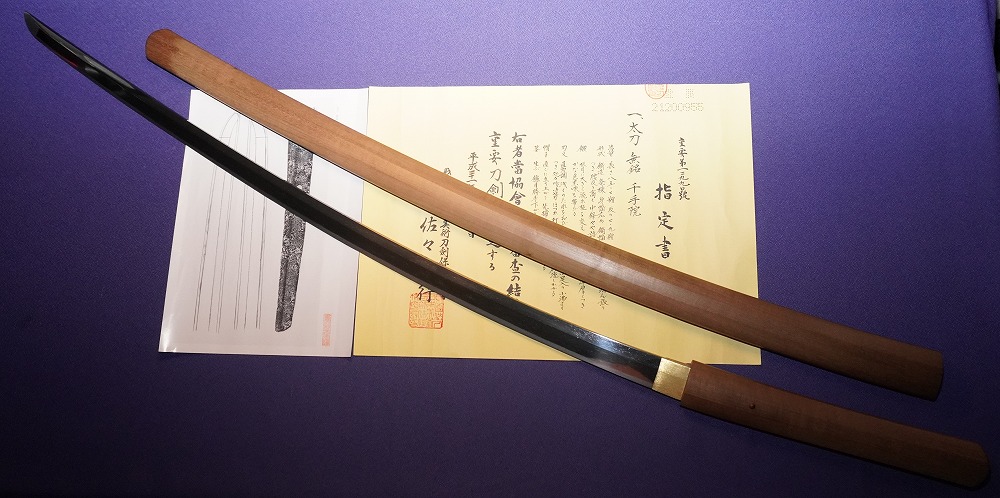
Tachi, mumei: Senjuin school (千手院)
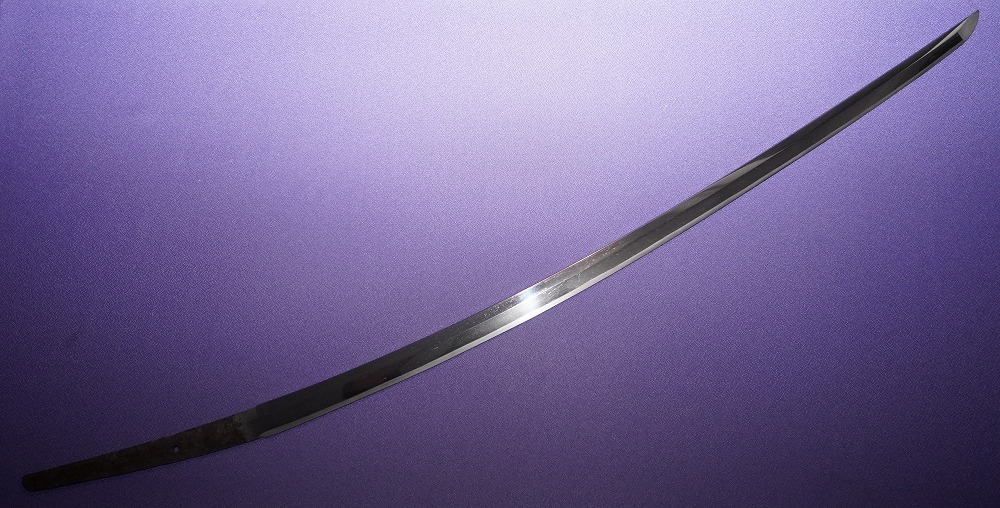
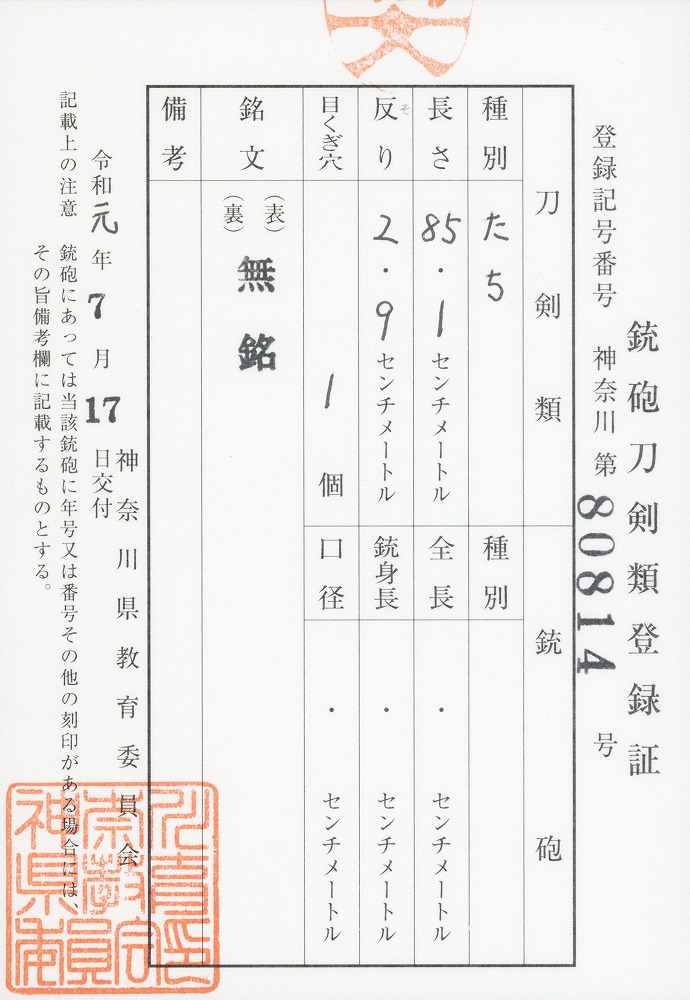
Measurements Nagasa 85.2 cm, sori 2.9 cm, motohaba 3.3 cm, sakihaba 2.0 cm, kissaki-nagasa 3.3 cm, nakago-nagasa 24.3 cm, nakago-sori 0.4 cm
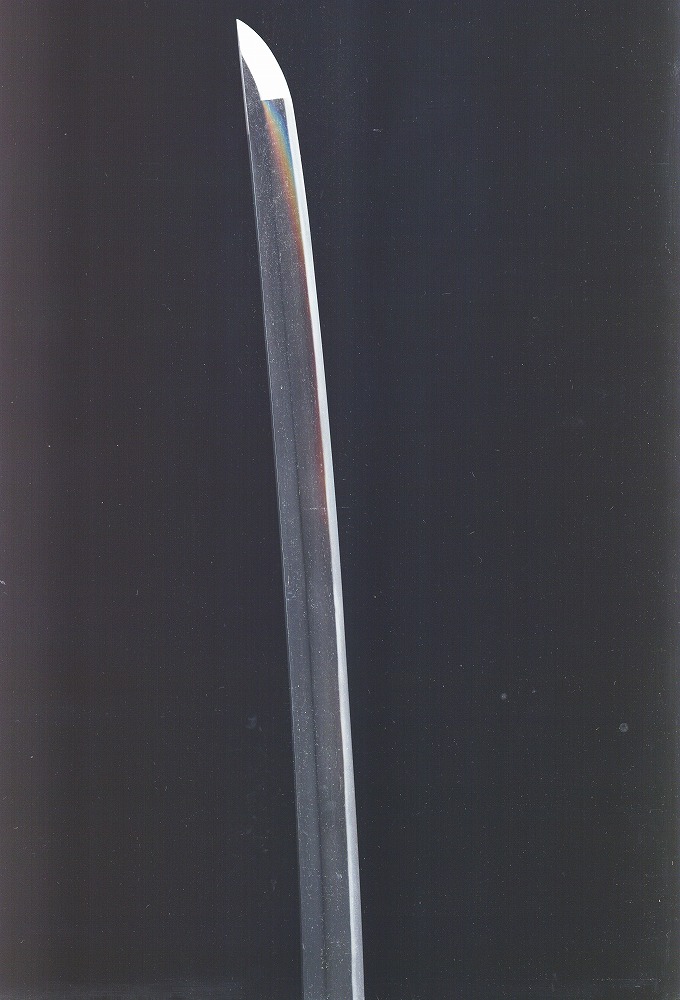
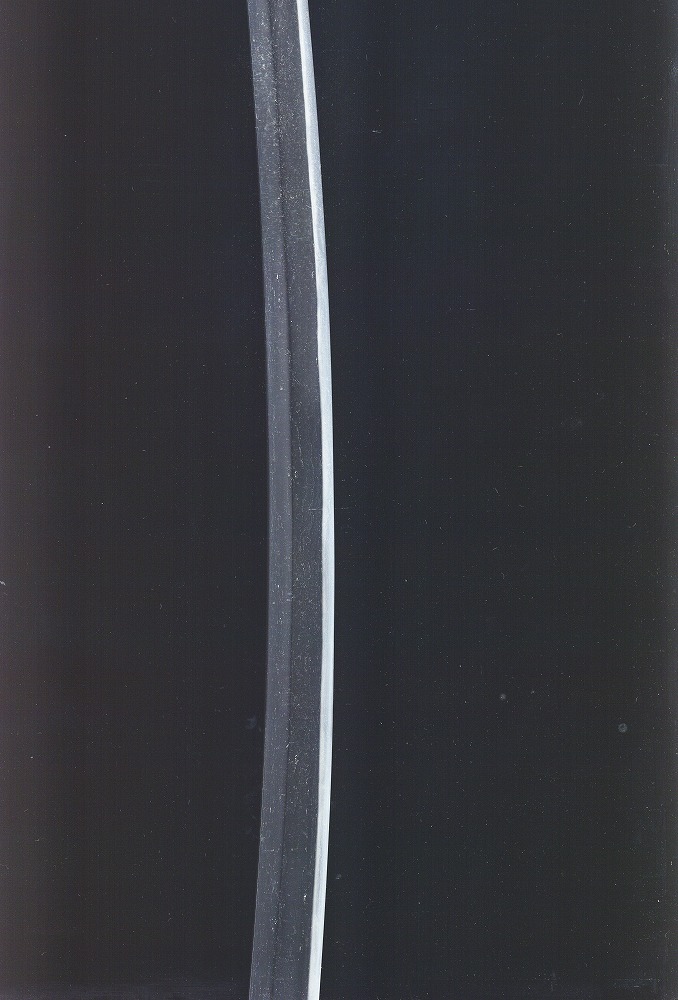
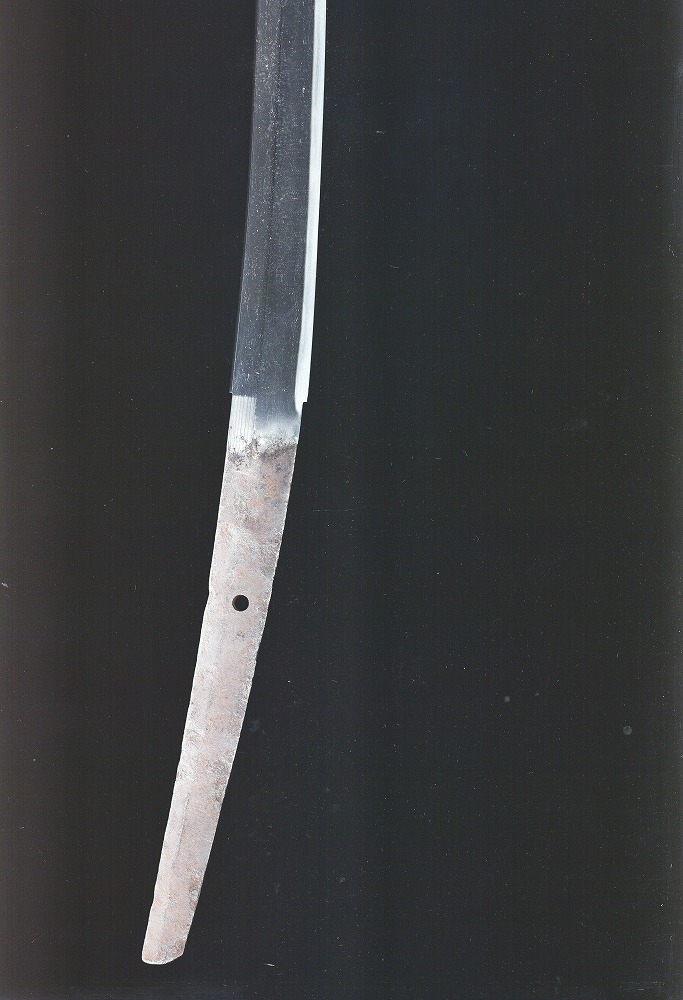
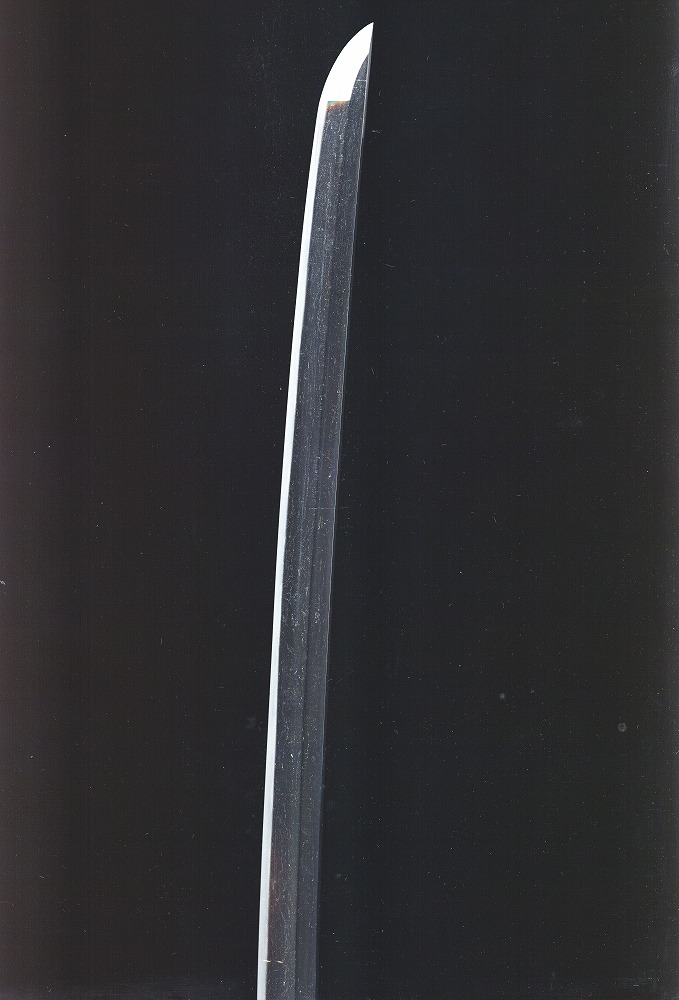
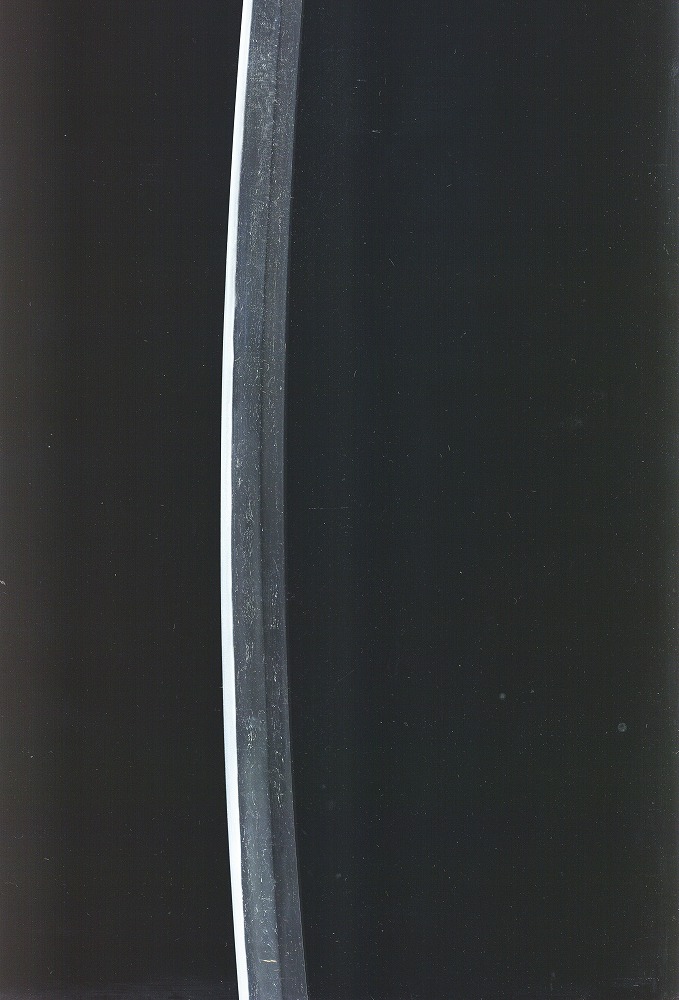
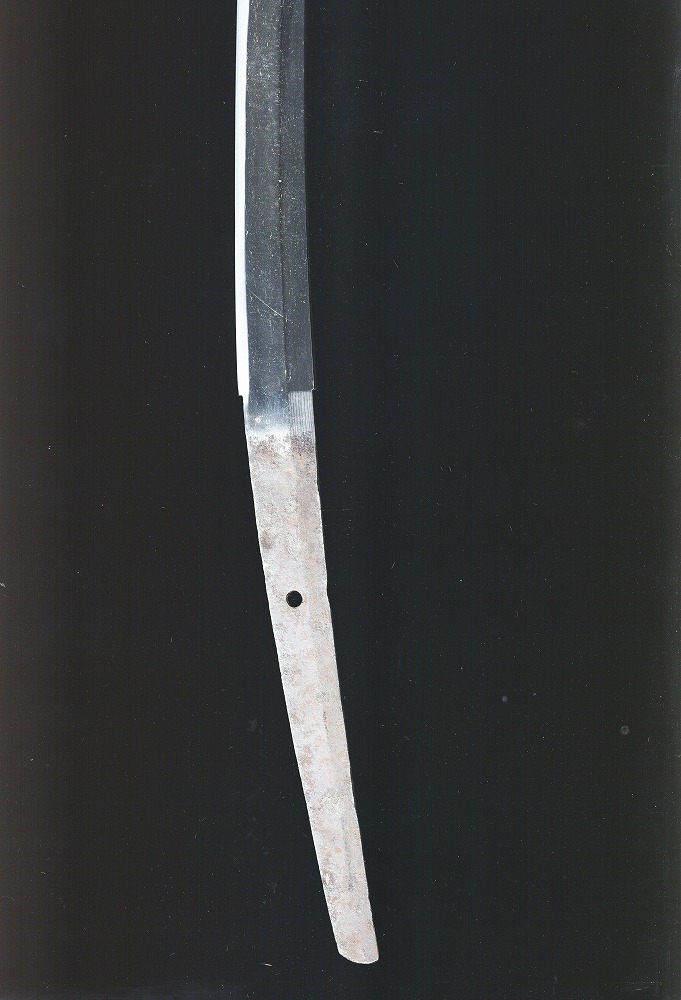
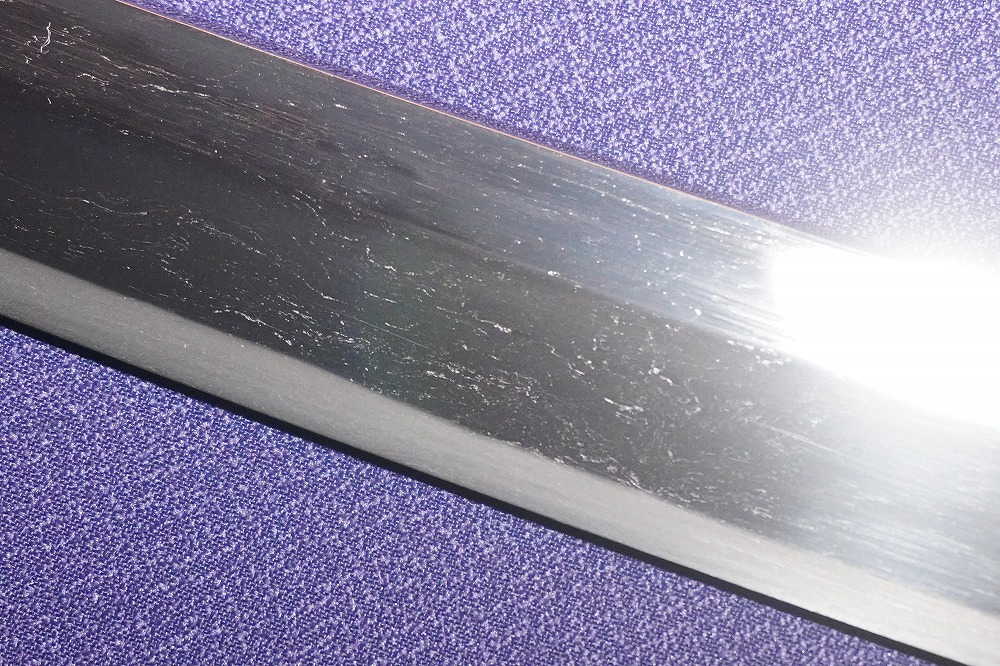
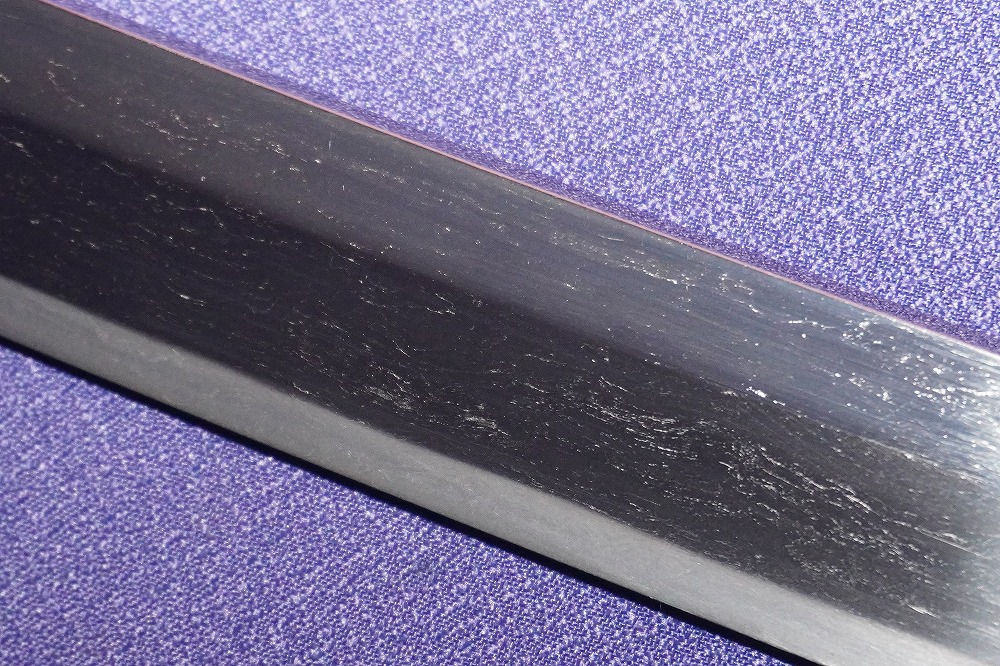
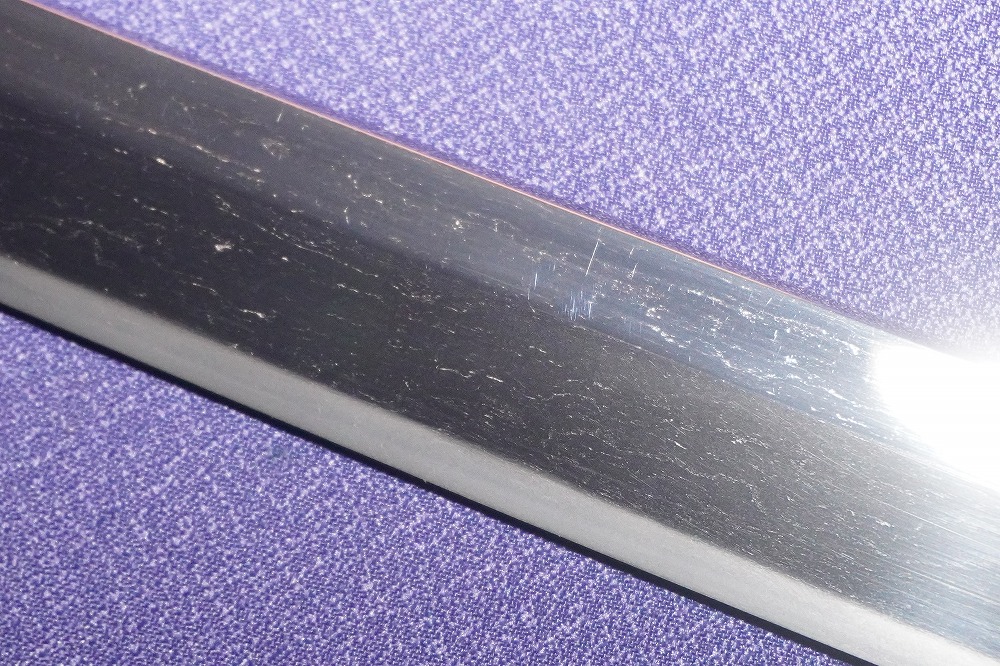
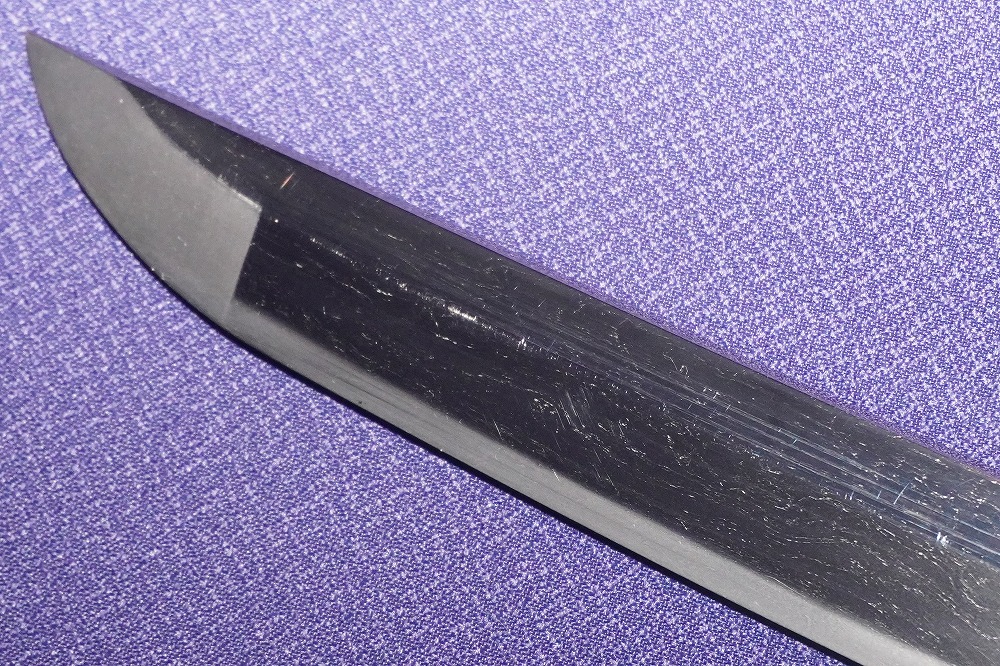
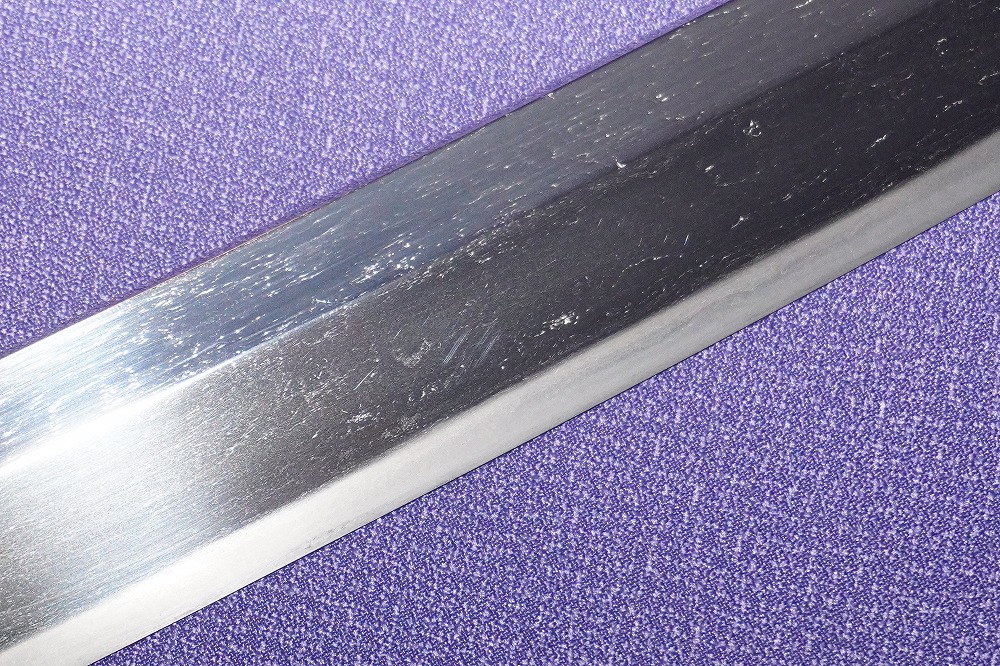
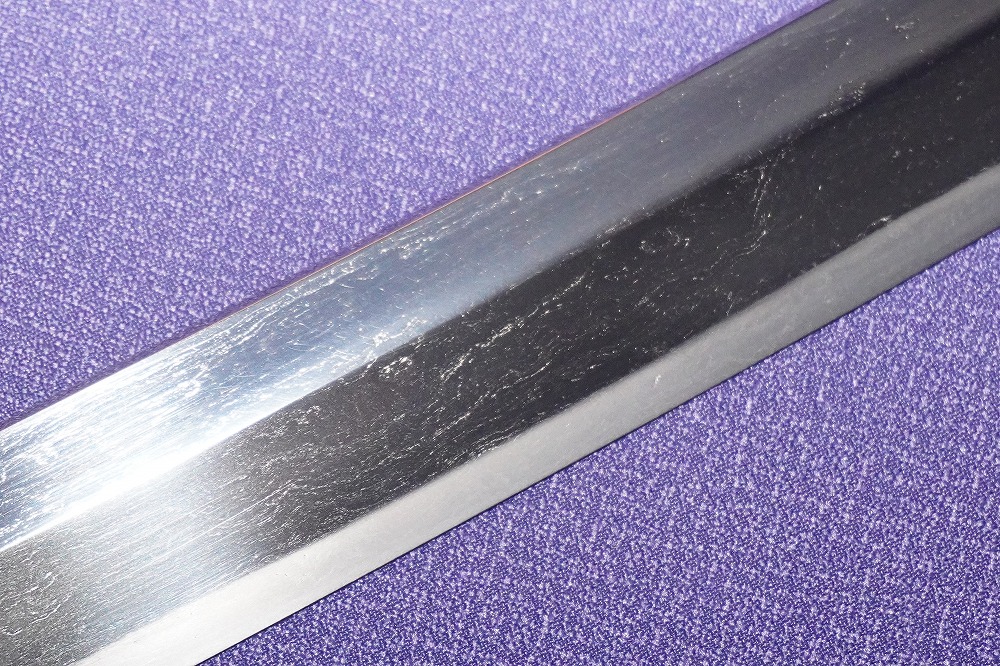
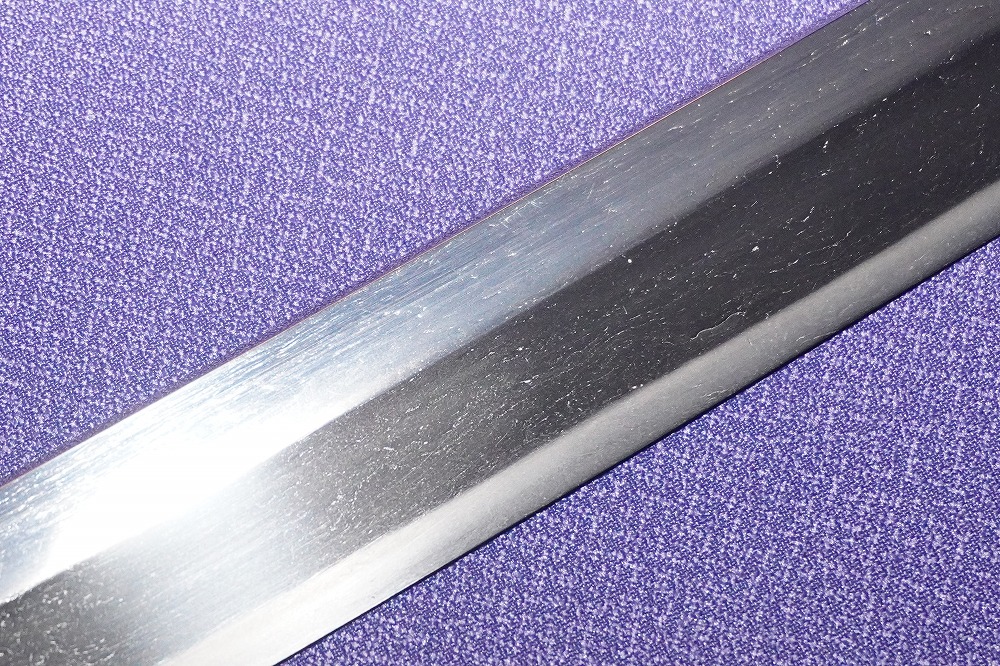
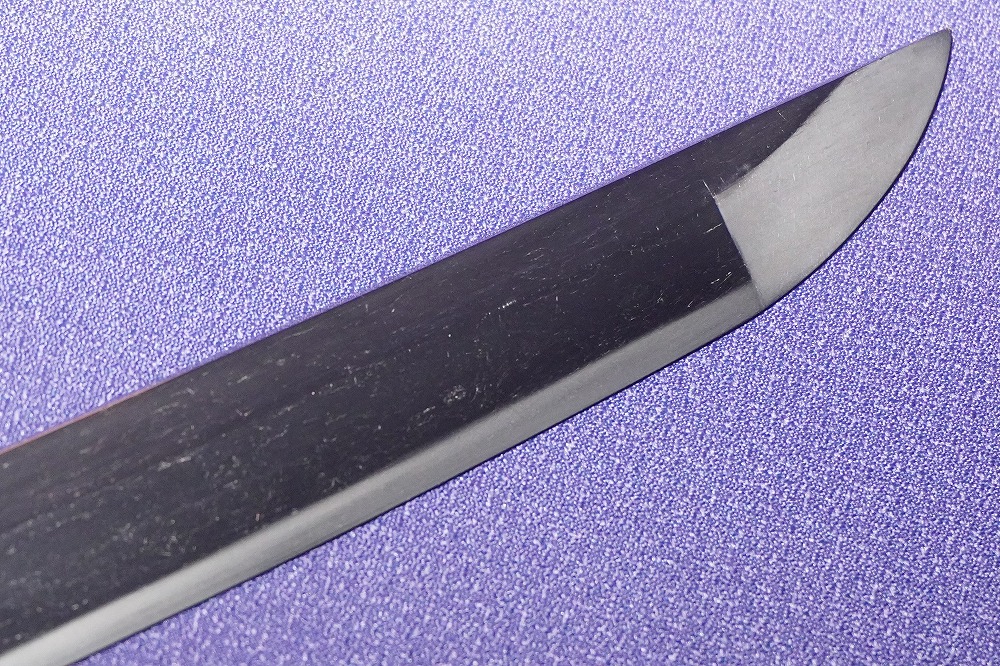
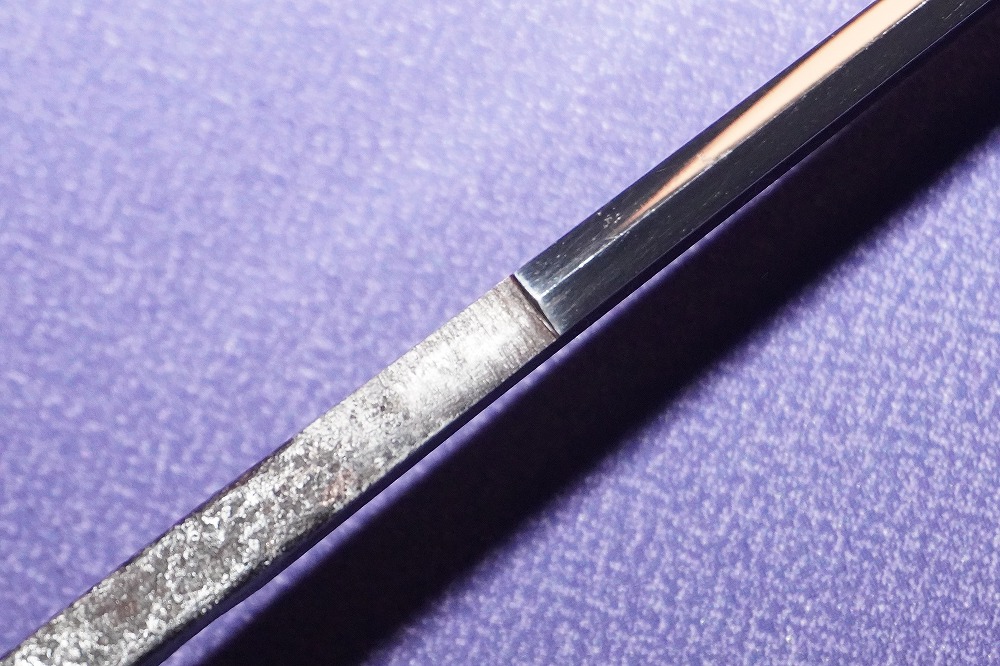
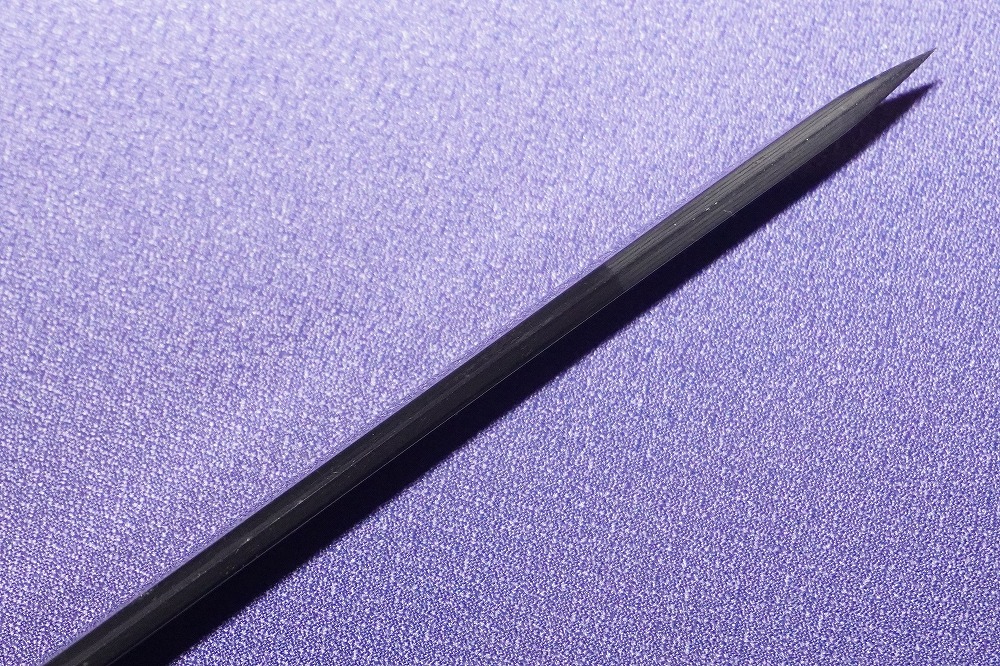
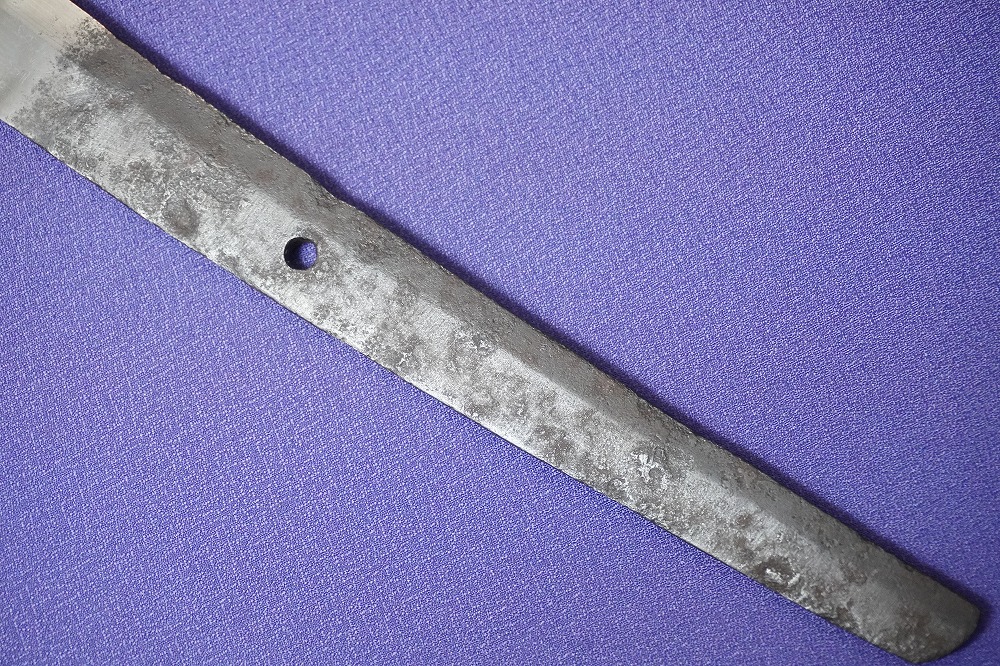
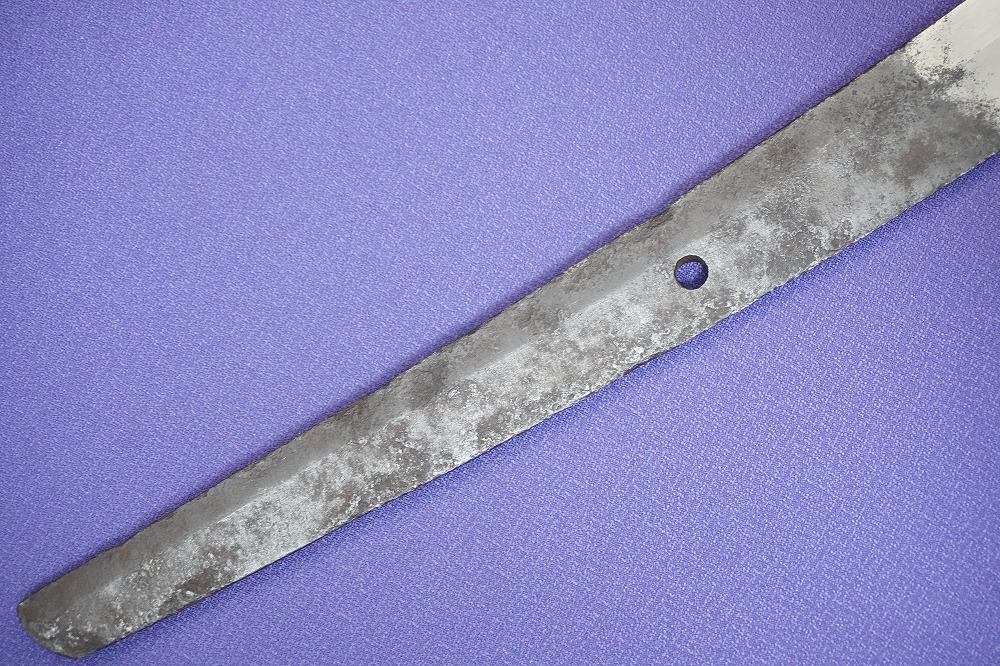
Description Keijō: shinogi-zukuri, iori-mune; somewhat wide mihaba with a pronounced difference between base and tip width; slightly wide shinogi-ji and high shinogi; with funbari; high koshizori; chū-kissaki that is slightly compact. Kitae: itame with large, strongly flowing grain, mixing in masame; with areas of mixed mokume; thickly formed ji-nie; the steel shows a somewhat dark-toned coloration. Hamon: suguha-chō, carrying a shallow notare flavor and mixing ko-gunome; with ko-ashi; ko-nie adheres well; with areas of kuichigai-ba, hotsure, and uchi-noke; sunagashi appears along the base area. Bōshi: rises straight; the point shows hakikake and turns back in ko-maru. Horimono: None. Nakago: ubu; sakiha-agari kurijiri; yasurime are katte-sagari; one mekugi-ana; unsigned.
Artisan Senjuin school (千手院)
Era Kamakura period, early to mid phase
Explanation On the western foothills of Mt. Wakakusa in Nara there is said to have been a hall (the Senju-dō) enshrining Senju Kannon, and it is transmitted that the group of swordsmiths residing in this area constituted the Senjuin school. Within the Yamato Five Schools, this lineage is regarded as the earliest in origin. According to old transmitted writings, in the late Heian period there were two master smiths, Yukinobu and Shigehiro. However, no certain surviving examples by either have yet been confirmed; moreover, for reasons unclear, signed works of the school are scarce even thereafter.
In this tachi, the jihada is a strongly flowing itame mixed with masame, tending toward slightly standing grain, and it shows ji-nie. The hamon is suguha with ko-gunome intermingled; along the habuchi appear features such as hotsure and uchi-noke, and there are ko-ashi and yō. The nioiguchi is bright, with ko-nie adhering, and there are also kinsuji and sunagashi. These characteristics are conspicuously observable in both ji and ha as hallmarks of the Senjuin school, and the attribution is accordingly convincing.
Its long dimensions and high curvature create a beautiful overall form, and the bright, nie-bearing habuchi displays fine, detailed activity; it may properly be called a superior work. Overall, it is appraised as dating to around the early to mid Kamakura period.