Juyo-Token, 68th Session — Designated November 2, 2022
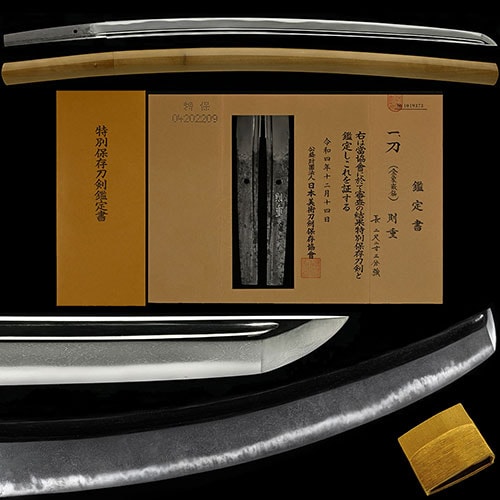
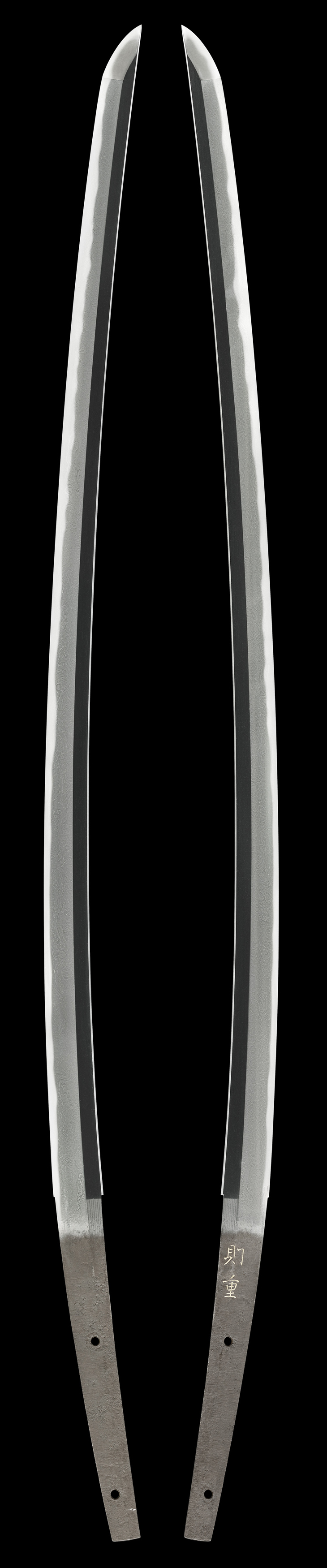
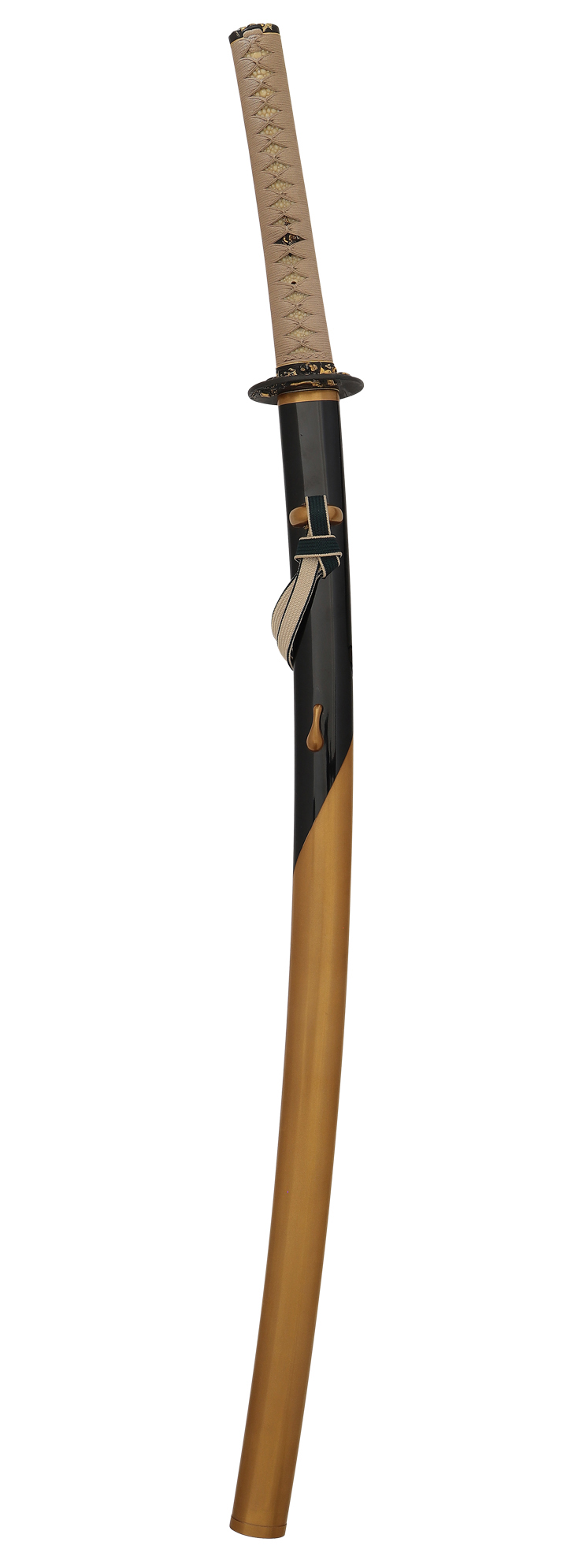
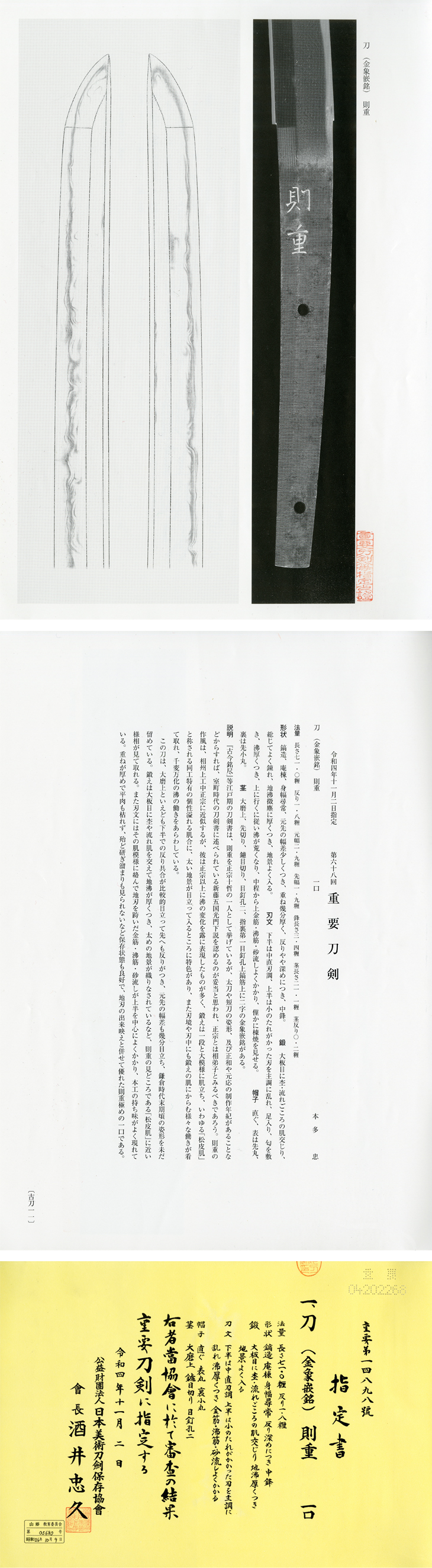
Katana, kinzogan-mei: Norishige (則重)
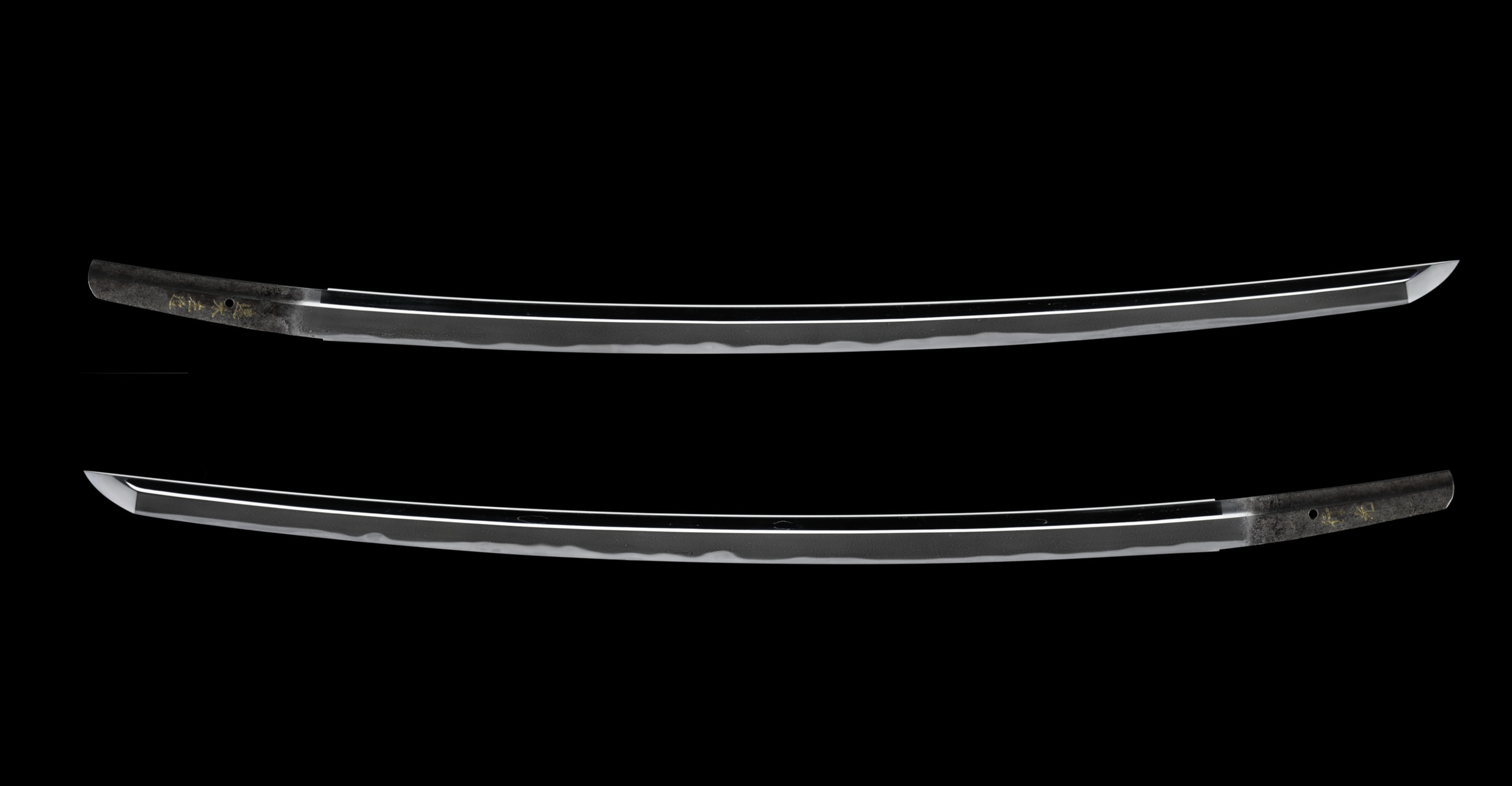
Measurements Nagasa 71.0 cm, sori 1.8 cm, motohaba 2.9 cm, sakihaba 1.9 cm, kissaki-nagasa 3.4 cm, nakago-nagasa 21.1 cm, nakago-sori 0.2 cm
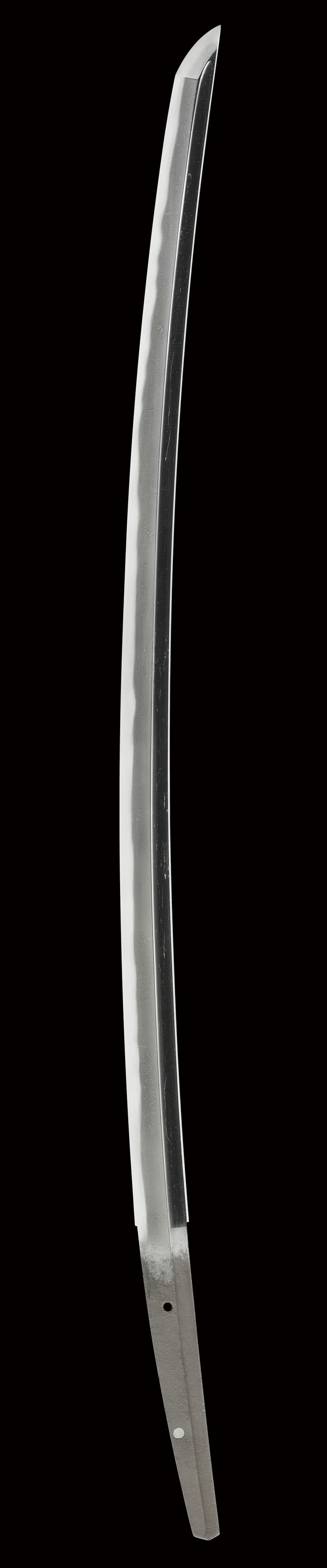
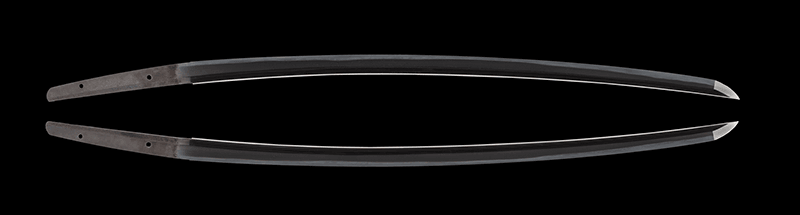
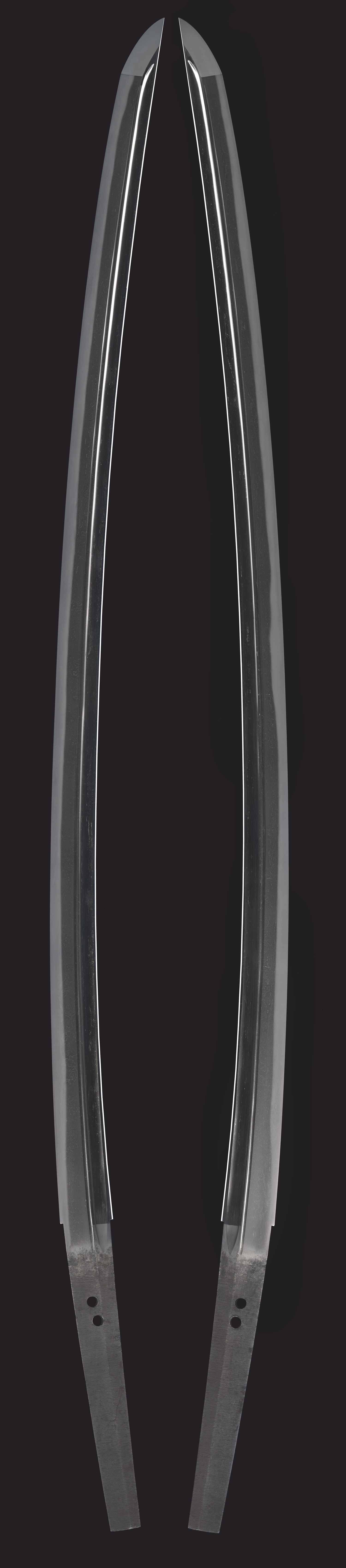
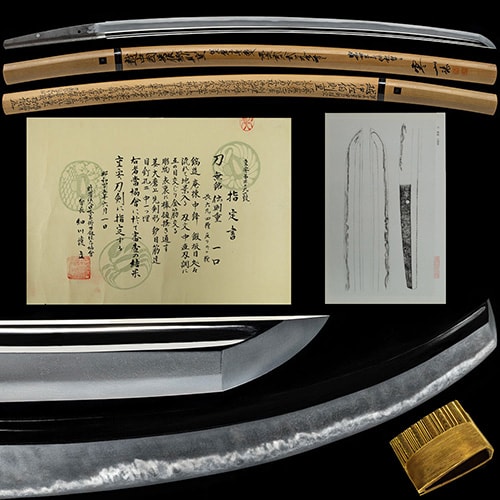
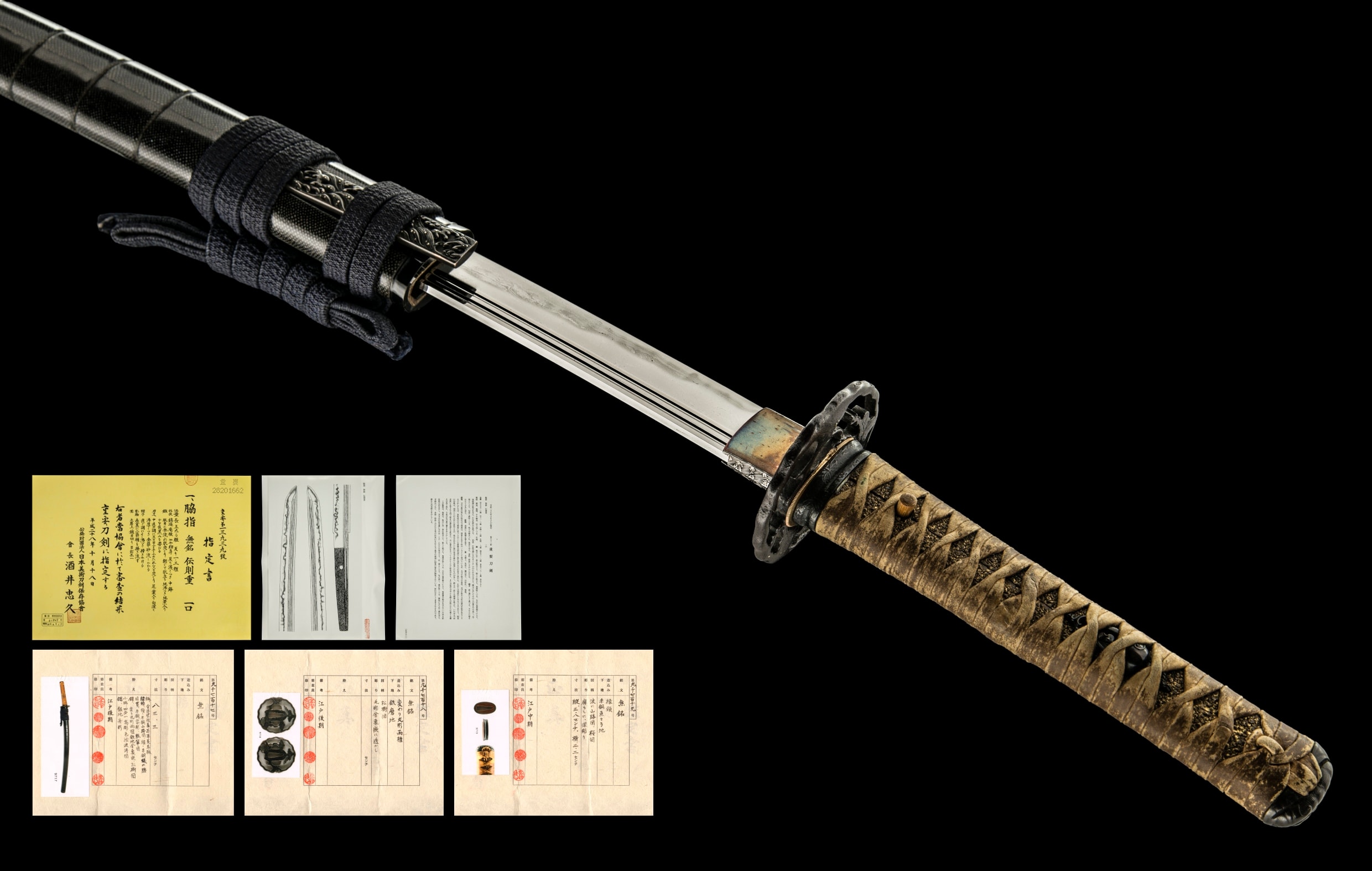
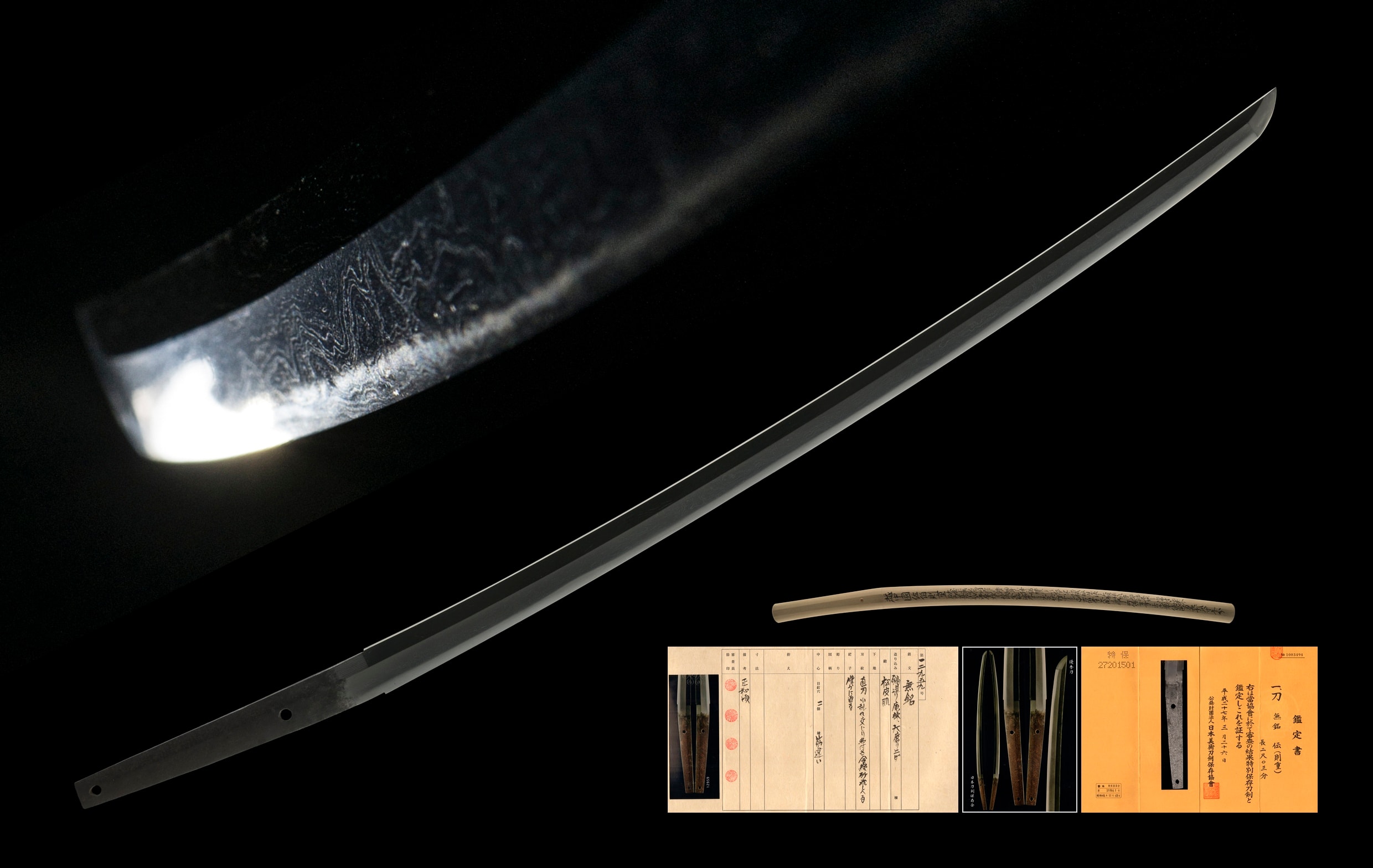
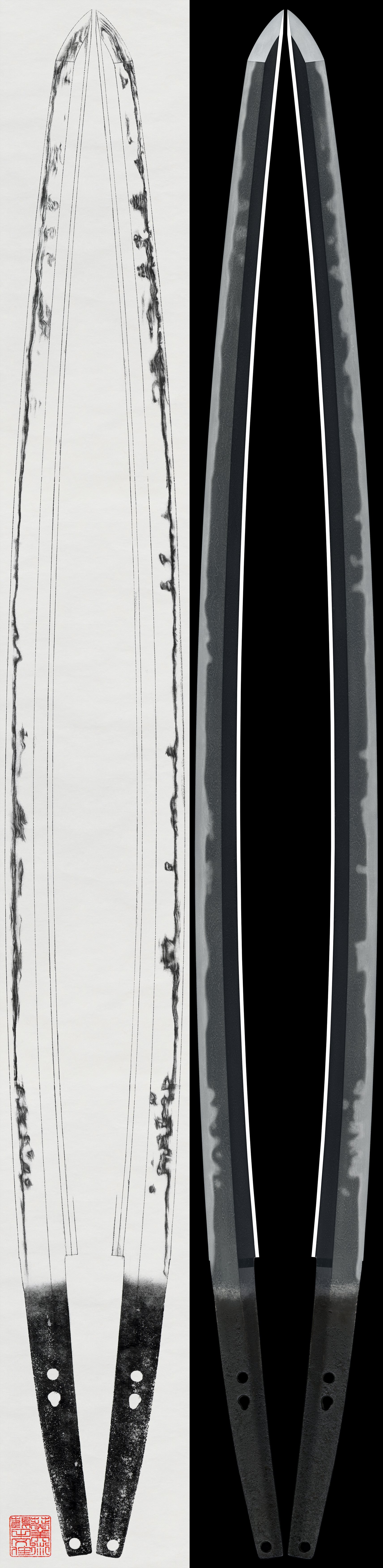
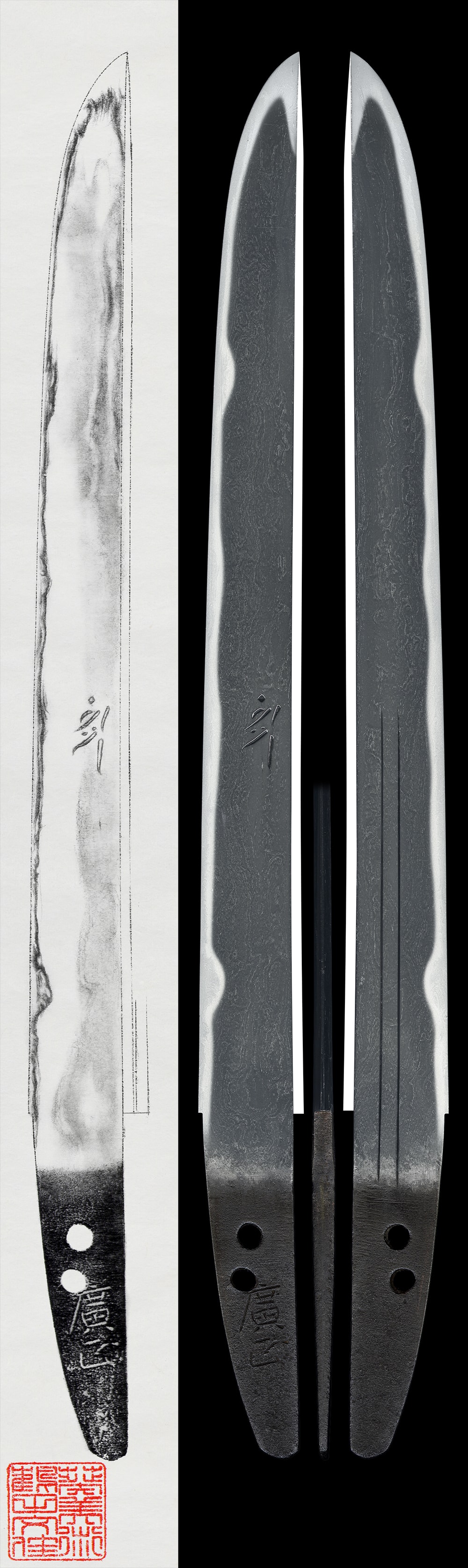
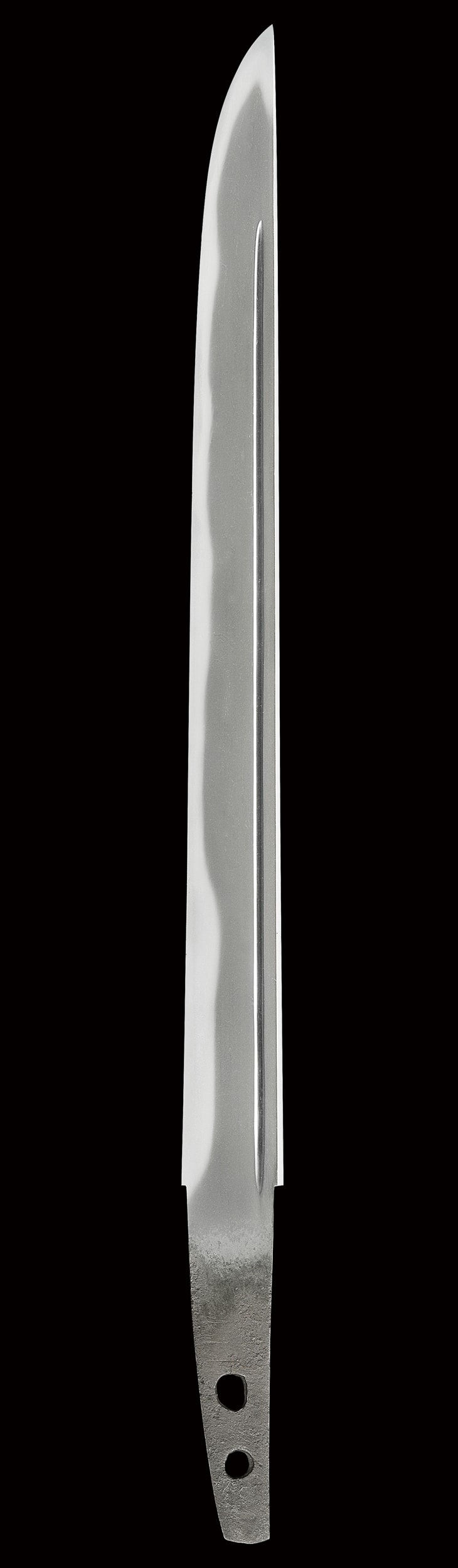
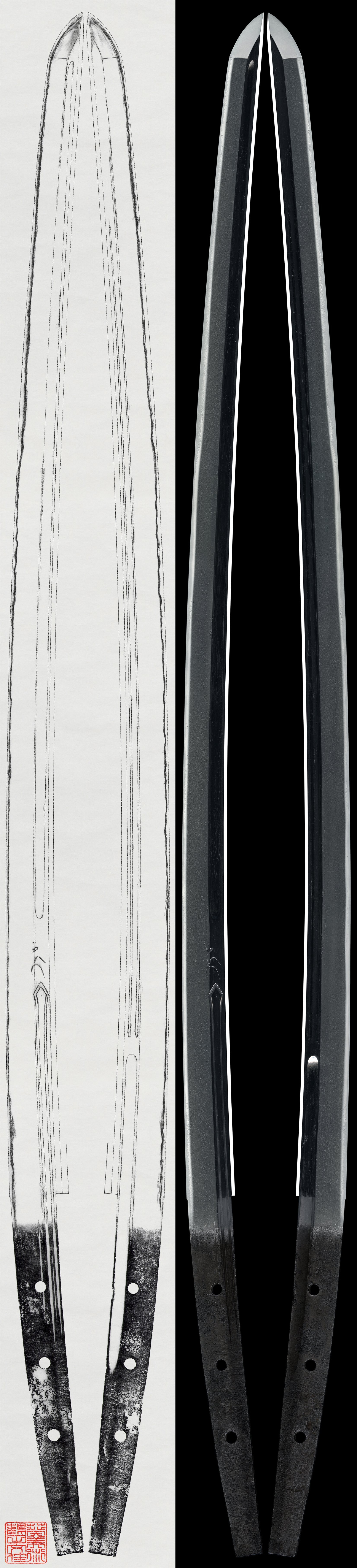
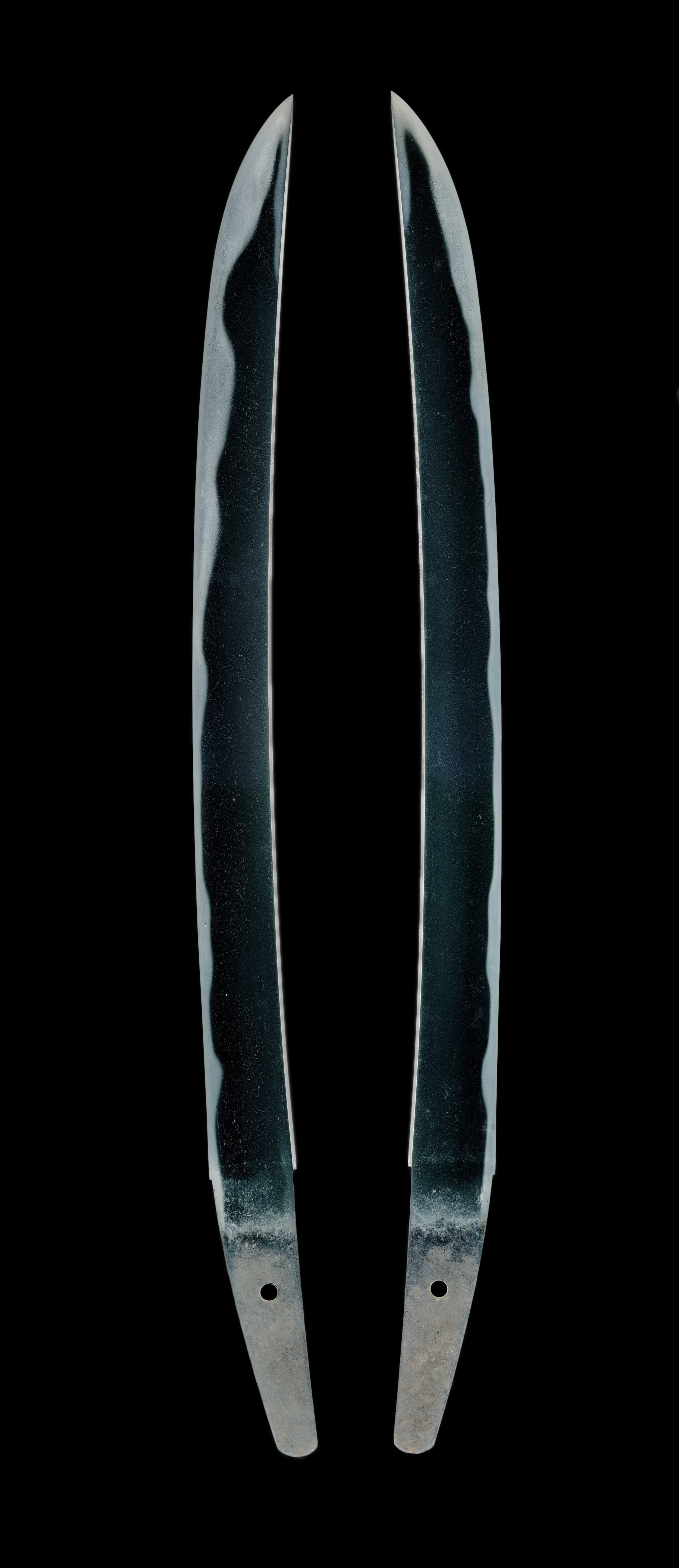
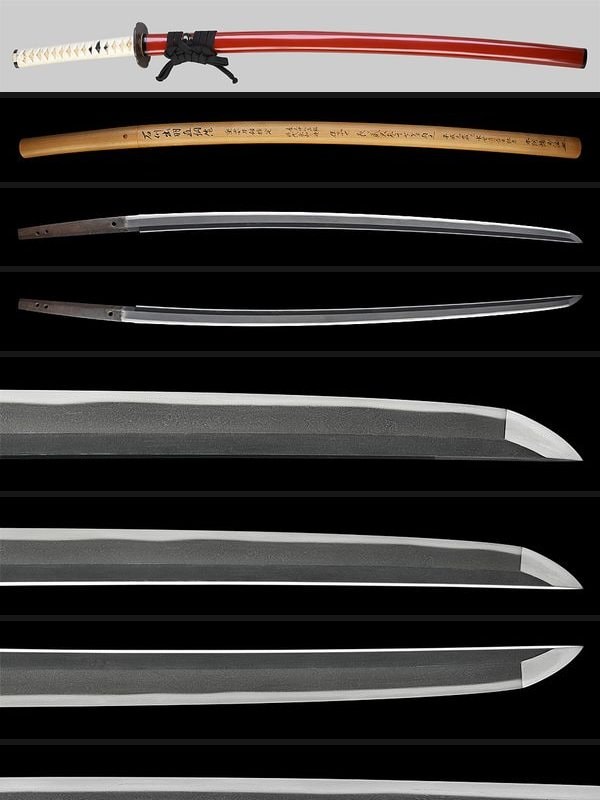
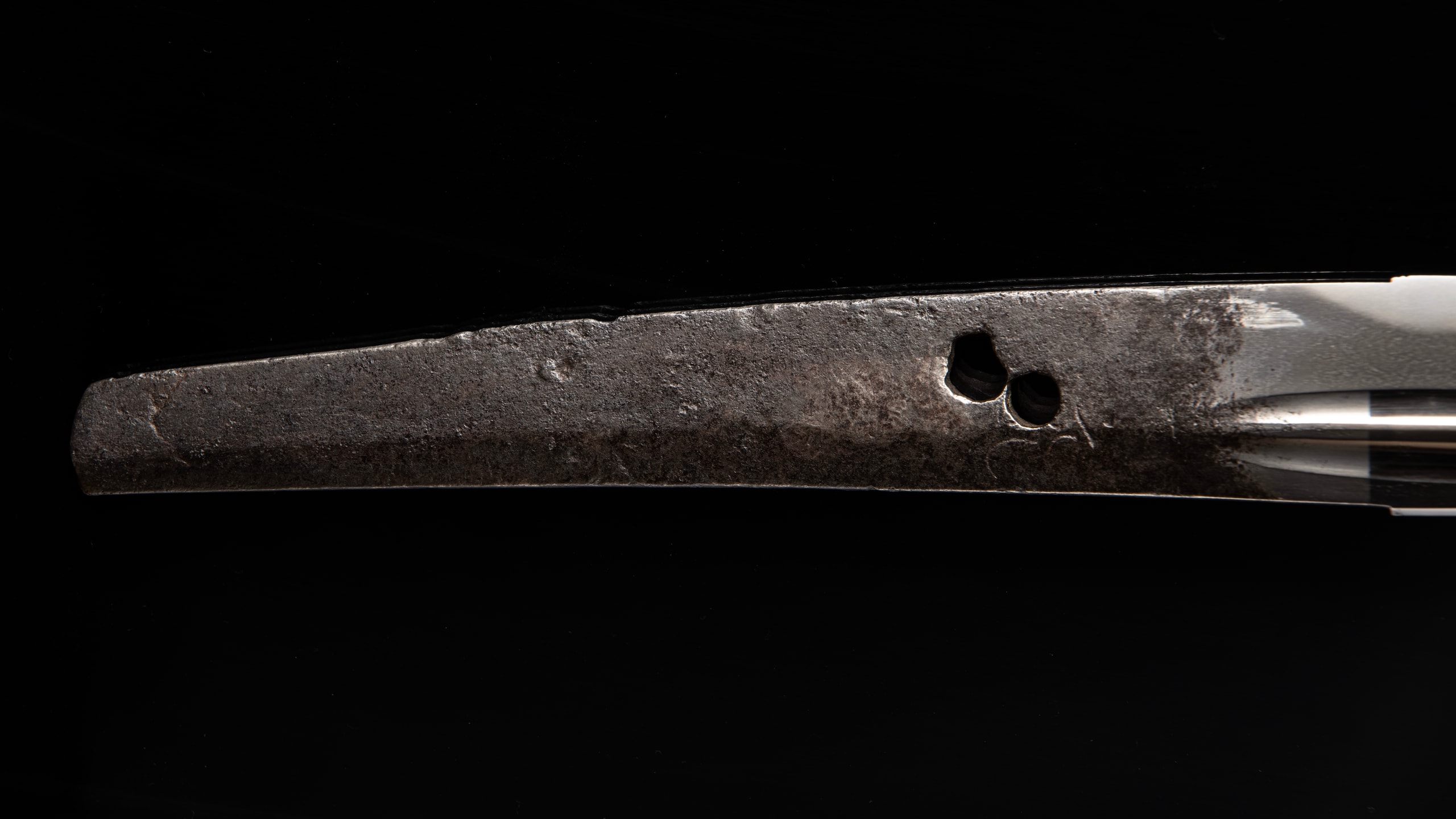
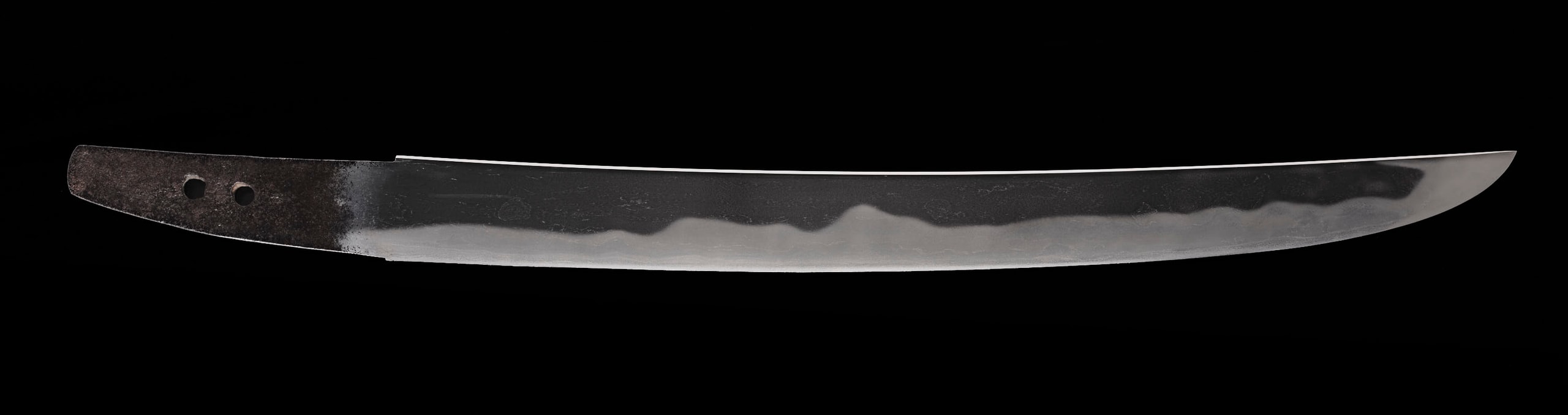
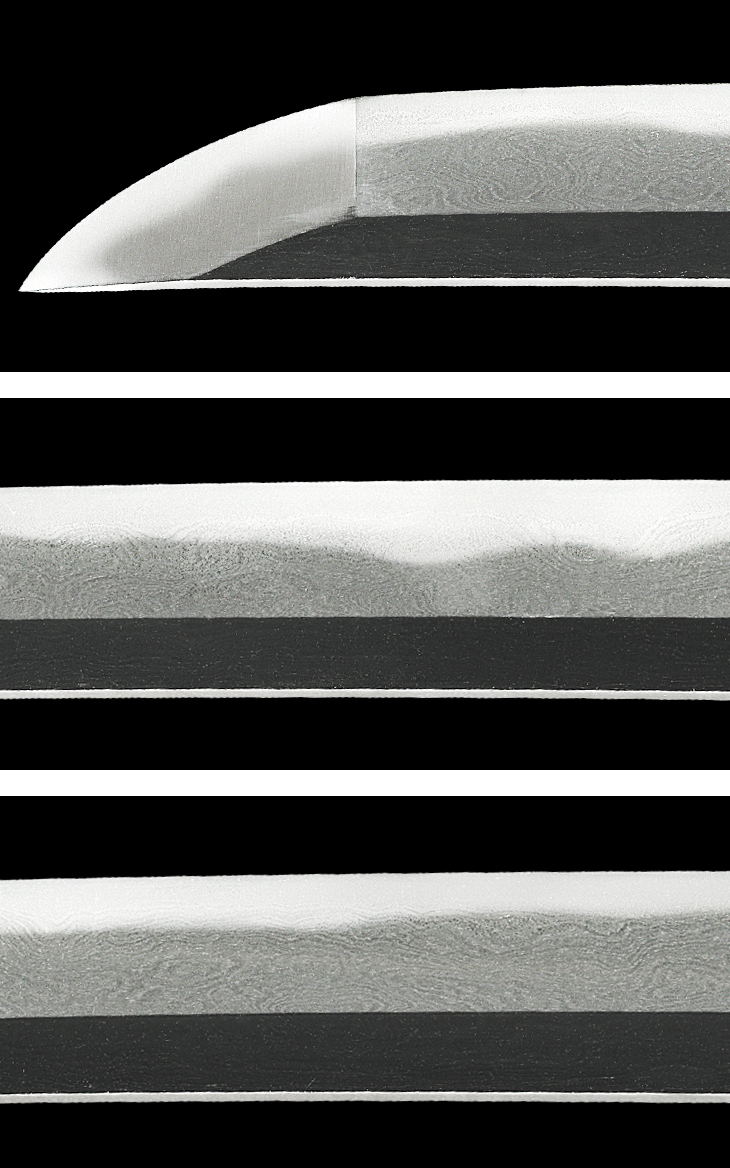
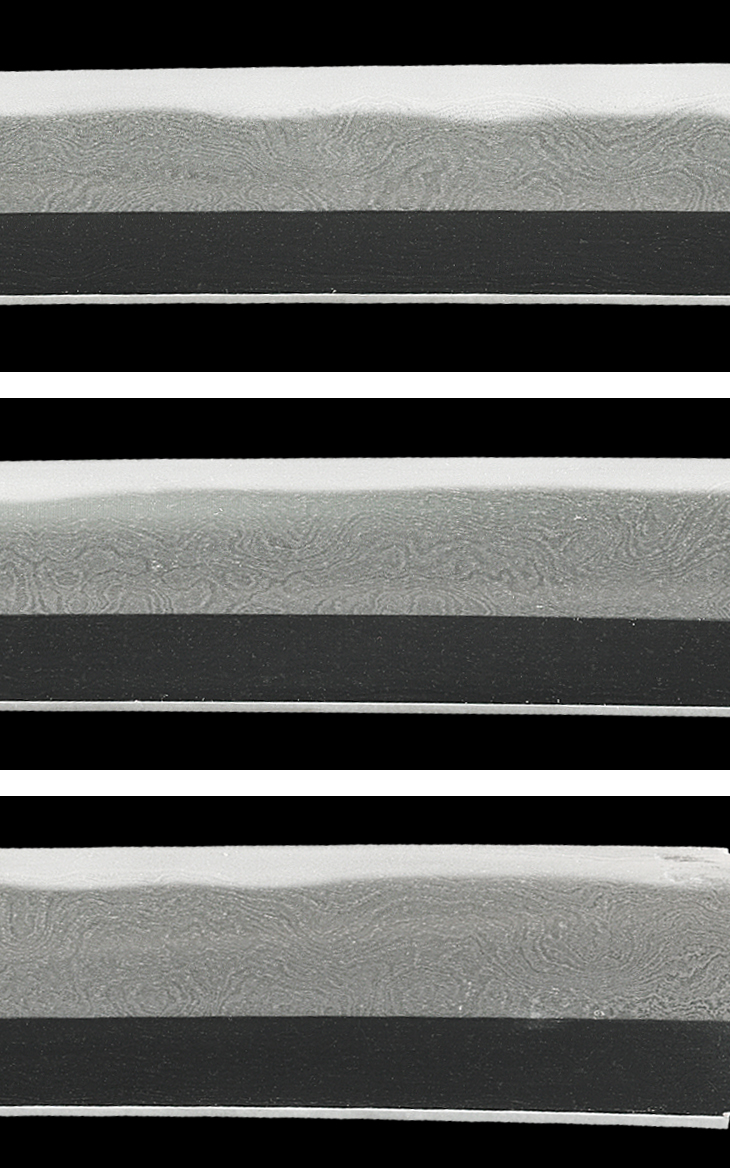
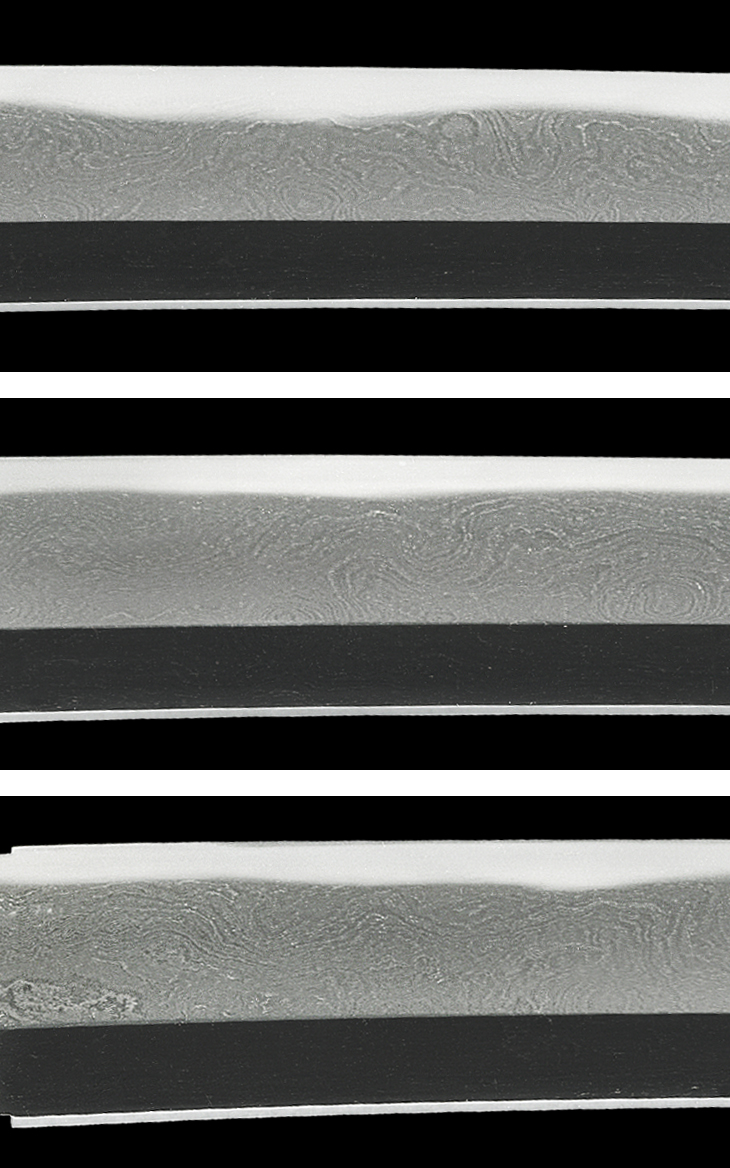
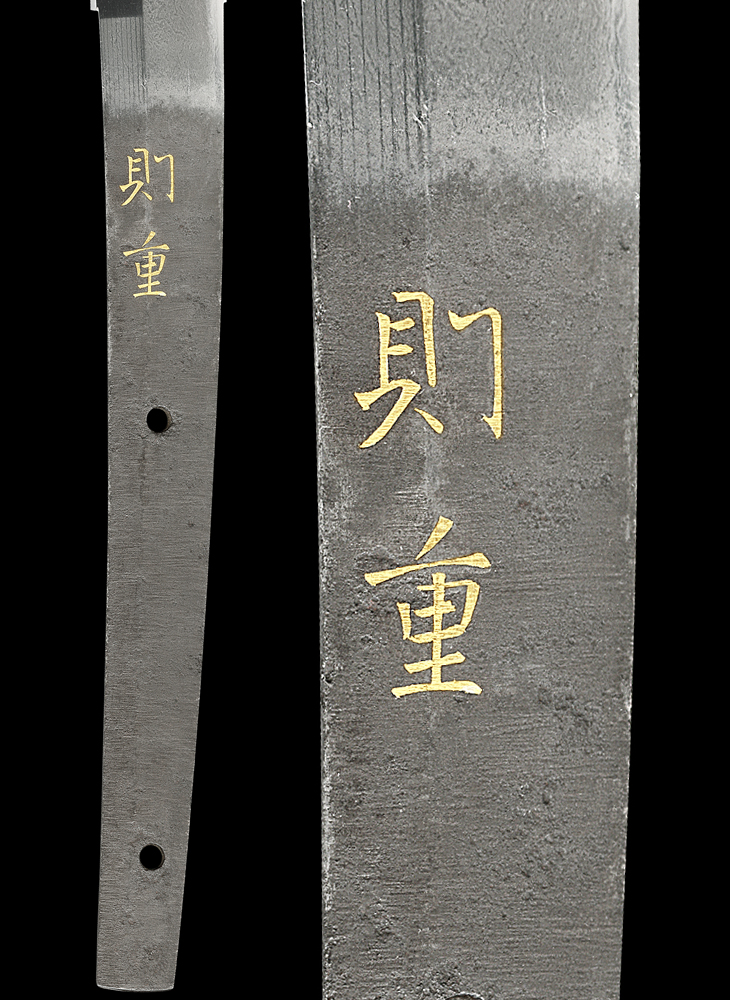
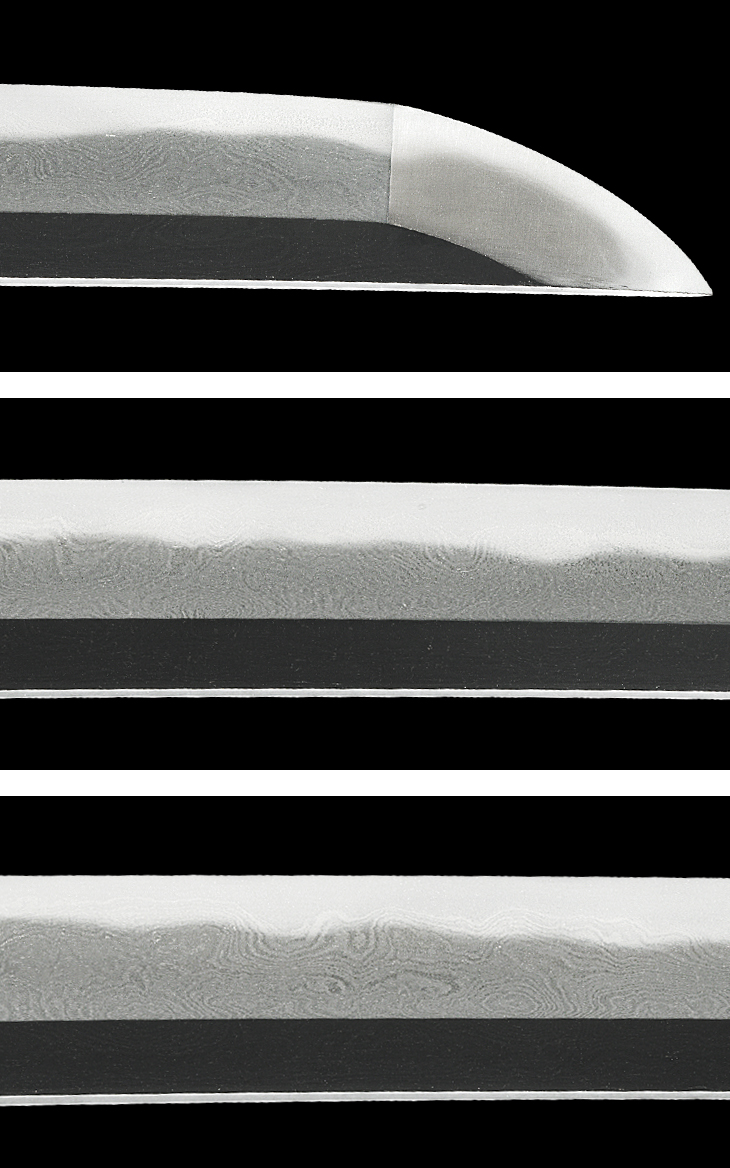
Description Keijo: shinogi-zukuri, iori-mune; standard mihaba with little difference between base and tip widths; kasane somewhat thick; sori slightly deep; chū-kissaki. Kitae: ō-itame mixed with a nagare-tendency; overall well-forged; fine ji-nie adheres thickly, with chikei well appearing. Hamon: The lower half is basically chū-suguha; the upper half is chiefly a gently ko-notare-tinged midare; ashi enter; nioi is laid down; nie adheres thickly and becomes coarser as it rises toward the tip; from the midsection upward, kinsuji, nie-suji, and sunagashi appear prominently (especially in the upper half), and there is a slight trace of muneyaki. Boshi: sugu; on the omote it ends in a rounded point (saki-maru), and on the ura it is a small round (saki-ko-maru). Horimono: None. Nakago: ō-suriage; nakago-jiri cut off (kiri); two mekugi-ana; above the first mekugi-ana on the ura, on the shinogi-suji, there is a two-character gold-inlaid inscription.
Artisan Norishige (則重)
Era Late Kamakura period
Explanation Edo-period sword treatises such as the Kokon Meizukushi list Norishige as one of the “Ten Great Disciples of Masamune” (Masamune jittetsu). However, judging from the sugata of his tachi and tantō, and from the fact that works exist bearing production dates from the Shōwa (1312–1317) and Gen’ō (1319–1321) eras, it is more appropriate to accept the view—already stated in Muromachi-period sword books—that he was a student of Shintōgo Kunimitsu. Accordingly, Norishige should be regarded as a fellow disciple of Masamune rather than Masamune’s direct pupil.
Norishige’s style is close to that of the Sagami master smiths, and particularly to Masamune; yet in many works he expresses variations in nie even more openly than Masamune. His forging tends toward larger-patterned textures with more conspicuous surface relief, producing the distinctive hada known as matsukawa-hada (“pine-bark grain”), in which bold chikei stand out. Moreover, along both the habuchi and within the hamon there are diverse forms of activity that intertwine with the forged surface, revealing endlessly changing nie effects.
Although this blade is ō-suriage, the curvature in the lower portion remains comparatively noticeable and continues with sori toward the tip; the base-to-tip width difference is also somewhat evident, so that it still retains aspects of a late-Kamakura sugata. The forging shows ō-itame with some flowing tendency, with thick ji-nie and a fabric of rather bold chikei, conveying an appearance close to Norishige’s hallmark matsukawa-hada. In addition, the hamon—interacting with these surface patterns—displays kinsuji, nie-suji, and sunagashi that cross over the temper line, appearing well especially in the upper half; Norishige’s characteristic strengths are thus clearly manifested.
The blade is somewhat thick in kasane, with hiraniku not dried away, and shows almost no polishing hollows (togidamari), indicating a good state of preservation. Together with the excellence of both ji and ha, this is a superior example, convincingly attributable to Norishige.