戦国の関は一つの産業であった。春日神社を氏神と仰ぐ鍛冶たちが、中部日本の軍勢を武装させた。孫六兼元の三本杉と之定の最上作は、量産の町に第一級の技が息づいていたことの証である。
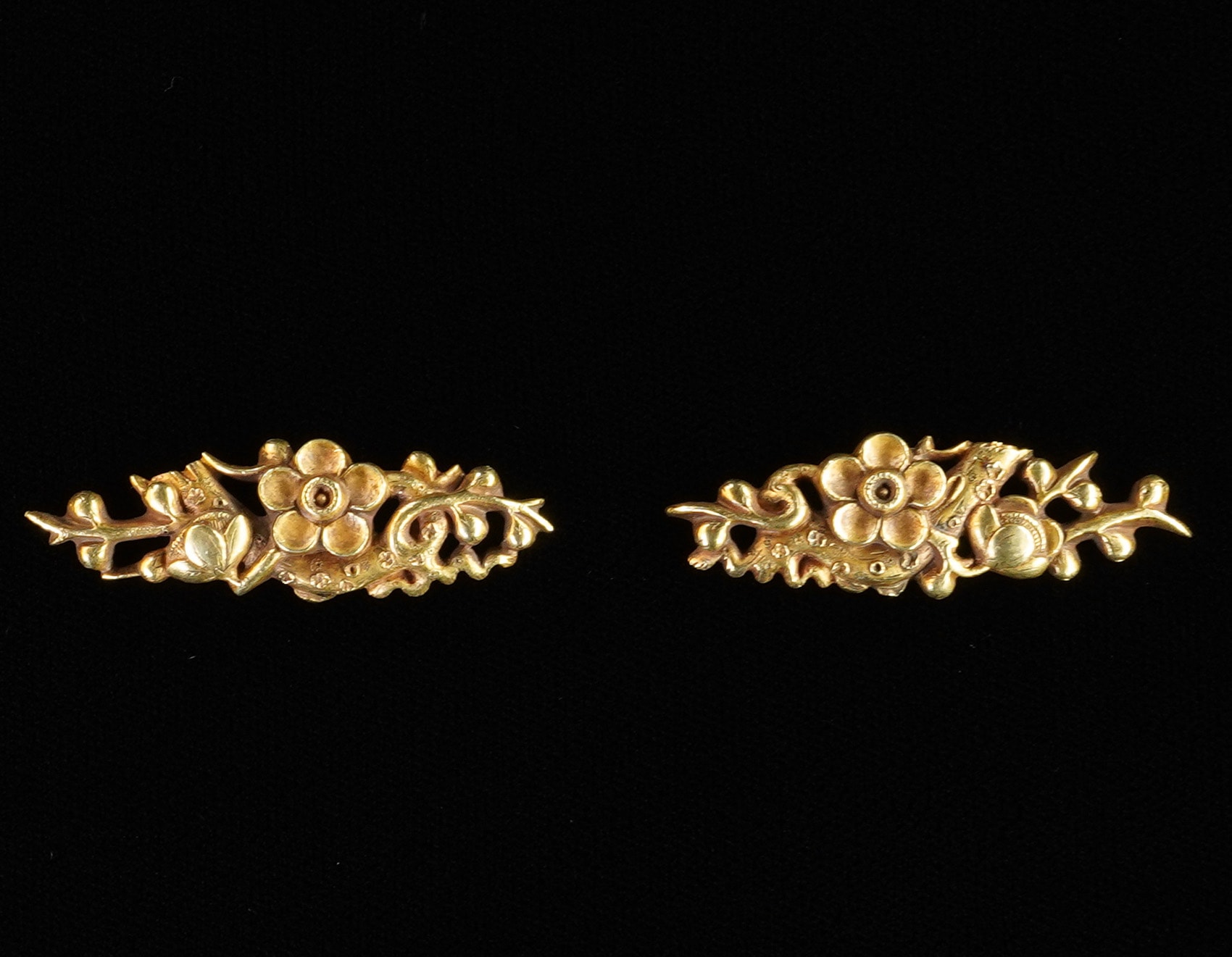
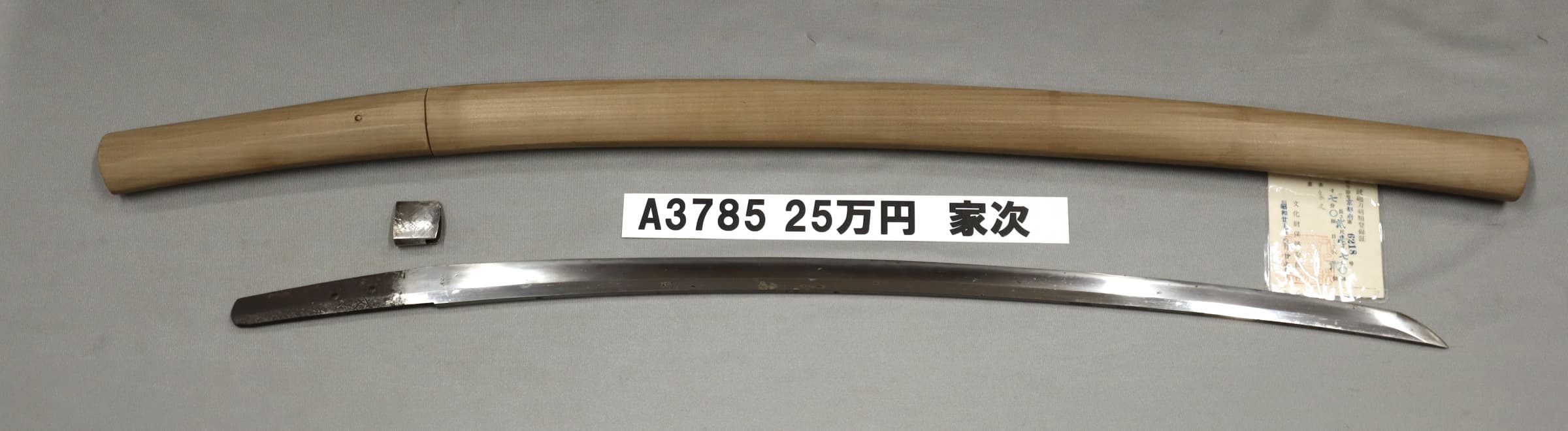
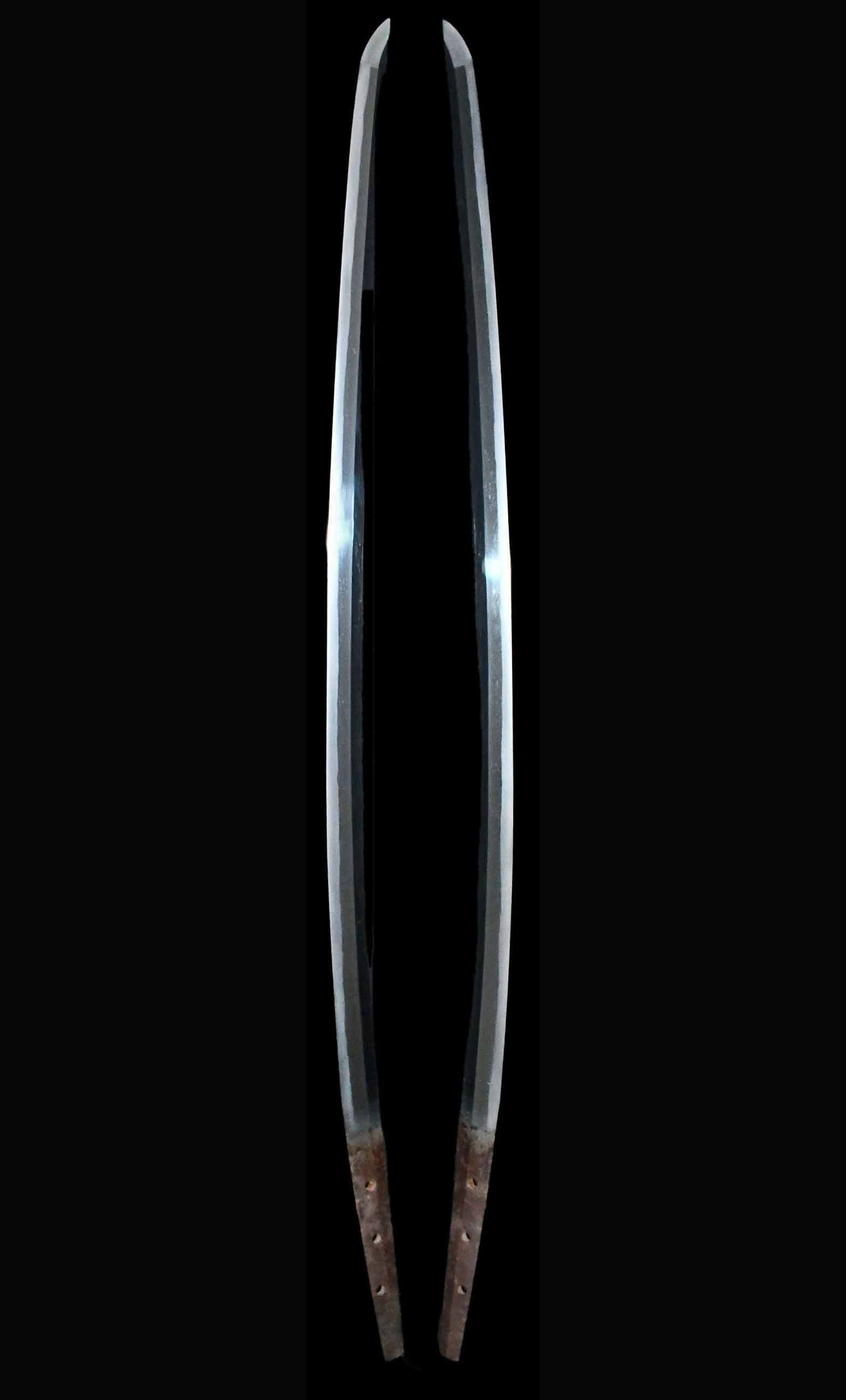
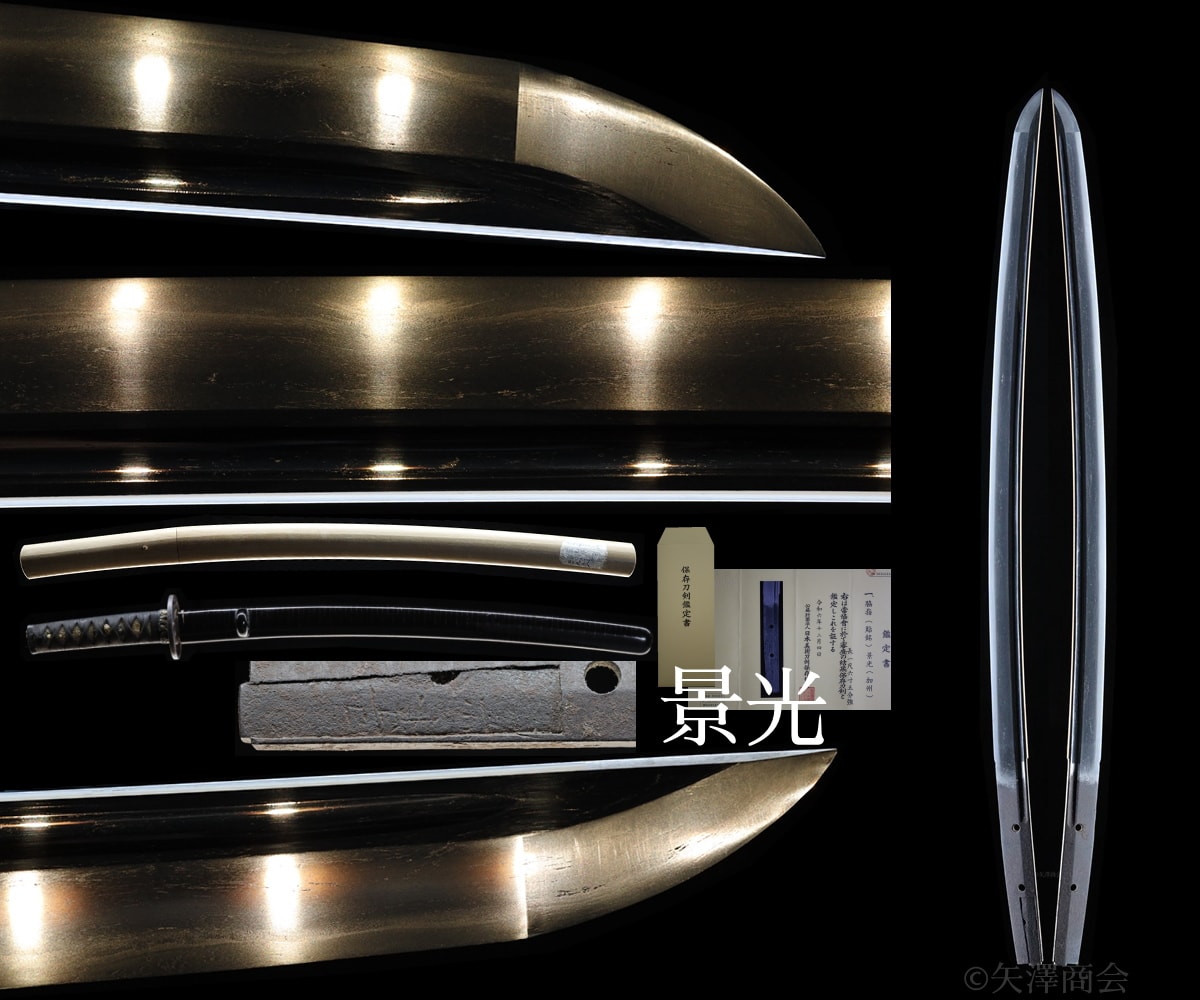
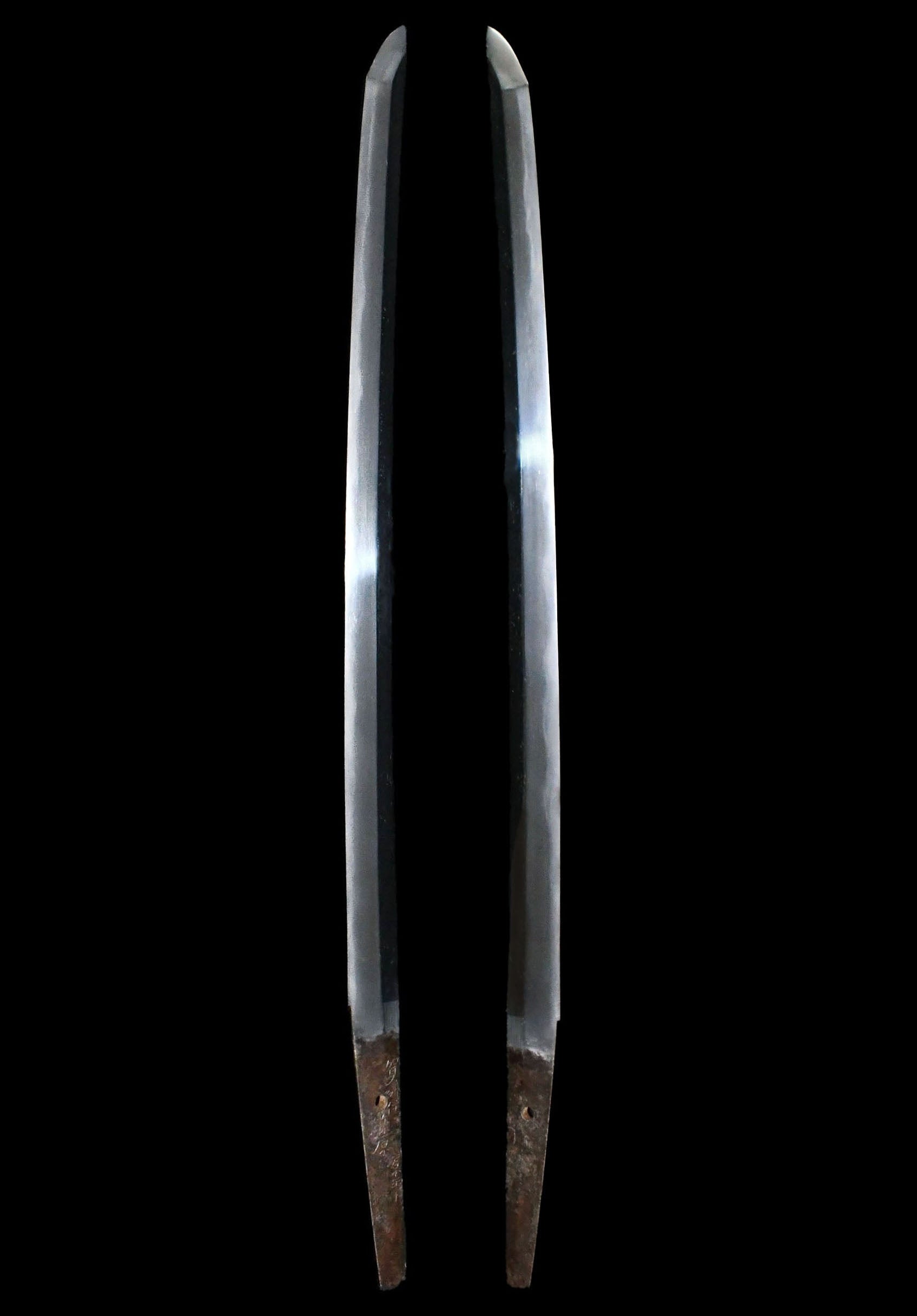
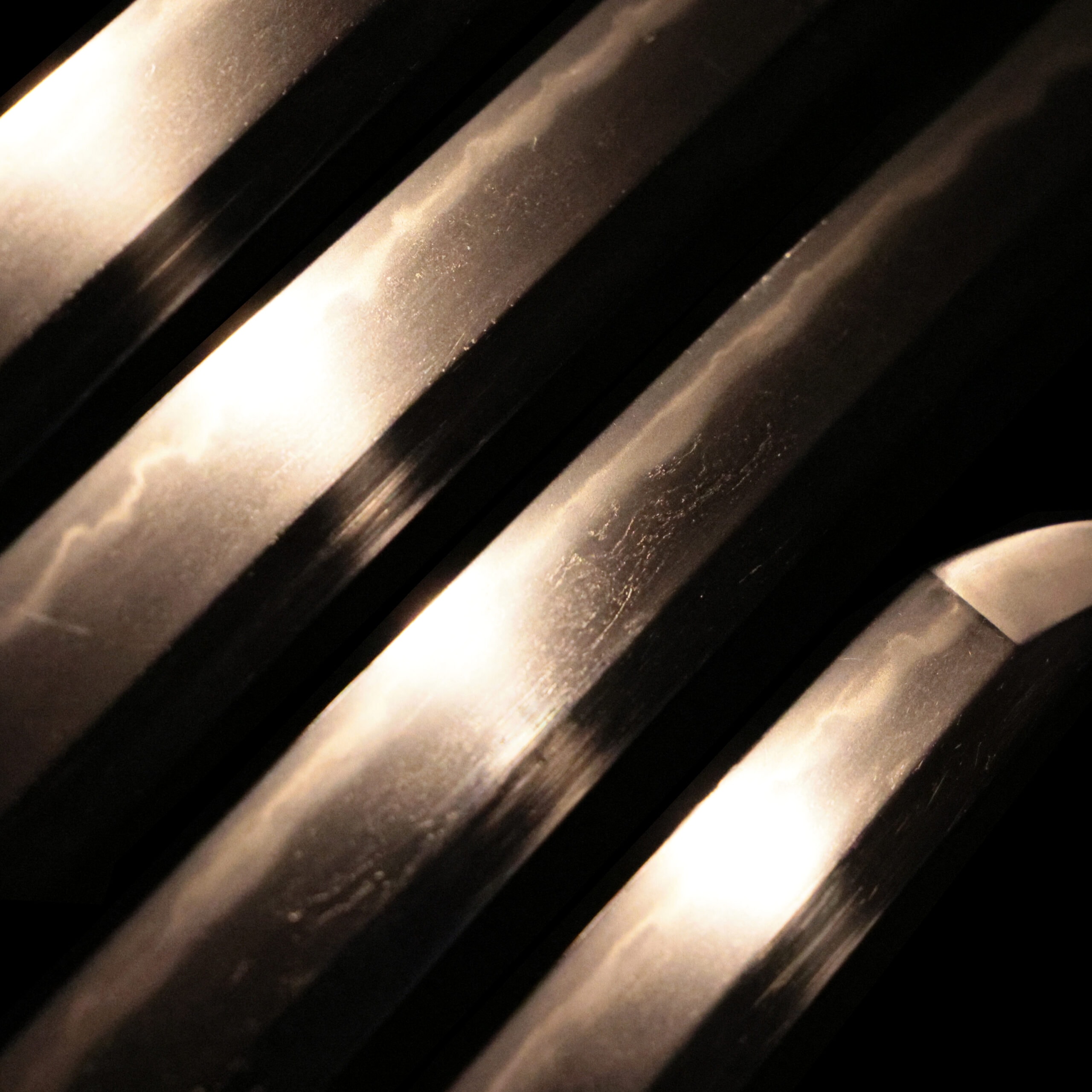
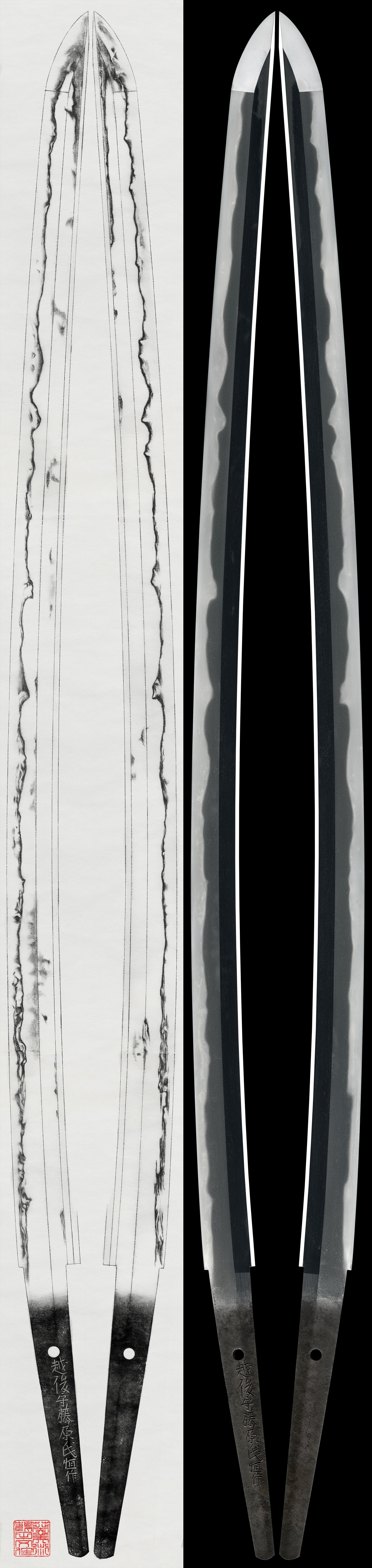
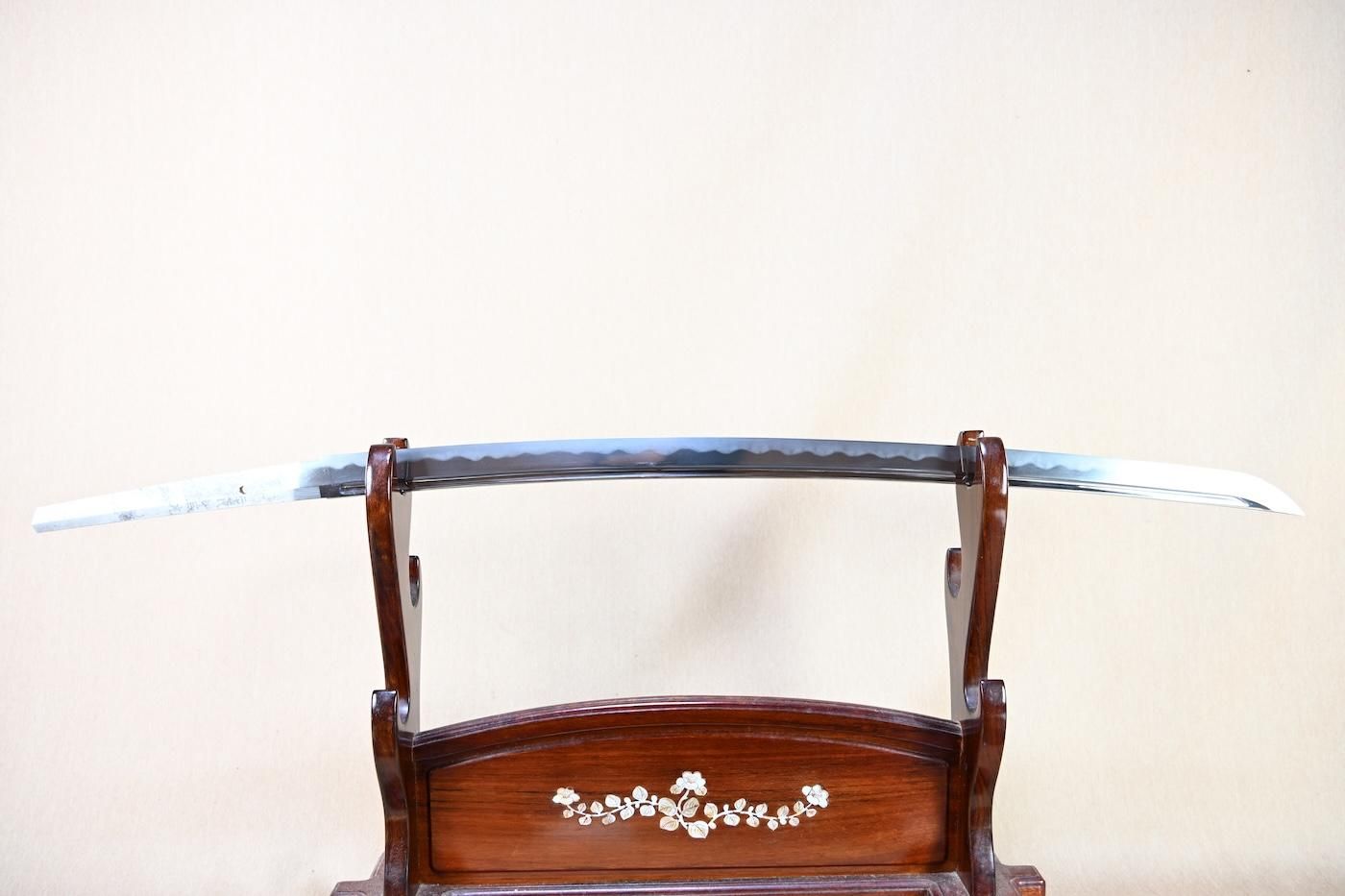
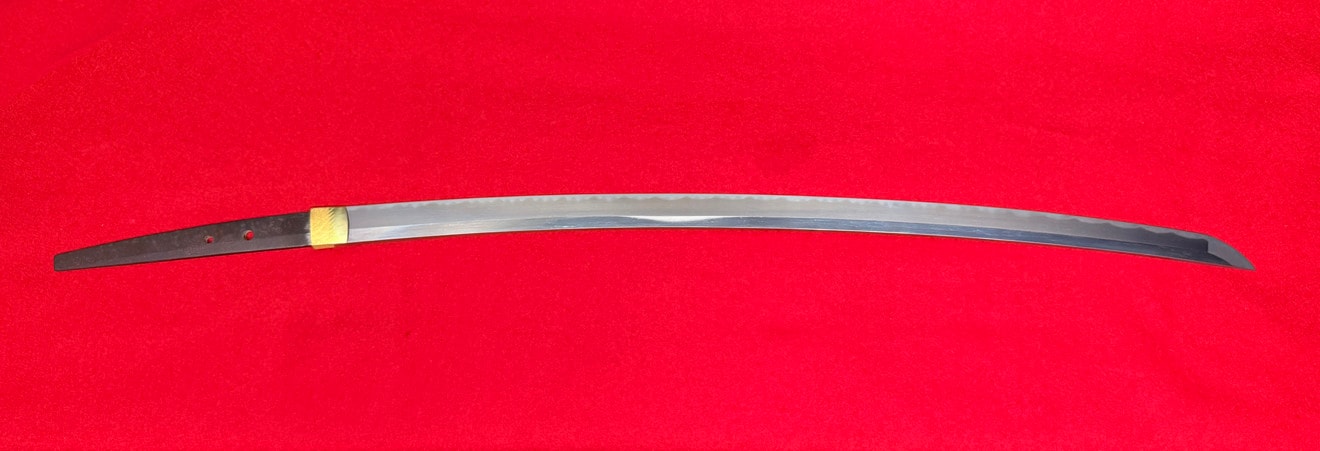
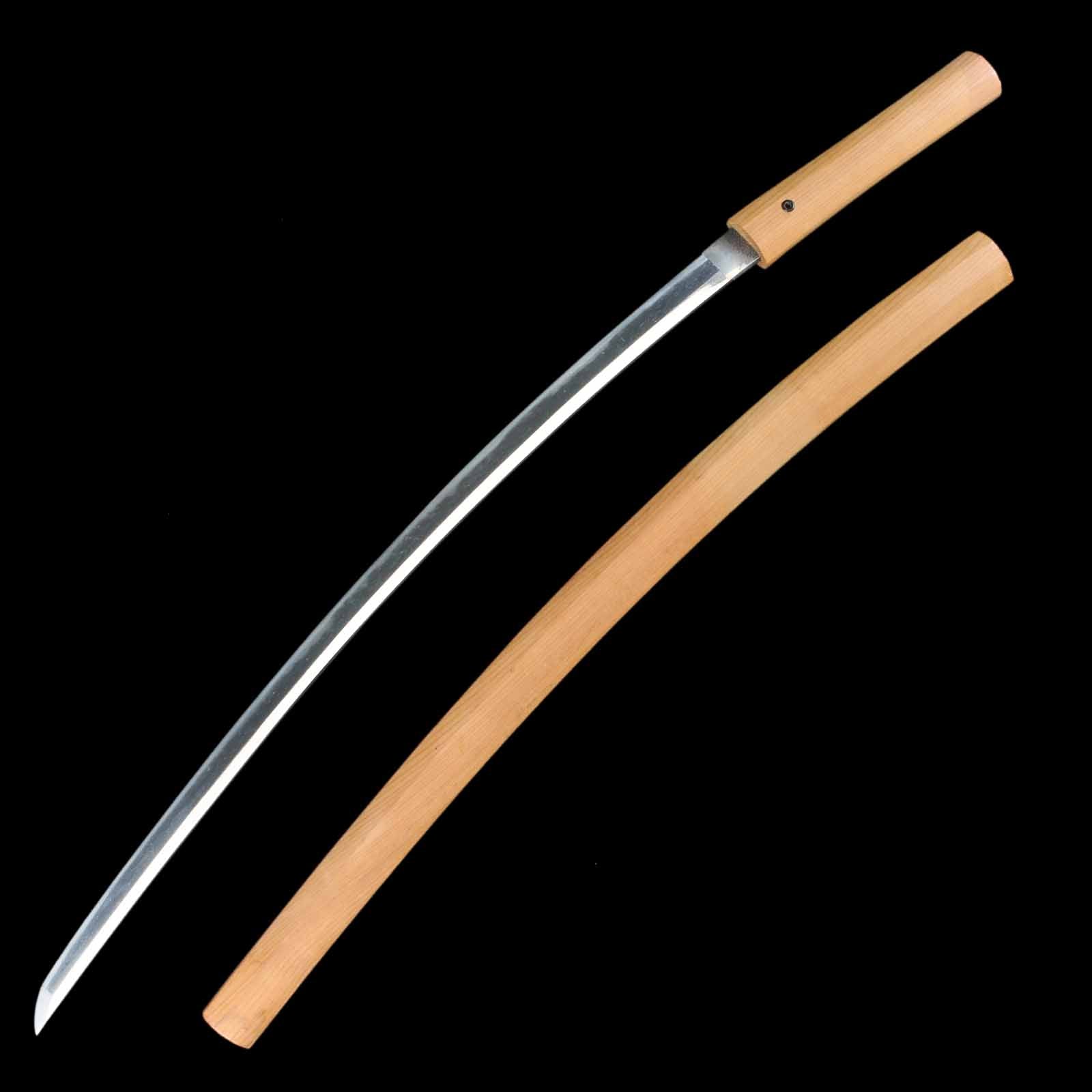
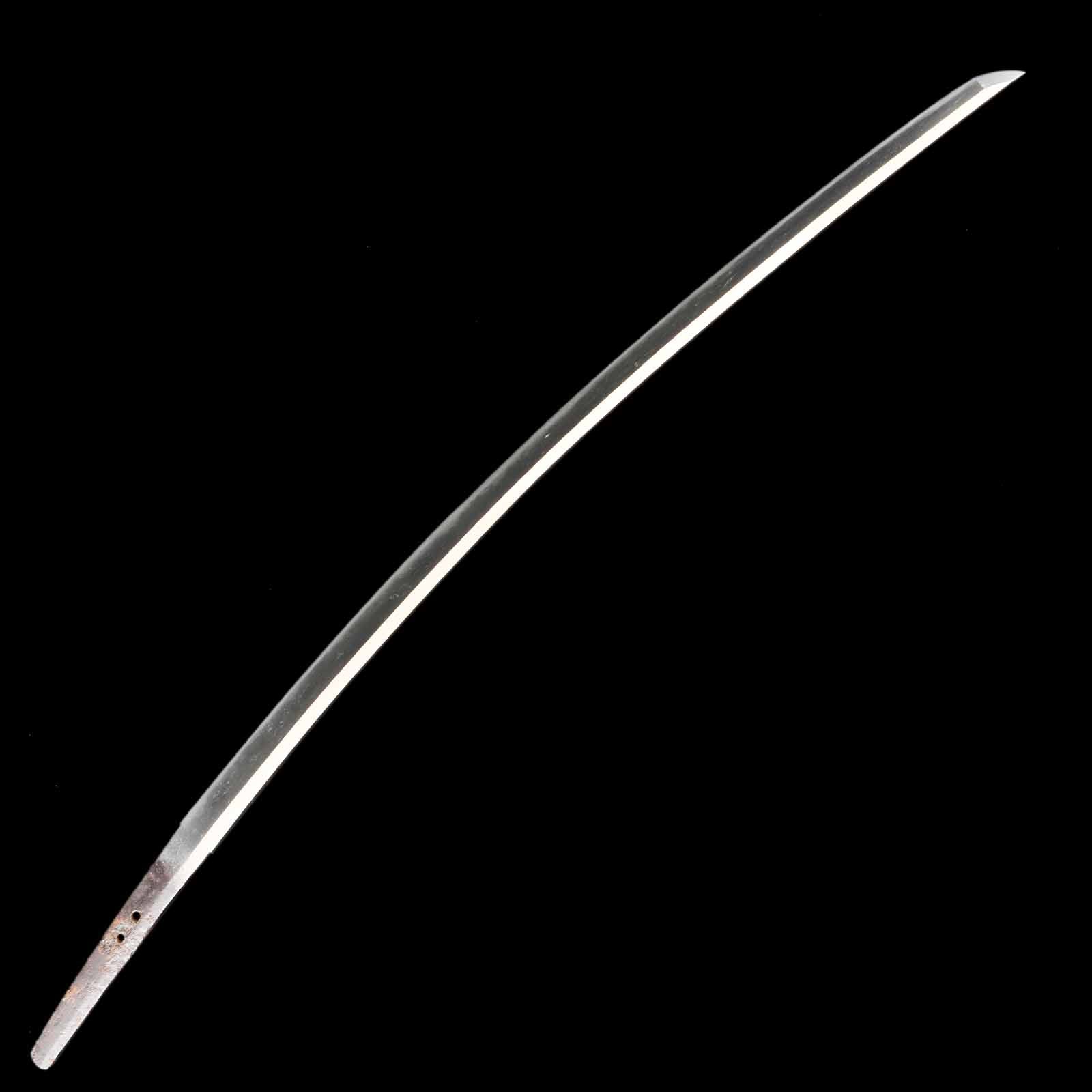
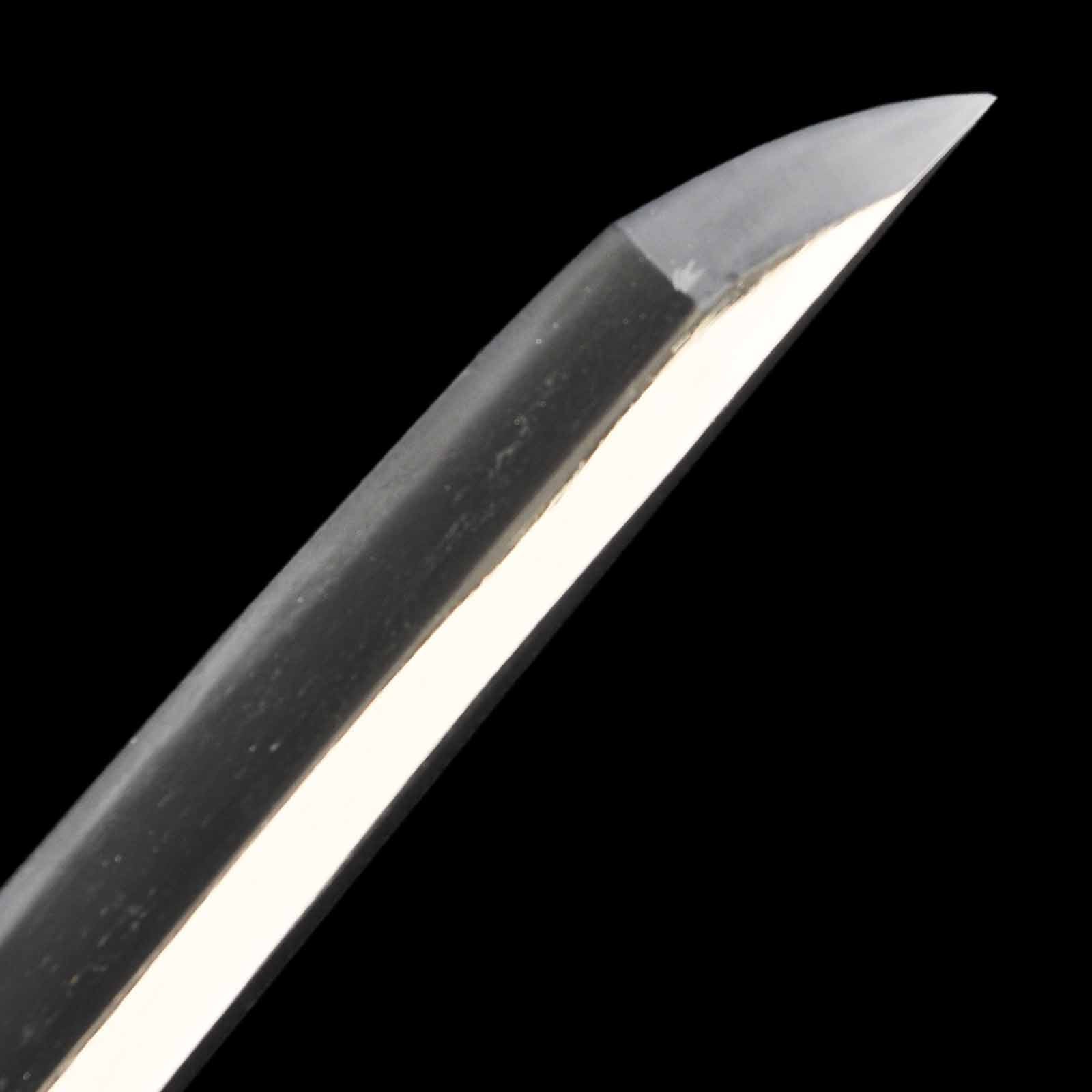
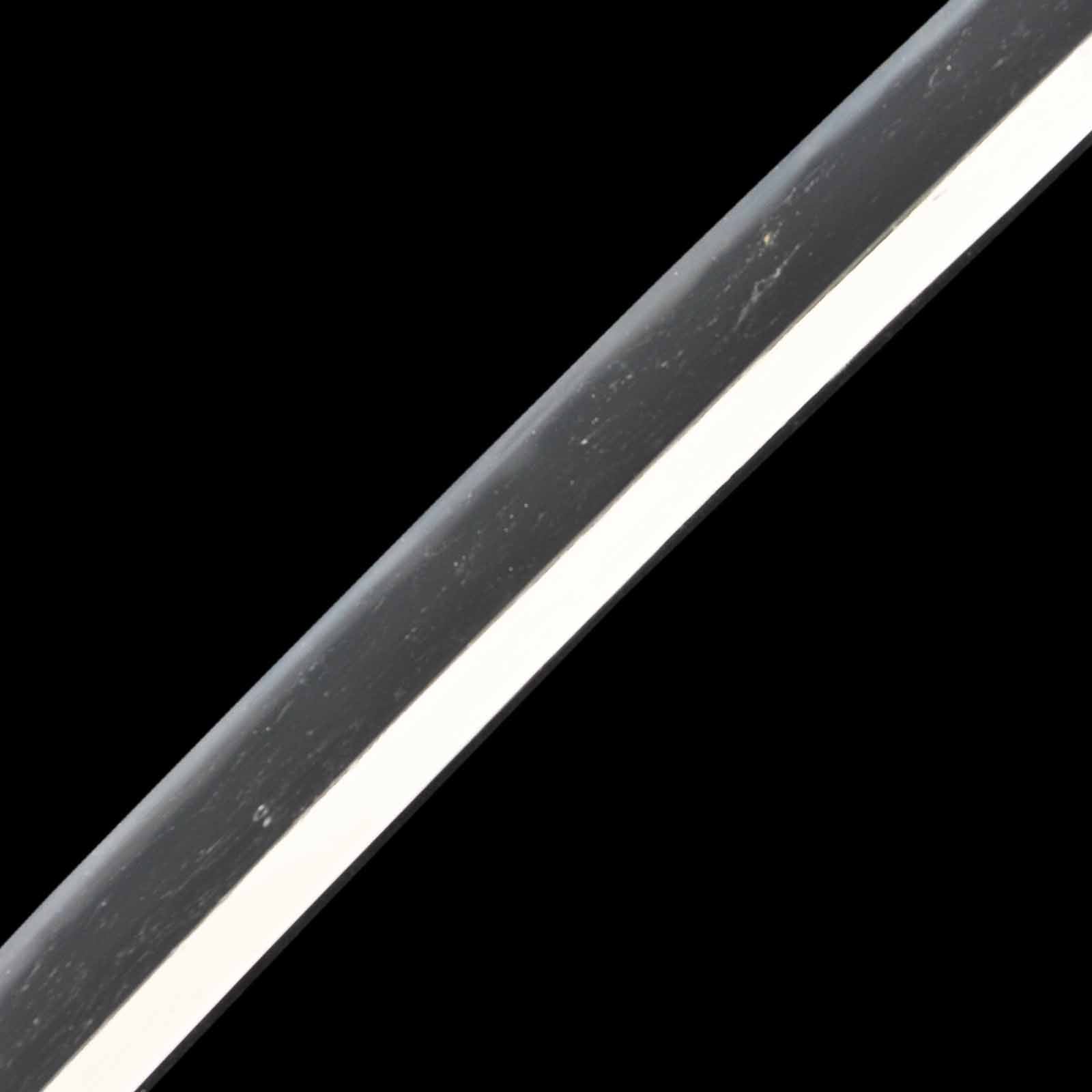
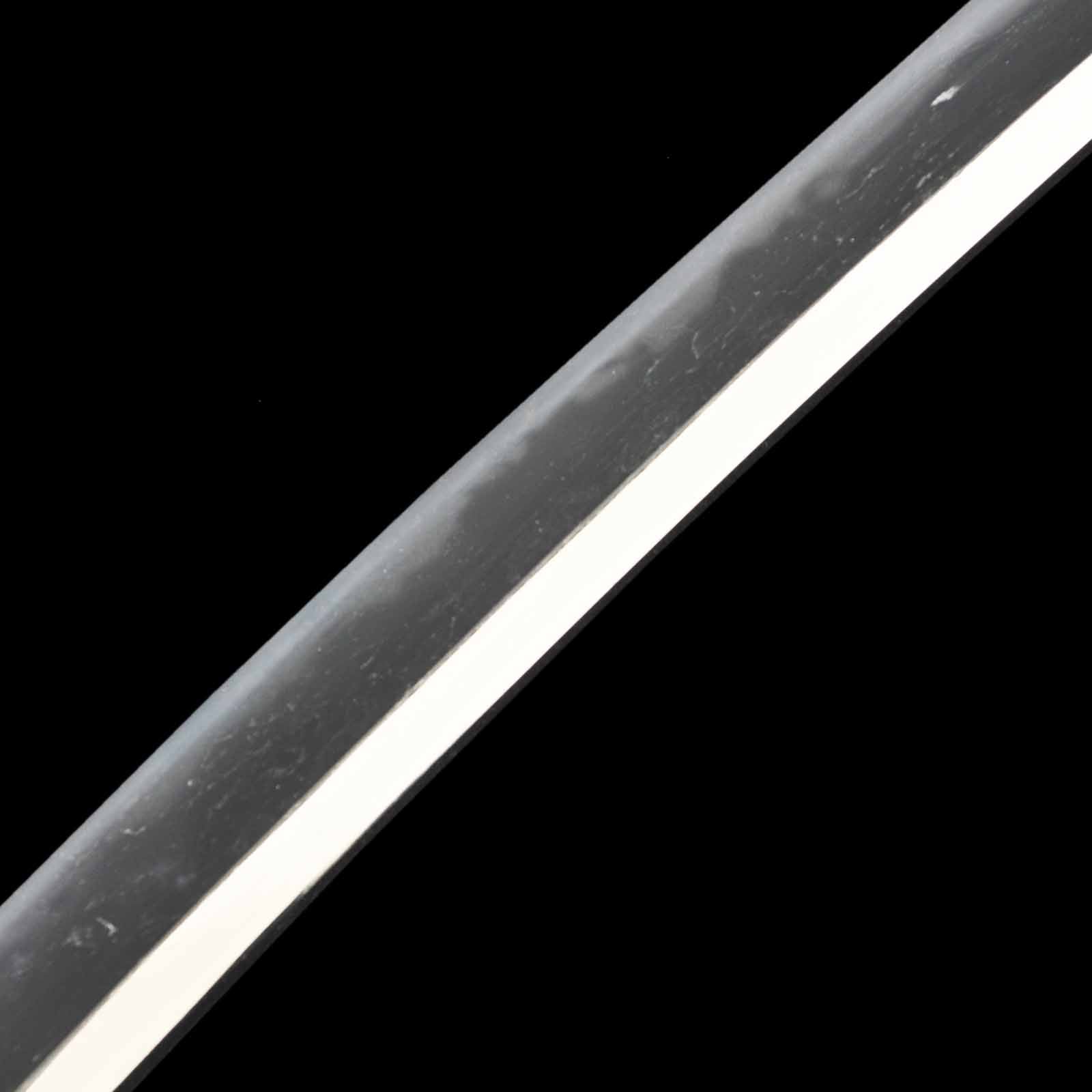
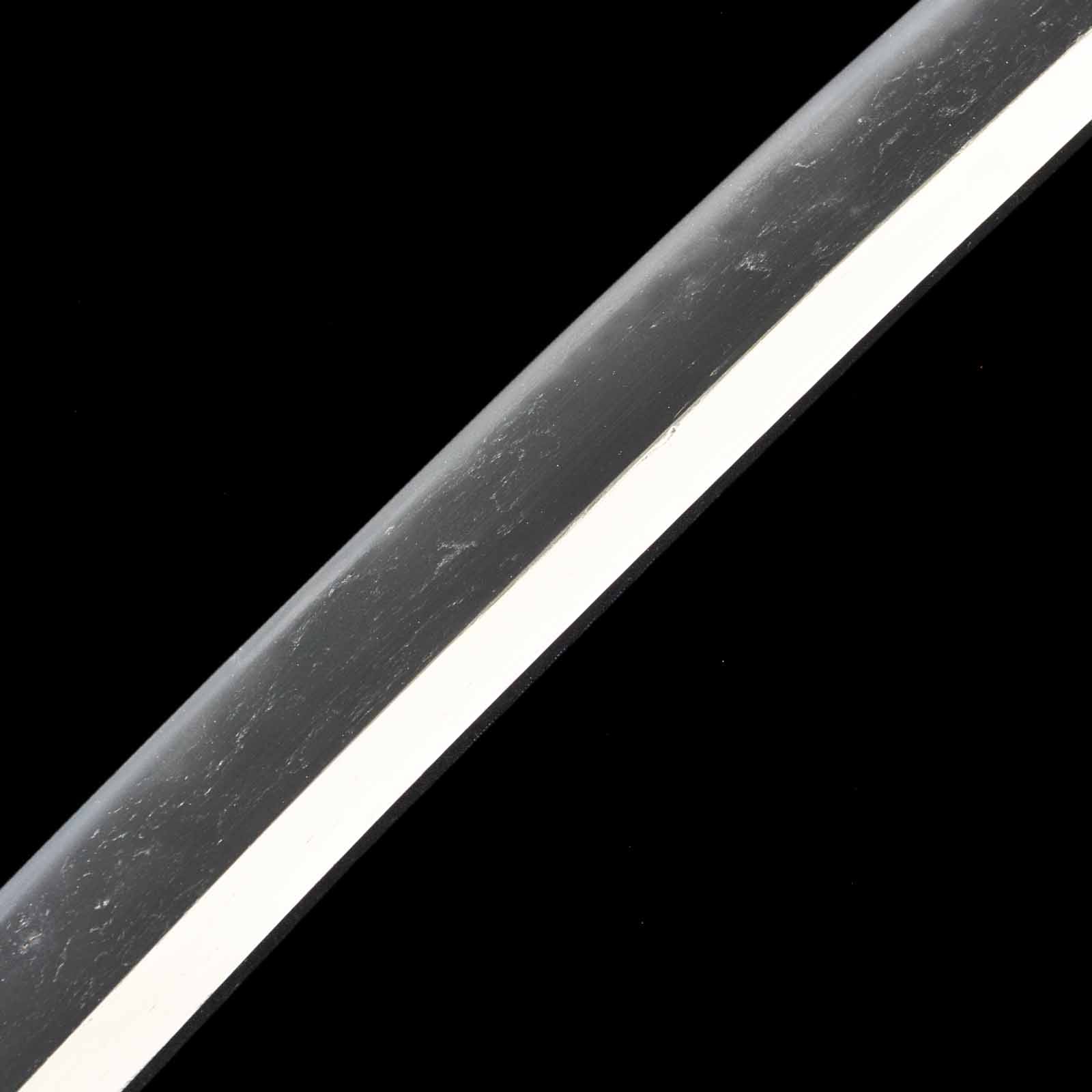
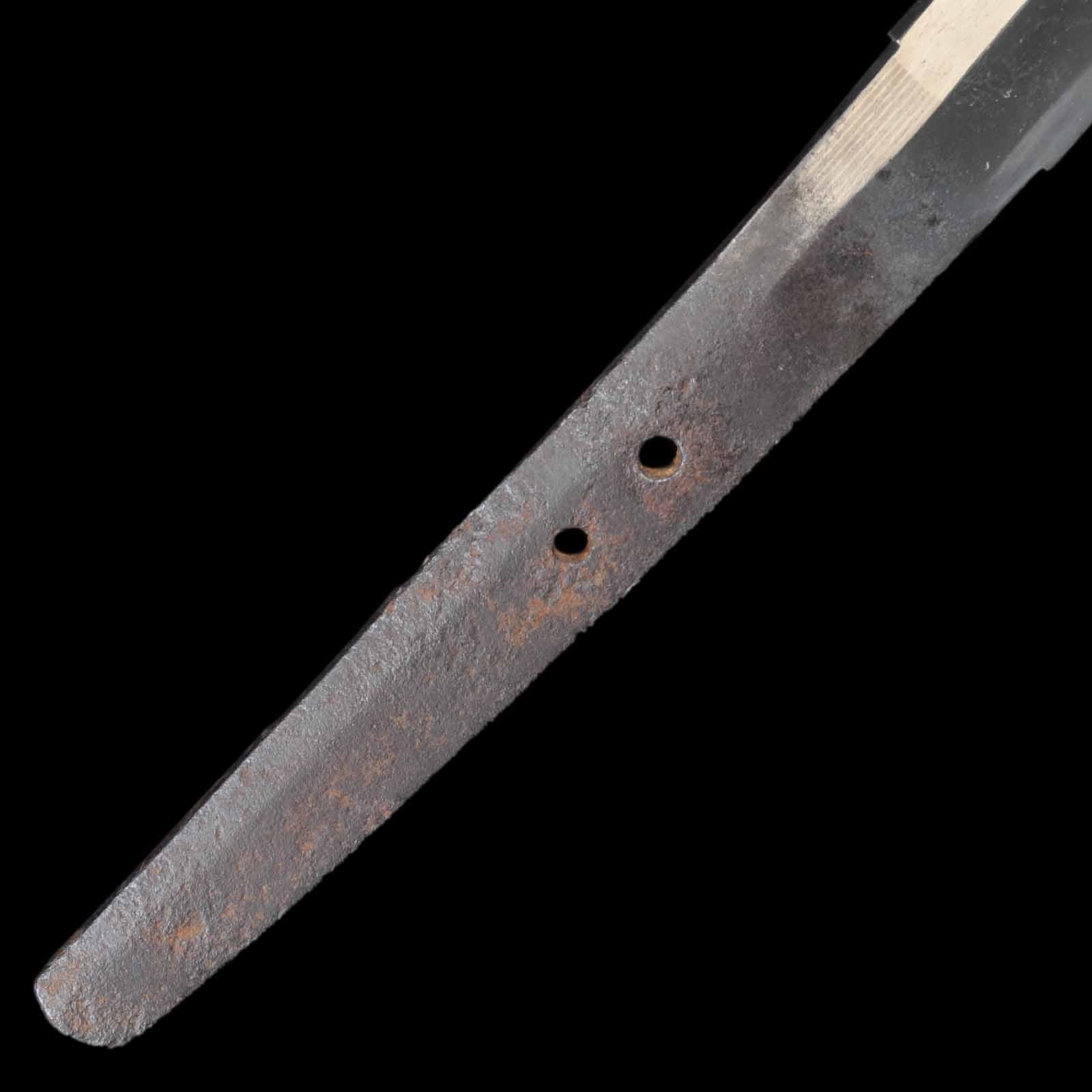
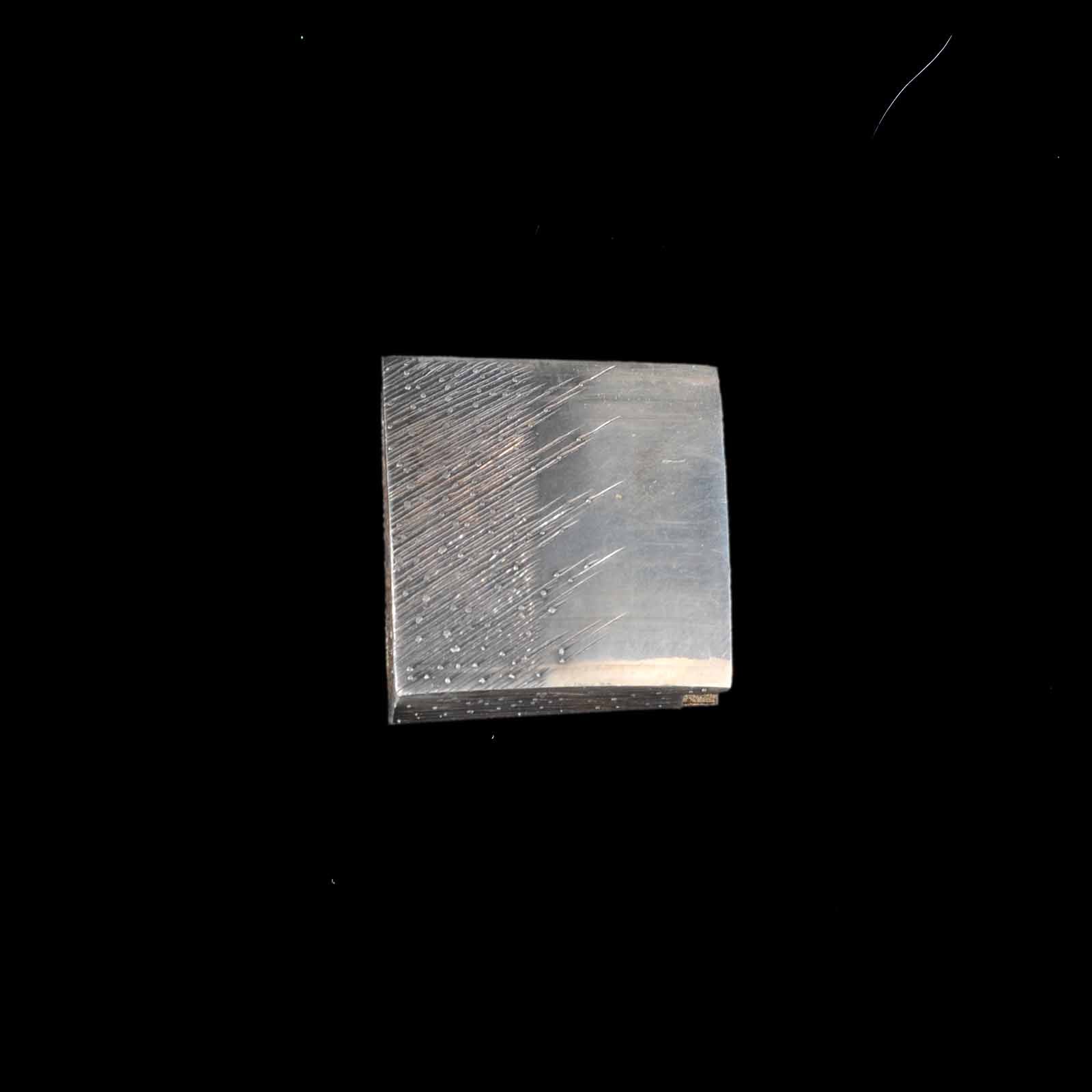
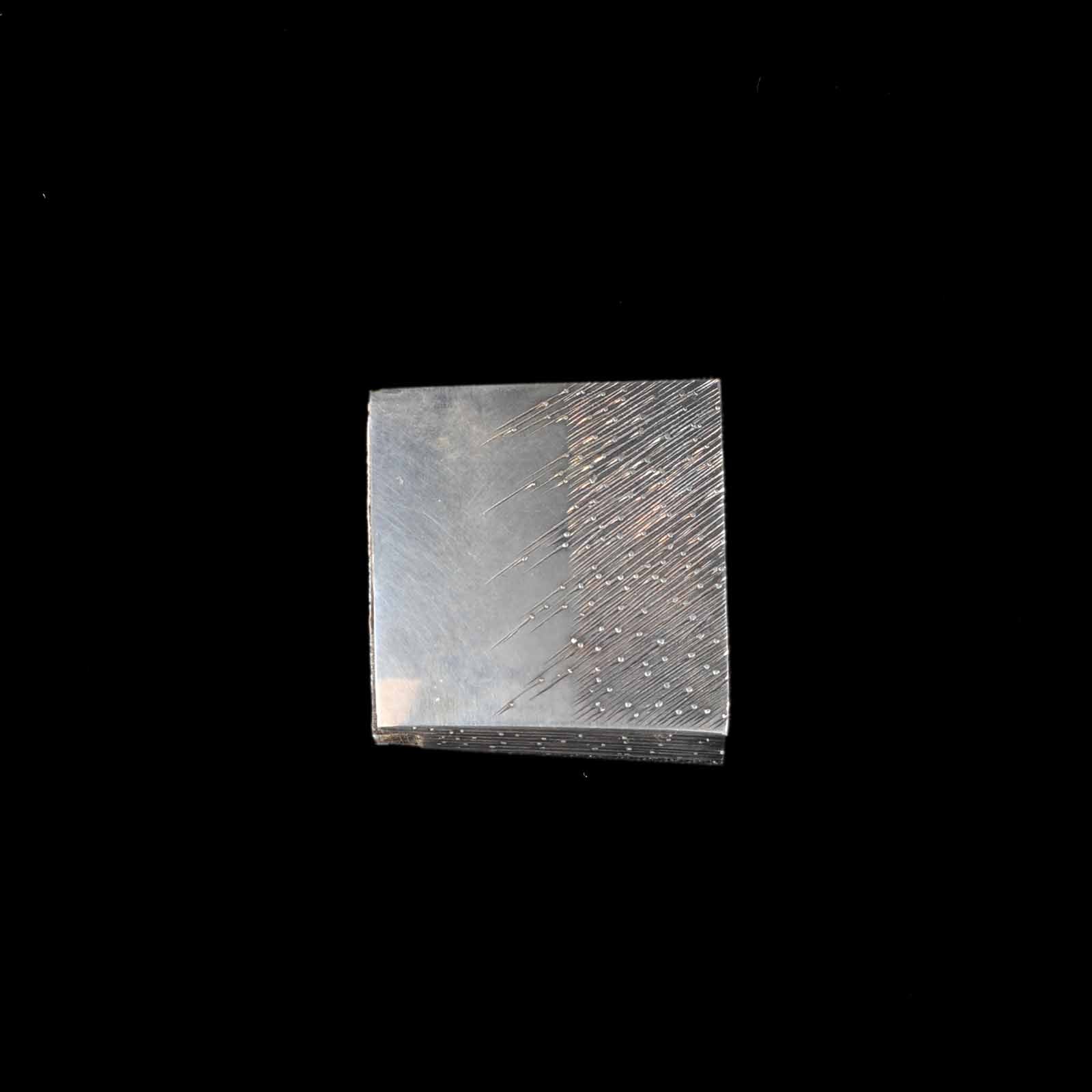
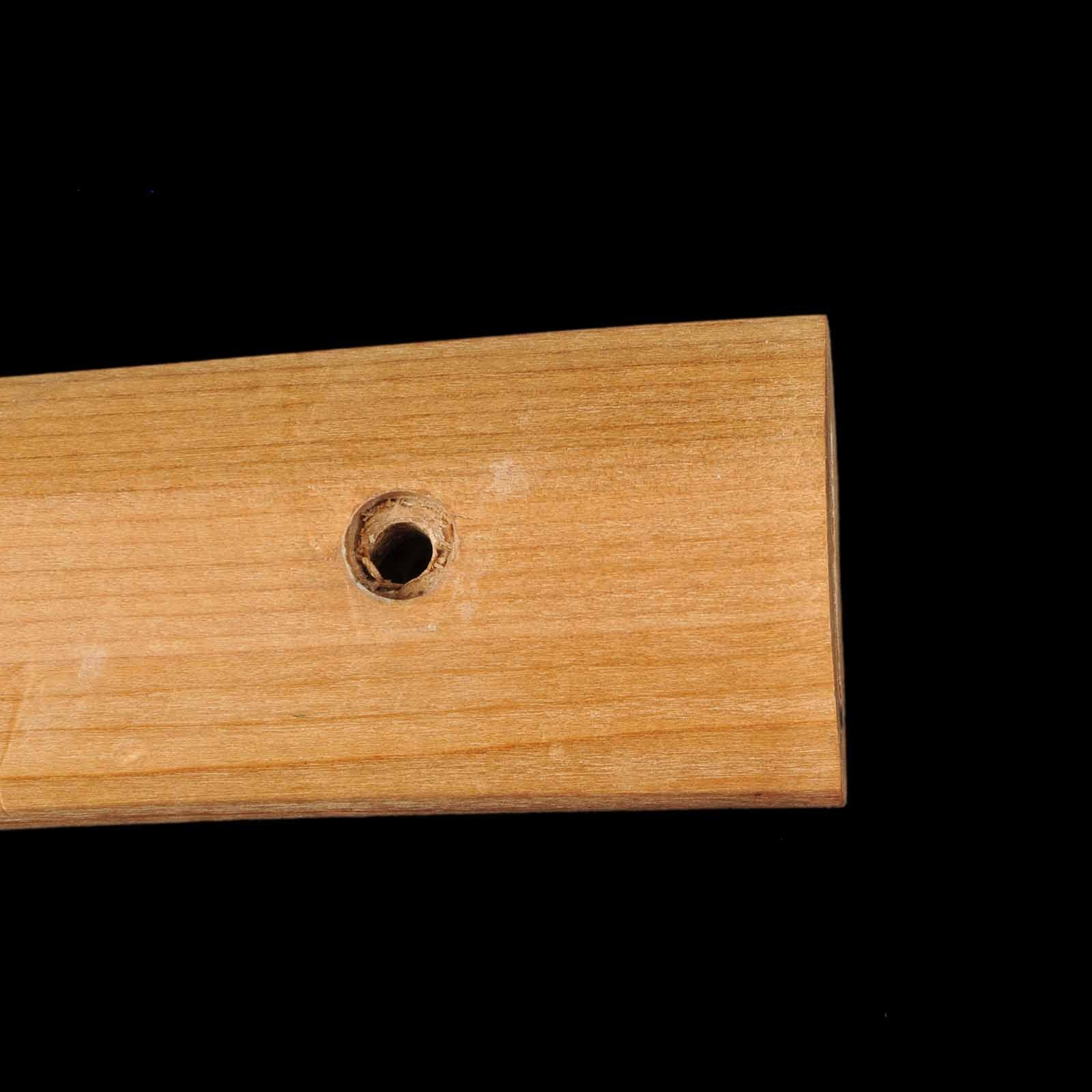
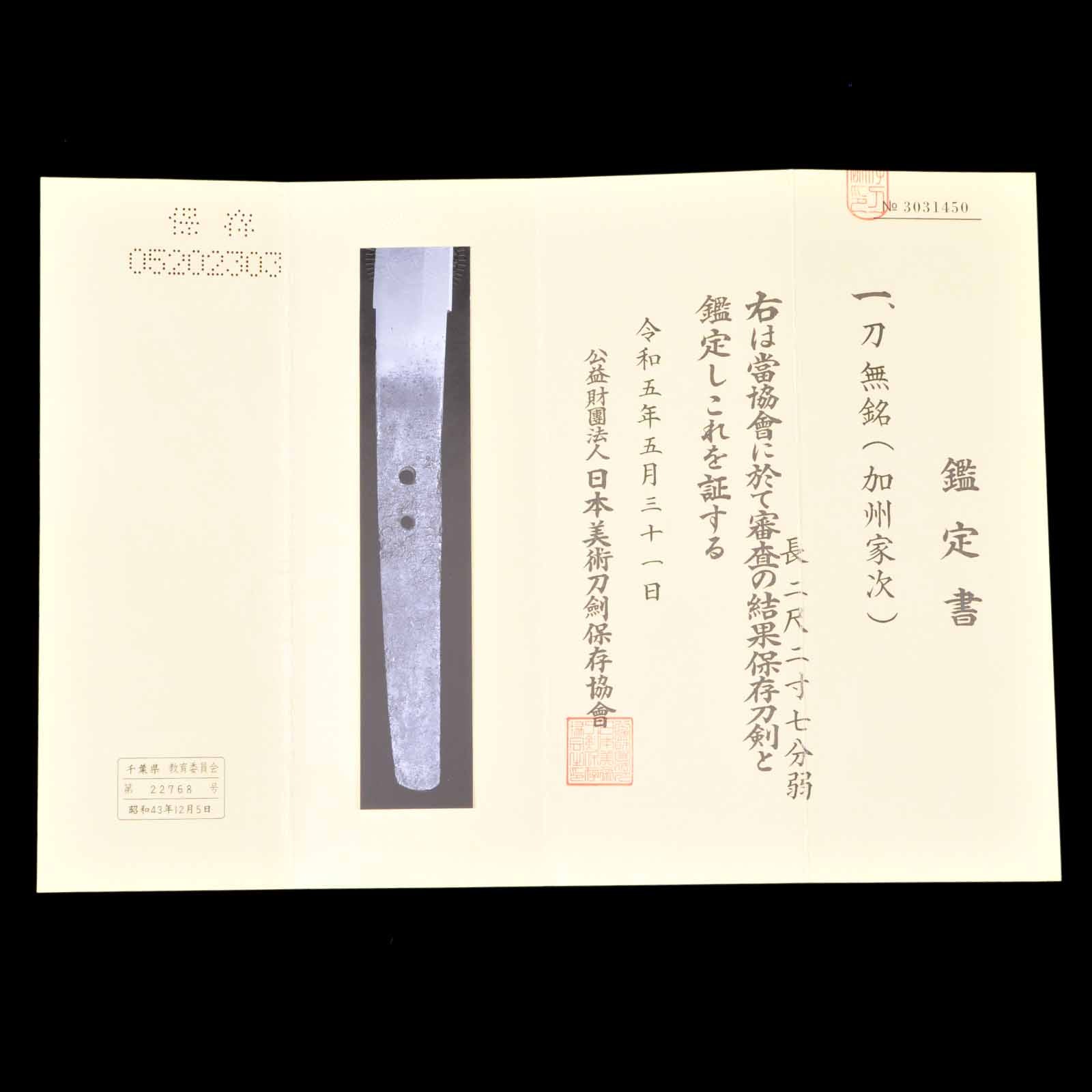
本作は、2023年5月に日本美術刀剣保存協会より「加州家次」として保存刀剣鑑定書が交付された、無銘ながらも格調高い一振りです。 経年を考慮すれば刀身の状態は概ね良好で、刃こぼれや錆などは見受けられません。特筆すべきは、実戦の痕跡である「誉れ傷」が数箇所残されている点であり、往時の歴史を今に伝えています。 地鉄は板目に流れごころの肌が交じり、よく練れて詰み、湯走りや地景といった働きが非常に活発に現れています。さらに、備前伝の特色である「映り」も鮮明に立ち、見どころに溢れています。 刃文は互の目に似た出来で、乱れや丁子を交え、砂流し、足、葉、玉といった多彩な働きが随所に現れており、鑑賞の楽しみが尽きない出来映えです。 腰反りが深く、踏ん張りのある優美な姿は古の太刀を彷彿とさせ、その優れた斬れ味を予感させます。 茎は無銘ですが、その体配と作風から、日本美術刀剣保存協会により「加州家次」と極められました。 加州家次は室町時代、加賀国(現在の石川県)で活躍した一派です。備中青江派に似た風格を持ち、その鋭い斬れ味と優れた作域から「加賀青江」とも称されました。応永頃の初代を筆頭に、室町末期までその系譜は続いています。 後世に伝えるべき貴重な資料として、2023年5月に保存刀剣に指定された本作ですが、この度、東山堂では大変お求めやすい価格にてご案内いたします。古刀ファン、そして実戦刀の美を愛する皆様、この機会をぜひお見逃しなく。 長さ:68.6 cm 反り:2.7 cm 目釘穴:2個 先幅:16.8 mm 先重ね:2.9 mm 元幅:28.2 mm 元重ね:6.1 mm 銘:無銘 時代:古刀 造り:鎬造、庵棟 地鉄:板目肌、流れごころ交じる 刃文:互の目 帽子:のたれて入り、大丸に返る
 NihontoWatch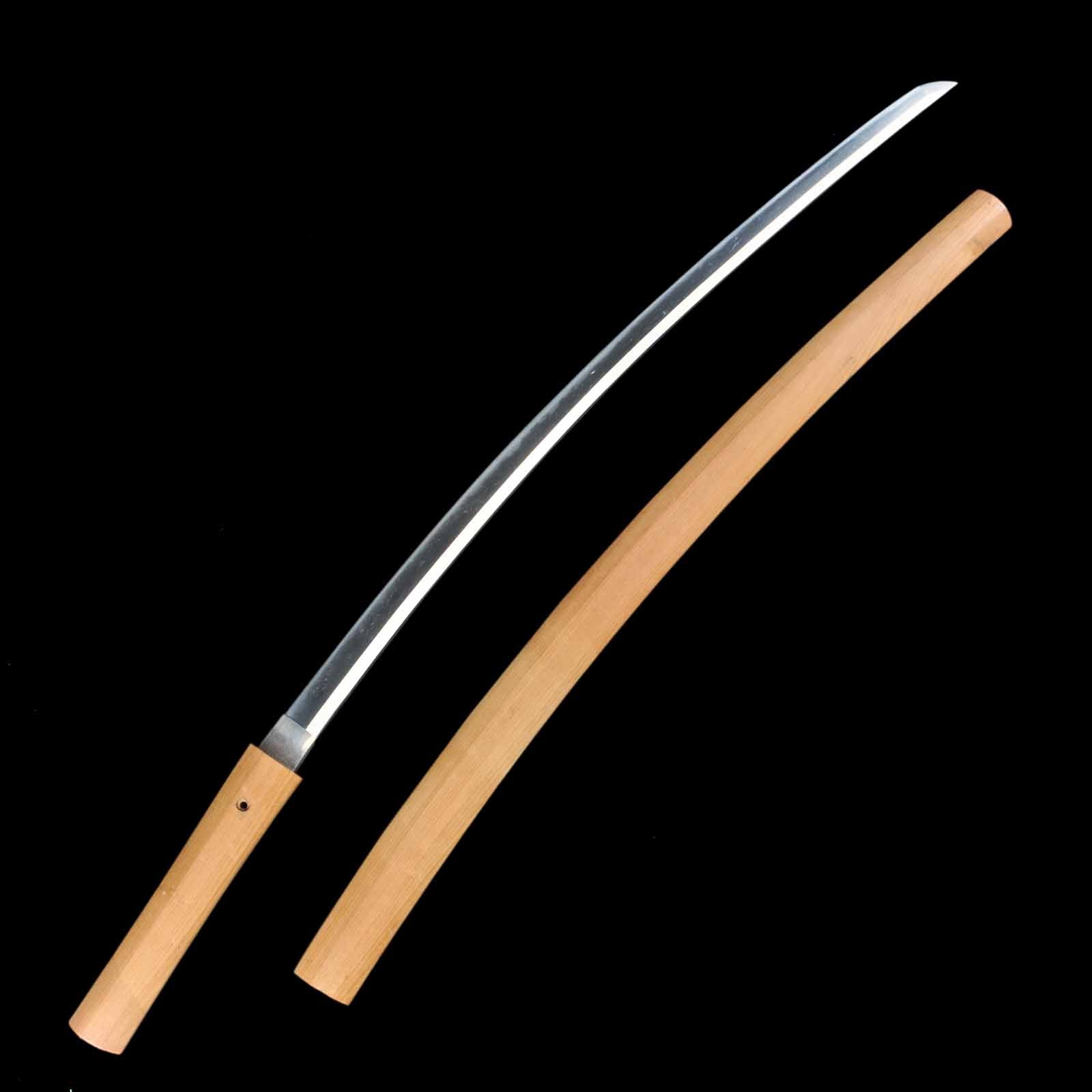
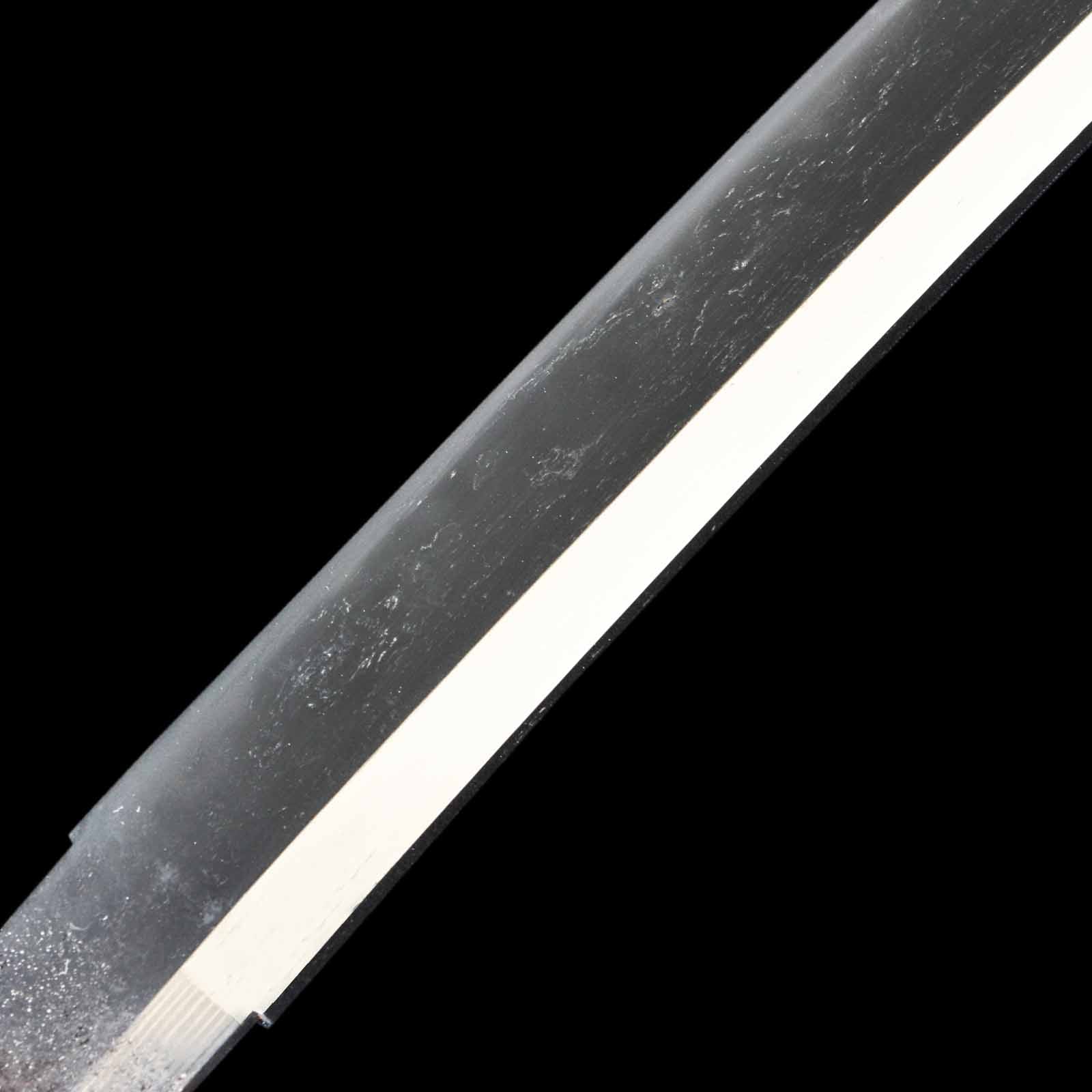
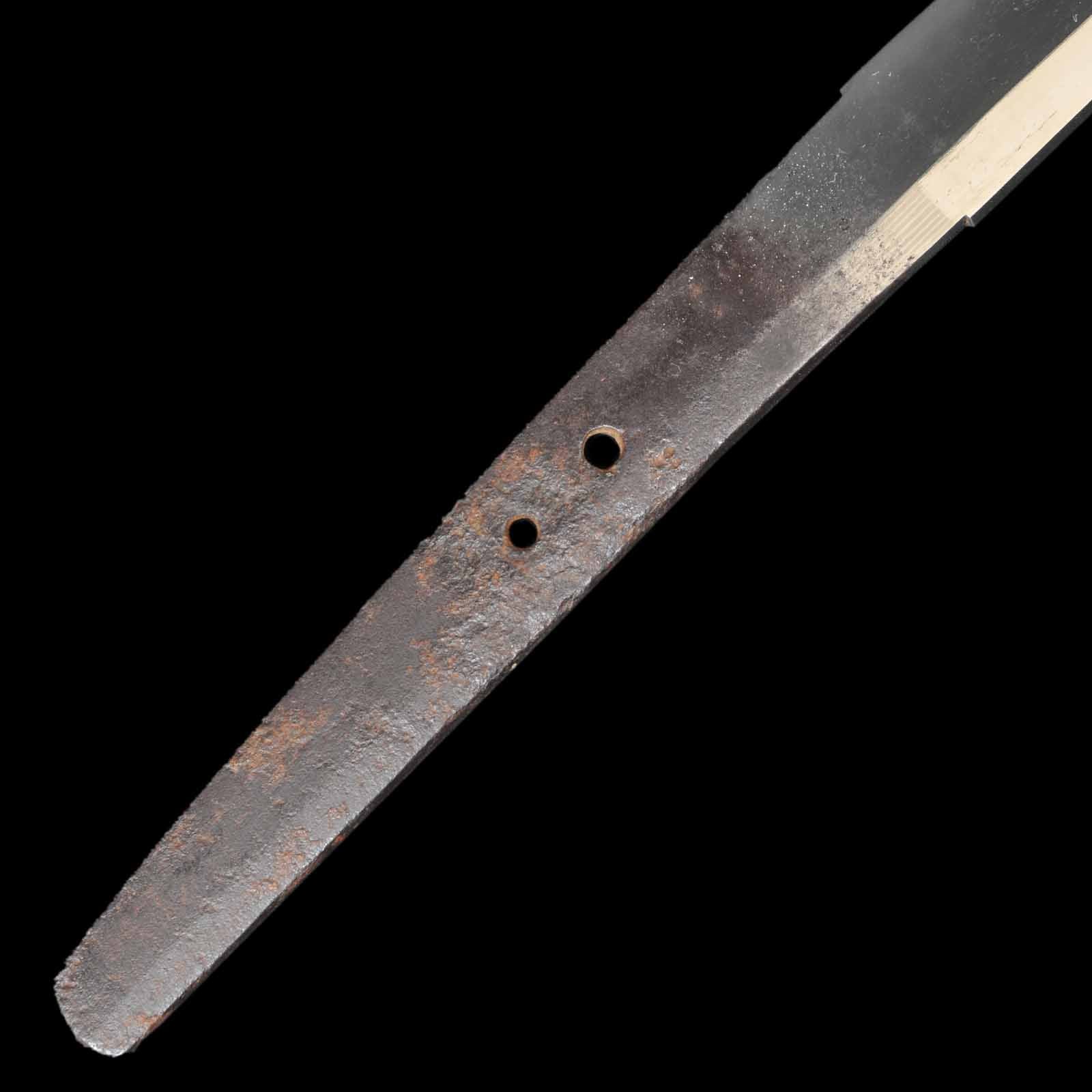
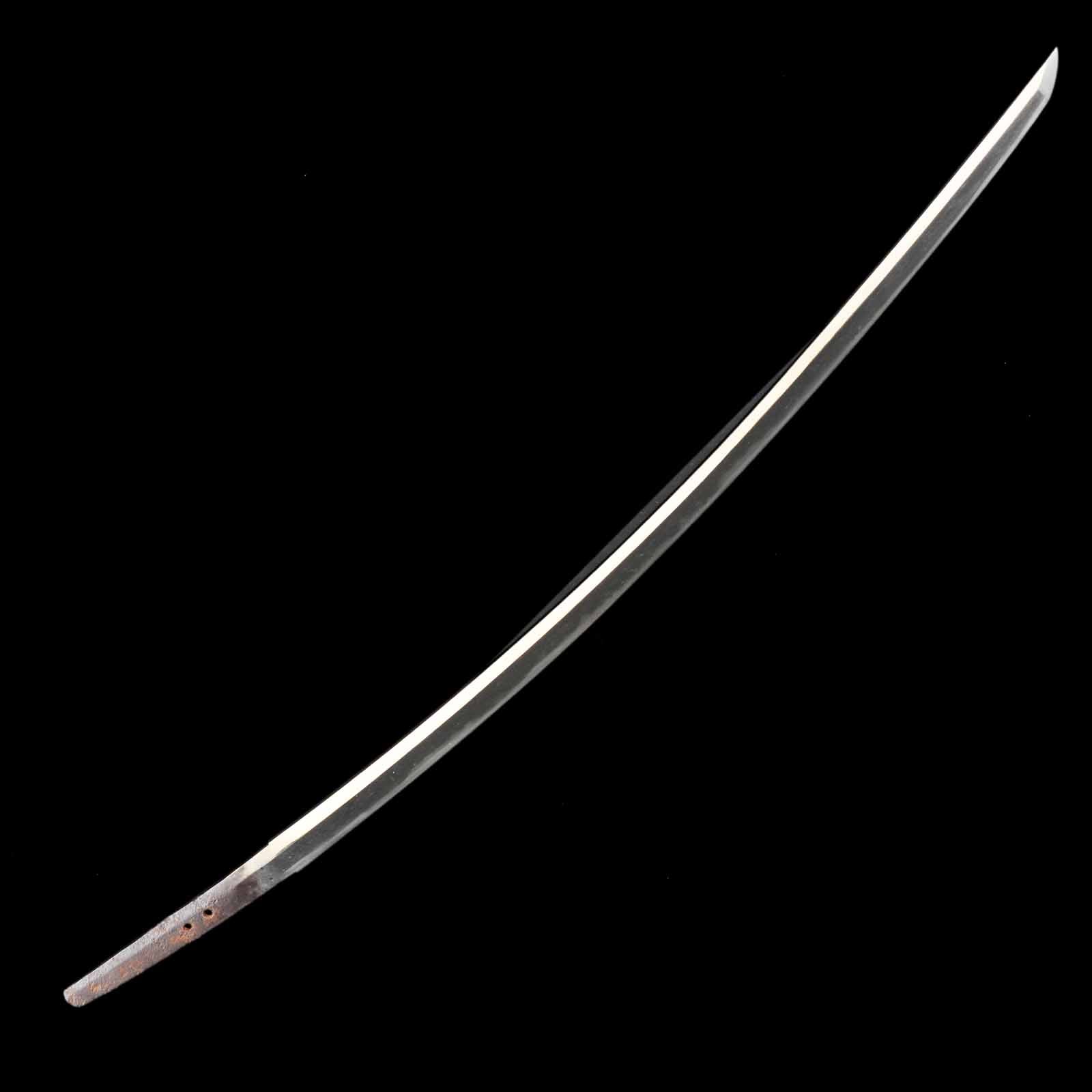
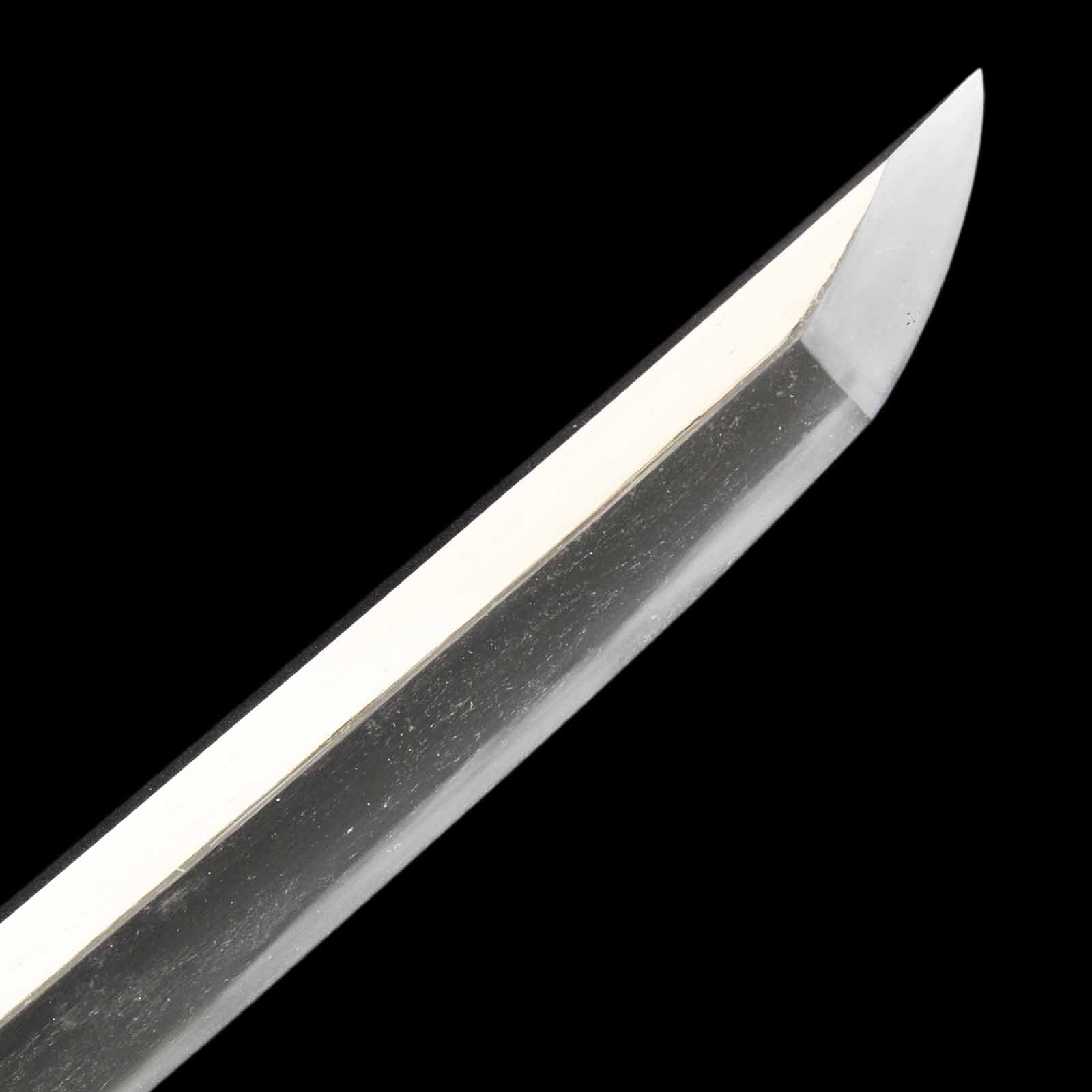
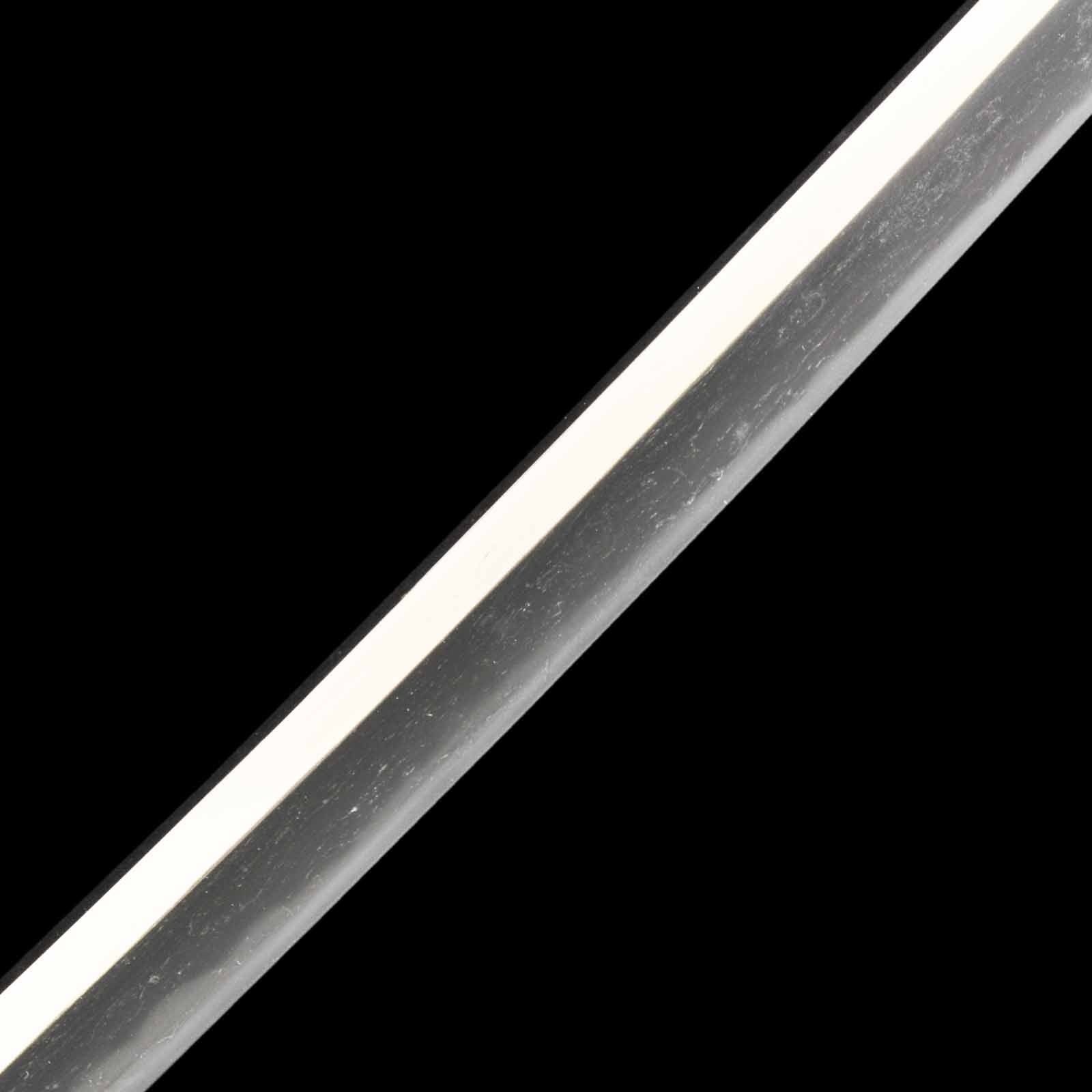
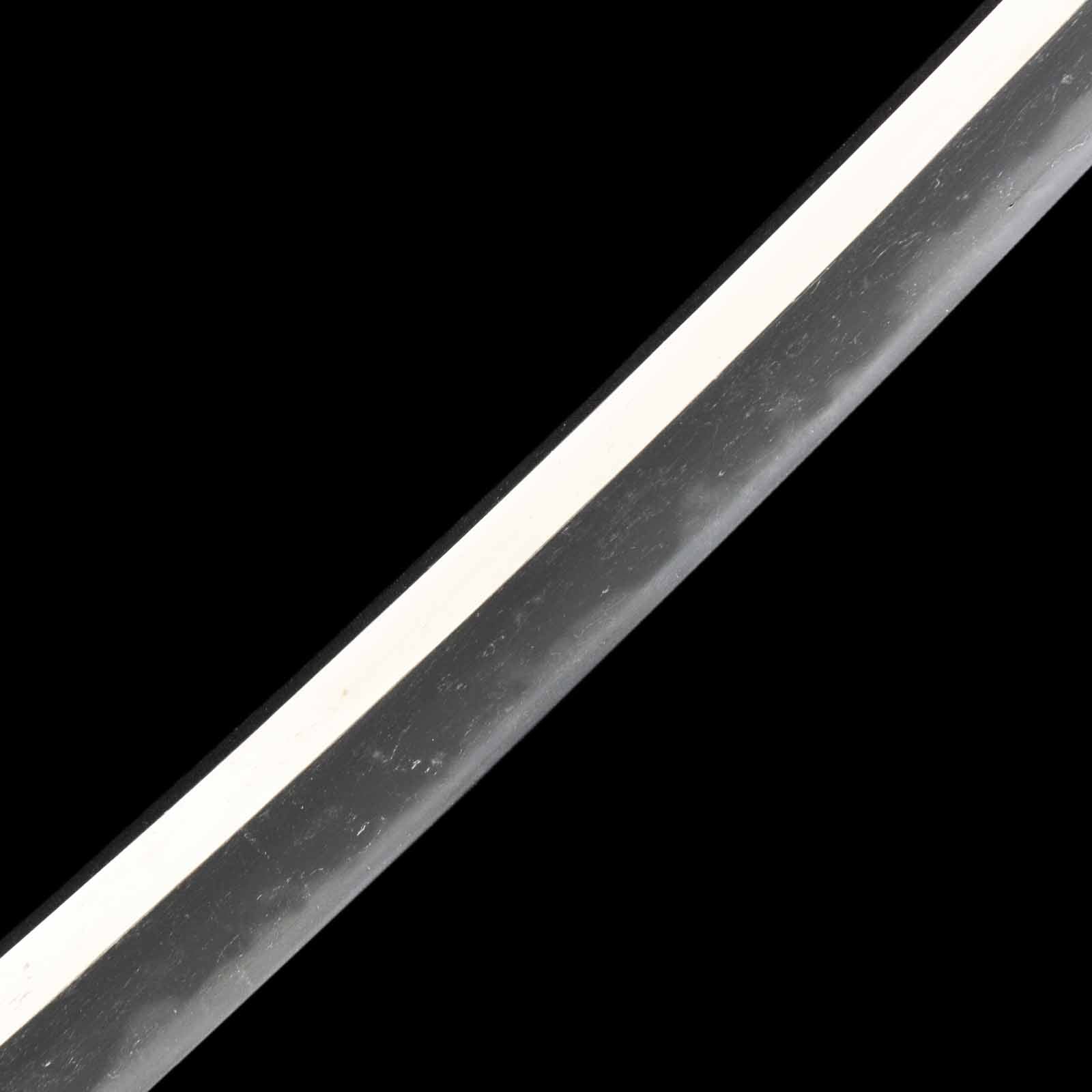
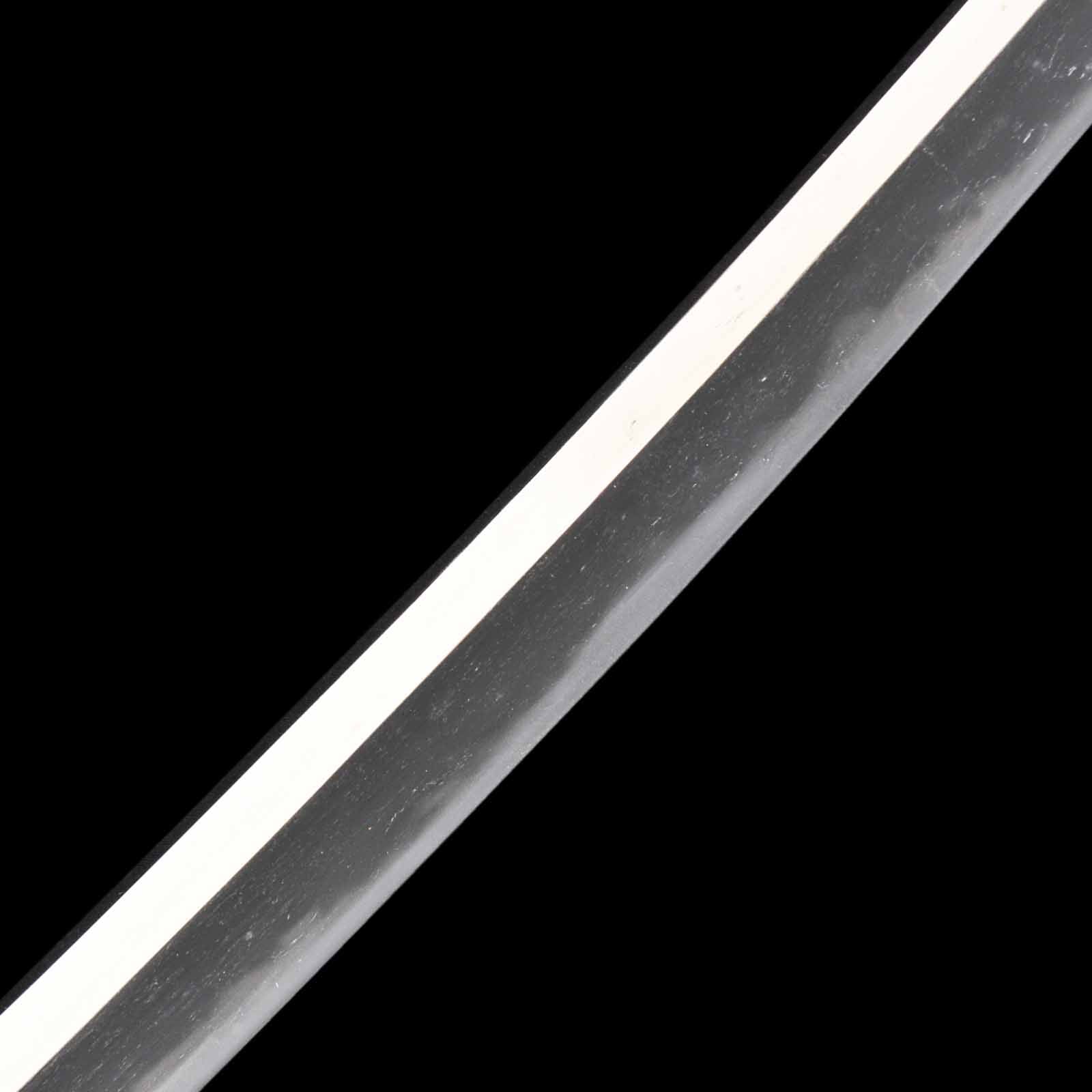
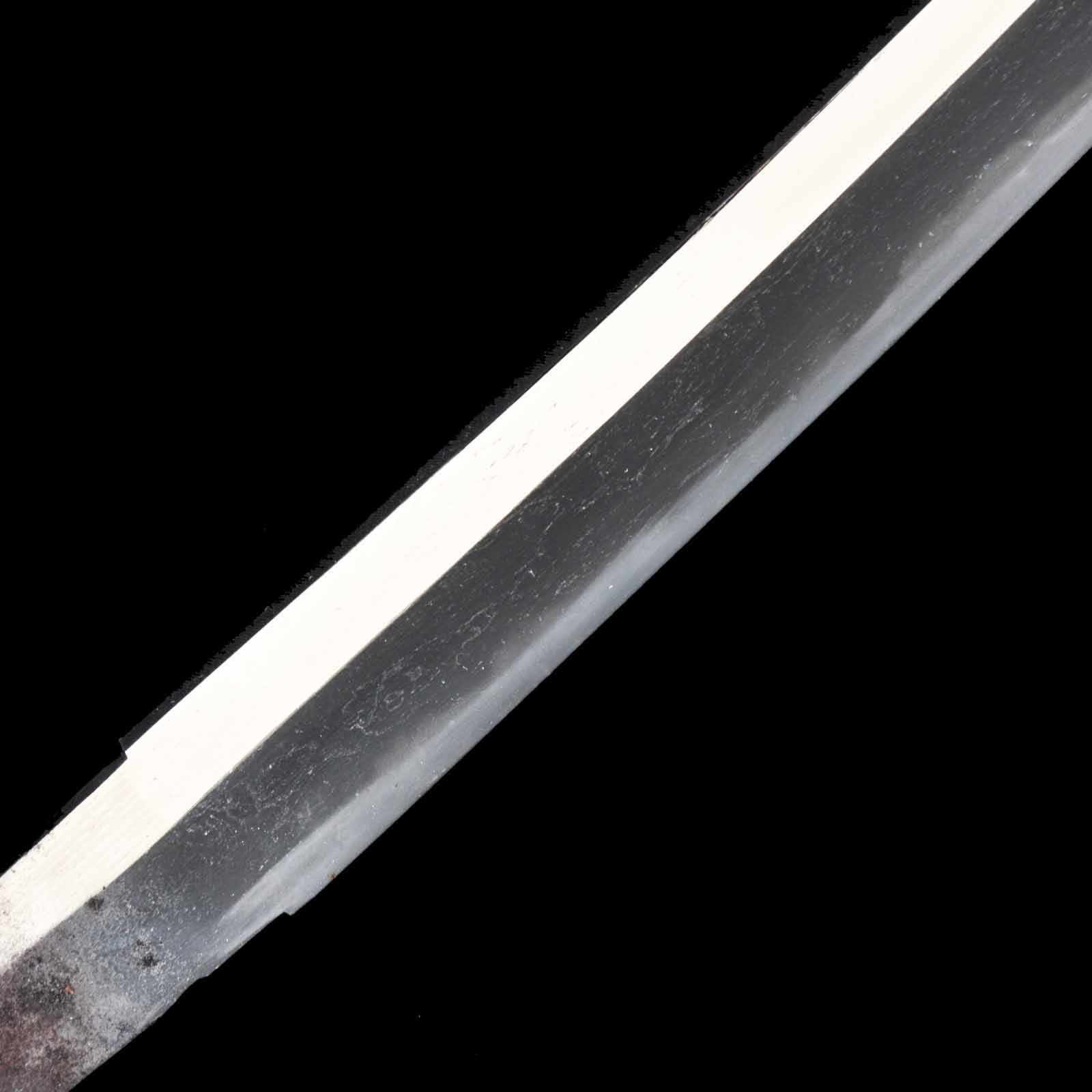
美濃伝 · 加賀
現在24点販売中
加賀象嵌は、江戸時代初期から享保期にかけて金沢を中心とする加賀国で発達した独特の平象嵌技法である。その起源は、加賀地方の鐙工が行っていた平象嵌を、鐔や刀装具に応用したことに始まるとされる。加賀藩の庇護のもと、献上品として制作された作例も多く、金沢の工芸文化の高い水準を示す技術として栄えた。室町期には鏡師と呼ばれる工人による山金地の鋳出鐔が見られ、これらが後の加賀象嵌の源流の一つとなったと考えられる。 加賀象嵌の技術的特徴は、赤銅、四分一、素銅などの磨地に、金・銀・銅など多種の色金を駆使した精緻な平象嵌にある。漆黒の赤銅磨地に色金を緻密に嵌め込む手法が主流だが、素銅地に明るい色調で景物を表した古調な作例も存在する。構図は絢爛にして巧みであり、秋草蝶図や鴛鴦図など、画面一杯に展開された図案文様化した表現が特徴的である。毛彫を併用し、内覆輪や埋金など細部にまで丁寧な仕上げが施され、未使用のまま伝世した保存状態の良い献上品級の作も少なくない。 鏡師系の作品は、真鍮地や山金地に鋤出高彫で大胆な文様を配し、格子形花文や菊花文など古雅な意匠を持つ。室町末期から桃山初期にかけての作風を示し、土手耳の構造や鋳出による立体的な表現が見られる。加賀象嵌と総称される一群には、こうした鏡師の流れを汲む古式な様相を呈するものから、江戸中期以降の洗練された平象嵌作品まで幅広い作域が含まれ、加賀国における刀装具制作の伝統の深さを物語っている。 詳しく見る →
室町時代の美濃
戦国の関は一つの産業であった。春日神社を氏神と仰ぐ鍛冶たちが、中部日本の軍勢を武装させた。孫六兼元の三本杉と之定の最上作は、量産の町に第一級の技が息づいていたことの証である。
銘が正しい、または無銘でも年代・国・系統を確実に指摘できる、保存に値する真正の作と鑑定されたものです。
日本美術刀剣保存協会(NBTHK)は、1948年に設立され、文化庁の監督を受ける公益財団法人で、東京・刀剣博物館に本部を置きます。専門の審査員が出品作を直接審査し、美術的・歴史的価値に応じた鑑定書を発行します。NBTHKの鑑定書は、日本刀および刀装具の真正性を示す最も広く認知された基準です。
NBTHK公式サイトAs a general rule, returns/exchanges are not accepted on Japanese sword orders unless damaged upon delivery. Other items: returns/exchanges accepted within 7 days of delivery. Cancellation for personal reasons incurs a 30% restocking fee (70% refunded). Return shipping must be prepaid and insured by the buyer; shipping/handling fees are non-refundable. Contact katana@tozando.co.jp to initiate a return.