戦国の世、一派は第二の主家に仕えた。小田原の後北条氏である。その庇護のもと綱広系は打刀の時代の皆焼を鍛え続け、1590年の落城とともに新刀の時代へ散った。
 NihontoWatchNihontoWatch
Item description: This fine quality katana was made by the second generation Soshu Tunahiro. It has many classic details in the blade of the soshu school and more importantly of the smith. The Tunahiro line of smiths is very famous and it can be said that their swords and daggers are highly regarded by collects. This katana has an abundance of activity in the hamon. The hada is pronounced and rich looking. This is a koto era sword with NBTHK pares and a beautiful Sayagaki by Tanobe-San of the sword museum. This sword is also large and stout, with a extended Kissaki adding to its quality and beauty. It also has a spectacular silver foiled tachi styes habaki. A wonderful sword for any collector. TSUNAHIRO SÔSHÛ NIDAI [EIROKU 1558 SAGAMI] SUEKOTÔ JÔSAKU His family name is Yamamura, he is called Taima, legal name was the Gô of Munemoto. His works are predominantly wakizashi, hamon has midareba, hitatsura, suguba nado, and has horimono of kenmakiryû and kusa no kurikara. Signature: SÔSHÛ JÛ TSUNAHIRO According to a genealogy chart of the house of Yamamura and old documents, a change of ownership between the first and second generations can be seen between Tenmon 7 to 10 and there is a theory that these old documents are not accurate, and that the first and second generation are the same person, but they are written according to an outline of Yamamura family documents. Information on The Sue-Soshu School Entering the Muromachi Period, Soshu smiths were descendants of Masamune, who is one of the greatest smiths in the history. They made tanto and wakizashi with wide mi-haba and saki-zori that had not been seen before. Sue-Soshu smiths temper hitatsura in nioi-deki like Shimada smiths. Hamon consisting of brilliant nie by the great Soshu smiths of the Kamakura and Nambokucho Periods are not seen anymore in this period. The smith names of Hiromitsu, Akihiro, Masahiro and Hiromasa are succeeded up to in this period. In addition, Hirotsugu, Fuyuhiro, Sukehiro and Takahiro are active in this period. There appear to be a few generations of these smiths except Takahiro. ‘Kokon Mei Zukushi’ says that Hirotsugu and Sukehiro are related to a smith named Yoshihiro who moved from Yamato Province in the late Nambokucho Period, but I think it is too early to confirm their lineage. Tsunahiro who is said to have been a student of Tsunaie, who was himself a student of the 1st Shimada Yoshisuke, was a skilful smith amongst them and demonstrates a Soshu-den that reminds one somewhat of the workmanship of old Soshu smiths. Sue-Soshu smiths liked to carve horimono on their tanto and wakizashi. Tsunahiro was the most skilful engraver and the smith name is succeeded up to the Edo Period. There are three smiths called Yasukuni, Yasuharu and Yasuharu who were active around the same time and are related to the Shimada school. Yasuharu favours to make small tanto with horimono. They were retained by the Go-Hojo family and lived in Odawara which was the castle town of the Go-Hojo family, and so were called ‘Odawara-Soshu’. Horimono is often seen on the blades of Sue-Soshu smiths Amongst them, Fusamune was good at elaborate horimono and it is said that he collaborated with Tsunaie. Sue-Soshu smiths normally tempered midare-ba but Kunitsugu who was active around the Eisho Era tempered sugu-ha and also hoso-sugu-ha on his tanto. The lineage of Kunitsugu is uncertain. This sword is on consignment. Kantei-Sho (鑑定書) – Appraisal No 360911 katana, signed: Sōshū-jū Tsuna (相州住綱) (ika-kire, 以下切) (Tsunahiro, 綱広) “Sōshū-jū Tsuna…” (rest cut off, attributed to Tsunahiro) nagasa ~ 68.1 cm According to the result of the shinsa committee of our society, we judge this work as authentic and rank it as Hozon Tōken. February 8, 2002 [Foundation] Nihon Bijutsu Tōken Hozon Kyōkai, NBTHK (日本美術刀劍保存協會) [et_bloom_inline optin_id=”optin_1″] Charles Ireland wants 7k

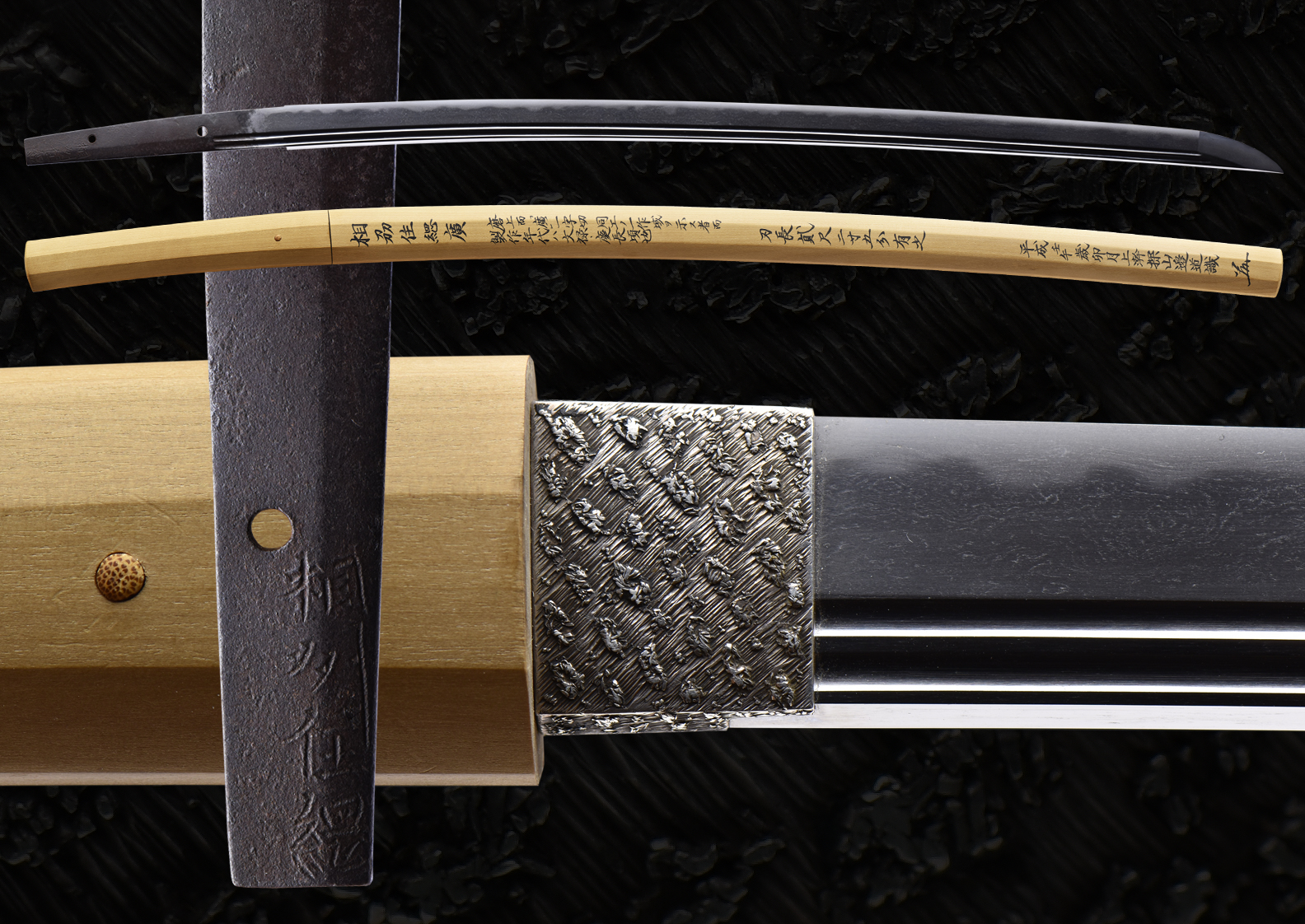

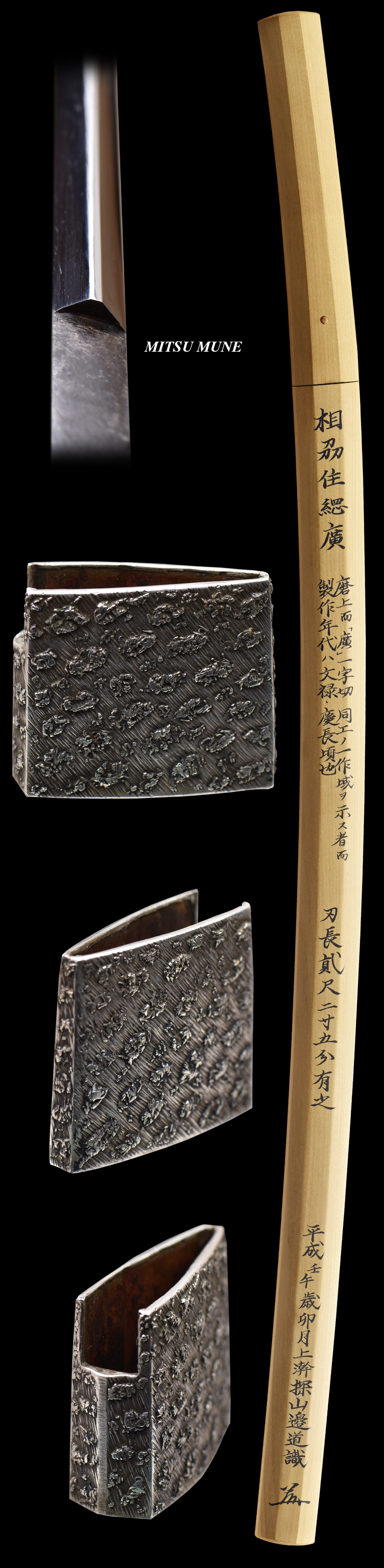
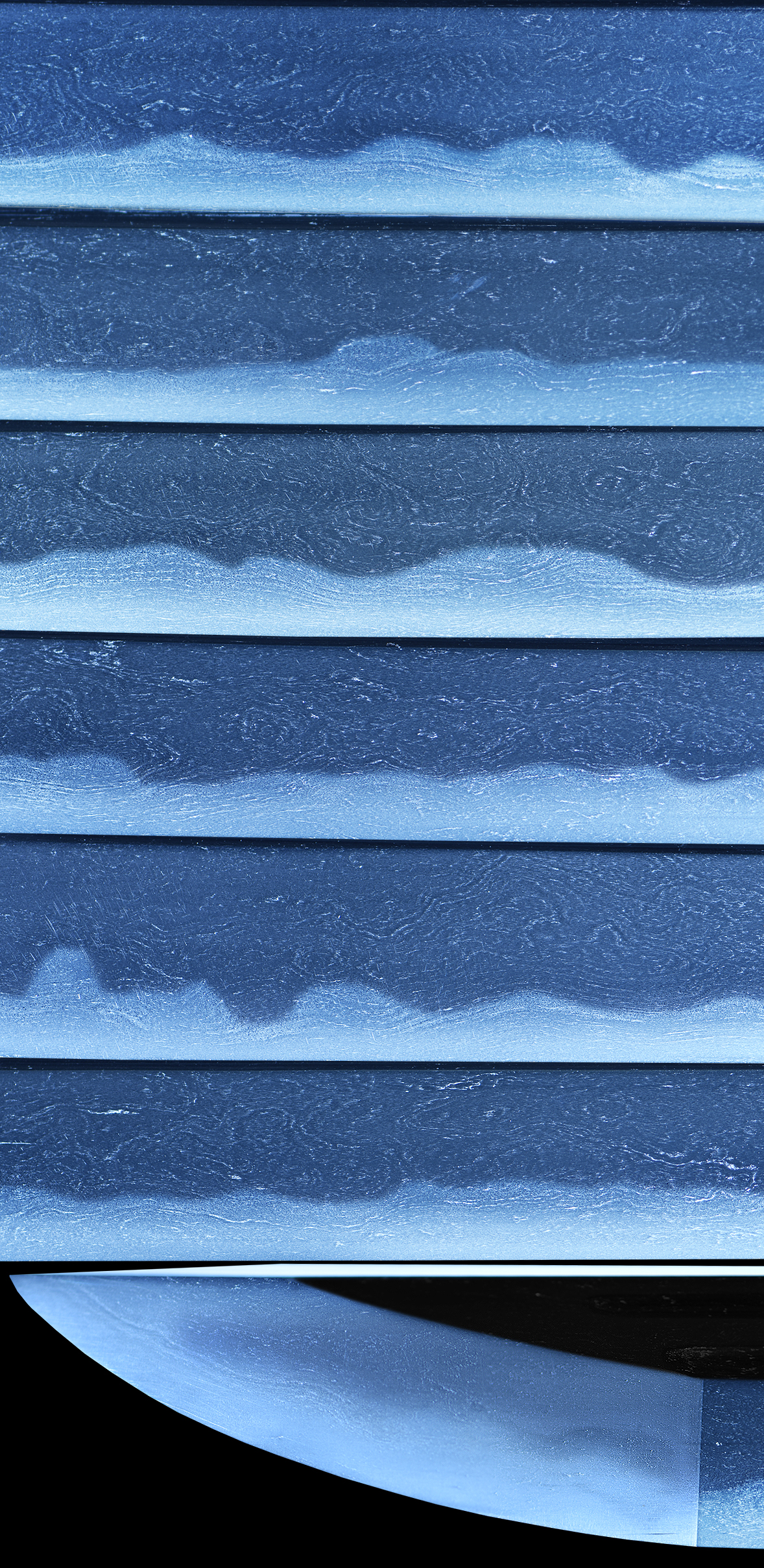
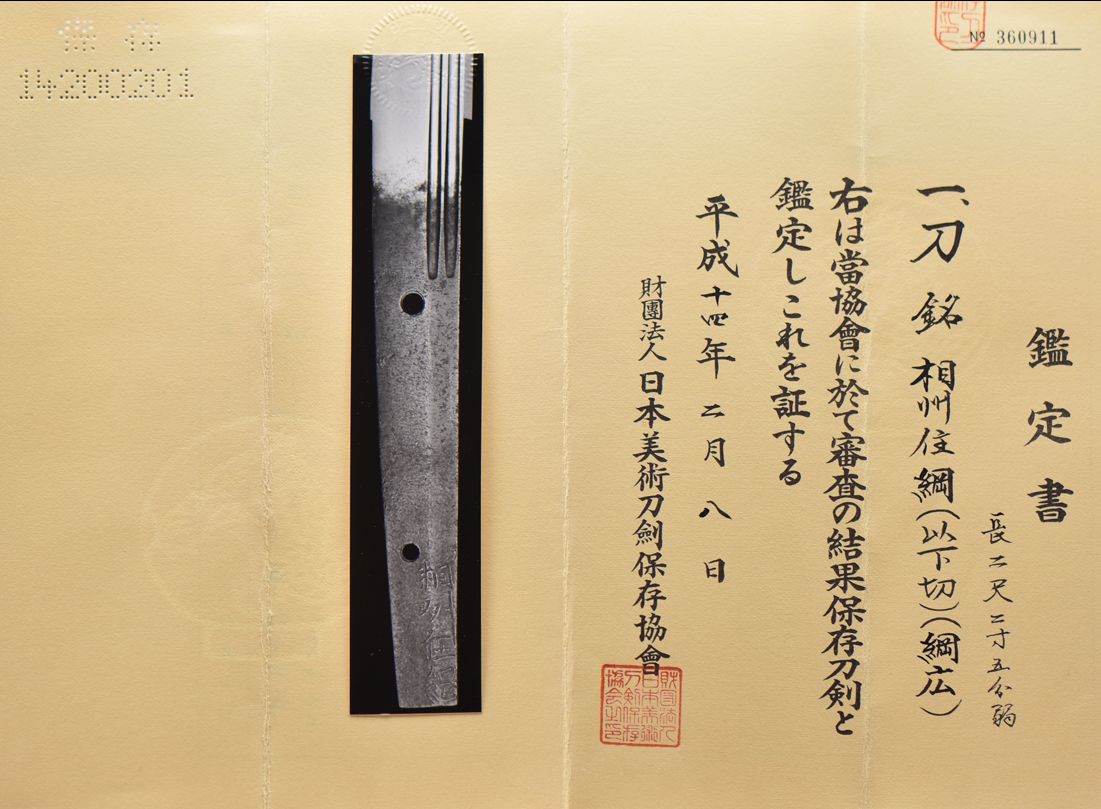
販売店の記載のまま
相州伝 · 相模 · 1558-1570頃
藤代 上作 · 刀剣大鑑 上位37%
現在1点販売中
綱廣の位置づけを、日本刀全体および伝法・時代・時期ごとに示します。各区分(随一・屈指・有数・著名)は、日刀保および文化庁による指定に加え、三作や名物帳などの歴史的栄誉を加味したものです。
各項目を選ぶと評価方法が表示されます。
相州伝 · 相模
時期区分: 末相州· 1356–1868
現在21点販売中
末相州は、南北朝の広光・秋広の代を承け、室町期に入って相模で営まれた相州伝の継続である。現存遺品に即せば、室町中期を遡るものはなく、室町後期から戦国期にかけてが本区分の中心をなす。その軸となる工が綱広で、銘鑑には初代を建武とする伝もあるが、確かな在銘は天文年紀のものが最も古く、通説はこれを初代として、二代を天正、三代を慶長、四代を寛永、五代を万治頃と伝える。綱広は広正の子孫で、初め名跡を継いだが、後北条家の氏綱に召されて小田原に居を移し、綱の一字を賜って改銘したと伝え、その名跡は新々刀期にまで連なった。鎌倉にはこの綱広らが住し、これと別に小田原には康春・康国・総宗・景総らが在住して、これらを小田原相州と称する。広次もまた相州鎌倉に住して明応・天文の頃に活躍し、室町後期を代表する相州鍛冶の一人に数えられる。後北条氏の庇護のもと、正宗・貞宗を生んだ南北朝の盛時を遠く望みつつ、皆焼の系譜を保持して相州伝を伝えたのが、この区分の刀工たちであった。 作風の核は、広光・秋広が完成させた皆焼を継ぐ点にある。鍛えは板目に杢や流れ肌を交えてやや肌立ち、地沸がつき、地景が入る。刃文はのたれ・互の目に丁子・矢筈風の刃・尖り刃などを交え、飛焼・棟焼を盛んに交えて皆焼となり、沸がよくつき、金筋・砂流しがかかる。綱広は玉状ないし三日月状の飛焼を見せる皆焼を得意とし、広次に至っては焼高く、沸の強い迫力ある皆焼を焼いて、一見すると南北朝の長谷部派を思わせるほどに到る。古典相州の頂点と分かつのは、この皆焼の扱いに見える。正宗・貞宗の代では、のたれ基調の地刃に沸が深く澄んで明るく冴え、地にこぼれた沸が湯走りをなして自在に働いたのに対し、末相州の皆焼は飛焼・棟焼を全面に散らす構成そのものを看どころとして前に押し出す傾きを帯び、地鉄もやや肌立って、鎌倉期の鉄の冴えからは一段隔たる。小田原相州はこの大筋において綱広らと大差ないが、小振りの刀姿があること、濃厚緻密な彫刻を多く備えることに特色があり、殊に総宗の倶利迦羅や八幡大菩薩・梵字の彫は巧緻と評される。 鑑定にあっては、まずやや肌立つ板目に地沸・地景が働き、飛焼・棟焼を交えた皆焼に金筋・砂流しがかかる地刃を相州の継続と読み、次に古典との隔たりを沸の深さと鉄の冴えの差、そして皆焼を誇示的に焼き出す傾きに求めて末相州と分かつ。区分内では、綱広を皆焼と玉状の飛焼に、広次を長谷部風を思わせる強い沸の皆焼に、総宗ら小田原相州を小振りの姿と緻密な彫刻に見分ける。主要工は綱広・広次・総宗で、康春・康国・景総がこれに連なる。伝来の面では、綱広に後北条家の重臣桜井大学の所持銘を有する一口があり、本区分が後北条氏の小田原を地盤として営まれた事実を裏づけている。 詳しく見る →
室町時代の相州
戦国の世、一派は第二の主家に仕えた。小田原の後北条氏である。その庇護のもと綱広系は打刀の時代の皆焼を鍛え続け、1590年の落城とともに新刀の時代へ散った。
銘が正しい、または無銘でも年代・国・系統を確実に指摘できる、保存に値する真正の作と鑑定されたものです。
日本美術刀剣保存協会(日刀保)は、1948年に設立され、文化庁の監督を受ける公益財団法人で、東京・刀剣博物館に本部を置きます。専門の審査員が出品作を直接審査し、美術的・歴史的価値に応じた鑑定書を発行します。日刀保の鑑定書は、日本刀および刀装具の真正性を示す最も広く認知された基準です。
日刀保公式サイトWe offer a 48 hour inspection period for all Antique items shipped within the United States only. If the item is not to your satisfaction, we will gladly refund your money less any shipping and handling fees. All sales are final after the 48 hour inspection period. Please note that all discounted items are a final sale and not returnable.