新刀の時代は、その大部分が京都で発明された。埋忠明寿の工房が運動を育て、堀川国広が一世代を鍛え、鎚を持たぬ本阿弥家が名刀の意味を司った。
 NihontoWatchNihontoWatch
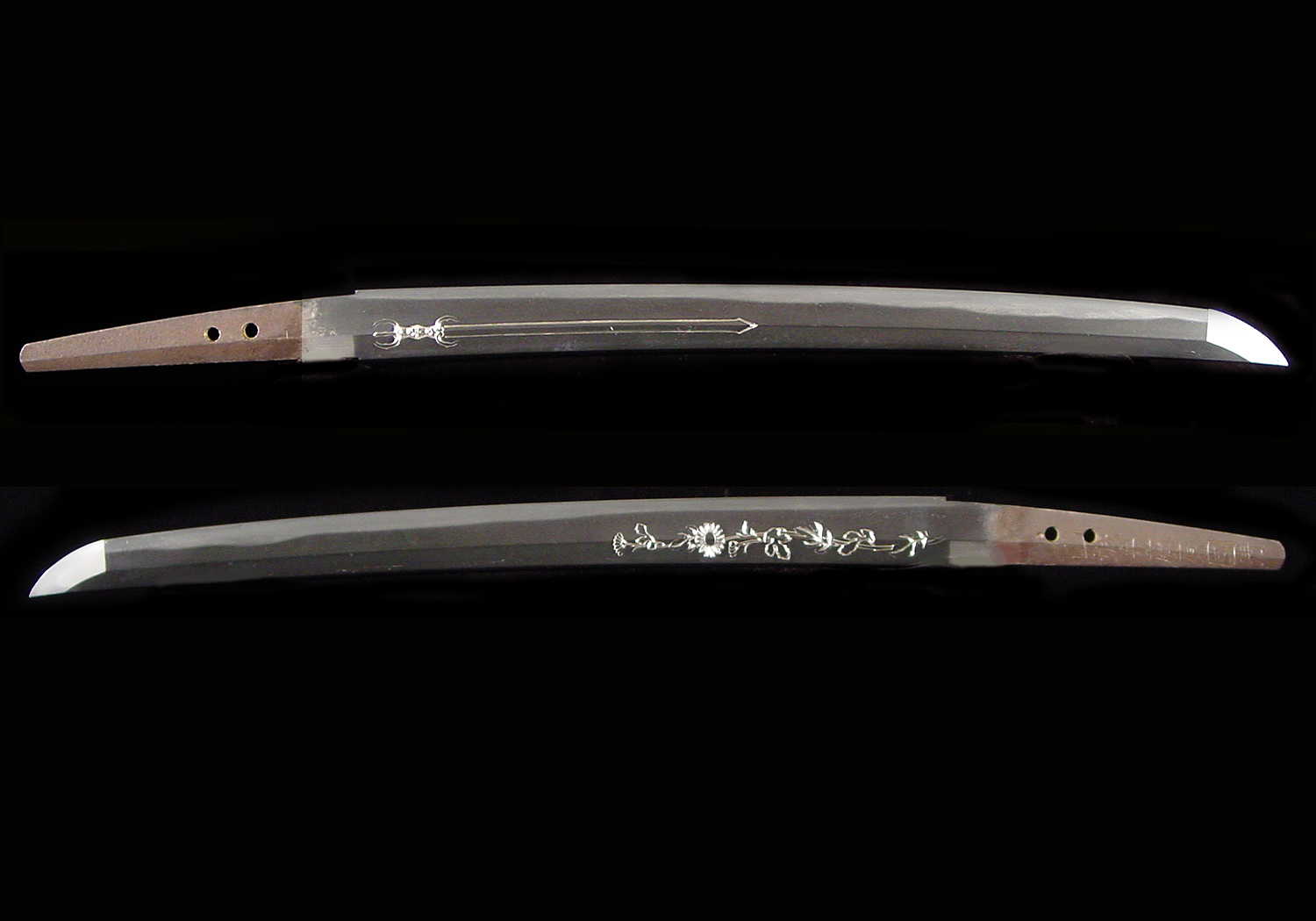
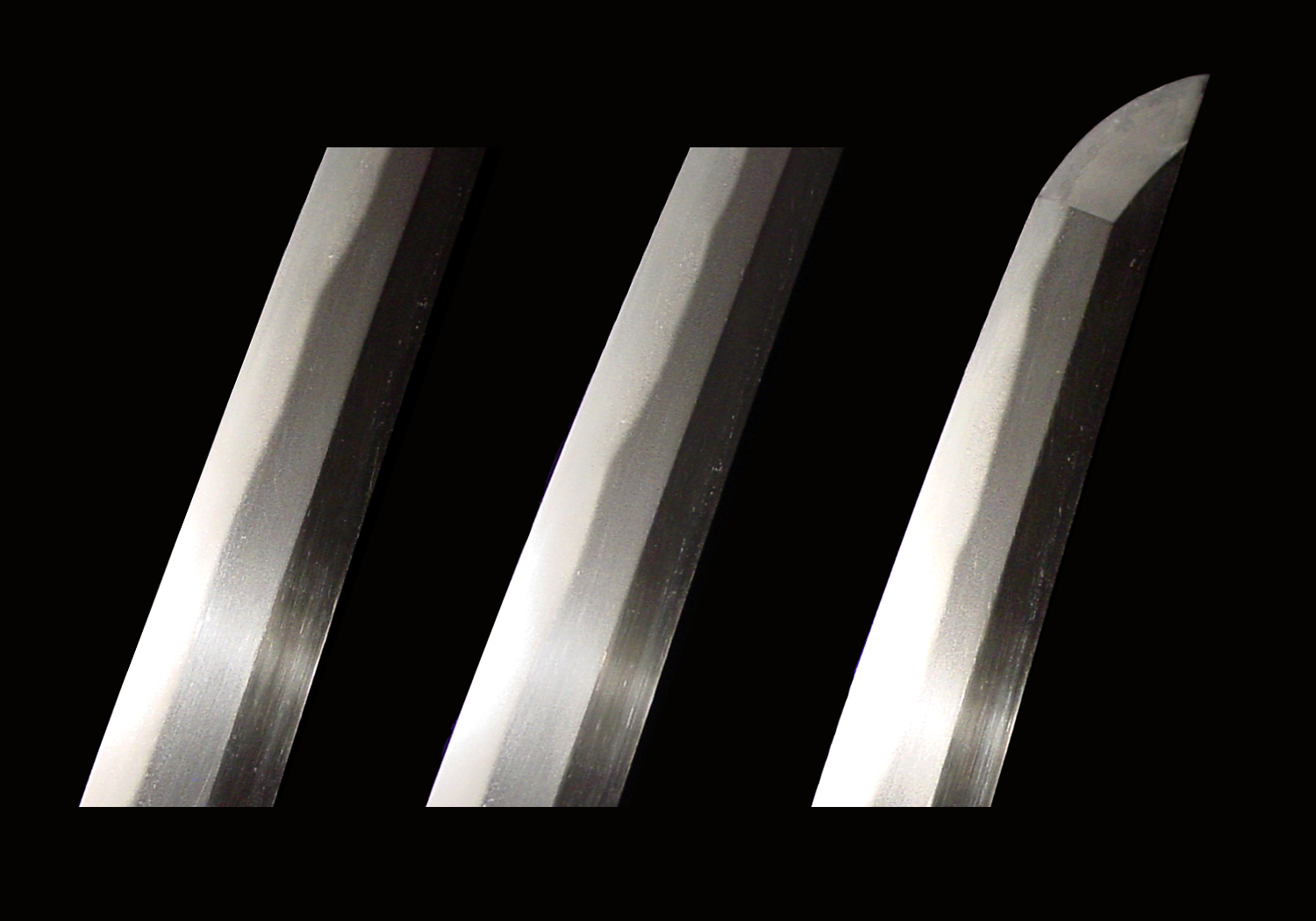
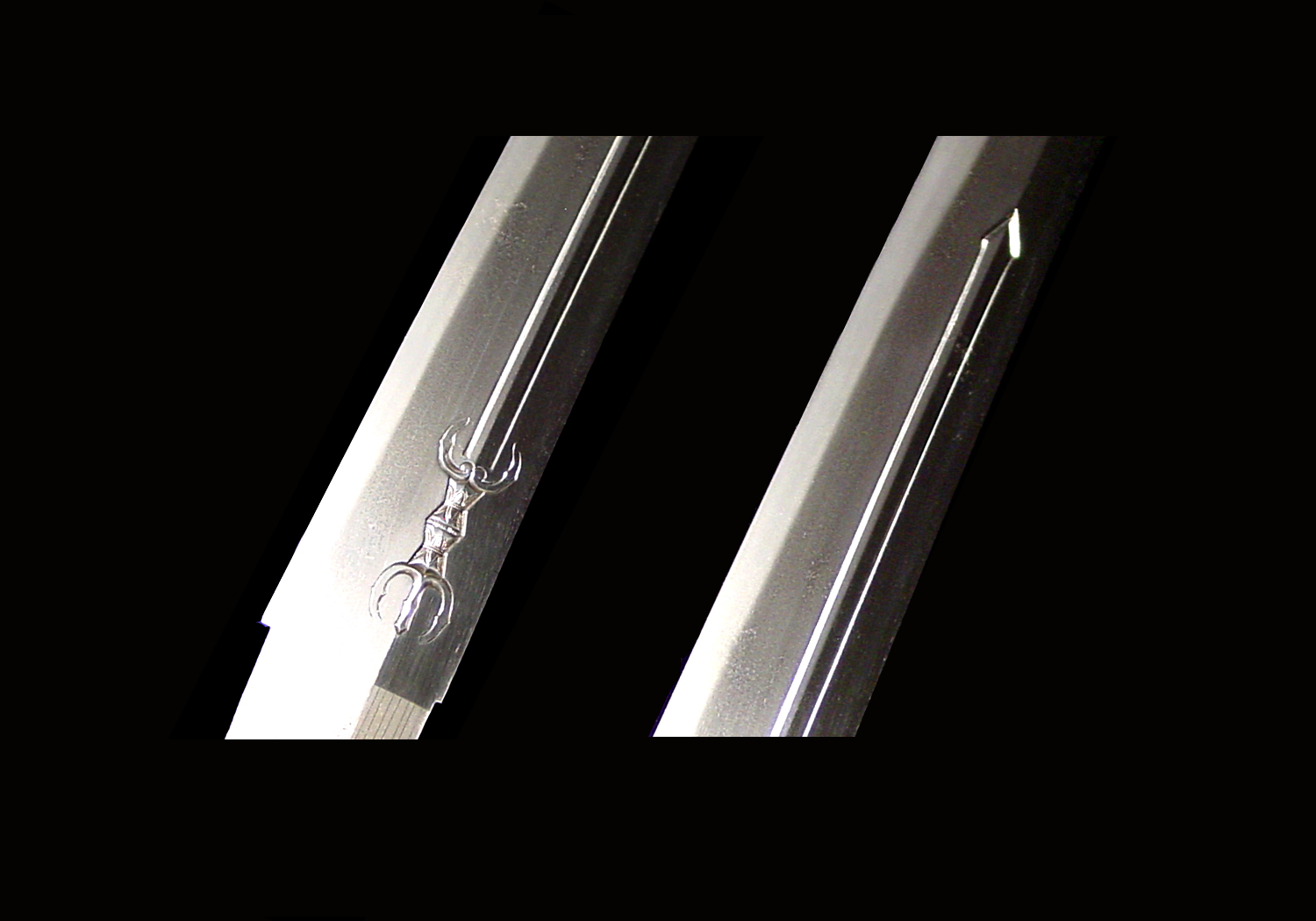
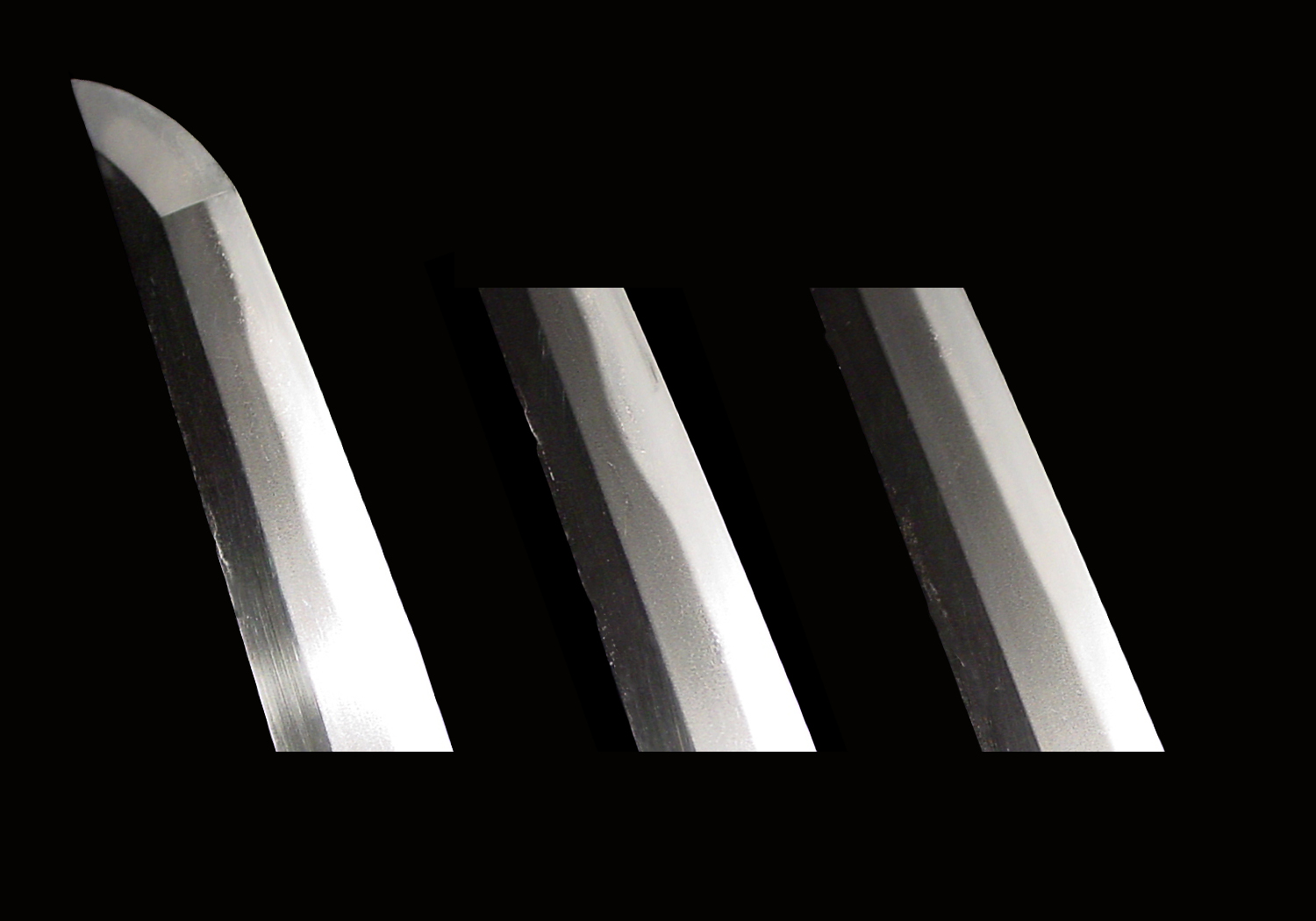
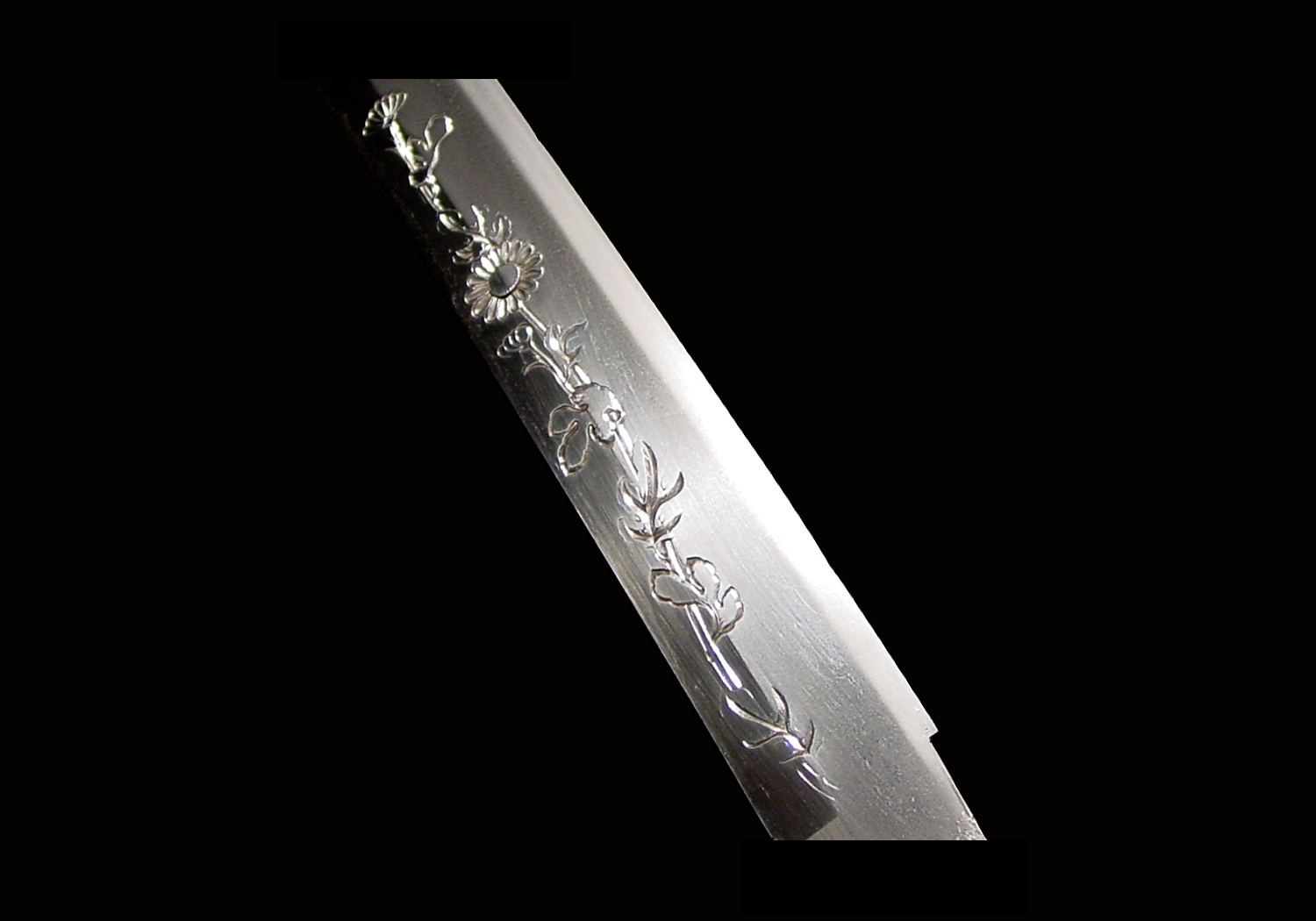
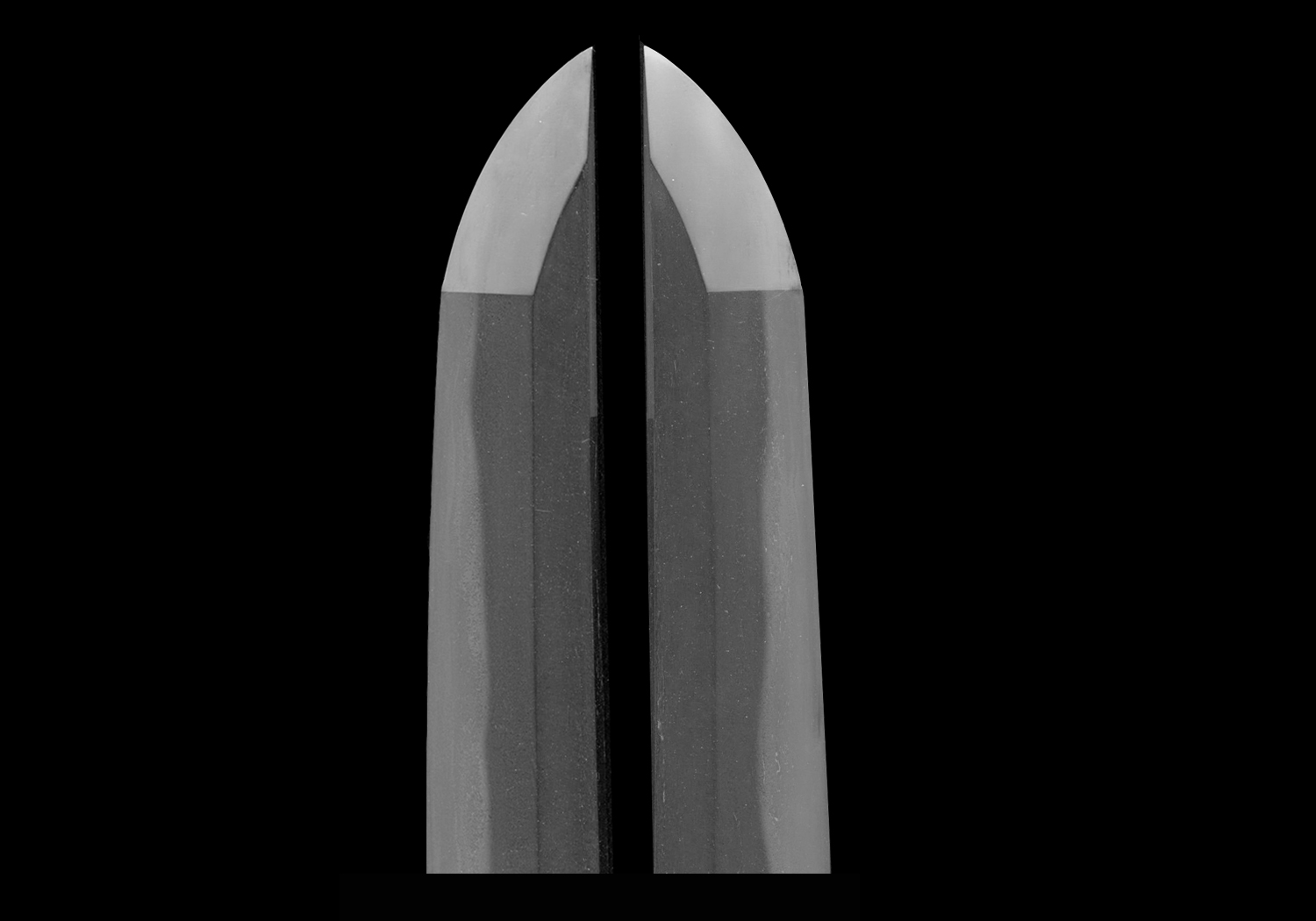
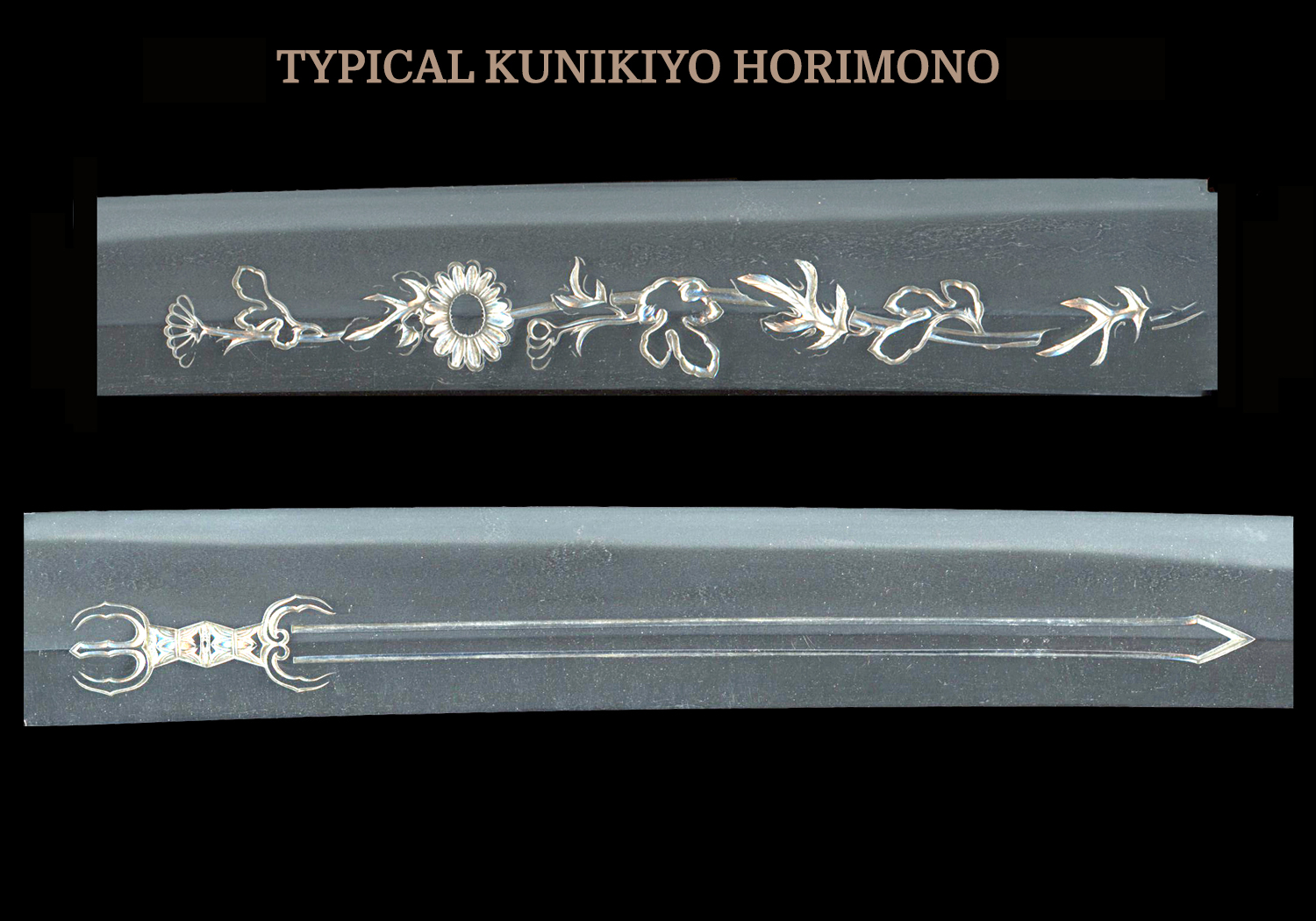
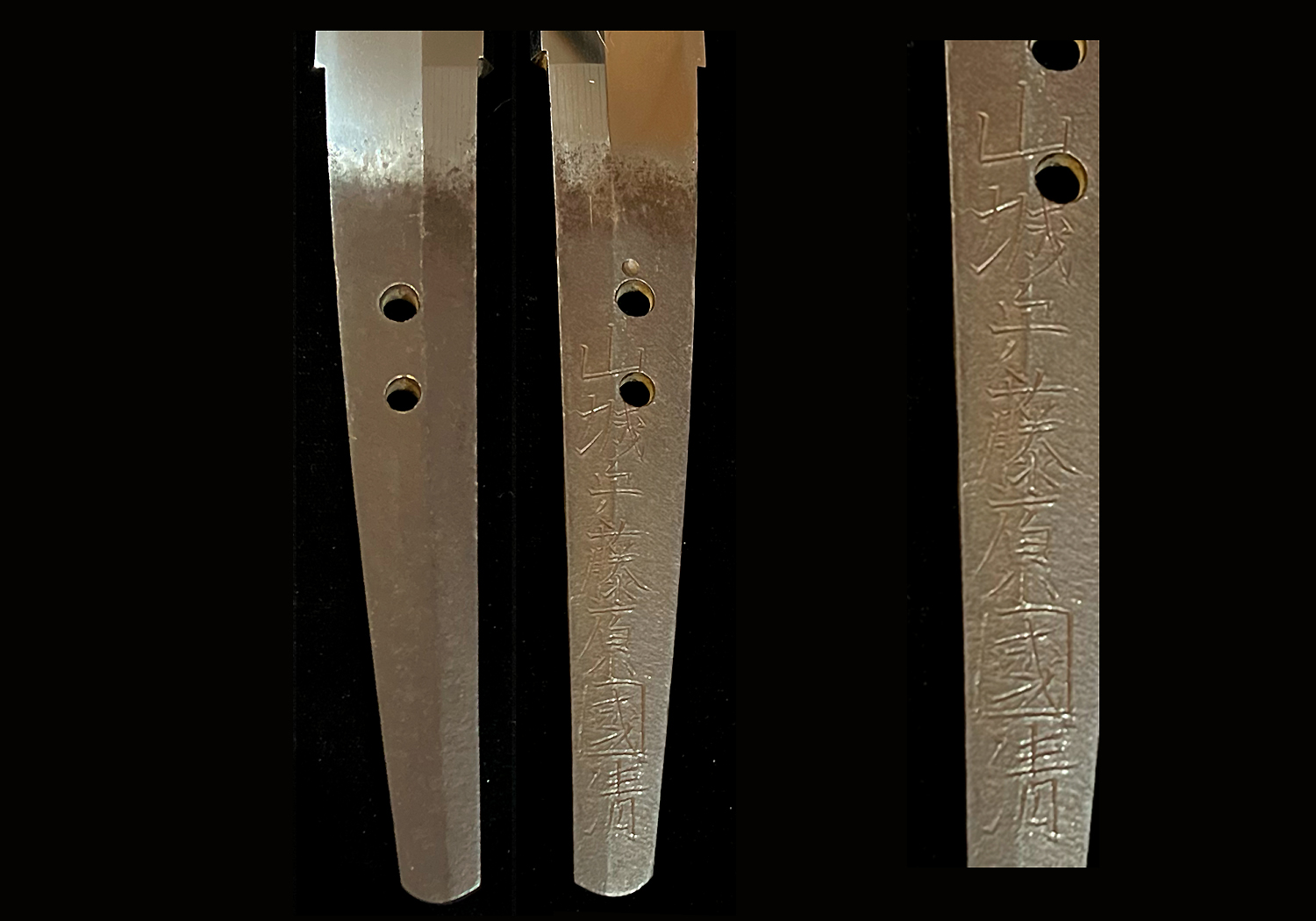
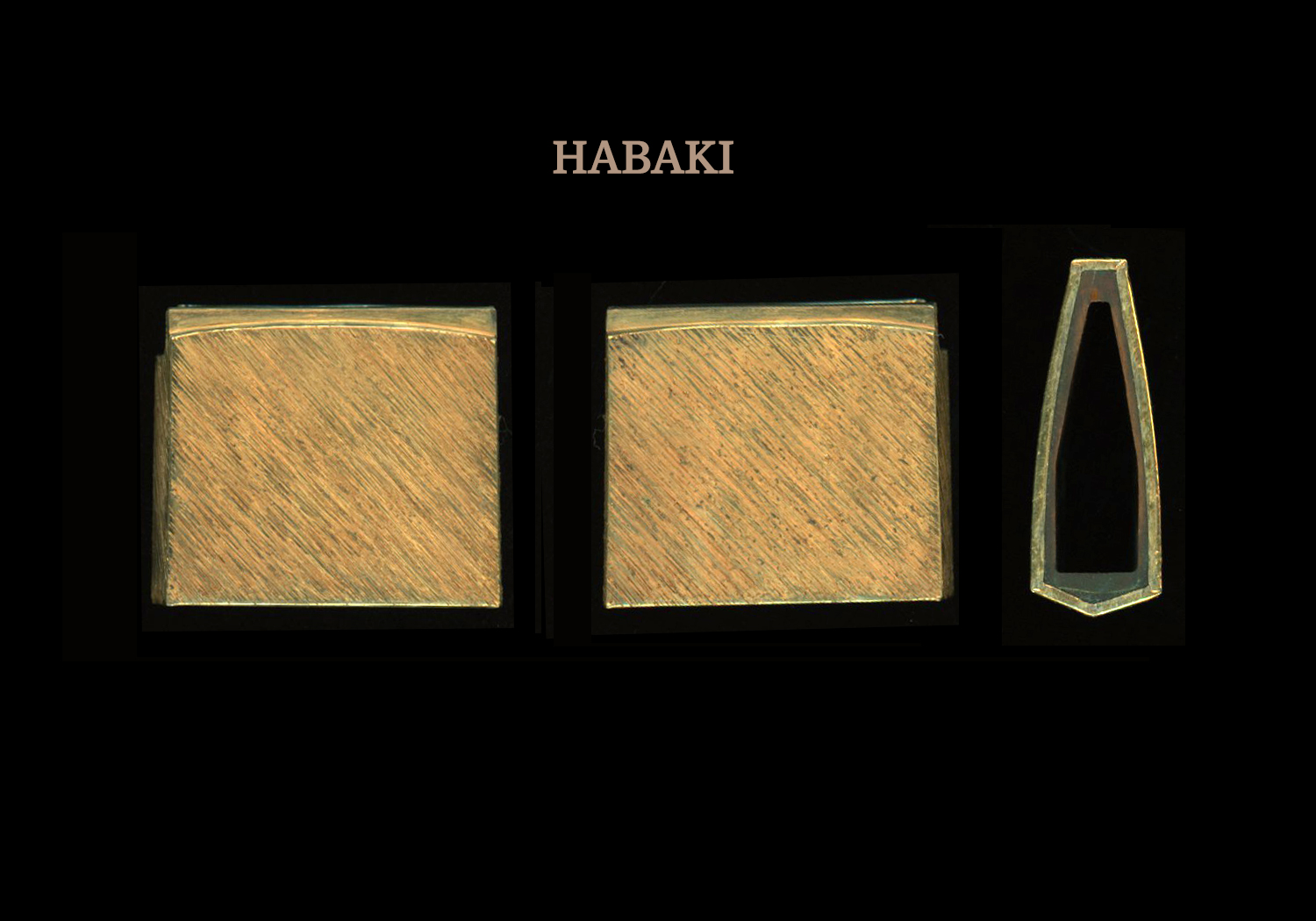
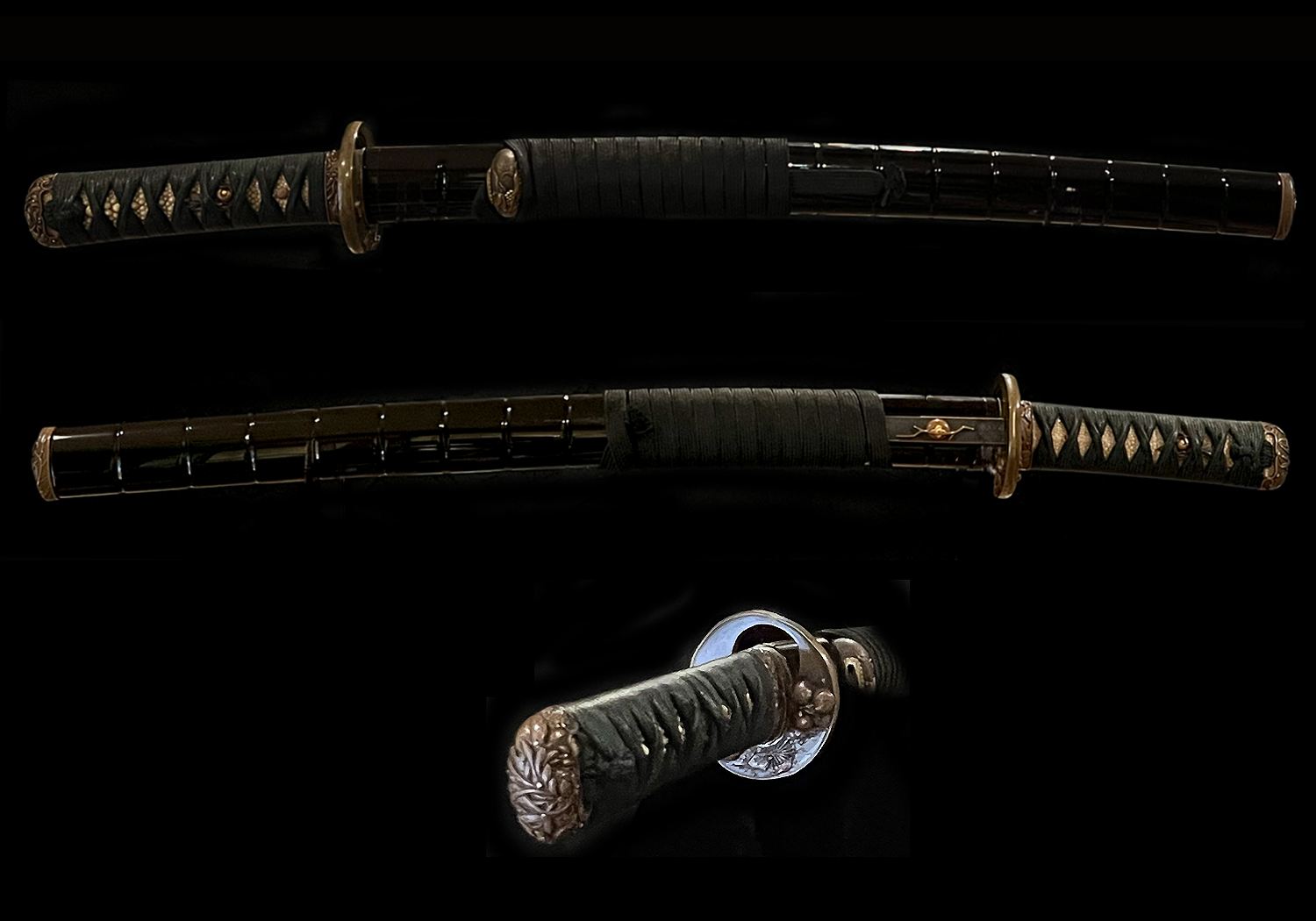
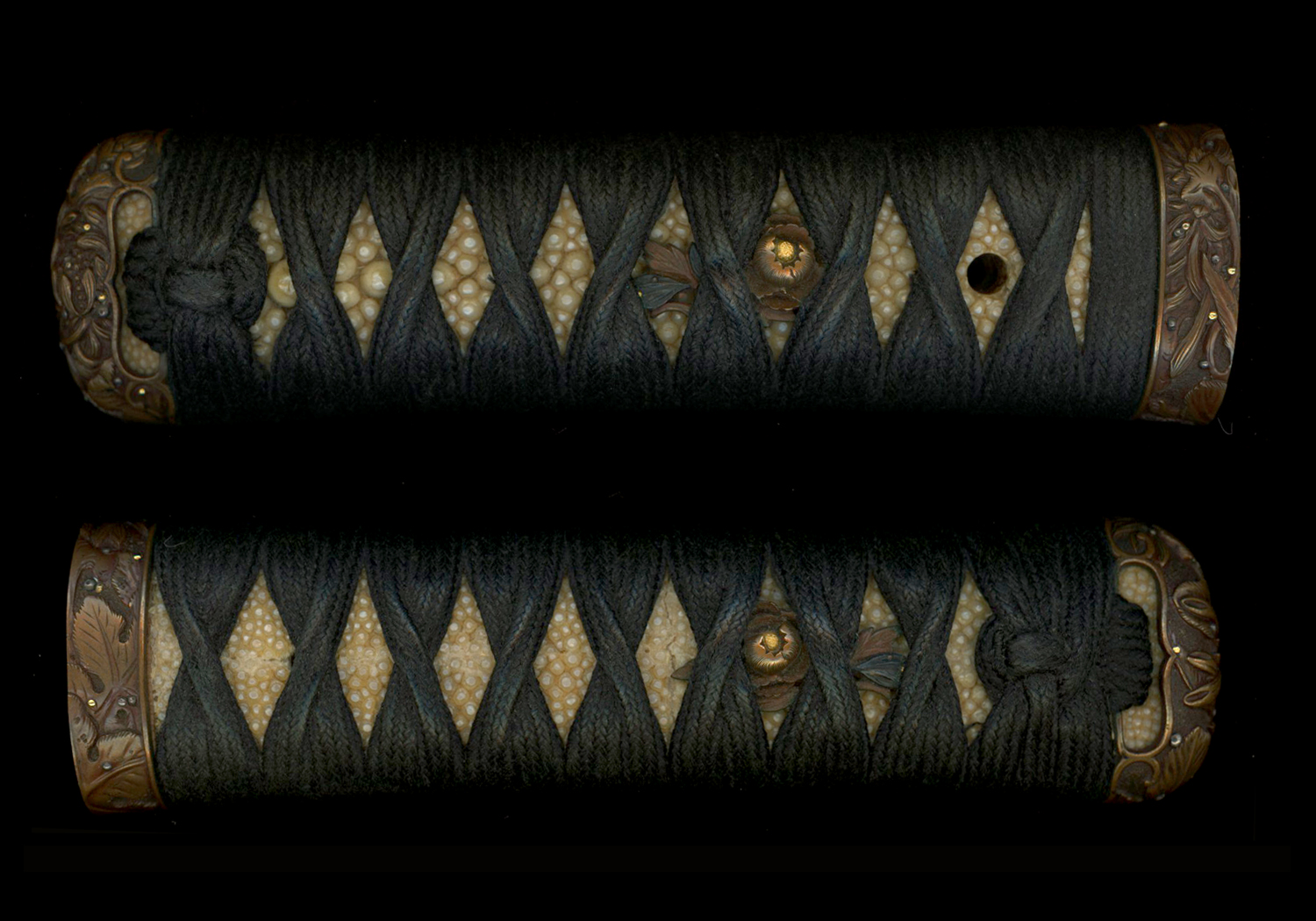
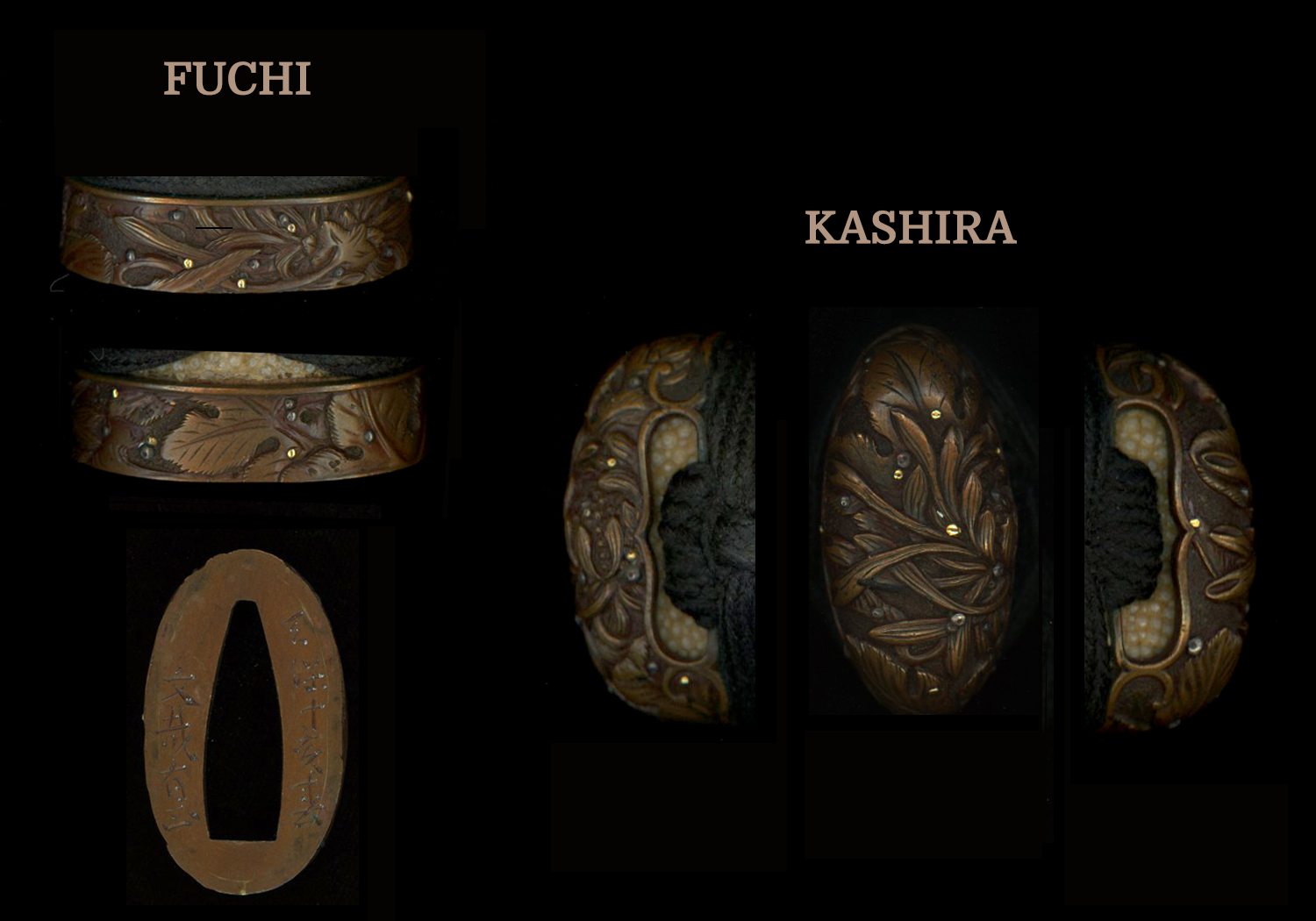
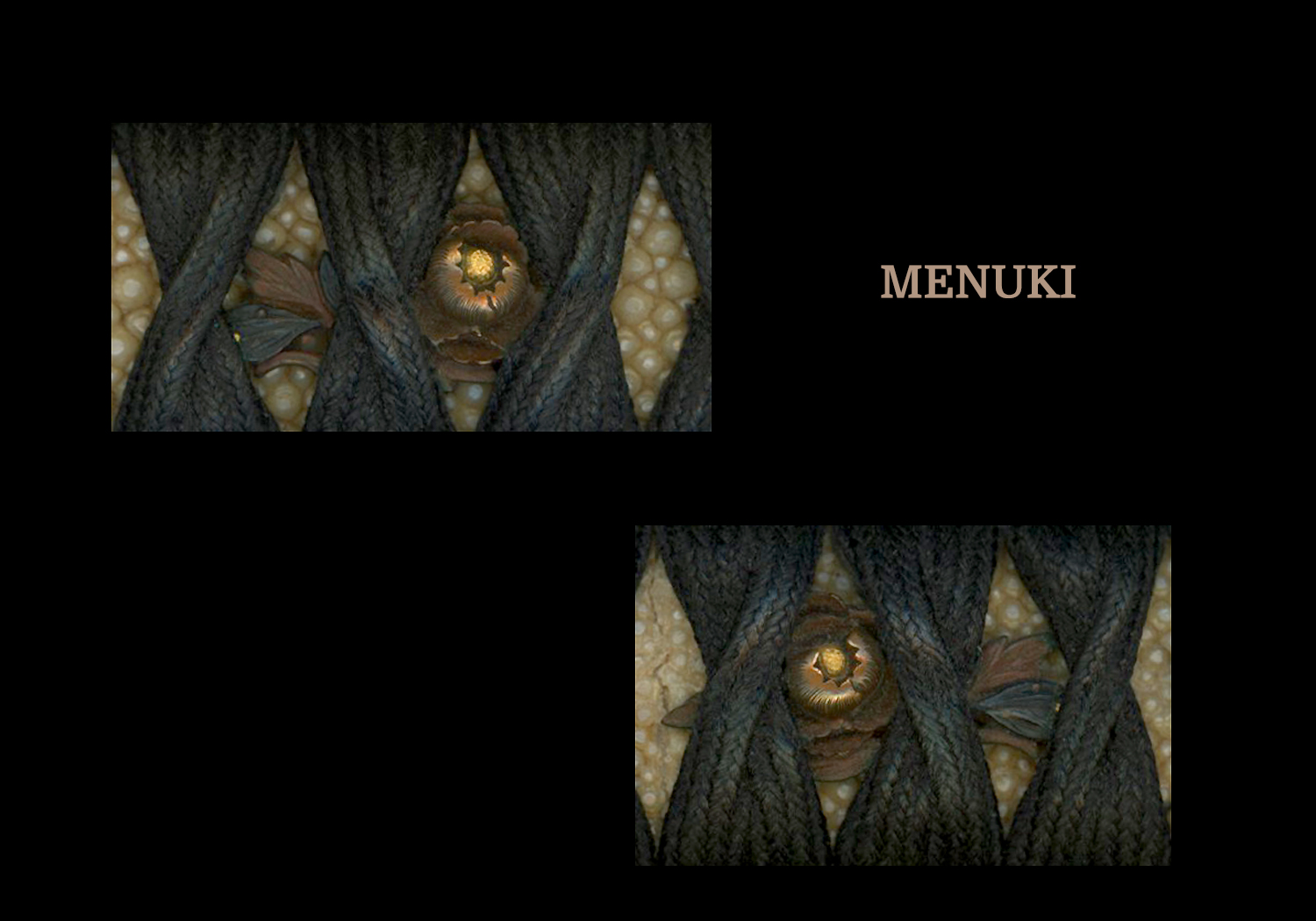
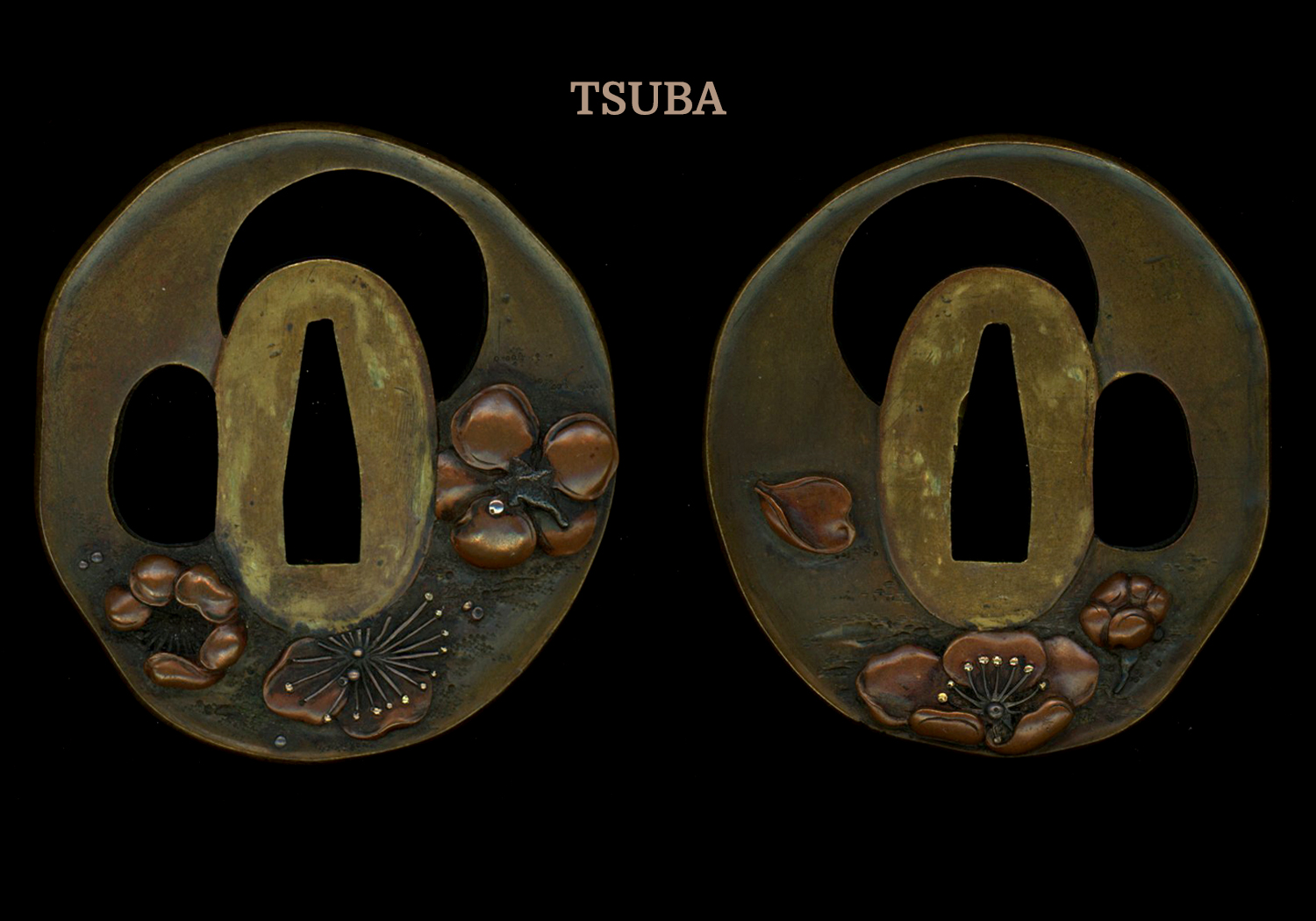
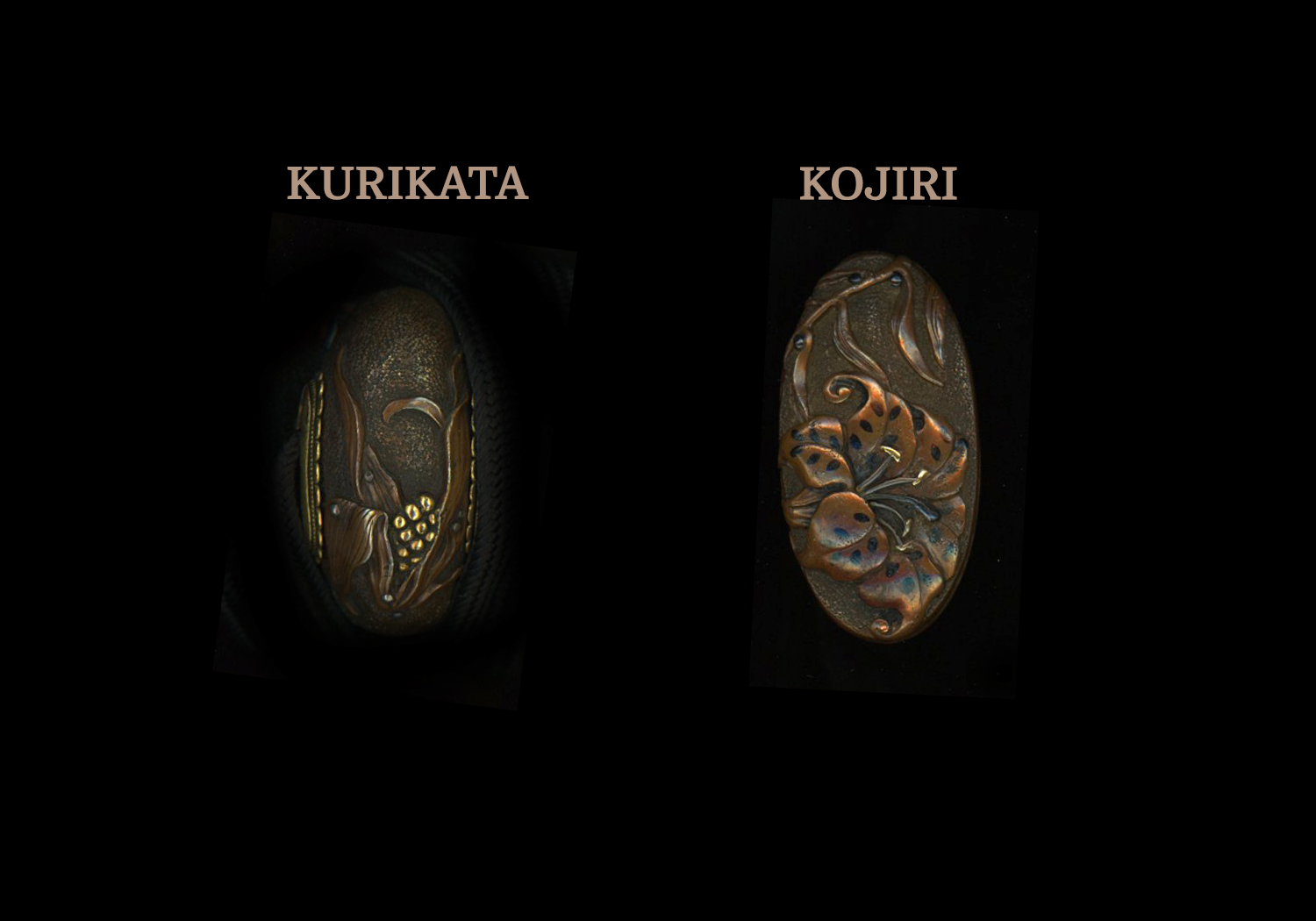
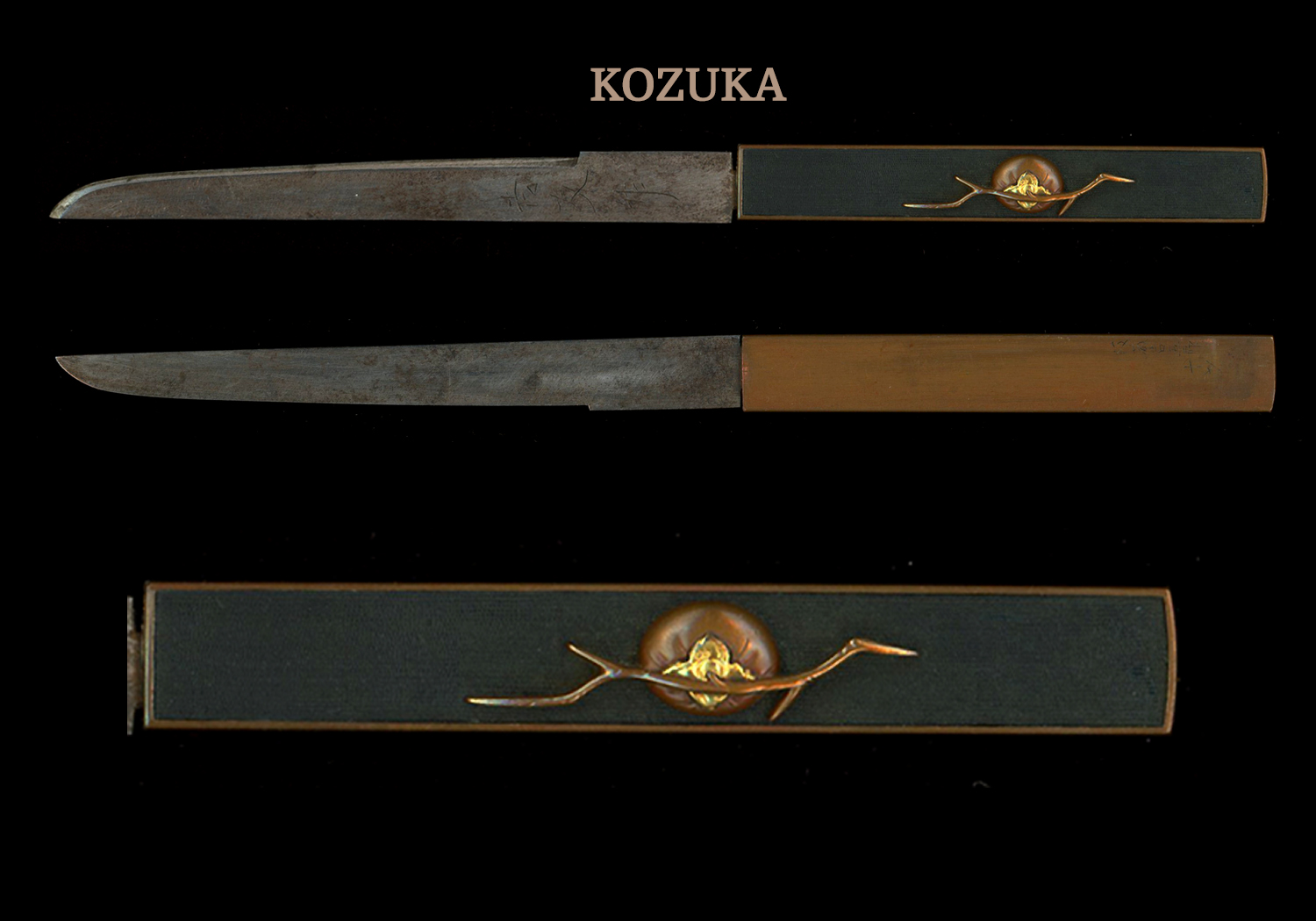
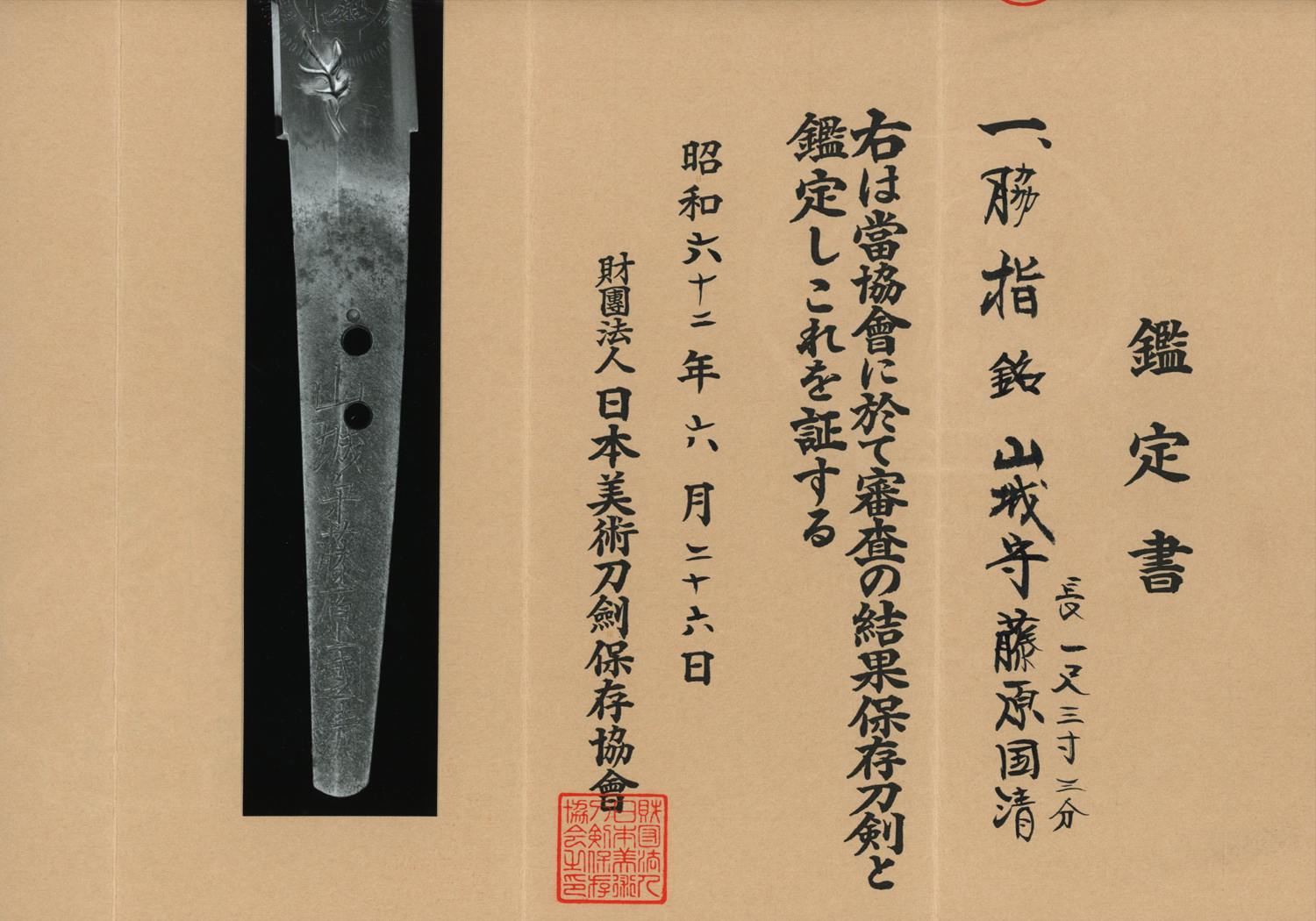
Kunikiyo was born in 1589 in Matsuhiro city in Shinshu. His given name was Shimada Kichiemon and he was a student of his father, the third generation Shimana Sukemune. Later he is said to left his hometown and became a student of the famous swordsmith and samurai, Horikawa Kunihiro. He might also have been a student of Horikawa Kunitomo because Horikawa Kunihiro was quite old that the time of Kunihiro’s move to Kyôto. Around 1613 after Kunihiro’s death, Kunikiyo moved to Fukui in Echizen to work for the Daimyô Matsudaira Tademasa. In 1628 he changed his name to Kunikiyo, using the kanji character for Kuni (國) in his new name to honor former Kyôto teacher at the time he was granted the Yamashiro-daijo. He was awarded the Yamashiro-no-kami title in the following year, 1628. At this same time, he also allowed to carve the 16-petal imperial family chrysanthemum mon into his swords, a very high honor. After he was given this honor, he consistently carved the chrysanthemum just below the habaki on his swords. There are conflicting stories about his date and age of death. Some sources say he died in either in 1649 at age 60 or 1665 at age 76. The title and smith’s name were then continued by his son. The work of the first and second-generation Kunikiyo is nearly indistinguishable, both consistently produced high-quality blades. Both are rated as Jô-saku (superior) quality smiths and additionally the Shodai is rated as a wazamono smith (extremely sharpness). They worked mostly in suguha hamon which they mastered like few others. Occasionally there will be a slight bit of midareba. The second generation achieves slightly tighter forging than the first, while the first generation produced brighter crystals in the hamon. Also, the style of signatures between the two generations is nearly indistinguishable with the exception of a few key strokes that differ on a consistent basis. The second generation eventually started to write ichi (一) under the chrysanthemum mon but not on his early works. The major characteristics of Kunikiyo and his school are as follows: SUGATA: His early blades will show definite influences of the Horikawa school of Kunihiro. Blades will show the typical characteristics of the Keicho Shintô school with a wide mihaba, shallow sori and relatively large kissaki. While early blades of Kunikiyo will not be as robust as many of Kunihiro’s students, definite Horikawa traits will be obvious. His later blades will be show more of the traditional, more graceful Yamashiro tradition. The kissakiwill be smaller and the mihaba (width) of the blade will decrease a bit. More along the lines of the Echizen Yasutsugu school. HAMON: Generally, nioi with abundant ko-nie. Chu-suguha is the most prevalent for both of the first two generations. There will be some slight midareba on occasion. On the Shodai’s early works a basic pattern of o-notare mixed with ko-notare and o-gunome as in the Horikawa tradition can be found. His later works will tend to be more along the lines of the quieter and more graceful Yamashiro tradition, as is the case with his sugata. JIHADA: Generally, ko-mokume mixed with masame and masame hada in the shinogi-ji. Sometimes itame mixed with masame will be found. In either case, there will be ji-nie and a great many chikei covering the surface. On many works both sides may be loose grained, more so on the first generation than the second. BÔSHI: Generally, the bôshi is rounded in a ko-maru shape with a fairly long kaeri. Nie-kuzuri and hakikake styles will be often found. NAKAGO/MEI: Kurjiri, and ha-agari kurijiri can be found. The yarisume is sujikai. The mune of the nakago will be square and the ha side will also be square or almost square. The sixteen-petal chrysanthemum will be carved just below the habaki. The nagamei (long signature) will be chiseled neatly almost in printed style in the middle of the nakago just a bit closed to the mune side. The sword presented here is a wakizashi signed Yamashiro no Kami Fujiwara Kunikiyo (山城守藤原国清). It is in the style of swords created in the Kanbun period (1661). It is wide and thick blade with a longer style kissaki. This leads me to believe that it is a blade made by the second generation (Nidai) Kunikiyo. The blade nagasa is 15 13/16 inches or 40.2.0 cm. The sori is shallow measuring 0.20 inches or 0.51 cm. The width at the hamachi is 1.24 inches or 3.16 cm and the width at the kissaki is 0.87 inches of 2.22 cm. The blade is ubu (unshortened) with two mekugi-ana (holes) in the nakago. The jigane is ko-itame mixed with masame and masame above the shinogi in the shinogi-ji. There is abundant chikeithroughout the jigane. The hamon is nie deki done in a shallow notare midare. The nioiguchi is thick with nie and there is sunagashi, and kinsuji here and there along the length of the hamon. The bôshi is pointed and hakikake on the omoteand o-maru on the ura. Neither side has a kaeri. The nakago is ubu with two mekugi-ana and a the long signature carved with a thin chisel reading, Yamashiro no Kami Fujiwara Kunikiyo (山城守藤原国清). This blade comes with a fine set of Edo period koshirae with a black lacquered, ribbed saya. All of the metal fittings including the tsuba, menuki, fuchi and kashira, kozuka, kurikata and kojiri are made of solid copper or in the case of the tsuba, brass with heavy copper decorations. All of the fittings are carved in the form of flowers such as chrysanthemums, iris, kaki (persimmon), lily blossoms, etc. All of the carving has been done in a luscious and highly detailed manner. The fuchi and kashira are signed by Fumichika Arimasa and it is dated the tenth year of Tenpô (1839). I have no reason to doubt that most or all of the other pieces were done by the same craftsman as they are of equal quality. It is in excellent polish and totally without problems or flaws. It comes with a gold wrapped single habaki. It was awarded NBTHK Hozon papers attesting to the quality, condition of the blade, and authenticity of the signature.
NihontoWatch
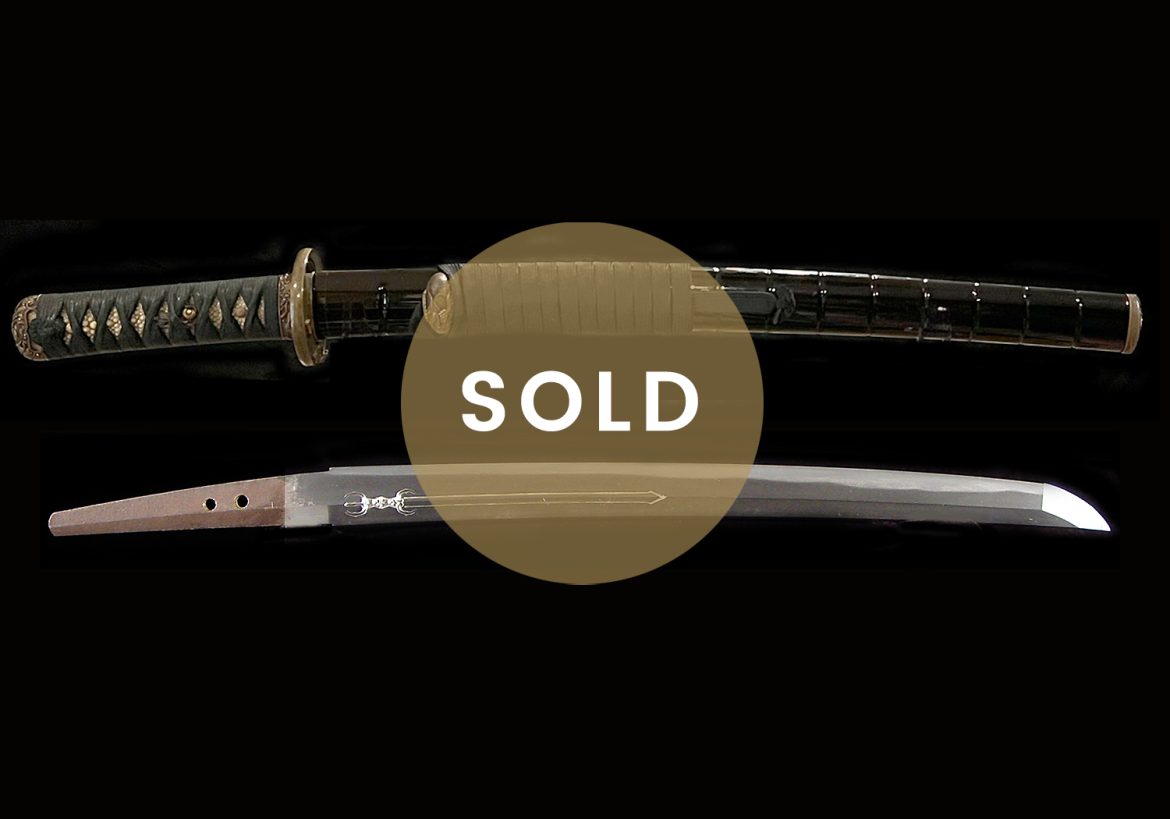
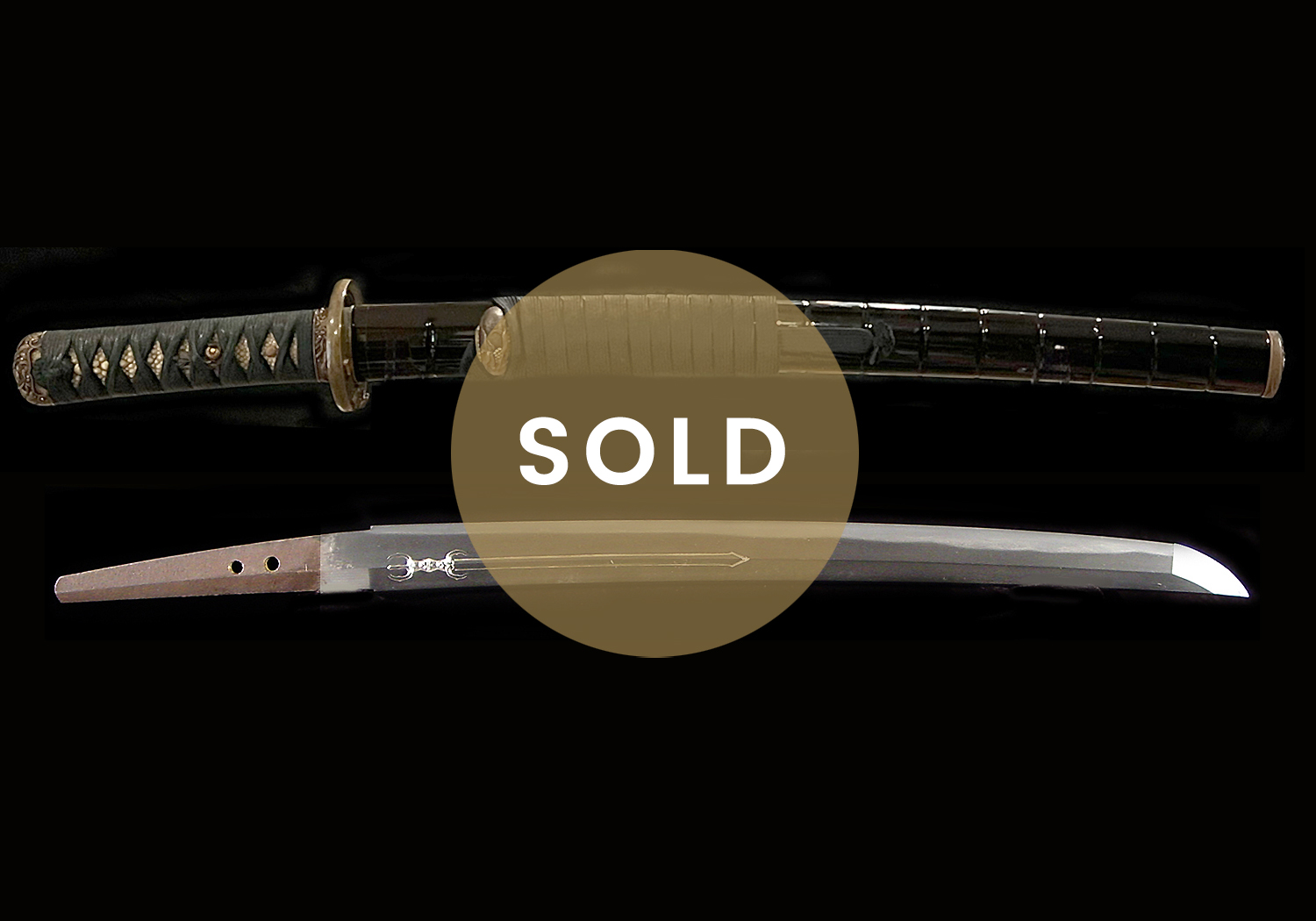
Echizen (Fukui), the Horikawa-derived line: the second-generation Yamashiro-no-kami Kunikiyo (Shinbei) and the successors of the name · 越前 · 1624-1682頃
藤代 上作 · 刀剣大鑑 上位49%
現在3点販売中
菊紋の下に「一」の字を添え、天和二年八月日の年紀を切った短刀は、二代山城守国清を定める拠り所である。説明はこれを「この短刀は二代国清の作で地刃が冴えて出来がよく、天和二年紀も貴重である」[[c:1]]と記す。二代は「新兵衛と称し、初代の次男である」[[c:2]]。初代は信州の人で堀川国広の門に学び、松平家に仕えて越前福井に移り、寛永四年に山城大掾、翌年に山城守を受領し菊花紋を許された。同名数代について説明は「中でも初代が最も技量が高く、次いで二代が達者である」[[c:3]]と序列を明言する。
明確に二代の作とされるもう一口は幅広の平造脇指で、説明は「山城守国清二代の作」[[c:4]]とし、同作並にこの一門にこうした幅広の平造脇指は少ないとする。小板目に地沸つく鍛えに大互の目を焼いて大きく出入りを見せ、僅かに飛焼交じり、足よく入り、砂流しかかり、匂深く沸よくつく。説明は「地刃の出来が極めて見事であり」[[c:5]]、彫物も珍しく立派で、誰の手になるかは不明ながら「当時の越前彫の典型の一口である」[[c:6]]と評する。袈裟落の金象嵌がある。
菊紋の下に「一」を切る刀三口も二代に寄せて読まれる。説明は初代作に「一」の字を用いたものはなく二代以降の作に切るとし、そのうち二口については天和二年紀の短刀と銘字が相似することから「或は二代作とも思われる」[[c:7]]とする。但し国清の代別、就中初・二代を明確に区分することは「現時点では難しく」[[c:8]]、今後の研究に俟つと慎重である。
これらの刀は説明が「国清の最も得意とした直刃の作域」[[c:9]]と呼ぶ直刃を負う。中直刃が処々浅くのたれごころをおび、小足入り、匂深く小沸厚くつき、処々少しくほつれて小さな湯走りを交え、細かに金筋・砂流しがかかり、匂口が沈みごころとなる。帽子は直ぐに小丸、掃きかける。鍛えは板目に杢あるいは小板目を交えて細かに肌立ち、地沸微塵に厚くつき地景細かに入り、かねが黒みをおびて、説明は「北国がねの特色がよく表示されており」[[c:10]]しかも精良であるとする。
乱れ刃も焼く。「一」を切る刀の一口は小互の目・互の目・尖り互の目を焼いて焼刃の出入り激しく、匂深く小沸厚くつき処々叢沸となり、金筋・砂流しがかかって匂口が沈みごころとなる。説明は「国清は最も得意とした作域が直刃であるものの、本作のような乱れ刃の作風もある」[[c:11]]と記す。
二代の指定作は在銘生ぶ茎の重要刀剣数口で、説明は明確に二代とする二口と、天和二年紀の短刀に照らした菊紋下の「一」の字によって彼を位置づける。作風も銘振りも初代に近いため父子の境は説明自身が開いたままとしており、「一」を切る国清は二代に寄せて読まれつつ確定を求められない作である。
國清の位置づけを、日本刀全体および伝法・時代・時期ごとに示します。各区分(随一・屈指・有数・著名)は、NBTHK および文化庁による指定に加え、三作や名物帳などの歴史的栄誉を加味したものです。
各項目を選ぶと評価方法が表示されます。
在銘年紀作が示す、確実に活動していた年代
新刀 · 山城
現在64点販売中
堀川派は、山城国京都の一条堀川を本拠として、十六世紀末から十七世紀初頭にかけて成立した新刀期の一門である。祖の堀川国広はもと日向飫肥の城主伊東家に仕えた武士で、主家没落の後は諸国を遍歴して鍛刀の技を磨き、足利学校打や美濃大道との合作などにその足跡を銘文へ残した。慶長四年(一五九九)以後は京一条堀川に定住し、多くの俊秀を糾合してこれを育てた。その門からは出羽大掾国路、和泉守国貞(親国貞)、河内守国助、越後守国儔、大隅掾正弘、堀川国安らが輩出する。国広以前の関や末相州の作風を経て、定住後の一門は相州伝、就中、志津や貞宗、左文字の復興を共通の理想に掲げた。慶長新刀の姿に南北朝期の大太刀を磨上げた趣を写し、明寿と並んで新刀の創始を称えられる祖を戴いて、この派は京の鍛冶を改めた起点に立つ。 一門の作風は、地鉄にまず標識を持つ。板目に杢や大板目を交えて肌立つ、いわゆる「ザングリとした」枯れた肌合を呈し、地沸が微塵に厚くつき、地景が細かに頻りに入る。区際より斜めに立つ水影は国広自身の手癖で、正弘や国安、国正にも伝わる。刃は浅いのたれを基調に互の目や尖り刃を交えて沸厚く、金筋や砂流しがかかり、処々に湯走りや飛焼を見せ、匂口が沈みごころとなるのが一派に通じる癖である。刃区を深く焼き込む態も国広に始まり門弟へ及ぶ。この共通の地刃の上に、各工は己の差を置く。国路は肌立ちザングリと枯れた地に厚く荒い沸の志津写しを焼き、浅くのたれ込んで先の尖る三品帽子を見せて、一門中随一の器用人と称された。国安は受領銘を用いず必ず二字に切り、左利きゆえに逆筋違の鑢目を切る唯一の工で、その手は最も祖に近い。正弘は大乱れを焼かず、焼を低く刃取りを抑えて目立つ杢を交え、作風も銘字の藤原の二字に至るまで祖に酷似する。国儔はかえって末関に向かい、頭の丸い互の目と締った匂口に兼之を思わせる美濃の一脈を担った。弘幸は一門ただ一人切り鑢を用い、黒みをおびた鉄に古作大和を想わせる直刃を本領とした。 蒐集家が堀川派を求める理由は、鑑定の勘所と、祖と高弟の格にある。在銘作を主体とし、慶長打は太鏨肩落の大振り二字銘や、日州古屋住から洛陽一条堀川住に至る受領銘を交えるため、銘そのものが工と時を定める手懸りとなる。国広の刀は、ザングリの地、斜めの水影、沈む匂口という手癖を写し物の中にすら宿し、相州伝復興の理想を最も高く体現する。高弟もまた、それぞれの極めの言うところで分かたれる。国路の三品帽子と長い金筋、国安の二字銘と逆鑢、正弘の抑えた焼と目立つ杢、国儔の頭の丸い互の目、弘幸の切り鑢と黒い鉄は、いずれも対手から借りた特徴ではなく己の地刃から引かれた標識である。代表作には伝後水尾天皇御寄進の拵を具して幡枝八幡宮に伝わる奉納太刀があり、伝来は日向伊東家、岡山藩家老伊木家、土佐山内家、大島津家、豊臣秀頼、皇室に及ぶ。最晩年の国広作は弟子の代作代銘と読まれるが、師の監督は厳重で偽物とは全く異なる。そして親国貞と河内守国助は国儔に学んで大坂へ下り、大坂新刀の草創に立った。国貞の嗣は井上真改として、その名を一層名高い世代へと継ぐ。京の堀川に始まった相州伝復興の手は、かくして後世の新刀へと流れていった。 詳しく見る →
京 新刀の源流
新刀の時代は、その大部分が京都で発明された。埋忠明寿の工房が運動を育て、堀川国広が一世代を鍛え、鎚を持たぬ本阿弥家が名刀の意味を司った。
銘が正しい、または無銘でも年代・国・系統を確実に指摘できる、保存に値する真正の作と鑑定されたものです。
日本美術刀剣保存協会(NBTHK)は、1948年に設立され、文化庁の監督を受ける公益財団法人で、東京・刀剣博物館に本部を置きます。専門の審査員が出品作を直接審査し、美術的・歴史的価値に応じた鑑定書を発行します。NBTHKの鑑定書は、日本刀および刀装具の真正性を示す最も広く認知された基準です。
NBTHK公式サイトThree-day inspection period and seven-day return period; buyer notifies by email within three days of receipt, no reason needed; full refund once item returned undamaged and unaltered.